Affordable Dentures and Implants Prices: Complete Price Guide 2026
Key Takeaways
- The thought of losing teeth can be daunting, impacting everything from your ability to chew and speak confidently to your overall self-esteem. In fact, according to the American College of Prosthodontists, approximately 120 million Americans are missing at least one tooth, and **36 million are c
Affordable Dentures and Implants Prices: Complete Price Guide 2026
The thought of losing teeth can be daunting, impacting everything from your ability to chew and speak confidently to your overall self-esteem. In fact, according to the American College of Prosthodontists, approximately 120 million Americans are missing at least one tooth, and 36 million are completely edentulous (missing all teeth) in one or both arches. If you're among them, you're likely exploring your options for tooth replacement, and the question of affordable dentures and implants prices is undoubtedly top of mind.
Restoring a full, functional smile is not just about aesthetics; it's vital for your nutritional health, preventing further bone loss, and maintaining the structural integrity of your face. While traditional dentures have long been a solution, advancements in dental technology have introduced highly stable and bone-preserving options like implant-supported dentures. This comprehensive guide will equip you with everything you need to know about these life-changing treatments, including detailed cost breakdowns for 2026, various types available, treatment processes, and practical tips for making these solutions more accessible. We'll delve deep into what are implant dentures and explore the significant benefits of fixed implant dentures, ensuring you have the knowledge to make an informed decision about your oral health investment.
Key Takeaways:
- Traditional dentures can range from $600 to $8,000 per arch, offering an economical entry point but lacking stability and bone preservation.
- Removable implant dentures (supported by 2-4 implants) typically cost $6,000 to $15,000 per arch, providing superior stability and chewing function over traditional dentures.
- Fixed implant dentures (like All-on-4/6) are the most stable option, ranging from $15,000 to $30,000+ per arch, offering a permanent solution that feels and functions most like natural teeth.
- Key cost factors include the number of implants, materials (acrylic, zirconia), geographic location, and additional procedures like bone grafting.
- Dental insurance often provides partial coverage for traditional dentures, while implant-related procedures may have limited or no coverage, making financing options crucial.
- Consider dental schools, payment plans, and third-party financing (e.g., CareCredit) to make treatment more affordable.
What It Is: Understanding Dentures and Dental Implants
Before diving into the specifics of affordable dentures and implants prices, it's essential to understand what these tooth replacement solutions entail. Both aim to restore missing teeth, but they achieve this in fundamentally different ways.
Traditional Dentures: The Removable Solution
Traditional dentures are removable prosthetic devices custom-made to replace missing teeth and surrounding tissues. They consist of a gum-colored acrylic base that fits snugly over your gums, supporting a full or partial set of prosthetic teeth.
- Full Dentures: Used when all teeth in an arch (upper or lower) are missing. The upper denture covers the palate for suction, while the lower denture rests on the gum ridge.
- Partial Dentures: Used when some natural teeth remain. They typically consist of replacement teeth attached to a gum-colored base, often with metal clasps that attach to your existing natural teeth for support.
While traditional dentures are a long-standing solution for tooth loss, they come with certain limitations. They can slip, cause chewing difficulties, and may require adhesives to stay in place. Crucially, they do not stimulate the jawbone, leading to a phenomenon known as bone resorption, where the jawbone gradually shrinks over time, altering facial structure and requiring frequent denture relines or replacements.
Dental Implants: The Foundation of Modern Dentistry
Dental implants are small, screw-shaped posts, usually made of titanium, that are surgically placed into the jawbone beneath the gum line. They act as artificial tooth roots, fusing with the bone in a process called osseointegration. Once integrated, these implants provide a stable, long-lasting foundation for various dental prosthetics, including single crowns, bridges, and, most relevant to this article, implant-supported dentures.
Implants are lauded for their ability to preserve jawbone health, preventing the bone loss associated with missing teeth and traditional dentures. They offer superior stability, chewing efficiency, and a more natural feel compared to conventional removable dentures.
Implant Dentures: The Best of Both Worlds
What are implant dentures? Also known as overdentures, implant dentures combine the benefits of dentures with the stability of dental implants. Instead of resting directly on your gums, these dentures are securely anchored to a few strategically placed dental implants in your jawbone. This dramatically improves stability, chewing power, and comfort, while significantly reducing the risk of slippage or embarrassment.
There are two primary categories of implant dentures: removable and fixed.
Types of Dentures and Implant Dentures
Understanding the different types available is crucial when considering affordable dentures and implants prices. Each option presents a unique balance of cost, stability, and long-term benefits.
Traditional Dentures (Non-Implant Supported)
- Conventional Full Dentures: Made and placed after all remaining teeth are extracted and the gum tissue has healed, which can take several months. During this healing period, you would typically be without teeth unless immediate dentures are used.
- Immediate Full Dentures: Prepared in advance and can be inserted immediately after teeth are extracted. This means you don't have to go without teeth during the healing period. However, as the jawbone and gums heal and shrink, immediate dentures will require adjustments, relines, or even replacement after the healing is complete.
- Partial Dentures: Used when one or more natural teeth remain in the upper or lower jaw. These consist of replacement teeth attached to a gum-colored base, often with metal or sometimes flexible acrylic clasps that hook onto existing teeth.
Implant-Supported Dentures (Overdentures)
Implant dentures offer a significant upgrade in stability and function. They require the surgical placement of at least two to eight dental implants per arch to anchor the denture securely.
Removable Implant Dentures (Snap-In Dentures)
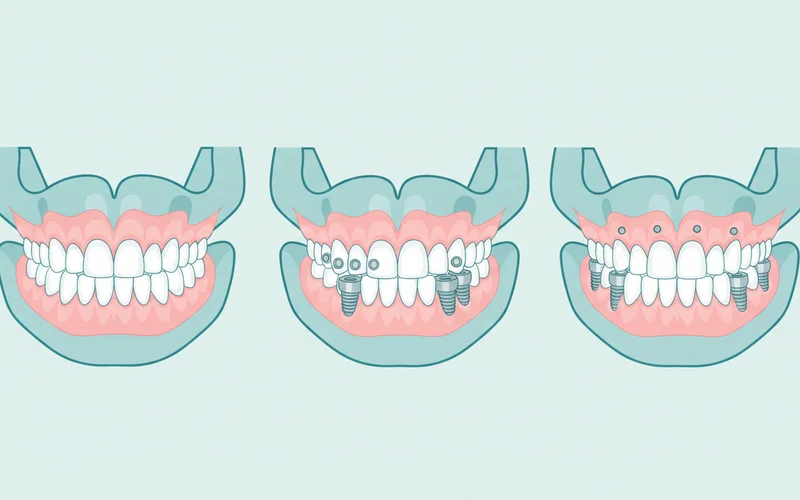
These dentures "snap" onto a small number of implants (typically 2 to 4 implants per arch for the lower jaw, and often 4 implants for the upper jaw due to less dense bone). They offer significantly more stability than traditional dentures but can still be removed by the patient for cleaning and maintenance.
- Locator-Retained: The implants are topped with ball-shaped or locator abutments that fit into corresponding sockets on the underside of the denture. This provides a secure snap-in fit.
- Bar-Retained: A thin metal bar is attached to two to five implants that have been placed in the jawbone. Clips or other attachments are then fitted to the bar, and the denture clips onto the bar. This provides even greater stability and evenly distributes chewing forces.
Pros of Removable Implant Dentures:
- More stable than traditional dentures, improving chewing and speech.
- Reduced slippage and discomfort.
- Helps preserve jawbone structure compared to traditional dentures.
- Easier to clean (can be removed).
- Generally more affordable than fixed implant dentures.
Cons of Removable Implant Dentures:
- Still removable, which some patients dislike.
- Can accumulate food particles under the denture if not cleaned regularly.
- May require periodic adjustments or replacement of attachment components.
Fixed Implant Dentures (Permanent Dentures or All-on-4/6)
Fixed implant dentures are non-removable prostheses that are permanently secured to a greater number of dental implants, typically 4 to 6 implants per arch. The most common example is the All-on-4® or All-on-6® concept, where a full arch of teeth is supported by four or six strategically placed implants, often tilted to maximize bone contact and avoid anatomical structures.
Pros of Fixed Implant Dentures:
- Mimic natural teeth in feel and function; they are permanently in place.
- Superior stability and chewing power, allowing you to eat virtually anything.
- Optimal bone preservation, halting bone loss in the jaw.
- Improved speech and comfort with no palate coverage (for upper arches).
- No need for adhesives.
- Long-term solution with proper care.
Cons of Fixed Implant Dentures:
- Highest upfront cost.
- Requires significant surgical procedure and healing time.
- Cleaning requires specific techniques around the prosthesis, similar to natural teeth.
- Not suitable for everyone; requires sufficient bone density or bone grafting.
The Need for Tooth Replacement: Why It Happens
While this article focuses on solutions, understanding the common causes of tooth loss can provide context and highlight the importance of timely intervention.
- Severe Tooth Decay: Untreated cavities can destroy a tooth to the point where it cannot be saved.
- Gum Disease (Periodontitis): This advanced bacterial infection attacks the gums and the bone supporting the teeth, leading to tooth loosening and eventual loss. It's the leading cause of tooth loss in adults.
- Trauma or Injury: Accidents, sports injuries, or falls can knock out teeth.
- Failed Root Canal Treatment: Sometimes, a root canal procedure may not successfully resolve an infection, leading to eventual tooth extraction.
- Genetic Conditions: Certain inherited conditions can predispose individuals to tooth loss.
- Aging: While not a direct cause, the cumulative effects of wear and tear, coupled with increased risk of gum disease or other health issues, can contribute to tooth loss in older adults.
When teeth are lost, it's not just a cosmetic issue. The surrounding teeth can shift, leading to bite problems, jaw joint pain (TMJ disorders), and further bone loss in the edentulous (toothless) areas. This makes finding an appropriate and affordable dentures and implants prices solution a critical step in maintaining overall oral and systemic health.
Treatment Options: A Detailed Comparison
Choosing the right tooth replacement option requires careful consideration of your oral health, lifestyle, and budget. Here's a breakdown comparing the primary solutions:
| Feature | Traditional Dentures | Removable Implant Dentures | Fixed Implant Dentures (All-on-4/6) |
|---|---|---|---|
| Stability | Least stable, prone to slippage | Good, snaps onto implants | Excellent, permanent, feels like natural teeth |
| Chewing Efficiency | ~20-30% of natural teeth | ~60-70% of natural teeth | ~90% of natural teeth |
| Bone Preservation | None, accelerates bone loss | Good, stimulates bone where implants are | Excellent, prevents further bone loss |
| Comfort | Can cause sores, requires adhesives, covers palate | More comfortable, less irritation, no adhesives | Most comfortable, no palate coverage, no adhesives |
| Maintenance/Cleaning | Removed daily for cleaning, soaking | Removed daily for cleaning, soak implants | Brushed like natural teeth, specific flossing tools |
| Treatment Time | Weeks to a few months | Several months (healing time for implants) | Several months (healing time for implants), possible immediate load |
| Cost (per arch) | $600 - $8,000 | $6,000 - $15,000 | $15,000 - $30,000+ |
| Longevity | 5-10 years (with relines) | 10-15+ years (denture component), implants 20+ years | 15-20+ years (prosthesis), implants 20+ years |
Pro Tip: When comparing options, always ask your dentist about the long-term implications for your jawbone. Bone preservation is a significant advantage of implant-supported solutions that traditional dentures simply cannot offer.
Step-by-Step Process: What to Expect
The journey to a new smile varies significantly depending on whether you choose traditional dentures or an implant-supported solution.
Traditional Denture Process
- Initial Consultation & Impressions: Your dentist will examine your mouth, discuss your needs, and take initial impressions (molds) of your jaws and any remaining teeth.
- Tooth Extractions (if necessary): Any remaining unhealthy teeth are carefully extracted. If you opt for immediate dentures, impressions for the denture are taken before extractions.
- Healing Period (for Conventional Dentures): If you're getting conventional dentures, there's a healing period of several weeks to months after extractions for your gums and bone to recover and reshape. During this time, you would wear temporary or immediate dentures if desired.
- Try-In Appointments: Once healing is complete (or if immediate dentures are being fitted), your dentist will create wax models of your dentures for you to "try on." This allows for adjustments to the fit, bite, and appearance of the teeth.
- Denture Delivery & Adjustments: Your finished dentures are delivered. You'll receive instructions on care and use. Several follow-up appointments may be needed for minor adjustments as your mouth adapts to the new prosthetics.
Implant Denture Process (Removable or Fixed)
The process for implant dentures is more complex due to the surgical nature of implant placement.
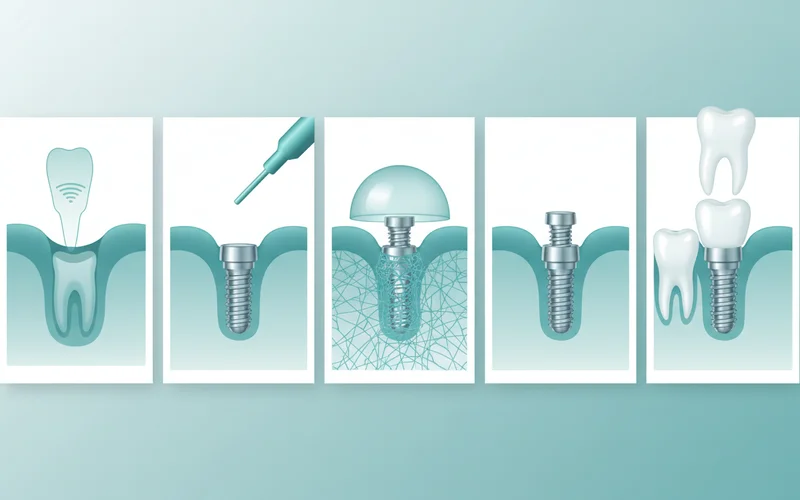
- Comprehensive Examination & Planning:
- This crucial first step involves a thorough oral examination, X-rays, and often 3D Cone Beam Computed Tomography (CBCT) scans. These imaging techniques provide detailed information about your jawbone density, nerve locations, and sinus cavities, allowing for precise implant placement planning.
- The dentist will discuss which type of implant denture (removable or fixed) is best suited for your specific case and budget, addressing affordable dentures and implants prices from the outset.
- Tooth Extractions (if necessary) & Bone Grafting (if needed):
- Any remaining unhealthy teeth that interfere with implant placement will be extracted.
- If the CBCT scan reveals insufficient bone density, a bone grafting procedure may be necessary to build up the jawbone, providing a solid foundation for the implants. This can add several months to the overall treatment timeline.
- Implant Placement Surgery:
- Under local anesthesia (and often sedation), the dentist or oral surgeon will make small incisions in your gums to expose the jawbone.
- Small pilot holes are drilled into the bone at the planned sites, and the titanium dental implants are carefully inserted.
- The gums are then sutured closed over the implants. This typically takes 1-3 hours per arch.
- Healing and Osseointegration (3-6 Months):
- This is the critical phase where the implants fuse with your jawbone. This process, called osseointegration, ensures a strong, stable foundation.
- During this time, you will typically wear a temporary denture (modified traditional denture) so you are not without teeth.
- For fixed implant dentures using the All-on-4/6 concept, sometimes a temporary, fixed prosthesis can be placed immediately after implant surgery (known as "immediate load"), allowing you to leave with a new set of teeth on the same day. However, this depends on bone quality and implant stability.
- Abutment Placement (if not already integrated):
- Once osseointegration is complete, a second minor surgical procedure may be needed to uncover the implants and attach abutments – connectors that protrude through the gum tissue and will support the denture.
- Denture Fabrication and Attachment:
- Impressions are taken of your healed gums and the abutments.
- A dental laboratory custom-fabricates your final implant denture, ensuring a precise fit, comfortable bite, and aesthetic appeal.
- For removable implant dentures, the denture is designed with attachments that snap onto the abutments.
- For fixed implant dentures, the prosthesis is typically secured to the abutments with screws, making it non-removable by the patient.
- Final Adjustments and Follow-Up:
- Your new implant denture is delivered and secured. Your dentist will make any necessary final adjustments to ensure comfort and proper bite.
- Regular follow-up appointments are crucial to monitor the health of your implants and the fit of your denture.
Cost and Insurance: Breaking Down Affordable Dentures and Implants Prices 2026
Understanding the financial investment is often the deciding factor for many patients. When discussing affordable dentures and implants prices, it's important to recognize that "affordable" is relative to the longevity, comfort, and health benefits provided by each option. Prices can vary significantly based on location, dentist's fees, materials used, and the complexity of your case.
Factors Influencing Cost
- Type of Denture/Implant Solution: As detailed above, traditional dentures are the least expensive, followed by removable implant dentures, and then fixed implant dentures.
- Number of Implants: The more implants required, the higher the overall cost.
- Materials: Acrylic dentures are generally less expensive than those made with higher-quality, more durable materials like zirconia or porcelain for the teeth and gums. Implant materials can also vary, though titanium is standard.
- Additional Procedures: Bone grafting, tooth extractions, sinus lifts, or gum contouring add to the total cost.
- Geographic Location: Dental costs are generally higher in major metropolitan areas and on the coasts compared to rural areas or the Midwest.
- Dentist's Experience & Specialty: Highly experienced prosthodontists or oral surgeons may charge more for their expertise.
- Laboratory Fees: The cost of fabricating the custom denture in a dental lab.
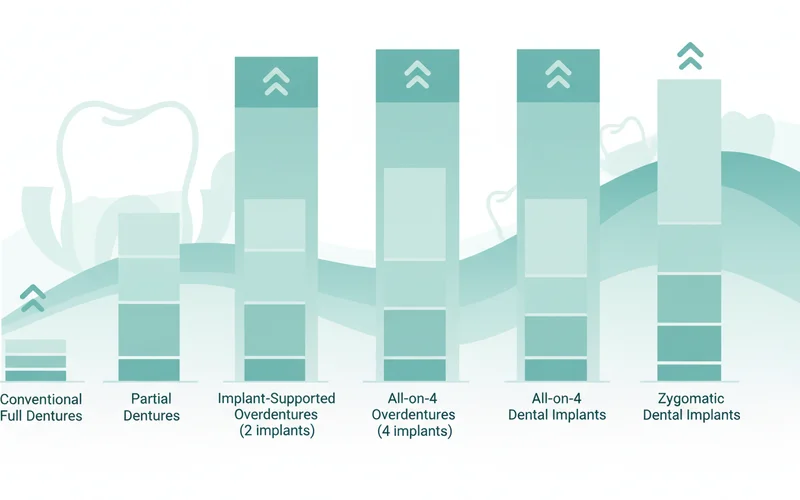
Average US Costs for 2026 (Per Arch)
Please note these are average ranges, and individual quotes will vary. Always get a detailed treatment plan and cost estimate from your dental provider.
Traditional Dentures (Per Arch)
- Economy/Value Dentures: Made with standard materials and basic fabrication.
- Price Range: $600 - $1,500
- Often available at denture clinics, may require more frequent relines/replacements.
- Mid-Range/Custom Dentures: Better quality materials, more custom fit, and natural appearance.
- Price Range: $1,500 - $4,000
- Good balance of aesthetics and function.
- Premium/High-Quality Dentures: Top-tier materials, highly customized for aesthetics and comfort, advanced fabrication techniques.
- Price Range: $4,000 - $8,000+
- Offer the best fit, most natural appearance, and durability for traditional dentures.
Removable Implant Dentures (Snap-In Dentures - Per Arch)
- This includes the cost of 2-4 implants, abutments, and the custom-made overdenture.
- Price Range: $6,000 - $15,000
- Costs can escalate if additional procedures like extractions or bone grafting are needed.
- Upper jaw typically requires more implants (often 4) due to less dense bone.
Fixed Implant Dentures (All-on-4/6 Concept - Per Arch)
- This includes the cost of 4-6 implants, abutments, and a full-arch, non-removable prosthetic bridge.
- Price Range: $15,000 - $30,000+
- Zirconia or high-quality acrylic/titanium prosthetics will be on the higher end.
- Factors like immediate load (teeth in a day) versus conventional healing can also influence the total.
- For a full mouth (upper and lower) fixed implant dentures, the cost can range from $30,000 to $60,000+.
Cost of Individual Dental Implants (for context, not for full arch dentures)
- Single Dental Implant (Post only): $1,600 - $3,000
- Single Implant with Abutment and Crown: $3,000 - $6,000
- Full Mouth Individual Implants (24-28 implants with crowns): This is a very extensive and highly customized treatment, often costing $40,000 - $90,000+. This is distinct from fixed implant dentures like All-on-4, which use fewer implants to support a full arch bridge.
Insurance Coverage for Dentures and Implants
Navigating dental insurance for affordable dentures and implants prices can be complex.
- Traditional Dentures: Most standard dental insurance plans offer some level of coverage for traditional full or partial dentures, often covering 50% to 80% of the cost after your deductible, up to your annual maximum (typically $1,000-$2,000).
- Dental Implants and Implant Dentures: Coverage for dental implants is less common. Many older or basic dental insurance plans do not cover implants at all because they are sometimes considered a "major procedure" or "cosmetic."
- However, a growing number of premium dental insurance plans are starting to offer partial coverage for implants, usually around 10% to 50%, with specific limitations or waiting periods.
- The prosthetic component (the denture itself) supported by implants might be covered under the "major restorative" category, similar to traditional dentures, even if the implant placement isn't fully covered.
- Medical Insurance: In rare cases, if tooth loss is due to a severe accident, trauma, or a medical condition requiring oral surgery, your medical insurance might cover a portion of the implant surgery. This is highly specific and requires detailed documentation from your dentist and physician.
Pro Tip: Always contact your insurance provider directly and request a pre-determination of benefits before starting any major dental work. Your dental office team can often assist with this.
Payment Plans and Financing Options
Even with insurance, the out-of-pocket costs for implant dentures can be substantial. Fortunately, several options can help make these treatments more affordable:
- In-House Payment Plans: Many dental offices offer flexible payment plans, allowing you to pay for your treatment in installments over several months, often with no or low interest.
- Third-Party Financing: Companies like CareCredit, LendingClub Patient Solutions, or GreenSky provide healthcare financing options. They offer various plans, including interest-free periods if paid in full within a certain timeframe, or extended payment plans with fixed interest rates.
- Dental Schools: University dental schools often provide services at a reduced cost. Patients are treated by students under the direct supervision of experienced faculty. This can significantly reduce affordable dentures and implants prices but may involve longer appointment times.
- Flexible Spending Accounts (FSAs) and Health Savings Accounts (HSAs): If you have an FSA or HSA through your employer, you can use these tax-advantaged accounts to pay for qualified dental expenses, including dentures and implants.
- Dental Discount Plans: These are not insurance but membership programs where you pay an annual fee to get discounts (typically 10-60%) on dental services from participating providers.
Recovery and Aftercare
Proper recovery and diligent aftercare are essential for the longevity and success of both traditional and implant-supported solutions.
After Traditional Denture Placement
- Initial Discomfort: Expect some soreness, especially initially. Your gums will need to adjust. Over-the-counter pain relievers can help.
- Speech and Eating Adjustments: It takes time to learn to speak and eat naturally with new dentures. Practice reading aloud and start with soft foods cut into small pieces.
- Sore Spots: Minor adjustments may be needed as your gums adapt. Do not attempt to adjust your dentures yourself; always see your dentist.
- Daily Cleaning: Remove dentures daily for thorough cleaning with a soft brush and denture cleaner. Soak them overnight in a denture solution.
- Oral Hygiene: Continue to brush your gums, tongue, and any remaining natural teeth daily to maintain oral health.
- Regular Check-ups: Visit your dentist annually for denture evaluations, professional cleaning, and oral health checks. Dentures typically need relining or replacement every 5-10 years as your jawbone changes.
After Implant Denture Placement
The initial recovery largely focuses on the surgical sites where the implants were placed.
- Immediate Post-Surgery:
- Pain Management: Your dentist will prescribe pain medication, but over-the-counter options like ibuprofen or acetaminophen are often sufficient for mild discomfort.
- Swelling and Bruising: Expect some swelling and bruising, which can be managed with ice packs applied to the outside of your face.
- Bleeding: Minor bleeding is normal for the first 24-48 hours. Bite gently on gauze pads if needed.
- Diet: Stick to a soft diet for several days to weeks, avoiding hot liquids, crunchy, or sticky foods.
- Oral Hygiene: Follow specific instructions for rinsing (often with a prescribed antiseptic mouthwash) and very gentle brushing around the surgical sites. Avoid spitting or using straws to prevent dislodging blood clots.
- Long-Term Care:
- Osseointegration Period: Be patient during the 3-6 month healing period. Avoid placing excessive pressure on the implants to allow for proper fusion with the bone.
- Denture Care:
- Removable Implant Dentures: Clean the denture daily by removing it and brushing thoroughly. Clean the implant abutments and surrounding gums with a soft brush and floss or interdental brushes.
- Fixed Implant Dentures: Brush and floss around the prosthesis as you would natural teeth. Special brushes, water flossers, and interdental cleaners are often recommended to clean beneath the bridge and around the implants. Your dentist will provide specific instructions.
- Regular Dental Visits: Crucial for monitoring implant health, checking the integrity of the prosthesis, and ensuring proper oral hygiene. ADA guidelines recommend regular check-ups, typically every 6 months.
Prevention: Avoiding the Need for Dentures and Implants
While this article focuses on solutions for missing teeth, prevention is always the best approach. Maintaining your natural teeth through diligent oral hygiene and regular dental care can help you avoid the need for dentures or implants.
- Brush Twice Daily: Use a fluoride toothpaste and a soft-bristled brush to remove plaque and food particles.
- Floss Daily: Flossing removes plaque and food from between teeth and under the gum line, areas your toothbrush can't reach effectively.
- Regular Dental Check-ups and Cleanings: Visit your dentist at least twice a year for professional cleanings and examinations. This allows for early detection and treatment of issues like cavities and gum disease.
- Healthy Diet: Limit sugary foods and drinks that contribute to tooth decay.
- Avoid Tobacco Products: Smoking and chewing tobacco are major risk factors for gum disease and oral cancer, both of which can lead to tooth loss.
- Wear a Mouthguard: If you play contact sports or grind your teeth at night, a custom-fitted mouthguard can protect your teeth from trauma and excessive wear.
- Address Dental Problems Promptly: Don't ignore toothaches, bleeding gums, or sensitivity. Early intervention can save a tooth.
Risks and Complications
Like any medical procedure, there are potential risks and complications associated with both traditional dentures and dental implants.
Risks of Traditional Dentures
- Sore Spots and Irritation: Ill-fitting dentures can rub against gums, causing sores.
- Speech Difficulties: New dentures can temporarily alter speech patterns.
- Chewing Limitations: Reduced chewing efficiency compared to natural teeth.
- Accelerated Bone Loss: Without tooth roots to stimulate the jawbone, traditional dentures can actually speed up bone resorption, leading to a shrinking jaw and changes in facial structure over time.
- Instability and Slippage: Especially with lower dentures, they can move or fall out, causing embarrassment and difficulty eating.
- Fracture: Dentures can break if dropped or subjected to excessive force.
Risks and Complications of Dental Implants and Implant Dentures
While dental implants have a high success rate (over 95%), complications can occur:
- Infection: Infection at the implant site is a rare but serious risk, particularly if proper oral hygiene isn't maintained.
- Implant Failure (Lack of Osseointegration): The implant may not fuse successfully with the jawbone. This can be due to poor bone quality, smoking, certain medical conditions, or excessive force during healing. If an implant fails, it may need to be removed and, after a healing period, potentially replaced.
- Nerve Damage: Though rare, improper implant placement could injure nerves, leading to numbness, tingling, or pain in the lips, gums, tongue, or chin.
- Sinus Issues: For upper jaw implants, if they protrude into the sinus cavity, it can cause sinusitis.
- Peri-implantitis: This is an inflammatory condition affecting the tissues surrounding a dental implant, leading to progressive bone loss around the implant. It's similar to gum disease and is often caused by poor oral hygiene.
- Mechanical Complications: The prosthetic components (screws, abutments, or the denture itself) can sometimes break or loosen, requiring repair or replacement.
Adhering to your dentist's pre- and post-operative instructions and maintaining excellent oral hygiene are the best ways to minimize these risks.
Detailed Cost Breakdown by Type and Regional Variations
To provide a truly comprehensive guide on affordable dentures and implants prices, let's delve deeper into typical pricing scenarios and how they vary.
Cost Modifiers and Additional Procedures
It's important to budget for potential additional procedures that may be required before or during your denture or implant process:
- Tooth Extractions:
- Simple Extraction: $75 - $300 per tooth
- Surgical Extraction (impacted, complex): $150 - $650 per tooth
- Bone Grafting: If you have insufficient jawbone to support implants, grafting may be necessary.
- Minor Graft (socket preservation): $300 - $800 per site
- Major Graft (block graft, sinus lift): $1,500 - $3,000+ per site
- This procedure adds significant cost and several months to the overall treatment timeline.
- Sedation: To ensure comfort during surgical procedures.
- Nitrous Oxide (Laughing Gas): $50 - $150 per visit
- Oral Sedation: $200 - $500 per visit
- IV Sedation: $400 - $1,000+ per hour (often by an anesthesiologist)
- Temporary Dentures: While waiting for final dentures or implant healing.
- $400 - $1,500 per arch (immediate conventional denture)
Regional Price Variations in the US
Dental costs are not uniform across the United States. Generally, you can expect higher prices in:
- Northeast: New York, Boston, Washington D.C.
- West Coast: Los Angeles, San Francisco, Seattle
- Major Metropolitan Areas: Chicago, Miami, Dallas
Conversely, costs tend to be slightly lower in:
- Midwest: Kansas, Nebraska, Iowa
- Southern States: Alabama, Mississippi, Arkansas (outside major cities)
- Rural Areas nationwide
For example, a premium full conventional denture might cost $7,000 in New York City but $4,500 in rural Arkansas. Similarly, an All-on-4 procedure that costs $28,000 in San Francisco might be found for $20,000 in Oklahoma City. This regional difference is one reason why travel for dental care is sometimes considered for major procedures, though it comes with its own logistical considerations.
Frequently Asked Questions
What are implant dentures?
Implant dentures are prosthetic teeth that are securely anchored by dental implants surgically placed into your jawbone. Unlike traditional dentures that rest on your gums, implant dentures offer superior stability, chewing function, and help preserve jawbone health, preventing the bone loss associated with missing teeth.
What is the cost of affordable dentures and implants prices?
The cost varies widely. Traditional dentures range from $600 to $8,000 per arch. Removable implant dentures (snap-in) cost $6,000 to $15,000 per arch, while fixed implant dentures (like All-on-4/6) are $15,000 to $30,000+ per arch. Prices depend on the type, materials, number of implants, and geographic location.
Are fixed implant dentures truly permanent?
Yes, fixed implant dentures are designed to be permanent and are not removable by the patient. They are securely screwed onto the dental implants, providing a stable, natural-feeling set of teeth that functions much like your original teeth. Only your dentist can remove them for professional cleaning or maintenance.
Is getting implant dentures painful?
The implant placement surgery is performed under local anesthesia, so you won't feel pain during the procedure. Sedation options are also available to enhance comfort. After surgery, some discomfort, swelling, and bruising are common, but these can be managed with prescribed pain medication and over-the-counter pain relievers.
How long does the implant denture process take?
The entire process for implant dentures can take anywhere from 4 to 9 months, or even longer if bone grafting is required. This timeline includes initial consultations, tooth extractions, implant placement surgery, a critical healing period for osseointegration (3-6 months), and finally, the fabrication and attachment of your custom denture.
Can I get "teeth in a day" with implant dentures?
Yes, for some patients, the All-on-4/6 concept allows for "teeth in a day" where a temporary fixed prosthesis is attached immediately after implant placement. This is possible if you have sufficient bone quality and the implants achieve enough initial stability. A permanent prosthesis is typically placed after the implants have fully healed.
How do I clean fixed implant dentures?
Fixed implant dentures are cleaned like natural teeth, requiring regular brushing and flossing. Your dentist will likely recommend specific tools, such as water flossers, interdental brushes, or specialized floss, to effectively clean beneath the bridge and around the implant sites. Regular professional cleanings are also essential.
Does dental insurance cover implant dentures?
Coverage varies significantly. Many standard dental insurance plans offer limited or no coverage for dental implants. However, some premium plans may cover a portion (e.g., 10-50%) of the implant placement or the prosthetic component. It's crucial to check with your insurance provider for specific details and limitations.
What are the alternatives if implant dentures are too expensive?
If implant dentures are beyond your budget, traditional full or partial dentures are a more affordable option. While they offer less stability and don't prevent bone loss, they can restore chewing function and aesthetics. You can also explore financing plans, dental schools, or dental discount plans to make implant dentures more accessible.
How long do implant dentures last?
With proper care and regular dental check-ups, the dental implants themselves can last 20 years or even a lifetime. The prosthetic denture attached to the implants may need to be replaced or relined after 10-15 years due to normal wear and tear or changes in your oral tissues.
When to See a Dentist
Maintaining optimal oral health requires proactive care and knowing when to seek professional help. If you're considering dentures or implants, or if you already have them, pay attention to the following signs:
For Missing Teeth or Deteriorating Oral Health:
- Difficulty Chewing or Speaking: If missing teeth or failing dental work significantly impacts your ability to eat a varied diet or communicate clearly.
- Chronic Pain or Discomfort: Persistent toothaches, gum pain, or jaw discomfort.
- Shifting Teeth: Noticeable movement of your remaining natural teeth into spaces left by missing teeth.
- Changes in Facial Structure: A "sunken" appearance around the mouth or a change in your bite due to bone loss from missing teeth.
- Bleeding or Swollen Gums: Signs of advanced gum disease that could lead to further tooth loss.
- Concern about Affordable Dentures and Implants Prices: If you're researching options for tooth replacement and want personalized advice and a comprehensive treatment plan, including a detailed cost estimate for affordable dentures and implants prices.
For Existing Dentures or Implants:
- Loose or Ill-Fitting Dentures: If your traditional dentures are constantly slipping, causing sores, or requiring excessive adhesive. This is a common sign they need a reline or replacement.
- Pain or Swelling Around Implants: Any persistent pain, redness, swelling, or pus around a dental implant is a red flag and requires immediate attention to rule out infection or peri-implantitis.
- Difficulty Cleaning Under Fixed Implant Dentures: If you're struggling to maintain hygiene under a fixed bridge, your dentist can provide guidance or recommend specialized tools.
- Cracked or Broken Dentures/Prostheses: If any part of your denture or implant-supported bridge is damaged.
- Changes in Bite: If your bite feels off or uncomfortable.
Emergency vs. Scheduled Appointment:
- Emergency (see a dentist immediately): Severe, uncontrolled pain; sudden, significant swelling; profuse bleeding; a loose or broken implant; or a denture that has completely broken and makes eating impossible.
- Scheduled Appointment: Routine check-ups, discomfort from ill-fitting dentures (not severe), questions about upgrading from traditional dentures to implant dentures, or discussing affordable dentures and implants prices for future treatment.
Your oral health is intrinsically linked to your overall well-being. Don't delay addressing concerns about missing teeth or the health of your existing dental prosthetics. Consulting with a qualified dental professional on SmilePedia.net can help you navigate your options and find the best, most affordable dentures and implants prices solution for your unique needs.
Frequently Asked Questions
Medically Reviewed Content
This article was written by our dental health editorial team and reviewed for medical accuracy. Our content follows strict editorial guidelines for reliability and trustworthiness.
Medical Disclaimer
This article is for informational purposes only and does not constitute medical advice. Always consult with a qualified dental professional for diagnosis and treatment. Do not delay seeking professional advice because of something you read on this website.
Related Articles
Implantologist: Complete Guide
Losing a tooth can be a significant setback, impacting not only your smile but also your ability to speak, chew, and maintain overall oral health. In fact, over 3 million Americans currently have dental implants, and that number is projected to grow significantly as more people seek a durable, n
March 8, 2026
Dentures Over Implants: Complete Guide
Missing multiple teeth or even an entire arch can profoundly impact your life, affecting everything from your ability to chew and speak to your self-confidence. For millions of Americans, traditional removable dentures have long been a solution, but they often come with compromises: slipping, discom
March 8, 2026
Implants Process: Complete Guide
Missing teeth can impact more than just your smile; they can affect your ability to eat, speak, and even your overall confidence. In fact, over 178 million Americans are missing at least one tooth, and about 40 million are missing all of their teeth. When faced with tooth loss, understanding the
March 8, 2026
Implants Dentaires: Complete Guide
Missing teeth can dramatically impact not just your smile, but your overall health, confidence, and quality of life. In the United States, an estimated 178 million adults are missing at least one tooth, while approximately 40 million are missing all their teeth. These statistics underscore a
March 8, 2026