Dentures Over Implants: Complete Guide
Key Takeaways
- Missing multiple teeth or even an entire arch can profoundly impact your life, affecting everything from your ability to chew and speak to your self-confidence. For millions of Americans, traditional removable dentures have long been a solution, but they often come with compromises: slipping, discom
Missing multiple teeth or even an entire arch can profoundly impact your life, affecting everything from your ability to chew and speak to your self-confidence. For millions of Americans, traditional removable dentures have long been a solution, but they often come with compromises: slipping, discomfort, and the need for messy adhesives. Imagine a solution that offers the stability and comfort you once had with natural teeth. This is where dentures over implants, also known as implant-supported or implant-retained overdentures, revolutionize the experience of tooth replacement. This comprehensive guide from SmilePedia.net will explore how dental implants can securely anchor your dentures, providing a superior alternative that enhances oral health, functionality, and quality of life. We'll delve into the various types, the treatment process, costs, recovery, and what makes this modern dental solution a game-changer for those seeking a more permanent and comfortable way to restore their smile.
Key Takeaways:
- Dentures over implants offer superior stability, comfort, and chewing efficiency compared to traditional removable dentures by anchoring to dental implants in the jawbone.
- Types vary: They can be removable (implant-retained, typically 2-4 implants) or fixed (implant-supported, often 4-6+ implants per arch), with All-on-4/6 being popular fixed options.
- Cost ranges: For a full arch, prices can vary significantly, from $10,000 to $25,000 for implant-retained removable overdentures and $20,000 to $50,000+ for fixed implant-supported dentures (like All-on-4/6) per arch. This includes implants, abutments, and the denture.
- Treatment timeline: The entire process usually spans 4 to 9 months, including implant placement surgery, a healing period (3-6 months for osseointegration), and denture fabrication and fitting. Immediate load options can shorten this for specific candidates.
- Insurance coverage: Most dental insurance plans offer limited coverage for dental implants, often 10-50% of the implant procedure, but may cover a higher percentage of the denture component. Financing and payment plans are widely available.
- Maintenance: Requires diligent oral hygiene, including regular brushing, flossing (for fixed options), specialized cleaning for removable overdentures, and routine dental check-ups every 6 months to ensure implant health and denture integrity.
- Benefits: Enhanced chewing power, improved speech, preserved jawbone, elimination of adhesives, and increased self-confidence.
What It Is / Overview
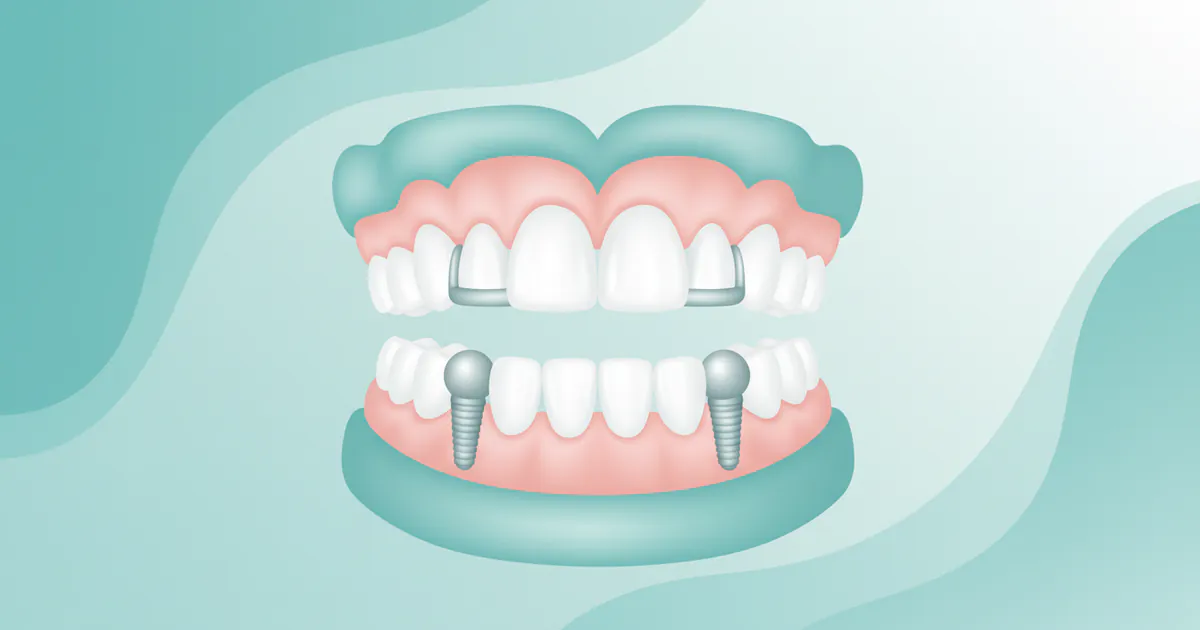
Dentures over implants represent a significant advancement in prosthetic dentistry, offering a stable and comfortable solution for individuals who have lost multiple or all of their teeth. Unlike traditional dentures that rest on the gums and rely on suction or adhesives, implant-supported or implant-retained dentures are securely fastened to dental implants surgically placed in the jawbone. These implants act as artificial tooth roots, providing a strong foundation for the denture.
The term "overdenture" refers to a removable or fixed dental prosthesis that covers and rests on one or more remaining natural teeth, tooth roots, or dental implants. When supported by implants, these dentures offer vastly improved stability and retention. This increased stability translates to better chewing efficiency, clearer speech, and greater comfort, significantly improving the quality of life for the wearer. The implants also help stimulate the jawbone, preventing the bone loss that often occurs after tooth extraction when traditional dentures are worn. This bone preservation helps maintain facial structure over time.
Types / Variations
The approach to dentures over implants can vary significantly based on the number of implants used, the method of attachment, and whether the denture is removable or fixed. Understanding these variations is crucial for choosing the right solution for your specific needs and budget.
Removable Implant Overdentures (Implant-Retained)
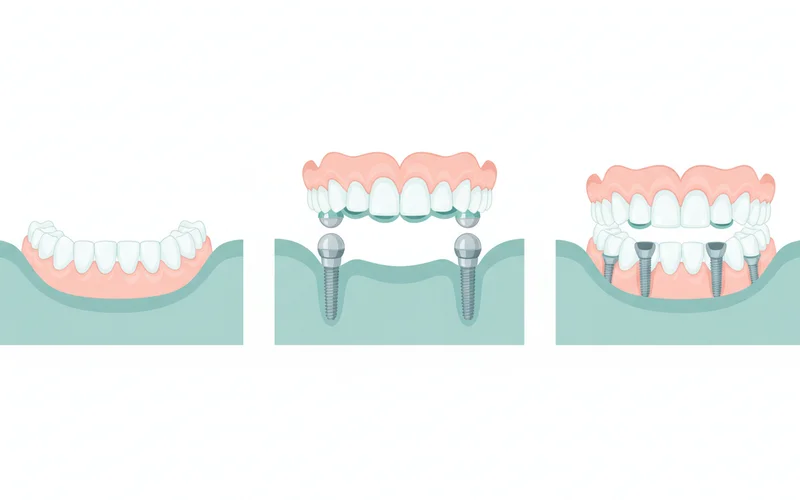
These dentures "snap" onto a small number of implants (typically 2 to 4 in the lower jaw and 4 to 6 in the upper jaw) using various attachment mechanisms. While they are still removable for cleaning, they offer far superior stability compared to traditional dentures.
- Locator Attachments: These are common attachments featuring a small, dome-shaped component on the implant and a corresponding socket within the denture. They allow the denture to snap firmly into place but can be removed by the patient.
- Bar-Retained Overdentures: In this system, multiple implants are connected by a custom-milled metal bar. The denture then clips or clasps onto this bar, providing excellent stability and even distribution of chewing forces.
- Benefits: More affordable than fixed options, easier to clean (as they are removable), and still provide significant improvements in stability and comfort.
- Considerations: Still requires daily removal for cleaning, and while stable, they may have a slight amount of movement compared to fixed options.
Fixed Implant Overdentures (Implant-Supported)
Also known as permanent implant dentures, these prostheses are securely screwed or cemented onto a greater number of dental implants and cannot be removed by the patient. They most closely mimic the feel and function of natural teeth.
- All-on-4® / All-on-6® / All-on-X Systems: These popular techniques involve strategically placing four, six, or more implants in the jawbone to support an entire arch of teeth. The implants are often placed at an angle to maximize bone contact and avoid anatomical structures, making them suitable even for patients with some bone loss. The denture (often made of acrylic, zirconia, or a hybrid material) is then permanently attached to these implants.
- All-on-4: A cost-effective solution often used for the lower jaw, providing excellent stability with fewer implants.
- All-on-6 (or more): Often preferred for the upper jaw or in cases where greater support and longevity are desired, as more implants distribute the chewing forces more evenly.
- Zirconia Full-Arch Bridges: These are highly aesthetic and durable fixed options. The bridge is milled from solid zirconia, a ceramic material known for its strength and natural appearance, and is then permanently affixed to a series of implants.
- Benefits: Exceptional stability, superior chewing efficiency, natural look and feel, eliminates the need for adhesives, bone preservation, and no need for daily removal.
- Considerations: Higher cost, more complex surgical procedure, and professional cleaning is required (though patients still clean daily).
Partial Implant Dentures / Partial Teeth Implants
While the primary focus of "dentures over implants" often refers to full arch replacement, implants can also support partial dentures, offering a more stable alternative to traditional removable partial dentures.
- Implant-Retained Partial Dentures: For patients missing several adjacent teeth but not an entire arch, a partial denture can be fabricated to snap onto one or two strategically placed implants. This prevents the partial denture from rocking or shifting, offering increased comfort and function compared to clasps on natural teeth. This can also reduce the strain on existing natural teeth.
- Benefits: Excellent stability for partial tooth replacement, preserves remaining natural teeth, prevents bone loss in the edentulous area.
- Considerations: Requires sufficient bone where implants are placed, similar care to removable implant overdentures.
Causes of Tooth Loss Requiring Implant Overdentures
The need for extensive tooth replacement, often leading to dentures over implants, typically stems from several common dental issues. Understanding these causes highlights the importance of timely treatment and preventive care.
- Severe Periodontal Disease (Gum Disease): This is the leading cause of tooth loss in adults. Untreated gum disease leads to the destruction of the bone and tissues supporting the teeth, causing them to loosen and eventually fall out or require extraction.
- Extensive Tooth Decay: Chronic and untreated cavities can destroy a tooth to the point where it cannot be restored with fillings, crowns, or root canals, necessitating extraction.
- Dental Trauma: Accidents, sports injuries, or falls can result in the loss of multiple teeth or severe damage that requires extraction.
- Congenital Conditions: Some individuals are born with conditions that lead to missing teeth (anodontia or hypodontia) or teeth that are prone to early loss.
- Failed Restorations: Repeated failure of large fillings, crowns, or bridges over time can compromise tooth structure, eventually leading to extraction.
- Aging: While not a direct cause, the cumulative effect of wear and tear, coupled with decreased ability to maintain oral hygiene, can contribute to tooth loss over decades.
Pro Tip: Regular dental check-ups and good oral hygiene are paramount in preventing the conditions that lead to extensive tooth loss. Early intervention for gum disease or cavities can often save natural teeth.
Signs and Symptoms You Might Benefit from Dentures Over Implants
If you currently wear traditional dentures or are facing extensive tooth loss, certain signs and symptoms indicate that implant-supported or implant-retained dentures could be a superior solution for you.
- Loose or Ill-fitting Dentures: Your current dentures slip, tilt, or fall out frequently, even with adhesives.
- Difficulty Chewing: You struggle to eat certain foods (like steak, apples, nuts) due to denture instability, leading to a restricted diet and potential nutritional deficiencies.
- Sore Spots and Gum Irritation: Constant rubbing from an unstable denture causes chronic sores, discomfort, and inflammation of the gums.
- Muffled Speech or Clicking Noises: Your dentures move when you talk, affecting pronunciation or making embarrassing clicking sounds.
- Shrinking Jawbone: Over time, the jawbone under traditional dentures resorbs, leading to a "caved-in" facial appearance and necessitating frequent denture relines or replacements.
- Reliance on Adhesives: You constantly need to use denture creams or adhesives to keep your dentures in place.
- Self-Consciousness: You feel embarrassed to smile, laugh, or speak in public due to concerns about your dentures.
- Progressive Tooth Loss: If you are losing multiple teeth and are considering full arch replacement, exploring implant overdentures from the outset can prevent future complications and improve long-term outcomes.
Treatment Options for Extensive Tooth Loss
When facing the loss of multiple or all teeth, several treatment pathways are available. While traditional dentures have been a long-standing option, modern dentistry offers more stable and functional alternatives.
Traditional Removable Dentures (Full or Partial)
- Description: These prostheses rest directly on the gum tissue and rely on suction, natural ridges, or clasps (for partials) for retention.
- Pros: Most affordable initial cost, non-invasive (no surgery).
- Cons: Lack of stability, often require adhesives, can cause gum sores, accelerate jawbone loss, restrict diet, affect speech, need frequent relines, and can be uncomfortable.
Dental Bridges (Traditional or Implant-Supported)
- Description: Traditional bridges span a gap created by missing teeth, anchored to adjacent natural teeth (which must be prepared). Implant-supported bridges are anchored to dental implants instead of natural teeth.
- Pros: Fixed solution, good stability (especially implant-supported), natural appearance.
- Cons: Traditional bridges require altering healthy adjacent teeth; both types are typically for smaller gaps, not full arch replacement.
Individual Dental Implants with Crowns
- Description: Each missing tooth is replaced with a single dental implant and a custom crown.
- Pros: Gold standard for single tooth replacement, preserves bone, feels like natural teeth, highly durable.
- Cons: Most expensive option for multiple missing teeth, can be time-consuming for extensive cases.
Dentures Over Implants (Implant-Retained or Implant-Supported)
- Description: As detailed above, these are dentures anchored by dental implants, providing superior stability and function.
- Pros: Significantly improved chewing efficiency, enhanced comfort and confidence, preserves jawbone, eliminates messy adhesives, natural aesthetics (especially fixed options).
- Cons: Higher initial cost than traditional dentures, requires surgical procedure, longer treatment timeline.
Comparison of Treatment Options for Full Arch Tooth Loss
| Feature | Traditional Removable Denture | Implant-Retained Overdenture | Fixed Implant-Supported Denture (e.g., All-on-4) |
|---|---|---|---|
| Stability | Poor (relies on suction/adhesives) | Good (snaps onto implants) | Excellent (permanently affixed) |
| Chewing Power | 10-20% of natural teeth | 50-70% of natural teeth | 80-95% of natural teeth |
| Comfort | Can cause sores, bulky | Much improved, less bulk | Highly comfortable, feels like natural teeth |
| Bone Preservation | No (accelerates bone loss) | Yes (implants stimulate bone) | Yes (implants stimulate bone) |
| Removability | Yes (daily removal) | Yes (daily removal for cleaning) | No (professional removal only) |
| Cost (per arch) | $1,500 - $4,000 | $10,000 - $25,000 | $20,000 - $50,000+ |
| Maintenance | Daily cleaning, relines every few years | Daily cleaning, attachment replacement | Daily brushing/flossing, professional cleaning |
| Impact on Speech | Can be affected | Improved | Most natural |
| Durability | 5-10 years (denture), limited bone support | 10-15 years (denture), excellent bone support | 15+ years (denture), excellent bone support |
Step-by-Step Process for Dentures Over Implants
The journey to receiving implant-supported or implant-retained dentures involves several stages, typically spanning several months. This multi-step process ensures proper healing and successful integration of the implants with the jawbone.
Step 1: Initial Consultation and Planning
- Comprehensive Examination: Your dentist or oral surgeon will perform a thorough oral exam, review your medical history, and discuss your goals.
- Diagnostic Imaging: X-rays, 3D CT scans, and digital impressions are taken to assess the quantity and quality of your jawbone, identify nerve pathways, and precisely plan implant placement.
- Treatment Plan Development: Based on the diagnostics, a personalized treatment plan is created, detailing the type of overdenture, number and location of implants, timeline, and estimated cost.
- Preliminary Impressions: Molds of your mouth are taken to design a temporary denture if needed, and eventually, the final prosthesis.
- Bone Grafting (If Necessary): If insufficient bone density is present, a bone grafting procedure may be required before implant placement. This adds additional time (3-6 months) for the graft to heal and integrate.
Step 2: Dental Implant Placement Surgery
- Anesthesia: Local anesthesia is typically used, often combined with sedation options (oral, IV, or nitrous oxide) to ensure comfort during the procedure.
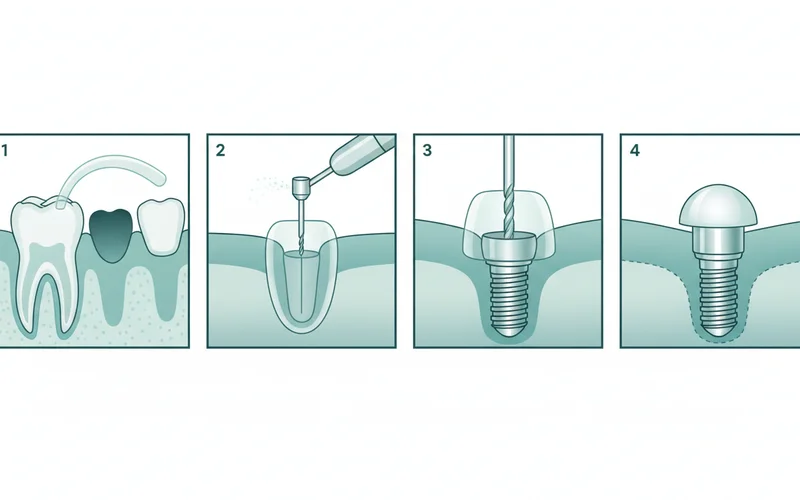
- Incision and Drilling: The gum tissue is gently incised, and a small pilot hole is drilled into the jawbone at the predetermined locations. This is followed by progressively wider drills to create the precise space for the implant.
- Implant Insertion: The titanium dental implants, shaped like screws, are carefully placed into the prepared bone sockets.
- Gum Closure: The gum tissue is then either closed over the implants (submerged healing) or a healing cap is placed on top, leaving the implant visible.
- Temporary Solution: If you are receiving a fixed immediate load denture (e.g., All-on-4), a temporary denture may be attached to the implants on the same day. Otherwise, a temporary conventional denture may be provided to wear during the healing phase.
Step 3: Osseointegration (Healing Period)
- Bone Fusion: This critical phase, lasting typically 3 to 6 months, involves the titanium implants fusing with the surrounding jawbone in a process called osseointegration. This creates a strong, stable foundation for the future denture.
- Monitoring: Your dentist will monitor the healing progress during this period.
- Pro Tip: Strict adherence to post-operative instructions, including diet restrictions and oral hygiene, is essential during osseointegration to ensure successful implant integration.
Step 4: Abutment Placement (Second Stage Surgery, if needed)
- Exposure: If the implants were covered by gum tissue in Step 2, a minor procedure is performed to expose the top of the implants.
- Abutment Attachment: Small connector pieces called abutments are attached to the implants. These extend through the gum tissue and will serve as the attachment points for the denture. For immediate load or single-stage implant procedures, abutments may be placed during the initial surgery.
Step 5: Denture Fabrication and Final Placement
- Impressions: Once the gums have healed around the abutments, precise impressions (molds) of your mouth are taken.
- Denture Design and Try-In: These impressions are sent to a dental lab where your custom denture is fabricated. You will have several try-in appointments to ensure proper fit, bite, aesthetics (tooth shape, color), and comfort. Adjustments are made as needed.
- Final Delivery: Once the denture meets all specifications, it is either permanently attached to the abutments (for fixed dentures) or fitted with the appropriate attachments (e.g., locators or clips) to snap onto the abutments (for removable overdentures).
- Adjustments: Minor adjustments may be necessary in the days or weeks following final placement to optimize comfort and function.
Cost and Insurance for Dentures Over Implants
The investment in dentures over implants can vary widely due to several factors, including the type of overdenture, the number of implants, the materials used, geographic location, and the need for adjunctive procedures like bone grafting.
Average US Price Ranges (Per Arch)
It's important to remember these are general ranges, and a personalized quote from your dental professional is essential.
- Traditional Removable Full Denture: $1,500 - $4,000 (does not include implants).
- Implant-Retained Removable Overdenture (2-4 implants):
- Lower Arch: $10,000 - $20,000
- Upper Arch: $15,000 - $25,000 (often requires more implants due to bone density in the upper jaw)
- This typically includes the implants, abutments, and the custom denture.
- Fixed Implant-Supported Denture (e.g., All-on-4/6):
- Lower Arch: $20,000 - $40,000
- Upper Arch: $25,000 - $50,000+
- This typically covers the implants, abutments, the temporary denture (if applicable), and the final fixed prosthesis (acrylic/titanium hybrid or zirconia).
- Additional Procedures (if needed):
- Tooth Extraction: $75 - $600 per tooth (can vary significantly based on complexity).
- Bone Grafting: $300 - $2,500 per site (depending on material and extent).
- Sinus Lift: $1,500 - $3,000 per sinus (for upper jaw implants where bone height is insufficient).
Regional Cost Variations
Costs can fluctuate based on the region in the US. Major metropolitan areas (e.g., New York, Los Angeles) generally have higher costs compared to rural or less populous areas. For example, an All-on-4 procedure might be $35,000 in NYC but $28,000 in a smaller Midwestern city.
Dental Insurance Coverage
- Limited Coverage: Most standard dental insurance plans offer limited coverage for dental implants. Historically, implants were considered cosmetic, but increasingly, they are recognized as a medically necessary procedure.
- Breakdown of Coverage: Insurance often categorizes the procedure into different components:
- Extractions: Usually covered at 50-80%.
- Bone Grafting/Sinus Lift: May be covered, especially if deemed medically necessary, at 30-50%.
- Implant Placement: Often covered at 10-50%, or limited to a specific dollar amount per implant.
- Abutments: May be covered similarly to implants.
- Denture Fabrication: The prosthetic component itself (the overdenture) is often covered at a higher percentage, similar to traditional dentures (50-80%), as it's viewed as a major restorative procedure.
- Annual Maximums: Most plans have annual maximums ($1,000 - $2,500), which can quickly be exhausted by implant procedures.
- Medical Insurance: In rare cases, if tooth loss is due to a severe accident or medical condition, some medical insurance plans might offer partial coverage, especially for the surgical component. It's crucial to check with both dental and medical insurers.
Payment Plans and Financing Options
Many dental practices understand the significant investment involved and offer various payment solutions:
- In-Office Payment Plans: Some practices allow patients to make payments over a period, often interest-free for a certain duration.
- Third-Party Financing: Companies like CareCredit or LendingClub offer specialized healthcare credit cards with flexible payment terms, including interest-free periods if paid in full within a certain timeframe (e.g., 6, 12, 18, or 24 months).
- Dental Savings Plans: These are not insurance but membership plans where you pay an annual fee and receive discounts (typically 10-60%) on dental procedures from participating providers.
Pro Tip: Always request a detailed written estimate from your dentist, outlining all costs involved, before proceeding with treatment. Then, contact your insurance provider directly to understand your specific benefits and limitations.
Recovery and Aftercare
Successful long-term outcomes for dentures over implants depend heavily on proper recovery and diligent aftercare.
Immediate Post-Surgery Recovery (First 1-2 Weeks)
- Pain Management: Mild to moderate pain is normal. Your dentist will prescribe pain medication or recommend over-the-counter options like ibuprofen.
- Swelling and Bruising: Expect some swelling and bruising, which can be managed with cold compresses applied to the face. Swelling typically peaks 2-3 days after surgery and subsides within a week.
- Bleeding: Slight bleeding or oozing from the surgical sites is normal for the first 24-48 hours.
- Diet: Stick to a soft diet immediately after surgery (e.g., soup, yogurt, mashed potatoes, smoothies). Gradually introduce solid foods as comfort allows. Avoid hot, spicy, crunchy, or chewy foods.
- Oral Hygiene:
- First 24 hours: No rinsing, spitting, or disturbing the surgical site.
- After 24 hours: Gentle rinsing with a prescribed antimicrobial mouthwash (like chlorhexidine) or warm salt water (1/2 teaspoon salt in 8 ounces warm water) 2-3 times a day.
- Brushing: Avoid brushing directly on the surgical sites for several days. Carefully brush other teeth.
- Activity: Rest is crucial. Avoid strenuous physical activity for at least 48-72 hours, and often for a week or more.
- Smoking: Absolutely avoid smoking as it significantly impairs healing and increases the risk of implant failure.
- Follow-Up: Attend all scheduled post-operative appointments for your dentist to monitor healing and remove sutures if necessary.
Long-Term Aftercare and Maintenance
- Oral Hygiene:
- Removable Overdentures: Remove daily for thorough cleaning of the denture with a specialized denture brush and non-abrasive cleanser. Clean around the implant abutments with a soft toothbrush, interdental brush, or Waterpik, as instructed by your dentist.
- Fixed Overdentures: Treat them much like natural teeth. Brush at least twice daily with a soft-bristled toothbrush and non-abrasive toothpaste. Use specialized tools like Waterpiks, interdental brushes, or floss threaders to clean underneath the fixed denture and around the implants, especially where the denture meets the gum line.
- Regular Dental Check-ups: Schedule professional cleanings and examinations every 6 months, or as recommended. Your dentist will check the health of your implants, assess the integrity of your denture, and perform professional cleaning to remove plaque and tartar buildup.
- Diet: While implant-supported dentures restore significant chewing ability, it's wise to avoid excessively hard, sticky, or crunchy foods that could potentially damage the prosthesis over time.
- Nightguard (If Recommended): If you grind or clench your teeth (bruxism), a nightguard may be recommended to protect your implants and denture from excessive force.
- Attachment Replacement: For removable overdentures, the plastic or rubber O-rings/clips within the denture that connect to the implants will wear out over time. They typically need to be replaced every 6-12 months at a cost of $50-$150 per attachment, to maintain optimal retention.
Prevention of Extensive Tooth Loss
While implant overdentures are an excellent solution for tooth loss, preventing the need for them in the first place is always the best approach. Good oral health habits are key.
- Maintain Excellent Oral Hygiene:
- Brush your teeth twice a day for two minutes with fluoride toothpaste.
- Floss daily to remove plaque and food particles from between teeth and under the gumline.
- Consider using an antiseptic mouthwash to reduce bacteria.
- Regular Dental Check-ups and Professional Cleanings: Visit your dentist every six months for comprehensive examinations and professional cleanings. This allows for early detection and treatment of cavities, gum disease, and other issues.
- Balanced Diet: Limit sugary and acidic foods and drinks, which contribute to tooth decay. Emphasize a diet rich in fruits, vegetables, lean proteins, and dairy for overall health and strong bones.
- Avoid Tobacco Products: Smoking and chewing tobacco significantly increase the risk of gum disease, tooth loss, and oral cancer.
- Wear a Mouthguard: If you participate in contact sports, wear a custom-fitted mouthguard to protect your teeth from trauma. If you grind or clench your teeth at night, a nightguard can prevent excessive wear and fracture.
- Address Dental Problems Promptly: Don't ignore tooth pain, bleeding gums, or sensitivity. Seek dental care immediately to prevent minor issues from becoming major problems requiring extraction.
Risks and Complications of Dentures Over Implants
While highly successful, any surgical procedure carries potential risks. Being aware of these can help you make an informed decision and understand what to watch for.
Surgical Risks
- Infection: While rare, infection can occur at the implant site. This is usually treatable with antibiotics, but severe cases may require implant removal.
- Nerve Damage: There's a small risk of damage to nerves during implant placement, which can cause numbness, tingling, or pain in the lips, tongue, gums, or chin. This is often temporary but can be permanent in rare instances. Meticulous planning with 3D imaging significantly reduces this risk.
- Sinus Perforation: When placing implants in the upper jaw, there's a risk of perforating the maxillary sinus. This is typically managed during surgery, sometimes requiring a sinus lift procedure.
- Excessive Bleeding: Some bleeding is normal, but excessive or prolonged bleeding should be reported to your dentist.
- Swelling and Bruising: Common and temporary, as described in the recovery section.
Implant-Specific Complications
- Implant Failure: This occurs when the implant fails to osseointegrate (fuse) with the bone or fails after initial integration. Causes include poor bone quality, infection, excessive early loading, smoking, certain medical conditions (e.g., uncontrolled diabetes), or improper surgical technique. The failure rate for dental implants is generally low, around 1-5%.
- Peri-implantitis: Similar to periodontal disease around natural teeth, peri-implantitis is an inflammatory condition affecting the tissues surrounding a dental implant, leading to progressive bone loss around the implant. It's often caused by poor oral hygiene and can lead to implant failure if untreated.
- Abutment/Screw Loosening: The screws connecting the abutment to the implant, or the denture to the abutment, can occasionally loosen or break. These are usually easy to fix but require a dental visit.
Denture-Related Complications
- Denture Fracture: Like any dental prosthesis, the overdenture material (acrylic, zirconia) can chip, crack, or fracture, especially if subjected to excessive force or accidental drops.
- Wear of Attachments: For removable overdentures, the O-rings or clips that connect the denture to the implants will wear down over time and need periodic replacement to maintain retention.
- Sore Spots: While less common than with traditional dentures, minor sore spots can still occur, especially initially or if the denture fit changes slightly over time. These can usually be resolved with adjustments.
- Aesthetic Concerns: Though rare with proper planning, issues with the aesthetic appearance (tooth size, color, gum line) can occur and may require adjustments or remake of the prosthesis.
Pro Tip: Choosing an experienced and qualified dental professional (periodontist, oral surgeon, prosthodontist, or general dentist with extensive implant training) is crucial to minimize risks and ensure the best possible outcome.
Cost Breakdown for Dentures Over Implants
Understanding the detailed costs associated with dentures over implants is key to financial planning. Beyond the initial procedure, there are ongoing maintenance costs to consider.
Average US Costs (Low, Mid, High)
As noted, these are per arch and can fluctuate.
| Procedure Component | Low Range (US$) | Mid Range (US$) | High Range (US$) | Notes |
|---|---|---|---|---|
| Dental Implant (per implant) | $1,500 | $2,500 | $4,000+ | Titanium implant fixture only. Does not include abutment or crown/denture. |
| Abutment (per implant) | $300 | $600 | $1,000+ | The connector piece between implant and denture. |
| Removable Overdenture (per arch) | $2,000 | $4,000 | $7,000+ | Acrylic denture, often with metal framework. |
| Fixed Hybrid Denture (per arch) | $8,000 | $15,000 | $25,000+ | Acrylic fused to a metal framework, for All-on-4/6. |
| Fixed Zirconia Bridge (per arch) | $15,000 | $25,000 | $40,000+ | Most durable and aesthetic fixed option. |
| Total - 2 Implants + Removable Overdenture (Lower Arch) | $10,000 | $15,000 | $20,000 | Typical for basic implant-retained lower overdenture. |
| Total - All-on-4 (Fixed Hybrid, per arch) | $20,000 | $30,000 | $40,000 | Comprehensive package for full arch replacement. |
With vs. Without Insurance
- Without Insurance: You are responsible for 100% of the costs. This is where financing and payment plans become crucial.
- With Insurance: As discussed previously, dental insurance typically covers a portion of the costs, but rarely 100%. Expect to pay out-of-pocket for a significant percentage, especially up to your annual maximum. For example, if your plan covers 50% of major procedures up to a $2,000 annual maximum, and your total cost is $15,000, you would only receive $2,000 in benefits, leaving $13,000 for you to pay.
Payment Plans and Financing Options
Many practices offer or work with third-party providers to make treatment more accessible:
- In-Office Plans: Discuss direct payment plans with your dental office, which may involve an initial down payment followed by monthly installments.
- Healthcare Credit Cards: Companies like CareCredit are specifically designed for medical and dental expenses. They often offer promotional periods with 0% interest if the balance is paid within a specified time (e.g., 6, 12, 18, or 24 months). Be aware of deferred interest if the balance isn't paid off.
- Personal Loans: Banks and credit unions offer personal loans that can cover dental costs. Interest rates will vary based on credit score.
Cost-Saving Tips
- Dental Schools: University dental schools often provide services at a reduced cost, as procedures are performed by students under the close supervision of experienced faculty.
- Compare Quotes: Don't hesitate to get quotes from multiple qualified dentists or specialists. Costs can vary between practices, even within the same region.
- Understand Your Insurance: Maximize your dental benefits by thoroughly understanding your plan's coverage, deductibles, and annual maximums. If your treatment spans two calendar years, you might be able to split the billing to utilize two annual maximums.
- Payment Plans: Inquire about interest-free payment plans or financing options to spread out the cost over time.
- Prevention: The best "cost-saving tip" is preventing extensive tooth loss in the first place through excellent oral hygiene and regular dental visits.
Frequently Asked Questions
What is the difference between implant-retained and implant-supported dentures?
Implant-retained dentures are typically removable and snap onto a few implants (often 2-4) using locator attachments, providing much better stability than traditional dentures. Implant-supported dentures are fixed, meaning they are permanently screwed onto a greater number of implants (often 4-6 or more) and can only be removed by a dentist, offering the highest stability and chewing function.
How many implants are typically needed for dentures over implants?
For a lower arch, typically 2-4 implants are sufficient for a removable, implant-retained overdenture. For an upper arch, 4-6 implants are often recommended due to softer bone. For fixed, implant-supported dentures (like All-on-4 or All-on-6), the name itself indicates the number of implants used for a full arch.
Is the implant placement surgery painful?
The implant placement surgery itself is performed under local anesthesia, so you should not feel any pain during the procedure. Many patients also opt for sedation to enhance comfort. Afterward, some discomfort, swelling, and bruising are normal for a few days, managed with prescribed pain medication.
How long does the entire process take?
The entire process from initial consultation to final denture placement typically takes 4 to 9 months. This includes the surgical placement of implants, a healing period of 3-6 months for osseointegration (implants fusing with the bone), and the fabrication and fitting of the custom denture. Some immediate load protocols can shorten the time you wear a temporary denture.
What is the success rate of dental implants?
Dental implants boast a high success rate, generally ranging from 95% to 98% over a 10-year period, with careful planning, proper surgical technique, and diligent patient aftercare. Factors like smoking, uncontrolled diabetes, and poor oral hygiene can reduce this success rate.
Can I get dentures over implants if I have bone loss?
Yes, in many cases. While significant bone loss can be a challenge, advancements in techniques like bone grafting and sinus lifts allow many patients with insufficient bone to become candidates. Angled implant placement, as used in All-on-4, also helps maximize existing bone. Your dentist will assess your bone density with 3D imaging.
How do I clean my implant overdentures?
For removable overdentures, you'll take them out daily to clean them thoroughly with a denture brush and a non-abrasive denture cleaner. You'll also need to clean around the implant abutments in your mouth with a soft toothbrush or interdental brush. For fixed overdentures, you'll clean them like natural teeth, brushing twice daily and using specialized tools like floss threaders or a water flosser to clean under the bridge.
What are the alternatives to dentures over implants?
Alternatives include traditional removable full or partial dentures, dental bridges (for smaller gaps), or individual dental implants for each missing tooth (which can be very costly for full arch replacement). Dentures over implants offer a superior balance of stability, function, and cost-effectiveness for extensive tooth loss compared to most alternatives.
How long do implant overdentures last?
The dental implants themselves can last a lifetime with proper care. The overdenture prosthesis, however, typically lasts 10-15 years for acrylic hybrid dentures and potentially 20+ years for highly durable zirconia bridges. Regular maintenance and addressing wear and tear are crucial for longevity.
Does dental insurance cover dentures over implants?
Most dental insurance plans offer some coverage for the components of dentures over implants, particularly for the surgical placement of implants (often 10-50%) and the fabrication of the prosthetic denture (often 50-80%). However, plans often have annual maximums ($1,000-$2,500) that limit the total amount covered. It's vital to check with your specific insurance provider.
When to See a Dentist
Recognizing when to seek professional dental attention is crucial for maintaining oral health and addressing potential issues with dentures over implants.
Routine Care Guidance
- Regular Check-ups: Schedule routine dental check-ups and professional cleanings every 6 months (or as recommended by your dentist). These appointments are vital for checking the health of your implants, gums, and the integrity of your overdenture.
- Attachment Replacement: For removable overdentures, be aware that the retentive attachments (O-rings, clips) will need periodic replacement, usually every 6-12 months, to ensure your denture remains securely in place.
- Minor Adjustments: If your removable overdenture feels slightly loose or causes minor irritation, schedule an appointment for an adjustment rather than trying to fix it yourself.
Warning Signs and Red Flags (Seek Prompt Attention)
- Persistent Pain or Discomfort: Any pain around an implant that persists beyond the initial healing phase, or new, unexplained pain, should be evaluated immediately.
- Swelling or Redness around an Implant: These are signs of potential infection or peri-implantitis, which can jeopardize the implant if not treated promptly.
- Denture Loosening or Instability: If your implant-retained denture suddenly feels much looser, or your fixed denture feels wobbly, it could indicate an issue with the implants, abutments, or the denture itself.
- Bleeding Gums around Implants: While occasional bleeding during aggressive brushing might happen, persistent bleeding is a sign of inflammation or infection.
- Difficulty Chewing or Biting: A sudden change in your bite or difficulty chewing could indicate an issue with the denture's fit or the underlying implants.
- Fractured or Damaged Denture: If any part of your overdenture cracks, chips, or breaks, contact your dentist for repair or replacement to prevent further damage or injury.
- Numbness, Tingling, or Altered Sensation: While rare, any new or persistent numbness or tingling in your lips, tongue, or jaw after implant placement needs immediate attention.
- Bad Breath or Taste: Persistent bad breath or a foul taste, especially around the implants, can be a sign of infection.
Emergency vs. Scheduled Appointment Guidance
- Emergency (Call immediately or seek urgent care):
- Severe, sudden, and unexplained pain or swelling.
- Acute bleeding that doesn't stop.
- Trauma to the mouth that affects your implants or overdenture.
- A fractured implant or abutment (where you can see the metal component moving within the gum).
- Scheduled Appointment (Call for the next available non-emergency slot):
- Gradual loosening of a removable overdenture.
- Minor sore spots or irritation.
- A small chip or crack in the denture that isn't causing severe pain or sharp edges.
- Concern about bad breath or a strange taste.
- Any other non-acute concerns regarding the fit, function, or appearance of your overdenture.
By staying vigilant and maintaining open communication with your dental professional, you can ensure the long-term success and comfort of your dentures over implants.
Frequently Asked Questions
Medically Reviewed Content
This article was written by our dental health editorial team and reviewed for medical accuracy. Our content follows strict editorial guidelines for reliability and trustworthiness.
Medical Disclaimer
This article is for informational purposes only and does not constitute medical advice. Always consult with a qualified dental professional for diagnosis and treatment. Do not delay seeking professional advice because of something you read on this website.
Related Articles
Implantologist: Complete Guide
Losing a tooth can be a significant setback, impacting not only your smile but also your ability to speak, chew, and maintain overall oral health. In fact, over 3 million Americans currently have dental implants, and that number is projected to grow significantly as more people seek a durable, n
March 8, 2026
Implants Process: Complete Guide
Missing teeth can impact more than just your smile; they can affect your ability to eat, speak, and even your overall confidence. In fact, over 178 million Americans are missing at least one tooth, and about 40 million are missing all of their teeth. When faced with tooth loss, understanding the
March 8, 2026
Implants Dentaires: Complete Guide
Missing teeth can dramatically impact not just your smile, but your overall health, confidence, and quality of life. In the United States, an estimated 178 million adults are missing at least one tooth, while approximately 40 million are missing all their teeth. These statistics underscore a
March 8, 2026
Carolina Implant: Complete Guide
Dental implants represent a revolutionary advancement in restorative dentistry, offering a durable, aesthetically pleasing, and highly functional solution for missing teeth. For individuals seeking to restore their smile, chewing ability, and overall oral health, understanding the options available
March 8, 2026