Implantologist: Complete Guide
Key Takeaways
- Losing a tooth can be a significant setback, impacting not only your smile but also your ability to speak, chew, and maintain overall oral health. In fact, over 3 million Americans currently have dental implants, and that number is projected to grow significantly as more people seek a durable, n
Implantologist: Complete Guide
Losing a tooth can be a significant setback, impacting not only your smile but also your ability to speak, chew, and maintain overall oral health. In fact, over 3 million Americans currently have dental implants, and that number is projected to grow significantly as more people seek a durable, natural-looking solution for tooth replacement. If you're considering dental implants, you've likely come across the term implantologist. But what exactly does an implantologist do, and why is choosing the right specialist crucial for the success and longevity of your dental implants?
This comprehensive guide from SmilePedia.net will demystify the role of an implantologist, providing you with everything you need to know about this specialized field of dentistry. We'll delve into the various types of dental implants, including the increasingly popular mini denture implants and same day tooth implants, explain the step-by-step treatment process, discuss costs and insurance, and equip you with the knowledge to make informed decisions about restoring your smile. Understanding the expertise of an implantologist is the first step towards a confident, healthy future.
Key Takeaways:
- An implantologist is a highly trained dental professional specializing in the surgical placement and restoration of dental implants.
- Dental implant success rates are remarkably high, often exceeding 95% with proper placement and care.
- Traditional single dental implants typically cost between $3,000 and $6,000 in the US, including the crown and abutment.
- Mini denture implants offer a more affordable solution for denture stabilization, costing around $500 - $1,500 per implant.
- Same day tooth implants allow for immediate tooth replacement, though the final restoration may still require healing time, offering significant convenience.
- The entire dental implant process, from initial consultation to final crown placement, can range from a few weeks (for same-day) to 6-9 months (for traditional implants requiring bone healing).
- Meticulous oral hygiene and regular dental check-ups are paramount for the long-term success and health of your dental implants.
What is an Implantologist?
An implantologist is a dental professional who has undergone extensive, specialized training beyond general dentistry to master the art and science of dental implant placement and restoration. While the term "implantologist" isn't a formally recognized specialty by the American Dental Association (ADA) in the same way that "oral surgeon" or "periodontist" is, it generally refers to a dentist (who could be a general dentist, oral surgeon, or periodontist) who has dedicated a significant portion of their practice, education, and experience to dental implantology.
Their expertise encompasses every facet of dental implant treatment, from initial diagnosis and treatment planning using advanced imaging techniques (like 3D CBCT scans) to the surgical placement of the titanium implant posts, managing bone grafting procedures, and finally, overseeing the attachment of the prosthetic tooth (crown, bridge, or denture). They are skilled in understanding complex anatomical structures, bone biology, and the biomechanics necessary for successful osseointegration – the process where the implant fuses with your jawbone.
Why Choose an Implantologist for Your Dental Implants?
While many general dentists perform basic implant procedures, an implantologist typically offers several distinct advantages, especially for more complex cases or when seeking the highest level of expertise:
- Specialized Training and Focus: An implantologist has often completed advanced fellowships, residency programs, and continuous education specifically in implant dentistry. This focused training ensures they are up-to-date with the latest techniques and technologies.
- Extensive Experience: Because their practice is heavily geared towards implants, implantologists perform these procedures frequently, leading to a high level of proficiency and predictable outcomes.
- Advanced Technology: They often invest in state-of-the-art equipment such as 3D cone-beam computed tomography (CBCT) scanners for precise planning, guided surgery systems for accurate placement, and intraoral scanners for detailed impressions.
- Comprehensive Care: An implantologist can often manage the entire implant process, from surgical placement to prosthetic restoration, providing continuity of care and a single point of contact throughout your treatment journey.
- Handling Complex Cases: They are better equipped to manage challenging situations, such as patients with significant bone loss requiring grafting, those with underlying medical conditions, or those seeking advanced solutions like full-arch rehabilitation.
The Science Behind Dental Implants
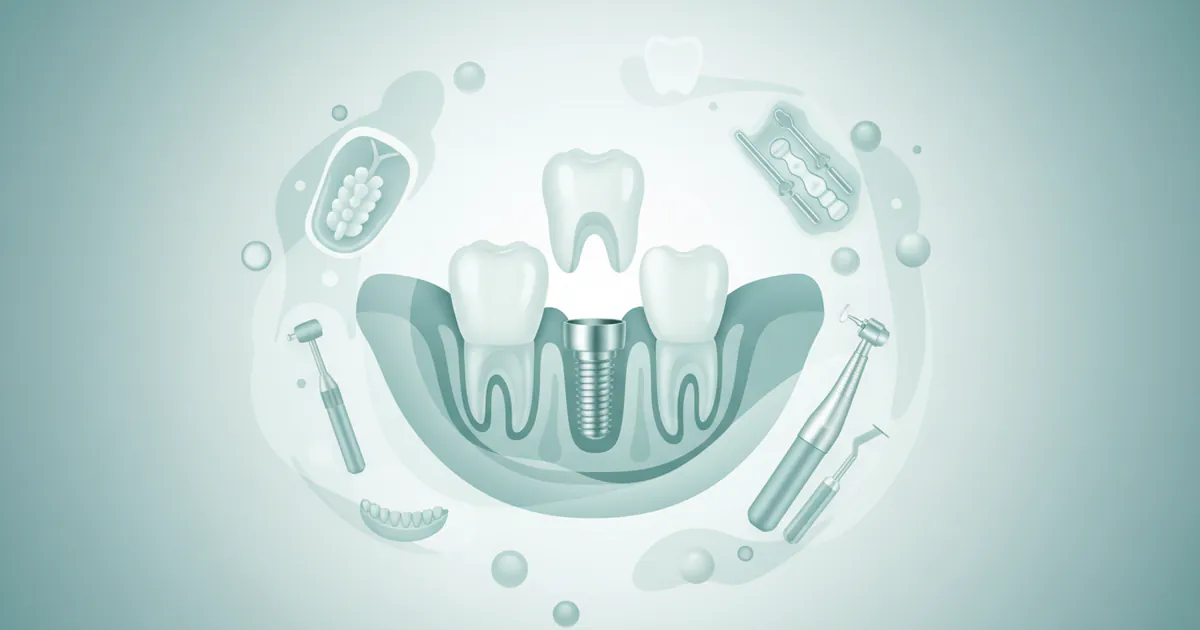
At its core, a dental implant functions as an artificial tooth root. It's typically a small, screw-shaped post made of titanium, a biocompatible metal that the human body readily accepts. The success of dental implants hinges on a biological process called osseointegration. After the implant is surgically placed into the jawbone, the bone gradually grows around and fuses with the titanium surface. This creates a strong, stable foundation for the replacement tooth, mimicking the natural function and stability of a real tooth root. This remarkable biological integration is what sets dental implants apart from other tooth replacement options.
Types of Dental Implants and Procedures
Dental implants aren't a one-size-fits-all solution. An implantologist will assess your individual needs, bone density, and overall oral health to recommend the most suitable type of implant and procedure.
Single Tooth Implants
- Description: This is the most common type, used to replace a single missing tooth. A single titanium implant post is placed into the jawbone, and once integrated, a custom-made crown is attached to it via an abutment.
- Benefits: Preserves adjacent healthy teeth (unlike a bridge), prevents bone loss in the area of the missing tooth, looks and feels like a natural tooth.
- Ideal Candidates: Individuals missing one tooth, with sufficient bone density, and good general oral health.
Multiple Tooth Implants (Implant-Supported Bridges)
- Description: When several adjacent teeth are missing, an implant-supported bridge can be used. Instead of needing an implant for every missing tooth, two or more implants are placed, and these implants then support a bridge of crowns. For example, two implants might support a three- or four-unit bridge.
- Benefits: More stable and durable than traditional bridges, prevents bone loss, reduces the need for multiple individual implants.
- Ideal Candidates: Patients missing several consecutive teeth, with adequate bone structure to support the implants.
Full Arch Implants (All-on-4®, All-on-6®, Implant-Supported Dentures)
For patients missing an entire arch of teeth (upper, lower, or both), full arch implant solutions offer a transformative alternative to traditional removable dentures.
-
All-on-4® / All-on-6®:
- Description: This technique involves strategically placing four (All-on-4) or six (All-on-6) dental implants into the jawbone to support a full arch of prosthetic teeth. The posterior implants are often angled to maximize contact with existing bone, often eliminating the need for extensive bone grafting. A fixed, non-removable bridge is then securely attached to these implants.
- Benefits: Provides a stable, permanent set of teeth that don't shift or click, restores full chewing function, prevents further bone loss, often allows for immediate loading (provisional teeth placed on the day of surgery).
- Ideal Candidates: Individuals missing all or most of their teeth, suitable for those with moderate bone loss.
-
Implant-Supported Overdentures:
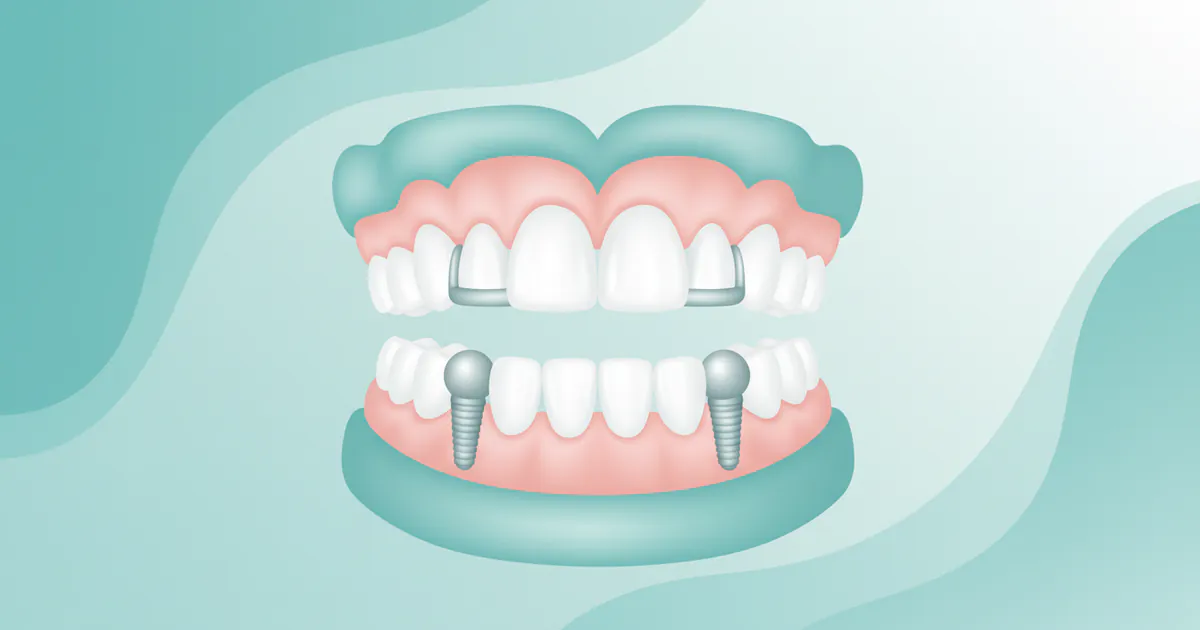
- Description: This involves placing a smaller number of implants (typically 2-4) in the jaw to provide stability for a removable denture. The denture "snaps" onto attachments on the implants, preventing it from slipping but still allowing for removal for cleaning.
- Benefits: Significantly improves denture stability and comfort, enhances chewing ability, reduces sore spots, more affordable than fixed full-arch solutions.
- Ideal Candidates: Denture wearers seeking improved stability, those with limited bone density who may not be candidates for fixed prostheses, or those on a tighter budget.
Mini Denture Implants
Mini denture implants represent a valuable variation, particularly for stabilizing traditional dentures.
- Description: These are smaller in diameter (typically less than 3mm) and shorter than conventional implants. They are usually placed in a single, minimally invasive procedure and feature a ball-shaped head that snaps into a corresponding socket in the denture.
- Benefits: Less invasive surgery, often no incision or stitches required, lower cost compared to conventional implants, faster healing time, can be immediately loaded to stabilize a denture, ideal for patients with moderate to severe bone loss who might not be candidates for traditional implants without extensive grafting.
- Limitations: While excellent for stabilizing dentures, they are generally not suitable for supporting individual crowns or fixed bridges due to their smaller size. Their longevity might also be slightly less predictable than conventional implants in some cases.
- Ideal Candidates: Primarily for stabilizing loose lower (and sometimes upper) dentures, patients who desire a more affordable and less invasive implant option, or those with significant bone atrophy.
Same Day Tooth Implants (Immediate Load Implants)
Same day tooth implants, also known as immediate load implants, are a groundbreaking option for many patients seeking rapid results.
- Description: With this technique, the dental implant post is placed, and a temporary (provisional) crown or bridge is attached to it during the same appointment, immediately after tooth extraction or implant placement. This means you walk out of the office with a functional, aesthetic tooth (or teeth) on the same day.
- Process: After thorough planning, the implantologist performs the extraction (if necessary) and places the implant(s). If the implant achieves sufficient primary stability (i.e., it's firmly anchored in the bone), a provisional restoration is then attached. The patient will return for the final, permanent restoration (crown, bridge, or denture) after a period of healing (typically 3-6 months) to allow for complete osseointegration.
- Benefits: Immediate aesthetic improvement, immediate chewing function (with dietary restrictions), reduced treatment time and number of appointments, significant psychological benefits.
- Limitations: Not suitable for everyone. Requires excellent bone quality and quantity at the implant site, meticulous patient selection, and careful bite management to prevent excessive force on the healing implant.
- Ideal Candidates: Patients with good general health, sufficient bone density, who are non-smokers, and are committed to following post-operative dietary and care instructions.
The Dental Implant Process: A Step-by-Step Guide
Undergoing dental implant treatment is a multi-stage process, meticulously planned and executed by your implantologist. Here's a general overview of what to expect:
1. Initial Consultation and Examination
Your journey begins with a comprehensive evaluation. The implantologist will:
- Review your medical and dental history.
- Conduct a thorough oral examination.
- Take X-rays, including 3D Cone-Beam Computed Tomography (CBCT) scans, which provide a detailed view of your jawbone, nerve pathways, and sinus cavities. This is crucial for precise treatment planning and identifying any anatomical limitations.
- Discuss your goals, expectations, and explain all available treatment options, including the pros and cons of each.
- Create a personalized treatment plan outlining the procedure, timeline, and estimated costs.
2. Pre-Surgical Procedures (If Needed)
Some patients may require preparatory procedures before implant placement to ensure optimal conditions for success:
- Tooth Extraction: If the damaged tooth is still present, it will be carefully extracted.
- Bone Grafting: If there isn't enough bone density or volume, bone grafting may be necessary. This involves adding bone material (from your own body, a donor, or synthetic sources) to augment the jawbone. This typically requires several months of healing before implant placement.
- Sinus Lift (Sinus Augmentation): For implants in the upper back jaw, where the sinus cavity might be too close to the jawbone, a sinus lift elevates the sinus floor and adds bone material, creating adequate space for implant placement. This also requires a healing period.
3. Implant Placement Surgery
This is the surgical phase where the implant post is placed into your jawbone.
- Anesthesia: Local anesthesia is typically used to numb the area, and sedation options (oral, IV) are often available to help you relax.
- Incision: The implantologist makes a small incision in your gum tissue to expose the jawbone.
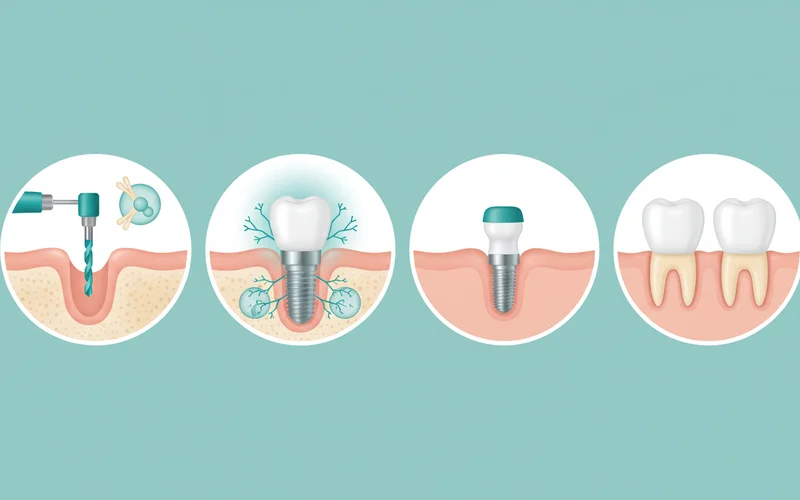
- Drilling: A precise series of drills are used to create a small, carefully sized hole in the bone, mimicking the size and shape of the implant.
- Implant Insertion: The titanium implant post is carefully threaded or tapped into the prepared bone socket.
- Closure: The gum tissue is then closed over the implant with stitches, or a healing cap/abutment may be attached immediately, depending on the chosen protocol (e.g., immediate loading).
- Osseointegration: A critical healing period of 3 to 6 months follows. During this time, the implant gradually integrates with your jawbone through osseointegration.
4. Abutment Placement (Second Stage Surgery, if applicable)
If the implant was covered by gum tissue in the first stage, a minor second surgery is performed after osseointegration is complete.
- The gum tissue is gently reopened to expose the top of the implant.
- A small connector piece called an abutment is attached to the implant. The abutment extends through the gum line and will serve as the attachment point for your new crown or prosthesis.
- A short healing period (1-2 weeks) allows the gum tissue to heal around the abutment.
5. Crown/Prosthesis Placement
This is the final stage where your new tooth or teeth are attached.
- Impressions: Once the soft tissues have healed around the abutment, the implantologist takes impressions (either traditional molds or digital scans) of your mouth and the abutment.
- Fabrication: These impressions are sent to a dental lab, where a custom-made crown, bridge, or denture is meticulously fabricated to match the color, shape, and size of your natural teeth.
- Final Attachment: At your final appointment, the custom-made restoration is securely attached to the abutment, completing your new smile. Your implantologist will ensure the fit and bite are perfect.
Cost of Dental Implants in the US
The cost of dental implants can vary significantly based on several factors, making it challenging to provide an exact figure without a personalized consultation. However, understanding the typical ranges and influencing factors will help you prepare.
Factors Influencing Cost:
- Type of Implant: Single, multiple, full arch, mini, or same-day implants all have different cost structures.
- Number of Implants: More implants mean higher costs.
- Location: Costs can vary geographically, with urban areas often being more expensive than rural ones.
- Additional Procedures: Bone grafting, sinus lifts, and tooth extractions add to the overall cost.
- Materials: The quality of the implant, abutment, and crown materials can influence the price.
- Implantologist's Fees: The experience and reputation of the implantologist, as well as the overhead of their practice, contribute to the cost.
Average US Cost Ranges:
Below are typical ranges for common implant procedures in the United States. These are estimates and can fluctuate.
- Single Dental Implant (including implant, abutment, and crown): $3,000 - $6,000
- Implant post alone: $1,000 - $3,000
- Abutment: $500 - $1,000
- Crown: $1,000 - $2,000
- Mini Denture Implants (per implant, often 2-4 needed for denture stabilization): $500 - $1,500
- Note: This does not include the cost of the denture itself, or modifications to an existing denture.
- Implant-Supported Bridge (3-4 units, supported by 2 implants): $6,000 - $12,000+
- Full Arch (All-on-4® or All-on-6® - per arch): $15,000 - $30,000+
- This is a significant investment but includes all implants, surgery, and the full-arch provisional and final prosthesis.
- Same Day Tooth Implants: The cost for a single same-day implant can be similar to traditional ($3,000 - $6,000), but may be slightly higher due to the immediate provisional restoration and increased complexity/time. For full-arch same-day solutions (like All-on-4 with immediate load), the costs fall within the full arch range.
Additional Procedures Costs:
- Tooth Extraction (simple): $75 - $200
- Tooth Extraction (surgical): $200 - $600
- Bone Grafting (minor to extensive): $200 - $2,500+
- Sinus Lift: $1,500 - $3,500 per side
Insurance Coverage
Dental insurance coverage for implants is often limited and varies widely by provider and plan.
- Typical Coverage: Many dental insurance plans categorize implants as a major procedure and may cover anywhere from 0% to 15%, and rarely up to 50%, often only for the crown or abutment portion. Some plans may offer a flat allowance.
- Medical Insurance: In some specific cases, if a tooth extraction or bone grafting is deemed medically necessary (e.g., due to trauma or disease), your medical insurance might cover a portion of these preparatory procedures.
- Annual Maximums: Most dental insurance plans have an annual maximum (e.g., $1,000 - $2,000), which can be quickly exhausted by the cost of implants.
- Pro Tip: Always contact your specific dental and medical insurance providers directly to understand your policy's limitations, waiting periods, and maximum benefits for dental implants and related procedures. Get pre-authorization whenever possible.
Financing Options
Given the investment, many implantologists offer various financing solutions:
- In-Office Payment Plans: Many practices provide flexible payment schedules spread over several months.
- Dental Credit Cards: Specialized healthcare credit cards like CareCredit or LendingClub offer low-interest or interest-free promotional periods.
- Personal Loans: Banks and credit unions offer personal loans that can cover dental expenses.
- Health Savings Accounts (HSAs) or Flexible Spending Accounts (FSAs): Using pre-tax dollars from these accounts can significantly reduce your out-of-pocket costs.
Table 1: Dental Implant Cost Comparison (US Averages)
| Implant Type | Average Cost Range (US) | Pros | Cons |
|---|---|---|---|
| Single Dental Implant | $3,000 - $6,000 (incl. crown) | Mimics natural tooth, preserves bone, independent of other teeth | Higher initial cost, requires sufficient bone, multi-stage process |
| Mini Denture Implants | $500 - $1,500 (per implant) | Less invasive, lower cost, good for denture stabilization, less bone required | Not for fixed prostheses, potentially shorter lifespan in some uses |
| Implant-Supported Bridge | $6,000 - $12,000+ | Replaces multiple teeth, more stable than traditional bridge | Still requires adjacent implants, not for full arch |
| Full Arch (All-on-4/6) | $15,000 - $30,000+ (per arch) | Fixed solution for full arch, prevents bone loss, immediate load often | High initial investment, complex surgery, strict aftercare |
| Same Day Tooth Implants | $3,000 - $6,000 (single, incl. provisional) | Immediate aesthetic & function, fewer visits | Requires excellent bone, strict diet, higher risk if not cared for |
Recovery and Aftercare
Proper recovery and diligent aftercare are essential for the long-term success and health of your dental implants. Your implantologist will provide specific instructions tailored to your procedure, but here are general guidelines:
Immediate Post-Operative Care (First 24-72 hours):
- Pain Management: Take prescribed pain medication as directed. Over-the-counter pain relievers (e.g., ibuprofen) can often manage discomfort.
- Swelling: Apply an ice pack to the outside of your face intermittently for the first 24-48 hours to minimize swelling.
- Bleeding: Some light bleeding or oozing is normal. Bite gently on gauze pads and change them as needed. Avoid spitting vigorously.
- Diet: Stick to soft foods and liquids (e.g., soup, yogurt, mashed potatoes) for the first few days. Avoid hot liquids, alcohol, and using straws (suction can dislodge blood clots).
- Oral Hygiene: Do not brush the surgical site directly for 24 hours. After that, gently brush around the area, avoiding sutures. Your implantologist may recommend a special antibacterial mouth rinse (e.g., chlorhexidine) or warm salt water rinses.
- Activity: Rest and avoid strenuous physical activity for at least 48-72 hours.
- Smoking: Absolutely avoid smoking, as it severely impairs healing and significantly increases the risk of implant failure.
Long-Term Care:
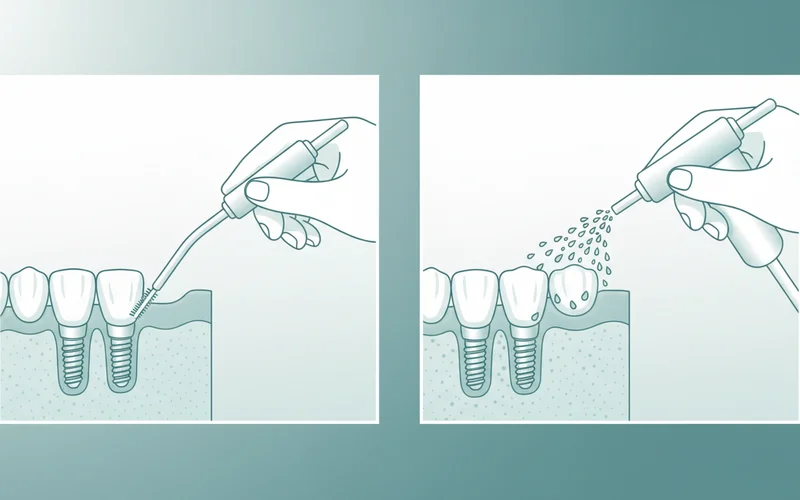
- Meticulous Oral Hygiene: Treat your dental implants like natural teeth. Brush at least twice a day, and floss daily. Special floss, interdental brushes, or water flossers can be particularly effective for cleaning around implants and under implant-supported bridges.
- Regular Dental Check-ups: Visit your general dentist and implantologist every 6 months for professional cleanings and examinations. They will check the health of your implants, gums, and overall oral cavity.
- Avoid Harmful Habits: Refrain from chewing on ice, hard candies, or non-food items, as this can damage your implant crown or even the implant itself. If you clench or grind your teeth (bruxism), your implantologist may recommend a nightguard to protect your implants from excessive force.
- Healthy Lifestyle: Maintain a balanced diet and avoid excessive alcohol consumption. Systemic health conditions, particularly uncontrolled diabetes, can affect implant success.
Risks and Complications
While dental implant procedures have a very high success rate (over 95%), like any surgical procedure, there are potential risks and complications to be aware of:
- Infection: Although rare with proper sterile techniques, infection at the implant site can occur.
- Nerve Damage: In rare cases, especially in the lower jaw, implant placement can irritate or damage nerves, leading to numbness, tingling, or pain in the lips, gums, or tongue. This is minimized with detailed pre-surgical imaging and guided surgery.
- Sinus Perforation: During upper jaw implant placement, the implant may penetrate the sinus cavity. This can usually be managed, but may require additional procedures like a sinus lift.
- Implant Failure (Lack of Osseointegration): The implant may not fuse properly with the bone. This can be due to poor bone quality, infection, excessive force on the implant during healing, or certain systemic conditions. If failure occurs, the implant may need to be removed, and the site allowed to heal before a new implant is placed.
- Peri-Implantitis: This is an inflammatory disease affecting the soft and hard tissues surrounding a dental implant, similar to gum disease around natural teeth. It can lead to bone loss around the implant and, if untreated, implant failure. It's often caused by poor oral hygiene or biomechanical overload.
- Mechanical Complications: These include loosening of the abutment screw, fracture of the abutment or crown, or fracture of the implant itself (very rare).
Choosing an experienced implantologist, following all pre- and post-operative instructions, and maintaining excellent oral hygiene are the best ways to minimize these risks.
Maintaining Your Dental Implants for a Lifetime
With diligent care, your dental implants can last for many decades, potentially a lifetime. Here’s how to ensure their longevity:
- Daily Brushing and Flossing: Use a soft-bristled toothbrush to gently clean around your implants and the prosthetic teeth. Daily flossing is crucial to remove plaque and food debris from between teeth and around the implant site. Your implantologist may recommend specific types of floss or interdental brushes.
- Water Flosser (Oral Irrigator): These devices are highly effective for cleaning around implants, flushing out debris from areas traditional brushing and flossing might miss.
- Regular Professional Cleanings: Schedule routine check-ups and cleanings every six months, or as recommended by your implantologist. Dental hygienists trained in implant care use specialized tools that won't scratch the implant surface.
- Avoid Abrasive Products: Do not use abrasive toothpastes or brushes that could scratch the surface of your implant restoration.
- Protect Against Clenching and Grinding: If you grind or clench your teeth (bruxism), wear a custom-fitted nightguard provided by your dentist to protect your implants from excessive forces that could lead to complications.
- Quit Smoking: Smoking significantly increases the risk of peri-implantitis and implant failure. Quitting is one of the most impactful steps you can take for your implant health.
- Manage Systemic Health: Keep any underlying health conditions, especially diabetes, well-controlled, as they can affect healing and overall implant success.
Choosing the Right Implantologist
Selecting the right implantologist is perhaps the most critical decision in your dental implant journey. Here are key factors to consider:
- Credentials and Education: Look for a dentist with extensive post-graduate training specifically in implant dentistry. They might be a general dentist with significant continuing education in implantology, a periodontist, or an oral surgeon. Ask about their training, certifications, and affiliations with professional organizations like the American Academy of Implant Dentistry (AAID) or the International Congress of Oral Implantologists (ICOI).
- Experience: Inquire about their experience level. How many implant cases have they successfully completed? Do they regularly perform the type of implant procedure you need (e.g., full-arch, bone grafting)?
- Technology and Techniques: A reputable implantologist will utilize advanced diagnostic tools (like 3D CBCT scans), guided surgery techniques, and high-quality implant systems to ensure precision and predictable outcomes.
- Patient Reviews and Testimonials: Check online reviews and ask for patient testimonials. Positive feedback often indicates a good patient experience and successful outcomes.
- Before-and-After Photos: Ask to see examples of their previous work.
- Consultation Process: A good implantologist will offer a thorough initial consultation, listen to your concerns, explain all treatment options clearly, discuss potential risks, and answer all your questions without rushing.
- Communication and Comfort: Choose a practitioner with whom you feel comfortable communicating openly. You should feel confident in their expertise and their ability to address your needs.
- Emergency Care: Understand their protocol for handling post-operative emergencies.
Table 2: Traditional vs. Same Day vs. Mini Denture Implants
| Feature | Traditional Implants | Same Day Implants | Mini Denture Implants |
|---|---|---|---|
| Healing Time | 3-6 months for osseointegration before final crown | Immediate provisional, but 3-6 months for final crown | Minimal healing, often immediately loaded for denture support |
| Number of Visits | Multiple visits (surgery, uncovering, impressions, final) | Fewer visits (surgery & provisional on same day, then final) | Fewer visits, typically single placement and denture fitting |
| Cost (relative) | Mid to High | Mid to High (potentially slightly more for immediate) | Low to Mid (especially per implant) |
| Ideal Use Case | Single, multiple, or full arch; standard of care | Single, multiple, or full arch, when immediate aesthetics/function needed | Primarily for stabilizing loose full or partial dentures |
| Bone Requirements | Good bone density & volume often required | Excellent bone density & stability crucial for primary fixation | Less bone density/volume often acceptable |
| Surgical Invasive | Moderately invasive | Moderately invasive | Minimally invasive (often flapless surgery) |
| Prosthesis Type | Fixed crown, bridge, or fixed full arch | Fixed crown, bridge, or fixed full arch (provisional first) | Removable overdenture (snaps on) |
Children / Pediatric Considerations
Dental implants are generally not recommended for children and adolescents whose jawbones are still growing and developing. The primary reason for this is that an implant placed in a growing jaw would not move with the surrounding bone and teeth as the child matures. This could lead to the implant appearing sunken or out of alignment as the jaw continues to grow, potentially causing complications with bite, aesthetics, and overall oral development.
Most dental professionals advise waiting until jaw growth is complete, typically around 18-20 years of age, before considering dental implants. In cases of tooth loss in children, temporary solutions like space maintainers, removable partial dentures (flippers), or conventional dental bridges (which can be temporary) are used to maintain space, aesthetics, and function until the child is old enough for a permanent implant solution. Your pediatric dentist or orthodontist can guide you on the best temporary options for your child.
Frequently Asked Questions
Is getting a dental implant painful?
The implant placement procedure itself is typically not painful due to the use of local anesthesia, and often sedation options are available to ensure your comfort. You may feel some pressure or vibration. After the anesthesia wears off, you might experience mild to moderate discomfort, which can usually be managed effectively with prescribed pain medication and over-the-counter pain relievers. Swelling and bruising are also common but temporary.
How long do dental implants last?
With proper care, excellent oral hygiene, and regular dental check-ups, dental implants can last for many decades, often a lifetime. The success rate for dental implants is remarkably high, often exceeding 95% over 10 years, making them a highly durable and long-term tooth replacement solution. The crown attached to the implant may need to be replaced after 10-15 years, similar to natural tooth crowns, but the implant post itself is designed to be permanent.
Am I a candidate for dental implants?
Most healthy individuals who have experienced tooth loss are candidates for dental implants. Ideal candidates generally have sufficient bone density in their jaw to support the implant, good overall oral health, and are committed to maintaining good oral hygiene. However, conditions like uncontrolled diabetes, certain autoimmune diseases, heavy smoking, or significant bone loss can affect candidacy. A thorough evaluation by an implantologist, including 3D imaging, is essential to determine if implants are right for you.
What is the difference between an implantologist, an oral surgeon, and a periodontist?
An oral and maxillofacial surgeon specializes in surgical procedures of the mouth, face, and jaws, including tooth extractions, bone grafting, and complex implant placements. A periodontist specializes in the gums and bone supporting the teeth, focusing on gum disease treatment and often performing bone grafting and implant placement, especially in cases with existing periodontal issues. An implantologist is a general term for a dentist (who could be an oral surgeon, periodontist, or general dentist with extensive training) who has focused their practice specifically on the surgical placement and restoration of dental implants, often handling the entire implant journey. All three can be highly qualified to place implants.
Can I get mini denture implants if I have significant bone loss?
Yes, mini denture implants are often an excellent option for individuals with significant bone loss who may not be candidates for conventional implants without extensive and costly bone grafting procedures. Their smaller diameter and less invasive placement technique often allow them to be anchored in areas with limited bone, making them a viable solution for stabilizing loose dentures even in compromised bone situations. Your implantologist will assess if this is the right choice for you.
Are same day tooth implants more expensive?
The cost of same day tooth implants for a single tooth is often comparable to traditional implants, though it can sometimes be slightly higher due to the immediate provisional restoration and the increased complexity or chair time involved. For full-arch same-day solutions (like All-on-4 with immediate loading), the cost falls within the higher range associated with full-arch rehabilitation. The added convenience and immediate aesthetics often justify the investment for many patients.
How long does the entire implant process take?
The duration of the implant process varies. For traditional implants, the entire process, including healing time for osseointegration, can take anywhere from 3 to 9 months, or even longer if extensive bone grafting is required. For same day tooth implants, the placement of the implant and a temporary tooth occurs in a single appointment, but the final, permanent restoration will still be placed after a healing period of several months. Mini denture implants can often be placed and loaded with a denture within a single appointment or a few weeks.
What are the alternatives to dental implants?
The primary alternatives to dental implants are removable dentures (full or partial) and fixed dental bridges. Dentures are often the least expensive but can be unstable and less comfortable. Dental bridges require grinding down adjacent healthy teeth to support the bridge, and they do not prevent bone loss in the area of the missing tooth. Implants are generally considered the superior option for long-term health, function, and aesthetics, as they are the only solution that replaces the tooth root and stimulates the jawbone.
Does dental insurance cover implants?
Dental insurance coverage for implants is typically limited. Many plans classify implants as a major procedure and may cover a small percentage (e.g., 0-15%) or a flat allowance, often capping coverage at an annual maximum. It's crucial to contact your specific insurance provider to understand your benefits, exclusions, and any waiting periods or limitations related to dental implants. Some medical insurance plans might cover bone grafting if it's deemed medically necessary due to injury or disease.
How do I care for my dental implants?
Caring for your dental implants is similar to caring for natural teeth, but with a few special considerations. You should brush twice daily, floss once daily, and use specific cleaning tools like interdental brushes or a water flosser to thoroughly clean around the implants. Regular professional cleanings and check-ups with your implantologist and general dentist (every 6 months) are vital. Avoid smoking and protect your implants from excessive force if you grind your teeth.
When to See a Dentist
It's crucial to know when to seek professional dental attention regarding your oral health and potential implant needs.
Schedule a consultation with an implantologist if you:
- Are missing one or more teeth.
- Wear removable dentures that are uncomfortable, loose, or difficult to eat with.
- Are experiencing difficulty chewing or speaking due to missing teeth.
- Are concerned about the aesthetic impact of missing teeth.
- Have sustained an injury that resulted in tooth loss.
- Want to explore the most advanced, long-lasting solution for tooth replacement.
Seek immediate dental attention if you experience any of the following after implant surgery:
- Persistent or worsening pain that is not relieved by medication.
- Excessive bleeding that does not subside after applying pressure with gauze.
- Significant swelling that spreads or is accompanied by fever.
- Pus or foul-smelling discharge from the surgical site, indicating a possible infection.
- Numbness or tingling that persists beyond the expected duration of the anesthesia.
- A loose or wiggly implant or the temporary crown/abutment.
Regular check-ups with your general dentist are essential for preventative care, but for specific concerns related to tooth loss or the stability of existing dentures, consulting with a qualified implantologist can provide you with expert guidance and a pathway to a healthier, more confident smile.
Frequently Asked Questions
Medically Reviewed Content
This article was written by our dental health editorial team and reviewed for medical accuracy. Our content follows strict editorial guidelines for reliability and trustworthiness.
Medical Disclaimer
This article is for informational purposes only and does not constitute medical advice. Always consult with a qualified dental professional for diagnosis and treatment. Do not delay seeking professional advice because of something you read on this website.
Related Articles
Dentures Over Implants: Complete Guide
Missing multiple teeth or even an entire arch can profoundly impact your life, affecting everything from your ability to chew and speak to your self-confidence. For millions of Americans, traditional removable dentures have long been a solution, but they often come with compromises: slipping, discom
March 8, 2026
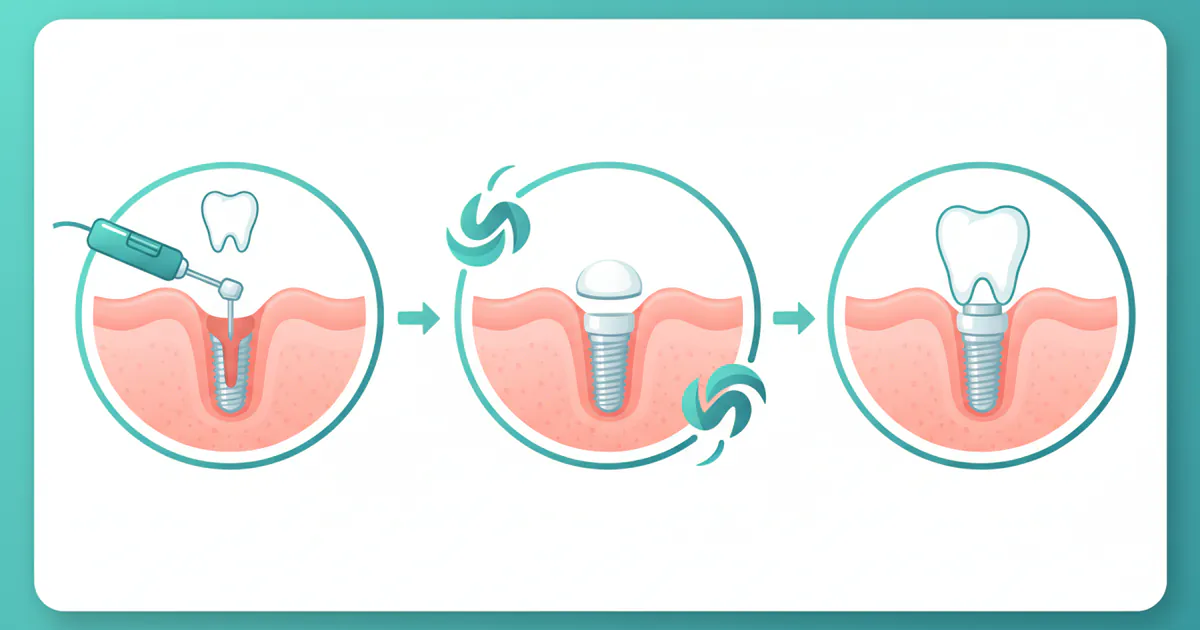
Implants Process: Complete Guide
Missing teeth can impact more than just your smile; they can affect your ability to eat, speak, and even your overall confidence. In fact, over 178 million Americans are missing at least one tooth, and about 40 million are missing all of their teeth. When faced with tooth loss, understanding the
March 8, 2026
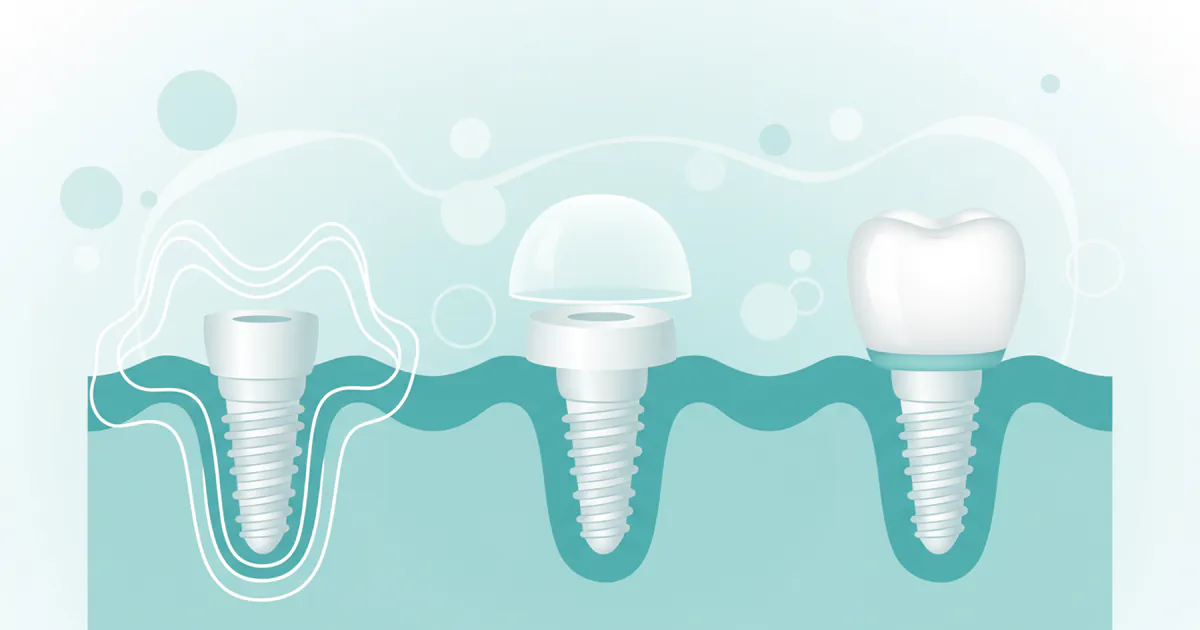
Implants Dentaires: Complete Guide
Missing teeth can dramatically impact not just your smile, but your overall health, confidence, and quality of life. In the United States, an estimated 178 million adults are missing at least one tooth, while approximately 40 million are missing all their teeth. These statistics underscore a
March 8, 2026
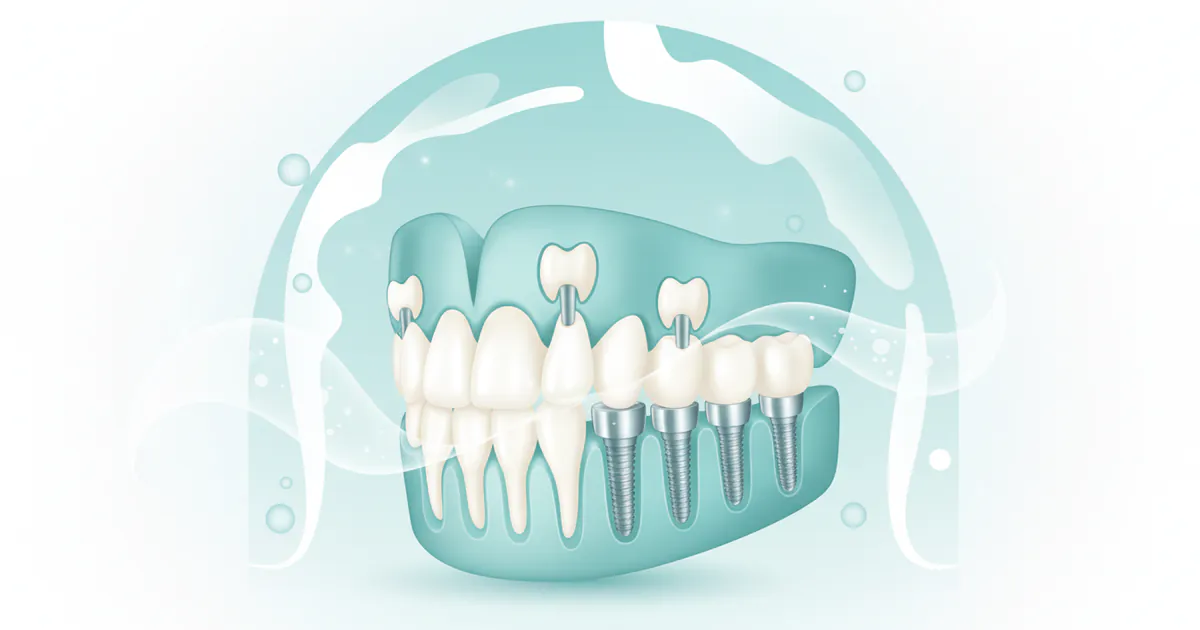
Carolina Implant: Complete Guide
Dental implants represent a revolutionary advancement in restorative dentistry, offering a durable, aesthetically pleasing, and highly functional solution for missing teeth. For individuals seeking to restore their smile, chewing ability, and overall oral health, understanding the options available
March 8, 2026