Carolina Implant: Complete Guide
Key Takeaways
- Dental implants represent a revolutionary advancement in restorative dentistry, offering a durable, aesthetically pleasing, and highly functional solution for missing teeth. For individuals seeking to restore their smile, chewing ability, and overall oral health, understanding the options available
Dental implants represent a revolutionary advancement in restorative dentistry, offering a durable, aesthetically pleasing, and highly functional solution for missing teeth. For individuals seeking to restore their smile, chewing ability, and overall oral health, understanding the options available is paramount. This comprehensive guide will delve into every aspect of what we'll refer to as a Carolina implant – encompassing the full spectrum of modern dental implant technology and procedures.
Whether you've lost a single tooth, multiple teeth, or even require a full arch replacement, dental implants can provide a long-term answer. The American Dental Association (ADA) recognizes dental implants as a safe and effective treatment option for tooth loss, with success rates often exceeding 95%. But what exactly are they, how do they work, and what should you expect throughout the journey? This article aims to be your definitive resource, answering these questions and many more, guiding you through the process from initial consultation to long-term care, and equipping you with the knowledge to make informed decisions about restoring your smile.
Key Takeaways:
Key Takeaways:
- A Carolina implant, or dental implant, is a permanent tooth replacement solution consisting of a titanium screw, an abutment, and a prosthetic crown.
- Success rates for dental implants are high, often exceeding 95%, offering a durable and natural-looking alternative to bridges or dentures.
- Costs typically range from $3,000 to $6,000 per single implant, including the implant, abutment, and crown, but can vary significantly based on location, materials, and additional procedures like bone grafts.
- The entire implant process, from placement to final crown, can take 3 to 9 months, primarily due to the necessary osseointegration (bone fusion) period.
- Good candidates have sufficient bone density, healthy gums, and no uncontrolled chronic diseases, though bone grafting can often address bone deficiencies.
- Proper at-home oral hygiene and regular dental check-ups are crucial for the long-term success and longevity of your dental implant, potentially lasting 20 years or even a lifetime.
- While not typically covered by standard medical insurance, some dental insurance plans offer partial coverage for implants, and financing options are widely available.
What is a Carolina Implant? Understanding Dental Implants
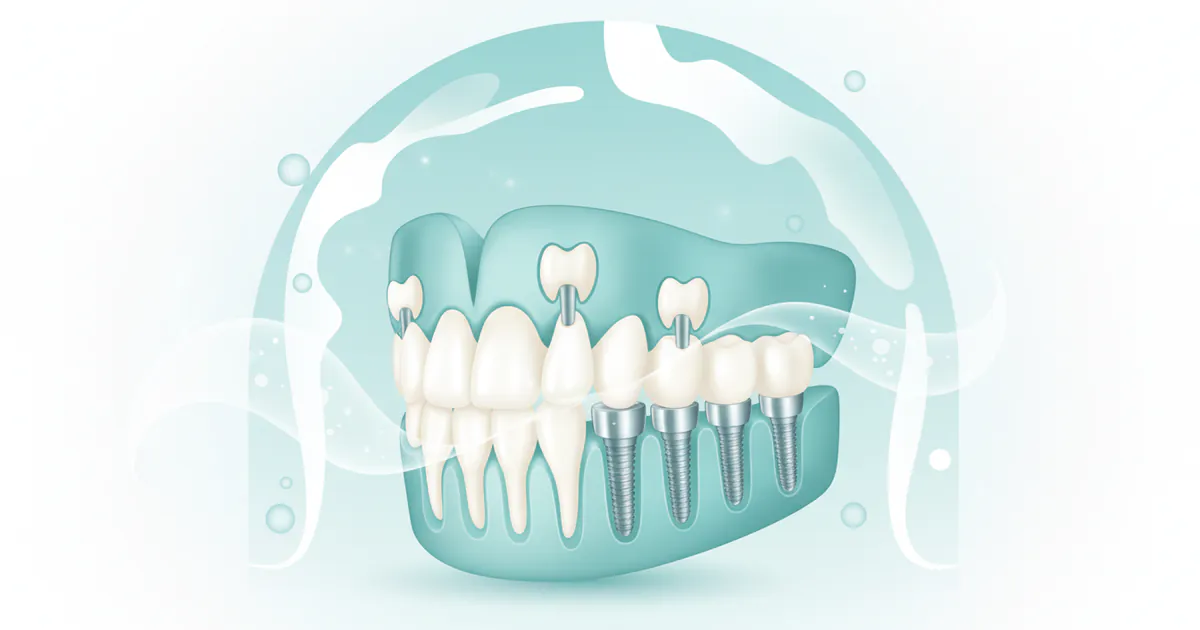
At its core, a Carolina implant refers to a dental implant, which is a sophisticated and permanent solution for replacing missing teeth. Unlike removable dentures or fixed bridges that rely on adjacent teeth for support, a dental implant acts as an artificial tooth root, fused directly into your jawbone. This creates an incredibly stable and long-lasting foundation for a replacement tooth or teeth.
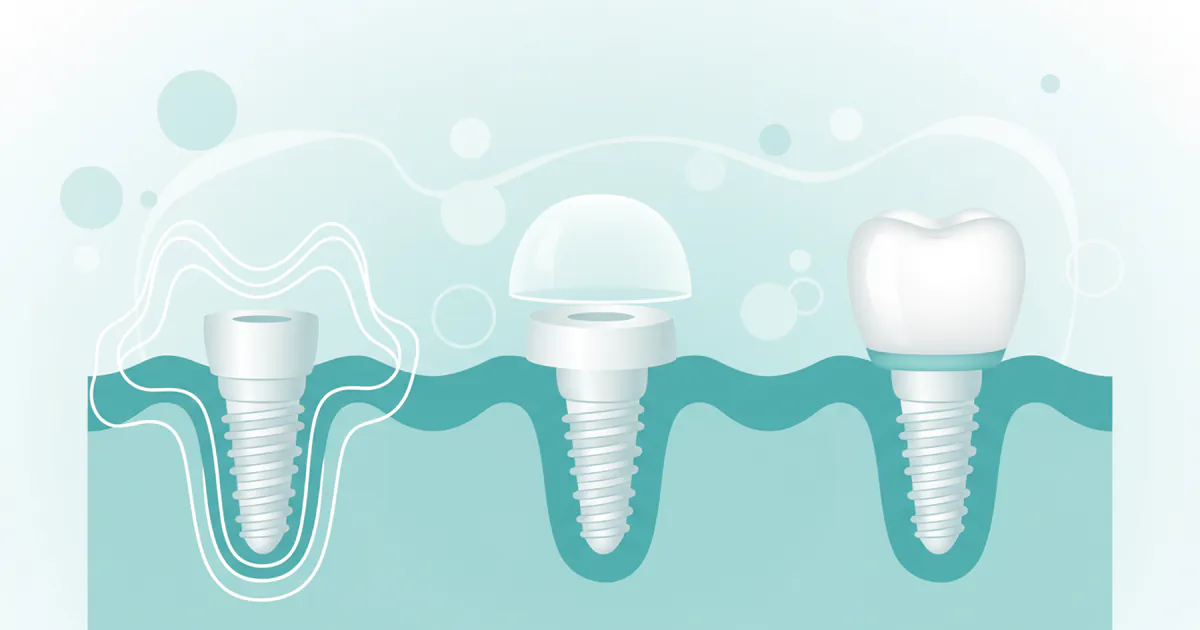
A complete dental implant system typically consists of three main components:
- The Implant Post (Fixture): This is a small, screw-shaped post, usually made of biocompatible titanium, which is surgically placed into the jawbone. Titanium is chosen for its remarkable ability to integrate with bone tissue, a process known as osseointegration. This post replaces the root of your missing tooth.
- The Abutment: Once the implant post has fully fused with the jawbone, a small connector piece called an abutment is attached to it. The abutment extends above the gum line and serves as the anchor for the prosthetic tooth.
- The Prosthetic Crown/Restoration: This is the visible part of the tooth replacement, custom-made to match the color, shape, and size of your natural teeth. It can be a single crown, a multi-tooth bridge, or a full denture, depending on the number of teeth being replaced. This is often what people refer to when they talk about getting an implant for tooth replacement.
The primary goal of a dental implant is not just aesthetic; it's about restoring full chewing function, preventing bone loss in the jaw, and maintaining the structural integrity of your facial features. When a tooth is lost, the underlying jawbone can begin to resorb (degenerate) due to lack of stimulation. An implant provides that necessary stimulation, preserving bone health and preventing the " sunken " facial appearance often associated with long-term tooth loss. Many people are now opting for new implants for teeth as a superior alternative to traditional tooth replacement methods.
Why Consider a Carolina Implant? Benefits of Dental Implants
Choosing a dental implant over other tooth replacement options offers a multitude of benefits that extend beyond just aesthetics:
- Natural Appearance and Feel: Implants are custom-made to match your existing teeth, providing a seamless blend that is virtually indistinguishable from natural teeth. They also function like natural teeth, allowing you to speak and eat with confidence.
- Improved Chewing Ability: Because implants are anchored securely in your jawbone, they restore nearly the full chewing power you had with your natural teeth. This means you can enjoy your favorite foods without restriction or discomfort, a common complaint with dentures.
- Preservation of Jawbone: This is one of the most significant long-term benefits. When a tooth is lost, the jawbone beneath it no longer receives the necessary stimulation and can begin to deteriorate (bone resorption). Dental implants act like natural tooth roots, stimulating the bone and preventing this process, thus preserving facial structure and preventing a " sunken " look.
- Protection of Adjacent Teeth: Unlike traditional bridges, which require the grinding down of healthy adjacent teeth for support, implants stand alone. This means your natural teeth are left untouched and healthy.
- Durability and Longevity: With proper care, dental implants can last for decades, often a lifetime. This makes them a highly cost-effective solution in the long run compared to bridges or dentures that may need replacement every 5-10 years.
- Enhanced Oral Health: Implants are easy to clean and maintain, similar to natural teeth. They don't interfere with your speech, and the stability prevents the slipping and clicking sounds sometimes associated with dentures.
- Improved Self-Esteem and Confidence: A complete, healthy smile can significantly boost your confidence, allowing you to smile, speak, and interact socially without embarrassment or self-consciousness.
Who is a Candidate for a Carolina Implant? Assessing Eligibility
While dental implants offer incredible benefits, they are not suitable for everyone. A thorough evaluation by a qualified dental professional is essential to determine if you are a good candidate for a Carolina implant. Key factors considered include:
- General Health: Good overall health is crucial. Patients with uncontrolled chronic diseases such as diabetes, heart disease, or certain autoimmune disorders may have a higher risk of complications or slower healing. Smoking can significantly impair healing and reduce implant success rates.
- Oral Health: Healthy gums and remaining teeth are vital. Any active gum disease (periodontitis) must be treated and resolved before implant placement, as it can compromise the implant's success.
- Sufficient Jawbone Density: The jawbone must be robust enough to support the implant post. If there isn't adequate bone volume or density, procedures like bone grafting may be necessary to build up the bone before implant placement. This is a very common requirement.
- Age: While age itself is not typically a barrier for older adults, implants are generally not recommended for adolescents whose jawbones are still developing.
- Commitment to Oral Hygiene: Maintaining excellent oral hygiene after implant placement is critical for long-term success. Candidates must be committed to regular brushing, flossing, and routine dental check-ups.
- Absence of Parafunctional Habits: Habits like severe teeth grinding (bruxism) can put excessive stress on implants. While not an absolute contraindication, these habits need to be managed, often with a nightguard, to protect the implant.
Your dentist will typically use X-rays, 3D Cone Beam Computed Tomography (CBCT) scans, and digital impressions to assess your bone structure, nerve pathways, and overall oral anatomy to create a precise treatment plan.
Types of Carolina Implants: Variations and Approaches
The term "Carolina implant" covers a range of implant types and restorative approaches, each tailored to specific patient needs and conditions. Understanding these variations can help you discuss the best option with your dental professional.
1. By Placement Technique:
- Endosteal Implants (In-Bone): These are the most common type of dental implant. They are surgically placed directly into the jawbone and are typically made of titanium, shaped like small screws, cylinders, or blades. They are used as anchors for crowns, bridges, or full dentures.
- Subperiosteal Implants (On-Bone): These are less common today, primarily used for patients who cannot wear conventional dentures and have minimal bone height. They consist of a metal framework that fits on top of the jawbone, under the gum tissue, with posts protruding through the gum to hold the prosthesis.
- Zygomatic Implants: These are a specialized and more complex type, typically reserved for patients with severe bone loss in the upper jaw who cannot undergo traditional grafting procedures. They are much longer than conventional implants and anchor into the cheekbone (zygoma) instead of the maxilla.
2. By Loading Protocol:
- Traditional (Two-Stage) Implants: This is the most common approach. The implant post is placed in the jawbone and left to heal and integrate with the bone for several months (typically 3-6 months), hidden beneath the gum tissue. After osseointegration, a second minor surgery is performed to attach the abutment and then the final crown.
- Immediate Load Implants (One-Day Implants): In specific cases, if there is sufficient bone density and stability, a temporary crown or restoration can be placed on the implant immediately after surgical placement, allowing the patient to leave with a visible tooth. The final crown is placed after full healing. This is not suitable for all patients.
- One-Stage Implants: Similar to traditional, but the implant post and abutment are placed in one surgical visit, with a portion of the implant exposed above the gum line. This eliminates the need for a second surgery to uncover the implant, though a healing period for osseointegration is still required before the final crown.
3. By Number of Teeth Replaced:
- Single Tooth Implant: This replaces one missing tooth, consisting of one implant post, one abutment, and one custom crown.
- Multiple Teeth Implants (Implant-Supported Bridge): If you are missing several adjacent teeth, an implant-supported bridge can be used. This involves two or more implants supporting a bridge of several crowns, eliminating the need to modify healthy natural teeth.
- Full Arch Implants (All-on-4, All-on-6, Implant-Supported Dentures): For patients missing an entire arch of teeth (upper or lower), multiple implants can support a full arch of permanent, non-removable teeth.
- All-on-4® / All-on-6®: These techniques involve placing typically four or six strategically angled implants in the jaw to support a full arch bridge. This often allows for immediate loading of a temporary prosthesis.
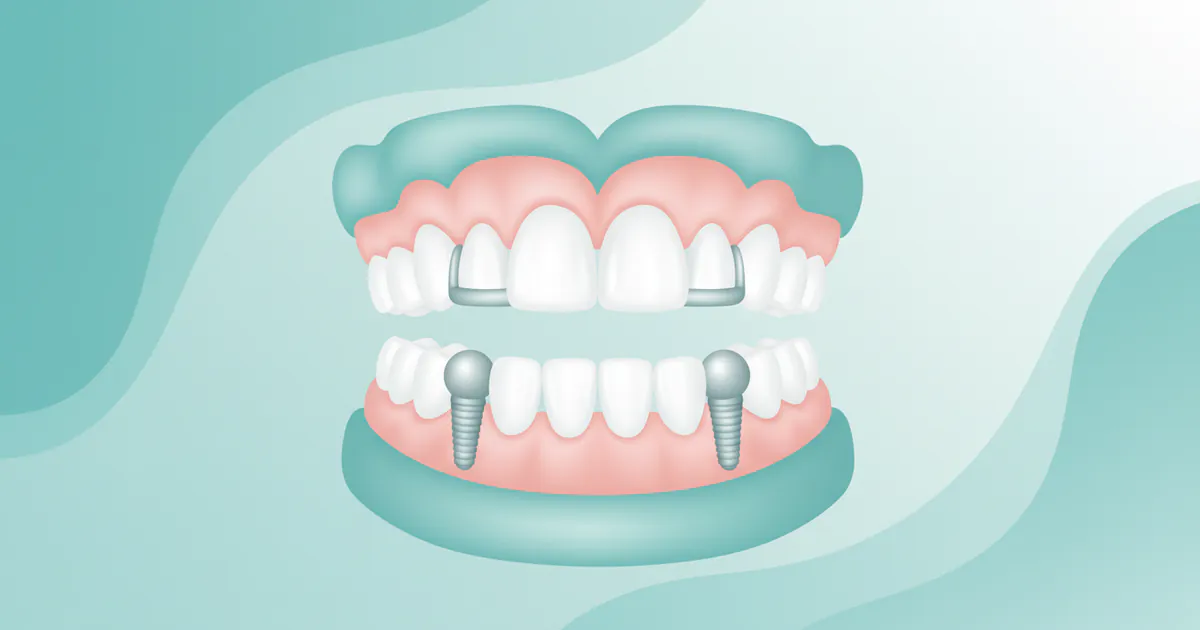
- Implant-Supported Overdentures: These are removable dentures that snap onto a few implants (typically 2-4) for enhanced stability and retention, offering a significant improvement over traditional dentures.
4. Mini Dental Implants (MDIs):
These are smaller in diameter than conventional implants and are often used to stabilize lower dentures or in areas with limited bone width where traditional implants might not be feasible without extensive grafting. They are less invasive but generally offer less stability for long-term single tooth replacement.
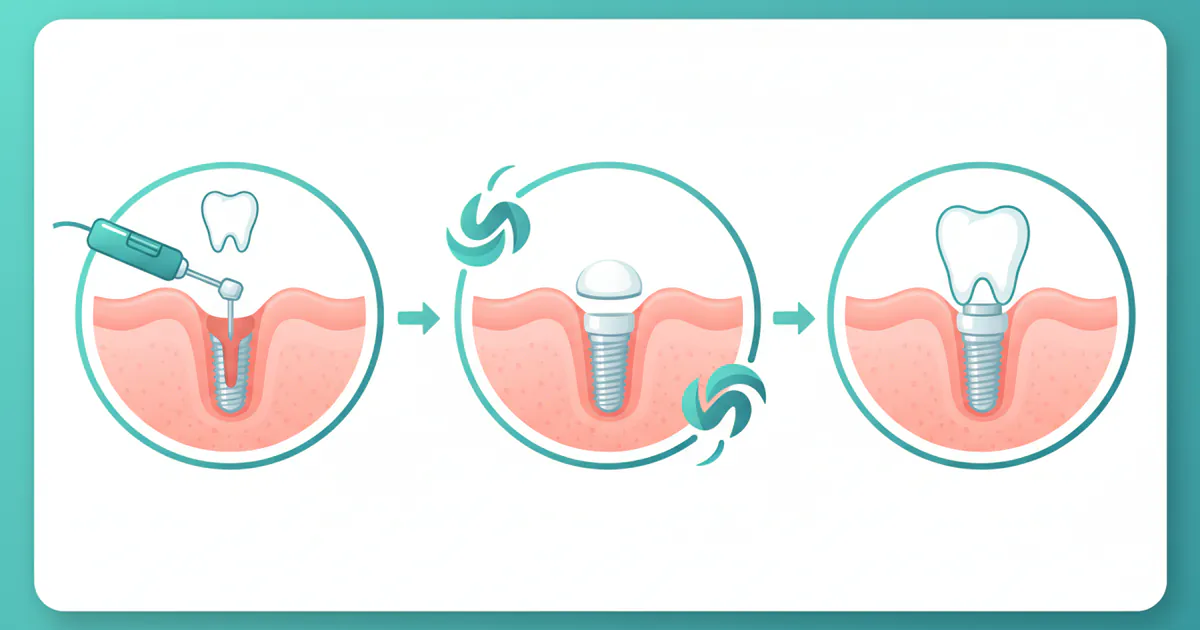
The Carolina Implant Process: A Step-by-Step Guide
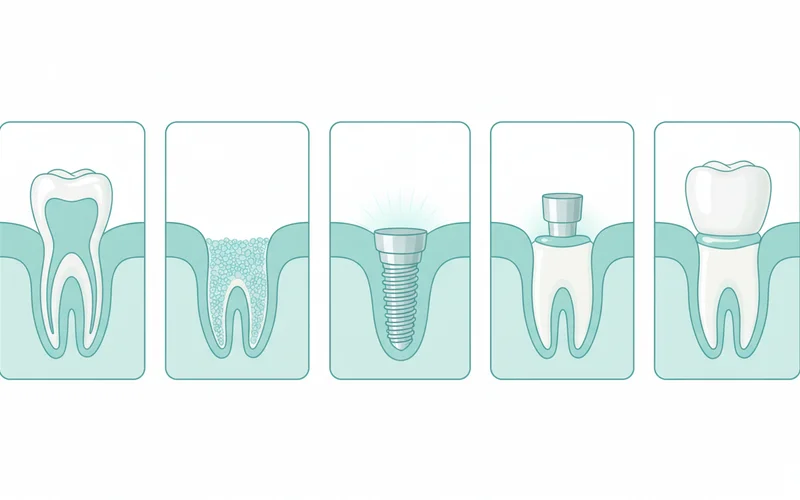
Undergoing a Carolina implant procedure is a journey that typically spans several months, involving multiple stages to ensure optimal healing and long-term success. While individual timelines may vary, here's a general outline of what to expect:
Step 1: Initial Consultation and Treatment Planning
This crucial first step involves a comprehensive dental examination. Your dentist or oral surgeon will:
- Review your medical and dental history.
- Take X-rays, panoramic images, and often a 3D CBCT scan to assess bone density, quantity, and the precise location of nerves and sinuses.
- Create digital impressions or molds of your mouth.
- Discuss your goals, evaluate candidacy, and develop a personalized treatment plan outlining the type of implant, any necessary preparatory procedures (like extractions or bone grafts), cost, and timeline.
Step 2: Preparatory Procedures (If Needed)
Some patients may require preparatory procedures before implant placement:
- Tooth Extraction: If the damaged tooth is still present, it will be carefully extracted.
- Bone Grafting: If your jawbone is not thick enough or too soft, bone grafting may be necessary. This involves transplanting bone material (from your own body, a donor, or synthetic material) to create a stronger foundation. This process can add several months to the overall timeline as the graft needs time to heal and integrate.
- Sinus Lift: If implants are needed in the upper jaw and the sinus floor is too close to the implant site, a sinus lift may be performed to add bone to the upper jaw.
Step 3: Implant Placement Surgery
This is the surgical phase where the titanium implant post is placed into your jawbone.
- Anesthesia: Local anesthesia is typically used, but sedation options (oral, IV) or even general anesthesia may be offered for patient comfort.
- Incision: The surgeon makes a small incision in your gum to expose the bone.
- Drilling: A series of precise drills are used to create a small hole in the bone at the planned location.
- Implant Insertion: The titanium implant post is then gently screwed into this prepared site.
- Suturing: The gum tissue is then closed over the implant (for two-stage procedures) or around it (for one-stage procedures), often with dissolvable sutures.
This outpatient procedure typically takes 1-2 hours per implant.
Step 4: Osseointegration (Healing Period)
This is the most critical and time-consuming phase. Osseointegration is the process where the jawbone grows around and fuses with the titanium implant post. This creates a rock-solid foundation, similar to a natural tooth root.
- Duration: This period typically lasts anywhere from 3 to 6 months, sometimes longer for bone grafts or in certain cases.
- Temporary Solutions: During this time, you may wear a temporary denture or flipper to conceal the gap.
- Monitoring: Your dentist will monitor the healing process with follow-up appointments.
Step 5: Abutment Placement (For Two-Stage Implants)
If you had a two-stage procedure where the implant was completely covered by gum tissue, a second minor surgical procedure is performed after osseointegration.
- Exposure: A small incision is made in the gum to expose the top of the implant.
- Abutment Attachment: The abutment, a small connector post, is then screwed onto the implant.
- Healing: The gum tissue is allowed to heal around the abutment for about two weeks, forming a collar around it.
Step 6: Crown/Prosthesis Placement
Once the abutment is in place and the surrounding gum tissue has healed, the final restoration can be created and attached.
- Impressions: New impressions of your mouth and the abutment are taken.
- Fabrication: These impressions are sent to a dental lab where your custom-made crown, bridge, or denture is fabricated to match your natural teeth in color, shape, and size. This usually takes 2-3 weeks.
- Attachment: On your final visit, the custom restoration is securely attached to the abutment, either cemented or screwed into place. Your new implant for tooth is now complete!
Pro Tip: Be patient during the osseointegration phase. Rushing this process can lead to implant failure. Following all post-operative instructions diligently is key to a successful outcome.
Pain and Discomfort During and After Carolina Implant Placement
Many prospective patients are concerned about pain associated with dental implant surgery. The good news is that advancements in dental anesthesia and surgical techniques have made the procedure surprisingly manageable.
During the Procedure:
- Local Anesthesia: Most implant placements are performed under local anesthesia, meaning the area being treated is completely numb, and you will not feel any pain, though you might feel pressure or vibration.
- Sedation Options: For patients with dental anxiety or those undergoing more complex procedures, various sedation options are available:
- Nitrous Oxide (Laughing Gas): Mild sedation that helps you relax.
- Oral Sedation: A pill taken before the appointment to induce a state of relaxation.
- Intravenous (IV) Sedation: Administered through a vein, leading to a deeper state of relaxation or "twilight sleep" where you are conscious but unlikely to remember the procedure.
- General Anesthesia: In rare, very complex cases, general anesthesia (where you are completely unconscious) may be used, typically in a hospital setting.
Your dental professional will discuss these options with you to ensure your comfort throughout the surgery.
After the Procedure:
It's normal to experience some discomfort, swelling, and minor bleeding after implant surgery, similar to what you might experience after a tooth extraction.
- Pain Management: This is usually manageable with over-the-counter pain relievers like ibuprofen (Advil, Motrin) or acetaminophen (Tylenol). Your surgeon may prescribe stronger pain medication if needed, especially for the first few days.
- Swelling: Swelling is common and can be minimized by applying an ice pack to the outside of your face for 20 minutes on, 20 minutes off, during the first 24-48 hours.
- Bruising: Some minor bruising of the skin and gums is also possible.
- Diet: A soft diet is recommended for the first few days to a week to avoid disturbing the surgical site.
- Oral Hygiene: Gentle rinsing with a prescribed antimicrobial mouthwash or warm salt water (after 24 hours) is often recommended. Avoid brushing directly on the surgical site for the first day or two.
- Recovery Timeline: Most patients report that the worst of the discomfort subsides within 3-7 days. Complete soft tissue healing typically takes 1-2 weeks, while osseointegration takes several months.
Following your surgeon's specific post-operative instructions meticulously is crucial for minimizing discomfort and promoting successful healing.
Recovery and Aftercare for Your Carolina Implant
Proper recovery and diligent aftercare are essential for the long-term success and longevity of your Carolina implant. The healing period after implant placement is critical for osseointegration.
Immediate Post-Operative Care (First 24-72 Hours):
- Bleeding Control: Minor oozing is normal. Bite gently on gauze pads for 30-45 minutes. If bleeding is heavy, replace with fresh gauze.
- Swelling Reduction: Apply an ice pack to the outside of your cheek for 20 minutes on, 20 minutes off, for the first 24-48 hours.
- Pain Management: Take prescribed pain medication or over-the-counter pain relievers as directed before anesthesia wears off and continue as needed.
- Diet: Stick to soft foods and liquids initially. Avoid hot liquids, alcohol, and using a straw for the first 24 hours, as suction can dislodge blood clots.
- Rest: Get plenty of rest and avoid strenuous activities that could increase blood pressure and cause bleeding.
- Oral Hygiene: Do NOT rinse, spit forcefully, or brush the surgical site for the first 24 hours. After 24 hours, you may gently rinse with warm salt water (1/2 teaspoon salt in 8 oz warm water) or a prescribed antimicrobial mouthwash. Brush other areas carefully.
- Smoking: Absolutely avoid smoking. Smoking severely hinders healing and significantly increases the risk of implant failure.
During the Osseointegration Period (Weeks to Months):
- Diet: Gradually return to a normal diet, but avoid chewing directly on the implant site until it has fully healed and integrated with the bone, especially if a temporary restoration is in place.
- Oral Hygiene: Continue meticulous oral hygiene. Gently brush and floss around other teeth. If the implant site is exposed, follow specific instructions for cleaning around it.
- Follow-Up Appointments: Attend all scheduled follow-up appointments with your dentist or oral surgeon to monitor the healing process.
- Protective Appliances: If you grind your teeth (bruxism), your dentist might recommend a nightguard to protect the implant from excessive forces.
Long-Term Aftercare for Your New Implants for Teeth:
Once your permanent crown, bridge, or denture is placed, maintaining its health is similar to caring for your natural teeth, but with a few important considerations:
- Excellent Oral Hygiene:
- Brushing: Brush twice daily with a soft-bristled toothbrush. Consider an electric toothbrush for enhanced cleaning.
- Flossing: Floss daily, paying special attention around the implant. Interdental brushes, water flossers, or specialized implant floss can be highly effective for cleaning around the abutment and crown.
- Regular Dental Check-ups: Visit your dentist for professional cleanings and examinations at least twice a year, or as recommended. Your dental hygienist can use special tools designed for cleaning around implants without causing damage.
- Avoid Damaging Habits: Do not chew on ice, hard candies, or use your teeth as tools.
- Address Bruxism: If you clench or grind your teeth, continue to wear your nightguard to protect your implants from excessive force.
Pro Tip: Think of your dental implant as a natural tooth. It requires the same dedication to daily hygiene and professional care to ensure it lasts for decades. Neglecting oral hygiene around an implant can lead to peri-implantitis, a gum disease specific to implants, which can threaten its longevity.
Cost of a Carolina Implant: Investment in Your Oral Health
The decision to get a Carolina implant is an investment in your oral health, quality of life, and appearance. Understanding the cost involved is crucial for financial planning. The price of dental implants can vary significantly based on several factors across the United States.
Factors Influencing Cost:
- Number of Implants: A single implant is less expensive than multiple implants or a full-arch restoration.
- Location: Costs can vary geographically. Urban areas and regions with higher costs of living (e.g., Northeast, West Coast) generally have higher prices than rural areas or the Midwest/South.
- Type of Implant: Standard endosteal implants are most common. Mini implants may be less, while zygomatic implants are significantly more complex and expensive.
- Material of the Crown: Porcelain-fused-to-metal (PFM) or full porcelain (zirconia) crowns have different costs. Zirconia is often more expensive but offers excellent aesthetics and durability.
- Additional Procedures:
- Tooth Extraction: If the tooth needs to be removed first (typically $75 - $400).
- Bone Grafting: Essential if there's insufficient bone (ranging from $200 - $3,000+ per site, depending on material and extent).
- Sinus Lift: A more complex bone grafting procedure for the upper jaw (typically $1,500 - $3,000+).
- Soft Tissue Grafting: If gum tissue is insufficient (typically $300 - $1,500).
- Provider's Experience: Highly experienced oral surgeons or periodontists may charge more for their expertise.
- Diagnostic Imaging: X-rays and 3D CBCT scans are necessary (typically $25 - $500).
Average US Cost Ranges (Per Single Implant):
The cost for a single dental implant, which typically includes the implant post, abutment, and custom crown, generally ranges from $3,000 to $6,000. This does not usually include preparatory procedures.
- Low End (e.g., rural areas, basic materials, no complications): $2,500 - $4,000
- Mid-Range (e.g., standard practice, good quality materials): $4,000 - $5,500
- High End (e.g., metropolitan areas, premium materials, complex cases): $5,500 - $8,000+
Cost for Multiple Implants and Full Arch:
- Implant-Supported Bridge (3-4 teeth on 2 implants): $6,000 - $15,000+
- All-on-4® / All-on-6® (Full Arch, upper or lower): $15,000 - $30,000+ per arch. This often includes the implants, abutments, and a fixed provisional prosthesis, with the final prosthesis costing more.
- Implant-Supported Overdenture (2-4 implants for removable denture stabilization): $3,500 - $10,000+
Insurance Coverage:
Dental implants are often considered an elective cosmetic procedure by many insurance companies, but this trend is changing.
- Medical Insurance: Generally does not cover dental implants, but some aspects of the procedure (e.g., bone grafting, extraction due to trauma) might be partially covered if medically necessary.
- Dental Insurance: Coverage varies widely.
- Traditional PPO plans: May cover 10-50% of the cost, often up to your annual maximum (typically $1,000 - $2,500).
- HMO/DMO plans: Less likely to cover implants, or only at very restricted rates with specific in-network providers.
- Supplemental/Major Dental Coverage: Some higher-tier plans or standalone implant plans offer better coverage.
- Medigap/Medicare Advantage: Some Medicare Advantage (Part C) plans may offer limited dental benefits, which might include some implant coverage, but it's essential to check specific plan details.
Pro Tip: Always submit a pre-treatment estimate to your dental insurance provider. This will clarify exactly what your plan covers and your out-of-pocket expenses before you begin treatment.
Comparison Tables
Comparison Table 1: Carolina Implant vs. Traditional Tooth Replacement Options
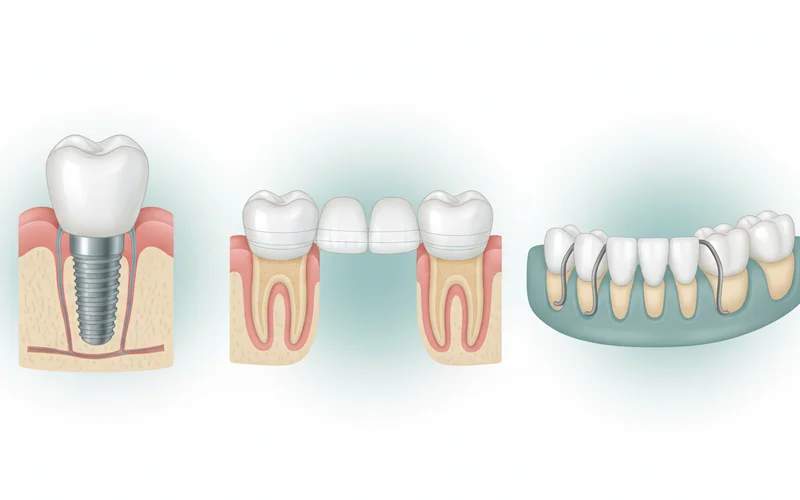
| Feature | Single Carolina Implant | Fixed Dental Bridge | Removable Partial Denture |
|---|---|---|---|
| Anchoring | Fuses with jawbone | Relies on adjacent natural teeth | Rests on gums, clasps onto remaining teeth |
| Bone Health | Preserves jawbone, prevents resorption | Does not prevent bone loss under missing tooth | Does not prevent bone loss |
| Adjacent Teeth | Leaves healthy adjacent teeth untouched | Requires grinding down of adjacent healthy teeth | Puts stress on adjacent teeth, can cause wear |
| Longevity | 20 years to a lifetime (with proper care) | 5-15 years | 5-10 years |
| Cost (Single) | $3,000 - $6,000 (implant, abutment, crown) | $2,000 - $5,000 (for 3-unit bridge) | $800 - $2,500 |
| Maintenance | Brush, floss like natural tooth | Special flossing tools needed for bridge | Remove daily for cleaning, adhesive often needed |
| Functionality | Near 100% natural chewing capacity | Good chewing capacity, can feel less stable than implant | ~25% chewing capacity of natural teeth, can slip |
| Esthetics | Most natural look and feel | Good, but can sometimes show dark line at gum | Can look artificial, clasps may be visible |
Comparison Table 2: Cost Breakdown for Carolina Implant Procedures
| Procedure/Service | Average US Cost Range (Low-Mid-High) | Notes |
|---|---|---|
| Single Implant (Post Only) | $1,500 - $3,000 | Does not include abutment or crown |
| Abutment | $300 - $1,000 | Connects implant post to crown |
| Crown (Porcelain/Zirconia) | $1,000 - $3,000 | Custom-made prosthetic tooth, varies by material and lab |
| Full Single Implant | $3,000 - $7,000 | Includes post, abutment, and crown |
| Tooth Extraction | $75 - $400 (simple) / $200 - $600+ (surgical) | If existing tooth needs removal |
| Bone Graft (per site) | $200 - $3,000+ | Varies based on material (synthetic, cadaver, patient's own) and volume |
| Sinus Lift | $1,500 - $3,000+ | Adds bone to upper jaw, more complex than standard graft |
| 3D CBCT Scan | $250 - $500 | Essential for precise planning and avoiding complications |
| Full Arch Implants (All-on-4/6) | $15,000 - $30,000+ per arch | Includes implants, temporary prosthesis, but final often separate |
| Implant-Supported Overdenture | $3,500 - $10,000+ | Includes 2-4 implants and a removable denture |
Risks and Potential Complications of Carolina Implants
While dental implants boast a high success rate, typically over 95%, like any surgical procedure, there are potential risks and complications. Being aware of these helps you make an informed decision and enables early detection if an issue arises.
Common, Minor Complications:
- Infection at the Implant Site: This is the most common complication and can usually be treated with antibiotics or local antiseptic measures.
- Swelling and Bruising: Normal post-operative effects, usually resolving within a few days to a week.
- Minor Bleeding: Also common immediately after surgery, manageable with gauze.
- Nerve Damage: Though rare, especially with careful planning (e.g., 3D scans), there's a small risk of implant placement too close to a nerve, leading to numbness, tingling, or pain in the lips, gums, tongue, or chin. This can be temporary or, in very rare cases, permanent.
- Sinus Problems: If an implant is placed in the upper jaw, it can, in rare instances, protrude into one of your sinus cavities, leading to discomfort or infection. A sinus lift procedure aims to prevent this.
More Serious, Less Common Complications:
- Implant Failure (Lack of Osseointegration): The implant fails to fuse with the jawbone. This can be due to:
- Insufficient bone quality or quantity.
- Excessive force on the implant during healing.
- Infection.
- Smoking.
- Uncontrolled systemic diseases (e.g., diabetes).
- This is typically identified during the healing phase.
- Peri-implantitis: An inflammatory condition affecting the soft and hard tissues surrounding a dental implant, similar to gum disease around a natural tooth. It can lead to bone loss around the implant and, if left untreated, implant failure. Poor oral hygiene is a primary risk factor.
- Loose or Broken Abutment/Crown: While the implant post itself is very durable, the abutment or crown can sometimes loosen or fracture, usually due to excessive force (like grinding) or material fatigue. These are usually repairable or replaceable.
- Implant Fracture: Extremely rare, but the titanium implant post can fracture under extreme, long-term stress.
Factors Increasing Risk:
- Smoking: Significantly impairs healing and increases the risk of infection and implant failure.
- Poor Oral Hygiene: Leads to plaque accumulation and potential peri-implantitis.
- Uncontrolled Chronic Diseases: Conditions like diabetes, osteoporosis, or immunosuppressive disorders can affect healing and bone integration.
- Radiation Therapy to the Head/Neck: Can impair bone healing.
- Certain Medications: Bisphosphonates, for example, can affect bone metabolism and should be discussed with your surgeon.
- Bruxism (Teeth Grinding): Puts excessive stress on implants.
Your dental professional will thoroughly assess your medical history and lifestyle factors to identify any potential risks and discuss strategies to mitigate them. Choosing an experienced and qualified dental implant specialist is the best way to minimize complications.
Prevention and Maintenance of Your Carolina Implant
The longevity of your Carolina implant hinges significantly on proper prevention and meticulous maintenance. By adopting a diligent oral hygiene routine and adhering to professional recommendations, you can ensure your implant lasts for decades.
1. Maintain Excellent Daily Oral Hygiene:
This is the cornerstone of implant longevity.
- Brush Twice Daily: Use a soft-bristled toothbrush (manual or electric) and a non-abrasive toothpaste. Focus on gently cleaning all surfaces of the implant crown and the gum line surrounding it.
- Floss Daily: Flossing around implants is crucial. Traditional floss can work, but specialized tools are often recommended:
- Implant Floss: Wider, spongier floss specifically designed for implants.
- Water Flosser (Oral Irrigator): Excellent for dislodging food particles and plaque from around the implant and under the gum line, especially beneficial for multi-unit restorations.
- Interdental Brushes: Small brushes designed to clean between teeth and around implant abutments.
- Antimicrobial Mouthwash: Your dentist might recommend a non-alcohol antimicrobial mouthwash to help control bacteria, especially if you're prone to gum inflammation.
2. Regular Professional Dental Check-ups and Cleanings:
- Frequency: Visit your dentist or dental hygienist every 6 months, or as recommended (some implant patients may benefit from 3-4 month recall).
- Specialized Cleaning: Dental professionals use special instruments (plastic or graphite scalers) designed not to scratch or damage the titanium implant surface or the crown, which can happen with traditional metal tools.
- Monitoring: They will meticulously check the health of your implant, surrounding gums, and bone with X-rays as needed to detect any early signs of issues like peri-implantitis.
3. Avoid Damaging Habits:
- Stop Smoking: Smoking is the leading preventable cause of implant failure. It constricts blood vessels, reducing blood flow to the gums and bone, hindering healing and making implants more susceptible to infection.
- Avoid Chewing Hard Objects: Do not chew on ice, hard candies, popcorn kernels, or use your teeth to open packages. This can damage your natural teeth and your implant crown.
- Manage Bruxism (Teeth Grinding/Clenching): If you grind or clench your teeth, especially at night, your dentist will likely prescribe a custom-made nightguard. This protects your implants (and natural teeth) from excessive forces that can lead to crown fracture, abutment loosening, or even implant failure.
4. Address Issues Promptly:
- Report Any Changes: If you notice any signs of discomfort, redness, swelling, bleeding, a loose feeling, or difficulty chewing around your implant, contact your dentist immediately. Early detection and intervention are key to managing potential complications.
By committing to these preventive measures, you significantly enhance the lifespan and success of your new implants for teeth, ensuring they continue to function and look great for many years to come.
Children / Pediatric Considerations
Dental implants are generally not recommended for children or adolescents whose jawbones are still growing and developing. Placing an implant in a growing jaw can lead to complications such as the implant becoming submerged (ankylosed) relative to the surrounding teeth as the jaw continues to grow, potentially impacting facial aesthetics and requiring future complex revisions.
Typically, dental implant placement is deferred until jaw growth is complete, which is usually around 18 years of age for girls and the early 20s for boys.
If a child or teenager loses a permanent tooth due to trauma or other reasons, temporary tooth replacement options are often considered until they reach skeletal maturity. These may include:
- Space Maintainers: To hold the space open and prevent adjacent teeth from shifting.
- Removable Partial Dentures (Flippers): A temporary, removable acrylic tooth replacement.
- Bonded Bridges: A temporary tooth attached to adjacent teeth with minimal alteration.
In cases where an implant is being considered for an older adolescent, a comprehensive evaluation, including growth assessment through wrist X-rays or sequential cephalometric radiographs, may be conducted to determine if growth is indeed complete. The primary goal is to provide a stable, long-term solution that integrates seamlessly with their developing facial structure, and for most young patients, this means waiting for full maturity before a permanent Carolina implant is placed.
Cost Breakdown: Navigating the Investment
While the cost of a Carolina implant has been touched upon, a dedicated breakdown helps consolidate this vital information and explore payment strategies. As established, prices vary, but understanding the components helps.
Average US Costs (Low, Mid, High Summary):
| Procedure/Service | Low End (USD) | Mid Range (USD) | High End (USD) |
|---|---|---|---|
| Single Implant (all-inclusive) | $2,500 | $4,500 | $8,000+ |
| Bone Graft (per site) | $200 | $1,500 | $3,000+ |
| Sinus Lift | $1,500 | $2,200 | $3,500+ |
| Full Arch (All-on-4/6, per arch) | $15,000 | $22,000 | $35,000+ |
With vs. Without Insurance:
- Without Insurance: You will be responsible for 100% of the cost. Many dental offices offer discounts for upfront cash payments for uninsured patients.
- With Insurance: If your dental insurance plan offers coverage for implants, it typically covers a percentage (e.g., 20-50%) up to your annual maximum. For example, if a single implant costs $4,500 and your plan covers 30% with a $1,500 annual maximum, your plan might pay $1,350 (30% of $4,500), leaving you with $3,150 out-of-pocket for that year. If the procedure spans two calendar years (e.g., implant placed in December, crown in January), you might be able to utilize two annual maximums, effectively doubling your insurance benefit.
Payment Plans and Financing Options:
Recognizing that implants are a significant investment, most dental practices offer or work with third-party financing solutions:
- In-Office Payment Plans: Some practices allow patients to pay in installments over the course of treatment.
- Third-Party Medical/Dental Credit Cards: Services like CareCredit® or LendingClub® offer specialized financing for healthcare expenses. They often have deferred interest options if paid within a certain promotional period (e.g., 6, 12, 18, or 24 months) or low-interest fixed payment plans for longer terms.
- Personal Loans: Banks or credit unions may offer personal loans with competitive interest rates for larger dental expenses.
- Health Savings Accounts (HSAs) and Flexible Spending Accounts (FSAs): These tax-advantaged accounts allow you to set aside pre-tax money for qualified medical and dental expenses, including implants. Using these accounts can significantly reduce your out-of-pocket costs.
Cost-Saving Tips:
- Consult Multiple Dentists: Obtain treatment plans and quotes from 2-3 qualified implant dentists to compare costs and approaches.
- Ask About Package Deals: For multiple implants or full-arch treatments, some practices offer discounted package pricing.
- Utilize Annual Maximums: If your treatment spans multiple calendar years, strategize with your dentist to split the treatment (e.g., implant placement in one year, crown placement in the next) to maximize your insurance benefits across two annual maximums.
- Dental Schools: Dental schools often offer treatments at a reduced cost, as procedures are performed by students under the supervision of experienced faculty. Quality is high, but treatment times may be longer.
- Travel for Treatment: In some border regions, patients might consider traveling to neighboring countries for significantly lower costs, though this comes with considerations for follow-up care and potential language barriers. (Always thoroughly research and verify credentials if considering this option).
Pro Tip: Don't let cost be the sole deciding factor. While important, prioritize the experience and reputation of the dental professional, the quality of materials, and the comprehensiveness of the treatment plan. A cheaper implant that fails is ultimately more expensive.
Frequently Asked Questions
Is the Carolina implant procedure painful?
The procedure itself is typically not painful due to local anesthesia, and various sedation options are available. You might feel pressure or vibration. After the surgery, some discomfort, swelling, and mild pain are common but are usually manageable with over-the-counter pain relievers or prescribed medication for a few days.
How long does the entire Carolina implant process take?
The entire process, from initial consultation to the placement of the final crown, usually takes 3 to 9 months. This duration is primarily due to the osseointegration period, which requires the implant to fully fuse with your jawbone, a process that typically takes 3-6 months. Additional procedures like bone grafting can extend this timeline.
How long do dental implants last?
With proper oral hygiene and regular dental check-ups, dental implants can last for 20 years, often a lifetime. The implant post itself is extremely durable, while the crown may need replacement after 10-15 years due to wear and tear, similar to a natural tooth crown.
Are there alternatives to Carolina implants for missing teeth?
Yes, alternatives include dental bridges and removable partial or full dentures. Bridges are fixed but require grinding down adjacent healthy teeth. Dentures are removable and typically offer less stability and chewing power than implants, and do not prevent jawbone loss.
Can a Carolina implant fail?
While implants have a high success rate (over 95%), failure is possible. Causes can include infection, insufficient bone integration, nerve damage, or uncontrolled systemic diseases like diabetes. Smoking significantly increases the risk of failure. Early detection and prompt treatment can often address minor complications.
How do I care for my Carolina implant?
Caring for your implant is similar to natural teeth: brush twice daily with a soft toothbrush, floss daily (using special implant floss or a water flosser), and attend regular dental check-ups and professional cleanings. Avoid smoking and chewing on hard objects, and wear a nightguard if you grind your teeth.
Will my dental insurance cover the cost of a Carolina implant?
Insurance coverage varies widely. While many dental insurance plans consider implants a major procedure and may cover 10-50% of the cost up to your annual maximum, some plans do not cover them at all. Always get a pre-treatment estimate from your dentist and insurance provider to understand your specific coverage.
Am I a good candidate for a Carolina implant?
Good candidates generally have good overall health, sufficient jawbone density, healthy gums, and a commitment to excellent oral hygiene. Factors like uncontrolled diabetes, smoking, or severe bone loss can affect candidacy, though bone grafting can often address bone deficiencies. A thorough dental evaluation is necessary.
What are the benefits of choosing a Carolina implant over a bridge?
Implants preserve adjacent healthy teeth by not requiring them to be ground down for support, prevent jawbone loss by stimulating the bone, and offer superior long-term durability, aesthetics, and chewing functionality compared to bridges. They are a stand-alone solution mimicking a natural tooth root.
When can I eat normally after my implant surgery?
Immediately after surgery, a soft diet is recommended for several days. As the surgical site heals, you can gradually reintroduce solid foods. Your dentist will provide specific dietary guidelines, especially during the several-month osseointegration period, where you may need to avoid chewing directly on the implant site.
When to See a Dentist
Knowing when to seek professional dental attention is crucial for maintaining your oral health and ensuring the long-term success of your Carolina implant.
Routine Care Guidance:
- Regular Check-ups: Schedule routine dental check-ups and professional cleanings every six months, or as recommended by your implant specialist. This allows for proactive monitoring of your implant and overall oral health.
- Annual X-rays: Be prepared for periodic X-rays to assess the bone level around your implant and check for any underlying issues.
Red Flags Requiring a Prompt, Scheduled Appointment:
- Persistent Pain or Discomfort: If pain around your implant site persists beyond a week after surgery, or develops suddenly long after healing, it warrants a check-up.
- Swelling, Redness, or Bleeding Gums: Any signs of inflammation, such as swollen, red, or tender gums around the implant, or bleeding when brushing/flossing, could indicate peri-implantitis or an infection.
- Difficulty Chewing: If you experience new difficulty or pain while chewing on the implant side, it could signal an issue with the implant, abutment, or crown.
- Loose-Feeling Implant or Crown: If your implant crown feels loose, wobbly, or if you feel any movement from the implant itself, contact your dentist immediately. This needs urgent attention.
- Foul Taste or Odor: A persistent bad taste or odor from the implant area can be a sign of infection.
- Chips or Cracks in the Crown: Any damage to the visible crown should be addressed to prevent further deterioration or sharp edges that could harm your tongue or cheeks.
Emergency Signs Requiring Immediate Attention:
- Severe, Uncontrolled Bleeding: If bleeding from the implant site is heavy and does not stop with sustained pressure, seek immediate dental care or go to an emergency room.
- Extreme Swelling or Spreading Infection: If swelling becomes severe, obstructs breathing or swallowing, or spreads rapidly to your jaw, neck, or eye, this is a medical emergency.
- Sudden, Intense Pain: Unbearable pain that doesn't respond to pain medication needs immediate evaluation.
- Numbness or Tingling that Persists or Worsens: While some post-surgical numbness can occur, persistent or worsening numbness of the lip, tongue, or chin could indicate nerve involvement and requires immediate assessment.
Never ignore persistent symptoms or assume they will resolve on their own, especially concerning a dental implant. Early intervention can often prevent minor issues from escalating into more serious complications, protecting your investment and your oral health.
Frequently Asked Questions
Medically Reviewed Content
This article was written by our dental health editorial team and reviewed for medical accuracy. Our content follows strict editorial guidelines for reliability and trustworthiness.
Medical Disclaimer
This article is for informational purposes only and does not constitute medical advice. Always consult with a qualified dental professional for diagnosis and treatment. Do not delay seeking professional advice because of something you read on this website.
Related Articles
Implantologist: Complete Guide
Losing a tooth can be a significant setback, impacting not only your smile but also your ability to speak, chew, and maintain overall oral health. In fact, over 3 million Americans currently have dental implants, and that number is projected to grow significantly as more people seek a durable, n
March 8, 2026
Dentures Over Implants: Complete Guide
Missing multiple teeth or even an entire arch can profoundly impact your life, affecting everything from your ability to chew and speak to your self-confidence. For millions of Americans, traditional removable dentures have long been a solution, but they often come with compromises: slipping, discom
March 8, 2026
Implants Process: Complete Guide
Missing teeth can impact more than just your smile; they can affect your ability to eat, speak, and even your overall confidence. In fact, over 178 million Americans are missing at least one tooth, and about 40 million are missing all of their teeth. When faced with tooth loss, understanding the
March 8, 2026
Implants Dentaires: Complete Guide
Missing teeth can dramatically impact not just your smile, but your overall health, confidence, and quality of life. In the United States, an estimated 178 million adults are missing at least one tooth, while approximately 40 million are missing all their teeth. These statistics underscore a
March 8, 2026