Full Mouth Implants Cost: Complete Price Guide 2026
Key Takeaways
- Imagine regaining the ability to eat your favorite foods without discomfort, speak clearly without hesitation, and smile confidently in every photograph. For millions of Americans facing extensive tooth loss, this dream can become a reality through full mouth implants. This advanced dental solution
Full Mouth Implants Cost: Complete Price Guide 2026
Imagine regaining the ability to eat your favorite foods without discomfort, speak clearly without hesitation, and smile confidently in every photograph. For millions of Americans facing extensive tooth loss, this dream can become a reality through full mouth implants. This advanced dental solution offers a permanent, stable, and aesthetically pleasing alternative to traditional dentures, significantly improving quality of life. However, one of the most pressing questions on many patients' minds is the full mouth implants cost. Understanding the investment required for such a transformative procedure is crucial for planning your dental health journey.
This comprehensive guide from SmilePedia.net will demystify the financial aspects of full mouth implants, providing transparent pricing for 2026, detailing the various types, explaining the step-by-step process, outlining what factors influence the overall cost, and exploring your insurance and financing options. By the end of this article, you'll have a clear understanding of what to expect, enabling you to make an informed decision about restoring your smile and oral health.
Key Takeaways:
- Average Cost: Full mouth implants typically range from $25,000 to $60,000 per arch (upper or lower jaw) for an All-on-4/6 system, with prices potentially reaching $80,000+ per arch for complex cases or individual implants.
- Factors Influencing Cost: Price varies significantly based on the type of implant system, materials (porcelain, zirconia, acrylic), geographical location, additional procedures (bone grafting, extractions), and the dentist's expertise.
- Insurance Coverage: Dental insurance rarely covers the full cost of implants, often providing only partial coverage for diagnostic procedures or the prosthetic (crown/bridge), but typically not the implant post itself. Medical insurance may apply in cases of trauma or medical necessity.
- Timeline: The entire teeth implant process can take 3 to 12 months or more, depending on the need for preliminary procedures (like bone grafting) and the healing period.
- Financing Options: Most dental practices offer payment plans, third-party financing (e.g., CareCredit), or accept dental loans to make the investment more manageable.
- Longevity: With proper care, full mouth implants can last 20 years to a lifetime, making them a durable, long-term solution compared to conventional dentures.
What Are Full Mouth Implants? An Overview
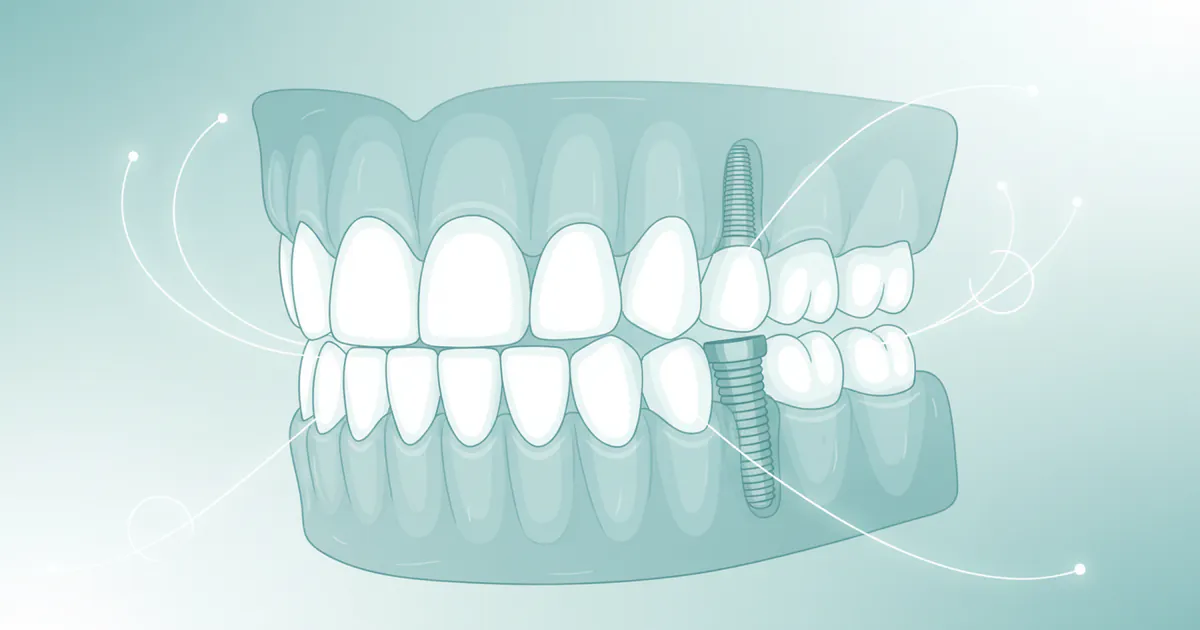
Full mouth implants refer to a comprehensive dental restoration that replaces all teeth in either the upper jaw, lower jaw, or both, using surgically placed dental implants as anchors. Unlike traditional dentures that rest on the gums, these implant-supported prostheses are securely fixed, offering superior stability, comfort, and function. This treatment is ideal for individuals who have lost most or all of their natural teeth due to decay, gum disease, or injury, and are looking for a permanent, life-like solution.
The core of a dental implant is a small, screw-shaped post, typically made of biocompatible titanium, which is surgically placed into the jawbone. Over several months, this post fuses with the bone in a process called osseointegration, acting as a robust artificial tooth root. Once integrated, these implants can support various types of prostheses, from individual crowns to full arches of teeth. For a full mouth restoration, multiple implants are strategically placed to support a bridge or denture that replaces an entire arch of teeth. This permanent fixture ensures that your new teeth function and feel much like natural teeth, restoring your ability to chew, speak, and smile with confidence.
Types of Full Mouth Implants and Variations
When considering full mouth implants, you'll encounter several options, each designed to address different needs, bone densities, and budgets. Understanding these variations is key to determining the most suitable and cost-effective solution for your unique situation.
1. All-on-4® and All-on-6® Dental Implants
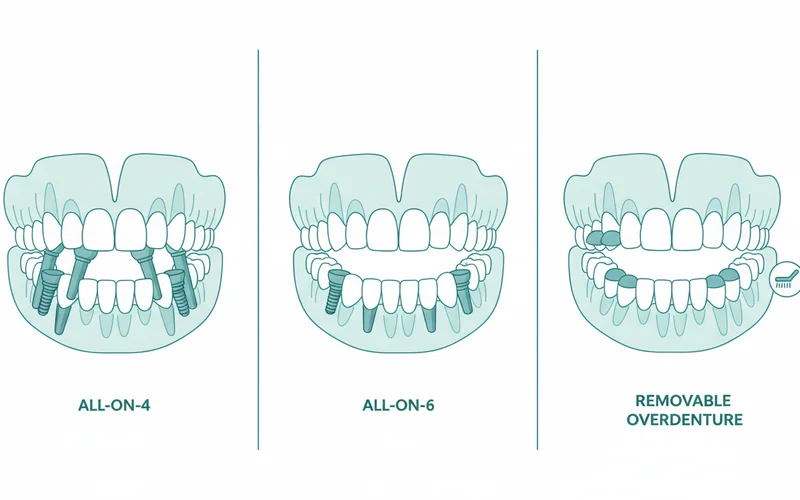
These are the most popular full mouth implant solutions. They involve placing a specific number of implants (four or six) in the jawbone to support a full arch of permanent teeth (a fixed bridge). The implants are strategically angled to maximize contact with existing bone, often eliminating the need for extensive bone grafting, even in cases of moderate bone loss.
- All-on-4®: This technique uses four dental implants to support an entire arch of teeth. Two implants are placed vertically in the front, and two are angled in the back. This method is often suitable for patients with some bone loss, as the angled implants leverage denser bone areas. It can sometimes allow for immediate loading (placement of a temporary prosthesis on the same day as implant surgery).
- All-on-6®: Similar to All-on-4, but utilizing six dental implants per arch. The additional implants provide greater stability and distribution of chewing forces, which can be beneficial for patients with very dense bone or those seeking maximum long-term stability. This option often provides a stronger foundation, especially for the upper jaw, which has softer bone.
Pros of All-on-4/6: High stability, permanent solution, improved chewing/speech, natural appearance, often avoids bone grafting. Cons of All-on-4/6: Higher initial cost than traditional dentures, surgical procedure required, healing time.
2. Full Arch Fixed Implant-Supported Bridge
This option involves placing a higher number of individual implants (typically 6 to 10 implants per arch) to support a custom-made bridge that spans the entire arch. Each implant functions more independently, providing robust support. This method generally requires a greater volume of healthy jawbone and may involve more extensive surgical procedures and a longer healing period if bone grafting is necessary.
Pros: Maximum stability and biting force, highly customizable aesthetics, each implant acts like an individual tooth root. Cons: Highest cost, more implants mean more surgical sites, potentially longer treatment time due to extensive bone grafting if needed.
3. Removable Implant-Supported Overdentures ("Snap-In Dentures")
This hybrid option combines the benefits of implants with the removability of traditional dentures. Two to four implants are placed in the jawbone, and the denture is fitted with attachments that "snap" onto these implants. While the denture can be removed for cleaning, the implants provide significantly enhanced stability compared to conventional dentures, preventing slippage and improving chewing efficiency.
Pros: More affordable than fixed options, greatly improved stability and retention compared to traditional dentures, still removable for easy cleaning. Cons: Less stable than fixed options, still covers the palate (for upper), not as natural-feeling as fixed prosthetics.
4. Zygomatic Implants
For patients with severe bone loss in the upper jaw who are not candidates for conventional implants or extensive bone grafting, zygomatic implants offer a viable solution. These longer implants are anchored into the zygoma (cheekbone) rather than the jawbone, providing a stable foundation even without sufficient alveolar bone. This is a highly specialized procedure, typically performed by oral surgeons.
Pros: Solution for severe upper jawbone loss, avoids extensive bone grafting in the upper jaw, can support a full arch bridge. Cons: Highly specialized and complex surgery, higher cost, longer and more involved recovery.
Why Full Mouth Implants Become Necessary: Causes of Extensive Tooth Loss
Full mouth implants are a restorative solution for individuals who have lost most or all of their teeth. The underlying reasons for such extensive tooth loss are varied and often interconnected. Understanding these causes can help patients recognize when they might need to consider such a comprehensive treatment.
- Severe Periodontal Disease (Gum Disease): This is the leading cause of tooth loss in adults. Untreated gum disease leads to inflammation, infection, and eventually, the destruction of the bone and tissues supporting the teeth. As the bone deteriorates, teeth become loose and may eventually fall out or require extraction.
- Extensive Tooth Decay: While a single cavity is treatable, widespread, severe tooth decay can compromise the structural integrity of multiple teeth. When decay progresses deep into the tooth, it can lead to infection, fracture, and ultimately, the need for extraction. If many teeth are severely decayed, full mouth reconstruction becomes necessary.
- Trauma or Injury: Accidents, falls, or sports injuries can result in the sudden loss of multiple teeth or severe damage that necessitates extraction. Depending on the extent of the damage, full mouth implants might be the best way to restore function and aesthetics.
- Congenital Conditions: Some individuals are born with genetic conditions that affect tooth development, leading to missing teeth (anodontia or hypodontia) or teeth that are prone to early loss.
- Failed Previous Dental Work: Over time, old fillings, crowns, or bridges can fail, leading to new decay or structural issues beneath them. If multiple restorations fail simultaneously, it can lead to extensive tooth loss.
- Medical Conditions and Medications: Certain systemic diseases (e.g., diabetes, some autoimmune disorders) and medications (e.g., those causing dry mouth, some cancer treatments) can significantly impact oral health, increasing the risk of severe decay and gum disease, ultimately leading to tooth loss.
- Poor Oral Hygiene: A consistent lack of proper brushing, flossing, and regular dental check-ups allows plaque and tartar to build up, fostering an environment for both gum disease and tooth decay to thrive.
Regardless of the cause, extensive tooth loss profoundly impacts quality of life, affecting the ability to eat, speak, and smile comfortably. Full mouth implants offer a robust and reliable solution to these challenges, restoring both function and aesthetics.
Treatment Options: Full Mouth Implants vs. Alternatives
While full mouth implants offer a gold standard in tooth replacement, it's important to understand them in the context of other available options. Each treatment has its own set of pros, cons, and associated costs.
1. Full Mouth Implants (Fixed or Removable)
- Pros:
- Superior Stability: Anchored in the jawbone, providing unmatched stability for chewing and speaking.
- Natural Feel & Appearance: Mimics natural teeth closely.
- Preserves Jawbone: Prevents bone loss (resorption) that occurs after tooth loss, maintaining facial structure.
- Durability: Can last for decades or a lifetime with proper care.
- Comfort: No slipping, rubbing, or need for adhesives.
- Improved Chewing Efficiency: Allows for a broader diet without restrictions.
- Cons:
- High Initial Cost: Significant upfront investment.
- Surgical Procedure: Requires one or more surgeries.
- Longer Treatment Time: Often involves multiple appointments over several months.
- Not for Everyone: Requires sufficient bone density or additional procedures like bone grafting.
2. Traditional Full Dentures
Conventional dentures are removable prostheses that sit on the gums, held in place by suction and sometimes a dental adhesive.
- Pros:
- Most Affordable: Lowest upfront cost.
- Non-Invasive: No surgery required.
- Faster Process: Can be made and fitted relatively quickly.
- Cons:
- Poor Stability: Can slip, shift, or even fall out, especially when eating or speaking.
- Bone Resorption: Does not stimulate the jawbone, leading to continued bone loss and changes in facial structure over time.
- Limited Chewing: Can make eating certain foods difficult or uncomfortable.
- Potential Discomfort: May cause sore spots or irritation.
- Regular Adjustments/Relining: Need frequent adjustments and replacement every 5-10 years.
- Affects Taste & Speech: Upper dentures cover the palate, which can reduce taste sensation and affect speech clarity.
3. Dental Bridges (Not a full mouth solution, but a common alternative for smaller gaps)
Fixed bridges replace one or more missing teeth by anchoring a prosthetic tooth (or teeth) to adjacent natural teeth or existing implants. For a full mouth, this would involve multiple bridges, which is generally not as stable or effective as a unified full arch implant solution.
- Pros:
- Fixed Solution: More stable than dentures for localized tooth loss.
- Faster than Implants: Generally quicker to place than a single implant.
- Cons:
- Requires Healthy Adjacent Teeth: Relies on grinding down healthy teeth for crowns.
- Doesn't Prevent Bone Loss: Does not stimulate the jawbone beneath the missing tooth.
- Limited Longevity: Typically lasts 5-15 years.
- Not Suitable for Full Arch: Impractical and costly to replace an entire arch with multiple individual bridges.
Pro Tip: For patients considering full mouth implants but concerned about the cost, removable implant-supported overdentures (snap-in dentures) offer a significant upgrade in stability and comfort over traditional dentures at a lower price point than fixed full arch implants. Discuss this hybrid option with your dentist.
The Full Mouth Teeth Implant Process: What to Expect
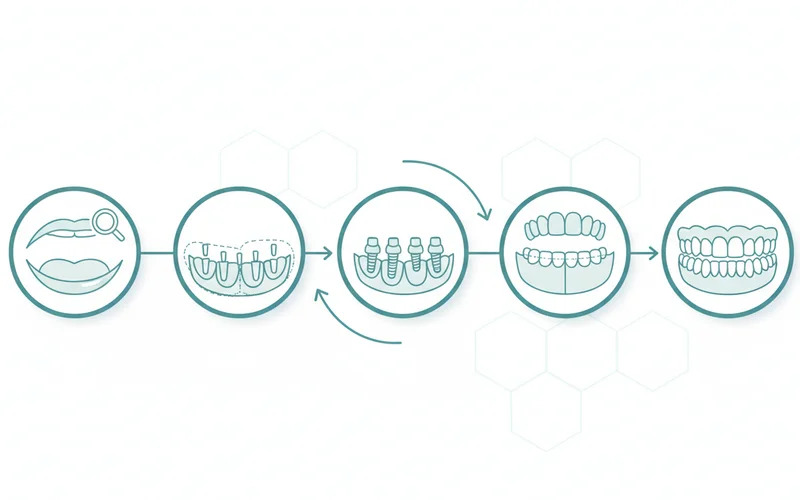
The journey to a new smile with full mouth implants is a multi-stage process designed to ensure optimal healing, stability, and aesthetic outcomes. The exact timeline can vary greatly depending on individual needs, the number of implants, and whether additional procedures like bone grafting are required.
Stage 1: Initial Consultation and Planning (1-2 appointments)
- Comprehensive Examination: Your dentist or oral surgeon will perform a thorough examination of your oral health, including your remaining teeth, gums, and jawbone structure. This involves taking detailed X-rays, 3D CT scans (Cone Beam CT), and often digital impressions.
- Medical History Review: A detailed review of your medical history, including any systemic conditions (like diabetes or heart disease) and medications, is crucial to assess suitability for surgery.
- Treatment Plan Development: Based on the findings, a personalized treatment plan will be developed. This includes determining the ideal number and placement of implants, the type of prosthesis, any necessary preliminary procedures (extractions, bone grafting), and a detailed cost estimate. You'll discuss your aesthetic goals and bite needs.
- Anesthesia Discussion: Options for sedation during surgery will be discussed, ranging from local anesthesia to oral sedation, IV sedation, or general anesthesia.
Stage 2: Preliminary Procedures (If needed, 3-9 months healing)
- Tooth Extractions: Any remaining compromised teeth that cannot be saved will be extracted.
- Bone Grafting: If your jawbone lacks sufficient density or volume to support the implants, a bone grafting procedure will be performed. This involves adding bone material (from your own body, a donor, or synthetic material) to the target area. This can add several months to the overall treatment timeline, as the graft needs to integrate and heal before implant placement. Internal Linking Opportunity: Learn more about bone grafting procedures and costs on SmilePedia.net.
- Gum Disease Treatment: Any active gum disease must be treated and resolved before implant placement to ensure a healthy foundation.
Stage 3: Implant Placement Surgery (1-3 hours per arch)
- Anesthesia: The chosen anesthesia will be administered to ensure your comfort during the procedure.
- Incision: The surgeon makes a small incision in the gum tissue to expose the jawbone.
- Pilot Hole Drilling: Using precise surgical guides based on your 3D scans, a small pilot hole is carefully drilled into the jawbone.
- Implant Insertion: The titanium dental implant post is gently screwed into the prepared bone socket.
- Gum Closure: The gum tissue is then closed over the implant, or a healing abutment is placed, depending on the chosen implant system and whether immediate loading is planned.
Stage 4: Osseointegration and Healing (3-6 months)
This is a critical phase where the implants fuse with your jawbone. This biological process, called osseointegration, creates a strong, stable foundation for your new teeth. During this time, you'll likely wear a temporary denture (if you don't have existing teeth) or a modified existing denture that doesn't put pressure on the implant sites. Regular check-ups will monitor the healing progress.
Stage 5: Abutment Placement (If not already placed, 1-2 appointments)
Once osseointegration is complete, a minor surgical procedure might be necessary to uncover the implants and attach abutments. Abutments are small connectors that extend from the implant through the gum line, serving as posts to which the final prosthetic teeth will be attached. In some cases, especially with immediate load protocols, the abutments are placed during the initial implant surgery.
Stage 6: Prosthesis Fabrication and Attachment (2-4 appointments)
- Impressions: Accurate impressions of your mouth and the abutments are taken. These can be traditional molds or digital scans.
- Laboratory Fabrication: A dental lab custom-designs and fabricates your permanent full arch bridge or denture based on these impressions, ensuring a perfect fit, natural appearance, and correct bite. This process can take several weeks.
- Trial Fit and Adjustments: You'll have trial fittings to ensure the color, shape, and fit of your new teeth are ideal. Any necessary adjustments are made.
- Final Placement: Once perfected, the permanent full arch prosthesis is securely attached to the abutments. Your dentist will ensure your bite is comfortable and functional.
Full Mouth Implants Cost and Insurance Coverage in the US (2026)
Understanding the full mouth implants cost is arguably the most significant aspect of this decision. The price tag for a full mouth restoration can vary widely, influenced by numerous factors. It's an investment, but one that provides long-term benefits in health, comfort, and confidence.
Average US Cost Ranges for Full Mouth Implants (Per Arch)
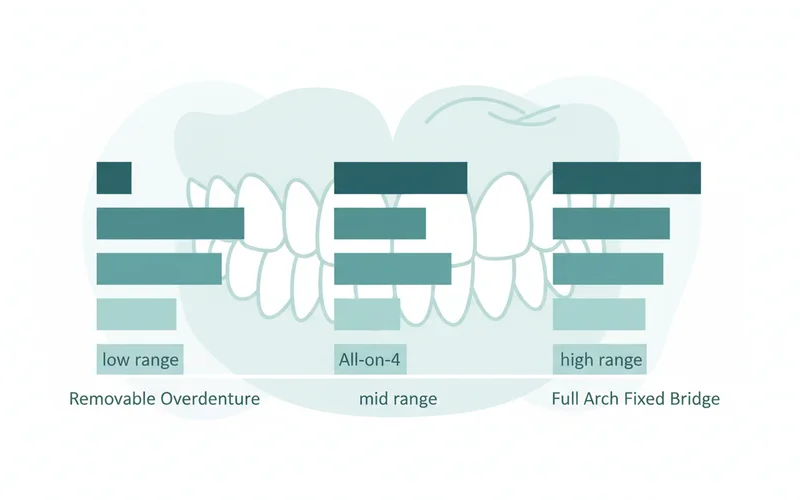
As of 2026, here are the estimated price ranges for full mouth implant solutions in the United States, per arch (upper or lower jaw):
-
Removable Implant-Supported Overdenture (Snap-In Denture):
- Low End: $10,000 - $18,000 (2-4 implants, acrylic denture)
- Mid-Range: $18,000 - $25,000 (4 implants, higher quality acrylic/composite)
- High End: $25,000 - $35,000+ (4-6 implants, premium materials, complex cases)
-
All-on-4® Dental Implants (Fixed Arch):
- Low End: $20,000 - $30,000 (acrylic or composite hybrid bridge)
- Mid-Range: $30,000 - $45,000 (milled acrylic or zirconia-reinforced hybrid)
- High End: $45,000 - $60,000+ (full zirconia bridge, highly aesthetic, complex cases)
-
All-on-6® Dental Implants (Fixed Arch):
- Low End: $25,000 - $35,000 (acrylic or composite hybrid bridge)
- Mid-Range: $35,000 - $55,000 (milled acrylic or zirconia-reinforced hybrid)
- High End: $55,000 - $75,000+ (full zirconia bridge, advanced customization)
-
Full Arch Fixed Implant-Supported Bridge (6-10+ Implants):
- Low End: $30,000 - $50,000 (less complex cases, perhaps more acrylic)
- Mid-Range: $50,000 - $75,000 (high-quality materials, more implants)
- High End: $75,000 - $90,000+ (individual crowns on each implant, premium aesthetics, extensive procedures)
-
Zygomatic Implants (Upper Arch Only, highly specialized):
- Range: $40,000 - $90,000+ (per upper arch, due to complexity and specialized nature)
Important Note: These costs are per arch. If you need both upper and lower full mouth implants, you would effectively double these ranges.
Factors Influencing the Total Cost
- Type of Implant System: As detailed above, All-on-4/6, fixed bridges, and snap-in dentures have different cost structures due to the number of implants and complexity.
- Material of the Prosthesis:
- Acrylic/Composite: Most affordable, durable but can stain or chip over time.
- Porcelain Fused to Metal (PFM): Stronger than acrylic, good aesthetics, mid-range cost.
- Zirconia: The strongest, most durable, and most aesthetic option; highest cost, highly resistant to chipping and staining.
- Number of Implants: More implants generally mean higher costs for the implant posts themselves and the surgical procedure.
- Additional Procedures:
- Tooth Extractions: $75 - $400 per tooth (simple) to $200 - $600 per tooth (surgical, impacted).
- Bone Grafting: $200 - $3,000 per site (minor socket preservation) up to $3,000 - $10,000+ for extensive sinus lifts or block grafts.
- Sedation Dentistry: $300 - $1,500+ depending on type (oral, IV, general) and duration.
- Geographical Location: Dental costs vary significantly by region. Major metropolitan areas (e.g., New York, Los Angeles) generally have higher costs than rural areas or smaller cities.
- Dentist/Specialist Experience: Highly experienced oral surgeons, periodontists, or prosthodontists specializing in full mouth reconstruction may charge higher fees.
- Diagnostic Procedures: X-rays, 3D CT scans, and detailed treatment planning are essential and contribute to the overall cost.
- Temporary Prosthesis: The cost of a temporary denture or bridge worn during the healing phase is often included but can sometimes be a separate line item.
Insurance Coverage for False Teeth Implants (Full Mouth Implants)
Navigating insurance for full mouth implants can be complex, as dental insurance often has limitations.
- Dental Insurance: Most standard dental insurance plans offer limited, if any, coverage for dental implants.
- Many plans may cover 10-15% of the implant cost, if anything at all.
- Some plans may categorize implants as "major restorative" and cover 25-50% of certain components, like the crown or bridge portion (prosthesis) or diagnostic work, but typically exclude coverage for the implant post itself or the surgical placement.
- Annual maximums (often $1,000 - $2,500) are quickly met, making a significant dent in the overall cost impossible.
- Check your specific plan details, looking for ADA codes related to implants (e.g., D6010 for implant placement, D6057 for implant abutment, D6058 for implant crown).
- Medical Insurance: In some specific circumstances, medical insurance might cover a portion of the cost:
- If tooth loss is due to a medical condition (e.g., cancer treatment, certain diseases).
- If it results from a traumatic injury to the jaw or face.
- If there's a medically documented functional impairment (e.g., severe malnourishment due to inability to chew).
- This is rare and requires extensive documentation and pre-authorization.
- HSA/FSA: Health Savings Accounts (HSAs) and Flexible Spending Accounts (FSAs) are excellent ways to pay for full mouth implants with pre-tax dollars, significantly reducing your out-of-pocket expenses.
Pro Tip: Always submit a pre-treatment estimate to your dental insurance provider before beginning the full mouth implant process. This will give you a clear understanding of what, if anything, your plan will cover. If dental insurance coverage is minimal, consider exploring financing options.
Recovery and Aftercare for Full Mouth Implants
Proper recovery and diligent aftercare are crucial for the success and longevity of your full mouth implants. Following your dentist's instructions will minimize complications and ensure optimal healing and integration.
Immediate Post-Operative Care (First 24-72 hours)
- Bleeding: Some light bleeding or oozing is normal. Bite gently on gauze pads and change them every 30-45 minutes until bleeding subsides. Avoid spitting or rinsing vigorously, as this can dislodge blood clots.
- Swelling: Expect swelling around the surgical sites, which typically peaks 2-3 days after surgery. Apply ice packs to the outside of your face for 20 minutes on, 20 minutes off, for the first 24-48 hours.
- Pain Management: Take prescribed pain medication as directed. Over-the-counter pain relievers (e.g., ibuprofen) can often manage discomfort after the initial few days.
- Diet: Stick to a soft-food diet immediately after surgery (e.g., mashed potatoes, yogurt, smoothies, soft scrambled eggs). Avoid hot liquids, hard, crunchy, or chewy foods that could irritate the surgical sites. Gradually reintroduce firmer foods as healing progresses, following your dentist's guidelines.
- Oral Hygiene: Gently rinse with a prescribed antimicrobial mouthwash (like chlorhexidine) starting 24 hours after surgery. Avoid brushing directly on the surgical sites for the first few days. Brush other teeth gently. Do not use a water flosser or electric toothbrush on the implant areas during the initial healing.
- Rest: Get plenty of rest. Avoid strenuous physical activity for at least 48-72 hours, or longer if advised by your surgeon, as this can increase bleeding and swelling.
- Smoking/Alcohol: Absolutely avoid smoking and alcohol, as they significantly impair healing and increase the risk of implant failure.
- Temporary Prosthesis: If you have a temporary denture or bridge, wear it as instructed. It's crucial not to put excessive pressure on the implant sites.
Long-Term Aftercare and Maintenance
Once your permanent full mouth implants are in place, long-term care is similar to caring for natural teeth, but with some specific considerations:
- Excellent Oral Hygiene:
- Brushing: Brush at least twice a day with a soft-bristled toothbrush. Your dentist may recommend specialized brushes for implants (e.g., interdental brushes, tuft brushes).
- Flossing: Regular flossing is essential. Special implant-specific floss or water flossers on a low setting can help clean around the implants and under the bridge.
- Mouthwash: Use an antimicrobial or therapeutic mouthwash as recommended.
- Regular Dental Check-ups: Schedule routine check-ups with your dentist every 6 months, or as advised. These appointments allow for professional cleanings (using special tools that won't scratch the implants) and monitoring the health of your implants and surrounding tissues.
- Avoid Hard/Sticky Foods: While implants are strong, excessive force on very hard foods (e.g., chewing ice, hard candies, bones) can damage the prosthesis over time.
- Address Issues Promptly: If you experience any pain, swelling, loosening of your prosthesis, or discomfort, contact your dentist immediately.
- Nightguards: If you clench or grind your teeth (bruxism), your dentist may recommend wearing a custom nightguard to protect your implants and prosthesis from excessive forces.
By committing to a strict oral hygiene routine and regular professional care, your full mouth implants can last for decades, providing a stable, beautiful, and functional smile.
Risks and Complications of Full Mouth Implants
While full mouth implant procedures boast a high success rate (over 95%), like any surgical procedure, there are potential risks and complications. Being aware of these can help you discuss concerns with your dental team and recognize when to seek professional attention.
- Infection at the Implant Site: This is the most common complication, though often preventable with proper sterile technique and post-operative care. Signs include persistent pain, swelling, pus, and fever.
- Implant Failure (Osseointegration Failure): The implant may not fuse properly with the jawbone. This can happen due to poor bone quality, infection, smoking, certain medical conditions (e.g., uncontrolled diabetes), or premature loading of the implant. If an implant fails, it may need to be removed, the site allowed to heal, and then a new implant placed.
- Nerve Damage: Though rare, implant placement can sometimes affect nearby nerves, leading to numbness, tingling, or altered sensation in the lips, chin, tongue, or gums. This is often temporary but can be permanent in very rare cases. Careful pre-surgical planning with 3D imaging significantly reduces this risk.
- Sinus Perforation: When implants are placed in the upper jaw, there's a slight risk of perforating the maxillary sinus (a hollow space above the upper back teeth). This is usually minor and can be repaired during surgery, or may necessitate a sinus lift procedure beforehand.
- Damage to Surrounding Structures: Rarely, adjacent teeth, blood vessels, or bone may be damaged during implant placement.
- Peri-Implantitis: This is an inflammatory condition affecting the tissues surrounding a dental implant, similar to periodontal disease around natural teeth. It's often caused by poor oral hygiene or excessive biting forces and can lead to bone loss around the implant, potentially causing implant failure if untreated.
- Prosthesis-Related Issues:
- Fracture of the Prosthesis: The artificial teeth (bridge or denture) can fracture or chip, especially if made from less durable materials or subjected to excessive force.
- Loose Screws: The screws connecting the prosthesis to the implants can loosen, requiring tightening by your dentist.
- Abutment Failure: The abutment (connector) can occasionally fracture or loosen.
- Rejection of Implant Material: Extremely rare, as titanium is highly biocompatible. True allergic reactions are almost unheard of.
Your dental professional will discuss all potential risks with you during your consultation and take every precaution to minimize complications. Following all pre- and post-operative instructions is your best defense against these issues.
Comparison Tables
To help visualize the choices and associated factors, here are two comparison tables:
Table 1: Full Mouth Implants vs. Traditional Dentures
| Feature | Full Mouth Implants (Fixed) | Traditional Full Dentures (Removable) |
|---|---|---|
| Stability | Excellent – anchored in jawbone, no movement | Poor – rests on gums, prone to slipping/rocking |
| Comfort | Excellent – feels like natural teeth, no sore spots | Variable – can cause sore spots, covers palate (upper) |
| Chewing Power | Up to 90% of natural teeth – no food restrictions | 10-25% of natural teeth – significant food restrictions |
| Jawbone Health | Preserves jawbone by stimulating it | Leads to continued jawbone loss (resorption) |
| Longevity | 20 years to a lifetime (implants), 10-15 years (prosthesis) | 5-10 years (requires relining/replacement) |
| Appearance | Highly natural, maintains facial structure | Can look artificial, causes facial collapse over time |
| Maintenance | Similar to natural teeth, regular cleanings/check-ups | Daily removal for cleaning, adhesives often needed |
| Initial Cost | High ($20,000 - $90,000+ per arch) | Low ($2,000 - $8,000 per arch) |
| Treatment Time | Several months (3-12+ months) | Weeks to a few months |
| Invasiveness | Surgical procedure required | Non-invasive |
Table 2: All-on-4 vs. All-on-6 Implant Systems
| Feature | All-on-4® Dental Implants | All-on-6® Dental Implants |
|---|---|---|
| Implants per Arch | 4 (2 straight anterior, 2 angled posterior) | 6 (strategic placement) |
| Bone Requirement | Suitable for moderate bone loss due to angled placement | Requires slightly more bone density than All-on-4 |
| Stability | Very good, strong support | Excellent, enhanced stability and load distribution |
| Cost Range (per arch) | $20,000 - $60,000+ | $25,000 - $75,000+ |
| Ideal For | Patients with some bone loss, seeking efficient full arch solution | Patients with good bone volume, seeking maximum stability/strength |
| Chewing Force | Excellent, handles most foods | Superior, distributes forces more broadly |
| Treatment Time | Often allows for "Teeth in a Day" (temporary prosthesis) | Typically conventional loading after osseointegration |
Children / Pediatric Considerations
Full mouth implants are an adult dental procedure. The human jawbone continues to grow and develop well into the late teens or early twenties. Placing dental implants in a growing jaw can interfere with natural development and lead to complications as the face and jaw change shape. Therefore, dental implants are generally not recommended for children or adolescents. Most dental professionals advise waiting until jawbone growth is complete, typically around 18 years for females and 21 years for males, before considering dental implant placement. For children facing extensive tooth loss, temporary solutions like partial dentures or space maintainers are typically used until they reach an age where implants can be safely considered.
Cost Breakdown: Making Full Mouth Implants Affordable
While the upfront cost of full mouth implants may seem daunting, it's essential to view it as a long-term investment in your health and quality of life. Moreover, there are various ways to make this significant investment more manageable.
Average US Costs (Recap per Arch)
- Low End (e.g., Removable Overdenture / Basic All-on-4 acrylic): $10,000 - $25,000
- Mid-Range (e.g., All-on-4/6 with quality hybrid bridge): $30,000 - $55,000
- High End (e.g., All-on-6/Full Arch Fixed Zirconia): $55,000 - $90,000+
Remember, these figures are for one arch (upper or lower). Double these amounts for a full mouth (both arches).
Payment Plans and Financing Options
Most dental practices understand the financial commitment involved and offer flexible payment solutions:
- In-House Payment Plans: Many dental offices offer their own payment plans, allowing you to pay in installments over several months, often with no or low-interest rates.
- Third-Party Financing: Companies like CareCredit, LendingClub, and Alphaeon Credit specialize in healthcare financing. They offer various plans, including interest-free options for a specific period (e.g., 6, 12, 18, or 24 months) or longer-term plans with fixed interest rates.
- Dental Loans: Some banks and credit unions offer personal loans specifically for dental work. These typically have lower interest rates than credit cards.
- Health Savings Accounts (HSAs) and Flexible Spending Accounts (FSAs): As mentioned, these allow you to set aside pre-tax money for healthcare expenses, including full mouth implants, significantly reducing your taxable income and overall cost.
- Credit Cards: While an option, it's generally advisable only if you have a low-interest card or can pay off the balance quickly to avoid high interest charges.
Cost-Saving Tips Without Compromising Quality
- Shop Around (Carefully): Get consultations and quotes from multiple qualified dental implant specialists. Compare not just prices, but also the proposed treatment plans, materials, experience of the dentist, and the quality of their facilities.
- Consider Dental Schools: University dental schools often offer full mouth implant procedures at a reduced cost. These procedures are performed by students under the direct supervision of experienced faculty, ensuring high-quality care. The downside can be longer appointment times and overall treatment duration.
- Explore Removable Overdentures: If fixed full mouth implants are beyond your budget, implant-supported overdentures (snap-in dentures) provide a huge upgrade in stability and comfort compared to traditional dentures, at a significantly lower cost.
- Maximize Insurance Benefits: Understand your dental and potential medical insurance coverage. Even if it only covers diagnostics or a portion of the prosthesis, every bit helps.
- Negotiate: Don't be afraid to discuss your financial concerns with your dentist's office. They may be able to offer discounts for upfront payment or suggest alternative treatment approaches.
- Travel for Treatment (with caution): While "dental tourism" to other countries might offer lower prices, it comes with risks related to quality of care, follow-up, language barriers, and legal recourse if complications arise. If considering this, research thoroughly and understand all implications.
Ultimately, the best approach is to have an open and honest conversation with your dental team about your budget and explore all available options to make your full mouth implant journey financially feasible.
Frequently Asked Questions
How much do full mouth implants truly cost?
The cost of full mouth implants varies significantly, generally ranging from $25,000 to $60,000 per arch for fixed options like All-on-4 or All-on-6, and potentially $10,000 to $35,000 per arch for removable implant-supported overdentures. These prices can increase substantially for complex cases, premium materials (like full zirconia), or extensive preparatory procedures like advanced bone grafting.
Are full mouth implants painful?
The implant placement procedure itself is typically performed under local anesthesia, IV sedation, or general anesthesia, so you should not feel any pain during the surgery. Post-operative discomfort, swelling, and bruising are common but usually manageable with prescribed pain medication and over-the-counter anti-inflammatories. Most patients report that the discomfort is less than anticipated.
How long does the full mouth implant process take?
The entire process can take anywhere from 3 to 12 months, or even longer, depending on individual needs. If preliminary procedures like tooth extractions or bone grafting are required, the healing time for these can add several months. The implants themselves typically need 3-6 months to osseointegrate (fuse with the jawbone) before the final prosthesis can be attached.
What are the alternatives to full mouth implants?
The primary alternatives for full mouth tooth replacement are traditional full dentures. While significantly more affordable and non-invasive, dentures offer much less stability, can lead to continued bone loss, and often restrict diet. Removable implant-supported overdentures are a hybrid option, offering improved stability over traditional dentures at a mid-range cost.
Is full mouth implant surgery safe?
Yes, full mouth implant surgery is generally considered safe with a high success rate (over 95%) when performed by experienced dental professionals. As with any surgery, there are risks such as infection, nerve damage, or implant failure, but thorough planning, advanced imaging, and strict adherence to post-operative instructions minimize these risks.
Can I get full mouth implants if I have bone loss?
Yes, in many cases, patients with bone loss can still receive full mouth implants. Techniques like All-on-4 utilize angled implants to engage denser bone. If bone loss is severe, procedures like bone grafting (sinus lift, ridge augmentation) can rebuild the jawbone to create a suitable foundation for implants. Your dentist will determine the best approach after a 3D CT scan.
How long do full mouth implants last?
With proper oral hygiene and regular dental check-ups, the titanium implant posts themselves can last 20 years to a lifetime. The prosthetic teeth (the bridge or denture attached to the implants) typically last 10-15 years before needing replacement due to normal wear and tear, though they can last longer with excellent care.
Are full mouth implants covered by insurance?
Most dental insurance plans offer very limited coverage, if any, for full mouth implants, often covering only diagnostic procedures or a small percentage of the prosthetic component (crown/bridge), but rarely the implant posts themselves or the surgery. Annual maximums are usually quickly met. Medical insurance may offer partial coverage in rare cases of trauma or medical necessity.
What is the difference between All-on-4 and All-on-6?
All-on-4 uses four strategically placed implants per arch, often angled to maximize existing bone, and can sometimes support a temporary bridge on the same day. All-on-6 uses six implants per arch, providing greater stability and more even distribution of chewing forces, especially beneficial in the upper jaw. All-on-6 is generally a more robust solution but also slightly more costly.
What kind of diet can I eat with full mouth implants?
Once healed and the permanent prosthesis is in place, full mouth implants allow you to eat virtually any food, similar to natural teeth. This includes crunchy vegetables, nuts, and meats. During the initial healing phase, however, you will need to stick to a soft-food diet to avoid putting pressure on the newly placed implants and allow for proper osseointegration.
When to See a Dentist
If you are experiencing extensive tooth loss or struggling with failing teeth, traditional dentures, or an uncomfortable smile, it's crucial to consult with a dental professional.
You should see a dentist or oral surgeon if you:
- Have multiple missing teeth or failing teeth that cause pain, difficulty chewing, or speech issues.
- Experience constant discomfort with your current dentures, including slipping, sore spots, or the need for excessive adhesive.
- Notice changes in your facial structure (sunken appearance) due to bone loss from missing teeth.
- Are interested in a permanent solution to tooth loss that offers superior stability and aesthetics compared to dentures.
- Have recently suffered trauma that resulted in the loss of multiple teeth.
- Develop any signs of infection or complications after implant surgery, such as persistent severe pain, swelling, pus, or fever.
Don't wait for your oral health to deteriorate further. A consultation with an experienced implant dentist or oral surgeon can provide a clear diagnosis, explain all your treatment options, and give you a personalized estimate of the full mouth implants cost. Restoring your smile and oral function is an investment that pays dividends in improved health, confidence, and quality of life.
Frequently Asked Questions
Medically Reviewed Content
This article was written by our dental health editorial team and reviewed for medical accuracy. Our content follows strict editorial guidelines for reliability and trustworthiness.
Medical Disclaimer
This article is for informational purposes only and does not constitute medical advice. Always consult with a qualified dental professional for diagnosis and treatment. Do not delay seeking professional advice because of something you read on this website.
Related Articles
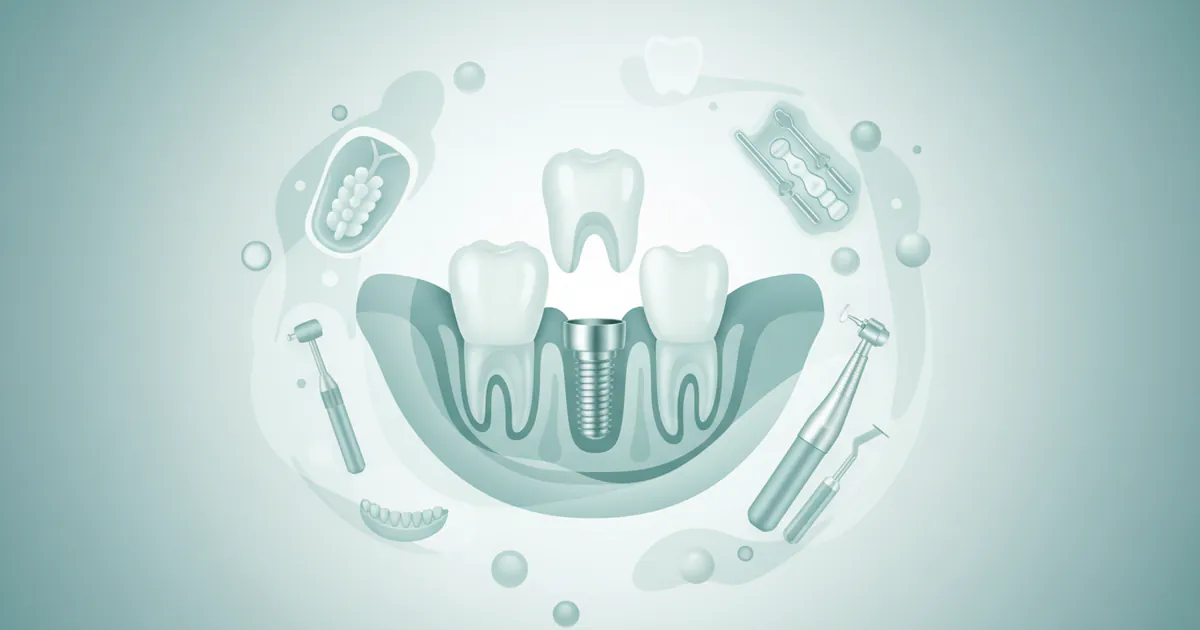
Implantologist: Complete Guide
Losing a tooth can be a significant setback, impacting not only your smile but also your ability to speak, chew, and maintain overall oral health. In fact, over 3 million Americans currently have dental implants, and that number is projected to grow significantly as more people seek a durable, n
March 8, 2026
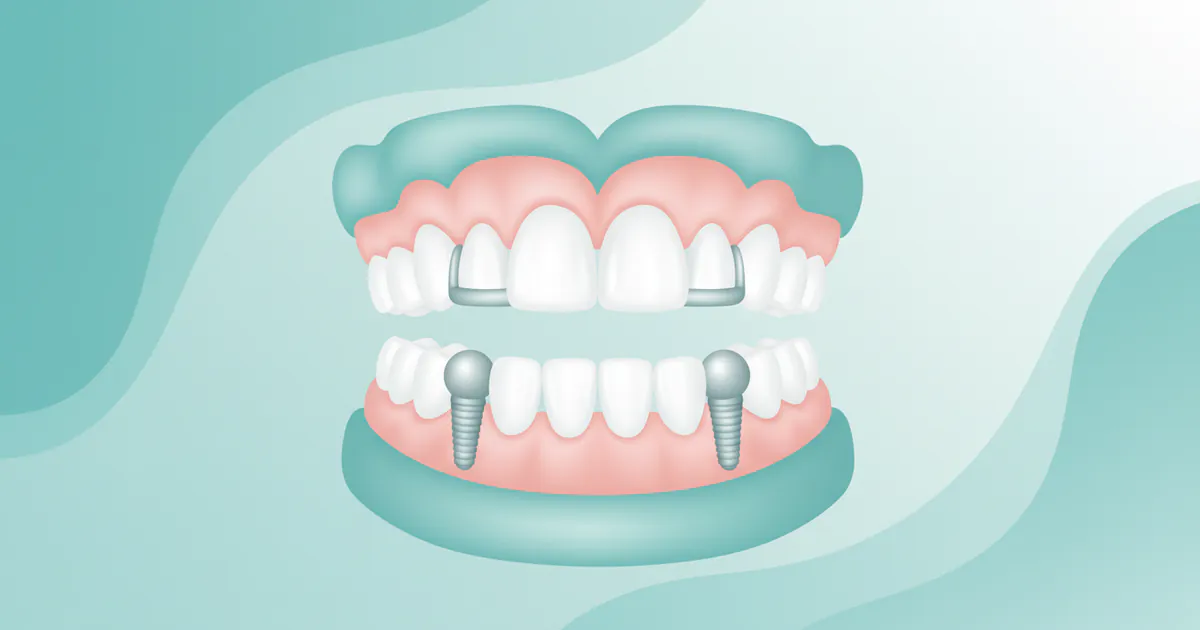
Dentures Over Implants: Complete Guide
Missing multiple teeth or even an entire arch can profoundly impact your life, affecting everything from your ability to chew and speak to your self-confidence. For millions of Americans, traditional removable dentures have long been a solution, but they often come with compromises: slipping, discom
March 8, 2026
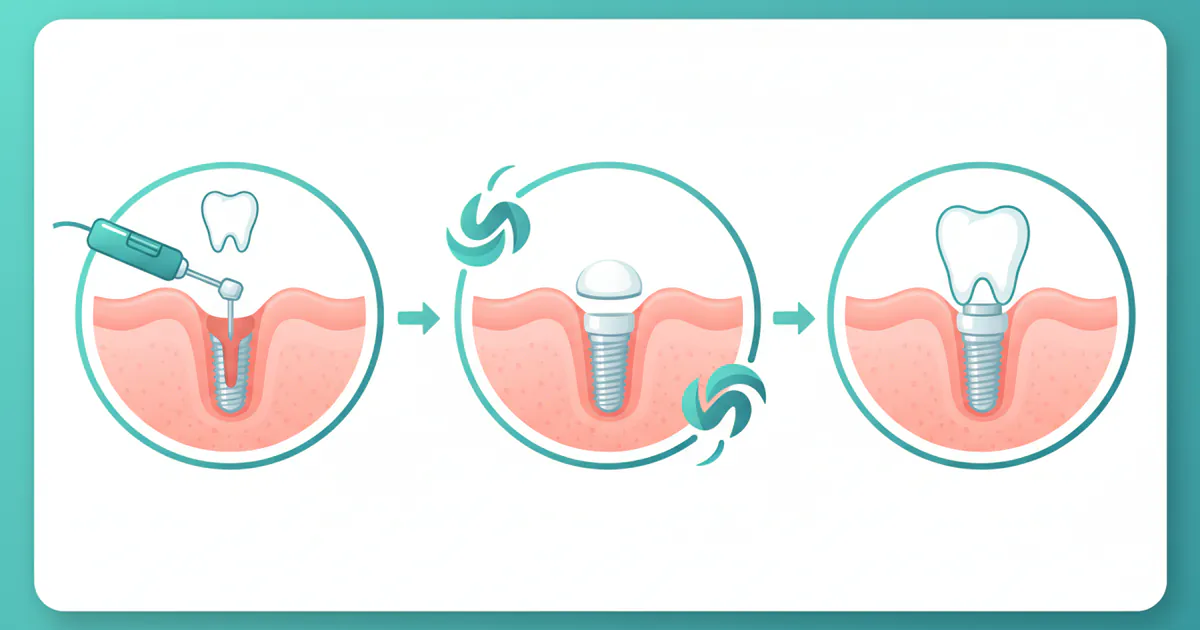
Implants Process: Complete Guide
Missing teeth can impact more than just your smile; they can affect your ability to eat, speak, and even your overall confidence. In fact, over 178 million Americans are missing at least one tooth, and about 40 million are missing all of their teeth. When faced with tooth loss, understanding the
March 8, 2026
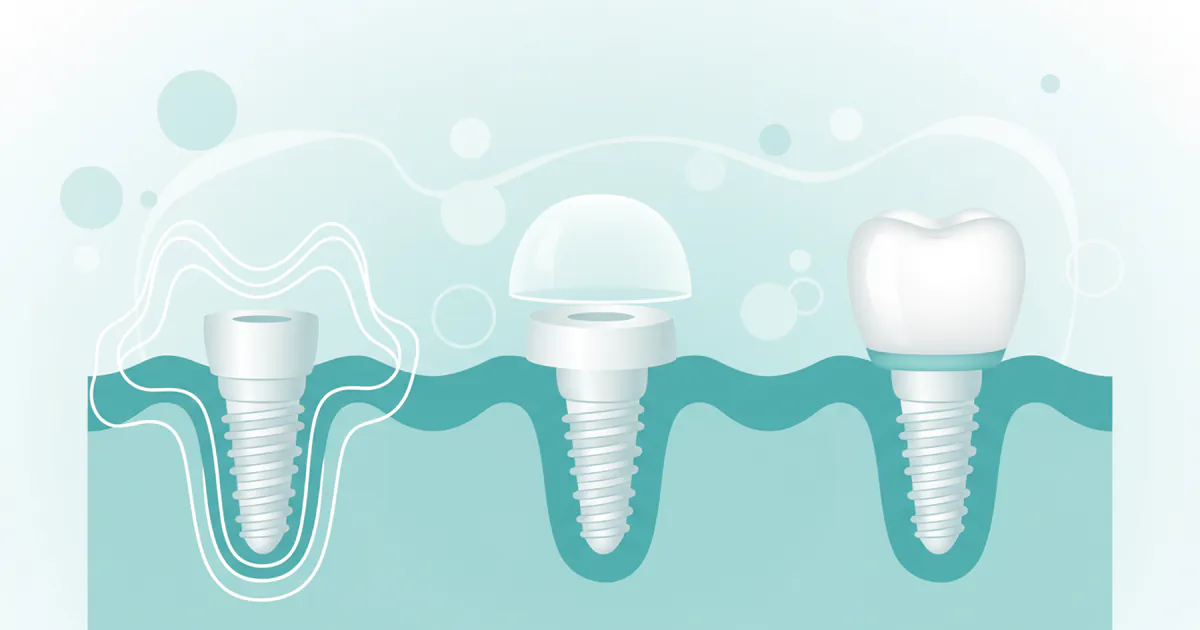
Implants Dentaires: Complete Guide
Missing teeth can dramatically impact not just your smile, but your overall health, confidence, and quality of life. In the United States, an estimated 178 million adults are missing at least one tooth, while approximately 40 million are missing all their teeth. These statistics underscore a
March 8, 2026