How Do Teeth Implants Work
Key Takeaways
- For millions of Americans experiencing tooth loss, the daily challenges can be immense – from difficulty eating and speaking to a decline in self-confidence. In fact, an estimated 178 million Americans are missing at least one tooth, and about 40 million are missing all their teeth. While tr
For millions of Americans experiencing tooth loss, the daily challenges can be immense – from difficulty eating and speaking to a decline in self-confidence. In fact, an estimated 178 million Americans are missing at least one tooth, and about 40 million are missing all their teeth. While traditional solutions like dentures and bridges have offered some relief, modern dentistry has ushered in a revolutionary option: dental implants. These permanent teeth implants offer a natural-looking, long-lasting solution, but many prospective patients wonder, "How do teeth implants work?" This comprehensive guide from SmilePedia.net will demystify the entire process, explaining the science, the procedure, the recovery, and everything you need to know to determine if dental implants are the right choice for restoring your smile and oral health. We'll delve into the mechanics, explore different types, detail the steps involved, discuss costs, and address common concerns, ensuring you have a complete understanding of this transformative dental treatment.
Key Takeaways:
- What they are: Dental implants are titanium posts surgically placed into the jawbone, acting as artificial tooth roots to support a crown, bridge, or denture.
- How they work: The implant fuses with your jawbone through a process called osseointegration, creating a strong, stable foundation for prosthetic teeth.
- Longevity: With proper care, dental implants can last a lifetime, significantly outperforming traditional bridges (5-15 years) and dentures (5-7 years).
- Cost: A single dental implant can range from $3,000 to $6,000, with full-mouth solutions like All-on-4 ranging from $20,000 to $30,000 per arch. Costs vary by region and complexity.
- Timeline: The entire process, including healing, can take 3 to 9 months, depending on individual healing capabilities and whether bone grafting is required.
- Success Rate: Dental implants boast an impressive success rate of over 95% when performed by experienced professionals and maintained properly.
- Key Benefits: Improved chewing function, natural aesthetics, preserved jawbone structure, enhanced speech, and a boost in self-confidence.
What Are Dental Implants and How Do They Work?
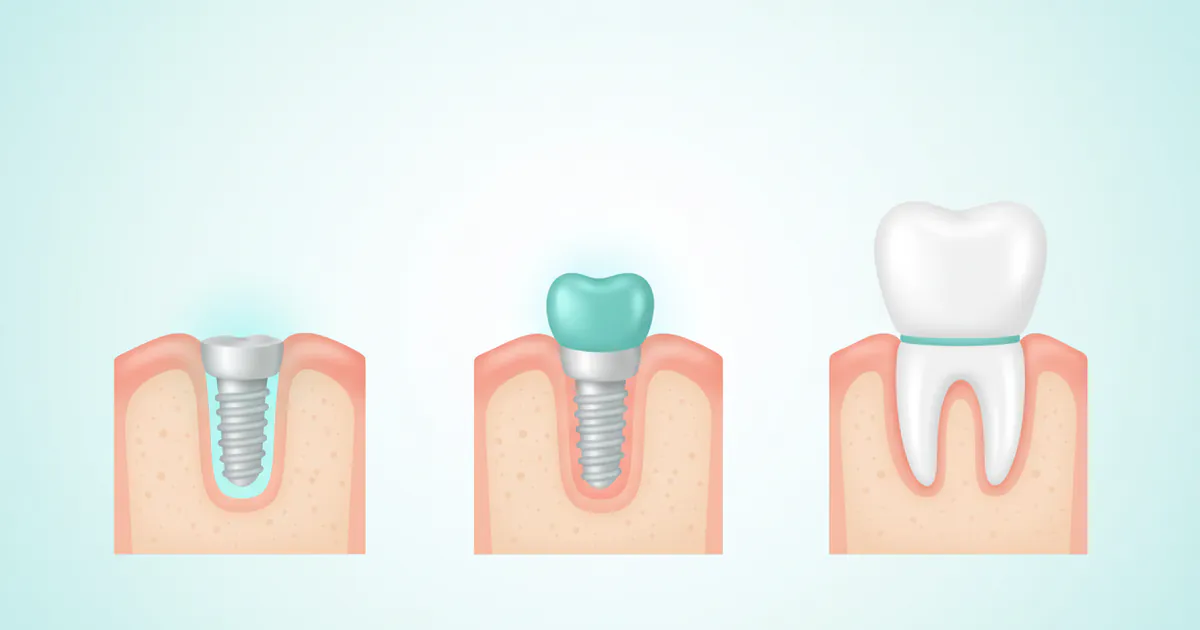
Dental implants represent the pinnacle of modern tooth replacement technology, providing a durable, functional, and aesthetically pleasing solution for missing teeth. At their core, a dental implant is an artificial tooth root, typically made of biocompatible titanium, designed to integrate directly with your jawbone. This unique interaction is precisely how do teeth implants work to create a foundation rivaling that of natural teeth.
The concept is relatively simple yet incredibly effective: when a tooth is lost, its root is also gone. Without a root, the jawbone in that area can begin to resorb, or shrink, over time, leading to changes in facial structure and further dental problems. A dental implant replaces this missing root.
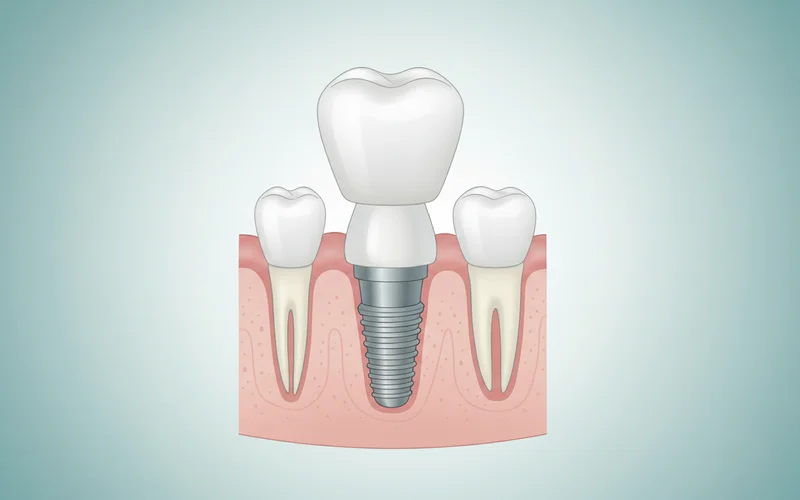
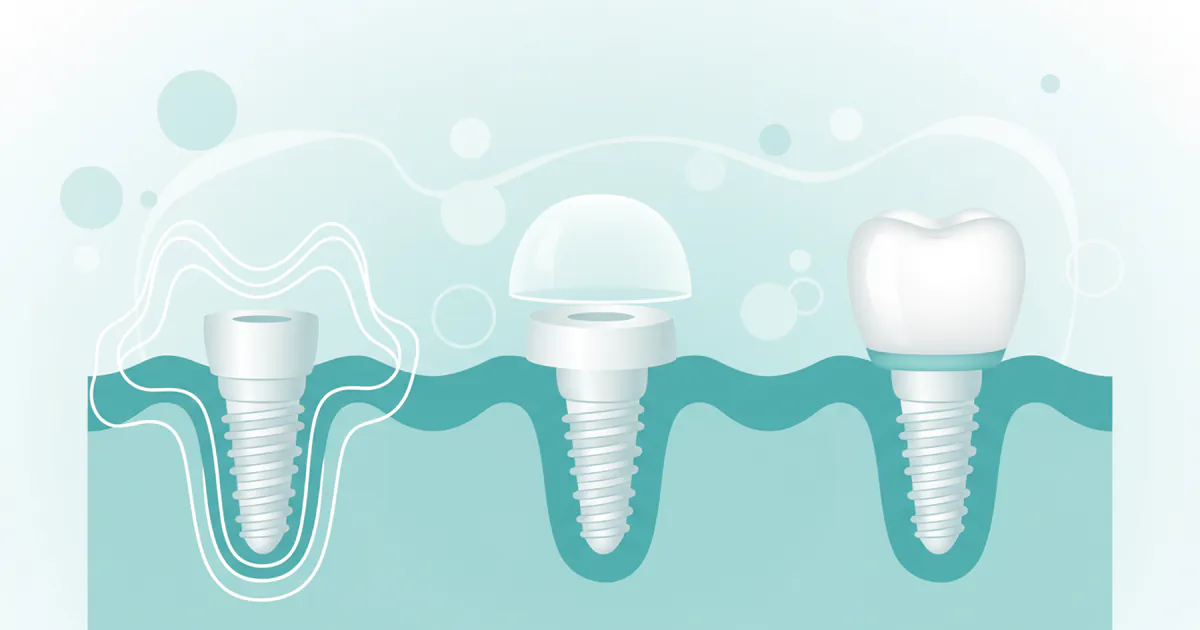
A complete dental implant system typically consists of three main components:
- The Implant Post (Fixture): This is the titanium screw-shaped post that is surgically placed into the jawbone. Titanium is used because it is biocompatible, meaning the body accepts it without rejection, and it has the remarkable ability to fuse directly with bone in a process called osseointegration. This fusion is the secret to the implant's stability and strength.
- The Abutment: Once the implant post has fully integrated with the bone, a small connector, called an abutment, is attached to the top of the implant. This piece extends just above the gum line and serves as the anchor for the prosthetic tooth.
- The Prosthetic Restoration (Crown, Bridge, or Denture): This is the visible part of the tooth replacement. It can be a single crown for one missing tooth, a bridge for several missing teeth, or a full denture for an entire arch, custom-fabricated to match your natural teeth in shape, size, and color. These are typically made of high-quality porcelain or ceramic materials for optimal aesthetics and durability.
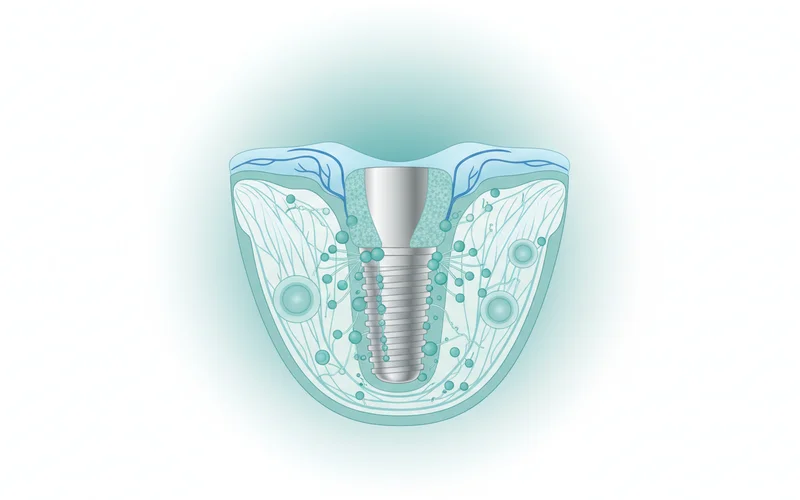
The process of osseointegration is crucial to understanding how do teeth implants work. After the titanium implant post is placed, the bone cells in your jaw naturally grow around and bond directly to the implant surface. This creates an incredibly strong and stable anchor, much like a natural tooth root. This biological fusion is why dental implants feel so secure and function so similarly to natural teeth, allowing you to chew, speak, and smile with confidence.
Unlike traditional bridges, which rely on adjacent natural teeth for support, or dentures, which rest on the gums, permanent teeth implants stand independently. This preserves the integrity of your remaining natural teeth and stimulates the jawbone, preventing the bone loss that often occurs after tooth extraction.
Why It Matters: The Impact of Tooth Loss
Understanding the mechanism of dental implants is enhanced by recognizing the profound impact of tooth loss itself. Missing teeth are not just an aesthetic concern; they trigger a cascade of oral and systemic health issues.
- Bone Resorption: Perhaps the most significant consequence is the loss of jawbone density. When a tooth root is present, it stimulates the surrounding bone. Without this stimulation, the bone begins to resorb or shrink, leading to a sunken facial appearance, premature aging, and potentially limiting future options for tooth replacement.
- Shifting Teeth: Adjacent teeth can drift into the gap left by a missing tooth, causing misalignment, bite problems, and increasing the risk of cavities and gum disease.
- Difficulty Chewing and Digestion: Missing teeth, especially molars, compromise your ability to chew food properly. This can lead to digestive issues, nutritional deficiencies, and discomfort.
- Speech Impairment: Teeth play a vital role in articulation. Gaps can lead to lisps or difficulty pronouncing certain words clearly.
- Impact on Self-Confidence: A compromised smile can lead to embarrassment, social anxiety, and a significant drop in self-esteem, affecting both personal and professional interactions.
Dental implants directly address these issues by replacing the root structure, preventing bone loss, maintaining proper tooth alignment, and restoring full chewing and speaking function, ultimately enhancing overall quality of life.
Types of Dental Implants and Restorations
While the core principle of osseointegration remains the same, there are several variations in dental implants and the restorations they support, designed to meet diverse patient needs and clinical situations.
Based on Placement Method
- Endosteal Implants: These are the most common type of dental implant. "Endosteal" means "in the bone." They are typically screw-shaped (like a small titanium post or cylinder) and are surgically placed directly into the jawbone. This is the type of implant discussed in the "How Do Teeth Implants Work" overview. They are suitable for most patients with sufficient jawbone density.
- Subperiosteal Implants: These are less common today but were once widely used. "Subperiosteal" means "on the bone." Instead of being placed in the bone, these implants consist of a metal framework that is fitted on top of the jawbone, just under the gum tissue. Posts extending from the framework protrude through the gums to hold the prosthetic teeth. Subperiosteal implants were primarily used for patients who couldn't wear conventional dentures and had insufficient bone height for endosteal implants. Modern bone grafting techniques have largely made them obsolete.
- Zygomatic Implants: These are a specialized type of endosteal implant, much longer than conventional implants. They are anchored in the zygoma bone (cheekbone) rather than the jawbone. Zygomatic implants are reserved for patients with severe jawbone loss in the upper jaw who are not candidates for traditional implants or extensive bone grafting. They are a complex procedure, typically performed by oral surgeons.
- Mini Dental Implants (MDIs): These are smaller in diameter than conventional implants (typically less than 3.0mm). MDIs are primarily used to stabilize lower dentures, providing better retention than traditional adhesives. Their smaller size means a less invasive placement procedure, and they can sometimes be loaded immediately. However, they are generally not suitable for replacing single teeth in high-bite force areas due to their reduced strength compared to conventional implants.
Based on Restoration Type
Dental implants can support various types of prosthetic restorations, depending on the number of missing teeth and the patient's specific needs:
- Single Tooth Implant: This is used to replace a single missing tooth. A single implant post is placed, an abutment is attached, and then a custom-fabricated dental crown is cemented or screwed onto the abutment. This solution is self-contained and does not involve altering adjacent healthy teeth, unlike a traditional bridge.
 - Implant-Supported Bridge: If you are missing several adjacent teeth, an implant-supported bridge can be an excellent option. Instead of replacing each missing tooth with an individual implant, two or more implants are placed to support a bridge (a series of connected crowns). This offers a stable and durable alternative to traditional bridges or removable partial dentures.
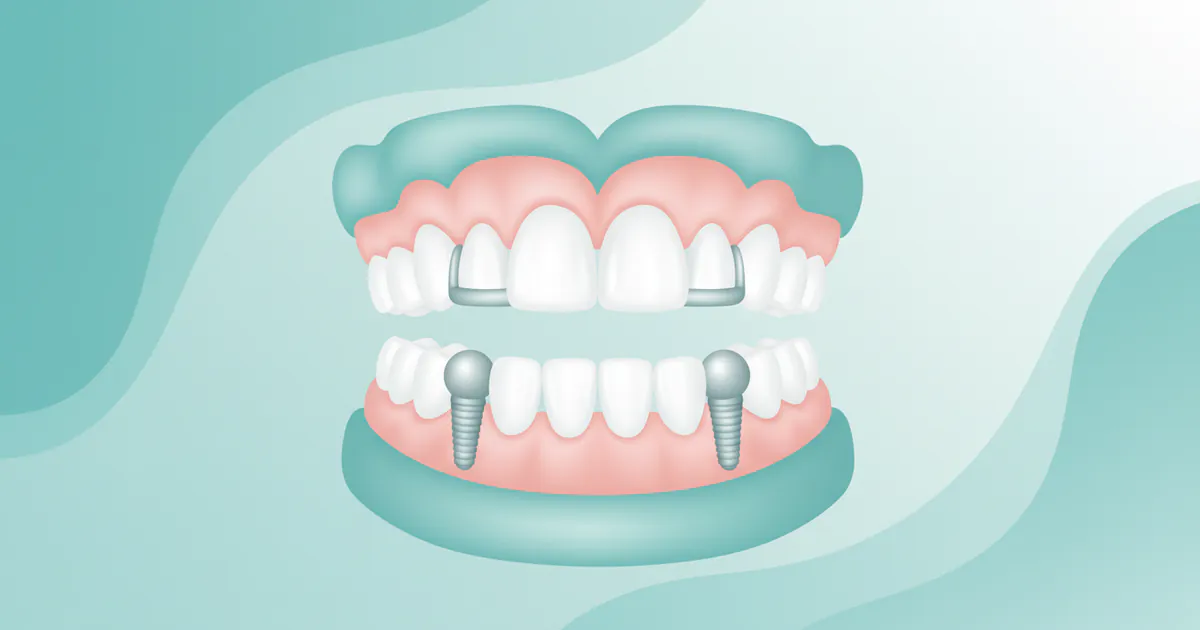
- Implant-Supported Denture (Overdenture): For patients missing all teeth in an arch (upper, lower, or both), implant-supported dentures offer significantly improved stability and comfort compared to conventional removable dentures. These dentures "snap" onto a few strategically placed implants (typically 2 to 6 implants per arch). While still removable for cleaning, they provide much better chewing function and retention.
- Full-Arch Implant Solutions (e.g., All-on-4®): These advanced techniques allow for a full arch of permanent teeth implants to be supported by a minimal number of implants, typically four or six (hence All-on-4 or All-on-6). The implants are strategically angled to maximize contact with existing bone, often eliminating the need for extensive bone grafting. A fixed, non-removable bridge is then attached to these implants, providing a stable, highly functional, and aesthetically pleasing permanent solution. This approach is often referred to as "Teeth in a Day" because a temporary restoration can sometimes be placed immediately after implant surgery.
Pro Tip: Your dentist or oral surgeon will thoroughly evaluate your specific situation, including bone density, overall health, and aesthetic goals, to recommend the most suitable type of implant and restoration for you.
The Dental Implant Process: A Step-by-Step Guide
Understanding how do teeth implants work involves grasping the multi-stage process, which typically spans several months. This timeline allows for proper healing and integration, crucial for the long-term success of permanent teeth implants.
Step 1: Initial Consultation and Treatment Planning
This critical first step involves a comprehensive dental examination. Your dentist, periodontist, or oral surgeon will:
- Review your medical and dental history: To ensure you're a suitable candidate and identify any conditions that might affect treatment (e.g., diabetes, certain medications).
- Perform a thorough oral examination: Including X-rays, 3D cone-beam computed tomography (CBCT) scans, and digital impressions. These diagnostic tools precisely map your jawbone, nerve pathways, sinus cavities, and the precise location for implant placement.
- Discuss your goals and expectations: To determine the best type of implant and restoration for your needs.
- Develop a personalized treatment plan: Outlining the exact procedure, timeline, and associated costs.
Step 2: Pre-Surgical Procedures (If Needed)
Some patients may require preparatory procedures before implant placement to ensure a successful outcome.
- Tooth Extractions: If damaged or unhealthy teeth are still present in the area where implants are planned, they will be carefully extracted.
- Bone Grafting: This is often necessary if the jawbone lacks sufficient density or volume to support an implant. Bone grafting involves adding bone material (from your own body, a donor, an animal, or synthetic material) to augment the jawbone. The grafted bone then integrates with your existing bone. This process can add 3 to 9 months to the overall treatment timeline for healing and maturation before implant placement.
- Sinus Lift (Sinus Augmentation): For the upper jaw, particularly in the molar region, the sinus cavity can sometimes be too close to where implants need to be placed, or the bone height is insufficient. A sinus lift is a surgical procedure to lift the sinus membrane and place bone graft material into the floor of the sinus, creating adequate bone for implant placement.
- Gum Grafting: In some cases, to ensure sufficient healthy gum tissue around the implant, a gum graft may be performed.
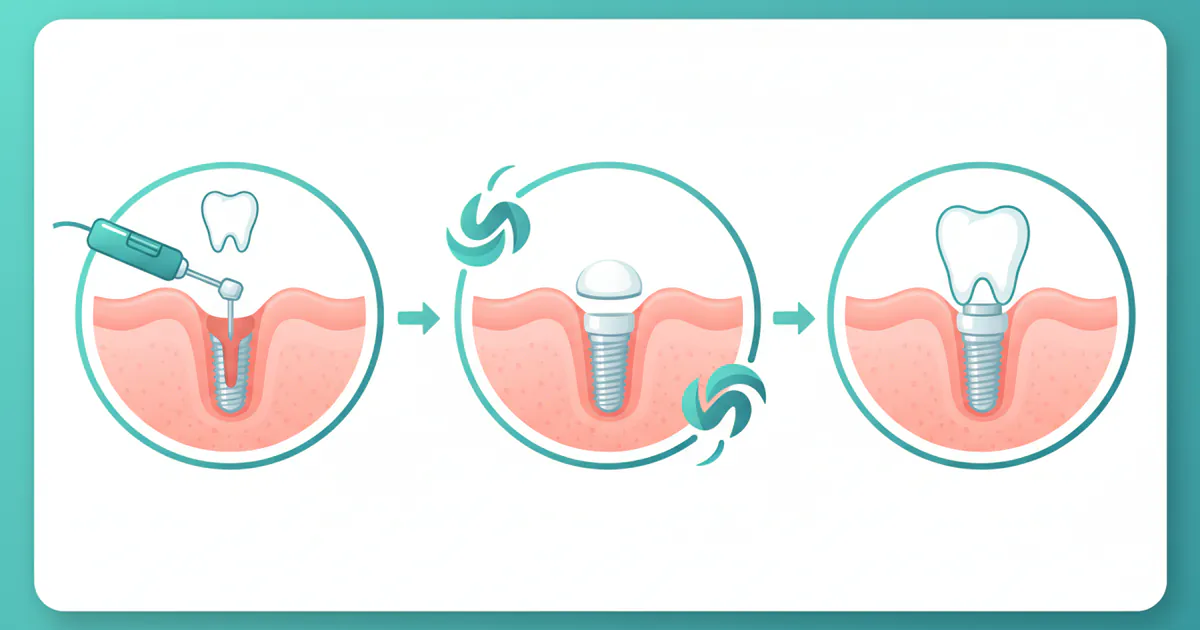
Step 3: Implant Placement Surgery
This is the core surgical step where the titanium implant post is placed.
- Anesthesia: Local anesthesia is typically used, often combined with sedation (oral, IV, or nitrous oxide) to ensure your comfort during the procedure.
- Incision: The surgeon will make a small incision in your gum tissue to expose the underlying jawbone.
- Pilot Hole: A small pilot hole is drilled into the jawbone at the precise location determined during planning.
- Wider Drilling: A series of progressively wider drills are used to create the exact size and shape for the implant post.
- Implant Insertion: The titanium implant post is carefully threaded or pressed into the prepared bone socket.
- Cover Screw: A small cover screw is placed on top of the implant, and the gum tissue is closed over it with sutures, completely concealing the implant. In some cases, a healing abutment might be placed immediately, which protrudes through the gum.
- Duration: The placement of a single implant typically takes 30 minutes to an hour, though more complex cases or multiple implants will take longer.
Step 4: Osseointegration (Healing Period)
This is the most crucial phase, where the "magic" of how do teeth implants work truly happens.
- Bone Fusion: Over the next 3 to 6 months, the jawbone will naturally grow around and fuse with the titanium implant surface. This process, called osseointegration, creates an incredibly strong and stable anchor, making the implant a permanent part of your anatomy.
- Diet and Care: During this period, you will need to follow specific dietary guidelines (soft foods) and maintain excellent oral hygiene to promote healing. Smoking significantly hinders osseointegration and increases the risk of implant failure.
- Temporary Solutions: If the implant is in a visible area, your dentist may provide a temporary crown, bridge, or partial denture to wear during this healing period.
Step 5: Abutment Placement (Second Stage Surgery, if applicable)
If a cover screw was placed in Step 3, a minor second surgical procedure is needed once osseointegration is complete.
- Gum Re-exposure: A small incision is made in the gum to expose the top of the implant.
- Abutment Attachment: The cover screw is removed, and the abutment (the connector piece) is attached to the implant.
- Healing Collar: The gum tissue is then allowed to heal around the abutment for a few weeks, forming a collar of tissue that will properly frame the final restoration.
In cases where a healing abutment was placed during the initial surgery (single-stage implant), this step is often combined or skipped.
Step 6: Restoration Placement (Crown, Bridge, or Denture)
This is the final step where your new teeth are placed.
- Impressions: Once the gums have healed around the abutment, your dentist will take new impressions of your mouth, including the abutment.
- Custom Fabrication: These impressions are sent to a dental lab, where your custom-designed crown, bridge, or denture is meticulously fabricated to match the color, shape, and size of your natural teeth. For "diamond teeth implants" as an aesthetic customization, this is where any modifications would be integrated into the crown design.
- Attachment: During your final appointment, the custom-made restoration is either cemented or screwed onto the abutment. Your dentist will ensure proper fit, bite, and aesthetics.
Once the final restoration is in place, you can immediately begin to enjoy the benefits of your permanent teeth implants, which will look, feel, and function like natural teeth.
Recovery and Aftercare for Dental Implants
Proper recovery and diligent aftercare are essential for the long-term success of your dental implants. While the initial surgical recovery is relatively quick, the osseointegration process requires patience.
Immediate Post-Surgery Care (First Few Days)
- Pain Management: You will likely experience some discomfort, swelling, and minor bruising. Over-the-counter pain relievers (like ibuprofen or acetaminophen) are usually sufficient, though your dentist may prescribe stronger medication.
- Swelling Reduction: Apply ice packs to the outside of your face for 15-20 minutes on, 15-20 minutes off during the first 24-48 hours.
- Bleeding: Minor bleeding or oozing is normal. Bite gently on a gauze pad placed over the surgical site and change it as needed. Avoid spitting forcefully.
- Diet: Stick to soft foods and liquids for the first few days. Avoid hot liquids, crunchy, or chewy foods that could irritate the surgical site.
- Oral Hygiene: Gently rinse with a prescribed antiseptic mouthwash (like chlorhexidine) starting 24 hours after surgery. Avoid brushing directly on the surgical site for the first day or two, but keep other teeth clean. Do NOT use alcohol-based mouthwashes.
- Activity: Rest and avoid strenuous physical activity for at least 48-72 hours to prevent increased bleeding or swelling.
- Smoking: Absolutely avoid smoking, as it drastically impairs healing and increases the risk of implant failure.
During the Osseointegration Period (3-6 Months)
- Soft Diet: Continue to eat softer foods and avoid chewing directly on the implant site until your dentist gives you the OK.
- Oral Hygiene: Maintain meticulous oral hygiene. Gently brush and floss around the surgical area as instructed.
- Follow-Up Appointments: Attend all scheduled follow-up appointments with your dentist or surgeon to monitor healing and osseointegration.
Long-Term Care (After Restoration Placement)
Once your permanent teeth implants are fully integrated and crowned, they require care similar to natural teeth.
- Brushing and Flossing: Brush twice daily with a soft-bristled toothbrush and floss daily, paying special attention to the areas around your implants. Interdental brushes or water flossers can be particularly effective.
- Regular Dental Check-ups: Continue with routine dental check-ups and professional cleanings every 6 months, or as recommended by your dentist. Dental hygienists are trained in specialized tools for cleaning around implants without damaging them.
- Avoid Harmful Habits: Do not chew on ice, hard candies, or use your teeth as tools. If you grind or clench your teeth (bruxism), your dentist may recommend a nightguard to protect your implants and natural teeth.
- Quit Smoking: Smoking remains a major risk factor for peri-implantitis (implant gum disease) and long-term implant failure.
Pro Tip: Treat your dental implants like your natural teeth – excellent daily hygiene and regular professional care are the keys to their lifelong success.
Risks and Complications of Dental Implants
While dental implants have a high success rate (over 95%), like any surgical procedure, there are potential risks and complications. Being aware of these can help you make an informed decision and understand the importance of choosing an experienced dental professional.
Surgical Risks
- Infection: While sterile techniques are used, any surgery carries a small risk of infection at the implant site. This can usually be managed with antibiotics.
- Nerve Damage: Rarely, nerve damage can occur, particularly in the lower jaw, leading to numbness, tingling, or pain in the lips, gums, tongue, or chin. This is often temporary but can be permanent in very rare cases. Careful pre-surgical planning with CBCT scans minimizes this risk.
- Sinus Problems: In the upper jaw, if an implant protrudes into a sinus cavity, it can lead to sinus inflammation or infection. A sinus lift procedure can prevent this.
- Blood Vessel Damage: Although uncommon, damage to blood vessels during drilling can lead to excessive bleeding or bruising.
- Implant Fracture: Extremely rare, but an implant post can fracture, usually due to excessive force or faulty manufacturing.
- Bone Fracture: A jawbone fracture during the drilling or placement process is extremely rare but possible, especially in cases of very thin or weak bone.
Post-Surgical and Long-Term Complications
- Implant Failure (Lack of Osseointegration): The most common reason for implant failure is the implant failing to fuse properly with the jawbone. This can be due to:
- Infection at the implant site.
- Poor bone quality or quantity.
- Excessive pressure on the implant during the healing period.
- Smoking, which significantly compromises healing.
- Certain medical conditions (e.g., uncontrolled diabetes, autoimmune disorders).
- Improper surgical technique.
- If an implant fails to integrate, it may need to be removed, the site allowed to heal, and then a new implant (or an alternative solution) can be placed.
- Peri-implantitis: This is an inflammatory condition affecting the tissues surrounding a dental implant, similar to gum disease (periodontitis) around natural teeth. It's often caused by poor oral hygiene, leading to bacterial accumulation, which can result in bone loss around the implant and potentially lead to implant failure if left untreated. Signs include redness, swelling, bleeding, pus, and pain around the implant.
- Abutment or Crown Issues:
- Abutment loosening: The abutment screw can sometimes loosen, requiring tightening by your dentist.
- Crown fracture or chipping: Like natural teeth or other dental restorations, porcelain crowns can chip or break due to trauma or excessive biting forces.
- Cement failure: If the crown is cemented, the cement can sometimes wash out, leading to loosening.
- Rejection (Extremely Rare): While titanium is highly biocompatible, in very rare instances, an allergic reaction to the titanium alloy or other implant components could theoretically occur, leading to failure. This is often debated in the dental community as to whether it's true rejection or another form of failure.
The best way to minimize risks is to choose a highly qualified and experienced dental professional (oral surgeon, periodontist, or general dentist with extensive implant training), follow all pre- and post-operative instructions diligently, and maintain excellent oral hygiene.
Who is a Candidate for Dental Implants?
While permanent teeth implants are a fantastic solution, not everyone is an immediate candidate. Several factors determine suitability:
- Good General Health: You should be in reasonably good health. Conditions like uncontrolled diabetes, severe autoimmune disorders, or certain heart conditions can affect healing and osseointegration. Your dentist will take a thorough medical history.
- Sufficient Jawbone Density: The most critical factor for endosteal implants is having enough healthy bone to support the implant. If bone density is insufficient, bone grafting may be necessary.
- Healthy Gums: Free from active gum disease (periodontitis). Any gum disease must be treated before implant placement.
- No Smoking or Willingness to Quit: Smoking significantly reduces the success rate of implants and increases the risk of complications like peri-implantitis.
- Commitment to Oral Hygiene: You must be committed to maintaining excellent daily oral hygiene and attending regular dental check-ups.
- No Bruxism (Severe Teeth Grinding): Severe teeth grinding can put excessive stress on implants. If you grind your teeth, your dentist may recommend a nightguard.
- Age: While there's no upper age limit for implants (many healthy seniors are excellent candidates), they are generally not placed in children or adolescents whose jawbones are still developing.
Pro Tip: Even if you've been told you're not a candidate in the past, advancements in bone grafting and implant techniques (like Zygomatic implants or mini implants) mean it's worth getting a second opinion from a qualified oral surgeon or periodontist.
Alternatives to Dental Implants
While dental implants offer numerous benefits, they are not the only option for replacing missing teeth. Understanding the alternatives can help you weigh your choices.
1. Traditional Dental Bridges
- What it is: A bridge consists of one or more artificial teeth (pontics) held in place by dental crowns cemented onto the natural teeth adjacent to the gap.
- Pros:
- Less invasive than surgery.
- Faster treatment time (weeks vs. months).
- Can be less expensive initially than a single implant.
- Cons:
- Requires grinding down healthy adjacent teeth to support the crowns, potentially weakening them.
- Does not prevent jawbone loss in the area of the missing tooth.
- Average lifespan is 5-15 years, significantly less than implants.
- Can be difficult to clean underneath, increasing risk of decay in adjacent teeth.
2. Removable Partial Dentures
- What it is: A removable appliance that replaces one or more missing teeth. It consists of artificial teeth attached to a gum-colored plastic base, often with metal clasps that hook onto existing natural teeth for retention.
- Pros:
- Least invasive.
- Most affordable initial cost.
- Quick to fabricate.
- Cons:
- Can feel bulky or uncomfortable.
- Less stable than bridges or implants, leading to reduced chewing efficiency.
- Can put strain on supporting natural teeth.
- Does not prevent jawbone loss.
- Must be removed nightly for cleaning.
- Average lifespan is 5-7 years, often requiring relines or replacements.
3. Full Removable Dentures (Conventional Dentures)
- What it is: A full arch of artificial teeth set in a plastic base, used when all teeth in an arch are missing. They rely on suction and adhesives for retention.
- Pros:
- Non-invasive.
- Relatively affordable initial cost for full-arch replacement.
- Cons:
- Often unstable, leading to difficulty chewing and speaking.
- Can cause sore spots on gums.
- Accelerates jawbone loss over time, leading to a "collapsed" facial appearance.
- Requires removal for cleaning and can accumulate food particles.
- Average lifespan is 5-7 years, often requiring frequent relines as the jawbone shrinks.
Comparison Table: Dental Implants vs. Alternatives
| Feature | Dental Implants | Traditional Bridge | Removable Partial Denture | Full Removable Denture (Conventional) |
|---|---|---|---|---|
| How it Works | Titanium post fuses with bone, supporting restoration. | Crowned adjacent teeth support artificial tooth. | Clasps attach to natural teeth; rests on gums. | Rests on gums; relies on suction/adhesives. |
| Jawbone Preservation | Excellent (stimulates bone) | None (bone loss continues under missing tooth) | None (bone loss continues) | None (accelerates bone loss) |
| Stability/Function | Excellent (like natural teeth) | Good | Fair (can slip, reduced chewing) | Poor (slips, significant chewing limitations) |
| Longevity | 20+ years, often lifetime (with proper care) | 5-15 years | 5-7 years (requires frequent adjustments/relines) | 5-7 years (requires frequent relines as bone shrinks) |
| Impact on Adjacent Teeth | None | Requires grinding healthy teeth. | Can put strain on supporting teeth. | None (if no adjacent teeth) |
| Maintenance | Standard oral hygiene + regular dental visits. | Standard oral hygiene (difficult to floss under bridge). | Remove for daily cleaning; soak. | Remove nightly for cleaning; soak. |
| Initial Cost (Single) | $3,000 - $6,000 | $2,000 - $5,000 (for 3-unit bridge) | $800 - $2,500 | N/A (for single tooth) |
| Aesthetics | Excellent (custom-matched, natural look) | Good | Fair (clasps may be visible) | Fair (can look unnatural, especially with bone loss) |
Cost and Insurance for Dental Implants
The cost of dental implants can be a significant concern for many patients, and it's essential to understand the factors involved. Prices vary widely based on location, the complexity of the case, the number of implants needed, and the specific procedures involved.
Average US Cost Ranges for Dental Implants
-
Single Dental Implant: This typically includes the implant post, abutment, and crown.
- Low Range: $3,000 - $4,500
- Mid Range: $4,500 - $6,000
- High Range: $6,000 - $8,000+ (especially in metropolitan areas or for complex cases)
- Average Total: Approximately $4,500 - $5,500 per tooth.
-
Implant-Supported Bridge (e.g., for 3 missing teeth, supported by 2 implants):
- Typically $6,000 - $15,000+
-
Full Arch Implant Solutions (e.g., All-on-4): This involves multiple implants (usually 4-6) and a fixed bridge.
- Per Arch: $20,000 - $30,000+
- Both Arches: $40,000 - $60,000+
Factors Influencing Cost
- Number of Implants: More implants mean higher cost.
- Type of Implant and Restoration: Mini implants are often less expensive, while complex Zygomatic implants are more. A single crown is less than a full bridge.
- Preparatory Procedures: Bone grafting ($200 - $3,000 per site), sinus lifts ($1,500 - $2,500 per sinus), and tooth extractions will add to the total cost.
- Geographic Location: Costs tend to be higher in major metropolitan areas compared to rural regions.
- Experience of the Provider: Specialists (oral surgeons, periodontists) may charge more than general dentists, but their expertise can be invaluable.
- Materials Used: The brand of implant, type of crown material, and lab fees can vary.
Insurance Coverage for Dental Implants
- Limited Coverage: Most standard dental insurance plans offer very limited or no coverage for dental implants, as they are often classified as a "major procedure" or "cosmetic." Some plans may cover a small percentage (e.g., 10-20%) of the surgical placement or the prosthetic component, but rarely the entire procedure.
- Medical Insurance: If tooth loss is due to an accident or a medical condition, some medical insurance plans might cover a portion of the implant surgery. This is rare and requires specific circumstances and documentation.
- Max Out-of-Pocket: Many plans have an annual maximum benefit ($1,000 - $2,000 per year), which is quickly exhausted by implant costs.
- ADA Perspective: The American Dental Association (ADA) provides coding for dental implant procedures, which helps with insurance claims, but actual coverage depends on your specific policy. Always contact your insurance provider directly for precise benefit information.
Payment Plans and Financing Options
Because of the cost, many dental practices offer or work with third-party financing options:
- In-house Payment Plans: Some offices offer staggered payment plans over the course of treatment.
- Third-Party Medical Financing: Companies like CareCredit or LendingClub offer low-interest or interest-free payment plans for qualified applicants over 6-24 months.
- Dental Discount Plans: These are not insurance but membership plans where you pay an annual fee and receive discounted rates on dental procedures from participating dentists.
- Health Savings Accounts (HSAs) & Flexible Spending Accounts (FSAs): If you have an HSA or FSA through your employer, you can use pre-tax dollars to pay for dental implant costs.
Pro Tip: Always get a detailed, written treatment plan from your dentist that clearly outlines all costs, including any potential preparatory procedures, before committing to treatment. This allows you to check with your insurance provider and explore financing options effectively.
Comparison Table: Cost Breakdown for Common Implant Scenarios
| Scenario | Components Included | Average US Cost Range (Total) | Potential Insurance Coverage |
|---|---|---|---|
| Single Tooth Implant | Implant post, abutment, porcelain crown, surgery. | $3,000 - $6,000 | Very Limited (0-20%) |
| Single Implant + Bone Graft | Implant post, abutment, crown, surgery, bone graft. | $3,500 - $8,000+ | Varies (graft often not covered) |
| Implant-Supported Bridge | 2 implants, 3-unit porcelain bridge, surgery. | $6,000 - $15,000+ | Limited (partial coverage for bridge portion) |
| Full Arch (All-on-4) | 4 implants, fixed full-arch prosthesis, surgery. | $20,000 - $30,000+ per arch | Very Limited (often considered cosmetic) |
| Full Arch (Both Jaws) | 8-12 implants, two fixed full-arch prostheses, surgery. | $40,000 - $60,000+ | Very Limited |
"Diamond Teeth Implants": Understanding the Aesthetic Trend
The term "diamond teeth implants" might sound intriguing, but it's important to clarify that there is no specific medical or dental procedure called a "diamond tooth implant" that functions as a structural replacement for a missing tooth. The term typically refers to an aesthetic customization where diamonds or other precious gemstones are incorporated into existing dental restorations, such as crowns, veneers, or even directly onto natural teeth.
What it Generally Means:
When people refer to "diamond teeth implants," they are usually talking about:
- Diamonds on Dental Crowns (which may be implant-supported): The most common scenario. A patient might have an existing dental implant with a porcelain or zirconia crown. They then choose to have a small diamond or gemstone permanently bonded or inlaid into the surface of that crown for decorative purposes. In this context, the diamond is an aesthetic addition to an implant crown, not part of the implant's functional mechanism.
- Diamonds on Natural Teeth or Veneers: Gemstones can also be bonded directly onto the surface of a natural tooth or a porcelain veneer. This is typically a non-invasive procedure where the gem is attached with dental adhesive.
- Grillz or Tooth Gems: These are removable or semi-permanent decorative covers for teeth, often made of precious metals and adorned with diamonds. They don't involve dental implants directly.
How it Relates to Dental Implants:
If someone has permanent teeth implants and wants "diamond teeth," it would involve modifying the crown that sits on top of the implant. The implant itself (the titanium post in the bone) remains unchanged. The dental lab would either:
- Fabricate a new crown with a pre-designed cavity for a diamond.
- Or, a small hole might be carefully drilled into an existing crown (if material allows), and the diamond is then bonded into place.
Considerations for "Diamond Teeth" (Aesthetic Modifications):
- Aesthetics vs. Function: The primary purpose is entirely aesthetic. There is no functional or health benefit.
- Cost: The cost will vary significantly based on the size, quality, and number of diamonds, in addition to the cost of the crown or restoration itself.
- Durability and Risks:
- Diamonds bonded to teeth or crowns can come loose and be swallowed or lost.
- If a hole is drilled into an existing crown or tooth, it could compromise the integrity of the restoration or tooth, potentially leading to chipping or fracture.
- Proper oral hygiene becomes even more critical around these aesthetic additions to prevent plaque buildup and potential decay (if on natural teeth) or peri-implantitis (if on an implant crown and hygiene is neglected).
- Reversibility: Removing a diamond that has been bonded or inlaid can sometimes leave a mark or require a new crown if the original was compromised.
Pro Tip: If you're considering "diamond teeth" for aesthetic purposes, discuss it thoroughly with your dentist. They can advise on the feasibility, potential risks to your oral health and existing restorations (including your permanent teeth implants), and the best approach to achieve your desired look safely.
Children / Pediatric Considerations for Dental Implants
Dental implants are generally not recommended for children or adolescents. The primary reason for this is that the jawbone is still developing and growing throughout childhood and teenage years.
- Jaw Growth: Placing a dental implant in a growing jaw would essentially "freeze" the growth of that section of bone. As the rest of the jaw continues to develop and change, the implant would not move with it, potentially leading to misalignment, bite problems, and an unnatural appearance of the implant crown compared to the surrounding natural teeth.
- Timing: Implants are typically only considered after facial and jaw growth is complete, which usually occurs by 18-20 years of age for most individuals. For some, growth may continue even later. Your dentist will assess skeletal maturity using X-rays (like hand-wrist radiographs) to confirm growth has ceased.
Alternatives for Children with Missing Teeth:
If a child loses a permanent tooth due to trauma, decay, or a congenital condition, several temporary or interim solutions are available until they reach an age suitable for implants:
- Space Maintainers: To hold the space for a future tooth or implant and prevent adjacent teeth from shifting.
- Removable Partial Dentures (Flippers): Aesthetic, removable appliances that temporarily replace missing teeth.
- Bonded Bridges (Maryland Bridges): A prosthetic tooth bonded to the back of adjacent natural teeth, requiring minimal alteration to those teeth.
- Orthodontic Treatment: To manage space and alignment.
The focus in pediatric dentistry for missing permanent teeth is to manage the space, maintain aesthetics and function, and preserve the jawbone and surrounding teeth until the child is mature enough for a permanent solution like a dental implant.
Cost Breakdown: Navigating Implant Expenses
Beyond the general cost ranges, understanding the components of dental implant expenses can help you budget and plan.
Factors Beyond the Implant Itself
It's important to remember that the total cost isn't just for the titanium post. It includes:
- Initial Consultation & Diagnostics: X-rays, CBCT scans, impressions (typically $100 - $500).
- Tooth Extraction: If needed ($100 - $400 per tooth).
- Bone Grafting/Sinus Lift: (Can be $200 - $3,000+ per site)
- Implant Post: The surgical component.
- Abutment: The connecting piece.
- Prosthetic Restoration: The crown, bridge, or denture (often the most expensive component).
- Surgery Fees: Anesthesia, surgical facility, surgeon's fees.
- Follow-up Appointments: Post-operative checks.
With vs. Without Insurance
- Without Insurance: You will be responsible for the full cost of all procedures. This is where financing plans become crucial.
- With Insurance: As discussed, most plans offer minimal coverage for implants. They might cover:
- A portion of the diagnostic X-rays.
- Tooth extractions (if covered by your plan).
- Bone grafting (sometimes if deemed medically necessary).
- A percentage of the crown or bridge component, but usually not the implant surgery itself.
- Average savings from insurance on a single implant are often less than $500 - $1,000, assuming your plan has any coverage and you haven't hit your annual maximum.
Payment Plans and Financing Options
- Credit Cards: Standard credit cards can be used, but interest rates can be high.
- Healthcare-Specific Credit Cards (e.g., CareCredit): These often offer promotional periods of interest-free financing if the balance is paid within a specified timeframe (e.g., 6, 12, or 18 months). Beyond that, interest rates can be comparable to regular credit cards.
- Personal Loans: Banks or credit unions may offer personal loans for dental work, often with lower interest rates than credit cards if you have good credit.
- In-Office Payment Schedules: Many dental practices understand the financial burden and may allow you to pay in installments throughout the treatment process, especially for longer, multi-stage procedures.
- Dental Schools: University dental schools often provide implant services at a reduced cost, as procedures are performed by students under the direct supervision of experienced faculty. This can be a significant cost-saving option, though treatment times may be longer.
Cost-Saving Tips:
- Shop Around (Carefully): Get consultations from a few different highly qualified dentists or specialists. Compare comprehensive written treatment plans and ask for all-inclusive costs. Do not choose solely on price; prioritize experience and reputation.
- Utilize HSAs/FSAs: If you have access to a Health Savings Account or Flexible Spending Account, these allow you to pay for qualified medical expenses with pre-tax dollars, saving you money on taxes.
- Preventative Care: The best way to save on future dental costs, including implants, is to prevent tooth loss in the first place through excellent oral hygiene and regular check-ups.
- Dental Discount Plans: Consider enrolling in a dental discount plan if your traditional insurance offers poor implant coverage. You pay an annual fee for discounted rates at participating providers.
Frequently Asked Questions
How painful is getting a dental implant?
Most patients report that dental implant placement is less uncomfortable than expected. Local anesthesia effectively numbs the area during surgery, so you shouldn't feel pain. Post-operative discomfort is manageable with over-the-counter pain relievers or prescription medication, similar to a tooth extraction. Swelling and minor bruising are common for a few days.
How long do dental implants last?
With proper care, excellent oral hygiene, and regular dental check-ups, dental implants can last a lifetime. The implant post itself, once integrated with the bone, is very durable. The crown or prosthetic restoration may need replacement after 10-15 years due to normal wear and tear, similar to natural teeth.
Can anyone get permanent teeth implants?
No, not everyone is an immediate candidate. Ideal candidates have good general health, sufficient jawbone density, healthy gums, and are committed to excellent oral hygiene. Conditions like uncontrolled diabetes, active gum disease, or heavy smoking can impact success rates. Your dentist will conduct a thorough evaluation to determine your suitability.
What is the success rate of dental implants?
Dental implants boast an impressive success rate, typically over 95% when performed by experienced professionals. For specific areas like the lower jaw, success rates can be even higher. The success rate is influenced by factors like patient health, bone quality, smoking habits, and the skill of the surgeon.
Will dental implants look and feel like natural teeth?
Yes, one of the greatest benefits of permanent teeth implants is their natural appearance and feel. The custom-made crowns are designed to match your existing teeth in color, shape, and size. Because the implant fuses with your jawbone, it provides stability that allows you to chew, speak, and smile with confidence, just like natural teeth.
How long does the entire dental implant process take?
The full process, from initial consultation to final crown placement, typically takes 3 to 9 months. This timeline includes the crucial osseointegration period of 3-6 months for the implant to fuse with the bone. If bone grafting or other preparatory procedures are needed, it can extend the timeline further.
Are there any dietary restrictions with dental implants?
During the initial healing period after surgery, you'll need to stick to soft foods. Once the implant has fully integrated and the permanent crown is placed, you can generally eat anything you would with natural teeth. However, just like natural teeth, it's wise to avoid excessively hard or sticky foods that could damage your crown or place undue stress on the implant.
What are the main advantages of permanent teeth implants over other options?
Dental implants offer several key advantages: they preserve jawbone and prevent bone loss, do not require altering adjacent healthy teeth, provide superior stability and chewing function, are long-lasting (often a lifetime), and offer the most natural aesthetic outcome.
Is dental implant surgery painful?
The implant placement procedure itself is not painful due to local anesthesia and optional sedation. Patients usually report feeling pressure, but no sharp pain. Afterward, some discomfort, swelling, and bruising are normal and can be managed with medication. Most patients return to light activities within a day or two.
Can implants develop cavities or gum disease?
Implants themselves, being artificial, cannot get cavities. However, the gum tissue around an implant can develop an inflammatory condition called peri-implantitis, which is similar to gum disease. This can lead to bone loss around the implant and, if untreated, implant failure. This is why meticulous oral hygiene and regular dental check-ups are crucial for implant longevity.
When to See a Dentist
Recognizing when to consult a dentist is paramount, especially when considering a significant procedure like dental implants or managing existing oral health issues.
For Missing Teeth:
- Any Missing Tooth: If you have lost one or more teeth due to decay, injury, or extraction, it's crucial to consult a dentist promptly. Even a single missing tooth can lead to bone loss, shifting of adjacent teeth, and bite problems over time. The sooner you address it, the more options you'll have.
- Difficulty Chewing or Speaking: If missing teeth are significantly impacting your ability to eat comfortably or speak clearly, it's a strong indicator to seek professional advice.
- Deteriorating Denture Fit: If your current dentures are loose, uncomfortable, or causing sores, it might be time to explore more stable options like implant-supported dentures.
- Desire for a Permanent Solution: If you're tired of removable dentures or do not wish to alter healthy teeth for a bridge, discussing permanent teeth implants with a dentist is your next step.
For Existing Implants (Red Flags):
While implants are highly successful, certain signs warrant immediate dental attention:
- Pain or Discomfort: Persistent or increasing pain around an implant, especially if it's new, severe, or accompanied by throbbing.
- Swelling or Redness: Gums around the implant become swollen, red, or bleed easily when brushing or flossing. These are signs of potential infection or peri-implantitis.
- Pus or Discharge: Any pus or foul taste coming from the area around the implant is a clear sign of infection and requires urgent evaluation.
- Looseness of the Implant or Crown: If the implant itself feels loose, or if the crown/abutment feels wobbly, it needs immediate professional attention. This could indicate a problem with integration or a loose component.
- Difficulty Chewing: If chewing suddenly becomes uncomfortable or painful on your implant-supported teeth.
- Fever: If you develop a fever in conjunction with any of the above symptoms, it could indicate a more widespread infection.
Pro Tip: Do not ignore warning signs with your dental implants. Early detection and treatment of complications like peri-implantitis can prevent implant failure and preserve your oral health. Regular dental check-ups, even if you feel fine, are essential for monitoring implant health.
Frequently Asked Questions
Medically Reviewed Content
This article was written by our dental health editorial team and reviewed for medical accuracy. Our content follows strict editorial guidelines for reliability and trustworthiness.
Medical Disclaimer
This article is for informational purposes only and does not constitute medical advice. Always consult with a qualified dental professional for diagnosis and treatment. Do not delay seeking professional advice because of something you read on this website.
Related Articles
Implantologist: Complete Guide
Losing a tooth can be a significant setback, impacting not only your smile but also your ability to speak, chew, and maintain overall oral health. In fact, over 3 million Americans currently have dental implants, and that number is projected to grow significantly as more people seek a durable, n
March 8, 2026
Dentures Over Implants: Complete Guide
Missing multiple teeth or even an entire arch can profoundly impact your life, affecting everything from your ability to chew and speak to your self-confidence. For millions of Americans, traditional removable dentures have long been a solution, but they often come with compromises: slipping, discom
March 8, 2026
Implants Process: Complete Guide
Missing teeth can impact more than just your smile; they can affect your ability to eat, speak, and even your overall confidence. In fact, over 178 million Americans are missing at least one tooth, and about 40 million are missing all of their teeth. When faced with tooth loss, understanding the
March 8, 2026
Implants Dentaires: Complete Guide
Missing teeth can dramatically impact not just your smile, but your overall health, confidence, and quality of life. In the United States, an estimated 178 million adults are missing at least one tooth, while approximately 40 million are missing all their teeth. These statistics underscore a
March 8, 2026