How Much Are Implants for Teeth
Key Takeaways
- Over 178 million Americans are missing at least one tooth, and millions more suffer from conditions that can lead to tooth loss. If you're among them, you've likely explored various options to restore your smile and chewing function. Among the most advanced and effective solutions available today ar
Over 178 million Americans are missing at least one tooth, and millions more suffer from conditions that can lead to tooth loss. If you're among them, you've likely explored various options to restore your smile and chewing function. Among the most advanced and effective solutions available today are dental implants, renowned for their natural look, feel, and long-term durability. As you consider this life-changing treatment, a primary question often arises: how much are implants for teeth? Understanding the financial investment is crucial, and this comprehensive guide from SmilePedia.net aims to provide you with all the medically accurate information you need to make an informed decision. We'll delve into the factors that influence the cost of a tooth implant, explore different types of implants, detail the treatment process, discuss insurance considerations, and offer insights into recovery and long-term care, ensuring you have a clear picture of what to expect when asking how much for a tooth implant.
Key Takeaways:
- Single Dental Implant Cost: Expect to pay anywhere from $3,000 to $6,000 for a single dental implant, including the implant post, abutment, and crown. This can reach $8,000-$10,000+ with additional procedures like bone grafting.
- Full Arch/Mouth Implants: Full mouth dental implant solutions, like All-on-4 or All-on-6, typically range from $15,000 to $30,000 per arch and can exceed $60,000-$80,000 for a full mouth (both arches).
- Factors Influencing Cost: Price varies significantly based on geographic location, the specific dentist's expertise, the type of implant materials used, the number of implants needed, and whether supplementary procedures (like bone grafts, sinus lifts, or extractions) are required.
- Timeline: The entire dental implant process, from initial consultation to final crown placement, can take 3 to 9 months, sometimes longer if extensive bone grafting is necessary.
- Insurance Coverage: Most dental insurance plans offer limited coverage for dental implants, often categorizing them as major restorative procedures. Coverage typically ranges from 0% to 50%, with many plans covering only the crown or preparatory procedures.
- High Success Rate: Dental implants boast a success rate of 95-98% when placed by a qualified professional and properly maintained, making them a highly reliable long-term solution.
- Long-Term Value: While the initial cost of a tooth implant can be higher than alternatives like bridges or dentures, their superior longevity (often lasting a lifetime) and functional benefits often make them a more cost-effective investment over time.
What Are Dental Implants? An Overview
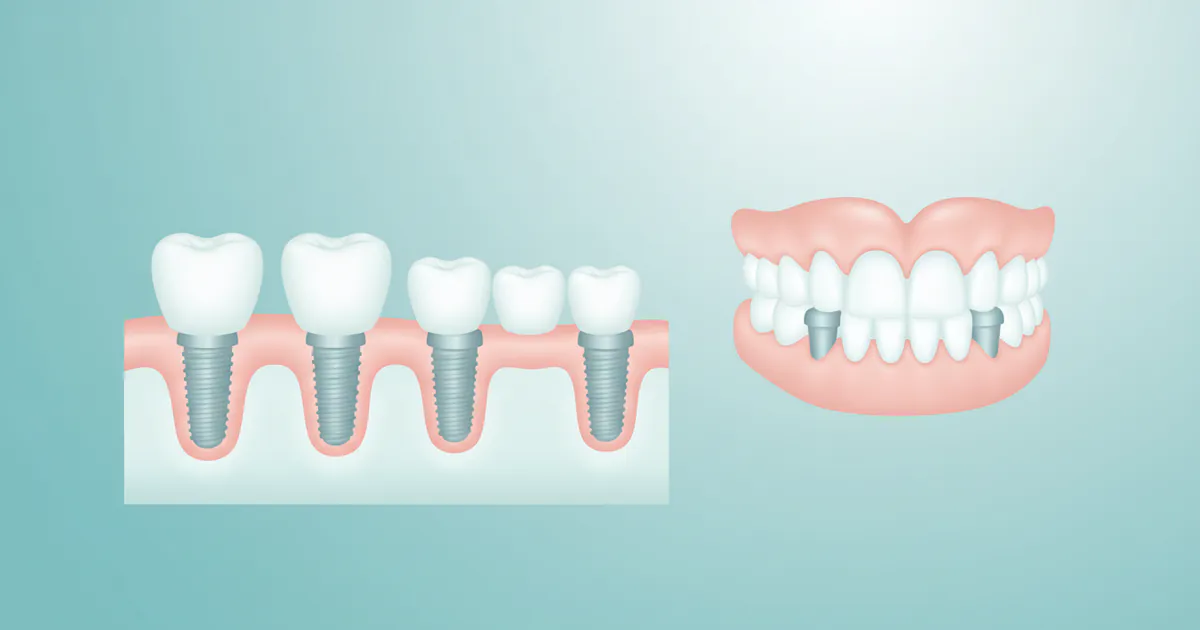
A dental implant is a sophisticated medical device designed to replace missing tooth roots and provide a strong foundation for artificial teeth. Unlike traditional dentures or bridges, implants are surgically placed into the jawbone, offering unparalleled stability and mimicking the natural structure of a tooth.
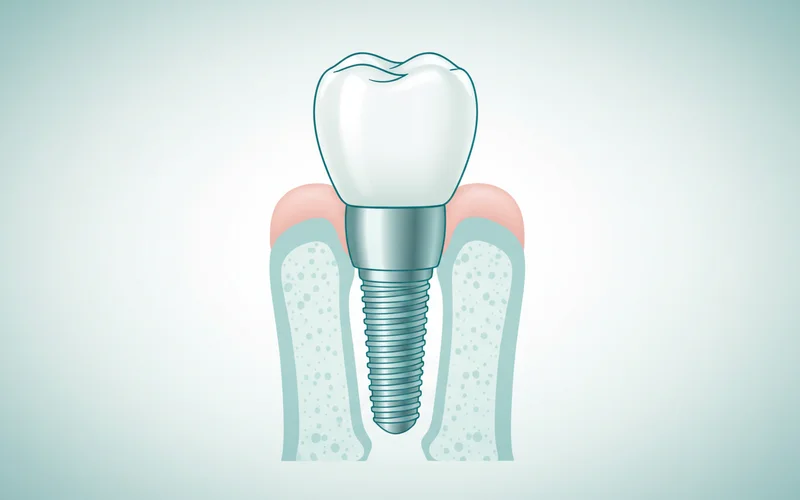
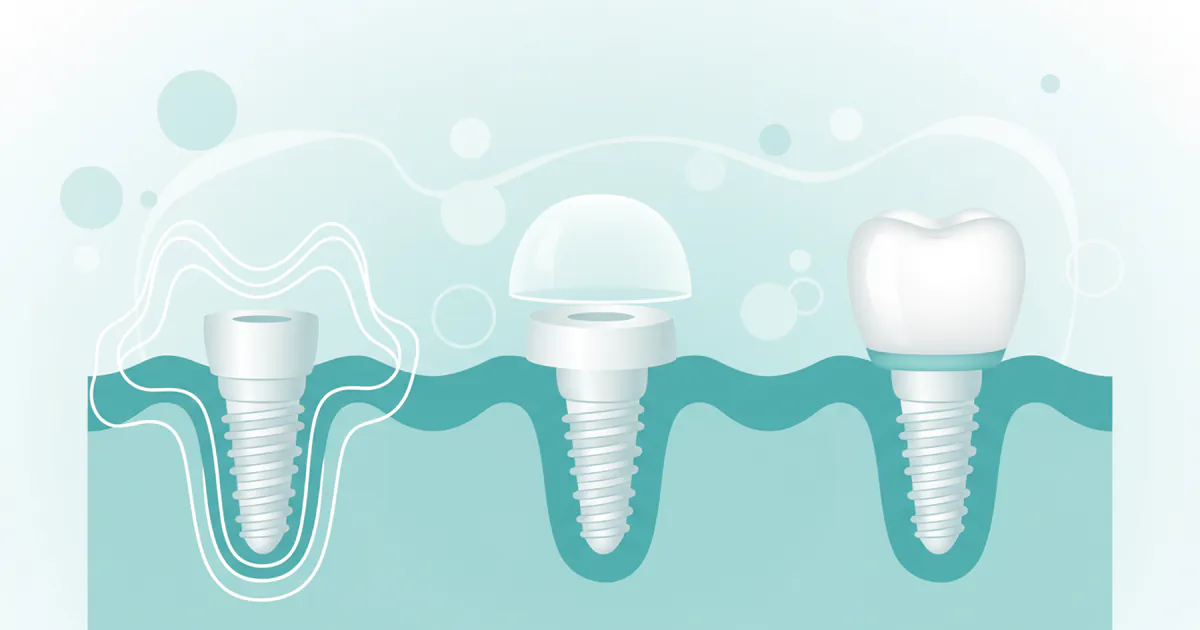
A complete dental implant restoration consists of three main components:
- The Implant Post (Fixture): This is a small, screw-shaped titanium post that is surgically inserted into the jawbone beneath the gum line. Titanium is biocompatible, meaning it fuses naturally with the bone through a process called osseointegration. This creates a remarkably strong and stable base.
- The Abutment: Once the implant post has fully integrated with the bone, a small connector piece called an abutment is attached to it. This part protrudes through the gum line and serves as the anchor for the prosthetic tooth.
- The Prosthetic Tooth (Crown, Bridge, or Denture): The visible part of the tooth replacement, custom-made to match your natural teeth in shape, size, and color. It can be a single crown for one missing tooth, a multi-tooth bridge supported by two or more implants, or a full denture anchored by several implants.
Dental implants are widely considered the gold standard for tooth replacement due to their numerous benefits, including improved chewing ability, enhanced aesthetics, prevention of bone loss in the jaw, and superior comfort compared to removable dentures.
Why You Might Need Dental Implants
Tooth loss can occur for various reasons, impacting not only your appearance but also your oral health, ability to chew, and overall quality of life. Understanding the common causes of tooth loss highlights why dental implants are often the recommended solution.
Causes of Tooth Loss:
- Severe Tooth Decay: Untreated cavities can progress to infect the tooth pulp and eventually destroy enough tooth structure that extraction becomes necessary.
- Gum Disease (Periodontitis): Advanced gum disease is the leading cause of tooth loss in adults. It causes inflammation and infection of the gums and bone supporting the teeth, leading to loosening and eventual loss.
- Trauma or Injury: Accidents, sports injuries, or falls can result in chipped, fractured, or completely knocked-out teeth.
- Congenital Conditions: Some individuals are born with missing teeth (hypodontia), making implants a viable option once the jaw is fully developed.
- Failed Root Canal Treatment: In some cases, a tooth treated with a root canal may fail to heal properly or become re-infected, requiring extraction.
- Wear and Tear: Years of grinding (bruxism) or acidic erosion can severely damage teeth, leading to fractures or weakened structures that cannot be saved.
Impact of Missing Teeth:
Beyond the aesthetic concerns, missing teeth can lead to several oral health problems:
- Bone Loss: When a tooth is lost, the jawbone that once supported it no longer receives the stimulation it needs. This leads to bone resorption, causing the jaw to shrink and potentially affecting the stability of adjacent teeth and facial structure.
- Shifting Teeth: Adjacent teeth can drift into the gap left by a missing tooth, leading to bite problems, crooked teeth, and increased risk of decay and gum disease.
- Difficulty Chewing and Speaking: Missing teeth, especially molars, can impair chewing efficiency, affecting digestion and nutrition. Gaps in the front teeth can also impact speech clarity.
- Changes in Facial Structure: Over time, significant bone loss can cause the face to appear sunken, leading to premature aging.
Dental implants address these issues directly by replacing the tooth root, stimulating the jawbone, and providing a stable foundation for a functional and aesthetic tooth replacement.
Types of Dental Implants and Their Costs
The cost of dental implants varies significantly based on the type of implant procedure chosen. Different scenarios call for different solutions, each with its own complexity and associated expenses.
1. Single Tooth Implant
- What it is: The most common type, used to replace one missing tooth. It involves one implant post, one abutment, and one custom-made crown.
- Cost Range: $3,000 to $6,000 per tooth in the U.S. This price typically includes the surgical placement of the implant, the abutment, and the final crown. Additional procedures like tooth extraction or bone grafting (see below) can significantly increase this cost.
- Ideal for: Individuals missing a single tooth due to decay, trauma, or congenital absence, with sufficient bone density.
2. Multiple Tooth Implants (Implant-Supported Bridge)
- What it is: When several adjacent teeth are missing, an implant-supported bridge can be used. Instead of replacing each tooth with an individual implant, two or more implants are placed, and a bridge of crowns is anchored onto them. For example, two implants can support a three or four-unit bridge.
- Cost Range: Typically ranges from $6,000 to $15,000+ for a two-implant supported three or four-unit bridge. The cost depends on the number of implants and the number of crowns in the bridge.
- Ideal for: Patients missing several consecutive teeth, offering a more stable and bone-preserving alternative to traditional bridges.
3. Full Arch Dental Implants (All-on-4, All-on-6, All-on-X)
- What it is: These innovative techniques are designed to replace an entire arch of missing teeth (upper or lower jaw) using a minimal number of implants.
- All-on-4: Four strategically placed implants support a full arch of prosthetic teeth.
- All-on-6 / All-on-X: Uses six or more implants for increased stability and bone preservation, especially in cases of compromised bone density.
- Cost Range:
- All-on-4/6 (per arch): $15,000 to $30,000, with some premium solutions reaching $40,000+ per arch. This typically includes the implants, abutments, and a provisional (temporary) full-arch denture, followed by a permanent fixed denture.
- Full Mouth (both arches): $30,000 to $60,000+, with highly complex cases or premium materials potentially exceeding $80,000.
- Ideal for: Individuals who have lost most or all of their teeth in an arch, or those who wear traditional dentures and desire a more stable, permanent solution. It's often a good option for patients with moderate bone loss.
4. Implant-Retained Overdentures
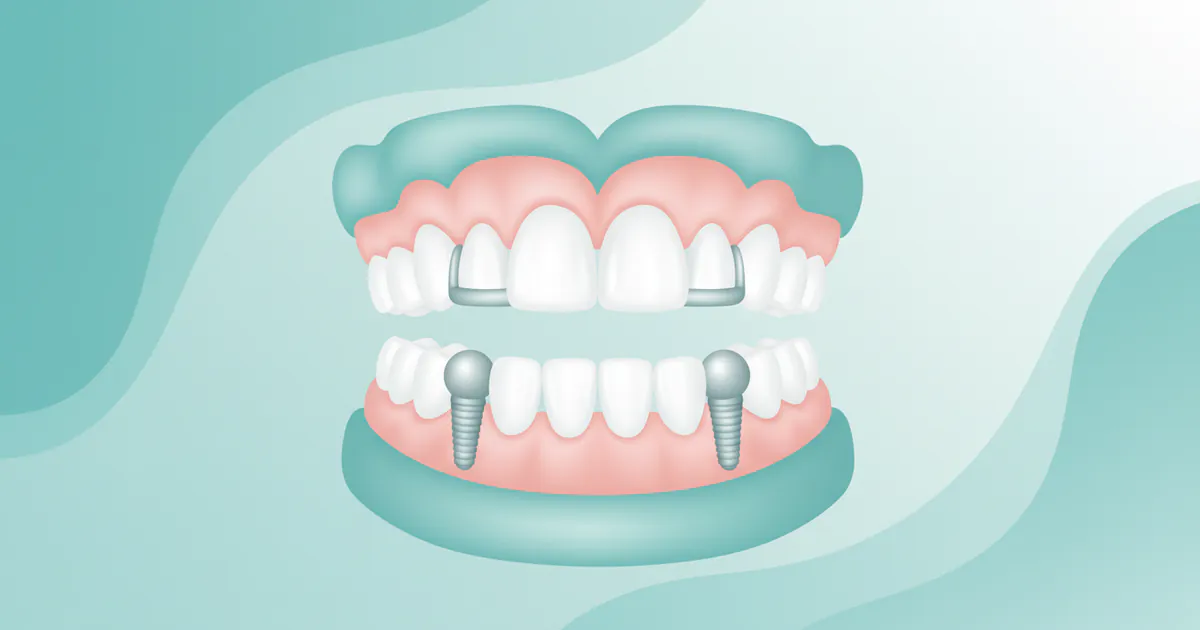
- What it is: This option combines the benefits of implants with the affordability of dentures. A traditional removable full denture is custom-fitted to snap onto a few (typically 2-4) implants placed in the jaw. This provides significantly more stability than conventional dentures but is still removable for cleaning.
- Cost Range: $6,000 to $15,000 per arch, depending on the number of implants used and the complexity of the denture.
- Ideal for: Patients seeking improved stability for their existing or new dentures without the full cost of fixed implant bridges.
5. Mini Dental Implants (MDIs)
- What it is: MDIs are smaller in diameter than conventional implants. They are less invasive to place and are often used for stabilizing lower dentures or for temporary tooth replacement.
- Cost Range: $500 to $1,500 per implant. Because they are smaller, more MDIs are often needed to provide adequate support (e.g., 4-6 for a lower denture).
- Ideal for: Patients who cannot undergo traditional implant surgery due to insufficient bone, are looking for a more affordable option for denture stabilization, or require temporary anchors. They are generally not recommended for replacing single chewing teeth long-term due to their smaller size.
Comparison Table: Types of Dental Implants
| Implant Type | Description | Typical Cost (USD) | Pros | Cons |
|---|---|---|---|---|
| Single Tooth Implant | Replaces one missing tooth with one implant, abutment, and crown. | $3,000 - $6,000 | Natural look & feel, preserves adjacent teeth, prevents bone loss. | Higher initial cost than a bridge, involves surgery. |
| Implant-Supported Bridge | 2+ implants supporting 3+ crowns for adjacent missing teeth. | $6,000 - $15,000+ | Stable, doesn't require grinding down healthy teeth, prevents bone loss. | More invasive than traditional bridge, higher cost. |
| All-on-4/6/X | Full arch of teeth supported by 4, 6, or more implants. | $15,000 - $40,000+ per arch | Fixed, highly stable, prevents bone loss, often avoids bone grafting. | Significant cost, extensive surgery. |
| Implant-Retained Overdenture | Removable denture snaps onto 2-4 implants for stability. | $6,000 - $15,000 per arch | Greatly improved denture stability, more affordable than fixed options. | Still removable, some palate coverage (upper arch), requires upkeep. |
| Mini Dental Implants (MDIs) | Smaller diameter implants, often used for denture stabilization or temporaries. | $500 - $1,500 per implant | Less invasive, faster healing, lower cost. | Less durable than traditional implants, generally not for single teeth. |
Dental Implants vs. Other Tooth Replacement Options
While this article focuses on how much are implants for teeth, it's essential to understand how they compare to alternative tooth replacement options in terms of cost, function, and longevity.
Traditional Dental Bridges
- What it is: A bridge consists of one or more artificial teeth (pontics) held in place by dental crowns cemented onto the natural teeth on either side of the gap.
- Pros: Generally less expensive initially than a single implant, faster treatment time, can be a good option if adjacent teeth already need crowns.
- Cons: Requires grinding down healthy adjacent teeth (abutment teeth), putting them at risk for decay or sensitivity. Does not prevent bone loss in the area of the missing tooth. Typically lasts 5-15 years.
- Cost Range: $2,000 to $5,000 for a 3-unit bridge (replacing one tooth).
Removable Partial or Full Dentures
- What it is: A partial denture replaces a few missing teeth and clips onto remaining natural teeth. A full denture replaces an entire arch of teeth and rests on the gums.
- Pros: Most affordable initial cost, non-invasive, can replace many teeth at once.
- Cons: Less stable and can move, affecting chewing and speech. May require adhesives. Does not prevent bone loss. Can cause gum irritation. Needs to be removed daily for cleaning. Typically lasts 5-10 years.
- Cost Range:
- Partial Denture: $600 to $2,500
- Full Denture (per arch): $1,000 to $4,000 (conventional acrylic)
Comparison Table: Tooth Replacement Options
| Feature | Dental Implants | Traditional Dental Bridge | Removable Denture (Partial/Full) |
|---|---|---|---|
| Stability | Excellent (fixed in bone) | Good (fixed to natural teeth) | Fair (rests on gums, may shift) |
| Bone Preservation | Yes (stimulates jawbone) | No (bone loss continues) | No (bone loss continues) |
| Impact on Adjacent Teeth | None (stand-alone) | Requires modification of healthy teeth | May put stress on adjacent teeth |
| Longevity | 20+ years, often lifetime (with care) | 5-15 years | 5-10 years |
| Comfort | Feels like natural teeth | Generally comfortable | Can cause irritation, takes getting used to |
| Chewing Efficiency | Excellent | Good | Fair |
| Initial Cost | High | Moderate | Low |
| Maintenance | Regular brushing, flossing, check-ups | Regular brushing, flossing, check-ups | Daily cleaning, overnight soaking, relines |
Pro Tip: While the initial cost of a tooth implant can be higher, their longevity and benefits in preventing bone loss and maintaining oral health often make them the most cost-effective solution over a lifetime. When comparing options, consider the long-term value, not just the upfront price.
The Dental Implant Process: Step-by-Step
Understanding the typical journey of getting a dental implant can help you anticipate the timeline and stages of investment. The process usually involves several appointments over several months.
Step 1: Initial Consultation and Treatment Planning
- What happens: Your journey begins with a comprehensive dental examination. This includes reviewing your medical history, taking detailed X-rays, 3D cone beam computed tomography (CBCT) scans, and possibly creating impressions of your mouth. The dentist or oral surgeon will assess your oral health, bone density, and overall candidacy for implants.
- Purpose: To determine if you have sufficient bone volume and density for the implant, identify any potential issues (like gum disease), and create a personalized treatment plan, including the estimated cost of a tooth implant.
- Timeline: One appointment.
Step 2: Supplemental Procedures (If Needed)
- What happens: Some patients may require preparatory procedures before implant placement.
- Tooth Extraction: If the tooth needing replacement is still present but damaged beyond repair, it must be extracted first.
- Bone Grafting: If you have insufficient jawbone (due to long-term tooth loss or gum disease), bone grafting is performed to add bone material and create a stable foundation for the implant. This can involve using your own bone, donor bone, or synthetic bone material.
- Sinus Lift: If implants are needed in the upper jaw and the sinus cavity is too close to the jawbone, a sinus lift elevates the sinus floor, creating space for bone graft material.
- Purpose: To ensure a healthy and stable site for implant placement.
- Timeline: These procedures can add 3 to 9 months to the overall timeline, as the grafted bone needs time to heal and integrate.
- Cost Impact: Significantly increases the overall cost of a tooth implant. Bone grafts can range from $200 to $1,200 per site for minor grafts, up to $2,000 to $4,000+ for complex sinus lifts or block grafts. Tooth extractions typically range from $75 to $600 per tooth, with surgical extractions (e.g., impacted wisdom teeth) being more expensive.
Step 3: Implant Placement Surgery
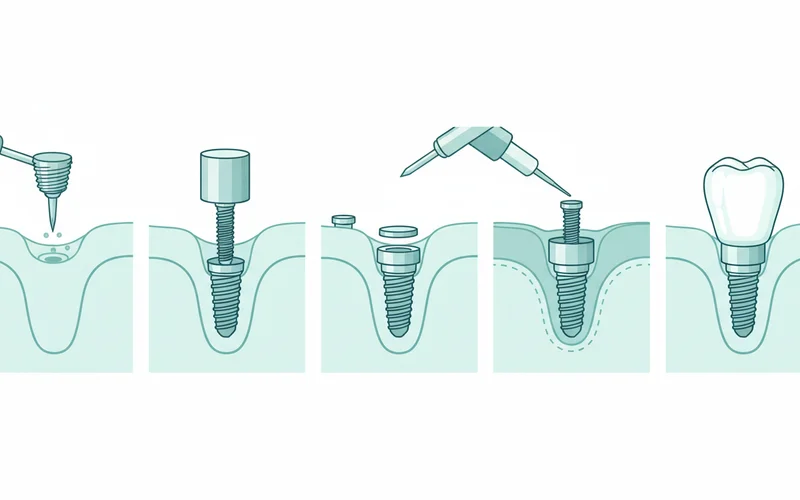
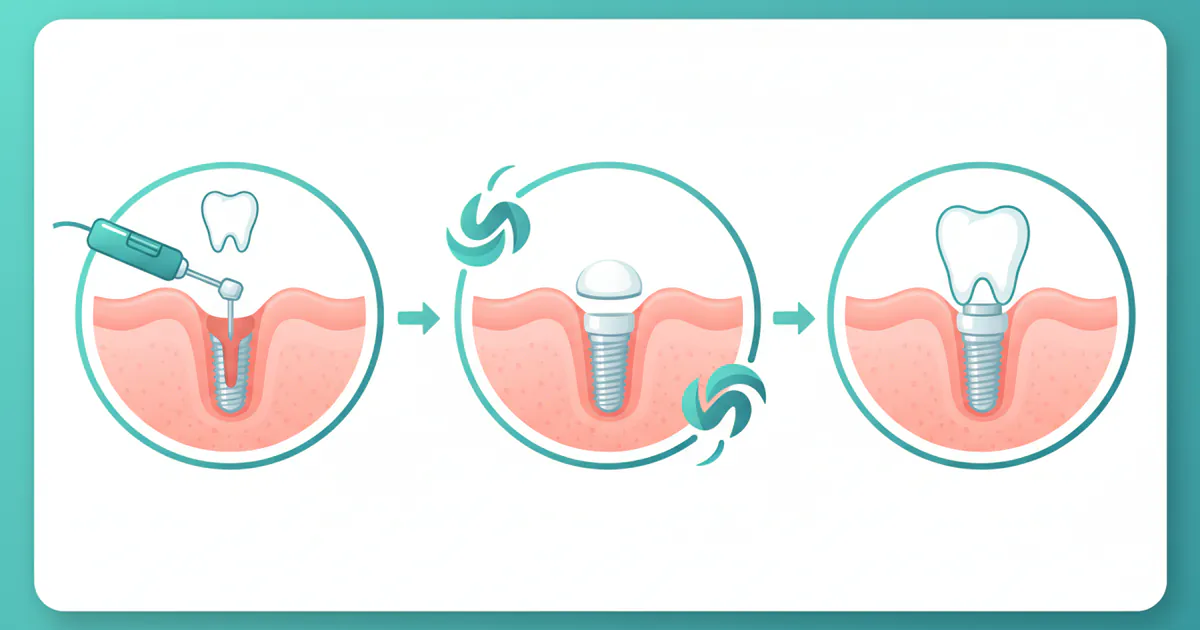
- What happens: Under local anesthesia (and often sedation), the oral surgeon or periodontist makes a small incision in the gum to expose the jawbone. A precise hole is drilled into the bone, and the titanium implant post is carefully threaded into place. The gum tissue is then closed over the implant.
- Purpose: To surgically embed the implant post into the jawbone.
- Timeline: One appointment, typically 1-2 hours per implant.
Step 4: Osseointegration (Healing Period)
- What happens: This is a crucial healing phase where the implant post fuses with the surrounding jawbone. During this time, a temporary crown or denture might be worn.
- Purpose: To create a strong, stable foundation for the new tooth.
- Timeline: This process usually takes 3 to 6 months, depending on individual healing capabilities and bone quality.
Step 5: Abutment Placement
- What happens: Once osseointegration is complete, a minor surgical procedure may be performed to expose the top of the implant. An abutment, the small connector piece, is then attached to the implant post. In some cases, the abutment can be placed at the same time as the implant if immediate loading is possible or if the implant is placed above the gum line.
- Purpose: To provide a stable base for the final prosthetic tooth.
- Timeline: One appointment.
Step 6: Crown, Bridge, or Denture Fabrication and Placement
- What happens: After the gums around the abutment have healed (typically 1-2 weeks), impressions are taken of your mouth. These impressions are sent to a dental lab where your custom-made crown, bridge, or denture is fabricated to match your existing teeth in color, shape, and size. Once ready, the prosthetic tooth is securely attached to the abutment.
- Purpose: To restore full function and aesthetics to your smile.
- Timeline: Several appointments over 2-4 weeks.
Pro Tip: The total timeline for a dental implant from start to finish can range from 3 months to over a year, particularly if extensive bone grafting or multiple implants are needed. Be patient, as each stage is critical for the long-term success of your implant.
The Core Question: How Much Are Implants for Teeth?
Now, let's dive deep into the specific costs. The question of "how much are implants for teeth" doesn't have a single answer, as the final price is a confluence of many factors.
Factors Influencing the Cost of a Tooth Implant:
- Number of Implants: Naturally, replacing a single tooth with one implant is less expensive than replacing multiple teeth or an entire arch.
- Type of Implant: As detailed above, single implants, implant-supported bridges, All-on-4/6, and mini implants all have different price points due to material, complexity, and number of components.
- Supplementary Procedures: This is often the biggest variable.
- Tooth Extractions: Simple extractions cost less than surgical or multiple extractions.
- Bone Grafting: Essential for many patients lacking sufficient bone. Costs vary based on the type and amount of graft material and the complexity of the procedure (e.g., socket preservation vs. large block graft or sinus lift).
- Sinus Lift: A common procedure for upper back jaw implants, which adds significant cost.
- Gum Grafts: Needed if gum recession has occurred.
- Temporary Restorations: Provisional crowns or dentures may be needed during the healing phase.
- Material Costs:
- Implant Post: High-quality titanium implants are the standard. Zirconia implants are an alternative for those with metal sensitivities or aesthetic preferences, but they are generally more expensive.
- Abutment: Can be stock (pre-manufactured) or custom-mmade, with custom-milled abutments often costing more but offering a better fit and aesthetic outcome.
- Crown/Bridge Material: Crowns can be made from various materials like porcelain-fused-to-metal (PFM), all-porcelain, zirconia, or E-max. Zirconia and all-porcelain crowns tend to be more aesthetically pleasing and durable but also more expensive.
- Geographic Location: Dental costs vary significantly by region and even by city within the U.S. Major metropolitan areas and coastal cities generally have higher prices due to higher overheads.
- Dentist's Expertise and Specialization: Highly experienced oral surgeons, periodontists, or prosthodontists specializing in implants may charge more than a general dentist who offers implant services. Their expertise often translates to higher success rates and fewer complications.
- Diagnostic Imaging: X-rays and 3D CBCT scans are essential for planning, and their costs are usually included but can sometimes be separate.
- Sedation Options: While local anesthesia is standard, many patients opt for additional sedation (nitrous oxide, oral sedation, IV sedation) to manage anxiety. These options add to the total cost.
- Laboratory Fees: Custom fabrication of crowns and prosthetics by dental labs is a significant part of the cost.
Average US Cost Ranges for Dental Implants (without insurance or major discounts):
These are general ranges, and it's essential to get a detailed quote from your specific dental provider.
| Procedure / Implant Type | Low Range (USD) | Mid-Range (USD) | High Range (USD) |
|---|---|---|---|
| Single Dental Implant (Post only) | $1,500 | $2,500 | $4,000 |
| Abutment | $500 | $800 | $1,500 |
| Crown (for single implant) | $1,000 | $1,500 | $3,000 |
| Total for One Single Implant (all components) | $3,000 | $4,800 | $8,500 |
| 3-Unit Implant-Supported Bridge (2 implants, 3 crowns) | $6,000 | $10,000 | $15,000+ |
| All-on-4 / All-on-6 (per arch) | $15,000 | $25,000 | $40,000+ |
| Full Mouth Implants (both arches All-on-4/6) | $30,000 | $50,000 | $80,000+ |
| Implant-Retained Overdenture (per arch, 2-4 implants) | $6,000 | $10,000 | $15,000+ |
| Mini Dental Implant (per implant) | $500 | $1,000 | $1,500 |
| Supplemental Procedures: | |||
| Simple Extraction | $75 | $200 | $400 |
| Surgical Extraction | $200 | $400 | $600 |
| Minor Bone Graft (socket preservation) | $200 | $500 | $1,200 |
| Major Bone Graft / Sinus Lift | $1,500 | $2,500 | $4,000+ |
| Temporary Crown / Flipper | $300 | $600 | $1,000 |
| IV Sedation | $400 | $700 | $1,200+ |
Pro Tip: When getting quotes, ask for a detailed breakdown of all costs, including the implant, abutment, crown, and any necessary preparatory procedures or sedation. This transparency will help you understand the full cost of a tooth implant.
Insurance Coverage and Financing for Dental Implants
Understanding how insurance factors into the cost of a tooth implant is crucial for budgeting.
Dental Insurance Coverage
Unfortunately, dental implant coverage by traditional dental insurance plans is often limited or non-existent.
- Medical vs. Dental: Implants are sometimes considered a "cosmetic" procedure by dental insurance or a "medical" procedure by medical insurance, falling into a gray area.
- Limited Coverage: Many dental insurance plans do not cover the surgical placement of the implant post itself. However, they might cover portions of the restorative components (like the crown or bridge) or preparatory procedures (like extractions or bone grafting) that are deemed medically necessary.
- "Major Services" Clause: When coverage is provided, it typically falls under "major restorative services," which usually have a higher deductible and lower reimbursement rate (e.g., 50% coverage).
- Annual Maximums: Most dental plans have annual maximums, typically ranging from $1,000 to $2,000. Given that a single implant can cost upwards of $3,000, this maximum is quickly met.
- PPO vs. HMO:
- PPO (Preferred Provider Organization) plans offer more flexibility, allowing you to choose any dentist, although you'll pay less for in-network providers. You submit claims, and the insurance reimburses a percentage.
- HMO (Health Maintenance Organization) plans typically require you to choose a dentist within their network and often have lower monthly premiums, but less flexibility in choosing specialists.
- Medical Insurance: In rare cases, if tooth loss is due to a severe accident or a medical condition like cancer, your medical insurance might cover a portion of the implant surgery. This is uncommon and requires extensive documentation and pre-authorization.
Pro Tip: Always check with your insurance provider before starting treatment. Ask for a pre-determination of benefits (PDB) from your dental office, which will outline exactly what your plan will cover.
Payment Plans and Financing Options
Given the significant investment, many dental practices offer or work with third-party financing options to make dental implants more accessible.
- In-Office Payment Plans: Some dentists offer their own interest-free payment plans, allowing you to spread the cost over several months.
- Third-Party Medical Financing: Companies like CareCredit or LendingClub specialize in healthcare financing. They offer credit cards or loans specifically for medical and dental procedures, often with promotional periods of 0% interest if paid in full within a certain timeframe (e.g., 6, 12, 18, or 24 months). Be sure to understand the terms and interest rates after the promotional period.
- Personal Loans: You can explore personal loans from banks or credit unions, though these may have higher interest rates depending on your credit score.
- Health Savings Accounts (HSAs) and Flexible Spending Accounts (FSAs): If you have an HSA or FSA through your employer, you can use pre-tax dollars to pay for dental implant procedures, effectively saving you money on taxes.
Cost-Saving Tips
- Shop Around (Carefully): While it's tempting to seek the lowest price, prioritize quality and experience when it comes to dental implants. However, getting quotes from 2-3 reputable oral surgeons or prosthodontists can give you a better understanding of the local average cost of a tooth implant.
- Dental Schools: University dental schools often offer procedures at a reduced cost. These are performed by supervised dental students or residents, ensuring high standards of care.
- Package Deals: Some practices offer package deals for multiple implants or full-arch solutions that might be more cost-effective than individual procedures.
- Dental Tourism (Caution Advised): Some individuals travel to other countries where dental work is cheaper. While seemingly attractive, this option carries risks regarding quality control, follow-up care, communication barriers, and potential legal recourse if complications arise.
- Phased Treatment: Discuss with your dentist if the treatment can be phased over two calendar years to maximize your annual insurance benefits or manage payments.
Recovery and Long-Term Aftercare
Proper recovery and diligent long-term aftercare are paramount to the success and longevity of your dental implants.
Immediate Post-Operative Care (First Few Days):
- Pain Management: Expect some discomfort, swelling, and bruising. Your dentist will prescribe pain medication or recommend over-the-counter options like ibuprofen.
- Bleeding: Minor bleeding or oozing is normal. Bite gently on gauze pads as instructed.
- Swelling: Apply ice packs to the outside of your face for 15-20 minutes at a time during the first 24-48 hours.
- Diet: Stick to soft foods and liquids immediately after surgery. Avoid hot foods and drinks, and chewing near the surgical site. Gradually reintroduce normal foods as comfort allows.
- Oral Hygiene: Avoid rinsing vigorously or spitting on the day of surgery. The day after, gentle salt water rinses (1/2 teaspoon salt in 8 oz warm water) several times a day can help keep the area clean. Brush other teeth carefully, avoiding the surgical site.
- Activity: Rest and avoid strenuous physical activity for at least 24-48 hours.
During Osseointegration (Healing Phase):
- Follow Instructions: Adhere strictly to your dentist's post-operative instructions.
- Diet: Continue to eat a soft diet, especially avoiding hard, crunchy, or chewy foods that could dislodge the implant or provisional restoration.
- Avoid Smoking: Smoking significantly impedes healing and increases the risk of implant failure. If you smoke, this is an excellent time to quit or drastically reduce use.
- Regular Check-ups: Attend all scheduled follow-up appointments to allow your dentist to monitor healing.
Long-Term Aftercare (Once Restored):
- Excellent Oral Hygiene: Treat your dental implants like natural teeth. Brush at least twice a day with a soft-bristled toothbrush and fluoride toothpaste. Floss daily, paying special attention to the areas around the implant crowns. Interdental brushes or water flossers can be particularly effective.
- Regular Dental Check-ups: Visit your dentist for professional cleanings and examinations every six months, or as recommended. Your dentist will monitor the health of your implants, gums, and remaining teeth.
- Avoid Damaging Habits: Refrain from chewing on ice, hard candies, or non-food items (like pen caps). If you clench or grind your teeth (bruxism), your dentist may recommend a nightguard to protect your implants and natural teeth from excessive force.
- Maintain Overall Health: Systemic conditions like uncontrolled diabetes can impact implant success. Maintain good general health and inform your dentist of any changes to your medical history or medications.
With proper care, dental implants can last for decades, often a lifetime. This longevity is a significant part of their value, especially considering the initial cost of a tooth implant.
Preventing the Need for Implants & Maintaining Oral Health
While dental implants are a fantastic solution, prevention is always the best approach. Maintaining excellent oral health can help you keep your natural teeth and avoid the need for implants.
- Practice Diligent Oral Hygiene:
- Brush Twice Daily: Use a fluoride toothpaste and a soft-bristled brush for at least two minutes each time.
- Floss Daily: Flossing removes plaque and food particles from between teeth and under the gum line, areas your toothbrush can't reach.
- Use Mouthwash: An antimicrobial mouthwash can help reduce bacteria and plaque.
- Regular Dental Check-ups and Cleanings: Visit your dentist every six months for professional cleanings and comprehensive examinations. These visits allow early detection and treatment of cavities, gum disease, and other issues before they lead to tooth loss.
- Balanced Diet: Limit sugary and acidic foods and drinks, which contribute to tooth decay. Incorporate calcium and vitamin D-rich foods for strong bones and teeth.
- Avoid Tobacco Products: Smoking and chewing tobacco significantly increase the risk of gum disease, tooth decay, and oral cancer, all of which can lead to tooth loss.
- Protect Your Teeth: If you play contact sports, wear a custom-fitted mouthguard to prevent trauma. If you grind or clench your teeth at night (bruxism), a nightguard can protect your teeth from excessive wear and fracture.
- Address Dental Problems Promptly: Don't ignore toothaches, sensitive teeth, or bleeding gums. Early intervention can prevent minor issues from becoming major ones that necessitate tooth extraction.
Risks and Potential Complications
While dental implants have a very high success rate (95-98%), it's important to be aware of the potential risks and complications, though they are rare.
- Infection at the Implant Site: Like any surgery, there's a risk of bacterial infection. This can usually be treated with antibiotics, but severe infections may require implant removal.
- Nerve Damage: Though uncommon, the implant can be placed too close to a nerve, leading to numbness, tingling, or pain in the natural teeth, gums, lips, or chin. This is often temporary but can be permanent in rare cases. Proper 3D imaging and planning minimize this risk.
- Sinus Problems: For implants placed in the upper jaw, there's a slight risk of the implant protruding into the sinus cavity, which can cause sinus inflammation or infection. A sinus lift procedure is performed to prevent this.
- Implant Failure (Lack of Osseointegration): The implant may fail to properly fuse with the jawbone. This can be due to poor bone quality, infection, excessive force on the implant during healing, or certain medical conditions (e.g., uncontrolled diabetes). If an implant fails, it usually needs to be removed, the site allowed to heal, and a new implant placed later.
- Peri-implantitis: This is an inflammatory condition affecting the gum and bone tissues around a dental implant, similar to periodontitis around natural teeth. If untreated, it can lead to bone loss and implant failure. It's often caused by poor oral hygiene.
- Mechanical Complications: Though rare, components like the abutment or crown can loosen, fracture, or break. These are usually repairable or replaceable.
- Allergic Reaction: Extremely rare, but some individuals might have an allergic reaction to titanium, though it is highly biocompatible.
Your dentist will discuss these potential risks with you during the consultation and planning phases. Choosing an experienced and qualified oral surgeon or prosthodontist significantly minimizes these risks. Adhering to all pre- and post-operative instructions is also critical for success.
Children and Pediatric Considerations
Dental implants are generally not recommended for children or adolescents whose jawbones are still growing and developing. Placing implants before the jaw has fully matured can lead to complications such as the implant becoming submerged in the bone as the surrounding bone continues to grow, or altering the normal development of adjacent teeth and facial structure.
Typically, dental implants are considered appropriate for individuals once their facial and jawbone growth is complete, which usually occurs around 18-20 years of age for most individuals, though it can vary. For children with missing teeth due to trauma or congenital conditions, temporary solutions like space maintainers, removable partial dentures (flippers), or traditional bridges are used until they reach an age where implants can be safely and successfully placed. Your pediatric dentist or orthodontist will monitor your child's development and advise on the most appropriate long-term treatment plan.
Frequently Asked Questions
How painful is getting a tooth implant?
With local anesthesia and optional sedation, the implant placement surgery itself is typically not painful. Most patients describe it as being less uncomfortable than a tooth extraction. You will experience some soreness, swelling, and mild to moderate pain for a few days post-surgery, which can be managed with prescribed or over-the-counter pain medication.
How long does the dental implant process take from start to finish?
The entire process usually takes 3 to 9 months, but can extend to a year or more if extensive bone grafting or other preliminary procedures are required. The main stages include consultation, possible extractions/bone grafts, implant placement, osseointegration (3-6 months), abutment placement, and finally, crown fabrication and placement.
Are dental implants worth the cost?
For most patients, dental implants are absolutely worth the investment. While the initial cost of a tooth implant is higher than alternatives, their benefits include superior stability, natural aesthetics and function, prevention of bone loss, and a lifespan often exceeding 20 years or even a lifetime. This longevity and improved quality of life often make them a more cost-effective solution in the long run compared to repeatedly replacing bridges or dentures.
Can I get a temporary tooth while waiting for my implant to heal?
Yes, in many cases, a temporary restoration can be provided. This might be a removable partial denture (flipper), a temporary bridge, or sometimes even a temporary crown placed directly on the implant if immediate loading is possible. Your dentist will discuss the best temporary solution for your specific situation.
What is the success rate of dental implants?
Dental implants boast an impressive success rate of 95-98% when placed by a skilled professional and maintained with good oral hygiene. Factors like smoking, uncontrolled diabetes, poor oral hygiene, and insufficient bone can reduce this rate.
How long do dental implants last?
With proper care and regular dental check-ups, dental implant posts can last a lifetime. The crowns, bridges, or dentures attached to the implants may need to be replaced after 10-15 years due to normal wear and tear, but the implant post itself is designed for permanent integration with the jawbone.
What are the alternatives to dental implants?
The primary alternatives for replacing missing teeth are traditional dental bridges and removable partial or full dentures. While these are generally less expensive initially, they do not prevent bone loss, often require modification of adjacent healthy teeth (bridges), and may offer less stability and comfort than implants.
Can I get dental implants if I have bone loss?
Yes, in many cases. If you have insufficient jawbone, bone grafting procedures can be performed to rebuild the bone and create a suitable foundation for implant placement. This adds to the overall treatment time and cost of a tooth implant but makes implants possible for many who would otherwise not be candidates.
What is All-on-4, and how much does it cost?
All-on-4 is a full-arch dental implant solution where an entire upper or lower set of prosthetic teeth is supported by just four strategically placed implants. It's a popular option for those missing most or all of their teeth. The cost for an All-on-4 system typically ranges from $15,000 to $30,000 per arch, including the implants and the final fixed denture.
Does dental insurance cover mini dental implants?
Similar to conventional implants, coverage for mini dental implants (MDIs) by dental insurance is often limited. Some plans may cover a portion of the cost if used for denture stabilization, but full coverage for the implant placement itself is rare. It's best to check with your specific insurance provider.
When to See a Dentist
If you are missing one or more teeth, or are facing the prospect of losing teeth, it is crucial to consult with a dental professional to discuss your options.
You should schedule an appointment if you experience:
- A newly lost tooth due to trauma, decay, or extraction.
- Difficulty chewing or speaking due to missing teeth.
- Shifting of remaining teeth or changes in your bite.
- Dissatisfaction with the stability or comfort of existing dentures or bridges.
- Persistent pain or infection around a compromised tooth that may require extraction.
- Any signs of severe gum disease (periodontitis), such as persistent bleeding gums, loose teeth, or receding gums, as these can lead to tooth loss if untreated.
An initial consultation with a general dentist, oral surgeon, or prosthodontist can help you determine if dental implants are the right solution for you, assess your candidacy, and provide a personalized treatment plan with a detailed estimate of the cost of a tooth implant. Early intervention is often key to achieving the best outcomes and preventing further oral health complications.
Frequently Asked Questions
Medically Reviewed Content
This article was written by our dental health editorial team and reviewed for medical accuracy. Our content follows strict editorial guidelines for reliability and trustworthiness.
Medical Disclaimer
This article is for informational purposes only and does not constitute medical advice. Always consult with a qualified dental professional for diagnosis and treatment. Do not delay seeking professional advice because of something you read on this website.
Related Articles
Implantologist: Complete Guide
Losing a tooth can be a significant setback, impacting not only your smile but also your ability to speak, chew, and maintain overall oral health. In fact, over 3 million Americans currently have dental implants, and that number is projected to grow significantly as more people seek a durable, n
March 8, 2026
Dentures Over Implants: Complete Guide
Missing multiple teeth or even an entire arch can profoundly impact your life, affecting everything from your ability to chew and speak to your self-confidence. For millions of Americans, traditional removable dentures have long been a solution, but they often come with compromises: slipping, discom
March 8, 2026
Implants Process: Complete Guide
Missing teeth can impact more than just your smile; they can affect your ability to eat, speak, and even your overall confidence. In fact, over 178 million Americans are missing at least one tooth, and about 40 million are missing all of their teeth. When faced with tooth loss, understanding the
March 8, 2026
Implants Dentaires: Complete Guide
Missing teeth can dramatically impact not just your smile, but your overall health, confidence, and quality of life. In the United States, an estimated 178 million adults are missing at least one tooth, while approximately 40 million are missing all their teeth. These statistics underscore a
March 8, 2026