How Much for Tooth Implant
Key Takeaways
- Dental implants have revolutionized tooth replacement, offering a durable, natural-looking, and highly functional solution for missing teeth. For many considering this advanced dental procedure, the immediate and most pressing question is often: how much for tooth implant? Understanding the inve
Dental implants have revolutionized tooth replacement, offering a durable, natural-looking, and highly functional solution for missing teeth. For many considering this advanced dental procedure, the immediate and most pressing question is often: how much for tooth implant? Understanding the investment required for a dental implant is crucial, as it's a decision that impacts not only your wallet but also your long-term oral health and quality of life. This comprehensive guide from SmilePedia.net will demystify the costs associated with dental implants, explore the different types available, detail the treatment process, discuss recovery, and provide insights into financing options. We'll delve into what influences the price tag, particularly the front tooth implant cost, and address common concerns like "does a tooth implant hurt," ensuring you have all the information needed to make an informed decision about restoring your smile.
Key Takeaways:
- Single Tooth Implant Cost: A single dental implant, including the implant post, abutment, and crown, typically ranges from $3,000 to $6,000 in the US, with significant variability based on location, materials, and complexity.
- Factors Influencing Cost: The total price is affected by pre-procedures (extractions, bone grafts), type of implant, materials used for the crown, the dental professional's fees, and geographic location.
- Pain Management: Dental implant surgery is performed under local anesthesia, so you won't feel pain during the procedure. Post-operative discomfort is manageable with prescribed pain medication and typically subsides within a few days.
- Front Tooth Implants: Front tooth implant cost can be at the higher end of the spectrum due to the increased aesthetic demands and precision required for a natural-looking result.
- Timeline: The entire dental implant process, from initial consultation to final crown placement, usually takes 3 to 9 months, largely due to the osseointegration period where the implant fuses with the jawbone.
- Insurance Coverage: Most dental insurance plans consider implants an elective procedure and may not cover the full cost. However, they might cover portions of related treatments like extractions or the crown itself.
- Long-Term Value: Despite the initial investment, dental implants are considered a highly cost-effective long-term solution due to their durability (often lasting decades or a lifetime) and benefits in preventing jawbone loss.
What is a Dental Implant? An Overview
A dental implant is a sophisticated medical device designed to replace a missing tooth root. It consists of three primary components:
- The Implant Post (Fixture): This is a small, screw-shaped post, typically made of titanium (a biocompatible material), that is surgically placed into the jawbone. Titanium is chosen because of its unique ability to integrate with bone tissue in a process called osseointegration.
- The Abutment: Once the implant has fused with the bone, a small connector piece called an abutment is attached to the implant post. This component extends above the gum line and serves as the foundation for the prosthetic tooth.
- The Crown (Prosthesis): This is the visible part of the tooth, custom-made to match your natural teeth in shape, size, and color. It's usually made of porcelain or ceramic materials and is cemented or screwed onto the abutment.
Together, these components create a replacement tooth that looks, feels, and functions remarkably like a natural tooth. Unlike traditional bridges that rely on adjacent teeth for support or dentures that can slip, dental implants are independently supported by your jawbone, offering unparalleled stability and preserving the integrity of surrounding healthy teeth.
Types and Variations of Dental Implants
While the basic structure remains the same, dental implants come in several types and are used in various configurations depending on the patient's specific needs and bone structure.
Endosteal Implants
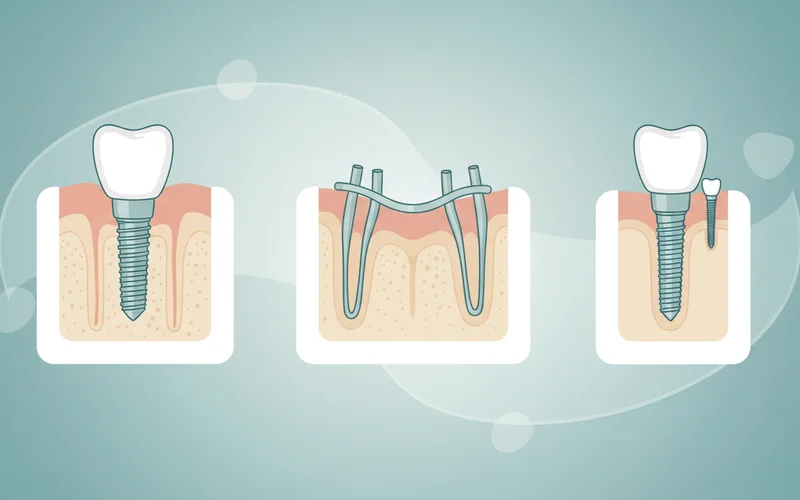
These are the most common type of dental implant. "Endosteal" means "in the bone." They are typically screw-shaped (like a small screw or cylinder) and are surgically placed directly into the jawbone. They are suitable for most patients with healthy jawbone and are the preferred option when sufficient bone density is present.
Subperiosteal Implants
"Subperiosteal" means "on the bone." These implants consist of a metal framework that is fitted on top of the jawbone, directly under the gum tissue. As the gums heal, the framework fuses to the bone. Small posts that protrude through the gums are then used to attach the artificial teeth. This type of implant was more common in the past for patients who couldn't wear conventional dentures and had minimal bone height, but their use has largely been replaced by modern bone grafting techniques and endosteal implants.
Mini Dental Implants (MDIs)
Mini dental implants are significantly smaller in diameter (typically less than 3mm) than traditional implants. They are primarily used for:
- Stabilizing lower dentures: MDIs can provide increased retention and stability for removable dentures, preventing them from shifting or slipping.
- Temporary restorations: They can be used as temporary anchors during certain orthodontic treatments or while waiting for larger implants to osseointegrate.
Pros of MDIs: Less invasive placement, often lower cost, quicker healing, immediate loading for denture stabilization. Cons of MDIs: Less durable for replacing individual teeth, generally not suitable for significant biting forces, may not last as long as traditional implants.
Specialized Implant Techniques
- All-on-4® Dental Implants (or All-on-X): This technique is designed to replace an entire arch of missing teeth (upper or lower) using only four strategically placed dental implants. The posterior implants are often angled to take advantage of existing bone, reducing the need for extensive bone grafting. A full arch of prosthetic teeth is then attached to these four implants, often on the same day as the implant placement. This is sometimes referred to as "Teeth-in-a-Day."
- Zygoma Implants: Used in severe cases of upper jawbone loss, zygoma implants are much longer than conventional implants and are anchored into the cheekbone (zygoma) instead of the maxilla. This technique is for patients who cannot receive conventional implants due to extreme bone atrophy and wish to avoid complex bone grafting procedures.
- Immediate Load Dental Implants: In certain favorable conditions (good bone density, stable primary implant placement), a temporary crown can be placed on the implant immediately after surgery, allowing for a quicker aesthetic result, especially for front tooth implant cost scenarios where immediate appearance is critical.
Causes for Needing a Dental Implant
The primary reason for needing a dental implant is tooth loss. This can occur due to a variety of factors:
- Severe Tooth Decay: Untreated cavities can destroy tooth structure to the point where restoration is impossible, leading to extraction.
- Periodontal Disease (Gum Disease): Advanced gum disease, known as periodontitis, can destroy the supporting bone and tissues around teeth, causing them to loosen and eventually fall out or require extraction.
- Trauma or Injury: Accidents, sports injuries, or falls can knock out a tooth or damage it beyond repair.
- Failed Root Canal Treatment: Sometimes, a root canal fails, leading to recurrent infection or damage that necessitates tooth removal.
- Congenital Defects: Some individuals are born with congenitally missing teeth (hypodontia or anodontia).
- Wear and Tear: Years of grinding (bruxism) or clenching can lead to severe tooth wear and fractures, eventually requiring extraction.
Replacing a missing tooth is not just about aesthetics; it's crucial for preventing further oral health issues such as bone loss, shifting of adjacent teeth, difficulty chewing, and speech impediments.
Signs and Symptoms of Tooth Loss and the Need for Replacement
While a missing tooth is an obvious sign, there are other indicators that you may benefit from a tooth replacement solution like an implant:
- Visible Gap: The most direct sign is a noticeable space in your smile.
- Difficulty Chewing: Chewing food can become challenging, especially if multiple teeth are missing or if the missing tooth is in a crucial chewing area.
- Speech Changes: Missing teeth, particularly front teeth, can affect your ability to pronounce certain sounds, leading to a lisp or whistling.
- Shifting or Tilting of Adjacent Teeth: When a tooth is lost, the neighboring teeth often drift or tilt into the empty space, altering your bite and potentially causing new problems.
- Super-eruption of Opposing Teeth: The tooth in the opposite jaw that used to bite against the missing tooth may start to "super-erupt" or move out of its socket, seeking contact.
- Bone Loss in the Jaw: Without the stimulation of a tooth root, the jawbone in the area of the missing tooth will begin to resorb (shrink), leading to a sunken appearance of the face over time.
- Changes in Facial Structure: Long-term tooth loss, particularly of multiple teeth, can lead to a collapse of the facial structure, making a person look older.
- Decreased Self-Confidence: A gap in your smile, especially a front tooth implant cost concern, can significantly impact self-esteem and willingness to smile or speak openly.
Treatment Options for Missing Teeth
Before committing to dental implants, it's wise to understand the alternatives. Each option has its own set of pros and cons, especially regarding cost, durability, and impact on oral health.
1. Dental Implants
- Pros: Most natural look and feel; preserves jawbone density by stimulating bone; does not rely on adjacent teeth; highly durable (can last a lifetime with proper care); improved chewing and speech; prevents shifting of other teeth.
- Cons: Higher initial cost; involves surgery; longer treatment timeline (due to osseointegration); not suitable for everyone (requires good general health and sufficient bone).
2. Dental Bridges
- Pros: Less invasive than implants (no surgery into the bone); quicker treatment time (weeks vs. months); can be less expensive initially than a single implant.
- Cons: Requires altering (grinding down) healthy adjacent teeth to support the bridge; does not prevent bone loss in the area of the missing tooth; shorter lifespan than implants (typically 5-15 years); can put strain on supporting teeth; food can get trapped under the bridge.
3. Partial or Full Dentures
- Pros: Most affordable option upfront; non-invasive; relatively quick to fabricate.
- Cons: Can be unstable and slip, especially full dentures; requires removal for cleaning; can affect speech and chewing comfort; does not prevent bone loss; often needs adjustments or relining over time; can cause irritation to gums.
Here's a comparison table summarizing the options:
| Feature | Dental Implants | Dental Bridges | Removable Dentures |
|---|---|---|---|
| Durability | 20+ years to lifetime (with proper care) | 5-15 years (average 7-10 years) | 5-10 years (requires relines/adjustments) |
| Bone Preservation | Yes (stimulates bone, prevents resorption) | No (bone loss continues under pontic) | No (bone loss continues) |
| Impact on Adjacent Teeth | None (stand-alone restoration) | Requires grinding down healthy adjacent teeth | None (partial dentures may clasp onto teeth) |
| Stability/Function | Excellent (feels like natural tooth) | Good (fixed in place) | Fair to Poor (can slip, affect speech/chewing) |
| Cleaning | Brush and floss normally | Special flossers needed to clean under pontic | Must be removed and cleaned daily |
| Initial Cost (Single Tooth) | $3,000 - $6,000+ | $2,000 - $5,000 (per unit, often 3 units) | $600 - $2,500 (partial), $1,500 - $4,000+ (full) |
| Invasiveness | Surgical placement into jawbone | Non-surgical (tooth preparation) | Non-invasive |
| Treatment Time | 3-9 months (due to healing) | 2-4 weeks | 3-6 weeks |
The Step-by-Step Dental Implant Process
Understanding the journey to a new smile can help alleviate anxiety and set realistic expectations. The dental implant process typically involves several stages over several months.
Stage 1: Initial Consultation and Treatment Planning
- Comprehensive Examination: Your dentist or oral surgeon will perform a thorough examination of your mouth, including X-rays, 3D CT scans (Cone Beam Computed Tomography), and impressions of your teeth. This helps assess your overall oral health, bone density and quality, and the precise location of nerves and sinuses.
- Medical History Review: A detailed review of your medical history is crucial to identify any conditions (e.g., uncontrolled diabetes, certain medications) that might affect healing or implant success.
- Treatment Plan Development: Based on the assessment, a personalized treatment plan is developed, outlining the number of implants, any preparatory procedures (like extractions or bone grafting), costs, and timeline.
Stage 2: Preparatory Procedures (If Needed)
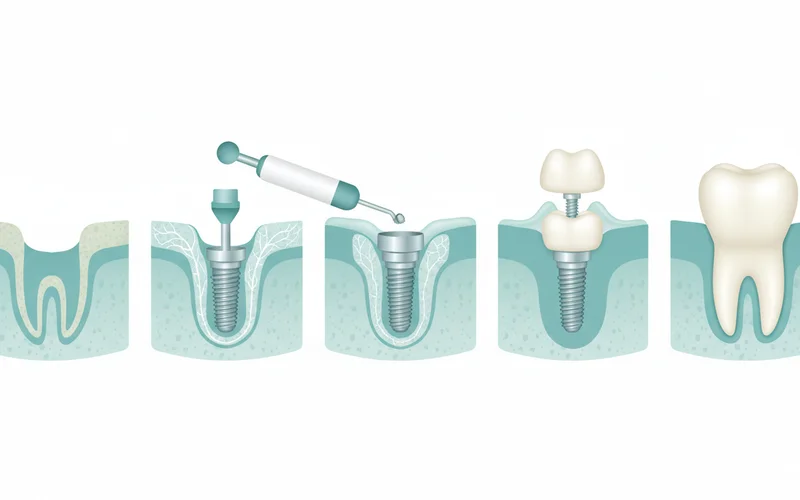
- Tooth Extraction: If the damaged tooth is still present, it will be carefully extracted. The socket must then heal before implant placement, which can take several weeks or months.
- Bone Grafting: If your jawbone is not thick or dense enough to support an implant (a common issue after prolonged tooth loss or gum disease), a bone graft may be necessary. This procedure involves adding bone material (from your own body, a donor, or synthetic material) to augment the jawbone. Grafting can add several months to the overall treatment timeline as the bone needs to heal and integrate.
- Sinus Lift: If implants are needed in the upper jaw and the sinus cavity is too close to the implant site due to bone loss, a sinus lift procedure may be performed. This involves gently lifting the sinus membrane and placing bone graft material to create sufficient bone height.
Stage 3: Dental Implant Placement Surgery
- Anesthesia: The implant surgery is typically performed under local anesthesia, ensuring you won't feel pain during the procedure. Sedation options (oral, IV, or nitrous oxide) are also available for patient comfort.
- Incision: The surgeon makes a small incision in your gum tissue to expose the underlying bone.
- Drilling and Placement: A precise series of drills are used to create a small, specific osteotomy (hole) in the jawbone. The titanium implant post is then carefully screwed into this prepared site.
- Closing the Incision: In some cases, the gum tissue is closed over the implant, completely covering it. In others, a healing cap is placed on the implant, and it protrudes slightly through the gum.
Stage 4: Osseointegration (Healing Period)
- This is the critical phase where the jawbone grows around and fuses with the titanium implant post. This process, known as osseointegration, can take 3 to 6 months or even longer, depending on individual healing capabilities and bone density.
- During this time, you will typically wear a temporary denture or a temporary bridge to maintain aesthetics and function.
- Pro Tip: Strict adherence to post-operative instructions during this period is vital for successful osseointegration. Avoid putting undue pressure on the implant site and maintain excellent oral hygiene.
Stage 5: Abutment Placement
- Once osseointegration is complete, a minor surgical procedure is performed if the implant was completely covered by gum tissue. A small incision is made to expose the implant, and the abutment (the connector piece) is attached to the implant post.
- A healing collar is then placed around the abutment to guide the gum tissue to heal correctly around it, taking about 1-2 weeks.
Stage 6: Placement of the Permanent Crown
- After the gums have healed around the abutment, new impressions are taken of your mouth.
- These impressions are sent to a dental lab, where your custom-made porcelain or ceramic crown is fabricated to perfectly match your existing teeth in shape, size, and color. For a front tooth implant cost scenario, this aesthetic matching is particularly meticulous.
- Once the crown is ready, it is attached to the abutment, either cemented permanently or screwed into place. Your new tooth is now complete and fully functional!
Cost and Insurance: How Much for Tooth Implant?
The question of "how much for tooth implant" is multifaceted, with costs varying significantly. In the US, the cost for a single dental implant, including the implant post, abutment, and crown, typically ranges from $3,000 to $6,000 per tooth. However, this is just a general range, and several factors can push the price higher or lower.
Factors Influencing Dental Implant Cost
- Geographic Location: Dental care costs vary by region. Major metropolitan areas and coastal cities generally have higher prices than rural areas or states with lower costs of living.
- Number of Implants: Replacing multiple teeth with individual implants will naturally increase the total cost. Full arch replacements like All-on-4 can range from $15,000 to $30,000 per arch or more.
- Preparatory Procedures:
- Tooth Extraction: $75 - $600 per tooth, depending on complexity.
- Bone Grafting: $200 - $3,000+ per site. The type of graft (synthetic, cadaver, autogenous) and extent of bone loss influence this.
- Sinus Lift: $1,500 - $3,000+ per sinus.
- Type of Implant: While endosteal implants are standard, mini-implants might be slightly less expensive for specific applications, and specialized implants like zygoma implants are significantly more costly.
- Materials Used:
- Implant Post: Titanium is standard, but some zirconia implants are available (often at a higher cost).
- Crown Material: Porcelain-fused-to-metal (PFM) crowns are generally less expensive than all-ceramic or zirconia crowns, which offer superior aesthetics and strength, especially for a front tooth implant cost concern.
- Dental Professional's Fees: The experience and specialization of the dental professional (general dentist, periodontist, oral surgeon, prosthodontist) can affect fees. A team approach involving multiple specialists might lead to slightly higher overall costs but often ensures the best outcomes.
- Diagnostic Procedures: X-rays, 3D CT scans, and models contribute to the initial assessment costs.
- Sedation: If you opt for IV sedation or general anesthesia, these costs will be added.
Front Tooth Implant Cost
The front tooth implant cost can sometimes be at the higher end of the single implant range, potentially $4,000 to $7,000+. This is because:
- Aesthetics are paramount: Front teeth are highly visible. The implant dentist and lab must ensure an exact match in color, shape, and translucency to your natural teeth, requiring specialized materials and techniques.
- Gum tissue sculpting: Achieving a natural gum line around a front implant can be more challenging and may require additional soft tissue grafting procedures to ensure symmetry and prevent a "long tooth" appearance.
- Immediate temporization: Patients often want a temporary crown immediately after front implant placement for aesthetic reasons, which adds to the cost and complexity.
Dental Insurance Coverage
Most standard dental insurance plans consider dental implants an elective procedure and may not cover the full cost. However, it's essential to check your specific policy, as coverage varies widely:
- Partial Coverage: Some plans may cover portions of the overall treatment, such as the initial consultation, X-rays, tooth extraction, bone grafting, or the crown itself. They might classify these components under basic restorative care.
- Major Procedures: If your plan has coverage for "major procedures," there might be a percentage covered for implants, typically 10% to 50%, up to your annual maximum.
- Medical Insurance: If tooth loss is due to an accident or underlying medical condition, your medical insurance might cover some aspects of the treatment (e.g., initial injury treatment, hospital fees for complex surgeries), though this is rare for the implant itself.
- PPO vs. HMO: PPO plans offer more flexibility in choosing providers, while HMO plans usually require you to see an in-network dentist.
Pro Tip: Always submit a pre-treatment estimate to your insurance company before starting the implant process. This will give you a clear understanding of what your plan will and will not cover, preventing unexpected financial surprises.
Recovery and Aftercare: Does a Tooth Implant Hurt?
A common question patients have is, "does a tooth implant hurt?" The good news is that during the implant placement surgery, you will be under local anesthesia (and potentially sedation), so you will not feel any pain. The area will be completely numb.
Immediate Post-Operative Recovery (First 24-72 Hours)
- Pain and Discomfort: Once the anesthesia wears off, it's normal to experience some discomfort. This is typically manageable with over-the-counter pain relievers (like ibuprofen or acetaminophen) or prescribed pain medication from your dentist. Most patients describe it as being similar to the discomfort after a tooth extraction.
- Swelling: Swelling of the gums and face is common. Applying ice packs to the outside of your face for 15-20 minutes on, 15-20 minutes off, for the first 24-48 hours can help reduce swelling.
- Minor Bleeding: Slight bleeding or oozing from the surgical site is normal for the first day. Bite gently on a gauze pad, changing it every 30-45 minutes until bleeding subsides.
- Bruising: Some bruising of the skin may occur, which typically resolves within a week.
- Diet: Stick to soft foods and liquids for the first few days (e.g., soup, yogurt, mashed potatoes, smoothies). Avoid hot foods and drinks immediately after surgery.
- Oral Hygiene: Avoid rinsing vigorously or spitting for the first 24 hours. After that, gentle salt water rinses (1/2 teaspoon salt in 8 ounces warm water) several times a day can help keep the area clean and aid healing. Avoid brushing directly on the surgical site for the first few days, but continue brushing other teeth normally.
- Activity: Avoid strenuous activity for 24-48 hours. Rest is important for healing.
Long-Term Aftercare
Once the implant has integrated and the crown is placed, caring for your dental implant is similar to caring for your natural teeth.
- Excellent Oral Hygiene: Brush twice a day with a soft-bristled toothbrush and fluoride toothpaste. Floss daily, paying special attention to the areas around your implant and natural teeth. Your dentist may recommend specialized interdental brushes or water flossers for effective cleaning around the implant.
- Regular Dental Check-ups: Continue with routine dental check-ups and professional cleanings every six months. Your dentist will monitor the health of your implant, gums, and surrounding teeth.
- Avoid Hard/Sticky Foods: While implants are strong, excessively hard foods (e.g., cracking nuts with your teeth) or very sticky candies can damage the crown or place undue stress on the implant.
- Address Bruxism (Teeth Grinding): If you grind or clench your teeth, your dentist may recommend a nightguard to protect your implant and natural teeth from excessive forces.
- Avoid Smoking: Smoking significantly increases the risk of implant failure and peri-implantitis (gum disease around an implant). Quitting smoking is highly recommended for implant success and overall health.
- Pro Tip: Just like natural teeth, implants can still be susceptible to gum disease (peri-implantitis) if not cared for properly. Regular hygiene and check-ups are key to long-term success.
Prevention of Tooth Loss
Preventing tooth loss is the best way to avoid the need for dental implants. Here are key preventative measures:
- Maintain Excellent Oral Hygiene: Brush your teeth at least twice a day for two minutes each time, and floss daily. This removes plaque and food particles that lead to decay and gum disease, which are primary causes of tooth loss.
- Regular Dental Check-ups and Cleanings: Visit your dentist every six months for professional cleanings and examinations. Early detection and treatment of cavities or gum disease can prevent tooth loss.
- Balanced Diet: Limit sugary and acidic foods and drinks, which contribute to tooth decay. Consume a diet rich in fruits, vegetables, and calcium for strong teeth and bones.
- Wear a Mouthguard: If you play contact sports, wear a custom-fitted mouthguard to protect your teeth from trauma. If you grind or clench your teeth (bruxism), a nightguard can prevent excessive wear and potential fractures.
- Avoid Tobacco Products: Smoking and chewing tobacco are major risk factors for gum disease, oral cancer, and tooth loss.
- Address Underlying Health Conditions: Conditions like diabetes can impact oral health. Work with your physician to manage any systemic health issues effectively.
- Don't Use Teeth as Tools: Avoid using your teeth to open bottles, tear packages, or bite on non-food items, as this can lead to chips, cracks, or fractures.
Risks and Complications of Dental Implants
While dental implant procedures have a very high success rate (often above 95%), as with any surgical procedure, there are potential risks and complications.
- Infection at the Implant Site: Though rare, bacterial infection can occur during or after surgery. Antibiotics are often prescribed to prevent this.
- Damage to Surrounding Structures: Nerves, blood vessels, or adjacent teeth can be inadvertently damaged during implant placement. Careful planning with 3D imaging minimizes this risk.
- Sinus Problems: For upper jaw implants, if the implant protrudes into the sinus cavity, it can cause sinusitis. A sinus lift procedure can mitigate this.
- Implant Failure (Lack of Osseointegration): The implant may fail to properly fuse with the jawbone. This can be due to poor bone quality, infection, excessive early pressure on the implant, or certain medical conditions. If an implant fails, it may need to be removed, the site allowed to heal, and another implant placed, or an alternative treatment considered.
- Peri-implantitis: This is a form of gum disease specific to dental implants, characterized by inflammation of the gum and bone around the implant, potentially leading to bone loss and implant failure if untreated. It's often associated with poor oral hygiene or smoking.
- Nerve Damage: Though uncommon, implant placement can, in rare cases, cause nerve damage, leading to numbness, tingling, or pain in the lips, gums, tongue, or chin.
- Loose or Broken Abutment/Crown: While the implant post is extremely durable, the abutment or crown can sometimes loosen or break and may need repair or replacement.
These complications are generally rare, especially when the procedure is performed by an experienced and qualified dental professional following ADA (American Dental Association) guidelines.
Children / Pediatric Considerations for Dental Implants
Dental implants are generally not recommended for children or adolescents whose jaws are still developing and growing. Placing an implant in a growing jaw can lead to complications such as:
- Implant Submergence: As the jawbone continues to grow, the implant may appear "sunken" or shorter than adjacent natural teeth.
- Occlusal Issues: The implant will not shift with the natural teeth as they adjust to jaw growth, potentially causing bite problems.
- Aesthetic Concerns: Uneven tooth heights and gum lines can create aesthetic challenges.
Most dental professionals recommend waiting until jaw growth is complete, typically in the late teens or early twenties (around 18-22 years old for females, and 20-25 years old for males), before considering dental implants.
For children or adolescents with missing teeth due to trauma or congenital absence, temporary solutions are often used:
- Space Maintainers: To hold the space open for a future permanent tooth replacement and prevent adjacent teeth from shifting.
- Removable Partial Dentures (Flippers): A temporary, aesthetic solution to fill the gap.
- Bonded Bridges: A minimally invasive temporary bridge that can be affixed to adjacent teeth without extensive preparation.
- Orthodontic Treatment: To close spaces or prepare the jaw for future implant placement.
The choice of temporary solution depends on the child's age, the location of the missing tooth, and overall oral development.
Cost Breakdown and Payment Options
To fully answer "how much for tooth implant," it's helpful to see a breakdown of the typical costs involved for a single tooth implant in the US.
Average US Cost Breakdown for a Single Dental Implant
| Component | Low Range (USD) | Mid Range (USD) | High Range (USD) | What It Includes |
|---|---|---|---|---|
| Initial Consultation/X-rays | $50 | $200 | $500 | Examination, basic X-rays, treatment planning. CT scan might be separate. |
| Tooth Extraction (if needed) | $75 | $250 | $600 | Removal of the damaged tooth. |
| Bone Grafting (if needed) | $200 | $1,000 | $3,000+ | Materials and procedure to augment jawbone density. Can be minor or extensive. |
| Sinus Lift (if needed) | $1,500 | $2,000 | $3,000+ | Lifting the sinus membrane and adding bone material. |
| Implant Post Placement | $1,500 | $2,500 | $4,000 | Surgical placement of the titanium screw into the jawbone. |
| Abutment | $300 | $500 | $1,000 | The connector piece between the implant and the crown. |
| Crown (Prosthesis) | $1,000 | $1,500 | $3,000 | Custom-made artificial tooth (porcelain, ceramic, zirconia). Front tooth implant cost often falls into the higher end here due to aesthetic demands. |
| Total (Excluding Prep Work) | $2,800 | $4,200 | $8,000 | This is the core implant + abutment + crown cost range. |
| Total (Including Prep Work) | $3,000 | $6,000+ | $12,000+ | Overall potential cost, factoring in necessary pre-procedures. |
Note: These are average US costs and can vary. Always get a detailed quote from your dental provider.
Payment Plans and Financing Options
Given the significant investment, many dental practices offer or work with third-party financing solutions:
- In-house Payment Plans: Some practices allow patients to pay in installments over several months, often with no interest.
- Third-Party Medical Financing: Companies like CareCredit and LendingClub specialize in healthcare financing, offering low-interest or interest-free plans for qualified applicants over a specific period.
- Flexible Spending Accounts (FSAs) & Health Savings Accounts (HSAs): If you have an FSA or HSA through your employer, you can use these tax-advantaged accounts to pay for dental implant procedures.
- Personal Loans: You may consider a personal loan from a bank or credit union, though interest rates can vary.
- Dental Schools: Dental schools often offer treatments at a reduced cost because procedures are performed by students under the close supervision of experienced faculty. The trade-off is often longer appointment times and slower overall treatment.
Cost-Saving Tips
- Shop Around (Carefully): Get quotes from a few different reputable dentists or specialists in your area. Be wary of significantly low prices, as they might indicate lower quality materials or less experienced practitioners.
- Understand What's Included: Ensure your quote is comprehensive and includes all components (implant, abutment, crown, surgical fees, follow-ups).
- Max Out Insurance Benefits: If your insurance covers any portion, make sure you utilize it to its fullest.
- Preventative Care: The best way to save money in the long run is to prevent tooth loss in the first place through excellent oral hygiene and regular check-ups.
Frequently Asked Questions
Is dental implant surgery painful?
Dental implant surgery is performed under local anesthesia, so you will not feel pain during the procedure. While you may experience pressure or vibration, the area will be completely numb. After the anesthesia wears off, it's normal to have some discomfort, swelling, and mild pain, which can be managed effectively with prescribed pain medication and over-the-counter pain relievers. Most patients report the discomfort is similar to a tooth extraction and subsides within a few days to a week.
How long do dental implants last?
With proper care and maintenance, dental implants can last for many decades, often a lifetime. The implant post itself, being made of titanium, is highly durable. The crown, however, may need replacement after 10-20 years due to wear and tear, similar to natural teeth or other dental restorations. Regular dental check-ups and excellent oral hygiene are crucial for the longevity of your implant.
What are the alternatives to dental implants?
The main alternatives to dental implants for replacing missing teeth are dental bridges and removable partial or full dentures. Dental bridges rely on adjacent teeth for support and involve grinding down healthy tooth structure. Dentures are removable appliances that sit on the gums and do not prevent bone loss. Implants are generally considered the gold standard due to their natural feel, function, and bone-preserving qualities.
Can I get a dental implant if I have bone loss?
Yes, it is often possible to get a dental implant even with some bone loss. If there isn't enough bone density or height to support the implant, a bone grafting procedure can be performed to rebuild the jawbone. This adds to the overall treatment time and cost but significantly increases the success rate of implant placement in compromised areas. Your dentist will evaluate your bone structure with X-rays and CT scans to determine if grafting is necessary.
How do I care for my dental implant?
Caring for a dental implant is very similar to caring for your natural teeth. You should brush twice daily, floss once daily, and use mouthwash as recommended by your dentist. Regular dental check-ups and professional cleanings every six months are essential to monitor the health of your implant and surrounding gums. Your dental hygienist may use special tools designed for cleaning around implants.
Is a front tooth implant different from a back tooth implant?
While the fundamental components of a front tooth implant are the same, the procedure often involves additional considerations and can contribute to a higher front tooth implant cost. Greater emphasis is placed on aesthetics, ensuring the crown perfectly matches adjacent teeth in color, shape, and translucency. Achieving a natural gum line is also critical, sometimes requiring soft tissue grafting. Immediate temporization may also be offered for cosmetic reasons.
What happens if a dental implant fails?
If a dental implant fails (e.g., due to lack of osseointegration, infection, or peri-implantitis), it may need to be removed. After removal, the site is allowed to heal, and a bone graft might be performed to restore the bone. Depending on the reason for failure and the condition of the bone, a new implant can often be placed after a healing period, or an alternative tooth replacement option will be discussed.
How long does the entire dental implant process take?
The entire dental implant process, from initial consultation to the placement of the permanent crown, typically takes 3 to 9 months. This timeline can be shorter if no preparatory procedures like extractions or bone grafting are needed. The longest phase is the osseointegration period, where the implant fuses with the jawbone, which alone can take 3 to 6 months. Some complex cases, especially those with extensive bone grafting, can take a year or more.
Does dental insurance cover the full cost of a tooth implant?
Most dental insurance plans do not cover the full cost of dental implants, as they are often classified as an elective procedure. However, many plans will cover portions of the treatment, such as the initial diagnostic X-rays, tooth extraction, bone grafting, or the final crown, especially if these components are considered medically necessary. It is crucial to check with your specific insurance provider and request a pre-treatment estimate to understand your coverage.
Can anyone get a dental implant?
Not everyone is an ideal candidate for dental implants. Good candidates typically have sufficient healthy jawbone to support the implant, healthy gum tissue, and good overall health. Conditions like uncontrolled diabetes, severe autoimmune diseases, heavy smoking, or certain medications can affect healing and implant success. A thorough evaluation by a dental professional is necessary to determine candidacy.
When to See a Dentist
It's important to know when to seek professional dental advice regarding tooth loss or potential implant treatment.
See a dentist for a routine consultation if you:
- Have a missing tooth or teeth: Even if it doesn't bother you cosmetically, a missing tooth can lead to bone loss, shifting of adjacent teeth, and bite problems over time. Early intervention is always better.
- Are considering replacing an existing removable partial denture or bridge: You might be a candidate for a more stable and permanent solution like dental implants.
- Experience difficulty chewing or speaking due to missing teeth.
- Notice changes in your facial structure (e.g., a sunken appearance around the jaw) which can be a sign of bone loss from missing teeth.
Seek immediate dental attention if you experience:
- Sudden tooth loss due to trauma: If you've had a tooth knocked out, preserving the tooth and seeking immediate care (within 30 minutes to an hour) can sometimes allow for re-implantation or prompt assessment for replacement.
- Persistent pain, swelling, or signs of infection in the area of a missing tooth or a recently extracted tooth.
- Severe pain, bleeding, or unusual swelling after a dental implant procedure. While some discomfort is normal, severe or worsening symptoms warrant immediate contact with your dental provider.
- An implant feels loose, or a crown comes off an implant. This requires prompt attention to prevent further damage or complications.
Your journey to a healthy, confident smile begins with an informed decision. Consult with a qualified dental professional to discuss your specific needs and explore whether dental implants are the right solution for you.
Frequently Asked Questions
Medically Reviewed Content
This article was written by our dental health editorial team and reviewed for medical accuracy. Our content follows strict editorial guidelines for reliability and trustworthiness.
Medical Disclaimer
This article is for informational purposes only and does not constitute medical advice. Always consult with a qualified dental professional for diagnosis and treatment. Do not delay seeking professional advice because of something you read on this website.
Related Articles
Implantologist: Complete Guide
Losing a tooth can be a significant setback, impacting not only your smile but also your ability to speak, chew, and maintain overall oral health. In fact, over 3 million Americans currently have dental implants, and that number is projected to grow significantly as more people seek a durable, n
March 8, 2026
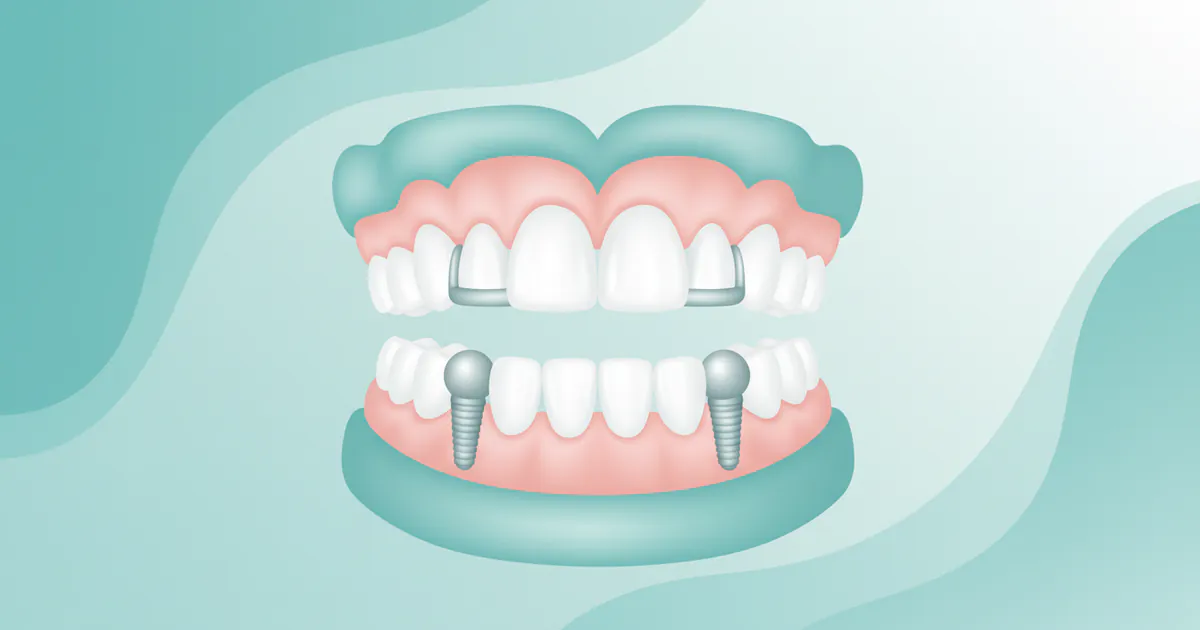
Dentures Over Implants: Complete Guide
Missing multiple teeth or even an entire arch can profoundly impact your life, affecting everything from your ability to chew and speak to your self-confidence. For millions of Americans, traditional removable dentures have long been a solution, but they often come with compromises: slipping, discom
March 8, 2026
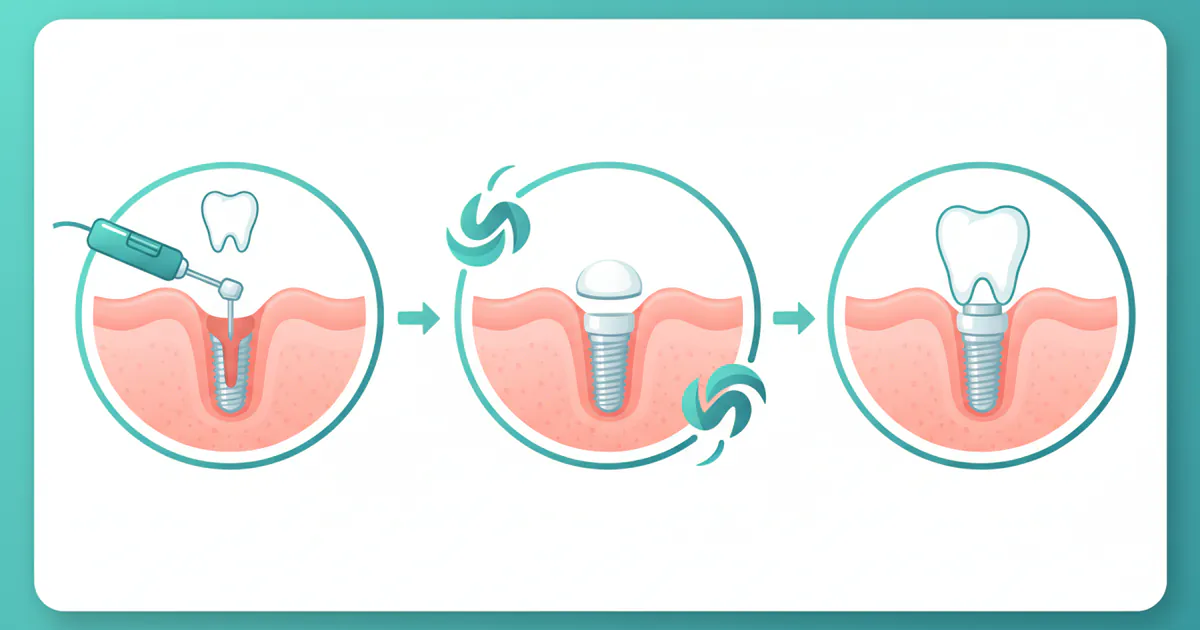
Implants Process: Complete Guide
Missing teeth can impact more than just your smile; they can affect your ability to eat, speak, and even your overall confidence. In fact, over 178 million Americans are missing at least one tooth, and about 40 million are missing all of their teeth. When faced with tooth loss, understanding the
March 8, 2026
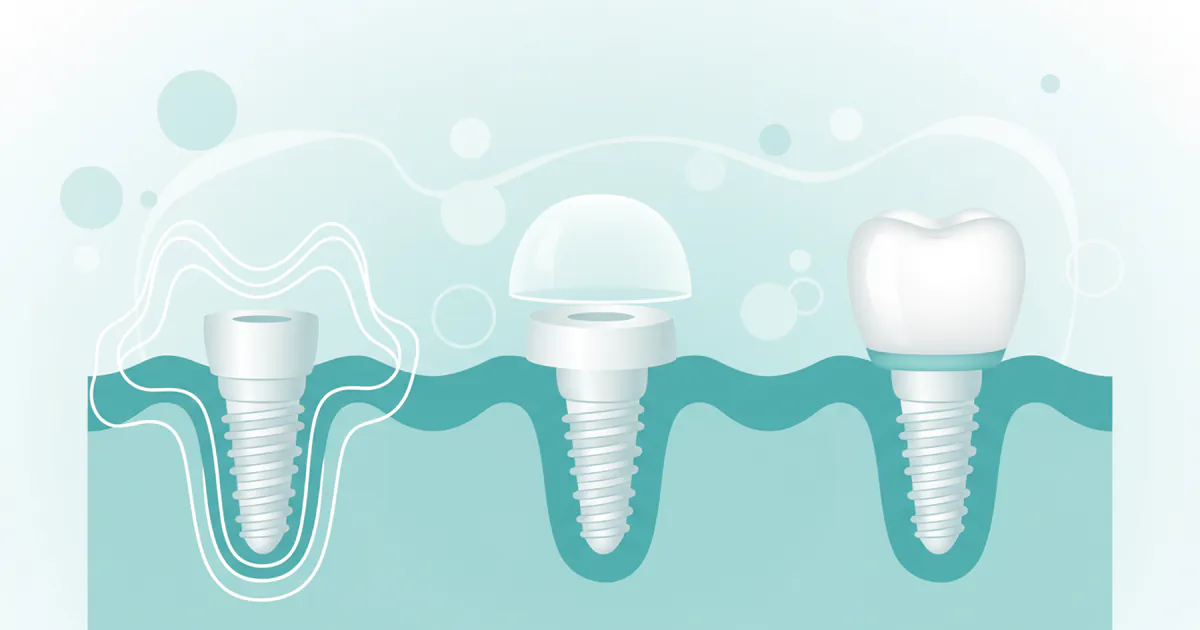
Implants Dentaires: Complete Guide
Missing teeth can dramatically impact not just your smile, but your overall health, confidence, and quality of life. In the United States, an estimated 178 million adults are missing at least one tooth, while approximately 40 million are missing all their teeth. These statistics underscore a
March 8, 2026