How Much Is a Implant Tooth
Key Takeaways
- Navigating the world of tooth replacement options can feel overwhelming, especially when faced with the financial implications. If you're missing a tooth, you're not alone; statistics from the American College of Prosthodontists indicate that over 178 million Americans are missing at least one t
Navigating the world of tooth replacement options can feel overwhelming, especially when faced with the financial implications. If you're missing a tooth, you're not alone; statistics from the American College of Prosthodontists indicate that over 178 million Americans are missing at least one tooth. When considering the gold standard for tooth replacement, many ask: how much is a implant tooth? This isn't just a question about your wallet; it's about investing in your long-term oral health, function, and confidence. Dental implants offer a durable, natural-looking, and health-preserving solution that can dramatically improve your quality of life. Understanding the various factors that influence the cost, from geographical location to the specific procedures involved, is crucial for making an informed decision.
This comprehensive guide from SmilePedia.net will delve deep into the costs associated with a single tooth implant, breaking down the components, exploring insurance considerations, and discussing financing options. We'll also cover the process from start to finish, what to expect during recovery, and the long-term benefits and potential risks, ensuring you have all the information needed to feel confident about your dental implant journey.
Key Takeaways:
- A single dental implant typically costs between $4,000 and $8,000 in the US, including the implant, abutment, and crown.
- Preliminary procedures like tooth extraction or bone grafting can add $200 to $3,000+ to the total cost.
- Dental insurance often covers only a small percentage (if any) of implant costs, frequently classifying them as a major procedure.
- The entire implant process, from initial consultation to final crown placement, usually spans 3 to 9 months, depending on healing time and preliminary procedures.
- Dental implants boast a 95-98% success rate and can last a lifetime with proper care, making them a cost-effective long-term solution.
- Financing options like payment plans and third-party lenders (e.g., CareCredit) are widely available to help manage the upfront investment.
Understanding What a Dental Implant Is
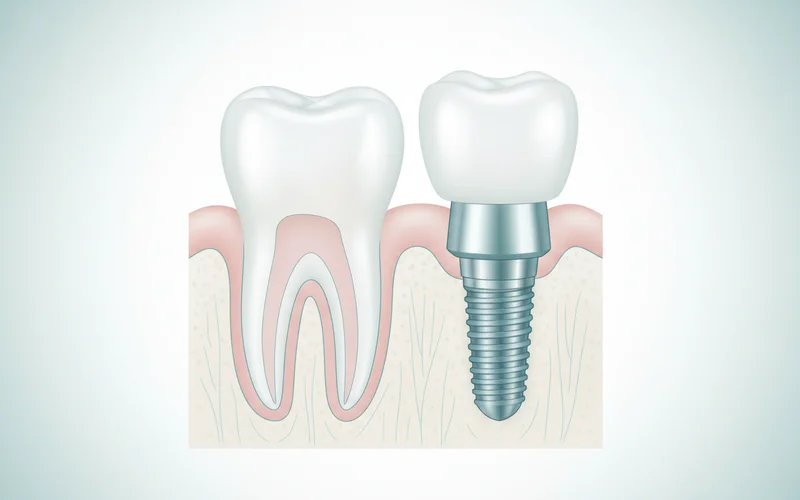
A dental implant is essentially a sophisticated tooth replacement solution designed to mimic the natural structure of a tooth, from root to crown. It provides a permanent foundation for a replacement tooth, offering unparalleled stability, function, and aesthetics compared to traditional alternatives.
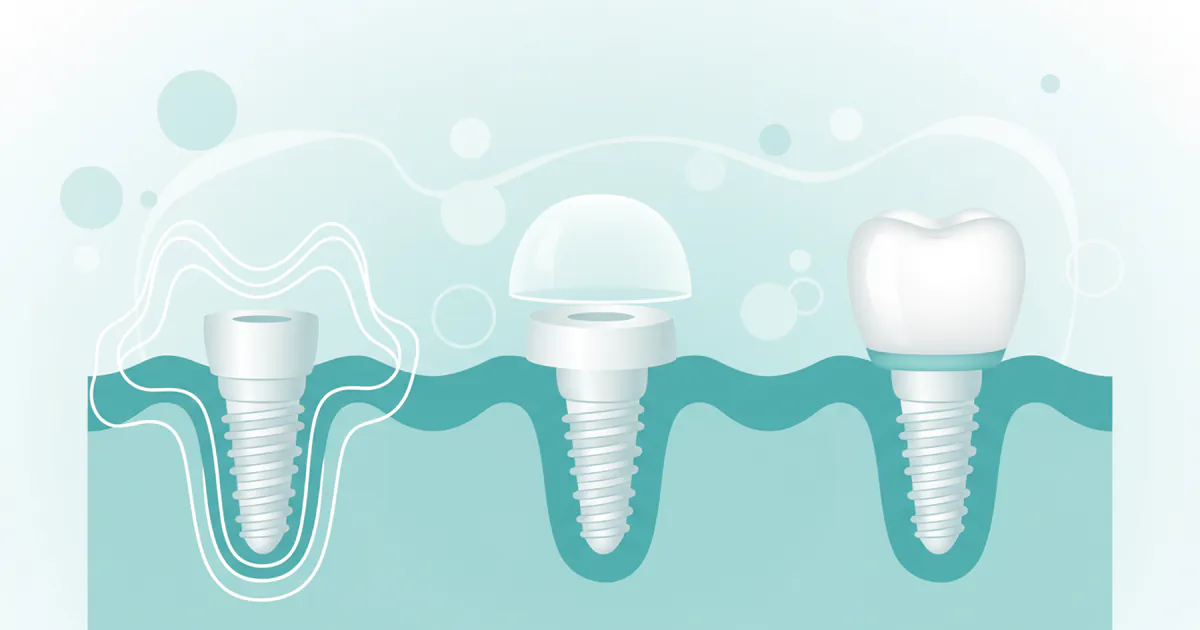
The structure of a single tooth implant consists of three primary components:
- The Implant Post (Fixture): This is a small, screw-shaped post, typically made of titanium (a biocompatible material), that is surgically placed into the jawbone beneath the gum line. Titanium is chosen for its ability to osseointegrate – a process where the bone fuses directly with the implant surface, providing a strong and stable anchor, much like the root of a natural tooth.
- The Abutment: Once the implant post has successfully integrated with the jawbone (a process that can take several months), a small connector piece called an abutment is attached to the top of the implant. The abutment extends above the gum line and serves as the support structure for the visible tooth.
- The Dental Crown: This is the custom-made prosthetic tooth that is attached to the abutment. Crowns are typically crafted from durable, tooth-colored materials like porcelain or zirconia to match your existing teeth in shape, size, and color, ensuring a natural and seamless appearance.
Together, these three components create a complete, functional, and aesthetically pleasing replacement for a missing natural tooth.
Types and Variations of Dental Implants
While the focus of this article is on a single tooth implant, it's important to understand that dental implants come in various forms, tailored to different needs for tooth replacement.
Single Tooth Implants
This is the most common application, where one missing tooth is replaced with one implant post, one abutment, and one crown. This method is ideal for preserving the surrounding healthy teeth, as it doesn't require altering adjacent teeth, unlike a traditional dental bridge.
Multiple Teeth Implants (Implant-Supported Bridges)
When several adjacent teeth are missing, an implant-supported bridge can be used. Instead of replacing each missing tooth with an individual implant, two implants are placed (one at each end of the gap), and a bridge of crowns is then securely attached to these implants. This is a stable and aesthetic alternative to traditional bridges that rely on natural teeth for support.
Full Arch Implants (Implant-Supported Dentures)
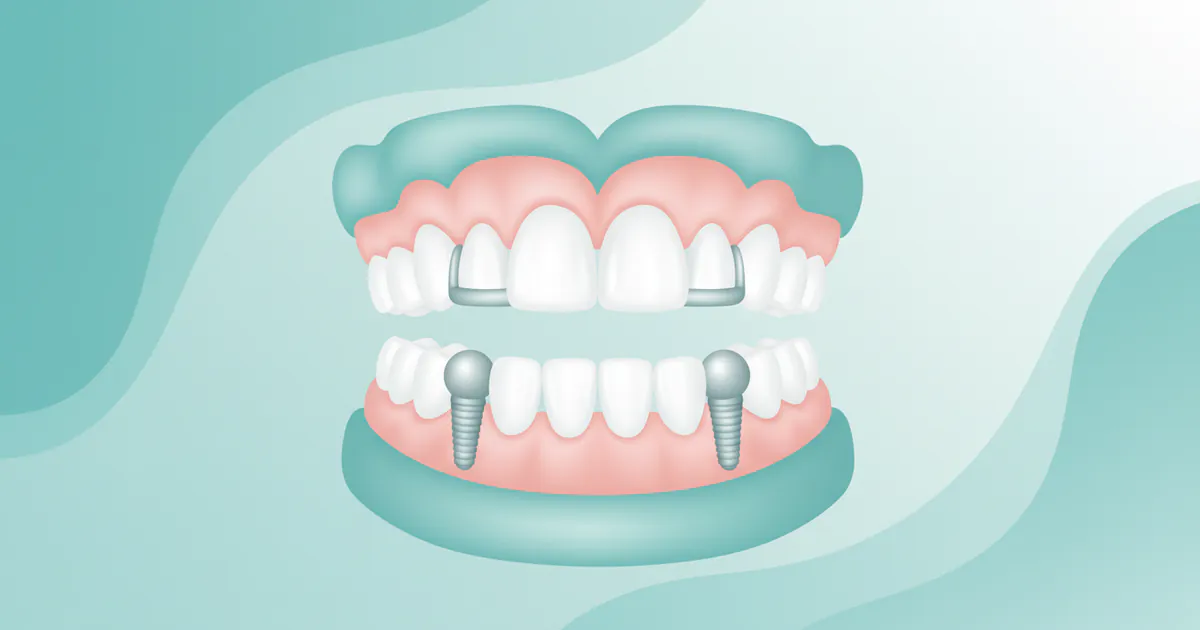
For individuals missing most or all of their teeth in an upper or lower jaw, implant-supported dentures offer a revolutionary solution. Instead of relying on adhesives or suction, a full arch of prosthetic teeth is securely anchored to a series of strategically placed implants (typically 4 to 6 implants per arch). This drastically improves stability, chewing efficiency, and comfort compared to conventional dentures.
Implant-Supported Dentures and Regional Costs (e.g., Long Island)
The cost for implant-supported dentures, particularly in areas with a higher cost of living, can be significantly higher than single implants. For example, considering implant supported dentures Long Island, you might expect to see costs at the higher end of the national average, or even above, due to factors like practitioner expertise, clinic overhead, and demand in the region. While a single implant focuses on one tooth, full arch solutions involve multiple implants and extensive prosthetic work, driving up the overall investment. Patients seeking these comprehensive solutions often benefit most from detailed consultations and tailored treatment plans.
Immediate Load Implants (Same-Day Implants)
In certain ideal circumstances, it may be possible to place the implant post and a temporary crown during the same surgical appointment. This is known as immediate load or same-day implant. This option requires sufficient bone density and stability of the implant at the time of placement. While convenient, it's not suitable for all patients and often carries a slightly higher risk of initial failure if not properly planned and executed.
Mini Dental Implants (MDIs)
These are smaller in diameter than traditional implants and are primarily used to stabilize lower dentures or in cases where bone volume is very limited and bone grafting is not feasible. They are generally less expensive but may not offer the same long-term stability or versatility as conventional implants.
Why Dental Implants Are Necessary: Causes of Tooth Loss
Understanding the common reasons for tooth loss can help highlight why dental implants are often the best restorative solution. Tooth loss isn't just an aesthetic concern; it can lead to various oral health problems if not addressed promptly.
Severe Tooth Decay
Untreated cavities can progress deep into the tooth, infecting the pulp (the innermost part of the tooth containing nerves and blood vessels). If the infection is too extensive, even a root canal may not be enough to save the tooth, necessitating extraction.
Periodontal Disease (Gum Disease)
This is a leading cause of tooth loss in adults. Periodontal disease starts as gingivitis (inflammation of the gums) and, if left untreated, can advance to periodontitis. This severe form of gum disease causes the gums to pull away from the teeth, forming pockets that become infected. Over time, the infection and inflammation destroy the bone and ligaments that support the teeth, leading to loosening and eventual loss.
Trauma or Injury
Accidents, sports injuries, or even biting down on something hard unexpectedly can result in a fractured or knocked-out tooth. Depending on the extent of the damage, the tooth may be beyond repair and require extraction.
Failed Root Canal Treatment
While root canal therapy is highly effective in saving infected teeth, sometimes a treated tooth can become re-infected or suffer a fracture. In such cases, if retreatment isn't successful, extraction becomes the only option.
Congenitally Missing Teeth
Some individuals are born without certain teeth (a condition called anodontia or hypodontia). Dental implants offer an excellent solution for replacing these missing teeth once jaw development is complete.
Other Factors
- Bruxism (teeth grinding): Chronic grinding can wear down teeth, leading to fractures or loosening.
- Failed dental work: Old, failing fillings, crowns, or bridges can compromise the underlying tooth structure.
- Certain medical conditions: Some systemic diseases or medications can affect oral health and increase the risk of tooth loss.
When a tooth is lost, the surrounding bone begins to resorb or shrink due to lack of stimulation. This can lead to a sunken facial appearance, shifting of remaining teeth, and further oral health issues. Dental implants are unique in that they stimulate the jawbone, preventing this bone loss and preserving facial structure.
Treatment Options for a Missing Tooth: A Comparison
Before committing to an implant, it's essential to understand all available tooth replacement options, including their pros, cons, and typical costs.
Table: Comparing Tooth Replacement Options
| Feature | Dental Implant (Single) | Traditional Dental Bridge | Removable Partial Denture |
|---|---|---|---|
| Description | Titanium post surgically placed into jawbone, topped with abutment and custom crown. | Artificial tooth (pontic) anchored by crowns placed on adjacent natural teeth. | Removable appliance with artificial tooth/teeth, held by clasps on remaining natural teeth. |
| Pros | - Most natural look & feel - Preserves jawbone (prevents bone loss) - Does not affect adjacent teeth - Highly durable (can last a lifetime) - Excellent chewing function |
- Faster treatment time than implants - Less invasive than surgery - Good aesthetics and function - Cost-effective for some |
- Most affordable upfront cost - No surgery required - Easy to clean - Can be a temporary solution |
| Cons | - Higher upfront cost - Requires surgery - Longer treatment time (3-9 months) - Not suitable for all (e.g., insufficient bone) |
- Requires altering (grinding down) healthy adjacent teeth - Does not prevent bone loss - Shorter lifespan (5-15 years) - Potential for decay under crowns |
- Least stable & comfortable - Can slip or click - May affect speech or eating - Needs to be removed daily - Does not prevent bone loss - Can accelerate bone loss over time |
| Typical Cost Range (USD) | $4,000 - $8,000+ (complete) | $2,000 - $5,000 (per unit, often 3 units) | $800 - $2,500 |
| Longevity | 25+ years to a lifetime (with proper care) | 5 - 15 years | 3 - 7 years |
| Bone Health | Preserves jawbone, prevents resorption | Does not preserve bone | Does not preserve bone, can accelerate bone loss |
Pro Tip: While the upfront cost of a dental implant may seem higher, its longevity and benefits to overall oral health often make it the most cost-effective solution in the long run. When comparing options, consider not just the initial price tag, but also potential future costs (replacements, repairs) and the impact on your remaining natural teeth and jawbone.
The Step-by-Step Dental Implant Process
Receiving a dental implant is a multi-stage process that typically spans several months. This phased approach ensures proper healing and successful integration of the implant with your jawbone.
Step 1: Initial Consultation and Treatment Planning
- Examination: Your dentist or oral surgeon will conduct a thorough oral examination, including X-rays and often a 3D CT scan (Cone Beam Computed Tomography). This imaging provides detailed information about your jawbone density, nerve locations, and sinus cavities, which is crucial for precise implant placement.
- Medical History Review: Your overall health, medical conditions (e.g., diabetes, heart disease), and medications you are taking will be reviewed to ensure you are a suitable candidate for surgery.
- Discussion of Options: All treatment options will be discussed, and a personalized plan will be developed, including estimated costs and timelines.
Step 2: Preliminary Procedures (If Necessary)
Some patients may require preparatory procedures before the implant can be placed.
- Tooth Extraction: If the damaged tooth is still present, it will need to be surgically removed. In some cases, if the extraction site is healthy, the implant can be placed immediately (immediate implant placement).
- Bone Grafting: If your jawbone lacks sufficient density or volume to support an implant (often due to prolonged tooth loss or gum disease), a bone graft may be necessary. This procedure involves adding bone material (from your own body, a donor, or synthetic sources) to augment the jawbone. The graft needs several months to heal and integrate before the implant can be placed.
- Sinus Lift: If an implant is needed in the upper jaw, specifically in the area of the molars or premolars, and the sinus cavity is too close to the bone, a sinus lift procedure may be performed. This gently raises the sinus floor and adds bone graft material to create sufficient bone height.
Step 3: Dental Implant Placement Surgery
- Anesthesia: Local anesthesia is typically used to numb the area, but sedation (oral, IV, or nitrous oxide) may be offered for patient comfort.
- Incision: The surgeon makes a small incision in your gum to expose the jawbone.
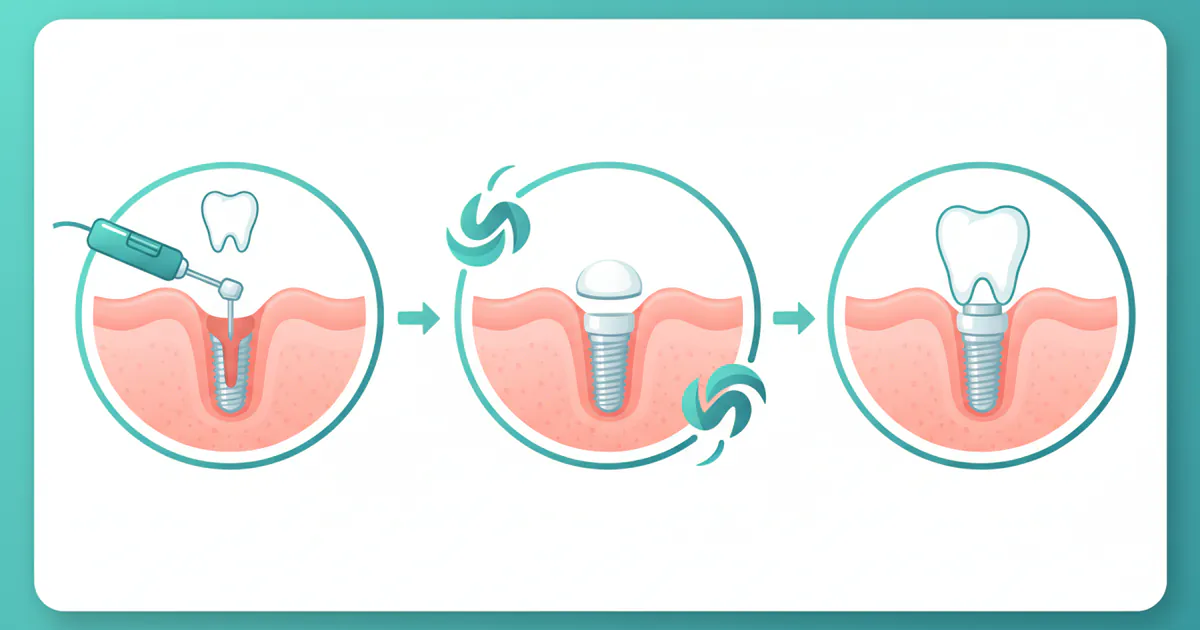
- Pilot Hole: A small pilot hole is carefully drilled into the bone at the precise location determined during planning.
- Implant Insertion: The titanium implant post is then gently screwed into the prepared bone.
- Gum Closure: The gum tissue is typically closed over the implant with sutures, completely covering it for the healing phase. In some cases, a healing abutment (a cap that extends through the gum) might be placed immediately.
Step 4: Osseointegration and Healing (3-6 Months)
- This is the critical healing period where the implant post fuses with your jawbone through osseointegration. This process is vital for the long-term stability and success of the implant.
- During this time, you will typically wear a temporary prosthetic (e.g., a removable partial denture or a temporary crown that doesn't put pressure on the implant) if aesthetics are a concern.
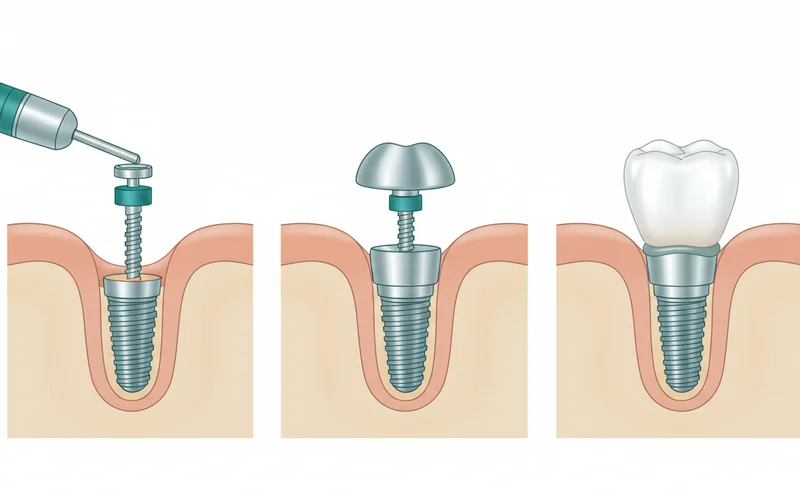
Step 5: Abutment Placement (If Not Done Immediately)
- Once osseointegration is complete, a minor surgical procedure may be needed to expose the top of the implant (if it was covered by gum tissue).
- The abutment, which is the connector piece, is then attached to the implant post. The gum tissue is allowed to heal around the abutment for a couple of weeks, forming a natural cuff.
Step 6: Custom Crown Fabrication and Placement
- Impressions: Once the gums have healed around the abutment, impressions (molds) of your mouth and the abutment are taken. These impressions are sent to a dental lab to custom-fabricate your permanent crown, ensuring it matches your natural teeth in color, shape, and size.
- Crown Attachment: When the custom crown is ready, it is attached to the abutment using dental cement or a screw. Your dentist will ensure the fit and bite are perfect before final cementation.
This detailed process, while lengthy, ensures the longevity and success of your dental implant, providing you with a stable, functional, and aesthetically pleasing tooth replacement.
Cost and Insurance: How Much Does a Single Tooth Implant Cost?
The question "how much does a single tooth implant cost?" is perhaps the most common query for those considering this procedure. The answer, however, is not a single number, but rather a range influenced by numerous factors. In the US, the all-inclusive cost for a single tooth implant typically falls between $4,000 and $8,000, though it can vary significantly.
Factors Influencing the Cost of a Single Tooth Implant
- Geographical Location: Dental costs vary widely by region, state, and even within cities. Major metropolitan areas and areas with a higher cost of living (like parts of New York, California, or specific neighborhoods on Long Island) will generally have higher prices due to increased overhead for dental practices. For instance, the cost of a single implant on Long Island could be at the higher end of the national average, or even exceed it, compared to a rural area in the Midwest.
- Dentist's Experience and Specialty: Highly experienced oral surgeons, periodontists, or prosthodontists who specialize in implant dentistry often charge more due to their advanced training, expertise, and success rates.
- Materials Used: The type of titanium implant, the brand, the type of abutment (e.g., stock vs. custom-milled zirconia), and the crown material (e.g., porcelain-fused-to-metal vs. all-zirconia) all impact the price. Premium materials can increase the cost but may offer better aesthetics or longevity.
- Preliminary Procedures: This is often the largest variable.
- Tooth Extraction: If the tooth still needs to be removed, it adds $200 - $600.
- Bone Grafting: A minor bone graft can cost $300 - $800, while more extensive grafts (like a sinus lift or block graft) can range from $1,500 - $3,000+ per site.
- Periodontal Treatment: If gum disease is present, it must be treated first, adding to the overall cost.
- Diagnostic Procedures: X-rays, 3D CT scans, and models of your mouth are essential for planning and typically cost $100 - $500, sometimes included in the initial consultation fee.
- Anesthesia: While local anesthesia is usually included, if you opt for additional sedation (oral, IV, or nitrous oxide), there will be an extra charge, potentially $300 - $1,000+ depending on the type and duration.
- Temporary Restorations: If you need a temporary crown or partial denture during the healing phase, this will be an additional cost, usually $300 - $1,000.
- Follow-up Appointments: Post-operative checks and adjustments are often included in the overall package but it's good to confirm.
Cost Breakdown of a Single Tooth Implant (Average US Ranges)
To clarify how much is a implant tooth, here's a detailed breakdown of the components:
| Component | Average Cost Range (USD) | Notes Pro Tip: Your initial consultation is not just about the dentist telling you about the implant; it's also your opportunity to assess their experience, comfort level, and the overall feel of the practice. Don't hesitate to ask about their success rates, how many implant procedures they perform annually, and to see before-after photos of their work. The American Dental Association (ADA) emphasizes the importance of thorough diagnostics and experienced practitioners for successful implant outcomes.
The Role of Dental Insurance
This is where the financial landscape of dental implants can become complex.
- Limited Coverage: Most traditional dental insurance plans were designed before implants became mainstream and often have limited or no coverage for them. They may consider implants an elective "cosmetic" procedure rather than a medical necessity, or they may cap coverage at the cost of the cheapest alternative (e.g., a bridge or partial denture).
- Medical vs. Dental Insurance: In some rare cases, if tooth loss is due to an accident or a medical condition (e.g., cancer treatment), your medical insurance might cover a portion of the surgical component of the implant. This is highly specific and requires detailed documentation from your dentist and medical doctor.
- Component Coverage: Some plans might cover certain components of the implant process even if they don't cover the implant itself. For example:
- Tooth Extraction: Often covered (50-80%).
- Bone Grafting: Sometimes partially covered if deemed medically necessary (e.g., to prevent further bone loss for existing teeth).
- Crown: The prosthetic crown component might be covered under "major restorative" procedures (20-50% coverage).
- Annual Maximums: Even if your insurance offers some coverage, it will be subject to your plan's annual maximums (typically $1,000 - $2,500), which are often quickly exhausted by implant costs.
- PPO vs. HMO: PPO plans typically offer more flexibility in choosing providers, potentially allowing you to find a specialist who is experienced with implants. HMO plans usually require you to stay within a network, which might limit your options for implant specialists.
Pro Tip: Always contact your insurance provider directly and request a detailed breakdown of what specific codes (e.g., D6010 for implant placement, D6057 for abutment, D6065 for implant crown) they will cover and at what percentage. Ask for pre-authorization to get an exact estimate of your out-of-pocket costs.
Payment Plans and Financing Options
Given the significant investment, most dental practices offer or work with third-party financing solutions to make implants more accessible.
- In-Office Payment Plans: Many dentists offer flexible payment plans where you can pay for the procedure in installments over several months, often without interest if paid within a certain timeframe.
- Third-Party Financing: Companies like CareCredit, LendingClub, or Alphaeon Credit specialize in healthcare financing. They offer various plans, including interest-free options for shorter periods (e.g., 6, 12, 18, or 24 months) or extended payment plans with fixed interest rates.
- Health Savings Accounts (HSAs) and Flexible Spending Accounts (FSAs): If you have an HSA or FSA through your employer, you can use these tax-advantaged accounts to pay for dental implant costs. These funds are pre-tax, saving you money on your healthcare expenses.
Cost-Saving Tips Without Compromising Quality
- Compare Quotes: Get detailed, itemized quotes from 2-3 different highly-qualified implant dentists. Don't just look for the cheapest option, but understand what each quote includes and compare apples to apples.
- Dental Schools: University dental schools with postgraduate implant programs often offer dental implants at a reduced cost. Procedures are performed by residents under the close supervision of experienced faculty. The trade-off might be slightly longer appointment times.
- Dental Tourism (Caution Advised): Some individuals consider traveling to other countries for cheaper dental work. While appealing in terms of cost, this option comes with significant risks regarding quality control, follow-up care, and potential complications. SmilePedia.net generally advises against this due to the complexity and importance of post-operative care for implants.
- Utilize Your Benefits Strategically: Plan your treatment to maximize your annual insurance benefits if your plan covers certain components. For example, if you have an annual maximum, you might spread parts of the treatment (e.g., extraction one year, implant placement the next) across two calendar years to utilize two annual maximums.
Pro Tip: When discussing costs, always ask for an "all-inclusive" price that covers the implant, abutment, crown, and any necessary preliminary work. This prevents hidden fees and provides a clear picture of your total investment.
Recovery and Aftercare for a Dental Implant
The success and longevity of your dental implant are highly dependent on proper recovery and diligent aftercare.
Immediate Post-Operative Care (First 24-72 hours)
- Bleeding: Minor bleeding or oozing for the first 24 hours is normal. Apply light pressure with a clean gauze pad if needed.
- Swelling: Swelling is common. Apply an ice pack to the outside of your face, 20 minutes on, 20 minutes off, for the first 24-48 hours.
- Pain Management: Your dentist will prescribe pain medication or recommend over-the-counter options (like ibuprofen or acetaminophen). Take them as directed before the anesthetic wears off.
- Diet: Stick to soft foods and liquids immediately after surgery. Avoid hot liquids and foods that require chewing for the first few days. Gradually reintroduce firmer foods as comfort allows.
- Oral Hygiene:
- Do NOT rinse your mouth vigorously or spit for the first 24 hours as this can dislodge the blood clot.
- After 24 hours, you can gently rinse with warm salt water (1/2 teaspoon salt in 8 ounces of warm water) several times a day to help keep the area clean and reduce inflammation.
- Avoid brushing directly on the surgical site for several days, but continue to brush and floss your other teeth gently.
- Activity: Rest and avoid strenuous activity for 24-48 hours after surgery. Elevate your head when sleeping.
- Smoking/Alcohol: Absolutely avoid smoking and alcohol for at least the first week, as they can significantly impair healing and increase the risk of complications.
Long-Term Aftercare
Once the implant has healed and the permanent crown is placed, caring for your implant is much like caring for your natural teeth.
- Excellent Oral Hygiene: Brush at least twice a day and floss daily. Pay particular attention to the area around the implant crown. Your dentist or hygienist may recommend special brushes (e.g., interdental brushes) or water flossers for effective cleaning around the implant.
- Regular Dental Check-ups: Visit your dentist for routine check-ups and professional cleanings every six months, or as recommended. These appointments are crucial for monitoring the health of your implant, surrounding gums, and overall oral health.
- Avoid Hard Foods: While implants are strong, avoid chewing on extremely hard foods (e.g., ice, hard candy, unpopped popcorn kernels) or using your teeth as tools, which can damage the crown or even the implant.
- Address Bruxism (Teeth Grinding): If you grind or clench your teeth, inform your dentist. They may recommend a nightguard to protect your implant and natural teeth from excessive force.
- Monitor for Issues: Be aware of any pain, swelling, redness, or loosening around the implant. Contact your dentist immediately if you notice any changes.
Pro Tip: Consistency is key. Daily oral hygiene combined with regular professional care is paramount to the long-term success and health of your dental implant. Treat it like the valuable investment it is!
Preventing the Need for Dental Implants
While dental implants are an excellent solution for missing teeth, the best approach is always to preserve your natural teeth. Preventing tooth loss can save you significant time, discomfort, and expense in the long run.
- Maintain Excellent Oral Hygiene:
- Brush Twice Daily: Use a fluoride toothpaste and a soft-bristled brush, brushing for at least two minutes each time.
- Floss Daily: Flossing removes plaque and food particles from between teeth and under the gum line, where your toothbrush can't reach. This is critical for preventing gum disease.
- Use Mouthwash: An antimicrobial or fluoride mouthwash can provide an added layer of protection against cavities and gum disease.
- Regular Dental Check-ups and Cleanings: Visit your dentist at least twice a year for professional cleanings and examinations. These visits allow your dentist to:
- Detect and treat cavities early.
- Identify and manage gum disease before it becomes severe.
- Monitor for any other oral health issues, including signs of bruxism or other damaging habits.
- Balanced Diet: Limit sugary foods and drinks, which contribute to tooth decay. A diet rich in fruits, vegetables, lean proteins, and dairy can support strong teeth and bones.
- Protect Your Teeth:
- Wear a Mouthguard: If you play contact sports or engage in activities where there's a risk of facial injury, always wear a custom-fitted mouthguard.
- Wear a Nightguard: If you clench or grind your teeth (bruxism), a custom nightguard can protect your teeth from excessive wear and potential fractures.
- Avoid Harmful Habits:
- Don't Smoke or Use Tobacco Products: Tobacco use is a major risk factor for gum disease, tooth loss, and oral cancer.
- Avoid Chewing Hard Objects: Don't chew on ice, pen caps, or other hard items that can chip or crack your teeth.
- Limit Alcohol Consumption: Excessive alcohol can contribute to dry mouth and tooth erosion.
Adopting these preventive measures is your first line of defense against tooth loss and the subsequent need for restorative procedures like dental implants.
Risks and Complications of Dental Implants
While dental implants have a high success rate (95-98%), like any surgical procedure, they carry some potential risks and complications. It's crucial to be aware of these before proceeding with treatment.
Common Risks and Minor Complications:
- Infection at the Implant Site: Although rare with proper sterile techniques, bacterial infection can occur, especially if post-operative care instructions are not followed or if there are underlying health issues.
- Nerve Damage: In rare cases, the implant can be placed too close to a nerve, leading to numbness, tingling, or pain in the lips, gums, tongue, or chin. This is largely mitigated by thorough pre-operative imaging (CT scans).
- Sinus Problems: If an implant is placed in the upper jaw, it can sometimes protrude into the sinus cavity, leading to inflammation or infection (sinusitis). This is also addressed by careful planning and, if necessary, a sinus lift.
- Implant Movement or Loosening (Early Failure): This can happen if osseointegration doesn't occur properly, often due to insufficient bone, excessive force on the implant during healing, or an underlying medical condition.
- Poor Healing: Factors like smoking, uncontrolled diabetes, or certain medications can impair the body's ability to heal, affecting implant success.
Less Common but More Serious Complications:
- Peri-Implantitis: This is a serious inflammatory condition affecting the tissues surrounding a dental implant, leading to progressive bone loss around the implant. It's similar to periodontal disease around natural teeth and can ultimately lead to implant failure if not treated. Factors like poor oral hygiene, smoking, and a history of gum disease increase the risk.
- Implant Fracture: Although rare, the titanium implant itself can fracture due to extreme forces or long-term wear, requiring removal.
- Abutment or Crown Problems: The abutment can loosen, or the crown can chip, crack, or detach. These are typically repairable, but may incur additional costs.
- Allergic Reaction: While titanium allergies are extremely rare, they can occur.
Pro Tip: Choosing a highly experienced and qualified implant dentist or oral surgeon significantly reduces the risk of complications. Don't hesitate to ask your practitioner about their success rates and how they manage potential risks. Follow all pre- and post-operative instructions meticulously.
Children / Pediatric Considerations
Dental implants are generally not an appropriate tooth replacement option for children and adolescents. The primary reason is that a child's jawbone is still growing and developing. Placing an implant in a still-developing jaw can interfere with natural growth patterns, potentially leading to the implant becoming submerged or misaligned as the surrounding bone and teeth continue to mature.
The American Academy of Pediatric Dentistry (AAPD) and other dental organizations recommend waiting until facial and jaw growth is complete before considering dental implants. This typically occurs in the late teens to early twenties, around 18-20 years old for females and 20-22 years old for males.
For children and teenagers with missing permanent teeth (due to trauma, decay, or congenital absence), temporary solutions like space maintainers, removable partial dentures (flippers), or resin-bonded bridges are often used. These options preserve space, maintain aesthetics, and allow for proper jaw development until the child reaches an age where implants can be safely and successfully placed.
Consult with a pediatric dentist or orthodontist for specific guidance regarding tooth replacement options for younger individuals. They can provide a tailored treatment plan that accounts for growth and development.
Frequently Asked Questions
How painful is a dental implant procedure?
Most patients report that the dental implant placement procedure itself is less painful than they anticipated, often comparable to a tooth extraction. You'll be thoroughly numbed with local anesthesia, and sedation options are available. Post-operative discomfort is manageable with prescribed pain medication and typically subsides within a few days.
How long do dental implants last?
With proper oral hygiene and regular dental check-ups, dental implants can last 25 years to a lifetime. The implant post (titanium screw) is designed to be a permanent fixture. The crown, like a natural tooth, may eventually need to be replaced after 10-15 years due to wear and tear, but this is a much simpler and less invasive procedure.
Are dental implants worth the cost?
For many, dental implants are absolutely worth the investment. They offer superior aesthetics, comfort, and chewing function compared to other options. Critically, they preserve jawbone density, prevent shifting of adjacent teeth, and do not require altering healthy natural teeth. Their exceptional longevity often makes them a more cost-effective solution in the long run than bridges or dentures that require more frequent replacement.
What is the success rate of dental implants?
Dental implants have an impressive success rate, typically between 95-98%, when performed by an experienced professional and maintained with good oral hygiene. This rate can be slightly lower in individuals who smoke, have uncontrolled diabetes, or insufficient bone density.
Can I get an implant if I have bone loss?
Yes, in many cases, even with some bone loss, you can still be a candidate for a dental implant. Your dentist or oral surgeon may recommend a preliminary procedure called bone grafting or a sinus lift to augment the jawbone and create enough density and volume to support the implant.
How long does the entire implant process take?
The entire process, from initial consultation to the final crown placement, typically takes 3 to 9 months. This timeline can vary significantly depending on whether preliminary procedures (like bone grafting) are needed, which can add several months for healing, and the individual's healing capabilities.
What are the alternatives to a dental implant for a single missing tooth?
The primary alternatives for a single missing tooth are a traditional dental bridge and a removable partial denture ("flipper"). A bridge requires altering (grinding down) the adjacent healthy teeth for support, while a partial denture is removable and offers less stability and comfort. Implants are generally considered the superior long-term solution.
Does insurance cover dental implants?
Dental insurance coverage for implants is often limited. Many plans classify implants as a "major procedure" and may cover only a small percentage (e.g., 20-50%) or cap coverage at the cost of a cheaper alternative like a bridge. Some plans may not cover implants at all. It's crucial to check with your specific insurance provider for details and pre-authorization.
Can I get a temporary tooth while waiting for my implant to heal?
Yes, absolutely. If the missing tooth is in an aesthetically critical area (e.g., front teeth), your dentist can provide a temporary restoration such as a removable partial denture (flipper) or a temporary crown that attaches to adjacent teeth or directly to the implant if immediate loading is an option.
What happens if a dental implant fails?
While rare, if an implant fails to integrate with the bone or develops complications, it may need to be removed. After the site heals, it is often possible to place another implant, sometimes with additional bone grafting, to achieve successful integration.
When to See a Dentist
If you are missing a tooth, or if you have a tooth that is severely damaged, decayed, or causing chronic pain, it's crucial to see a dentist promptly. Early intervention can often lead to simpler, less invasive, and more affordable treatment options.
You should schedule an appointment if you experience:
- A missing tooth: Even if it's a back tooth, neglecting a gap can lead to bone loss, shifting of adjacent teeth, and bite problems.
- A severely decayed or fractured tooth: If a tooth is beyond repair with a filling or crown.
- Persistent toothache or sensitivity: This could indicate deep decay, infection, or a fracture that may eventually lead to tooth loss.
- Loose teeth: A sign of advanced gum disease or bone loss that needs immediate attention.
- Difficulty chewing or speaking: If your missing teeth affect your ability to eat comfortably or articulate words clearly.
- Concerns about your smile's appearance: Dental implants can restore your confidence and oral function.
Don't wait until the problem becomes severe. A consultation with an experienced dental professional can help you understand your options, including dental implants, and create a personalized treatment plan that addresses your specific needs and budget. Investing in your oral health is an investment in your overall well-being.
Frequently Asked Questions
Medically Reviewed Content
This article was written by our dental health editorial team and reviewed for medical accuracy. Our content follows strict editorial guidelines for reliability and trustworthiness.
Medical Disclaimer
This article is for informational purposes only and does not constitute medical advice. Always consult with a qualified dental professional for diagnosis and treatment. Do not delay seeking professional advice because of something you read on this website.
Related Articles
Implantologist: Complete Guide
Losing a tooth can be a significant setback, impacting not only your smile but also your ability to speak, chew, and maintain overall oral health. In fact, over 3 million Americans currently have dental implants, and that number is projected to grow significantly as more people seek a durable, n
March 8, 2026
Dentures Over Implants: Complete Guide
Missing multiple teeth or even an entire arch can profoundly impact your life, affecting everything from your ability to chew and speak to your self-confidence. For millions of Americans, traditional removable dentures have long been a solution, but they often come with compromises: slipping, discom
March 8, 2026
Implants Process: Complete Guide
Missing teeth can impact more than just your smile; they can affect your ability to eat, speak, and even your overall confidence. In fact, over 178 million Americans are missing at least one tooth, and about 40 million are missing all of their teeth. When faced with tooth loss, understanding the
March 8, 2026
Implants Dentaires: Complete Guide
Missing teeth can dramatically impact not just your smile, but your overall health, confidence, and quality of life. In the United States, an estimated 178 million adults are missing at least one tooth, while approximately 40 million are missing all their teeth. These statistics underscore a
March 8, 2026