Implants Teeth Cost: Complete Price Guide 2026
Key Takeaways
- When faced with tooth loss, the prospect of restoring your smile and oral function can feel overwhelming, especially when considering the financial aspect. More than 178 million Americans are missing at least one tooth, and for many, dental implants represent the gold standard for tooth replacem
When faced with tooth loss, the prospect of restoring your smile and oral function can feel overwhelming, especially when considering the financial aspect. More than 178 million Americans are missing at least one tooth, and for many, dental implants represent the gold standard for tooth replacement. But the question that often follows the initial relief of discovering this highly effective solution is, "What will my implants teeth cost?" Understanding the investment required for dental implants is crucial for informed decision-making, ensuring you choose a path that aligns with both your health needs and your budget.
This comprehensive guide from SmilePedia.net aims to demystify the pricing of dental implants in 2026. We'll break down the various factors that influence the total cost, from the type of implant and materials used to the complexity of your case and geographic location. We'll explore financing options, insurance considerations, and offer practical tips to help you navigate this significant healthcare decision. By the end of this article, you'll have a clear understanding of what to expect financially and clinically, empowering you to discuss your options confidently with your dental professional.
Key Takeaways:
- Single Dental Implant Cost: Expect to pay between $3,000 and $6,000 per tooth for a single implant, crown, and abutment. This can increase significantly with bone grafting or extractions.
- Full Arch Implant-Supported Dentures (All-on-4/6): This advanced solution typically ranges from $20,000 to $35,000 per arch, with higher-end cases potentially reaching $50,000 or more depending on materials and complexity.
- Factors Influencing Cost: Key factors include the number of implants, type of restoration (crown, bridge, denture), need for preparatory procedures (extractions, bone grafts), material quality, and geographic location.
- Insurance Coverage: Most dental insurance plans offer limited or no coverage for the implant fixture itself, though they may cover diagnostic services, extractions, or the implant crown/denture. Medical insurance might offer limited coverage in specific trauma cases.
- Timeline: The entire dental implant process, from initial consultation to final restoration, can take 3 to 9 months, sometimes longer if extensive bone grafting is required.
- Financing Options: Dental offices often offer in-house payment plans, and third-party medical financing companies (e.g., CareCredit) provide specialized loans for dental procedures.
- Long-Term Value: While initial costs are higher than alternatives like traditional dentures or bridges, dental implants offer superior longevity, bone preservation, and quality of life, making them a cost-effective choice over decades.
What Are Dental Implants? An Overview
Dental implants are revolutionary tooth replacement solutions designed to replicate the entire structure of a natural tooth, from root to crown. Unlike traditional dentures that rest on the gums or bridges that rely on adjacent teeth for support, a dental implant consists of a small, screw-shaped post, typically made of biocompatible titanium, that is surgically placed into the jawbone. This post acts as an artificial tooth root, providing a stable foundation for a custom-made crown, bridge, or denture.
The science behind dental implants is a process called osseointegration, where the titanium implant fuses directly with the surrounding bone over several months. This creates an incredibly strong and durable anchor, preventing bone loss that commonly occurs after tooth extraction. Once osseointegration is complete, an abutment (a connector piece) is attached to the implant, and finally, a custom-designed restoration (crown, bridge, or denture) is secured to the abutment, completing the restoration. The result is a replacement tooth that looks, feels, and functions remarkably like a natural tooth, restoring chewing ability, speech, and the aesthetics of your smile.
Why Dental Implants Are Needed: Indications and Benefits
Tooth loss can occur due to various reasons, including severe decay, gum disease, injury, or congenital conditions. When a tooth is lost, the surrounding jawbone no longer receives the stimulation it needs from chewing, leading to a process called bone resorption, where the bone begins to shrink. This can cause a sunken facial appearance, shifting of remaining teeth, and difficulty speaking or eating.
Dental implants are indicated for individuals who have lost one or more teeth and have sufficient bone density to support the implant. They offer numerous advantages over traditional tooth replacement options:
- Preservation of Jawbone: Implants stimulate the jawbone, preventing bone loss and maintaining facial structure.
- Enhanced Stability and Comfort: Because they are anchored directly into the bone, implants don't slip or shift like traditional dentures, offering superior comfort and confidence.
- Improved Chewing and Speech: Implants restore nearly full chewing power, allowing you to eat all your favorite foods without restriction. They also eliminate the speech impediments sometimes associated with ill-fitting dentures.
- Durability and Longevity: With proper care, dental implants can last a lifetime, far exceeding the lifespan of bridges (5-15 years) or dentures (5-7 years).
- Protection of Adjacent Teeth: Unlike bridges, implants do not require altering or grinding down healthy adjacent teeth for support.
- Superior Aesthetics: Custom-made crowns are designed to match your natural teeth, creating a seamless and beautiful smile.
Types and Variations of Dental Implants
The world of dental implants offers a variety of solutions tailored to individual needs, the number of missing teeth, and bone availability. Understanding these variations is key to comprehending the cost differences.
1. Single Tooth Implants
This is the most common type, used to replace a single missing tooth. It involves one implant post, one abutment, and one custom-made crown.
- Cost Range: $3,000 to $6,000 per tooth (including implant, abutment, and crown)
- Pros: Preserves adjacent teeth, acts like a natural tooth, excellent aesthetics.
- Cons: Higher initial cost than a traditional bridge.
2. Multiple Tooth Implants (Implant-Supported Bridges)
When several adjacent teeth are missing, an implant-supported bridge can be used. Instead of needing an implant for every missing tooth, two or more implants are placed, and these support a bridge that spans the gap.
- Cost Range: Typically $6,000 to $15,000 for a three-to-four unit bridge supported by two implants.
- Pros: Replaces multiple teeth without involving natural teeth, maintains bone structure.
- Cons: Still a significant investment.
3. Implant-Supported Dentures (Full Arch Solutions)
These are designed to replace an entire arch of missing teeth (upper or lower jaw). They provide a much more stable and comfortable alternative to traditional removable dentures.
-
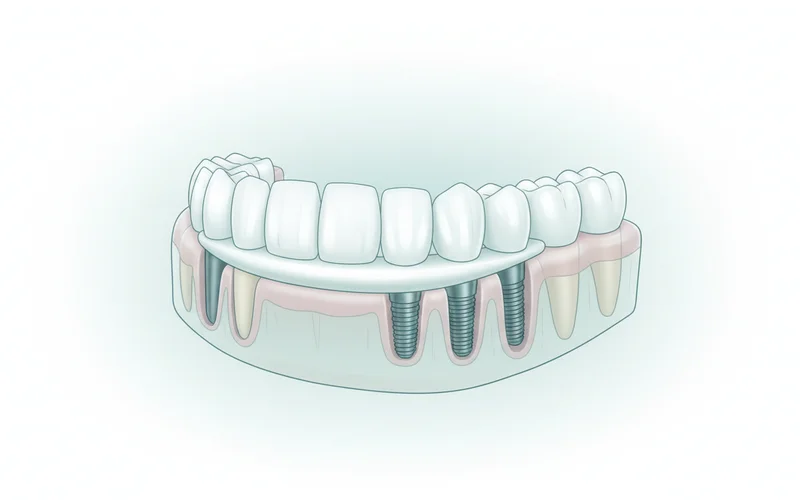
All-on-4® / All-on-6® Dental Implants: This technique involves placing four (or six) strategically angled implants in the jawbone to support a full arch of permanent, non-removable prosthetic teeth. It's often possible to place a temporary bridge on the same day as implant placement.
- Cost Range: $20,000 to $35,000 per arch (upper or lower). In complex cases with extensive bone grafting or premium materials, costs can reach $50,000+ per arch.
- Pros: Permanent solution, immediate function often possible, prevents bone loss, high patient satisfaction.
- Cons: Significant investment, requires a healthy jawbone structure.
-
Overdentures (Removable Implant-Supported Dentures): For patients who want more stability than traditional dentures but a more economical option than All-on-4, a removable overdenture uses 2-4 implants to "snap" into place. The denture is still removable for cleaning.
- Cost Range: $6,000 to $18,000 per arch (implants and custom denture).
- Pros: More stable than traditional dentures, less costly than fixed full-arch solutions.
- Cons: Still removable, less biting force than fixed options.
4. Mini Dental Implants (MDIs)
MDIs are smaller in diameter than traditional implants and are primarily used to stabilize lower dentures. They are a less invasive and often more affordable option, but generally not suitable for single tooth replacement due to their smaller size and reduced stability.
- Cost Range: $500 to $1,500 per implant, typically 4-6 implants are needed for denture stabilization.
- Pros: Less invasive, faster healing, lower cost, often used for immediate denture stabilization.
- Cons: Less durable than traditional implants, not suitable for all cases.
The Dental Implant Process: What to Expect Step-by-Step
The journey to a restored smile with dental implants is a multi-stage process, typically spanning several months. This phased approach allows for proper healing and integration, crucial for the long-term success of the implant.
Step 1: Initial Consultation and Treatment Planning
- Examination: Your dentist or oral surgeon will conduct a thorough examination, including a review of your medical and dental history, X-rays, and often a 3D Cone Beam CT (CBCT) scan. This helps assess bone quality and quantity, identify vital structures (nerves, sinuses), and determine the best implant placement.
- Discussion: The dentist will discuss your treatment goals, explain the different implant options, and develop a personalized treatment plan outlining the procedure, timeline, and estimated costs.
- Preparatory Procedures (if needed):
- Tooth Extractions: If the damaged tooth is still present, it will need to be extracted. Costs for extractions vary, typically $75 to $600 per tooth, depending on complexity.
- Bone Grafting: If insufficient bone exists, a bone graft may be necessary to build up the jawbone. This procedure is common and crucial for implant success.
- Cost: $200 to $3,000 or more, depending on the extent and type of graft material. Minor grafts might be $200-$500, while major sinus lifts can be $1,500-$3,000+.
- Sinus Lift: A specific type of bone graft for the upper jaw when bone volume near the sinuses is inadequate.
- Cost: $1,500 to $3,000 per sinus.
- Gum Grafting: In some cases, to improve the gum tissue around the implant.
- Cost: $600 to $1,200 per site.
Step 2: Implant Placement Surgery
- Anesthesia: Local anesthesia is typically used, sometimes combined with sedation (oral, IV, or nitrous oxide) for patient comfort.
- Procedure: A small incision is made in the gum tissue to expose the jawbone. A precise pilot hole is drilled, followed by widening the site to accommodate the implant post. The titanium implant is then carefully screwed into place.
- Healing Cap or Temporary Crown: In some cases, a healing cap is placed on top of the implant, or a temporary crown/denture might be placed immediately if conditions allow (known as "immediate loading").
- Cost Implication: The surgical placement fee is a significant portion of the implants teeth cost.
Step 3: Osseointegration (Healing Period)
- Duration: This crucial phase takes 3 to 6 months (or longer for bone grafts) during which the jawbone grows around and fuses with the implant post.
- Monitoring: Your dentist will monitor the healing process to ensure successful osseointegration.
Step 4: Abutment Placement (if not already attached)
- Procedure: Once osseointegration is complete, a minor surgical procedure might be needed to expose the top of the implant (if a healing cap was used) and attach the abutment. The abutment is the small connector piece that protrudes above the gum line, to which the final restoration will attach.
- Healing: The gums around the abutment typically heal within a couple of weeks.
- Cost Implication: The abutment itself is a separate component and contributes to the overall cost.
Step 5: Final Restoration Placement
- Impressions: Once the abutment is in place and gums have healed, impressions (molds) of your mouth are taken.
- Custom Fabrication: These impressions are sent to a dental lab where your custom crown, bridge, or denture is meticulously fabricated to match your natural teeth in shape, size, and color.
- Attachment: During your final appointment, the custom restoration is securely attached to the abutment, completing your new smile.
- Cost Implication: The cost of the final crown, bridge, or denture is another major component of the total price.
Cost and Insurance: Breaking Down the Numbers for 2026
Understanding the full financial picture for dental implants involves more than just the price of the implant itself. It encompasses all stages of treatment, from diagnostics to the final restoration. Here's a detailed look at the average US costs and insurance considerations for implants teeth cost in 2026.
Average US Costs for Dental Implants (2026 Estimates)
Prices can vary significantly based on factors like:
- Geographic Location: Major metropolitan areas and coastal regions (e.g., California, New York, Florida) often have higher costs than rural or less densely populated areas.
- Dentist's Experience/Specialty: A highly experienced oral surgeon or prosthodontist may charge more than a general dentist.
- Material Quality: Premium implant brands and restorative materials (e.g., zirconia vs. porcelain-fused-to-metal crowns) can influence cost.
- Complexity of the Case: The need for extensive preparatory procedures (bone grafts, multiple extractions) will increase the overall price.
Here’s a breakdown of average ranges:
| Component / Procedure | Average Cost Range (USD) | Notes |
|---|---|---|
| Initial Consultation & X-rays | $50 - $250 (Often rolled into treatment if proceeding) | CBCT Scans can add $200 - $600 |
| Tooth Extraction (if needed) | $75 - $600 per tooth | Simple vs. surgical extraction, impacted teeth. |
| Bone Grafting | $200 - $3,000+ per site | Small socket preservation ($200-$500) vs. large block graft or sinus lift ($1,500-$3,000+). |
| Single Dental Implant Post | $1,500 - $3,000 | This is just the titanium screw placed into the bone. |
| Abutment | $500 - $1,500 | The connector piece between the implant and the crown. |
| Dental Crown (for single implant) | $1,000 - $2,500 | Custom-made, typically porcelain or zirconia. |
| Total for Single Implant (all-inclusive) | $3,000 - $6,000 | This includes the implant, abutment, and crown, without complex preparatory procedures. |
| Implant-Supported Bridge (3-4 units, 2 implants) | $6,000 - $15,000 | For replacing multiple adjacent teeth. |
| All-on-4® / All-on-6® per arch | $20,000 - $35,000 (potentially up to $50,000+ for premium cases) | Includes 4-6 implants, full arch bridge (acrylic or porcelain/zirconia), and all associated surgery. Upper arch typically costs more than lower. |
| Removable Implant-Supported Overdenture (2-4 implants) | $6,000 - $18,000 per arch | Includes implants and the custom denture, which clips onto the implants. |
| Mini Dental Implants (per implant) | $500 - $1,500 (usually 4-6 needed for denture stabilization) | Often used for stabilizing lower dentures; less robust than traditional implants. |
| Sedation (if chosen) | $200 - $1,000+ | Oral sedation, nitrous oxide, IV sedation by an anesthesiologist. |
Pro Tip: Always request a detailed, itemized treatment plan from your dentist that clearly breaks down all anticipated costs, including any preparatory procedures, surgical fees, and prosthetic costs. This allows for transparency and helps prevent unexpected expenses.
Insurance Coverage Details: Navigating the Complexities
Dental implant coverage by insurance is notoriously complex. Here's what you need to know:
-
Dental Insurance: Most standard dental insurance plans consider dental implants a "major procedure" and may cover a small percentage (e.g., 10-50%) or have a flat dollar maximum (e.g., $1,000-$2,000 per year) that significantly limits coverage. Crucially, many plans do not cover the implant post (the actual titanium screw) itself, as it's often deemed a "cosmetic" or "elective" procedure. However, they might cover:
- Diagnostic procedures: X-rays, CBCT scans, examinations.
- Preparatory procedures: Tooth extractions, bone grafting (sometimes).
- The implant crown, bridge, or denture: The restorative component is often covered similarly to traditional crowns or bridges.
- ADA Guidelines: The American Dental Association (ADA) provides specific codes for dental implant procedures, which insurance companies use to determine coverage. Ensure your provider uses the correct codes.
-
Medical Insurance: In very specific circumstances, medical insurance might offer some coverage for dental implants. This is usually limited to cases where tooth loss resulted from a traumatic injury (e.g., car accident, sports injury) or a medical condition (e.g., cancer treatment requiring jaw reconstruction). You would need to demonstrate a clear medical necessity, not just aesthetic improvement. It's often worth checking if your medical plan has any dental benefits or if your case meets criteria for "reconstructive surgery."
-
Dual Coverage: If you have both medical and dental insurance, understanding which plan pays for what can maximize your benefits. Typically, medical insurance is billed first for medically necessary procedures (like complex extractions or bone grafts related to trauma), and then dental insurance for the prosthetic components.
Pro Tip: Your dental office should have a dedicated team member who can help you understand your insurance benefits, submit pre-authorizations, and estimate your out-of-pocket costs. Don't hesitate to ask them for a detailed breakdown of what your insurance is expected to cover.
Comparison: Dental Implants vs. Root Canal
A common question arises when a tooth is severely damaged but still present: is it better to save the tooth with a root canal and crown, or extract it and replace it with a dental implant? This is a critical decision that impacts long-term health, function, and cost.
| Feature | Dental Implant & Crown | Root Canal & Crown |
|---|---|---|
| Purpose | Replaces a missing tooth (root and crown) | Saves a severely infected or damaged natural tooth |
| Procedure | Surgical placement of titanium post, healing, abutment, crown | Removal of infected pulp, cleaning, filling canals, crown placement |
| Duration | 3-9 months (multiple appointments) | 1-3 appointments over 1-3 weeks (can be single visit for root canal) |
| Cost Range | $3,000 - $6,000 (total for one tooth) | $1,500 - $4,000 (Root canal: $700-$2,000; Crown: $800-$2,000) |
| Longevity | Can last a lifetime with proper care (often 20+ years) | 10-15 years, but can last longer. Re-treatment may be needed. |
| Bone Health | Preserves jawbone, prevents bone loss | Does not prevent bone loss around the root if infection persists or fails |
| Success Rate | Very high (95-98%) | High (85-95%) |
| Maintenance | Regular brushing, flossing, dental check-ups | Regular brushing, flossing, dental check-ups. Risk of future fracture. |
| Advantages | Permanent, natural feel, prevents bone loss, no damage to adjacent teeth. | Saves natural tooth, less invasive initially. |
| Disadvantages | Higher initial cost, surgical procedure, longer treatment time. | Saved tooth may become brittle, re-infection possible, doesn't prevent future bone loss if tooth eventually fails. |
Key Considerations:
- If a tooth is too damaged to be saved (e.g., extensive fracture below the gum line, severe periodontal disease), an implant is often the only viable option.
- If the tooth is savable with a good prognosis, a root canal and crown can be a less invasive and initially less expensive option. However, if the root canal fails or the tooth eventually needs extraction, the cost of an implant will then be added to the previous root canal and crown cost.
- The long-term value of an implant often outweighs the initial cost difference due to its durability and bone-preserving benefits.
Recovery and Aftercare: Ensuring Long-Term Success
Proper recovery and diligent aftercare are paramount to the success and longevity of your dental implants.
Immediate Post-Surgery Care (First 24-72 hours)
- Bleeding: Some light bleeding is normal. Bite gently on gauze pads and change them as directed.
- Swelling: Apply ice packs to the outside of your face for 20 minutes on, 20 minutes off, to minimize swelling. Swelling usually peaks 2-3 days post-op.
- Pain Management: Take prescribed pain medication as directed. Over-the-counter pain relievers (e.g., ibuprofen) can also help.
- Diet: Stick to soft foods and liquids initially. Avoid hot liquids, crunchy, or spicy foods.
- Oral Hygiene: Do NOT rinse or spit forcefully for the first 24 hours. After 24 hours, gentle salt water rinses (1/2 teaspoon salt in 8 oz warm water) 2-3 times a day can aid healing. Brush gently, avoiding the surgical site.
- Activity: Avoid strenuous activity for at least 48-72 hours.
- Smoking: Absolutely avoid smoking, as it severely compromises healing and can lead to implant failure.
During the Osseointegration Period (Weeks to Months)
- Diet: Gradually return to a normal diet, but be mindful of hard or chewy foods around the implant site if a temporary restoration is in place.
- Oral Hygiene: Maintain excellent oral hygiene with regular brushing and flossing. Use any specialized brushes or rinses recommended by your dentist.
- Regular Check-ups: Attend all scheduled follow-up appointments to monitor healing and implant integration.
Long-Term Care (After Final Restoration)
- Brushing and Flossing: Treat your implant-supported teeth like natural teeth. Brush at least twice a day and floss daily, paying special attention to the areas around the implant. Interdental brushes or water flossers can be very effective.
- Regular Dental Visits: Continue with routine dental check-ups and professional cleanings every 6 months. Your hygienist will use special instruments designed for implants to avoid scratching the titanium.
- Avoid Harmful Habits: Do not chew on ice, pen caps, or other hard objects. If you grind or clench your teeth (bruxism), your dentist may recommend a night guard to protect your implants and natural teeth.
- ADA Recommendation: The ADA emphasizes that regular professional care and diligent home oral hygiene are critical for the long-term success of dental implants, just as they are for natural teeth.
Preventing Tooth Loss and Maintaining Implant Health
While implants replace missing teeth, preventing tooth loss in the first place is ideal. For those with implants, preventing issues around them ensures their longevity.
Preventing Natural Tooth Loss
- Excellent Oral Hygiene: Brush twice daily for two minutes with fluoride toothpaste and floss daily to remove plaque and food debris.
- Regular Dental Check-ups and Cleanings: Visit your dentist every six months for professional cleanings and examinations to catch issues early.
- Balanced Diet: Limit sugary and acidic foods and drinks, which contribute to tooth decay.
- Protect Your Teeth: Wear a mouthguard during sports to prevent injury, and a nightguard if you grind or clench your teeth.
- Avoid Tobacco: Smoking and tobacco use significantly increase the risk of gum disease and tooth loss.
Maintaining Dental Implant Health
- Dedicated Oral Hygiene: Pay specific attention to brushing and flossing around your implants. Special floss designed for implants or water flossers can be beneficial.
- Professional Cleanings: Ensure your dental hygienist is aware you have implants, as they require specific instruments and techniques to clean effectively without damaging the implant surface or surrounding gums.
- Monitor for Changes: Be vigilant for any signs of inflammation around your implant, such as redness, swelling, bleeding, or pain. Report these immediately to your dentist. These could be early signs of peri-implantitis, an inflammatory condition similar to gum disease that can affect implants.
Risks and Complications Associated with Dental Implants
While dental implants boast a high success rate (over 95%), like any surgical procedure, there are potential risks and complications, though they are rare.
- Infection: Infection at the implant site during or after surgery. This can usually be treated with antibiotics or, in rare cases, implant removal.
- Nerve Damage: Though rare, implant placement can sometimes lead to nerve damage, causing pain, numbness, or tingling in natural teeth, gums, lips, or chin. This is often temporary but can be permanent. Careful pre-surgical planning with 3D imaging significantly reduces this risk.
- Sinus Problems: If an implant is placed in the upper jaw and protrudes into one of your sinus cavities, it can cause sinus inflammation. A sinus lift procedure performed prior to implant placement helps prevent this.
- Implant Failure: The implant may fail to osseointegrate with the bone, or it may loosen over time. This can be due to:
- Poor Bone Quality/Quantity: Insufficient bone to support the implant.
- Infection (Peri-Implantitis): Inflammation around the implant due to poor oral hygiene.
- Smoking: Significantly increases failure rates.
- Systemic Health Conditions: Uncontrolled diabetes, certain medications, or compromised immune systems can affect healing.
- Excessive Force: Grinding/clenching without a nightguard, or early loading of the implant.
- If an implant fails, it may need to be removed, the site allowed to heal, and a new implant attempted after further bone grafting, or an alternative solution explored.
- Mechanical Complications: The crown, abutment, or even the implant itself can fracture or loosen, though this is uncommon with quality materials and proper placement.
- Allergic Reaction: Extremely rare, but some individuals may have an allergic reaction to titanium.
Your dental professional will thoroughly review all potential risks and benefits during your consultation, ensuring you make an informed decision.
Children / Pediatric Considerations for Dental Implants
Dental implants are generally not recommended for children or adolescents whose jawbones are still growing and developing. Placing an implant in a jaw that hasn't reached its full adult size could interfere with proper jaw growth, cause the implant to become submerged, or result in an uneven bite.
Typically, dentists advise waiting until jaw growth is complete, which is usually around 18-20 years of age for males and 16-18 years of age for females. In cases of premature tooth loss in children (e.g., due to trauma), temporary solutions like space maintainers, removable partial dentures, or adhesive bridges may be used until the child is old enough for permanent implant placement.
In some rare instances, temporary mini-implants or orthodontic anchorage devices (TADs) might be used in pediatric orthodontics, but these are distinct from permanent tooth replacement implants. Parents of children with missing permanent teeth should consult with an orthodontist or pediatric dentist to discuss appropriate age-specific interim and long-term treatment plans.
Cost Breakdown: Financing and Saving on Implants
Given the significant investment, understanding how to manage the implants teeth cost is vital.
Average US Costs (Recap for emphasis)
- Low End (single implant, straightforward case): ~$3,000 (may include a discount or in-house special)
- Mid-Range (single implant with typical complexity, no major grafts): ~$4,500 - $5,500
- High End (single implant with minor graft, or premium materials): ~$6,000+
- Full Arch All-on-4 (low end): ~$20,000 - $25,000 per arch
- Full Arch All-on-4 (mid-high end): ~$25,000 - $35,000 per arch (or up to $50,000+ for complex, premium cases)
With vs. Without Insurance: As discussed, dental insurance coverage for implants is often limited.
- Without Insurance: You are responsible for 100% of the cost.
- With Insurance: You might see $200 - $2,000 off the total cost for a single implant, primarily covering diagnostics, extractions, or the crown. For full arch cases, coverage might be slightly higher due to the prosthetic component, but still a fraction of the total.
- Example: A $4,000 single implant might cost you $3,000-$3,800 out-of-pocket with a good insurance plan.
Payment Plans and Financing Options
Many dental practices recognize the financial barrier of dental implants and offer various solutions:
- In-House Payment Plans: Many offices provide flexible payment schedules, allowing you to pay for your treatment in installments over several months, often without interest.
- Third-Party Medical Financing: Companies like CareCredit, LendingClub, or Alphaeon Credit specialize in healthcare financing. They offer credit cards specifically for medical expenses, often with promotional periods of 0% interest if the balance is paid within a certain timeframe (e.g., 6, 12, 18, or 24 months). If not, standard interest rates apply.
- Personal Loans: Banks and credit unions offer personal loans that can be used for any purpose, including dental work. Interest rates vary based on your credit score.
- Health Savings Accounts (HSAs) and Flexible Spending Accounts (FSAs): If you have an HSA or FSA through your employer, you can use these tax-advantaged accounts to pay for dental implants. Contributions are pre-tax, saving you money.
- Dental Schools: Some university dental schools offer implant procedures at a reduced cost. This is because students, under the close supervision of experienced faculty, perform the work. While it can be more time-consuming, it's a legitimate cost-saving option.
Cost-Saving Tips
- Shop Around (Carefully): While it's crucial to choose a reputable and experienced dentist, getting quotes from 2-3 different practices can help you understand the range of costs in your area. Be wary of significantly lower prices, as they might indicate lower quality materials or less experienced practitioners.
- Ask About Package Deals: Some clinics offer package pricing for multiple implants or full-arch solutions, which can be more economical than paying for each component separately.
- Utilize Your Benefits Maximally: Work with your dental office to pre-authorize procedures with your insurance. Consider scheduling parts of your treatment across calendar years to maximize annual insurance benefits.
- Preventive Care: The best way to save money long-term is to invest in excellent preventive care to keep your natural teeth healthy and avoid the need for implants or other costly procedures in the first place.
- Consider Dental Tourism (with caution): Traveling to other countries for dental work can offer significant cost savings, but it comes with potential risks regarding quality control, follow-up care, and legal recourse if complications arise. Thorough research and understanding of the implications are essential.
Frequently Asked Questions
How much does it cost for a full mouth of implants?
The cost for a full mouth of dental implants, typically referring to two full arches (upper and lower) with fixed, non-removable prostheses like All-on-4 or All-on-6, generally ranges from $40,000 to $70,000 or more. This comprehensive solution replaces all teeth, including necessary extractions, bone grafting, implant placement, and the final custom-made full-arch bridges. The price varies significantly based on the number of implants, materials used (e.g., acrylic vs. zirconia), and the complexity of your case.
Is the dental implant procedure painful?
The dental implant procedure itself is performed under local anesthesia, so you should not feel any pain during the surgery. Many patients also opt for various forms of sedation (nitrous oxide, oral sedation, or IV sedation) to enhance comfort and reduce anxiety. After the anesthesia wears off, you can expect some discomfort, swelling, and mild pain, which is typically managed effectively with prescribed pain medication and over-the-counter pain relievers. Most patients report the discomfort is manageable and similar to a tooth extraction.
How long does the entire dental implant process take?
The entire dental implant process typically spans 3 to 9 months, but it can sometimes take longer depending on individual healing rates and whether preparatory procedures are needed. The surgical placement of the implant is usually quick (1-2 hours), followed by a crucial 3-6 month healing period for osseointegration. If bone grafting is required, an additional 3-6 months may be needed before implant placement. Finally, the abutment and custom crown placement take a few more weeks.
What is the lifespan of a dental implant?
With proper oral hygiene and regular dental check-ups, dental implants are designed to be a long-term solution and can last a lifetime. While the implant post itself is incredibly durable, the crown, bridge, or denture attached to it may need replacement after 10-15 years due to wear and tear, similar to natural teeth restorations. Studies show a success rate of over 95% for implants over a 10-year period, with many lasting much longer.
Can I get an implant immediately after a tooth extraction?
In some cases, yes. This is known as immediate implant placement. If there's no infection, sufficient bone density, and good gum health, the implant can be placed into the empty socket immediately after the tooth is extracted. This can shorten treatment time and reduce the number of surgical procedures. However, not all patients are candidates for immediate placement, and your dentist will assess your specific situation.
Are there cheaper alternatives to dental implants?
Yes, there are indeed more affordable alternatives, but they come with different advantages and disadvantages.
- Traditional Dental Bridges: Replace one or more missing teeth by crowning the adjacent natural teeth, which then support a false tooth (or teeth). Cost: $2,000 - $5,000 per bridge.
- Removable Partial Dentures: Replace one or more missing teeth with a removable appliance that clips onto existing teeth. Cost: $700 - $1,800.
- Traditional Full Dentures: Replace an entire arch of missing teeth. Cost: $1,000 - $3,000 per arch. While these alternatives have lower upfront costs, they do not prevent bone loss, may require more frequent replacement, and can offer less stability and chewing efficiency than implants.
What factors can cause an implant to fail?
Several factors can contribute to implant failure, though the overall success rate is high. These include poor oral hygiene leading to infection (peri-implantitis), insufficient bone density or quality, uncontrolled systemic diseases like diabetes, smoking, excessive chewing forces (bruxism) without a night guard, and, in rare cases, allergic reaction to the implant material or early loading of the implant before proper healing.
How do I know if I am a good candidate for dental implants?
A good candidate for dental implants generally has healthy gums, sufficient jawbone density to support the implant, and good overall health. Chronic conditions like uncontrolled diabetes or certain medical treatments (e.g., radiation to the head/neck, some bisphosphonates) can affect candidacy. Your dentist will perform a thorough examination, including X-rays and 3D imaging, and review your medical history to determine if implants are right for you. Even if bone loss is present, bone grafting can often make you a candidate.
Does insurance cover mini dental implants?
Similar to traditional implants, insurance coverage for mini dental implants (MDIs) varies widely. Many dental plans may cover a portion of the restorative component (e.g., the denture that snaps onto the MDIs) but often not the implant posts themselves. Some plans might categorize MDIs differently due to their less invasive nature or use in denture stabilization, so it's essential to check with your specific insurance provider and have your dental office submit a pre-authorization.
Can I finance the cost of my dental implants?
Yes, financing options are widely available to help make dental implants more affordable. Many dental offices offer in-house payment plans, and there are third-party medical financing companies like CareCredit that provide specialized loans with various interest-free or low-interest options for healthcare procedures. Personal loans from banks or using Health Savings Accounts (HSAs) and Flexible Spending Accounts (FSAs) are also popular methods for managing the cost.
When to See a Dentist
It's important to know when to seek professional dental advice, especially concerning missing teeth or potential implant issues.
- You're Missing One or More Teeth: If you have lost a tooth due to decay, trauma, or extraction, or are facing an extraction, consult a dentist to discuss replacement options, including dental implants. Early consultation can prevent bone loss and make future implant placement easier.
- Difficulty Chewing or Speaking: If missing teeth significantly impact your ability to eat certain foods or pronounce words clearly, an implant consultation can help restore function.
- Denture Instability: If your traditional dentures are loose, uncomfortable, or frequently slip, an implant-supported overdenture or fixed full-arch solution might dramatically improve your quality of life.
- Signs of Infection Around an Existing Implant: If you notice redness, swelling, tenderness, bleeding gums, pus, or persistent pain around an existing dental implant, it's crucial to see your dentist immediately. These could be signs of peri-implantitis, an infection that needs urgent treatment to prevent implant failure.
- Loose Implant or Restoration: If your implant feels loose, or if the crown, bridge, or denture attached to it becomes loose, contact your dentist right away. Prompt attention can often prevent more serious complications.
- Sudden Pain or Discomfort: Any new or worsening pain in your mouth, especially around a missing tooth area or existing implant, warrants a dental visit.
Don't wait for a problem to become severe. Regular dental check-ups and prompt attention to any concerns are the best ways to maintain your oral health and ensure the longevity of any dental work, including your valuable dental implants.
Frequently Asked Questions
Medically Reviewed Content
This article was written by our dental health editorial team and reviewed for medical accuracy. Our content follows strict editorial guidelines for reliability and trustworthiness.
Medical Disclaimer
This article is for informational purposes only and does not constitute medical advice. Always consult with a qualified dental professional for diagnosis and treatment. Do not delay seeking professional advice because of something you read on this website.
Related Articles
Implantologist: Complete Guide
Losing a tooth can be a significant setback, impacting not only your smile but also your ability to speak, chew, and maintain overall oral health. In fact, over 3 million Americans currently have dental implants, and that number is projected to grow significantly as more people seek a durable, n
March 8, 2026
Dentures Over Implants: Complete Guide
Missing multiple teeth or even an entire arch can profoundly impact your life, affecting everything from your ability to chew and speak to your self-confidence. For millions of Americans, traditional removable dentures have long been a solution, but they often come with compromises: slipping, discom
March 8, 2026
Implants Process: Complete Guide
Missing teeth can impact more than just your smile; they can affect your ability to eat, speak, and even your overall confidence. In fact, over 178 million Americans are missing at least one tooth, and about 40 million are missing all of their teeth. When faced with tooth loss, understanding the
March 8, 2026
Implants Dentaires: Complete Guide
Missing teeth can dramatically impact not just your smile, but your overall health, confidence, and quality of life. In the United States, an estimated 178 million adults are missing at least one tooth, while approximately 40 million are missing all their teeth. These statistics underscore a
March 8, 2026