One Tooth Implant Cost: Complete Price Guide 2026
Key Takeaways
- Losing a tooth can significantly impact your smile, chewing ability, and overall oral health. While various options exist for tooth replacement, a single dental implant is widely considered the gold standard, offering unmatched stability, aesthetics, and longevity. However, one of the most common qu
One Tooth Implant Cost: Complete Price Guide 2026
Losing a tooth can significantly impact your smile, chewing ability, and overall oral health. While various options exist for tooth replacement, a single dental implant is widely considered the gold standard, offering unmatched stability, aesthetics, and longevity. However, one of the most common questions patients have is, "What is the one tooth implant cost?" Understanding the financial investment required for this transformative procedure is crucial for informed decision-making. In 2026, the cost of a single tooth implant can vary significantly, influenced by numerous factors ranging from geographical location to the complexity of your specific case. This comprehensive guide from SmilePedia.net aims to demystify the expenses involved, break down typical costs, explore insurance considerations, and compare implants to other tooth replacement options like dentures or implants, helping you plan for a healthier, more confident smile.
Key Takeaways:
- A single dental implant in 2026 typically costs between $3,500 and $10,000+ in the U.S., including the implant post, abutment, and crown, plus common preparatory procedures.
- Factors influencing the final price include geographic location, the dentist's expertise, material choices, and the necessity of additional procedures like tooth extraction or bone grafting.
- Dental insurance often provides limited coverage for implants, typically categorizing them as a major procedure with specific annual maximums or percentage limitations (e.g., 10-50% coverage up to a set cap).
- The entire process, from initial consultation to final crown placement, usually spans 3 to 9 months, largely due to the required healing period for osseointegration.
- Dental implants offer superior long-term benefits like bone preservation and a natural feel compared to alternatives like fixed bridges or removable partial dentures, making them a wise long-term investment.
- Financing options such as payment plans, dental loans, and third-party credit are commonly available to help manage the upfront cost.
- A detailed consultation with an experienced dental professional is essential to receive an accurate, personalized cost estimate.
What It Is: Understanding the Single Dental Implant
A dental implant is a sophisticated and durable solution for replacing a missing tooth, designed to mimic the structure of a natural tooth, from its root to its crown. When discussing a "one tooth implant," we are referring to the replacement of a single missing tooth with an individual implant system.
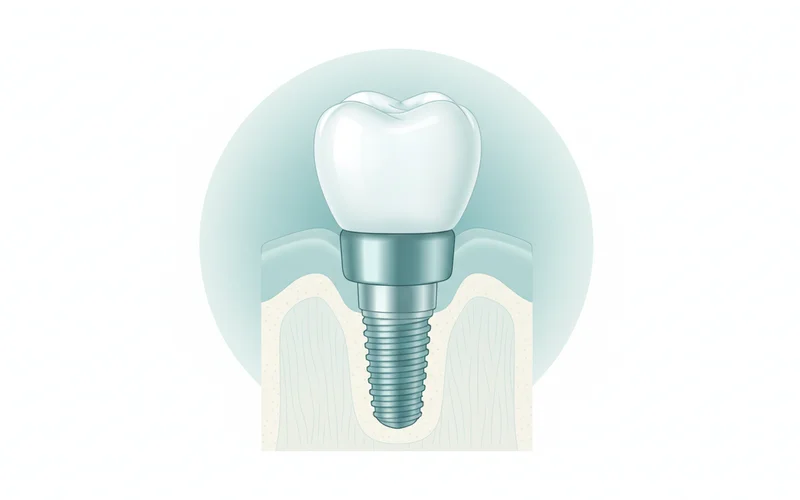
At its core, a dental implant consists of three main components:
- The Implant Post (Fixture): This is a small, screw-shaped cylinder, typically made of biocompatible titanium (or sometimes zirconia), that is surgically placed into the jawbone beneath the gum line. It serves as the artificial tooth root, providing a stable foundation for the new tooth. Titanium is favored for its ability to osseointegrate, meaning it fuses directly with the surrounding bone over several months, creating an incredibly strong and stable anchor.
- The Abutment: Once the implant post has successfully integrated with the jawbone, a small connector piece called an abutment is attached to it. This component extends above the gum line and serves as the sturdy base upon which the final crown will be placed.
- The Dental Crown: This is the visible part of the tooth, custom-made to match the color, shape, and size of your existing natural teeth. It is typically crafted from high-quality materials like porcelain, ceramic, or zirconia and is cemented or screwed onto the abutment, completing the restoration.
Unlike dental bridges that rely on adjacent teeth for support or removable dentures that sit on the gums, a single dental implant stands independently. This independence is a significant advantage, as it preserves the integrity of surrounding healthy teeth, prevents bone loss in the area of the missing tooth, and offers a natural look, feel, and function that can last for decades with proper care. It's truly considered the "gold standard" for single tooth replacement by dental professionals worldwide, including the American Dental Association (ADA) due to its superior long-term health benefits and high success rates.
Types and Variations in Single Tooth Implants
While the basic structure of a single dental implant remains consistent, there are several variations in materials, placement techniques, and crown types that can influence both the procedure and the overall one tooth implant cost.
Implant Materials
- Titanium Implants: By far the most common type, titanium implants are renowned for their strength, durability, and exceptional biocompatibility. The body rarely rejects titanium, and its ability to osseointegrate seamlessly with bone is well-documented over decades of clinical use.
- Zirconia Implants: A newer alternative, zirconia implants are metal-free and offer an aesthetic advantage, particularly for patients with very thin gum tissue where a metallic sheen might otherwise be visible. While gaining popularity, long-term data on zirconia implants is still evolving compared to titanium. They are also typically more expensive than titanium options.
Types of Implant Placement
The timing of implant placement relative to tooth extraction can vary:
- Immediate Implant Placement: In some ideal cases, if the tooth is extracted without significant damage to the surrounding bone, the implant post can be placed during the same surgical appointment as the extraction. This can shorten overall treatment time but requires specific anatomical conditions.
- Delayed Implant Placement: This is more common. After a tooth extraction, the extraction site is allowed to heal for several weeks or months before the implant is placed. This ensures the bone and gum tissue are adequately healed and ready for the implant.
- Staged Implant Placement: If significant bone loss has occurred, a bone grafting procedure may be necessary first. After the graft heals (which can take several months), the implant can then be placed, followed by another healing period.
Crown Materials
The crown is the visible part of your new tooth, and its material affects both aesthetics and durability.
- Porcelain-Fused-to-Metal (PFM) Crowns: These crowns have a metal base for strength, with a porcelain layer fused over it for a natural appearance. They are durable but can sometimes show a dark line at the gum line over time.
- All-Ceramic (Porcelain) Crowns: These offer excellent aesthetics, mimicking the translucency of natural teeth, making them a popular choice for front teeth. They are metal-free but can be slightly less durable than zirconia or PFM in high-stress areas.
- Zirconia Crowns: Highly durable and aesthetically pleasing, zirconia is an increasingly popular choice. It's stronger than traditional porcelain and can be used for both front and back teeth. While more expensive, it offers an excellent balance of strength and beauty.
Your dentist will recommend the best materials and approach based on your oral health, aesthetic goals, and budget. These choices contribute directly to the overall one tooth implant cost.
Causes of Tooth Loss Requiring an Implant
A single missing tooth, while seemingly minor, can have significant implications for oral health. Understanding why a tooth might be lost or extracted highlights the importance of timely replacement with solutions like dental implants.
Common reasons for single tooth loss include:
- Severe Tooth Decay (Cavities): If a cavity progresses unchecked, it can destroy so much of the tooth structure that it becomes unsalvageable, even with root canal therapy or a crown. The tooth may fracture or become severely infected, necessitating extraction.
- Advanced Gum Disease (Periodontitis): This chronic inflammatory condition affects the tissues supporting the teeth. As it progresses, it can lead to the destruction of the jawbone and ligaments holding the tooth in place, causing the tooth to loosen and eventually fall out or require extraction. According to the Centers for Disease Control and Prevention (CDC), nearly half of adults aged 30 years and older have periodontitis.
- Trauma or Injury: Accidents, sports injuries, or falls can lead to a tooth being knocked out (avulsed) or severely fractured beyond repair. Front teeth are particularly susceptible to this type of injury.
- Failed Root Canal Therapy: While root canals have a high success rate, some teeth may not heal properly after the procedure, or a new infection may develop years later, ultimately leading to the need for extraction.
- Cracked Tooth Syndrome: Small, often invisible cracks can develop in teeth, causing pain during chewing or temperature sensitivity. If the crack extends deep into the tooth or root, it may become irreparable.
- Congenital Absence (Anodontia/Hypodontia): In some cases, individuals are born without certain teeth. While this is often a pediatric consideration, the decision for tooth replacement typically occurs in adulthood when the jaw is fully developed.
- Impacted Teeth: Though more common with wisdom teeth, other teeth can become impacted (unable to erupt fully), potentially damaging adjacent teeth or causing cysts, leading to extraction.
Regardless of the cause, replacing a missing tooth is vital. Leaving a gap can lead to shifting of adjacent teeth, over-eruption of opposing teeth, difficulty chewing, speech impediments, and, critically, jawbone deterioration in the area of the missing tooth. This bone loss is a significant concern that dental implants uniquely address.
Signs and Symptoms That You Might Need a Tooth Implant
While the most obvious sign is a missing tooth, sometimes a tooth is severely compromised but still present, indicating a potential need for extraction and subsequent implant placement. Recognizing these signs early can help prevent further complications and ensure a smoother treatment process.
Here’s what to look for:
- A Visible Gap: The most straightforward indicator. If you have a space where a tooth should be, it's a clear sign that replacement is needed.
- Difficulty Chewing or Biting: A missing tooth, especially a molar or premolar, can significantly impair your ability to chew food properly, leading to dietary restrictions or discomfort. You might notice you favor one side of your mouth.
- Changes in Speech: Missing front teeth or even a single missing tooth can affect your ability to pronounce certain sounds, leading to a lisp or other speech impediments.
- Shifting or Tilting of Adjacent Teeth: When a tooth is lost, the teeth on either side of the gap may begin to drift or tilt into the empty space. This can disrupt your bite, create new food traps, and make oral hygiene more difficult.
- Over-eruption of Opposing Teeth: The tooth in the opposing jaw (upper or lower) that normally bites against the missing tooth may begin to "super-erupt" or grow longer into the empty space. This can also lead to bite problems.
- Bone Loss or a "Sunken" Appearance: Without the stimulation from a tooth root, the jawbone in the area of the missing tooth will begin to resorb (deteriorate). Over time, this can lead to a sunken appearance of the jaw, making your face look older. While not an immediate symptom, it's a long-term consequence.
- Chronic Pain or Infection in a Failing Tooth: If you have a tooth that is severely decayed, fractured, or has a persistent infection despite treatment, it may be beyond saving and require extraction. Signs include severe toothache, swelling, tenderness, or a persistent bad taste in your mouth.
- Mobility (Looseness) of a Tooth: A tooth that is significantly loose, particularly due to advanced gum disease, may be nearing the point of requiring extraction.
If you experience any of these symptoms, it's crucial to schedule a consultation with a dental professional promptly. Early intervention can preserve more of your natural bone structure and simplify the process if a dental implant is the recommended solution.
Treatment Options for a Single Missing Tooth
When faced with a single missing tooth, you have several restorative options, each with its own benefits, drawbacks, and cost implications. Understanding these alternatives, especially when considering "dentures or implants," is crucial for making the best decision for your oral health and budget.
1. Dental Implant (The Gold Standard)
As discussed, a dental implant replaces the entire tooth structure, from root to crown.
- Pros:
- Bone Preservation: Uniquely stimulates the jawbone, preventing the bone loss that occurs after tooth extraction.
- Natural Feel and Function: Acts and feels like a natural tooth, offering superior chewing efficiency and speech.
- Long-Term Durability: With proper care, implants can last a lifetime, making them a highly cost-effective solution in the long run.
- Preserves Adjacent Teeth: Does not require modification of healthy neighboring teeth.
- Aesthetics: Provides an excellent, natural-looking restoration.
- Cons:
- Higher Initial Cost: Generally the most expensive upfront option (see Cost section below).
- Surgical Procedure: Requires one or more minor surgical procedures.
- Longer Treatment Time: The process, especially osseointegration, can take several months.
- Not for Everyone: Contraindications for some patients (e.g., uncontrolled chronic diseases, heavy smokers, insufficient bone).
2. Fixed Dental Bridge
A traditional fixed dental bridge consists of one or more artificial teeth (pontics) held in place by dental crowns cemented onto the natural teeth on either side of the gap.
- Pros:
- Faster Treatment: Can be completed in a few weeks.
- Less Invasive: Does not involve surgery.
- Lower Initial Cost: Often more affordable than an implant upfront.
- Good Aesthetics: Can provide a natural-looking restoration.
- Cons:
- Requires Altering Healthy Teeth: The adjacent natural teeth (abutment teeth) must be reshaped or "prepped" to accommodate the crowns, even if they are perfectly healthy. This removes healthy tooth structure.
- Doesn't Prevent Bone Loss: The missing tooth root means the underlying jawbone will continue to resorb, potentially leading to a sunken appearance over time.
- Shorter Lifespan: Typically lasts 10-15 years, requiring eventual replacement, which adds to long-term costs.
- Cleaning Challenges: Can be difficult to clean underneath, increasing the risk of decay in the abutment teeth or gum disease.
- Potential Strain on Abutment Teeth: The supporting teeth bear the chewing forces of three teeth, potentially shortening their lifespan.
3. Removable Partial Denture
A removable partial denture is a prosthetic device that replaces one or more missing teeth and can be taken out of the mouth for cleaning. It typically consists of artificial teeth attached to a gum-colored plastic base, often with metal clasps that attach to remaining natural teeth.
- Pros:
- Least Expensive Option: Generally the most affordable initial investment.
- Non-Invasive: No surgery required.
- Quick Fabrication: Can be made relatively quickly.
- Easily Repairable/Adjustable: If a clasp breaks or another tooth is lost, it can often be repaired or modified.
- Cons:
- Less Stable and Secure: Can feel bulky, shift, or click, especially during eating or speaking.
- Doesn't Prevent Bone Loss: Like bridges, it does not stimulate the jawbone, leading to continued bone resorption.
- Can Affect Speech and Eating: May take time to adapt, and some foods might remain challenging to eat.
- Requires Daily Removal: Must be taken out for cleaning and often at night.
- Less Aesthetic: Metal clasps can sometimes be visible, and the bulky base may not look as natural as a fixed option.
- Can Irritate Gums: May cause gum irritation or soreness.
4. No Treatment
Choosing to do nothing about a missing tooth.
- Pros: No immediate cost.
- Cons:
- Progressive Bone Loss: The most significant issue, leading to facial changes.
- Shifting Teeth: Adjacent and opposing teeth will drift, leading to bite problems.
- Difficulty Chewing: Can negatively impact nutrition and digestion.
- Aesthetic Concerns: Affects self-confidence.
- Increased Risk of Decay/Gum Disease: Shifting teeth create new spaces that are harder to clean.
Comparison Table 1: Single Tooth Replacement Options
| Option | Initial Cost Range (2026 est.) | Longevity (Avg.) | Bone Preservation? | Impact on Adjacent Teeth | Pros | Cons |
|---|---|---|---|---|---|---|
| Dental Implant | $3,500 - $10,000+ | 20+ years, often lifetime | Yes | None | Most natural feel/look, prevents bone loss, excellent durability, preserves healthy teeth. | Highest initial cost, surgical procedure, longer treatment timeline (3-9 months). |
| Fixed Dental Bridge | $2,000 - $5,000 | 10-15 years | No | Requires prepping healthy teeth | Faster treatment, less invasive than surgery, good aesthetics. | Requires grinding down healthy teeth, doesn't prevent bone loss, shorter lifespan than implants, difficult to clean, potential stress on supporting teeth. |
| Removable Partial Denture | $700 - $2,000 | 5-10 years | No | Minor (clasps) | Least expensive, non-invasive, quick to make. | Less stable/secure, can affect speech/eating, requires daily removal, less aesthetic, doesn't prevent bone loss, potential gum irritation. |
| No Treatment | $0 | N/A | No | Significant (shifting, over-eruption) | No immediate cost. | Bone loss, teeth shifting, bite problems, aesthetic issues, difficulty chewing, increased risk of dental problems. |
Considering "how much does it cost to get teeth implants" versus the alternatives, it's clear that while the upfront cost of an implant is higher, its long-term benefits and durability often make it the most cost-effective and beneficial solution over a lifetime. The choice between "dentures or implants" for a single tooth heavily favors the implant for stability, health, and comfort.
Step-by-Step Process for a Single Dental Implant
The journey to receiving a single dental implant is a phased process, typically spanning several months to ensure optimal healing and integration. While individual timelines can vary based on your specific needs, the general steps remain consistent.
Step 1: Initial Consultation and Treatment Planning
This is the foundational step. Your dentist or oral surgeon will conduct a thorough examination, which includes:
- Comprehensive Oral Exam: Checking the health of your remaining teeth, gums, and jawbone.
- Imaging: Taking X-rays, often including a 3D Cone Beam Computed Tomography (CBCT) scan. This highly detailed scan provides a precise view of your jawbone density, nerve pathways, and sinus cavities, which is critical for planning implant placement safely and effectively.
- Medical History Review: Assessing your overall health, existing medical conditions, and medications, as these can influence the success of the implant.
- Discussion of Options: Your dentist will discuss whether a dental implant is the right choice for you and outline the proposed treatment plan, including any necessary preparatory procedures. You'll receive a detailed breakdown of the estimated one tooth implant cost.
Step 2: Preparatory Procedures (If Needed)
Before implant placement, some patients may require additional procedures to create a suitable foundation:
- Tooth Extraction: If the damaged tooth is still present, it must be carefully extracted. After extraction, the site may be left to heal for a few weeks or months, or an immediate implant placement might be considered if conditions are ideal.
- Bone Grafting: This is a common procedure if there isn't enough healthy jawbone to support the implant. Bone can be taken from your own body (autograft), a donor (allograft), an animal source (xenograft), or a synthetic material (alloplast).
- Socket Preservation: Often performed immediately after extraction to prevent bone collapse in the empty socket.
- Sinus Lift: If an implant is needed in the upper jaw where the sinus cavity is too close to the bone, a sinus lift adds bone to the upper jaw, providing enough height for the implant.
- Bone grafting procedures require a significant healing period, typically 3 to 9 months, before implant placement can occur.
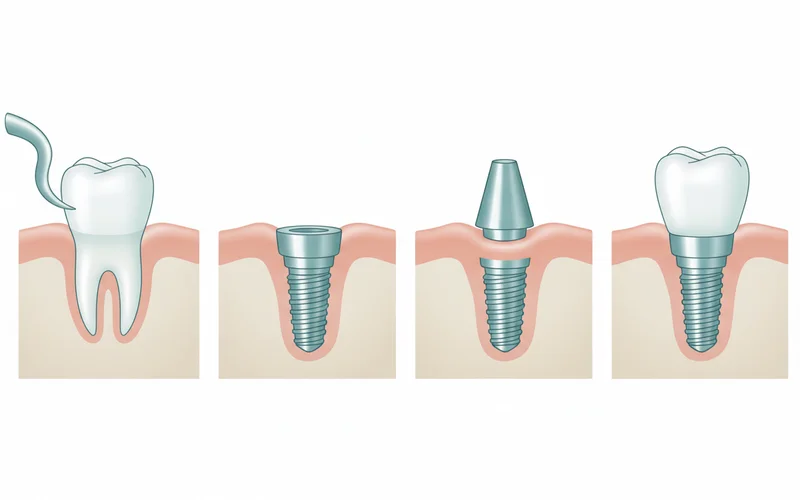
Step 3: Implant Placement Surgery
This is the surgical phase where the titanium implant post is embedded into your jawbone.
- Anesthesia: Local anesthesia is typically used to numb the area, but sedation options (oral, IV, or nitrous oxide) are often available for patient comfort.
- Incision: A small incision is made in the gum to expose the jawbone.
- Drilling: A specialized drill is used to create a precise space in the bone where the implant will be placed.
- Implant Insertion: The implant post is carefully screwed into the prepared bone.
- Gum Closure: The gum tissue is then closed over the implant, or sometimes a small healing cap is placed on top that protrudes through the gum.
This procedure typically takes 1 to 2 hours for a single implant.
Step 4: Osseointegration (Healing Period)
This is the most critical phase, where the implant fuses with your jawbone.
- Process: The titanium surface of the implant chemically and mechanically bonds with the bone cells, making the implant a permanent part of your anatomy.
- Duration: This process usually takes 3 to 6 months, but can vary based on individual healing capabilities and bone quality. During this time, a temporary crown or removable partial denture may be worn to maintain aesthetics and function.
- Monitoring: Your dentist will monitor your healing progress during follow-up appointments.
Step 5: Abutment Placement
Once osseointegration is complete, the abutment is attached.
- Exposure: If the implant was fully covered by gum tissue, a small incision is made to expose the top of the implant.
- Abutment Attachment: The abutment, which is a small connector piece, is then screwed onto the implant post.
- Gum Healing: The gum tissue around the abutment is allowed to heal for approximately 1-2 weeks to create a stable base for the crown.
Step 6: Custom Crown Fabrication and Placement
The final step is the creation and placement of your new, custom-made tooth.
- Impressions: Once the gums have healed around the abutment, your dentist will take impressions (molds) of your mouth and the abutment. These impressions are sent to a dental lab.
- Crown Fabrication: A skilled dental ceramist will meticulously craft a custom crown that matches the color, shape, and size of your natural teeth, ensuring it blends seamlessly with your smile. This typically takes 1-2 weeks.
- Final Placement: Once the crown is ready, you'll return to the dental office. The dentist will try on the crown to ensure a perfect fit and bite. Once confirmed, the crown is permanently cemented or screwed onto the abutment.
With the crown in place, your single dental implant is complete, and you can enjoy the full function and aesthetics of a natural tooth.
One Tooth Implant Cost and Insurance: A Detailed Breakdown for 2026
Understanding the one tooth implant cost requires a comprehensive look at all components and potential additional procedures. In the United States, the average cost for a single dental implant can range significantly, typically falling between $3,500 and $10,000+ per tooth in 2026. This wide range accounts for variations in geographic location, the experience of the dental professional, the materials used, and the complexity of the patient's oral health needs.
Breakdown of Core Implant Components (Estimated 2026 US Costs)
The total cost is a combination of several distinct charges:
- Implant Post (Fixture) Surgery: This covers the cost of the titanium (or zirconia) screw that is surgically placed into your jawbone.
- Cost Range: $1,500 - $3,000
- Includes: The implant material itself, the surgical placement procedure, and initial post-operative care.
- Abutment: This is the connector piece that attaches to the implant post and extends above the gum line.
- Cost Range: $500 - $1,500
- Includes: The abutment material and its attachment to the implant.
- Dental Crown: This is the custom-made, visible tooth that sits on top of the abutment.
- Cost Range: $800 - $2,500
- Includes: Impression taking, laboratory fabrication of the crown (material, design, customization), and final placement. Crown materials like all-ceramic or zirconia tend to be at the higher end.
Total for Core Components Only: $2,800 - $7,000 (This is a simplified range assuming no additional procedures).
Ancillary Procedures and Their Costs (Estimated 2026 US Costs)
Many patients require one or more preparatory procedures, which significantly add to the overall how much does it cost to get teeth implants equation.
- Initial Consultation & Imaging (X-rays, 3D CT Scan):
- Cost Range: $200 - $600 (Often partially covered by insurance, but 3D CT scans can be out-of-pocket).
- Tooth Extraction: If the tooth is still present and needs to be removed.
- Cost Range: $75 - $400 (Simple extraction) to $200 - $800+ (Surgical extraction, e.g., impacted tooth).
- Bone Grafting: Essential if there isn't enough bone density or volume.
- Socket Preservation (after extraction): $300 - $1,000
- Larger Bone Graft (e.g., block graft): $1,000 - $3,000+
- Sinus Lift: Required for implants in the upper back jaw if the sinus floor is too low.
- Cost Range: $1,500 - $3,000 per side (can be higher for more complex cases).
- Temporary Restoration (Crown or Partial Denture): To maintain aesthetics and function during the healing period.
- Cost Range: $200 - $600
- Soft Tissue Grafting: Sometimes needed to augment gum tissue around the implant for better aesthetics or health.
- Cost Range: $500 - $2,000
Total Cost with Common Ancillary Procedures: $3,500 - $10,000+ per tooth.
Factors Influencing the Cost
- Geographic Location: Costs are generally higher in major metropolitan areas and states with a higher cost of living (e.g., California, New York, Northeast) compared to rural areas or states with lower living costs.
- Dentist's Experience and Specialty: Oral surgeons, periodontists, and prosthodontists who specialize in implant dentistry may charge more due to their advanced training and expertise. General dentists who place implants might have slightly lower fees.
- Type of Materials Used: Zirconia implants and premium crown materials like high-grade zirconia or all-porcelain can be more expensive than standard titanium implants or PFM crowns.
- Complexity of the Case: The need for extensive bone grafting, multiple extractions, or unusual anatomical challenges will increase the overall cost.
- Pre-existing Oral Health Issues: Undiagnosed gum disease or other conditions must be treated before implant placement, adding to the total expense.
Dental Insurance Coverage for Dental Implants
Unfortunately, dental insurance coverage for implants remains inconsistent and often limited. Many traditional dental plans still consider implants a "cosmetic" or "elective" procedure, even though they offer significant long-term health benefits.
- Limited Coverage: If covered, it's typically treated as a "major procedure" and may only cover 10-50% of the cost, up to your annual maximum benefit (which is often $1,000 - $2,000). This means a large portion of the one tooth implant cost will be out-of-pocket.
- Waiting Periods: Many plans have waiting periods (e.g., 6-12 months) for major procedures like implants.
- Medical vs. Dental: In rare cases, if tooth loss is due to an accident or medical condition, a portion of the implant cost might be covered by your medical insurance, but this is highly variable and requires specific criteria.
- ADA Code: Dentists use specific ADA CDT codes for services. Implants have their own codes (e.g., D6010 for implant placement, D6057 for abutment, D6058 for crown), which helps insurance companies identify the procedure.
- Pre-authorization: Always request a pre-treatment estimate or pre-authorization from your insurance company. This will clarify what they will cover before you begin treatment.
Pro Tip: Do not rely solely on your dental insurance to cover the bulk of your implant cost. Expect to pay a significant portion out-of-pocket.
Payment Plans and Financing Options
Because the one tooth implant cost can be substantial, many dental practices offer or work with third-party financing solutions:
- In-Office Payment Plans: Some dental offices offer installment plans, allowing you to pay a portion upfront and the rest over several months.
- Dental Credit Cards/Third-Party Financing: Companies like CareCredit or LendingClub offer specialized healthcare credit cards with deferred interest options if paid within a certain timeframe, or low-interest payment plans over a longer period.
- Personal Loans: Banks and credit unions offer personal loans that can be used to cover dental expenses.
- Health Savings Accounts (HSAs) & Flexible Spending Accounts (FSAs): If you have an HSA or FSA, you can use these tax-advantaged accounts to pay for dental implants, as they are considered qualified medical expenses.
Comparison Table 2: US Average One Tooth Implant Cost Breakdown (2026 Estimates)
| Procedure Component | Low End ($) | Mid-Range ($) | High End ($) | Typical Insurance Coverage |
|---|---|---|---|---|
| Implant Post (Fixture) Surgery | $1,500 | $2,200 | $3,000 | 0-30% |
| Abutment | $500 | $1,000 | $1,500 | 0-25% |
| Dental Crown | $800 | $1,500 | $2,500 | 10-50% |
| Subtotal (Core Components) | $2,800 | $4,700 | $7,000 | |
| 3D CT Scan | $200 | $400 | $600 | 0-10% (often out-of-pocket) |
| Simple Extraction | $75 | $200 | $400 | 50-80% |
| Bone Graft (Socket Pres.) | $300 | $650 | $1,000 | 0-20% |
| Sinus Lift (if needed) | $1,500 | $2,250 | $3,000 | 0-10% |
| Temporary Restoration | $200 | $400 | $600 | 0-10% |
| Total Est. with Ancillary | $3,500 | $6,500 | $10,000+ | Highly Variable |
When evaluating "how much does it cost to get teeth implants," remember to get a detailed, written estimate from your dental provider that itemizes all potential costs for your specific treatment plan. This transparency is key to avoiding surprises.
Recovery and Aftercare for a Single Dental Implant
Proper recovery and diligent aftercare are crucial for the long-term success of your single dental implant. Following your dentist's instructions will minimize complications and promote optimal healing and osseointegration.
Immediate Post-Surgery (First 24-72 Hours)
- Bleeding: It's normal to experience slight bleeding or oozing for the first 24 hours. Bite gently on gauze pads and change them as directed. Avoid rinsing vigorously or spitting.
- Swelling: Swelling is common and may peak 2-3 days after surgery. Apply ice packs to the outside of your face for 20 minutes on, 20 minutes off, during the first 24-48 hours.
- Pain Management: Your dentist will likely prescribe pain medication or recommend over-the-counter options like ibuprofen or acetaminophen. Take medications as directed before the anesthesia wears off.
- Diet: Stick to soft foods and liquids immediately after surgery. Avoid hot liquids, crunchy foods, or anything that requires significant chewing. Gradually reintroduce normal foods as comfort allows, but avoid chewing directly on the implant site.
- Oral Hygiene: Do NOT rinse, spit vigorously, or brush the surgical site for the first 24 hours. After that, your dentist may recommend gentle warm salt water rinses (1/2 teaspoon salt in 8 ounces of warm water) 2-3 times a day, avoiding direct rinsing on the wound. Continue brushing and flossing other areas normally.
- Activity: Rest and avoid strenuous physical activity for at least 24-48 hours to prevent bleeding and swelling.
During the Osseointegration Period (3-6 Months)
This is a critical healing phase where the implant fuses with your jawbone.
- Diet: Continue to avoid chewing directly on the implant site. A soft diet may be recommended, especially if a temporary restoration is in place.
- Oral Hygiene: Maintain excellent oral hygiene with gentle brushing and flossing around other teeth. Your dentist may provide specific instructions or tools for cleaning around the temporary restoration.
- Avoid Smoking: Smoking significantly impairs healing and can lead to implant failure. The ADA strongly advises against smoking, especially during the healing phase.
- Avoid Alcohol: Limit alcohol consumption, as it can dehydrate you and interfere with healing.
- Follow-Up Appointments: Attend all scheduled follow-up appointments so your dentist can monitor the healing process and ensure proper osseointegration.
Long-Term Aftercare (After Crown Placement)
Once your permanent crown is placed, your implant functions like a natural tooth, but lifelong care is essential.
- Excellent Oral Hygiene: Brush twice a day with a soft-bristled toothbrush and fluoride toothpaste. Floss daily, paying special attention to the areas around the implant. Interdental brushes or water flossers can be very effective.
- Regular Dental Check-ups: Visit your dentist for professional cleanings and check-ups at least every six months, or more frequently if recommended. Your hygienist will use special instruments designed for implants to avoid scratching the abutment.
- Protective Mouthguards: If you grind or clench your teeth (bruxism), your dentist may recommend a nightguard to protect your implant and natural teeth from excessive force. If you play contact sports, a sports mouthguard is essential.
- Healthy Diet: A balanced diet supports overall oral health. Limit sugary and acidic foods and drinks.
- Avoid Damaging Habits: Do not chew on ice, hard candies, or use your teeth to open packages, as these habits can damage your implant crown or natural teeth.
By diligently following these recovery and aftercare guidelines, you significantly increase the longevity and success rate of your single dental implant, making the investment in its one tooth implant cost truly worthwhile.
Prevention of Tooth Loss Requiring an Implant
While dental implants are an excellent solution for missing teeth, the best approach is always prevention. Maintaining your natural teeth through consistent oral health practices can help you avoid the need for an implant altogether.
Here are key strategies to prevent tooth loss:
- Maintain Excellent Oral Hygiene:
- Brush Twice Daily: Use a fluoride toothpaste and a soft-bristled brush. Brush for at least two minutes, covering all surfaces of your teeth and gently along the gum line.
- Floss Daily: Flossing removes plaque and food particles from between teeth and under the gum line, areas your toothbrush can't reach. This is critical for preventing gum disease and interdental decay.
- Regular Dental Check-ups and Professional Cleanings:
- Visit your dentist at least every six months for a comprehensive exam and professional cleaning. These visits allow your dentist to detect and address problems like cavities or early gum disease before they become severe enough to cause tooth loss. The ADA strongly recommends routine preventive care.
- Protect Your Teeth from Injury:
- Wear a Mouthguard for Sports: If you participate in contact sports or activities where there's a risk of facial injury, a custom-fitted mouthguard can protect your teeth from trauma that could lead to fractures or avulsion.
- Wear a Nightguard for Bruxism: If you grind or clench your teeth (bruxism) while sleeping, a custom nightguard can prevent excessive wear, fractures, and loosening of teeth over time.
- Limit Sugary and Acidic Foods and Drinks:
- Excessive consumption of sugar fuels the bacteria that cause tooth decay. Acidic foods and drinks (like sodas, fruit juices, and energy drinks) can erode tooth enamel, making teeth more susceptible to decay and sensitivity.
- Choose water as your primary beverage.
- Avoid Tobacco Products:
- Smoking and using smokeless tobacco are major risk factors for gum disease, oral cancer, and tooth loss. Quitting tobacco is one of the most impactful steps you can take for your oral and overall health.
- Address Dental Problems Promptly:
- Don't ignore toothaches, sensitivity, or bleeding gums. These are signs that something is wrong. Seeking timely treatment for cavities, gum inflammation (gingivitis), or minor cracks can prevent them from escalating to tooth loss.
- Nutritious Diet:
- A diet rich in vitamins and minerals, particularly calcium and vitamin D, supports strong bones and healthy teeth.
By prioritizing these preventive measures, you can significantly reduce your risk of tooth loss and the eventual need to consider the one tooth implant cost.
Risks and Complications Associated with Single Dental Implants
While dental implants boast a high success rate (often exceeding 95-98%), it's important for patients to be aware of potential risks and complications, just as with any surgical procedure. Being informed allows for better preparation and understanding of what to watch for.
Potential risks and complications include:
- Infection at the Implant Site: Though uncommon with proper sterile techniques and post-operative care, infection can occur during or after surgery. Symptoms include swelling, pain, pus, and fever. Antibiotics are typically prescribed.
- Nerve Damage: In rare instances, the implant may be placed too close to a nerve, particularly in the lower jaw, leading to numbness, tingling, or pain in the lips, gums, tongue, or chin. This is usually temporary but can be permanent in very rare cases. Careful pre-surgical planning with 3D imaging significantly reduces this risk.
- Sinus Problems (for upper jaw implants): If an implant is placed in the upper jaw and protrudes into the sinus cavity, it can cause sinusitis or other sinus issues. A sinus lift procedure is often performed to prevent this.
- Implant Failure (Failure of Osseointegration): The implant may not properly fuse with the jawbone. This can be due to:
- Insufficient Bone Quality or Quantity: Not enough healthy bone for the implant to integrate.
- Poor Oral Hygiene: Leading to infection.
- Smoking: Significantly reduces blood flow and impairs healing.
- Uncontrolled Chronic Diseases: Such as diabetes or autoimmune disorders.
- Excessive Force: Chewing too hard on the implant too soon or bruxism.
- If an implant fails, it may need to be removed, the site allowed to heal, and potentially another implant placed after further bone grafting.
- Peri-implantitis: This is a type of gum disease that specifically affects dental implants, similar to periodontitis around natural teeth. It involves inflammation of the gums and bone loss around the implant. It's often caused by poor oral hygiene and can lead to implant failure if not treated.
- Abutment or Crown Problems:
- Loose Abutment or Crown: The screw holding the abutment or crown can loosen over time and may need to be tightened.
- Fractured Crown: Like natural teeth, implant crowns can chip or fracture from excessive biting forces or trauma, requiring repair or replacement.
- Screw Fracture: Very rarely, the screw holding the abutment or implant can fracture, which can be more challenging to resolve.
- Allergic Reaction: While titanium is highly biocompatible, very rare allergic reactions to titanium or other implant materials have been reported. Zirconia implants can be an alternative for patients with metal sensitivities.
- Bleeding and Swelling: Expected side effects, but excessive or prolonged bleeding/swelling beyond the first few days should be reported to your dentist.
Choosing an experienced and qualified dental professional (oral surgeon, periodontist, or general dentist with specific implant training) and strictly following pre- and post-operative instructions are the best ways to minimize these risks and ensure the successful outcome of your single dental implant.
Frequently Asked Questions
Is a single tooth implant painful?
The dental implant placement procedure itself is typically performed under local anesthesia, so you shouldn't feel any pain during the surgery. Most patients report feeling only pressure or vibration. After the anesthesia wears off, you can expect some discomfort, swelling, and mild pain, which can usually be managed effectively with prescribed pain medication or over-the-counter pain relievers.
How long does a single implant procedure take?
The actual surgical placement of a single implant post usually takes about 1 to 2 hours. However, the entire treatment process, from initial consultation to the placement of the final crown, can span 3 to 9 months, or even longer if bone grafting or other preparatory procedures are needed. This extended timeline is primarily due to the 3-6 month healing period required for the implant to fuse with the jawbone (osseointegration).
How long do dental implants last?
With proper oral hygiene, regular dental check-ups, and diligent aftercare, dental implants are designed to be a long-term, permanent solution. The implant post itself can often last a lifetime. The dental crown, which is subject to wear and tear like a natural tooth, may need replacement after 10-15 years, similar to a dental bridge, but the underlying implant remains intact.
Can anyone get a dental implant?
Most healthy adults are candidates for dental implants. However, certain conditions can affect suitability, including uncontrolled chronic diseases (like severe diabetes or autoimmune disorders), heavy smoking, and insufficient jawbone density. A thorough evaluation by a dental professional, including a review of your medical history and advanced imaging, is necessary to determine if you are a suitable candidate.
What is the success rate of dental implants?
Dental implants have an impressive success rate, generally ranging from 95% to 98% over 10 years when performed by experienced professionals. This rate can be slightly lower in areas of the back jaw or in patients with certain risk factors like smoking or uncontrolled medical conditions.
What are alternatives to a single tooth implant?
The main alternatives for replacing a single missing tooth are a fixed dental bridge and a removable partial denture. While less expensive initially, bridges require the alteration of adjacent healthy teeth and do not prevent bone loss, while partial dentures are less stable and often less comfortable. These alternatives typically have shorter lifespans than implants.
What's the difference in cost between a bridge and an implant?
A fixed dental bridge typically costs between $2,000 and $5,000 for a single missing tooth, making its upfront cost lower than a dental implant (which ranges from $3,500 to $10,000+). However, bridges usually need replacement every 10-15 years and involve altering healthy teeth, which can lead to higher long-term costs and potential complications for the supporting teeth.
How much does it cost to get teeth implants (multiple)?
The one tooth implant cost serves as a baseline. If you need multiple implants, the total cost will be a summation of individual implant costs, though sometimes there can be slight per-implant savings if multiple are placed in the same surgical visit. A full arch replacement using "all-on-4" or similar techniques can range from $15,000 to $30,000+ per arch, including all implants and a fixed prosthetic.
Will I need a bone graft for my implant?
Whether you need a bone graft depends on the amount and quality of bone present in your jaw at the implant site. If the tooth has been missing for a while, or if significant bone was lost due to gum disease or trauma, a bone graft may be necessary to provide enough support for the implant. Your dental professional will assess this during the initial consultation using 3D imaging.
What should I do if my implant crown feels loose?
If your implant crown or abutment feels loose, contact your dentist immediately. It's usually a simple fix, often just tightening a screw. Ignoring a loose component can lead to further complications, including damage to the implant or surrounding structures, and should be addressed promptly by your dental professional.
When to See a Dentist
Recognizing when to seek professional dental care is paramount for maintaining oral health and addressing issues before they escalate.
-
For Routine Care:
- Every Six Months: Schedule regular dental check-ups and professional cleanings. These visits are crucial for preventing problems, detecting early signs of decay or gum disease, and ensuring your existing restorations (including implants) are healthy. Adhering to ADA guidelines for preventive care can save you significant time, discomfort, and expense in the long run.
- New Symptoms: If you notice any changes in your oral health, such as persistent bad breath, bleeding gums, sensitivity, or minor discomfort, schedule an appointment.
-
If You Have a Missing Tooth or Compromised Tooth:
- Promptly After Tooth Loss: If you've lost a tooth due to trauma, decay, or extraction, schedule an appointment as soon as possible. Addressing the gap early can prevent adjacent teeth from shifting and minimize bone loss, simplifying potential implant treatment and potentially reducing the overall one tooth implant cost.
- Severely Damaged or Decayed Tooth: If a tooth is causing severe pain, is visibly broken, or has extensive decay, a dentist can assess whether it can be saved or if extraction and replacement (e.g., with an implant) is necessary.
-
Warning Signs That Need Immediate Attention (Red Flags):
- Severe, Unrelenting Pain: If you experience sharp, throbbing, or persistent tooth pain that doesn't subside with over-the-counter pain medication, it could indicate a serious infection or dental emergency.
- Swelling: Swelling in your gums, face, or jaw can be a sign of a spreading infection or abscess, requiring urgent attention.
- Trauma: If you've knocked out a tooth, fractured your jaw, or suffered any significant oral injury, seek immediate dental or emergency medical care. For a knocked-out tooth, attempt to reinsert it or keep it moist in milk or saline and get to a dentist within an hour for the best chance of saving it.
- Bleeding That Won't Stop: After an extraction or injury, some bleeding is normal. However, if bleeding is heavy and doesn't stop after applying pressure with gauze for 20-30 minutes, seek immediate professional help.
- Loose Implant Crown/Abutment: While not usually an emergency, a loose implant component should be addressed promptly to prevent further damage to the implant or surrounding tissues.
Don't wait for pain to be your only motivator. Regular proactive dental care is the best way to maintain a healthy smile and potentially avoid more complex and costly procedures like single tooth implants.
Frequently Asked Questions
Medically Reviewed Content
This article was written by our dental health editorial team and reviewed for medical accuracy. Our content follows strict editorial guidelines for reliability and trustworthiness.
Medical Disclaimer
This article is for informational purposes only and does not constitute medical advice. Always consult with a qualified dental professional for diagnosis and treatment. Do not delay seeking professional advice because of something you read on this website.
Related Articles
Implantologist: Complete Guide
Losing a tooth can be a significant setback, impacting not only your smile but also your ability to speak, chew, and maintain overall oral health. In fact, over 3 million Americans currently have dental implants, and that number is projected to grow significantly as more people seek a durable, n
March 8, 2026
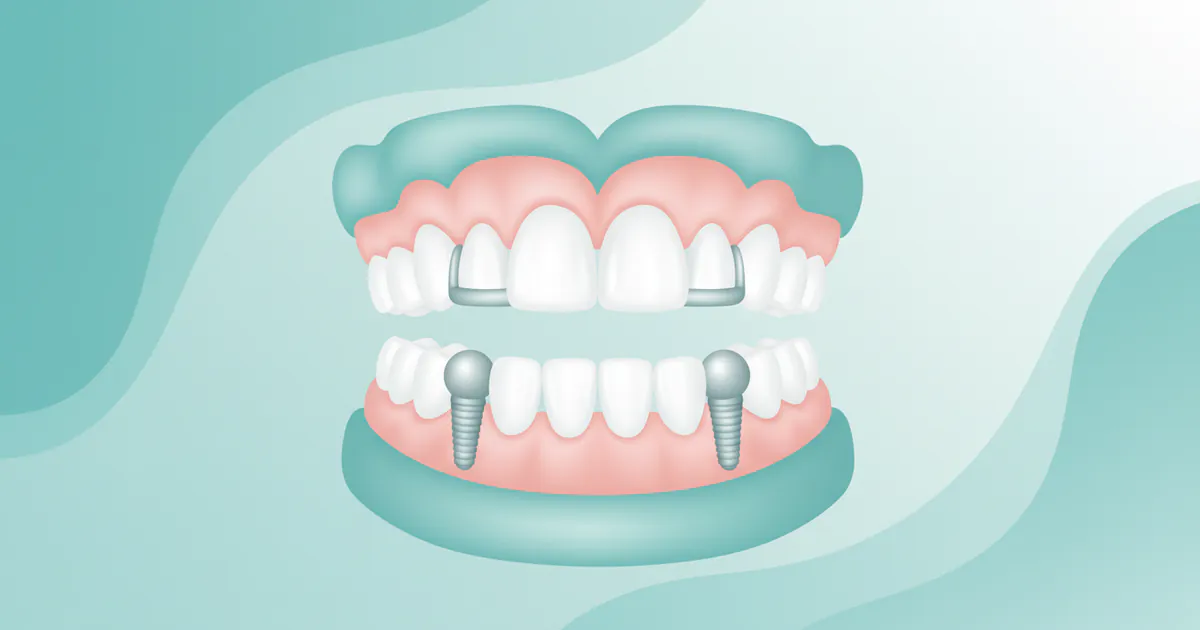
Dentures Over Implants: Complete Guide
Missing multiple teeth or even an entire arch can profoundly impact your life, affecting everything from your ability to chew and speak to your self-confidence. For millions of Americans, traditional removable dentures have long been a solution, but they often come with compromises: slipping, discom
March 8, 2026
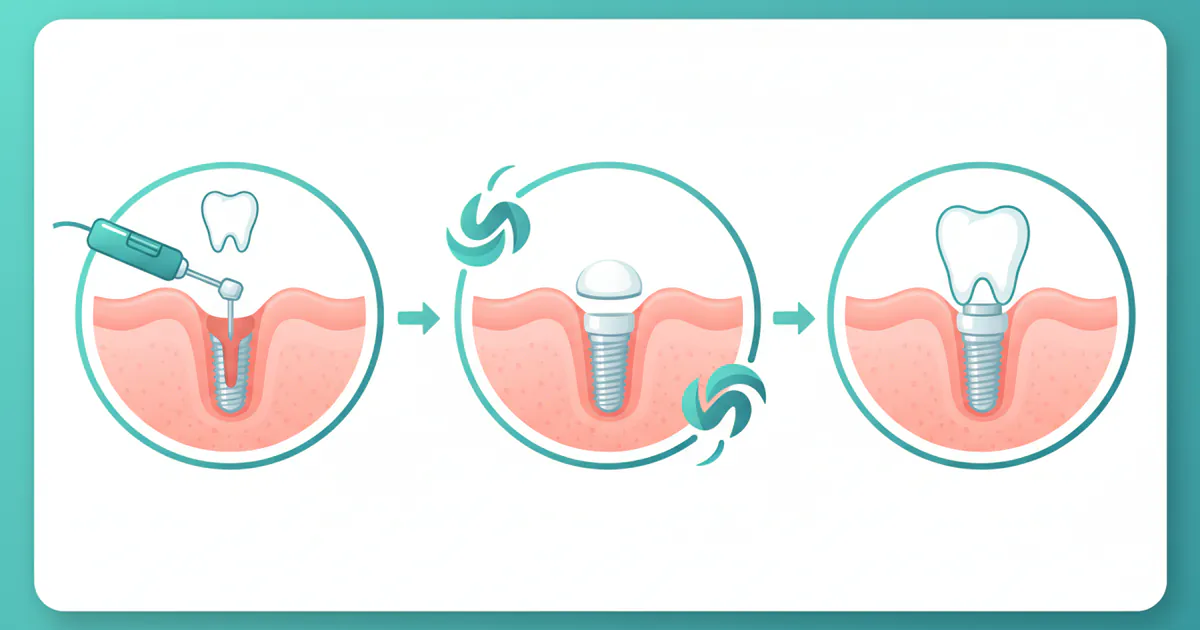
Implants Process: Complete Guide
Missing teeth can impact more than just your smile; they can affect your ability to eat, speak, and even your overall confidence. In fact, over 178 million Americans are missing at least one tooth, and about 40 million are missing all of their teeth. When faced with tooth loss, understanding the
March 8, 2026
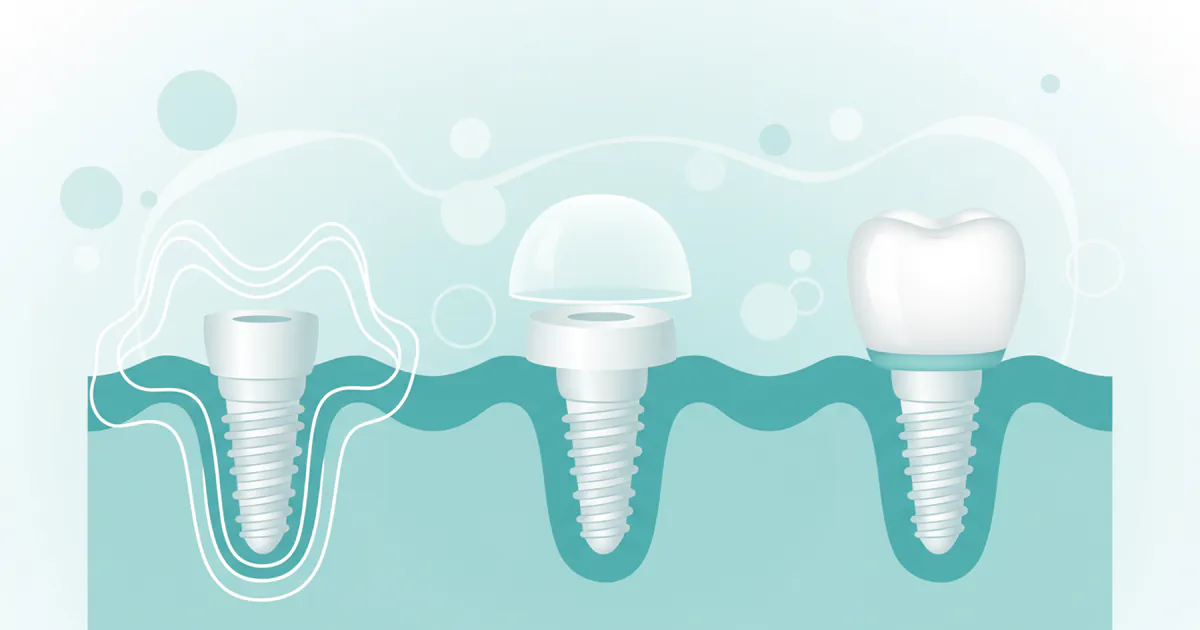
Implants Dentaires: Complete Guide
Missing teeth can dramatically impact not just your smile, but your overall health, confidence, and quality of life. In the United States, an estimated 178 million adults are missing at least one tooth, while approximately 40 million are missing all their teeth. These statistics underscore a
March 8, 2026