Orlando Dentures and Implants: Complete Guide
Key Takeaways
- Losing one or more teeth can significantly impact your quality of life, affecting everything from your ability to chew and speak clearly to your self-confidence. In fact, according to the American College of Prosthodontists, over 178 million Americans are missing at least one tooth, and about 40 mil
Orlando Dentures and Implants: Complete Guide
Losing one or more teeth can significantly impact your quality of life, affecting everything from your ability to chew and speak clearly to your self-confidence. In fact, according to the American College of Prosthodontists, over 178 million Americans are missing at least one tooth, and about 40 million are missing all their teeth. For residents of Central Florida seeking durable and aesthetic solutions, understanding your options for Orlando dentures and implants is crucial. This comprehensive guide from SmilePedia.net will explore the world of modern tooth replacement, helping you navigate the choices between traditional dentures, cutting-edge dental implants, and the increasingly popular hybrid solutions like implanted dentures. We'll delve into the benefits, processes, costs, and care involved, ensuring you have all the information needed to restore your smile and oral health effectively.
Key Takeaways:
- Dentures offer a removable, cost-effective solution for tooth loss, ranging from $600 to $8,000 per arch.
- Dental Implants provide a permanent, stable foundation, with single implants costing $3,000 to $6,000 and full-arch solutions like All-on-4 typically $20,000 to $30,000+ per arch.
- Implanted Dentures (Overdentures) combine stability of implants with the coverage of dentures, offering a more secure removable option often priced between $6,000 and $15,000 per arch for the implant-supported removable type.
- Treatment Timelines vary from a few weeks for conventional dentures to 3-9 months for dental implants (including healing).
- Insurance Coverage is generally better for dentures, while implants may have limited or no coverage, though financing options are widely available in Orlando.
- Bone Preservation is a major advantage of implants, preventing jawbone shrinkage common with traditional dentures.
- Consult a Qualified Dentist in Orlando to determine the best solution tailored to your specific oral health needs and budget.
What It Is: Understanding Dentures and Implants
When it comes to replacing missing teeth, modern dentistry offers sophisticated solutions designed to restore function, aesthetics, and overall oral health. In Orlando, patients have access to a full spectrum of options, primarily falling into two major categories: dentures and dental implants.
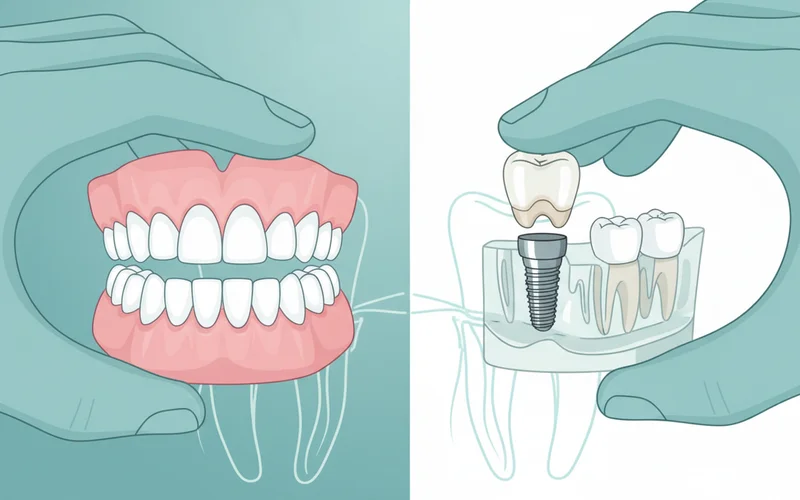
Dentures are removable prosthetic devices constructed to replace missing teeth and are supported by surrounding soft and hard tissues of the oral cavity. They are custom-made to fit comfortably in your mouth and provide a natural-looking smile. While traditional dentures have been around for centuries, today's versions are far more comfortable and realistic than ever before.
Dental Implants represent a more advanced, permanent tooth replacement solution. An implant is a small, screw-shaped post, typically made of titanium, that is surgically placed into the jawbone beneath the gum line. This implant acts as an artificial tooth root, creating a stable foundation for a replacement tooth (crown), bridge, or even a full set of dentures. Unlike dentures, implants integrate directly with your bone, providing unparalleled stability and helping to preserve jawbone health.
The term "Orlando dentures and implants" refers to the comprehensive range of these restorative services available in the Greater Orlando area. Dental practices here are equipped to provide everything from traditional full and partial dentures to complex implant surgeries and implant-supported prosthetic solutions, often with the goal of providing affordable dentures & implants photos of successful patient cases.
Types and Variations of Tooth Replacement
The world of tooth replacement is diverse, offering tailored solutions for nearly every patient's needs, budget, and oral health status. Understanding the specific types available is the first step in making an informed decision.
Dentures: Removable Solutions
Dentures are a time-tested option for replacing missing teeth, offering both functional and aesthetic benefits.
- Complete (Full) Dentures: These are used when all natural teeth in either the upper or lower arch (or both) are missing.
- Conventional Full Dentures: Made after all remaining teeth have been extracted and the gum tissues have healed (which can take several months). Once placed, they offer a comfortable and functional fit.
- Immediate Full Dentures: Prepared in advance and can be inserted immediately after the removal of remaining teeth. This allows you to avoid being without teeth during the healing period. However, as the gums and bone heal and shrink, immediate dentures will require adjustments, relines, or even replacement after a few months.
- Partial Dentures: Used when one or more natural teeth remain in the upper or lower jaw. These consist of replacement teeth attached to a gum-colored plastic base, which is connected by a metal framework or a flexible plastic material that holds the denture in place. Partial dentures fill the gaps created by missing teeth, preventing other teeth from shifting.
- Flexible Partial Dentures: Made from a heat-sensitive plastic that is thinner, more flexible, and often more comfortable than traditional metal-based partials. They blend in seamlessly with your natural gum tissue.
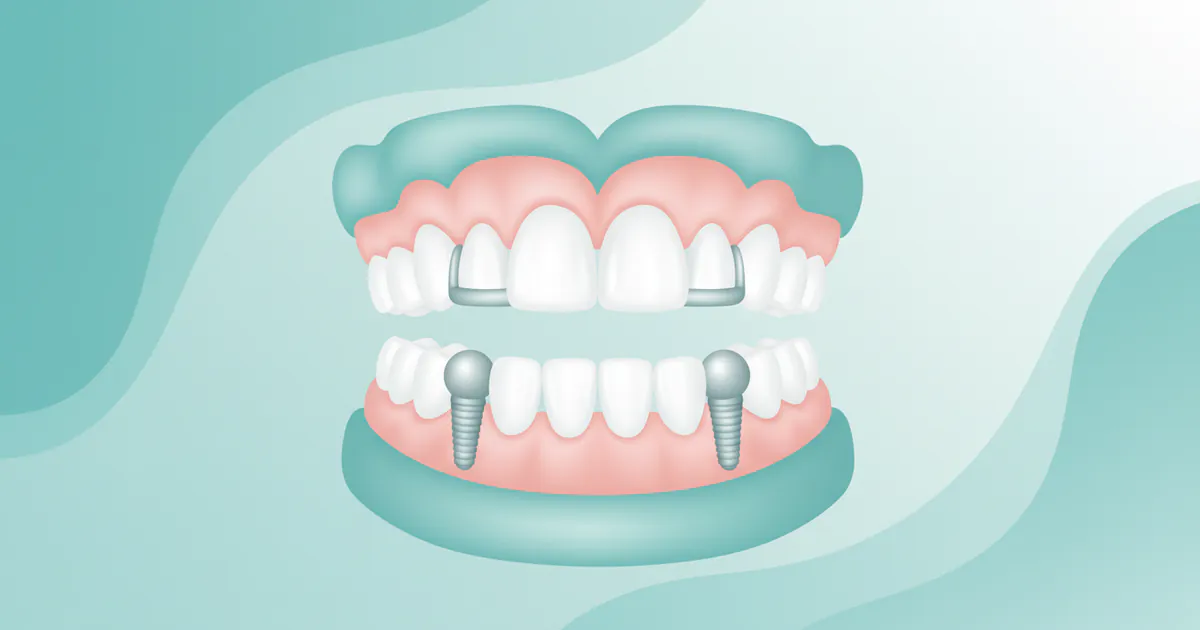
- Overdentures (Implant-Supported Removable Dentures): This is where dentures meet implants. Overdentures are removable dentures that snap onto a small number of strategically placed dental implants (typically 2-4 per arch) for enhanced stability and retention. This significantly reduces slippage and improves chewing efficiency compared to traditional dentures, while still allowing for easy removal for cleaning.
Dental Implants: Permanent Foundations
Dental implants are considered the gold standard for long-term tooth replacement due to their stability, longevity, and ability to preserve jawbone.
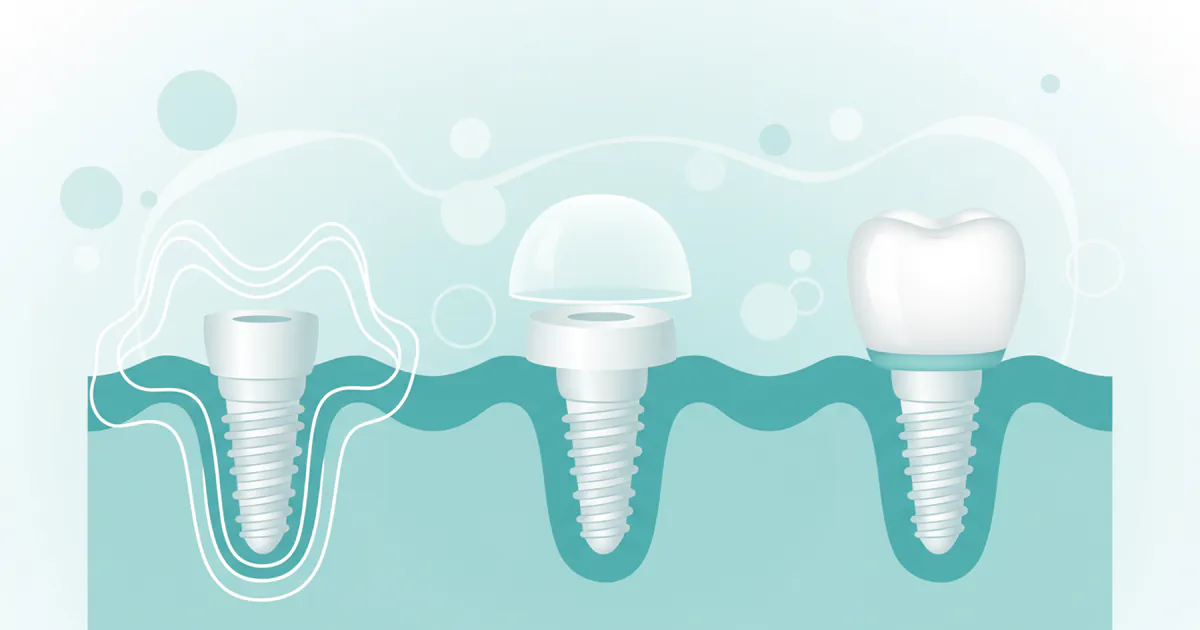
- Single Dental Implant: Used to replace one missing tooth. It consists of a single implant post surgically placed into the jawbone, an abutment (a connector), and a custom-made crown that attaches to the abutment, perfectly matching your natural teeth.
- Multiple Dental Implants / Implant-Supported Bridges: When several teeth in a row are missing, two or more implants can support a fixed dental bridge. This avoids the need to grind down adjacent healthy teeth, as is required for traditional bridges.
- Full Arch Dental Implants (All-on-4®, All-on-6®): These innovative techniques are designed to replace an entire arch of missing teeth (upper or lower) using a minimal number of implants.
- All-on-4®: This technique uses four strategically placed dental implants to support a full arch of permanent, non-removable prosthetic teeth. It often allows for immediate function, meaning a temporary bridge can be placed on the same day as implant surgery.
- All-on-6®: Similar to All-on-4 but utilizes six implants for potentially greater stability and distribution of chewing forces, often recommended for the upper jaw where bone density might be lower.
- Mini Dental Implants (MDIs): Smaller in diameter than traditional implants, MDIs are primarily used to stabilize lower dentures. They require less invasive surgery and are generally more affordable, but may not offer the same load-bearing capacity as conventional implants.
Implanted Dentures: The Hybrid Approach
This term, often used interchangeably with "overdentures" or "implant-supported dentures," highlights solutions that combine the best aspects of both dentures and implants. These can be:
- Removable Implant-Supported Overdentures: As described above, these dentures snap onto implants for stability but can be removed by the patient for cleaning.
- Fixed Implant-Supported Dentures (Hybrid Dentures): These are essentially full arches of prosthetic teeth that are permanently screwed or cemented onto dental implants. Unlike removable overdentures, only a dentist can remove them. They offer the highest level of stability and mimic natural teeth most closely, eliminating the need for adhesives and daily removal.
The choice among these options depends heavily on your individual circumstances, bone health, budget, and desired outcome.
Causes of Tooth Loss and the Need for Replacement
Understanding why teeth are lost helps underscore the importance of proper oral care and timely intervention. The need for Orlando dentures and implants often stems from a variety of common dental issues.
- Severe Tooth Decay (Cavities): When cavities are left untreated, they can progress deep into the tooth, infecting the pulp (nerve and blood vessels). If the infection is too severe to treat with a root canal or if the tooth structure is too compromised, extraction becomes necessary.
- Advanced Gum Disease (Periodontitis): This is the leading cause of tooth loss in adults. Periodontitis is a serious gum infection that damages the soft tissue and, without treatment, can destroy the bone that supports your teeth. As the bone deteriorates, teeth become loose and eventually fall out or require extraction.
- Trauma or Injury: Accidents, sports injuries, or falls can lead to fractured, dislodged, or knocked-out teeth. While sometimes these can be saved, severe damage often necessitates extraction and replacement.
- Failed Root Canal Treatment: Although root canals are highly successful, some teeth may not heal properly or may develop new infections, leading to the need for extraction.
- Congenital Conditions: Some individuals are born with conditions that lead to missing teeth (hypodontia) or poorly formed teeth that are prone to early loss.
- Excessive Wear and Tear: Over time, severe teeth grinding (bruxism) or acidic erosion can wear down tooth structure to the point where teeth become irreparable.
- Aging: While not a direct cause, the cumulative effect of years of dental issues, wear, and potentially declining oral hygiene can contribute to tooth loss in older adults.
Regardless of the cause, missing teeth have significant consequences beyond aesthetics. They can lead to difficulty chewing, changes in speech, shifting of remaining teeth, and perhaps most importantly, jawbone deterioration. When a tooth root is no longer present to stimulate the jawbone, the bone begins to resorb or shrink, leading to a sunken facial appearance and further complications for future tooth replacement. This is a critical factor favoring dental implants, as they provide the necessary stimulation to preserve bone.
Signs and Symptoms Indicating Tooth Replacement Needs
Recognizing the signs that you may need tooth replacement is key to addressing oral health issues promptly and exploring solutions like Orlando dentures and implants.
- Missing Teeth: The most obvious sign. Whether it's a single tooth gap or multiple missing teeth, this directly impacts function and appearance.
- Difficulty Chewing: If you find yourself avoiding certain foods or struggling to chew efficiently, especially hard or fibrous items, missing teeth are likely impacting your diet and digestion.
- Changes in Speech: Missing teeth, particularly front teeth, can affect how you pronounce words, leading to lisps or slurred speech.
- Shifting of Remaining Teeth: When a tooth is lost, adjacent teeth tend to drift into the empty space. This can create new gaps, affect your bite, and lead to further dental problems.
- Jawbone Deterioration (Sunken Face): This is a long-term symptom of missing teeth. Without the stimulation of tooth roots, the jawbone begins to shrink. This can lead to a "collapsed" or "sunken" facial appearance, making you look older.
- Chronic Headaches or Jaw Pain: A misaligned bite due to missing teeth can put undue stress on your jaw joints (TMJ), leading to discomfort, headaches, and even neck pain.
- Loss of Self-Confidence: Many people feel self-conscious about their smile when they have missing teeth, impacting social interactions and overall well-being.
- Recurring Infections or Abscesses: If a severely damaged or infected tooth is still in place, it can lead to persistent pain, swelling, and infection. Once extracted, a replacement plan is crucial.
If you experience any of these symptoms, it's a strong indication that you should consult with a qualified dental professional in Orlando to discuss appropriate tooth replacement options. Early intervention can prevent further complications and improve your long-term oral health.
Treatment Options: A Detailed Comparison
Choosing between traditional dentures, dental implants, or a hybrid solution like implanted dentures is a significant decision. Each option offers distinct advantages and disadvantages, and the best choice depends on your specific needs, oral health, and financial considerations.
Traditional Dentures (Complete and Partial)
Pros:
- Affordability: Generally the least expensive initial option for replacing multiple teeth or a full arch.
- Non-Invasive: No surgery required, making them suitable for individuals who are not candidates for surgery or prefer to avoid it.
- Quick Turnaround: The process for obtaining dentures can be relatively quick compared to implants, especially for immediate dentures.
- Versatility: Can replace a few teeth (partials) or an entire arch (full dentures).
Cons:
- Lack of Stability: Can slip, shift, or fall out, especially without the help of adhesives. This can make chewing certain foods difficult and cause embarrassing moments.
- Jawbone Resorption: Do not stimulate the jawbone, leading to continued bone loss over time. This changes the fit of the dentures and can lead to a sunken facial appearance.
- Discomfort/Sores: Can cause friction and irritation on gums, leading to sore spots, especially during the adjustment period or if they fit poorly.
- Reduced Chewing Efficiency: Often provide only 10-25% of the chewing power of natural teeth.
- Maintenance: Require daily removal and meticulous cleaning.
Dental Implants (Single, Multiple, Full Arch)
Pros:
- Superior Stability and Comfort: Function exactly like natural teeth; they don't slip or shift, allowing you to eat, speak, and smile with confidence.
- Bone Preservation: Stimulate the jawbone, preventing bone loss and preserving facial structure. This is a crucial long-term health benefit.
- High Chewing Efficiency: Restore nearly 100% of your natural chewing power.
- Durability and Longevity: With proper care, dental implants can last a lifetime, making them a very cost-effective solution in the long run.
- No Impact on Adjacent Teeth: Unlike traditional bridges, implants do not require altering healthy neighboring teeth.
- Excellent Aesthetics: Look and feel like your natural teeth.
Cons:
- Higher Initial Cost: The most expensive option upfront.
- Surgical Procedure: Requires oral surgery, which carries typical surgical risks and a recovery period.
- Longer Treatment Time: The process, including healing (osseointegration), can take several months.
- Not Suitable for Everyone: Requires sufficient bone density and good general health. Bone grafting may be necessary for some candidates, adding to time and cost.
Implant-Supported Dentures (Overdentures/Hybrid Dentures)
Pros:
- Enhanced Stability: Significantly more secure than traditional dentures, eliminating slipping and improving chewing.
- Improved Comfort: Less irritation to gums and better retention.
- Partial Bone Preservation: Implants provide some stimulation to the jawbone, slowing down bone loss compared to traditional dentures.
- Improved Chewing Efficiency: Better than traditional dentures, though not always as high as fixed implants.
- Cost-Effective Alternative to Full Arch Implants: More affordable than replacing every missing tooth with individual implants or a full arch fixed prosthesis like All-on-4, especially for removable overdentures.
Cons:
- Requires Surgery: Implants must be surgically placed.
- Still Removable (for Overdentures): While stable, removable overdentures still need to be taken out for cleaning. Fixed hybrid dentures are not removable by the patient.
- Maintenance: Removable overdentures still require specialized cleaning for both the denture and the implant attachments. Fixed hybrid dentures require diligent hygiene around the prosthesis.
- Cost: More expensive than traditional dentures, though less than full-mouth individual implants.
Pro Tip: When considering "affordable dentures & implants photos" you find online, remember that the best solution for you is highly personalized. What works beautifully for one patient might not be ideal for another. Always prioritize a thorough consultation with an Orlando dentist who specializes in both dentures and implants.
Comparison Table: Dentures vs. Implants vs. Implant-Supported Dentures
| Feature | Traditional Dentures | Dental Implants | Implant-Supported Dentures (Overdentures) |
|---|---|---|---|
| Stability | Poor to Fair (can slip, requires adhesive) | Excellent (fixed, feels like natural teeth) | Good to Excellent (snaps onto implants, very secure) |
| Chewing Efficiency | ~10-25% of natural teeth | ~90-100% of natural teeth | ~50-70% of natural teeth |
| Bone Preservation | None (leads to jawbone shrinkage) | Excellent (stimulates bone, prevents loss) | Good (implants provide some bone stimulation) |
| Longevity | 5-10 years (requires relines/replacement) | 20+ years, often lifetime (with proper care) | 10-20 years for prosthesis, implants can last longer |
| Initial Cost (per arch) | $600 - $8,000 | $20,000 - $30,000+ (for full arch) | $6,000 - $15,000 (for removable type) |
| Comfort | Can cause sores, requires adjustment | Very comfortable, feels natural | Very comfortable, less irritation than traditional |
| Maintenance | Daily removal & cleaning | Regular brushing/flossing, professional cleanings | Daily removal & cleaning of denture, implant care |
| Invasiveness | Non-surgical | Surgical procedure required | Surgical procedure required |
| Treatment Timeline | Weeks to a few months | Several months (incl. healing, 3-9 months) | Several months (incl. healing) |
Step-by-Step Process: What to Expect
The journey to a restored smile with Orlando dentures and implants involves several distinct phases, from initial consultation to final placement and follow-up.
For Traditional Dentures:
- Initial Consultation & Examination: Your Orlando dentist will evaluate your oral health, discuss your goals, and determine if dentures are the right option. Impressions and X-rays are taken.
- Tooth Extractions (if needed): Any remaining unhealthy teeth will be extracted. If immediate dentures are planned, impressions are taken beforehand.
- Impression Taking: Precise impressions of your gums and any remaining teeth are taken to create a custom mold of your mouth.
- Wax Bite & Try-In: A wax model of your dentures is created. You'll "try on" this model to ensure proper fit, bite, and appearance. Adjustments are made until you and your dentist are satisfied.
- Denture Fabrication: The final dentures are crafted in a dental laboratory based on the approved wax model.
- Placement & Adjustments: Once fabricated, your dentures are placed. Your dentist will check the fit and make any necessary adjustments. Several follow-up appointments may be needed over the next few weeks as your mouth adapts.
For Dental Implants (Single, Multiple, or Full Arch):
- Comprehensive Consultation & Treatment Planning: This crucial first step involves a thorough examination, including 3D imaging (CBCT scans) to assess bone density, nerve locations, and sinus cavities. Your Orlando dentist or oral surgeon will develop a precise treatment plan, including determining the number and optimal placement of implants.
- Tooth Extraction & Bone Grafting (if needed): If unhealthy teeth need removal, this is done first. If you lack sufficient jawbone density, a bone grafting procedure may be performed to build up the bone. This can add several months to the overall treatment timeline as the graft needs to heal.
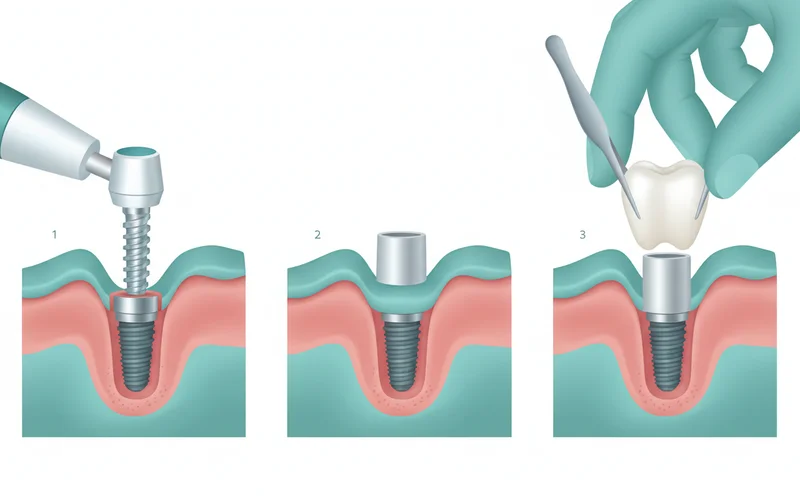
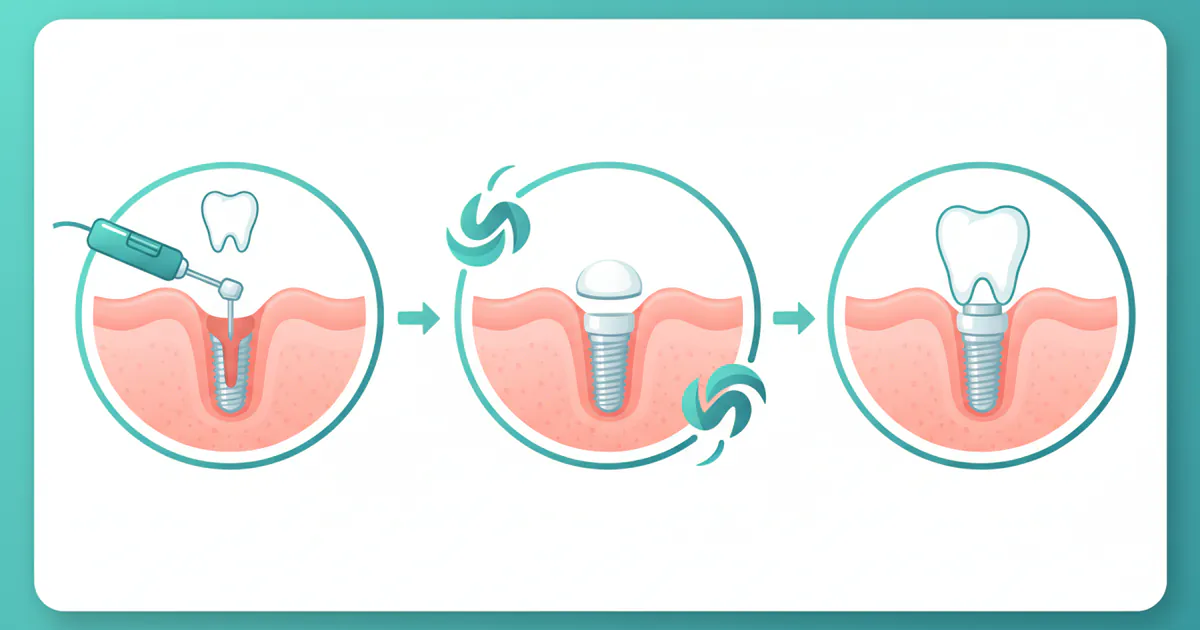
- Implant Placement Surgery: During a minor surgical procedure, the titanium implant posts are precisely placed into the jawbone. This is typically done under local anesthesia, sometimes with sedation.
- Osseointegration (Healing Period): The implants are left to heal and fuse with your jawbone, a process called osseointegration. This critical phase can take 3 to 6 months, during which you may wear a temporary denture or bridge.
- Abutment Placement (if not integrated with implant): Once osseointegration is complete, a small connector piece called an abutment is attached to the implant. This step sometimes requires a second minor surgery if the implant was fully covered by gum tissue.
- Crown/Prosthetic Placement: After the gums heal around the abutment (1-2 weeks), final impressions are taken. A custom-made crown (for single implants), bridge, or full-arch prosthesis (like All-on-4) is then fabricated and securely attached to the abutments.
For Implant-Supported Dentures (Overdentures/Hybrid):
The process generally follows the implant steps (consultation, extractions/grafting, implant placement, osseointegration, abutment placement). The final step involves fabricating and attaching the specialized denture:
- For Removable Overdentures: Your custom-made denture will have attachments on its underside that snap onto the abutments or small bars connecting the implants.
- For Fixed Hybrid Dentures: The full-arch prosthesis is designed with specific connection points that are permanently screwed onto the implant abutments, providing a non-removable solution.
Throughout any of these processes, your Orlando dental team will keep you informed and comfortable, ensuring a smooth journey to your new smile.
Cost and Insurance: Navigating the Financial Aspect in Orlando
The cost of Orlando dentures and implants is a significant consideration for most patients. Prices can vary widely based on the type of prosthetic, the number of teeth being replaced, the complexity of the case, the materials used, the specific dental practice, and your insurance coverage.
Average US Price Ranges (per arch/unit):
- Traditional Full Dentures (Upper or Lower):
- Basic/Economy: $600 - $1,500
- Mid-Range/Standard: $1,500 - $3,500
- Premium/Custom: $3,500 - $8,000 (often includes more natural-looking teeth and a better fit)
- Partial Dentures:
- Acrylic (flexible): $600 - $1,500
- Metal Framework: $900 - $3,000
- Single Dental Implant:
- Implant Fixture (post): $1,600 - $3,000
- Abutment: $300 - $500
- Crown: $1,000 - $2,500
- Total per single implant (including components): $3,000 - $6,000
- Implant-Supported Dentures (Removable Overdentures):
- 2 implants + denture (lower arch): $6,000 - $12,000
- 4 implants + denture (upper or lower): $10,000 - $15,000
- Fixed Implant-Supported Dentures (All-on-4 / Hybrid Denture):
- Per arch: $20,000 - $30,000+ (can go up to $40,000+ for complex cases or premium materials)
- Related Procedures (may be additional costs):
- Tooth Extractions: $75 - $450 per tooth (more for surgical extractions)
- Bone Grafting: $200 - $1,200 per site
- Sinus Lift: $1,500 - $2,500 per sinus
Cost Considerations in Orlando: While national averages provide a good benchmark, dental costs in Orlando can be competitive due to a robust market with many providers. However, premium services and materials will naturally command higher prices. It's always advisable to get a detailed breakdown from your chosen Orlando dental provider.
Insurance Coverage Details:
Dental insurance coverage for dentures and implants varies significantly based on your plan.
- Dentures: Most dental insurance plans offer some level of coverage for traditional full and partial dentures, typically 50% to 80% of the cost after your deductible is met, up to your annual maximum. They are often classified as a "major restorative" procedure.
- Dental Implants: Coverage for dental implants is often more limited.
- Some plans may classify implants as "cosmetic" and offer no coverage at all.
- Other plans may cover a percentage (e.g., 10% to 50%) of the surgical placement of the implant post, but not the crown, or vice versa.
- Some modern plans are starting to offer better coverage for implants, recognizing their long-term health benefits.
- Related procedures like bone grafting or extractions may be covered under separate categories.
- Implant-Supported Dentures: Coverage for these hybrid solutions can be mixed. Some plans may cover the denture portion as a major restorative, while only partially covering the implants, if at all.
Pro Tip: Always contact your dental insurance provider directly and ask for a detailed explanation of what your specific plan covers for "implanted dentures," "dental implants," and "full dentures." Get pre-authorization for complex procedures to avoid surprises.
Cost Breakdown: Making Modern Dentistry Accessible
Beyond insurance, understanding the full cost breakdown and available payment options is essential for planning your tooth replacement.
With vs. Without Insurance:
- Without Insurance: You will be responsible for the full sticker price of the procedure. Many Orlando dental offices offer discounts for cash payments or payment in full.
- With Insurance: Your out-of-pocket costs will depend on your plan's coverage, deductible, co-insurance, and annual maximum. For example, if your plan covers 50% of a $5,000 procedure after a $100 deductible, and your annual max is $1,500, you'd pay the deductible ($100), then 50% of the remaining $4,900 ($2,450). If that exceeds your annual max, you'd pay the rest.
Payment Plans and Financing Options:
Many dental practices in Orlando understand that the cost of dentures and implants can be substantial and offer various financing solutions:
- In-House Payment Plans: Some offices offer direct payment plans, allowing you to pay in installments over several months, often with no interest.
- Third-Party Medical Financing: Companies like CareCredit or LendingClub specialize in healthcare financing. They offer credit cards or loans with various interest rates and payment terms, including promotional periods with deferred interest if paid in full within a certain timeframe (e.g., 6, 12, or 18 months).
- Personal Loans: You may consider a personal loan from your bank or credit union.
- Health Savings Accounts (HSAs) & Flexible Spending Accounts (FSAs): If you have an HSA or FSA, you can use these tax-advantaged accounts to pay for eligible dental expenses, including dentures and implants.
Cost-Saving Tips:
- Shop Around (Carefully): Get consultations and quotes from a few different reputable Orlando dentists. Be wary of prices that seem too good to be true, as quality of materials and experience of the provider are critical for long-term success.
- Ask About Package Deals: Some clinics offer package pricing for full-arch solutions like All-on-4 that might be more cost-effective than piecemeal billing.
- Consider Dental Schools: The University of Florida College of Dentistry has a campus in Gainesville and may offer services at a reduced cost, performed by supervised students. While not in Orlando, it's an option for some.
- Utilize Preventative Care: Regular check-ups and cleanings can prevent issues that lead to tooth loss in the first place, saving you significant money down the line.
- Explore Mini Implants: For denture stabilization, mini dental implants are generally more affordable than traditional implants.
Recovery and Aftercare
Proper recovery and diligent aftercare are essential for the long-term success and comfort of both dentures and dental implants.
For Traditional Dentures:
- Adjustment Period: Expect an adjustment period of several weeks. Your mouth needs time to get used to the new appliance. You may experience increased saliva flow, mild soreness, and difficulty speaking or eating initially. Practice reading aloud and start with soft foods.
- Sore Spots: It's common to develop sore spots as your gums adjust. Contact your dentist for adjustments; do not try to fix your dentures yourself.
- Eating: Start with soft, non-sticky foods cut into small pieces. Gradually introduce harder foods. Avoid very sticky or hard foods that could dislodge your dentures or damage them.
- Speaking: Practice speaking with your dentures to adapt. Reading aloud in front of a mirror can help.
- Cleaning:
- Remove and rinse your dentures after eating.
- Brush your dentures daily with a soft-bristled brush and non-abrasive denture cleaner (not regular toothpaste, which can be too abrasive).
- Soak dentures overnight in a denture cleansing solution to keep them moist and disinfected.
- Brush your gums, tongue, and palate every morning with a soft brush before inserting your dentures to stimulate circulation and remove plaque.
- Storage: Always keep dentures moist when not in use (e.g., in water or denture solution) to prevent them from drying out and losing their shape.
- Regular Check-ups: Visit your Orlando dentist annually for professional cleaning and to check the fit of your dentures. Over time, your jawbone will change shape, requiring relines or even new dentures.
For Dental Implants and Implant-Supported Dentures:
Immediate Post-Surgery Care (for implants):
- Pain Management: Your dentist will prescribe pain medication or recommend over-the-counter options. Take as directed.
- Swelling: Apply ice packs to the outside of your face for 20 minutes on, 20 minutes off, for the first 24-48 hours.
- Bleeding: Some light bleeding is normal. Apply gentle pressure with gauze as instructed by your dentist.
- Diet: Stick to soft foods for the first few days and avoid chewing directly on the implant site.
- Oral Hygiene: Avoid rinsing vigorously for the first 24 hours. After that, gentle saline rinses can help. Brush carefully around the surgical site, or as advised by your dentist.
- Activity: Avoid strenuous activity for a few days to a week.
- Follow-up: Attend all scheduled follow-up appointments to monitor healing.
Long-Term Aftercare for Implants:
- Excellent Oral Hygiene: Just like natural teeth, implants require diligent brushing twice a day and flossing daily. Special floss or interdental brushes may be recommended to clean around implants.
- Regular Dental Check-ups: Crucial for monitoring the health of your implants, gums, and remaining natural teeth. Your Orlando dentist will check for signs of infection (peri-implantitis) and ensure the integrity of your crowns or prosthesis. ADA guidelines recommend professional cleanings and examinations at least twice a year.
- Avoid Harmful Habits: Refrain from biting hard objects, chewing ice, or using your teeth as tools, which can damage implant restorations. If you grind your teeth, a nightguard may be recommended.
- For Implant-Supported Dentures: In addition to implant hygiene, the removable denture itself must be cleaned meticulously daily, similar to traditional dentures, and removed overnight. The abutment areas also need to be cleaned carefully.
Pro Tip: For patients with implanted dentures, be sure to ask your dentist for specific cleaning instructions for both the prosthetic and the underlying implants. Specialized brushes or tools may be necessary.
Prevention of Tooth Loss
While Orlando dentures and implants provide excellent solutions for missing teeth, prevention is always the best approach. Protecting your natural teeth can save you from the need for restorative procedures later.
- Maintain Excellent Oral Hygiene:
- Brush Twice Daily: Use a soft-bristled toothbrush and fluoride toothpaste. Brush for at least two minutes, covering all surfaces of your teeth and gums.
- Floss Daily: Flossing removes plaque and food particles from between teeth and under the gum line, areas your toothbrush can't reach effectively.
- Use Mouthwash: An antimicrobial or fluoride mouthwash can provide an extra layer of protection against cavities and gum disease.
- Regular Dental Check-ups and Cleanings:
- Visit your Orlando dentist at least twice a year for professional cleanings and examinations. These visits allow your dentist to detect and address problems like cavities or gum disease in their early stages, before they become severe enough to cause tooth loss.
- Healthy Diet:
- Limit sugary and acidic foods and drinks, as they contribute to tooth decay and erosion.
- Eat a balanced diet rich in fruits, vegetables, and lean proteins, which provide essential nutrients for strong teeth and gums.
- Protect Your Teeth:
- Wear a Mouthguard: If you play contact sports or grind your teeth (bruxism) at night, a custom-fitted mouthguard can protect your teeth from trauma and excessive wear.
- Avoid Tobacco Products: Smoking and chewing tobacco are major risk factors for gum disease, oral cancer, and tooth loss. Quitting these habits significantly improves your oral and overall health.
- Address Dental Problems Promptly: Don't ignore toothaches, bleeding gums, or sensitivity. These are signs that something is wrong and require immediate dental attention.
By adopting these preventive measures, you can significantly reduce your risk of tooth loss and maintain your natural smile for a lifetime.
Risks and Complications
While dentures and implants are highly successful restorative options, like any medical procedure, they carry potential risks and complications. Being aware of these can help you make informed decisions and manage expectations.
Risks Associated with Traditional Dentures:
- Sore Spots and Irritation: New dentures or ill-fitting dentures can rub against the gums, causing painful sores or even fungal infections (stomatitis).
- Difficulty with Speech and Chewing: An initial adjustment period is normal, but persistent difficulty can indicate a poor fit.
- Jawbone Resorption: Without tooth roots, the jawbone naturally shrinks over time, leading to a poorer fit, a sunken facial appearance, and the need for frequent relines or new dentures.
- Denture Breakage: Dentures can break if dropped or if chewing on extremely hard foods.
- Allergic Reactions: Rarely, individuals may have an allergic reaction to denture materials.
Risks Associated with Dental Implants:
- Infection at the Implant Site: Though rare, bacterial infection can occur during or after surgery.
- Failure of Osseointegration: The implant may not properly fuse with the jawbone, leading to implant loosening or failure. This risk is higher in smokers, individuals with certain medical conditions (like uncontrolled diabetes), or those with poor oral hygiene.
- Nerve Damage: Though uncommon, implant placement can, in rare instances, injure nerves, leading to numbness, tingling, or pain in the natural teeth, gums, lips, or chin.
- Sinus Issues: For implants placed in the upper jaw, near the sinus cavity, there's a small risk of the implant protruding into the sinus, which may require a sinus lift procedure.
- Implant Fracture or Abutment Loosening: Mechanical complications can occur, though modern implant systems are highly durable.
- Peri-implantitis: A gum disease specific to implants, similar to periodontitis, which can lead to bone loss around the implant and potentially implant failure if untreated.
General Risks for Any Dental Surgery (including implant placement):
- Bleeding: Some bleeding is normal, but excessive or prolonged bleeding is a potential complication.
- Swelling and Bruising: Common after surgery, usually resolves within a week.
- Pain: Managed with medication, but persistent or severe pain should be reported.
- Allergic Reaction: To anesthesia or medications.
To minimize these risks, it is paramount to choose a highly experienced and qualified dental professional in Orlando for your dentures and implants. Adhere strictly to all pre- and post-operative instructions, maintain meticulous oral hygiene, and attend all follow-up appointments.
Frequently Asked Questions
You likely have many questions as you explore options for Orlando dentures and implants. Here are answers to some of the most common inquiries.
How painful is getting dentures or implants?
The pain level varies. For traditional dentures, any discomfort is usually related to extractions (if needed) and an adjustment period to the new appliance, which can cause temporary soreness. For dental implants, the procedure is performed under local anesthesia, so you shouldn't feel pain during surgery. Post-operative discomfort is managed with medication and typically subsides within a few days. Many patients report less pain than expected.
How long do dentures and implants last?
Traditional dentures typically last 5 to 10 years before needing to be relined, rebased, or replaced due to changes in jawbone structure. Dental implants, with proper care and good oral hygiene, can last a lifetime. The crowns or prostheses attached to implants may need replacement after 10-15 years, but the implant post itself is usually permanent. Implant-supported dentures (the prosthetic part) typically last 10-20 years.
Can I get affordable dentures & implants photos from an Orlando dentist?
Yes, many dental practices in Orlando showcase before-and-after photos of their successful cases, including those for affordable dentures & implants. These visual aids can help you see the potential aesthetic results. Always ask to see examples of their work, but remember that individual results will vary.
What are the alternatives if I can't afford implants?
If full dental implants are beyond your budget, implant-supported removable overdentures offer a more affordable route to improved stability compared to traditional dentures. Other alternatives include traditional partial or full dentures, or even fixed bridges (if only a few teeth are missing and healthy adjacent teeth are available). Discuss all options with your Orlando dentist to find the best fit for your needs and budget.
Will my insurance cover implanted dentures?
Coverage for implanted dentures (overdentures) can be mixed. Your insurance may cover a portion of the denture itself under "major restorative" procedures, but coverage for the dental implants can be more limited, depending on whether your plan considers them cosmetic or medically necessary. It is crucial to contact your specific insurance provider for a detailed breakdown of your benefits.
Can I eat normally with dentures and implants?
With traditional dentures, you may need to avoid very hard, sticky, or chewy foods and cut food into smaller pieces to prevent dislodging them. Eating soft foods initially and gradually progressing is recommended. With dental implants, you can generally eat anything you would with natural teeth, restoring nearly 100% of your chewing efficiency. Implant-supported dentures significantly improve chewing over traditional dentures but may still have some limitations.
How do I choose the best Orlando dentist for dentures and implants?
Look for a dentist with extensive experience and training in both restorative dentistry (dentures) and implantology (implants). Read patient reviews, check their credentials, and ask to see before-and-after photos. A thorough consultation is essential to discuss your specific needs, understand the treatment plan, and ensure you feel comfortable and confident with the provider.
Is bone grafting always necessary for dental implants?
No, bone grafting is only necessary if you do not have sufficient jawbone density to support the dental implants. Your dentist will determine if you need a bone graft through a comprehensive examination and 3D imaging (CBCT scan). Many patients have adequate bone and can proceed directly with implant placement.
What if I smoke? Can I still get implants?
Smoking significantly increases the risk of implant failure and complications like peri-implantitis. While not an absolute contraindication, most dentists will strongly advise you to quit smoking or at least reduce it drastically before and after implant surgery to improve your chances of success. Quitting is always the best option for your overall health.
How long does the entire implant process take?
The entire process from implant placement to final crown/prosthesis can take anywhere from 3 to 9 months, or even longer if bone grafting is required. This includes the crucial osseointegration period where the implant fuses with your jawbone. The exact timeline depends on your individual healing ability and the complexity of your case.
When to See a Dentist
Knowing when to seek professional dental attention is crucial for maintaining your oral health, especially if you have existing dentures or implants, or if you suspect you may need them.
Schedule a Routine Appointment If:
- You are missing one or more teeth: Even a single missing tooth can lead to bone loss and shifting of adjacent teeth over time.
- Your existing dentures feel loose, uncomfortable, or cause persistent sore spots: This indicates they likely need a reline, adjustment, or replacement.
- You have difficulty chewing or speaking with your current prosthetics: Your dentures or old bridges may no longer be functioning optimally.
- You are considering tooth replacement options: A consultation is the first step to exploring Orlando dentures and implants and understanding what's best for you.
- You experience pain, sensitivity, or bleeding gums around your natural teeth or implants: These could be signs of gum disease or other issues requiring attention. ADA guidelines recommend regular dental check-ups every six months.
Seek Immediate Dental Attention (Red Flags) If:
- You experience severe, sudden pain in your jaw, gums, or around an implant.
- Your implant feels loose or shifts significantly. This is a critical sign of potential implant failure and requires urgent evaluation.
- You notice swelling, pus, or a persistent bad taste/odor around an implant or your gums. These are signs of infection that need immediate treatment.
- Your dentures break or fracture, making it impossible to eat or speak properly.
- You have persistent bleeding from your gums or implant sites that does not stop with pressure.
- You develop new, unexplained numbness or tingling in your face, lips, or jaw after an implant procedure. While rare, this could indicate nerve involvement.
Always err on the side of caution. If you are uncertain about a symptom, contact your Orlando dental professional. They are your best resource for guidance and care regarding your oral health.
Frequently Asked Questions
Medically Reviewed Content
This article was written by our dental health editorial team and reviewed for medical accuracy. Our content follows strict editorial guidelines for reliability and trustworthiness.
Medical Disclaimer
This article is for informational purposes only and does not constitute medical advice. Always consult with a qualified dental professional for diagnosis and treatment. Do not delay seeking professional advice because of something you read on this website.
Related Articles
Implantologist: Complete Guide
Losing a tooth can be a significant setback, impacting not only your smile but also your ability to speak, chew, and maintain overall oral health. In fact, over 3 million Americans currently have dental implants, and that number is projected to grow significantly as more people seek a durable, n
March 8, 2026
Dentures Over Implants: Complete Guide
Missing multiple teeth or even an entire arch can profoundly impact your life, affecting everything from your ability to chew and speak to your self-confidence. For millions of Americans, traditional removable dentures have long been a solution, but they often come with compromises: slipping, discom
March 8, 2026
Implants Process: Complete Guide
Missing teeth can impact more than just your smile; they can affect your ability to eat, speak, and even your overall confidence. In fact, over 178 million Americans are missing at least one tooth, and about 40 million are missing all of their teeth. When faced with tooth loss, understanding the
March 8, 2026
Implants Dentaires: Complete Guide
Missing teeth can dramatically impact not just your smile, but your overall health, confidence, and quality of life. In the United States, an estimated 178 million adults are missing at least one tooth, while approximately 40 million are missing all their teeth. These statistics underscore a
March 8, 2026