Palateless Dentures Without Implants: Complete Guide
Key Takeaways
- Over 178 million Americans are missing at least one tooth, and roughly 40 million individuals are missing all of their teeth. For many, the traditional solution has been a full set of dentures. However, the upper denture, in particular, often comes with a significant palatal plate that can cover
Over 178 million Americans are missing at least one tooth, and roughly 40 million individuals are missing all of their teeth. For many, the traditional solution has been a full set of dentures. However, the upper denture, in particular, often comes with a significant palatal plate that can cover the roof of your mouth, leading to issues with taste, speech, and even a persistent gag reflex. Imagine enjoying your favorite meal, tasting every nuance, and speaking with complete confidence, all without a bulky acrylic plate dominating the roof of your mouth. This is the promise of palateless dentures without implants – a revolutionary approach for those seeking improved comfort and function without undergoing surgical procedures.
This comprehensive guide will explore everything you need to know about these innovative dental prosthetics. We'll delve into what they are, the different types available, the detailed process of getting them, expected costs and insurance considerations, and crucial aftercare instructions. Whether you're considering new dentures or looking to upgrade your current ones, understanding palateless options without implants is essential for making an informed decision about your oral health and quality of life.
Key Takeaways:
- What They Are: Palateless dentures are horseshoe-shaped upper prosthetics that do not cover the roof of the mouth, enhancing taste, speech, and comfort by eliminating the bulk of a traditional palatal plate.
- Retention: Unlike implant-supported versions, these rely on precise fit, natural suction, and sometimes dental adhesives for stability, making them suitable for individuals who cannot or prefer not to have surgery.
- Cost Range: A full upper palateless denture without implants typically costs between $2,500 and $7,000 per arch in the US, influenced by materials, customization, and geographic location. Partial options can range from $900 to $3,500.
- Process Timeline: The entire process, from initial impressions to final adjustments, usually spans 4 to 8 weeks, requiring multiple dental visits to ensure a perfect fit.
- Benefits: Key advantages include improved taste perception, clearer speech, reduced gag reflex, and a more natural feel compared to conventional full palatal dentures.
- Challenges: Retention can be less secure than implant-supported options, and gradual bone resorption in the jaw can lead to looseness over time, requiring relines or rebases.
- Maintenance: Regular cleaning, proper storage, and annual dental check-ups are crucial for longevity and oral health. Dentures may need relining every 1-2 years and replacement every 5-10 years.
What It Is: Understanding Palateless Dentures Without Implants
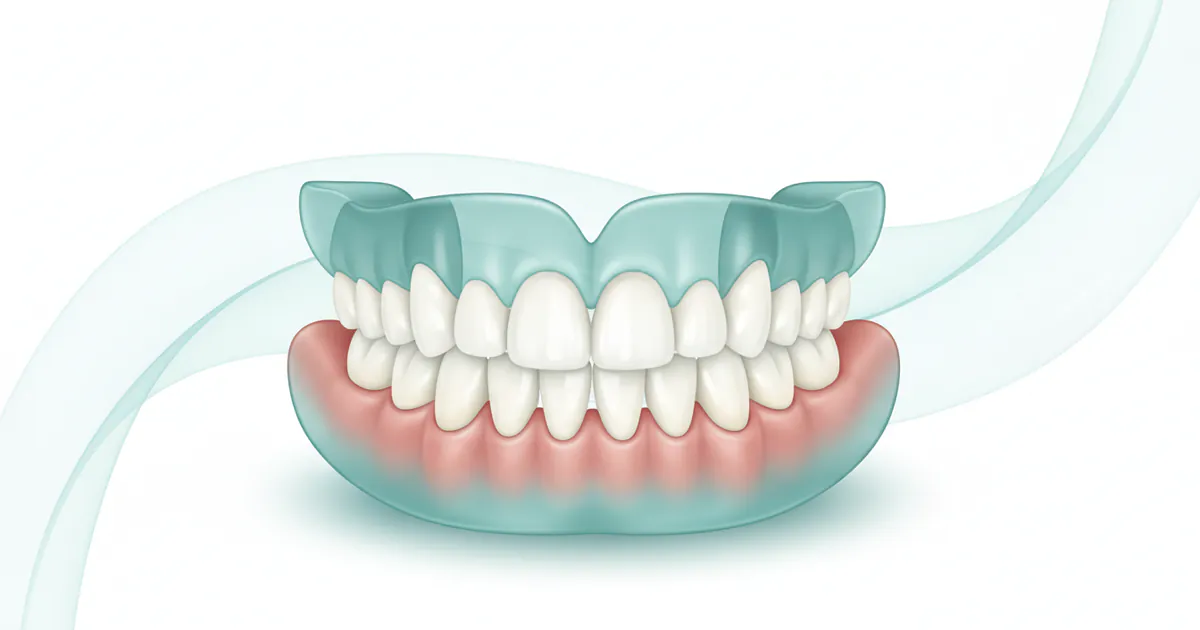
Palateless dentures without implants, often referred to as an "open palate" or "horseshoe-shaped" upper denture, represent a significant advancement in removable prosthetic dentistry. Unlike traditional full upper dentures, which feature a broad acrylic plate that covers the entire roof of your mouth (the palate), palateless dentures are designed to be U-shaped, leaving the palate entirely exposed. This design aims to mimic the natural feel of your mouth more closely, offering substantial benefits in terms of taste, speech, and comfort.
The critical distinction in this article is the "without implants" aspect. While many advanced palateless options are secured with dental implants for superior stability and retention, this guide focuses specifically on the solutions available for individuals who either cannot undergo implant surgery due to medical conditions, prefer a non-surgical approach, or are seeking a more cost-effective alternative. In these cases, the retention of the palateless denture relies primarily on a precise fit to the remaining gum ridge, natural suction, and, sometimes, the strategic use of dental adhesives. The highly customized fit is paramount, as there are no implants to "snap" the denture into place.
The goal of this innovative design is to address common complaints associated with traditional full upper dentures:
- Reduced Taste Perception: The covered palate can block taste buds, making food less enjoyable.
- Speech Difficulties: The bulk of a traditional denture can interfere with tongue movement, leading to lisping or muffled speech.
- Gag Reflex: For many, the presence of a foreign object covering the palate can trigger an uncomfortable gag reflex.
- Lack of Natural Feel: The artificial plate can feel unnatural and intrusive.
By eliminating the palatal coverage, palateless dentures without implants strive to mitigate these issues, offering a more comfortable, functional, and aesthetically pleasing solution for tooth replacement. They are a testament to how dental technology continually evolves to improve patients' quality of life, even within the realm of traditional removable prosthetics.
Types and Variations of Palateless Dentures
The concept of a palateless design primarily applies to upper dentures, as the lower jaw anatomy naturally allows for a horseshoe shape without covering the tongue. When discussing palateless dentures without implants, we generally refer to full upper removable prosthetics or certain types of removable partial dentures (RPDs).
1. Complete Palateless Upper Dentures (Conventional)
These are full upper dentures designed to replace all missing teeth in the upper jaw, but with the palate portion removed.
- Design: They are meticulously crafted to fit snugly along the alveolar ridge (the gum line where teeth once were) and extend slightly onto the soft palate where suction can be generated. The U-shaped design leaves the central roof of the mouth open.
- Retention: Achieved through:
- Suction: The precise fit creates a seal, generating suction between the denture base and the oral tissues. This is the primary mechanism for stability.
- Adhesion: The natural stickiness of saliva contributes to retention. Many users also opt for over-the-counter dental adhesives for enhanced security, especially during the initial adjustment phase or for challenging foods.
- Anatomical Undercuts: The dentist may utilize natural contours or minor undercuts in the jawbone for additional mechanical retention, though this is less prominent than with implants.
- Materials: Typically made from high-quality acrylic resins, sometimes reinforced with a metal mesh embedded within the acrylic for added strength and to reduce the risk of fracture, especially given the open design.
- Ideal Candidates: Individuals with a well-preserved alveolar ridge and sufficient bone structure to support strong suction. They are also ideal for those with a pronounced gag reflex, those desiring better taste, or those medically contraindicated for implant surgery.
2. Removable Partial Palateless Dentures (RPDs)
When a patient still has some healthy natural teeth but needs to replace several missing ones in the upper arch, a removable partial denture can be fabricated in a palateless design.
- Design: These dentures incorporate clasps (usually made of metal, like Vitallium, or sometimes tooth-colored acrylic) that attach to existing natural teeth. The base, which holds the artificial teeth, will also be designed in a horseshoe shape, avoiding the palate.
- Materials:
- Metal Framework (Cast Partial): These are typically the most durable and stable RPDs. A thin, strong metal alloy (e.g., cobalt-chromium like Vitallium) forms the framework, with acrylic and artificial teeth attached. The metal framework allows for a much thinner and less intrusive palateless design compared to an all-acrylic partial.
- Acrylic (Flippers/Interim Partials): All-acrylic partials are generally thicker and less stable. While a palateless design is possible, the bulk required for strength makes them less ideal for long-term palateless use without implants. They are more often used as temporary solutions.
- Flexible (Valplast/Nylon): These are metal-free and offer some flexibility, which can be comfortable. They are often thin enough to naturally avoid extensive palatal coverage, making them a type of palateless option, though their retention can vary.
- Retention: Primarily relies on the clasps engaging with the natural teeth, along with some frictional fit on the gums.
- Ideal Candidates: Patients missing some but not all upper teeth, who prefer a removable option and want to avoid palatal coverage. The natural teeth provide crucial support and stability.
Pro Tip: For patients considering any type of palateless denture without implants, a thorough evaluation by a prosthodontist or experienced general dentist is crucial. The success of these dentures hinges entirely on the quality of the supporting bone ridge, saliva consistency, and the precision of the denture's fit. Without the added stability of implants, these factors become even more critical.
Why People Choose Palateless Dentures (without Implants)
The decision to opt for palateless dentures without implants stems from a variety of personal preferences, medical considerations, and practical factors. While implant-supported dentures offer superior stability, they are not suitable or desirable for everyone. Here are the primary reasons why individuals choose this specific type of dental prosthetic:
1. Addressing Discomfort and Gag Reflex
This is arguably the most common and compelling reason. Many individuals experience a pronounced gag reflex when a traditional full palatal plate covers the roof of their mouth. The constant sensation of a foreign object can be highly uncomfortable, leading to nausea, difficulty inserting/removing the denture, and general aversion. By leaving the palate open, palateless dentures significantly reduce or eliminate this issue, offering a much more tolerable experience.
2. Improved Taste and Temperature Sensation
The palate plays a crucial role in taste perception and sensing food temperature. A traditional denture plate acts as a barrier, dulling these sensations. Patients with palateless dentures often report a noticeable improvement in their ability to taste food and distinguish between hot and cold temperatures, enhancing the overall enjoyment of eating. This contributes significantly to a better quality of life.
3. Enhanced Speech and Articulation
The bulk of a traditional palatal plate can interfere with the tongue's natural movements, leading to speech impediments such as lisping, whistling, or muffled sounds. With the palate open, the tongue has more freedom, allowing for more natural articulation and clearer speech. This can restore confidence in social and professional interactions.
4. Cost-Effectiveness Compared to Implants
While palateless dentures without implants are often more expensive than conventional full palatal dentures due to the intricate design and precision required, they are generally a more affordable option than implant-supported dentures. Dental implants involve surgical procedures, implant components, and often bone grafting, which can significantly increase the total cost. For patients on a budget or those whose insurance coverage for implants is limited, palateless dentures without implants offer an advanced solution at a lower financial entry point.
5. Medical Contraindications for Implant Surgery
Not everyone is a suitable candidate for dental implant surgery. Medical conditions such as uncontrolled diabetes, certain autoimmune diseases, radiation therapy to the head and neck, or prolonged use of specific medications (e.g., bisphosphonates) can compromise the success of implants. Additionally, individuals with insufficient jawbone density who cannot undergo bone grafting, or who face high surgical risks due to other health issues, may find palateless dentures without implants to be their safest and most viable option.
6. Aversion to Surgery
Some patients simply prefer to avoid surgical procedures, regardless of their medical suitability. The idea of undergoing multiple surgeries for implant placement can be daunting. Palateless dentures without implants offer a non-surgical path to achieving many of the benefits of an improved denture experience.
7. Preservation of Existing Anatomy (for Partial Dentures)
For removable partial palateless dentures (RPDs), the ability to retain existing healthy teeth is a significant advantage. These dentures leverage the natural teeth for support and retention, avoiding the need for extractions or implants in those areas.
Pro Tip: Discuss your specific concerns about taste, speech, and gagging with your dentist. They can help determine if a palateless design is appropriate for your unique oral anatomy and lifestyle, even without implant support.
Treatment Options: The Palateless Denture Process
When considering palateless dentures without implants, the "treatment" isn't about addressing a disease, but rather about restoring function and aesthetics through the fabrication and fitting of a custom prosthetic. The process involves several precise steps to ensure the best possible fit and comfort, as the success of these non-implant-retained dentures relies heavily on their intimate contact with your oral tissues.
1. Initial Consultation and Comprehensive Examination
Your journey begins with a thorough dental examination.
- Assessment: The dentist will evaluate your overall oral health, remaining teeth (if any), gum tissue, and the underlying jawbone structure. X-rays, and potentially a 3D CBCT scan, will be taken to assess bone density and identify any anatomical features that could aid or hinder denture retention.
- Discussion: This is your opportunity to discuss your goals, concerns (e.g., gag reflex, taste), and expectations. The dentist will explain whether you are a suitable candidate for palateless dentures without implants and discuss alternative options if needed.
- Extractions (if necessary): If you have remaining unhealthy teeth that need to be removed before receiving a full denture, these extractions will be planned and performed at this stage. Healing time post-extraction is crucial before denture fabrication can begin.
2. Primary Impressions
Once your mouth is ready (healed from extractions, if any), the first set of impressions will be taken.
- Material: A soft, moldable material is placed into a stock tray and inserted into your mouth to create a preliminary mold of your upper arch.
- Purpose: These impressions capture the general shape of your jaw and soft tissues. They are used to create a custom impression tray that will precisely fit your mouth for the next stage.
3. Custom Tray and Final Impressions
This is a critical step for palateless dentures, as retention depends on an extremely accurate fit.
- Custom Tray Fabrication: A dental lab creates a personalized tray based on your primary impressions. This tray is designed to extend precisely to the borders of your supporting tissues.
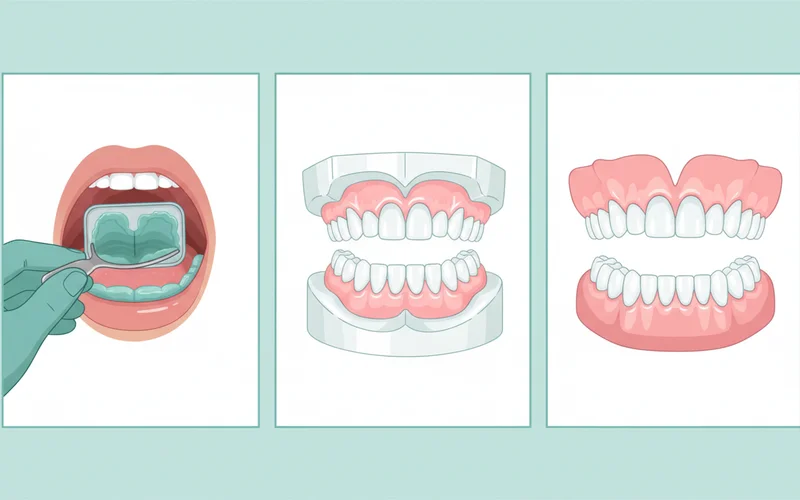
- Border Molding (Muscle Trimming): The dentist will use a heated, moldable material around the edges of the custom tray. You'll be asked to make various facial movements (e.g., smiling, puckering, swallowing) to capture the exact muscle attachments and functional borders of your mouth. This ensures the denture will not be dislodged by normal oral movements.
- Final Impression: A highly accurate impression material is then used with the custom tray to capture the minute details of your gum ridge, palate, and other anatomical features. This impression is the blueprint for your palateless denture.
4. Jaw Relation Records (Bite Registration)
To ensure your new dentures allow for proper biting and chewing, the dentist needs to record how your upper and lower jaws relate to each other.
- Wax Rims: Wax blocks (occlusal rims) are set onto baseplates that replicate your future denture bases.
- Vertical Dimension: The dentist determines the correct vertical height of your bite.
- Centric Relation: You will be guided to bite down in a specific, repeatable position to establish the proper relationship between your upper and lower jaws.
- Tooth Selection: You and your dentist will discuss the shape, size, and shade of the artificial teeth to achieve a natural and aesthetically pleasing smile.
5. Wax Try-In
This is your first opportunity to see what your new palateless denture will look like.
- Setup: The artificial teeth are arranged in wax on the denture base, creating a prototype. The palateless design will be evident at this stage.
- Evaluation: You'll try on the wax denture. The dentist will assess the fit, bite, phonetics (speech), and aesthetics. You can provide feedback on the appearance of the teeth, lip support, and overall comfort. Adjustments can still be made to the tooth arrangement at this stage.
6. Final Denture Fabrication
Once you and the dentist are satisfied with the wax try-in, the denture is sent back to the dental lab for final processing.
- Wax to Acrylic: The wax is replaced with durable, tooth-colored and gum-colored acrylic resin through a heat-curing process. This creates the rigid, final denture.
- Finishing: The denture is polished to a high shine, ensuring smooth surfaces for comfort and hygiene.
7. Denture Insertion and Adjustments
On your final appointment, your new palateless denture is ready for delivery.
- Initial Fit: The dentist will carefully insert the denture and check its fit, stability, and retention.
- Occlusion Check: Your bite will be re-evaluated to ensure the teeth meet correctly.
- Instruction: You'll receive detailed instructions on how to insert, remove, clean, and care for your new dentures.
- Follow-up: Multiple follow-up appointments are almost always necessary for adjustments. As your mouth adapts, pressure points or sore spots may develop, requiring slight modifications to the denture base for optimal comfort.
The entire process, from initial impressions to final delivery, typically takes 4 to 8 weeks, depending on the complexity of your case and the need for any extractions and healing time. Patience during this period is key to achieving a successful and comfortable outcome.
Cost and Insurance for Palateless Dentures Without Implants (US Market)
Understanding the financial aspect of palateless dentures without implants is crucial for patients in the US. The cost can vary significantly based on several factors, and insurance coverage often plays a role, though typically with limitations for advanced prosthetics.
Factors Influencing Cost:
- Type of Denture:
- Full Palateless Upper Denture: Generally higher than partials due to replacing a full arch.
- Removable Partial Palateless Denture (RPD): Cost varies greatly based on material (metal framework vs. all-acrylic vs. flexible). Metal framework partials are more expensive but more durable.
- Materials Used: High-quality, durable acrylics, chrome-cobalt (Vitallium) metal frameworks, and premium artificial teeth will increase the cost. Custom shading and layering of acrylics for a more natural gum appearance can also add to the price.
- Geographic Location: Dental costs tend to be higher in major metropolitan areas and specific regions (e.g., Northeast, West Coast) compared to rural areas or the Midwest.
- Dentist's Experience and Specialization: Prosthodontists (specialists in prosthetics) or highly experienced general dentists may charge more due to their expertise and the precision required for successful palateless dentures without implant support.
- Associated Procedures: The overall cost will increase if you require tooth extractions, bone smoothing (alveoloplasty), or treatment for gum disease before denture fabrication.
- Lab Fees: The quality and sophistication of the dental laboratory that fabricates the denture play a significant role. Custom, precision-crafted dentures involve higher lab fees.
Average US Cost Ranges (Palateless Dentures Without Implants):
- Full Upper Palateless Denture (per arch):
- Economy/Standard: Rarely available in a true palateless design without implants due to the precision required. If available, typically $2,500 - $4,000.
- Mid-Range/Premium: $4,000 - $7,000. This range reflects better materials, more customization, and a higher level of precision in fit and aesthetics.
- Removable Partial Palateless Denture (per arch):
- Acrylic Partial (Interim/Flipper): $900 - $1,800 (less stable, often temporary).
- Metal Framework Partial (Cast Partial, e.g., Vitallium): $1,800 - $3,500. This is the most common and effective type of partial palateless denture without implants, offering superior strength and a thinner profile.
Pro Tip: These costs are per arch. If you need both upper and lower dentures, you would calculate the cost for each.
Insurance Coverage Details:
Dental insurance coverage for dentures, especially for specialized designs like palateless, varies widely.
- Standard Coverage: Most dental insurance plans (PPO, HMO) categorize dentures as a major restorative procedure. They typically cover a percentage of the cost after a deductible is met. This percentage usually ranges from 20% to 50%.
- Annual Maximums: Most plans have an annual maximum benefit, often ranging from $1,000 to $2,000. This means even if your plan covers 50%, you might quickly hit your annual maximum, leaving a substantial out-of-pocket expense for a $4,000-$7,000 denture.
- Waiting Periods: Many plans have waiting periods (e.g., 6-12 months) for major services like dentures.
- Medicare/Medicaid:
- Medicare: Original Medicare (Part A and B) generally does not cover routine dental care, including dentures. Some Medicare Advantage (Part C) plans may offer limited dental benefits, so it's essential to check specific plan details.
- Medicaid: Coverage varies significantly by state. Some state Medicaid programs offer comprehensive dental benefits, including dentures, while others have very limited or no adult dental coverage. You must check with your state's Medicaid program.
- Palateless vs. Standard: Insurance companies typically do not differentiate between a standard full denture and a palateless one in terms of coverage percentage; they cover "dentures" as a category. However, the higher cost of a palateless design means you will reach your out-of-pocket maximum faster.
Related Cost: "Tooth Extraction and Implant Cost"
While this article focuses on palateless dentures without implants, it's important to understand the broader context for patients considering tooth replacement.
- Tooth Extractions: Simple extractions can cost $75 - $300 per tooth. Surgical extractions (e.g., impacted teeth) can range from $150 - $650 per tooth. Multiple extractions for a full arch significantly increase this.
- Dental Implant Cost: A single dental implant (including the implant post, abutment, and crown) can range from $3,000 to $6,000+ per tooth. Full arch implant-supported dentures (e.g., All-on-4, implant-retained overdentures) can cost anywhere from $15,000 to $30,000+ per arch, making palateless dentures without implants a significantly more affordable full arch solution for many.
Comparison Table: Denture Types & Associated Costs (US Averages)
| Feature | Palateless Full Denture (Without Implants) | Traditional Full Denture (With Palate) | Implant-Retained Overdenture (2-4 Implants) |
|---|---|---|---|
| Cost Range (per arch) | $2,500 - $7,000 | $1,500 - $4,500 | $6,000 - $15,000+ |
| Primary Retention | Suction, Adhesion, Precise Fit | Suction, Adhesion, Precise Fit | Dental Implants (snap-in) |
| Taste/Speech | Significantly Improved | Can be compromised | Excellent |
| Comfort | High (no palate coverage, better fit) | Moderate (can feel bulky) | Very High (stable, minimal bulk) |
| Bone Preservation | Does not prevent bone loss | Does not prevent bone loss | Helps preserve bone structure |
| Longevity | 5-10 years (with relines) | 5-10 years (with relines) | 10-15+ years (implants longer) |
| Complexity | High (precise fit crucial) | Moderate | Surgical procedure, high complexity |
Recovery and Aftercare for Palateless Dentures Without Implants
Receiving your new palateless dentures without implants is the beginning of an adjustment period. Proper recovery and consistent aftercare are paramount to ensure comfort, maintain oral health, and extend the lifespan of your prosthetic.
1. The Adjustment Period (Initial Weeks)
Expect a learning curve with your new dentures. This period typically lasts for several weeks to a few months as your mouth, tongue, and facial muscles adapt.
- Soreness and Discomfort: It's common to experience sore spots, especially in the first few days or weeks. This is usually due to pressure points where the denture rubs against the gum tissue. It's crucial to schedule adjustment appointments with your dentist to relieve these spots. Do not try to adjust the denture yourself.
- Eating: Start with soft foods cut into small pieces. Gradually introduce harder and chewier foods. Chew slowly and evenly on both sides of your mouth to prevent the denture from tipping. Avoid sticky or very hard foods initially.
- Speaking: Your speech may sound different at first. Practice reading aloud, speaking slowly, and repeating challenging words. Your tongue and lips need to learn how to articulate sounds with the new denture in place. The absence of a palatal plate should aid in faster speech adaptation compared to traditional dentures.
- Saliva Flow: You may experience an increase in saliva initially, which usually subsides as your mouth adjusts.
2. Daily Cleaning and Hygiene
Maintaining impeccable hygiene for your dentures and your oral tissues is non-negotiable.
- Clean After Every Meal: Remove your dentures and rinse them under running water to remove food particles.
- Brush Daily: Use a soft-bristled denture brush and a non-abrasive denture cleanser (never use regular toothpaste, which can scratch acrylic). Gently brush all surfaces of the denture to remove plaque, food, and bacteria.
- Soak Daily: Soak your dentures in a denture cleaning solution (effervescent tablets or specialized liquids) for the time recommended by the product or your dentist. This helps to loosen plaque, kill bacteria, and keep them fresh.
- Rinse Thoroughly: Always rinse your dentures thoroughly with water before putting them back in your mouth, especially after soaking in a chemical solution.
- Clean Your Mouth: Even without natural teeth, it's vital to clean your gums, tongue, and the roof of your mouth daily with a soft toothbrush or gauze. This removes bacteria, stimulates circulation, and prevents oral infections.
- Overnight Removal: The ADA recommends removing your dentures for at least 6-8 hours daily, preferably overnight, to allow your oral tissues to rest and breathe. Store them in water or a soaking solution to prevent them from drying out and warping.
3. Denture Adhesives (Optional)
For palateless dentures without implants, adhesives can provide additional security and confidence.
- Proper Use: Apply a small amount of adhesive as directed by the product. Too much adhesive can cause oozing and make cleaning difficult.
- Daily Removal: Adhesives should be completely removed from both the denture and your mouth daily. Do not sleep with adhesive on.
- Warning Sign: If you find yourself consistently needing more and more adhesive, or if your denture feels persistently loose, it's a sign that your denture may need a reline or replacement, and you should see your dentist.
4. Regular Dental Check-ups
Even with full dentures, regular dental visits are critical for your overall oral health.
- Annual Exams: Schedule at least annual check-ups with your dentist. These appointments are essential for:
- Oral Cancer Screenings: Your dentist will check for any abnormal changes in your mouth.
- Denture Assessment: They will evaluate the fit, stability, and integrity of your dentures.
- Gum Health: Examination of your gum tissues for any signs of irritation, inflammation, or infection.
- Bone Resorption: Your jawbone naturally changes shape and shrinks over time after tooth loss (a process called bone resorption). This can lead to a loose-fitting denture.
- Relines and Rebases: As your jawbone changes, your denture will eventually become loose.
- Reline: A reline involves adding new acrylic to the fitting surface of your existing denture to re-adapt it to the changing contours of your gums. This is typically needed every 1-2 years.
- Rebase: A rebase involves replacing the entire acrylic base of the denture while keeping the original teeth. This is a more extensive procedure than a reline and is done when the denture base is significantly worn or damaged.
- Denture Replacement: Even with proper care, dentures have a finite lifespan. Typically, a palateless denture without implants will need to be replaced every 5-10 years as the fit deteriorates beyond what a reline can correct, or as the materials wear down.
Pro Tip: Always carry a small, sealable container with water when removing your dentures in public to prevent them from drying out or being damaged.
Prevention: Maintaining Oral Health and Denture Longevity
While palateless dentures without implants replace missing teeth, prevention in this context refers to two main areas: preventing the need for dentures in the first place, and preventing issues that could compromise the success and longevity of your existing dentures.
1. Preventing Tooth Loss (If Applicable)
For those who still have some natural teeth, the best prevention for needing full dentures is to maintain your existing dentition.
- Excellent Oral Hygiene:
- Brush Twice Daily: Use fluoride toothpaste and a soft-bristled brush to clean all surfaces of your teeth and gums.
- Floss Daily: Remove plaque and food particles from between teeth and under the gumline.
- Regular Dental Check-ups and Cleanings: Visit your dentist every six months for professional cleanings and examinations. This allows for early detection and treatment of cavities and gum disease.
- Balanced Diet: Limit sugary and acidic foods and drinks that contribute to tooth decay.
- Protect Your Teeth: Wear a mouthguard during contact sports to prevent trauma. If you grind or clench your teeth (bruxism), a nightguard can protect them from excessive wear.
- Address Gum Disease Promptly: Periodontal disease is a leading cause of tooth loss in adults. If you notice bleeding gums, persistent bad breath, or loose teeth, seek treatment immediately.
2. Preventing Issues with Palateless Dentures
Once you have your palateless dentures, proper care and vigilance are key to preventing complications and extending their lifespan.
- Adhere to Daily Cleaning Routine: As detailed in the Aftercare section, consistently cleaning your dentures and oral tissues prevents the buildup of plaque, calculus, and bacteria, which can lead to denture stomatitis (inflammation under the denture), unpleasant odors, and damage to the denture material.
- Handle with Care: Dentures are fragile. Always hold them over a folded towel or a basin filled with water when handling them, especially during cleaning. Dropping them on a hard surface can cause cracks or breaks.
- Store Properly Overnight: Always remove your dentures at night and store them in water or a denture soaking solution. Allowing them to dry out can cause them to warp and lose their precise fit.
- Avoid Abrasive Materials: Never use abrasive toothpastes, harsh household cleaners, or very hot water on your dentures. These can scratch the acrylic, dull the surface, or cause warping.
- Do Not Self-Adjust: If your denture feels loose, causes sore spots, or breaks, do not attempt to repair or adjust it yourself. Using super glue or trying to file down parts of the denture can cause irreparable damage and harm your oral tissues. Always consult your dentist for repairs or adjustments.
- Regular Dental Check-ups for Denture Assessment: Even if your dentures feel fine, annual visits allow your dentist to check for fit, wear, and potential oral health issues. They can detect subtle changes in your jawbone or gum tissue that you might not notice, indicating the need for a reline before significant problems arise.
- Manage Bone Resorption: While palateless dentures without implants do not prevent bone loss, being aware of it can help manage its effects. As the bone ridge shrinks, the denture's fit will inevitably loosen. Regular relines are a preventive measure against ill-fitting dentures, which can cause chronic sores and further accelerate bone loss.
Pro Tip: If your palateless denture feels consistently loose despite using adhesives, do not delay seeing your dentist. An ill-fitting denture can lead to chronic irritation, fungal infections, and accelerated bone loss in your jaw.
Risks and Complications of Palateless Dentures Without Implants
While palateless dentures without implants offer numerous benefits, it's important for patients to be aware of potential risks and complications. Understanding these can help you manage expectations and know when to seek professional dental attention.
1. Reduced Stability and Retention
This is the primary trade-off when choosing palateless dentures without implants over implant-supported options.
- Dependence on Suction: The success of retention relies heavily on the quality of the supporting gum ridge and the precision of the denture's fit to create a vacuum seal. If the ridge is flat or highly resorbed, achieving adequate suction can be challenging.
- Dislodgement: Without the mechanical locking mechanism of implants, palateless dentures may be more prone to dislodging during chewing hard or sticky foods, vigorous speaking, or coughing/sneezing. This can lead to embarrassment and frustration.
- Need for Adhesives: Many users find they need to rely on dental adhesives daily to enhance stability and confidence, which adds to daily maintenance.
2. Bone Resorption and Changes in Fit
A significant long-term complication of all traditional dentures (those not supported by implants) is the continuous process of alveolar bone resorption.
- Bone Shrinkage: After teeth are lost, the jawbone no longer receives the stimulation it once did, leading to a gradual and irreversible shrinkage of the bone ridge. This process can be more pronounced and faster in the upper jaw.
- Deteriorating Fit: As the underlying bone shrinks, the shape of your gum ridge changes, causing the denture to become progressively looser over time. This leads to reduced stability, food particles getting trapped, and increased pressure on specific areas of the gums.
- Need for Relines/Rebases: To maintain a good fit, dentures require periodic relines (adding material to the denture base) every 1-2 years and eventually a rebase or complete replacement every 5-10 years. Failure to do so can lead to chronic irritation and further accelerate bone loss.
3. Sore Spots and Oral Lesions
- Pressure Points: Ill-fitting dentures or dentures that have not been adequately adjusted can create chronic pressure spots on the gums, leading to soreness, redness, and ulcers (oral lesions).
- Denture Stomatitis: This is a common fungal infection (Candidiasis) that can occur under the denture, especially if hygiene is poor, or the denture is worn continuously. Symptoms include redness, inflammation, and sometimes burning sensations in the palate.
- Angular Cheilitis: Fungal infection at the corners of the mouth, often associated with a reduced vertical dimension (collapsed bite) due to worn-out dentures or severe bone loss, leading to saliva pooling.
4. Difficulty with Chewing and Speech
- Initial Adjustment: As mentioned, there's an initial period of difficulty with eating and speaking as your mouth adapts. While the palateless design aids speech, it still requires learning to control the denture.
- Reduced Chewing Efficiency: Even well-fitting traditional dentures provide significantly less chewing power compared to natural teeth or implant-supported options. This can limit dietary choices and impact nutrition.
- Persistent Issues: If the denture is not properly fitted or adjusted, ongoing difficulties with mastication (chewing) and articulation can persist.
5. Denture Breakage and Damage
- Fragility: Dentures are made of acrylic, which can crack or break if dropped, bitten into hard objects, or subjected to excessive forces. The open design of palateless dentures might, in some cases, make them slightly more vulnerable to fracture if not properly reinforced.
- Wear and Tear: Over time, the artificial teeth can wear down, affecting your bite and chewing efficiency. The acrylic base can also become stained or degrade.
6. Aesthetic Concerns (Less Common)
While the goal is natural aesthetics, sometimes a denture may not perfectly match your natural gum shade or tooth color, or the retention is so poor it affects your confidence. A skilled prosthodontist or dentist minimizes this risk through careful selection and customization.
Pro Tip: If you experience persistent pain, chronic sores, unusual changes in your oral tissues, or if your dentures feel increasingly loose, contact your dentist immediately. Early intervention can prevent minor issues from becoming major complications.
Cost Breakdown: A Detailed Look at Expenses
A detailed understanding of the cost components for palateless dentures without implants in the US is essential for financial planning. As discussed, prices vary, but breaking down the typical expenditures can provide a clearer picture.
Average US Costs (Ranges):
- Full Upper Palateless Denture (Premium Quality): $4,000 - $7,000 per arch
- This typically includes all stages of fabrication, from impressions to final adjustments.
- Lower cost options ($2,500 - $4,000) might be available but may involve less durable materials or less customization.
- Removable Partial Palateless Denture (Metal Framework): $1,800 - $3,500 per arch
- Cost for an acrylic "flipper" or temporary partial could be $900 - $1,800.
Associated Costs (Additional Procedures & Maintenance):
- Tooth Extractions: If you need teeth removed before getting a full denture.
- Simple Extraction: $75 - $300 per tooth
- Surgical Extraction (e.g., impacted or fractured tooth): $150 - $650 per tooth
- Full Mouth Extractions: Can range from $1,500 - $5,000+ depending on complexity and number of teeth.
- Alveoloplasty (Bone Smoothing): If your jawbone has sharp edges or irregularities after extractions that need to be smoothed for a comfortable denture fit.
- Cost: $150 - $500 per quadrant.
- Denture Reline: Required every 1-2 years as your jawbone changes.
- Soft Reline (chairside): $200 - $400
- Hard Reline (lab-processed): $300 - $600
- Denture Rebase: Less common than reline, replacing the entire base while keeping original teeth.
- Cost: $500 - $1,000+
- Denture Repair: For cracks or broken teeth.
- Cost: $100 - $300 (varies by complexity)
- Dental Adhesives & Cleaners: Ongoing monthly cost.
- Adhesives: $5 - $20 per month
- Cleaning tablets/solutions: $5 - $15 per month
- Follow-up Appointments & Adjustments: Usually included in the initial denture cost for a set period (e.g., 6 months). Subsequent adjustments may be charged.
- Single Adjustment: $50 - $150 (if not included)
With vs. Without Insurance:
- Without Insurance (Self-Pay): You are responsible for the full cost. Many dental offices offer discounts for cash payments or payment in full.
- With Insurance: As discussed, dental insurance typically covers 20% to 50% of major restorative procedures like dentures, up to an annual maximum (often $1,000 - $2,000).
- Example: If your palateless denture costs $5,000 and your insurance covers 50% with a $1,500 annual maximum, you would still pay $3,500 out-of-pocket (initial $2,500 plus the remaining $1,000 after your maximum is met).
- It's crucial to check with your specific insurance provider for exact coverage details, deductibles, waiting periods, and annual maximums.
Payment Plans and Financing Options:
Many dental practices understand the significant investment involved and offer various payment solutions:
- In-House Payment Plans: Some offices provide interest-free payment plans, allowing you to pay in installments over several months.
- Third-Party Medical Financing: Companies like CareCredit or LendingClub offer specialized healthcare credit cards with deferred interest options or low-interest financing over longer periods.
- Flexible Spending Accounts (FSA) / Health Savings Accounts (HSA): If you have an FSA or HSA through your employer, you can use these tax-advantaged accounts to pay for dental expenses, including dentures, with pre-tax dollars.
- Personal Loans: Banks or credit unions may offer personal loans for larger expenses, though interest rates can vary.
Cost-Saving Tips:
- Compare Dentists: Get quotes from several dentists in your area. Ensure you are comparing apples to apples (e.g., same materials, included adjustments).
- Dental Schools: University dental schools often provide services at a reduced cost. The work is performed by students under the supervision of experienced faculty.
- Payment in Full Discount: Ask your dentist if they offer a discount for paying the full amount upfront.
- Consider Timing with Insurance: If your annual maximum resets at a specific time (e.g., January 1st), you might be able to split the treatment over two calendar years to maximize your benefits if your plan has a new annual max each year.
- Preventive Care: The best cost-saving tip is to prevent the need for extensive work. For partial denture candidates, meticulous oral hygiene on your remaining teeth can prevent further tooth loss. For full denture wearers, diligent aftercare extends the life of your dentures and minimizes the need for costly repairs or early replacements.
Comparison Table: Total Cost Considerations
| Scenario | Estimated Cost Range (US) | Notes |
|---|---|---|
| Full Upper Palateless Denture (no extractions) | $4,000 - $7,000 | Base cost for a premium quality denture. |
| Full Upper Palateless + 8-10 Extractions | $5,500 - $12,000+ | Includes surgical extractions, alveoloplasty, and denture. |
| Metal Framework Partial Palateless | $1,800 - $3,500 | Cost if remaining teeth are healthy. |
| Annual Maintenance (Reline + Cleaners) | $300 - $600 annually | Essential for comfort, fit, and hygiene. |
| Full Upper Palateless + Max Insurance Benefit | $2,500 - $5,500 (out-of-pocket) | Assumes $1,500 insurance coverage on a $4,000-$7,000 denture. |
This detailed breakdown should help you budget and make informed financial decisions regarding palateless dentures without implants.
Frequently Asked Questions
H3: Are palateless dentures without implants comfortable?
Yes, for many individuals, palateless dentures are significantly more comfortable than traditional full upper dentures. By eliminating the acrylic plate that covers the roof of your mouth, they reduce the sensation of bulkiness, minimize the gag reflex, and allow for a more natural feel. However, an initial adjustment period with some soreness is common, and the comfort relies heavily on a precise fit to your gum ridge.
H3: How do palateless dentures without implants stay in?
These dentures rely on a combination of factors for retention: an exceptionally precise fit to your underlying gum ridge and palate tissues, natural suction created by a tight seal, and the cohesive properties of saliva. Many patients also choose to use a small amount of dental adhesive to enhance security and confidence throughout the day, especially for eating or speaking.
H3: How long do palateless dentures last?
With proper care, regular cleaning, and consistent annual dental check-ups, palateless dentures without implants typically last 5 to 10 years. However, due to natural jawbone changes (resorption) over time, they will likely require relines (adjustments to the fitting surface) every 1-2 years to maintain their fit and comfort. Eventually, a full replacement will be necessary as the fit deteriorates beyond effective relining.
H3: Can I eat normally with palateless dentures?
You will be able to eat a wide variety of foods with palateless dentures, but it will require an adjustment period. Start with soft foods and gradually introduce harder items, chewing slowly and evenly on both sides of your mouth. While chewing efficiency will be improved compared to poorly fitting dentures, it may not reach the level of natural teeth or implant-supported prosthetics. Sticky, very hard, or tough foods might still pose challenges.
H3: What's the main difference between palateless dentures and implant-supported dentures?
The key difference lies in retention and stability. Palateless dentures without implants rely solely on suction and fit to the gum ridge, offering improved comfort over traditional dentures. Implant-supported dentures, however, are secured by dental implants surgically placed in the jawbone, providing superior stability, retention, and chewing power, and helping to prevent bone loss. This also eliminates the need for adhesives.
H3: Is it painful to get palateless dentures?
The process of getting palateless dentures involves impressions and fittings, which are generally not painful. If extractions are needed, these are performed under local anesthetic (or sedation if desired), so you won't feel pain during the procedure. After insertion, it's normal to experience some initial soreness, pressure points, or minor discomfort as your mouth adjusts, but this is usually managed with pain relievers and follow-up adjustments from your dentist.
H3: Do I still need to see a dentist with palateless dentures?
Absolutely. Regular dental check-ups, typically once a year, are crucial. Your dentist will examine your oral tissues for any signs of irritation, infection, or oral cancer. They will also assess the fit and condition of your dentures, recommending relines or adjustments as needed to maintain comfort and prevent complications arising from a loose fit and continuous bone resorption.
H3: Can you get Invisalign with an implant?
Yes, it is generally possible to undergo Invisalign treatment if you have dental implants, but with a critical caveat: implants cannot be moved. Invisalign works by subtly shifting natural teeth. If you have implants, the orthodontic treatment will be designed to move the surrounding natural teeth into their desired positions, treating the implant as a stable anchor that will not change its location. Your orthodontist will need to carefully plan your treatment around any existing implants.
H3: Are palateless dentures more expensive than traditional dentures?
Yes, typically they are. The specialized design, meticulous craftsmanship, and precision required to achieve adequate retention without the support of a full palate or implants often make palateless dentures a more premium and therefore more expensive option than standard full upper dentures.
H3: What if my palateless denture feels loose after a while?
It's very common for dentures to feel loose over time due to natural changes in your jawbone (bone resorption). If your palateless denture becomes loose, it's a clear sign that you need to schedule an appointment with your dentist. They will assess the fit and likely recommend a reline (adding new material to the denture base) to re-adapt it to the current contours of your gums, restoring comfort and stability. Do not attempt to fix it yourself.
When to See a Dentist
Navigating life with palateless dentures without implants requires attentive self-care and knowing when to seek professional dental intervention. While some minor discomfort during the initial adjustment period is normal, certain signs warrant immediate or timely attention from your dentist.
Schedule a Routine Appointment If You Notice:
- Denture Looseness: Your denture feels consistently loose, even with adhesives, or requires increasing amounts of adhesive to stay in place. This is a common sign that your jawbone has changed and your denture needs a reline.
- Mild Sore Spots or Discomfort: You develop persistent, mild sore spots or discomfort that don't resolve after a few days or weeks post-insertion. These usually indicate pressure points that need minor adjustments.
- Difficulty with Chewing or Speaking: If you continue to struggle with eating certain foods or articulating clearly after the initial adjustment period.
- Changes in Oral Tissues: Any persistent redness, inflammation, or changes in the appearance of your gums, tongue, or the roof of your mouth that are not painful but seem unusual.
- Minor Chips or Cracks: Small, non-debilitating damage to the denture that doesn't compromise its function but could worsen over time.
- Denture Odor: Persistent bad breath or an unpleasant odor coming from your dentures, even after thorough cleaning, could indicate bacterial or fungal buildup.
- Due for Annual Check-up: Even if everything feels fine, maintaining your annual oral health check-ups is vital for overall health and to assess the long-term fit and function of your dentures.
Seek Prompt Attention (Within a Few Days) If You Experience:
- Persistent or Severe Pain: Sharp, throbbing, or unbearable pain under your denture or in your oral tissues that doesn't subside with over-the-counter pain medication.
- Open Sores or Ulcers: Any open sores, lesions, or ulcers that appear under your denture and do not heal within a few days, as these can be a sign of infection or more serious irritation.
- Sudden Changes in Fit: If your denture suddenly feels significantly looser or tighter, or if it breaks.
- Difficulty Swallowing: This can be a sign of severe irritation or other oral health issues.
- Signs of Infection: Redness, swelling, pus, or fever, particularly if accompanied by pain under the denture.
- Complete Denture Breakage: If your denture cracks completely in half or becomes unusable. Do not attempt to glue it back together.
Emergency Care (Immediate Attention):
- Severe Swelling: Any sudden and significant swelling in your mouth, face, or neck, especially if accompanied by difficulty breathing or swallowing.
- Uncontrolled Bleeding: Bleeding that doesn't stop after applying gentle pressure.
- Trauma: If you sustain a blow to the mouth that affects your dentures or oral tissues, even if you don't feel immediate pain.
Remember, your dental health is an ongoing journey. Maintaining open communication with your dentist and addressing concerns promptly will ensure the longevity and comfort of your palateless dentures without implants, contributing significantly to your overall well-being.
Frequently Asked Questions
Medically Reviewed Content
This article was written by our dental health editorial team and reviewed for medical accuracy. Our content follows strict editorial guidelines for reliability and trustworthiness.
Medical Disclaimer
This article is for informational purposes only and does not constitute medical advice. Always consult with a qualified dental professional for diagnosis and treatment. Do not delay seeking professional advice because of something you read on this website.
Related Articles
Implantologist: Complete Guide
Losing a tooth can be a significant setback, impacting not only your smile but also your ability to speak, chew, and maintain overall oral health. In fact, over 3 million Americans currently have dental implants, and that number is projected to grow significantly as more people seek a durable, n
March 8, 2026
Dentures Over Implants: Complete Guide
Missing multiple teeth or even an entire arch can profoundly impact your life, affecting everything from your ability to chew and speak to your self-confidence. For millions of Americans, traditional removable dentures have long been a solution, but they often come with compromises: slipping, discom
March 8, 2026
Implants Process: Complete Guide
Missing teeth can impact more than just your smile; they can affect your ability to eat, speak, and even your overall confidence. In fact, over 178 million Americans are missing at least one tooth, and about 40 million are missing all of their teeth. When faced with tooth loss, understanding the
March 8, 2026
Implants Dentaires: Complete Guide
Missing teeth can dramatically impact not just your smile, but your overall health, confidence, and quality of life. In the United States, an estimated 178 million adults are missing at least one tooth, while approximately 40 million are missing all their teeth. These statistics underscore a
March 8, 2026