Same Day Implant: Complete Guide
Key Takeaways
- Imagine losing a tooth and walking out of your dentist's office just hours later with a fully functional, natural-looking replacement. For millions of Americans, tooth loss is a harsh reality, impacting everything from eating and speaking to self-confidence. In fact, according to the American Colleg
Same Day Implant: Complete Guide
Imagine losing a tooth and walking out of your dentist's office just hours later with a fully functional, natural-looking replacement. For millions of Americans, tooth loss is a harsh reality, impacting everything from eating and speaking to self-confidence. In fact, according to the American College of Prosthodontists, 120 million Americans are missing at least one tooth, and more than 36 million are missing all their teeth. While traditional dental implant procedures often require multiple visits spread over several months, the advent of the same day implant has revolutionized tooth replacement, offering a swift and efficient solution for eligible patients. This guide will delve into what a same day implant entails, who can benefit from this advanced procedure, its process, costs, recovery, and much more, providing a comprehensive resource to help you understand if this innovative dental solution is right for you.
Key Takeaways:
- Same day implants allow for tooth extraction, implant placement, and a temporary crown/bridge in a single appointment, often within hours.
- The implant post itself is a titanium tooth implant, known for its biocompatibility and strength.
- Cost for a single same day implant typically ranges from $3,000 to $6,500 in the US, excluding the final crown. Full arch solutions can range from $20,000 to $40,000+ per arch.
- Recovery involves a soft diet for several weeks, diligent oral hygiene, and careful management of chewing forces to ensure proper osseointegration.
- Ideal candidates have good general and oral health, sufficient bone density, and are non-smokers.
- While not all implants fail, in rare cases where an implant needs removal, procedures can be coded using implant removal ADA code depending on the complexity of the extraction.
- Success rates for same day implants are comparable to traditional implants, often exceeding 95% with proper patient selection and care.
What is a Same Day Implant?
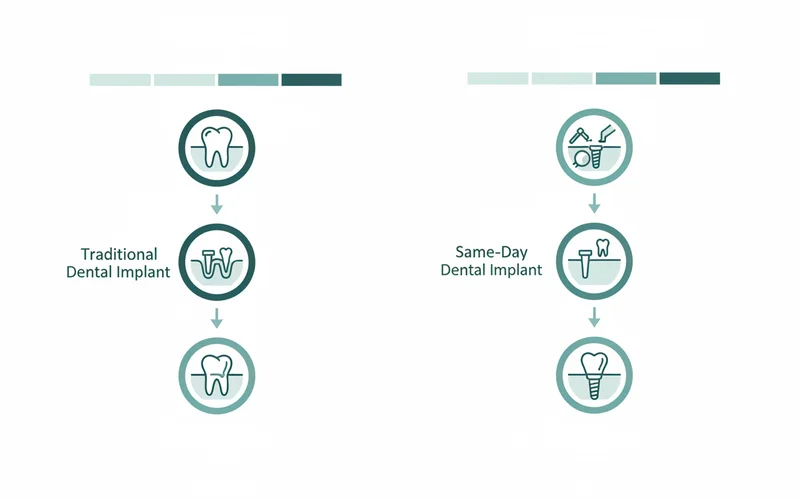
A same day implant, also commonly referred to as an immediate load implant or Teeth-in-a-Day, is an advanced dental procedure that allows for the placement of a dental implant and a provisional (temporary) crown, bridge, or denture during a single surgical appointment. This means that, in many cases, you can have a damaged or missing tooth extracted, the titanium tooth implant surgically placed into your jawbone, and a temporary restoration attached to it, all within the same visit. This revolutionary approach eliminates the lengthy waiting periods traditionally associated with dental implant treatment, where patients might wait months between implant placement and the attachment of their permanent prosthetic.
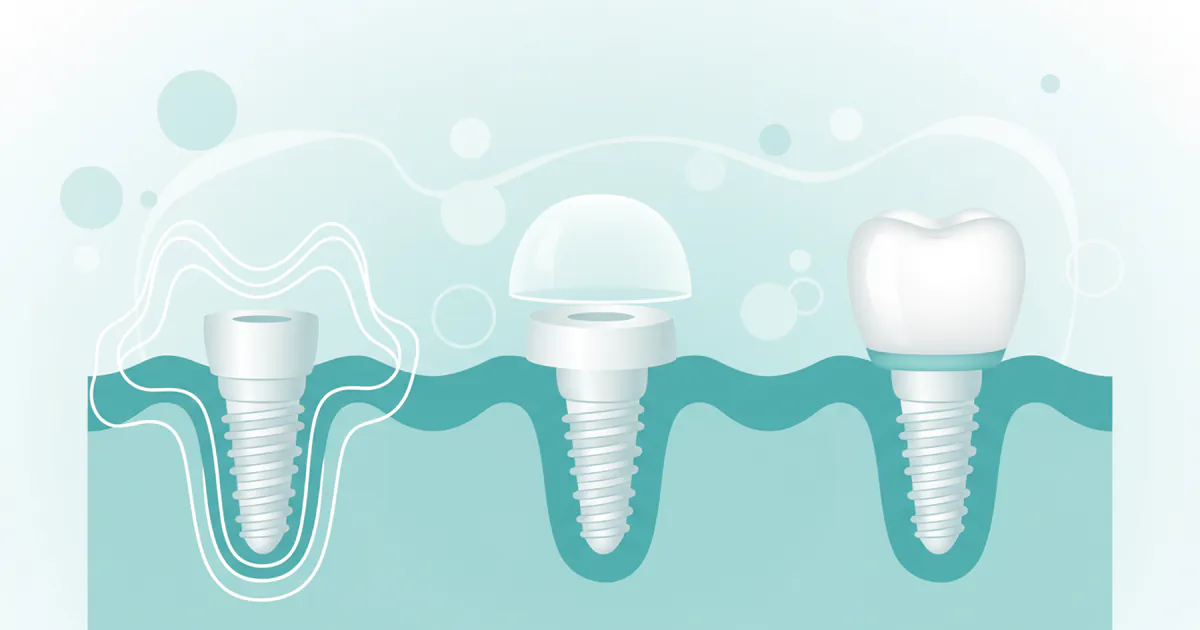
The core component of any dental implant, including same day implants, is the implant post itself. This post is almost universally a titanium tooth implant, a small, screw-shaped device meticulously crafted from medical-grade titanium. Titanium is chosen for its exceptional biocompatibility, meaning it's readily accepted by the human body and has a unique ability to fuse directly with bone in a process called osseointegration. This biological fusion creates a stable, durable foundation for the replacement tooth, mimicking the natural tooth root.
The key differentiator for same day implants lies in the ability to immediately load the implant with a temporary restoration. This immediate loading is possible when the implant achieves sufficient primary stability upon placement, meaning it's securely anchored in the bone without significant movement. This stability allows the temporary crown or bridge to be placed without disrupting the critical early stages of osseointegration. While the temporary restoration is immediately functional and aesthetically pleasing, it’s crucial to understand that it serves as a placeholder. The bone healing and fusion process still takes several months, after which a permanent, custom-fabricated crown, bridge, or denture will replace the temporary one.
Who is a Candidate for Same Day Implants?
While the concept of a same day implant is appealing, not everyone is an ideal candidate. The success of immediate loading heavily relies on specific patient characteristics and oral health conditions. Your dental professional will conduct a thorough evaluation to determine your suitability.
Key Criteria for Candidacy:
- Good General Health: Patients should be in overall good health. Uncontrolled systemic diseases such as diabetes, certain autoimmune disorders, or conditions that impair healing can compromise the success of the implant.
- Excellent Oral Health: The absence of active gum disease (periodontitis) or other oral infections is critical. Any existing infections must be treated and resolved prior to implant placement.
- Sufficient Bone Density and Volume: This is perhaps the most crucial factor. The jawbone must have adequate density and volume to provide strong primary stability for the implant immediately after placement. Advanced 3D imaging (CBCT scans) is used to assess bone quality and quantity precisely. Without sufficient bone, immediate loading is risky, and a traditional staged approach or bone grafting may be necessary.
- Non-Smoker (Preferably): Smoking significantly impairs healing and blood flow, dramatically increasing the risk of implant failure. While not an absolute contraindication, smokers are generally advised to quit or significantly reduce smoking before and after the procedure.
- Good Oral Hygiene Habits: A commitment to meticulous oral hygiene is essential for both short-term healing and long-term success of the implant.
- Adequate Space: There must be enough space in the jaw for the implant without impinging on adjacent teeth or anatomical structures like nerves or sinuses.
- Controlled Bite Forces: Patients with severe bruxism (teeth grinding) may not be suitable, as excessive forces can jeopardize the implant's stability during the critical healing phase.
If you are missing a single tooth due to trauma or decay, or require multiple teeth extractions and replacements, a same day implant could be an excellent solution, provided you meet these stringent criteria. The decision to proceed with same day implants is always made in consultation with your dentist or oral surgeon, based on a comprehensive assessment of your unique clinical situation.
Types and Variations of Same Day Implants
The term "same day implant" can refer to several different approaches, depending on the number of teeth being replaced and the specific clinical situation.
1. Single Tooth Immediate Implant Placement and Restoration
This is the most straightforward application of the same day implant concept. If you have a single tooth that needs to be extracted due to severe decay, fracture, or trauma, and the surrounding bone is healthy, the failing tooth can be removed, and a titanium tooth implant placed into the fresh extraction socket. Immediately after, a custom-designed temporary crown is attached to the implant. This provides an instant aesthetic and functional solution, allowing you to leave the office with a new "tooth" the same day.
2. Multiple Teeth/Full Arch Immediate Loading (e.g., All-on-4, All-on-6)
For patients missing multiple teeth or an entire arch of teeth, or those facing extraction of all remaining teeth in an arch, immediate full-arch restoration is a transformative option. Techniques like "All-on-4" or "All-on-6" are popular variations:
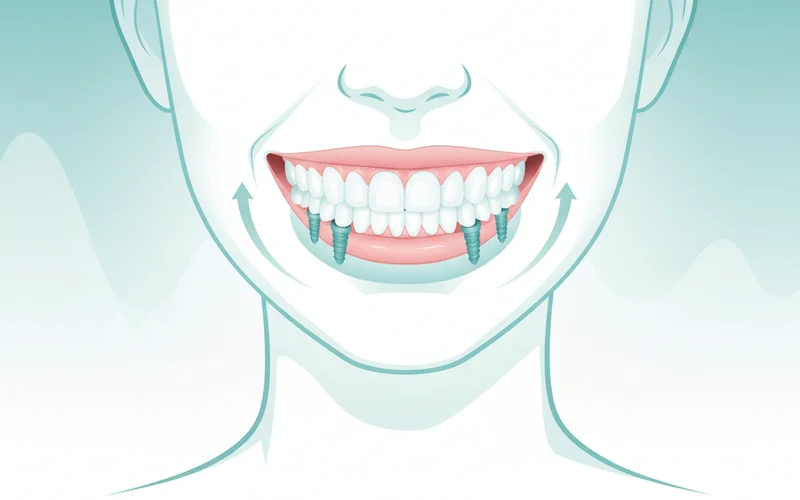
- All-on-4/6: This involves strategically placing four or six dental implants in the jawbone to support a full arch of prosthetic teeth (a complete bridge or denture). The implants are typically placed at specific angles to maximize contact with existing bone, often avoiding the need for extensive bone grafting. Once the implants achieve primary stability, a temporary, fixed bridge is attached, allowing the patient to have a full set of functional teeth on the same day. This temporary bridge is later replaced with a permanent, more durable restoration after osseointegration is complete.
- Full Mouth Implants with Immediate Loading: In cases where both upper and lower arches require replacement, a similar protocol is followed for both, allowing for a complete set of immediate provisional teeth.
3. Immediate Provisional vs. Immediate Permanent Restoration
It's important to distinguish between the types of restorations placed on the same day:
- Immediate Provisional Restoration: In most same day implant procedures, the restoration placed on the day of surgery is a temporary crown, bridge, or denture. These provisional restorations are designed to be aesthetically pleasing and functional for chewing soft foods, but they are not intended for heavy chewing during the initial healing phase. Their primary purpose is to maintain aesthetics, provide limited function, and protect the healing implant site. They are typically made from acrylic or composite resin. After the osseointegration period (3-6 months), these temporaries are replaced with durable, custom-fabricated permanent restorations (porcelain, zirconia, or metal-ceramic).
- Immediate Permanent Restoration: While less common for single-tooth implants due to the challenges of fabricating a highly durable permanent crown chairside, some advanced clinics with in-house labs and CAD/CAM technology may offer immediate permanent restorations, particularly for certain full-arch cases where a highly precise milled bridge can be immediately seated. However, even in these scenarios, careful patient selection and precise bite management are critical. Most often, the permanent restoration is placed after complete healing.
The choice of approach depends on your specific needs, bone health, the number of teeth involved, and the expertise of your dental team.
The Same Day Implant Process: What to Expect
The same day implant process is a meticulously planned and executed procedure designed for efficiency and optimal outcomes. While the exact steps may vary slightly based on individual cases, here's a general overview:
Initial Consultation and Planning
This is the foundational stage. Your journey begins with a comprehensive dental examination, including a review of your medical history, oral health assessment, and detailed diagnostic imaging.
- 3D Imaging (CBCT Scan): A Cone Beam Computed Tomography (CBCT) scan is essential. This advanced imaging provides highly detailed 3D views of your jawbone, nerve pathways, sinus cavities, and existing teeth. It allows your dental surgeon to precisely assess bone density and volume, identify ideal implant placement sites, and plan the surgery digitally.
- Digital Planning and Design: Using specialized software, your dentist will virtually place the implants, determine their exact angulation and depth, and design your immediate temporary restoration. This digital blueprint ensures precision and predicts the surgical outcome.
- Custom Abutment/Crown Fabrication: Based on the digital plan, a temporary crown, bridge, or denture is custom-fabricated ahead of time, ensuring it's ready for placement on the day of surgery. This often involves CAD/CAM (Computer-Aided Design/Computer-Aided Manufacturing) technology.
Extraction (If Necessary)
If you have a failing tooth that needs to be replaced, it will be gently extracted at the beginning of the same day appointment. The goal is to preserve as much surrounding bone as possible for optimal implant placement.
Implant Placement
This is the surgical phase where the titanium tooth implant is meticulously placed into your jawbone.
- Anesthesia: You'll receive local anesthesia to numb the surgical area. Sedation options (oral, IV) are often available to ensure your comfort throughout the procedure.
- Site Preparation: After extraction (if applicable), the implant site is prepared using specialized drills to create a precise osteotomy (a hole) in the jawbone.
- Implant Insertion: The titanium implant post is then carefully screwed into the prepared site. The surgeon will ensure it achieves high primary stability, which is crucial for immediate loading.
- Gum Closure (Minor): In many cases, the gum tissue around the implant is meticulously closed or shaped to facilitate healing and aesthetics.
Immediate Restoration Placement
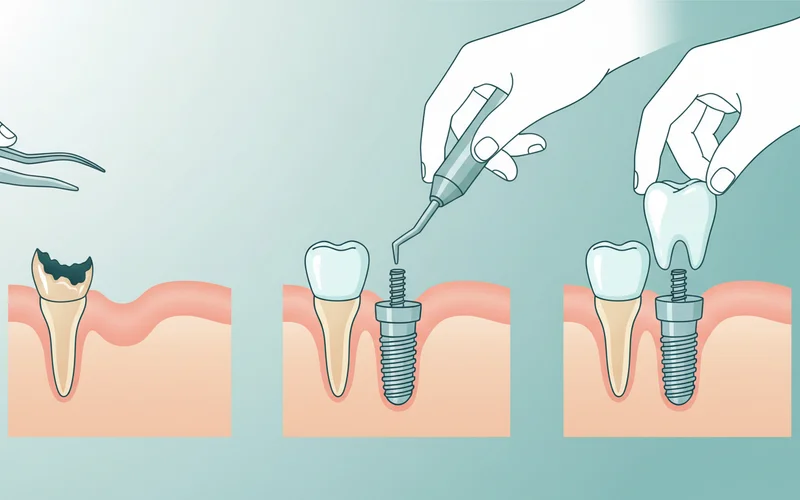
Once the implant is securely in place and adequate primary stability is confirmed, the pre-fabricated temporary restoration is attached.
- Abutment Placement: A small connector piece called an abutment is attached to the top of the implant.
- Crown/Bridge Attachment: The custom-made temporary crown, bridge, or full-arch prosthesis is then carefully seated onto the abutment and secured. Your dentist will check your bite to ensure it's comfortable and not placing excessive force on the new implant.
You will leave the office with a functional and aesthetically pleasing temporary tooth or set of teeth.
Osseointegration and Final Restoration
While you have a tooth on the same day, the critical biological process of osseointegration still needs to occur.
- Osseointegration Period: Over the next 3 to 6 months, your jawbone will naturally fuse with the titanium surface of the implant, creating a strong, permanent bond. During this time, it's crucial to follow your dentist's post-operative instructions, especially regarding diet, to avoid putting undue stress on the healing implant.
- Final Restoration Placement: Once osseointegration is complete and your implant is fully stable, you will return for the placement of your permanent crown, bridge, or denture. This final restoration is typically made from highly durable materials like porcelain or zirconia, customized to match your natural teeth in shape, size, and color, providing superior aesthetics and long-term function.
Benefits of Same Day Implants
The appeal of same day implants stems from a multitude of advantages they offer over traditional multi-stage implant procedures:
- Immediate Aesthetics: Perhaps the most significant benefit, especially for teeth in the highly visible "smile zone," is the ability to walk out of the dental office with a natural-looking temporary tooth. This instantly restores your smile and boosts your confidence.
- Immediate Function: While cautious eating is required, patients can often resume eating soft foods on the same day, avoiding the inconvenience of going without teeth or wearing removable dentures during the healing phase.
- Reduced Treatment Time: The entire process, from extraction to temporary tooth placement, is condensed into a single visit, drastically shortening the overall treatment timeline compared to traditional implants which can take many months.
- Preservation of Bone Structure: Placing an implant immediately after extraction helps to preserve the bone volume in the jaw. Without an implant, the bone naturally begins to resorb (shrink) once a tooth is lost. The implant acts as a stimulus, mimicking the natural tooth root and signaling the bone to remain intact.
- Minimization of Surgical Procedures: For many patients, same day implants reduce the total number of surgical appointments, making the overall experience less invasive and more comfortable.
- Enhanced Patient Comfort and Convenience: Avoiding the gaps in your smile and the need for temporary removable prosthetics greatly improves psychological comfort and daily convenience.
- Improved Speech: Missing teeth can affect speech clarity. An immediate restoration helps maintain normal speech patterns.
Risks and Potential Complications
While same day implants boast a high success rate, typically above 95%, like any surgical procedure, there are potential risks and complications. Understanding these can help you make an informed decision.
- Implant Failure (Lack of Osseointegration): This is the most significant risk. If the implant does not properly fuse with the jawbone, it can become loose or fall out. Factors contributing to failure include insufficient primary stability during placement, infection, excessive force on the implant during healing, poor bone quality, or patient health conditions.
- Infection: Although sterile techniques are used, any surgical site can be prone to infection. Symptoms include pain, swelling, pus, and fever. Antibiotics are often prescribed to prevent this.
- Nerve Damage: In the lower jaw, there's a risk of injuring the inferior alveolar nerve, which runs through the jawbone and supplies sensation to the chin and lower lip. This can lead to numbness, tingling, or altered sensation (paresthesia) in those areas, which can be temporary or, rarely, permanent. Precise planning with CBCT scans minimizes this risk.
- Sinus Perforation: For implants placed in the upper jaw, particularly in the molar region, there's a risk of perforating the maxillary sinus cavity. While minor perforations often heal on their own, larger ones may require intervention or a sinus lift procedure.
- Fracture of Jawbone: Very rare, but excessive force during implant placement or unusual bone conditions could lead to a small fracture.
- Damage to Adjacent Teeth or Structures: Though uncommon with careful planning, there's a slight risk of damaging nearby tooth roots or other anatomical structures.
- Peri-implantitis: This is an inflammatory condition affecting the gum and bone tissues surrounding a dental implant, similar to gum disease around natural teeth. It can lead to bone loss and eventual implant failure if not treated. Poor oral hygiene is a primary contributing factor.
- Temporary Restoration Issues: The provisional crown or bridge, being temporary, can sometimes chip, fracture, or detach, requiring a visit for repair or reattachment.
- Implant Removal: In the unfortunate event of an implant failing to integrate or developing severe complications like irreversible peri-implantitis, the implant may need to be removed. This procedure, known as explantation, involves carefully extracting the titanium post from the jawbone. The implant removal ADA code (such as D6100 for explantation of implant, without bone replacement, or D6101 for explantation of implant, with bone replacement) would be used for billing purposes in such a scenario, though this is a less common outcome for most patients.
Pro Tip: Choose an experienced and highly qualified dental surgeon or periodontist for your same day implant procedure. Their expertise in surgical planning and execution significantly reduces the likelihood of complications.
Recovery and Aftercare
Proper recovery and diligent aftercare are paramount for the long-term success of your same day implant. Following your dentist's instructions precisely will help ensure successful osseointegration and minimize complications.
Immediate Post-Operative Care (First 24-72 hours)
- Pain Management: You will likely experience some discomfort after the anesthesia wears off. Your dentist will prescribe pain medication (prescription or over-the-counter options like ibuprofen) to manage this. Take as directed.
- Swelling and Bruising: Swelling and minor bruising are common. Apply an ice pack to the outside of your face, over the surgical area, for 15-20 minutes on, 15-20 minutes off, for the first 24-48 hours.
- Bleeding: Some light bleeding or oozing is normal. You may be instructed to bite gently on a gauze pad placed over the surgical site. Avoid spitting or rinsing vigorously, as this can dislodge the blood clot and lead to dry socket.
- Diet: Stick to a soft food diet immediately after surgery. Avoid hot liquids, crunchy, chewy, or spicy foods. Think mashed potatoes, yogurt, smoothies, lukewarm soup, scrambled eggs.
- Oral Hygiene: Do NOT brush the surgical site for the first 224 hours. Your dentist may provide an antiseptic mouthwash (like chlorhexidine) to gently rinse your mouth, starting the day after surgery. Rinse gently, do not swish forcefully. You can carefully brush other areas of your mouth.
- Rest: Get plenty of rest and avoid strenuous activities for at least 48-72 hours. Elevating your head while sleeping can help reduce swelling.
- Avoid Smoking and Alcohol: Both can severely impair healing and should be avoided entirely during the recovery period.
Long-Term Care (Weeks to Months)
- Soft Diet Continuation: Continue a modified soft diet for several weeks, or as advised by your dentist. It's crucial to avoid putting excessive chewing forces on the newly placed implant, even with the temporary crown. This allows the implant to fuse with the bone undisturbed.
- Diligent Oral Hygiene: Once initial healing allows, maintain excellent oral hygiene. Gently brush around the implant site using a soft-bristled toothbrush. Flossing and interdental brushes are vital to keep the area clean and prevent plaque buildup, which can lead to peri-implantitis.
- Follow-Up Appointments: Attend all scheduled follow-up appointments. Your dentist will monitor the healing process, check the implant's stability, and eventually prepare for the placement of your permanent restoration.
- Avoid Disturbing the Site: Do not poke, prod, or excessively touch the implant site with your tongue or fingers.
- Be Patient: Osseointegration takes time. The temporary crown provides immediate aesthetics, but the long-term success relies on the biological fusion occurring beneath the surface.
Pro Tip: While your temporary tooth looks and feels good, remember it's still temporary. Stick to a soft diet and be mindful of chewing until your dentist gives you the green light to resume normal eating. This small sacrifice ensures the long-term success of your permanent implant.
Cost of Same Day Implants
The cost of same day implants in the United States can vary significantly based on several factors, including the number of implants, the type of restoration, geographic location, the complexity of the case, and the experience of the dental professional. It’s important to understand that the quoted price typically includes the implant post (the titanium tooth implant), the abutment, and the temporary crown/bridge. The final permanent restoration will be an additional cost incurred after the healing period.
Average US Costs (Ranges)
- Single Same Day Implant (including temporary crown):
- Low: $3,000 - $4,500
- Mid: $4,500 - $6,500
- High: $6,500 - $8,000+
- Note: These ranges generally do not include the cost of the final permanent crown, which can add another $1,000 - $3,000.
- Multiple Same Day Implants (e.g., 2-4 implants with temporary bridge):
- This is highly variable, but expect costs to be proportional to the number of implants, plus the cost of the bridge.
- Each additional implant can add $1,500 - $3,000+.
- A multi-unit temporary bridge can range from $3,000 - $7,000.
- Full Arch Same Day Implants (e.g., All-on-4/6 with temporary fixed bridge):
- Low: $20,000 - $28,000 per arch
- Mid: $28,000 - $35,000 per arch
- High: $35,000 - $45,000+ per arch
- These are for the immediate temporary bridge. The final permanent bridge will add substantial cost, often another $5,000 - $15,000+ per arch depending on materials and complexity.
Factors Influencing Cost
- Geographic Location: Costs tend to be higher in major metropolitan areas (e.g., New York, Los Angeles) compared to rural areas.
- Dentist's Experience and Specialization: Highly experienced oral surgeons, periodontists, or prosthodontists specializing in implantology may charge more due to their expertise.
- Complexity of the Case: Factors like the need for extractions, bone grafting (if immediate placement isn't fully possible, though less common with same day), or managing existing infections will increase the overall cost.
- Materials Used: While the implant itself is titanium, the temporary and permanent crowns/bridges can be made from various materials (e.g., acrylic, composite, porcelain, zirconia), affecting the final price.
- Diagnostic Procedures: The cost of 3D imaging (CBCT scan) and digital planning is typically included but can sometimes be itemized.
- Sedation: Anesthesia options beyond local anesthetic (e.g., oral sedation, IV sedation) will add to the total cost.
Table 1: Estimated Cost Range for Same Day Implants (US Market)
| Procedure Type | Estimated Cost Range (Immediate Temporary Restorations Included) | Additional Cost for Final Permanent Restoration (Approximate) |
|---|---|---|
| Single Same Day Implant | $3,000 - $8,000 | $1,000 - $3,000 |
| Multiple Same Day Implants (2-4) | $6,000 - $18,000 | $3,000 - $10,000 |
| Full Arch (All-on-4/6) per arch | $20,000 - $45,000 | $5,000 - $15,000+ |
Insurance Coverage and Financing Options
Dental Insurance
Dental insurance coverage for dental implants is highly variable and often limited.
- Partial Coverage: Many dental insurance plans consider implants a "major procedure" and may cover only a small percentage (e.g., 20-50%) of the total cost, up to an annual maximum (often $1,000 - $2,000).
- Waiting Periods: Some plans have waiting periods (6-12 months) before major procedures are covered.
- No Coverage: Some older or basic plans may not cover implants at all, viewing them as cosmetic or experimental, although this is becoming less common as implants are recognized as the standard of care.
- Diagnostic Codes: When implants fail and require removal, the implant removal ADA code (e.g., D6100) would be used for billing, and insurance coverage for such a procedure would depend on your specific plan's terms for complications or follow-up procedures.
It is crucial to contact your insurance provider directly and get a pre-treatment estimate from your dental office to understand your exact out-of-pocket expenses.
Medical Insurance
Generally, medical insurance does not cover dental implants unless they are deemed medically necessary due to a severe accident, tumor removal, or a congenital defect that affects the jaw and requires reconstruction. This is rare for routine tooth loss.
Payment Plans and Financing Options
Given the significant investment, many dental practices offer or work with third-party financing options to make same day implants more accessible:
- In-Office Payment Plans: Some dental offices offer interest-free payment plans, allowing you to pay for the procedure over several months.
- Dental Financing Companies: Companies like CareCredit or LendingClub offer specialized healthcare credit cards or loans with various interest rates and payment terms, including promotional periods with no interest.
- Personal Loans: Banks or credit unions offer personal loans that can be used for dental expenses.
- Flexible Spending Accounts (FSAs) / Health Savings Accounts (HSAs): If you have an FSA or HSA through your employer, you can use pre-tax dollars to pay for dental implant procedures, offering significant tax savings.
Cost-Saving Tips:
- Shop Around: Get quotes from a few different highly qualified dental professionals.
- Maximize Insurance: Understand your benefits and annual maximums.
- Consider Dental Schools: University dental schools often offer procedures at a reduced cost, performed by supervised students or residents.
- Review All-Inclusive Packages: Some offices offer package deals for full-arch implants, which can sometimes be more cost-effective than piecemeal billing.
Comparing Same Day vs. Traditional Implants
Understanding the differences between same day and traditional dental implants is crucial when making a decision about your tooth replacement options.
Table 2: Comparison of Same Day vs. Traditional Dental Implants
| Feature | Same Day Implants (Immediate Load) | Traditional Implants (Two-Stage) |
|---|---|---|
| Timeline | Single Appointment for placement & temporary crown. Total treatment can be 4-7 months (including osseointegration & permanent crown). | Multiple appointments over 6-9+ months. Implants placed, then 3-6 month healing period, then abutment placement, then another healing period, then crown. |
| Number of Appointments | Fewer overall appointments (typically 1 surgical + 2-3 follow-ups). | More appointments (1 surgical + several healing visits + 1 abutment surgical + several crown visits). |
| Immediate Function | Yes, immediate temporary crown/bridge placed and functional (soft diet initially). | No, implant typically left to heal submerged under gum tissue for months. Patient goes without tooth or wears a removable temporary denture. |
| Cost | Generally comparable or slightly higher due to advanced planning, technology, and immediate provisional. | Generally comparable or slightly lower for just the implant placement, but total cost might be similar with additional temporary prosthetics. |
| Suitability | Strict patient selection: Requires excellent bone density, good general health, non-smoker, skilled surgeon. Ideal for single or full-arch cases. | Wider range of candidates, including those with moderate bone loss (often requiring bone grafting) or less ideal health conditions. More forgiving of less-than-perfect bone. |
| Aesthetics | Immediate aesthetic restoration. | Delayed aesthetics, requiring patient to wait months or use removable temporaries. |
| Bone Preservation | Excellent, especially when placed immediately after extraction. | Good, but often performed after bone healing post-extraction, sometimes requiring additional bone grafting. |
| Risks | Higher risk if primary stability is not achieved or patient adherence to soft diet is poor, potentially leading to immediate failure. | Lower risk of immediate failure due to delayed loading, but still subject to risks of infection and non-integration over time. |
When Same Day Implants Aren't an Option
Despite their many benefits, same day implants are not suitable for everyone. Certain conditions can make traditional implants or alternative solutions a more appropriate choice.
- Insufficient Bone Density or Volume: This is the most common reason. If the jawbone lacks the necessary density or volume to provide sufficient primary stability for the implant immediately after placement, immediate loading is not advisable. Trying to force it would significantly increase the risk of implant failure. In these cases, bone grafting procedures would be necessary, followed by a waiting period for bone healing (typically 3-9 months) before implant placement.
- Active Periodontal Disease or Oral Infection: Any active gum disease or infection in the area of implant placement must be treated and resolved before surgery. Placing an implant in an infected environment drastically increases the risk of infection and failure.
- Uncontrolled Systemic Diseases: Conditions like uncontrolled diabetes, severe autoimmune disorders, or diseases that compromise the immune system or healing process can contraindicate same day implants. Good overall health and stable management of chronic conditions are critical.
- Heavy Smokers: Smoking severely impedes blood flow and healing, significantly increasing the risk of implant failure. While some dentists may proceed with caution, many will advise against immediate loading for heavy smokers due to the elevated risk.
- Severe Bruxism (Teeth Grinding/Clenching): Patients who severely grind or clench their teeth exert excessive forces on their teeth and jaw. These forces can compromise the delicate osseointegration process of a newly placed implant, leading to failure. While mouthguards can help, severe cases may still preclude immediate loading.
- Poor Oral Hygiene: A lack of commitment to meticulous oral hygiene increases the risk of peri-implantitis and other complications. Patients must be willing and able to maintain excellent oral care.
- Compromised Jawbone Quality: In some instances, even with sufficient volume, the quality of the bone may not be dense enough to hold the implant securely for immediate loading.
- Acute Trauma or Extensive Bone Loss from Extraction: If a tooth extraction was particularly traumatic or resulted in significant bone loss, immediate implant placement might not be feasible, requiring bone grafting and delayed placement.
Your dentist will thoroughly evaluate your individual case using advanced diagnostics to determine if same day implants are the safest and most effective option for you.
Prevention of Tooth Loss Leading to Implants
While dental implants are a fantastic solution for missing teeth, prevention is always the best approach. Protecting your natural teeth can help you avoid the need for implants altogether.
- Practice Excellent Oral Hygiene: This is the cornerstone of preventing tooth loss. Brush your teeth twice a day for two minutes with fluoride toothpaste and floss daily to remove plaque and food particles that lead to cavities and gum disease.
- Regular Dental Check-ups and Cleanings: Visit your dentist every six months (or as recommended) for professional cleanings and examinations. Early detection of cavities, gum disease, or other issues can prevent them from escalating to tooth loss.
- Balanced Diet: Limit sugary foods and drinks that contribute to tooth decay. A diet rich in vitamins and minerals supports overall oral health.
- Avoid Tobacco Products: Smoking and chewing tobacco are major risk factors for gum disease, tooth decay, and oral cancer, all of which can lead to tooth loss. Quitting is one of the best things you can do for your oral and overall health.
- Wear a Mouthguard: If you participate in contact sports or activities with a risk of facial impact, wear a custom-fitted mouthguard to protect your teeth from trauma. If you grind or clench your teeth (bruxism) at night, a nightguard can prevent excessive wear and potential fractures that could lead to tooth loss.
- Address Dental Problems Promptly: Don't ignore tooth pain, sensitivity, or bleeding gums. Seek professional dental care immediately for any concerns to prevent minor issues from becoming major problems.
- Limit Alcohol Consumption: Excessive alcohol intake can contribute to dry mouth, which increases the risk of tooth decay and gum disease.
Children / Pediatric Considerations
Dental implants, including same day implants, are not applicable for children or adolescents whose jawbones are still growing and developing. The American Dental Association (ADA) and virtually all dental professionals recommend waiting until jaw growth is complete, typically in the late teens to early twenties (around 18 for females and 20-22 for males), before considering dental implants. Placing an implant in a growing jaw can interfere with natural bone development and lead to the implant appearing "sunken" or misaligned as the surrounding bone continues to mature.
For children or teens who have lost teeth due to trauma or other reasons, temporary solutions such as space maintainers, removable partial dentures (flippers), or even orthodontic treatment to close spaces are typically used until they reach skeletal maturity.
Frequently Asked Questions
What is the success rate for same day implants?
The success rate for same day implants is generally very high, comparable to traditional implants, often exceeding 95% when proper patient selection criteria are met and the procedure is performed by an experienced professional. Factors like bone quality, oral hygiene, and adherence to aftercare instructions play a significant role.
How painful is the same day implant procedure?
With modern local anesthesia and available sedation options (oral, IV sedation), the actual implant placement procedure is typically not painful. You might feel pressure or vibrations, but no sharp pain. Post-operative discomfort is common but manageable with prescribed pain medication, usually subsiding within a few days.
How long does a same day implant procedure take?
A single same day implant procedure, including extraction (if needed), implant placement, and temporary crown attachment, usually takes 1 to 2 hours. For multiple implants or full-arch solutions like All-on-4, the surgical phase can take 2 to 4 hours. The planning and preparation beforehand are extensive to ensure efficiency on the day of surgery.
Can I eat normally after getting a same day implant?
No, you cannot immediately eat normally. While you will have a functional temporary tooth, it is crucial to follow a soft food diet for several weeks (typically 4-8 weeks) to allow the implant to osseointegrate (fuse with the bone) without being subjected to excessive chewing forces. Your dentist will provide specific dietary guidelines.
Are there any alternatives to same day implants?
Yes, alternatives include:
- Traditional Dental Implants: A staged approach with a healing period between implant placement and crown attachment.
- Dental Bridges: A fixed prosthetic that uses adjacent teeth as anchors, requiring alteration of healthy teeth.
- Removable Partial or Full Dentures: Non-fixed prosthetics that can be removed for cleaning, often less stable than implants.
- No Treatment: Not recommended as it can lead to bone loss, shifting teeth, and further oral health issues.
How long do same day implants last?
With proper care, good oral hygiene, and regular dental check-ups, the titanium tooth implant itself can last a lifetime. The permanent crowns or bridges placed on top of the implants typically last 10-15 years or more, though they may need replacement due to wear and tear over time.
Will my insurance cover same day implants?
Dental insurance coverage varies widely. Many plans offer partial coverage for implants (often 20-50% up to an annual maximum), while some may not cover them at all. It's essential to contact your specific insurance provider for a detailed breakdown of your benefits and any waiting periods.
What happens if a same day implant fails?
If a same day implant fails to integrate or becomes loose, it may need to be removed. This procedure is called explantation, and your dentist would use an implant removal ADA code for billing. After removal, the site would be allowed to heal, and depending on the cause of failure and bone condition, another implant might be placed at a later date, possibly with bone grafting.
Is bone grafting always needed for same day implants?
No, bone grafting is typically not needed for same day implants. Good bone density and volume are prerequisites for this procedure. If bone grafting is necessary due to insufficient bone, it usually means you are not a candidate for immediate loading and would require a traditional, staged implant approach after the graft has healed.
Can same day implants be used for all missing teeth?
Yes, same day implants can be an excellent solution for replacing an entire arch of missing teeth using techniques like All-on-4 or All-on-6, where a full set of temporary, fixed teeth are placed on the same day. However, candidacy still depends on overall health and bone availability.
When to See a Dentist
If you are considering tooth replacement or experiencing any dental issues, knowing when to see a dentist is crucial for maintaining your oral health and preventing further complications.
Schedule a consultation for same day implants if:
- You are missing one or more teeth.
- You have a severely damaged tooth that needs extraction and replacement.
- You are wearing a removable partial or full denture and desire a more stable, permanent solution.
- You have good general health and are looking for a faster, more efficient implant solution.
See your dentist immediately if you experience any of these red flags:
- Severe or persistent tooth pain: This could indicate a deep cavity, infection, or fractured tooth.
- Swelling in your gums, face, or jaw: A sign of a serious infection or abscess that needs urgent attention.
- Loose teeth: This is an indicator of advanced gum disease or trauma.
- Bleeding gums that don't stop with gentle brushing/flossing: May point to gum disease or other underlying issues.
- Pain or difficulty chewing: Could be due to a damaged tooth, jaw joint issues, or an infection.
- Signs of implant complications (if you already have implants):
- Persistent pain or discomfort around the implant.
- Swelling or pus drainage near the implant.
- A loose or mobile implant.
- Difficulty cleaning around the implant.
Even if you don't have pressing concerns, regular dental check-ups (typically every six months) are essential. These routine visits allow your dentist to catch potential problems early, perform professional cleanings, and discuss preventive measures or treatment options, including whether advanced solutions like same day implants might be beneficial for you in the future.
Frequently Asked Questions
Medically Reviewed Content
This article was written by our dental health editorial team and reviewed for medical accuracy. Our content follows strict editorial guidelines for reliability and trustworthiness.
Medical Disclaimer
This article is for informational purposes only and does not constitute medical advice. Always consult with a qualified dental professional for diagnosis and treatment. Do not delay seeking professional advice because of something you read on this website.
Related Articles
Implantologist: Complete Guide
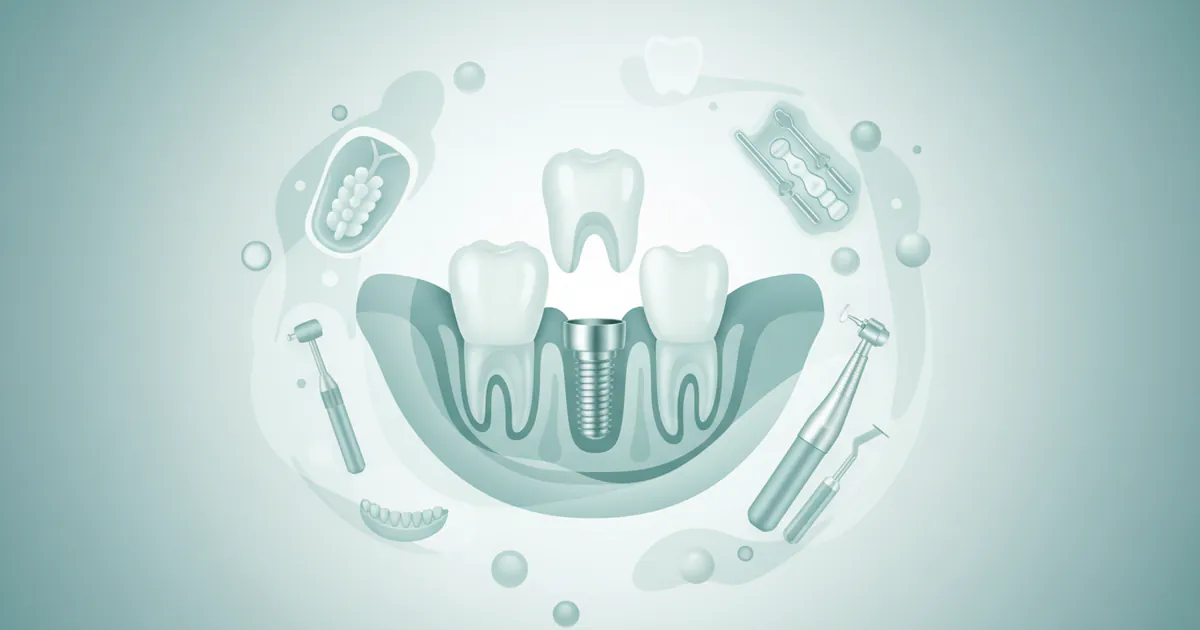
Losing a tooth can be a significant setback, impacting not only your smile but also your ability to speak, chew, and maintain overall oral health. In fact, over 3 million Americans currently have dental implants, and that number is projected to grow significantly as more people seek a durable, n
March 8, 2026
Dentures Over Implants: Complete Guide
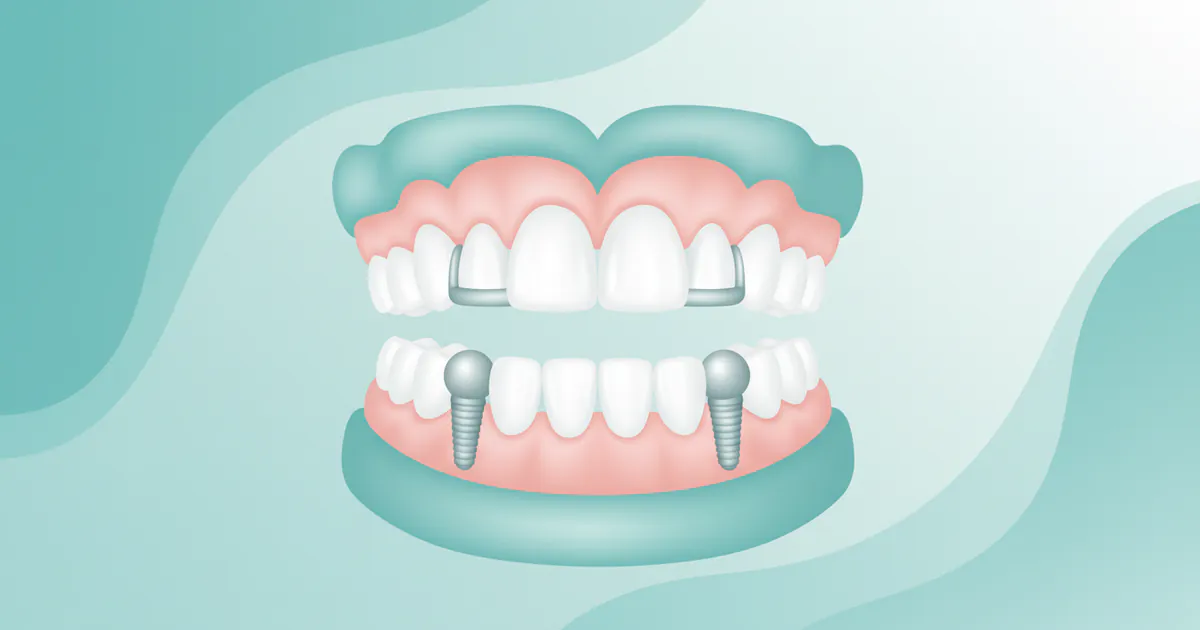
Missing multiple teeth or even an entire arch can profoundly impact your life, affecting everything from your ability to chew and speak to your self-confidence. For millions of Americans, traditional removable dentures have long been a solution, but they often come with compromises: slipping, discom
March 8, 2026
Implants Process: Complete Guide
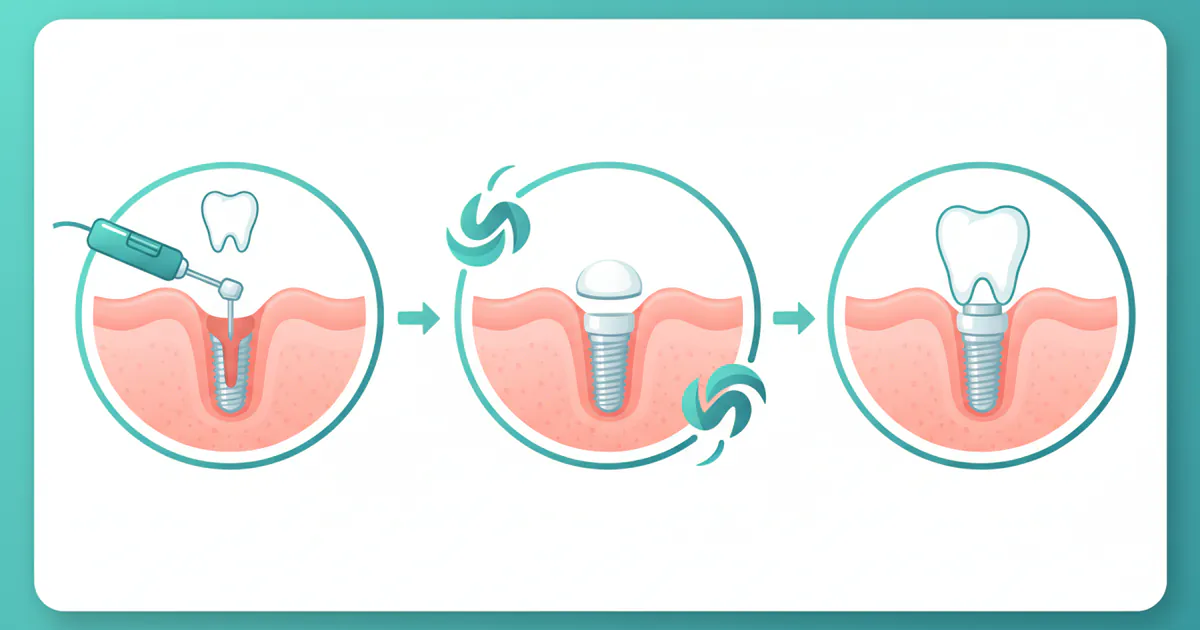
Missing teeth can impact more than just your smile; they can affect your ability to eat, speak, and even your overall confidence. In fact, over 178 million Americans are missing at least one tooth, and about 40 million are missing all of their teeth. When faced with tooth loss, understanding the
March 8, 2026
Implants Dentaires: Complete Guide
Missing teeth can dramatically impact not just your smile, but your overall health, confidence, and quality of life. In the United States, an estimated 178 million adults are missing at least one tooth, while approximately 40 million are missing all their teeth. These statistics underscore a
March 8, 2026