Titanium Implant: Complete Guide
Key Takeaways
- The loss of a natural tooth can be more than just an aesthetic concern; it can profoundly impact your ability to chew, speak, and even affect the structure of your jawbone over time. In fact, over 178 million Americans are missing at least one tooth, and about **40 million are missing all their
The loss of a natural tooth can be more than just an aesthetic concern; it can profoundly impact your ability to chew, speak, and even affect the structure of your jawbone over time. In fact, over 178 million Americans are missing at least one tooth, and about 40 million are missing all their teeth. For many, the advanced solution lies in a titanium implant, a revolutionary dental innovation that offers a durable, long-lasting, and remarkably natural-feeling replacement for missing teeth. This comprehensive guide will delve deep into everything you need to know about titanium dental implants, from their underlying science and various applications to the step-by-step process, associated costs, and crucial aftercare. We’ll explore how they compare to traditional alternatives like dentures and bridges, helping you understand why a titanium implant could be the optimal choice for restoring your smile, health, and confidence.
Key Takeaways:
- Titanium implants are biocompatible, surgically placed tooth roots that fuse with your jawbone, offering a stable foundation for artificial teeth.
- The process typically involves multiple stages over 3-9 months, including initial consultation, implant placement, osseointegration (healing), and final restoration.
- Costs for a single titanium implant with a crown in the US generally range from $3,000 to $6,000, while full arch implant-supported dentures can range from $20,000 to $50,000 per arch.
- Osseointegration, the fusion of the titanium implant with the jawbone, is crucial for success and can take 3-6 months.
- Snap-in dentures (removable implant-supported overdentures) offer greater stability than conventional dentures for $10,000-$25,000 per arch, while fixed implant-supported dentures (permanent) provide maximum stability and comfort for $20,000-$50,000 per arch.
- Success rates are high, typically 95-98%, with proper oral hygiene and regular dental check-ups being vital for long-term health.
- Dental insurance often covers only a small portion, if any, of implant costs, typically classifying them as major restorative procedures. Financing options are widely available.
What is a Titanium Implant? An Overview
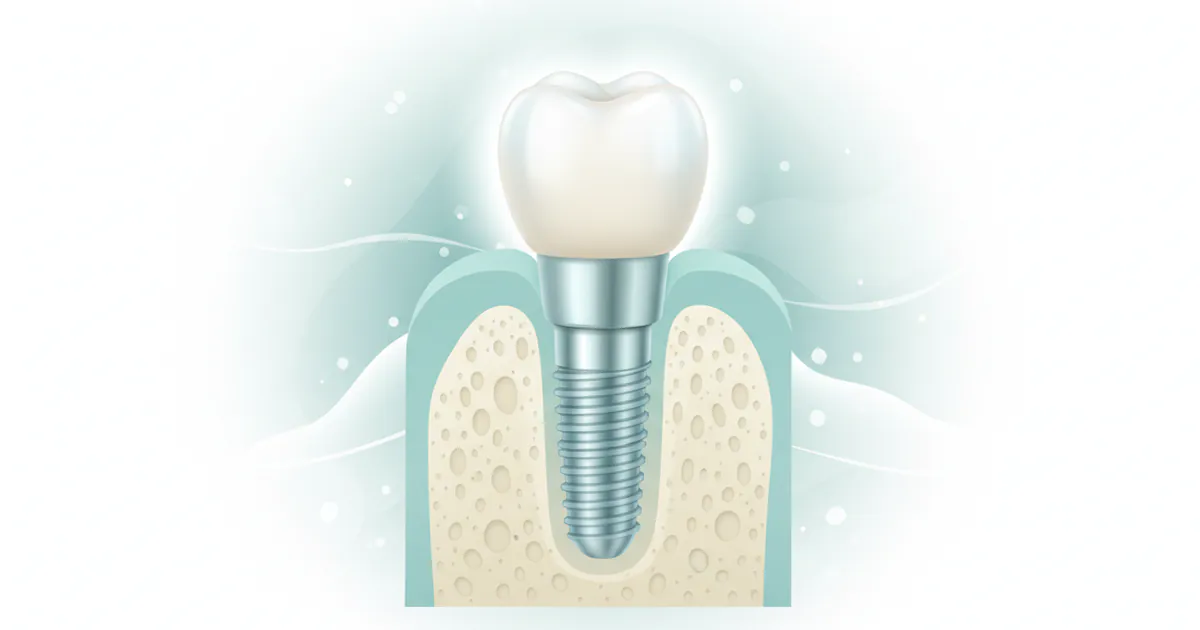
A titanium implant is essentially a small, screw-shaped post made from medical-grade titanium that serves as an artificial root for a missing tooth. It is surgically placed into your jawbone, where it gradually fuses with the bone in a process called osseointegration. This unique biological phenomenon, discovered in the 1960s by Swedish orthopedic surgeon Per-Ingvar Brånemark, is what makes dental implants so incredibly stable and durable. Titanium is the material of choice due to its exceptional biocompatibility, meaning it is well-tolerated by the human body and rarely causes allergic reactions or rejection. This property allows the bone cells to grow directly onto and around the implant surface, creating a strong, permanent anchor.
Once osseointegration is complete, an abutment (a connector post) is attached to the implant, which then supports a custom-made crown, bridge, or denture. The result is a tooth replacement that looks, feels, and functions almost identically to a natural tooth. Unlike traditional bridges that rely on adjacent teeth for support or conventional dentures that rest on the gums, titanium implants stand alone, preserving your natural tooth structure and stimulating the jawbone to prevent bone loss, a common consequence of missing teeth.
Types and Variations of Titanium Implants
While the core material remains titanium, dental implants come in various forms and are used to support different types of restorations. Understanding these variations is crucial for determining the best solution for your specific needs.
Implant Body Types
- Endosteal Implants: These are the most common type of titanium implant, meaning "in the bone." They are typically screw-shaped (like a small cylinder or tapered post) and are surgically placed directly into the jawbone. They are suitable for most patients with sufficient bone density and are the workhorse of modern implant dentistry.
- Subperiosteal Implants: Less common today, these implants consist of a metal framework that rests on top of the jawbone, just under the gum tissue. They are used for patients who cannot wear conventional dentures and have minimal bone height. Their use has significantly declined with advancements in bone grafting techniques for endosteal implants.
- Mini Dental Implants (MDIs): These are smaller in diameter than traditional endosteal implants (typically less than 3mm). MDIs are often used for stabilizing lower dentures, particularly for patients with limited bone width or those seeking a less invasive, more affordable option. While still titanium, their smaller size means they exert less force and may not be suitable for single tooth replacement in high-stress areas.
Restorations Supported by Titanium Implants
The type of restoration an implant supports is perhaps the most significant variation for patients:
1. Single Tooth Implant
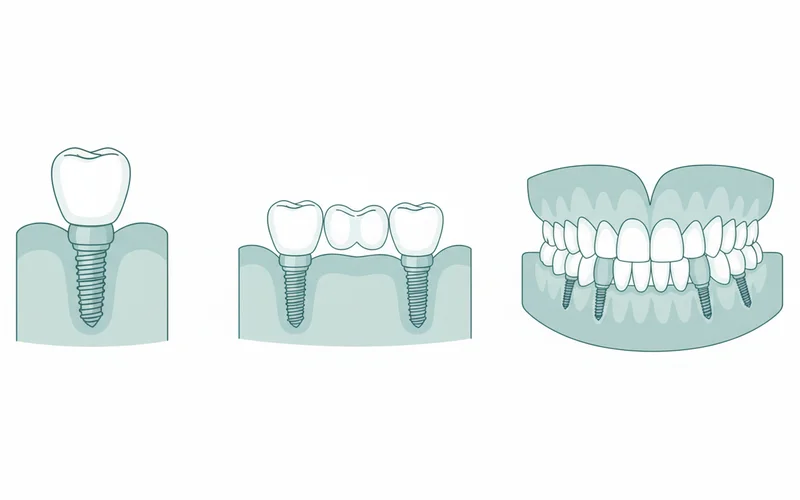
- Description: A single titanium implant is placed to replace one missing tooth. An abutment is attached, and then a custom-fabricated porcelain or zirconia crown is cemented or screwed onto the abutment.
- Pros: Functions like a natural tooth, preserves adjacent teeth (unlike a bridge), prevents bone loss in that area, excellent aesthetics.
- Cons: Higher initial cost than a traditional bridge.
2. Implant-Supported Bridges
- Description: For multiple missing teeth in a row, two or more implants can support a bridge. For example, two implants can support a three- or four-unit bridge, eliminating the need to modify adjacent healthy teeth.
- Pros: Stable, durable, good aesthetic outcome, prevents bone loss across the span, more cost-effective than replacing each tooth with a single implant.
- Cons: Still requires multiple surgical sites, potentially more complex than a single implant.
3. Implant-Supported Dentures (Overdentures)
This category is where we specifically address the key differences between various options and the concepts of snap in dentures vs implants and denture with implants.
-
Fixed Implant-Supported Dentures (Permanent / All-on-4® / All-on-X):
- Description: This type of denture is permanently attached to a minimum of four (All-on-4®) or more (All-on-X) titanium implants per arch. These dentures can only be removed by a dentist. The implants provide a stable foundation, eliminating the need for adhesives and preventing the denture from shifting.
- Pros: Maximum stability, excellent chewing efficiency (up to 90% of natural teeth), preserves jawbone, no palate coverage (for upper arch), feels very natural, improves speech and confidence. Considered the "gold standard" for full arch replacement.
- Cons: Higher cost, more extensive surgical procedure, requires sufficient bone density.
- "Denture with implants" perspective: This represents the highest form of denture with implants, offering a fully integrated and permanent solution.
-
Removable Implant-Supported Overdentures (Snap-in Dentures):
- Description: These dentures "snap" onto a few (typically 2-4) titanium implants using special attachments (e.g., ball, locator, or bar attachments). While stable, they are still removable by the patient for cleaning.
- Pros: Significantly more stable and comfortable than conventional dentures, improved chewing, prevents further bone loss, less expensive than fixed implant-supported dentures, easier to clean than fixed options for some patients.
- Cons: Still removable, may have some slight movement compared to fixed options, may require occasional replacement of attachment components.
- "Snap in dentures vs implants" perspective: This is a key alternative to traditional implants or fixed implant dentures. It offers a middle ground, providing enhanced stability and bone preservation compared to conventional dentures, but with the convenience of patient removability.
- "Denture with implants" perspective: This is another excellent example of a denture with implants, specifically a removable type.
Comparison of Dentures, Snap-in Dentures, and Fixed Implant-Supported Dentures:
| Feature | Conventional Dentures | Snap-in Dentures (Removable Implant-Supported) | Fixed Implant-Supported Dentures (Permanent) |
|---|---|---|---|
| Support | Rests on gums | Supported by 2-4 implants | Supported by 4-6+ implants |
| Stability | Lowest (can slip, click) | High (snaps securely, but removable) | Highest (permanent, no movement) |
| Chewing Efficiency | 10-25% of natural teeth | 50-70% of natural teeth | 80-90% of natural teeth |
| Bone Preservation | Minimal, bone loss continues | Good, helps prevent further bone loss | Excellent, prevents significant bone loss |
| Comfort | Can cause sore spots, covers palate | Much improved, less gum irritation | Superior, no palate coverage (upper arch) |
| Maintenance | Daily removal & cleaning | Daily removal & cleaning, attachment checks | Professional cleaning, routine dental care |
| Cost (per arch, avg.) | $1,500 - $3,500 | $10,000 - $25,000 | $20,000 - $50,000 |
| Removability | Yes, by patient | Yes, by patient | No, only by dentist |
| Feel | Artificial, bulky | More natural, less bulky than conventional | Feels very much like natural teeth |
Causes of Tooth Loss Requiring Implants
Understanding why teeth are lost helps underscore the importance of proper oral care and the role implants play in restoration. The primary reasons for tooth loss that may necessitate a titanium implant include:
- Severe Tooth Decay (Cavities): Untreated cavities can progress to infect the dental pulp and eventually lead to irreparable damage, necessitating extraction.
- Periodontal Disease (Gum Disease): This is the leading cause of tooth loss in adults. Chronic bacterial infection inflames and destroys the gum tissue and the underlying bone that supports the teeth. If left untreated, teeth loosen and eventually fall out or require extraction.
- Trauma or Injury: Accidents, sports injuries, or falls can lead to fractured or knocked-out teeth.
- Failed Root Canal Treatment: While root canals save teeth, sometimes the treatment fails due to reinfection or structural issues, leading to the eventual loss of the tooth.
- Cracked Tooth Syndrome: Severe cracks in teeth can extend below the gum line or into the root, making the tooth unsalvageable.
- Congenital Absence: Some individuals are born without certain permanent teeth (hypodontia), creating gaps that implants can fill.
- Excessive Wear and Tear: Severe grinding (bruxism) or acidic erosion can wear down teeth to a point where they can no longer be restored.
Signs and Symptoms You Might Need Dental Implants
While the most obvious sign is a missing tooth, other indicators suggest that dental implants could be a beneficial treatment:
- Difficulty Chewing: If you struggle to eat certain foods due to missing teeth or an unstable denture, implants can restore chewing function.
- Speech Impediments: Missing teeth, especially front teeth, can affect your ability to pronounce certain words. Unstable dentures can also slip, causing slurred speech.
- Shifting Teeth: When a tooth is lost, adjacent teeth can begin to drift into the empty space, altering your bite and causing alignment issues.
- Sunken Facial Appearance: Jawbone loss, which occurs when teeth are missing, can lead to a sunken appearance in the lower face, making you look older. Implants help preserve bone structure.
- Chronic Denture Problems: If you constantly struggle with ill-fitting, painful, or loose conventional dentures, leading to sore spots, difficulty eating, or embarrassment. This is a key indicator for considering snap in dentures vs implants or fixed denture with implants.
- Pain or Discomfort: Persistent pain from failing teeth, loose bridges, or poorly fitting dentures can be alleviated by replacing them with stable implants.
Treatment Options: Comparing Implants to Alternatives
When addressing missing teeth, several options are available. Titanium implants are often considered the premier solution, but it's important to understand how they stack up against other common treatments.
1. No Treatment
- Pros: No immediate cost or procedure.
- Cons: Continual bone loss (which impacts facial structure), shifting of remaining teeth, difficulty chewing, speech issues, potential for self-consciousness. Long-term, this is often the most detrimental path.
2. Removable Partial or Complete Dentures (Conventional)
- Pros: Relatively affordable, non-invasive (no surgery), quickest solution for full arch replacement.
- Cons: Lack stability (prone to slipping, clicking), reduced chewing efficiency (10-25% of natural teeth), can cause sore spots, require adhesives, do not prevent bone loss, often feel bulky and unnatural. For full upper dentures, the palate is covered, which can reduce taste sensation.
3. Fixed Partial Dentures (Dental Bridges)
- Pros: Can restore aesthetics and chewing function, relatively quicker than implants, no surgery required on the missing tooth site itself.
- Cons: Requires grinding down healthy adjacent teeth to support the bridge (irreversible damage), does not prevent bone loss in the area of the missing tooth, can be challenging to clean underneath, may need replacement every 5-15 years.
4. Titanium Implants (Single, Bridge, or Denture-Supported)
- Pros: Mimic natural teeth, stimulate bone to prevent bone loss, do not involve adjacent healthy teeth, excellent stability and chewing efficiency (80-90%+ of natural teeth for fixed options), long-lasting (can last a lifetime with proper care), high success rate (95-98%).
- Cons: Higher initial cost, requires surgical procedure, longer treatment timeline (due to osseointegration), some health considerations may preclude implant placement.
Pro Tip: For patients considering full arch replacement, the decision between conventional dentures, snap in dentures vs implants, or fixed implant-supported dentures heavily weighs on stability, bone preservation, and long-term comfort. While conventional dentures are the cheapest upfront, their long-term compromises in function and bone health often make implant-supported options a superior investment.
Step-by-Step Titanium Implant Process
The journey to a restored smile with titanium implants is a multi-stage process, typically spanning several months. Each step is crucial for the long-term success of the implant.
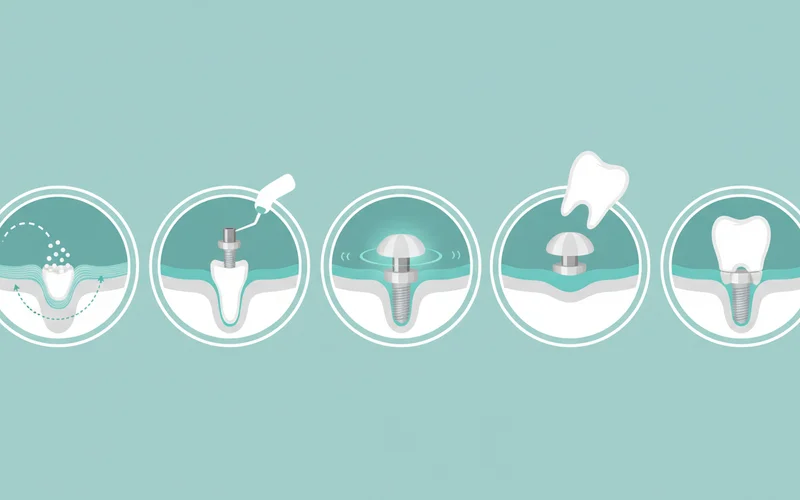
Step 1: Initial Consultation and Comprehensive Examination
Your journey begins with a thorough evaluation by a qualified dental professional, often an oral surgeon or periodontist, working in conjunction with your general dentist.
- Medical History Review: Discussion of your overall health, medications, and any pre-existing conditions (e.g., diabetes, heart conditions) that might affect healing or implant success.
- Oral Examination: Assessment of your existing teeth, gums, and bite.
- Diagnostic Imaging:
- X-rays: Provide 2D views of bone structure and tooth roots.
- 3D Cone Beam Computed Tomography (CBCT) Scan: This advanced imaging provides detailed 3D views of your jawbone, nerve pathways, and sinus cavities. It's essential for precisely planning implant placement and identifying any anatomical limitations.
- Treatment Planning: Based on the examination, the dentist will discuss your options, including the number and type of implants, the restoration (crown, bridge, denture), and the overall timeline and cost.
Step 2: Bone Grafting (If Necessary)
If your jawbone lacks sufficient height or width to securely hold a titanium implant, a bone grafting procedure may be required. This is a common situation, especially if teeth have been missing for a long time, as bone naturally resorbs (shrinks) without the stimulation of tooth roots.
- Procedure: Bone material (from your own body, a donor, or synthetic) is placed in the area where the implant will go.
- Healing: This step often requires several months (3-9 months) of healing before implant placement can proceed, allowing the grafted bone to integrate and strengthen.
Step 3: Titanium Implant Placement Surgery
This is the surgical phase where the titanium implant post is embedded into your jawbone.
- Anesthesia: Local anesthesia is typically used, often supplemented with sedation (oral, IV, or nitrous oxide) to ensure comfort.
- Incision: A small incision is made in the gum tissue to expose the jawbone.
- Pilot Hole: A series of precision drills are used to create a small pilot hole in the bone at the exact pre-planned location.
- Implant Insertion: The titanium implant screw is then gently threaded into the prepared bone socket.
- Closure: The gum tissue is typically closed over the implant with sutures, concealing it during the healing period. In some cases (single-stage surgery), a healing abutment may be placed immediately.
- Duration: This procedure usually takes 1-2 hours for a single implant.
Step 4: Osseointegration (Healing Period)
This is the most critical phase, where the titanium implant biologically fuses with your jawbone.
- Duration: This process typically takes 3 to 6 months, though it can be shorter or longer depending on bone density, implant stability, and individual healing capacity.
- Temporary Solutions: During this time, you may wear a temporary crown, partial denture, or your existing denture (modified) to maintain aesthetics and function.
- Regular Check-ups: Your dentist will monitor your healing progress during this period.
Step 5: Abutment Placement
Once osseointegration is complete and the implant is stable, the next step is to expose the implant and attach the abutment.
- Procedure: A minor incision may be made to expose the top of the implant (if it was covered). The healing cap is removed, and a small metal post called an abutment is attached to the implant. The gum tissue is then allowed to heal around the abutment for a few weeks, forming a natural "collar."
- Purpose: The abutment serves as the connector between the implant and the final crown, bridge, or denture.
Step 6: Final Restoration Placement
This is the final step where your custom-made tooth replacement is placed.
- Impressions: Once the gums have healed around the abutment, digital or traditional impressions are taken of your mouth.
- Fabrication: These impressions are sent to a dental lab where a highly skilled ceramist fabricates your custom crown, bridge, or denture, matching the color, shape, and size of your natural teeth.
- Placement: At your final appointment, the restoration is carefully fitted and then permanently cemented or screwed onto the abutment. Your dentist will ensure your bite is correct and comfortable.
Cost and Insurance for Titanium Implants
Understanding the financial aspect of titanium implants is crucial, as they represent a significant investment in your oral health. Costs can vary widely based on several factors.
Average US Price Ranges
The cost of titanium implants in the United States depends on the type of implant, the number of implants, the type of restoration, the need for ancillary procedures (like bone grafting), geographic location, and the expertise of the dental professional.
- Single Titanium Implant (Implant Post Only): $1,500 - $3,000
- This is just the titanium screw placed into the bone.
- Single Titanium Implant with Abutment and Crown (All-inclusive): $3,000 - $6,000
- This includes the implant, the connector piece (abutment), and the custom-made crown.
- Implant-Supported Bridge (3-4 teeth, 2 implants): $6,000 - $15,000+
- Cost varies depending on the number of implants and units in the bridge.
- Removable Implant-Supported Overdenture (Snap-in Denture, per arch, 2-4 implants): $10,000 - $25,000
- This includes the implants, attachments, and the custom denture.
- Fixed Implant-Supported Denture (Permanent, All-on-4® / All-on-X, per arch): $20,000 - $50,000+
- This includes 4-6+ implants, all components, and the full arch prosthetic.
Factors Influencing Cost:
- Geographic Location: Costs tend to be higher in major metropolitan areas (e.g., New York, Los Angeles) compared to rural areas.
- Ancillary Procedures:
- Bone Grafting: $200 - $3,000+ per site, depending on the type and extent of graft.
- Sinus Lift: $1,500 - $3,000+ per sinus, often needed for upper jaw implants when bone is insufficient.
- Tooth Extraction: $75 - $600 per tooth, depending on complexity.
- Materials: Zirconia crowns are often more expensive than porcelain-fused-to-metal (PFM) crowns.
- Specialist Fees: Oral surgeons and periodontists generally charge more than general dentists for surgical procedures due to their specialized training.
Dental Insurance Coverage
Unfortunately, dental insurance coverage for titanium implants is often limited.
- Medical vs. Dental: Implants are sometimes considered a "cosmetic" procedure by older insurance plans, even though they have significant functional and health benefits. However, more plans are beginning to recognize implants as a "major restorative" procedure.
- Limited Coverage: If covered, plans typically cover only a small percentage (e.g., 10-50%) of the total cost, and often have annual maximums (typically $1,000 - $2,000) that are quickly met.
- Itemized Billing: Your dental office will typically provide an itemized bill, separating the surgical placement (which some medical insurance might partially cover if deemed medically necessary) from the prosthetic restoration (which dental insurance might cover).
- Pre-Authorization: Always request a pre-authorization from your insurance company to understand your specific benefits and out-of-pocket expenses before beginning treatment.
Payment Plans and Financing Options
Because of the cost, most dental practices offer or work with third-party financing solutions:
- In-Office Payment Plans: Some practices allow you to pay in installments.
- Dental Loan Providers: Companies like CareCredit, LendingClub, or Alphaeon Credit offer specialized healthcare financing with various interest rates and payment terms, including interest-free options for a specific period.
- Health Savings Accounts (HSAs) and Flexible Spending Accounts (FSAs): These tax-advantaged accounts allow you to save and pay for qualified medical and dental expenses using pre-tax dollars.
Pro Tip: Don't let upfront costs deter you. Discuss all financial options with your dental provider. Many find that the long-term benefits and durability of titanium implants outweigh the initial investment, especially when compared to the recurring costs and compromises of alternative treatments.
Recovery and Aftercare for Titanium Implants
Proper recovery and diligent aftercare are essential for the successful osseointegration of your titanium implant and its long-term health.
Immediate Post-Surgery (First 24-72 hours)
- Bleeding: Slight bleeding or oozing is normal. Apply gentle pressure with gauze pads as instructed.
- Swelling: Swelling is common. Apply ice packs to the outside of your face for 15-20 minutes on, 20 minutes off, for the first 24-48 hours.
- Pain Management: Take prescribed pain medication or over-the-counter pain relievers (like ibuprofen or acetaminophen) as directed.
- Diet: Stick to soft, cool foods and liquids. Avoid hot liquids, alcohol, and using a straw (which can dislodge blood clots).
- Oral Hygiene: Do NOT rinse vigorously or brush directly around the surgical site for the first 24 hours. After that, gentle saltwater rinses (1/2 teaspoon salt in 8 oz warm water) can help keep the area clean. Your dentist may also prescribe an antimicrobial mouthwash.
- Activity: Rest and avoid strenuous activity for the first few days.
- Smoking: Absolutely avoid smoking, as it severely impairs healing and dramatically increases the risk of implant failure.
Weeks Following Surgery
- Diet: Gradually reintroduce softer solid foods as comfort allows. Avoid chewing directly on the implant site until your dentist advises otherwise.
- Oral Hygiene: Continue gentle brushing around the area and prescribed rinses. Maintain excellent oral hygiene for your remaining teeth.
- Sutures: If non-dissolvable sutures were used, they would be removed by your dentist in about 7-14 days.
- Osseointegration: This is the ongoing crucial healing phase. Follow all instructions to allow the implant to fuse with the bone undisturbed.
Long-Term Care and Maintenance
Once your restoration (crown, bridge, or denture) is placed, caring for your titanium implant is similar to caring for natural teeth.
- Excellent Oral Hygiene:
- Brushing: Brush at least twice a day with a soft-bristled toothbrush and non-abrasive toothpaste. Focus on the gum line around the implant.
- Flossing: Floss daily, using traditional floss, interdental brushes, or a water flosser specifically designed for implants.
- Mouthwash: Use an antimicrobial mouthwash as recommended by your dentist.
- Regular Dental Check-ups: Visit your dentist every six months, or as often as recommended, for professional cleanings and examinations. They will monitor the implant, surrounding gums, and bone health.
- Avoid Damaging Habits:
- Do not chew on hard objects (ice, pens, fingernails).
- If you grind or clench your teeth (bruxism), your dentist may recommend a night guard to protect your implant and other teeth.
- Avoid using your teeth as tools.
- Smoking Cessation: If you smoke, quitting is the single most important action you can take to ensure the long-term success of your implants. Smoking significantly increases the risk of peri-implantitis (implant gum disease).
Pro Tip: While titanium implants are highly durable, they are not immune to plaque and bacteria. Neglecting oral hygiene can lead to peri-implantitis, a condition similar to gum disease that can jeopardize the implant. Lifelong commitment to oral care is key to a successful, lasting implant.
Prevention of Tooth Loss
The best "treatment" for tooth loss is prevention. While accidents happen, many causes of tooth loss are preventable with consistent effort.
- Daily Oral Hygiene: Brush your teeth for two minutes, twice a day, with fluoride toothpaste. Floss daily to remove plaque and food particles from between teeth and under the gum line.
- Regular Dental Check-ups and Cleanings: Visit your dentist at least twice a year for professional cleanings and comprehensive exams. These appointments allow for early detection and treatment of cavities and gum disease.
- Balanced Diet: Limit sugary and acidic foods and drinks that contribute to tooth decay.
- Wear a Mouthguard: If you play contact sports or suffer from bruxism (teeth grinding/clenching), a custom-fitted mouthguard can protect your teeth from trauma and excessive wear.
- Avoid Tobacco Products: Smoking and smokeless tobacco significantly increase the risk of gum disease, oral cancers, and other dental problems that lead to tooth loss.
- Address Dental Issues Promptly: Don't ignore tooth pain, bleeding gums, or sensitivity. Early intervention can often save a tooth.
Risks and Complications of Titanium Implants
While titanium implant procedures boast high success rates (typically 95-98%), like any surgical procedure, there are potential risks and complications. Being aware of these helps you make an informed decision and enables prompt action if issues arise.
- Infection: Though rare, bacterial infection can occur at the implant site during or after surgery. This can be treated with antibiotics, but severe cases might require implant removal.
- Nerve Damage: In the lower jaw, there's a risk of damage to the inferior alveolar nerve, which can lead to numbness, tingling, or pain in the lip, chin, or tongue. This is minimized with precise planning using CBCT scans.
- Sinus Perforation: For upper jaw implants, there's a risk of the implant protruding into the sinus cavity. This can be prevented or managed with a sinus lift procedure.
- Implant Failure (Lack of Osseointegration): The most significant complication is when the implant fails to fuse with the bone. This can be due to poor bone quality, infection, excessive force during healing, or certain medical conditions. If an implant fails, it usually needs to be removed, and another attempt can often be made after a healing period.
- Peri-Implantitis: This is an inflammatory condition affecting the tissues surrounding a dental implant, similar to periodontal disease around natural teeth. It's primarily caused by poor oral hygiene and can lead to bone loss around the implant, potentially causing failure if untreated. Smoking is a major risk factor.
- Mechanical Complications:
- Abutment or Crown Loosening/Fracture: While rare, components can loosen or break.
- Screw Fracture: The small screw holding the crown to the abutment can fracture.
- Implant Fracture: Extremely rare, but the implant itself can fracture under extreme stress.
- Allergic Reaction: While titanium is highly biocompatible, very rare instances of titanium allergy have been reported. Zirconia implants are an alternative in such cases.
- Excessive Bleeding or Hematoma: As with any surgery, there's a risk of more bleeding than expected or the formation of a blood clot (hematoma).
Pro Tip: Choose an experienced and reputable dental professional for your implant procedure. Their expertise, combined with thorough diagnostic planning, significantly minimizes these risks and enhances your success rate. Adhering to all pre- and post-operative instructions is also paramount.
Frequently Asked Questions
Is the titanium implant procedure painful?
During the actual implant placement, you will be under local anesthesia, so you should not feel any pain. Post-surgery, some discomfort, swelling, and bruising are common, but these are typically manageable with prescribed pain medication and over-the-counter anti-inflammatories. Most patients report the discomfort is less than that of a tooth extraction.
How long do titanium dental implants last?
With proper care, excellent oral hygiene, and regular dental check-ups, titanium implants can last a lifetime. The implant post itself is highly durable. The crown, bridge, or denture attached to the implant may need replacement after 10-15 years, similar to natural dental restorations, due to normal wear and tear.
Am I a good candidate for titanium implants?
Most healthy individuals who have lost one or more teeth are good candidates. Key factors include sufficient jawbone density, healthy gums, and good overall health. Conditions like uncontrolled diabetes, certain autoimmune diseases, or heavy smoking can impact success rates. Your dentist will conduct a thorough evaluation to determine your suitability.
What is the success rate of titanium dental implants?
Titanium dental implants have an impressive success rate, generally ranging from 95% to 98%, depending on factors like implant location, bone quality, and the patient's overall health and oral hygiene habits. With advancements in technology and techniques, these rates continue to be very high.
What are the alternatives to titanium dental implants?
The main alternatives are conventional removable dentures (full or partial) and fixed dental bridges. While these options are often less expensive upfront, they do not offer the same stability, bone preservation benefits, or long-term durability as titanium implants. Each option has its own set of pros and cons regarding function, aesthetics, and cost.
Can titanium implants be rejected by the body?
True rejection of titanium implants is extremely rare due to titanium's high biocompatibility. What is sometimes mistaken for rejection is a failure of osseointegration, meaning the bone did not properly fuse with the implant. This can occur due to infection, insufficient bone, poor healing, or excessive early force on the implant, rather than an immune system rejection.
How long does the entire titanium implant process take?
The entire process, from initial surgery to final restoration, typically spans 3 to 9 months. This timeline includes the healing period for osseointegration, which is crucial for the implant's stability. If bone grafting is required, it can extend the treatment time by an additional 3-9 months.
How do I clean and maintain my titanium implants?
Cleaning titanium implants is similar to caring for natural teeth. You should brush twice daily, floss daily (using special floss or interdental brushes designed for implants), and use an antimicrobial mouthwash if recommended by your dentist. Regular professional cleanings and check-ups are also vital to monitor the health of your implants and surrounding tissues.
What are the benefits of choosing a titanium implant over a conventional denture?
Titanium implants offer superior stability, chewing efficiency (up to 90% of natural teeth for fixed options), and comfort compared to conventional dentures. They prevent jawbone loss, which preserves facial structure, and eliminate the need for adhesives. Furthermore, they feel and function much like natural teeth, significantly improving quality of life and confidence.
Can I get titanium implants if I have gum disease?
Active gum disease (periodontitis) must be treated and brought under control before implant placement. Gum disease can compromise the bone and soft tissue around the implant, leading to failure. Once your gums are healthy and stable, you can typically proceed with implant treatment.
When to See a Dentist
While routine dental check-ups are essential for preventing tooth loss and maintaining overall oral health, specific situations warrant immediate or urgent attention regarding titanium implants or potential tooth loss.
See your dentist immediately if you experience:
- Sudden, severe pain at an implant site, especially if accompanied by swelling or pus.
- Excessive bleeding that doesn't subside after a surgical procedure.
- Persistent numbness or tingling in your lip, chin, or tongue, especially after an implant procedure.
- A loose implant, abutment, or crown — this is a critical issue that needs immediate professional evaluation.
- Signs of infection, such as redness, warmth, throbbing pain, or a fever after surgery.
Schedule an appointment soon if you notice:
- A missing tooth or several missing teeth that are impacting your chewing, speech, or confidence.
- Loose or ill-fitting dentures that cause chronic sore spots, difficulty eating, or embarrassment. This is a clear indicator to explore snap in dentures vs implants or denture with implants options.
- Persistent pain or discomfort from failing teeth, which might indicate the need for extraction and subsequent implant placement.
- Bleeding or swollen gums around an existing implant, which could be a sign of peri-implantitis.
- Changes in your bite or the way your teeth fit together after tooth loss.
- Visible bone loss or a sunken facial appearance due to long-term tooth absence.
Early intervention is always best. Whether you're considering a titanium implant to replace a missing tooth or experiencing issues with an existing restoration, prompt consultation with a dental professional can prevent further complications and ensure the best possible outcome for your oral health.
Frequently Asked Questions
Medically Reviewed Content
This article was written by our dental health editorial team and reviewed for medical accuracy. Our content follows strict editorial guidelines for reliability and trustworthiness.
Medical Disclaimer
This article is for informational purposes only and does not constitute medical advice. Always consult with a qualified dental professional for diagnosis and treatment. Do not delay seeking professional advice because of something you read on this website.
Related Articles
Implantologist: Complete Guide
Losing a tooth can be a significant setback, impacting not only your smile but also your ability to speak, chew, and maintain overall oral health. In fact, over 3 million Americans currently have dental implants, and that number is projected to grow significantly as more people seek a durable, n
March 8, 2026
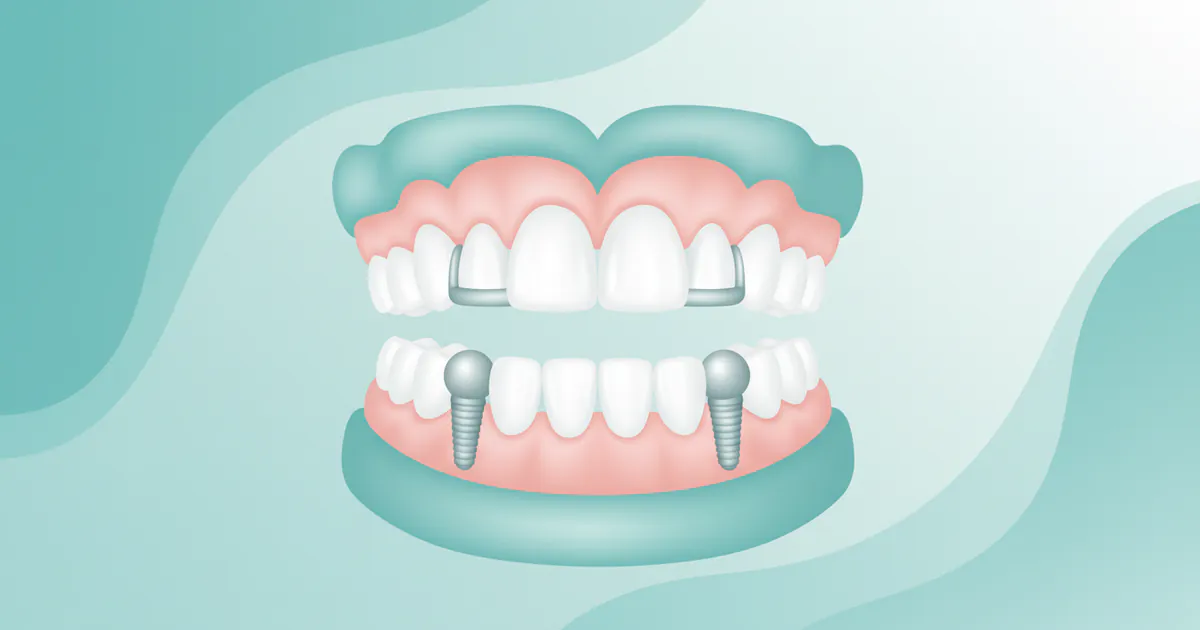
Dentures Over Implants: Complete Guide
Missing multiple teeth or even an entire arch can profoundly impact your life, affecting everything from your ability to chew and speak to your self-confidence. For millions of Americans, traditional removable dentures have long been a solution, but they often come with compromises: slipping, discom
March 8, 2026
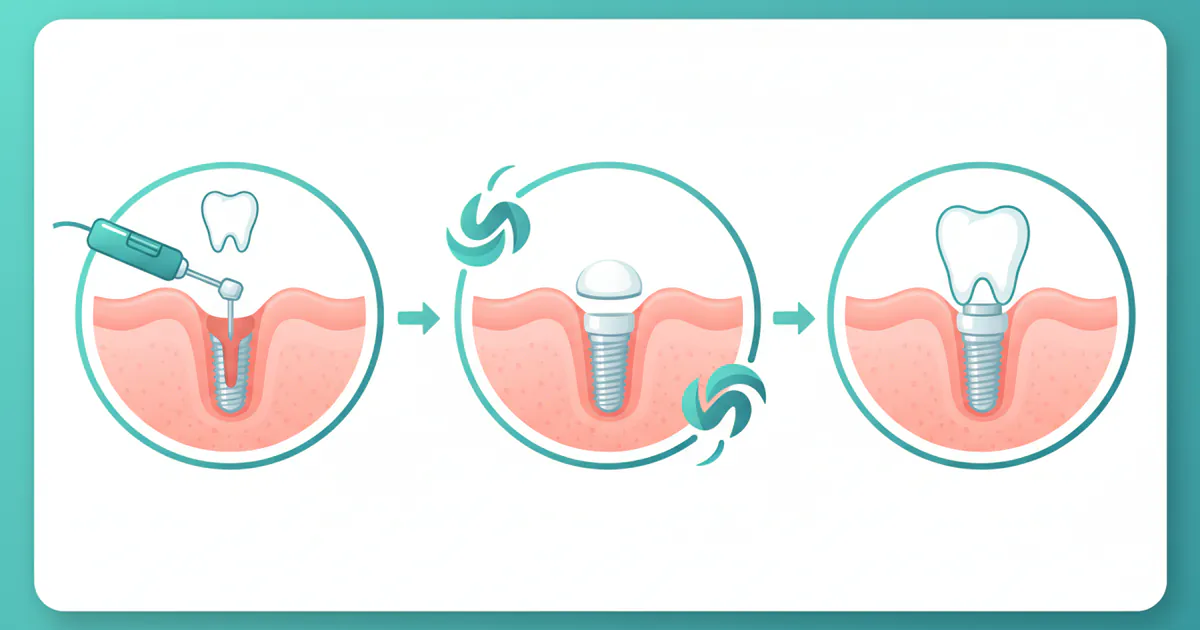
Implants Process: Complete Guide
Missing teeth can impact more than just your smile; they can affect your ability to eat, speak, and even your overall confidence. In fact, over 178 million Americans are missing at least one tooth, and about 40 million are missing all of their teeth. When faced with tooth loss, understanding the
March 8, 2026
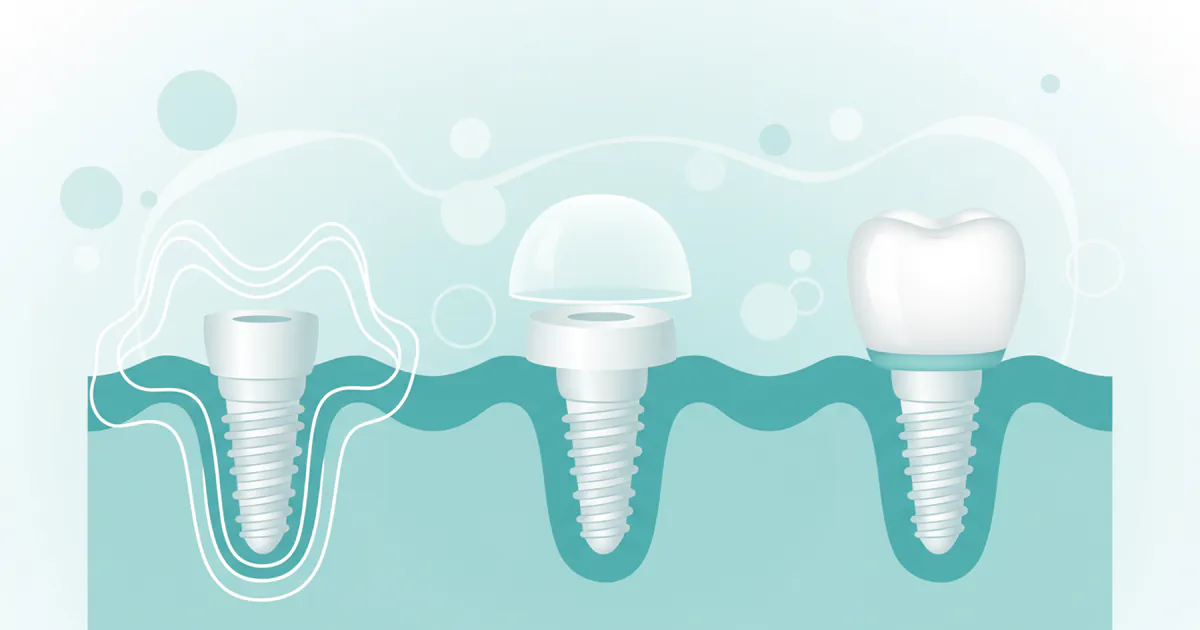
Implants Dentaires: Complete Guide
Missing teeth can dramatically impact not just your smile, but your overall health, confidence, and quality of life. In the United States, an estimated 178 million adults are missing at least one tooth, while approximately 40 million are missing all their teeth. These statistics underscore a
March 8, 2026