Complete Guide to Preventive Care & Oral Hygiene: Everything You Need to Know
Key Takeaways
- Did you know that over 90% of adults in the United States have had at least one cavity by the time they reach their mid-30s? This startling statistic underscores a fundamental truth: while common, many dental issues are largely preventable. Your oral health is a vital component of your overall w
Complete Guide to Preventive Care & Oral Hygiene: Everything You Need to Know
Did you know that over 90% of adults in the United States have had at least one cavity-conditions-diseases-everything-you-need-to-know "Complete Guide to Dental Conditions & Diseases: Everything You Need to Know") by the time they reach their mid-30s? This startling statistic underscores a fundamental truth: while common, many dental issues are largely preventable. Your oral health is a vital component of your overall well-being, influencing everything from your ability to speak and eat comfortably to your systemic health, impacting conditions like heart disease and diabetes. Understanding and implementing effective preventive care & oral hygiene practices is not just about avoiding cavities; it's about safeguarding your entire health. This comprehensive guide from SmilePedia.net will equip you with everything you need to know, from daily routines to professional interventions, ensuring you maintain a vibrant, healthy smile for life. We'll delve into the essentials of what preventive care entails, the best practices for daily hygiene, the critical role of professional dental visits, and practical advice to empower you in your journey toward optimal oral health.
Key Takeaways:
- Daily Oral Hygiene: Brushing twice daily for two minutes with fluoride toothpaste and flossing once daily are non-negotiable foundations, costing typically $5-$20 for supplies monthly.
- Professional Cleanings & Check-ups: The American Dental Association (ADA) recommends at least two dental visits per year for most adults, costing $75-$200 per visit without insurance, but often fully covered by dental insurance.
- Preventive Treatments: Fluoride treatments (recommended for children and some adults) cost $25-$75 per application, while dental sealants (primarily for children) range from $30-$60 per tooth and can last 5-10 years.
- Cost Savings: Investing in preventive care can save thousands of dollars annually by avoiding expensive restorative procedures like fillings ($50-$250), crowns ($800-$3,000), or root canals ($700-$2,000).
- Timelines: A typical professional cleaning and exam takes 45-60 minutes. Developing good daily habits takes consistent effort over 2-4 weeks to become routine.
- Systemic Health Connection: Poor oral hygiene is linked to increased risks for conditions like heart disease, diabetes, and certain respiratory illnesses, making preventive care a full-body health investment.
- Children's Care: Pediatric preventive care starts with the first tooth eruption or by age one, focusing on early education, fluoride, and sealants.
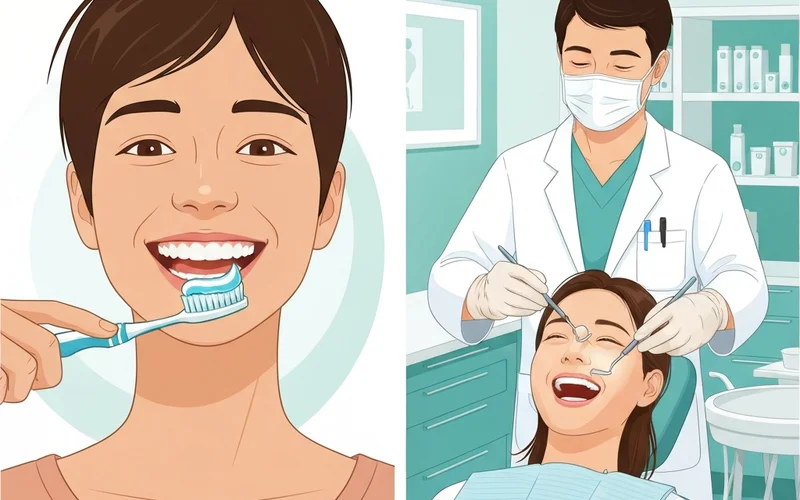
!A vibrant, split image showing on one side a person brushing their teeth effectively, and on the other side a dental professional conducting a routine check-up and cleaning
What is Preventive Care & Oral Hygiene?
Preventive care in dentistry refers to the practices and treatments designed to maintain excellent oral health, preventing the onset, progression, and recurrence of dental diseases like cavities (dental caries), gum disease (periodontal disease), and other oral health issues. It's a proactive approach aimed at preserving your natural teeth and surrounding structures, rather than reactively treating problems once they've emerged.
Oral hygiene, on the other hand, specifically encompasses the daily practices you perform at home to keep your mouth clean and healthy. These include brushing, flossing, and using mouthwash. While closely related and often used interchangeably, oral hygiene is a component of the broader umbrella of preventive care, which also includes professional dental interventions.
Together, preventive care & oral hygiene form the cornerstone of a healthy mouth and a healthy body. They represent a partnership between your daily dedication at home and the expert care provided by your dental team.
Types of Preventive Care & Oral Hygiene Approaches
Preventive care and oral hygiene involve a multi-faceted approach, combining meticulous daily habits with professional dental treatments.
Daily Oral Hygiene Practices
These are the essential steps you take every single day to keep your mouth clean and healthy.
Brushing Your Teeth
Brushing is the fundamental act of removing plaque, food particles, and bacteria from your tooth surfaces and gum line.
- Frequency: At least twice a day, ideally in the morning and before bed.
- Duration: For a minimum of two minutes each time. Many electric toothbrushes have built-in timers.
- Toothbrush Choice:
- Toothpaste:
- Fluoride Toothpaste: Essential for strengthening tooth enamel and preventing cavities. The ADA recommends using fluoride toothpaste.
- Sensitivity Toothpaste: For individuals experiencing tooth sensitivity.
- Tartar Control Toothpaste: Contains agents to help prevent tartar buildup.
Flossing
Flossing removes plaque and food particles from between your teeth and under the gum line, areas your toothbrush cannot reach.
- Frequency: At least once a day, preferably before bedtime.
- Technique: Use about 18 inches of floss, wrapping it around your middle fingers. Guide about an inch of floss between two teeth, forming a "C" shape against one tooth, and gently slide it up and down the side of the tooth, going slightly beneath the gum line. Repeat for the adjacent tooth.
- Types of Floss:
- Waxed Floss: Slides easily between tight contacts.
- Unwaxed Floss: Thinner, may shred more easily.
- Dental Tape: Wider and flatter, good for wider gaps.
- Floss Picks: Convenient for on-the-go or for those with dexterity issues, but may not be as effective at contouring around teeth.
- Water Flossers (Oral Irrigators): Excellent for dislodging food particles and plaque, especially around braces, implants, or for those with periodontal pockets. They complement traditional flossing but generally don't replace it entirely for sticky plaque removal.
Mouthwash (Therapeutic)
While not a substitute for brushing and flossing, therapeutic mouthwashes can offer additional benefits.
- Fluoride Mouthwash: Provides an extra layer of cavity protection.
- Antiseptic Mouthwash: Contains ingredients like chlorhexidine or essential oils to reduce bacteria that cause gum disease and bad breath.
- Cosmetic Mouthwash: Primarily freshens breath but does not offer significant health benefits.
Pro Tip: Look for the ADA Seal of Acceptance on toothbrushes, toothpaste, and mouthwash to ensure they meet strict safety and efficacy standards.
Professional Preventive Care
Beyond your daily routine, regular visits to your dental professional are crucial for comprehensive preventive care.
Routine Dental Exams (Check-ups)
- Frequency: Generally recommended every six months, or as advised by your dentist based on your individual risk factors.
- What's Involved: Your dentist will examine your teeth, gums, and entire mouth for signs of cavities, gum disease, oral cancer, and other potential issues. X-rays may be taken periodically to detect problems not visible to the naked eye.
Professional Dental Cleanings (Prophylaxis)
- Frequency: Typically performed during your routine dental visits, every six months.
- What's Involved: A dental hygienist or dentist will remove plaque and tartar (hardened plaque) from tooth surfaces, above and below the gum line, using specialized instruments. They will then polish your teeth to remove surface stains.
Fluoride Treatments
- Purpose: To strengthen tooth enamel, making it more resistant to acid attacks from bacteria and sugar, thus preventing cavities.
- Application: Applied as a gel, foam, or varnish directly to the teeth during a dental visit.
- Recommendation: Often recommended for children, but also beneficial for adults at high risk of cavities, those with receding gums, or individuals undergoing certain medical treatments.
Dental Sealants
- Purpose: Thin, protective coatings applied to the chewing surfaces of back teeth (molars and premolars). They fill in the tiny grooves and pits where food particles and bacteria often get trapped, making these areas easier to clean and preventing cavities.
- Recommendation: Primarily recommended for children and teenagers shortly after their permanent molars erupt, as these teeth are most susceptible to decay.
Custom Mouthguards & Nightguards
- Sports Mouthguards: Essential for protecting teeth, gums, lips, and jaw during sports activities. Custom-fitted guards from your dentist offer superior protection and comfort compared to over-the-counter options.
- Nightguards (Occlusal Splints): Used to protect teeth from the damaging effects of bruxism (teeth grinding and clenching), which can lead to worn enamel, fractures, and jaw pain (TMJ disorders).
Causes & Why Dental Problems Happen (Without Preventive Care)
The absence or inadequacy of preventive care and oral hygiene directly leads to a cascade of dental problems.
Plaque Buildup
- What it is: A sticky, colorless film of bacteria that constantly forms on your teeth.
- How it causes problems: These bacteria feed on sugars from food and drinks, producing acids that erode tooth enamel, leading to cavities. If plaque isn't removed daily, it hardens into tartar.
Tartar (Calculus) Formation
- What it is: Hardened plaque that has calcified on the tooth surface.
- How it causes problems: Tartar cannot be removed by brushing and flossing alone; it requires professional removal. Its rough surface provides an ideal breeding ground for more plaque, further irritating gums and accelerating decay.
Dietary Choices
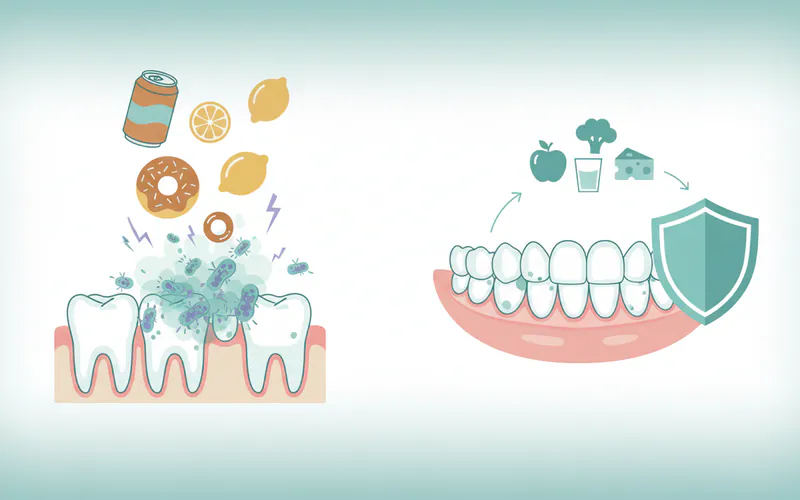
- Sugary and Acidic Foods/Drinks: Frequent consumption of items high in sugar (sodas, candies, pastries) or acid (citrus fruits, sports drinks) directly fuels the bacteria that cause cavities and can erode enamel.
- Frequent Snacking: Snacking throughout the day, especially on fermentable carbohydrates, means your teeth are exposed to acid attacks more frequently, without enough time for saliva to neutralize the acids and remineralize enamel.
Inadequate Brushing and Flossing Technique/Frequency
- Insufficient Plaque Removal: If brushing is too brief or done incorrectly, or if flossing is neglected, plaque remains on teeth, leading to decay and gum inflammation.
Infrequent Dental Visits
- Missed Early Detection: Regular check-ups allow dentists to spot early signs of cavities, gum disease, or oral cancer when they are easier and less costly to treat.
- Tartar Accumulation: Without professional cleanings, tartar accumulates, creating environments ripe for decay and advanced gum disease.
Signs and Symptoms of Neglected Oral Hygiene
Ignoring proper preventive care & oral hygiene can manifest through several warning signs. Recognizing these early can prompt timely intervention.
Common Early Indicators
- Bad Breath (Halitosis): Persistent bad breath, even after brushing, often indicates a buildup of odor-producing bacteria due to plaque and food particles, or early gum disease.
- Bleeding Gums: Gums that bleed easily during brushing or flossing are a primary sign of gingivitis, the earliest stage of gum disease, caused by plaque accumulation.
- Tooth Sensitivity: Heightened sensitivity to hot, cold, sweet, or acidic foods and drinks can signal enamel erosion, receding gums exposing tooth roots, or the presence of a developing cavity.
- Red, Swollen, or Tender Gums: These are classic symptoms of gingivitis, indicating inflammation due to bacterial infection. Healthy gums should be firm and pink.
- Plaque and Tartar Buildup: A visible film on your teeth (plaque) or hard, yellowish or brownish deposits, particularly near the gum line (tartar), are direct evidence of insufficient cleaning.
- White Spots on Teeth: These can be early signs of demineralization, where enamel is losing minerals and a cavity is beginning to form.
Advanced Symptoms (Indicating More Serious Problems)
- Persistent Toothache: A dull ache or sharp pain can indicate a deep cavity, cracked tooth, or abscess.
- Loose Teeth: A very serious sign, often indicative of advanced periodontal disease where the bone supporting the teeth has been significantly destroyed.
- Pus Between Teeth and Gums: A clear sign of infection, characteristic of advanced gum disease (periodontitis).
- Receding Gums: Gums pulling away from the teeth, making teeth appear longer, exposing sensitive roots, and making them more susceptible to decay and infection.
- Difficulty Chewing or Biting: Can be due to loose teeth, severe decay, or jaw problems.
- Changes in Bite: Can indicate tooth loss, shifting teeth, or underlying jaw issues.
Step-by-Step Process of Effective Oral Hygiene & Professional Care
Understanding the correct techniques for daily care and what to expect during a professional visit empowers you to take control of your oral health.
Your Daily Oral Hygiene Routine
- Brush Your Teeth (Morning & Night):
- Use a soft-bristled toothbrush and a pea-sized amount of fluoride toothpaste.
- Hold your brush at a 45-degree angle to your gums.
- Use short, gentle strokes, moving back and forth across each tooth surface.
- Brush all surfaces: outer, inner, and chewing surfaces.
- Don't forget to gently brush your tongue to remove bacteria and freshen breath.
- Brush for a full two minutes. Consider using a timer or an electric toothbrush with a built-in timer.
- Floss Daily (Once a Day, Before Bed is Ideal):
- Take about 18 inches of dental floss. Wrap most of it around one middle finger, and the rest around the other middle finger.
- Hold about an inch of floss taut between your thumbs and forefingers.
- Gently slide the floss between your teeth.
- When the floss reaches the gum line, curve it into a "C" shape against one tooth. Gently slide it into the space between the gum and the tooth.
- Move the floss up and down, scraping the side of the tooth.
- Repeat this process for the other side of the gap, curving the floss around the adjacent tooth.
- Unwind fresh floss as you move from tooth to tooth.
- Rinse (Optional, but Beneficial):
- If using mouthwash, follow the product instructions (usually swish for 30-60 seconds).
- Do not rinse immediately after brushing with water, as it washes away the fluoride from your toothpaste. Wait at least 30 minutes.
What to Expect During a Professional Dental Visit
A typical preventive dental visit involves two main parts: the check-up (examination) and the cleaning (prophylaxis).
- Medical History Update: The dental team will confirm any changes to your health history, medications, or concerns.
- Oral Examination:
- The dentist will visually inspect your teeth, gums, tongue, cheeks, palate, and throat for any abnormalities.
- They'll check for signs of decay, gum disease, signs of oral cancer, loose fillings, or cracked teeth.
- A probe might be used to measure gum pocket depths around each tooth, indicating gum health.
- Dental X-rays (Periodically):
- X-rays allow the dentist to see between teeth, under existing fillings, and at the roots and bone structure, identifying issues not visible during a visual exam (e.g., hidden cavities, bone loss).
- Frequency varies based on individual risk factors, typically every 1-3 years.
- Professional Cleaning (Prophylaxis):
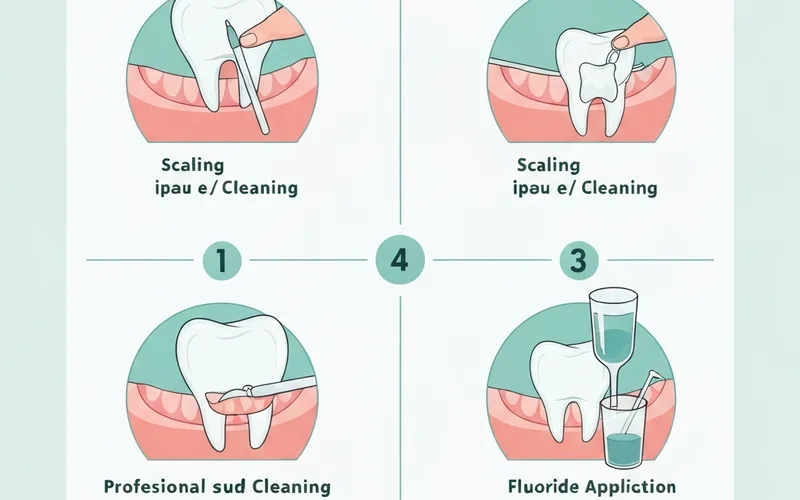
- Scaling: Using specialized hand tools (scalers) or an ultrasonic device, the hygienist will meticulously remove plaque and tartar deposits from all tooth surfaces, above and below the gum line. You might hear scraping noises and feel vibrations.
- Polishing: After scaling, a high-speed rotating brush with a gritty toothpaste-like paste is used to polish the tooth surfaces, removing minor stains and making them smoother, which helps deter plaque accumulation.
- Flossing: The hygienist will thoroughly floss between all your teeth to ensure all areas are clean and to check for any snags indicating rough areas or potential issues.
- Fluoride Treatment (If Recommended): A fluoride gel, foam, or varnish may be applied to your teeth to strengthen enamel.
- Treatment Recommendations & Education:
- The dentist will discuss their findings and any recommended treatments (e.g., fillings, sealants).
- The hygienist will often provide personalized oral hygiene instructions, demonstrating proper brushing and flossing techniques, and recommending specific products.
!A step-by-step infographic showing the stages of a professional dental cleaning, from scaling to polishing and fluoride application
Cost and Insurance for Preventive Care
Understanding the costs associated with preventive care & oral hygiene is crucial for budgeting and maximizing your insurance benefits. These costs can vary significantly based on your location, the dental practice, and whether you have dental insurance.
Average US Costs Without Insurance
| Service | Average Cost Range (US$) | Notes |
|---|---|---|
| Daily Oral Hygiene Supplies | ||
| Manual Toothbrush | $2 - $8 | Replace every 3-4 months or sooner if bristles fray. |
| Electric Toothbrush | $30 - $200+ | One-time purchase, replacement heads $5-$10 each. |
| Fluoride Toothpaste | $3 - $10 | Monthly supply. |
| Dental Floss (Traditional) | $3 - $7 | Monthly supply. |
| Water Flosser | $40 - $100+ | One-time purchase, replacement tips $5-$15 each. |
| Mouthwash (Therapeutic) | $5 - $15 | Monthly supply. |
| Professional Preventive Services | ||
| Routine Dental Exam | $50 - $150 | Without X-rays. |
| Full Mouth X-rays | $80 - $200 | Taken every 3-5 years. |
| Bitewing X-rays | $30 - $80 | Taken annually or biennially. |
| Professional Cleaning (Prophylaxis) | $75 - $200 | Standard adult cleaning, without deep cleaning (scaling & root planing). |
| Fluoride Treatment (Topical) | $25 - $75 | Often for children or high-risk adults. |
| Dental Sealant | $30 - $60 per tooth | Primarily for children/teens, typically for molars. Can last 5-10 years. |
| Custom Sports Mouthguard | $150 - $400 | More protective and comfortable than over-the-counter boil-and-bite guards. |
| Custom Nightguard | $300 - $800+ | For bruxism/TMJ. |
Dental Insurance Coverage
Most dental insurance plans in the US emphasize and heavily cover preventive care, as it ultimately saves them money by preventing more expensive treatments down the line.
- Preventive Care (Class I Services): This category typically includes routine exams, professional cleanings (prophylaxis), and sometimes basic X-rays. Many plans cover these services at 100%, often with no deductible, meaning you pay nothing out-of-pocket for these essential visits. Most plans allow two preventive visits per year (every six months).
- Basic Restorative Care (Class II Services): This might include fluoride treatments, sealants, and simple fillings. Coverage usually ranges from 70-80% after your deductible is met.
- Major Restorative Care (Class III Services): Procedures like crowns, bridges, dentures, and root canals are typically covered at 50% after the deductible. Orthodontics and cosmetic procedures are often covered even less or not at all.
Pro Tip: Always check your specific dental insurance policy details. Understand your annual maximums, deductibles, co-pays, and which services are fully covered. Many plans require you to visit an "in-network" dentist to receive the highest level of benefits.
Payment Plans and Financing Options
If you don't have insurance or face out-of-pocket costs, several options can help:
- Payment Plans: Many dental offices offer in-house payment plans, allowing you to pay for services in installments.
- Dental Discount Plans: Not insurance, but these plans offer a discount on services at participating dentists for an annual fee.
- Healthcare Credit Cards (e.g., CareCredit): These specialized credit cards offer promotional financing options, often with deferred interest if paid within a certain period.
- Health Savings Accounts (HSAs) & Flexible Spending Accounts (FSAs): If you have these through your employer, you can use pre-tax dollars to pay for qualified dental expenses.
Cost-Saving Tips
- Utilize Your Insurance: Don't skip your two covered preventive visits per year. This is the biggest money-saver.
- Maintain Excellent Home Care: The better your daily oral hygiene, the less likely you are to need expensive treatments like fillings, root canals, or extractions.
- Ask About Bundles/Discounts: Some dental offices offer discounts for paying in cash or for bundling certain preventive services.
- Seek Dental Schools: If available in your area, dental schools often provide services at a reduced cost, with treatment performed by students under strict supervision of licensed faculty.
- Community Health Clinics: Many communities have clinics that offer dental services on a sliding scale fee based on income.
Recovery and Aftercare for Preventive Treatments
For most routine preventive care & oral hygiene interventions, recovery is minimal and straightforward.
After a Routine Dental Cleaning (Prophylaxis)
- Immediate Sensations: Your teeth may feel exceptionally smooth and clean. You might experience minor gum sensitivity or a slight ache, especially if you had significant tartar buildup. This typically subsides within a few hours to a day.
- Bleeding Gums: If your gums were inflamed, you might notice very slight bleeding when you brush or floss immediately after the cleaning. This usually resolves quickly with continued good oral hygiene.
- Diet: You can typically eat and drink immediately after a cleaning. If you received a fluoride varnish, your hygienist might advise avoiding hot drinks or hard/sticky foods for a short period (e.g., 30 minutes to an hour) to allow the fluoride to set.
- Aftercare: Resume your normal diligent brushing and flossing routine. This is critical to maintain the results of the cleaning.
After Fluoride Treatment
- Varnish Application: If a fluoride varnish was applied, you'll be instructed to avoid brushing, flossing, consuming hot beverages, alcohol, and hard/sticky foods for a specified time (e.g., 4-6 hours) to allow the fluoride to absorb effectively into your enamel.
- Gel/Foam Application: If a tray-based fluoride gel or foam was used, you might be asked to avoid eating or drinking for 30 minutes.
- Sensitivity: Some individuals may experience temporary tooth sensitivity, which usually resolves within 24 hours.
After Dental Sealant Application
- Immediate: Once applied and cured with a special light, dental sealants are hard and ready for normal chewing.
- Longevity: Sealants can last for 5-10 years. Your dentist will check their integrity at each check-up and may recommend reapplication if they chip or wear down.
- Aftercare: No special aftercare is needed beyond your regular oral hygiene. Avoid chewing on ice or very hard candies, as these can chip the sealant.
Pro Tip: If you experience prolonged sensitivity, pain, or any unusual symptoms after a preventive care appointment, contact your dental office.
Prevention: The Ultimate Goal
The entire purpose of preventive care & oral hygiene is, well, prevention. Here's a summary of how to prevent common dental issues.
Preventing Cavities (Dental Caries)
- Brush with Fluoride Toothpaste: Fluoride is a natural mineral that strengthens enamel and helps reverse early signs of decay.
- Floss Daily: Removes plaque and food particles from between teeth where cavities often start.
- Limit Sugary and Acidic Foods/Drinks: Reduce frequency of consumption, and rinse your mouth with water after consuming them.
- Drink Plenty of Water: Especially fluoridated water, as it helps wash away food particles and neutralize acids.
- Regular Dental Check-ups and Cleanings: Allows for early detection and professional removal of plaque/tartar.
- Consider Fluoride Treatments and Sealants: Especially for children and adults at high risk.
Preventing Gum Disease (Gingivitis & Periodontitis)
- Meticulous Brushing and Flossing: The primary method for removing plaque, the main cause of gum disease. Pay close attention to the gum line.
- Regular Professional Cleanings: Essential for removing tartar, which causes chronic gum irritation and inflammation.
- Avoid Tobacco Products: Smoking and chewing tobacco are major risk factors for gum disease, impairing healing and reducing blood flow to the gums.
- Manage Systemic Diseases: Conditions like diabetes can exacerbate gum disease, so good overall health management is vital.
Preventing Enamel Erosion
- Reduce Acidic Foods/Drinks: Limit sodas, fruit juices, sports drinks, and highly acidic foods.
- Rinse with Water: After consuming acidic items, rinse your mouth with plain water to help neutralize acids.
- Wait Before Brushing: Avoid brushing immediately after consuming acidic foods or drinks, as enamel is softened and more vulnerable to abrasion. Wait at least 30-60 minutes.
- Use a Soft-Bristled Toothbrush: Brush gently to avoid abrasive damage.
- Fluoride Toothpaste: Helps remineralize and strengthen enamel.
Preventing Bad Breath (Halitosis)
- Thorough Brushing and Flossing: Removes food particles and plaque that harbor odor-causing bacteria.
- Brush Your Tongue: The tongue's rough surface is a common hiding spot for bacteria. Use your toothbrush or a tongue scraper.
- Stay Hydrated: Dry mouth can contribute to bad breath.
- Treat Underlying Issues: If persistent, bad breath can signal gum disease, cavities, or even systemic health problems, requiring professional diagnosis.
Preventing Oral Cancer
- Avoid Tobacco and Excessive Alcohol: These are the biggest risk factors.
- Regular Dental Exams: Dentists perform oral cancer screenings during routine check-ups, looking for suspicious lesions or changes in the mouth and throat.
- Limit Sun Exposure to Lips: Use lip balm with SPF.
Risks and Complications of Neglecting Preventive Care
The consequences of failing to prioritize preventive care & oral hygiene extend far beyond a simple cavity, impacting your oral health, overall health, and quality of life.
Oral Health Complications
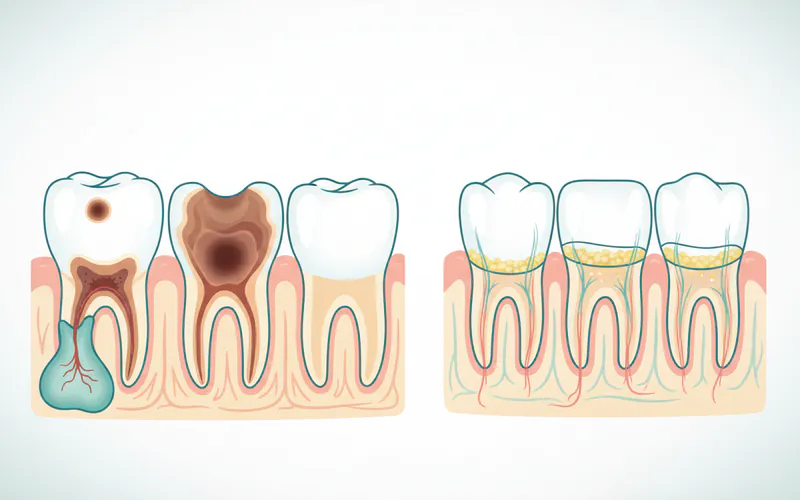
- Dental Caries (Cavities): Untreated, they grow larger, leading to severe pain, infection, and potentially tooth loss.
- Periodontal Disease (Gum Disease):
- Gingivitis: The initial stage, characterized by red, swollen, bleeding gums. Reversible with good hygiene and professional cleaning.
- Periodontitis: Advanced gum disease where infection spreads below the gum line, damaging bone and supporting tissues, leading to loose teeth and eventually tooth loss. Irreversible, but manageable.
- Tooth Loss: The ultimate consequence of uncontrolled decay or severe periodontal disease.
- Dental Abscesses: Painful pockets of pus caused by bacterial infection, often at the root of a tooth or in the gums. Can spread and become life-threatening if untreated.
- Tooth Sensitivity: Becomes chronic and severe, making eating and drinking uncomfortable.
- Oral Pain: Chronic pain from decay, infection, or gum disease severely impacts daily life.
- Malocclusion (Bite Problems): Tooth loss or shifting teeth due to gum disease can alter your bite, leading to jaw pain and chewing difficulties.
- Difficulty Eating and Speaking: Resulting from missing teeth, painful teeth, or ill-fitting dentures.
- Halitosis (Chronic Bad Breath): Persistent and often resistant to home remedies.
Systemic Health Complications
The mouth is a gateway to the body, and research has increasingly shown strong links between oral health and overall systemic health.
- Cardiovascular Disease: Bacteria from infected gums can enter the bloodstream, contributing to inflammation and plaque buildup in arteries, increasing the risk of heart attacks and strokes.
- Diabetes: There's a bidirectional relationship. Poorly controlled diabetes increases the risk and severity of gum disease, and severe gum disease can make blood sugar control more difficult.
- Respiratory Infections: Oral bacteria can be aspirated into the lungs, potentially leading to pneumonia and other respiratory issues, especially in vulnerable individuals.
- Pregnancy Complications: Periodontal disease has been linked to adverse pregnancy outcomes, including premature birth and low birth weight.
- Dementia: Emerging research suggests a possible link between chronic gum disease and an increased risk of cognitive decline and Alzheimer's disease.
- Rheumatoid Arthritis: Some studies indicate that individuals with gum disease are at a higher risk of developing rheumatoid arthritis.
- Certain Cancers: Poor oral hygiene and chronic inflammation have been associated with an increased risk of certain cancers, including oral, head and neck, esophageal, and pancreatic cancers.
Comparison of Daily Hygiene Tools
| Feature | Manual Toothbrush | Electric Toothbrush (Sonic/Oscillating) | Water Flosser (Oral Irrigator) | Traditional Dental Floss |
|---|---|---|---|---|
| Plaque Removal | Good, if technique is perfect | Excellent, more consistent | Good for loose debris/bacteria | Excellent for interdental plaque |
| Gum Stimulation | Minimal | Gentle massage | Excellent for gum line massage | Good |
| Ease of Use | Requires specific technique | Easier, often has timers/sensors | Very easy, good for braces/implants | Requires dexterity |
| Cost (Initial) | $2-$8 | $30-$200+ | $40-$100+ | $3-$7 |
| Running Cost | Minimal (brush replacement) | Moderate (head replacement) | Low (water/mouthwash) | Low |
| Portability | High | Moderate (needs charger) | Low (bulkier) | High |
| Primary Benefit | Basic cleaning, accessible | Superior plaque removal, consistent | Cleans hard-to-reach areas, gums | Crucial for interdental cleaning |
Children / Pediatric Considerations for Preventive Care
Starting preventive care & oral hygiene early is paramount for a lifetime of healthy smiles. Children have unique needs that require age-specific guidance.
Infancy (Birth to 12 months)
- First Dental Visit: The ADA recommends scheduling a child's first dental visit by their first birthday, or within six months of the eruption of their first tooth. This visit is crucial for establishing a "dental home" and educating parents.
- Gum Cleaning: Even before teeth erupt, gently wipe your baby's gums with a clean, damp cloth or gauze after feedings to remove milk residue and bacteria.
- First Tooth: As soon as the first tooth appears, start brushing twice a day with a soft-bristled infant toothbrush and a smear (rice-grain size) of fluoride toothpaste.
- Avoid Bottle-Feeding to Bed: Never put a baby to bed with a bottle containing milk, formula, juice, or any sugary liquid, as this can lead to severe early childhood caries ("baby bottle tooth decay").
Toddlers (1-3 years)
- Brushing: Continue brushing twice daily with a rice-grain size of fluoride toothpaste. As the child grows, you can increase to a pea-sized amount around age three, once they can reliably spit out toothpaste.
- Parental Supervision: Parents should always brush their toddlers' teeth or closely supervise until the child develops the dexterity to do it effectively (usually around age 6-8).
- Introduce Flossing: Once teeth begin to touch, usually around 2-3 years old, start flossing daily using child-friendly flossers.
Preschoolers & School-Aged Children (3-12 years)
- Independent Brushing: Encourage children to brush independently, but always follow up with a thorough brushing yourself, especially before bed.
- Fluoride Toothpaste: Use a pea-sized amount of fluoride toothpaste twice a day.
- Dental Sealants: Crucial for protecting newly erupted permanent molars (usually between ages 6-12). These thin coatings effectively block food and bacteria from settling in the deep grooves of these teeth.
- Regular Check-ups & Cleanings: Continue bi-annual visits for professional cleanings, fluoride applications, and monitoring of growth and development.
- Dietary Habits: Emphasize limiting sugary snacks and drinks. Encourage water consumption throughout the day.
- Sports Mouthguards: If your child participates in contact sports, a custom-fitted sports mouthguard is essential to prevent dental injuries.
Teenagers (13-18 years)
- Orthodontics: Many teenagers undergo orthodontic treatment (braces or aligners), which requires meticulous oral hygiene and special tools (e.g., interdental brushes, water flossers) to prevent plaque buildup and white spots.
- Wisdom Teeth Monitoring: Dentists will monitor the development of wisdom teeth and recommend removal if necessary.
- Risk Factors: Teenagers may be more prone to consuming sugary drinks, vaping, or smoking, all of which pose significant risks to oral health. Education on these risks is vital.
- Continued Regular Care: Bi-annual check-ups, cleanings, and fluoride treatments remain important.
Pro Tip: Make oral hygiene fun for children! Use colorful toothbrushes, flavored toothpaste (ADA-approved), and play their favorite song for two minutes during brushing. Lead by example.
Frequently Asked Questions
What are the essential components of good preventive care?
The essential components include daily home care (brushing twice daily with fluoride toothpaste, flossing once daily), regular professional dental check-ups and cleanings (typically every six months), a balanced diet low in sugars and acids, and the judicious use of preventive treatments like fluoride applications and dental sealants as recommended by your dentist.
How often should I see a dentist for preventive care?
For most adults and children, the American Dental Association (ADA) recommends routine dental check-ups and professional cleanings every six months. However, if you have specific risk factors like a history of gum disease, frequent cavities, or certain systemic health conditions, your dentist may recommend more frequent visits.
Is dental floss or a water flosser more effective?
Both traditional dental floss and water flossers are effective and serve slightly different purposes. Traditional floss is superior at physically scraping sticky plaque from between teeth and just under the gum line. Water flossers are excellent for dislodging food particles, rinsing away loose plaque, and can be particularly beneficial for individuals with braces, implants, or gum pockets. Ideally, they should be used in conjunction for comprehensive cleaning.
Can diet really impact my oral hygiene and preventive care?
Absolutely. Your diet plays a significant role. Frequent consumption of sugary and acidic foods and drinks feeds oral bacteria, leading to acid production that erodes enamel and causes cavities. A balanced diet rich in fruits, vegetables, lean proteins, and dairy (for calcium) supports strong teeth and healthy gums, reducing the need for extensive restorative treatments.
How much does a typical preventive dental cleaning cost without insurance?
A standard routine dental cleaning (prophylaxis) in the US typically costs between $75 and $200 without insurance. This usually includes the cleaning itself and sometimes a basic exam. Adding X-rays or fluoride treatments would incur additional costs. Many dental insurance plans cover these services at 100%, making them free for insured patients.
Are fluoride treatments only for children?
No, fluoride treatments are beneficial for both children and adults. While essential for developing teeth in children to prevent early decay, adults can also benefit significantly. Your dentist might recommend fluoride treatments if you have a high risk of cavities, sensitive teeth, receding gums, dry mouth, or if you're undergoing certain medical treatments that affect oral health.
What are dental sealants, and who needs them?
Dental sealants are thin, protective coatings applied to the chewing surfaces of back teeth (molars and premolars). They fill in the natural grooves and pits that are prone to trapping food and bacteria, making teeth easier to clean and preventing cavities. They are primarily recommended for children and teenagers shortly after their permanent molars erupt, as these teeth are most susceptible to decay.
My gums bleed when I brush and floss. Is this normal?
No, bleeding gums are generally not normal and are often the first sign of gingivitis, the earliest stage of gum disease. This is usually caused by plaque buildup along the gum line. Consistent, gentle brushing and flossing can often resolve gingivitis. If bleeding persists, it's crucial to see your dentist, as it could indicate more advanced gum disease.
Can good oral hygiene prevent bad breath?
Yes, good oral hygiene is one of the most effective ways to prevent bad breath (halitosis). Most cases of bad breath are caused by bacteria in the mouth breaking down food particles, releasing foul-smelling gases. Regular brushing, flossing, and tongue cleaning remove these bacteria and food debris. If bad breath persists despite good hygiene, it could indicate an underlying oral health issue (like gum disease) or a systemic health problem.
What is the ideal toothbrush? Manual or electric?
Both manual and electric toothbrushes can be effective, but electric toothbrushes (especially oscillating-rotating or sonic models) often offer superior plaque removal. Their consistent power and built-in timers can help ensure you brush for the recommended two minutes and apply appropriate pressure, making them a great choice for many people. The "ideal" choice ultimately depends on your personal preference and brushing technique.
When to See a Dentist
Knowing when to seek professional dental care is a critical aspect of preventive care & oral hygiene. While routine visits are essential, certain signs warrant immediate attention.
Routine Care Guidance
- Every Six Months (or as advised): Schedule your regular dental check-ups and cleanings twice a year. This is your primary line of defense for preventing problems and catching issues early.
- For Guidance on Techniques: If you're unsure about proper brushing or flossing techniques, or have questions about specific oral hygiene products (e.g., best toothpaste for sensitivity, types of flossers), your hygienist or dentist can provide personalized instruction during your routine visits.
Warning Signs That Need Attention (Scheduled Appointment)
If you experience any of these, schedule an appointment with your dentist promptly, but it typically doesn't require emergency care:
- Persistent Bleeding Gums: If bleeding continues despite consistent daily brushing and flossing for more than a week.
- Chronic Bad Breath: If halitosis persists even after meticulous oral hygiene.
- Increased Tooth Sensitivity: If sensitivity to hot, cold, or sweets becomes more frequent or intense.
- Red, Swollen, or Tender Gums: Signs of gingivitis that aren't resolving.
- Receding Gums: Gums appearing to pull away from your teeth.
- Frequent Food Trapping: If food consistently gets stuck between specific teeth, it might indicate a developing cavity or an issue with an old filling.
- Chips or Minor Cracks: If you notice a small chip or crack that isn't causing immediate pain, it's still important to get it checked before it worsens.
- Changes in Your Bite: If your teeth don't come together comfortably as they used to.
- White Spots or Discoloration on Teeth: Possible early signs of decay.
Red Flags That Need Immediate or Emergency Attention
These symptoms indicate a potentially serious problem that requires prompt professional assessment to prevent further complications, preserve the tooth, or manage severe pain:
- Severe Toothache: Intense, throbbing pain that doesn't subside with over-the-counter pain relievers, especially if it wakes you up at night. This could indicate a deep cavity, infection, or abscess.
- Swelling in the Gums, Face, or Jaw: Swelling, especially if accompanied by fever, indicates a serious infection that could spread rapidly.
- Abscess or Pus: A pimple-like bump on your gums, or pus draining from around a tooth, is a clear sign of infection.
- Knocked-Out Tooth: If a permanent tooth is completely dislodged, seeking immediate dental care (within 30 minutes to an hour) can often save the tooth. Keep the tooth moist, ideally in milk or saliva.
- Fractured or Broken Tooth: Especially if it's painful or has exposed the inner pulp (soft tissue).
- Jaw Pain or Difficulty Opening/Closing Mouth: Could be a sign of a dislocated jaw or a serious TMJ issue.
- Objects Stuck Between Teeth: If you cannot remove an object wedged between your teeth, and it's causing severe pain or discomfort.
- Trauma to the Mouth: Any significant injury to your teeth, gums, or jaw from an accident or fall.
In any of these emergency scenarios, contact your dentist's office immediately. If it's outside of business hours and you can't reach your regular dentist, seek care at an emergency dental clinic or urgent care facility.
Frequently Asked Questions
Medically Reviewed Content
This article was written by our dental health editorial team and reviewed for medical accuracy. Our content follows strict editorial guidelines for reliability and trustworthiness.
Medical Disclaimer
This article is for informational purposes only and does not constitute medical advice. Always consult with a qualified dental professional for diagnosis and treatment. Do not delay seeking professional advice because of something you read on this website.