Dental: Complete Guide
Key Takeaways
- Imagine a life where you never have to worry about a toothache, where your breath is always fresh, and your smile radiates confidence. While perfect dental health might seem like a dream, understanding and actively managing your oral care is the closest you can get to this ideal. Did you know that *
Dental: Complete Guide
Imagine a life where you never have to worry about a toothache, where your breath is always fresh, and your smile radiates confidence. While perfect dental health might seem like a dream, understanding and actively managing your oral care is the closest you can get to this ideal. Did you know that over 90% of adults in the U.S. have had at least one cavity, and nearly half of adults over 30 show signs of gum disease? These startling statistics highlight the pervasive nature of oral health issues and underscore why prioritizing your dental well-being isn't just about aesthetics—it's fundamental to your overall health. From maintaining daily hygiene to navigating complex treatments and insurance, the world of dentistry can feel overwhelming. This comprehensive guide from SmilePedia.net aims to demystify every aspect of oral care, providing you with the knowledge and tools needed to protect your smile for life. We'll delve into the intricacies of dental health, explore various treatment options, discuss cost considerations, and empower you with preventive strategies to achieve and maintain optimal oral wellness.
Key Takeaways:
- Preventive care is paramount: Regular brushing, flossing, and dental check-ups (typically every 6 months) are the cornerstone of good oral health, significantly reducing the risk and cost of future problems.
- Common issues are treatable: Most dental problems like cavities, gum disease, and bad breath-everything-you-need-to-know "Complete Guide to Bad Breath (Halitosis): Everything You Need to Know") are preventable and treatable, but early intervention is crucial.
- Costs vary widely: Dental procedure costs in the US can range from $75-$200 for a routine cleaning to $1,000-$5,000+ for complex treatments like root canals or dental implants, often depending on location and dentist's fees.
- Dental insurance provides significant savings: Plans from providers like Guardian Dental can cover 50-100% of preventive care, 30-80% of basic procedures, and 0-50% of major procedures after deductibles and waiting periods.
- Don't ignore symptoms: Persistent pain, bleeding gums, loose teeth, or changes in your mouth warrant immediate professional dental attention to prevent worsening conditions.
- A healthy diet is key: Limiting sugary foods and drinks, alongside a balanced diet, plays a vital role in preventing tooth decay and gum disease.
What It Is / Overview: Understanding Dental Health
Dental health, often interchangeably referred to as oral health, encompasses the health of your teeth, gums, tongue, and the entire oral cavity. It's not merely the absence of disease; it's a state of well-being that allows you to speak, chew, and smile without discomfort or embarrassment. Good dental health is a critical component of overall systemic health, with strong links found between oral infections and conditions such as heart disease, diabetes, and even adverse pregnancy outcomes.
Dentistry is the branch of medicine dedicated to the study, diagnosis, prevention, and treatment of diseases, disorders, and conditions of the oral cavity. A dental professional, such as a dentist, dental hygienist, or dental assistant, plays a crucial role in helping individuals maintain this vital aspect of their health. Regular check-ups and cleanings, coupled with diligent at-home care, are the foundational pillars of maintaining excellent dental health throughout your life.
Types / Variations: Exploring the Specialties of Dentistry
The field of dentistry is broad, with various specialties focusing on specific aspects of oral health. Understanding these can help you know who to see for particular issues.
General Dentistry
This is your primary dental care provider, similar to a family doctor for your oral health. General dentists provide a wide range of services, including preventive care (cleanings, exams), restorative treatments (fillings, crowns), and educational guidance. They are often the first point of contact for any dental concern and can refer you to specialists if needed.
Cosmetic Dentistry
Focuses on improving the aesthetics of your smile. Procedures include teeth whitening, veneers, bonding, and even some orthodontic treatments, aiming to enhance the appearance of teeth, gums, and bite.
Endodontics
Specializes in the diagnosis and treatment of diseases and injuries of the dental pulp and surrounding tissues, most commonly performing root canal treatments.
Orthodontics
Deals with the diagnosis, prevention, and correction of misaligned teeth and jaws. This includes braces, clear aligners (like Invisalign), and retainers to improve bite function and aesthetics.
Periodontics
Focuses on the prevention, diagnosis, and treatment of gum disease (periodontal disease) and the placement of dental implants. Periodontists treat conditions affecting the structures supporting the teeth.
Oral and Maxillofacial Surgery
Involves surgical procedures related to the mouth, jaws, face, and neck. This can include wisdom teeth extraction, dental implant placement, corrective jaw surgery, and treatment of oral cancers.
Pediatric Dentistry
Dedicated to the oral health of children from infancy through adolescence. Pediatric dentists are trained to handle the unique dental needs and behaviors of younger patients.
Prosthodontics
Specializes in the restoration and replacement of missing teeth and other oral structures using prosthetics like crowns, bridges, dentures, and dental implants.
Causes / Why It Happens: The Roots of Oral Health Problems
Most common dental problems stem from a combination of poor oral hygiene, dietary habits, and genetic predispositions. Understanding these causes is the first step towards prevention.
Tooth Decay (Cavities)
Causes: Bacteria in your mouth feed on sugars from the foods and drinks you consume, producing acids. These acids erode tooth enamel, creating tiny holes or cavities. Contributing Factors: Frequent snacking, consuming sugary and acidic beverages, insufficient brushing and flossing, dry mouth (reduced saliva production), and deep tooth grooves.
Gum Disease (Gingivitis and Periodontitis)
Causes: Plaque, a sticky film of bacteria, accumulates on teeth. If not removed, it hardens into tartar. Both plaque and tartar irritate the gums, leading to inflammation (gingivitis). If left untreated, the inflammation can spread below the gum line, causing the gums to pull away from the teeth, forming pockets that become infected (periodontitis). This can eventually lead to bone loss and tooth loss. Contributing Factors: Poor oral hygiene, smoking, diabetes, hormonal changes (pregnancy), certain medications, genetics, and stress.
Bad Breath (Halitosis)
Causes: Often originates in the mouth due to bacteria on the tongue, decaying food particles between teeth, gum disease, or dry mouth. Certain foods (garlic, onions), smoking, and medical conditions (sinus infections, digestive issues) can also contribute. Contributing Factors: Inadequate brushing/flossing, plaque buildup, gum disease, dry mouth, smoking, certain medications, specific foods, and systemic illnesses.

Other Common Issues:
- Oral Cancer: Linked to tobacco and alcohol use, HPV infection, and prolonged sun exposure.
- Oral Thrush: Fungal infection caused by Candida yeast, common in infants, denture wearers, and those with weakened immune systems.
- Canker Sores: Small, painful ulcers inside the mouth, often triggered by stress, injury, or certain foods.
- Bruxism (Teeth Grinding): Often stress-related, can lead to tooth wear, jaw pain, and headaches.
Signs and Symptoms: What to Look For
Recognizing early warning signs of dental problems can prevent them from escalating into more serious conditions. Pay attention to changes in your mouth.
Common Signs and Symptoms:
- Toothache: Ranging from a dull ache to sharp, throbbing pain, often indicating a cavity, infection, or gum inflammation.
- Sensitivity: Pain or discomfort when consuming hot, cold, sweet, or acidic foods/drinks.
- Bleeding Gums: Gums that bleed during brushing or flossing are a primary sign of gingivitis.
- Swollen or Tender Gums: Inflamed gums that are redder than usual and painful to touch.
- Persistent Bad Breath: Halitosis that doesn't go away even after brushing can signal underlying issues.
- Loose Teeth: A serious sign of advanced gum disease (periodontitis) or trauma.
- Receding Gums: Gums pulling away from the teeth, making teeth appear longer and exposing roots.
- Pus Around Teeth or Gums: Indicates an infection, often an abscess.
- Painful Chewing: Can be caused by a cavity, cracked tooth, gum disease, or temporomandibular joint (TMJ) issues.
- White, Red, or Dark Spots in the Mouth: Could indicate thrush, oral cancer, or other lesions.
- Clicking or Popping in the Jaw: Often associated with TMJ disorders.
Pro Tip: Don't wait for pain to see a dentist. Many dental problems, especially in their early stages, are painless. Regular check-ups can detect issues before they become symptomatic and more difficult to treat.
Treatment Options: Restoring Your Oral Health
A wide array of treatments are available to address various dental problems, from simple cleanings to complex surgical procedures.
Preventive Treatments
- Routine Cleanings and Exams: Professional removal of plaque and tartar, examination for cavities, gum disease, and other oral issues.
- Fluoride Treatments: Strengthens tooth enamel and helps prevent cavities, especially beneficial for children and those with high cavity risk.
- Dental Sealants: Thin, protective coatings applied to the chewing surfaces of back teeth to prevent food particles and bacteria from getting into grooves.
Restorative Treatments
- Fillings: Used to repair teeth damaged by decay. Materials include composite resin (tooth-colored), amalgam (silver), gold, and porcelain.
- Pros of Composite: Aesthetic, bonds to tooth structure, minimal removal of healthy tooth.
- Cons of Composite: May stain over time, less durable for very large fillings, higher cost.
- Pros of Amalgam: Durable, cost-effective, time-tested.
- Cons of Amalgam: Not aesthetic, contains mercury (though deemed safe by ADA), requires more tooth removal.
- Crowns (Caps): Cover the entire visible portion of a damaged tooth, restoring its shape, size, strength, and appearance. Used for large cavities, cracked teeth, or after root canal treatment.
- Bridges: Used to replace one or more missing teeth by anchoring artificial teeth to adjacent natural teeth or implants.
- Dental Implants: A titanium post surgically placed into the jawbone to replace the root of a missing tooth. A crown is then attached to the implant. Considered the gold standard for tooth replacement due to their stability and natural feel.
- Root Canal Therapy: Removes infected or damaged pulp from the inside of a tooth, cleans and disinfects the canal, and then fills and seals it. Saves a tooth that would otherwise need extraction.
- Extractions: Removal of a tooth that is severely decayed, damaged, or impacted (like wisdom teeth).
Periodontal Treatments
- Scaling and Root Planing (Deep Cleaning): Removes plaque and tartar from above and below the gum line and smooths the root surfaces to prevent bacterial reattachment.
- Gum Surgery: For advanced gum disease, may involve flap surgery to clean roots, bone grafting to restore lost bone, or soft tissue grafts to cover exposed roots.
Orthodontic Treatments
- Braces: Traditional metal, ceramic, or lingual braces to straighten teeth and correct bite issues.
- Clear Aligners (e.g., Invisalign): Custom-made, clear plastic trays that gradually shift teeth into position, offering a more discreet option.
Cosmetic Treatments
- Teeth Whitening: Bleaching agents lighten tooth enamel to remove stains and brighten the smile.
- Veneers: Thin, custom-made shells of porcelain or composite material bonded to the front surface of teeth to improve appearance (color, shape, size).
- Dental Bonding: Tooth-colored resin applied to teeth to repair chips, cracks, or gaps.
Step-by-Step Process: What to Expect During a Dental Cleaning and Exam
A routine dental cleaning and exam is the most common dental visit. Here's what you can typically expect:
- Welcome and Medical History Review: Upon arrival, you'll update your medical history, including any changes in health or medications, as these can affect oral health.
- Dental X-rays (as needed): Typically taken annually or biannually, X-rays help the dentist see between teeth, under fillings, and check bone health, detecting issues invisible to the naked eye.
- Oral Examination: The dentist or hygienist will perform a thorough visual inspection of your teeth, gums, tongue, cheeks, palate, and throat, checking for cavities, gum disease, cracks, signs of oral cancer, and other abnormalities. They may use a small mirror and a probe.
- Periodontal Examination: The hygienist will use a small probe to measure the depth of the pockets around each tooth. Healthy gum pockets are typically 1-3 millimeters deep. Deeper pockets can indicate gum disease.
- Plaque and Tartar Removal (Scaling): Using specialized instruments (manual or ultrasonic scalers), the hygienist will meticulously remove plaque (soft, sticky bacterial film) and tartar (hardened plaque) from above and below your gum line. You might hear scraping noises.
- Polishing: After scaling, a high-powered electric brush and gritty toothpaste are used to polish your teeth, removing any remaining surface stains and making the tooth surface smooth, which helps prevent plaque from adhering quickly.
- Flossing: The hygienist will thoroughly floss your teeth to remove any residual plaque or toothpaste from between your teeth.
- Fluoride Treatment (Optional): A fluoride gel, foam, or varnish may be applied to your teeth to strengthen enamel and help prevent cavities. This is often recommended for children and individuals prone to decay.
- Discussion and Recommendations: The dentist will review their findings with you, discuss any concerns, and recommend a treatment plan if necessary. This is your opportunity to ask questions about your oral health, future preventive care, or any suggested procedures.
- Scheduling Next Appointment: You'll typically schedule your next routine check-up, usually in six months.
Cost and Insurance: Navigating Dental Expenses
Dental care costs in the US can vary significantly based on location, the dentist's fees, the complexity of the procedure, and whether you have dental insurance. Understanding these factors is key to managing your oral health budget.
Average US Costs for Common Dental Procedures (Without Insurance):
| Procedure Type | Average Cost Range (US$) | Notes |
|---|---|---|
| Preventive Care | ||
| Dental Exam | $50 - $150 | Often included with cleaning |
| Routine Cleaning (Prophylaxis) | $75 - $200 | May be higher for deep cleaning (scaling & root planing) |
| X-rays (Full Mouth/Panorex) | $100 - $250 | |
| Fluoride Treatment | $30 - $70 | |
| Dental Sealant (per tooth) | $40 - $80 | |
| Restorative Care | ||
| Composite Filling (1 surface) | $150 - $300 | Per tooth, cost increases with more surfaces |
| Amalgam Filling (1 surface) | $100 - $250 | Per tooth, cost increases with more surfaces |
| Root Canal (Front Tooth) | $700 - $1,200 | Varies by tooth type and complexity |
| Root Canal (Molar) | $1,000 - $2,000 | |
| Dental Crown (Porcelain) | $800 - $2,500 | Material and lab fees vary |
| Tooth Extraction (Simple) | $75 - $300 | Does not include surgical or impacted extractions |
| Tooth Extraction (Surgical/Impacted) | $200 - $600 | E.g., wisdom teeth removal |
| Major Restorations | ||
| Dental Implant (Post only) | $1,500 - $3,000 | Excludes abutment and crown |
| Dental Implant (Full restoration) | $3,000 - $5,000+ | Includes post, abutment, and crown (per tooth) |
| Traditional Bridge (3 units) | $2,000 - $4,500 | Cost varies by material and number of units |
| Full Dentures | $1,000 - $3,500 (per arch) | Lower cost for immediate/conventional, higher for custom |
| Orthodontics | ||
| Traditional Braces | $3,000 - $7,000 | Varies by case complexity and duration |
| Clear Aligners (Invisalign) | $3,500 - $8,000 | Varies by case complexity and number of aligners |
Dental Insurance Coverage
Dental insurance plays a crucial role in making dental care more affordable. Most plans follow a "100-80-50" coverage model:
- 100% Coverage: For preventive care (exams, cleanings, X-rays).
- 80% Coverage: For basic procedures (fillings, simple extractions).
- 50% Coverage: For major procedures (crowns, bridges, dentures, root canals).
Orthodontics and cosmetic procedures often have separate, sometimes lower, coverage percentages or may not be covered at all. Most plans have a deductible (an amount you pay before coverage begins), an annual maximum (the most the insurance company will pay in a year), and waiting periods for major procedures.
Providers like Guardian Dental offer various plans, from Preferred Provider Organization (PPO) to Dental Health Maintenance Organization (DHMO) options. PPO plans offer more flexibility in choosing dentists, while DHMOs often have lower monthly premiums but require you to choose a dentist from a specific network. It's essential to check your specific plan details to understand your coverage, deductibles, and annual maximums.
Pro Tip: Always call your insurance provider or review your plan documents to confirm coverage for specific procedures before receiving treatment. Many dental offices also provide an estimated cost breakdown.
Recovery and Aftercare: Maintaining Your Results
Proper aftercare is crucial for successful healing and maintaining the longevity of your dental treatments.
General Aftercare Tips:
- Follow Post-Procedure Instructions: Your dentist will provide specific instructions for care after a filling, extraction, root canal, or other procedure. Adhere to them diligently.
- Manage Pain and Swelling: Over-the-counter pain relievers (e.g., ibuprofen) can help. For swelling, apply a cold compress to the outside of your cheek.
- Dietary Modifications: For procedures like extractions or new fillings, avoid hard, sticky, or chewy foods for a period. Opt for soft foods and cool liquids.
- Oral Hygiene: Continue brushing and flossing gently, avoiding the immediate area of a surgical site if advised. Your dentist may recommend a special mouth rinse.
- Avoid Smoking and Alcohol: These can significantly impair healing and increase the risk of complications.
- Attend Follow-up Appointments: These are essential for monitoring healing and ensuring the treatment was successful.
Specific Examples:
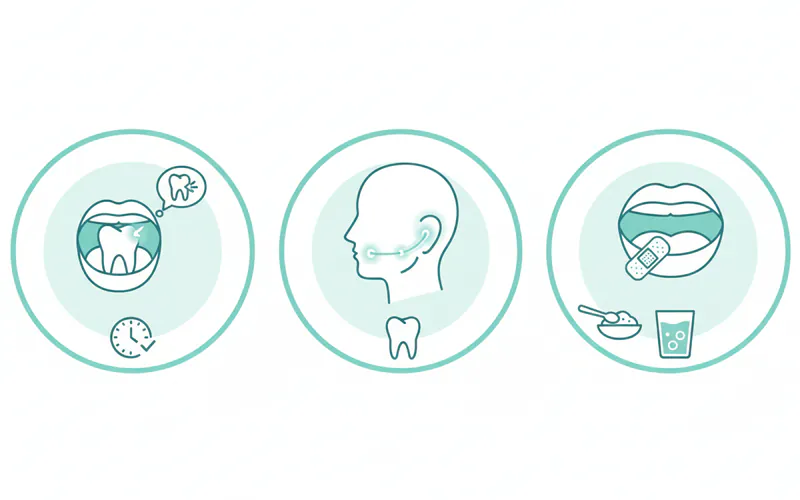
- After a Filling: Avoid chewing on the treated tooth until the anesthetic wears off. Composite fillings are cured immediately, but amalgam fillings require about 24 hours to fully harden.
- After an Extraction: Bite firmly on the gauze pad provided to control bleeding. Avoid spitting, rinsing vigorously, or using straws for the first 24 hours to prevent dislodging the blood clot (dry socket).
- After a Root Canal: The tooth may be sensitive for a few days. It's crucial to get a permanent crown placed promptly to protect the tooth from fracture.
Prevention: The Key to Lifelong Oral Health
Prevention is the most effective and cost-efficient approach to dental health. Most common oral diseases are largely preventable.
Comprehensive Prevention Strategies:
-
Brush Twice Daily with Fluoride Toothpaste:
- Use a soft-bristled brush.
- Brush for at least two minutes, covering all tooth surfaces and along the gum line.
- Angle the brush at 45 degrees to the gum line.
- Replace your toothbrush every 3-4 months, or sooner if bristles are frayed.
- ADA Recommendation: The American Dental Association (ADA) recommends using fluoride toothpaste, as fluoride strengthens enamel and reverses early signs of decay.
-
Floss Daily:
- Flossing removes plaque and food particles from between teeth and under the gum line, where toothbrushes can't reach.
- Use an 18-inch piece of floss, winding most around your middle fingers, and gently glide it between teeth. Curve it around each tooth in a 'C' shape.
-
Eat a Balanced Diet and Limit Sugary/Acidic Foods and Drinks:
- Sugars are the primary fuel for cavity-causing bacteria. Acidic foods and drinks (soda, fruit juices, citrus) can erode enamel.
- Choose water over sugary beverages.
- Opt for nutrient-rich foods like fruits, vegetables, lean proteins, and dairy products.
- Pro Tip: If you consume sugary or acidic items, do so with meals to minimize exposure, and rinse your mouth with water afterward.
-
Regular Dental Check-ups and Cleanings:
- Visit your dentist typically every six months, or as recommended based on your oral health status.
- These appointments allow for professional cleaning, early detection of problems, and personalized preventive advice.
-
Use Mouthwash (Optional):
- Therapeutic mouthwashes can help reduce plaque, gingivitis, and bad breath.
- Consult your dentist about the best type of mouthwash for your specific needs.
-
Avoid Tobacco Products:
- Smoking and chewing tobacco significantly increase the risk of gum disease, oral cancer, and tooth staining.
- Quitting tobacco is one of the most impactful steps you can take for your oral and overall health.
-
Protect Your Teeth:
- Wear a mouthguard during sports to prevent dental injuries.
- If you grind or clench your teeth (bruxism), a nightguard can protect your enamel from wear and fracture.
Risks and Complications: What Can Go Wrong
While modern dentistry is highly safe, every procedure carries some inherent risks, and neglecting oral health can lead to serious complications.
Risks of Dental Procedures:
- Infection: Though rare with sterile techniques, infection can occur after surgery or invasive procedures.
- Nerve Damage: Particularly with extractions or implant placement, temporary or (rarely) permanent nerve damage can occur, leading to numbness or altered sensation.
- Allergic Reactions: To anesthetics, latex, or materials used in fillings or crowns.
- Bleeding: Excessive bleeding can occur, especially in patients on blood thinners or with clotting disorders.
- Pain and Swelling: Expected to some degree, but persistent or severe pain/swelling can indicate a complication.
- Failure of Treatment: Fillings may fall out, crowns may dislodge, or implants may fail to integrate with the bone.
Complications of Neglected Oral Health:
- Widespread Tooth Decay and Abscesses: Untreated cavities can lead to severe infections that spread to the jawbone or even other parts of the body.
- Advanced Periodontal Disease: Can lead to significant bone loss, loose teeth, and eventual tooth loss.
- Systemic Health Issues:
- Cardiovascular Disease: Bacteria from gum disease can enter the bloodstream and contribute to arterial plaque formation.
- Diabetes: Periodontal disease can make blood sugar control more difficult, and diabetes can worsen gum disease.
- Respiratory Infections: Inhaling bacteria from infected teeth and gums can lead to pneumonia and other respiratory problems.
- Pregnancy Complications: Periodontal disease has been linked to preterm birth and low birth weight.
- Oral Cancer: Delaying diagnosis and treatment can lead to more aggressive cancers with worse prognoses.
- Malnutrition and Speech Impairment: Missing teeth or severe dental pain can make eating difficult, leading to nutritional deficiencies. Significant tooth loss can also affect speech clarity.
Comparison Table: Preventative vs. Restorative Costs
This table illustrates the financial benefit of prioritizing preventive care over waiting for problems to develop and require restorative procedures.
| Procedure Category | Example Procedures | Average Cost Range (US$) | Timeline | Notes |
|---|---|---|---|---|
| Preventative | Exam, Cleaning, X-rays, Fluoride, Sealants | $150 - $400 (per visit) | Every 6-12 months | Often 100% covered by Guardian Dental and other plans |
| Restorative | Filling (1-2 surfaces) | $150 - $400 | As needed | Up to 80% covered by insurance |
| Major Restorative | Root Canal, Crown, Extraction, Implant | $700 - $5,000+ | As needed | Up to 50% covered; long waiting periods often apply |
| Orthodontic | Braces, Clear Aligners | $3,000 - $8,000 | 1-3 years | Limited or no coverage; lifetime maximums may apply |
Children / Pediatric Considerations
Children have unique dental needs that require specialized care. Establishing good oral hygiene habits early is critical for lifelong dental health.
Key Considerations for Children's Dental Health:
- First Dental Visit: The ADA recommends a child's first dental visit by age one or within six months of the first tooth erupting. This allows the pediatric dentist to check for proper development, identify potential issues, and educate parents on oral hygiene.
- Teething: Manage discomfort with teething rings, gentle gum massage, or child-safe pain relievers.
- Early Childhood Caries (ECC): Also known as baby bottle tooth decay, this is a severe form of decay in infants and toddlers. It's often caused by prolonged exposure to sugary liquids (milk, formula, juice) in bottles, especially at bedtime. Avoid putting a baby to sleep with a bottle containing anything other than water.
- Brushing and Flossing for Kids:
- Begin cleaning gums with a soft cloth even before teeth erupt.
- Once teeth appear, brush twice daily with a tiny smear of fluoride toothpaste (rice grain size) for children under 3.
- For ages 3-6, use a pea-sized amount of fluoride toothpaste.
- Parents should supervise brushing until around age 7-8 to ensure thoroughness.
- Start flossing once teeth touch each other, typically around age 2-3.
- Fluoride: Children benefit greatly from fluoride. Ensure they use fluoride toothpaste, and discuss professional fluoride treatments with your pediatric dentist.
- Dental Sealants: These protective coatings are highly effective for children's permanent molars, which are prone to cavities due to their deep grooves.
- Thumb Sucking and Pacifier Use: Most children stop these habits on their own. If prolonged beyond age 4-5, they can affect tooth alignment and jaw development. Consult your dentist for guidance.
- Orthodontic Evaluation: Children often benefit from an orthodontic evaluation around age 7 to identify potential bite problems or crowding early on, even if treatment isn't needed immediately.
Cost Breakdown: Understanding Your Dental Investment
Beyond individual procedure costs, it's helpful to look at the broader financial landscape of dental care.
Average US Costs (Low, Mid, High Estimates):
- Low (Preventive focus): $200-$400 annually for 2 exams, 2 cleanings, and necessary X-rays. This is the minimum investment for maintaining basic oral health.
- Mid (Basic restorative needs): $500-$1,500 annually for preventive care plus one or two fillings.
- High (Major restorative/specialty care): $2,000-$10,000+ annually for complex treatments like root canals, crowns, implants, or initial phases of orthodontics.
With vs. Without Insurance:
- Without Insurance: You pay 100% of the dentist's billed fee. Many dentists offer cash discounts or in-house payment plans.
- With Insurance: Your out-of-pocket costs are significantly reduced.
- Preventive: Often $0-$50 per visit after deductible (if applicable).
- Basic: $30-$150 per filling, after your deductible and co-insurance (e.g., if insurance covers 80%, you pay 20%).
- Major: $400-$2,500+ per procedure, depending on the service and your plan's 50% coverage, after deductible.
Payment Plans and Financing Options:
- In-Office Payment Plans: Many dental offices offer interest-free payment plans for larger treatments, allowing you to pay in installments.
- Third-Party Financing (e.g., CareCredit): Healthcare credit cards offer special financing options, often with deferred interest if paid within a promotional period.
- Dental Discount Plans: Not insurance, but a membership program where you pay an annual fee and receive discounted rates from participating dentists.
- Flexible Spending Accounts (FSAs) and Health Savings Accounts (HSAs): These tax-advantaged accounts allow you to set aside pre-tax money for healthcare expenses, including dental.
Cost-Saving Tips:
- Prioritize Prevention: As seen in the comparison table, preventing issues costs significantly less than treating them. Regular cleanings are your best investment.
- Utilize Insurance Benefits: Understand your plan, max out your annual benefits for necessary treatments, and schedule appointments strategically around your plan year.
- Shop Around (with caution): Get second opinions and compare treatment plans and costs from different dentists, but prioritize quality of care and reputation over just the lowest price.
- Dental Schools: University dental schools often provide high-quality care at reduced costs, as procedures are performed by students under expert supervision.
- Community Health Centers: Some centers offer dental services on a sliding scale based on income.
Pro Tip: While the dental hygienist salary reflects the valuable expertise and critical role these professionals play in preventive care, investing in regular cleanings and check-ups is one of the most cost-effective ways to avoid higher treatment costs down the line.
Frequently Asked Questions
Q: How often should I visit the dentist?
A: For most individuals with good oral health, the American Dental Association (ADA) recommends visiting the dentist for a check-up and professional cleaning every six months. However, if you have specific risk factors like gum disease, frequent cavities, or certain systemic health conditions, your dentist may recommend more frequent visits.
Q: Is dental pain always a sign of a serious problem?
A: While dental pain can indicate a serious issue like a cavity, infection, or cracked tooth, it's not always severe. Mild sensitivity or discomfort can sometimes be managed with improved oral hygiene or specific toothpastes. However, any persistent or worsening pain warrants a dental visit to determine the underlying cause and prevent complications.
Q: What's the difference between a dental crown and a filling?
A: A dental filling is used to repair a small to medium-sized area of decay or damage in a tooth, restoring its structure. A dental crown, on the other hand, is a cap that covers the entire visible portion of a tooth, used when a tooth has significant damage, a large filling, or after a root canal, to restore its strength, shape, and appearance.
Q: Can I whiten my teeth safely at home?
A: Over-the-counter teeth whitening products like strips or gels can be effective for mild staining, but their safety and efficacy depend on proper usage. It's always best to consult your dentist before starting any whitening regimen to ensure you're a suitable candidate and to discuss professional whitening options, which offer faster, more dramatic, and safer results.
Q: What are dental implants, and how much do they cost?
A: Dental implants are artificial tooth roots, typically made of titanium, that are surgically placed into the jawbone to support a replacement tooth or bridge. They are considered the most durable and natural-feeling option for missing teeth. The total cost for a single dental implant, including the post, abutment, and crown, typically ranges from $3,000 to $5,000 or more per tooth, depending on factors like location, additional procedures (e.g., bone graft), and material.
Q: Does dental insurance cover cosmetic procedures?
A: Generally, dental insurance plans like those offered by Guardian Dental primarily cover procedures deemed medically necessary for oral health. Cosmetic procedures such as teeth whitening, veneers, and certain types of orthodontic treatments (if solely for aesthetic reasons) are often not covered or have very limited coverage. It's crucial to check your specific policy details or consult your insurance provider for clarification.
Q: How long do dental procedures typically last?
A: The duration of dental procedures varies widely. A routine cleaning and exam typically takes 30-60 minutes. A simple filling might take 30-45 minutes, while a root canal can last 1-2 hours. Complex procedures like dental implant placement or wisdom tooth extraction could take 1-3 hours, often requiring multiple appointments.
Q: Are there alternatives to braces for straightening teeth?
A: Yes, the most popular alternative to traditional braces is clear aligner therapy, such as Invisalign. These involve a series of custom-made, removable clear plastic trays that gradually shift teeth into the desired position. Other options might include retainers for very minor corrections or veneers for purely cosmetic alignment improvements.
Q: What role does diet play in dental health?
A: Diet plays a significant role. Sugary and acidic foods and drinks contribute to tooth decay by providing fuel for bacteria and eroding enamel. A balanced diet rich in fruits, vegetables, lean proteins, and dairy (for calcium) supports strong teeth and healthy gums. Water intake is also crucial for rinsing away food particles and maintaining saliva flow.
Q: Can bad breath be a sign of something serious?
A: Persistent bad breath (halitosis) often originates in the mouth due to plaque buildup, gum disease, or bacteria on the tongue. However, it can also be a symptom of underlying medical conditions such as sinus infections, tonsillitis, acid reflux, diabetes, kidney disease, or liver problems. If improving oral hygiene doesn't resolve bad breath, consult your dentist or physician.
When to See a Dentist
Knowing when to seek professional dental care is critical for preventing minor issues from becoming major problems.
Routine Care vs. Warning Signs:
- Routine Care: Schedule regular check-ups and cleanings every six months, or as recommended by your dentist. This is proactive maintenance for your oral health.
When to Seek Prompt Attention (Warning Signs):
- Persistent Toothache: Any tooth pain that lasts more than a day or two, especially if it's severe, throbbing, or worsens with pressure or temperature changes. This could indicate a deep cavity, infection, or fractured tooth.
- Bleeding, Swollen, or Tender Gums: While some bleeding during flossing might occur, persistent bleeding, redness, or swelling of the gums are classic signs of gum disease that require professional intervention.
- Loose or Shifting Teeth: This is a serious indicator of advanced gum disease or trauma and needs immediate evaluation to prevent tooth loss.
- Pus or Sores in the Mouth: Any pus around a tooth or gum suggests an infection (abscess) which can be dangerous if left untreated. Sores that don't heal within two weeks could also be a sign of oral cancer.
- Difficulty Chewing or Swallowing: Can indicate a severe dental problem, TMJ disorder, or a more serious underlying medical condition.
- Swelling in the Face or Jaw: This can signal a serious infection that may be spreading beyond the mouth and requires emergency care.
- Chipped, Cracked, or Broken Tooth: Even if painless initially, a damaged tooth can quickly become sensitive or infected.
- Lost Filling or Crown: Leaves the tooth vulnerable to decay and sensitivity.
- Chronic Bad Breath: If good oral hygiene doesn't resolve bad breath, it could indicate gum disease or another health issue.
Emergency vs. Scheduled Appointment:
- Emergency (Seek immediate care): Severe toothache, knocked-out tooth, fractured jaw, uncontrolled bleeding, swelling in the face/jaw, or any signs of spreading infection.
- Scheduled Appointment: Routine check-ups, cleanings, minor tooth sensitivity, cosmetic concerns, or addressing a lost filling/crown without severe pain or swelling.
Your oral health is a window into your overall health. By staying informed, practicing diligent prevention, and knowing when to seek professional help, you can ensure your smile remains healthy and vibrant for years to come.
Frequently Asked Questions
Medically Reviewed Content
This article was written by our dental health editorial team and reviewed for medical accuracy. Our content follows strict editorial guidelines for reliability and trustworthiness.
Medical Disclaimer
This article is for informational purposes only and does not constitute medical advice. Always consult with a qualified dental professional for diagnosis and treatment. Do not delay seeking professional advice because of something you read on this website.
Related Articles

Dental Office: Complete Guide
More than 1 in 4 adults in the United States experiences untreated dental caries, a statistic that underscores a critical reality: regular visits to a dental office are not merely about aesthetics, but about foundational health. A dental office serves as the primary gateway to maintaining op
February 22, 2026
Delta Dental Insurance: Complete Guide
Navigating the landscape of dental insurance can often feel as complex as understanding advanced calculus, yet its impact on your oral health and overall well-being is undeniable. Did you know that over 36% of American adults did not visit a dentist in the past year, often citing cost as a major bar
February 22, 2026
Emergency Dentist: Complete Guide
Emergency Dentist: Complete Guide Category: General Dentistry & Oral Health
February 22, 2026
Pediatric Dentist: Complete Guide
When it comes to your child's health, every detail matters—especially their developing smile. Did you know that tooth decay is the most common chronic childhood disease, five times more prevalent than asthma? This startling statistic underscores the critical importance of early and consistent de
February 22, 2026