Complete Guide to General Dentistry & Oral Health: Everything You Need to Know
Key Takeaways
- Did you know that over 90% of adults aged 20-64 have had dental caries (cavities), and nearly 50% of adults aged 30 and older have some form of gum disease? These startling statistics highlight a crucial truth: maintaining optimal oral health is not just about a bright smile; it's fundamenta
Complete Guide to General Dentistry & Oral Health: Everything You Need to Know
Did you know that over 90% of adults aged 20-64 have had dental caries (cavities), and nearly 50% of adults aged 30 and older have some form of gum disease? These startling statistics highlight a crucial truth: maintaining optimal oral health is not just about a bright smile; it's fundamental to your overall well-being. Your mouth is a gateway to the rest of your body, and issues like untreated infections can have far-reaching systemic health consequences, impacting everything from your heart health to your immune system. This comprehensive guide to general dentistry and oral health is designed to empower you with the knowledge needed to take control of your dental future. Whether you're searching for a dentist near me, trying to understand your dental insurance plan like Delta Dental or MetLife Dental, or simply aiming to improve your daily oral hygiene, we'll cover everything from preventive care and common treatments to costs, recovery, and essential tips for every stage of life. Dive in to discover how proactive general dentistry can keep your smile healthy and vibrant for years to come.
Key Takeaways:
- General dentistry encompasses a wide range of services focused on preventing, diagnosing, and treating common oral health issues, making it your primary partner in maintaining a healthy smile.
- Regular preventive care, including routine check-ups and cleanings (typically $75-$200 without insurance, often covered by dental insurance), is the cornerstone of good oral health and can prevent more costly problems.
- Common restorative treatments like fillings range from $50-$250 for amalgam and $90-$450 for composite per tooth, while a crown can cost $800-$3,000, varying by material and location.
- Dental insurance plans, such as Delta Dental and MetLife Dental, typically cover 80-100% of preventive care, 50-80% of basic restorative procedures, and 0-50% of major procedures like crowns or dental implants, after deductibles are met.
- Practicing consistent home oral hygiene (brushing twice daily, flossing once daily) and maintaining a balanced diet are the most effective ways to prevent cavities, gum disease, and other oral health problems.
- Don't wait for pain: Schedule a general dental check-up at least once a year, and seek immediate care for persistent pain, swelling, or trauma to prevent complications.
What is General Dentistry? A Holistic Approach to Oral Health
General dentistry is the foundation of a healthy smile, providing comprehensive oral health care for patients of all ages. Think of your general dentist as your primary care physician for your mouth. They are trained to diagnose, treat, and manage your overall oral health needs, encompassing everything from routine check-ups and cleanings to fillings, extractions, and even cosmetic procedures. The primary goal of general dentistry is to preserve your natural teeth, prevent oral diseases, and promote overall systemic health, understanding the intricate connection between your mouth and your body.
A general dentist's role is multifaceted. They are responsible for:
- Preventive Care: Helping you avoid dental disease in the first place.
- Diagnostic Services: Identifying oral health problems early through exams and X-rays.
- Restorative Treatments: Repairing damage caused by decay, trauma, or disease.
- Cosmetic Procedures: Enhancing the appearance of your smile.
- Patient Education: Empowering you with the knowledge to maintain your oral health at home.
- Referrals: Connecting you with specialists (like orthodontists, periodontists, or oral surgeons for procedures such as dental implants) when advanced care is needed.
Types of General Dentistry Services and Variations
General dentistry covers a broad spectrum of services designed to address every aspect of your oral health. These can be broadly categorized into preventive, restorative, and cosmetic services.
1. Preventive Dentistry
Preventive care is the cornerstone of general dentistry, focusing on keeping your teeth and gums healthy and preventing oral diseases before they start.
- Routine Oral Examinations: Your dentist conducts a thorough examination of your teeth, gums, and oral tissues to check for cavities, gum disease, oral cancer, and other potential issues. This typically happens at least once a year.
- Professional Dental Cleanings (Prophylaxis): A dental hygienist removes plaque and tartar build-up from your teeth, both above and below the gumline. This is crucial as plaque, if left undisturbed, hardens into tartar, which cannot be removed by brushing and flossing alone. Most adults benefit from cleanings every six months.
- Dental X-rays: These diagnostic images allow your dentist to see what's happening beneath the surface of your teeth and gums, identifying cavities between teeth, bone loss, impacted teeth, or other hidden problems. Frequency varies based on individual risk, often every 1-3 years.
- Fluoride Treatments: Applied topically, fluoride strengthens tooth enamel, making it more resistant to acid attacks from bacteria and sugars, thus preventing cavities. This is common for children but beneficial for adults with high decay risk or sensitive teeth.
- Dental Sealants: Thin, protective coatings painted on the chewing surfaces of back teeth (molars and premolars). They fill in the grooves and pits where food particles and bacteria often get trapped, making these teeth easier to clean and significantly reducing the risk of cavities, especially in children and teenagers.
- Oral Hygiene Education: Your dental team will provide personalized advice on proper brushing and flossing techniques, diet, and habits that affect oral health.
2. Restorative Dentistry
When problems like cavities or damaged teeth occur, restorative dentistry aims to repair the damage and restore the function and integrity of your teeth.
- Fillings: Used to repair teeth damaged by decay. After removing the decayed portion, the dentist fills the resulting hole with materials like amalgam (silver), composite resin (tooth-colored), porcelain, or gold. Composite fillings are increasingly popular due to their aesthetic appeal.
- Dental Crowns: A tooth-shaped "cap" placed over a damaged tooth to restore its shape, size, strength, and appearance. Crowns are used for teeth with large cavities, extensive cracks, after a root canal, or to support a bridge. Materials include porcelain, ceramic, metal, or combinations.
- Dental Bridges: Used to replace one or more missing teeth by bridging the gap. A bridge consists of artificial teeth (pontics) held in place by crowns cemented onto the natural teeth or dental implants adjacent to the gap.
- Root Canal Therapy (Endodontics): When the pulp (nerve and blood vessels) inside a tooth becomes infected or inflamed due to deep decay or trauma, a root canal saves the tooth. The infected pulp is removed, the root canal system is cleaned and disinfected, and then filled and sealed. The tooth is typically then covered with a crown.
- Tooth Extractions: The removal of a tooth that is severely damaged, decayed beyond repair, causing overcrowding, or impacted (like wisdom teeth). Simple extractions involve removing a visible tooth, while surgical extractions are needed for teeth that are broken below the gumline or impacted.
3. Cosmetic Dentistry
While many general dental procedures have a cosmetic benefit, some treatments are primarily focused on improving the aesthetics of your smile.
- Teeth Whitening (Bleaching): A popular procedure to lighten the shade of natural teeth, removing stains and discoloration. This can be done in-office or with at-home kits prescribed by your dentist.
- Dental Bonding: Tooth-colored composite resin is applied to a tooth, sculpted, and hardened with a special light to repair chips, cracks, gaps, or discolorations. It's a less invasive and often more affordable alternative to veneers.
- Porcelain Veneers: Thin, custom-made shells of tooth-colored material that are bonded to the front surface of teeth to improve their appearance. They can correct issues like severe discoloration, chips, minor misalignment, or gaps.
``
Causes of Common Oral Health Issues
Understanding the root causes of dental problems is key to preventing them. Most issues stem from the interaction of bacteria, diet, and lifestyle habits.
1. Dental Caries (Cavities)
- Bacteria and Sugar: The primary cause. Bacteria in your mouth feed on sugars from food and drinks, producing acids that erode tooth enamel, creating tiny holes or cavities.
- Poor Oral Hygiene: Inadequate brushing and flossing allow plaque (a sticky film of bacteria) to accumulate, leading to increased acid production and enamel breakdown.
- Frequent Snacking: Constant exposure to sugars and starches, especially between meals, doesn't give saliva enough time to neutralize acids and remineralize enamel.
- Dry Mouth (Xerostomia): Saliva helps wash away food particles and neutralize acids. Reduced saliva flow (due to medications, certain diseases, or aging) increases cavity risk.
2. Gum Disease (Periodontal Disease)
- Plaque and Tartar Buildup: The leading cause. If plaque isn't removed daily, it hardens into tartar (calculus) along the gumline. Tartar provides a rough surface for more plaque to adhere, irritating the gums.
- Gingivitis: The initial stage, characterized by red, swollen, and easily bleeding gums. It's reversible with good oral hygiene and professional cleaning.
- Periodontitis: If gingivitis is left untreated, it progresses to periodontitis. The inflammation spreads below the gumline, causing the gums to pull away from the teeth, forming pockets. Bacteria thrive in these pockets, leading to bone and tissue loss around the teeth.
- Risk Factors: Smoking, diabetes, hormonal changes (pregnancy), certain medications, genetics, and poor nutrition can increase susceptibility.
3. Bad Breath (Halitosis)
- Poor Oral Hygiene: Food particles trapped in the mouth, on the tongue, or between teeth can putrefy, releasing foul-smelling gases.
- Gum Disease: Bacteria associated with gum disease produce sulfur compounds that contribute to bad breath.
- Dry Mouth: Lack of saliva allows bacteria and food debris to linger and multiply.
- Diet: Strong-smelling foods like garlic, onions, and certain spices.
- Medical Conditions: Sinus infections, chronic bronchitis, kidney disease, liver disease, or diabetes can sometimes manifest as distinct odors in the breath.
4. Tooth Sensitivity
- Receding Gums: When gums pull away, the underlying dentin (which contains microscopic tubules leading to the tooth's nerve) becomes exposed, making teeth sensitive to hot, cold, sweet, or acidic foods.
- Worn Enamel: Aggressive brushing, acidic diet, or teeth grinding can wear down enamel, exposing the dentin.
- Cracked or Chipped Teeth: Exposes the inner layers of the tooth.
- Cavities: Decay can expose sensitive areas of the tooth.
Signs and Symptoms That Warrant a Dental Visit
Recognizing the warning signs of oral health problems early can save you pain, extensive treatment, and money. Don't wait for a small issue to become a major problem.
- Persistent Toothache or Pain: Any lasting discomfort, especially when biting down or exposed to hot/cold, indicates a potential cavity, crack, or infection.
- Bleeding Gums: Gums that bleed during brushing or flossing are a classic sign of gingivitis, the early stage of gum disease. Healthy gums do not bleed.
- Swollen, Red, or Tender Gums: Also indicative of gum inflammation or infection.
- Chronic Bad Breath or Bad Taste in Your Mouth: Persistent bad breath that doesn't go away with brushing could signal gum disease, cavities, or other issues.
- Tooth Sensitivity: Sharp pain when consuming hot, cold, sweet, or acidic foods and drinks.
- Loose Teeth: A significant sign of advanced gum disease (periodontitis) or trauma.
- Receding Gums: Teeth appearing longer than usual, indicating gum recession which can lead to sensitivity and root decay.
- Sores, Lumps, or Bumps in Your Mouth: Any persistent (longer than two weeks) sore, white/red patch, or unusual growth on your tongue, cheek, gums, or lips should be examined for oral cancer screening.
- Difficulty Chewing or Swallowing: Can indicate a severe tooth problem, infection, or other systemic issues.
- Clicking or Popping Jaw: May suggest temporomandibular joint (TMJ) dysfunction.
- Changes in Your Bite: How your teeth fit together can change due to new fillings, crowns, or teeth shifting.
- Dry Mouth: Persistent dryness can increase your risk of cavities and gum disease.
Treatment Options in General Dentistry
Once diagnosed, your general dentist can offer a wide array of treatments.
1. For Cavities
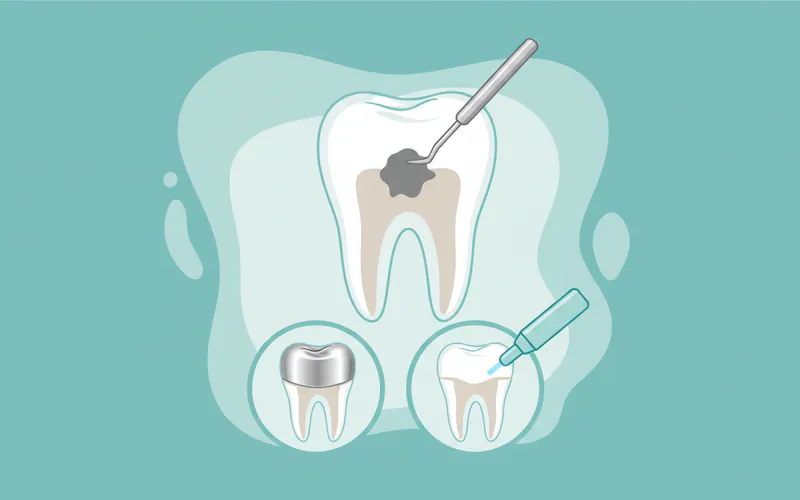
- Dental Fillings: The most common treatment.
- Amalgam Fillings (Silver): Durable and cost-effective, but not tooth-colored and contain mercury (though deemed safe by ADA).
- Composite Resin Fillings (Tooth-colored): Aesthetically pleasing, bond directly to the tooth, but may be less durable for very large cavities in back teeth than amalgam or gold.
- Porcelain/Ceramic Fillings (Inlays/Onlays): More expensive, custom-made in a lab, very durable and aesthetic. Used for larger cavities where a direct filling isn't strong enough, but a full crown isn't yet needed.
- Dental Crowns: For very large cavities that have weakened the tooth structure too much for a filling.
- Root Canal Therapy: If decay reaches the tooth's pulp, causing infection.
2. For Gum Disease
- Professional Cleanings (Prophylaxis): For gingivitis, removal of plaque and tartar above the gum line.
- Scaling and Root Planing (Deep Cleaning): For early to moderate periodontitis. The dentist or hygienist thoroughly cleans plaque and tartar from below the gum line (scaling) and smooths the root surfaces (root planing) to remove bacterial toxins and help gums reattach to the teeth.
- Antibiotics: Local (placed directly into gum pockets) or oral antibiotics may be prescribed to control bacterial infection.
- Laser Therapy: Can be used in conjunction with scaling and root planing to remove infected tissue and reduce bacteria.
3. For Missing Teeth
- Dental Bridges: Fixed appliance replacing one or more missing teeth by anchoring to adjacent natural teeth.
- Pros: Non-surgical, relatively quick to place.
- Cons: Requires preparing (grinding down) healthy adjacent teeth, can put stress on supporting teeth, may need replacement after 5-15 years.
- Removable Partial or Full Dentures: Replaces multiple or all missing teeth.
- Pros: Cost-effective, non-invasive.
- Cons: Can be less stable, may affect speech/eating, require specific care, need periodic adjustments.
- Dental Implants: Titanium posts surgically placed into the jawbone to replace tooth roots, then topped with a crown, bridge, or denture. Often referred to an oral surgeon or periodontist, but general dentists manage the restoration.
- Pros: Most natural-feeling and durable solution, preserves jawbone, doesn't require altering adjacent teeth.
- Cons: Higher initial cost, surgical procedure, longer treatment timeline (several months). This is a significant investment but offers superior long-term benefits. Many patients specifically seek "dental implants" as a permanent solution.
``
Step-by-Step Process: A Routine Dental Cleaning and Exam
A typical visit to your general dentist for a preventive check-up and cleaning involves several key steps:
- Check-in and Medical History Review: Upon arrival, you'll update any changes to your medical history, medications, or insurance information. This is important as systemic conditions can impact oral health.
- X-rays (as needed): If it's time for updated X-rays (usually every 1-3 years, depending on risk factors), a dental assistant will take a series of digital images. These help the dentist detect issues not visible during a visual exam, like interproximal (between teeth) cavities, bone loss, or cysts.
- Oral Examination by the Dentist: Your dentist will conduct a thorough visual and tactile examination of your entire mouth. They will:
- Inspect your teeth for decay, cracks, or damage.
- Check your gums for signs of inflammation, bleeding, or recession.
- Screen for oral cancer by examining your tongue, cheeks, floor of the mouth, and neck for any unusual lumps, sores, or discoloration.
- Assess your bite and jaw joints (TMJ).
- Professional Cleaning by a Dental Hygienist:
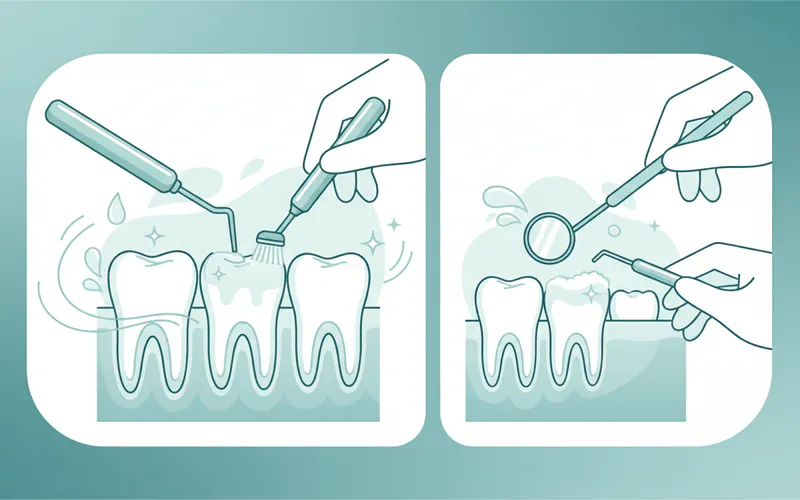
- Scaling: The hygienist will use specialized instruments (hand scalers or ultrasonic devices) to meticulously remove plaque and hardened tartar (calculus) from tooth surfaces, both above and below the gum line.
- Polishing: After scaling, your teeth are polished using a gritty paste and a rotating brush, which removes surface stains and smooths the tooth surface, making it harder for plaque to adhere.
- Flossing: The hygienist will floss between your teeth to remove any remaining plaque or polish and to check for areas of gum tenderness or bleeding.
- Fluoride Treatment (Optional/As needed): If indicated (e.g., for children, or adults with high cavity risk or sensitivity), a fluoride varnish or gel may be applied to strengthen enamel.
- Review and Recommendations: After the cleaning, your dentist will discuss their findings from the exam and X-rays. They will explain any concerns (e.g., a small cavity, early gum inflammation) and recommend a treatment plan, including options, timelines, and potential costs. This is your opportunity to ask questions.
- Scheduling Your Next Appointment: You'll typically schedule your next preventive visit (usually in six months) before you leave.
Pro Tip: Don't hesitate to ask questions during your appointment. Understanding your oral health status and treatment options empowers you to make informed decisions.
Cost and Insurance: Navigating Dental Expenses in the US
The cost of dental care in the US can vary significantly based on your location (urban vs. rural), the type of practice (private vs. corporate like Aspen Dental), the dentist's experience, and the complexity of the procedure. Dental insurance plays a crucial role in making care affordable.
Average US Dental Costs (Without Insurance)
Here's a general range for common procedures, but these are estimates and can vary widely:
| Procedure Type | Average US Cost Range (Without Insurance) |
|---|---|
| Preventive Care | |
| Routine Exam | $50 - $150 |
| Dental Cleaning (Prophylaxis) | $75 - $200 |
| Bitewing X-rays (4 films) | $30 - $100 |
| Full Mouth X-rays | $100 - $250 |
| Fluoride Treatment | $25 - $75 |
| Dental Sealant (per tooth) | $30 - $70 |
| Restorative Care | |
| Amalgam Filling (1-2 surfaces) | $50 - $250 |
| Composite Filling (1-2 surfaces) | $90 - $450 |
| Dental Crown (Porcelain, PFM) | $800 - $3,000 |
| Root Canal (Front Tooth) | $700 - $1,200 |
| Root Canal (Molar) | $900 - $1,800 |
| Simple Extraction | $150 - $450 |
| Surgical Extraction (Impacted) | $250 - $800+ |
| Dental Bridge (3-unit) | $2,000 - $5,000 |
| Dental Implants | |
| Single Implant Placement | $1,500 - $3,000 (surgical portion only) |
| Implant Crown (Abutment + Crown) | $1,000 - $2,500 (restorative portion only) |
| Total Single Implant | $2,500 - $5,500 (complete restoration) |
| Cosmetic Procedures | |
| Teeth Whitening (In-Office) | $300 - $800 |
| Dental Bonding (per tooth) | $150 - $600 |
| Porcelain Veneer (per tooth) | $900 - $2,500 |
(Costs are national averages and can vary by region and specific dental practice. For instance, costs in major metropolitan areas like New York or California tend to be on the higher end.)
Dental Insurance Coverage Details
Dental insurance plans typically operate differently from medical insurance. Most dental plans focus heavily on preventive care.
- Preventive Care (Exams, Cleanings, X-rays): Usually covered at 80-100%. Many plans cover two cleanings and one set of X-rays per year.
- Basic Restorative Care (Fillings, Simple Extractions): Typically covered at 50-80%.
- Major Restorative Care (Crowns, Bridges, Dentures, Root Canals): Often covered at 0-50%. Dental implants usually fall under this category, and coverage varies significantly, with many plans offering limited or no coverage.
- Orthodontics & Cosmetic Procedures: Often excluded or have limited coverage, especially for adults.
Key Terms to Understand:
- Premium: The monthly amount you pay for your insurance.
- Deductible: The amount you must pay out-of-pocket before your insurance begins to cover costs. Common deductibles are $50-$100 per person per year.
- Co-payment/Co-insurance: Your share of the cost for a covered service after your deductible has been met.
- Annual Maximum: The maximum amount your dental insurance will pay in a given year (e.g., $1,000-$2,000). Once you hit this, you pay 100% of costs until the next plan year.
Popular Dental Insurance Providers:
- Delta Dental: One of the largest dental insurance providers in the US, offering a wide range of plans (PPO, HMO, EPO, etc.). Their network is extensive, and many employers offer Delta Dental plans. You can usually access your plan details and claims history through a dedicated Delta Dental login portal.
- MetLife Dental: Another major provider, often offered through employers. MetLife Dental plans typically provide similar tiers of coverage for preventive, basic, and major services.
- Aetna, Cigna, Guardian, UnitedHealthcare: Other prominent providers with various dental plan options.
Corporate Dental Chains: Aspen Dental
Aspen Dental is a large corporate dental service organization (DSO) with hundreds of locations across the US. They are often known for their accessibility, extended hours, and often have transparent pricing structures.
- Pros: Convenient locations, often accept many insurance plans, offer financing, and can sometimes accommodate same-day appointments.
- Cons: Some patients report high-pressure sales tactics for extensive treatment plans, and consistency of care can vary between locations due to the corporate model. It's always wise to get a second opinion for major treatment recommendations.
Payment Plans and Financing Options
If you don't have insurance or need help covering out-of-pocket costs, consider:
- In-Office Payment Plans: Many dental offices offer interest-free payment plans for larger treatments.
- Third-Party Financing (e.g., CareCredit): Medical credit cards that offer promotional financing options (e.g., 0% APR for a specific period) if paid in full by a certain date.
- Dental Discount Plans: Not insurance, but a membership program where you pay an annual fee and get reduced rates on dental services from participating dentists.
- Community Dental Clinics/Dental Schools: Often provide lower-cost care as part of training programs or for underserved populations.
Recovery and Aftercare: Maintaining Your Results
Proper aftercare is crucial for successful treatment outcomes and long-term oral health.
- Routine Cleanings and Exams: For basic preventive care, there's no recovery. Continue your regular oral hygiene routine.
- Fillings:
- Avoid chewing on the treated side for a few hours until the local anesthetic wears off.
- Composite fillings harden instantly, but amalgam fillings require about 24 hours to fully set.
- Mild sensitivity to hot/cold is common for a few days to weeks. Avoid very hot or cold foods.
- If your bite feels "off" or pain persists, contact your dentist for an adjustment.
- Extractions:
- Bite on gauze for 30-45 minutes to stop bleeding.
- Avoid rinsing, spitting, or using straws for 24-48 hours to prevent dislodging the blood clot (dry socket).
- Eat soft foods for a few days.
- Manage pain with prescribed or over-the-counter pain relievers.
- Avoid strenuous activity, smoking, and alcohol for at least 24 hours.
- Root Canal Therapy:
- The tooth may be sensitive for a few days. Over-the-counter pain relievers usually suffice.
- Avoid chewing on the treated tooth until it's permanently restored with a crown to prevent fracture.
- Follow up with your dentist to get your permanent crown placed as soon as recommended.
- Dental Crowns:
- Temporary crowns are fragile; avoid sticky or very hard foods.
- Mild sensitivity after permanent crown placement is normal; it usually subsides.
- Brush and floss around your crown just like your natural teeth.
Pro Tip: Always follow your specific post-procedure instructions given by your dentist. They are tailored to your treatment and crucial for optimal healing.
Prevention: The Best Medicine for Your Mouth
Prevention is the most cost-effective and least invasive approach to maintaining oral health.
- Brush Twice a Day: Use a soft-bristled toothbrush and fluoride toothpaste. Brush for two minutes, covering all surfaces of your teeth and gently brushing your tongue.
- Floss Daily: Flossing removes plaque and food particles from between your teeth and under the gum line, where your toothbrush can't reach.
- Use Mouthwash (as recommended): An antiseptic or fluoride mouthwash can provide additional protection, but it's not a substitute for brushing and flossing.
- Limit Sugary and Acidic Foods/Drinks: Sugars feed bacteria, and acids erode enamel. Opt for water over soda or juice, and snack on fruits, vegetables, and dairy.
- Avoid Tobacco Products: Smoking and chewing tobacco are major risk factors for gum disease, oral cancer, and tooth decay.
- Wear a Mouthguard: If you play contact sports, protect your teeth from trauma. If you grind your teeth at night (bruxism), a nightguard can prevent wear and tear.
- Regular Dental Check-ups and Cleanings: Visiting your dentist every six months for a professional cleaning and exam allows for early detection and prevention of problems.
- Stay Hydrated: Drinking plenty of water helps wash away food particles and maintains saliva flow.
Risks and Complications
While general dental procedures are generally safe and effective, like any medical treatment, there are potential risks and complications, especially if oral health issues are left untreated.
Risks of Untreated Oral Health Issues:
- Worsening Decay and Infection: Untreated cavities can grow, leading to pain, infection of the tooth's pulp (requiring a root canal), or even abscesses that can spread to other parts of the body.
- Progression of Gum Disease: Untreated gingivitis can lead to periodontitis, causing bone and tooth loss.
- Systemic Health Issues: Oral infections have been linked to heart disease, stroke, diabetes complications, respiratory infections, and adverse pregnancy outcomes.
- Tooth Loss: The ultimate consequence of severe decay or gum disease.
- Oral Cancer: Untreated sores or lesions can sometimes indicate early oral cancer.
Potential Complications of Dental Treatments:
- Sensitivity: Common after fillings, crowns, and root canals, usually temporary.
- Infection: Although rare, infection can occur after extractions or root canals; antibiotics are typically prescribed if needed.
- Dry Socket: A painful condition after tooth extraction when the blood clot dislodges prematurely.
- Nerve Damage: Very rare, but possible with certain procedures (e.g., wisdom tooth extraction), leading to temporary or permanent numbness.
- Allergic Reaction: To anesthetic, filling materials, or medications.
- Fractured Tooth: A tooth can fracture during or after procedures, especially if already weakened.
- Failure of Restoration: Fillings, crowns, or bridges can sometimes break, chip, or fall out and require replacement.
Pro Tip: Choose a reputable dentist and discuss all potential risks and benefits before any major procedure. Following pre- and post-treatment instructions diligently minimizes complications.
Comparison Tables
Table 1: Dental Insurance Plan Types
| Feature | PPO (Preferred Provider Organization) | HMO (Health Maintenance Organization) / DMO (Dental Managed Care Plan) | Discount Dental Plans |
|---|---|---|---|
| Provider Choice | Freedom to choose any dentist (in-network or out-of-network). | Must choose a primary care dentist from a specific network. Referrals needed for specialists. | Choose from a network of participating dentists offering discounts. |
| Costs | Higher premiums. Deductibles, co-insurance. | Lower premiums. Often no deductible, fixed co-payments. | Annual membership fee. No deductibles, co-pays, or annual maximums. |
| Coverage | Percentage-based coverage (e.g., 100/80/50 for preventive/basic/major). | Fixed co-payments for services. May not cover all procedures. | Reduced fees (e.g., 15-50% off) on all services. |
| Referrals | Not usually required for specialists. | Required for specialists. | Not required, but only participating dentists offer discounts. |
| Flexibility | High | Low | Moderate |
| Ideal For | Those wanting choice of dentist (e.g., stick with current dentist). | Those seeking lower premiums and don't mind limited choice. | Those without traditional insurance or for significant out-of-pocket costs. |
Table 2: Common Restorative Materials
| Material Type | Appearance | Durability | Cost (per tooth) | Pros | Cons |
|---|---|---|---|---|---|
| Amalgam (Silver) | Metallic silver | Very high, 10-15+ years | $50 - $250 | Strong, durable, cost-effective | Not tooth-colored, contains mercury, can expand/contract |
| Composite (Resin) | Tooth-colored | Moderate-High, 5-10+ years | $90 - $450 | Aesthetically pleasing, bonds to tooth, mercury-free | Can stain over time, less durable for large posterior fillings |
| Porcelain/Ceramic | Tooth-colored | High, 10-15+ years | $250 - $800 (Inlay/Onlay) | Excellent aesthetics, very strong, stain-resistant | More expensive, requires multiple visits (for lab-made) |
| Gold | Gold metallic | Very high, 15-20+ years | $300 - $1,000+ | Extremely durable, long-lasting, gentle on opposing teeth | Most expensive, very noticeable, requires multiple visits |
``
Children / Pediatric Considerations
Oral health begins early! Pediatric dentistry is a specialized field, but general dentists often treat children and provide essential guidance for parents.
- First Dental Visit: The American Dental Association (ADA) recommends a child's first dental visit by their first birthday or within six months of their first tooth erupting. This initial visit is crucial for establishing a "dental home" and providing parents with anticipatory guidance.
- Early Oral Hygiene: Start cleaning your baby's gums with a soft, damp cloth even before teeth erupt. Once teeth appear, brush twice daily with a tiny smear of fluoride toothpaste (rice-grain size) until age 3, then a pea-sized amount from ages 3-6.
- Fluoride: Discuss fluoride needs with your dentist. Fluoride strengthens developing teeth and protects against cavities. Many communities have fluoridated water; if not, your child might need fluoride supplements or regular in-office fluoride treatments.
- Dental Sealants: These protective coatings are highly recommended for children's permanent molars as soon as they erupt (around age 6-7 for first molars, 11-13 for second molars) to prevent cavities in the deep grooves.
- Cavity Prevention: Teach children healthy eating habits, limiting sugary snacks and drinks. Encourage water consumption.
- Thumb Sucking/Pacifier Use: Discuss with your dentist if these habits persist beyond age 4 or 5, as they can affect jaw development and tooth alignment.
- Sports Safety: If your child plays sports, ensure they wear a mouthguard to protect against dental injuries.
Pro Tip: Make dental visits a positive experience! Avoid using the dentist as a threat, and maintain a calm, encouraging attitude.
Cost Breakdown: Making Dental Care Affordable
While the average costs provided earlier offer a baseline, it's essential to look at the full picture when budgeting for dental care.

Average US Costs (Low, Mid, High Scenarios)
For a single person with generally good oral health:
- Low Cost (Preventive only): $150-$400 per year (2 cleanings, 1 exam, possibly X-rays).
- Mid Cost (Minor Restoration): $500-$1,200 per year (preventive + 1-2 fillings).
- High Cost (Major Restoration): $1,500-$5,000+ per year (preventive + crown, root canal, or a portion of dental implants).
With vs. Without Insurance
- With Insurance (e.g., Delta Dental, MetLife Dental):
- Preventive: Often 0-20% out-of-pocket after deductible.
- Basic: 20-50% out-of-pocket after deductible.
- Major: 50-80% out-of-pocket after deductible, often hitting the annual maximum quickly.
- Example: A $1,200 crown might cost you $600 if your insurance covers 50% and your deductible is met. However, if your annual maximum is $1,500, and you've already had a $300 cleaning covered, you might only have $1,200 left, meaning you pay the remaining $600 plus any amount over the $1,200 annual maximum.
- Without Insurance: You pay 100% of all costs, which can quickly become prohibitive for anything beyond basic preventive care. This is why many people are looking for a good "dentist near me" who offers flexible payment options or is part of an Aspen Dental type network.
Payment Plans and Financing Options
Many dental offices understand the financial burden of dental care and offer solutions:
- In-house financing: Many practices will allow you to pay for larger treatments in installments, often interest-free, especially if you have a good payment history with them.
- Third-party medical credit cards: Services like CareCredit, LendingClub Patient Solutions, or Alphaeon Credit offer various financing plans, including interest-free periods if you pay off the balance within a certain timeframe. Be sure to understand the terms and conditions, as deferred interest can accrue if the balance isn't paid on time.
- Health Savings Accounts (HSAs) and Flexible Spending Accounts (FSAs): If you have access to these through your employer, you can use pre-tax dollars to pay for dental expenses, saving you money on taxes.
- Dental Schools and Public Health Clinics: These often provide high-quality care at significantly reduced costs, as patients are treated by students under the supervision of experienced faculty.
- Veterans Affairs (VA) Dental Benefits: Eligible veterans may receive comprehensive dental care through the VA.
Cost-Saving Tips
- Prioritize Prevention: Regular cleanings and exams are significantly cheaper than treating advanced decay or gum disease.
- Understand Your Insurance: Know your deductible, co-insurance, and annual maximum. Use your Delta Dental login or MetLife Dental portal to check your benefits regularly.
- Ask for Estimates: Before any major treatment, ask for a detailed written estimate of costs, and what your insurance is expected to cover.
- Compare Costs: If you need a major procedure, it's okay to get a second opinion and compare pricing from different "dentist near me" options.
- Utilize Discount Plans: If you don't have insurance, a dental discount plan can offer significant savings on various procedures.
- Maintain Good Oral Hygiene: This is the most important and cheapest "tip" – consistent brushing and flossing can prevent most problems.
Frequently Asked Questions
What's the difference between a general dentist and a specialist?
A general dentist provides comprehensive primary oral healthcare. They diagnose, treat, and manage your overall oral health needs. Specialists, such as orthodontists (braces), periodontists (gum disease), endodontists (root canals), or oral surgeons (dental implants, extractions), have undergone additional training beyond dental school to focus on specific areas of dentistry. Your general dentist will refer you to a specialist if your case requires their advanced expertise.
How often should I see my dentist?
The American Dental Association (ADA) recommends visiting your dentist for a check-up and professional cleaning at least once a year, and ideally every six months, for most people. Individuals with higher risk factors for gum disease, frequent cavities, or certain medical conditions may need more frequent visits.
Are dental X-rays safe?
Yes, modern dental X-rays use very low levels of radiation. Digital X-rays further minimize exposure compared to traditional film X-rays. Your dentist takes precautions like using lead aprons and only takes X-rays when necessary for diagnosis, following ADA guidelines. The benefits of early detection of problems far outweigh the minimal risks.
What should I do if I have dental anxiety?
Dental anxiety is common. Talk to your dentist about your fears. Many practices offer amenities like headphones, blankets, or even sedation options (nitrous oxide, oral sedatives) to help you relax. Choosing a compassionate "dentist near me" who understands and accommodates anxious patients can make a huge difference.

Can bad oral health affect my overall body health?
Absolutely. The mouth is often called the "gateway to the body." Oral infections, particularly severe gum disease, have been linked to systemic conditions such as heart disease, stroke, diabetes complications, respiratory issues, and adverse pregnancy outcomes. Maintaining good oral hygiene is a vital part of maintaining your overall health.
How can I make dental care more affordable?
Beyond utilizing dental insurance like Delta Dental or MetLife Dental, consider exploring payment plans offered by your dentist, third-party financing like CareCredit, or dental discount plans. Many community dental clinics and dental schools also provide services at reduced rates. Prevention through excellent home care is also your best long-term cost-saver.
What are dental implants, and does my general dentist place them?
Dental implants are permanent tooth replacements consisting of a titanium post surgically placed into the jawbone, topped with an abutment and a custom-made crown. General dentists typically restore the implant (place the crown) but refer the surgical placement of the implant post to an oral surgeon or periodontist. Implants are highly durable and act like natural teeth.
Why is my choice of "dentist near me" important?
Choosing a local dentist ensures convenience for routine visits and emergencies. Beyond location, look for a dentist with good reviews, a welcoming staff, clear communication about treatment options and costs, and one who accepts your dental insurance (e.g., in-network with Delta Dental or MetLife Dental). A good relationship with your dentist fosters trust and better long-term oral health outcomes.
What's the deal with corporate chains like Aspen Dental?
Corporate dental chains like Aspen Dental can offer convenient locations, flexible hours, and standardized services, which can be beneficial for many. However, some patients report higher treatment recommendations or a feeling of being rushed. It's important to do your research, read reviews, and always feel comfortable with any treatment plan proposed, regardless of the practice type.
When to See a Dentist
Knowing when to schedule an appointment is crucial for maintaining oral health and preventing emergencies.
Routine Care Guidance:
- Every Six Months: For most individuals, this frequency allows for professional cleanings to remove plaque and tartar and for your dentist to catch minor issues (like small cavities) before they become significant problems. This is the ideal schedule for preventive maintenance.
- Once a Year (Minimum): Even if you have excellent oral hygiene, an annual check-up is important for oral cancer screenings, assessing overall oral health, and updating X-rays if needed. Don't skip these check-ups, even if you feel fine.
Warning Signs That Need Prompt Attention (Red Flags):
- Persistent Tooth Pain: Any toothache that lasts more than a day or two, especially if it's severe, throbbing, or wakes you up at night, indicates a serious problem (e.g., deep cavity, infection, cracked tooth) requiring immediate evaluation.
- Swelling in Your Gums, Face, or Jaw: Swelling is a sign of infection and can quickly spread. This is a dental emergency.
- Bleeding Gums with Pain or Pus: While bleeding gums alone might indicate gingivitis, if accompanied by pain, tenderness, or pus, it points to a more advanced infection.
- Extreme Sensitivity to Hot or Cold: Sudden or severe sensitivity could indicate an exposed root, cavity, or damaged tooth.
- Loose Adult Tooth: Adult teeth should not be loose. This is a sign of advanced gum disease or trauma.
- Pain When Chewing or Biting: Could indicate a cracked tooth, cavity, or other structural problem.
Emergency vs. Scheduled Appointment Guidance:
- Dental Emergency (Seek Immediate Care):
- Severe Toothache: Unbearable or persistent pain.
- Abscess: A painful, pus-filled swelling, potentially with fever.
- Knocked-Out Tooth: Time is critical for re-implantation (within 30-60 minutes).
- Chipped or Broken Tooth with Severe Pain or Exposed Nerve:
- Loose or Lost Filling/Crown causing significant pain:
- Injury to the Soft Tissues of the Mouth (gums, tongue, cheeks, lips) with heavy bleeding:
- Swelling in the face or jaw that is spreading or impacting breathing/swallowing:
- Jaw Trauma: After an accident or fall.
- If you experience any of these, call your dentist immediately. Many practices offer emergency appointments or after-hours advice. If your dentist is unavailable, an urgent care dental clinic is an option.
- Scheduled Appointment (Non-Urgent, but important):
- Routine check-ups and cleanings.
- Mild, intermittent sensitivity.
- Minor chipped tooth with no pain.
- Loose or lost filling/crown without pain.
- Aesthetic concerns (e.g., wanting teeth whitening).
- Consultations for larger treatments like dental implants or braces.
Prioritizing your oral health by knowing when to act is key to maintaining a healthy and confident smile. Don't underestimate the power of regular care and timely intervention from your general dentist.
Frequently Asked Questions
Medically Reviewed Content
This article was written by our dental health editorial team and reviewed for medical accuracy. Our content follows strict editorial guidelines for reliability and trustworthiness.
Medical Disclaimer
This article is for informational purposes only and does not constitute medical advice. Always consult with a qualified dental professional for diagnosis and treatment. Do not delay seeking professional advice because of something you read on this website.
Related Articles
Dental Office: Complete Guide
More than 1 in 4 adults in the United States experiences untreated dental caries, a statistic that underscores a critical reality: regular visits to a dental office are not merely about aesthetics, but about foundational health. A dental office serves as the primary gateway to maintaining op
February 22, 2026
Dental: Complete Guide
Imagine a life where you never have to worry about a toothache, where your breath is always fresh, and your smile radiates confidence. While perfect dental health might seem like a dream, understanding and actively managing your oral care is the closest you can get to this ideal. Did you know that *
February 22, 2026
Delta Dental Insurance: Complete Guide
Navigating the landscape of dental insurance can often feel as complex as understanding advanced calculus, yet its impact on your oral health and overall well-being is undeniable. Did you know that over 36% of American adults did not visit a dentist in the past year, often citing cost as a major bar
February 22, 2026
Emergency Dentist: Complete Guide
Emergency Dentist: Complete Guide Category: General Dentistry & Oral Health
February 22, 2026