Sensitive Teeth: Complete Guide
Key Takeaways
- Experiencing a sudden, sharp pain in your teeth when you bite into ice cream, sip hot coffee, or even just breathe in cold air can be more than just an annoyance—it's a clear signal from your body. In the United States, sensitive teeth affect an estimated 1 in 8 adults, making it a remarkably co
Experiencing a sudden, sharp pain in your teeth when you bite into ice cream, sip hot coffee, or even just breathe in cold air can be more than just an annoyance—it's a clear signal from your body. In the United States, sensitive teeth affect an estimated 1 in 8 adults, making it a remarkably common dental complaint. This discomfort, medically known as dentin hypersensitivity, can range from a mild twinge to an intense, debilitating ache, significantly impacting your quality of life and enjoyment of food and drink. Understanding why your teeth feel sensitive, what specific triggers cause the pain, and the effective solutions available is crucial for maintaining optimal oral health and comfort. This comprehensive guide from SmilePedia.net will explore everything you need to know about sensitive teeth, from its underlying causes and various types to advanced treatment options, preventative measures, and crucial pediatric considerations, equipping you with the knowledge to regain control over your dental comfort.
Key Takeaways:
- Sensitive teeth (dentin hypersensitivity) affects about 12.5% of US adults, often triggered by hot, cold, sweet, or acidic foods and drinks.
- The primary cause is exposed dentin, allowing external stimuli to reach the tooth's nerve. This exposure can be due to enamel erosion, gum recession, or a small cavity.
- Treatment options range from at-home desensitizing toothpastes ($5-$20) and fluoride rinses ($10-$30) to in-office treatments like fluoride varnish ($30-$75 per application), bonding ($150-$600 per tooth), gum grafts ($600-$1,500 per tooth), or even root canals ($700-$2,000 per tooth) for severe cases.
- Many dental insurance plans cover a portion of in-office treatments for sensitivity, especially when linked to underlying issues like gum recession or cavities. Preventative care, like fluoride treatments, is often fully covered.
- Prevention involves diligent oral hygiene, using a soft-bristled toothbrush, avoiding acidic foods, and regular dental check-ups.
- If sensitivity persists for more than a few days, is localized to a single tooth, or is accompanied by swelling or sharp pain, see a dentist immediately to rule out serious issues like a fracture, infection, or a deep small cavity.
What Sensitive Teeth Is: An Overview
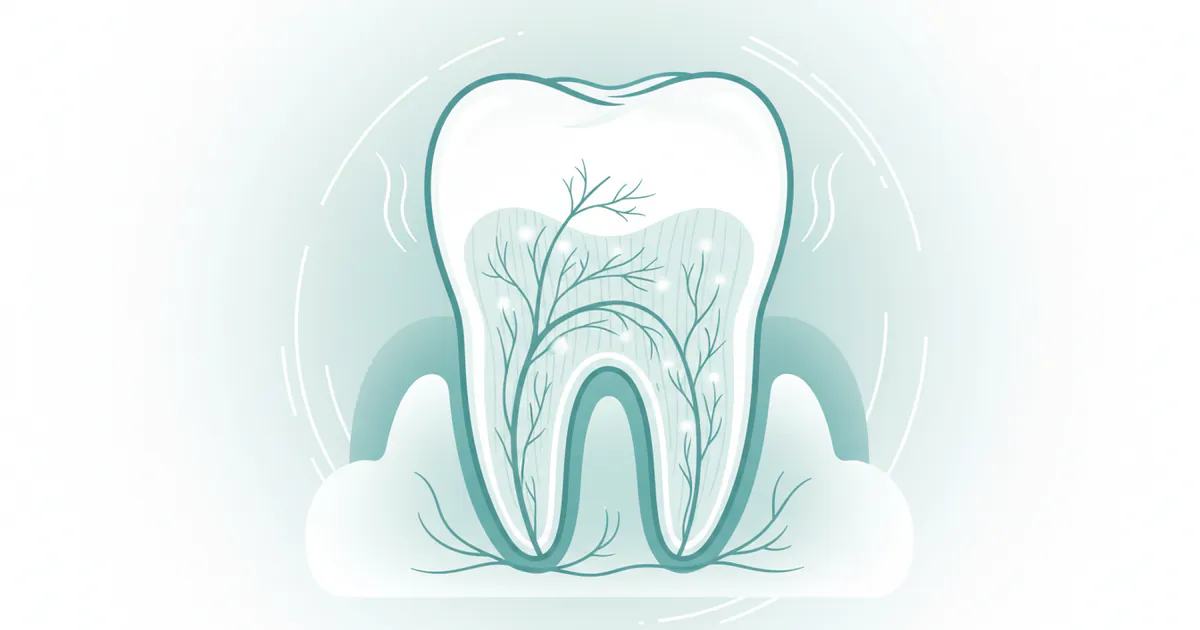
Sensitive teeth, formally known as dentin hypersensitivity, is a common dental condition characterized by a sharp, short pain that occurs in response to certain stimuli. This pain is not constant but rather episodic, triggered by external factors that typically wouldn't cause discomfort in healthy teeth. Imagine enjoying a scoop of your favorite ice cream, and suddenly a jolt of pain shoots through one or more teeth. That's tooth sensitivity.

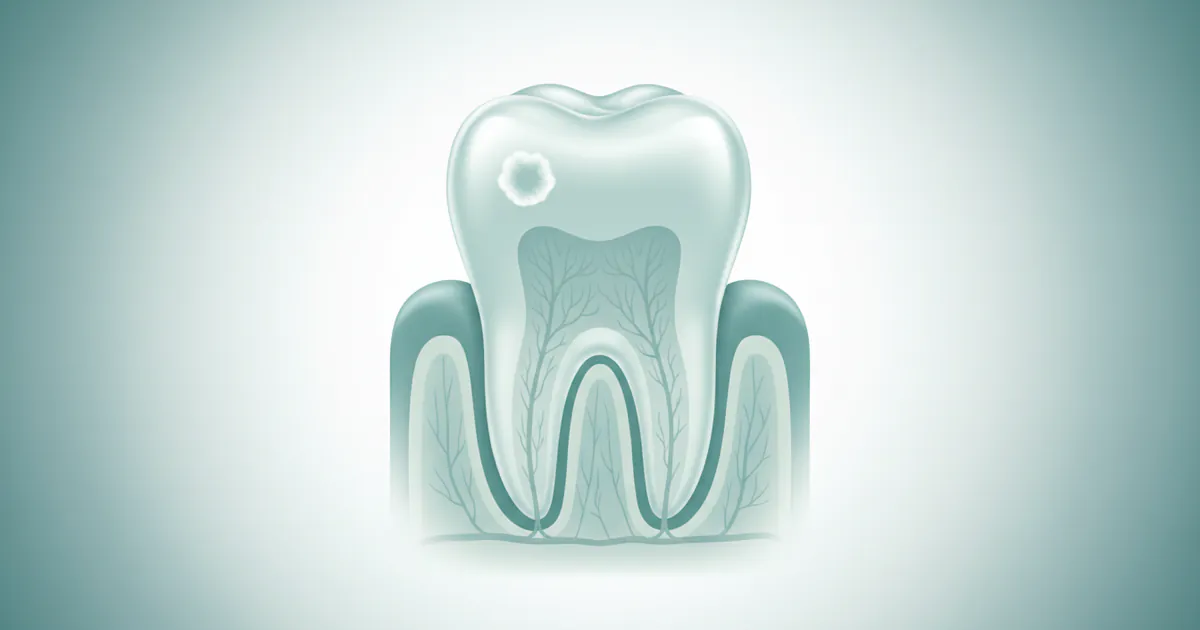
The root of this issue lies in the anatomy of your tooth. Each tooth consists of several layers:
- Enamel: The outermost, hardest layer, protecting the crown (the visible part of the tooth above the gum line).
- Dentin: Beneath the enamel, dentin is a softer, porous layer that makes up the bulk of the tooth. It contains thousands of microscopic tubules, or canals, that lead directly to the tooth's pulp.
- Pulp: Located at the center of the tooth, the pulp houses blood vessels, connective tissue, and nerves, extending into the roots.
When the protective enamel layer wears away or the gums recede, the underlying dentin becomes exposed. These exposed dentinal tubules act as direct pathways to the sensitive nerve endings within the pulp. When hot, cold, sweet, or acidic stimuli touch the exposed dentin, they cause fluid movement within these tubules. This fluid movement stimulates the nerves in the pulp, resulting in the characteristic sharp, fleeting pain of tooth sensitivity.
It's crucial to understand that while dentin hypersensitivity is often benign, it can also be a symptom of a more serious underlying problem, such as tooth decay (a small cavity or larger), a cracked tooth, gum disease, or even a recent dental filling or procedure. Therefore, persistent or severe sensitivity should always prompt a visit to your dentist for an accurate diagnosis.
Types and Variations of Tooth Sensitivity
Tooth sensitivity isn't a one-size-fits-all condition. While dentin hypersensitivity is the overarching term, its manifestation and underlying causes can vary. Understanding these distinctions helps in proper diagnosis and targeted treatment.
Dentin Hypersensitivity (Classical Tooth Sensitivity)
This is the most common form, as described above. It occurs when dentin is exposed due to:
- Enamel Erosion: Loss of enamel from acidic foods, aggressive brushing, or acid reflux.
- Gum Recession: Gums pull back, exposing the root surface (which is covered by cementum, a thinner layer than enamel, making it more vulnerable).
- Abrasion: Wear from aggressive brushing or using hard-bristled toothbrushes.
- Abfraction: Loss of tooth structure at the gumline due to excessive biting forces or clenching/grinding (bruxism).
- Cracked or Chipped Teeth: Exposing underlying dentin.
- Post-Dental Treatment Sensitivity: Temporary sensitivity after fillings, crowns, or professional cleanings, usually resolving within a few weeks.
Pulpal Sensitivity (Internal Tooth Sensitivity)
This type of sensitivity originates from issues within the tooth's pulp, which houses the nerves. It often indicates a more serious problem than simple dentin exposure.
- Reversible Pulpitis: A mild inflammation of the pulp, often caused by a small cavity, recent dental work, or trauma. The pain is usually sharp and short-lived, triggered by cold, and disappears quickly. The pulp is still healthy enough to recover if the irritant is removed.
- Irreversible Pulpitis: A severe, persistent inflammation of the pulp, usually due to a deep cavity, extensive dental work, or trauma leading to bacterial infection. The pain is often spontaneous, lingering (even after the stimulus is removed), and can be throbbing. It may be triggered by heat and can worsen at night. This condition typically requires a root canal to save the tooth.
- Periapical Abscess: An infection at the tip of the tooth root, often a progression of irreversible pulpitis. This causes severe, constant pain, swelling, and sensitivity to pressure.
Post-Operative Sensitivity
It's common to experience temporary sensitivity after certain dental procedures:
- Fillings: Especially deep fillings or those involving composite resins, which can sometimes cause minor inflammation of the pulp. This usually subsides within a few days to weeks.
- Teeth Whitening: The bleaching agents can temporarily open dentinal tubules, leading to sensitivity. This is typically managed with desensitizing products before and after treatment.
- Gum Surgery: Procedures like gum grafts can expose new areas of dentin, leading to temporary sensitivity during the healing phase.
- Orthodontic Treatment: Shifting teeth can cause temporary sensitivity or discomfort due to pressure on the periodontal ligaments.
Causes: Why Your Teeth Become Sensitive
Understanding the precise causes of sensitive teeth is the first step toward effective management and prevention. While dentin exposure is the common denominator for most cases of classical tooth sensitivity, the pathways to that exposure are numerous.
Enamel Erosion
Your tooth enamel, while incredibly hard, is susceptible to erosion.
- Acidic Foods and Drinks: Frequent consumption of highly acidic items like citrus fruits, sodas, sports drinks, wine, and certain fruit juices can dissolve enamel over time. This process is exacerbated by immediate brushing after consuming acids, which can rub away softened enamel.
- Acid Reflux (GERD): Chronic acid reflux disease can bring stomach acid into the mouth, significantly eroding enamel on the back surfaces of teeth.
- Bulimia/Frequent Vomiting: The strong stomach acid present in vomit is highly corrosive to tooth enamel, leading to widespread erosion.
Gum Recession
When your gums pull back, they expose the tooth roots, which are covered by cementum, a much thinner and softer layer than enamel. This makes the underlying dentin much more vulnerable.
- Aggressive Brushing: Brushing too hard or using a hard-bristled toothbrush can physically wear away gum tissue and tooth structure at the gumline.
- Periodontal (Gum) Disease: Bacterial infections associated with gum disease can destroy gum tissue and the bone supporting the teeth, leading to gum recession. Early stages of gum disease are often characterized by inflammation and bleeding, which if left untreated, progress to recession.
- Genetics: Some individuals are genetically predisposed to thinner gum tissue or certain gum diseases.
- Tobacco Use: Smoking and chewing tobacco are significant risk factors for gum disease and recession.
- Clenching and Grinding (Bruxism): Chronic clenching or grinding of teeth can put excessive pressure on the teeth and supporting structures, contributing to gum recession and structural tooth damage (abfraction).
Tooth Decay (Cavities)
A small cavity (tooth decay) that breaches the enamel and reaches the dentin or even the pulp can cause localized sensitivity. As the decay progresses, the sensitivity can become more intense and persistent, often triggered by sweets or pressure. A cavity provides a direct path for stimuli to reach the tooth's inner nerves.
Cracked or Chipped Teeth
Trauma, biting on hard objects, or severe bruxism can cause cracks or chips in teeth. These fractures, even microscopic ones, can expose the dentin or allow bacteria to access the pulp, leading to significant sensitivity and pain. Sensitivity from a cracked tooth often presents as sharp pain when biting or releasing pressure.
Worn Fillings or Dental Work
Over time, old fillings can wear down, crack, or become loose, creating gaps where bacteria and stimuli can enter, leading to sensitivity. Similarly, poorly fitting crowns or bridges can expose underlying tooth structure.
Teeth Whitening Products
Many over-the-counter and professional teeth whitening products contain peroxides that can penetrate the enamel and temporarily open dentinal tubules, leading to increased sensitivity. This is usually temporary and resolves shortly after treatment.
Recent Dental Procedures
It's common to experience temporary sensitivity after procedures like fillings, crowns, root planing (deep cleaning), or even routine cleanings. This is usually due to inflammation of the pulp or temporary exposure of dentin and typically subsides within a few weeks.
Malocclusion (Bad Bite)
When teeth don't meet properly, certain teeth can bear excessive biting forces, leading to wear, cracks, and gum recession around those teeth, contributing to sensitivity.

Brushing Technique
Aggressive brushing or using a hard-bristled toothbrush can not only cause gum recession but also directly wear away enamel over time, exposing the dentin.
Signs and Symptoms
Recognizing the signs and symptoms of sensitive teeth is key to seeking timely dental care and preventing further damage. The primary symptom is pain, but its characteristics can offer clues about the underlying cause.
Characteristic Pain:
- Sharp, Sudden, and Fleeting: The pain typically appears abruptly in response to a trigger and disappears quickly once the trigger is removed. This distinguishes it from the dull, throbbing, constant pain often associated with infections.
- Localized or Generalized: Sensitivity can affect one specific tooth, several teeth in an area, or even multiple teeth throughout the mouth, depending on the cause. Generalized sensitivity often points to issues like enamel erosion or widespread gum recession, while localized pain might suggest a small cavity, a crack, or an isolated area of recession.
Common Triggers:
- Hot Foods and Drinks: Coffee, tea, hot soup, etc.
- Cold Foods and Drinks: Ice cream, cold water, refrigerated items.
- Cold Air: Breathing in cold air, especially in winter.
- Sweet Foods and Drinks: Candies, sugary beverages.
- Acidic Foods and Drinks: Citrus fruits, sodas, tomatoes, vinegar.
- Brushing or Flossing: Mechanical irritation of exposed dentin.
- Pressure: Biting down, particularly if there's a crack or decay.
Accompanying Symptoms (Indicating a more serious issue):
While simple dentin hypersensitivity only causes pain with triggers, certain accompanying symptoms signal a need for urgent dental evaluation:
- Lingering Pain: If the pain persists for more than a few seconds or minutes after the trigger is removed, it could indicate pulp inflammation (pulpitis), especially irreversible pulpitis.
- Spontaneous Pain: Pain that occurs without any apparent trigger can be a sign of a severely inflamed or infected pulp.
- Pain Upon Biting or Chewing: While simple sensitivity can be triggered by pressure, a sharp, specific pain when biting down and releasing suggests a cracked tooth or a significant infection.
- Swelling or Redness: Swelling in the gums or face, especially around the sensitive tooth, is a strong indicator of infection (abscess).
- Fever: A fever coupled with tooth pain is a medical emergency requiring immediate attention, as it points to a spreading infection.
- Bad Taste or Pus: A persistent bad taste in the mouth or visible pus draining from the gumline around a tooth indicates an active infection.
If you experience any of these accompanying symptoms, do not delay seeing a dentist. Early diagnosis and intervention can prevent more extensive and costly treatments.
Treatment Options
Effectively treating sensitive teeth requires identifying the underlying cause. Your dentist will conduct a thorough examination, including X-rays, to determine if the sensitivity is due to exposed dentin, a small cavity, a cracked tooth, gum disease, or another issue. Treatment options range from simple at-home remedies to in-office procedures and, in severe cases, more invasive dental work.
At-Home Treatments
These are often the first line of defense for mild to moderate dentin hypersensitivity.
- Desensitizing Toothpastes: These toothpastes contain compounds like potassium nitrate, strontium chloride, or stannous fluoride, which work by either blocking the pain signals from the nerve or by physically sealing the dentinal tubules.
- Pros: Easy to use, affordable, readily available, non-invasive.
- Cons: Takes several weeks of consistent use to show results, may not be effective for severe cases or underlying issues.
- Cost: $5-$20 per tube.
- Fluoride Rinses: Over-the-counter fluoride rinses can help strengthen enamel and reduce sensitivity. Prescription-strength fluoride rinses are also available for more severe cases.
- Pros: Easy to incorporate into daily routine, strengthens enamel.
- Cons: Not a primary solution for severe sensitivity, limited effectiveness on exposed dentin unless specifically formulated.
- Cost: $10-$30 per bottle.
- Soft-Bristled Toothbrush and Gentle Brushing Technique: Switching to a soft or extra-soft bristled brush and brushing with less pressure can prevent further enamel erosion and gum recession.
- Pros: Cost-effective, prevents worsening of the condition.
- Cons: Requires conscious effort to change habits.
- Cost: $3-$15 per brush.
- Dietary Changes: Reducing or eliminating highly acidic foods and drinks can prevent further enamel erosion. Rinsing with water after consuming acidic items can also help.
- Pros: Healthy for overall health, no cost.
- Cons: Requires discipline and lifestyle adjustments.
In-Office Professional Treatments
When at-home treatments aren't sufficient or if the cause is more significant, your dentist can offer various in-office solutions.
- Fluoride Varnish or Gels: Professional-strength fluoride applications create a protective barrier on the tooth surface and strengthen enamel.
- Pros: Quick, effective, offers immediate relief, strengthens teeth.
- Cons: Temporary, requires reapplication, not a permanent fix for underlying causes.
- Cost: $30-$75 per application (often covered by insurance during preventative visits).
- Desensitizing Agents/Bonding Agents: Your dentist can apply special desensitizing agents or bonding resins directly to the exposed root surfaces. These materials seal off the dentinal tubules.
- Pros: Immediate and often long-lasting relief, targets specific sensitive areas.
- Cons: May need reapplication over time, not suitable for widespread sensitivity.
- Cost: $50-$150 per tooth, depending on material.
- Dental Bonding/Restorations: For areas of exposed dentin caused by abfraction lesions or minor gum recession, composite resin (tooth-colored filling material) can be bonded to the tooth surface to cover the exposed area. For a small cavity, a filling will be placed.
- Pros: Permanently covers exposed dentin, improves aesthetics, stops progression of decay.
- Cons: Requires removal of some tooth structure for optimal bonding, material can wear over time.
- Cost: $150-$600 per tooth, depending on size and location.
- Gum Graft Surgery: If severe gum recession is the primary cause of sensitivity and threatens tooth health, a periodontist may perform a gum graft. This procedure involves taking a small piece of tissue from another area of your mouth (or using donor tissue) and grafting it onto the recessed area to cover the exposed root.
- Pros: Permanently covers exposed roots, improves gum health, reduces sensitivity significantly.
- Cons: Surgical procedure, recovery period, higher cost.
- Cost: $600-$1,500 per tooth, or more for multiple teeth.
- Root Canal Treatment: In cases of severe, persistent sensitivity indicative of irreversible pulpitis (infected or severely inflamed tooth pulp), a root canal may be the only way to eliminate the pain. This procedure removes the infected pulp, cleans and shapes the root canals, and then fills and seals them.
- Pros: Eliminates pain permanently by removing the nerve, saves the natural tooth.
- Cons: Invasive, requires a crown afterward for protection, higher cost.
- Cost: $700-$1,200 for front teeth, $1,000-$2,000 for molars (does not include the cost of the crown, which is typically another $800-$1,500).
- Nightguard for Bruxism: If clenching or grinding teeth (bruxism) is contributing to enamel wear, abfraction lesions, or gum recession, a custom-fitted nightguard can protect teeth from excessive forces.
- Pros: Prevents further damage, protects restorations, reduces associated sensitivity.
- Cons: Requires consistent use, initial cost.
- Cost: $300-$800 for a custom nightguard.
Comparison Table: Sensitive Teeth Treatment Options
| Treatment Option | Description | Pros | Cons | Average Cost (US) | Timeline for Relief |
|---|---|---|---|---|---|
| Desensitizing Toothpaste | Over-the-counter toothpaste with compounds to block pain or seal tubules. | Non-invasive, affordable, easy to use. | Takes 2-4 weeks for results, not for severe cases. | $5-$20/tube | Weeks |
| Fluoride Varnish/Gel | Professional-strength fluoride applied by dentist. | Quick application, immediate relief, strengthens enamel. | Temporary, requires reapplication (every 3-6 months). | $30-$75/application | Immediate |
| Dental Bonding/Filling | Composite resin applied to exposed root surfaces or to fill a small cavity. | Permanently covers exposed dentin, stops decay, aesthetic. | Can wear over time, may require minor tooth prep. | $150-$600/tooth | Immediate |
| Gum Graft Surgery | Tissue taken from palate or donor to cover recessed gums. | Permanently covers exposed roots, prevents further recession, long-lasting. | Surgical procedure, recovery period, higher cost. | $600-$1,500/tooth | Post-healing (weeks-months) |
| Root Canal Treatment | Removal of infected pulp, cleaning, and sealing of root canals. | Eliminates pain permanently, saves natural tooth. | Invasive, requires crown, higher cost. | $700-$2,000/tooth | Immediate post-procedure |
| Custom Nightguard | Appliance worn at night to prevent clenching/grinding. | Prevents further damage, reduces forces on teeth. | Requires consistent use, initial investment. | $300-$800 | Gradual (weeks) |
Step-by-Step Process for Common Treatments
Understanding what to expect during a dental visit for sensitive teeth can ease anxiety. Here's a brief overview of the process for some common in-office treatments.
Dental Examination and Diagnosis
- Consultation: You'll discuss your symptoms, triggers, and medical history with your dentist.
- Oral Examination: The dentist will visually inspect your teeth and gums for signs of enamel erosion, gum recession, small cavity, cracks, or old dental work.
- Probing: A dental probe may be used to check gum health and recession levels.
- Percussion/Thermal Testing: The dentist may gently tap on teeth or apply a cold/hot stimulus to pinpoint the source of sensitivity.
- X-rays: Radiographs are essential to detect hidden decay, bone loss, or issues within the tooth pulp or root.
- Diagnosis: Based on these findings, your dentist will diagnose the cause and recommend a treatment plan.
Application of Fluoride Varnish
- Cleaning: The teeth are gently cleaned to remove plaque and debris.
- Drying: The area to be treated is isolated and dried.
- Application: A thin layer of fluoride varnish is painted directly onto the sensitive tooth surfaces, often focusing on the gumline.
- Setting: The varnish quickly sets upon contact with saliva. You'll be advised not to eat or drink for a certain period (usually 30 minutes to an hour) to allow it to fully penetrate.
Dental Bonding (for exposed roots or abfraction lesions)
- Shade Selection: The dentist will select a composite resin shade that matches your natural tooth color.
- Preparation: The tooth surface is gently etched with an acid gel to create a microscopic roughened surface, allowing the bonding agent to adhere effectively. This step is usually painless.
- Bonding Agent Application: A liquid bonding agent is applied to the etched surface.
- Composite Application: The tooth-colored resin material is applied, sculpted to the natural contour of the tooth, and then hardened with a special curing light.
- Finishing: The bonded area is polished to a smooth, natural-looking finish.

Gum Graft Surgery (simplified overview)
- Anesthesia: Local anesthesia is administered to numb the donor site (if using your tissue) and the recipient site.
- Tissue Harvest (if applicable): A small, thin piece of tissue is carefully removed from the roof of your mouth (palate) or another donor site. Alternatively, donor tissue can be used.
- Recipient Site Preparation: The area of gum recession is prepared to receive the graft.
- Graft Placement: The harvested tissue is placed over the exposed root surface and secured with sutures.
- Healing: A protective dressing may be placed, and you'll receive detailed aftercare instructions.
Root Canal Treatment (RCT)
- Anesthesia: The tooth and surrounding area are completely numbed with local anesthetic.
- Access Opening: A small opening is made through the crown of the tooth to access the pulp chamber and root canals.
- Pulp Removal: The infected or inflamed pulp tissue is removed from within the tooth and root canals using specialized instruments.
- Cleaning and Shaping: The canals are thoroughly cleaned, disinfected, and shaped to prepare them for filling.
- Filling (Obturation): The cleaned canals are filled with a biocompatible material, usually gutta-percha, to seal them.
- Temporary Filling: A temporary filling is placed in the access opening.
- Restoration (Crown): In most cases, a dental crown is placed over the treated tooth in a subsequent appointment to protect it from fracture and restore its function.
Cost and Insurance
The cost of treating sensitive teeth in the US can vary widely depending on the underlying cause, the type of treatment needed, geographic location, and whether you have dental insurance.
Average US Price Ranges (Without Insurance):
- Desensitizing Toothpastes/Rinses: $5-$30
- Fluoride Varnish/Gel Application: $30-$75 per application
- Professional Desensitizing Agents (in-office): $50-$150 per tooth
- Dental Fillings (for a small cavity):
- Amalgam (silver): $50-$150
- Composite (tooth-colored): $150-$400 (front teeth usually higher end due to aesthetics)
- Dental Bonding (for exposed root/abfraction): $150-$600 per tooth
- Custom Nightguard (for bruxism): $300-$800
- Gum Graft Surgery: $600-$1,500 per tooth (can be higher for complex cases or multiple teeth)
- Root Canal Treatment:
- Front tooth (incisor/canine): $700-$1,200
- Premolar: $800-$1,500
- Molar: $1,000-$2,000 (Note: this does not include the cost of a crown, which is typically an additional $800-$1,500)
- Dental Crown (post-root canal): $800-$1,500
Pro Tip: Always ask your dentist for a detailed treatment plan with an itemized cost estimate before proceeding with any significant procedure.
Insurance Coverage Details:
Most dental insurance plans in the US categorize treatments into different tiers of coverage:
- Preventative Care (100% Coverage): This typically includes routine exams, cleanings, and X-rays. Fluoride varnish applications are often considered preventative and may be covered at 100%, especially for children or those at high risk for decay/sensitivity.
- Basic Restorative Care (70-80% Coverage): This usually covers fillings (including those for a small cavity), simple extractions, and some periodontal (gum) treatments. If your sensitivity is caused by a cavity or gum disease, these treatments will likely fall into this category.
- Major Restorative Care (50% Coverage): More complex procedures like crowns, bridges, dentures, gum grafts, and root canal treatments typically fall under major care. You'll likely be responsible for a higher percentage of the cost after your deductible is met.
Important Considerations:
- Deductibles: The amount you must pay out-of-pocket before your insurance begins to cover costs.
- Annual Maximums: Most dental insurance plans have an annual limit on how much they will pay for your dental care (e.g., $1,000-$2,000 per year).
- Waiting Periods: Some plans have waiting periods for major procedures (e.g., 6-12 months for root canals or crowns) after enrollment.
- Pre-authorization: For expensive procedures like gum grafts or root canals, your dentist may need to submit a pre-authorization request to your insurance company to confirm coverage before treatment begins.
Recovery and Aftercare
Recovery and aftercare instructions vary significantly depending on the treatment received for your sensitive teeth. Adhering to these guidelines is crucial for successful healing and long-term relief.
For Minor Treatments (Fluoride Varnish, Desensitizing Agents, Small Fillings):
- Immediate Relief: You might experience immediate relief from sensitivity.
- Avoid Eating/Drinking: If fluoride varnish was applied, you'll be advised to avoid eating or drinking for 30 minutes to an hour to allow it to fully penetrate.
- Normal Activity: You can typically resume normal activities immediately.
- Oral Hygiene: Continue your regular oral hygiene routine, using a soft-bristled toothbrush and desensitizing toothpaste if recommended.
For Dental Bonding/Restorations:
- Numbness: You may experience residual numbness from local anesthesia for a few hours. Avoid chewing until it wears off to prevent accidental biting.
- Initial Sensitivity: It's normal to have some temporary sensitivity to hot or cold after a bonding or filling procedure. This should subside within a few days to a few weeks. If it persists or worsens, contact your dentist.
- Chewing: Avoid chewing on the treated tooth for the rest of the day if possible, especially hard or sticky foods, to allow the material to fully set.
- Oral Hygiene: Resume normal brushing and flossing immediately, being gentle around the new restoration.
For Gum Graft Surgery:
- Pain Management: Your dentist will prescribe pain medication. Follow instructions carefully.
- Swelling/Bruising: Swelling and bruising are normal and can be managed with ice packs.
- Diet: Stick to soft foods and cool liquids for the first few days to a week. Avoid hot, spicy, crunchy, or acidic foods.
- Oral Hygiene: You'll receive specific instructions for cleaning around the surgical site, which may include special rinses and avoiding brushing the area directly for a period.
- Activity: Avoid strenuous activity for the first few days.
- Follow-up: Multiple follow-up appointments will be scheduled to monitor healing and remove sutures. Full healing can take several weeks to months.
For Root Canal Treatment:
- Numbness: Expect numbness for several hours post-procedure.
- Pain/Discomfort: Some discomfort, tenderness, or mild pain is common for a few days, which can usually be managed with over-the-counter pain relievers (like ibuprofen). Your dentist may prescribe stronger medication if needed.
- Avoid Chewing: Avoid chewing on the treated tooth until it receives its permanent restoration (usually a crown), as it is susceptible to fracture.
- Oral Hygiene: Continue regular brushing and flossing, being gentle around the treated tooth.
- Crown Placement: Schedule the placement of your permanent crown as soon as advised by your dentist (usually within 2-4 weeks) to protect the tooth and restore full function. Delaying this can lead to reinfection or fracture.
Pro Tip: Regardless of the treatment, good oral hygiene is paramount. Continue brushing twice a day with a soft-bristled brush, flossing daily, and using any prescribed rinses. Regular dental check-ups and cleanings are essential for monitoring your dental health and addressing any new issues promptly.
Prevention
Preventing sensitive teeth largely involves protecting your enamel and gums, and addressing underlying issues like bruxism or decay early. Many preventative measures are simply good oral hygiene practices.
- Use a Soft-Bristled Toothbrush: The American Dental Association (ADA) recommends using a soft-bristled toothbrush to prevent enamel abrasion and gum recession. Electric toothbrushes with pressure sensors are also excellent options.
- Brush Gently: Don't scrub your teeth aggressively. Use gentle, circular motions, angling the brush towards the gumline. Aggressive brushing can wear down enamel and irritate gums.
- Use Fluoride Toothpaste: Opt for a toothpaste that contains fluoride, which strengthens enamel and makes it more resistant to acid erosion. Desensitizing toothpastes, even if you don't have current sensitivity, can be a preventative measure.
- Floss Daily: Flossing removes plaque and food particles from between teeth and under the gumline, preventing gum disease, which is a leading cause of gum recession.
- Limit Acidic Foods and Drinks: Reduce your consumption of items like sodas, sports drinks, citrus fruits, wine, and acidic candies. When you do consume them, consider using a straw to minimize contact with teeth, and rinse your mouth with water afterward. Wait at least 30 minutes before brushing after consuming acidic foods to allow enamel to re-harden.
- Address Bruxism (Teeth Grinding): If you clench or grind your teeth, especially at night, talk to your dentist about a custom-fitted nightguard. This protects your teeth from excessive forces that can lead to enamel wear, cracks, and gum recession.
- Treat Acid Reflux (GERD): If you suffer from acid reflux, work with your medical doctor to manage the condition. Controlling stomach acid can significantly protect your tooth enamel.
- Regular Dental Check-ups and Cleanings: Visiting your dentist every six months for check-ups and professional cleanings allows them to detect and address issues like gum recession, developing cavities (even a small cavity), or enamel wear early, before they lead to significant sensitivity.
- Avoid Aggressive Teeth Whitening: If you use over-the-counter whitening products, follow instructions carefully and do not overuse them. Discuss professional whitening with your dentist, who can monitor for sensitivity and recommend appropriate products.
- Address Gum Disease Early: If you notice signs of gum disease like bleeding gums, redness, or swelling, seek dental care promptly. Early treatment can prevent progression to severe gum recession and bone loss.
Risks and Complications
While tooth sensitivity itself is often manageable, neglecting it or misdiagnosing it can lead to various risks and complications.
Worsening of Sensitivity
If the underlying cause (e.g., enamel erosion, gum recession, untreated cavity) is not addressed, sensitivity will likely worsen over time, leading to more frequent and intense pain, and potentially impacting your diet and overall quality of life.

Progression of Underlying Conditions
- Untreated Cavities: A small cavity that causes sensitivity can quickly grow larger, eventually reaching the pulp and leading to severe pain, infection (abscess), and potentially requiring a root canal or tooth extraction.
- Advanced Gum Disease: Unaddressed gum recession due to periodontal disease can lead to further bone loss, tooth loosening, and eventually tooth loss.
- Cracked Teeth: A hairline crack, if left untreated, can propagate and split the tooth, making it unrestorable and necessitating extraction.
- Pulp Necrosis (Tooth Death): If irreversible pulpitis or infection goes untreated, the pulp tissue can die (necrosis), leading to a periapical abscess, which is a serious infection.
Oral Infections and Abscesses
Untreated tooth decay or cracked teeth can allow bacteria to penetrate the pulp, leading to a painful infection (abscess). This can manifest as severe, throbbing pain, swelling of the face or jaw, fever, and even systemic health problems if the infection spreads. Dental abscesses are medical emergencies.
Tooth Loss
In the most severe cases where underlying conditions are left untreated, tooth loss can occur due to extensive decay, advanced gum disease, or irreparable fractures.
Nutritional Deficiencies
If sensitivity makes it painful to eat a variety of foods, especially fresh fruits, vegetables, or certain proteins, it could lead to dietary restrictions and potential nutritional deficiencies over time.
Impact on Quality of Life
Chronic or severe tooth sensitivity can lead to:
- Avoidance Behaviors: Avoiding hot, cold, sweet, or acidic foods and drinks, leading to a less enjoyable diet.
- Social Embarrassment: Pain during meals or drinks in social settings.
- Anxiety: Constant worry about potential pain triggers.
- Sleep Disturbances: Severe pain, especially from pulpitis, can interfere with sleep.
Complications from Treatments
While rare, treatments themselves can have complications:
- Sensitivity after Fillings/Bonding: Temporary sensitivity is common, but persistent pain could indicate a problem with the filling, deep decay, or pulp irritation.
- Gum Graft Failure: Grafts can sometimes fail to take, requiring repeat procedures.
- Root Canal Complications: Though highly successful, a root canal can occasionally fail, requiring retreatment or extraction. Infection can also recur if the canals weren't completely cleaned.
- Allergic Reactions: Rare reactions to dental materials (e.g., bonding agents, anesthesia).
The key takeaway is that sensitive teeth are a warning sign. Ignoring it risks turning a minor issue into a major dental problem with more severe consequences and more expensive treatments.
Children / Pediatric Considerations
Tooth sensitivity in children, while less common than in adults, can occur and should never be ignored. Children's enamel is thinner and less mineralized than adult enamel, making their teeth potentially more susceptible to certain types of sensitivity.
Common Causes in Children:
- Early Childhood Caries (ECC): Commonly known as baby bottle tooth decay, this is rampant decay in primary teeth, often affecting the upper front teeth. Even a small cavity in a child can quickly progress and cause significant sensitivity.
- Enamel Defects: Some children may have developmental defects in their enamel (e.g., enamel hypoplasia or hypomineralization), leading to thinner or weaker enamel that is more porous and sensitive.
- Tooth Eruption: As new primary or permanent teeth erupt, the surrounding gums and newly exposed areas can be temporarily sensitive.
- Cracked or Chipped Teeth: Children are active and prone to accidents, which can result in chipped or cracked teeth, exposing dentin.
- Bruxism: Teeth grinding is common in children and can lead to enamel wear and sensitivity.
- Aggressive Brushing: While less common, overly enthusiastic brushing by children (or parents) can cause recession or abrasion.
- Acidic Diet: Frequent consumption of sugary and acidic drinks and snacks contributes to enamel erosion.
Signs and Symptoms in Children:
- Verbalizing Pain: Older children may describe sharp pain with hot, cold, or sweet.
- Behavioral Changes: Younger children may wince, pull away, or cry when eating certain foods, especially cold or sugary ones.
- Food Aversion: Refusing to eat certain foods or favoring one side of their mouth.
- Sensitivity to Air: Pulling back from cold air.
- Visible Issues: Parents might notice dark spots on teeth (cavities), chips, or inflamed gums.
Treatment and Prevention for Children:
- Dental Visit: The first step is always a visit to a pediatric dentist to identify the cause.
- Fluoride Treatments: Professional fluoride varnishes are very effective and safe for children, strengthening enamel and reducing sensitivity.
- Dental Sealants: Applied to the chewing surfaces of molars, sealants protect against cavities, which can cause sensitivity.
- Fillings: If a small cavity is found, it will be filled to prevent progression.
- Nightguards: For bruxism, a custom-fitted nightguard can be made.
- Parental Guidance: Parents play a crucial role in:
- Teaching proper, gentle brushing techniques with a soft brush.
- Monitoring and limiting sugary and acidic snacks/drinks.
- Ensuring regular dental check-ups (starting by age one, or when the first tooth erupts, as recommended by the ADA).
- Addressing habits like thumb-sucking if they affect tooth alignment or gum health.
- Desensitizing Toothpastes: Some brands offer children's desensitizing toothpastes, but always consult a dentist before using them, especially for very young children who might swallow toothpaste.
Pro Tip: Pay close attention to your child's eating habits and any complaints about their teeth. Early intervention for sensitive teeth in children can prevent more serious issues like extensive decay, infection, and premature loss of primary teeth, which can impact the development of permanent teeth.
Frequently Asked Questions
What is the most common cause of sensitive teeth?
The most common cause of sensitive teeth is dentin exposure, which occurs when the protective enamel wears away or gums recede, exposing the microscopic tubules that lead to the tooth's nerve. This can be triggered by factors like aggressive brushing, acidic diets, gum disease, or even a small cavity.
How long does tooth sensitivity last?
The duration of tooth sensitivity varies widely. Temporary sensitivity after a dental procedure or whitening might last a few days to a few weeks. If caused by enamel erosion or gum recession, it can be chronic and persistent until the underlying issue is addressed. Sensitivity from a severe infection or crack may linger indefinitely until treated.

Can sensitive teeth be a sign of a serious problem?
Yes, while often benign, persistent or severe sensitivity can indeed signal a serious issue. It could indicate a deep cavity, a cracked tooth, a spreading infection (abscess), or advanced gum disease. If sensitivity is localized, constant, throbbing, or accompanied by swelling or fever, it warrants immediate dental attention.
Do desensitizing toothpastes really work?
Yes, desensitizing toothpastes are effective for many people with mild to moderate dentin hypersensitivity. They contain ingredients like potassium nitrate or stannous fluoride that either calm nerve endings or block dentinal tubules. Consistent use (twice daily for 2-4 weeks) is key to seeing results.
Is professional treatment for sensitive teeth painful?
Most professional treatments for sensitive teeth, such as fluoride varnish applications or dental bonding for exposed roots, are minimally invasive and typically not painful. Procedures like gum grafts or root canals are surgical but are performed under local anesthesia, so you won't feel pain during the procedure, although some post-procedure discomfort is normal.
How much does it cost to treat sensitive teeth?
The cost depends entirely on the cause and treatment. At-home solutions like desensitizing toothpaste are $5-$20. In-office fluoride treatments are $30-$75. Fillings for a small cavity can range from $150-$400. More complex treatments like gum grafts ($600-$1,500) or root canals ($700-$2,000, plus a crown) are significantly more expensive.
Are there any natural remedies for sensitive teeth?
While not a substitute for professional dental care, some natural approaches may offer temporary relief. These include rinsing with warm salt water, applying a clove oil solution (diluted), or using specific herbal toothpastes. Always consult your dentist before relying solely on natural remedies, especially if symptoms persist or worsen.
Can chewing gum help sensitive teeth?
Chewing sugar-free gum after meals can help by stimulating saliva production, which helps neutralize acids and wash away food particles. Some sugar-free gums also contain xylitol, which has dental health benefits. However, gum is not a direct treatment for sensitivity and won't address underlying causes like enamel erosion or a cavity.
Why do my teeth feel sensitive after a cleaning?
It's very common to experience temporary sensitivity after a professional dental cleaning, especially if you have some gum recession or plaque buildup. The cleaning process can expose areas of the tooth previously covered by calculus or plaque, making them temporarily more reactive. This usually subsides within a few days.
What should I avoid if I have sensitive teeth?
If you have sensitive teeth, it's best to avoid very hot or cold foods and drinks, highly acidic foods (like citrus, tomatoes, sodas), and excessively sweet items. Additionally, avoid aggressive brushing and using hard-bristled toothbrushes. Your dentist can provide a personalized list of foods and habits to avoid based on your specific condition.
When to See a Dentist
While occasional, mild tooth sensitivity might be manageable with at-home remedies, knowing when to seek professional dental attention is crucial to prevent minor issues from becoming major problems.
Clear Warning Signs for Immediate Attention (Emergency):
- Lingering Pain: If the pain from a hot or cold stimulus persists for more than 30 seconds after the trigger is removed, it often indicates irreversible pulp inflammation or infection, which needs immediate evaluation.
- Spontaneous or Constant Pain: Pain that occurs without any apparent trigger, or a constant, throbbing ache, suggests a serious pulp issue or infection.
- Swelling: Any swelling in your gums, face, or jaw accompanied by tooth pain is a strong indicator of an abscess or spreading infection, which can be life-threatening if left untreated.
- Fever with Tooth Pain: A fever in conjunction with tooth pain is a medical emergency; it means the infection may be spreading systemically.
- Difficulty Swallowing or Breathing: These symptoms, alongside tooth pain and swelling, indicate a severe and rapidly spreading infection that requires immediate medical and dental attention.
- Pain Upon Biting and Releasing: A sharp, jabbing pain when you bite down or release pressure often points to a cracked tooth, which requires prompt diagnosis to prevent further damage.
- Visible Pus or Bad Taste: If you notice pus draining from around a tooth or experience a persistent bad taste, it signifies an active infection.
Red Flags vs. Routine Care Guidance:
- Red Flag: Sensitivity localized to one tooth that is getting progressively worse or is accompanied by any of the emergency signs listed above. This could point to a deep small cavity, a fracture, or an abscess.
- Routine Care: Generalized sensitivity that is mild, intermittent, and responds to over-the-counter desensitizing toothpastes, but has been present for a while. This indicates dentin hypersensitivity that should be evaluated at your next routine check-up, but likely isn't an immediate emergency.
When to Schedule an Appointment:
- Persistent Sensitivity: If your tooth sensitivity doesn't improve after a few weeks of using desensitizing toothpaste or making dietary changes.
- New or Unexplained Sensitivity: If you suddenly develop sensitivity in an area where you haven't had it before.
- Visible Changes: If you notice new gum recession, a visible crack or chip in a tooth, or a new dark spot (potential cavity).
- Sensitivity Post-Dental Work: If sensitivity after a filling or crown persists for more than a few weeks or becomes severe.
- Concerns About Oral Hygiene: If you suspect your brushing technique or diet might be contributing to your sensitivity.
In all cases, if you're unsure, it's always best to err on the side of caution and consult your dentist. They can accurately diagnose the cause of your sensitive teeth and recommend the most appropriate course of action, ensuring your oral health and comfort.
Frequently Asked Questions
Medically Reviewed Content
This article was written by our dental health editorial team and reviewed for medical accuracy. Our content follows strict editorial guidelines for reliability and trustworthiness.
Medical Disclaimer
This article is for informational purposes only and does not constitute medical advice. Always consult with a qualified dental professional for diagnosis and treatment. Do not delay seeking professional advice because of something you read on this website.
Related Articles
What Is an Abscess
Imagine a throbbing pain deep within your jaw, a persistent ache that keeps you awake at night and makes even the softest foods unbearable. This isn't just a bad toothache; it could be a sign of something much more serious: a dental abscess. Affecting millions of Americans annually, an abscess is an
February 22, 2026
Cracked Tooth Syndrome: Complete Guide
Cracked Tooth Syndrome: Complete Guide Category: Dental Conditions & Diseases
February 22, 2026
Dentinogenesis Imperfecta: Complete Guide
Imagine a world where your teeth, fundamental to chewing, speaking, and even smiling confidently, are inherently fragile, discolored, and prone to rapid wear from the moment they emerge. For individuals affected by dentinogenesis imperfecta (DI), this is a reality. While relatively rare, affecti
February 22, 2026
Stage 1 Early Cavity: Complete Guide
Did you know that dental cavities are one of the most common chronic diseases globally, affecting both children and adults? In the United States, over 90% of adults have had a cavity, and a significant portion of these begin as a stage 1 early cavity. Often invisible and painless in its nasc
February 22, 2026