What Is an Abscess
Key Takeaways
- Imagine a throbbing pain deep within your jaw, a persistent ache that keeps you awake at night and makes even the softest foods unbearable. This isn't just a bad toothache; it could be a sign of something much more serious: a dental abscess. Affecting millions of Americans annually, an abscess is an
What Is an Abscess: Understanding This Urgent Dental Condition
Imagine a throbbing pain deep within your jaw, a persistent ache that keeps you awake at night and makes even the softest foods unbearable. This isn't just a bad toothache; it could be a sign of something much more serious: a dental abscess. Affecting millions of Americans annually, an abscess is an urgent bacterial infection that, if left untreated, can have severe, even life-threatening, consequences. Data from the Centers for Disease Control and Prevention (CDC) indicates that a significant portion of the adult population experiences tooth decay, the primary precursor to dental abscesses, highlighting the widespread risk. Understanding what is an abscess, its causes, symptoms, and critical treatment options is not just about alleviating pain; it's about protecting your overall health and well-being.
This comprehensive guide from SmilePedia.net will delve deep into the world of dental abscesses, clarifying the different types, exploring their underlying causes, detailing the tell-tale signs to look out for, and outlining the full spectrum of modern treatment approaches. We'll walk you through what to expect during recovery, how to prevent future infections, and even address the financial aspects, including costs and insurance coverage. Your oral health is intrinsically linked to your systemic health, and arming yourself with this knowledge is the first step toward a healthier, pain-free smile.
Key Takeaways:
- A dental abscess is a localized collection of pus caused by a bacterial infection, most commonly originating from severe tooth decay or gum disease.
- There are two main types: periapical abscess (at the tooth root tip) and periodontal abscess (in the gum tissue).
- Common symptoms include severe, persistent, throbbing toothache; sensitivity to hot/cold; facial swelling; fever; and a foul taste in the mouth.
- Treatment is urgent and typically involves drainage of the pus, antibiotics, and addressing the source of infection through procedures like a root canal or tooth extraction.
- Untreated abscesses can lead to serious complications such as cellulitis, osteomyelitis, Ludwig's angina, and even life-threatening sepsis.
- Costs for treatment vary significantly by procedure and region, ranging from $150-$500 for drainage and antibiotics, $700-$3,000+ for a root canal, and $75-$650 for an extraction, with insurance potentially covering 50-80% of costs after deductibles.
- Prevention hinges on rigorous oral hygiene, regular dental check-ups, and prompt treatment of dental decay or gum disease.
What Is a Dental Abscess? An Overview
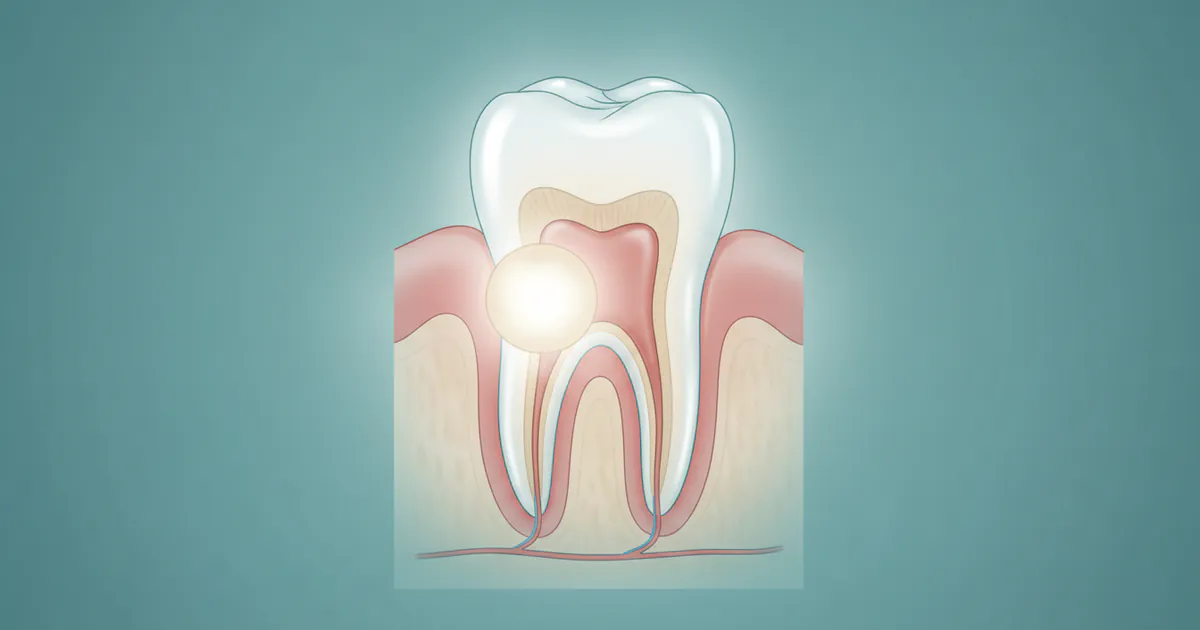
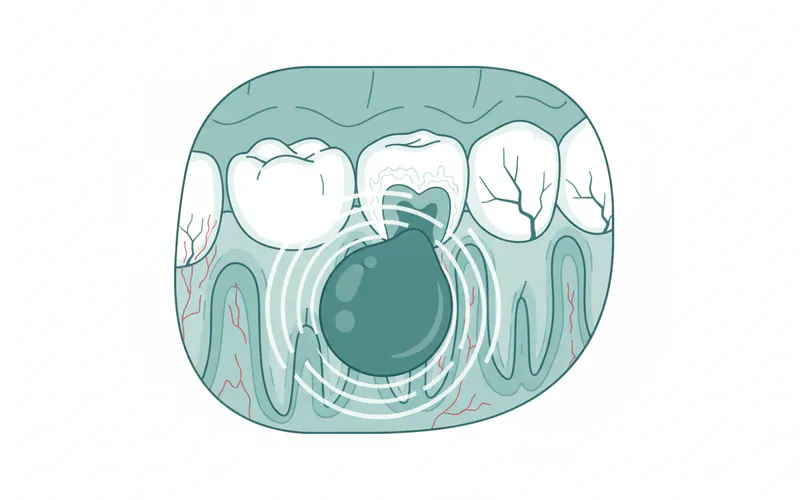
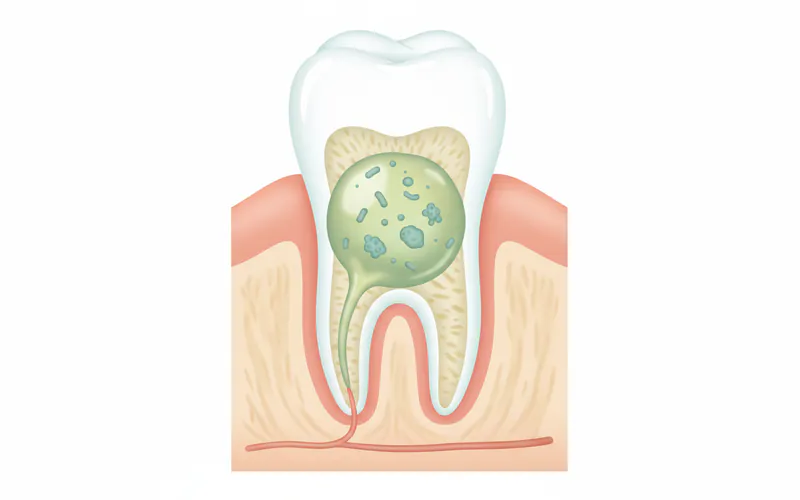
At its core, a dental abscess is a pocket of pus that forms due to a bacterial infection. This pus is a collection of dead white blood cells, bacteria, and tissue debris, and it accumulates as the body's immune system tries to fight off the infection. The pressure from this accumulation of pus is what often causes the excruciating pain associated with an abscess.
While the term "abscess" can refer to any localized infection with pus anywhere in the body, when we discuss it in the context of dental health, we are specifically referring to infections originating from within or around a tooth structure. Understanding what is an abscess in the oral cavity is crucial because of its proximity to vital structures and the potential for rapid spread of infection.
These infections don't resolve on their own. They require professional dental intervention to drain the pus, eliminate the source of the infection, and prevent further complications. Ignoring an abscess can lead to the infection spreading to other parts of the face, jaw, neck, or even into the bloodstream, posing a significant risk to overall health.
Types of Dental Abscesses
Dental abscesses are primarily categorized by their location within the oral structures. Each type presents with slightly different characteristics, though they all share the commonality of being a bacterial infection requiring urgent treatment.
Periapical Abscess (Pulp-Related Abscess)
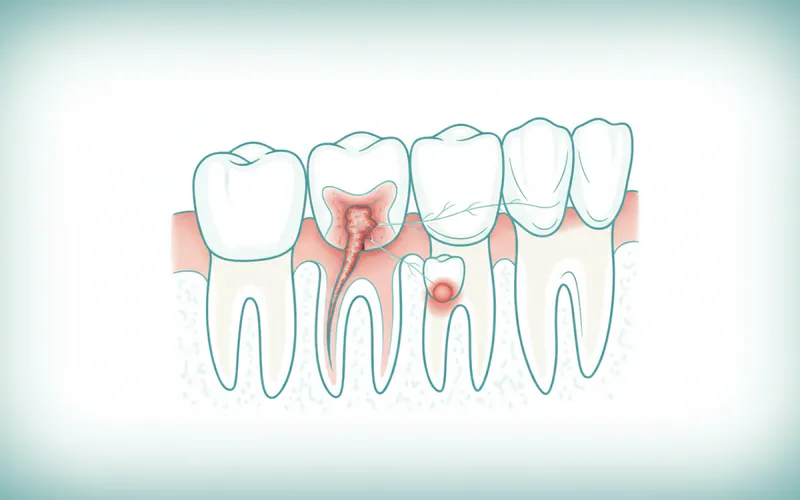
A periapical abscess is the most common type of dental abscess and forms at the apex, or tip, of the tooth root. This occurs when bacteria invade the pulp chamber – the innermost part of the tooth containing nerves, blood vessels, and connective tissue. This invasion usually happens due to:
- Deep, untreated tooth decay: Cavities that penetrate through the enamel and dentin layers eventually reach the pulp, allowing bacteria to enter.
- Trauma to the tooth: A crack, chip, or severe blow to a tooth can expose the pulp to bacteria or damage the blood supply, leading to pulp necrosis (death) and subsequent infection.
- Failed dental work: Rarely, bacteria can enter if a filling or crown is compromised or poorly sealed.
Once bacteria enter the pulp, they multiply, causing inflammation and infection. As the infection progresses, it spreads out of the root tip into the surrounding bone, forming a pocket of pus. The pain from a periapical abscess is often described as severe, constant, throbbing, and sharp, intensifying when biting down.
Periodontal Abscess (Gum Abscess)
A periodontal abscess forms in the gum tissue (periodontium) that surrounds and supports a tooth. Unlike a periapical abscess which originates inside the tooth, a periodontal abscess starts outside the tooth, in the gum or bone supporting the tooth. The primary causes include:
- Advanced gum disease (periodontitis): When plaque and tartar accumulate below the gum line, they cause the gums to pull away from the teeth, forming "pockets." These pockets become breeding grounds for bacteria, and if they become blocked, pus can build up.
- Food impaction: Food debris, especially hard items like popcorn kernels, can get lodged in gum pockets, leading to localized irritation and infection.
- Trauma to the gums: An injury to the gums can create an entry point for bacteria.
The pain from a periodontal abscess is often localized to the gum area, can be sharp and sudden, and may or may not involve the tooth itself initially. The gum often appears red, swollen, and tender to the touch.
Gingival Abscess
A gingival abscess is a less common and generally less severe type, forming only in the gum tissue, not involving the tooth or the supporting bone structure. It typically occurs when a foreign object (like a toothbrush bristle or a piece of food) becomes embedded in the gum line, causing a superficial infection. These are often easier to treat and resolve quickly once the foreign object is removed and the area is drained.
Causes: Why Dental Abscesses Happen
The root cause of almost all dental abscesses is bacterial infection. However, several factors contribute to bacteria gaining access and establishing such an infection:
- Poor Oral Hygiene: This is the most significant contributing factor. Infrequent or ineffective brushing and flossing allow plaque and tartar to build up. Plaque is a sticky film of bacteria that, if not removed, hardens into tartar. Both provide an ideal environment for bacteria to thrive and produce acids that erode tooth enamel, leading to cavities.
- Untreated Tooth Decay (Cavities): As mentioned, when a cavity progresses through the outer layers of the tooth (enamel and dentin) and reaches the innermost pulp, it provides a direct pathway for bacteria to infect the nerve and blood vessels, leading to a periapical abscess. The American Dental Association (ADA) emphasizes that timely treatment of cavities is paramount to preventing such severe infections.
- Gum Disease (Periodontitis): Chronic gum disease creates deep pockets between the teeth and gums. These pockets accumulate bacteria, and if the opening becomes blocked, the bacteria can multiply rapidly, leading to a periodontal abscess.
- Trauma to the Tooth or Gums:
- Cracked or Chipped Teeth: A significant crack or chip can expose the sensitive pulp to oral bacteria.
- Dental Injuries: A severe blow to a tooth can damage the blood vessels supplying the pulp, causing the pulp to die (necrosis), which then becomes susceptible to bacterial infection.
- Gums: Injuries to the gums from sharp foods or dental procedures can also create entry points for bacteria.
- Compromised Immune System: Individuals with weakened immune systems (due to conditions like diabetes, autoimmune diseases, chemotherapy, or certain medications) are more susceptible to infections, including dental abscesses, and may have a harder time fighting them off.
- Previous Dental Work: While rare, a poorly sealed filling, crown, or root canal can sometimes allow bacteria to re-enter a tooth, leading to new or recurrent infections.
Pro Tip: Even if a toothache seems to subside, it does not mean the infection is gone. Sometimes, the pressure from an abscess may find a way to drain into the mouth (forming a "pimple" on the gum), temporarily relieving pain. However, the infection source remains and will likely flare up again, or worse, spread. Always seek professional dental care.
Signs and Symptoms: What to Look For
Recognizing the signs and symptoms of a dental abscess is crucial for seeking timely treatment. While the most prominent symptom is often pain, several other indicators can point to an infection:
Common Symptoms:
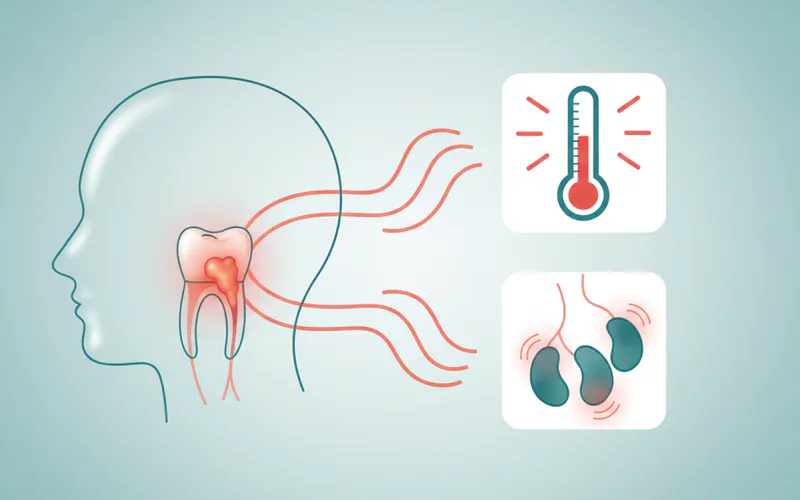
- Severe, Persistent, Throbbing Toothache: This is the hallmark symptom. The pain often starts suddenly and intensifies over time. It may radiate to the ear, jaw, or neck.
- Sensitivity to Hot and Cold Temperatures: The affected tooth may be excruciatingly sensitive to hot or cold foods and drinks.
- Pain When Chewing or Biting: Pressure on the tooth, even light pressure, can cause intense pain.
- Swelling in the Face or Cheek: The infection can cause noticeable swelling on one side of the face or around the jaw.
- Tender, Swollen Gums: The gum tissue around the affected tooth may be red, swollen, and very painful to touch.
- Foul Taste in the Mouth: If the abscess drains into the mouth, you might experience a sudden rush of foul-tasting, salty fluid.
- Bad Breath (Halitosis): Persistent bad breath, even after brushing, can indicate an underlying infection.
- Pimple-Like Bump on the Gums (Fistula): This is a small, pus-filled bump near the infected tooth. It's a sign that the infection is trying to drain. While it may temporarily relieve pain, it doesn't mean the infection is gone.
More Severe Symptoms (Indicating Spread of Infection):
- Fever: A fever is a systemic sign that your body is fighting a significant infection.
- Swollen Lymph Nodes: You might notice tender, swollen glands under your jaw or in your neck.
- Difficulty Opening Your Mouth (Trismus): If the infection spreads to jaw muscles.
- Difficulty Swallowing: If swelling extends into the throat area.
- General Malaise: Feeling unwell, fatigued, or run down.
Important Note on Pain: Sometimes, the pain from a periapical abscess might initially be severe, but then mysteriously disappear. This can happen if the pulp tissue inside the tooth dies, meaning the nerves are no longer transmitting pain signals. However, the infection is still present and actively spreading. Do NOT mistake a reduction in pain for a resolution of the problem.
Treatment Options: Eliminating the Infection
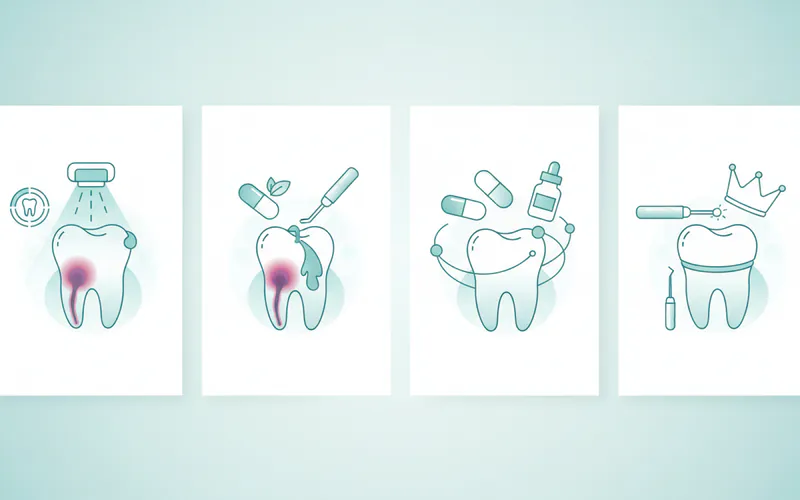
Treating a dental abscess is a critical procedure that aims to eliminate the infection, preserve the tooth if possible, and prevent complications. A dentist will thoroughly examine the area, often using X-rays, to diagnose the type and extent of the abscess.
1. Incision and Drainage (I&D)
- What it is: The immediate priority for any abscess is to drain the pus. The dentist makes a small incision into the swollen area to allow the pus to flow out. Sometimes, a small rubber drain might be placed to keep the area open and allow continued drainage for a few days.
- Pros: Provides immediate pain relief by releasing pressure, reduces swelling, and helps prevent the infection from spreading.
- Cons: Does not address the root cause of the infection; further treatment is always necessary.
- Cost: Typically ranges from $150 to $500 in the US, depending on complexity and location.
2. Antibiotics
- What it is: While antibiotics alone cannot cure an abscess (as they struggle to penetrate the pus pocket effectively without drainage), they are often prescribed in conjunction with drainage or other procedures, especially if the infection has spread or the patient has a weakened immune system. Common antibiotics include amoxicillin, clindamycin, and metronidazole.
- Pros: Helps control the spread of infection, reduces systemic symptoms like fever.
- Cons: Not a standalone treatment for the source of the abscess. Overuse can contribute to antibiotic resistance.
- Cost: Ranges from $10 to $100+ for a typical course, depending on the antibiotic and pharmacy.
3. Root Canal Treatment (Endodontic Therapy)
- What it is: For a periapical abscess where the tooth is salvageable, a root canal is the preferred treatment. The dentist removes the infected pulp tissue from inside the tooth, cleans and disinfects the root canals, and then fills and seals them to prevent re-infection. The tooth is usually capped with a crown afterward for protection.
- Pros: Saves the natural tooth, restores function and aesthetics.
- Cons: Can be a multi-appointment procedure; generally more expensive than extraction. Not always possible if the tooth is too damaged.
- Cost: Varies significantly by tooth location (front vs. back) and complexity:
- Incisor/Canine (front tooth): $700 - $1,200
- Premolar: $800 - $1,500
- Molar (back tooth): $1,200 - $2,000+
- Additional cost for a crown (typically $800 - $2,500).
4. Tooth Extraction (Removal)
- What it is: If the tooth is severely damaged, non-restorable, or if a root canal is not feasible or desired, extraction is necessary. Once the tooth is removed, the infection site is thoroughly cleaned, and the abscess is drained.
- Pros: Completely removes the source of the infection, often a quicker solution than a root canal.
- Cons: Results in tooth loss, which can lead to shifting of adjacent teeth, chewing difficulties, and bone loss over time. Requires consideration of replacement options (bridge, implant).
- Cost:
- Simple Extraction: $75 - $300
- Surgical Extraction (impacted or fractured tooth): $150 - $650
Comparison of Treatment Options
| Feature | Incision & Drainage Only | Antibiotics Only | Root Canal Treatment | Tooth Extraction |
|---|---|---|---|---|
| Primary Goal | Relieve pressure, drain | Control spread | Eliminate infection, save tooth | Eliminate infection, remove tooth |
| Addresses Cause? | No | No | Yes (removes infected pulp) | Yes (removes infected tooth) |
| Tooth Saved? | N/A | N/A | Yes | No |
| Pain Relief | Immediate | Gradual | After procedure, eventually permanent | After procedure, eventually permanent |
| Cost Range (US) | $150 - $500 | $10 - $100+ | $700 - $2,000+ (plus crown: $800 - $2,500) | $75 - $650 |
| Timeframe | Single visit | 7-14 days | 1-3 visits over weeks | Single visit |
| Risk of Recurrence | High (if cause not treated) | High (if cause not treated) | Low (with proper care) | Very low (if fully removed) |
Step-by-Step Treatment Process (Example: Root Canal for Periapical Abscess)
Understanding what to expect during a dental procedure can help alleviate anxiety. Here's a general step-by-step for a root canal, often the treatment for a periapical abscess:
-
Diagnosis and Anesthesia:
- Your dentist will take X-rays to confirm the abscess and assess the extent of the infection.
- Local anesthetic is administered to numb the affected tooth and surrounding area, ensuring you feel no pain during the procedure. In some cases, if the infection is severe, the tooth might be difficult to numb completely.
- Pro Tip: If the initial visit is purely for drainage and antibiotics, the dentist might focus on releasing the pressure first, and the full root canal would be scheduled once the acute infection subsides.
-
Accessing the Pulp Chamber:
- A small opening is created in the crown of the tooth, usually using a dental drill, to access the infected pulp chamber and root canals.
- Any existing pus can drain at this stage, providing immediate pressure relief.
-
Cleaning and Shaping the Canals:
- Tiny dental files are used to remove the infected pulp tissue, bacteria, and debris from the root canals. This process also shapes the canals to be ready for filling.
- The canals are thoroughly flushed with an antiseptic solution (like sodium hypochlorite) to kill remaining bacteria and clean the area.
-
Filling the Canals (Obturation):
- Once the canals are clean and dry, they are filled with a biocompatible, rubber-like material called gutta-percha. This material is typically sealed with an adhesive cement to prevent re-infection.
-
Restoration:
- A temporary filling is placed in the access opening.
- In a subsequent appointment, usually, a permanent crown is placed over the treated tooth. This protects the now brittle tooth from fracture and restores its full function and appearance.
Cost and Insurance: Navigating the Financial Aspect
The cost of treating a dental abscess can be a significant concern for many patients. Prices vary widely based on the type of treatment, the tooth involved, the complexity of the case, and your geographic location within the US.
Average US Cost Ranges (Without Insurance):
- Initial Exam & X-rays: $50 - $200
- Emergency Drainage & Prescription: $150 - $500
- Antibiotics: $10 - $100+
- Root Canal Treatment:
- Front Tooth (Incisor/Canine): $700 - $1,200
- Premolar: $800 - $1,500
- Molar: $1,200 - $2,000+ (Molar root canals are more complex due to multiple, curved canals).
- Dental Crown (post-root canal): $800 - $2,500 (material dependent, e.g., porcelain vs. PFM).
- Tooth Extraction:
- Simple Extraction: $75 - $300
- Surgical Extraction: $150 - $650 (e.g., for impacted teeth, or those requiring bone removal).
- Dental Implant (if extraction leads to replacement): $3,000 - $6,000+ (per tooth, including crown and abutment).
Insurance Coverage:
Most dental insurance plans in the US will cover a portion of the cost of treating a dental abscess, as it's considered a necessary medical procedure.
- Diagnostic (Exams, X-rays): Often covered at 80-100%.
- Preventive (Cleanings): Typically covered at 80-100%. (Indirectly related, but critical for prevention).
- Basic Procedures (Fillings, Simple Extractions, Drainage): Usually covered at 70-80% after your deductible is met.
- Major Procedures (Root Canals, Crowns, Surgical Extractions): Often covered at 50% after your deductible is met.
Important Considerations:
- Deductible: The amount you must pay out-of-pocket before your insurance starts to cover costs.
- Annual Maximum: Most dental insurance plans have an annual limit on what they will pay (e.g., $1,000 - $2,000). If your treatment exceeds this, you'll pay the difference.
- Waiting Periods: Some plans have waiting periods for major procedures (e.g., 6-12 months for root canals or crowns).
- In-Network vs. Out-of-Network: Your out-of-pocket costs will be lower if you choose an in-network provider.
Pro Tip: Always contact your dental insurance provider before treatment to understand your specific coverage, deductibles, co-pays, and annual maximums. Your dental office can also help submit a pre-treatment estimate to your insurance for a clearer picture of your financial responsibility.
Recovery and Aftercare: Post-Treatment Instructions
Proper recovery and aftercare are essential for successful healing and preventing complications following treatment for a dental abscess. Your dentist will provide specific instructions tailored to your procedure, but here are general guidelines:
Immediately After Treatment:
- Pain Management: You may experience some soreness or discomfort once the local anesthetic wears off. Over-the-counter pain relievers (like ibuprofen or acetaminophen) are usually sufficient. For more severe pain, your dentist might prescribe stronger medication.
- Swelling: Some swelling is normal. Apply a cold compress to the outside of your cheek for 15-20 minutes on, 20 minutes off, for the first 24-48 hours to help reduce swelling.
- Bleeding (for Extractions): Bite firmly on the gauze pad placed by your dentist for 30-60 minutes. Replace if necessary. Slight oozing for the first 24 hours is normal.
- Diet: Stick to soft foods for the first few days (e.g., soup, yogurt, mashed potatoes, scrambled eggs). Avoid hot, spicy, or crunchy foods. Gradually reintroduce normal foods as comfort allows.
- Avoid Smoking and Alcohol: Both can significantly impede healing and increase the risk of complications.
Ongoing Aftercare:
- Oral Hygiene: Continue to brush and floss gently around the treated area. Your dentist might recommend a warm saltwater rinse (1/2 teaspoon salt in 8 ounces of warm water) several times a day to keep the area clean and promote healing, especially after an extraction or drainage. Avoid vigorous rinsing for the first 24 hours after an extraction.
- Medications: Take any prescribed antibiotics or pain medication as directed. Complete the full course of antibiotics, even if you feel better, to ensure the infection is fully eradicated.
- Avoid the Treated Area: Try not to chew on the treated tooth (if a root canal was performed) until it has a permanent crown. Avoid poking the extraction site with your tongue or fingers.
- Follow-Up Appointments: Attend all scheduled follow-up appointments. These are crucial for your dentist to monitor healing and ensure there are no lingering issues.
Pro Tip: If you experience increasing pain, persistent bleeding, swelling that worsens, a high fever, or difficulty swallowing/breathing, contact your dentist immediately. These could be signs of a spreading infection.
Prevention: Stopping Abscesses Before They Start
Preventing dental abscesses largely boils down to consistent, excellent oral hygiene and regular dental care. By adhering to these practices, you can significantly reduce your risk:
-
Maintain Excellent Oral Hygiene:
- Brush Twice Daily: Brush your teeth for at least two minutes, twice a day, using a fluoride toothpaste. The ADA recommends using a soft-bristled brush.
- Floss Daily: Floss once a day to remove plaque and food particles from between your teeth and under the gum line where your toothbrush can't reach.
- Use Mouthwash: An antiseptic mouthwash can help reduce bacteria in your mouth, but it's an adjunct, not a replacement, for brushing and flossing.
-
Regular Dental Check-ups and Cleanings:
- Every Six Months: Visit your dentist for routine check-ups and professional cleanings. These appointments allow your dentist to identify and treat cavities or early gum disease before they escalate into an abscess.
- X-rays: Regular dental X-rays help detect problems like deep decay, cracks, or early signs of infection that aren't visible during a visual exam.
-
Prompt Treatment of Dental Issues:
- Cavities: Don't delay treatment for cavities. The sooner a cavity is filled, the less chance it has to progress to the pulp and cause an abscess.
- Gum Disease: If you notice signs of gum disease (bleeding gums, redness, swelling), seek treatment promptly to prevent periodontal pockets from forming and becoming infected.
- Cracked or Chipped Teeth: Have any tooth injuries assessed by a dentist immediately, even if they don't seem painful.
-
Healthy Diet:
- Limit sugary foods and drinks, which fuel the bacteria that cause tooth decay.
- Eat a balanced diet rich in fruits, vegetables, and whole grains to support overall health, including your immune system.
-
Protect Your Teeth:
- Wear a mouthguard during sports activities to prevent dental trauma that could lead to a fractured tooth and subsequent infection.
- If you grind your teeth at night (bruxism), talk to your dentist about a nightguard to prevent wear and tear that can expose the pulp.
Related Curiosities and Misconceptions:
- "Toothache plant" (Acmella oleracea): This plant is sometimes used in traditional medicine for its analgesic properties to numb mouth pain. While it may offer temporary symptomatic relief, it absolutely does not treat the bacterial infection causing an abscess. Relying on such remedies can dangerously delay professional dental treatment, allowing the infection to worsen and spread.
- "Dorsal cavity": This anatomical term refers to the posterior (back) cavities of the body (the cranial cavity containing the brain and the vertebral cavity containing the spinal cord). Dental abscesses occur in the oral cavity, which is part of the ventral body cavity system (the front of the body). Searching for "dorsal cavity" in relation to a dental abscess is a misunderstanding of basic anatomy; a dental abscess will not be found in the dorsal cavity.
Risks and Complications: What Can Go Wrong
While a dental abscess starts as a localized infection, if left untreated, it can lead to severe and potentially life-threatening complications. The bacteria from the abscess can spread beyond the confines of the tooth and jawbone.
Local Spread:
- Osteomyelitis: The infection can spread from the tooth root into the surrounding jawbone, leading to inflammation and destruction of bone tissue. This requires aggressive antibiotic treatment and potentially surgical debridement.
- Cellulitis: The infection can spread to the soft tissues of the face and neck, causing a widespread, diffuse bacterial infection of the skin and underlying tissues. This results in significant swelling, redness, and tenderness, requiring immediate medical attention and intravenous antibiotics.
- Ludwig's Angina: This is a rare but extremely serious and rapidly progressing form of cellulitis that affects the floor of the mouth and neck, often originating from an infected lower molar. Swelling in this area can push the tongue back and compromise the airway, leading to difficulty breathing and potential suffocation. This is a medical emergency requiring immediate hospitalization and often an emergency tracheostomy to secure the airway.
Systemic Spread:
- Septic Thrombosis of the Cavernous Sinus: Though rare, bacteria from a dental infection can travel through blood vessels to the cavernous sinus, a large vein located at the base of the brain. This can lead to a blood clot, inflammation, and pressure on nerves and the brain, causing symptoms like severe headache, eye swelling, vision changes, and neurological deficits. It is a life-threatening condition.
- Sepsis: If the bacteria enter the bloodstream, they can spread throughout the body, leading to a systemic inflammatory response known as sepsis. Sepsis is a medical emergency that can result in organ damage, septic shock, and death. Symptoms include high fever, rapid heart rate, confusion, and low blood pressure.
- Brain Abscess: In very rare cases, the infection can spread to the brain, forming a brain abscess. This is a critical condition requiring neurosurgery and intensive antibiotic therapy.
Pro Tip: Never ignore symptoms of a dental abscess. Even if the pain temporarily subsides, the infection is likely still present and spreading. Early diagnosis and treatment are paramount to preventing these severe complications.
Children / Pediatric Considerations
Dental abscesses in children are just as serious as in adults and require immediate attention. While primary (baby) teeth are temporary, an infection in a baby tooth can still cause significant pain, spread to other parts of the body, and even damage the developing permanent tooth underneath.
Common Causes in Children:
- Nursing Bottle Caries/Early Childhood Caries: Prolonged exposure of teeth to sugary liquids (milk, juice, formula) from bottles or sippy cups, especially at night, can lead to widespread decay and abscesses.
- Untreated Cavities: Just like in adults, deep cavities in baby teeth or newly erupted permanent teeth are the primary cause.
- Dental Trauma: Children are prone to falls and accidents, which can chip or fracture teeth, exposing the pulp to bacteria.
Symptoms in Children:
Children may not always be able to articulate their pain clearly. Parents should look for:
- Irritability and difficulty sleeping.
- Refusal to eat or chew on one side of the mouth.
- Fever.
- Swelling of the gums, face, or cheek.
- Sensitivity to hot or cold foods.
- A "pimple" on the gum near a tooth.
- Swollen lymph nodes in the neck.
Treatment for Children:
- Drainage and Antibiotics: As with adults, immediate drainage of pus and a course of antibiotics are crucial.
- Pulp Therapy (Pulpotomy/Pulpectomy): For baby teeth, a "nerve treatment" (like a mini-root canal) might be performed to remove the infected pulp and save the tooth. This is often followed by a stainless steel crown.
- Extraction: If the tooth is severely damaged or if pulp therapy is not feasible, extraction may be necessary. If a baby tooth is extracted prematurely, a space maintainer might be placed to prevent adjacent teeth from shifting and preserve space for the permanent tooth.
Prevention in Children:
- Start Oral Hygiene Early: Clean an infant's gums with a soft cloth. Begin brushing with a tiny smear of fluoride toothpaste as soon as the first tooth erupts.
- Limit Sugary Drinks: Avoid giving children bottles of milk or juice at bedtime. Encourage water.
- Regular Pediatric Dental Visits: The American Academy of Pediatric Dentistry (AAPD) recommends the first dental visit by age one or within six months of the first tooth eruption. Regular check-ups help catch and treat cavities early.
- Fluoride: Ensure children get adequate fluoride through fluoridated water, toothpaste, or professional fluoride treatments.
Cost Breakdown: Detailed Financial Considerations
Understanding the specific costs associated with dental abscess treatment is essential for financial planning. Here's a more detailed look, emphasizing payment options.
| Service/Procedure | Average US Cost Range (Without Insurance) | Typical Insurance Coverage |
|---|---|---|
| Initial Emergency Exam & X-rays | $100 - $300 | 80-100% |
| Incision & Drainage (Emergency) | $150 - $500 | 70-80% |
| Prescription Antibiotics | $10 - $100+ | Often separate medical insurance or full cost |
| Root Canal (Front Tooth) | $700 - $1,200 | 50-80% |
| Root Canal (Premolar) | $800 - $1,500 | 50-80% |
| Root Canal (Molar) | $1,200 - $2,000+ | 50-80% |
| Post-Root Canal Crown | $800 - $2,500 | 50% |
| Simple Tooth Extraction | $75 - $300 | 70-80% |
| Surgical Tooth Extraction | $150 - $650 | 50-70% |
Payment Plans and Financing Options:
Many dental offices understand the financial burden of unexpected dental emergencies and offer various payment solutions:
- In-Office Payment Plans: Some practices allow patients to pay for treatment in installments directly through the office.
- Third-Party Financing (e.g., CareCredit): These are credit cards specifically for healthcare expenses, often offering interest-free promotional periods if the balance is paid within a certain timeframe (e.g., 6, 12, or 18 months).
- Health Savings Accounts (HSAs) / Flexible Spending Accounts (FSAs): If you have an HSA or FSA through your employer, you can use these pre-tax dollars to pay for dental treatment.
- Dental Schools: University dental schools often provide services at a reduced cost, performed by supervised students. Quality is high, but appointment availability and treatment speed can vary.
- Community Dental Clinics: Many communities have clinics that offer reduced-cost dental care for low-income individuals or those without insurance.
Cost-Saving Tips:
- Preventive Care: The absolute best way to save money is to prevent abscesses entirely through regular check-ups, cleanings, and prompt treatment of minor issues.
- Compare Costs: If you have time and the situation isn't an immediate emergency, call a few dental offices to compare pricing for specific procedures.
- Discuss Options: Talk to your dentist about the most cost-effective treatment options available for your specific situation.
- Negotiate: Some smaller practices may be open to negotiating fees for uninsured patients, especially if you can pay in cash upfront.
Frequently Asked Questions
### What is an abscess, exactly?
An abscess is a localized collection of pus (a mixture of dead white blood cells, bacteria, and tissue debris) that forms within the body's tissues, typically as a result of a bacterial infection. In dentistry, it refers to a pus pocket around a tooth's root (periapical) or in the surrounding gum tissue (periodontal).
### How painful is a dental abscess?
A dental abscess can cause excruciating pain, often described as severe, constant, and throbbing. The pain can radiate to your ear, jaw, or neck and intensify when you bite down or are exposed to hot or cold temperatures. While pain may temporarily subside if the abscess drains, the underlying infection remains.
### Can a dental abscess heal on its own without a dentist?
No, a dental abscess cannot heal on its own. While the pain might temporarily lessen if the pus finds a way to drain, the bacterial infection will persist and can spread, leading to serious complications. Professional dental intervention is always required to drain the pus, clean the infected area, and treat the source of the infection.
### What happens if an abscess is left untreated?
If left untreated, a dental abscess can lead to severe complications. The infection can spread to your jawbone (osteomyelitis), face and neck (cellulitis, Ludwig's angina), or even enter your bloodstream, causing life-threatening conditions like sepsis or a brain abscess. Early treatment is crucial.
### What are the typical treatment options for a dental abscess?
Treatment typically involves draining the pus (incision and drainage), prescribing antibiotics to control the infection, and addressing the underlying cause. This might involve a root canal to save the tooth, or in severe cases, tooth extraction if the tooth cannot be saved.
### How much does it cost to treat a dental abscess in the US?
The cost varies greatly depending on the treatment needed. Emergency drainage and antibiotics can range from $150-$500. A root canal can cost $700-$2,000+ (plus a crown, another $800-$2,500). A tooth extraction ranges from $75-$650. These are without insurance; insurance typically covers 50-80% after deductibles.
### Will my dental insurance cover the cost of an abscess treatment?
Most dental insurance plans cover a portion of abscess treatment, as it's considered medically necessary. Diagnostic services (exams, X-rays) are often covered at 80-100%, basic procedures (drainage, simple extractions) at 70-80%, and major procedures (root canals, crowns, surgical extractions) at 50%, after your deductible and up to your annual maximum.
### How long does it take to recover from an abscess treatment?
Recovery time depends on the treatment. For drainage and antibiotics, you might feel better in a few days. After a root canal, soreness can last a few days to a week. For extractions, healing usually takes 1-2 weeks, with most discomfort subsiding within the first few days. Following aftercare instructions is crucial for speedy recovery.
### Can I use home remedies for an abscess?
While some home remedies like warm salt water rinses can provide temporary symptomatic relief by helping to draw out pus or soothe inflammation, they cannot cure a dental abscess or eliminate the underlying infection. Relying on home remedies will only delay necessary professional treatment and allow the infection to worsen and potentially spread.
### What is the difference between a periapical and a periodontal abscess?
A periapical abscess forms at the tip of the tooth root, originating from an infection inside the tooth's pulp (nerve) due to deep decay or trauma. A periodontal abscess forms in the gum tissue surrounding a tooth, often due to advanced gum disease or a foreign object lodged in a gum pocket.
When to See a Dentist
Recognizing when to seek professional dental care for an abscess is critical for your health and safety.
See a dentist IMMEDIATELY (Emergency Care) if you experience any of the following:
- Severe, persistent, throbbing toothache that doesn't improve with over-the-counter pain relievers.
- Facial swelling, especially if it's rapid, extensive, or affects your eye or jawline.
- Fever, chills, or general malaise accompanying a toothache.
- Difficulty breathing or swallowing – this is a medical emergency requiring immediate attention at an emergency room or by calling 911, as it could indicate a rapidly spreading and life-threatening infection like Ludwig's Angina.
- Swelling in your neck or under your chin.
- A sudden rush of foul-tasting fluid in your mouth, indicating the abscess has ruptured, but the infection remains.
Schedule a prompt appointment (Routine but Urgent Care) if you notice:
- A small, pimple-like bump on your gums (a fistula), even if it's not painful, as this signifies an ongoing, draining infection.
- Persistent sensitivity to hot or cold in a specific tooth.
- Pain when chewing or biting on a particular tooth.
- Persistent bad breath or a foul taste that doesn't resolve with good oral hygiene.
Never underestimate the seriousness of a dental abscess. When in doubt, it is always safer to consult with a dental professional. Your prompt action can prevent significant pain, extensive damage, and potentially life-threatening complications.
Frequently Asked Questions
Medically Reviewed Content
This article was written by our dental health editorial team and reviewed for medical accuracy. Our content follows strict editorial guidelines for reliability and trustworthiness.
Medical Disclaimer
This article is for informational purposes only and does not constitute medical advice. Always consult with a qualified dental professional for diagnosis and treatment. Do not delay seeking professional advice because of something you read on this website.
Related Articles
Cracked Tooth Syndrome: Complete Guide
Cracked Tooth Syndrome: Complete Guide Category: Dental Conditions & Diseases
February 22, 2026
Dentinogenesis Imperfecta: Complete Guide
Imagine a world where your teeth, fundamental to chewing, speaking, and even smiling confidently, are inherently fragile, discolored, and prone to rapid wear from the moment they emerge. For individuals affected by dentinogenesis imperfecta (DI), this is a reality. While relatively rare, affecti
February 22, 2026
Stage 1 Early Cavity: Complete Guide
Did you know that dental cavities are one of the most common chronic diseases globally, affecting both children and adults? In the United States, over 90% of adults have had a cavity, and a significant portion of these begin as a stage 1 early cavity. Often invisible and painless in its nasc
February 22, 2026
Clove Oil for Toothache: Complete Guide
Few experiences are as acutely distressing as a throbbing toothache, often striking at the most inconvenient times, like the middle of the night. It's a pain that can disrupt sleep, concentration, and overall well-being. While modern dentistry offers definitive solutions, many individuals seek immed
February 22, 2026