5 Tooth Bridge: Complete Guide
Key Takeaways
- Missing teeth can have a profound impact on your overall oral health, ability to eat and speak properly, and even your self-confidence. A staggering 178 million Americans are missing at least one tooth, and roughly 40 million are missing all of their teeth. When you're missing multiple teeth
5 Tooth Bridge: Complete Guide
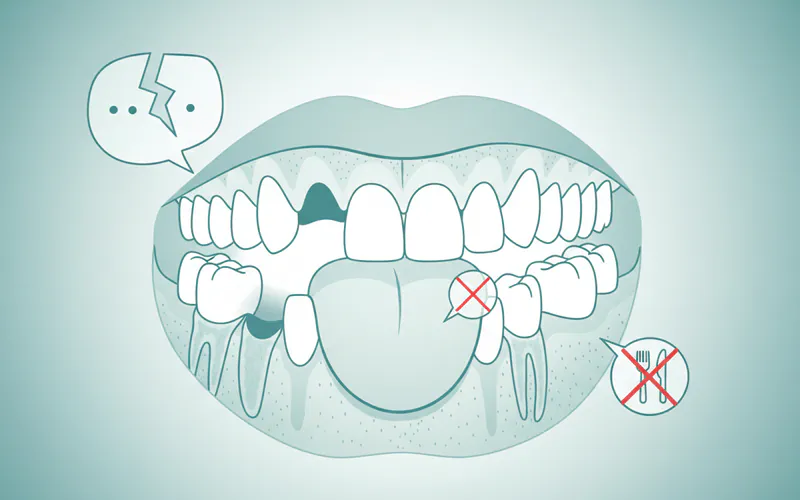
Missing teeth can have a profound impact on your overall oral health, ability to eat and speak properly, and even your self-confidence. A staggering 178 million Americans are missing at least one tooth, and roughly 40 million are missing all of their teeth. When you're missing multiple teeth in a row, particularly a significant span like five adjacent teeth, the implications are even greater. This extensive gap can lead to shifting of remaining teeth, bone loss in the jaw, difficulties with chewing and digestion, and changes in your facial structure. Fortunately, modern restorative dentistry offers effective solutions. One such solution is a 5 tooth bridge, a fixed dental prosthetic designed to restore the function and aesthetics of your smile by replacing a consecutive series of missing teeth.
This comprehensive guide from SmilePedia.net will delve deep into everything you need to know about a 5 tooth bridge. We'll explore what it is, the different types available, the process of getting one, associated costs, insurance considerations, and crucial aftercare to ensure its longevity. We will also examine alternatives, risks, and offer practical advice to help you make an informed decision about restoring your smile and oral health.
Key Takeaways:
- A 5 tooth bridge is a fixed dental prosthetic that replaces five consecutive missing teeth, anchored by crowns on natural teeth or dental implants.
- Cost for a traditional 5-unit bridge typically ranges from $3,500 to $15,000, varying by materials, location, and complexity.
- Implant-supported bridges are often a superior, though more expensive, alternative for large spans, offering better bone preservation and stability, with costs potentially ranging from $15,000 to $35,000 or more.
- The treatment process for a traditional bridge usually involves 2-3 appointments over several weeks, while implant-supported options can take several months.
- Longevity for traditional bridges averages 5-15 years with proper care, while implant-supported bridges can last 15-25 years or even longer.
- Aftercare is crucial and includes diligent oral hygiene, special cleaning techniques for under the bridge, and regular dental check-ups to prevent complications.
- Insurance coverage for bridges varies greatly, often covering 30-50% of the cost after deductibles and waiting periods, but typically excludes implant-related procedures or classifies them as major restorations.
What Is a 5 Tooth Bridge? An Overview
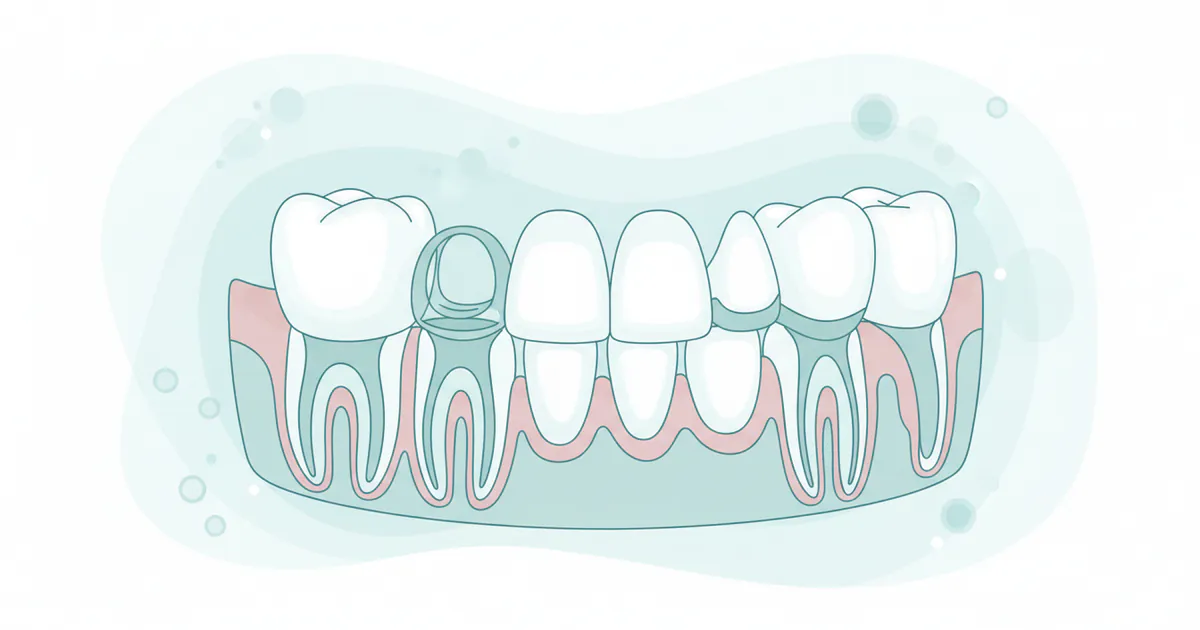
A dental bridge is a custom-made restoration that literally "bridges" the gap created by one or more missing teeth. A 5 tooth bridge is a specific type of dental bridge designed to replace five consecutive missing teeth. This is considered a substantial span in dentistry, requiring robust support.
The fundamental components of any traditional dental bridge include:
- Abutment teeth: These are the natural teeth (or sometimes dental implants) located on either side of the gap. They are prepared to support the bridge.
- Retainer crowns: These are dental crowns that are permanently cemented onto the prepared abutment teeth.
- Pontics: These are the artificial teeth that fill the gap, "suspended" between the retainer crowns. For a 5 tooth bridge, there would be five pontics in a row.
The entire structure – the two retainer crowns and the five pontics in between – is fabricated as a single, contiguous unit. This unit is then cemented onto the prepared abutment teeth, creating a strong, fixed restoration that functions and appears like natural teeth. Unlike removable partial dentures, a 5 tooth bridge is permanently fixed in your mouth, offering superior stability, comfort, and chewing efficiency.
``
The primary goal of a 5 tooth bridge is to:
- Restore chewing function: Allowing you to eat a wider variety of foods without discomfort.
- Improve speech: Missing teeth can affect pronunciation; a bridge helps restore normal speech patterns.
- Maintain facial structure: Preventing the collapse of cheeks and lips that can occur with extensive tooth loss.
- Prevent shifting of remaining teeth: Adjacent teeth tend to drift into empty spaces, leading to misalignment and bite problems.
- Enhance aesthetics: Filling the visible gaps with natural-looking prosthetic teeth, boosting confidence.
Types and Variations of 5 Tooth Bridges
While the concept of bridging a gap remains consistent, there are several variations in how a 5 tooth bridge can be supported and the materials used for its construction. The choice depends on the specific clinical situation, patient preferences, and budget.
1. Traditional Fixed Bridge
This is the most common type of bridge. As described above, it involves preparing and crowning the natural teeth on either side of the five-tooth gap. The 5 pontics are then fused to these two crowns.
- Materials:
- Porcelain-Fused-to-Metal (PFM): A metal alloy substructure (for strength) covered with a layer of porcelain (for aesthetics). PFM bridges are very durable and have been a standard for decades. The metal can sometimes show as a dark line at the gum line over time, and the opaqueness of the porcelain might not perfectly mimic natural tooth translucency.
- All-Ceramic (Zirconia or E.max): Made entirely from dental ceramic, these bridges offer superior aesthetics, closely matching the translucency and color of natural teeth. Zirconia is particularly strong and a popular choice for posterior (back) teeth and longer spans like a 5-unit bridge due to its fracture resistance. E.max (lithium disilicate) is highly aesthetic but generally used for shorter spans or single crowns.
- Gold Alloys: Historically used, gold bridges are exceptionally strong and biocompatible. While less aesthetic for visible areas, they are sometimes chosen for their durability and gentleness on opposing teeth.
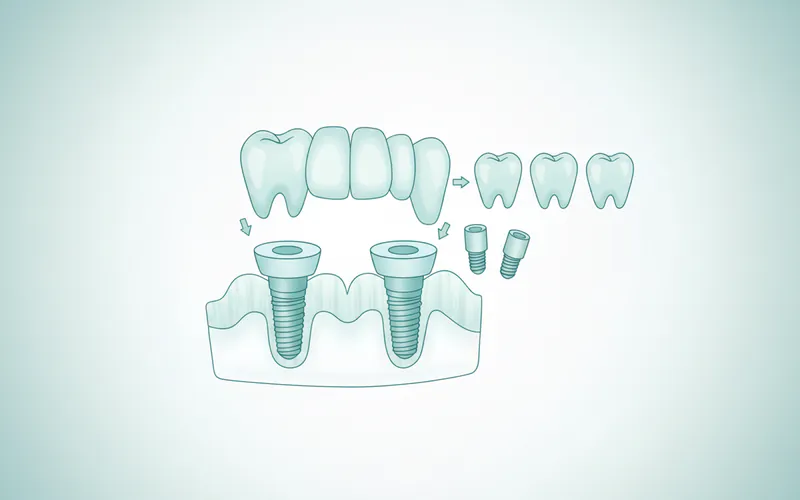
2. Implant-Supported Bridge
For a span of five missing teeth, an implant-supported bridge is often considered a superior and more conservative alternative to a traditional bridge, as it doesn't require modifying healthy adjacent teeth. Instead, the bridge is supported by dental implants surgically placed into the jawbone.
- How it works: For a five-tooth span, your dentist might place 2-3 (or sometimes more, depending on bone quality and span length) dental implants. These implants act as artificial tooth roots. Once integrated with the bone, abutments are attached to the implants, and the 5-unit bridge is then cemented or screwed onto these abutments.
- Advantages:
- Preserves natural teeth: No need to grind down adjacent healthy teeth.
- Bone preservation: Implants stimulate the jawbone, preventing the bone loss that typically occurs when teeth are missing. This helps maintain facial structure.
- Increased stability and longevity: Implants are extremely stable and can last for decades, often a lifetime, making implant-supported bridges very durable.
- Better chewing power: Offers a feel and function very similar to natural teeth.
- Disadvantages:
- Higher cost: Generally more expensive than traditional bridges due to the implant surgery.
- Longer treatment time: Involves surgical procedures and a healing period (osseointegration) that can take several months.
- Not suitable for everyone: Requires sufficient bone density and good overall health.
Less Common or Unsuitable Bridge Types for a 5-Tooth Span:
- Cantilever Bridge: This type of bridge is supported by an abutment tooth on only one side of the gap. Due to the significant forces involved with chewing, a cantilever bridge is generally not recommended for replacing five missing teeth as it places excessive stress on the single abutment tooth, leading to a high risk of failure. It's typically reserved for single-tooth replacements in areas with minimal chewing forces.
- Maryland Bridge (Resin-Bonded Bridge): This bridge uses metal or porcelain "wings" bonded to the back of adjacent teeth, rather than crowns. While minimally invasive, it's designed for single-tooth replacement in areas of low chewing stress (e.g., front teeth) and is entirely unsuitable for a 5-tooth span due to insufficient strength and retention.
Comparison Table: Traditional vs. Implant-Supported 5-Tooth Bridge
| Feature | Traditional 5-Tooth Bridge | Implant-Supported 5-Tooth Bridge |
|---|---|---|
| Support | Prepared natural teeth (abutments) on either side of the gap. | 2-3 (or more) surgically placed dental implants. |
| Tooth Preservation | Requires reduction of adjacent healthy teeth. | Preserves natural tooth structure. |
| Jawbone Health | Does not prevent bone loss under pontics. | Stimulates jawbone, preventing bone loss. |
| Cost (Estimated) | $3,500 - $15,000 | $15,000 - $35,000+ (includes implants and bridge) |
| Treatment Time | 2-3 appointments over 2-4 weeks. | Multiple appointments over 4-9 months (due to healing time). |
| Longevity | 5-15 years (average). | 15-25 years or more (potentially lifetime for implants). |
| Maintenance | Requires special cleaning under pontics. | Easier to clean, similar to natural teeth. |
| Success Rate | High for appropriate cases, but abutment teeth vulnerable. | Very high, especially for long-term prognosis. |
Causes of Missing Teeth Leading to a 5 Tooth Bridge
Understanding why teeth are lost helps in prevention and decision-making for restoration. A 5-tooth bridge is needed when five adjacent teeth are lost or extracted. Common reasons for such extensive tooth loss include:
- Severe Tooth Decay (Dental Caries): Untreated cavities can progress deep into the tooth, infecting the pulp and eventually leading to significant structural damage. If the tooth cannot be saved with a filling, crown, or root canal, extraction becomes necessary. Extensive decay across multiple teeth can lead to multiple losses.
- Advanced Gum Disease (Periodontitis): This is a leading cause of tooth loss in adults. Periodontitis is a severe infection of the gums that damages the soft tissue and, critically, destroys the bone supporting the teeth. As bone is lost, teeth become loose and may eventually fall out or require extraction. If multiple teeth in a section of the jaw are affected, it can lead to the loss of a whole segment.
- Trauma or Injury: Accidents, falls, sports injuries, or other physical trauma can directly knock out teeth or cause damage so severe that extraction is unavoidable. A significant impact can affect several adjacent teeth.
- Failed Root Canal Treatment or Other Restorations: While root canals save teeth, some can fail over time due to new infection, fracture, or inadequate initial treatment, necessitating extraction. Similarly, old, large fillings or crowns can fail, leading to decay or fracture that makes a tooth unrestorable.
- Congenital Conditions: In rare instances, some individuals are born with conditions (like anodontia or hypodontia) where multiple permanent teeth never develop. While usually not five adjacent teeth, it can contribute to a need for bridges or other prosthetics.
- Medical Conditions and Medications: Certain systemic diseases (e.g., diabetes, some autoimmune disorders) can compromise oral health and contribute to tooth loss. Some medications can cause dry mouth, increasing the risk of decay and gum disease.
Signs and Symptoms of Missing Teeth and the Need for Restoration
If you are already missing five teeth, you are likely experiencing several noticeable symptoms. If you are at risk of losing them, these are signs to watch for:
- Difficulty Chewing and Eating: This is often the most immediate impact. Missing teeth reduce chewing efficiency, making it hard to properly break down food, especially tough or crunchy items. This can lead to digestive issues.
- Speech Impairment: Teeth play a crucial role in forming sounds. Missing teeth, especially front teeth, can lead to lisps, whistling, or difficulty pronouncing certain words clearly.
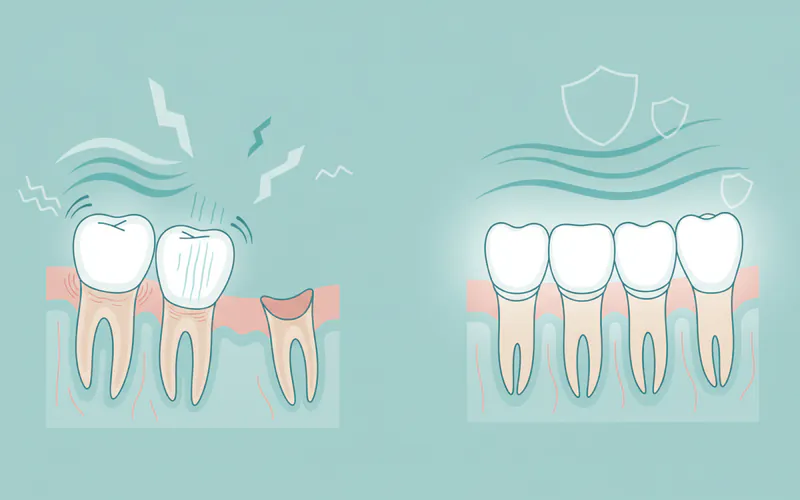
- Shifting of Remaining Teeth: When a gap exists, adjacent teeth tend to drift or tilt into the empty space. This alters your bite, creates new food traps, and can lead to further dental problems.
- Over-eruption of Opposing Teeth: The teeth in the opposing jaw that no longer have a counterpart to bite against may "super-erupt" or grow longer, potentially affecting your bite and causing TMJ issues.
- Jawbone Resorption (Bone Loss): When a tooth is lost, the jawbone underneath no longer receives the stimulation from chewing. Over time, the bone begins to resorb or shrink, which can lead to changes in facial structure, making you appear older.
- Changes in Facial Appearance: Extensive tooth loss, particularly in the posterior regions, can lead to a sunken appearance of the cheeks and lips due to bone loss and lack of support, making the face look collapsed.
- Temporomandibular Joint (TMJ) Pain: An imbalanced bite due to missing teeth and shifting can put strain on the jaw joints, leading to pain, clicking, popping, and difficulty opening or closing the mouth.
- Aesthetic Concerns: Gaps in the smile can be highly visible and lead to self-consciousness, affecting social interactions and overall quality of life.
- Increased Risk of Decay and Gum Disease: Shifting teeth can create areas that are difficult to clean, leading to an increased risk of cavities and gum disease in the remaining teeth.
Pro Tip: If you notice any of these signs, especially after losing teeth, it's crucial to consult a dentist promptly. Early intervention can prevent further complications and simplify restorative treatment.
Step-by-Step Process for a Traditional 5-Tooth Bridge
Getting a traditional 5-tooth bridge typically involves two to three dental appointments. Here's what you can expect:
Appointment 1: Examination, Preparation, and Impression
- Comprehensive Examination and Treatment Planning: Your dentist will first conduct a thorough examination, which includes reviewing your medical and dental history, taking X-rays, and possibly 3D scans. They will assess the health of your remaining teeth, especially the potential abutment teeth, and evaluate your bone structure and gum health. This step determines if a traditional bridge is the most suitable option for you or if alternatives like an implant-supported bridge or partial denture should be considered.
- Anesthesia: To ensure your comfort, the area around the abutment teeth will be numbed with a local anesthetic.
- Abutment Tooth Preparation: The two natural teeth on either side of the 5-tooth gap (which will serve as abutments) are carefully reshaped. This involves removing a precise amount of enamel and dentin to create space for the retainer crowns. The goal is to create a strong foundation that the bridge can fit over securely and precisely.
- Impressions: After preparation, an impression (mold) of your prepared teeth and the surrounding area is taken. This can be done using traditional putty-like material or, increasingly, with digital intraoral scanners. This impression is sent to a dental laboratory, where skilled technicians will custom-fabricate your 5-unit bridge to perfectly match your bite and the aesthetics of your other teeth.
- Temporary Bridge Placement: Since the fabrication of your permanent bridge can take 2-3 weeks, your dentist will place a temporary bridge over your prepared abutment teeth. This temporary bridge protects the exposed teeth, maintains the space, allows you to chew and speak relatively normally, and provides a decent aesthetic appearance during the interim.
Appointment 2: Permanent Bridge Placement
- Removal of Temporary Bridge: Upon your return, the temporary bridge is carefully removed, and the prepared abutment teeth are cleaned.
- Trial Fitting: Your dentist will meticulously try on the permanent 5-tooth bridge to check its fit, bite, and aesthetics. They will assess how it feels in your mouth, ensure it blends seamlessly with your natural teeth in terms of color and shape, and verify that your bite is comfortable and balanced.
- Adjustments: Minor adjustments to the bridge's shape or bite may be necessary during this stage to ensure optimal comfort and function.
- Permanent Cementation: Once you and your dentist are satisfied with the fit and appearance, the bridge is permanently bonded to your abutment teeth using a strong dental cement. The cement sets quickly, creating a durable bond.
- Final Polish and Instructions: Any excess cement is removed, and the bridge is polished. Your dentist will then provide detailed instructions on how to care for your new bridge.
In some cases, a third brief appointment might be scheduled a week or two after permanent cementation to check your bite and gum health, ensuring everything is settling in properly.
``
Cost and Insurance for a 5-Tooth Bridge in the US
The cost of a 5-tooth bridge can be a significant investment, reflecting the complexity of the procedure, the materials used, and the expertise required. Prices can vary widely based on geographic location, the specific dental practice, and the materials chosen.
Average US Cost Ranges for a 5-Tooth Bridge:
A dental bridge is typically priced per unit. A 5-tooth bridge consists of 7 units (2 crowns on abutment teeth + 5 pontics). However, some dentists might quote it as a single unit bridge of 5 "teeth" or 7 "units." We will consider it as a "5-unit bridge" where the entire structure replaces five teeth and is typically supported by two abutment crowns (making it a 7-unit structure in total for traditional bridges, if counting pontics and crowns individually). For simplicity, most quotes refer to the entire structure for the missing teeth as a "5-unit bridge."
-
Traditional 5-Unit Bridge (Porcelain-Fused-to-Metal or All-Ceramic/Zirconia):
- Low End: $3,500 - $6,000 (for basic PFM, potentially in lower cost-of-living areas)
- Mid-Range: $7,000 - $12,000 (common for quality PFM or all-ceramic options)
- High End: $13,000 - $15,000+ (for premium all-zirconia or advanced ceramic materials, in high cost-of-living areas, or with highly experienced specialists)
-
Implant-Supported 5-Unit Bridge: This option involves the cost of the implants themselves in addition to the bridge fabrication. Typically, 2-3 implants would be placed for a 5-tooth span.
- Total Estimated Cost (including implants and bridge): $15,000 - $35,000+
- Each dental implant (surgery, abutment, crown) can cost $3,000 - $6,000.
- Bone grafting, if needed, can add $200 - $1,500 per site.
- The 5-unit bridge itself (designed to attach to implants) would be an additional cost.
- Total Estimated Cost (including implants and bridge): $15,000 - $35,000+
Pro Tip: Always get a detailed written estimate from your dentist, outlining all costs involved, including diagnostic fees, temporary restorations, and the final bridge.
Regional Cost Variations:
Costs can vary significantly across states and even within different cities in the US. For example, dental procedures in major metropolitan areas like New York City, Los Angeles, or Boston tend to be higher than in rural areas or states with a lower cost of living (e.g., Oklahoma, Arkansas).
Dental Insurance Coverage:
- Coverage for Traditional Bridges: Most dental insurance plans consider traditional dental bridges a "major restorative" procedure. They typically cover 30% to 50% of the total cost after you've met your deductible.
- Deductibles: You will need to pay your annual deductible (e.g., $50-$250) before insurance begins to pay.
- Annual Maximums: Most plans have an annual maximum benefit, typically ranging from $1,000 to $2,000. If your bridge costs $8,000 and your plan covers 50% up to a $1,500 maximum, you would only receive $1,500 in benefits, and still pay $6,500 out-of-pocket.
- Waiting Periods: Many plans impose a waiting period (often 6-12 months) for major restorative procedures like bridges. You must have been enrolled in the plan for this period before coverage applies.
- Coverage for Implant-Supported Bridges: This is where insurance coverage gets tricky. Many traditional dental insurance plans do not cover dental implants themselves, classifying them as cosmetic or experimental, although this is changing. Some plans might cover the crown or bridge portion that attaches to the implant, but not the implant surgery or abutment. You might need a specialized dental implant rider or a higher-tier plan to get any coverage.
- Medical Insurance: In very specific cases, if tooth loss is due to a severe accident or medical condition, some medical insurance plans might offer partial coverage, but this is rare and requires extensive documentation.
Payment Plans and Financing Options:
Even with insurance, the out-of-pocket cost for a 5-tooth bridge can be substantial. Many dental practices offer or work with third-party financing options:
- In-Office Payment Plans: Some dentists offer interest-free payment plans, allowing you to pay for the bridge over several months.
- Third-Party Financing (e.g., CareCredit, LendingClub): These companies offer specialized healthcare credit cards or loans with various interest rates and repayment terms, often including interest-free periods for qualifying patients.
- Health Savings Accounts (HSAs) and Flexible Spending Accounts (FSAs): If you have an HSA or FSA, you can use these tax-advantaged accounts to pay for dental procedures, including bridges, with pre-tax dollars.
Cost-Saving Tips:
- Shop Around (Carefully): While cost shouldn't be the only factor, getting multiple consultations and estimates from different qualified dentists can help you compare prices. Be wary of significantly lower prices, as they might indicate lower quality materials or less experienced practitioners.
- Ask About Material Options: Discuss different bridge materials (PFM vs. Zirconia) with your dentist. While zirconia offers superior aesthetics and strength, PFM might be a more budget-friendly option for less visible areas.
- Maximize Insurance Benefits: Understand your plan's annual maximums and waiting periods. If possible, stage your treatment over two calendar years to utilize two annual maximums.
- Consider Dental Schools: Dental schools often offer treatments at a reduced cost, performed by supervised students or residents. This can be a more affordable option, though it might take longer.
Recovery and Aftercare for Your 5-Tooth Bridge
Proper recovery and diligent aftercare are essential for the longevity and success of your 5-tooth bridge.
Immediate Aftercare (First few days):
- Numbness: The local anesthetic will wear off within a few hours. Be cautious not to bite your cheek, lip, or tongue while still numb.
- Soreness and Sensitivity: It's normal to experience some mild soreness, sensitivity to hot/cold, or tenderness in the abutment teeth and gums after the procedure. This typically subsides within a few days. Over-the-counter pain relievers like ibuprofen or acetaminophen can help manage discomfort.
- Diet: Stick to soft foods for the first 24-48 hours. Avoid very hot or cold foods and beverages if you experience sensitivity. Gradually reintroduce normal foods. Avoid sticky or hard foods initially that could dislodge the bridge or put undue stress on it.
- Oral Hygiene: You can brush and floss your permanent bridge normally from day one, but be gentle around the treated area.
Long-Term Aftercare:
Maintaining excellent oral hygiene is the cornerstone of bridge longevity, especially for a 5-tooth span. The biggest risk to a traditional bridge is decay in the abutment teeth or gum disease around them.
- Brushing: Brush your teeth and bridge at least twice a day with a soft-bristled toothbrush and fluoride toothpaste. Pay special attention to the gum line around the abutment teeth.
- Flossing and Interdental Cleaning: This is CRITICAL for bridges. Unlike natural teeth, you cannot floss between the pontics because they are fused together. You must clean under the pontics to remove plaque and food debris.
- Floss Threaders: These are small, flexible loops that help you thread regular dental floss under the pontics and between the abutment teeth and the pontic.
- Interdental Brushes: These tiny brushes can clean in the spaces under the bridge.
- Water Flossers (Oral Irrigators): A water flosser can be very effective in dislodging food particles and plaque from under the bridge and around the gum line.
- Regular Dental Check-ups and Cleanings: Visit your dentist every six months (or as recommended) for professional cleanings and examinations. Your dentist will check the integrity of your bridge, the health of your abutment teeth, and your gum tissue.
- Avoid Damaging Habits:
- Biting hard objects: Avoid chewing on ice, hard candies, pen caps, or using your teeth as tools. This can chip or fracture the porcelain or even the underlying abutment teeth.
- Grinding/Clenching (Bruxism): If you grind or clench your teeth, especially at night, your dentist might recommend a nightguard to protect your bridge and natural teeth from excessive forces.
- Sticky Foods: Minimize consumption of overly sticky foods (e.g., caramels, taffy) that could potentially pull on or dislodge the bridge.
- Healthy Diet: A balanced diet low in sugary and acidic foods and drinks reduces the risk of decay in your natural teeth, including your abutments.
Pro Tip: If you notice any discomfort, sensitivity that doesn't subside, a loose-feeling bridge, or a foul odor coming from under the bridge, contact your dentist immediately. These could be signs of a complication.
Prevention of Tooth Loss
While a 5-tooth bridge is an excellent restorative option, preventing the initial tooth loss is always ideal. Here's how to minimize your risk of needing extensive restorations:
- Maintain Excellent Oral Hygiene:
- Brush twice a day for two minutes with fluoride toothpaste.
- Floss daily to remove plaque and food particles from between teeth and under the gum line.
- Consider an antibacterial mouthwash recommended by your dentist.
- Regular Dental Check-ups and Professional Cleanings: Visit your dentist at least twice a year (or more frequently if you have specific risk factors) for comprehensive exams and professional cleanings. This allows for early detection and treatment of decay and gum disease before they lead to tooth loss.
- Healthy Diet: Limit sugary and acidic foods and beverages, which contribute to tooth decay. Consume a balanced diet rich in fruits, vegetables, and calcium-rich foods for strong teeth and bones.
- Protect Your Teeth:
- Wear a mouthguard during sports activities to prevent traumatic injuries to your teeth.
- If you grind or clench your teeth (bruxism), wear a custom-fitted nightguard to protect your teeth from excessive wear and fracture.
- Avoid Tobacco Products: Smoking and chewing tobacco significantly increase the risk of gum disease, oral cancer, and tooth loss.
- Manage Systemic Health Conditions: Conditions like diabetes can impact oral health. Work with your doctor to manage any underlying health issues.
- Address Dental Problems Promptly: Don't ignore cavities, gum inflammation, or tooth sensitivity. Early treatment can save a tooth.
Risks and Complications of a 5-Tooth Bridge
While a 5-tooth bridge is a highly successful restorative option, like any dental procedure, it carries potential risks and complications:
- Decay of Abutment Teeth: The natural teeth supporting the bridge are still susceptible to decay, especially at the margins where the crown meets the tooth structure. If decay progresses untreated, it can compromise the abutment tooth, potentially leading to bridge failure, root canal treatment, or even extraction of the abutment tooth.
- Gum Disease Around Abutment Teeth: Inadequate oral hygiene can lead to gingivitis and periodontitis around the abutment teeth. This can cause bone loss, loosening of the abutments, and ultimately bridge failure.
- Bridge Fracture or Chipping: While strong, the porcelain or ceramic material of the bridge can chip or fracture, particularly with excessive force, biting on hard objects, or severe grinding/clenching. A metal substructure (PFM) can expose the metal if the porcelain chips.
- Abutment Tooth Nerve Damage: The preparation of abutment teeth involves removing tooth structure, which can sometimes irritate the nerve inside the tooth. In some cases, this irritation can lead to irreversible pulpitis, requiring a root canal treatment on the abutment tooth.
- Cement Wash-Out: Over time, the dental cement holding the bridge in place can degrade or wash out, leading to a loose bridge. If this happens, bacteria can seep under the bridge, causing decay. A loose bridge needs prompt re-cementation.
- Aesthetic Issues: While rare with modern materials, issues like mismatched color, unnatural shape, or a visible metal line at the gumline (with PFM bridges over time) can occur.
- Stress on Abutment Teeth: A 5-tooth bridge is a long span, putting significant leverage and chewing forces on the two abutment teeth. This increased stress can sometimes lead to fracture or premature failure of the abutment teeth, especially if they were already compromised.
- Cost of Repair or Replacement: If a bridge fails due to any of these complications, repair or replacement can be costly and involve further dental procedures.
Children / Pediatric Considerations
A 5-tooth dental bridge is rarely indicated or performed in children. There are several reasons for this:
- Developing Jaws and Teeth: Children's jaws are still growing and developing. Placing a permanent fixed bridge could interfere with this growth, lead to misalignment, or necessitate premature replacement as the child matures.
- Pulp Size: Primary (baby) teeth and newly erupted permanent teeth have larger pulp chambers, making them more susceptible to nerve damage during aggressive preparation for crowns.
- Abutment Tooth Preparation: Preparing healthy natural teeth for crowns on either side of a large gap (which would be required for a traditional bridge) is generally avoided in growing children if alternatives exist.
- Implant Inappropriateness: Dental implants, a superior option for large spans, cannot be placed in children or adolescents whose jawbones are still growing. Implants would become "submerged" as the surrounding bone and teeth continue to grow.
Alternatives for Missing Teeth in Children:
If a child loses multiple adjacent teeth prematurely (due to trauma or severe decay), the primary goal is often to maintain space and guide the eruption of permanent teeth. Options might include:
- Space Maintainers: For single or small gaps to prevent adjacent teeth from drifting.
- Pediatric Removable Partial Dentures ("Flippers"): These are temporary, removable appliances that can replace multiple missing teeth for aesthetic and functional purposes, without affecting jaw growth. They are lightweight and can be adjusted as the child grows.
- Orthodontic Treatment: To close smaller gaps or align teeth in preparation for future adult restorations.
Definitive restorations like permanent bridges or implants are typically considered only once jaw growth is complete, usually in late adolescence or early adulthood (typically after age 18-20).
Cost Breakdown (Integrated)
We've covered the average cost ranges for a 5-tooth bridge in the "Cost and Insurance" section. To summarize and emphasize key points:
Average US Costs (Recap):
- Traditional 5-Unit Bridge: $3,500 - $15,000 (depending on materials and location)
- Implant-Supported 5-Unit Bridge: $15,000 - $35,000+ (including implants, abutments, and bridge)
With vs. Without Insurance:
- Without Insurance: You will be responsible for 100% of the costs. This is why understanding payment plans and financing is crucial.
- With Insurance: For traditional bridges, expect to pay 50-70% out-of-pocket after your deductible, up to your annual maximum. For implant-supported bridges, coverage is generally very limited, and you will likely pay a much larger portion out-of-pocket, possibly 80-100% of the implant component.
Payment Plans and Financing Options:
As detailed earlier, options like in-office payment plans, third-party financing (CareCredit, LendingClub), and using HSA/FSA funds can significantly ease the financial burden. Discuss these options with your dental office's financial coordinator.
Cost-Saving Tips:
- Preventive Care: The best cost-saving tip is prevention. Regular check-ups and good oral hygiene prevent tooth loss in the first place, avoiding the need for expensive restorative procedures.
- Dental Savings Plans: These are not insurance but offer a discount on dental services from participating dentists for an annual fee. Discounts typically range from 10-60%.
- Government/Community Programs: Check if there are any local or state-run programs for dental assistance, especially if you meet certain income criteria.
``
Frequently Asked Questions
Is a 5-tooth bridge painful?
The procedure itself is performed under local anesthetic, so you shouldn't feel pain during the preparation. It's normal to experience some mild soreness, sensitivity, or tenderness in the abutment teeth and gums for a few days after the procedure, which can typically be managed with over-the-counter pain relievers.
How long does a 5-tooth bridge last?
The longevity of a traditional 5-tooth bridge typically ranges from 5 to 15 years with proper care and maintenance. Implant-supported bridges generally last longer, often 15 to 25 years or even a lifetime for the implants themselves, as they don't rely on natural teeth which are prone to decay.
Can I get a 5-tooth bridge if I have gum disease?
Active gum disease (periodontitis) must be treated and brought under control before placing any dental restoration, including a bridge. Healthy gums and stable bone support are crucial for the success and longevity of the abutment teeth and the bridge itself. Your dentist will likely recommend periodontal treatment first.
What are the alternatives to a 5-tooth bridge?
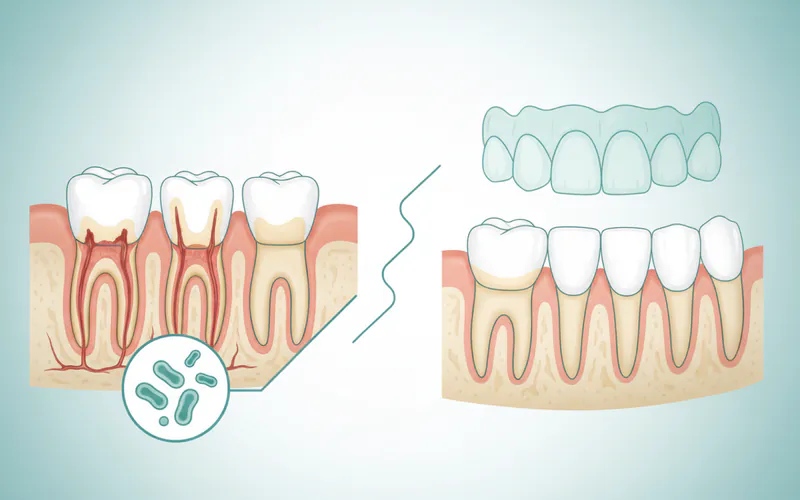
The primary alternatives for replacing five missing teeth are an implant-supported bridge (often the preferred choice for long spans due to superior bone preservation and stability) or a removable partial denture. A partial denture is less stable and less aesthetic but often more affordable. Individual dental implants for each missing tooth are usually not feasible for 5 consecutive teeth due to cost and space.
How much does a 5-tooth bridge cost with insurance?
With dental insurance, you can expect your out-of-pocket cost for a traditional 5-tooth bridge to range from $2,000 to $10,000+, depending on your plan's coverage (typically 30-50% for major restorations), your deductible, and your annual maximum benefit (usually $1,000-$2,000). Implant-supported bridges usually have much less insurance coverage.
Can a 5-tooth bridge be repaired?
Minor issues like a chipped porcelain surface might sometimes be repaired with composite bonding if the damage is small. However, if the bridge fractures significantly, the abutment teeth decay, or the cement washes out, requiring extensive intervention, the entire bridge usually needs to be replaced.
How do I clean under a 5-tooth bridge?
Cleaning under the pontics (the artificial teeth) is crucial. You cannot use regular floss between them. You'll need floss threaders, interdental brushes, or a water flosser (oral irrigator) to effectively remove plaque and food particles from beneath the bridge and around the gum line of the abutment teeth.
Is a 5-tooth bridge noticeable?
Modern 5-tooth bridges, especially those made from all-ceramic or zirconia materials, are highly aesthetic and designed to blend seamlessly with your natural teeth in color, shape, and translucency. A well-fabricated and expertly placed bridge should be virtually unnoticeable.
What are the signs a bridge is failing?
Signs of a failing bridge include persistent pain or sensitivity in the abutment teeth, noticeable looseness or movement of the bridge, food getting caught consistently under the bridge, persistent bad breath or taste (indicating decay or infection), visible cracks or chips, or a dark line appearing at the gum line (with PFM bridges).
When to See a Dentist
It's crucial to know when to seek professional dental care, especially concerning a missing 5-tooth gap or an existing bridge.
Immediate Attention (Emergency/Urgent Care):
- Sudden, Severe Pain: Intense pain in an abutment tooth or under the bridge, especially if it's throbbing or waking you up at night, could indicate infection or significant decay.
- Loose or Dislodged Bridge: If your bridge feels loose, shifts when you chew, or completely falls out, contact your dentist immediately. This exposes the prepared abutment teeth to potential damage and decay.
- Visible Damage: If your bridge has a large chip, crack, or fracture, or if a significant portion of the porcelain breaks off, it needs prompt evaluation to prevent further damage or discomfort.
- Swelling or Abscess: Any swelling in the gums around your bridge or abutment teeth, especially if accompanied by pus or a foul taste, indicates an infection requiring urgent treatment.
- Difficulty Chewing or Biting: If chewing becomes impossible or extremely painful, or if your bite suddenly feels "off" or uneven, it warrants an immediate check.
Scheduled Appointment (Routine Care/Non-Emergency):
- Missing Teeth: If you are missing five consecutive teeth, schedule a consultation with your dentist to discuss restorative options like a 5-tooth bridge or implant-supported bridge. Don't delay, as jawbone loss and shifting of remaining teeth can worsen over time.
- Chronic Mild Discomfort or Sensitivity: If you have mild, persistent sensitivity to hot or cold, or a dull ache around your existing bridge that doesn't resolve, mention it at your next routine appointment.
- Food Trapping: If you consistently notice food getting lodged under your bridge despite diligent cleaning, your bridge might need adjustment or evaluation.
- Aesthetic Concerns: If you are unhappy with the appearance of your existing bridge (e.g., color, shape, dark line at the gum), discuss cosmetic options with your dentist.
- Regular Check-ups: Adhere to your dentist's recommended schedule for routine dental examinations and professional cleanings (typically every six months) to monitor the health of your bridge and overall oral health.
Addressing concerns promptly can prevent minor issues from becoming major, costly complications, ensuring the longevity and effectiveness of your 5-tooth bridge.
Frequently Asked Questions
Medically Reviewed Content
This article was written by our dental health editorial team and reviewed for medical accuracy. Our content follows strict editorial guidelines for reliability and trustworthiness.
Medical Disclaimer
This article is for informational purposes only and does not constitute medical advice. Always consult with a qualified dental professional for diagnosis and treatment. Do not delay seeking professional advice because of something you read on this website.
Related Articles
Teeth Crown: Complete Guide
Imagine the confidence of a strong, healthy smile. Yet, for many Americans, dental issues like decay, cracks, or large fillings can compromise not just aesthetics, but also the vital function of their teeth. In fact, over 15 million Americans have undergone crown and bridge procedures, highlight
February 22, 2026
How Long Do Fillings Take
When you discover a cavity or experience tooth pain, one of the first questions that might come to mind is, how long do fillings take? Understanding the duration of a dental filling procedure is crucial for managing your schedule and expectations, but it's just one piece of the puzzle. Dental fi
February 22, 2026
Root Canal and Crown: Complete Guide
When a tooth suffers from significant damage or infection, a combination of two powerful restorative dental procedures often becomes necessary to save it: a root canal and crown. This comprehensive approach not only eradicates infection and alleviates pain but also restores the tooth's structura
February 22, 2026
Bridge Teeth Cost: Complete Price Guide 2026
Losing a tooth can be more than just an aesthetic concern; it can impact your ability to chew, speak clearly, and even lead to shifting teeth, affecting your overall oral health. If you're considering solutions for missing teeth, a dental bridge is a common and effective restorative option. But what
February 22, 2026