Complete Guide to Restorative Dentistry: Everything You Need to Know
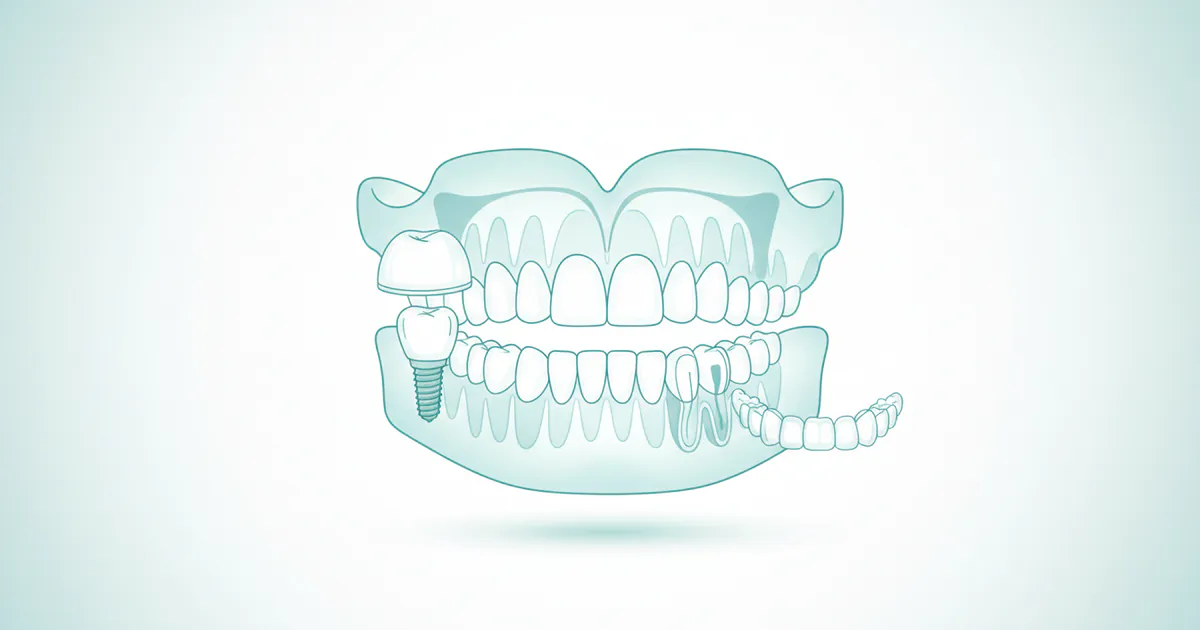
Key Takeaways
- Imagine a world where a chipped tooth meant a lifetime of discomfort, or a missing tooth forever altered your smile and ability to eat. Thankfully, modern dentistry has evolved, offering sophisticated solutions to repair, replace, and restore your teeth and gums. In the United States, millions of pe
Complete Guide to Restorative Dentistry: Everything You Need to Know
Imagine a world where a chipped tooth meant a lifetime of discomfort, or a missing tooth forever altered your smile and ability to eat. Thankfully, modern dentistry has evolved, offering sophisticated solutions to repair, replace, and restore your teeth and gums. In the United States, millions of people experience dental issues ranging from cavities to missing teeth. According to the CDC, over 1 in 4 adults aged 20-64 currently have untreated dental caries (cavities), highlighting the widespread need for interventions that go beyond routine cleanings. This is where restorative dentistry steps in—a vital branch of dental care focused on bringing back the health, function, and aesthetics of your smile.
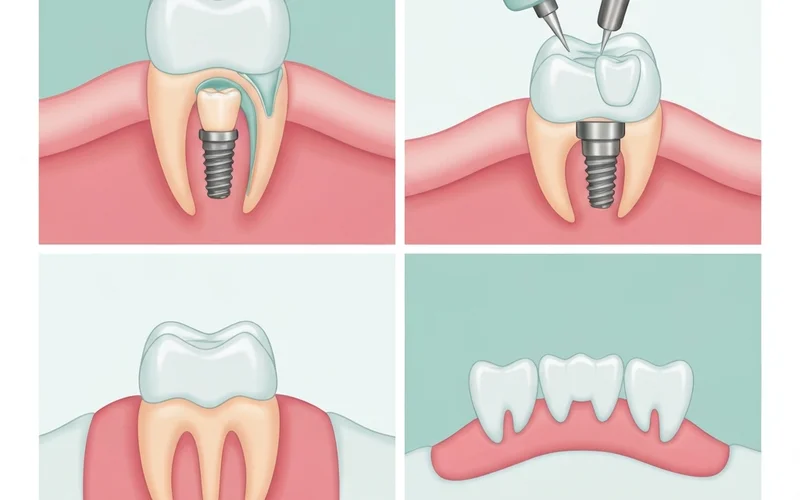
Restorative dentistry is not just about fixing problems; it's about improving your quality of life. It addresses issues like tooth decay, trauma, gum disease, and congenital conditions, using a range of advanced techniques and materials. Whether you're dealing with a simple tooth filling or exploring options for a full mouth bridge, understanding your choices is crucial. This comprehensive guide will walk you through everything you need to know about restorative dentistry, from the types of treatments available and what they cost to recovery, prevention, and essential aftercare. By the end, you'll be well-equipped to make informed decisions about your dental health.
Key Takeaways:
- Restorative dentistry aims to repair, replace, and restore damaged or missing teeth, improving function, health, and aesthetics.
- Common treatments include fillings ($50-$600), dental crowns ($800-$3,000), bridges ($1,500-$5,000 per unit), and implants ($3,000-$6,000 per tooth).
- Costs vary significantly based on material, complexity, location, and insurance coverage. Many procedures can be partially covered by dental insurance (typically 50-80%).
- Timelines range from a single visit for a simple composite bonding or tooth filling to several months for a dental implant or a complex full mouth bridge.
- Prevention is key: Good oral hygiene, a balanced diet, and regular dental check-ups can significantly reduce the need for extensive restorative work.
- Early intervention is crucial: Addressing issues like cavities or cracked teeth promptly can prevent more extensive and costly treatments down the line.
!A collage showing various restorative dentistry treatments: a tooth with a filling, a dental crown being placed on a prepared tooth, a dental implant with an abutment and crown, and a dental bridge.
What is Restorative Dentistry?
Restorative dentistry is a broad field of dental practice focused on diagnosing and treating diseases of the oral cavity, teeth, and supporting structures. Its primary goal is to restore the function, integrity, and morphology of missing or damaged tooth structure, as well as to restore the entire dentition to health and aesthetics. Essentially, it's about bringing your mouth back to optimal health and appearance after it has been affected by decay, trauma, disease, or developmental abnormalities.
This field encompasses a wide array of procedures, from the simplest tooth filling to complex full-mouth reconstructions. It merges the science of dental materials with the artistry of creating natural-looking and feeling teeth. The American Dental Association (ADA) emphasizes the importance of restorative procedures in maintaining oral health, preventing further damage, and ensuring proper chewing, speaking, and overall well-being.
Common Conditions Requiring Restorative Dentistry
Various factors can necessitate restorative dental work. Understanding the root causes can help in prevention and early detection.
Cavities and Tooth Decay
The most common reason for restorative dentistry is tooth decay, also known as dental caries or cavities. This occurs when bacteria in plaque produce acids that erode tooth enamel and dentin. Causes: Poor oral hygiene, frequent snacking on sugary or acidic foods and drinks, dry mouth, and inadequate fluoride exposure. Signs: White spots on teeth, tooth sensitivity, visible holes or pits, pain when biting, and dark staining.
Trauma and Fractures
Accidents, sports injuries, falls, or even biting down on something hard can cause teeth to chip, crack, or fracture. These injuries can range from minor cosmetic damage to severe breaks that expose the tooth's sensitive pulp. Causes: Physical impact, teeth grinding (bruxism), large old fillings that weaken tooth structure. Signs: Immediate pain, sharp edges, sensitivity to hot/cold or pressure, visible crack lines, a piece of tooth missing.
Tooth Wear (Erosion, Attrition, Abrasion)
Over time, teeth can wear down due to various forces.
- Erosion: Caused by acid exposure (e.g., from acidic foods/drinks, acid reflux, bulimia).
- Attrition: Tooth-to-tooth wear, often from teeth grinding or clenching.
- Abrasion: Wear from external objects, like aggressive brushing, using abrasive toothpaste, or chewing on non-food items (e.g., pen caps, nails). Causes: Diet, habits, medical conditions, improper brushing. Signs: Yellowing of teeth (dentin exposure), sensitivity, flattened chewing surfaces, notched gum lines, shortened teeth.
Missing Teeth
Losing a tooth can significantly impact your bite, speech, and appearance. If not addressed, adjacent teeth may shift, leading to further dental problems. Causes: Severe decay that necessitates extraction, gum disease (periodontal disease), trauma, congenital absence. Signs: Gaps in your smile, difficulty chewing, changes in speech, shifting of remaining teeth, bone loss in the jaw.
Signs You Might Need Restorative Dentistry
Recognizing the early signs can save you from more extensive and costly treatments. Pay attention to the following:
- Persistent Toothache: Any lingering pain, especially when biting down or exposed to hot/cold, can indicate decay or a fracture.
- Increased Tooth Sensitivity: While common, heightened sensitivity to temperature or sweets that doesn't subside might signal enamel wear or a developing cavity.
- Visible Holes or Pits: These are clear indicators of a cavity that requires a tooth filling.
- Dark Spots or Stains: Discoloration that isn't external staining could be a sign of decay.
- Chips, Cracks, or Fractures: Any visible damage to the tooth structure.
- Loose or Lost Fillings/Crowns: If an existing restoration feels loose or falls out, it needs immediate attention.
- Pain When Chewing: This can point to a cracked tooth, an abscess, or a high filling.
- Gaps Between Teeth: If teeth are shifting, it might be due to a missing tooth or gum disease.
- Bleeding or Swollen Gums: While primarily a sign of gum disease, severe cases can lead to tooth loss requiring restorative measures.
- Food Getting Trapped: If food consistently gets stuck between certain teeth, it could indicate a failing restoration or a gap that needs addressing.
Types of Restorative Dentistry Treatments
Restorative dentistry offers a diverse range of solutions tailored to individual needs. Here, we delve into the most common types.
Dental Fillings
Fillings are the most common restorative treatment, used to repair teeth damaged by decay. After removing the decayed portion, the dentist fills the space with a restorative material.
- Types:
- Composite Fillings: Tooth-colored resin, blended to match your natural tooth shade.
- Pros: Highly aesthetic, bonds directly to the tooth, often requires less removal of healthy tooth structure.
- Cons: Can be more expensive than amalgam, may not last as long in very large restorations, can stain over time.
- Cost: $100-$450 per tooth.
- Amalgam Fillings: Silver-colored mixture of metals (silver, tin, copper, mercury). Often referred to as "silver fillings."
- Pros: Durable, strong, less expensive, moisture-tolerant (easier to place in hard-to-reach areas).
- Cons: Not aesthetic, contains mercury (though deemed safe by ADA, some prefer mercury-free options), can expand/contract potentially leading to cracks, requires more healthy tooth structure removal.
- Cost: $50-$200 per tooth.
- Glass Ionomer Fillings: Tooth-colored, release fluoride (beneficial for preventing further decay), weaker than composite.
- Pros: Good for primary teeth and non-load-bearing areas, releases fluoride.
- Cons: Less durable than composite or amalgam, less aesthetic than composite.
- Cost: $75-$300 per tooth.
- Composite Fillings: Tooth-colored resin, blended to match your natural tooth shade.
- Process: Numbing the area, removing decay with a drill, cleaning the cavity, applying the filling material, shaping and polishing.
- ADA Guidelines: The ADA supports the use of both amalgam and composite fillings, emphasizing patient choice and suitability for the specific clinical situation.
Dental Crowns (Tooth Crowns / Crown Tooth)
A dental crown, also known as a tooth crown or crown tooth, is a cap shaped like your natural tooth that is placed over a damaged, decayed, or weakened tooth to restore its shape, size, strength, and appearance. It covers the entire visible portion of your tooth above the gum line.
- When a Crown is Needed:
- To protect a weak tooth from fracturing or to hold parts of a cracked tooth together.
- To restore an already broken tooth or a tooth severely worn down.
- To cover and support a tooth with a large tooth filling when there isn't much tooth left.
- To hold a dental bridge in place.
- To cover misshapen or severely discolored teeth.
- To cover a dental implant.
- After a root canal treatment.
- Types of Materials:
- Porcelain/Ceramic: Most popular for their natural look, especially for front teeth. Made entirely of ceramic materials.
- Pros: Excellent aesthetics, metal-free, good for allergy sufferers.
- Cons: Can be more brittle than metal, may wear opposing teeth if not properly polished.
- Cost: $800-$2,500 per crown.
- Porcelain-Fused-to-Metal (PFM): A metal substructure with porcelain layered over it.
- Pros: Strong and durable, good aesthetics (though not as natural as all-ceramic).
- Cons: Metal margin can sometimes be visible at the gum line (dark line), requires more tooth reduction, porcelain can chip.
- Cost: $700-$2,000 per crown.
- Metal (Gold Alloys, Base Metal Alloys): Highly durable and resistant to fracture and wear.
- Pros: Exceptional strength and longevity, requires less tooth reduction, gentle on opposing teeth.
- Cons: Not aesthetic (metallic color), can conduct temperature changes more readily.
- Cost: $600-$1,800 per crown.
- Zirconia: A type of ceramic that's very strong and aesthetically pleasing.
- Pros: Extremely durable, good aesthetics, biocompatible.
- Cons: Can be very opaque in some cases, difficulty bonding to tooth structure.
- Cost: $1,000-$3,000 per crown.
- Porcelain/Ceramic: Most popular for their natural look, especially for front teeth. Made entirely of ceramic materials.
- Process (Typically 2 visits):
- Preparation: The tooth is numbed, reshaped, and reduced to make space for the crown. An impression is taken.
- Temporary Crown: A temporary tooth crown is placed to protect the prepared tooth while the permanent one is fabricated in a lab.
- Permanent Placement: The temporary crown is removed, the permanent crown is checked for fit and bite, and then permanently cemented.
- Pro Tip: With advancements like CAD/CAM technology (e.g., CEREC), some dentists can design and mill an all-ceramic tooth crown in a single visit, eliminating the need for a temporary and a second appointment.
Inlays and Onlays
Often called "partial crowns," inlays and onlays are used when a tooth filling is too large for composite, but a full dental crown isn't yet necessary. They restore cusps (points) or the biting surface of the tooth.
- Inlays: Lie within the cusps of the tooth.
- Onlays: Cover one or more cusps and the biting surface.
- Materials: Gold, porcelain, or composite resin.
- Pros: Conserve more natural tooth structure than full crowns, durable, good aesthetics (especially porcelain/composite).
- Cons: More expensive than fillings, typically require two visits.
- Cost: $600-$1,500 per tooth.
Dental Bridges (Full Mouth Bridge)
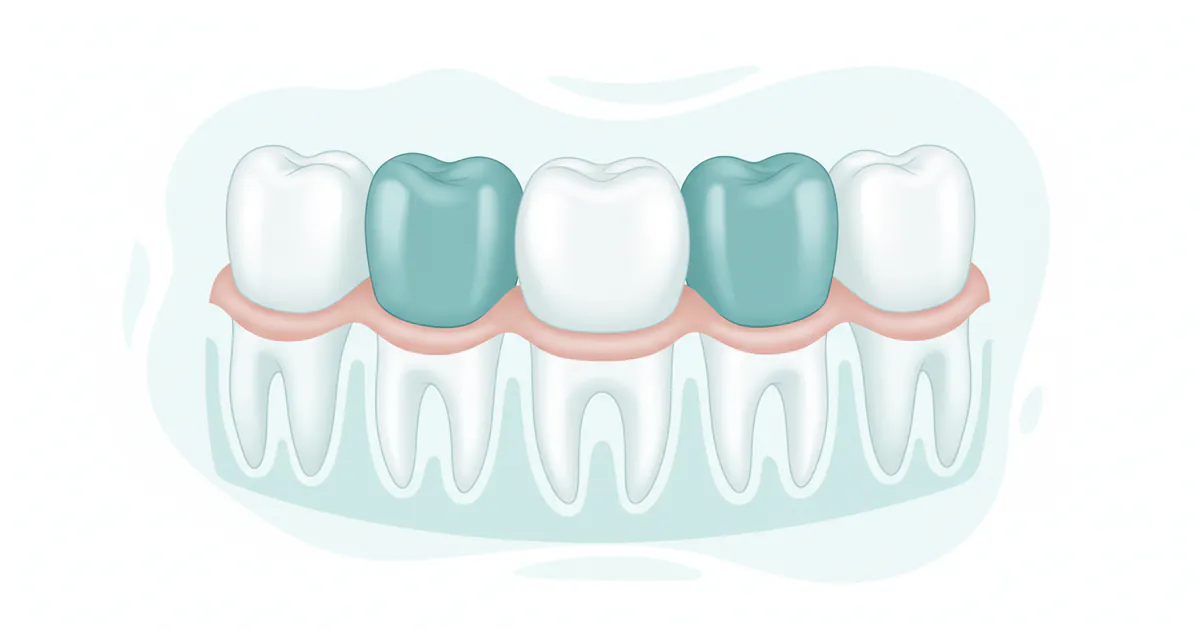
A dental bridge is a fixed prosthetic device used to replace one or more missing teeth by joining an artificial tooth (pontic) to adjacent teeth or implants. The adjacent teeth, called abutment teeth, are prepared and fitted with crowns that support the pontic. A full mouth bridge refers to extensive bridging covering many teeth or an entire arch, often supported by implants.
- Types:
- Traditional Bridge: Most common, involves creating a crown on each side of the missing tooth/teeth to hold the pontic(s) in place.
- Cantilever Bridge: Used when there are only abutment teeth on one side of the gap. Less common, often not recommended for back teeth due to leverage issues.
- Maryland Bonded Bridge: Uses a metal or porcelain framework bonded to the back surfaces of the adjacent teeth. Requires minimal tooth preparation. Best for front teeth.
- Implant-Supported Bridge: If you have multiple missing teeth, dental implants can serve as abutments, anchoring the bridge without needing to prepare natural teeth.
- Process: Similar to crowns; abutment teeth are prepared, impressions taken, temporary bridge placed, then permanent bridge cemented.
- Pros: Restores smile, chewing ability, and speech; prevents remaining teeth from shifting.
- Cons: Requires modifying healthy adjacent teeth (for traditional/cantilever), can be challenging to clean under the pontic, not as long-lasting as implants.
- Cost: $1,500-$5,000 per unit (each unit includes a crown and a pontic).
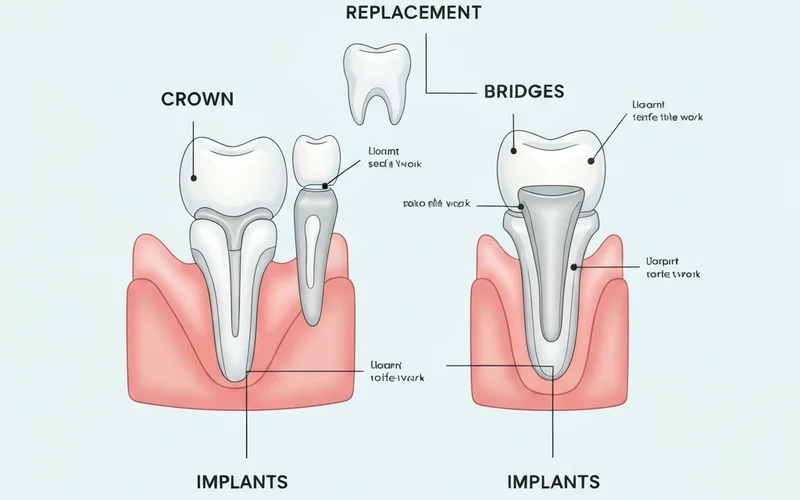
!A diagram showing the three main types of tooth replacement: a traditional bridge with crowns on abutment teeth, a single dental implant with a crown, and a removable partial denture.
Dental Implants
Dental implants are considered the gold standard for replacing missing teeth. They consist of a titanium post surgically placed into the jawbone, acting as an artificial tooth root. Once integrated with the bone (osseointegration), an abutment is attached, and a custom-made crown tooth is placed on top.
- Process (Multi-stage):
- Surgery: The titanium implant post is placed into the jawbone.
- Healing (Osseointegration): The implant fuses with the bone over several months (3-6 months).
- Abutment Placement: A connector piece (abutment) is attached to the implant.
- Restoration: A custom crown tooth, bridge, or denture is attached to the abutment.
- Pros: Most natural-looking and feeling tooth replacement, prevents bone loss, doesn't rely on adjacent teeth, highly durable and long-lasting.
- Cons: More expensive, requires surgery, longer treatment timeline, not suitable for everyone (requires sufficient bone density).
- Cost: $3,000-$6,000 per implant (this usually includes the implant, abutment, and crown).
Dentures
Dentures are removable appliances that replace missing teeth and surrounding gum tissue. They can be full (replacing all teeth in an arch) or partial (replacing a few missing teeth).
- Types:
- Complete Dentures: Used when all teeth are missing in an arch.
- Partial Dentures: Used when some natural teeth remain; typically consist of replacement teeth attached to a gum-colored plastic base, connected by a metal framework or flexible material.
- Immediate Dentures: Placed immediately after teeth extractions, allowing you to have teeth during the healing period. They require adjustments or relining after gums heal.
- Pros: Cost-effective, non-invasive (no surgery), can be removed for cleaning.
- Cons: Can feel less stable, may affect speech and eating initially, requires periodic relining or replacement.
- Cost:
- Complete Dentures: $1,000-$5,000 per arch.
- Partial Dentures: $700-$2,500 per arch.
Cosmetic Bonding (Composite Bonding)
Composite bonding uses a tooth-colored resin material to repair minor dental imperfections. It's applied, sculpted, hardened with a light, and polished.
- When it's Used: To repair chipped or cracked teeth, close small gaps, change the shape or color of teeth, or as an alternative to amalgam fillings.
- Process: Minimal tooth preparation, etching solution applied, bonding agent, then layers of resin are applied and shaped.
- Pros: Non-invasive, relatively quick (often one visit), good aesthetics for minor issues, less expensive than crowns or veneers.
- Cons: Not as durable or stain-resistant as crowns or veneers, can chip if not cared for properly.
- Cost: $300-$600 per tooth.
Other Related Treatments: Orthodontics (Ceramic Braces)
While primarily falling under orthodontics, treatments like ceramic braces can be considered restorative in a broader sense because they restore proper bite function and alignment, thereby preventing future dental problems that might require direct restorative work (e.g., uneven wear, increased risk of decay due to crowded teeth).
- Ceramic Braces: Clear or tooth-colored brackets and wires, less noticeable than traditional metal braces.
- Pros: More aesthetically pleasing than metal braces.
- Cons: Can be more fragile, may stain (especially clear ties), often slightly more expensive, can be slower.
- Cost: $3,500-$8,000 (often higher than metal).
- Pro Tip: Correcting misaligned teeth can significantly reduce the strain on individual teeth, improving longevity of natural teeth and any existing restorative work.
The Restorative Dentistry Process: What to Expect
While each procedure varies, a general outline of the restorative dentistry journey includes these steps:
Initial Consultation & Diagnosis
Your journey begins with a comprehensive dental exam. The dentist will review your medical and dental history, conduct a thorough oral examination, take X-rays, and possibly 3D scans. This helps diagnose the issue (e.g., cavity, fracture, missing tooth) and assess your overall oral health.

Treatment Planning
Based on the diagnosis, your dentist will present a personalized treatment plan, explaining the recommended procedures, materials, timelines, and costs. This is your opportunity to ask questions, discuss alternatives, and understand the pros and cons of each option.
Preparation & Anesthesia
Before most restorative procedures, the area will be numbed using a local anesthetic to ensure your comfort. For more extensive procedures or anxious patients, sedation options (nitrous oxide, oral sedation, IV sedation) may be discussed. The tooth (or teeth) requiring restoration will then be prepared—this might involve removing decay, reshaping the tooth for a tooth crown, or creating space for an implant.
The Restoration Procedure
This is where the actual restorative work happens.
- Fillings: Decay removed, cavity cleaned, material placed and shaped.
- Crowns/Bridges: Impressions taken, temporary placed, then permanent cemented later.
- Implants: Surgical placement of the post, followed by healing and eventual crown placement.
- Bonding: Resin applied, sculpted, hardened, and polished.
Post-Treatment & Follow-up
After the procedure, you'll receive detailed aftercare instructions. A follow-up appointment may be scheduled to check the restoration, address any concerns, and ensure proper healing. Regular dental check-ups are crucial to monitor the longevity and health of your restorations.
Comparison Tables
To help visualize your options, here are comparison tables for common restorative treatments.
Table 1: Common Dental Fillings
| Feature | Composite Fillings | Amalgam Fillings | Glass Ionomer Fillings |
|---|---|---|---|
| Material | Resin and glass/quartz particles | Silver, tin, copper, mercury | Acrylic and fluoroaluminosilicate glass |
| Aesthetics | Excellent (tooth-colored, matches natural teeth) | Poor (silver color) | Moderate (tooth-colored, but can be opaque) |
| Durability | Good (5-10 years on average) | Excellent (10-15 years, often longer) | Moderate (3-5 years, less strong for biting surfaces) |
| Cost (US) | $100 - $450 per tooth | $50 - $200 per tooth | $75 - $300 per tooth |
| Placement | Bonds directly, requires dry environment | Mechanical retention, less moisture-sensitive | Bonds chemically, releases fluoride |
| Best Use | Visible teeth, small to medium cavities | Back teeth, large cavities, cost-effective | Pediatric dentistry, non-load-bearing areas, root caries |
Table 2: Missing Tooth Replacement Options
| Feature | Dental Implants | Dental Bridges | Dentures (Partial/Complete) |
|---|---|---|---|
| Description | Titanium post surgically placed in jawbone, topped with crown tooth. | Artificial tooth (pontic) anchored by crowns on adjacent natural teeth. | Removable appliance with artificial teeth and gums. |
| Longevity | Excellent (20+ years, often lifelong) | Good (5-15 years) | Moderate (5-10 years, requires relining/replacement) |
| Bone Health | Preserves jawbone (stimulates bone) | No bone stimulation, can lead to bone loss underneath pontic. | No bone stimulation, can accelerate bone loss. |
| Adjacent Teeth | Does not affect adjacent teeth | Requires preparation (reshaping) of adjacent healthy teeth. | Rests on gums or clasps onto existing teeth (partial). |
| Feel/Function | Most natural feel, excellent chewing ability | Good chewing, can feel less stable than implants. | Can feel less stable, may affect speech/eating initially. |
| Cost (US) | $3,000 - $6,000 per tooth (implant, abutment, crown) | $1,500 - $5,000 per unit (3-unit bridge for 1 tooth) | $700 - $5,000 per arch (depending on type/material) |
| Timeline | Several months (surgery, healing, restoration) | 2-3 appointments over a few weeks | 3-5 appointments over a few weeks/months |
Cost of Restorative Dentistry: A US Perspective
The cost of restorative dentistry varies widely based on several factors:
- Type of Procedure: Simple fillings are far less expensive than a full mouth bridge or dental implants.
- Material Used: Porcelain and Zirconia crowns are more expensive than metal, composite fillings more than amalgam.
- Complexity: A root canal followed by a tooth crown will cost more than a simple filling.
- Geographic Location: Dental costs tend to be higher in urban areas and certain regions (e.g., Northeast, West Coast) compared to rural areas.
- Dentist's Fees: Fees can vary between general dentists and specialists (e.g., periodontists for implants, endodontists for root canals).
Insurance Coverage
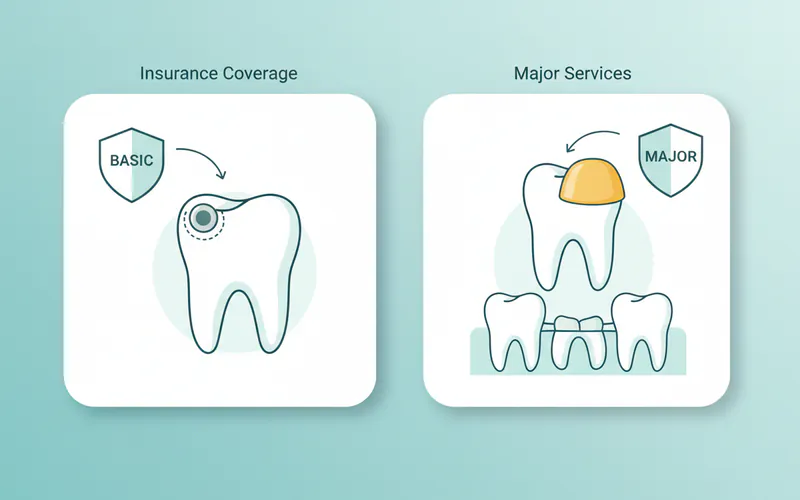
Most dental insurance plans in the US categorize restorative procedures under "basic" or "major" services.
- Basic Services: Often include fillings (composite and amalgam), extractions. Typically covered at 80% after deductible.
- Major Services: Usually include crowns, bridges, inlays/onlays, dentures, and sometimes root canals. Typically covered at 50% after deductible.
- Cosmetic Procedures: Procedures primarily for aesthetics (like composite bonding for minor gaps) may not be covered or have limited coverage.
- Implants: Coverage for dental implants varies significantly. Some plans offer 50% coverage, others have no coverage, or may count towards your annual maximum.
Pro Tip: Always check with your insurance provider directly before starting any major treatment to understand your specific coverage, deductibles, annual maximums, and waiting periods. Many plans have an annual maximum benefit, often ranging from $1,000 to $2,000.
Recovery and Aftercare
Proper recovery and diligent aftercare are essential for the longevity and success of your restorative treatments.
Immediate Post-Procedure
- Anesthesia: Numbness typically lasts for a few hours. Avoid chewing hard foods until the numbness wears off to prevent accidental biting of your tongue or cheek.
- Sensitivity: It's common to experience some sensitivity to hot, cold, or pressure, especially after fillings or crowns. This usually subsides within a few days to weeks. If it persists or worsens, contact your dentist.
- Discomfort/Pain: Mild discomfort is normal and can often be managed with over-the-counter pain relievers like ibuprofen or acetaminophen. Your dentist may prescribe stronger medication for more invasive procedures (e.g., implant surgery).
- Swelling: After surgical procedures like implant placement, some swelling is expected. Applying ice packs intermittently can help reduce it.
Long-Term Care
- Oral Hygiene: Continue to brush twice a day with fluoride toothpaste and floss daily. Pay extra attention around your restorations. For bridges, special floss threaders or interdental brushes are needed to clean under the pontic.
- Diet: Avoid excessively hard, sticky, or chewy foods that could damage restorations, especially crowns or composite bonding. Limit sugary and acidic foods/drinks to prevent new decay.
- Regular Dental Check-ups: Visit your dentist for routine check-ups and cleanings every six months (or as recommended). Your dentist will monitor your restorations, check for signs of wear or new decay, and perform professional cleanings.
- Bruxism/Clenching: If you grind or clench your teeth (bruxism), your dentist might recommend a nightguard to protect your natural teeth and restorations from excessive force.
- Dental Implants: While highly durable, implants still require diligent oral hygiene. Peri-implantitis (inflammation around the implant) can occur if neglected.
Preventing the Need for Restorative Dentistry
The best restorative dentistry is often the one you don't need. Prevention is key!
- Excellent Oral Hygiene:
- Brush your teeth twice a day for two minutes with fluoride toothpaste.
- Floss daily to remove plaque and food particles from between teeth and under the gumline.
- Consider an antiseptic mouthwash to reduce bacteria.
- Balanced Diet:
- Limit sugary and acidic foods and beverages.
- Snack smartly with healthy options like fruits, vegetables, and dairy.
- Drink plenty of water, especially fluoridated water.
- Regular Dental Check-ups and Cleanings:
- Visit your dentist every six months for professional cleanings and examinations. Early detection of issues like cavities or gum disease can prevent them from escalating.
- Protective Gear:
- Wear a mouthguard during contact sports or activities where there's a risk of facial injury.
- If you grind or clench your teeth, wear a nightguard to protect against tooth wear and fractures.
- Avoid Harmful Habits:
- Don't use your teeth as tools (e.g., opening bottles, tearing packages).
- Avoid chewing on ice, pens, or other hard objects.
- Quit smoking and limit alcohol consumption, both of which negatively impact oral health.
Risks and Potential Complications
While restorative procedures are generally safe and effective, like any medical treatment, they carry some potential risks and complications:
- Sensitivity: Post-treatment sensitivity to hot/cold, pressure, or sweets can occur, especially after fillings or crowns. It usually resolves, but persistent or severe sensitivity might indicate a problem.
- Infection: While rare, infection can occur, particularly after surgical procedures like implant placement or root canals.
- Allergic Reaction: Though uncommon, some individuals may have allergic reactions to materials used (e.g., metals in amalgam or crowns, composite resins).
- Fracture/Chipping: Restorations, especially porcelain crowns or composite bonding, can chip or fracture under excessive biting forces or trauma.
- Failure of Restoration: Fillings can fall out, crowns can become loose, or a dental implant may fail to integrate with the bone. This might require replacement or alternative treatment.
- Nerve Damage: In very rare cases, extensive procedures can lead to temporary or permanent nerve damage, resulting in numbness or altered sensation.
- Gum Irritation: The margins of crowns or fillings can sometimes irritate the gum tissue if not properly fitted.
- Referred Pain: Pain from a newly restored tooth can sometimes be felt in other teeth or areas, making it hard to pinpoint the source.
Pro Tip: Always communicate any unusual symptoms or persistent discomfort to your dentist promptly. Early detection of complications can prevent more serious issues.
Children / Pediatric Considerations
Restorative dentistry for children focuses on preserving primary (baby) teeth and guiding the development of permanent teeth. It's crucial because primary teeth hold space for permanent teeth, aid in proper speech development, and facilitate good nutrition.
- Common Issues: Cavities are the most prevalent issue in children. The CDC notes that dental caries are the most common chronic disease of childhood, being 4 times more common than asthma.
- Treatments:
- Fillings: Similar to adults, composite or glass ionomer fillings are used to treat cavities. Amalgam fillings are less common in pediatric dentistry but may be used in certain situations.
- Stainless Steel Crowns (SSCs): These are often used for severely decayed or fractured primary teeth. They cover the entire tooth, providing strong, durable protection until the tooth naturally exfoliates. They are more cost-effective and faster to place than adult crowns.
- Cost: $200-$400 per crown.
- Pulpotomy/Pulpectomy: If decay reaches the pulp (nerve) of a primary tooth, a "baby root canal" might be performed to save the tooth.
- Space Maintainers: If a primary tooth is lost prematurely due to decay or trauma, a space maintainer may be placed to prevent adjacent teeth from drifting and blocking the eruption of the permanent tooth.
- Cost: $300-$700.
- Prevention: Dental sealants are highly recommended for children to protect molars from decay. Fluoride treatments are also critical for strengthening enamel.
- Parental Guidance: Parents play a vital role in establishing good oral hygiene habits from infancy, supervising brushing, and ensuring regular pediatric dental visits. The ADA recommends a child's first dental visit by their first birthday.
Cost Breakdown (Summary of US Costs)
Here's a summarized overview of average US costs for key restorative procedures:
| Procedure | Average Cost (Without Insurance) | Insurance Coverage (Typical) |
|---|---|---|
| Dental Filling (Amalgam) | $50 - $200 | 80-100% |
| Dental Filling (Composite) | $100 - $450 | 50-80% |
| Inlay/Onlay | $600 - $1,500 | 50-80% |
| Dental Crown (Porcelain/Zirconia) | $800 - $3,000 | 50% |
| Dental Bridge (per unit) | $1,500 - $5,000 | 50% |
| Dental Implant (per tooth, full process) | $3,000 - $6,000 | 0-50% (varies widely) |
| Full Dentures (per arch) | $1,000 - $5,000 | 50% |
| Partial Dentures (per arch) | $700 - $2,500 | 50% |
| Composite Bonding | $300 - $600 | 0-50% (often cosmetic) |
| Ceramic Braces | $3,500 - $8,000 | 25-50% (orthodontic max) |
| Stainless Steel Crown (Pediatric) | $200 - $400 | 80-100% |
Payment Plans and Financing Options
Many dental offices offer payment plans to help manage the cost of extensive restorative work.
- In-Office Payment Plans: Some practices allow you to pay in installments.
- Third-Party Financing: Companies like CareCredit offer special healthcare credit cards with deferred interest or low-interest plans.
- Dental Schools: You can often find reduced costs at dental school clinics, where students perform procedures under the supervision of experienced faculty.
- Community Dental Clinics: Non-profit or government-funded clinics may offer services on a sliding scale based on income.
Cost-Saving Tips
- Preventive Care: The most effective way to save money is to avoid the need for extensive restorative work through excellent oral hygiene and regular check-ups.
- Early Intervention: Addressing small cavities with a simple tooth filling is much cheaper than waiting until it requires a root canal and crown.
- Shop Around (Carefully): Get a second opinion and compare treatment plans and costs from different dentists, but prioritize quality and trust over the absolute lowest price.
- Utilize Insurance Benefits: Understand your plan's maximums and timelines to maximize your annual benefits.
- Flexible Spending Accounts (FSAs) / Health Savings Accounts (HSAs): Use these tax-advantaged accounts to save and pay for dental expenses.
Frequently Asked Questions
Is restorative dentistry painful?
Most restorative procedures are performed under local anesthesia, meaning you won't feel pain during the treatment. You might experience some pressure or vibration. Post-procedure, mild discomfort or sensitivity is common but usually manageable with over-the-counter pain relievers and subsides within a few days.
How long do restorative treatments last?
The longevity of restorative treatments varies greatly depending on the type of restoration, the material used, your oral hygiene habits, and regular dental visits. Amalgam fillings can last 10-15 years, composite fillings 5-10 years, dental crowns 10-15 years, and dental implants can last 20 years to a lifetime.
Can restorative dentistry fix cosmetic issues?
Yes, many restorative procedures also have significant cosmetic benefits. For example, composite bonding can close gaps and improve tooth shape, porcelain crowns can perfectly match natural tooth color, and dental implants restore a natural-looking smile. The goal is often to restore both function and aesthetics.
Are dental implants better than a full mouth bridge?
For single tooth replacement, dental implants are generally considered superior as they preserve bone, don't affect adjacent teeth, and offer the best long-term solution. However, bridges can be a good option if adjacent teeth already need crowns, or if implants are not suitable due to bone loss or cost. Your dentist will recommend the best option for your specific situation.
What is the difference between a tooth filling and a tooth crown?
A tooth filling repairs a small to medium-sized hole in a tooth caused by decay, restoring only a portion of the tooth. A tooth crown (or tooth cap) is a full-coverage restoration that encapsulates the entire visible portion of a tooth above the gum line, used when a tooth is severely damaged, fractured, or weakened.
Does dental insurance cover restorative dentistry?
Most dental insurance plans cover a portion of restorative procedures, typically 50-80% for basic services like fillings and 50% for major services like crowns and bridges, after your deductible is met. Coverage for dental implants can vary widely, from no coverage to 50%. It's essential to check your specific plan details.
How long does it take to get a dental crown?
A traditional dental crown typically requires two appointments over 2-3 weeks. The first appointment involves tooth preparation and taking impressions. The second appointment is for cementing the custom-made permanent crown. Some dentists offer same-day ceramic crowns using CAD/CAM technology.
Can I get ceramic braces as an adult?
Yes, ceramic braces are a popular option for adults seeking orthodontic treatment due to their less noticeable appearance compared to metal braces. They function similarly to traditional braces but are designed to blend in more with your natural teeth.
What happens if I delay restorative treatment?
Delaying restorative treatment can lead to more severe problems. A small cavity can grow, potentially requiring a root canal and crown or even extraction. A cracked tooth can worsen, leading to infection. Missing teeth can cause adjacent teeth to shift, bone loss, and bite problems, making future restoration more complex and costly.
How do I choose the right restorative dentist?
Look for a dentist with good reviews, relevant experience, and who prioritizes patient education and comfort. Ask about their experience with the specific procedure you need, their use of technology, and their payment options. A good relationship with your dentist is crucial for long-term oral health.
When to See a Dentist
Knowing when to seek professional dental care is paramount for maintaining good oral health and preventing minor issues from escalating.
Schedule a routine appointment if you experience:
- Mild tooth sensitivity: If it comes and goes, or is mild and not associated with pain.
- Visible staining or discoloration: If it's not accompanied by pain or sensitivity.
- Minor chips or cracks: If they don't cause pain or sharpness.
- Loose or lost filling/crown without pain: Though still important to address promptly, it may not be an emergency.
See a dentist promptly (within a few days) for:
- Persistent tooth sensitivity: If it lingers after exposure to hot/cold, or is consistent.
- New or growing dark spots on a tooth: Could indicate a developing cavity.
- Food consistently getting trapped between teeth.
- Chronic bad breath or a persistent bad taste in your mouth: Could be a sign of gum disease or decay.
Seek immediate dental attention (emergency) if you experience:
- Severe, throbbing toothache: Especially if it disrupts sleep or is accompanied by swelling. This could indicate an infection or abscess.
- Swelling in your face or gums: A sign of a serious infection that requires urgent care.
- A knocked-out tooth: Time is critical for re-implantation (within 30 minutes for best prognosis).
- A fractured tooth with exposed nerve/pulp: Indicated by extreme sensitivity or visible pinkish center.
- Bleeding that won't stop after an injury or extraction.
- Difficulty opening your mouth or swallowing due to dental pain or swelling.
Red Flags vs. Routine Care: Any acute pain, swelling, or trauma involving your teeth or mouth should be considered a red flag requiring immediate professional evaluation. Routine care, on the other hand, involves regular check-ups and cleanings to prevent such emergencies. Don't wait for pain to be your only motivator to visit the dentist. Proactive care is always the best defense.
Frequently Asked Questions
Medically Reviewed Content
This article was written by our dental health editorial team and reviewed for medical accuracy. Our content follows strict editorial guidelines for reliability and trustworthiness.
Medical Disclaimer
This article is for informational purposes only and does not constitute medical advice. Always consult with a qualified dental professional for diagnosis and treatment. Do not delay seeking professional advice because of something you read on this website.
Related Articles
Teeth Crown: Complete Guide
Imagine the confidence of a strong, healthy smile. Yet, for many Americans, dental issues like decay, cracks, or large fillings can compromise not just aesthetics, but also the vital function of their teeth. In fact, over 15 million Americans have undergone crown and bridge procedures, highlight
February 22, 2026
How Long Do Fillings Take
When you discover a cavity or experience tooth pain, one of the first questions that might come to mind is, how long do fillings take? Understanding the duration of a dental filling procedure is crucial for managing your schedule and expectations, but it's just one piece of the puzzle. Dental fi
February 22, 2026
Root Canal and Crown: Complete Guide
When a tooth suffers from significant damage or infection, a combination of two powerful restorative dental procedures often becomes necessary to save it: a root canal and crown. This comprehensive approach not only eradicates infection and alleviates pain but also restores the tooth's structura
February 22, 2026
Bridge Teeth Cost: Complete Price Guide 2026
Losing a tooth can be more than just an aesthetic concern; it can impact your ability to chew, speak clearly, and even lead to shifting teeth, affecting your overall oral health. If you're considering solutions for missing teeth, a dental bridge is a common and effective restorative option. But what
February 22, 2026