Complete Guide to Bruxism & Teeth Grinding: Everything You Need to Know
Key Takeaways
- Do you often wake up with a dull headache, a sore jaw, or unexplained tooth sensitivity? You're not alone. It's estimated that over 10% of American adults and up to 15% of children experience teeth grinding or clenching, a condition medically known as bruxism. While occasional grinding m
Complete Guide to Bruxism & Teeth Grinding: Everything You Need to Know
Do you often wake up with a dull headache, a sore jaw, or unexplained tooth sensitivity? You're not alone. It's estimated that over 10% of American adults and up to 15% of children experience teeth grinding or clenching, a condition medically known as bruxism. While occasional grinding might not be a major concern, chronic bruxism can lead to significant dental damage, chronic pain, and a diminished quality of life. This pervasive issue can silently erode your oral health and impact your overall well-being. Understanding what causes teeth grinding, its various forms, and the most effective treatment options, like a custom mouth guard for teeth grinding, is crucial for protecting your smile and alleviating discomfort.
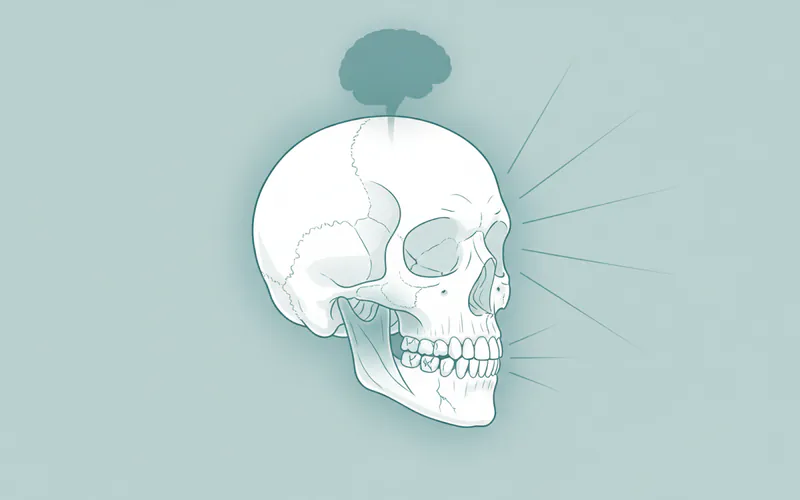
This comprehensive guide will walk you through everything you need to know about bruxism, from its underlying causes and tell-tale symptoms to the latest treatment modalities, cost considerations, and essential preventive strategies. By the end of this article, you'll have the knowledge to recognize the signs, understand your options, and take proactive steps to safeguard your dental health.
Key Takeaways:
- Bruxism is widespread: Affects over 10% of adults and up to 15% of children in the US.
- Two main types: Sleep bruxism (most common, often unrecognized) and awake bruxism (stress-related clenching).
- Primary treatment is often an occlusal guard: Custom-made bruxism mouth guard is highly effective, costing typically $300-$800 (potentially up to $1,000+). Over-the-counter options are much cheaper ($15-$100) but less effective and durable.
- Symptoms vary: Look for worn teeth, jaw pain, headaches, and sensitivity. Early detection prevents severe damage.
- Causes are multifaceted: Stress, anxiety, certain medications, sleep disorders (like sleep apnea), and lifestyle factors are common contributors.
- Treatment duration varies: Mouth guards provide immediate protection, but addressing underlying causes can take weeks to months. Regular dental check-ups are vital for long-term management.
- Insurance coverage: Dental insurance often covers a portion of custom teeth grinding guards, usually 50-80% after deductibles.
What Is Bruxism? An Overview of Teeth Grinding and Clenching
Bruxism is a condition characterized by involuntarily grinding, gnashing, or clenching your teeth. While some people may consciously clench their teeth during the day, many are unaware they have bruxism because it often occurs during sleep. This nocturnal activity is known as sleep bruxism and is a common teeth grinding in sleep phenomenon.
The forces exerted during bruxism can be incredibly powerful – often exceeding the normal chewing forces by several times. This constant, excessive pressure takes a severe toll on your teeth, jaw muscles, and temporomandibular joints (TMJ).
- Grinding: Involves moving your jaw back and forth, rubbing your upper and lower teeth together. This creates a distinct audible sound that a sleep partner might notice.
- Clenching: Involves tightly biting down and holding your teeth together, often without lateral movement. This puts immense static pressure on your teeth and jaw muscles but typically doesn't produce sound.
Both grinding and clenching can lead to similar damaging effects over time. The key differentiator for many is whether they are aware of the habit and when it occurs. Understanding this distinction is vital for diagnosis and tailoring the right treatment plan.
Types and Variations of Bruxism
Bruxism isn't a one-size-fits-all condition. It manifests in different forms, each with unique characteristics and implications.
Sleep Bruxism (Nocturnal Bruxism)
This is the most common form of bruxism and often goes undiagnosed for extended periods because the individual is unaware they are doing it. Teeth grinding in sleep typically occurs during the lighter stages of sleep, though it can happen at any point in the sleep cycle.
- Characteristics: Rhythmic jaw muscle activity, grinding sounds, often associated with other sleep disorders.
- Detection: Usually reported by a sleep partner, discovered by a dentist during an exam (due to tooth wear), or identified through symptoms like morning headaches and jaw soreness.
- Impact: Can severely damage teeth and jaw joints due to prolonged, unconscious force.
Awake Bruxism (Diurnal Bruxism)
Awake bruxism involves conscious or subconscious clenching or grinding during waking hours. This type is often linked to stress, concentration, or specific habits.
- Characteristics: Often involves clenching rather than grinding, may involve bracing the jaw or tensing facial muscles, usually silent.
- Detection: Individuals may become aware of the habit through self-monitoring, or a dentist might notice signs of wear.
- Impact: Can cause tension headaches, facial pain, and tooth sensitivity, though typically less destructive to teeth than severe sleep bruxism due to shorter, more intermittent episodes.
It's important to note that an individual can experience both types of bruxism, leading to cumulative damage and discomfort.
Causes: Why Does Teeth Grinding Happen?
The exact cause of bruxism is often multifactorial, meaning it stems from a combination of physical, psychological, and genetic factors. Pinpointing the root causes is crucial for effective treatment.
Psychological Factors
Stress, anxiety, and tension are among the most common culprits behind bruxism. When you're under emotional pressure, your body can manifest that stress physically, and for many, this translates into clenching or grinding teeth.
- Stress: Work pressure, financial strain, relationship issues, or major life changes.
- Anxiety: Generalized anxiety disorder, panic attacks, or specific phobias.
- Anger and Frustration: Suppressed emotions can manifest as physical tension.
- Personality Type: Individuals with aggressive, competitive, or hyperactive personality traits may be more prone to bruxism.
Lifestyle Factors
Certain habits and substances can significantly contribute to or exacerbate bruxism.
- Caffeine: High intake of coffee, energy drinks, or caffeinated sodas can stimulate the nervous system, leading to increased muscle activity, including jaw clenching.
- Alcohol: While alcohol might initially seem to relax you, it can disrupt sleep architecture, potentially leading to increased teeth grinding in sleep.
- Smoking: Nicotine is a stimulant that can contribute to bruxism. Studies show smokers are almost twice as likely to grind their teeth as non-smokers.
- Recreational Drugs: Amphetamines and ecstasy, for example, are potent stimulants known to cause severe jaw clenching.
Medications
Certain prescription medications can have bruxism as a side effect.
- Antidepressants: Selective serotonin reuptake inhibitors (SSRIs) like fluoxetine (Prozac), paroxetine (Paxil), and sertraline (Zoloft) are particularly noted for this side effect, especially at higher doses.
- Antipsychotics: Some antipsychotic medications can also induce bruxism.
If you suspect a medication is causing your bruxism, never stop taking it without consulting your doctor. They may be able to adjust your dosage or switch you to an alternative.
Medical Conditions and Disorders
Several underlying health issues can be linked to bruxism, particularly sleep bruxism.
- Sleep Apnea: A common sleep disorder where breathing repeatedly stops and starts. The body's effort to open the airway during an apneic event can trigger jaw movements, including grinding.
- Gastroesophageal Reflux Disease (GERD): The body may react to acid reflux during sleep by clenching or grinding to stimulate saliva production, which helps neutralize acid.
- Neurological Disorders: Conditions like Parkinson's disease, Huntington's disease, and epilepsy can sometimes involve involuntary muscle movements that manifest as bruxism.
- Attention Deficit Hyperactivity Disorder (ADHD): Some studies suggest a link between ADHD and increased prevalence of bruxism, possibly due to hyperactivity or medication side effects.
Dental Factors
While less emphasized as primary causes today, certain dental conditions can contribute to bruxism or worsen its effects.
- Malocclusion (Misaligned Teeth): Historically, dental professionals believed misaligned teeth were a major cause. While modern research suggests psychological factors are more dominant, severe bite discrepancies can sometimes contribute to unconscious efforts to find a more comfortable resting position for the jaw.
- Missing Teeth: Gaps in your smile can alter your bite, potentially leading to grinding as your jaw tries to compensate.
- Ill-fitting Restorations: Dental crowns or fillings that are too high can throw off your bite, potentially triggering bruxism.
Genetic Predisposition
Research suggests that bruxism, particularly sleep bruxism, can have a familial component. If your parents or siblings have bruxism, you might be more prone to developing it yourself.
Signs and Symptoms of Bruxism
Recognizing the signs of bruxism is often the first step toward diagnosis and treatment. Since teeth grinding in sleep often goes unnoticed by the individual, being aware of the symptoms is crucial.
Dental Symptoms
These are often the most telling indicators and are usually identified during a routine dental exam.
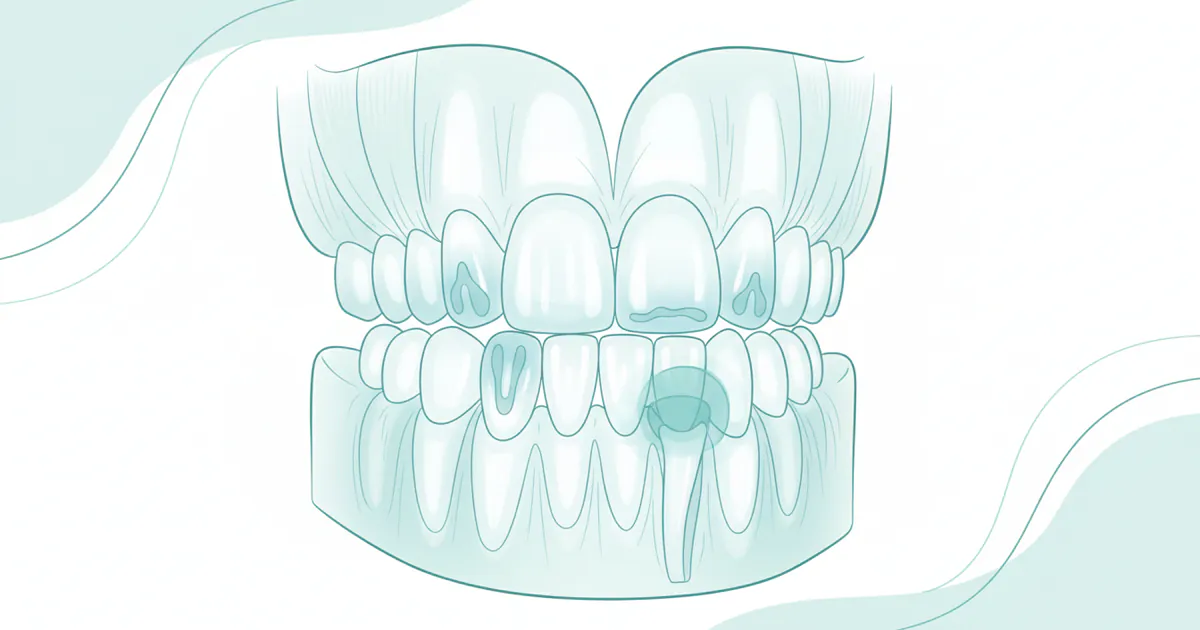
- Worn-down, flattened, fractured, or chipped teeth: The most common sign, especially on the chewing surfaces.
- Increased tooth sensitivity: Due to enamel erosion, exposing the dentin.
- Loose teeth: Chronic grinding can loosen teeth over time.
- Receding gums: The excessive force can damage gum tissue.
- Indentation marks on the tongue or inner cheeks: From pressing the tongue against teeth or chewing the cheek.
- Cracked tooth syndrome: Small, hairline cracks in teeth that cause pain upon biting.
- Damage to dental restorations: Chipped fillings, fractured crowns, or broken veneers.
Muscular and Joint Symptoms
Bruxism puts immense strain on the muscles and joints of your jaw.
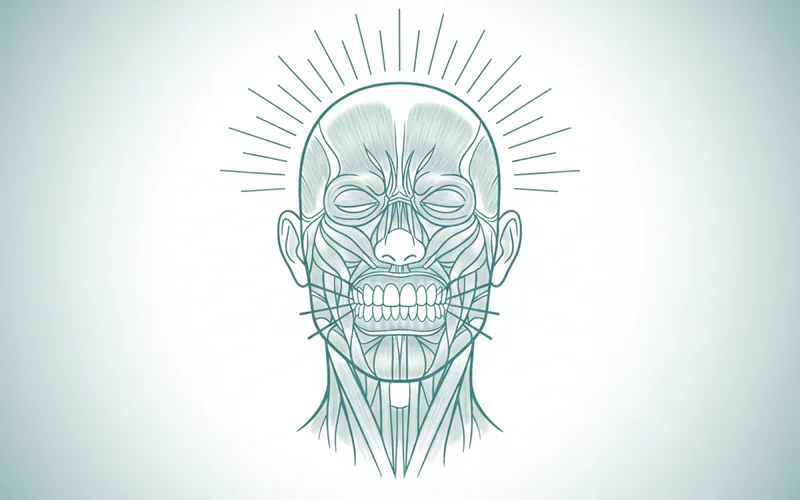
- Dull, chronic headaches: Especially tension-type headaches that start in the temples. Often present upon waking.
- Jaw pain or soreness: Especially around the ears or temples.
- Fatigue in jaw muscles: Feeling like your jaw is tired, even without much talking or chewing.
- Tight or stiff jaw muscles: Difficulty opening your mouth wide.
- Facial pain: Generalized discomfort around the face.
- Clicking, popping, or locking of the jaw joint (TMJ): Can indicate damage or dysfunction of the temporomandibular joint.
- Earache: Often a referred pain from the jaw muscles, not an actual ear infection.
Other Symptoms
- Sleep disruption for your partner: The sound of teeth grinding can be loud enough to disturb others in the same room.
- Disrupted sleep: While you may not be aware of the grinding, the physical exertion can affect your sleep quality, leading to daytime fatigue.
Pro Tip: If you notice any of these symptoms, especially multiple ones, schedule an appointment with your dentist. They are usually the first healthcare professional to identify signs of bruxism.
Treatment Options for Bruxism
Managing bruxism requires a multi-faceted approach, often combining dental interventions with lifestyle changes and, in some cases, medical treatments. The primary goal is to protect your teeth from damage and alleviate associated pain.
Dental Appliances (Mouth Guards/Occlusal Splints)
These are the cornerstone of bruxism treatment, especially for sleep bruxism. A bruxism mouth guard or occlusal guard creates a physical barrier between your upper and lower teeth, preventing direct contact and distributing pressure more evenly.
- Custom-Made Mouth Guards (Occlusal Splints):
- Description: Fabricated by a dental lab from impressions of your teeth, usually made of hard acrylic or a combination of soft interior and hard exterior. They fit precisely and are designed for comfort and durability.
- Pros: Most effective for protecting teeth and reducing jaw pain; highly durable (can last 5-10 years); custom-fit ensures comfort and doesn't interfere with breathing or speech.
- Cons: Highest cost, requires dental visits for impressions and fitting.
- Cost: Typically ranges from $300 to $800, but can go up to $1,000+ depending on materials, complexity, and region.
- Boil-and-Bite Mouth Guards:
- Description: Available at sporting goods stores or pharmacies. You soften the thermoplastic material in hot water and then bite into it to create a semi-custom fit.
- Pros: More affordable than custom guards, better fit than generic OTC.
- Cons: Less durable than custom guards (last 6-18 months), can be bulky, may not offer precise bite alignment.
- Cost: Generally $20 to $100.
- Over-the-Counter (OTC) Stock Mouth Guards:
- Description: Pre-formed, one-size-fits-all guards found in drugstores.
- Pros: Very inexpensive, readily available.
- Cons: Bulky, uncomfortable, poor fit, often ineffective, can worsen TMJ issues by forcing the jaw into an unnatural position. Not recommended for long-term use.
- Cost: Typically $15 to $30.
Pro Tip: While OTC options are tempting due to price, a custom-made teeth grinding guard from your dentist offers superior protection, comfort, and longevity, making it a worthwhile investment in your long-term oral health.
Behavioral Therapies and Lifestyle Changes
Addressing the underlying causes of bruxism, especially stress, is crucial.
- Stress Management: Techniques like meditation, yoga, deep breathing exercises, progressive muscle relaxation, and psychotherapy can help reduce overall stress and anxiety levels.
- Biofeedback: Using electronic sensors to monitor jaw muscle activity, biofeedback training teaches you to control muscle tension.
- Cognitive Behavioral Therapy (CBT): A therapist can help you identify and change negative thought patterns and behaviors contributing to stress and bruxism.
- Habit Awareness: For awake bruxism, becoming aware of when you clench can help you stop. Set reminders on your phone, place sticky notes, or use apps that prompt you to relax your jaw.
- Sleep Hygiene: Establish a regular sleep schedule, create a comfortable sleep environment, and avoid screens before bed.
- Dietary Adjustments: Reduce or eliminate caffeine and alcohol, especially in the hours leading up to bedtime.
Medications
Medications are generally used as a short-term solution for severe pain or in specific cases.
- Muscle Relaxants: Your doctor might prescribe a muscle relaxant for a short period to ease jaw muscle spasms and pain.
- Botulinum Toxin (Botox): For severe, chronic bruxism that doesn't respond to other treatments, Botox injections into the jaw muscles (masseter and temporalis) can temporarily paralyze them, reducing their ability to clench or grind forcefully. This is an off-label use and typically requires repeated injections every 3-6 months.
- Cost: Varies widely, usually $500-$1,500 per treatment session, depending on the number of units required. Not usually covered by insurance.
- Addressing Underlying Conditions: If bruxism is linked to sleep apnea or GERD, treating those conditions (e.g., CPAP for apnea, antacids for GERD) can often alleviate bruxism.
Dental Corrections
Once bruxism is managed, a dentist might recommend restorative procedures to repair damaged teeth.
- Crowns, Fillings, Veneers: To restore worn, chipped, or fractured teeth.
- Orthodontics: In rare cases of severe malocclusion contributing to bruxism, braces or clear aligners might be considered, but only after bruxism itself is under control.
Step-by-Step Process: Getting a Custom Occlusal Guard
Obtaining a custom-fit mouth guard for teeth grinding from your dentist involves a few simple steps.
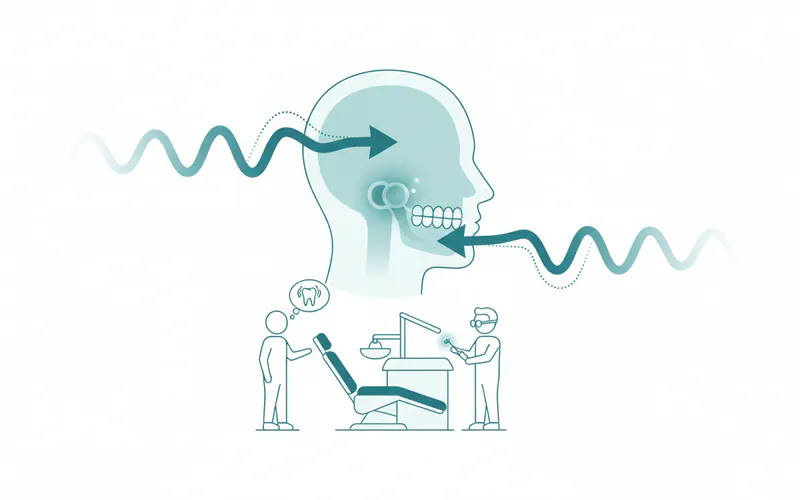
- Initial Consultation and Diagnosis: Your dentist will conduct a thorough oral examination, looking for signs of tooth wear, jaw muscle tenderness, and TMJ dysfunction. They'll discuss your symptoms, medical history, and lifestyle habits. X-rays may be taken.
- Impressions or Digital Scans: If a custom occlusal guard is recommended, your dentist will take precise impressions of your upper and lower teeth using a soft, moldable material or use a digital scanner to create 3D models of your mouth. This ensures the guard fits perfectly.
- Fabrication: The impressions or digital files are sent to a dental laboratory, where skilled technicians craft your custom teeth grinding guard from high-quality acrylic or other specialized materials. This process typically takes 1-2 weeks.
- Fitting and Adjustments: Once your guard is ready, you'll return to the dental office for a fitting appointment. Your dentist will ensure the guard fits comfortably and securely, check your bite with the guard in place, and make any necessary adjustments to ensure proper alignment and comfort.
- Instructions and Follow-up: You'll receive detailed instructions on how to wear, clean, and care for your bruxism mouth guard. Regular follow-up appointments (usually annually) are recommended to check the condition of the guard and your dental health.
Cost and Insurance for Bruxism Treatment
The cost of bruxism treatment in the US can vary significantly based on the type of treatment, the materials used, the dentist's fees, and your geographic location.
Mouth Guard Costs
| Type of Mouth Guard | Average US Cost Range | Durability | Comfort | Effectiveness (Protection) |
|---|---|---|---|---|
| Custom-Made Occlusal Guard | $300 - $800 (up to $1,000+) | 5-10 years | Excellent | Excellent |
| Boil-and-Bite | $20 - $100 | 6-18 months | Fair | Moderate |
| Over-the-Counter (OTC) | $15 - $30 | 1-6 months | Poor | Limited |
Geographic Variations: Costs tend to be higher in major metropolitan areas (e.g., New York City, Los Angeles) compared to rural areas.
Other Treatment Costs
- Botox Injections: $500 - $1,500 per session. Multiple sessions are needed annually.
- Behavioral Therapy (CBT/Biofeedback): $75 - $200 per session, often requiring multiple sessions.
- Dental Restorations: Crowns can range from $800 - $2,500 per tooth, fillings $100 - $400 per tooth, depending on complexity and material.
- Sleep Apnea Treatment (CPAP): Equipment can cost $500 - $3,000, plus ongoing supply costs.
Insurance Coverage
Navigating insurance for bruxism treatment can be complex.
- Dental Insurance: Most dental insurance plans will cover a portion of the cost of a custom mouthguard for teeth grinding, typically 50-80% after you've met your deductible. It's usually classified under "major restorative" or "prosthodontic" services. However, some plans may only cover one guard every 3-5 years.
- Medical Insurance: While bruxism is a medical condition, direct treatment like a mouth guard is rarely covered by medical insurance unless it's explicitly tied to a covered medical diagnosis (e.g., severe TMJ disorder, sleep apnea diagnosis). Botox for bruxism is generally not covered by either dental or medical insurance as it's often considered cosmetic or off-label use. Behavioral therapies may be covered by medical insurance if you have mental health benefits.
- FSA/HSA: Flexible Spending Accounts (FSAs) and Health Savings Accounts (HSAs) can be used to pay for bruxism treatments, including custom mouth guards, therapy, and some medications, using pre-tax dollars.
Always check with your specific insurance provider before starting treatment to understand your exact coverage, deductibles, co-pays, and any limitations.
Recovery and Aftercare
Effective bruxism management is often a long-term commitment. After starting treatment, especially with a bruxism mouth guard, recovery and diligent aftercare are essential.
Mouth Guard Care
- Cleaning: Clean your occlusal guard daily with a toothbrush and cool water, or a non-abrasive denture cleaner. Avoid hot water, which can warp the plastic.
- Storage: Store your guard in its protective case when not in use to keep it clean and prevent damage. Ensure it's dry before storing to prevent bacterial growth.
- Regular Checks: Bring your guard to your dental appointments so your dentist can check its fit and condition.
Monitoring Symptoms
- Pay attention to how your symptoms change. Are your headaches less frequent? Is your jaw pain reduced? This feedback helps your dentist adjust your treatment plan if needed.
- Continue self-monitoring for awake bruxism.
Adherence to Lifestyle Changes
- Consistency is key for stress management techniques.
- Maintain good sleep hygiene.
- Continue to limit stimulants and alcohol, especially before bed.
Regular Dental Check-ups
Routine visits every six months are vital. Your dentist will monitor your teeth for wear, check the health of your gums, and assess your jaw joints. Early detection of new issues or progression of existing ones is critical for preventing severe damage.
Prevention: How to Stop Teeth Grinding
While not all cases of bruxism are preventable, particularly those linked to neurological conditions, many instances can be mitigated or prevented by addressing common risk factors. Learning how to stop teeth grinding often involves a proactive approach to your overall health.
- Manage Stress Effectively: Implement daily stress-reduction practices like mindfulness, meditation, deep breathing exercises, regular physical activity, or hobbies that help you relax. Consider professional counseling if stress feels overwhelming.
- Improve Sleep Hygiene:
- Go to bed and wake up at the same time each day, even on weekends.
- Ensure your bedroom is dark, quiet, and cool.
- Avoid screens (phones, tablets, TVs) for at least an hour before bed.
- Limit naps, especially late in the day.
- Limit Stimulants: Reduce or eliminate caffeine, alcohol, and nicotine, especially in the evening. Nicotine, in particular, has a strong link to bruxism.
- Practice Jaw Relaxation: Throughout the day, especially if you have awake bruxism, periodically check your jaw for tension. Keep your teeth slightly apart, with your tongue resting lightly on the roof of your mouth.
- Avoid Chewing Non-Food Items: Habits like chewing on pens, pencils, or ice can train your jaw muscles to clench and grind.
- Address Underlying Medical Conditions: If you suspect sleep apnea, GERD, or other medical issues contribute to your bruxism, seek medical treatment for these conditions.
- Regular Dental Check-ups: Regular visits allow your dentist to identify early signs of bruxism and intervene before significant damage occurs. They can also provide a custom teeth grinding guard as a preventive measure if you're at high risk.
- Review Medications: If you're on medications known to cause bruxism, discuss alternatives or dosage adjustments with your doctor.
Risks and Complications of Untreated Bruxism
Ignoring bruxism can lead to a cascade of serious and often painful problems, both oral and systemic.
- Severe Tooth Damage:
- Excessive wear: Grinding wears down enamel, exposing the softer dentin underneath, leading to increased sensitivity and vulnerability to decay.
- Fractured or chipped teeth: Teeth can crack, sometimes requiring extensive restorative work like crowns or even extraction.
- Tooth loss: In severe, chronic cases, teeth can become so damaged or loose that they need to be removed.
- Damage to dental restorations: Fillings, crowns, bridges, and veneers can be chipped, fractured, or dislodged.
- Temporomandibular Joint (TMJ) Disorders: The prolonged stress on the jaw joints can lead to inflammation, pain, clicking/popping sounds, limited jaw movement, and chronic TMJ dysfunction.
- Chronic Headaches and Facial Pain: Persistent muscle tension from clenching and grinding is a major cause of tension headaches, migraines, and generalized facial pain.
- Gum Recession: The excessive force can damage gum tissue and underlying bone, leading to gum recession and potentially periodontal disease.
- Exacerbation of Sleep Apnea: While bruxism can be a symptom of sleep apnea, severe bruxism can also worsen sleep quality and potentially exacerbate breathing issues.
- Psychological Impact: Chronic pain, sleep disturbances, and dental anxiety related to bruxism can contribute to increased stress, anxiety, and depression.
- Changes in Facial Appearance: Over time, overdeveloped jaw muscles from chronic clenching can give the face a wider, more square appearance.
Pro Tip: Early intervention with a mouthguard for teeth grinding and addressing underlying causes can prevent most of these severe complications.
| Symptom Category | Signs of Bruxism | Potential Complications (If Untreated) |
|---|---|---|
| Dental | Worn, chipped, fractured teeth; sensitivity; loose teeth | Tooth loss; root canals; extensive restorative work |
| Muscular/Joint | Jaw pain, headaches, tired jaw, TMJ clicking | Chronic TMJ disorder; intractable facial pain |
| Other | Sleep disruption (partner); indentations on tongue/cheek | Poor sleep quality; increased stress/anxiety |
Children / Pediatric Considerations
Bruxism is common in children, affecting an estimated 10-15% of those under the age of 18, often between 3 and 12 years old. While alarming to parents, it's often a temporary phase.
Common Causes in Children
- Stress and Anxiety: Similar to adults, emotional stress (e.g., school pressure, family changes, new siblings) can trigger bruxism.
- Growth and Development: Misaligned teeth, erupting permanent teeth, or jaw growth spurts can sometimes lead to grinding as the child adjusts their bite.
- Pain: Earaches, teething pain, or even cold/allergies can cause children to grind their teeth to alleviate discomfort.
- Medical Conditions: Though less common, conditions like sleep apnea, ADHD, or certain neurological disorders can be linked to pediatric bruxism.
- Medications: Some medications for ADHD can cause bruxism as a side effect.
Signs and Symptoms in Children
Children often display similar symptoms to adults, but they might not articulate them clearly.
- Audible grinding sounds during sleep.
- Complaints of jaw pain or headaches upon waking.
- Tooth sensitivity (e.g., aversion to cold foods).
- Worn-down baby teeth.
- Pain when chewing.
Treatment and When to Intervene
In most cases, pediatric bruxism resolves on its own as the child grows and their dental arch develops.
- Watchful Waiting: For mild cases with no significant tooth damage or pain, dentists often recommend monitoring the situation.
- Address Stress: Help your child manage stress through open communication, consistent routines, and relaxation techniques before bed.
- Dental Interventions:
- Mouth Guards: If grinding is severe, causing significant tooth wear, pain, or affecting permanent teeth, a custom-fitted mouth guard may be recommended. These are typically softer than adult guards and designed to accommodate growth.
- Addressing Underlying Issues: If sleep apnea or other medical conditions are suspected, a pediatrician or specialist referral is necessary.
- Orthodontic Evaluation: For severe bite issues, an orthodontist may be consulted, but usually, after the primary cause of grinding is managed.
Pro Tip for Parents: While concerning, most pediatric bruxism is harmless and self-correcting. However, if you notice significant tooth wear, your child complains of consistent pain, or if you're concerned about other symptoms, consult your pediatric dentist.
Cost Breakdown: Understanding Bruxism Treatment Expenses
Beyond the initial estimates, a deeper dive into the financial aspects of bruxism treatment is essential for US patients.
Average US Costs (Ranges)
- Initial Dental Exam & Diagnosis: $50 - $200 (often covered by dental insurance).
- X-rays (if needed): $25 - $150 (depending on type, usually covered).
- Custom Occlusal Guard: $300 - $800, can be up to $1,000+ for advanced designs or complex cases.
- Boil-and-Bite Guard: $20 - $100.
- OTC Stock Guard: $15 - $30.
- TMJ Therapy (Physical Therapy): $50 - $200 per session.
- Botox Injections: $500 - $1,500 per session (for masseter/temporalis muscles).
- Stress Management/CBT Therapy: $75 - $250 per session.
- Dental Restorations (post-bruxism repair):
- Fillings: $100 - $400 per tooth.
- Crowns: $800 - $2,500 per tooth.
- Veneers: $900 - $2,500 per tooth.
With vs. Without Insurance
- With Dental Insurance: For a custom teeth grinding guard, expect to pay your deductible (e.g., $50-$100) and then a co-insurance of 20-50% of the remaining cost. So, for an $800 guard, you might pay $100 + ($700 x 0.20) = $240, or $100 + ($700 x 0.50) = $450. This varies greatly by plan. Many plans have annual maximums ($1,000 - $2,000), which bruxism treatments can quickly approach if multiple services are needed.
- Without Dental Insurance: You will be responsible for 100% of all costs. This makes proactive prevention and early intervention even more critical.
Payment Plans and Financing Options
Many dental offices understand the financial burden and offer:
- In-house Payment Plans: Dividing the total cost into manageable monthly installments.
- Third-Party Financing: Companies like CareCredit or LendingClub offer specialized healthcare credit cards with deferred interest options if paid within a certain period.
- Dental Discount Plans: These are not insurance but membership programs that offer a percentage discount on services from participating dentists for an annual fee.
Cost-Saving Tips
- Utilize FSAs/HSAs: Pay for eligible expenses with pre-tax dollars.
- Compare Dentists: Get quotes from a few different dental practices, but ensure you're comparing custom mouthguards for teeth grinding of similar quality.
- Preventative Care: Regular cleanings and check-ups can detect bruxism early, preventing more costly extensive damage later.
- Negotiate: Some dentists may be willing to offer a slight discount for upfront cash payments for services not covered by insurance.
- Dental Schools: University dental schools often provide services at a reduced cost, performed by supervised students.
Pro Tip: Don't let cost deter you from seeking treatment. The long-term costs of untreated bruxism (e.g., multiple crowns, root canals, extractions, TMJ surgery) far outweigh the cost of an early intervention with a bruxism mouth guard.
Frequently Asked Questions
H3: Can teeth grinding be cured permanently?
While some cases, particularly in children or those directly linked to temporary stress, can resolve completely, chronic bruxism often requires ongoing management rather than a permanent "cure." Addressing underlying causes like stress or sleep disorders, combined with a mouth guard for teeth grinding, can effectively control symptoms and prevent damage.
H3: How long does it take for a mouth guard to work?
A custom occlusal guard provides immediate physical protection for your teeth from the moment you start wearing it. For symptom relief like jaw pain and headaches, many patients report significant improvement within a few days to a couple of weeks of consistent use, as muscles begin to relax and inflammation subsides.
H3: Is it painful to wear a mouth guard?
Initially, a new teeth grinding guard might feel a bit awkward or tight as you adjust, but it should not be painful. Custom-made guards are designed for comfort and precision fit. If you experience significant pain, discomfort, or pressure points, contact your dentist for an adjustment.
H3: Are there natural remedies for teeth grinding?
Natural remedies focus on stress reduction and jaw relaxation. These include mindfulness, meditation, yoga, warm compresses on the jaw, jaw massage, essential oils (like lavender for relaxation), and avoiding stimulants. While helpful for management, they usually don't replace the physical protection of a bruxism mouth guard.
H3: What's the difference between a night guard and an athletic mouth guard?
A night guard (or occlusal guard) is designed to protect teeth from grinding and clenching forces, primarily by creating a separation between the upper and lower teeth. An athletic mouth guard is designed to absorb impact and protect against trauma during sports, offering cushioning for teeth and soft tissues against external blows. They serve different purposes and have different designs.
H3: Does insurance cover bruxism treatment?
Dental insurance often covers a portion of a custom mouth guard for teeth grinding, typically 50-80% after deductibles. However, coverage for other treatments like Botox or therapy varies greatly by plan (dental vs. medical) and may not be covered if considered off-label or not medically necessary. Always check your specific policy.
H3: Can teeth grinding cause other health problems?
Yes, untreated bruxism can lead to severe tooth damage, chronic headaches, facial pain, temporomandibular joint (TMJ) disorders, gum recession, and can even exacerbate sleep apnea. The persistent pain and sleep disruption can also significantly impact overall quality of life and psychological well-being.
H3: How do I know if I grind my teeth in my sleep?
Common signs include waking up with a sore jaw, dull headaches, or facial pain; unexplained tooth sensitivity; noticeable tooth wear (flattened or chipped teeth); and your sleep partner reporting grinding sounds. Your dentist can confirm teeth grinding in sleep during an oral exam.
H3: Can stress really cause teeth grinding?
Absolutely. Stress, anxiety, and tension are among the most common and significant contributors to both awake and sleep bruxism. The body's physiological response to stress often involves muscle tension, which frequently manifests in the jaw.
H3: How often should I replace my mouth guard?
Custom-made bruxism mouth guards typically last 5-10 years with proper care. However, they may need replacement sooner if you grind severely, if it becomes damaged, or if your bite changes significantly. Boil-and-bite guards usually last 6-18 months, and OTC guards only a few months. Your dentist will evaluate its condition during your regular check-ups.
When to See a Dentist
It's crucial to know when to seek professional help for teeth grinding. Early intervention can prevent significant damage and discomfort.
Clear Warning Signs That Need Attention:
- Persistent Jaw Pain or Tenderness: If you experience chronic pain, soreness, or fatigue in your jaw muscles, especially upon waking.
- Frequent Headaches or Earaches: If you regularly wake up with tension headaches, migraines, or unexplained earaches (not related to infection).
- Noticeable Tooth Damage: If you observe flattened, chipped, fractured, or excessively worn teeth, or if your teeth are becoming increasingly sensitive.
- Clicking, Popping, or Locking Jaw: If your jaw makes noises, catches, or is difficult to open or close, this indicates potential TMJ dysfunction.
- Sleep Partner Reports Grinding Sounds: If someone tells you that you grind your teeth loudly in your sleep.
- Difficulty Chewing: If chronic pain or tooth sensitivity makes eating uncomfortable.
Red Flags vs. Routine Care Guidance:
- Routine Care: If you suspect mild bruxism but have no severe pain or damage, mention it during your next scheduled dental check-up. Your dentist can assess the situation.
- Scheduled Appointment: If you experience several of the warning signs listed above, or if your quality of life is being impacted (e.g., chronic pain, poor sleep), schedule an appointment with your dentist promptly.
- Emergency Care (Rare for Bruxism Itself): While bruxism typically isn't a dental emergency, sudden, severe, unbearable jaw pain, a completely locked jaw that you cannot open or close, or a newly fractured tooth with sharp edges causing immediate pain would warrant seeking urgent dental care.
Pro Tip: Don't wait until the damage is severe. Even if you only have a few symptoms, a dentist can often diagnose bruxism early and recommend a simple, effective solution like a custom occlusal guard before you face more complex and costly problems. Addressing bruxism is an investment in your long-term oral health and overall well-being.
Frequently Asked Questions
Medically Reviewed Content
This article was written by our dental health editorial team and reviewed for medical accuracy. Our content follows strict editorial guidelines for reliability and trustworthiness.
Medical Disclaimer
This article is for informational purposes only and does not constitute medical advice. Always consult with a qualified dental professional for diagnosis and treatment. Do not delay seeking professional advice because of something you read on this website.
Related Articles
What Causes Teeth Grinding in Sleep
More than one in ten adults—and even more children—clench or grind their teeth during sleep, a condition known medically as sleep bruxism. For many, it's an unconscious habit that goes unnoticed until significant damage or discomfort arises. Waking up with a dull, constant headache, jaw pain, or
February 23, 2026
How to Not Grind Teeth at Night
More than one in ten adults and a significant percentage of children experience teeth grinding, medically known as bruxism, a condition that often goes unnoticed, especially when it occurs during sleep. If you've woken up with a sore jaw, a dull headache, or noticed your teeth becoming unusually
February 23, 2026
What Is Jaw Clenching
Do you often wake up with a dull headache, a sore jaw, or unexplained tooth sensitivity? You're not alone. Approximately 1 in 10 adults and up to 3 in 10 children experience some form of bruxism, a condition characterized by grinding, gnashing, or clenching your teeth. At the heart of this wides
February 23, 2026
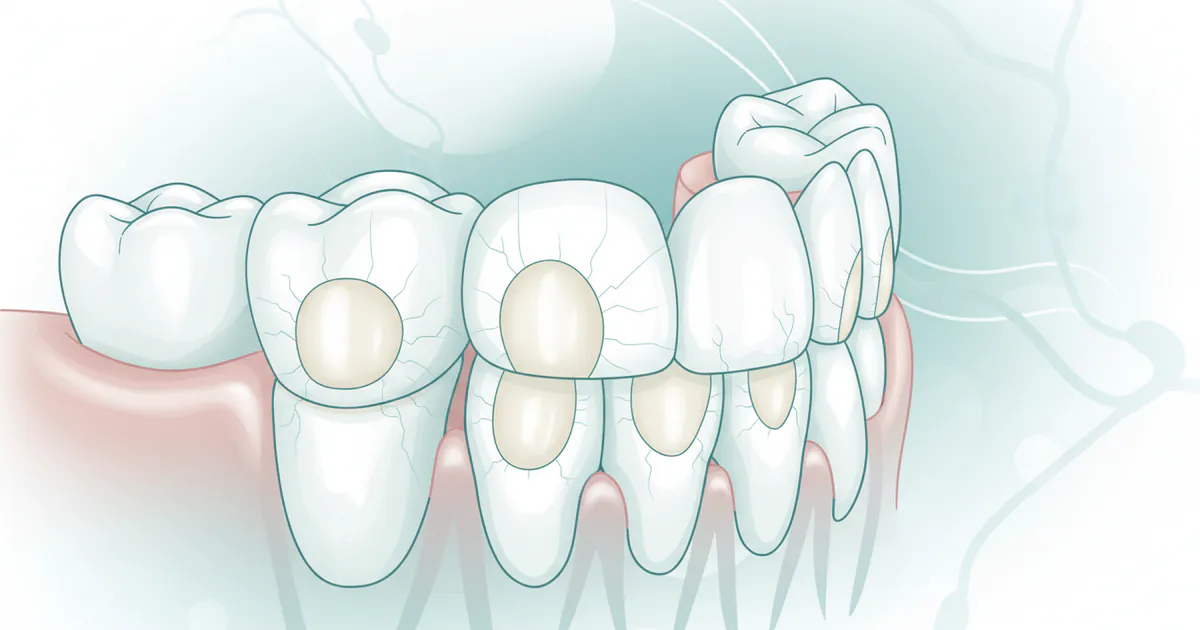
Severe Bruxism Molars: Complete Guide
When the quiet of the night is shattered by a grinding, grating sound, or when you wake up with an aching jaw and teeth that feel oddly sensitive, it’s often a sign of bruxism. But what happens when this condition intensifies, leading to significant damage, especially to your back teeth? This is the
February 23, 2026