What Causes Teeth Grinding in Sleep
Key Takeaways
- More than one in ten adults—and even more children—clench or grind their teeth during sleep, a condition known medically as sleep bruxism. For many, it's an unconscious habit that goes unnoticed until significant damage or discomfort arises. Waking up with a dull, constant headache, jaw pain, or
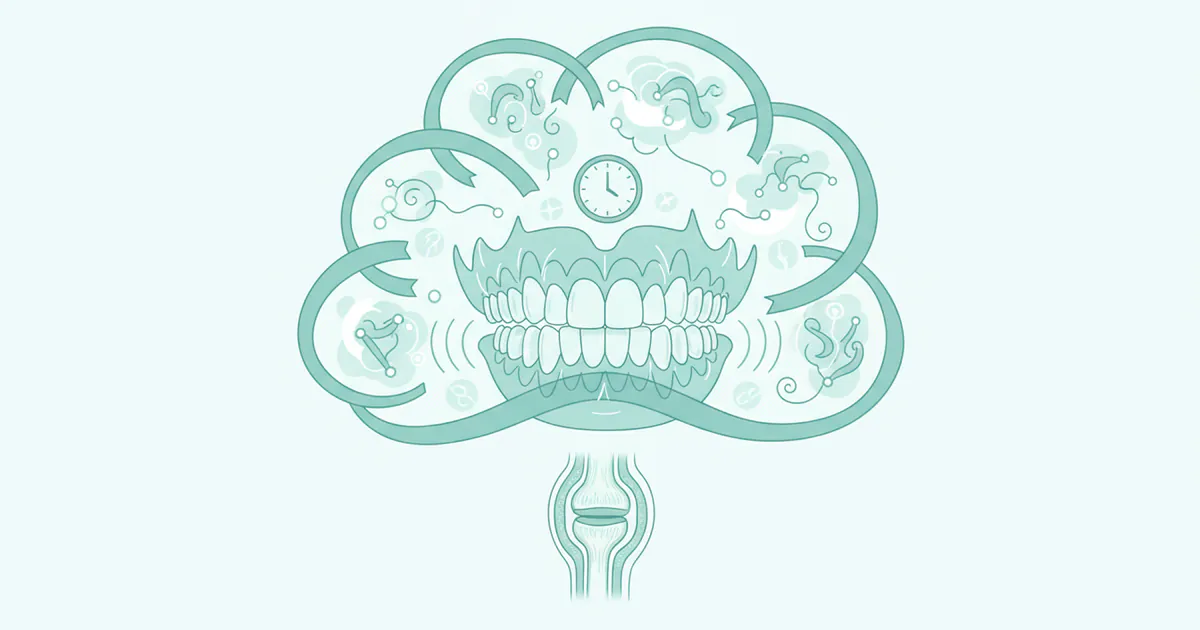
More than one in ten adults—and even more children—clench or grind their teeth during sleep, a condition known medically as sleep bruxism. For many, it's an unconscious habit that goes unnoticed until significant damage or discomfort arises. Waking up with a dull, constant headache, jaw pain, or even unexplained tooth sensitivity can be a tell-tale sign that you're grinding your teeth at night. This pervasive issue doesn't just disrupt your sleep; it can lead to serious dental complications, chronic pain, and a significant reduction in your quality of life if left unaddressed. Understanding what causes teeth grinding in sleep is the first crucial step toward effective management and preserving your dental health.
This comprehensive guide will delve deep into the world of sleep bruxism, exploring its various types, the intricate web of physiological and psychological factors that contribute to it, and the diverse range of signs and symptoms that often go unrecognized. We'll navigate through the latest evidence-based treatment options, from custom nightguards and behavioral therapies to the increasingly popular use of Botox, discussing their pros, cons, costs, and what you can expect during the treatment process. Our goal at SmilePedia.net is to equip you with the knowledge needed to identify, address, and ultimately prevent the debilitating effects of teeth grinding, helping you achieve healthier teeth and a more restful night's sleep.
Key Takeaways:
- Prevalence: Approximately 10-15% of adults and up to 30% of children experience sleep bruxism.
- Primary Causes: Stress, anxiety, sleep disorders (like sleep apnea), certain medications (e.g., SSRIs), malocclusion, and genetics are major contributors.
- Common Symptoms: Jaw pain (TMJ), headaches, worn/chipped teeth, tooth sensitivity, and facial muscle fatigue are common indicators.
- Treatment Options: Custom nightguards (occlusal splints) are often the first line of defense, costing $300-$800. Botox injections for severe cases target jaw muscles and typically cost $500-$1,500 per treatment, lasting 3-6 months.
- Prevention: Stress management, avoiding stimulants (caffeine, alcohol) before bed, and maintaining good sleep hygiene are crucial preventive measures.
- Long-Term Risks: Untreated bruxism can lead to severe tooth damage, chronic TMJ disorders, and persistent headaches.
- Insurance Coverage: Dental insurance often covers a portion of custom nightguards, while Botox for bruxism may sometimes be covered by medical insurance if deemed medically necessary, though often it's out-of-pocket.
What It Is / Overview
Bruxism is the medical term for grinding, gnashing, or clenching your teeth. While some people consciously or subconsciously clench their teeth during waking hours (awake bruxism), this article primarily focuses on sleep bruxism, the involuntary action of grinding or clenching teeth during sleep. This nocturnal activity is often rhythmic and repetitive, involving strong contractions of the jaw muscles. It's considered a sleep-related movement disorder and is officially classified under parasomnias, a category of abnormal behaviors that occur during sleep.

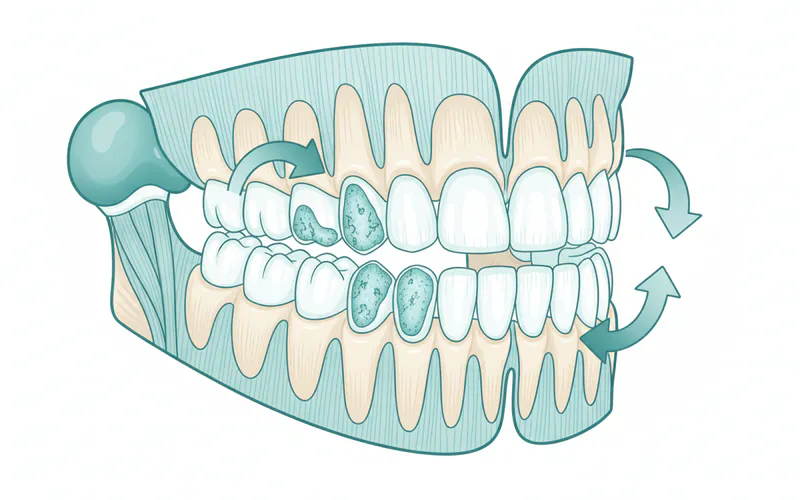
The forces exerted during sleep bruxism can be significantly greater than those during normal chewing, often reaching up to 250 pounds per square inch. Unlike awake bruxism, which a person might be able to control or stop once aware, sleep bruxism is entirely involuntary and often goes unnoticed by the individual until a partner complains about the noise or a dentist identifies its damaging effects during a routine check-up. The consequences range from mild discomfort to severe dental destruction and chronic pain.
Types / Variations
Understanding the different types of bruxism helps in pinpointing its causes and tailoring the most effective treatment. Bruxism is broadly categorized into two main types:
Awake Bruxism
This refers to the grinding or clenching of teeth while a person is awake. It is often a semi-conscious habit, frequently associated with concentration, stress, anxiety, or even specific activities like weightlifting. Individuals might catch themselves clenching their jaw during traffic, while working on a complex task, or in moments of frustration. While still damaging, awake bruxism often allows for more direct behavioral intervention once the individual becomes aware of the habit.
Sleep Bruxism
As the focus of this article, sleep bruxism is the unconscious grinding or clenching of teeth during sleep. It's far more challenging to control due to its involuntary nature. Sleep bruxism occurs in stages, particularly during lighter stages of sleep or during micro-arousals from deep sleep. Research indicates that approximately 80% of sleep bruxism episodes are associated with sleep arousal events, meaning brief shifts from deeper to lighter sleep.
Primary vs. Secondary Bruxism
Beyond the awake/sleep distinction, bruxism can also be classified by its origin:
- Primary (Idiopathic) Bruxism: This is when bruxism occurs without an identifiable underlying medical cause. It's often thought to be multifactorial, stemming from a combination of genetic predispositions, stress, and sleep-related factors.
- Secondary Bruxism: This type is directly attributable to another medical condition, medication, or substance. Examples include bruxism linked to certain neurological disorders, sleep apnea, or antidepressant use. Identifying and addressing the underlying secondary cause is paramount for effective treatment.
Each type of bruxism presents unique diagnostic and treatment considerations, but the common thread is the potential for significant oral and systemic health impacts.
![A diagram showing the anatomy of the jaw and teeth, with arrows indicating the forces of grinding and clenching, and highlighting areas of potential damage like worn enamel(/glossary/glossary-enamel) and jaw muscle tension.]
What Causes Teeth Grinding in Sleep / Why It Happens
The question of what causes teeth grinding in sleep is complex, with no single definitive answer. Instead, it's typically a multifactorial issue, involving a combination of physiological, psychological, and lifestyle factors. While the exact mechanisms are still being researched, significant progress has been made in identifying key contributors.
Physiological and Medical Factors
Several physical and medical conditions can predispose an individual to sleep bruxism or exacerbate existing grinding habits:
- Malocclusion and Dental Factors:
- Misaligned Teeth: An improper bite (malocclusion) where teeth don't fit together correctly can sometimes lead to grinding as the jaw subconsciously tries to find a more comfortable position. However, the ADA acknowledges that malocclusion is not considered the primary cause in most cases, but rather a contributing factor.
- Missing or Crooked Teeth: Gaps or irregularities in tooth alignment can alter the bite and trigger grinding.
- New Restorations: Newly placed fillings, crowns, or dental implants that slightly alter the bite can sometimes lead to temporary bruxism until the patient adjusts.
- Sleep Disorders:
- Sleep Apnea: This is one of the most significant medical associations with sleep bruxism. When breathing repeatedly stops and starts during sleep, the body's natural response to clear the airway often involves jaw movements, clenching, and grinding. Studies suggest a strong correlation, with many bruxism patients also experiencing undiagnosed sleep apnea.
- Restless Leg Syndrome (RLS): This neurological disorder, characterized by an irresistible urge to move the legs, can also disrupt sleep and contribute to bruxism in some individuals.
- Periodic Limb Movement Disorder (PLMD): Similar to RLS, involuntary limb movements during sleep can trigger arousal and subsequent grinding.
- Gastroesophageal Reflux Disease (GERD): The acid reflux associated with GERD can lead to tooth erosion, but some research suggests a link between GERD and increased sleep bruxism. The body may clench to protect the esophagus or as an arousal response to reflux events.
- Neurological Conditions:
- Parkinson's Disease: Individuals with Parkinson's often experience involuntary muscle movements, including jaw movements, which can manifest as bruxism.
- Huntington's Disease and Other Movement Disorders: Similar to Parkinson's, other conditions affecting motor control can lead to bruxism.
- Epilepsy: While less common, some seizure disorders can involve jaw clenching or grinding.
- Medications and Substances:
- Antidepressants (SSRIs): Selective Serotonin Reuptake Inhibitors (SSRIs) like Prozac, Zoloft, and Paxil, commonly prescribed for depression and anxiety, are well-known to have bruxism as a potential side effect. The mechanism is thought to involve serotonin pathways in the brain.
- Stimulants: Medications for ADHD (e.g., Adderall, Ritalin), recreational drugs (e.g., ecstasy, methamphetamine), and even excessive caffeine can stimulate the central nervous system, leading to increased jaw tension and grinding.
- Antipsychotics: Certain antipsychotic medications can also induce bruxism.
- Genetics: There is evidence to suggest a genetic predisposition to sleep bruxism. Studies show that individuals with a family history of bruxism are more likely to develop the condition themselves, indicating a hereditary component.
- Developing Jaw and Facial Structures: In children, teeth grinding can sometimes be related to the development of the jaw and face, tooth eruption, or even allergies causing nasal congestion, leading to mouth breathing.
Psychological and Lifestyle Factors
These factors are widely recognized as some of the most prominent triggers for sleep bruxism:
- Stress and Anxiety: This is arguably the most common psychological link to bruxism. Daily stressors from work, family, finances, or major life changes can manifest physically as increased muscle tension, including in the jaw. During sleep, this accumulated tension can release as grinding or clenching.
- Depression: The mental and emotional strain of depression can contribute to overall body tension and exacerbate bruxism.
- Anger and Frustration: Suppressed emotions like anger or frustration can contribute to subconscious clenching and grinding during sleep.
- Personality Types: Some studies suggest a correlation between bruxism and certain personality traits, such as an aggressive, competitive, or hyperactive personality, or individuals who are highly anxious and perfectionistic.
- Caffeine and Alcohol Consumption:
- Caffeine: A stimulant, caffeine can increase central nervous system activity, making it harder to relax jaw muscles during sleep.
- Alcohol: While alcohol might initially make you feel sleepy, it disrupts normal sleep patterns, leading to more frequent sleep stage changes and arousals, which are often associated with bruxism episodes.
- Tobacco Use: Nicotine is a stimulant, and heavy smoking is linked to an increased incidence of bruxism.
- Recreational Drug Use: As mentioned, drugs like ecstasy and methamphetamine are powerful stimulants that can severely impact the nervous system and induce severe bruxism.
Pro Tip: Keeping a "bruxism diary" can help you and your dentist identify potential triggers. Note down your stress levels, medication intake, caffeine/alcohol consumption, and any jaw discomfort to find patterns.
Signs and Symptoms
Recognizing the signs and effects of teeth grinding is crucial for early intervention. Because sleep bruxism happens unconsciously, many people are unaware they do it until symptoms appear or a dentist points out the damage. Symptoms can range from mild to severe and affect various parts of your head and neck.
Dental and Oral Symptoms
The most direct impact of bruxism is often seen within the oral cavity:
- Worn-Down, Chipped, or Fractured Teeth: The intense pressure from grinding can erode the enamel, flatten the chewing surfaces (attrition), or even cause teeth to chip, crack, or fracture. This is a tell-tale sign for dentists.
- Increased Tooth Sensitivity: As enamel wears away, the underlying dentin (which contains microscopic tubules leading to nerve endings) becomes exposed, leading to sensitivity to hot, cold, or sweet foods and drinks.
- Loose Teeth: Persistent grinding can put excessive stress on the periodontal ligaments that hold teeth in place, potentially leading to tooth mobility.
- Damaged Dental Restorations: Fillings, crowns, bridges, and even veneers can be chipped, cracked, or loosened due to the forces of bruxism, requiring costly repairs or replacements.
- Indentations on the Tongue or Cheeks: The constant pressure can create scalloped edges on the tongue or line-like indentations (linea alba) on the inside of the cheeks where they press against the teeth.
- Gum Recession: Chronic clenching can stress the supporting structures of the teeth, potentially contributing to gum recession.
- Abfractions: These are wedge-shaped defects at the gumline of the teeth, caused by flexing of the tooth under extreme biting forces, leading to loss of tooth structure.
Temporomandibular Joint (TMJ) and Muscle Symptoms
The jaw joint and surrounding muscles bear the brunt of bruxism's force:
- Jaw Pain or Tenderness: Often felt in the muscles around the jaw, especially upon waking. This can range from a dull ache to sharp pain.
- Temporomandibular Joint Disorder (TMD or TMJ Disorder): Chronic bruxism is a leading cause of TMD. Symptoms include clicking, popping, or grating sounds in the jaw joint when opening or closing your mouth, difficulty opening your mouth wide, or the jaw getting "locked" in an open or closed position.
- Fatigue in Jaw Muscles: Your jaw muscles may feel tired or overworked, especially in the morning.
- Enlarged Masseter Muscles: The masseter muscles (the primary chewing muscles) can hypertrophy (grow larger) due to constant overexertion, sometimes making the face appear squarer.
Head and Neck Symptoms
The pain from bruxism can radiate beyond the jaw:
- Tension Headaches: Frequently described as a dull ache around the temples, often present upon waking and potentially lasting throughout the day. These are a very common effect of teeth grinding.
- Migraine-Like Headaches: In some severe cases, bruxism can trigger or exacerbate migraine headaches.
- Earaches: Pain originating from the jaw joint can sometimes be mistaken for an earache, even though there's no ear infection.
- Neck and Shoulder Pain: The tension and strain from jaw muscles can radiate down into the neck and shoulders, causing stiffness and pain.
- Facial Pain: General facial pain or soreness, particularly in the cheeks.
Other Symptoms
- Sleep Disruption: While you might not be aware of your own grinding, a sleeping partner might complain about the grinding noise. The physiological effort of grinding can also subtly disrupt your sleep cycles, leading to less restorative sleep.
- Fatigue: Poor sleep quality due to bruxism can result in daytime sleepiness and chronic fatigue.
If you experience any of these symptoms, especially persistently, it's essential to consult your dentist. They are trained to identify the subtle signs of bruxism and distinguish them from other conditions.
Treatment Options
Effectively treating bruxism involves a multi-faceted approach, often combining several strategies to address both the symptoms and the underlying causes of teeth grinding in sleep. The specific treatment plan will depend on the severity of your bruxism, its identified causes, and the extent of any damage.
Dental Appliances (Occlusal Splints / Nightguards)
These are often the first line of defense against sleep bruxism and are highly recommended by the American Dental Association (ADA).
- Mechanism: Nightguards act as a protective barrier between your upper and lower teeth, absorbing the forces of grinding and clenching. They do not stop you from grinding, but they protect your teeth from damage and can help realign the jaw or reduce muscle activity.
- Custom-Fitted Nightguards:
- Description: Made by your dentist from a precise impression of your teeth, these are typically made of durable acrylic. They are designed for a perfect fit, comfort, and longevity.
- Pros: Highly effective at protecting teeth, can reduce jaw pain, more durable, better fit and comfort than OTC options.
- Cons: Higher initial cost, requires a dental visit for fitting.
- Cost: $300 - $800, depending on materials and geographic location. May be partially covered by dental insurance.
- Over-the-Counter (OTC) Nightguards:
- Description: "Boil-and-bite" mouthguards found in pharmacies.
- Pros: Inexpensive, readily available.
- Cons: Less durable, often bulky and uncomfortable, poor fit can exacerbate jaw issues or even shift teeth, limited protection against severe grinding. Not recommended for long-term use.
- Cost: $20 - $100.
Behavioral Therapies
Addressing the psychological and lifestyle factors contributing to bruxism is crucial for long-term management.
- Stress Management Techniques:
- Description: Techniques like meditation, yoga, deep breathing exercises, mindfulness, and progressive muscle relaxation can help reduce overall stress and anxiety, thereby lessening the urge to grind.
- Pros: Non-invasive, improves overall well-being.
- Cons: Requires consistent effort and practice.
- Biofeedback:
- Description: This technique uses electronic sensors to monitor muscle activity. When the patient begins to clench or grind, a signal (auditory or tactile) is given, helping them become aware of the action and learn to control it, even during sleep for some systems.
- Pros: Teaches self-regulation, potentially reduces bruxism episodes.
- Cons: Can be costly, requires specialized equipment and training.
- Cognitive Behavioral Therapy (CBT):
- Description: A form of psychotherapy that helps individuals identify and change negative thought patterns and behaviors contributing to stress and bruxism.
- Pros: Addresses root psychological causes, long-lasting effects.
- Cons: Requires commitment to therapy, can be expensive.
Medications
Medications are generally used for short-term relief or to manage underlying conditions.
- Muscle Relaxants:
- Description: Prescription medications taken before bed to relax jaw muscles and reduce grinding. (e.g., cyclobenzaprine).
- Pros: Can provide temporary relief from pain and muscle tension.
- Cons: Drowsiness, dependence, not a long-term solution.
- Pain Relievers and Anti-Inflammatories:
- Description: Over-the-counter NSAIDs like ibuprofen can help manage jaw pain and inflammation.
- Pros: Readily available, provides temporary symptom relief.
- Cons: Doesn't address the grinding itself, long-term use can have side effects.
- Anti-Anxiety Medications:
- Description: In severe cases, a doctor might prescribe short-term anti-anxiety medications (e.g., benzodiazepines) to help reduce stress and promote relaxation, thereby lessening bruxism.
- Pros: Can be effective for acute anxiety-induced bruxism.
- Cons: Risk of dependence, drowsiness, not a long-term solution, addresses symptoms, not root cause.
Botox Injections to Stop Teeth Grinding
Botox (Botulinum Toxin Type A) has emerged as an increasingly popular and effective treatment, particularly for severe, recalcitrant bruxism, especially when other treatments haven't yielded sufficient results. This is a key answer to how to stop teeth grinding when traditional methods fall short.
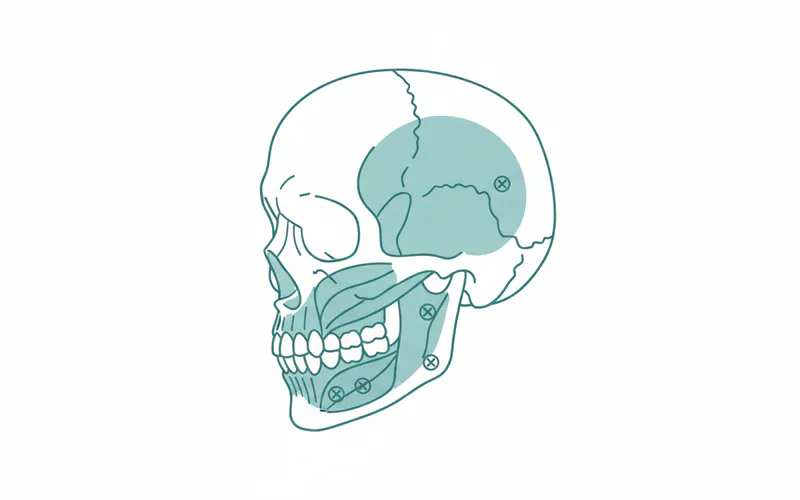
- Mechanism: Botox is a neurotoxin that, when injected into specific muscles, temporarily blocks nerve signals that cause muscle contractions. For bruxism, it's typically injected into the masseter muscles (the primary chewing muscles located on the sides of the jaw) and sometimes the temporalis muscles (on the temples). By weakening these muscles, Botox reduces the force and frequency of grinding and clenching. It does not paralyze the muscles entirely, allowing normal chewing and talking.
- Procedure: The procedure is quick, typically lasting 10-20 minutes, performed in a doctor's or dentist's office. Multiple small injections are given into the target muscles using a fine needle.
- Effectiveness: Patients typically report significant reduction in grinding, clenching, jaw pain, headaches, and tooth wear. The effects usually become noticeable within 3-7 days and reach their full potential around 2 weeks.
- Duration: The effects of Botox are temporary, lasting typically 3 to 6 months. Repeat injections are necessary to maintain the results.
- Pros: Highly effective for severe bruxism, reduces pain and muscle hypertrophy, minimally invasive, no recovery downtime.
- Cons: Temporary effects (requires repeat treatments), higher cost per treatment, potential side effects (temporary smile asymmetry, difficulty chewing certain hard foods, flu-like symptoms), not covered by all insurance plans.
- Cost: Generally ranges from $500 to $1,500 per treatment session in the US, depending on the number of units used and the provider's fees. This is typically an out-of-pocket expense, though some medical insurance plans may cover it if deemed medically necessary for severe TMD symptoms.
Addressing Underlying Conditions
If secondary bruxism is identified, treating the root cause is paramount:
- Sleep Apnea Treatment: Continuous Positive Airway Pressure (CPAP) therapy, oral appliances, or surgery to treat sleep apnea can significantly reduce or eliminate associated bruxism.
- GERD Management: Lifestyle changes, diet modifications, and medications to control acid reflux can alleviate bruxism if GERD is a trigger.
- Medication Review: If a medication is suspected to be causing bruxism, your doctor may adjust the dosage, switch to an alternative, or prescribe an adjunct medication to mitigate the bruxism. Never discontinue medication without consulting your prescribing physician.
- Orthodontic Correction: For rare cases where severe malocclusion is definitively identified as the primary cause, orthodontic treatment like braces or aligners might be considered, though this is less common for adult bruxism.
Physical Therapy and Home Care
- Jaw Exercises: Specific stretches and exercises can help relax jaw muscles, improve range of motion, and reduce pain.
- Warm Compresses: Applying a warm, moist washcloth to the jaw area can help relax tense muscles and alleviate discomfort.
- Massage: Gently massaging the jaw muscles (masseter and temporalis) can help relieve tension.
- Dietary Modifications: Avoiding hard, chewy, or sticky foods, especially when experiencing jaw pain, can give your jaw muscles a rest.
Comparison Table: Common Bruxism Treatments
| Treatment Option | Mechanism | Cost (US Range) | Duration of Effect | Pros | Cons |
|---|---|---|---|---|---|
| Custom Nightguard | Physical barrier, jaw repositioning | $300 - $800 | Years (with care) | Protects teeth, reduces muscle strain, custom fit | Requires dental visit, initial cost, needs regular cleaning |
| OTC Nightguard | Physical barrier | $20 - $100 | Months | Inexpensive, readily available | Poor fit, less durable, can exacerbate issues, limited protection |
| Botox Injections | Temporarily weakens jaw muscles | $500 - $1,500 | 3-6 months | Highly effective, reduces pain & muscle hypertrophy, non-invasive | Temporary, recurring cost, potential side effects, often not insured |
| Stress Management | Reduces overall tension | Varies (free - $200+/session) | Ongoing | Improves general well-being, non-invasive | Requires consistent effort, results vary |
| Muscle Relaxants | Pharmacological muscle relaxation | $10 - $50/month | Short-term | Quick relief for acute pain | Drowsiness, dependency risk, not a long-term solution |
| Sleep Apnea Tx | Addresses underlying breathing issue | Varies ($1,000 - $5,000+) | Long-term | Cures or significantly reduces bruxism if apnea-related | Can be invasive (CPAP) or costly (oral appliance/surgery) |
Step-by-Step Process: What to Expect During Treatment
The journey to manage sleep bruxism typically follows a systematic approach:

1. Initial Consultation and Diagnosis
- Dental Exam: Your dentist will meticulously examine your teeth for signs of wear, chips, fractures, and abfractions. They will also assess your jaw muscles for tenderness, hypertrophy, and your temporomandibular joints for clicking or limited movement.
- Patient History: You'll be asked about your symptoms (headaches, jaw pain, sensitivity), lifestyle (stress levels, caffeine/alcohol intake), medications, and any observations from a sleeping partner.
- Imaging (if necessary): X-rays may be taken to check for bone damage or other dental issues. In some cases of severe TMJ pain, MRI or CT scans may be recommended.
- Referral (if needed): If sleep apnea or another underlying medical condition is suspected, your dentist may refer you to a sleep specialist or other medical professional for further evaluation (e.g., a sleep study).
2. Treatment Planning
Based on the diagnosis, your dentist will discuss the most appropriate treatment options. This might involve a single approach or a combination. For example, a custom nightguard might be prescribed alongside recommendations for stress management. If Botox is considered, the dentist will explain the procedure, potential outcomes, and costs in detail.
3. Implementing Primary Treatments
- Custom Nightguard Fabrication:
- Impressions: The dentist will take detailed impressions of your upper and lower teeth.
- Lab Fabrication: These impressions are sent to a dental lab where a custom-fitted nightguard is crafted. This usually takes 1-2 weeks.
- Fitting Appointment: You'll return for a fitting appointment where your dentist will ensure the nightguard fits comfortably and makes the correct contact with your opposing teeth. Adjustments will be made as needed.
- Instructions: You'll receive instructions on how to properly wear, clean, and care for your nightguard.
- Botox Injection Procedure:
- Consultation: A thorough discussion about your medical history, expectations, and potential risks.
- Mapping: The dentist or specialist will palpate your jaw muscles to identify the strongest points for injection and mark the injection sites.
- Injection: Using a very fine needle, small amounts of Botox are injected into the masseter and/or temporalis muscles. The procedure is relatively quick and typically causes minimal discomfort.
- Aftercare: You'll receive post-procedure instructions, usually advising against rubbing the injection sites vigorously for a few hours and avoiding strenuous exercise for 24 hours.
4. Lifestyle and Behavioral Adjustments
Your dentist will likely provide guidance on:
- Stress reduction techniques.
- Improving sleep hygiene.
- Avoiding stimulants (caffeine, alcohol) before bed.
- Jaw exercises to relax muscles.
5. Follow-up and Adjustment
- Nightguard: Regular follow-up appointments (e.g., every 6 months) are important to check the nightguard for wear and tear, and to ensure your bite remains stable.
- Botox: You'll typically schedule a follow-up in 2-4 weeks to assess the full effect and potentially receive touch-up injections if needed. Subsequent injections are usually planned every 3-6 months.
- Overall Progress: Your dentist will monitor the improvement of your symptoms (pain, headaches) and the condition of your teeth to ensure the treatment plan is effective. Adjustments to the plan may be made based on your progress.
Pro Tip: Be open and honest with your dentist about your symptoms and lifestyle. The more information they have, the better they can tailor a treatment plan to your specific needs.
Cost and Insurance
Understanding the financial aspect of bruxism treatment is crucial, as costs can vary significantly based on the chosen therapy, your location, and insurance coverage.
Average US Price Ranges
- Custom Nightguard (Occlusal Splint):
- Low Range: $300 - $500 (often found in dental schools or less expensive practices).
- Mid Range: $500 - $700 (most common range for general dentists).
- High Range: $700 - $800+ (specialized materials or high-end practices, especially in metropolitan areas like NYC or LA).
- Note: These are typically one-time costs, but replacement might be needed every 5-10 years depending on wear.
- Over-the-Counter (OTC) Nightguard:
- Range: $20 - $100. Very affordable but less effective and durable.
- Botox Injections for Bruxism:
- Per Session (3-6 months): $500 - $1,500.
- Factors influencing cost: Number of units of Botox required (depends on muscle mass/strength), provider's expertise, and geographic location.
- Note: This is a recurring cost, as effects wear off.
- Behavioral Therapy (CBT, Biofeedback):
- Per Session: $75 - $200+ (psychologist/therapist fees).
- Note: Many sessions may be required.
- Muscle Relaxants:
- Monthly Cost: $10 - $50 (prescription cost, without insurance).
- Sleep Study (Polysomnography):
- Without Insurance: $1,000 - $5,000+.
- Note: Often covered by medical insurance if sleep apnea is suspected.
Insurance Coverage Details
- Dental Insurance:
- Custom Nightguards: Most dental insurance plans provide some coverage for custom occlusal splints, as they are considered a restorative or preventative device for tooth protection. Coverage typically ranges from 50% to 80% after your deductible is met. You might pay an out-of-pocket amount of $100 - $400. Check your specific plan for "occlusal guard" or "splint therapy" coverage (ADA CPT code D9940 or D9944).
- OTC Nightguards: Generally not covered.
- Dental Repairs: Coverage for crowns, fillings, or extractions necessitated by bruxism damage will depend on your plan's restorative benefits, typically 50-80%.
- Medical Insurance:
- Botox for Bruxism: This is where coverage gets tricky. While Botox for cosmetic purposes is never covered, for bruxism, it may be covered if considered medically necessary for severe TMD or chronic pain that hasn't responded to other treatments. You'll likely need prior authorization and documentation from your dentist/doctor detailing the medical necessity. Many patients find it is not covered and pay out-of-pocket.
- Sleep Studies: If your dentist or physician refers you for a sleep study to rule out sleep apnea, this is typically covered by medical insurance as a diagnostic procedure.
- Behavioral Therapy: Coverage for therapy sessions depends on your medical plan's mental health benefits.
- Medications: Prescription medications are usually covered under your medical insurance's pharmacy benefits, subject to co-pays and deductibles.
Pro Tip: Always contact your dental and medical insurance providers before starting any major treatment to verify coverage, understand your deductible and out-of-pocket maximums, and inquire about any necessary pre-authorizations.
Payment Plans and Financing Options
Many dental and medical offices offer:
- In-house payment plans: Spreading the cost over several months.
- Third-party financing: Companies like CareCredit or LendingClub offer specialized healthcare credit cards with deferred interest options for qualified applicants.
- Dental Schools: University dental schools often provide services at a reduced cost, as patients are treated by supervised students.
Recovery and Aftercare
Effective management of sleep bruxism requires ongoing attention and proper aftercare to maintain results and prevent recurrence.
Nightguard Aftercare
- Daily Cleaning: Clean your nightguard daily to prevent bacterial buildup. Brush it with a toothbrush and mild soap or non-abrasive toothpaste. Avoid hot water, which can warp the material.
- Storage: Store your nightguard in its protective case when not in use. Ensure it's dry before storing to prevent mildew.
- Regular Check-ups: Bring your nightguard to every dental check-up. Your dentist will inspect it for wear and tear and make any necessary adjustments to ensure it continues to fit properly and effectively protect your teeth. Over time, bite changes can necessitate adjustments or even replacement.
- Replacement: Depending on the severity of your grinding, a custom nightguard may last anywhere from 3-10 years. Your dentist will advise when a replacement is needed.
Botox Aftercare
- Avoid Rubbing: Do not rub or massage the treated areas for at least 24 hours to prevent the Botox from spreading to unintended muscles.
- Avoid Strenuous Activity: Refrain from heavy exercise for 24 hours post-injection.
- Monitor for Side Effects: Be aware of potential, though rare, side effects like temporary asymmetry of the smile or difficulty with extreme chewing. Report any concerns to your provider.
- Schedule Follow-ups: Adhere to your provider's schedule for follow-up appointments (typically 2-4 weeks after the initial injection) and subsequent injections every 3-6 months to maintain results.
General Aftercare and Lifestyle Adjustments
- Continue Stress Management: Ongoing practice of relaxation techniques is vital, as stress is a major trigger.
- Maintain Good Sleep Hygiene: Ensure a consistent sleep schedule, a dark and quiet sleep environment, and avoid screens before bed.
- Dietary Awareness: Be mindful of foods that can exacerbate bruxism (e.g., excessive caffeine, alcohol, very hard or chewy foods) and those that support jaw health (e.g., soft, nutritious foods when experiencing soreness).
- Regular Dental Visits: Continue with your routine dental check-ups (every 6 months) for ongoing monitoring of your teeth and jaw health. Early detection of new issues or signs of relapse can prevent significant damage.
- Self-Monitoring: Pay attention to any return of symptoms like jaw pain, headaches, or tooth sensitivity. This might indicate that your current treatment needs adjustment or that it's time for a repeat Botox injection or nightguard replacement.
- Communication with Healthcare Providers: Keep your dentist, physician, and any specialists informed about your bruxism management, especially if you start new medications or experience changes in health.
Prevention
While not all causes of sleep bruxism are preventable, particularly genetic or neurological factors, many common triggers can be managed or avoided to reduce the incidence and severity of teeth grinding.
- Stress Management: As stress and anxiety are primary drivers, developing healthy coping mechanisms is paramount:
- Relaxation Techniques: Practice daily meditation, yoga, deep breathing exercises, or progressive muscle relaxation.
- Regular Exercise: Physical activity is an excellent stress reliever.
- Hobbies and Downtime: Schedule time for activities you enjoy to unwind.
- Professional Help: If stress feels overwhelming, consider counseling or therapy (e.g., CBT) to develop effective coping strategies.
- Avoid Stimulants:
- Caffeine: Reduce or eliminate caffeine intake, especially in the afternoon and evening.
- Alcohol: Limit alcohol consumption, particularly close to bedtime, as it disrupts sleep patterns.
- Nicotine: Quit smoking and avoid other tobacco products. Nicotine is a stimulant that can exacerbate bruxism.
- Recreational Drugs: Avoid all recreational stimulants, which can severely trigger bruxism.
- Improve Sleep Hygiene:
- Consistent Sleep Schedule: Go to bed and wake up at the same time each day, even on weekends.
- Comfortable Sleep Environment: Ensure your bedroom is dark, quiet, and cool.
- Limit Screen Time: Avoid electronic devices (phones, tablets, computers, TVs) for at least an hour before bed.
- Relaxing Bedtime Routine: Take a warm bath, read a book, or listen to calming music.
- Address Underlying Medical Conditions:
- Sleep Apnea: If you suspect you have sleep apnea, get a diagnosis and follow through with treatment (e.g., CPAP, oral appliance therapy).
- GERD: Manage acid reflux through diet, lifestyle changes, and medication as advised by your doctor.
- Medication Review: If you're on medications known to cause bruxism (like SSRIs), discuss alternatives or adjunct therapies with your prescribing physician. Do not stop medication without medical advice.
- Maintain Good Oral Habits:
- Regular Dental Check-ups: Routine visits allow your dentist to detect early signs of bruxism and intervene before significant damage occurs.
- Awareness During the Day: If you catch yourself clenching or grinding during the day (awake bruxism), consciously relax your jaw, letting your lips touch but your teeth remain apart. Placing your tongue gently between your front teeth can help train your jaw to relax.
Risks and Complications
Untreated or inadequately managed sleep bruxism carries a significant risk of severe and progressive complications affecting your oral health and overall well-being. The effects of teeth grinding can be far-reaching and debilitating.
Dental and Oral Health Risks
- Severe Tooth Wear and Damage: Chronic grinding can progressively wear down tooth enamel, exposing the sensitive dentin and eventually the pulp. This leads to flattened chewing surfaces, shortened teeth, and can necessitate extensive restorative work like crowns or even root canals.
- Chipped, Cracked, or Fractured Teeth: The immense forces can cause teeth to chip, crack, or fracture, potentially leading to tooth loss.
- Damage to Dental Restorations: Fillings, crowns, bridges, and dental implants are vulnerable to damage, often requiring costly repairs or complete replacement.
- Tooth Sensitivity: As enamel erodes, teeth become highly sensitive to temperature changes and certain foods.
- Gum Recession and Bone Loss: While not a primary cause, bruxism can exacerbate existing gum disease or contribute to gum recession and loss of supporting bone structure around the teeth due to excessive forces.
- Pulpal Inflammation and Necrosis: Severe, prolonged grinding can irritate the tooth pulp (nerve tissue), leading to inflammation (pulpitis) or even death of the pulp (necrosis), requiring root canal therapy.
Temporomandibular Joint (TMJ) and Muscle Complications
- Chronic TMJ Disorders (TMD): Untreated bruxism is a leading cause of TMD, characterized by persistent pain in the jaw joint, clicking or popping sounds, difficulty opening or closing the mouth, and even jaw locking. Over time, it can lead to degeneration of the joint.
- Chronic Jaw Pain: Persistent pain and tenderness in the jaw muscles, often radiating to the face and neck.
- Muscle Hypertrophy: The masseter muscles can become enlarged and excessively strong, contributing to further clenching and potentially a squared facial appearance.
- Reduced Quality of Life: Chronic pain, difficulty eating, and sleep disturbances can significantly impair daily activities and overall quality of life.
Other Systemic Risks
- Chronic Headaches and Migraines: The constant muscle tension from bruxism is a frequent cause of tension headaches and can exacerbate or trigger migraines.
- Earaches (Non-Infectious): Pain from the jaw joint can be referred to the ears, leading to discomfort often mistaken for an ear infection.
- Sleep Disturbances and Fatigue: While you may not realize you're grinding, the activity can disrupt sleep architecture, leading to non-restorative sleep, daytime fatigue, and impaired concentration.
- Nutritional Deficiencies: In severe cases, pain and discomfort can make chewing difficult, leading to a restricted diet and potential nutritional deficiencies.
- Psychological Impact: Living with chronic pain, damaged teeth, and disrupted sleep can contribute to increased stress, anxiety, and depression.
Risks of Treatments
While treatments are generally safe, there are minimal risks:
- Ill-fitting Nightguards: OTC nightguards can sometimes worsen TMJ issues or shift teeth if not properly fitted. Custom guards, though rare, can also require adjustments.
- Botox Injections: Potential side effects include temporary bruising at the injection site, mild headache, temporary smile asymmetry (due to spread to nearby facial muscles), or temporary difficulty with chewing very hard foods. These are generally rare and transient.
Children / Pediatric Considerations
Teeth grinding in children, known as pediatric bruxism, is surprisingly common, affecting up to 30% of children at some point, primarily during sleep. While it can be concerning for parents, it's often a temporary phase that resolves on its own without intervention.
Prevalence and Onset
Pediatric bruxism most frequently occurs during two developmental stages:
- Primary Teeth (Baby Teeth): Between ages 1-6 years.
- Mixed Dentition: When permanent teeth are erupting (ages 6-12 years).

What Causes Teeth Grinding in Sleep in Children?
Similar to adults, a combination of factors can contribute to bruxism in children:
- Stress and Anxiety: School pressure, family changes (new sibling, divorce), peer issues, or even simple excitement can lead to grinding.
- Malocclusion and Erupting Teeth: As primary teeth emerge and later permanent teeth erupt, the child's bite is constantly changing. The jaw may grind to find a comfortable position.
- Allergies and Nasal Congestion: Chronic allergies or enlarged adenoids/tonsils can lead to mouth breathing, which some research links to bruxism.
- Sleep Disorders: While less common than in adults, sleep apnea or other sleep disturbances can be a factor.
- Medications: Certain medications, like those for ADHD, can also induce bruxism in children.
- Pain: Earaches, teething pain, or even headaches can sometimes trigger grinding.
- Neurological Conditions: Children with conditions like cerebral palsy or certain developmental disorders may exhibit bruxism.
Signs and Symptoms in Children
- Grinding Sounds: A parent or sibling may hear the grinding at night.
- Jaw Pain/Facial Pain: The child may complain of a sore jaw upon waking.
- Headaches: Morning headaches.
- Worn or Chipped Teeth: Visible signs of wear on the chewing surfaces of baby teeth.
- Tooth Sensitivity: Complaining about sensitivity to hot or cold foods.
- Enamel Damage: Though less common than in adults, severe cases can show significant enamel wear.
Treatment and Management for Children
For most children, pediatric bruxism is self-limiting and doesn't require specific treatment. The focus is usually on monitoring and addressing potential underlying causes.
- Observation: Often, the pediatric dentist will recommend simply monitoring the situation, especially if it involves primary teeth, as they will eventually fall out.
- Addressing Stress: Help your child manage stress through open communication, consistent routines, and relaxation techniques before bed (e.g., warm bath, reading, quiet play).
- Warm Compresses: A warm, moist cloth applied to the jaw can alleviate discomfort.
- Addressing Allergies/Nasal Congestion: Work with your pediatrician to manage allergies or address breathing issues if they are suspected causes.
- Dietary Adjustments: Avoid hard, chewy foods if the child is experiencing jaw pain.
- Nightguards (Rare): Custom nightguards are rarely prescribed for children, especially if they still have baby teeth, as their jaws and teeth are constantly changing. They might be considered in very severe cases with significant damage to permanent teeth, but require frequent adjustments.
- Regular Dental Check-ups: Regular visits allow the dentist to track wear patterns, evaluate the eruption of permanent teeth, and ensure no serious damage is occurring.
Pro Tip for Parents: Don't overly focus on the grinding itself, which can create anxiety for the child. Instead, focus on a calm, reassuring bedtime routine and addressing any obvious sources of stress. Most children outgrow bruxism without lasting effects.
Comparison Table: Children vs. Adult Bruxism
| Feature | Children (Pediatric Bruxism) | Adults (Sleep Bruxism) |
|---|---|---|
| Prevalence | Up to 30%, common phases (baby teeth, mixed) | 10-15% of adults |
| Primary Causes | Erupting teeth, jaw growth, stress, allergies | Stress, anxiety, sleep disorders (apnea), medications |
| Severity of Damage | Often mild, self-correcting on baby teeth | Can be severe, chronic, permanent tooth damage |
| Treatment Focus | Observation, stress management, address underlying medical issues | Nightguards, Botox, stress management, medical/dental interventions |
| Nightguard Use | Rare, only for severe damage to permanent teeth | First-line treatment for most adults |
| Prognosis | Often outgrow it naturally | Chronic condition, requires ongoing management |
Cost Breakdown
As covered previously, the costs for bruxism treatment in the US can vary widely. Here's a summary focused on typical cost ranges, insurance impact, and financial considerations.
Average US Costs (Low, Mid, High)
- Diagnosis (Initial Dental Exam, X-rays):
- Low: $50 - $150 (exam only).
- Mid: $150 - $300 (exam + routine X-rays).
- High: $300 - $600+ (includes advanced imaging like panoramic X-rays or referral to a specialist for TMJ evaluation).
- Custom Nightguard:
- Low: $300 - $500.
- Mid: $500 - $700.
- High: $700 - $800+.
- Botox Injections for Bruxism (per session):
- Low: $500 - $800.
- Mid: $800 - $1,200.
- High: $1,200 - $1,500+.
- Behavioral Therapy (e.g., CBT, Biofeedback per session):
- Low: $75 - $120.
- Mid: $120 - $180.
- High: $180 - $250+.
- Sleep Study (Polysomnography - if medically indicated):
- Without Insurance: $1,000 - $5,000+.
With vs. Without Insurance
- With Dental Insurance: Most plans cover a portion of custom nightguards (often 50-80% after deductible, leaving you with an out-of-pocket cost of $100-$400). Routine dental exams and X-rays are typically covered at 80-100%. Coverage for damage caused by bruxism (e.g., crowns) depends on your plan's restorative benefits.
- With Medical Insurance: Medical insurance may cover a sleep study if sleep apnea is suspected. Coverage for Botox for bruxism is highly variable and often denied unless very specific medical necessity criteria are met (requires prior authorization and strong documentation). Mental health benefits may cover behavioral therapy sessions, but deductibles and co-pays apply.
- Without Insurance: You are responsible for 100% of all costs. This makes understanding potential expenses and exploring financing options even more critical.
Payment Plans and Financing Options
- In-Office Payment Plans: Many dental practices offer flexible payment schedules, allowing you to pay for treatments over several months, often interest-free.
- Healthcare Credit Cards: Companies like CareCredit are specifically designed for health expenses, offering promotional financing options, including interest-free periods if paid in full within a certain timeframe.
- Personal Loans: Banks or credit unions may offer personal loans for larger expenses.
- Health Savings Accounts (HSAs) / Flexible Spending Accounts (FSAs): If you have an HSA or FSA through your employer, you can use these tax-advantaged accounts to pay for qualified medical and dental expenses, including bruxism treatments.
- Dental Schools/Community Clinics: University dental schools often provide treatments at a significantly reduced cost, as services are performed by supervised students. Community health clinics may also offer sliding scale fees based on income.
Cost-Saving Tips
- Compare Prices: Don't hesitate to call different dental offices in your area for quotes on nightguards or Botox. Prices can vary.
- Understand Your Insurance: Before any treatment, contact your insurance provider directly to understand your benefits, deductibles, co-pays, and whether pre-authorization is required.
- Early Intervention: Addressing bruxism early can prevent more extensive and expensive dental repairs down the line.
- Preventive Measures: Focusing on stress management and lifestyle changes can reduce the severity of bruxism and potentially the need for more costly interventions.
Frequently Asked Questions
Is teeth grinding serious?
Yes, teeth grinding (bruxism) can be serious if left untreated. Chronic grinding can lead to severe tooth wear, chipping, and fractures, resulting in permanent damage that requires extensive and costly dental restorations. It's also a leading cause of chronic jaw pain, temporomandibular joint disorders (TMD), persistent headaches, and can disrupt your sleep quality.
Can teeth grinding be cured completely?
There isn't a single "cure" for teeth grinding, as it often stems from multiple factors. However, bruxism can be effectively managed and controlled to prevent damage and alleviate symptoms. Treatments focus on protecting teeth, reducing grinding intensity, and addressing underlying causes like stress or sleep disorders. For many, it's a chronic condition that requires ongoing management.
How long does it take for a nightguard to work?
A custom nightguard provides immediate physical protection for your teeth as soon as you start wearing it. For symptom relief like jaw pain or headaches, many individuals experience noticeable improvement within a few days to a few weeks of consistent use, as the appliance helps relax jaw muscles and distribute bite forces more evenly.
Is Botox for bruxism painful?
Botox injections for bruxism are generally well-tolerated and minimally painful. A very fine needle is used, and the injections are quick. Most patients describe the sensation as a brief pinch or sting. Some providers may apply a topical numbing cream beforehand to enhance comfort. Any post-injection soreness is usually mild and resolves within a day or two.
How often do I need Botox for bruxism?
The effects of Botox for bruxism typically last for 3 to 6 months. To maintain the benefits and continue to alleviate symptoms, repeat injections are necessary on a regular schedule determined by your dental or medical provider, usually every 4-6 months.
Can stress really cause teeth grinding?
Absolutely. Stress and anxiety are among the most common and significant psychological factors contributing to both awake and sleep bruxism. When under stress, the body naturally tenses muscles, and this tension can manifest as unconscious clenching or grinding of the jaw during sleep, acting as an outlet for accumulated emotional pressure.
What foods should I avoid if I grind my teeth?
If you're experiencing jaw pain or discomfort from bruxism, it's advisable to avoid hard, chewy, or sticky foods. This includes nuts, hard candies, tough meats, chewing gum, and sticky caramels, as they can put excessive strain on your already overworked jaw muscles and joints. Opt for softer, easier-to-chew foods to give your jaw a rest.
Will insurance cover my bruxism treatment?
Insurance coverage for bruxism treatment varies. Most dental insurance plans provide some coverage (often 50-80%) for custom nightguards (occlusal splints), as they protect your teeth. Medical insurance may cover a sleep study if sleep apnea is suspected. However, Botox injections for bruxism are frequently considered elective or not medically necessary by many medical insurance providers, and often require out-of-pocket payment, though some plans may cover it with prior authorization for severe TMD.
Can I stop teeth grinding naturally?
While completely stopping all grinding naturally can be challenging, you can significantly reduce its frequency and severity through natural methods. These include diligent stress management (meditation, yoga), improving sleep hygiene (consistent sleep schedule, avoiding screens before bed), avoiding stimulants like caffeine and alcohol, and practicing conscious jaw relaxation during waking hours.
Is awake bruxism different from sleep bruxism treatment?
Yes, while some treatments overlap (like stress management), there are key differences. Awake bruxism can often be managed with increased awareness and behavioral techniques to consciously stop clenching. Sleep bruxism, being involuntary, typically requires physical protection like a custom nightguard, or interventions like Botox or addressing underlying sleep disorders, as you cannot consciously control it during sleep.
When to See a Dentist
It's important not to dismiss the signs of teeth grinding, as early intervention can prevent serious and irreversible damage. You should definitely schedule an appointment with your dentist if you experience any of the following:
- Persistent Jaw Pain or Tenderness: If you frequently wake up with a sore jaw, or experience chronic pain in your jaw muscles or around your temporomandibular joints.
- Frequent Headaches or Earaches: Especially if they are worse in the morning and seem to have no other clear cause.
- Clicking, Popping, or Locking of the Jaw: These are classic signs of TMJ dysfunction, which is often exacerbated or caused by bruxism.
- Visible Tooth Damage: If you notice your teeth appear flattened, chipped, cracked, or are becoming unusually sensitive to hot or cold.
- Disrupted Sleep (or partner complaints): If your sleeping partner informs you that you make grinding noises at night, or if you consistently wake up feeling unrested.
- Loose Teeth or Receding Gums: While these can have other causes, bruxism can contribute to their severity.
- Difficulty Chewing: If chronic jaw pain or muscle fatigue makes eating difficult or uncomfortable.
- Concerns about a Child's Grinding: While often self-resolving, a pediatric dentist can assess the severity and ensure it's not causing significant damage or linked to other issues.
Don't wait until the damage is severe. Your dentist can accurately diagnose bruxism, assess the extent of its effects, and recommend the most appropriate treatment plan tailored to your specific needs, helping you preserve your oral health and improve your quality of life.
Frequently Asked Questions
Medically Reviewed Content
This article was written by our dental health editorial team and reviewed for medical accuracy. Our content follows strict editorial guidelines for reliability and trustworthiness.
Medical Disclaimer
This article is for informational purposes only and does not constitute medical advice. Always consult with a qualified dental professional for diagnosis and treatment. Do not delay seeking professional advice because of something you read on this website.
Related Articles
How to Not Grind Teeth at Night
More than one in ten adults and a significant percentage of children experience teeth grinding, medically known as bruxism, a condition that often goes unnoticed, especially when it occurs during sleep. If you've woken up with a sore jaw, a dull headache, or noticed your teeth becoming unusually
February 23, 2026
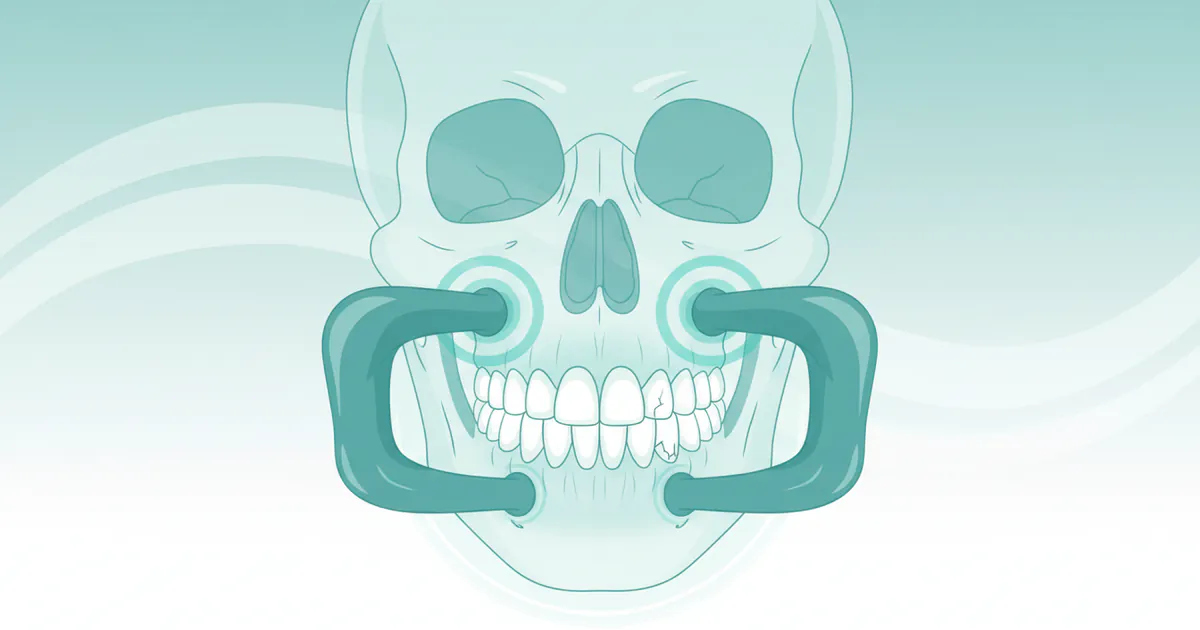
What Is Jaw Clenching
Do you often wake up with a dull headache, a sore jaw, or unexplained tooth sensitivity? You're not alone. Approximately 1 in 10 adults and up to 3 in 10 children experience some form of bruxism, a condition characterized by grinding, gnashing, or clenching your teeth. At the heart of this wides
February 23, 2026
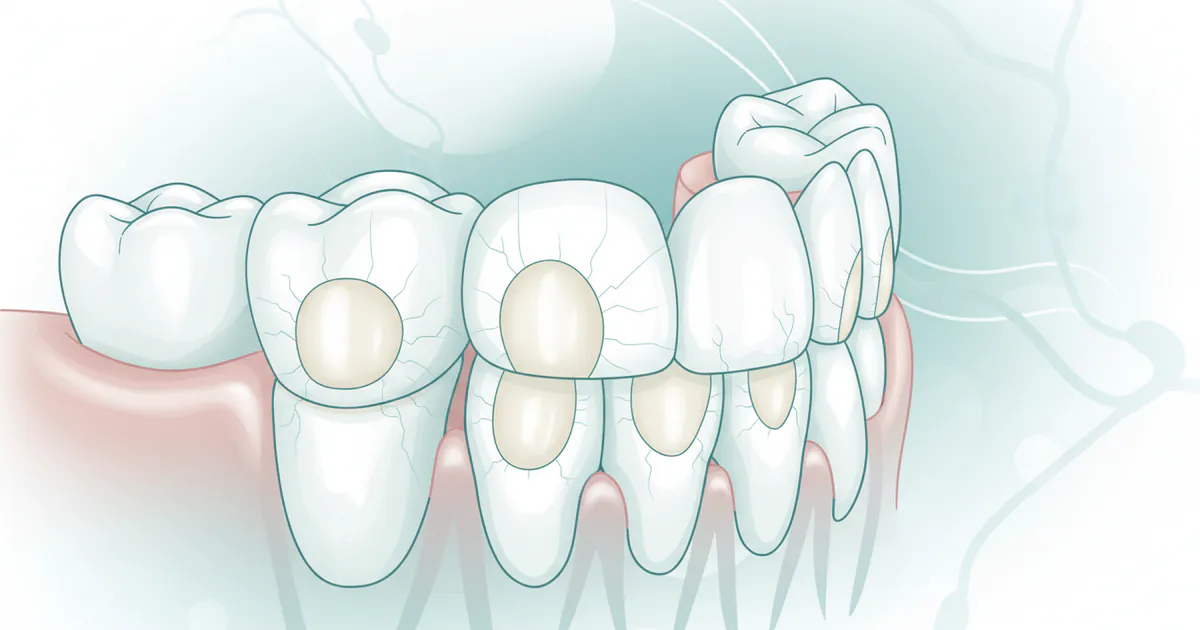
Severe Bruxism Molars: Complete Guide
When the quiet of the night is shattered by a grinding, grating sound, or when you wake up with an aching jaw and teeth that feel oddly sensitive, it’s often a sign of bruxism. But what happens when this condition intensifies, leading to significant damage, especially to your back teeth? This is the
February 23, 2026
How to Prevent Teeth Grinding in Sleep
Teeth grinding, medically known as bruxism, is a common condition that affects millions of Americans. Often occurring subconsciously during sleep, it can lead to a host of uncomfortable and potentially serious health issues, ranging from persistent headaches and jaw pain to significant dental damage
February 23, 2026