Crooked Teeth: Complete Guide
Key Takeaways
- A perfectly aligned smile is often seen as a hallmark of beauty and confidence, but for many, crooked teeth are a common reality. In fact, estimates suggest that a significant portion of the population, potentially up to 75% of adults, experiences some degree of malocclusion, the technical t
Crooked Teeth: Complete Guide
A perfectly aligned smile is often seen as a hallmark of beauty and confidence, but for many, crooked teeth are a common reality. In fact, estimates suggest that a significant portion of the population, potentially up to 75% of adults, experiences some degree of malocclusion, the technical term for misaligned teeth or an improper bite. While often viewed as a cosmetic concern, the impact of crooked teeth extends far beyond aesthetics, affecting oral health, speech, chewing function, and even overall well-being.

Ignoring misaligned teeth can lead to a cascade of problems, from increased risk of cavities and gum disease to painful jaw issues and difficulty maintaining proper hygiene. Understanding the causes, recognizing the signs, and exploring the comprehensive range of treatment options available is the first step toward achieving not just a straighter smile, but a healthier mouth and a more confident you. This complete guide will walk you through everything you need to know about crooked teeth, from diagnosis and various treatment approaches, including finding qualified orthodontists near me, to costs, aftercare, and prevention strategies. We'll delve into the specifics of malocclusion and provide actionable insights to help you make informed decisions about your dental health journey.
Key Takeaways:
- Prevalence: Up to 75% of adults experience some form of malocclusion (crooked teeth).
- Health Impact: Crooked teeth can lead to cavities, gum disease, chewing difficulties, speech impediments, and jaw pain.
- Treatment Options: Comprehensive options include traditional braces, ceramic braces, clear aligners (e.g., Invisalign), lingual braces, and in severe cases, orthognathic surgery.
- Cost & Timeline: Treatment costs typically range from $3,000 to $8,000 for clear aligners and $3,000 to $10,000+ for braces, varying by case complexity and duration. Timelines usually span 12 to 36 months.
- Insurance: Many dental insurance plans offer some coverage for orthodontic treatment, especially for children, but adult coverage varies greatly; expect to pay a significant portion out-of-pocket.
- Retention is Key: Lifelong retainer wear is crucial to prevent relapse after orthodontic treatment.
- Early Intervention: The American Association of Orthodontists (AAO) recommends a child's first orthodontic evaluation by age 7 to identify potential issues early.
What Crooked Teeth Are: An Overview of Malocclusion
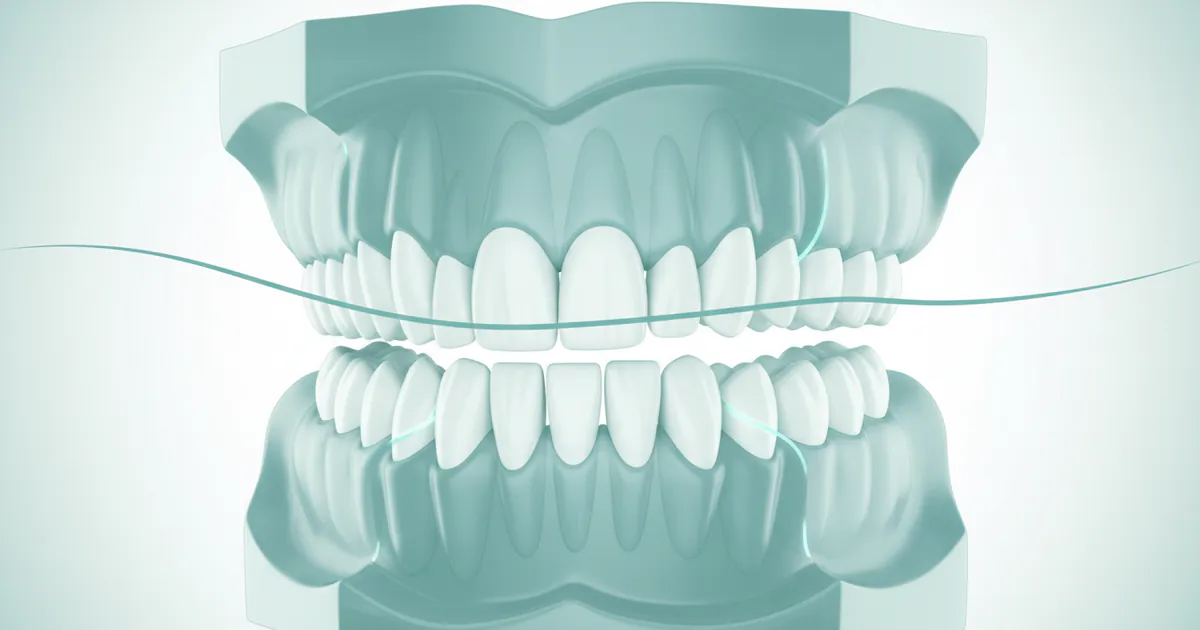
"Crooked teeth" is the common term for what dental professionals call malocclusion, a condition where the teeth are not correctly aligned, or the upper and lower jaws do not meet properly when the mouth is closed. This misalignment can manifest in various ways, from individual teeth that are rotated, tilted, or overlapping, to more complex issues involving the relationship between the upper and lower dental arches.
Malocclusion isn't merely a cosmetic problem; it's a structural issue that can impede normal oral function and contribute to a host of health complications. When teeth are misaligned, they can create hard-to-clean areas, leading to plaque buildup and an increased risk of cavities and gum disease. An improper bite can also strain the jaw joints (temporomandibular joints or TMJ), leading to pain, headaches, and difficulty chewing. Furthermore, severe malocclusion can affect speech patterns, make eating certain foods challenging, and erode self-confidence. Addressing crooked teeth is therefore an investment in both your oral health and your overall quality of life.
Types and Variations of Malocclusion
Malocclusion isn't a single condition but rather a spectrum of alignments, classified based on the relationship between the upper and lower teeth and jaws. Understanding these types is crucial for accurate diagnosis and effective treatment planning. The most common classification system, Angle's Classification, categorizes malocclusion into three main classes:
Angle's Classifications of Malocclusion
- Class I Malocclusion: This is the most common type, where the bite is generally correct, meaning the mesiobuccal cusp of the maxillary first molar occludes with the buccal groove of the mandibular first molar. However, there may still be individual crooked teeth, crowding, spacing, or other localized issues. The jaw relationship is considered normal, but the teeth themselves are misaligned.
- Class II Malocclusion (Overbite/Retrognathism): In Class II malocclusion, the upper jaw and teeth significantly overlap the lower jaw and teeth. This is often characterized by a prominent upper jaw or a recessed lower jaw. It can lead to difficulties in biting, excessive wear on certain teeth, and aesthetic concerns.
- Class III Malocclusion (Underbite/Prognathism): This is characterized by the lower jaw and teeth protruding past the upper jaw and teeth. The lower teeth bite in front of the upper teeth. Class III malocclusion can severely impact chewing function, speech, and facial aesthetics.
Specific Types of Dental Misalignment
Beyond Angle's classifications, several specific types of misalignment can occur individually or in combination:
- Crowding: This happens when there isn't enough space in the jaw for all the teeth to erupt properly, causing them to overlap, rotate, or be pushed out of alignment. Crowding is a very common reason for crooked teeth and can make oral hygiene difficult.
- Spacing (Diastema): Conversely, spacing occurs when there's too much room in the jaw, leading to gaps between teeth. While less common, it can also lead to aesthetic concerns and sometimes affect speech. Diastema, a gap often seen between the two front teeth, is a specific type of spacing.
- Overbite (Deep Bite): While often used interchangeably with Class II, a deep overbite specifically refers to the vertical overlap of the upper front teeth over the lower front teeth. In severe cases, the upper teeth can completely cover the lower teeth, sometimes even biting into the gum tissue behind the lower front teeth.
- Underbite: As described in Class III, the lower front teeth and jaw extend beyond the upper front teeth.
- Crossbite: This occurs when some upper teeth bite inside the lower teeth. It can affect a single tooth, a group of teeth, or even an entire arch (posterior crossbite). A crossbite can lead to asymmetrical jaw growth and uneven tooth wear.
- Open Bite: An open bite means that when the mouth is closed, some of the upper and lower teeth do not make contact. This can be anterior (front teeth don't meet) or posterior (back teeth don't meet). Open bites can severely impact chewing and speech.
- Protrusion (Overjet): This refers to the horizontal overlap of the upper front teeth over the lower front teeth. While often associated with Class II, it describes the angle and distance the upper teeth project forward.
- Impaction: This occurs when a tooth is unable to erupt through the gum line, often due to blockage by another tooth or lack of space. Wisdom teeth are frequently impacted, but other teeth can be as well.
Causes: Why Crooked Teeth Happen
The development of crooked teeth or malocclusion is often a complex interplay of genetic, environmental, and developmental factors. Understanding these causes can sometimes help in prevention or early intervention.

Genetic Factors
- Inherited Jaw Size and Shape: One of the most significant factors is genetics. You can inherit the size and shape of your jaws and teeth from your parents. If you inherit a small jaw from one parent and large teeth from another, you're more likely to experience crowding. Conversely, if you inherit a large jaw and smaller teeth, you might develop spacing.
- Tooth Size and Number: Genetic predispositions can also determine tooth size, number (e.g., missing teeth or extra teeth, known as supernumerary teeth), and eruption patterns.
Early Childhood Habits and Behaviors
- Thumb Sucking and Pacifier Use: Prolonged thumb sucking, finger sucking, or pacifier use beyond the age of 3 or 4 can exert pressure on the developing teeth and jawbones, leading to changes in alignment, such as an open bite or flared front teeth.
- Tongue Thrusting: This habit, where the tongue pushes forward against the front teeth during swallowing, can also contribute to an open bite or protrusion of the front teeth over time.
- Mouth Breathing: Chronic mouth breathing, often due to allergies, enlarged tonsils, or adenoids, can affect jaw development, leading to a narrower upper jaw and other orthodontic issues. The tongue, ideally resting on the roof of the mouth, plays a crucial role in shaping the palate; mouth breathing prevents this natural molding.
Premature or Delayed Tooth Loss
- Early Loss of Primary Teeth: If a baby tooth is lost prematurely due to decay or injury, the surrounding teeth may drift into the empty space, preventing the permanent tooth from erupting correctly.
- Delayed Loss of Primary Teeth: Conversely, if primary teeth are retained too long, they can block the path of erupting permanent teeth, forcing them into misaligned positions.
Trauma and Injury
- Dental Injuries: Accidents, falls, or blows to the face can cause teeth to shift out of alignment, fracture, or even be knocked out. Traumatic injuries to the jaw can also affect its growth and development.
Other Factors
- Poor Nutrition: During critical growth periods, inadequate nutrition can hinder proper bone and tooth development.
- Gum Disease: Advanced gum disease (periodontitis) can weaken the bone and ligaments supporting the teeth, causing them to loosen and shift.
- Dental Restorations: Poorly fitting dental fillings, crowns, or bridges can sometimes contribute to changes in bite and alignment over time.
- Tooth Grinding (Bruxism): Chronic grinding or clenching of teeth can put excessive force on them, potentially leading to wear, fractures, and even subtle shifts in position.
Signs and Symptoms of Crooked Teeth
Identifying crooked teeth often starts with a visual observation of misalignment, but the symptoms can extend beyond what you see in the mirror. Recognizing these signs is crucial for knowing when to seek professional orthodontic advice.
Visible Misalignment
- Overlapping or Crowded Teeth: Teeth appear stacked, twisted, or pushed too close together.
- Gaps or Spaces: Noticeable spaces between teeth (diastemas).
- Protruding or Receding Jaws: One jaw appears to stick out more than the other, affecting facial profile.
- Misaligned Bite: When you close your mouth, the upper and lower teeth don't meet evenly, or some teeth bite in front or behind others (crossbite, overbite, underbite).
- Rotated or Tilted Teeth: Individual teeth are turned at an angle or lean excessively.
Functional Issues
- Difficulty Chewing or Biting: You may struggle to bite into certain foods or chew effectively due to an uneven bite. This can lead to digestive issues if food isn't properly broken down.
- Speech Impediments: Misaligned teeth can interfere with the tongue's ability to form certain sounds, leading to lisping, whistling, or other speech difficulties.
- Jaw Pain or Discomfort: An improper bite can strain the temporomandibular joints (TMJ), leading to pain in the jaw, face, neck, and shoulders, as well as headaches, clicking sounds, or difficulty opening and closing the mouth.
- Uneven Tooth Wear: Certain teeth may experience excessive wear or chipping because they bear the brunt of the biting force due to misalignment.
- Difficulty Cleaning Teeth: Overlapping or crowded teeth create tight spaces where food particles and plaque can accumulate, making brushing and flossing challenging. This directly increases the risk of cavities and gum disease.
- Bad Breath (Halitosis): Difficult-to-clean areas harbor bacteria, contributing to persistent bad breath.
Other Symptoms
- Gum Irritation or Receding Gums: Misaligned teeth can sometimes put undue pressure on gum tissue or make it more susceptible to inflammation.
- Self-Consciousness: While not a medical symptom, the aesthetic impact of crooked teeth can significantly affect self-esteem and social interactions.
If you notice any of these signs, particularly the functional issues, it's a strong indicator that you should schedule a consultation with an orthodontist near me or your general dentist for an evaluation.
Treatment Options for Crooked Teeth
Modern orthodontics offers a wide array of effective treatments for crooked teeth and malocclusion, catering to different needs, severities, and budgets. The choice of treatment depends on factors such as the type and severity of malocclusion, age, aesthetic preferences, and lifestyle.
Traditional Braces
Traditional metal braces are the most common and often the most effective method for correcting a wide range of orthodontic issues. They consist of metal brackets bonded to the front of each tooth, connected by a wire that is adjusted periodically to gently guide teeth into their correct positions.
- Pros: Highly effective for severe cases; durable; generally the most cost-effective type of braces.
- Cons: Most noticeable option; can cause initial discomfort; requires dietary restrictions; cleaning can be challenging.
- Duration: Typically 18-36 months.
- Cost: $3,000 - $8,000.
Ceramic Braces
Similar in design to traditional braces, but the brackets are made from clear or tooth-colored ceramic material, making them less noticeable.
- Pros: Less visible than metal braces; highly effective.
- Cons: Can stain (especially clear ties); more brittle than metal; slightly larger brackets; generally more expensive than metal braces.
- Duration: Similar to metal braces, 18-36 months.
- Cost: $4,000 - $9,000.
Lingual Braces
These are custom-made braces that are bonded to the inside (lingual side) of the teeth, making them virtually invisible from the outside.
- Pros: Completely invisible; highly effective.
- Cons: Most expensive option; can cause initial tongue irritation and speech difficulties; more complex to adjust and clean; not suitable for all cases.
- Duration: Can be slightly longer than traditional braces, 18-36 months.
- Cost: $8,000 - $12,000+.
Clear Aligners (e.g., Invisalign, Spark, ClearCorrect)
Clear aligners are a popular alternative, especially for adults and teens who prefer a less conspicuous treatment. They consist of a series of custom-made, transparent plastic trays worn over the teeth, each aligner gradually shifting the teeth. Aligners are typically replaced every 1-2 weeks.
- Pros: Nearly invisible; removable for eating, drinking, brushing, and flossing; generally more comfortable than braces; fewer dietary restrictions.
- Cons: Requires excellent patient compliance (must be worn 20-22 hours/day); may not be suitable for very complex cases; can be slightly more expensive than traditional braces.
- Duration: Typically 12-24 months, but can be shorter for minor cases (6 months) or longer for complex ones (36 months).
- Cost: $3,000 - $8,000.
Orthognathic Surgery (Jaw Surgery)
For severe cases of malocclusion where the skeletal structure of the jaws is significantly misaligned (often Class II or Class III), orthodontic treatment alone may not be sufficient. Jaw surgery is performed by an oral and maxillofacial surgeon to reposition the jaws, often in conjunction with braces to align the teeth within the newly positioned jaws.
- Pros: Can correct severe skeletal discrepancies; provides dramatic improvements in bite, function, and facial aesthetics.
- Cons: Major surgical procedure with associated risks (anesthesia, infection, nerve damage); significant recovery period; higher cost.
- Duration: Surgical procedure takes several hours, followed by a recovery period of several weeks, and often 6-12 months of post-surgical orthodontics.
- Cost: $20,000 - $40,000+ (including orthodontics and hospital fees).
Other Treatments and Adjuncts
- Retainers: Crucial post-treatment. Worn indefinitely to maintain tooth position. Can also be used for very minor adjustments.
- Dental Veneers/Bonding: For minor cosmetic issues like small gaps or slightly misaligned teeth that don't affect the bite significantly, veneers or composite bonding can offer a quick aesthetic fix. This is not an orthodontic solution but a cosmetic one.
- Tooth Extraction: Sometimes, removing one or more teeth is necessary to create space for other teeth to align properly, especially in cases of severe crowding.
Pro Tip: When considering options, it's vital to consult with a board-certified orthodontist. They can accurately diagnose your specific condition, discuss all suitable options, and recommend the most effective treatment plan tailored to your needs. Search for "orthodontists near me" to find local specialists.
Step-by-Step Treatment Process
Embarking on orthodontic treatment for crooked teeth follows a structured process, ensuring a systematic approach to achieving optimal results. While specifics may vary based on the chosen treatment, the general steps remain consistent.

1. Initial Consultation and Diagnostic Records
- First Visit: Your journey begins with an initial consultation with an orthodontist. They will conduct a thorough examination of your teeth, jaws, and bite. This is also your opportunity to discuss your concerns, goals, and ask any questions you have.
- Diagnostic Records: To create a precise treatment plan, the orthodontist will take detailed diagnostic records. This typically includes:
- X-rays: Panoramic and cephalometric X-rays provide images of your entire mouth, jaw bones, and skull to assess tooth roots, unerupted teeth, and jaw relationships.
- Photographs: Intraoral (inside the mouth) and extraoral (facial) photos document your starting point and aid in planning.
- Impressions or Digital Scans: Traditional putty impressions or advanced 3D digital scans (using an intraoral scanner) create highly accurate models of your teeth.
2. Treatment Plan Presentation and Discussion
- Personalized Plan: Based on the diagnostic records, the orthodontist will develop a personalized treatment plan outlining the recommended approach (e.g., traditional braces, clear aligners), the expected duration, and the anticipated outcome.
- Detailed Explanation: The orthodontist will explain why certain teeth are crooked (malocclusion type), how the proposed treatment will address these issues, and what you can expect during the process. They will also discuss payment options and insurance coverage.
3. Preparation for Treatment
- Dental Work: Before starting orthodontics, any necessary dental work, such as filling cavities, treating gum disease, or extracting problematic teeth, must be completed by your general dentist. A healthy foundation is essential.
- Appliance Placement:
- Braces: For braces, the process involves cleaning and drying the teeth, then bonding the brackets to each tooth using a special adhesive. The archwire is then threaded through the brackets and secured with elastic ties or clips. This appointment typically takes 1-2 hours.
- Clear Aligners: For clear aligners, attachments (small, tooth-colored bumps) may be bonded to certain teeth to help the aligners grip and move them more effectively. You'll then receive your first set of custom aligners and instructions on how to wear and care for them.
4. Active Treatment Phase
- Regular Adjustments (Braces): If you have braces, you'll visit the orthodontist every 4-8 weeks for adjustments. During these appointments, the orthodontist will change the archwire, replace elastic ties, and make other modifications to continue guiding the teeth. You may experience some mild soreness for a few days after each adjustment.
- Aligner Progression (Clear Aligners): With clear aligners, you'll typically change to a new set of aligners every 1-2 weeks, as instructed by your orthodontist. You'll have periodic check-ups, usually every 6-10 weeks, to monitor progress and receive your next batch of aligners.
- Oral Hygiene: Throughout active treatment, maintaining meticulous oral hygiene is paramount. Brushing and flossing effectively around braces or aligners prevents cavities and gum inflammation. Your orthodontic team will provide detailed instructions and special tools if needed.
- Expected Discomfort: It's normal to experience some mild discomfort or soreness when teeth start moving, particularly after adjustments or switching to a new aligner. Over-the-counter pain relievers can help manage this.
5. Retention Phase
- Appliance Removal/Completion: Once your teeth have reached their ideal positions, the active treatment phase concludes. Braces are removed, or you complete your final set of aligners.
- Retainer Placement: This is perhaps the most critical stage. Teeth have a natural tendency to shift back to their original positions (relapse) if not held in place. Retainers are custom-made appliances designed to prevent this.
- Removable Retainers: Clear plastic retainers (like Essix retainers) or Hawley retainers (acrylic and wire) are worn full-time initially, then typically nightly for life.
- Fixed Retainers: A thin wire bonded to the back of the front teeth (upper or lower) offers continuous retention.
- Lifelong Commitment: Your orthodontist will emphasize the importance of lifelong retainer wear. This is a non-negotiable part of maintaining your beautiful, straight smile.
Pro Tip: Follow all instructions from your orthodontist diligently. Consistency in wearing aligners or caring for braces, and especially retainer wear, directly impacts the success and longevity of your treatment.
Cost and Insurance for Crooked Teeth Treatment
The cost of correcting crooked teeth varies significantly based on the complexity of your case, the chosen treatment method, your geographical location, and the orthodontist's fees. Understanding these financial aspects and how insurance works is crucial for planning.
Average US Cost Ranges by Treatment Type
Here's a general overview of average costs for common orthodontic treatments in the United States, keeping in mind these are ranges and can fluctuate:
| Treatment Type | Average US Cost Range (Without Insurance) |
|---|---|
| Traditional Metal Braces | $3,000 - $8,000 |
| Ceramic Braces | $4,000 - $9,000 |
| Lingual Braces | $8,000 - $12,000+ |
| Clear Aligners (e.g., Invisalign) | $3,000 - $8,000 |
| Partial/Limited Treatment | $2,000 - $4,000 (e.g., only front teeth) |
| Retainers (Post-Treatment) | $150 - $500 per retainer (often included in initial cost) |
| Orthognathic Surgery | $20,000 - $40,000+ (including hospital, surgeon, and orthodontics) |
Note: These ranges do not include potential costs for pre-orthodontic dental work (e.g., fillings, extractions) or any fees for missed appointments.
Regional Cost Variations
Costs can vary by state and even by metropolitan area. Generally, orthodontic treatment tends to be more expensive in major urban centers and on the East and West Coasts compared to the Midwest or rural areas. It's always best to get quotes from multiple orthodontists near me in your specific region.
Dental Insurance Coverage
- Orthodontic Benefits: Many dental insurance plans offer some level of coverage for orthodontic treatment. However, the extent of coverage varies significantly.
- Children vs. Adults:
- Children (Under 18): Most dental insurance plans, especially PPO (Preferred Provider Organization) plans, provide at least partial coverage for orthodontics if it's deemed medically necessary (e.g., to correct a severe malocclusion affecting function). Some plans may cover up to 50% of the cost, often with a lifetime maximum benefit (e.g., $1,000 - $2,500). Medicaid and CHIP (Children's Health Insurance Program) may cover medically necessary orthodontics for qualifying children.
- Adults (Over 18): Adult orthodontic coverage is less common and often has stricter limitations. Some plans may offer limited benefits, while others provide none at all. If you have a PPO plan, you might have some coverage, but HMO (Health Maintenance Organization) plans often restrict you to a specific network or provide no adult ortho benefits.
- Orthognathic Surgery: For severe skeletal malocclusion, orthognathic surgery is often covered under medical insurance rather than dental insurance, as it's considered a medical procedure. However, the associated orthodontic treatment (braces) would typically fall under dental.
- Deductibles and Co-payments: Expect to pay a deductible before coverage kicks in, and potentially a co-payment percentage.
- Lifetime Maximums: Many plans have a lifetime maximum benefit for orthodontics, meaning once that dollar amount is reached, the plan won't pay for any more orthodontic treatment, regardless of how long you've had the insurance.
Pro Tip: Always contact your dental insurance provider directly before starting treatment to understand your specific benefits, deductibles, co-pays, and lifetime maximums. Your orthodontist's office staff can also help you navigate this process and submit pre-treatment estimates.
Recovery and Aftercare for Straightened Teeth
Achieving a perfectly straight smile through orthodontic treatment is a significant accomplishment, but the journey doesn't end when the braces come off or the last aligner is discarded. The recovery and aftercare phase, primarily centered around retainer wear, is crucial for maintaining your results and preventing relapse.
Immediate Post-Treatment Care (Braces Removal)
- Sensitivity: After braces are removed, your teeth may feel slightly sensitive or "loose" for a few days. This is normal as they adjust to being without the appliances.
- Cleaning: Your orthodontist or hygienist will perform a thorough cleaning to remove any residual glue and plaque buildup that may have accumulated around the brackets.
- Retainer Impressions: Impressions or digital scans for your retainers will be taken immediately after brace removal. You might receive a temporary retainer to wear until your custom retainers are ready.
The Indispensable Role of Retainers
Teeth have a "memory" and a natural tendency to drift back towards their original, crooked positions. This phenomenon is called relapse. Retainers are designed to prevent this by holding your teeth in their new, corrected alignment while the bone and tissues around them stabilize.
- Types of Retainers:
- Removable Retainers:
- Essix Retainers: Clear, vacuum-formed plastic trays that fit snugly over your teeth, similar to clear aligners. They are discreet and comfortable.
- Hawley Retainers: Made of a metal wire that wraps around the front of your teeth and is embedded in an acrylic plate that rests against the roof of your mouth or under your tongue. They are durable and adjustable.
- Fixed (Bonded/Permanent) Retainers: A thin, custom-fit wire is permanently bonded to the back (lingual side) of your front teeth, typically from canine to canine, on the upper or lower arch (or both). They offer continuous retention and are completely invisible.
- Removable Retainers:
- Wear Schedule:
- Initially, you'll likely be instructed to wear your removable retainers full-time (20-22 hours a day), only removing them to eat, drink anything other than water, and brush your teeth.
- After several months (typically 6-12), your orthodontist will likely transition you to nighttime-only wear.
- Lifelong Wear: The consensus among orthodontists and the ADA is that retainers should be worn indefinitely, usually nightly, to prevent relapse. Teeth can shift at any age, even years after orthodontic treatment.
Oral Hygiene with Retainers
- Removable Retainers:
- Clean your retainers daily by brushing them gently with a toothbrush and mild soap or a non-abrasive denture cleaner. Avoid hot water, which can warp plastic retainers.
- Always store them in their protective case when not in your mouth to prevent loss or damage.
- Fixed Retainers:
- Flossing around a fixed retainer requires special tools, such as floss threaders or super floss, to clean underneath the wire.
- Maintain excellent brushing habits to prevent plaque buildup around the wire and teeth.
Regular Dental Check-ups
Even after your orthodontic treatment is complete, continue your routine dental check-ups and cleanings with your general dentist every six months. They can monitor your oral health, check for any signs of relapse, and ensure your retainers are functioning correctly.
Pro Tip: If you lose or break your retainer, contact your orthodontist immediately. Delaying replacement can allow your teeth to start shifting, potentially necessitating further (and costly) orthodontic intervention.
Prevention of Crooked Teeth
While some causes of crooked teeth, like genetics, are beyond our control, there are several preventive measures, particularly in childhood, that can significantly reduce the risk or severity of malocclusion.

Early Orthodontic Evaluation
- Age 7 Recommendation: The American Association of Orthodontists (AAO) recommends that children have their first orthodontic evaluation no later than age 7. At this age, the permanent front teeth and first molars have usually erupted, allowing an orthodontist to identify subtle problems with jaw growth and emerging permanent teeth.
- Interceptive Orthodontics (Phase I Treatment): Early evaluation doesn't always mean immediate treatment. However, it allows for "interceptive" or Phase I treatment if necessary. This might involve:
- Palatal Expanders: To widen a narrow upper jaw.
- Space Maintainers: To hold space open if a baby tooth is lost prematurely, preventing adjacent teeth from drifting.
- Habit Appliances: To help break detrimental oral habits like thumb sucking.
- Early intervention can prevent more severe problems from developing, simplify future treatment (Phase II, comprehensive braces), and sometimes avoid the need for extractions or surgery later on.
Breaking Harmful Oral Habits
- Thumb/Finger Sucking: Encourage children to stop thumb or finger sucking by age 3-4. Positive reinforcement, gentle reminders, and seeking professional help from a pediatrician or dentist can be effective.
- Pacifier Use: Similarly, limit pacifier use to the infant stage and discontinue by age 1-2.
- Tongue Thrusting: If persistent, a speech pathologist or orthodontist can provide exercises and appliances to retrain the tongue.
- Mouth Breathing: Address underlying causes of chronic mouth breathing, such as allergies, enlarged tonsils, or adenoids, with an ENT specialist. Correcting mouth breathing can positively impact jaw development.
Maintaining Good Oral Health
- Regular Dental Check-ups: Consistent visits to the dentist for cleanings and check-ups are essential. This allows for early detection and treatment of cavities and gum disease, which can affect tooth alignment.
- Proper Oral Hygiene: Diligent brushing and flossing prevent cavities and gum disease, which, if left untreated, can lead to premature tooth loss and shifting.
Protecting Teeth from Injury
- Mouthguards: For children and adults involved in sports or high-impact activities, wearing a custom-fitted mouthguard is crucial to protect teeth from trauma that could lead to misalignment or tooth loss.
Healthy Diet
- A balanced diet rich in essential nutrients supports healthy bone and tooth development. Avoid excessive sugary snacks and drinks, which contribute to tooth decay.
Risks and Complications of Crooked Teeth Treatment
While orthodontic treatment is generally safe and highly effective, like any medical procedure, it carries potential risks and complications. Being aware of these can help you make informed decisions and maintain realistic expectations.
During Treatment
- Root Resorption: This is the shortening of the tooth roots, a common occurrence to a minor degree during orthodontics. In rare cases, it can be severe and affect tooth stability. Your orthodontist will monitor root length with X-rays.
- Decalcification (White Spots): Poor oral hygiene around braces can lead to demineralization of tooth enamel, resulting in permanent white spots (early cavities) on the tooth surface once braces are removed. This is preventable with diligent brushing and flossing.
- Gum Disease and Cavities: Inadequate oral hygiene during treatment can lead to gingivitis (gum inflammation) or periodontitis, and an increased risk of cavities, especially if sugary foods and drinks are consumed frequently.
- Allergic Reactions: Rarely, patients can be allergic to materials used in braces (e.g., nickel in metal alloys). Clear aligners are typically made of medical-grade plastics and are less likely to cause allergies.
- Temporary Discomfort/Soreness: It's normal to experience some pain or soreness after adjustments or switching aligners. This usually subsides within a few days.
- Soft Tissue Irritation: Brackets and wires can sometimes irritate the cheeks, lips, and tongue. Orthodontic wax can provide relief.
- Speech Changes: Lingual braces or clear aligners can temporarily affect speech or cause a lisp as your tongue adjusts.
- TMJ Issues: While often corrected by orthodontics, in some rare cases, pre-existing temporomandibular joint (TMJ) issues can be exacerbated or new ones can arise. However, for many, proper bite alignment alleviates TMJ symptoms.
Post-Treatment
- Relapse: The most common "complication" is relapse, where teeth begin to shift back towards their original positions. This is almost always due to inconsistent or insufficient retainer wear.
- Retention Issues: Fixed retainers can break or debond, and removable retainers can be lost or damaged. Regular checks are needed to ensure they are intact and functioning.
Surgical Risks (Orthognathic Surgery)
For patients undergoing jaw surgery, risks are more significant and include:
- Anesthesia Complications: Risks associated with general anesthesia.
- Infection: Risk of infection at the surgical site.
- Nerve Damage: Temporary or permanent numbness in the lips, chin, or tongue.
- Bleeding: Post-operative bleeding.
- Relapse: Jaws can shift back if not properly stabilized.
- TMJ Issues: While rare, new or exacerbated TMJ pain.
Your orthodontist will discuss all potential risks with you in detail during your consultation, providing you with all the necessary information to make an informed decision about your treatment.
Children and Pediatric Considerations
Addressing crooked teeth in children often involves a different approach than with adults, focusing on growth and development. Pediatric orthodontics, or interceptive orthodontics, plays a vital role in preventing severe issues and simplifying future treatment.
The Importance of Early Evaluation
As mentioned, the American Association of Orthodontists (AAO) recommends a child's first orthodontic visit by age 7. At this stage, children have a mix of baby teeth and permanent teeth, and their jaws are still growing. An early evaluation allows the orthodontist to:
- Identify potential problems early: Catch issues like severe crowding, crossbites, open bites, or jaw growth discrepancies before they become more difficult to correct.
- Monitor development: Track the eruption pattern of permanent teeth and the growth of the jaws.
- Plan for intervention (if needed): Determine if Phase I (interceptive) treatment is beneficial.
Phase I (Interceptive) Orthodontics
Phase I treatment, typically occurring between ages 7 and 10, is designed to intercept developing problems and guide jaw growth and tooth eruption. The goal is not to achieve perfect alignment but to address specific issues to create a better environment for permanent teeth. Examples include:
- Palatal Expanders: Used to widen a narrow upper jaw, correcting crossbites and creating space for permanent teeth.
- Space Maintainers: If a baby tooth is lost too early, a space maintainer can prevent adjacent teeth from drifting into the gap, ensuring space for the permanent tooth to erupt.
- Habit Appliances: Devices to help a child stop thumb sucking or tongue thrusting.
- Partial Braces: Sometimes, a few braces might be placed on specific teeth to correct a severe rotation or align front teeth.
- Headgear or Facemasks: In some cases, these external appliances may be used to influence jaw growth.
The benefits of Phase I treatment include:
- Reducing the need for future tooth extractions.
- Shortening the duration of Phase II treatment (comprehensive braces).
- Correcting significant jaw discrepancies.
- Improving speech and self-esteem.
Resting Period
After Phase I, there's typically a resting period where the child is monitored as more permanent teeth erupt.
Phase II (Comprehensive) Orthodontics
Phase II treatment, usually with full braces or clear aligners, begins once most or all permanent teeth have erupted, typically around ages 11-13. This phase focuses on fine-tuning the alignment of all permanent teeth and establishing a stable, functional bite. It is often shorter and less complex if Phase I treatment was successful.
Common Pediatric Orthodontic Issues
- Crowding: The most frequent issue, often due to a mismatch between tooth size and jaw size.
- Spaced Teeth: Less common, but gaps can also be an issue.
- Overbites/Underbites: Jaw growth issues that may require early intervention.
- Crossbites: Can lead to asymmetrical jaw growth if not corrected early.
- Open Bites: Often linked to thumb sucking or tongue thrusting.
- Impacted Teeth: Can be detected early through X-rays, allowing for interventions to help them erupt.
Pro Tip for Parents: Don't wait for all permanent teeth to come in if you suspect your child has crooked teeth or bite issues. An early evaluation can be a game-changer for their oral health and development. Finding a skilled orthodontist near me for your child is a key step.
Cost Breakdown: Making Orthodontic Treatment Affordable
The cost of correcting crooked teeth is a significant consideration for many. While we've discussed general ranges, a deeper dive into payment options, insurance nuances, and cost-saving tips can help make treatment more accessible.

Average US Costs (Recap & Details)
| Treatment Type | Low Range | Mid Range | High Range | Average Timeline |
|---|---|---|---|---|
| Metal Braces | $3,000 | $5,500 | $8,000 | 18-36 months |
| Ceramic Braces | $4,000 | $6,500 | $9,000 | 18-36 months |
| Clear Aligners | $3,000 | $6,000 | $8,000 | 12-24 months |
| Lingual Braces | $8,000 | $10,000 | $12,000+ | 18-36 months |
| Limited Treatment (e.g., 6 months) | $2,000 | $3,000 | $4,000 | 6-12 months |
These figures often include the initial consultation, diagnostic records (X-rays, photos, scans), all appointments, the appliances themselves, and a set of retainers at the end of treatment. However, always confirm what is included in the quoted price.
With vs. Without Insurance
- Without Insurance (Self-Pay): If you don't have orthodontic coverage, you will be responsible for the full cost. Many orthodontists offer payment plans (see below).
- With Insurance: As discussed, insurance can cover a portion of the cost, typically ranging from 10% to 50%, with a lifetime maximum benefit often between $1,000 and $2,500.
- Example: If your treatment costs $5,000 and your insurance covers 25% with a $1,500 lifetime maximum, you would save $1,250 (25% of $5,000), paying $3,750 out-of-pocket. If your maximum was $1,000, you would save $1,000 and pay $4,000.
- PPO vs. HMO: PPO plans typically allow you to choose any orthodontist and cover a percentage. HMO plans may require you to see an orthodontist within their network or may not offer any orthodontic benefits.
- Medicaid/CHIP: For children from low-income families, these government programs may cover medically necessary orthodontics. Eligibility and coverage criteria vary by state.
Payment Plans and Financing Options
Most orthodontic practices understand the financial commitment and offer various payment solutions:
- In-House Payment Plans: Many offices provide interest-free payment plans, allowing you to pay a down payment and then spread the remaining balance over the treatment duration (e.g., 18-24 months).
- Third-Party Financing: Options like CareCredit or LendingClub offer healthcare financing with varying interest rates, depending on your credit score and the repayment period. Some plans offer 0% interest for a promotional period.
- Flexible Spending Accounts (FSAs) & Health Savings Accounts (HSAs): If you have an FSA or HSA through your employer, you can use pre-tax dollars to pay for orthodontic treatment, saving you money on taxes.
- Discounts: Some orthodontists offer discounts for paying in full upfront, for multiple family members undergoing treatment, or for cash payments.
Cost-Saving Tips
- Shop Around: Get consultations and quotes from 2-3 different orthodontists near me. Fees can vary, but prioritize reputation and experience over just the lowest price.
- Maximize Insurance Benefits: Understand your plan's coverage, deductibles, and lifetime maximums. Submit pre-treatment estimates.
- Utilize FSAs/HSAs: Plan your contributions to cover orthodontic expenses.
- Consider Dental Schools: Orthodontic treatment at university dental schools can be significantly cheaper (often 20-50% less) as it's performed by supervised residents. Quality of care is still high.
- Discuss Payment Plans: Ask about interest-free in-house payment options.
- Early Intervention for Children: For children, Phase I treatment can sometimes reduce the complexity and cost of Phase II, or even eliminate the need for it.
- Good Oral Hygiene: Preventing cavities and gum disease during treatment avoids additional dental costs.
- Don't Lose Retainers: Replacing retainers can cost several hundred dollars. Wear and care for them diligently!
Frequently Asked Questions
How long does it take to fix crooked teeth?
The duration varies widely depending on the severity of the malocclusion, the chosen treatment method, and patient compliance. On average, traditional braces or clear aligners take 12 to 24 months, but complex cases can extend to 36 months or more, while very minor adjustments might only take 6-12 months.
Is fixing crooked teeth painful?
You can expect some discomfort and soreness, especially after initial placement of braces, routine adjustments, or switching to new clear aligners. This pain is usually manageable with over-the-counter pain relievers and typically subsides within a few days. Modern orthodontics is designed to be as gentle as possible.
Can I fix my crooked teeth without braces or clear aligners?
For very minor cosmetic issues like small gaps or slightly rotated teeth that don't affect your bite, dental veneers, composite bonding, or even minor tooth reshaping might be options. However, these are cosmetic solutions and do not correct underlying malocclusion. For true orthodontic correction, braces or aligners are typically required.
What happens if I don't fix my crooked teeth?
Ignoring crooked teeth can lead to several problems: increased risk of cavities and gum disease due to difficulty cleaning, uneven tooth wear, speech impediments, difficulty chewing, and potential development of temporomandibular joint (TMJ) disorders, causing jaw pain and headaches.
Are clear aligners as effective as traditional braces?
For many common types of malocclusion, clear aligners like Invisalign are highly effective. However, for extremely complex cases involving severe rotations, significant bite issues, or the need for complex tooth movements, traditional braces may still be the preferred and more efficient option. Your orthodontist will advise which is best for your specific situation.
How much do retainers cost, and do I have to wear them forever?
A set of retainers is often included in the overall cost of orthodontic treatment. If you need replacements, they can cost anywhere from $150 to $500 per retainer. Yes, for lifelong stability, retainers should ideally be worn indefinitely, typically nightly, as teeth have a natural tendency to shift back over time.
Can adults get their crooked teeth fixed?
Absolutely! There's no age limit for orthodontic treatment. With advancements like clear aligners and less visible braces options, more adults than ever are choosing to correct their crooked teeth and improve their oral health and smiles. The biological process of tooth movement is the same regardless of age.
What's the difference between an orthodontist and a dentist?
A general dentist addresses overall oral health, performing cleanings, fillings, and basic restorative work. An orthodontist is a dental specialist who has completed an additional 2-3 years of specialized training beyond dental school, focusing specifically on the diagnosis, prevention, and treatment of dental and facial irregularities, including crooked teeth and bite problems (malocclusion).
Is teeth straightening covered by my insurance?
Coverage for teeth straightening varies significantly by dental insurance plan. Many plans offer partial coverage for children (often 25-50% up to a lifetime maximum). Adult orthodontic coverage is less common and often has lower benefits or may not be offered at all. It's crucial to check with your specific insurance provider.
How do I find a good orthodontist?
Start by asking your general dentist for recommendations. You can also search online for "orthodontists near me" and read patient reviews. Look for a board-certified orthodontist, which indicates a high level of expertise. Schedule consultations with a few different practices to find one where you feel comfortable and confident in their approach.
When to See a Dentist or Orthodontist
Deciding when to seek professional help for crooked teeth can sometimes be unclear. While a general dentist can provide an initial assessment, an orthodontist is the specialist equipped to diagnose and treat malocclusion comprehensively.
When to Schedule an Orthodontic Consultation:
- AAO Recommendation for Children: As previously stated, all children should have their first orthodontic evaluation by age 7. This allows for early detection of potential problems, even if immediate treatment isn't necessary.
- Visible Misalignment: If you or your child have teeth that are visibly crooked, overlapping, gapped, or rotated.
- Bite Problems: If the upper and lower teeth don't meet properly when the mouth is closed (e.g., overbite, underbite, crossbite, open bite).
- Difficulty Chewing or Biting: If chewing food is challenging or uncomfortable due to an improper bite.
- Speech Issues: If crooked teeth are contributing to speech impediments like a lisp.
- Jaw Pain or Discomfort: Persistent jaw pain, clicking or popping sounds in the jaw, or difficulty opening/closing the mouth. These can be signs of TMJ issues related to malocclusion.
- Chronic Mouth Breathing: In children, persistent mouth breathing can indicate underlying issues affecting jaw development.
- Thumb Sucking/Tongue Thrusting: If harmful oral habits persist beyond the appropriate age and are impacting tooth alignment.
- Gum Health Concerns: If you notice gums that are easily irritated, bleeding, or receding, especially around misaligned teeth, which are harder to clean.
- Changes in Bite: If you notice your teeth have started to shift later in life, perhaps after wisdom tooth eruption, gum disease, or trauma.
- Aesthetic Concerns: If you are self-conscious about your smile and want to improve the appearance of your teeth.
When to See Your General Dentist (Before or in conjunction with Orthodontics):
- Routine Check-ups: Regular dental visits are crucial to maintain overall oral health. Your dentist can identify early signs of crooked teeth and refer you to an orthodontist.
- Cavities or Gum Disease: Any existing dental issues like cavities or gum disease must be treated by your general dentist before starting orthodontic treatment to ensure a healthy foundation.
- Tooth Pain or Sensitivity: While sometimes related to alignment, these could also indicate other dental problems that your general dentist should address.
Red Flags for Immediate Attention:
- Sudden, severe jaw pain or difficulty opening your mouth.
- Trauma to the teeth or jaw that results in sudden misalignment.
- A broken or severely damaged orthodontic appliance that is causing pain or cutting your mouth.
In most cases, issues related to crooked teeth fall under routine care planning. Your journey should start with a comprehensive consultation with an orthodontist. Simply searching for "orthodontists near me" and scheduling an initial visit can provide clarity and a roadmap to a healthier, straighter smile.
Frequently Asked Questions
Medically Reviewed Content
This article was written by our dental health editorial team and reviewed for medical accuracy. Our content follows strict editorial guidelines for reliability and trustworthiness.
Medical Disclaimer
This article is for informational purposes only and does not constitute medical advice. Always consult with a qualified dental professional for diagnosis and treatment. Do not delay seeking professional advice because of something you read on this website.
Related Articles
Retainer Fee: Complete Guide
The journey to a perfectly aligned smile doesn't end when your braces come off or your last clear aligner tray is discarded. In fact, a crucial phase, often overlooked but absolutely essential for maintaining your results, begins: retention. For many, the idea of a retainer fee can be an unexpec
February 22, 2026
Braces for Adults: Complete Guide
Braces for Adults: Complete Guide Category: Orthodontics
February 22, 2026
Invisalign Braces: Complete Guide
A radiant, perfectly aligned smile is more than just aesthetically pleasing; it's a gateway to improved oral health, enhanced confidence, and even better overall well-being. For millions of Americans seeking to correct misaligned teeth, the thought of traditional metal braces can be daunting, often
February 22, 2026
Adult Braces: Complete Guide
Adult Braces: Complete Guide
February 22, 2026