Retainer Fee: Complete Guide
Key Takeaways
- The journey to a perfectly aligned smile doesn't end when your braces come off or your last clear aligner tray is discarded. In fact, a crucial phase, often overlooked but absolutely essential for maintaining your results, begins: retention. For many, the idea of a retainer fee can be an unexpec
Retainer Fee: Complete Guide
The journey to a perfectly aligned smile doesn't end when your braces come off or your last clear aligner tray is discarded. In fact, a crucial phase, often overlooked but absolutely essential for maintaining your results, begins: retention. For many, the idea of a retainer fee can be an unexpected cost, but understanding its significance and the factors influencing it is vital for preserving your orthodontic investment. Did you know that without proper retention, your teeth can begin to shift back to their original positions, a phenomenon known as orthodontic relapse? Studies show that a significant percentage of orthodontic patients experience some degree of relapse if they don't consistently wear their retainers. This comprehensive guide from SmilePedia.net aims to demystify the retainer fee, exploring everything from the types of retainers available and their associated costs to the critical role they play in your long-term dental health. We'll delve into insurance considerations, payment plans, and provide actionable tips to ensure your smile stays as radiant as the day your braces came off.
Key Takeaways:
- Retainers are essential: They prevent orthodontic relapse and protect your investment in braces or clear aligners.
- Cost Varies Widely: A new set of retainers can range from $150 to $500 per arch for removable types (Hawley, Essix) and $250 to $1,000 per arch for fixed retainers.
- Replacement is Common: Retainers can wear out or get lost, with replacement costs similar to initial fees. Some dental insurance plans may offer limited coverage for initial retainers but rarely for replacements.
- Lifelong Wear Often Recommended: Many orthodontists now recommend some form of retainer wear for life to maintain optimal alignment.
- Orthodontic Relapse is Costly: Not wearing retainers can lead to teeth shifting, potentially requiring costly re-treatment (ranging from $2,000 to $7,000 for minor adjustments or even $3,000 to $8,000+ for full re-treatment).
- Care is Crucial: Proper cleaning and handling extend retainer lifespan and prevent expensive replacements.
- Payment Plans: Many orthodontic practices offer financing options for retainer fees and re-treatment if needed.
``
What It Is / Overview: The Unsung Hero of Orthodontics
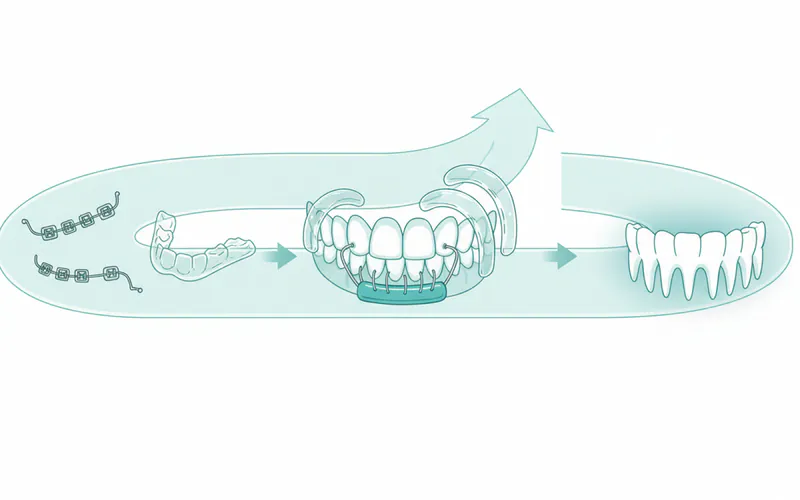
A retainer is a custom-made orthodontic appliance designed to hold your teeth in their new, corrected positions after active orthodontic treatment (such as braces or clear aligners like Invisalign) has concluded. Its primary purpose is to prevent orthodontic relapse, which is the natural tendency for teeth to shift back towards their original alignment. This "memory" in the periodontal ligaments, bone, and soft tissues surrounding the teeth is a powerful biological force. Without a retainer, all the time, effort, and financial investment in orthodontic treatment could be compromised. Retainers are a critical, non-negotiable part of the orthodontic process, ensuring the longevity and stability of your beautiful new smile.
Types / Variations: Finding the Right Retainer for You
There are generally two main categories of retainers: removable and fixed (also known as bonded or permanent). Each type has its own set of advantages, disadvantages, and cost implications.
Removable Retainers
Removable retainers offer the flexibility to take them out for eating, brushing, and flossing. However, this also means patient compliance is crucial for their effectiveness.
1. Hawley Retainers
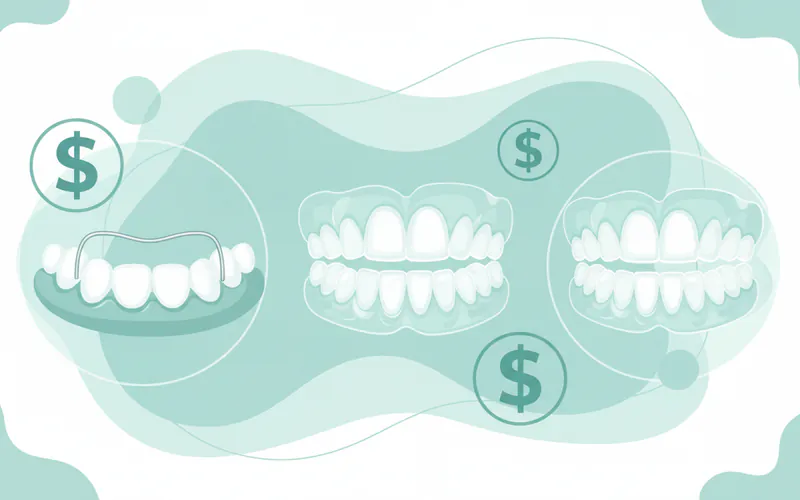
The Hawley retainer is the classic, most recognizable type of removable retainer. It consists of a custom-molded acrylic base that fits against the roof of your mouth (for the upper arch) or along the inside of your lower teeth (for the lower arch), with a metal wire that wraps around the outside of your teeth to keep them in place.
- Pros:
- Adjustable: The metal wire can be adjusted by your orthodontist to make minor tooth movements if necessary.
- Durable: With proper care, Hawley retainers can last for many years.
- Good for light chewing: The acrylic base offers some protection against grinding if worn at night.
- Allows teeth to settle naturally: Because it doesn't cover the entire chewing surface, it allows for natural settling of the bite.
- Cons:
- More noticeable: The metal wire is visible when speaking or smiling.
- Speech may be affected: Initial adjustment period where speech might be slightly lisping.
- Can be bulky: Some patients find the acrylic base slightly uncomfortable.
- Requires diligent cleaning: Food particles can get trapped.
- Average Cost: $250 - $600 per arch for initial fabrication. Replacement costs are similar.
2. Essix Retainers (Clear Retainers)
Essix retainers, often referred to simply as "clear retainers," are vacuum-formed from a thin, transparent plastic, similar in appearance to clear aligners like Invisalign. They fit snugly over the entire arch of your teeth.
- Pros:
- Nearly invisible: Their clear design makes them very discreet.
- Comfortable: Generally, patients find them more comfortable than Hawley retainers due to their thin profile.
- Easy to clean: Simple brushing and rinsing are usually sufficient.
- Cons:
- Less durable: Can crack or warp more easily than Hawley retainers, especially with grinding or exposure to heat.
- Not adjustable: Cannot be adjusted to make minor tooth movements; a new one must be made if teeth shift.
- Can stain: Beverages like coffee, tea, and red wine can stain the plastic over time.
- May not allow for natural settling: Covering all occlusal surfaces can sometimes impede the natural settling of the bite.
- Average Cost: $150 - $500 per arch for initial fabrication. Replacement costs are similar.
Fixed Retainers (Bonded/Permanent)
Fixed retainers consist of a thin, braided wire custom-fitted to the lingual (tongue-side) surface of your teeth, typically bonded to the canine teeth and sometimes several incisors. They are usually placed on the lower front teeth, but can also be used on the upper arch.
- Pros:
- Excellent compliance: Since they're permanently bonded, there's no risk of forgetting to wear them.
- Invisible: Completely hidden behind the teeth.
- Continuous retention: Provides constant pressure to prevent shifting.
- Cons:
- Oral hygiene challenges: More difficult to clean around, requiring special flossing techniques (e.g., using a floss threader) to prevent plaque buildup and potential gum issues or cavities.
- Can break or debond: The wire can bend or the bond can break, requiring repair or replacement, which incurs an additional retainer fee.
- Cannot be removed: Patients sometimes prefer the option to remove their retainer.
- Food restrictions: Sticky or hard foods can damage the wire.
- Average Cost: $250 - $1,000 per arch for initial placement. Repairs or re-bonding typically cost $75 - $200, while full replacement is similar to initial cost.
Comparison Table: Retainer Types
| Retainer Type | Material | Visibility | Adjustability | Durability | Average Initial Cost (per arch) | Pros | Cons |
|---|---|---|---|---|---|---|---|
| Hawley (Removable) | Acrylic & Metal | Moderate | Yes | High | $250 - $600 | Adjustable, durable, allows bite settling | Visible, can affect speech, bulky |
| Essix (Removable) | Clear Plastic | Low | No | Moderate | $150 - $500 | Nearly invisible, comfortable, easy care | Less durable, can stain, not adjustable |
| Fixed (Bonded) | Braided Metal Wire | None | No (static) | High (if intact) | $250 - $1,000 | 24/7 retention, invisible, no compliance issue | Harder to clean, can break/debond, food restrictions |
Causes / Why Retainers Are Needed
The need for retainers stems from the inherent biological processes of your mouth after orthodontic treatment. Understanding these factors highlights why the retainer fee is an investment in stability:
- Periodontal Ligament Memory: The periodontal ligaments are elastic fibers that connect your teeth to your jawbone. During orthodontic treatment, these ligaments are stretched and reorganized as teeth move. Even after teeth reach their new positions, these ligaments retain a "memory" of their original state and will try to pull teeth back.
- Bone Remodeling: The bone around your teeth remodels as teeth move. After treatment, it takes time (up to 9-12 months) for the new bone to fully solidify around the roots in their new positions. Without retention, the immature bone might not be strong enough to hold teeth in place.
- Soft Tissue Pressure: Your cheeks, lips, and tongue exert constant forces on your teeth. These muscular pressures, especially during speaking, chewing, and swallowing, can influence tooth position and contribute to shifting.
- Growth and Maturation: Even in adults, subtle changes in jaw structure and tooth position can occur throughout life due to ongoing growth and the natural aging process. These changes can lead to minor shifting or crowding, especially in the lower front teeth.
- Occlusal Forces: The forces generated during chewing and biting can also influence tooth stability. Teeth naturally settle and adjust based on these forces, and without a retainer, this settling might lead to undesirable movements.
- Habits: Habits like tongue thrusting, clenching, grinding (bruxism), or even nail-biting can exert forces that contribute to tooth movement and relapse.
Signs and Symptoms of Needing a New Retainer or Experiencing Relapse
You might need a new retainer or be experiencing relapse if you notice any of the following:
- Your existing retainer feels tight or doesn't fit properly: This is a key indicator that your teeth have already shifted. If it's difficult to put on or causes discomfort, your teeth have likely moved.
- Visible gaps or crowding: New spaces appearing between teeth or existing gaps widening, or teeth becoming crowded again, especially in the lower front.
- Changes in your bite: Your upper and lower teeth no longer meet comfortably or correctly when you bite down.
- Cracks or damage to your retainer: A damaged retainer cannot effectively hold your teeth.
- Loss of your retainer: An obvious reason to need a replacement!
- Increased difficulty cleaning around a fixed retainer: If plaque buildup seems excessive despite diligent cleaning, it might be damaged or need adjustment.
Treatment Options for Orthodontic Relapse
If you haven't been diligent with your retainer wear and your teeth have shifted, don't despair. There are several options, though they will involve a new retainer fee and potentially additional orthodontic costs.
- New Retainers (Minor Shifting): If the relapse is very minor, sometimes an orthodontist can make new retainers (Essix or Hawley) that slightly encourage teeth back into their ideal positions. This is typically only effective for very subtle changes.
- Limited Orthodontic Treatment: For more noticeable but still minor shifting, your orthodontist might recommend a short course of treatment, such as:
- Limited Braces: Braces on only a few teeth for a few months.
- Clear Aligners (e.g., Invisalign Express or "Lite"): A shorter series of clear aligners designed to address specific, minor movements. This is where the term "invisalign dr site" might become relevant, as your orthodontist would use this platform to plan and order your custom aligners.
- Full Re-treatment: If the relapse is significant and resembles your original malocclusion, full orthodontic treatment may be necessary. This could involve traditional braces or a complete series of clear aligners, similar to your initial treatment. This is the most costly option.
Pro Tip: The sooner you address relapse, the simpler and less expensive the solution will be. If your retainer doesn't fit, contact your orthodontist immediately.
Step-by-Step Process for Getting a Retainer
The process of getting your retainer is straightforward and typically follows your active orthodontic treatment.
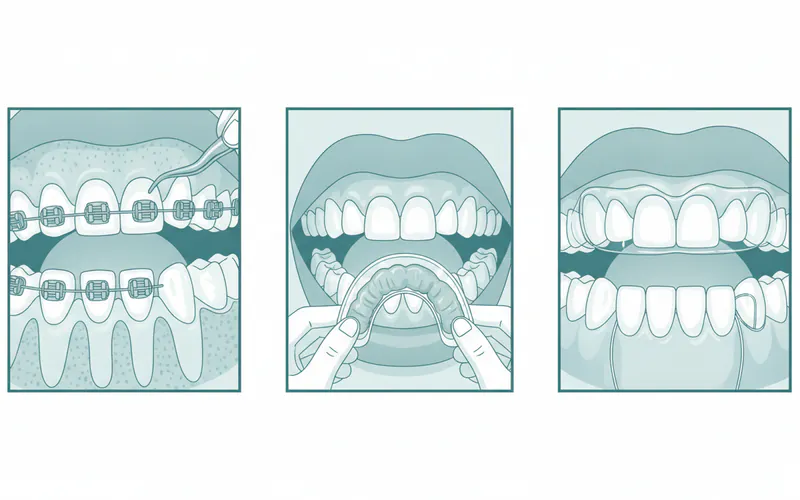
- Removal of Active Appliances (Braces/Aligners): Once your teeth have reached their ideal positions, your braces will be removed, or you'll wear your final clear aligner tray.
- Initial Assessment and Consultation: Your orthodontist will examine your teeth and bite to confirm the treatment outcome and discuss retainer options with you, explaining the pros and cons of removable vs. fixed retainers.
- Impressions or Digital Scans: To create custom-fit retainers, your orthodontist will take either traditional dental impressions (using a soft, moldable material) or utilize advanced digital scanning technology. Digital scans are quicker, more comfortable, and produce highly accurate 3D models of your teeth.
- Retainer Fabrication:
- Removable Retainers: The impressions/scans are sent to a dental lab where skilled technicians fabricate your Hawley or Essix retainers. This process usually takes a few days to a week.
- Fixed Retainers: For bonded retainers, your orthodontist will often shape and custom-fit the wire directly in your mouth during your appointment.
- Retainer Fitting and Instructions: You'll return to the office for your retainer fitting.
- Removable: Your orthodontist will check the fit, make any necessary adjustments, and provide detailed instructions on how to insert, remove, clean, and store your retainers. They'll also outline your wearing schedule (e.g., full-time for 3-6 months, then nightly).
- Fixed: The orthodontist will bond the wire to the back of your teeth using a dental adhesive. You'll receive specific instructions on how to clean around the fixed retainer, typically involving special flossing tools.
- Follow-up Appointments: Initial follow-ups are common to ensure you're wearing your retainers correctly and that your teeth are stable. These are often included in the initial retainer fee or active treatment cost.
Cost and Insurance: Understanding the Retainer Fee
The retainer fee is a significant consideration for many patients. It's important to understand that this cost can vary based on several factors, including the type of retainer, your geographic location, your orthodontist's fees, and whether it's an initial placement or a replacement.
Average US Price Ranges
- Initial Retainers (Included in Braces/Aligners): Often, the cost of the first set of retainers is bundled into the overall price of your orthodontic treatment (braces or clear aligners). If your treatment explicitly includes retainers, there might not be a separate upfront retainer fee. However, always clarify this with your orthodontist.
- Standalone Initial Retainer Fee (if not included):
- Hawley Retainer: $250 - $600 per arch
- Essix (Clear) Retainer: $150 - $500 per arch
- Fixed (Bonded) Retainer: $250 - $1,000 per arch
- Replacement Retainer Fee: The most common reason for a separate retainer fee. This is almost always an out-of-pocket expense.
- Hawley Replacement: $250 - $700 per arch (can be slightly higher due to new impressions/scan if office no longer has models)
- Essix (Clear) Replacement: $150 - $600 per arch
- Fixed (Bonded) Replacement: $250 - $1,200 per arch
- Repair of Fixed Retainer (e.g., re-bonding a detached segment): $75 - $200
- Retainer-for-Life Programs: Some orthodontists offer a retainer program where, for an upfront fee (e.g., $500 - $1,500), you receive replacements at a reduced cost or free for a specified period (e.g., 5 years) or for life. This can be a worthwhile investment if you anticipate needing multiple replacements.
Factors Influencing Cost:
- Geographic Location: Costs tend to be higher in major metropolitan areas (e.g., New York City, Los Angeles) compared to rural areas.
- Orthodontist's Experience/Practice: Highly specialized or renowned practices might charge higher fees.
- Material and Lab Fees: The quality of materials and the dental lab used can impact the final cost.
- Complexity: If extensive adjustments or multiple visits are required, this could add to the fee.
Insurance Coverage Details
Dental insurance coverage for retainers can be complex:
- Initial Retainers: If the cost of your active orthodontic treatment was covered by your insurance, the initial set of retainers might be included in that coverage. Many plans view the retainer as an integral part of the overall orthodontic case. You should check your specific plan details under "orthodontic benefits" or "retention phase."
- Replacement Retainers: Most dental insurance plans do NOT cover replacement retainers. This is because they are often considered elective or due to negligence (loss or damage). It's crucial to clarify this with your insurance provider before you need a replacement. You'll likely pay the replacement retainer fee entirely out-of-pocket.
- HSA/FSA: Health Savings Accounts (HSAs) and Flexible Spending Accounts (FSAs) are excellent ways to pay for retainers, whether initial or replacement, as these are qualified medical expenses.
- ADA Guidelines: The American Dental Association (ADA) emphasizes the importance of retention for long-term oral health, but specific insurance coverage is determined by individual plans.
Pro Tip: Always call your dental insurance provider directly and ask about coverage for "orthodontic retention" or "replacement retainers" before assuming it's covered. Get it in writing if possible.
Recovery and Aftercare: Protecting Your Investment
Proper care and consistent wear are paramount to extending the life of your retainers and preventing relapse.
Wearing Schedule:
Your orthodontist will provide a specific wearing schedule. This typically involves:
- Full-time wear (except for eating/brushing): For the first 3-6 months after braces removal.
- Nighttime wear: Gradually transitioning to wearing them only at night for several years, or as recommended by your orthodontist.
- Lifelong wear: Many orthodontists now recommend some form of nighttime retainer wear indefinitely to prevent subtle shifts that can occur naturally over time.
Cleaning Your Removable Retainers:
- Daily Brushing: Brush your retainer gently with a soft-bristle toothbrush and mild soap (dish soap works well) or a non-abrasive denture/retainer cleaner. Avoid toothpaste, as it can be too abrasive and scratch the plastic, creating crevices for bacteria.
- Rinsing: Rinse thoroughly with cool water after each removal and before re-insertion.
- Soaking: Periodically (e.g., once a week), soak your retainer in a retainer cleaning solution (available over-the-counter) or a mixture of white vinegar and water to remove buildup and bacteria.
- Avoid Hot Water: Never use hot water, as it can warp plastic retainers.
Caring for Your Fixed Retainer:
- Diligent Brushing: Brush your teeth as usual, paying extra attention to the areas around the bonded wire.
- Flossing with a Threader: A floss threader or superfloss is essential to get under the wire and clean between your teeth and along the gum line. Your orthodontist will demonstrate the correct technique.
- Interdental Brushes: Small interdental brushes can also be helpful for cleaning around the wire.
- Regular Dental Check-ups: Ensure your dentist checks your fixed retainer during routine cleanings to ensure it's intact and free of excessive plaque or tartar buildup.
Storage and Handling:
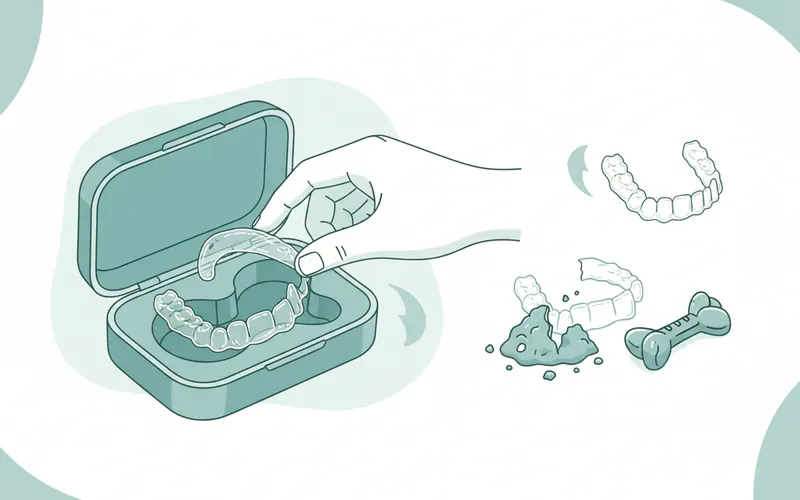
- Always use a case: When not in your mouth, your removable retainer should always be in its protective case. This prevents loss, damage, or accidental disposal.
- Keep away from pets: Pets, especially dogs, are notoriously attracted to retainers.
- Avoid heat: Do not leave retainers in direct sunlight, in a hot car, or boil them, as heat can warp the plastic.
Prevention: The Best Defense Against Relapse
The best way to avoid a new retainer fee (beyond your initial set) and costly re-treatment is diligent prevention:
- Wear Your Retainers as Prescribed: This is the single most important preventive measure. Follow your orthodontist's instructions precisely, especially during the crucial initial full-time wear period.
- Maintain Excellent Oral Hygiene: This is critical for the health of your teeth and gums, particularly with fixed retainers where plaque buildup can occur.
- Regular Dental Check-ups: Visit your dentist for routine cleanings and check-ups. They can monitor the health of your teeth and gums and inspect your fixed retainer for any issues.
- Regular Orthodontic Check-ins: Your orthodontist may schedule periodic check-ins during the first year or two post-treatment to ensure your retainers are fitting well and your teeth are stable.
- Be Gentle with Retainers: Handle them carefully to prevent damage. Don't chew on them or put them in your pocket without a case.
- Report Issues Immediately: If your retainer breaks, gets lost, or doesn't fit correctly, contact your orthodontist without delay. The longer you wait, the more your teeth can shift.
Risks and Complications of Not Wearing Retainers or Improper Care
Ignoring your retainer instructions or neglecting proper care can lead to several complications:
- Orthodontic Relapse: The most common and direct consequence. Teeth shift back, leading to crowding, spacing, or bite issues, requiring potentially costly re-treatment.
- Broken or Damaged Retainers: Improper handling, grinding, or accidental exposure to heat can damage your retainer, rendering it ineffective and necessitating an immediate replacement retainer fee.
- Oral Hygiene Issues (with Fixed Retainers): If not cleaned meticulously, fixed retainers can accumulate plaque and tartar, increasing the risk of cavities (especially interproximal cavities) and gum inflammation (gingivitis) or periodontal disease.
- Discomfort and Pain: Trying to force a retainer onto teeth that have already shifted can cause pain and further damage the retainer or your teeth.
- Increased Costs: The cost of replacing a lost or broken retainer, or worse, undergoing re-treatment for relapse, far outweighs the initial investment in diligent wear and care.
Children / Pediatric Considerations: Orthodontics for Kids
When it comes to orthodontics for kids, retainers play an equally, if not more, critical role due to ongoing growth and development. Parents have a significant responsibility in ensuring compliance.
- Growth and Development: Children and teenagers are still growing, and their jaws and teeth are more susceptible to movement. Retainers help guide teeth into stable positions as facial bones mature.
- Compliance Challenges: Younger patients, particularly teens, may struggle with consistent retainer wear due to forgetfulness, social pressures, or simply a lack of understanding of the long-term consequences.
- Parental Involvement: Parents need to actively monitor their child's retainer wear, check for fit, and ensure proper cleaning.
- Education: It's crucial for orthodontists and parents to educate children on why retainers are important, emphasizing the investment made in their smile.
- Types of Retainers for Kids: Both removable (Hawley and Essix) and fixed retainers are used in pediatric orthodontics. Fixed retainers are often preferred for children who may struggle with compliance, especially on the lower arch.
- Replacement Frequency: Children and teens are more prone to losing or damaging retainers due to their active lifestyles. Parents should factor in potential replacement retainer fees. Some practices offer "retainer banks" or programs for this demographic.
- Early Intervention: For some children, phase one (early) orthodontic treatment might be followed by a retainer period before full braces are needed later. This early retention is vital to hold gains made during interceptive orthodontics.
Cost Breakdown: A Detailed Look at Retainer Expenses
Understanding the full financial picture associated with retainers, including the retainer fee, is crucial for budgeting and financial planning.
Average US Costs (Low, Mid, High) by Type:
| Retainer Type | Low Range (per arch) | Mid Range (per arch) | High Range (per arch) |
|---|---|---|---|
| Hawley (Initial) | $250 | $400 | $600 |
| Essix (Initial) | $150 | $300 | $500 |
| Fixed (Initial) | $250 | $600 | $1,000 |
| Hawley (Replacement) | $250 | $450 | $700 |
| Essix (Replacement) | $150 | $350 | $600 |
| Fixed (Replacement) | $250 | $700 | $1,200 |
| Fixed Retainer Repair | $75 | $125 | $200 |
These costs are for a single arch. If you need retainers for both upper and lower arches, you would double these figures.
With vs. Without Insurance:
- With Insurance (Initial Retainers): If your active orthodontic treatment was covered by insurance, the initial set of retainers is often included, meaning your out-of-pocket cost could be $0 - $200 (depending on your deductible and co-insurance for the overall orthodontic case). Confirm this with your provider.
- Without Insurance (Initial Retainers): You would pay the full cost as listed in the "Average US Costs" table above.
- With/Without Insurance (Replacement Retainers): As mentioned, most dental insurance plans do not cover replacement retainers. Expect to pay the full cost out-of-pocket, typically ranging from $150 to $700 per arch for removable, or $250 to $1,200 per arch for fixed.
Payment Plans and Financing Options:
Many orthodontic practices understand that dental expenses can be significant, especially replacement retainers. They often offer:
- In-house Payment Plans: Interest-free installment plans directly with the practice, usually for a few months.
- Third-Party Financing: Companies like CareCredit or LendingClub offer specialized healthcare financing with various interest rates and payment terms. These are similar to a credit card specifically for medical expenses.
- Discounts for Upfront Payment: Some practices offer a small discount (e.g., 5-10%) if you pay the full retainer fee upfront, especially for replacement retainers.
- Retainer Programs: As discussed, some orthodontists offer programs where you pay a single fee (e.g., $500-$1,500) for a specified number of replacements or replacements for a certain duration, which can be a cost-effective long-term solution.
Cost-Saving Tips:
- Wear Your Retainer Religiously: The absolute best way to save money is to prevent relapse and the need for new treatment.
- Care for Your Retainer Diligently: Follow all cleaning and storage instructions to prevent damage or loss. A well-cared-for retainer lasts longer.
- Keep Your Old Impressions/Digital Scans: Some orthodontists keep digital records or plaster models of your teeth. If you need a replacement, having these can sometimes reduce the cost slightly as new impressions may not be needed (though this is less common now with digital scanning).
- Inquire About Retainer Guarantees/Warranties: Some practices offer a limited warranty on initial retainers for a short period (e.g., 3-6 months) if they break.
- Utilize HSA/FSA Funds: These tax-advantaged accounts are specifically designed for healthcare expenses and can make paying for retainers more affordable.
- Comparison Shop (for replacements): While consistency with your primary orthodontist is usually best, for a simple replacement retainer (especially an Essix), you might inquire about costs at other practices if your original orthodontist's fee seems exceptionally high. However, ensure the new practice has your dental records or can accurately reproduce your final alignment.
- Address Issues Promptly: Don't wait if your retainer breaks or your teeth shift. Early intervention for minor relapse is far cheaper than full re-treatment.
``
Frequently Asked Questions
What is the average cost of a retainer without insurance?
Without insurance, the average retainer fee for a single removable retainer (Hawley or Essix) typically ranges from $150 to $700 per arch. For a fixed (bonded) retainer, the cost can be $250 to $1,200 per arch. These costs apply to both initial placement (if not included in your orthodontic package) and replacements.
Does the retainer fee include the initial set after braces?
Often, the cost of the first set of retainers (one for the upper arch, one for the lower) is bundled into the total fee for your orthodontic treatment (braces or clear aligners like Invisalign). However, this is not always the case, so it's crucial to confirm with your orthodontist whether the retainer fee is separate or included in your treatment plan.
How long do I need to wear my retainer?
Initially, most orthodontists recommend wearing removable retainers full-time (except for eating and brushing) for the first 3-6 months. After this, you will likely transition to nighttime-only wear. Many orthodontists now recommend lifelong nighttime wear to prevent subtle shifts that can occur naturally over time. Fixed retainers are typically kept in place for many years, often indefinitely.
Is retainer replacement covered by dental insurance?
Generally, no. Most dental insurance plans do not cover replacement retainers, considering them an elective item or due to loss/damage. While initial retainers might be covered as part of overall orthodontic benefits, subsequent replacements are almost always an out-of-pocket expense.
How much does it cost to fix a broken permanent retainer?
The cost to repair a broken fixed (bonded) retainer, such as re-bonding a detached segment of the wire, typically ranges from $75 to $200. If the wire itself is significantly bent or broken and cannot be repaired, a full replacement will be necessary, incurring a cost similar to the initial placement (e.g., $250 to $1,200 per arch).
What happens if I don't wear my retainer?
If you don't wear your retainer as prescribed, your teeth will almost certainly begin to shift back towards their original positions, a process called orthodontic relapse. This can lead to crowding, spacing, or bite issues, undoing the results of your orthodontic treatment and potentially requiring costly re-treatment with braces or clear aligners, which can range from $2,000 to $8,000+.
Do retainers hurt?
When you first get your retainers, or if you haven't worn them for a while and your teeth have slightly shifted, you might experience some mild pressure or discomfort. This usually subsides within a few days as your mouth adjusts. If you experience persistent pain, especially after your teeth have shifted significantly, contact your orthodontist, as forcing a retainer into place can be damaging.
Can I get a retainer without having braces first?
Yes, in some specific cases of very minor tooth movement or to prevent future minor shifting, an orthodontist might prescribe a retainer even if you haven't had full braces. This is less common but can be an option for adults experiencing minor cosmetic relapse or those seeking to stabilize very minimal existing alignment. However, a full orthodontic evaluation is always recommended first.
How often should I clean my retainer?
Removable retainers should be cleaned daily, preferably after each meal or at least once a day, by brushing gently with a soft toothbrush and mild soap (avoiding abrasive toothpaste). Fixed retainers require diligent cleaning with floss threaders and interdental brushes as part of your daily oral hygiene routine.
What are "retainer-for-life" programs?
Some orthodontic practices offer programs where, for an upfront fee (typically $500-$1,500), you receive retainer replacements at a reduced cost or free for a specified number of years (e.g., 5-10 years) or even for life. This can be a cost-effective option for individuals who anticipate needing multiple replacements due to wear, loss, or damage over time.
``
When to See a Dentist
It's crucial to know when to seek professional dental or orthodontic attention regarding your retainers and the stability of your smile.
See your Orthodontist (or Dentist) immediately if:
- Your retainer breaks or cracks significantly: A damaged retainer cannot effectively hold your teeth in place, leading to rapid relapse.
- Your fixed retainer detaches or breaks: If the wire comes loose from one or more teeth, or if the wire itself breaks, it loses its effectiveness. This needs prompt attention to prevent shifting.
- You lose your retainer: The longer you go without a retainer, the more your teeth will shift. Contact your orthodontist the same day to arrange for a replacement.
- Your retainer no longer fits comfortably or feels very tight: This is a strong indication that your teeth have already shifted. Do not try to force a tight retainer back into place, as this can cause pain or further damage to your teeth or the retainer.
- You notice significant tooth shifting: If you see visible gaps reappearing, new crowding, or a noticeable change in your bite, it's time to see your orthodontist.
Schedule a routine appointment if:
- You have questions about your retainer's wearing schedule: If you're unsure about how long or how often to wear your retainer, a quick call or visit can clarify.
- Your retainer shows signs of wear and tear but is still functional: Small cracks or signs of aging are normal over time. Your orthodontist can assess if it's nearing the end of its useful life.
- You are due for a regular dental check-up and cleaning: This is an excellent opportunity for your general dentist to check the integrity of your fixed retainer and ensure no plaque buildup is occurring.
- You are experiencing minor discomfort that doesn't subside: While some initial adjustment is normal, persistent, dull discomfort could indicate an issue.
The retainer fee is a small, but vital, investment in protecting the significant time, effort, and expense you've already committed to achieving a beautiful, healthy smile. By understanding your options, committing to consistent wear, and practicing proper care, you can ensure your smile remains perfectly aligned for years to come.
Frequently Asked Questions
Medically Reviewed Content
This article was written by our dental health editorial team and reviewed for medical accuracy. Our content follows strict editorial guidelines for reliability and trustworthiness.
Medical Disclaimer
This article is for informational purposes only and does not constitute medical advice. Always consult with a qualified dental professional for diagnosis and treatment. Do not delay seeking professional advice because of something you read on this website.
Related Articles
Braces for Adults: Complete Guide
Braces for Adults: Complete Guide Category: Orthodontics
February 22, 2026
Invisalign Braces: Complete Guide
A radiant, perfectly aligned smile is more than just aesthetically pleasing; it's a gateway to improved oral health, enhanced confidence, and even better overall well-being. For millions of Americans seeking to correct misaligned teeth, the thought of traditional metal braces can be daunting, often
February 22, 2026
Adult Braces: Complete Guide
Adult Braces: Complete Guide
February 22, 2026
Orthodontia: Complete Guide
Orthodontia: Complete Guide
February 22, 2026