Braces for Adults: Complete Guide
Key Takeaways
- Braces for Adults: Complete Guide
- Category: Orthodontics
Braces for Adults: Complete Guide Category: Orthodontics
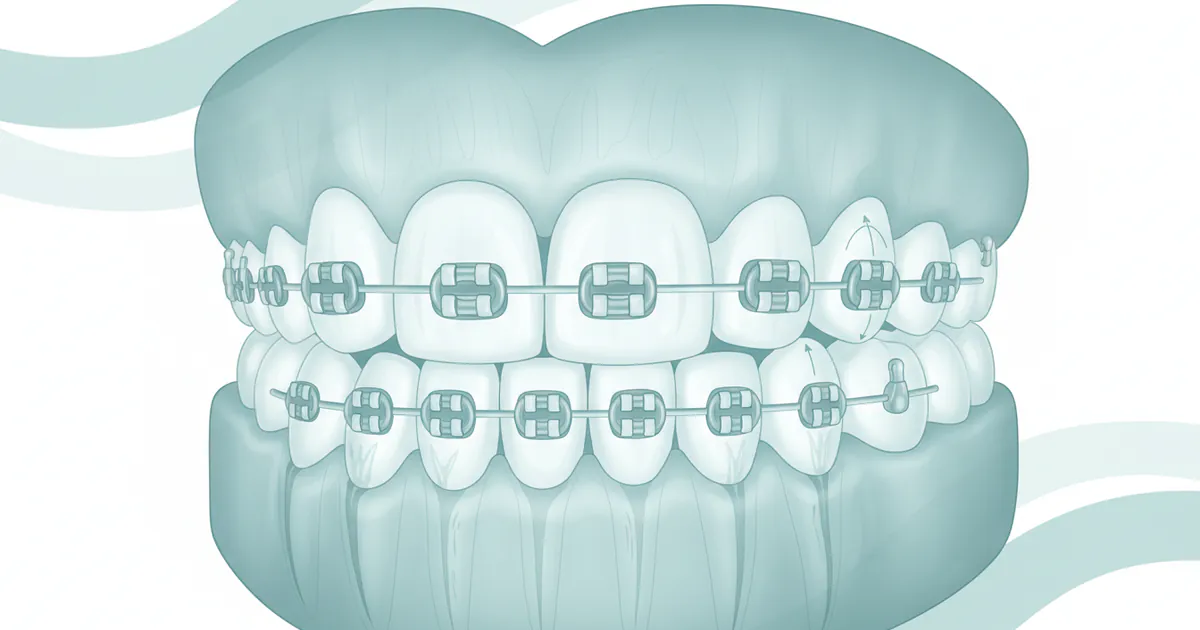
In the United States, an estimated 1 in 3 orthodontic patients are adults, a significant increase from past decades, highlighting a growing trend in pursuing a healthier, more confident smile later in life. If you've ever wondered if it's "too late" to achieve the straight teeth you've always desired, the answer is a resounding no. This comprehensive guide will delve into everything you need to know about braces for adults, exploring the myriad reasons why adults seek teeth straightening, the diverse treatment options available, what to expect throughout the process, and how to maintain your newly aligned smile for years to come. We'll cover everything from the initial consultation to the final retainer, ensuring you have all the information to make an informed decision about your orthodontic journey.
Key Takeaways:
- Adult orthodontics is highly effective: It's never too late to straighten your teeth, with modern options suitable for various adult dental conditions.
- Multiple treatment options exist: Beyond traditional metal braces, adults can choose from ceramic braces, lingual braces, and clear aligners (like Invisalign), each with distinct aesthetic and lifestyle benefits.
- Treatment duration varies: On average, adult braces treatment typically lasts between 18 to 36 months, depending on the complexity of the case.
- Costs range widely: Expect to pay anywhere from $3,000 to $10,000+ for adult braces, with traditional metal braces being the most affordable and lingual or complex clear aligner treatments at the higher end.
- Insurance coverage is limited: Most adult dental insurance plans do not fully cover orthodontic treatment for adults unless deemed medically necessary. Financing options and payment plans are widely available.
- Retention is crucial: Lifelong retainer wear is essential to prevent orthodontic relapse and maintain the results of your teeth straightening efforts.
- Oral health improvements: Braces for adults not only enhance aesthetics but also improve bite function, reduce wear on teeth, and make oral hygiene easier, preventing future dental issues.
What Are Braces for Adults?
Braces for adults, often referred to as adult orthodontics, encompass a range of dental treatments designed to correct misaligned teeth and jaws in individuals who have completed their skeletal growth. Unlike adolescent orthodontics, which often coincides with significant facial development, adult treatment focuses on moving established teeth within mature bone structures. While the fundamental principles of orthodontics – applying gentle, continuous pressure to guide teeth into optimal positions – remain the same, the approach for adults often involves addressing unique challenges such as previous dental work (fillings, crowns, missing teeth), gum disease, or bone loss.
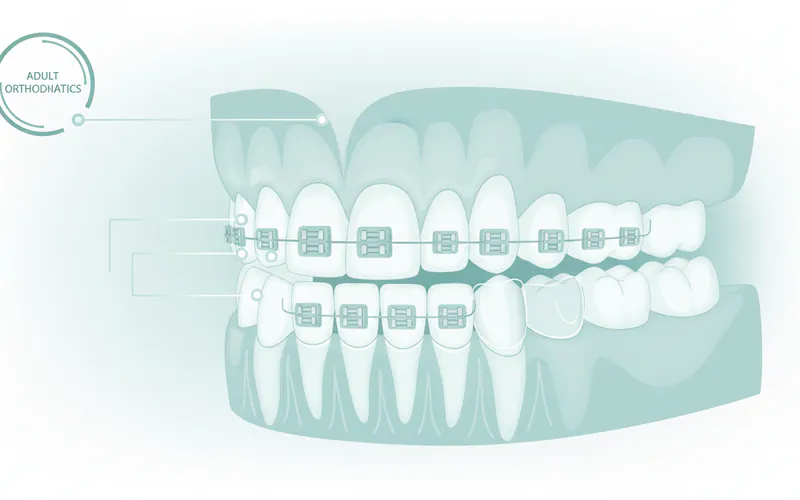
The motivations for adults seeking teeth straightening are diverse. Many adults choose braces to correct issues that were never addressed in childhood due to financial constraints, lack of access to care, or simply a disinterest at a younger age. Others experience orthodontic relapse, where teeth shift back to their original positions after previous treatment, often due to inconsistent retainer wear. Furthermore, some adults develop new alignment issues due to tooth loss, gum disease, or natural aging processes. Beyond aesthetics, adult orthodontics offers significant functional benefits, improving bite mechanics, reducing jaw pain, facilitating better oral hygiene, and preventing excessive wear on teeth. It's a journey towards not just a more beautiful smile, but a healthier, more functional one too.
Why Do Adults Get Braces? Understanding the Causes of Misalignment
The reasons behind dental misalignment in adults are varied and often multifaceted. Understanding these contributing factors is the first step toward effective treatment planning. While some issues stem from childhood, others develop later in life.
Untreated Childhood Issues or Relapse
One of the most common reasons adults seek braces for adults is to finally address orthodontic problems that were present but never treated during their youth. This could include crooked teeth, overcrowding, gaps, overbites, underbites, or crossbites. For others, it's about correcting orthodontic relapse. This occurs when teeth shift back towards their original positions after prior orthodontic treatment, typically due to inconsistent or discontinued use of retainers as prescribed by an orthodontist. The American Dental Association (ADA) emphasizes the critical role of retainers in maintaining orthodontic results long-term.
Natural Aging and Tooth Shifting
As we age, our teeth naturally shift. This phenomenon, often called "mesial drift," causes teeth to move gradually forward and inward over time, leading to crowding in the lower front teeth. This is a common and normal part of the aging process, which can sometimes lead to aesthetic concerns or functional problems that prompt adults to seek teeth straightening.
Gum Disease (Periodontal Disease)
Periodontal disease, an infection of the gums and supporting bone structure, can significantly impact tooth alignment. When the bone supporting the teeth is weakened or lost due to advanced gum disease, teeth can become loose, drift, or even tip out of alignment. Before orthodontic treatment can begin in such cases, any active periodontal disease must be brought under control and managed by a periodontist. Orthodontic treatment can then help stabilize teeth and even improve the prognosis for some periodontally compromised teeth.
Tooth Loss and Migration
When a tooth is lost and not replaced promptly, the adjacent teeth and opposing teeth can shift into the empty space. This migration can lead to gaps, tilting, and changes in the bite, creating further aesthetic and functional problems. Orthodontic treatment can be used to realign these shifted teeth, often as part of a comprehensive plan to prepare the mouth for restorative options like dental implants or bridges.
Jaw Growth and Development (Less Common in Adults)
While significant jaw growth is characteristic of adolescence, minor changes can still occur in adulthood. Conditions like temporomandibular joint (TMJ) disorders or certain systemic diseases can also influence jaw alignment and subsequently affect tooth positioning. Trauma to the face or jaw can also result in sudden shifts in alignment.
Habits and Lifestyle Factors
Certain habits, even in adulthood, can contribute to misalignment. These include chronic nail-biting, habitual clenching or grinding (bruxism), or even prolonged tongue thrusting. While less impactful than during childhood development, these forces can still subtly influence tooth positioning over many years.
Types of Braces for Adults: Your Teeth Straightening Options
Today's adult patients have more options than ever before for teeth straightening, moving far beyond the traditional "metal mouth" stereotype. Each type of appliance offers distinct advantages and considerations regarding aesthetics, cost, comfort, and treatment time.
Traditional Metal Braces
What they are: These are the most common and often most affordable type of braces. They consist of high-grade stainless steel or nickel-titanium brackets bonded to the front of each tooth, connected by a thin archwire. Small elastic bands, called ligatures, hold the archwire in place within the brackets. Pros:
- Highly effective: Excellent for correcting complex bite issues and severe crowding.
- Durable: Less prone to breakage compared to other types.
- Cost-effective: Generally the least expensive option.
- Personalization: Ligatures come in various colors, including popular choices like purple braces, allowing patients to express their personality. Cons:
- Visibility: Most noticeable type of braces.
- Potential discomfort: Initial soreness and occasional irritation from wires and brackets.
- Dietary restrictions: Certain hard, sticky, or crunchy foods must be avoided.
- Oral hygiene challenges: Requires diligent cleaning around brackets and wires.
Ceramic Braces
What they are: Similar in design to traditional metal braces, but the brackets are made from clear or tooth-colored ceramic material, blending in more with the natural tooth shade. The archwires can also be tooth-colored for even greater discretion. Pros:
- Less noticeable: Significantly more aesthetic than metal braces, a popular choice for adults concerned about appearance.
- Effective: Can address a wide range of orthodontic issues effectively. Cons:
- Staining: Ceramic brackets can stain over time, especially with consumption of coffee, tea, red wine, or tobacco.
- Brittle: More fragile than metal brackets, making them prone to chipping or breaking.
- Slightly larger: Ceramic brackets can sometimes be slightly larger than metal ones.
- Higher cost: Generally more expensive than traditional metal braces.
- Friction: The ceramic material can cause more friction with the archwire, potentially extending treatment time slightly in some cases.
Lingual Braces
What they are: These are custom-made metal brackets and wires placed on the inside (lingual side) of the teeth, making them virtually invisible from the outside. Pros:
- Completely invisible: The ultimate aesthetic option as they are hidden from view.
- Effective: Capable of treating all types of malocclusion. Cons:
- Higher cost: Significantly more expensive due to custom fabrication and specialized placement.
- Initial discomfort: Can cause more initial discomfort to the tongue and may affect speech temporarily.
- Cleaning challenges: More difficult to clean thoroughly due to their inaccessible location.
- Longer adjustment appointments: Adjustments often take longer for the orthodontist.
- Limited availability: Not all orthodontists offer lingual braces, as it requires specialized training.
Clear Aligners (e.g., Invisalign)
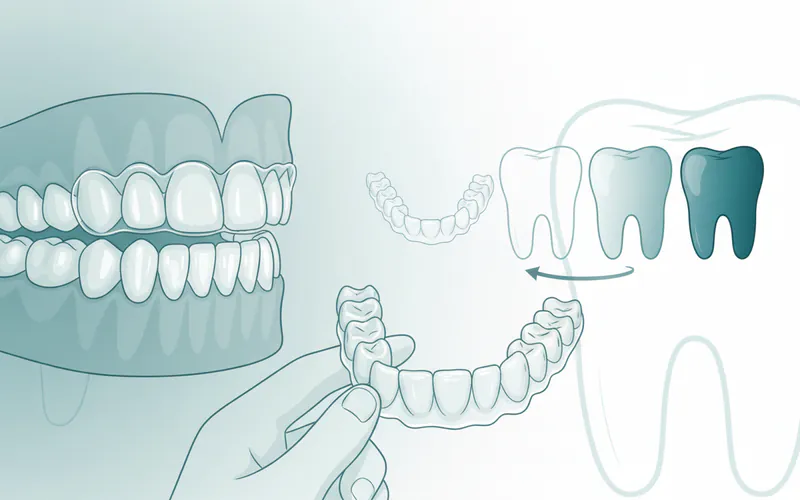
What they are: A series of custom-made, clear plastic trays that fit snugly over the teeth. Each aligner tray is worn for about 1-2 weeks before progressing to the next in the series, gradually shifting teeth into place. Brands like Invisalign are the most well-known. Pros:
- Virtually invisible: The clear plastic makes them highly discreet, a major draw for adults.
- Removable: Can be taken out for eating, drinking, brushing, and flossing, allowing for easier oral hygiene and no dietary restrictions.
- Comfortable: No metal wires or brackets to cause irritation.
- Predictable: Advanced 3D imaging allows patients to see their projected final results before treatment even begins. Cons:
- Compliance is key: Must be worn 20-22 hours per day to be effective; easily removed, easily forgotten.
- Can be misplaced/lost: Being removable means they can be lost, incurring replacement costs.
- Not suitable for all cases: May not be ideal for very severe or complex orthodontic issues.
- Higher cost: Generally comparable to or slightly more expensive than ceramic braces.
- Attachments: Small, tooth-colored "attachments" are often bonded to teeth to help the aligners grip, making them slightly less invisible.
The Adult Braces Process: What to Expect
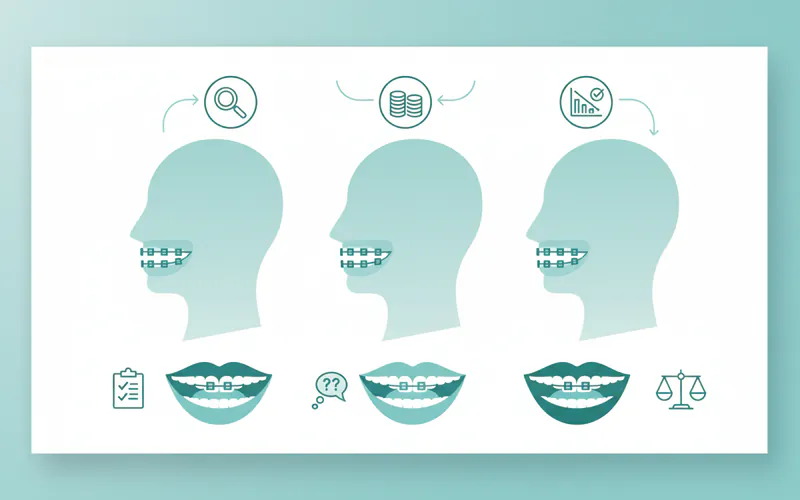
Embarking on the journey of teeth straightening as an adult involves several distinct phases, each crucial for successful outcomes. Knowing what to expect at each step can help alleviate anxiety and prepare you for the transformation ahead.
1. Initial Consultation and Diagnosis
Your orthodontic journey begins with a comprehensive consultation. The orthodontist will perform a thorough examination of your teeth, gums, and bite. This typically includes:
- Digital X-rays: To assess tooth roots, bone structure, and identify any underlying issues.
- Digital scans or impressions: To create a precise 3D model of your teeth.
- Photographs: Of your face and teeth to document your starting point.
- Discussion of your goals: What you hope to achieve with treatment. The orthodontist will then discuss your diagnosis, potential treatment options (including braces for adults or clear aligners), estimated treatment duration, and a preliminary cost estimate. This is your opportunity to ask questions and express any concerns.
2. Treatment Planning
Once you decide to proceed, the orthodontist will develop a detailed, customized treatment plan. This plan outlines the exact movements needed for each tooth, the type of appliance to be used, and the anticipated timeline. For clear aligners, this involves mapping out the entire series of aligners. For traditional or ceramic braces, it determines the precise placement of brackets and the sequence of wire changes.
3. Braces Placement (Bonding Appointment)
This appointment is when your braces are actually applied.
- Preparation: Your teeth are thoroughly cleaned and dried. A conditioning solution is applied to help the adhesive bond.
- Bonding: Each bracket is carefully positioned on the tooth surface using a special dental adhesive, which is then hardened with a curing light.
- Archwire insertion: Once all brackets are in place, the archwire is threaded through them and secured with elastic ligatures (for traditional braces) or clips (for self-ligating braces). For those interested in purple braces, this is where your choice of ligature color comes into play.
- Instructions: You'll receive detailed instructions on oral hygiene, dietary restrictions, and how to manage initial discomfort. This appointment typically takes 1-2 hours.
4. Adjustments and Progress Monitoring
After placement, you will have regular follow-up appointments, usually every 4-8 weeks, depending on the type of braces and your individual treatment plan.
- Traditional/Ceramic Braces: During these appointments, the orthodontist will check your progress, make adjustments to the archwire, replace elastic ligatures, and monitor tooth movement. These adjustments apply gentle, continuous pressure to gradually shift your teeth.
- Clear Aligners: For clear aligners, you'll pick up your next series of aligners, and the orthodontist will check the fit and progression of your teeth. Small "attachments" on your teeth might be monitored or adjusted. These appointments are crucial for ensuring your treatment stays on track and making any necessary modifications.
5. Braces Removal (Debonding Appointment)
Once your teeth have reached their ideal positions, your braces will be removed. This is a much quicker and generally pain-free process than placement.
- Removal: The orthodontist will use special pliers to gently remove each bracket from your teeth. Any remaining adhesive is then polished off.
- Cleaning: Your teeth will be thoroughly cleaned and polished.
- Retainer impressions: Impressions or digital scans will be taken immediately to fabricate your custom retainers.
6. Retention Phase
This is arguably the most critical phase of adult orthodontic treatment. Without retainers, your teeth are highly likely to shift back towards their original positions (relapse).
- Types of Retainers: You will be fitted with either removable retainers (e.g., Hawley retainers, clear Essix retainers) or fixed/permanent retainers (a thin wire bonded to the back of your front teeth). Many patients receive both.
- Wearing Schedule: Your orthodontist will provide a specific wearing schedule, typically full-time initially, gradually reducing to nightly wear, and ultimately, lifelong night-time wear.
- Lifelong commitment: The ADA and American Association of Orthodontists (AAO) strongly advise lifelong retainer wear to maintain the results of your investment in teeth straightening.
Costs, Insurance, and Financing for Adult Orthodontics
Understanding the financial aspect of braces for adults is a critical part of the decision-making process. Costs can vary significantly based on the type of treatment, the complexity of your case, your geographic location, and the orthodontist's fees.
Average Costs for Different Braces Types in the US
Here's a general range for common types of teeth straightening options in the United States. These are averages, and your specific cost may be higher or lower.
| Braces Type | Average Cost Range (US Dollars) |
|---|---|
| Traditional Metal Braces | $3,000 - $7,500 |
| Ceramic Braces | $4,000 - $8,000 |
| Lingual Braces | $8,000 - $12,000+ |
| Clear Aligners (e.g., Invisalign) | $3,500 - $8,500 |
Pro Tip: These costs often include the initial consultation, X-rays, treatment planning, all appointments, and one set of retainers. Always confirm with your orthodontist what is included in their quoted price.
Insurance Coverage for Braces for Adults
Dental insurance coverage for adult orthodontics can be complex and often limited.
- Limited Coverage: Many standard dental insurance plans offer little to no coverage for adult orthodontic treatment unless it's deemed "medically necessary" (e.g., to correct severe functional problems, prepare for jaw surgery). Cosmetic teeth straightening is rarely covered.
- Orthodontic Riders: Some premium dental plans or employer-sponsored plans may offer an "orthodontic rider" which includes a lifetime maximum benefit for orthodontics, typically ranging from $1,000 to $2,500. This benefit is usually a one-time payout.
- HSA/FSA: Health Savings Accounts (HSAs) and Flexible Spending Accounts (FSAs) are excellent ways to pay for orthodontic treatment with pre-tax dollars, significantly reducing your out-of-pocket expenses.
- Medical Insurance (Rare): In very specific cases where orthodontics is part of a larger medical treatment for a severe underlying condition (like cleft palate or jaw deformities requiring surgery), your medical insurance might cover a portion of the costs. This is rare for typical braces for adults.
Always contact your insurance provider directly and have your orthodontist's office assist you in understanding your benefits and submitting claims.
Payment Plans and Financing Options
Recognizing that the cost of adult orthodontics can be a significant investment, most orthodontic practices offer various financing solutions:
- In-house Payment Plans: Many orthodontists offer interest-free payment plans, allowing you to spread the cost of treatment over the estimated duration of your braces. A down payment is typically required.
- Third-Party Financing: Companies like CareCredit or LendingClub offer specialized healthcare financing options with flexible payment terms, including interest-free periods or low-interest loans.
- Discount Plans: Some dental discount plans can offer reduced rates on orthodontic treatment, but these are not insurance and require upfront membership fees.
- Employer Benefits: Check if your employer offers any specific dental or health benefits that could contribute to orthodontic costs.
Cost-Saving Tips for Braces for Adults
- Shop Around: Get consultations from 2-3 different orthodontists. While prices may vary, ensure you're comparing similar treatment plans and levels of experience.
- Inquire about Discounts: Ask if the practice offers discounts for upfront payment in full, multiple family members, or for specific employer groups.
- Utilize HSAs/FSAs: Maximize contributions to these accounts to pay for treatment with pre-tax dollars.
- Dental Schools: Consider seeking treatment at an accredited university dental school. Often, fees are lower as treatment is supervised by experienced faculty.
- Maintain Oral Hygiene: Diligent oral hygiene can prevent issues like cavities or gum inflammation that could add extra costs or delay treatment.
Living with Braces: Daily Care and Adjustments
Adjusting to life with braces for adults requires a commitment to new routines, especially regarding oral hygiene and diet. While there’s an initial learning curve, these habits become second nature, contributing significantly to successful treatment outcomes and overall oral health.
Oral Hygiene with Braces
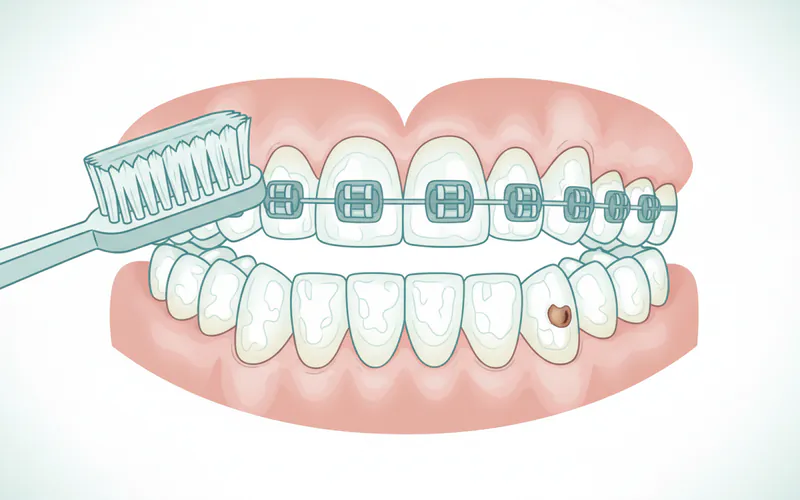
Maintaining impeccable oral hygiene is paramount to prevent common complications like cavities, gum inflammation (gingivitis), and white spots (decalcification) around brackets.
- Brushing: Brush thoroughly after every meal and snack, or at least twice a day for two minutes. Use a soft-bristled toothbrush and fluoride toothpaste. Special orthodontic toothbrushes are designed with a "V" groove to clean around brackets. Brush above, below, and on the brackets.
- Flossing: Flossing becomes more challenging but is absolutely essential. Use a floss threader or specialized orthodontic floss (e.g., Super Floss) to thread floss under the archwire between each tooth. Water flossers (oral irrigators) can be a valuable supplement to dislodge food particles and plaque, but do not replace traditional flossing.
- Mouthwash: An antimicrobial or fluoride mouthwash can help reduce plaque and strengthen enamel, but should not be used as a substitute for brushing and flossing.
- Regular Dental Cleanings: Continue to see your general dentist for professional cleanings every 3-6 months. They have specialized tools to clean areas that are difficult to reach with braces.
Dietary Restrictions
Certain foods can damage braces, cause discomfort, or be difficult to clean, potentially prolonging treatment.
- Foods to Avoid:
- Hard foods: Nuts, hard candy, popcorn, ice, hard crusty bread (can break wires or brackets).
- Sticky foods: Caramel, taffy, chewing gum (can pull off brackets or get stuck).
- Chewy foods: Bagels, licorice, gummy bears (can bend wires or dislodge brackets).
- Crunchy foods: Chips, raw carrots (bite into pieces), apples (cut into wedges).
- Sugary drinks: Frequent consumption can lead to decalcification or cavities around brackets.
- Foods to Enjoy (with care): Soft fruits, cooked vegetables, tender meats, pasta, soft bread, dairy products. Pro Tip: If you choose purple braces or any other color ligatures, be mindful that highly pigmented foods and drinks (curry, mustard, red wine, coffee, tea, berries) can stain the elastic bands, changing their color between appointments.
Managing Discomfort
It's normal to experience some discomfort, especially after braces placement and adjustments.
- Soreness: Teeth may feel tender to biting for a few days after adjustments. Over-the-counter pain relievers (like ibuprofen or acetaminophen) can help.
- Irritation: Brackets and wires can rub against the inside of your cheeks, lips, and tongue. Orthodontic wax can be applied to cover sharp spots and create a smooth surface.
- Loose Wires: Occasionally, a wire might shift and poke. Try to gently push it back into place with a clean cotton swab or eraser. If unsuccessful, apply wax and contact your orthodontist for an appointment.
Appliance Breakage and Emergencies
While braces are designed to be durable, accidents can happen.
- Loose or Broken Bracket: If a bracket comes loose but remains on the wire, leave it alone and contact your orthodontist. If it comes completely off, save it if possible.
- Broken Archwire: A broken wire needs immediate attention as it can poke and irritate. Cover with wax and call your orthodontist.
- Loose Band: If a band around a molar becomes loose, contact your orthodontist.
- Swallowed Piece: While rare, if you swallow a piece of your appliance, contact your orthodontist and potentially your general physician.
Always contact your orthodontist's office for guidance on any breakage or significant discomfort. Prompt attention can prevent delays in treatment.
Recovery and Aftercare: Life After Braces
The day your braces for adults come off is a moment of celebration, but it's not the end of your orthodontic journey. The crucial recovery and aftercare phase, primarily centered around retainer wear, determines the long-term success of your teeth straightening.
The Importance of Retainers
Retainers are designed to "retain" your teeth in their new, corrected positions while the bone and ligaments around them stabilize. Without consistent retainer wear, your teeth will inevitably shift back towards their original positions, a phenomenon known as orthodontic relapse.
- Why Relapse Happens: The bone and tissues supporting your teeth need time to solidify around their new positions. Without retainers, the natural forces of your tongue, lips, chewing, and even age-related shifting can undo all your hard work.
- Types of Retainers:
- Removable Retainers:
- Hawley Retainers: Made of acrylic and wire, these are custom-fitted to the roof of your mouth or along the inside of your lower teeth, with a wire running across the front. They are durable and adjustable.
- Essix Retainers (Clear Retainers): These are clear, plastic, vacuum-formed retainers that fit snugly over your entire arch of teeth, similar to clear aligners. They are highly aesthetic.
- Fixed/Permanent Retainers (Bonded Retainers): A thin, custom-fit wire is bonded to the inside surfaces of your front teeth (typically canine to canine on the upper and/or lower arches). These are not removable by the patient.
- Removable Retainers:
- Wearing Schedule: Initially, your orthodontist will likely instruct you to wear your removable retainers full-time (except when eating or brushing) for several months. Gradually, this schedule will transition to nightly wear, and eventually, lifelong night-time wear is recommended by most orthodontic professionals to ensure permanent results.
Post-Treatment Oral Hygiene
Even after your braces are off, maintaining excellent oral hygiene is essential for the health and longevity of your newly straightened smile.
- Brushing and Flossing: Continue brushing twice daily and flossing once a day. If you have a fixed retainer, you'll need to use a floss threader or specialized floss to clean under the wire.
- Retainer Care:
- Removable Retainers: Clean them daily with a toothbrush and mild soap or a non-abrasive denture/retainer cleaner. Always store them in their case when not wearing them to prevent loss or damage. Avoid hot water, which can warp plastic retainers.
- Fixed Retainers: These require no special cleaning beyond thorough brushing and flossing around them.
- Regular Dental Check-ups: Continue with your routine dental check-ups and professional cleanings every six months to monitor your oral health and retainer integrity.
Long-Term Follow-Up
Your orthodontist may recommend periodic follow-up appointments for the first year or two after treatment to ensure your retainers are fitting correctly and your teeth are stable. Even after this period, if you ever notice your retainer feeling tight or your teeth shifting, contact your orthodontist immediately. Early intervention can often correct minor relapse before it becomes a significant issue.
Risks and Potential Complications of Adult Braces
While braces for adults are generally safe and effective, like any medical treatment, there are potential risks and complications that adults should be aware of before starting their teeth straightening journey. Open communication with your orthodontist about these concerns is vital.
Root Resorption
This is the shortening of the tooth roots, a common side effect of orthodontic tooth movement. In most cases, it is minor and does not significantly impact the long-term health or stability of the teeth. However, in rare instances, severe root resorption can weaken teeth, making them more susceptible to damage or loss. Your orthodontist monitors this with X-rays throughout treatment.
Decalcification (White Spots) and Cavities
Poor oral hygiene during orthodontic treatment can lead to decalcification, which appears as white spots on the enamel after braces are removed. These spots are areas where enamel has lost minerals and are precursors to cavities. Without meticulous brushing and flossing, plaque can accumulate around brackets, increasing the risk of both decalcification and full-blown cavities. Consistent fluoride use and professional cleanings are crucial.
Gum Inflammation and Periodontal Issues
The presence of brackets and wires can make it more challenging to clean effectively, potentially leading to gum inflammation (gingivitis). If left unaddressed, gingivitis can progress to more severe periodontal disease, which can damage the supporting bone and even lead to tooth loss. Adults are generally more susceptible to periodontal disease than adolescents, making a healthy periodontal status before and during treatment essential. Your orthodontist will ensure your gums are healthy before starting and throughout treatment.
Relapse if Retainers Are Not Worn
As mentioned, this is arguably the most common and preventable "complication." Without consistent, lifelong retainer wear after braces removal, teeth will almost certainly shift back towards their original positions. This can undo all the time and financial investment made in teeth straightening.
Discomfort, Pain, and Oral Sores
Initial discomfort, soreness of teeth, and irritation to the soft tissues of the mouth (cheeks, lips, tongue) are normal, especially after adjustments. While usually manageable with over-the-counter pain relievers and orthodontic wax, persistent severe pain or sores warrant a call to your orthodontist.
Allergic Reactions
Though rare, some individuals may have an allergic reaction to the materials used in braces, such as nickel (common in stainless steel alloys). If you have known allergies to metals or latex (found in some elastic bands), it's crucial to inform your orthodontist beforehand, as alternative materials (e.g., gold-plated brackets, nickel-free wires, non-latex elastics) can often be used.
Ankylosis
This is an extremely rare condition where a tooth root fuses directly to the jawbone, preventing orthodontic movement. If this occurs, the orthodontist may need to adjust the treatment plan to account for the immobile tooth.
Temporomandibular Joint (TMJ) Issues
While braces can sometimes alleviate TMJ symptoms by correcting bite problems, in rare cases, orthodontic treatment might temporarily exacerbate or even contribute to TMJ discomfort in susceptible individuals. Your orthodontist will assess your TMJ health during your initial consultation.
Prevention: Maintaining a Healthy Smile
Prevention in the context of braces for adults primarily focuses on two key areas: preventing issues during treatment and preventing relapse after treatment. Maintaining optimal oral health is an ongoing commitment.
Preventing Complications During Treatment
- Rigorous Oral Hygiene: This is the cornerstone. Brush after every meal, floss daily with a floss threader or water flosser, and use fluoride toothpaste and mouthwash. This prevents cavities, decalcification, and gum inflammation.
- Adhere to Dietary Restrictions: Avoid hard, sticky, and chewy foods that can damage your braces, leading to emergency visits and treatment delays.
- Attend All Appointments: Regular adjustments are vital for keeping your treatment on track and allowing your orthodontist to monitor your progress and address any potential issues early.
- Wear Elastics/Appliances as Directed: If your treatment plan includes elastics or other auxiliary appliances, wear them exactly as instructed to achieve the desired tooth movements and ensure timely completion of treatment.
Preventing Orthodontic Relapse (Post-Treatment)
- Lifelong Retainer Wear: This is the single most important preventive measure. Your teeth have a "memory" and will try to return to their original positions. Wearing your retainers as prescribed, especially nightly for the rest of your life, is the only way to ensure your smile stays straight.
- Maintain Retainer Integrity: Clean your removable retainers regularly and protect them from damage (e.g., store in their case, keep away from pets or hot water). If a fixed retainer breaks or comes loose, contact your orthodontist immediately.
- Regular Dental Check-ups: Continue seeing your general dentist every six months for check-ups and cleanings. They can also monitor the condition of your retainers and the stability of your orthodontic results.
- Address New Issues Promptly: If you notice any significant shifting of your teeth, discomfort, or issues with your retainers, don't delay. Contact your orthodontist. Early intervention can prevent minor shifts from becoming major problems.
Pro Tip: Think of your retainers like your seatbelt in a car – you put it on every time you get in, not just when you expect an accident. Similarly, wear your retainers every night, even if you think your teeth are stable.
Comparison of Adult Braces Options
Choosing the right type of braces for adults involves weighing aesthetics, effectiveness, cost, and lifestyle factors. This table provides a quick comparison to help you understand the trade-offs.
| Feature | Traditional Metal Braces | Ceramic Braces | Lingual Braces | Clear Aligners (e.g., Invisalign) |
|---|---|---|---|---|
| Aesthetics | Most noticeable | Less noticeable (tooth-colored) | Invisible (placed behind teeth) | Nearly invisible (clear plastic) |
| Cost Range (US) | $3,000 - $7,500 | $4,000 - $8,000 | $8,000 - $12,000+ | $3,500 - $8,500 |
| Treatment Time | 18-36 months typically | 18-36 months typically | 18-36 months (can be longer) | 12-24 months typically (requires compliance) |
| Removability | No | No | No | Yes (for eating, brushing) |
| Comfort | Moderate (initial irritation) | Moderate (can be bulky) | Lowest (tongue irritation) | Highest (smooth plastic) |
| Oral Hygiene | Challenging (requires tools) | Challenging (staining) | Most challenging | Easiest (removed for cleaning) |
| Dietary Limits | Significant | Significant (staining risk) | Significant | Minimal (removed for eating) |
| Complexity Handled | All cases, including severe | Most cases | All cases, including severe | Mild to moderate, some complex |
Pro Tip: While initial costs are important, consider the total value including maintenance, potential for delays due to breakage, and lifestyle impact when making your choice.
Frequently Asked Questions
Is it too late for adults to get braces?
No, it is never too late for adults to get braces for adults. As long as your teeth and gums are healthy, orthodontic treatment can be successful at any age. Many adults in their 40s, 50s, and even older are successfully undergoing teeth straightening treatments.
How long do adults typically wear braces?
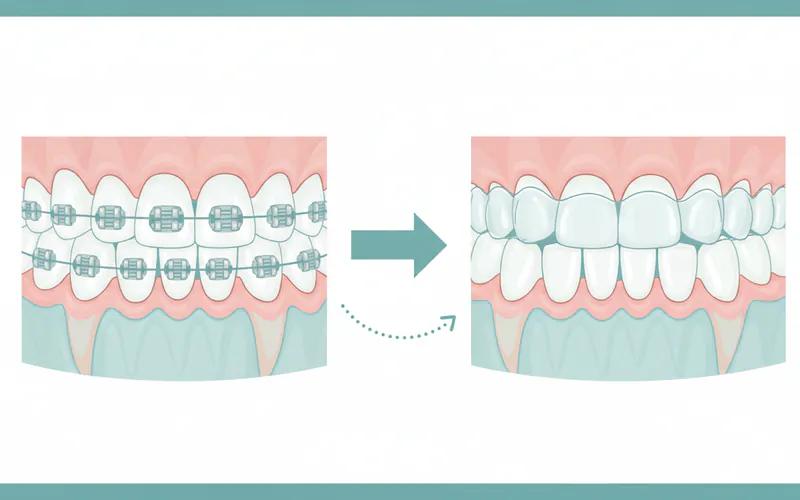
The average treatment time for braces for adults is typically between 18 to 36 months, though simpler cases might be shorter (12 months) and very complex cases could extend beyond 36 months. The exact duration depends on the severity of the malocclusion, the chosen treatment method, and patient compliance.
Are adult braces more painful than for teenagers?
The sensation of discomfort or pain from braces is highly individual. While adults may perceive pain differently than teenagers, the biological process of tooth movement is the same. Adults might experience initial soreness after placement and adjustments, but this is usually manageable with over-the-counter pain relievers and orthodontic wax.
What are the alternatives to traditional braces for adults?
Besides traditional metal braces, adults have several alternatives, including ceramic braces (less visible), lingual braces (invisible, placed behind teeth), and clear aligners (like Invisalign, removable and nearly invisible). Each option has its own pros, cons, and cost implications.
Can I get braces if I have missing teeth or dental implants?
Yes, often you can. Missing teeth can be part of an orthodontic plan, either by closing gaps or creating space for implants. If you already have dental implants, the orthodontist can usually work around them, as implants are fixed in the bone and cannot be moved like natural teeth. A comprehensive assessment is necessary.
How much do braces for adults cost without insurance?
Without insurance, the cost of braces for adults typically ranges from $3,000 to $12,000+ in the US. Traditional metal braces are usually the most affordable (around $3,000-$7,500), while lingual braces can be the most expensive ($8,000-$12,000+). Clear aligners and ceramic braces fall in the mid-range.
Do I still need to see my regular dentist during orthodontic treatment?
Absolutely. It's crucial to continue your regular dental check-ups and cleanings (every 3-6 months) with your general dentist throughout your orthodontic treatment. They play a vital role in monitoring your overall oral health, addressing cavities, and performing professional cleanings that are difficult to do effectively with braces.
Can I choose the color of my braces, like purple braces?
If you opt for traditional metal braces (or sometimes ceramic braces), you can absolutely choose the color of the elastic bands (ligatures) that hold the archwire to the brackets. Many clinics offer a wide spectrum of colors, including vibrant choices like purple braces, allowing you to personalize your smile throughout treatment.
What if my teeth move after braces removal?
If your teeth start to shift after your braces are removed, it's a sign of orthodontic relapse, usually due to inconsistent retainer wear. Contact your orthodontist immediately. Often, minor shifts can be corrected with a new or adjusted retainer, or a short course of limited orthodontics, preventing the need for full re-treatment.
Are there any age limits for adult orthodontics?
There is no upper age limit for orthodontic treatment. As long as your gums and supporting bone structure are healthy, and you have good general health, you are a candidate for braces for adults. The key factor is dental health, not chronological age.
When to See a Dentist
While a regular dental check-up can identify potential orthodontic needs, certain situations warrant a specific consultation with an orthodontist regarding braces for adults or other teeth straightening options.
Clear Signs You Need an Orthodontic Consultation:
- Difficulty Chewing or Biting: If you frequently bite your cheek or tongue, have difficulty chewing certain foods, or notice your teeth don't meet properly when you close your mouth.
- Persistent Jaw Pain or Headaches: Misaligned teeth or a poor bite can contribute to temporomandibular joint (TMJ) issues, leading to jaw pain, clicking, or chronic headaches.
- Visibly Crooked or Crowded Teeth: If you are unhappy with the appearance of your smile due to crowded, gapped, or protruding teeth.
- Excessive Wear on Teeth: Uneven bites can cause abnormal wear patterns on certain teeth, potentially leading to sensitivity, chipping, or even tooth loss over time.
- Spaces Between Teeth (Diastema): Gaps can be aesthetic concerns and also trap food, increasing the risk of gum disease.
- Overbite, Underbite, Crossbite: These bite irregularities can cause functional problems, speech issues, and aesthetic concerns.
- You've Had Braces Before and Your Teeth Have Shifted: This indicates relapse and may require retreatment to restore your smile.
- Referred by Your General Dentist: Your general dentist may notice orthodontic issues during a routine exam and recommend a specialist.
Red Flags Requiring Immediate Attention (Orthodontic Emergency):
While most orthodontic issues are not emergencies, some situations warrant prompt contact with your orthodontist:
- Severe Pain: If you experience intense, unmanageable pain that doesn't respond to over-the-counter pain relievers.
- Poking Wire that Cannot Be Managed: A wire that is poking your cheek or gum and causing severe irritation, bleeding, or an ulcer, especially if you can't cover it with wax or gently reposition it.
- Swelling or Infection: Any swelling around a tooth, jaw, or gums, especially if accompanied by pain or fever, requires immediate evaluation.
- Loose or Swallowed Appliance Piece: While rare, if a significant part of your braces breaks off and you suspect you might have swallowed it, contact your orthodontist or even your general physician.
For routine discomfort or minor issues like a loose bracket that isn't causing pain, apply orthodontic wax and schedule an appointment during regular office hours. However, if you are unsure, it is always best to err on the side of caution and contact your orthodontist for advice.
Frequently Asked Questions
Medically Reviewed Content
This article was written by our dental health editorial team and reviewed for medical accuracy. Our content follows strict editorial guidelines for reliability and trustworthiness.
Medical Disclaimer
This article is for informational purposes only and does not constitute medical advice. Always consult with a qualified dental professional for diagnosis and treatment. Do not delay seeking professional advice because of something you read on this website.
Related Articles
Retainer Fee: Complete Guide
The journey to a perfectly aligned smile doesn't end when your braces come off or your last clear aligner tray is discarded. In fact, a crucial phase, often overlooked but absolutely essential for maintaining your results, begins: retention. For many, the idea of a retainer fee can be an unexpec
February 22, 2026
Invisalign Braces: Complete Guide
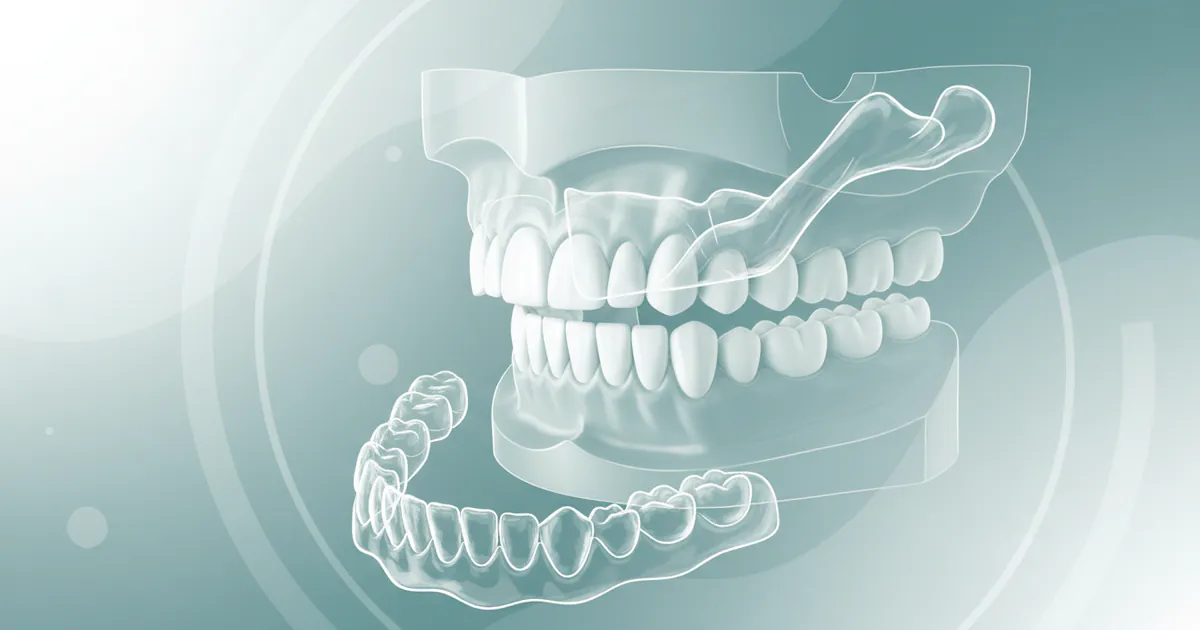
A radiant, perfectly aligned smile is more than just aesthetically pleasing; it's a gateway to improved oral health, enhanced confidence, and even better overall well-being. For millions of Americans seeking to correct misaligned teeth, the thought of traditional metal braces can be daunting, often
February 22, 2026
Adult Braces: Complete Guide
Adult Braces: Complete Guide
February 22, 2026
Orthodontia: Complete Guide
Orthodontia: Complete Guide
February 22, 2026