Orthodontia: Complete Guide
Key Takeaways
- Orthodontia: Complete Guide
Orthodontia: Complete Guide
For many, the journey to a confident smile begins with orthodontia, a specialized field of dentistry focused on correcting misaligned teeth and jaws. Did you know that an estimated 45% to 75% of the population could benefit from orthodontic treatment? Beyond aesthetic concerns, properly aligned teeth are crucial for optimal oral health, efficient chewing, clear speech, and even preventing future dental problems like excessive wear, gum disease, and tooth decay. This comprehensive guide from SmilePedia.net will demystify orthodontia, exploring everything from the various types of treatment available and their associated costs to the step-by-step process, crucial pediatric considerations like braces for kids, and addressing specific conditions such as an open bite. Understanding orthodontia empowers you to make informed decisions for a healthier, happier smile.
Key Takeaways:
- Orthodontia corrects misaligned teeth and jaws, improving both aesthetics and critical oral functions like chewing and speech.
- Early orthodontic evaluation is recommended by the American Dental Association (ADA) by age 7 to identify potential issues and plan for timely intervention, especially for braces for kids.
- Common treatment options include traditional metal braces, ceramic braces, lingual braces, and clear aligners (e.g., Invisalign), with costs generally ranging from $3,000 to $8,000+ depending on complexity and chosen appliance.
- Treatment duration typically spans 12 to 36 months, followed by a critical retention phase using retainers to maintain results and prevent relapse.
- Conditions like an open bite, crossbite, overbite, and crowding are common targets for orthodontic correction, improving bite function and reducing strain on jaw joints.
- Dental insurance often covers a portion of orthodontic treatment, but benefits can vary significantly; exploring payment plans and financing options is advisable.
- Diligent oral hygiene and adherence to your orthodontist's instructions are paramount for successful treatment outcomes and avoiding complications.
What Is Orthodontia? An Overview
Orthodontia is a specialized branch of dentistry that focuses on the diagnosis, prevention, interception, and correction of misaligned teeth and jaws, a condition often referred to as malocclusion. The term itself is derived from the Greek words "orthos," meaning straight or proper, and "odont," meaning tooth. An orthodontist is a dental specialist who has completed an additional two to three years of post-doctoral training beyond dental school, focusing exclusively on this complex field.

The primary goal of orthodontic treatment extends far beyond simply straightening teeth for a more appealing smile. While aesthetics are a significant benefit, orthodontia plays a vital role in improving overall oral health and function. Correcting malocclusions can:
- Improve chewing efficiency: Properly aligned teeth allow for better food mastication, aiding digestion.
- Facilitate oral hygiene: Straight teeth are easier to brush and floss, reducing the risk of plaque buildup, cavities, and gum disease.
- Alleviate speech impediments: Misaligned teeth or jaw positioning can sometimes contribute to lisping or other speech issues.
- Reduce abnormal wear of tooth surfaces: When teeth don't meet correctly, certain teeth can experience excessive grinding or wear.
- Relieve excessive stress on the supporting bone and gum tissues: A balanced bite distributes forces evenly.
- Address jaw joint (TMJ) problems: Malocclusion can contribute to temporomandibular joint dysfunction.
- Enhance self-confidence and quality of life: A beautiful smile can significantly boost an individual's self-esteem.
Orthodontic treatment can be initiated at various ages, from young children to adults, adapting techniques and approaches to suit the patient's developmental stage and specific needs. It involves using various appliances to exert gentle, continuous pressure on teeth and jaws, gradually repositioning them over time.
Types of Orthodontic Appliances and Variations
The field of orthodontia has evolved dramatically, offering a wide array of appliances to address different orthodontic needs and patient preferences. Each type has its unique characteristics, including visibility, cost, and effectiveness for specific conditions.
Traditional Metal Braces
These are the most common type of braces, instantly recognizable by their metal brackets and wires.
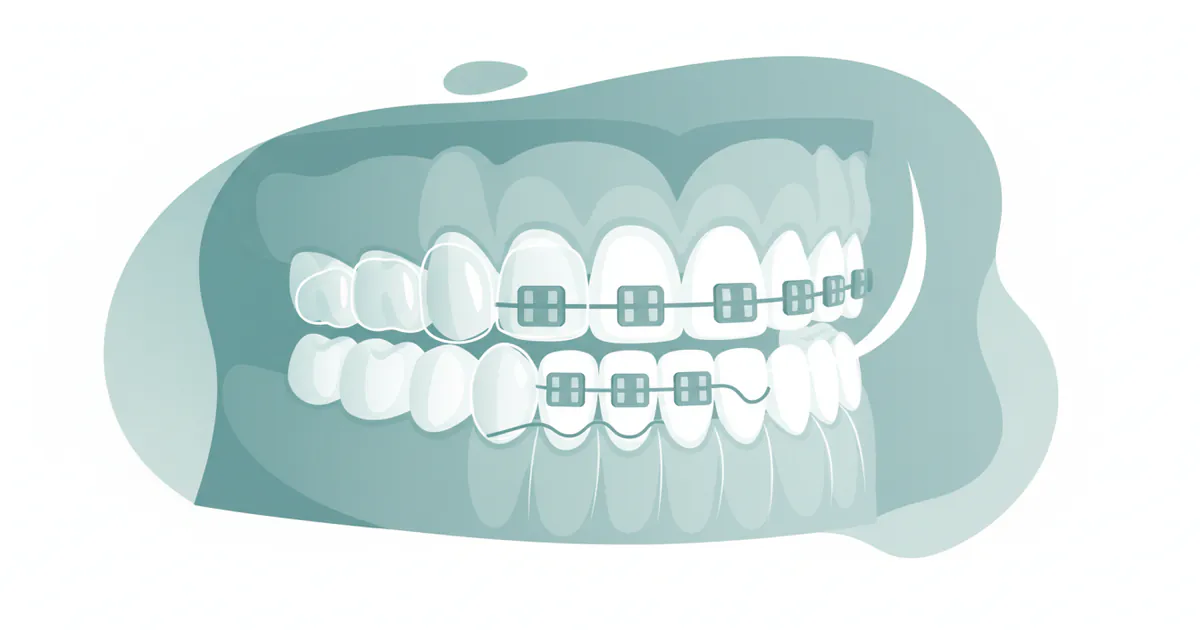
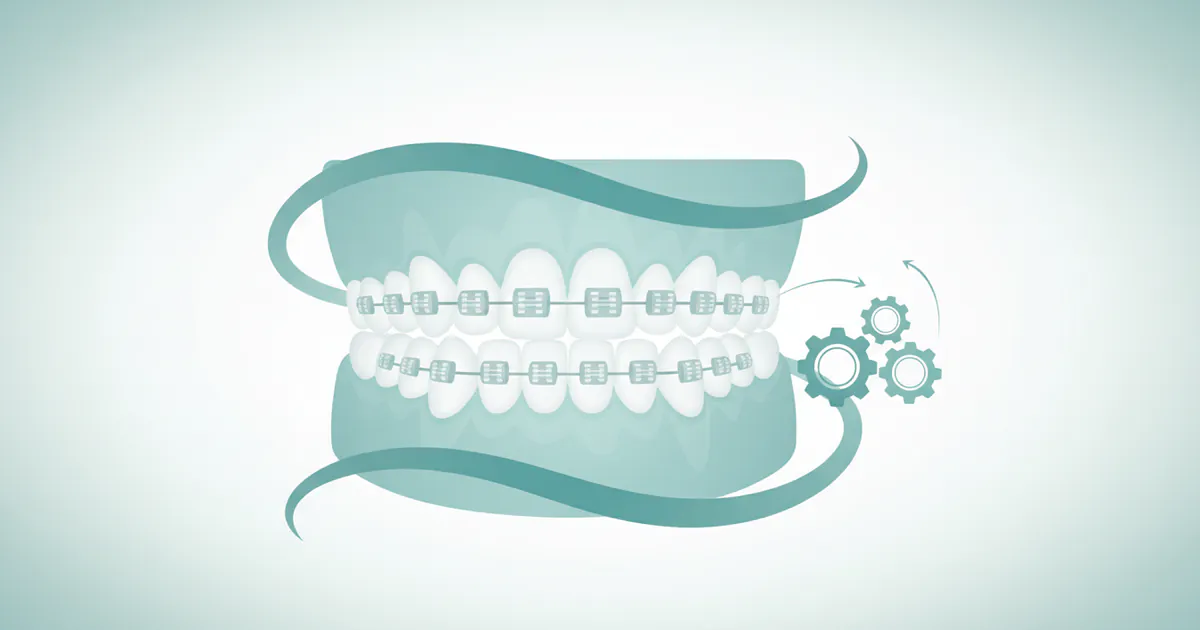
- Description: Made from high-grade stainless steel, modern metal braces are smaller, more comfortable, and more aesthetically pleasing than their predecessors. They consist of brackets bonded to the front of each tooth, connected by an archwire, and secured with elastic ligatures (small rubber bands) or self-ligating clips.
- Pros: Highly effective for severe malocclusions, durable, generally the most cost-effective option, and patients can often choose colored elastics for a personalized look.
- Cons: Most noticeable type of braces. Requires careful oral hygiene and dietary restrictions (avoiding sticky/hard foods).
- Average Cost (US): $3,000 - $7,500
Ceramic Braces
Ceramic braces offer a less visible alternative to traditional metal braces.
- Description: Similar in design to metal braces, but the brackets are made from clear or tooth-colored ceramic material, blending in more naturally with the teeth. They also use tooth-colored or clear wires and elastics.
- Pros: Less noticeable than metal braces, strong and resistant to staining (though elastics can stain if not properly cared for).
- Cons: More expensive than metal braces, slightly larger brackets, and can be more brittle, making them prone to chipping or breaking. Elastics can stain with certain foods/drinks.
- Average Cost (US): $4,000 - $8,500
Lingual Braces
These are a truly "invisible" option as they are placed on the back (tongue side) of the teeth.
- Description: Custom-made brackets and wires are bonded to the inside surfaces of the teeth, making them completely hidden from view when you smile.
- Pros: Completely invisible from the outside, making them an excellent choice for adults and professionals who desire discretion.
- Cons: Most expensive option due to customization and specialized placement. Can initially affect speech and tongue comfort. More challenging to clean. Not suitable for all cases.
- Average Cost (US): $8,000 - $10,000+
Clear Aligners (e.g., Invisalign)
A popular choice, especially among adults and teens, for their convenience and aesthetic appeal.
- Description: A series of custom-made, clear, removable plastic trays that gradually shift teeth into their desired positions. Each aligner is worn for 1-2 weeks before moving to the next in the series.
- Pros: Nearly invisible, removable for eating, brushing, and flossing, minimal dietary restrictions (since they are removed for meals), and generally more comfortable than traditional braces.
- Cons: Requires high patient compliance (must be worn 20-22 hours/day). May not be suitable for very complex malocclusions. Can be slightly more expensive than metal braces.
- Average Cost (US): $3,500 - $8,000
Other Appliances
- Palatal Expanders: Used primarily in children to widen the upper jaw, creating more space for crowded teeth and correcting crossbites.
- Headgear: Worn outside the mouth, typically at night, to guide jaw growth and tooth movement in more complex cases.
- Retainers: Crucial for the post-treatment phase, maintaining the corrected position of teeth. Available as removable (Hawley, Essix) or fixed (bonded to the back of teeth).
``
Causes of Malocclusion: Why Teeth and Jaws Misalign
Understanding the causes behind misaligned teeth and jaws, known as malocclusion, can help in early detection and even prevention. Malocclusion isn't a disease but a variation from the ideal alignment, and it can stem from a variety of factors.
Genetic and Hereditary Factors
- Jaw Size Discrepancies: Genetics play a significant role in determining jaw size and shape. If you inherit a small jaw from one parent and large teeth from another, you might experience crowding. Conversely, if your jaw is large relative to your teeth, you could have spacing issues.
- Tooth Size and Shape: Inherited tooth anomalies, such as peg laterals (small, cone-shaped front teeth) or abnormally large teeth, can contribute to alignment problems.
- Congenital Conditions: Certain genetic syndromes or birth defects can predispose individuals to specific types of malocclusion.
Developmental Factors and Oral Habits
- Prolonged Thumb Sucking or Pacifier Use: These habits, especially past the age of 3-4, can exert continuous pressure on the developing jaws and teeth, leading to an open bite (where the front teeth don't meet when the mouth is closed), flaring of the upper front teeth, or a crossbite.
- Tongue Thrusting: An abnormal swallowing pattern where the tongue pushes against the front teeth can also contribute to an open bite or protrusion of the upper incisors.
- Mouth Breathing: Chronic mouth breathing, often due to allergies, enlarged tonsils, or adenoids, can affect jaw development and facial growth, potentially leading to narrow dental arches and malocclusion.
- Premature Loss of Primary (Baby) Teeth: If a baby tooth is lost too early due to decay or injury, the adjacent teeth may drift into the empty space, preventing the permanent tooth from erupting correctly.
- Impacted Teeth: Sometimes, permanent teeth don't erupt into the dental arch at all or get stuck beneath other teeth or bone. Wisdom teeth are a common example, but can also affect canines.
- Dental Trauma: Injuries to the face or mouth can shift teeth out of position or damage developing permanent teeth in children.
Other Contributing Factors
- Poor Dental Restorations: Ill-fitting crowns, fillings, or other dental work can sometimes affect the bite.
- Periodontal Disease (Gum Disease): Advanced gum disease can weaken the bone supporting the teeth, leading to tooth mobility and shifting.
- Nutritional Deficiencies: While less common in developed countries, severe nutritional deficiencies during development can affect bone and tooth formation.
It's important to note that often, a combination of these factors contributes to the specific malocclusion observed in an individual. A thorough orthodontic evaluation considers all these aspects to determine the most effective treatment plan.
Signs and Symptoms That May Require Orthodontia
Recognizing the signs and symptoms of malocclusion is the first step toward seeking orthodontic care. While some issues are primarily aesthetic, many can impact oral health and overall well-being.
Visible Misalignment of Teeth
- Crowded Teeth: When there isn't enough space in the jaw for all teeth to erupt properly, they can overlap, twist, or push against each other.
- Spaced Teeth (Diastema): Gaps between teeth, often due to missing teeth, small teeth relative to jaw size, or a prominent labial frenum (the tissue connecting the upper lip to the gum).
- Protruding Teeth (Overjet): When the upper front teeth extend too far forward over the lower front teeth.
- Impacted Teeth: Teeth that are stuck and unable to erupt through the gum line, often discovered through X-rays.
Bite Problems (Malocclusions)
These describe how the upper and lower teeth meet, or fail to meet, when the mouth is closed.
- Overbite (Deep Bite): The upper front teeth overlap the lower front teeth excessively, sometimes covering them completely.
- Underbite: The lower front teeth or jaw extend too far forward, overlapping the upper front teeth.
- Crossbite: One or more upper teeth bite inside the lower teeth. This can affect front teeth (anterior crossbite) or back teeth (posterior crossbite) and may involve a single tooth or groups of teeth. A posterior crossbite can lead to asymmetric jaw growth.
- Open Bite: The most common form is an anterior open bite, where the front upper and lower teeth do not meet when the mouth is closed. This can be caused by habits like thumb sucking or tongue thrusting. Posterior open bite (back teeth don't meet) is less common but can occur.
- Midline Misalignment: The center line of your upper front teeth does not align with the center line of your lower front teeth.

Functional Difficulties
- Difficulty Chewing or Biting: Misaligned teeth can make it challenging to properly chew food, leading to digestive issues or avoidance of certain foods.
- Speech Difficulties: Lisping, whistling, or other speech impediments can sometimes be linked to the position of teeth or jaws, especially with an open bite or severe overjet.
- Jaw Pain or TMJ Disorders: An improper bite can place undue stress on the temporomandibular joints (TMJ), leading to pain, clicking, popping sounds, or difficulty opening and closing the mouth.
- Uneven Tooth Wear: When teeth don't meet correctly, certain teeth may bear excessive force, leading to premature wear, chipping, or fracturing.
- Difficulty Cleaning Teeth: Crowded or overlapping teeth create "plaque traps" that are hard to reach with a toothbrush or floss, increasing the risk of cavities and gum disease.
If you observe any of these signs or symptoms in yourself or your child, it's advisable to schedule an orthodontic consultation. Early evaluation can often lead to simpler, more effective treatment.
Treatment Options in Orthodontia
Orthodontic treatment plans are highly individualized, determined by the type and severity of malocclusion, the patient's age, and their preferences. Here's a look at common treatment options:
Fixed Appliances
Fixed appliances are bonded to the teeth and cannot be removed by the patient. They are highly effective for precise tooth movement.
- Traditional Metal Braces:
- Pros: Very effective for all types of malocclusions, including complex cases. Durable and often the most affordable.
- Cons: Most noticeable. Can cause initial discomfort and require careful oral hygiene and dietary restrictions.
- Process: Brackets are bonded to each tooth, an archwire is threaded through them, and secured with elastic bands or clips. Regular adjustments tighten the wire, gradually shifting teeth.
- Ceramic Braces:
- Pros: Less visible than metal braces, making them a popular aesthetic choice.
- Cons: More fragile and prone to chipping. Elastics can stain. More expensive than metal.
- Process: Similar to metal braces, but ceramic brackets are used.
- Lingual Braces:
- Pros: Completely invisible as they are placed on the inner surface of the teeth.
- Cons: Most expensive. Can initially affect speech and be uncomfortable for the tongue. More difficult to clean. Not suitable for all cases.
- Process: Custom-made brackets are bonded to the lingual (tongue-side) surface of teeth.
Removable Appliances
Removable appliances offer flexibility but require diligent patient compliance.
- Clear Aligners (e.g., Invisalign, ClearCorrect):
- Pros: Nearly invisible, removable for eating and hygiene, generally more comfortable than braces, fewer dietary restrictions.
- Cons: Requires excellent patient compliance (20-22 hours/day wear time). Can be lost. May not be ideal for very complex movements or specific bite corrections like severe rotations or complex open bite closures without attachments.
- Process: A series of custom-fabricated clear plastic trays are worn sequentially, each for 1-2 weeks, to gradually shift teeth. Attachments (small, tooth-colored bumps) may be bonded to teeth to facilitate specific movements.
- Retainers:
- Pros: Essential for maintaining results after active treatment. Can be removable (Hawley, Essix) or fixed (bonded wire).
- Cons: Removable retainers require strict compliance. Fixed retainers can be difficult to clean around.
- Process: Worn nightly (or full-time initially) indefinitely after braces are removed to prevent teeth from shifting back.
- Functional Appliances:
- Pros: Used in growing children to modify jaw growth, often reducing the need for jaw surgery later. Examples include expanders, headgear, and Herbst appliances.
- Cons: Requires patient cooperation, may be bulky or noticeable.
- Process: Worn for specific periods to guide bone growth and jaw alignment.
Adjunctive Treatments
Sometimes, orthodontic treatment may be combined with other dental or medical procedures.
- Tooth Extractions: In cases of severe crowding or to create space for tooth movement, one or more teeth may need to be extracted.
- Orthognathic Surgery (Jaw Surgery): For severe skeletal discrepancies that cannot be corrected with orthodontics alone, especially in adults, jaw surgery may be necessary to reposition the jawbones. This is often combined with braces for optimal results.
- Temporary Anchorage Devices (TADs): Small, temporary implants placed in the bone to provide a stable anchor for tooth movement in complex cases, reducing the need for headgear or other cumbersome appliances.
Pro Tip: Always discuss all available treatment options, their pros, cons, and implications for your specific case with your orthodontist. What works best for one patient may not be ideal for another, especially when considering factors like lifestyle, aesthetics, and budget.
Step-by-Step Orthodontic Treatment Process
Embarking on orthodontic treatment is a journey that typically follows a structured process. Knowing what to expect at each stage can help alleviate anxiety and ensure you're prepared.
1. Initial Consultation and Evaluation
- First Visit: This usually involves a discussion about your concerns and goals. The orthodontist will perform a thorough oral examination to assess your teeth, gums, and bite.
- Diagnostic Records: If treatment is indicated, comprehensive records will be taken. This typically includes:
- Digital X-rays: Panoramic (showing all teeth and jaw bones) and cephalometric (side view of the head to assess jaw relationship).
- Photographs: Of your face and teeth from various angles.
- Impressions or Digital Scans: To create 3D models of your teeth and bite.
- Treatment Planning: Based on these records, the orthodontist will develop a personalized treatment plan, discussing the recommended appliance type, estimated duration, cost, and expected outcomes. This is the time to ask questions about your open bite correction, how braces for kids will work for your child, or any other specific concerns.
2. Preparation and Appliance Placement
- Pre-Treatment Procedures: Any necessary dental work, such as fillings, extractions (if space is needed for tooth movement), or professional cleanings, should be completed before braces are placed.
- Spacer Placement (Optional): If bands are to be placed around back molars, small elastic or metal separators might be placed between teeth a few days prior to create space.
- Appliance Placement:
- For Braces: Teeth are thoroughly cleaned and conditioned. Brackets are then precisely positioned and bonded to each tooth surface. Archwires are threaded through the brackets and secured with ligatures or self-ligating clips. This appointment typically takes 1-2 hours.
- For Clear Aligners: Your orthodontist will ensure your first set of aligners fits properly. You'll receive detailed instructions on how to wear, clean, and care for your aligners, and when to switch to the next set. Small, tooth-colored "attachments" may be bonded to certain teeth to help aligners grip and move teeth more effectively.
3. Active Treatment Phase
- Regular Adjustments/Check-ups:
- For Braces: You'll visit the orthodontist every 4-8 weeks for adjustments. The orthodontist will change the archwires, ligatures, or make other modifications to continue the tooth movement. These appointments are usually shorter, around 15-30 minutes.
- For Clear Aligners: You'll typically have check-ups every 6-10 weeks to monitor progress and receive your next sets of aligners.
- Oral Hygiene: Maintaining excellent oral hygiene is critical throughout treatment. Food debris and plaque can easily get trapped around braces, increasing the risk of cavities and gum inflammation. Your orthodontist will provide specific instructions for brushing and flossing with your appliance.
- Dietary Modifications: With braces, you'll need to avoid hard, sticky, and chewy foods that can damage brackets or wires. Clear aligners allow for normal eating as they are removed during meals.
- Managing Discomfort: It's normal to experience some soreness or discomfort for a few days after initial placement or adjustments as your teeth begin to move. Over-the-counter pain relievers (like ibuprofen or acetaminophen) and orthodontic wax can help.
``
4. Debonding/Appliance Removal
- Removal: Once your teeth have reached their desired positions and your bite is corrected, your braces will be carefully removed. This process is generally quick and painless, often taking less than an hour. Any remaining bonding material is polished off the teeth.
- Post-Removal Care: Your teeth may feel a little sensitive at first, and it's common to notice small adhesive remnants, which will be polished away.
5. Retention Phase
- The Critical Final Step: This is arguably the most crucial phase of orthodontic treatment. Without retainers, teeth tend to drift back towards their original positions (relapse).
- Types of Retainers:
- Removable Retainers: Commonly Essix (clear plastic trays) or Hawley (acrylic and wire) retainers. They are typically worn full-time for a period (e.g., 6 months) and then nightly indefinitely.
- Fixed/Bonded Retainers: A thin wire permanently bonded to the back surface of the front teeth (usually canine to canine) to hold them in place. These are less visible and require no patient compliance, but can be harder to clean around.
- Long-Term Commitment: Your orthodontist will advise on the specific wear schedule for your retainers. For most, lifelong retention, especially nighttime wear, is recommended to prevent relapse.
Cost and Insurance Considerations in the US
The cost of orthodontic treatment can be a significant factor in decision-making. Prices vary widely based on several variables, and understanding insurance coverage and payment options is essential.
Factors Influencing Cost
- Type of Appliance: As detailed earlier, traditional metal braces are generally the least expensive, while ceramic, lingual, and clear aligners tend to be more costly due to materials, customization, and laboratory fees.
- Complexity of Case: Minor corrections will naturally cost less than extensive treatments for severe malocclusions, jaw discrepancies, or conditions like a severe open bite requiring longer treatment times.
- Treatment Duration: Longer treatment plans typically incur higher costs due to more appointments and materials.
- Geographic Location: Costs can vary significantly by region and even within different cities in the United States. Major metropolitan areas often have higher prices than rural areas.
- Orthodontist's Experience/Reputation: Highly experienced or renowned orthodontists may charge more.
- Included Services: Some fees might include initial consultations, diagnostic records, all adjustments, one set of retainers, and follow-up retention visits, while others might itemize these. Always clarify what is included in the total treatment fee.

Average Cost Ranges (US)
Here are general national averages, but these can fluctuate:
- Traditional Metal Braces: $3,000 - $7,500
- Ceramic Braces: $4,000 - $8,500
- Clear Aligners (e.g., Invisalign): $3,500 - $8,000 (can be higher for very complex cases or longer durations)
- Lingual Braces: $8,000 - $10,000+
- Early/Phase I Treatment (for braces for kids): $2,000 - $4,000 (often followed by Phase II)
Dental Insurance Coverage
- Orthodontic Benefits: Not all dental insurance plans include orthodontic coverage. Many plans that do offer it treat it as a separate benefit with its own lifetime maximum.
- Lifetime Maximum: Typical orthodontic lifetime maximums range from $1,000 to $3,000. Once this maximum is met, you are responsible for the remaining balance.
- Age Limits: Some plans only cover orthodontics for children under a certain age (e.g., 18 or 19). Adult orthodontics may have limited or no coverage.
- Waiting Periods: Some plans have waiting periods (e.g., 6-12 months) before orthodontic benefits become active.
- PPO vs. HMO: PPO plans generally offer more flexibility in choosing an orthodontist, while HMO plans usually require you to select from a specific network.
- Pre-Authorization: Many insurance companies require a pre-treatment estimate or pre-authorization from your orthodontist before beginning treatment to confirm coverage details.
- Medical Necessity: In rare cases where malocclusion significantly impacts health (e.g., severe breathing difficulties or jaw function issues), some medical insurance plans might offer partial coverage if deemed medically necessary, though this is uncommon for typical orthodontic cases.
Payment Plans and Financing Options
Most orthodontic offices understand that treatment is a significant investment and offer various payment solutions:
- In-Office Payment Plans: Many practices offer interest-free payment plans, allowing you to pay a down payment and then spread the remaining balance over the course of treatment with monthly installments.
- Third-Party Financing: Companies like CareCredit or LendingClub provide healthcare financing options with various interest rates and repayment terms, including some interest-free promotional periods.
- Flexible Spending Accounts (FSAs) & Health Savings Accounts (HSAs): These tax-advantaged accounts allow you to set aside pre-tax money for healthcare expenses, including orthodontic treatment.
- Discounts: Some orthodontists offer discounts for paying the full treatment fee upfront or for multiple family members undergoing treatment. Always ask!
Pro Tip: Always get a detailed financial breakdown from your orthodontist's office, including what's covered by insurance and your out-of-pocket costs. Compare this with other offices to ensure you understand all aspects of the investment.
Recovery and Aftercare: Maintaining Your New Smile
The removal of braces or the completion of your clear aligner series marks an exciting milestone, but it's not the end of your orthodontic journey. The retention phase is critical for long-term success.
The Importance of Retainers
Your teeth have a natural tendency to shift back to their original positions – this phenomenon is called relapse. Bone and gum tissues need time to stabilize around their new positions. Retainers are designed to prevent this relapse, holding your teeth in their corrected alignment while the surrounding tissues adapt.
- Wearing Schedule: Your orthodontist will provide a specific wearing schedule. This typically involves full-time wear (except for eating and brushing) for the first few months, gradually transitioning to nighttime wear, potentially for life.
- Types of Retainers:
- Removable Retainers:
- Essix Retainers: Clear, thin plastic trays that fit snugly over your teeth, similar to clear aligners. They are highly aesthetic and generally comfortable.
- Hawley Retainers: Made of acrylic and a metal wire that wraps around the front teeth. They are durable and adjustable, but more noticeable.
- Fixed/Bonded Retainers: A thin, braided wire permanently cemented to the lingual (tongue-side) surface of your front teeth, usually from canine to canine. These are invisible from the outside and require no patient compliance.
- Removable Retainers:
- Care for Retainers:
- Cleaning: Removable retainers should be cleaned daily with a toothbrush and cool water, or a specialized retainer cleaner. Avoid hot water, which can warp plastic retainers.
- Storage: Always store removable retainers in their protective case when not wearing them to prevent damage or loss.
- Fixed Retainers: Require meticulous flossing and brushing around them to prevent plaque buildup.
Oral Hygiene After Braces
Even with straight teeth, maintaining excellent oral hygiene is paramount.
- Brushing: Brush at least twice a day with fluoride toothpaste for two minutes. Pay attention to all tooth surfaces and the gum line.
- Flossing: Floss daily to remove plaque and food debris from between teeth. For fixed retainers, special floss threaders or interdental brushes may be necessary.
- Regular Dental Check-ups: Continue to visit your general dentist for professional cleanings and examinations every six months.
Monitoring and Adjustments
- Follow-up Appointments: Your orthodontist will schedule follow-up appointments during the retention phase to ensure your retainers are fitting correctly and your teeth are stable.
- Addressing Issues: If a retainer breaks, becomes loose, or you notice any tooth shifting, contact your orthodontist immediately. Ignoring these issues can lead to significant relapse and potentially require re-treatment.
Pro Tip: Think of your retainers as a lifetime commitment. Just like wearing glasses to maintain vision correction, retainers are essential for preserving your investment in a beautiful, healthy smile.
Prevention of Malocclusion
While genetics play a significant role in malocclusion, certain preventive measures and early interventions can help minimize the severity of issues or even prevent them entirely, especially in children.
Early Orthodontic Evaluation (ADA Recommendation)
- Age 7: The American Association of Orthodontists (AAO), endorsed by the ADA, recommends that children have their first orthodontic evaluation by age 7. At this age, a child's mouth has a mix of baby and permanent teeth, and the orthodontist can assess jaw growth and development.
- Purpose: This early visit doesn't necessarily mean immediate treatment. It allows the orthodontist to detect subtle problems with jaw growth and emerging teeth while baby teeth are still present. Early detection can identify potential issues like severe crowding, crossbites, or the development of an open bite due to habits.
- Benefits of Early Intervention (Phase I): If necessary, interceptive treatment (Phase I) can be initiated to:
- Correct harmful oral habits (e.g., thumb sucking).
- Guide jaw growth to correct skeletal imbalances (e.g., expanders for a narrow upper jaw).
- Create space for erupting permanent teeth.
- Reduce the risk of trauma to protruding front teeth.
- Improve speech or breathing problems.
- Simplify or shorten the duration of future comprehensive treatment (Phase II, e.g., braces for kids).
Addressing Harmful Oral Habits
- Thumb Sucking/Pacifier Use: If these habits persist beyond ages 3-4, they can significantly impact jaw development and tooth alignment, leading to an open bite or flared front teeth. Intervention may involve positive reinforcement, habit appliances, or professional guidance.
- Tongue Thrust: An abnormal swallowing pattern where the tongue pushes against the front teeth can contribute to an open bite. Speech therapy or habit appliances can help retrain the tongue.
- Mouth Breathing: Chronic mouth breathing, often linked to nasal obstructions, can affect facial and jaw development. Addressing the underlying cause with an ENT specialist (e.g., for allergies, enlarged tonsils/adenoids) can prevent orthodontic issues.
Good Oral Hygiene and Regular Dental Visits
- Preventing Premature Tooth Loss: Maintaining excellent oral hygiene and having regular dental check-ups helps prevent cavities and gum disease, which are common causes of premature loss of primary teeth. Losing baby teeth too early can allow adjacent teeth to drift, blocking the path for permanent teeth.
- Space Maintainers: If a baby tooth is lost prematurely, your general dentist may recommend a space maintainer to hold the space open until the permanent tooth is ready to erupt.
While not all malocclusions are preventable, these proactive steps can significantly reduce the severity of problems and lead to a more favorable outcome, especially for young, developing smiles.
Risks and Complications of Orthodontic Treatment
While orthodontic treatment is generally safe and highly effective, like any medical procedure, it carries potential risks and complications. Understanding these can help you make informed decisions and take steps to minimize them.
Common Risks and Side Effects
- Discomfort and Soreness: It's normal to experience mild pain or soreness in the teeth and jaws for a few days after braces are placed or adjusted, or when switching to a new aligner. This is usually managed with over-the-counter pain relievers.
- Oral Sores and Irritation: Brackets and wires can rub against the cheeks, lips, or tongue, causing irritation or small sores, especially during the initial stages. Orthodontic wax can provide relief.
- Tooth Sensitivity: Some patients experience temporary tooth sensitivity, particularly to cold, during treatment.
- Difficulty with Oral Hygiene: Braces create more surfaces for food and plaque to accumulate, making thorough brushing and flossing more challenging. Poor oral hygiene can lead to:
- Decalcification (White Spots): Permanent white marks on the tooth surface where enamel has started to demineralize due to acid attack from plaque. These are permanent and can be unsightly.
- Gingivitis/Periodontal Disease: Inflammation of the gums (gingivitis) or, if left untreated, more severe gum and bone disease (periodontitis).
- Cavities: Increased risk of tooth decay around brackets or under aligners if teeth are not cleaned properly.
- Root Resorption: In some individuals, the roots of the teeth may shorten slightly during orthodontic tooth movement. This is usually minor and clinically insignificant, but in rare cases, severe root resorption can compromise tooth stability.
- Relapse: The tendency for teeth to shift back towards their original positions after treatment. This is the most common "complication" and is almost always due to non-compliance with retainer wear.
- Allergic Reactions: Rare, but some individuals may have allergic reactions to latex in elastic bands or nickel in metal brackets.
- Injury or Damage: Trauma to the mouth during sports or accidents can cause more damage to teeth with braces on. Damaged brackets or wires require repair and can prolong treatment.

Less Common or Severe Complications
- Non-Vital Teeth: Very rarely, a tooth may become non-vital (die) during orthodontic treatment dueating to pre-existing trauma or compromised blood supply, potentially requiring root canal treatment.
- Ankylosis: A tooth may fuse to the surrounding bone, preventing it from moving. This is extremely rare and usually occurs with previously traumatized teeth.
- TMJ Problems: While orthodontics can sometimes alleviate TMJ issues, in rare cases, treatment might exacerbate or trigger new TMJ symptoms, though the direct causal link is often debated.
- Temporarily Compromised Appearance: While the end goal is improved aesthetics, during treatment, particularly with traditional braces, your appearance will be altered.
Pro Tip: Discuss all potential risks with your orthodontist before starting treatment. Your active participation in maintaining excellent oral hygiene, following dietary restrictions, and diligent retainer wear are your best defenses against most complications.
Comparison Tables
To help visualize the differences between popular orthodontic options and understand common malocclusions, here are two comparison tables.
Table 1: Orthodontic Appliance Comparison
| Feature | Traditional Metal Braces | Ceramic Braces | Clear Aligners (e.g., Invisalign) | Lingual Braces |
|---|---|---|---|---|
| Visibility | High (most noticeable) | Moderate (tooth-colored) | Low (nearly invisible) | Invisible (on inner side) |
| Average Cost (US) | $3,000 - $7,500 | $4,000 - $8,500 | $3,500 - $8,000 | $8,000 - $10,000+ |
| Treatment Time | 18-36 months | 18-36 months | 12-24 months (highly compliant) | 18-36 months |
| Removable | No | No | Yes (for eating, brushing) | No |
| Effectiveness for Complex Cases | Excellent | Excellent | Good to Excellent (with attachments) | Excellent |
| Oral Hygiene | Challenging | Challenging | Easier (aligners removed) | Very Challenging |
| Comfort | Moderate (initial sores) | Moderate (initial sores) | High (smoother plastic) | Low (tongue irritation) |
| Dietary Restrictions | Many (avoid sticky/hard) | Many (avoid sticky/hard) | Few (aligners removed) | Many (avoid sticky/hard) |
Table 2: Common Malocclusions and Typical Treatment Approaches
| Malocclusion | Description | Potential Issues (Untreated) | Common Orthodontic Treatment Approaches |
|---|---|---|---|
| Crowding | Insufficient space for all teeth, leading to overlap or rotation. | Difficulty cleaning, cavities, gum disease, uneven wear. | Braces, aligners, expanders (in kids), extractions (severe cases). |
| Spacing | Gaps between teeth due to missing teeth or small tooth size. | Food impaction, aesthetic concerns, speech issues. | Braces, aligners, veneers, dental bonding. |
| Overbite (Deep Bite) | Upper front teeth overlap lower front teeth excessively. | Gum irritation, uneven wear of lower teeth, TMJ strain. | Braces, aligners, bite turbos, functional appliances (kids). |
| Underbite | Lower front teeth or jaw extend past upper front teeth. | Chewing difficulty, uneven tooth wear, jaw pain. | Braces, aligners, jaw surgery (adults), functional appliances (kids). |
| Crossbite | Upper teeth bite inside lower teeth (front or back). | Asymmetric jaw growth, uneven wear, jaw deviation. | Braces, aligners, palatal expanders (kids), interarch elastics. |
| Open Bite | Upper and lower front teeth do not meet when mouth is closed. | Chewing difficulty, speech issues, tongue thrust. | Braces, aligners, habit appliances, possibly jaw surgery (severe adults). |
| Protrusion (Overjet) | Upper front teeth extend too far forward. | Increased risk of trauma, aesthetic concerns. | Braces, aligners, headgear (kids), functional appliances. |
Children / Pediatric Considerations for Orthodontia
Orthodontic evaluation and treatment in children, often referred to as braces for kids or pediatric orthodontics, is a unique and important aspect of the specialty. Early intervention can significantly impact a child's long-term oral health and development.
When to Evaluate: The Age 7 Recommendation
As recommended by the American Association of Orthodontists (AAO) and the ADA, children should have their first orthodontic evaluation by age 7.
- Why Age 7? At this age, a child has a mix of primary (baby) teeth and permanent teeth, and the jaws are still growing. An orthodontist can identify subtle problems with jaw growth, erupting permanent teeth, and developing malocclusions that might not be obvious to a general dentist or parent.
- Not All Need Early Treatment: This initial visit is primarily for assessment. The vast majority of children evaluated at age 7 will not need immediate treatment. Instead, they will be monitored periodically as their teeth and jaws develop.
- Benefits of Early Detection: For the roughly 15-20% of children who could benefit from early intervention, identifying problems at this stage allows the orthodontist to:
- Guide Jaw Growth: Correct skeletal imbalances, such as a narrow upper jaw (crossbite) or significant overbite/underbite, using appliances like palatal expanders or functional appliances.
- Create Space: Address crowding by making more room for permanent teeth to erupt correctly, potentially avoiding future extractions.
- Correct Harmful Habits: Stop habits like prolonged thumb sucking or tongue thrusting that can lead to an open bite or other issues.
- Protect Protruding Teeth: Reduce the risk of trauma to front teeth that stick out.
- Improve Aesthetics and Self-Esteem: Address noticeable issues early on.
Two-Phase Orthodontic Treatment
For some children, a two-phase treatment approach may be recommended:
Phase I (Early Interceptive Treatment)
- Timing: Typically between ages 7 and 10, while the child still has many baby teeth.
- Focus: Correcting significant skeletal or dental problems before they become more severe. This phase is often aimed at correcting jaw growth, making space, or eliminating harmful habits.
- Appliances: May include palatal expanders, functional appliances (e.g., for overbites or underbites), partial braces, or habit breakers.
- Duration: Usually 6-18 months.
- Goal: Not to achieve perfect alignment, but to create a better environment for permanent teeth to erupt and jaw growth to proceed more favorably.
Observation Period (Resting Phase)
- After Phase I, there's often a resting period where the remaining permanent teeth erupt. The child is monitored periodically during this time.
Phase II (Comprehensive Treatment)
- Timing: Typically around age 12-14, once most or all permanent teeth have erupted.
- Focus: Full braces (braces for kids) or clear aligners are used to align all permanent teeth, refine the bite, and achieve the final aesthetic and functional goals.
- Duration: Typically 12-24 months.
- Benefit: Often shorter and less complex than if no Phase I treatment had been done, potentially avoiding extractions or jaw surgery in the future.
Addressing Specific Concerns for Kids
- Thumb Sucking & Tongue Thrust: For an open bite caused by these habits, interceptive treatment might include habit-breaking appliances that make it uncomfortable to continue the habit, alongside guidance for the child and parents.
- Speech Development: In some cases, correcting malocclusion can help improve speech clarity.
- Self-Esteem: Early treatment can address visible alignment issues that might impact a child's confidence.
Pro Tip: If your general dentist recommends an orthodontic evaluation for your child, don't delay. An early assessment provides peace of mind and the opportunity for optimal timing of any necessary treatment.
Cost Breakdown: Deeper Dive into US Orthodontic Expenses
Understanding the full financial picture for orthodontia in the US requires a deeper look into the components of cost, average ranges, and various financing options.
What's Included in the "Total Cost"?
When an orthodontist quotes a "total treatment fee," it typically encompasses several services:
- Initial Consultation & Records: The diagnostic appointment, including X-rays, photos, and models/scans.
- Appliance Placement: The cost of the chosen appliance (brackets, wires, aligners).
- All Adjustment Appointments: All visits throughout the active treatment phase.
- Emergency Visits: Appointments for broken brackets, poking wires, etc.
- Appliance Removal: The debonding appointment.
- One Set of Retainers: Often, the first set of retainers (fixed or removable) is included.
- Retention Follow-up Visits: Short-term follow-up appointments during the initial retention phase.
Important Note: Replacement retainers, extensive post-treatment cosmetic dentistry, or complex oral surgery (like wisdom tooth removal or jaw surgery) are usually not included and are additional costs.
Average US Costs by Treatment Type (Ranges)
It's crucial to remember these are national averages. Your specific quote will depend on your orthodontist's fees, location, and case complexity.
- Traditional Metal Braces: $3,000 - $7,500
- Low end: Simpler cases, less expensive regions.
- High end: Complex cases, metropolitan areas, highly experienced orthodontists.
- Ceramic Braces: $4,000 - $8,500
- Premium materials add to the cost compared to metal.
- Clear Aligners (e.g., Invisalign): $3,500 - $8,000
- Limited treatments (for minor movements) can be as low as $2,000-$4,000.
- Comprehensive treatments (for full alignment) are typically in the $5,000-$8,000 range.
- Lingual Braces: $8,000 - $10,000+
- Highest cost due to custom fabrication and specialized placement.
- Phase I Treatment (for braces for kids): $2,000 - $4,000
- This is often an initial, shorter treatment; Phase II (full braces) will have its own separate cost later.
With vs. Without Insurance
Let's illustrate with an example:
- Total Orthodontic Fee: $6,000 (e.g., for traditional braces)
- Without Insurance: You are responsible for the full $6,000.
- With Insurance (example):
- Insurance Plan Lifetime Maximum: $2,000
- Co-insurance/Percentage Covered: Often 50%
- How it works: The insurance company will pay 50% of the allowed amount up to your lifetime maximum. If the allowed amount is the full $6,000, they would pay $2,000 (reaching the max).
- Your Out-of-Pocket Cost: $6,000 (total) - $2,000 (insurance benefit) = $4,000.
- This is why it's crucial to understand your specific plan's benefits.
Payment Plans and Financing Options
- In-Office Interest-Free Plans: Most common. Typically involves a down payment (e.g., 10-25% of the total cost) followed by monthly payments spread over the treatment duration (e.g., 18-24 months). Example: $1,000 down, $200/month for 25 months.
- Third-Party Medical Financing (e.g., CareCredit): Offers short-term (e.g., 6, 12, 18 months) interest-free options if paid in full within that period, or longer-term plans with interest. Ideal for covering larger upfront costs or the full balance if no in-office plan is available.
- Flexible Spending Accounts (FSAs) and Health Savings Accounts (HSAs):
- FSA: Employer-sponsored. Funds typically expire at year-end.
- HSA: Self-directed, rolls over year to year.
- Both allow you to use pre-tax dollars for orthodontic expenses, saving you money on taxes. You can often pay the down payment or monthly installments from these accounts.

Cost-Saving Tips
- Max Out Insurance: Understand your benefits and ensure you start treatment while coverage is active and before any age limits apply (especially for braces for kids).
- Ask About Discounts: Inquire about discounts for upfront payment in full, family discounts, or military/first responder discounts if applicable.
- Compare Orthodontists: Get consultations and quotes from 2-3 different orthodontists in your area. While cost isn't the only factor, comparing helps you understand market rates and find the right fit.
- Consider Traditional Braces: If budget is a primary concern, traditional metal braces are typically the most cost-effective option.
- Utilize FSAs/HSAs: Plan your contributions to these accounts to align with your orthodontic expenses.
- Dental Schools: University dental schools often have orthodontic residency programs where treatment is performed by residents under the supervision of experienced faculty. Costs can be significantly lower (e.g., 30-50% less), but appointments may take longer.
Frequently Asked Questions
What exactly is an "open bite" and how is it treated?
An open bite occurs when your upper and lower teeth don't meet when your mouth is closed, creating an opening. Anterior open bite (front teeth don't meet) is common and can be caused by habits like thumb sucking, tongue thrust, or skeletal issues. Treatment often involves braces or clear aligners to bring the teeth together, and habit appliances or tongue therapy to correct underlying causes. In severe adult cases, jaw surgery may be considered.
How long does orthodontic treatment typically last?
The duration of orthodontic treatment varies significantly depending on the complexity of the case, the type of appliance used, and patient compliance. On average, active treatment with braces or clear aligners lasts between 12 to 36 months. Simpler cases might be as short as 6 months, while very complex cases or those requiring jaw surgery could extend beyond 3 years. The retention phase, using retainers, is typically a lifelong commitment.
Does orthodontia hurt?
It's common to experience some discomfort or soreness, especially after braces are first placed or adjusted, or when switching to a new set of clear aligners. This usually subsides within a few days and can be managed with over-the-counter pain relievers like ibuprofen. Soft tissues (cheeks, lips, tongue) may also experience temporary irritation from brackets and wires, which can be alleviated with orthodontic wax.
Can adults get braces?
Absolutely! There is no age limit for orthodontic treatment as long as your teeth and gums are healthy. In fact, an increasing number of adults are seeking orthodontia. Adult treatment options include traditional braces, ceramic braces, lingual braces, and clear aligners like Invisalign, offering discreet ways to achieve a healthier smile. Adult treatment might take slightly longer than in children due to mature bone structure, and may sometimes require adjunctive procedures.
What are the alternatives to traditional braces?
The primary alternatives to traditional metal braces include ceramic braces (less visible, tooth-colored), lingual braces (invisible, placed on the inside of teeth), and clear aligners such as Invisalign (removable, nearly invisible trays). For minor corrections or aesthetic concerns, options like veneers or dental bonding might be considered, but these do not correct underlying bite issues.
How often do I need to see the orthodontist during treatment?
During active treatment with braces, you'll typically have adjustment appointments every 4 to 8 weeks. If you're using clear aligners, check-ups are usually scheduled every 6 to 10 weeks to monitor progress and receive new sets of aligners. The frequency of visits may vary based on your specific treatment plan and individual needs.
What should I avoid eating with braces?
To prevent damage to brackets and wires, you should avoid hard, sticky, and chewy foods. This includes hard candies, nuts, popcorn, gum, caramel, taffy, and bagels. You should also be careful with crunchy foods like raw carrots or apples, cutting them into small, bite-sized pieces. Clear aligners have fewer dietary restrictions since they are removed during meals.
What happens if I don't wear my retainer after treatment?
Not wearing your retainer as prescribed is the leading cause of orthodontic relapse, meaning your teeth will gradually shift back towards their original positions. This can undo all the time, effort, and financial investment you put into treatment, potentially requiring re-treatment. Consistent retainer wear is crucial for maintaining your new, straight smile long-term.
Is orthodontia covered by insurance?
Many dental insurance plans offer some level of orthodontic coverage, but it's often a separate benefit with its own lifetime maximum (typically $1,000-$3,000). Some plans may have age restrictions (e.g., only covering children under 18). It's essential to check with your specific insurance provider and your orthodontist's office to understand your benefits and out-of-pocket costs.
What is Phase I and Phase II treatment for kids?
Phase I, or early interceptive treatment, typically occurs around ages 7-10 and focuses on correcting major jaw growth issues, harmful habits, or severe crowding to create a better environment for permanent teeth. Phase II, comprehensive treatment (usually braces for kids), takes place once most permanent teeth have erupted (around ages 12-14) to align all teeth and refine the bite. Phase I can often simplify or shorten Phase II.
When to See an Orthodontist
Knowing when to seek professional orthodontic advice is key to preventing small issues from becoming larger, more complex problems. While your general dentist plays a vital role in routine oral health, an orthodontist is the specialist for bite and alignment concerns.
Routine Evaluation
- ADA Recommendation by Age 7: As endorsed by the American Dental Association, all children should have their first orthodontic evaluation by age 7. This early assessment allows an orthodontist to identify potential problems with jaw growth and erupting permanent teeth, even if immediate treatment isn't necessary. It's a proactive step to ensure optimal development.
- Adult Concerns: If you, as an adult, are experiencing any aesthetic concerns with your smile, discomfort, or functional issues related to your bite, it's always a good time for an orthodontic consultation. Many adults benefit greatly from orthodontia.
Red Flags / Warning Signs (Schedule a Consultation)
You should schedule an orthodontic consultation if you or your child exhibit any of these signs:
- Visibly Crooked or Crowded Teeth: Teeth that overlap, are twisted, or have noticeable gaps.
- Difficulty Chewing or Biting: Trouble biting into food or chewing efficiently.
- Speech Difficulties: Lisping or other speech impediments that might be related to tooth or jaw position, particularly if you suspect an open bite.
- Jaw Pain or Clicking/Popping Sounds: Persistent discomfort in the jaw joints or sounds when opening/closing the mouth.
- Mouth Breathing: Chronic mouth breathing, especially during sleep.
- Thumb Sucking or Pacifier Use Beyond Age 3-4: These habits can significantly affect jaw development and tooth alignment.
- Early or Late Loss of Baby Teeth: If baby teeth are lost much earlier or later than expected, it can indicate underlying issues with permanent tooth eruption.
- Protruding Front Teeth: Upper front teeth that stick out significantly are more prone to injury.
- Bite Irregularities: Any noticeable overbite, underbite, crossbite, or open bite where the upper and lower teeth don't meet correctly.
- Grinding or Clenching (Bruxism): While not always directly related, chronic bruxism can sometimes be exacerbated by malocclusion.
- Referral from Your Dentist: Your general dentist may notice orthodontic issues during a routine check-up and recommend a specialist.
Emergency vs. Scheduled Appointment Guidance
- Emergency (Call immediately): While true orthodontic emergencies are rare, contact your orthodontist if you experience:
- Severe, uncontrollable pain.
- Swelling or infection in your mouth, gums, or face.
- Trauma to the face or mouth that causes significant damage to your appliance or teeth.
- A broken appliance (e.g., a wire poking severely) that you cannot manage with wax and is causing significant discomfort or injury.
- Scheduled Appointment: For all other concerns listed under "Red Flags / Warning Signs," you should schedule a routine orthodontic consultation. These are not typically emergencies but warrant professional evaluation to determine if treatment is needed.
A comprehensive orthodontic evaluation provides clarity, identifies potential issues early, and allows for proactive planning, setting the stage for a healthy, beautiful smile for years to come.
Frequently Asked Questions
Medically Reviewed Content
This article was written by our dental health editorial team and reviewed for medical accuracy. Our content follows strict editorial guidelines for reliability and trustworthiness.
Medical Disclaimer
This article is for informational purposes only and does not constitute medical advice. Always consult with a qualified dental professional for diagnosis and treatment. Do not delay seeking professional advice because of something you read on this website.
Related Articles
Retainer Fee: Complete Guide
The journey to a perfectly aligned smile doesn't end when your braces come off or your last clear aligner tray is discarded. In fact, a crucial phase, often overlooked but absolutely essential for maintaining your results, begins: retention. For many, the idea of a retainer fee can be an unexpec
February 22, 2026
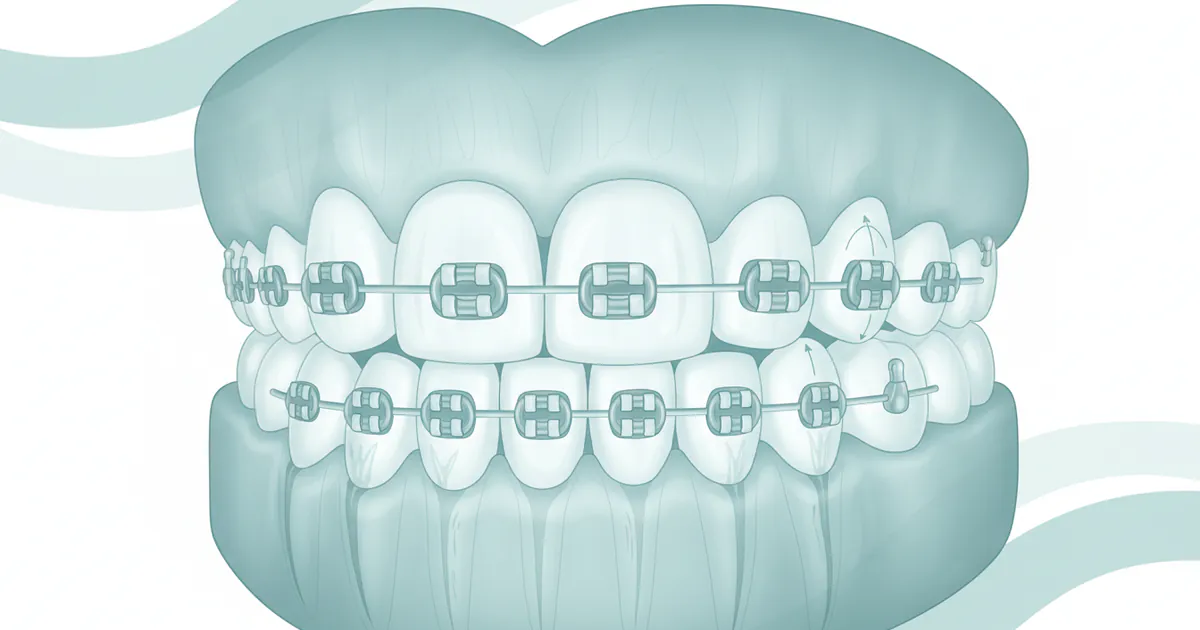
Braces for Adults: Complete Guide
Braces for Adults: Complete Guide Category: Orthodontics
February 22, 2026
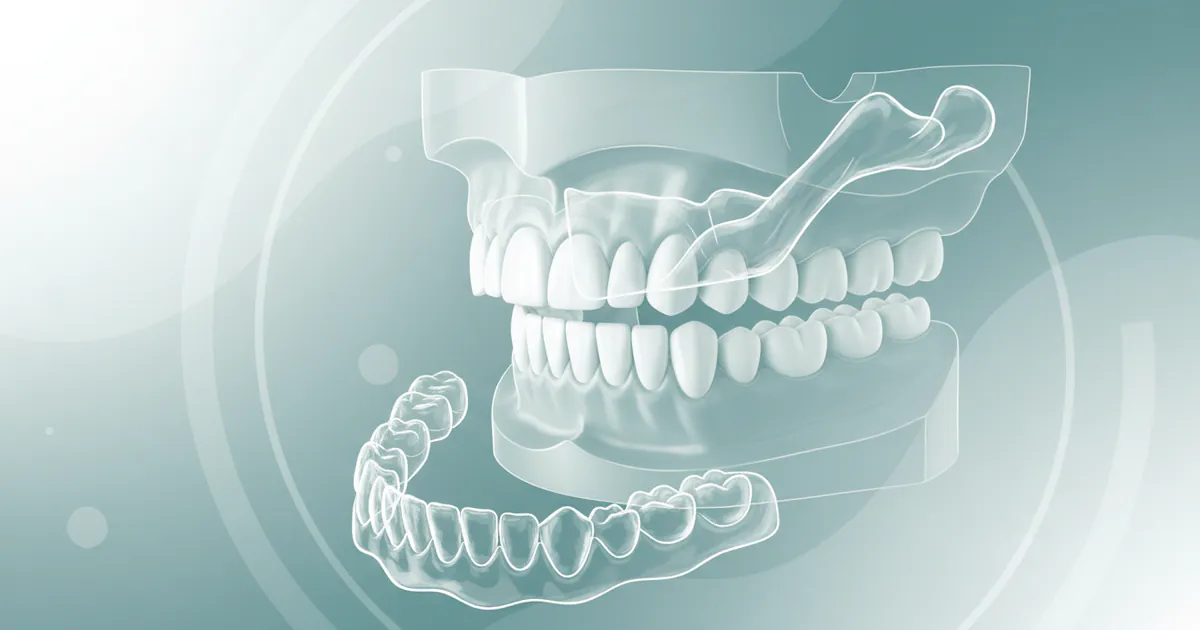
Invisalign Braces: Complete Guide
A radiant, perfectly aligned smile is more than just aesthetically pleasing; it's a gateway to improved oral health, enhanced confidence, and even better overall well-being. For millions of Americans seeking to correct misaligned teeth, the thought of traditional metal braces can be daunting, often
February 22, 2026
Adult Braces: Complete Guide
Adult Braces: Complete Guide
February 22, 2026