Metal Braces: Complete Guide
Key Takeaways
- Have you ever wondered about the secret behind so many confident, radiant smiles? Often, it's the result of orthodontic treatment, and for millions, that journey begins with metal braces. In the United States, an estimated 4 million people wear braces at any given time, with metal braces rem
Metal Braces: Complete Guide
Have you ever wondered about the secret behind so many confident, radiant smiles? Often, it's the result of orthodontic treatment, and for millions, that journey begins with metal braces. In the United States, an estimated 4 million people wear braces at any given time, with metal braces remaining the most common and often most effective choice for correcting a wide range of dental alignment issues. But what exactly are metal braces, how do they work, and what can you expect from the process?
This comprehensive guide from SmilePedia.net will delve deep into everything you need to know about metal braces. We’ll cover their fundamental mechanics, different types available, the underlying causes of dental misalignments, and a detailed step-by-step walkthrough of the treatment journey. We'll also explore crucial aspects like cost, insurance considerations, aftercare, and potential risks, ensuring you have all the information necessary to make an informed decision about your oral health and achieve the smile you deserve.
Key Takeaways:
- Metal braces are highly effective fixed orthodontic appliances made from high-grade stainless steel, used to correct various bite issues and tooth misalignments.
- The average cost for metal braces in the US ranges from $3,000 to $7,500, influenced by case complexity, treatment duration, and geographic location.
- Treatment typically lasts 18 to 36 months, but can vary significantly based on individual needs.
- Most dental insurance plans with orthodontic benefits cover 20-50% of the cost, often up to a lifetime maximum of $1,000-$3,000.
- Proper oral hygiene is paramount during treatment to prevent issues like decalcification and gum disease.
- Retainer wear after braces is critical for maintaining results and preventing relapse, often required indefinitely.
What Are Metal Braces? An Overview
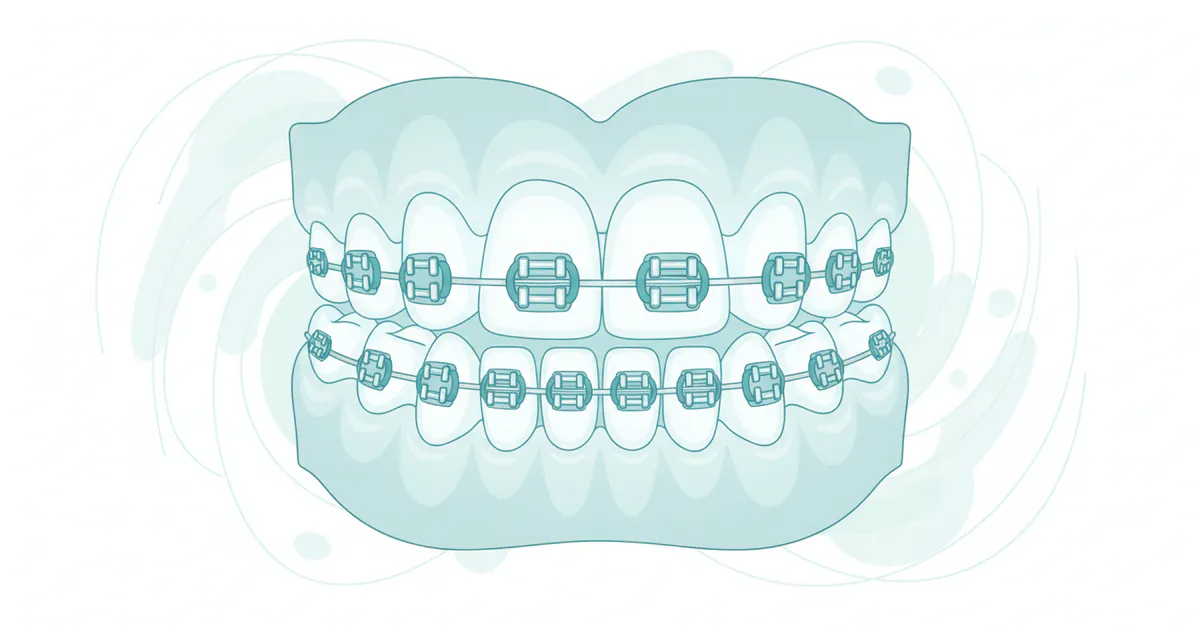
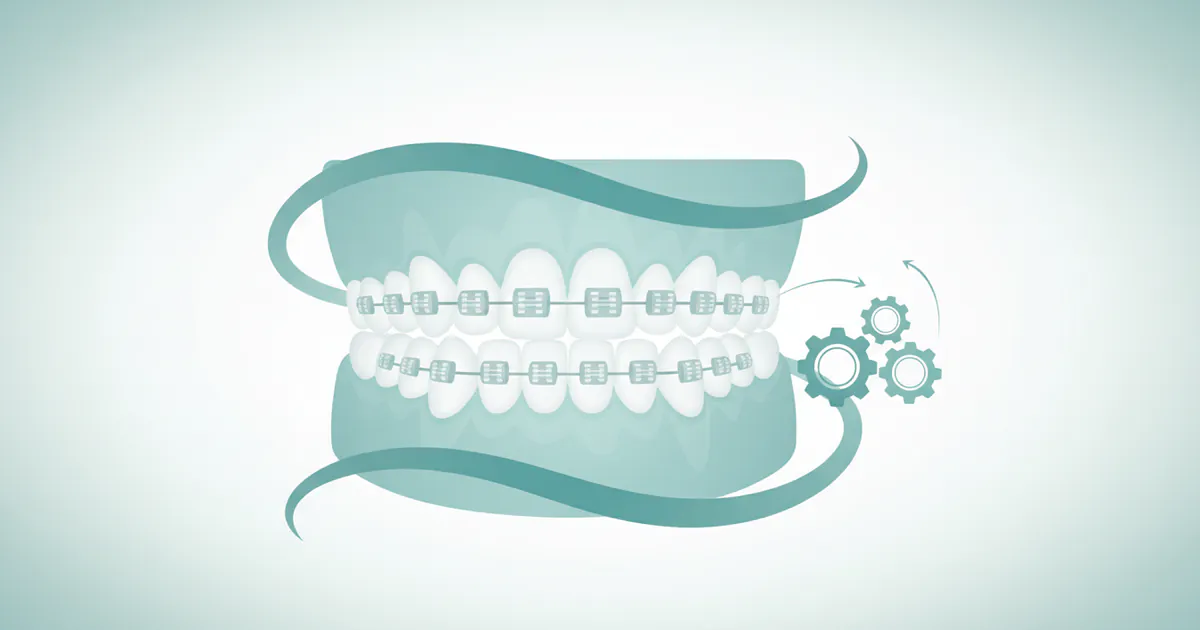
Metal braces are fixed orthodontic appliances designed to gradually move teeth into their correct positions. They are the most traditional and widely used form of braces, renowned for their strength, durability, and effectiveness in treating even the most complex orthodontic cases.
At their core, metal braces consist of several key components:
- Brackets: Small, square-shaped pieces of high-grade stainless steel or titanium that are bonded directly to the front surface of each tooth using a special dental adhesive. These are the anchors that hold the archwire.
- Archwire: A thin, flexible metal wire that threads through the brackets on all teeth. The archwire provides the gentle, continuous pressure needed to guide teeth into alignment. Orthodontists regularly change the archwire, gradually using thicker and stiffer wires as treatment progresses.
- Ligatures (Elastic Bands or O-rings): Small, colored or clear elastic ties that secure the archwire into the brackets. These are replaced at each adjustment appointment. In some modern metal braces, a self-ligating system uses a built-in clip or door instead of elastic ligatures.
- Bands: Metal rings that are typically cemented around the back molars. They provide a sturdy anchor for the archwire and can also be used to attach other orthodontic accessories like elastics or headgear.
- Elastics (Rubber Bands): Small, removable rubber bands that patients wear between upper and lower teeth. These are used to correct bite relationships (e.g., overbites, underbites) by applying specific forces to move entire sections of teeth.
The principle behind metal braces is biomechanical: the archwire exerts a gentle, consistent force on the brackets, which in turn transmits this force to the teeth. This pressure slowly remodels the bone surrounding the tooth roots, allowing the teeth to move through the bone to their desired positions. Over time, the bone regenerates around the new positions, stabilizing the teeth. This intricate process is carefully planned and monitored by a skilled orthodontist to ensure safe and effective tooth movement.
Types and Variations of Metal Braces
While the core components remain consistent, metal braces have evolved, offering variations that cater to different patient needs and preferences.
Traditional Metal Braces
These are the classic "train track" braces most people envision. They consist of stainless steel brackets and archwires, secured by elastic ligatures.
- Pros: Highly effective for all types of malocclusions, very durable, most cost-effective option, often allow for colored elastic ties for personalization.
- Cons: Most visible type of braces, can cause initial irritation to cheeks/lips.
Self-Ligating Metal Braces
This modern variation uses a special bracket design with a built-in clip or door to hold the archwire, eliminating the need for elastic ligatures. Brands like Damon System are well-known for this technology.
- Pros: Potentially fewer and quicker adjustment appointments (as there are no elastics to change), some studies suggest reduced friction leading to potentially faster treatment times or less discomfort, easier to clean (no elastic ties to trap food).
- Cons: Can be slightly more expensive than traditional metal braces, some designs are slightly bulkier.
Lingual Braces (Customized Metal Braces)
Unlike traditional braces, lingual braces are custom-made and bonded to the inside surface of the teeth, making them virtually invisible from the outside. While less common, they are indeed a type of metal brace.
- Pros: Completely invisible, making them an excellent aesthetic choice for adults or those concerned about appearance.
- Cons: Significantly more expensive due to customization and complexity of placement, can initially affect speech (lisp) and tongue comfort, appointments can be longer and more challenging for the orthodontist, not suitable for all cases.
Causes of Misaligned Teeth and Bite Issues
Understanding why teeth become misaligned or why bite issues develop is crucial for appreciating the role of orthodontic treatment. Malocclusions, the medical term for misaligned teeth or an incorrect bite, often stem from a combination of genetic and environmental factors.
Genetic Factors
Genetics play a significant role in determining jaw size, tooth size, and the relationship between the upper and lower jaws.
- Inherited Jaw Size and Shape: A small jaw might lead to crowded teeth, while a large jaw could result in spacing. Inherited differences in upper and lower jaw growth can cause overbites or underbites.
- Tooth Size Discrepancies: Some individuals inherit teeth that are too large for their jaw, causing crowding, or teeth that are too small, leading to gaps.
- Missing or Extra Teeth: Congenitally missing teeth (hypodontia) or extra teeth (supernumerary teeth) can disrupt normal tooth alignment.
Oral Habits
Certain habits, especially during childhood, can profoundly impact dental development.
- Thumb or Finger Sucking: Prolonged thumb sucking beyond age 4-5 can lead to protruding upper front teeth, an open bite, or constricted upper arch.
- Tongue Thrusting: An abnormal swallowing pattern where the tongue pushes against the front teeth can cause an open bite.
- Prolonged Pacifier Use: Similar to thumb sucking, prolonged pacifier use can affect jaw development and tooth position.
- Mouth Breathing: Chronic mouth breathing, often due to allergies or enlarged tonsils/adenoids, can lead to a narrow upper jaw and a longer facial structure.
Early or Late Tooth Loss
- Premature Loss of Primary (Baby) Teeth: If a baby tooth is lost too early due to decay or injury, the adjacent teeth can drift into the empty space, blocking the permanent tooth from erupting correctly.
- Late Loss of Primary Teeth: If baby teeth are retained too long, they can prevent permanent teeth from erupting into their proper positions.
Injury or Trauma
Direct trauma to the face or mouth can dislodge teeth, fracture the jaw, or damage developing permanent teeth, leading to malocclusion.
Dental Disease
- Gum Disease (Periodontitis): Advanced gum disease can lead to bone loss around the teeth, causing them to loosen and shift.
- Untreated Cavities: Large cavities or multiple missing teeth can alter the bite and cause remaining teeth to drift.
Common Malocclusions Addressed by Braces:
- Crowding: Teeth overlap due to insufficient space in the jaw.
- Spacing: Gaps between teeth, often due to missing teeth or a large jaw.
- Overbite (Deep Bite): Upper front teeth significantly overlap the lower front teeth.
- Underbite: Lower front teeth protrude past the upper front teeth.
- Crossbite: Some upper teeth sit inside the lower teeth when biting down.
- Open Bite: A vertical gap between the upper and lower front teeth when the back teeth are together.
- Protrusion (Buck Teeth): Upper front teeth visibly stick out.
Signs and Symptoms You Might Need Braces
Recognizing the signs that you or your child might benefit from orthodontic treatment is the first step toward a healthier smile. While only a qualified orthodontist can make a definitive diagnosis, here are common indicators to look for:
- Visible Crooked or Misaligned Teeth: This is perhaps the most obvious sign. Teeth that are noticeably out of alignment, rotated, or overlapping.
- Difficulty Chewing or Biting: If you frequently bite your cheek or tongue while eating, or find it hard to properly chew certain foods, it could indicate a bite problem.
- Speech Impediments: Lisping, difficulty pronouncing certain sounds, or other speech issues can sometimes be related to tooth position or bite.
- Jaw Pain or Discomfort: Chronic jaw pain, clicking, or popping in the jaw joint (TMJ issues) can be linked to an improper bite.
- Uneven Wear of Tooth Enamel: An improper bite can cause certain teeth to grind against each other excessively, leading to accelerated wear of the enamel.
- Gaps or Spaces Between Teeth: While sometimes desired for aesthetic reasons, excessive spacing can lead to food impaction and gum problems.
- Early or Late Loss of Baby Teeth: As mentioned, this can disrupt the eruption path of permanent teeth.
- Mouth Breathing: Persistent breathing through the mouth instead of the nose can affect facial and jaw development.
- Frequent Headaches: In some cases, chronic headaches can be related to tension from a misaligned bite.
- Grinding or Clenching Teeth (Bruxism): While often stress-related, an underlying malocclusion can exacerbate bruxism.
- Protruding Front Teeth: Teeth that stick out significantly can be prone to injury.
- Feeling Self-Conscious About Your Smile: Beyond health concerns, if you avoid smiling or feel embarrassed by your teeth, orthodontics can significantly boost confidence.
If you notice any of these signs, it's advisable to schedule an orthodontic consultation. Early evaluation can lead to more straightforward and effective treatment.
Treatment Options: Metal Braces vs. Alternatives
While this article focuses on metal braces, it's important to understand where they stand among other orthodontic treatment options. Choosing the right path involves weighing effectiveness, aesthetics, cost, and lifestyle factors.

Metal Braces (The Gold Standard)
- Pros:
- Highly Effective: Capable of correcting a vast range of simple to complex malocclusions.
- Durable: Made from robust materials, less prone to breakage than ceramic options.
- Cost-Effective: Generally the most affordable fixed orthodontic appliance.
- Versatile: Can use various auxiliary attachments (elastics, springs, headgear) for precise tooth movement.
- Proven Results: Decades of successful outcomes.
- Cons:
- Visibility: Most noticeable type of braces.
- Dietary Restrictions: Requires avoiding certain sticky, hard, or chewy foods.
- Oral Hygiene Challenges: More difficult to clean around brackets and wires.
- Initial Discomfort: Can cause soreness and irritation to the soft tissues of the mouth, especially after adjustments.
Clear Aligners (e.g., Invisalign)
- Description: A series of custom-made, clear plastic trays that fit snugly over the teeth. Each aligner moves the teeth incrementally.
- Pros:
- Nearly Invisible: Highly aesthetic, popular among adults and image-conscious teens.
- Removable: Can be taken out for eating, brushing, and flossing, making oral hygiene easier and allowing for a normal diet.
- Comfortable: No wires or brackets to irritate the cheeks or gums.
- Cons:
- Compliance is Key: Requires strict adherence to wearing aligners 20-22 hours a day. Non-compliance can prolong treatment or reduce effectiveness.
- Cost: Often more expensive than metal braces, especially for complex cases.
- Effectiveness Limitations: May not be suitable for all complex cases (e.g., severe rotations, large bite discrepancies) without attachments.
- Attachments: Small, tooth-colored bumps sometimes bonded to teeth to help aligners grip, which can affect invisibility.
Ceramic Braces
- Description: Similar to traditional metal braces in structure, but the brackets are made from clear or tooth-colored ceramic material.
- Pros:
- Less Visible: Blend in with natural tooth color, offering a more discreet appearance than metal braces.
- Effective: Can treat many cases that metal braces can.
- Cons:
- More Fragile: Ceramic can chip or break more easily than metal, potentially leading to longer treatment times if repairs are frequent.
- Staining: Elastic ties (ligatures) can stain easily from pigmented foods and drinks (coffee, tea, curry, red wine), though the brackets themselves are stain-resistant. Self-ligating ceramic braces avoid this issue.
- Cost: Generally more expensive than metal braces.
- Friction: Ceramic brackets can create more friction with the archwire, potentially prolonging treatment time in some cases.
Lingual Braces
- Description: As discussed, these are custom metal braces bonded to the inside surfaces of the teeth.
- Pros: Completely invisible.
- Cons: Most expensive option, significant impact on speech and tongue comfort, limited availability (fewer orthodontists are trained to place them).
Pro Tip: Your orthodontist will discuss all suitable options for your specific case. Don't hesitate to ask about the pros, cons, costs, and expected outcomes of each.
Step-by-Step Metal Braces Treatment Process
Embarking on orthodontic treatment is a journey, and knowing what to expect at each stage can help alleviate any anxieties. Here's a typical step-by-step breakdown of getting and wearing metal braces:
1. Initial Consultation and Diagnostic Records
- First Visit: You'll meet with a qualified orthodontist. They will conduct a thorough oral examination and discuss your concerns and goals.
- Diagnostic Records: If treatment is recommended, the orthodontist will gather detailed records. This typically includes:
- Digital X-rays: Panoramic (showing all teeth and jaws) and cephalometric (showing side profile of head and jaw relationship).
- Intraoral and Extraoral Photos: Pictures of your teeth, bite, and facial profile.
- Digital Scans or Impressions: To create a precise 3D model of your teeth and bite.
- Treatment Plan Discussion: Based on these records, the orthodontist will formulate a personalized treatment plan, explaining the specific malocclusion, how metal braces will correct it, the estimated duration, and the associated costs. This is your opportunity to ask any questions.
2. Preparation for Braces
- Dental Cleanliness: Before braces are placed, your teeth must be thoroughly clean and free of cavities or gum disease. You might need a professional dental cleaning.
- Spacers (if needed): In some cases, small elastic or metal spacers might be placed between your back molars for a week or two. This creates tiny gaps, allowing the orthodontist to fit the metal bands comfortably around these teeth.
- Addressing Other Dental Issues: Any existing fillings, extractions, or other dental work should be completed before braces placement to ensure a healthy foundation.
3. Bonding/Placement of Braces
- Cleaning and Conditioning: Each tooth surface where a bracket will be bonded is thoroughly cleaned, dried, and treated with a conditioning solution to ensure strong adhesion.
- Bonding Brackets: The orthodontist applies a special dental adhesive to the back of each bracket and carefully positions it on the center of each tooth. A special light is used to cure and harden the adhesive instantly. This process is painless.
- Placing Bands: If bands are used, they are cemented onto the back molars.
- Threading the Archwire: Once all brackets and bands are in place, the thin archwire is carefully threaded through the slots in each bracket.
- Ligating the Wire: Elastic ligatures (or self-ligating clips) are then used to secure the archwire to each bracket. This step marks the official beginning of your orthodontic journey!
- Instructions: You'll receive detailed instructions on oral hygiene, dietary restrictions, and what to expect during the initial adjustment period.
4. Regular Adjustments and Progress
- Scheduled Appointments: You'll typically have follow-up appointments every 4 to 8 weeks. These visits are crucial for treatment progress.
- Adjustments: During these appointments, the orthodontist will examine your teeth, remove the old ligatures (if applicable), change the archwire (progressing to thicker, stiffer wires as needed), and place new ligatures. They may also add or adjust springs, elastics, or other auxiliary appliances.
- Discomfort: It's common to experience some soreness or discomfort for a few days after an adjustment, as your teeth respond to the new forces. Over-the-counter pain relievers can help.
5. Debonding (Removal of Braces)
- Completion of Active Treatment: Once your teeth have reached their desired positions and your bite is corrected according to the treatment plan, your active treatment phase is complete.
- Braces Removal: The orthodontist will carefully remove the brackets from your teeth. This involves a gentle squeezing motion that breaks the adhesive bond. It's generally a quick and painless process, though you might feel some pressure.
- Cleaning: Any remaining adhesive on your teeth will be polished off, revealing your newly straightened smile.
6. Retention Phase
- The Crucial Step: This is arguably the most important phase for maintaining your results. Without retainers, teeth tend to shift back to their original positions (relapse).
- Types of Retainers:
- Removable Retainers:
- Hawley Retainer: A classic design with a metal wire and acrylic base, custom-made to fit the roof of your mouth or along the inside of your lower teeth.
- Essix Retainer (Clear Retainer): A clear, vacuum-formed plastic retainer that fits over your entire arch, similar in appearance to clear aligners.
- Fixed Retainer (Bonded Retainer): A thin wire bonded to the inside surface of your front teeth (typically lower front teeth, sometimes upper), making it permanent and invisible.
- Removable Retainers:
- Wear Schedule: Your orthodontist will provide specific instructions for retainer wear, which usually starts with full-time wear (except when eating/brushing) and gradually transitions to nighttime wear, often for an indefinite period.
Cost and Insurance Considerations for Metal Braces
The cost of orthodontic treatment is a significant factor for many families and individuals. Understanding the typical ranges and insurance coverage in the US is essential for financial planning.
Average US Costs for Metal Braces
The average cost of metal braces in the United States generally ranges from $3,000 to $7,500. This is a broad range because several factors influence the final price:
- Case Complexity: Simple cases (minor crowding or spacing) will cost less than complex cases involving significant bite correction, extractions, or jaw discrepancies. More severe issues naturally require more chair time and specialized techniques.
- Treatment Duration: Longer treatment times generally correlate with higher costs due to more appointments and materials.
- Geographic Location: Orthodontic fees vary significantly by region and even within cities. Major metropolitan areas and regions with a higher cost of living tend to have higher prices than rural areas. For example, costs in New York City or Los Angeles might be higher than in smaller towns.
- Orthodontist's Experience and Reputation: Highly experienced, board-certified orthodontists with state-of-the-art clinics may charge higher fees, reflecting their expertise and the quality of care provided. (The high level of training and continuous education required for a specialized profession like orthodontics means an orthodontist's salary reflects the significant investment in their education and the value of their specialized skill set.)
- Included Services: Some orthodontists include the cost of retainers, initial X-rays, and even some follow-up retainer checks in their overall fee, while others might charge separately. Always get a detailed breakdown.
Dental Insurance Coverage
Many dental insurance plans offer some level of orthodontic coverage, but it's important to understand the specifics:

- Orthodontic Rider: Coverage for orthodontics is often included as an "orthodontic rider" or a separate benefit within your dental plan. It's not always standard with basic dental coverage.
- Lifetime Maximum: Most plans that cover orthodontics have a lifetime maximum benefit, meaning there's a cap on how much the insurance company will pay for orthodontic treatment over your entire life (per insured individual). This typically ranges from $1,000 to $3,000, though some premium plans may offer more.
- Percentage Coverage: Insurance often covers a percentage of the total cost, commonly 20% to 50%, up to that lifetime maximum.
- Waiting Periods: Some plans have waiting periods (e.g., 6-12 months) before orthodontic benefits become active.
- Age Limitations: While adult orthodontics is common, some plans have age limitations for orthodontic coverage, often covering only dependents up to age 18 or 19.
- In-Network vs. Out-of-Network: Check if your orthodontist is in-network with your insurance plan. Out-of-network providers might result in higher out-of-pocket costs.
- Pre-Authorization: It's always advisable to get pre-authorization from your insurance company before starting treatment. Your orthodontist's office can typically help with this.
Flexible Spending Accounts (FSAs) and Health Savings Accounts (HSAs)
- FSA/HSA: These tax-advantaged accounts allow you to set aside pre-tax money for qualified medical and dental expenses, including orthodontic treatment. This can significantly reduce your out-of-pocket costs by lowering your taxable income.
Payment Plans and Financing Options
Most orthodontic practices understand that treatment is a significant investment and offer various payment solutions:
- In-Office Payment Plans: Many orthodontists offer interest-free payment plans, allowing you to pay for treatment in monthly installments over the course of your treatment (e.g., 18-36 months) after an initial down payment.
- Third-Party Financing: Companies like CareCredit or LendingClub offer specialized healthcare financing with various interest rates and payment terms.
- Discounts: Some practices offer a discount for paying the full treatment fee upfront, or for multiple family members undergoing treatment.
Pro Tip: Always get a written financial agreement from your orthodontist's office detailing the total cost, insurance benefits, and your payment plan before starting treatment.
Recovery and Aftercare with Metal Braces
The journey with metal braces doesn't end with their removal. Proper care during treatment and diligent aftercare are essential for successful, lasting results.
Initial Discomfort
- Soreness: It's normal to experience some soreness in your teeth and jaws for a few days after your braces are first placed and after each adjustment. This is because your teeth are starting to move.
- Pain Management: Over-the-counter pain relievers like ibuprofen (Advil, Motrin) or acetaminophen (Tylenol) can help manage discomfort. Stick to soft foods during this time.
- Irritation: Brackets and wires can initially rub against your cheeks, lips, and tongue, causing irritation or small sores. Your orthodontist will provide orthodontic wax, which you can apply over irritating spots to create a smooth surface.
Dietary Restrictions
To prevent damage to your braces and ensure efficient treatment, you'll need to avoid certain foods:
- Hard Foods: Popcorn, nuts, hard candy, ice, whole raw carrots/apples (cut into small pieces), crusty bread/pizza crusts. These can break brackets or bend wires.
- Sticky Foods: Caramel, taffy, chewing gum, gummy candies. These can get stuck in braces, pull off brackets, or bend wires.
- Chewy Foods: Bagels, licorice, hard rolls. These can also bend wires or dislodge brackets.
- Sugary and Acidic Foods/Drinks: While not strictly forbidden, consuming these in moderation and brushing immediately afterward is crucial to prevent decalcification (white spots) and cavities around brackets.
Oral Hygiene with Braces
Maintaining excellent oral hygiene is paramount while wearing braces, as food particles and plaque can easily get trapped around brackets and wires, increasing the risk of cavities, gum inflammation (gingivitis), and decalcification.
- Brushing: Brush at least twice a day, ideally after every meal. Use a soft-bristled toothbrush and brush thoroughly around each bracket, above and below the wire, and along the gumline. An interdental brush (proxabrush) can help clean under the archwire.
- Flossing: Flossing is more challenging but absolutely critical. Use a floss threader or specialized orthodontic floss to thread floss under the archwire between each tooth. Water flossers (oral irrigators) can be a helpful addition to rinse away loose food particles but do not replace traditional flossing.
- Mouthwash: An antimicrobial or fluoride mouthwash can be used daily to help reduce plaque and strengthen enamel.
- Regular Dental Cleanings: Continue to see your general dentist for regular check-ups and professional cleanings every 3-6 months.
Dealing with Braces Emergencies
Minor issues are common, but some require immediate attention:
- Loose or Broken Bracket: If a bracket comes loose, call your orthodontist. If it's still attached to the wire, leave it alone. If it's irritating your mouth, you can try applying orthodontic wax.
- Poking Wire: If the end of a wire pokes your cheek or gum, try to gently push it back into place with a clean cotton swab or eraser. If that doesn't work, apply wax. If it's causing severe pain, your orthodontist might be able to clip it.
- Loose Band: If a band around a molar becomes loose, call your orthodontist immediately as food can get trapped underneath, leading to decay.
- Lost Ligature: If an elastic ligature comes off, call your orthodontist, especially if it's affecting a front tooth.
Post-Braces Aftercare: Retainers
Once your braces are removed, the active treatment is over, but the retention phase begins. This is non-negotiable for long-term stability.
- Wear Your Retainer as Instructed: This is the most critical instruction. Teeth have a natural tendency to shift back to their original positions (relapse) if not held in place.
- Clean Your Retainer: Clean removable retainers daily with a toothbrush and cool water, or a specialized retainer cleaner, to prevent bacteria buildup.
- Regular Retainer Checks: You'll have follow-up appointments with your orthodontist to check the fit and condition of your retainers.
- Replace Worn Retainers: Retainers can wear out or break. If yours gets damaged or no longer fits properly, contact your orthodontist immediately to have it repaired or replaced.
Prevention of Orthodontic Issues
While some orthodontic issues are genetic and unavoidable, certain measures can help prevent the development or worsening of malocclusions, especially in children.
Early Orthodontic Evaluation
- First Visit by Age 7: The American Association of Orthodontists (AAO) recommends that all children have their first orthodontic evaluation by age 7. At this age, a child's permanent molars and incisors have usually erupted, allowing the orthodontist to identify subtle problems with jaw growth and emerging teeth.
- Interceptive Orthodontics (Phase 1): Early evaluation allows for interceptive treatment (Phase 1), if needed. This isn't always full braces, but might involve appliances to guide jaw growth, create space for erupting teeth, correct harmful oral habits, or address severe bite problems. This can prevent more serious issues later, reduce the need for extractions, or simplify future treatment (Phase 2).
Addressing Harmful Oral Habits
- Stop Thumb/Finger Sucking: Encourage cessation of thumb/finger sucking or prolonged pacifier use by age 4-5. If habits persist, a pediatric dentist or orthodontist can offer strategies or appliances to help.
- Tongue Thrusting: If persistent tongue thrusting is identified, speech therapy or orthodontic appliances can help retrain the tongue.
Maintaining Excellent Oral Hygiene
- Prevent Tooth Decay: Good brushing and flossing habits from an early age prevent cavities. Premature loss of baby teeth due to decay can lead to space loss and crowding.
- Gum Health: Healthy gums support healthy teeth. Gum disease can cause teeth to shift.
Regular Dental Check-ups
- Routine Visits: Consistent visits to your general dentist for cleanings and check-ups ensure that any emerging issues, such as cavities or gum problems, are caught and treated early. Your dentist can also monitor dental development and refer to an orthodontist if concerns arise.
Protecting Teeth from Trauma
- Mouthguards for Sports: If you or your child participate in contact sports or activities with a risk of facial injury, wearing a custom-fitted mouthguard is essential to protect teeth and jaws.

By taking these preventative steps, you can contribute significantly to a healthier and potentially straighter smile, sometimes even reducing the complexity or duration of future orthodontic treatment.
Risks and Complications of Metal Braces
While metal braces are generally safe and highly effective, like any medical treatment, there are potential risks and complications to be aware of. Your orthodontist will discuss these thoroughly with you.
- Discomfort and Pain: As mentioned, soreness after adjustments is common. Persistent pain, however, should be reported.
- Oral Hygiene Challenges: Braces create more surfaces for food and plaque to accumulate. Without meticulous oral hygiene, risks include:
- Decalcification (White Spots): Permanent white marks on the enamel where plaque has eroded minerals. These spots are often visible after braces are removed.
- Cavities (Dental Caries): Increased risk of tooth decay around and under brackets.
- Gingivitis (Gum Inflammation): Red, swollen, bleeding gums due to plaque accumulation.
- Periodontitis (Gum Disease): In severe, untreated cases, gingivitis can progress to periodontitis, leading to bone loss around the teeth.
- Root Resorption: In rare instances, the roots of the teeth can shorten during orthodontic treatment. This is usually mild and doesn't affect tooth longevity, but severe cases can compromise tooth stability. Your orthodontist monitors this with X-rays.
- Relapse: If retainers are not worn as prescribed after braces are removed, teeth have a strong tendency to shift back towards their original positions. This is the most common "complication" and is almost entirely preventable with proper retainer wear.
- Soft Tissue Irritation: Brackets and wires can rub against the inside of your cheeks, lips, or tongue, causing sores or discomfort. Orthodontic wax typically alleviates this.
- Allergic Reactions: While rare, some individuals may have an allergy to nickel, a component in some stainless steel alloys used for braces. Alternative materials, such as titanium brackets, are available for those with known allergies.
- Treatment Time Variations: While an estimated treatment time is provided, individual biological responses can vary. Treatment might take longer than initially predicted due to slow tooth movement, non-compliance with elastics, or broken appliances.
- Non-Vital Tooth: Very rarely, a tooth may become non-vital (lose its nerve) during orthodontic movement, requiring root canal treatment. This is often associated with pre-existing trauma to the tooth.
- Anchorage Loss: In some cases, teeth used as anchors to move other teeth can themselves move slightly in an unwanted direction. This is managed through careful treatment planning and sometimes temporary anchorage devices (TADs).
Your orthodontist's expertise and your commitment to instructions are key to minimizing these risks and ensuring a successful outcome.
Comparison Tables
To help you visualize the differences between various orthodontic options and costs, here are two comparison tables.
Table 1: Comparison of Common Orthodontic Treatment Options
| Feature | Traditional Metal Braces | Ceramic Braces | Clear Aligners (e.g., Invisalign) | Lingual Braces |
|---|---|---|---|---|
| Visibility | Most visible | Less visible (tooth-colored) | Nearly invisible | Completely invisible (on inside) |
| Cost Range (US) | $3,000 - $7,500 | $4,000 - $8,500 | $3,500 - $9,000 | $8,000 - $15,000+ |
| Effectiveness | Highly effective for all cases | Highly effective for most cases | Effective for mild to moderate | Highly effective for all cases |
| Removability | Fixed | Fixed | Removable | Fixed |
| Comfort | Moderate (initial irritation) | Moderate (can be bulky) | High (smooth plastic) | Low (tongue irritation, speech issues) |
| Oral Hygiene | Challenging | Challenging | Easiest (can remove to brush/floss) | Challenging (difficult to reach) |
| Dietary Restrictions | Significant (avoid hard, sticky) | Significant (avoid hard, sticky) | None (remove to eat) | Significant (avoid hard, sticky) |
| Maintenance | Regular adjustments | Regular adjustments | Change aligners every 1-2 weeks | Regular adjustments |
| Staining | No (elastics can stain) | Ligatures can stain | No | No |
Table 2: Estimated Treatment Duration and Complexity with Metal Braces
| Malocclusion Type | Typical Duration (Metal Braces) | Complexity Level | Common Interventions (Metal Braces) |
|---|---|---|---|
| Mild Crowding/Spacing | 12 - 18 months | Low | Brackets, archwires, elastic ligatures |
| Moderate Crowding/Spacing | 18 - 24 months | Medium | Brackets, archwires, potentially extractions, elastics |
| Severe Crowding/Spacing | 24 - 36+ months | High | Brackets, archwires, often extractions, elastics, potentially TADs |
| Mild Overbite/Underbite | 18 - 24 months | Medium | Brackets, archwires, interarch elastics |
| Severe Overbite/Underbite | 24 - 36+ months | High | Brackets, archwires, extensive elastics, potential jaw surgery |
| Crossbite | 18 - 24 months | Medium | Brackets, archwires, elastics, sometimes palatal expanders |
| Open Bite | 24 - 36+ months | High | Brackets, archwires, elastics, potentially habit appliances |
| Protruding Teeth | 18 - 30 months | Medium-High | Brackets, archwires, elastics, potentially extractions |
Note: These durations are estimates. Actual treatment time varies based on individual biology, compliance, and case specifics.
Children and Pediatric Considerations for Metal Braces
Orthodontic treatment often begins in childhood or adolescence, and metal braces are particularly well-suited for younger patients. Understanding pediatric considerations is vital for parents.
The "Ideal" Age for Orthodontics
- Early Evaluation (Age 7): As recommended by the American Association of Orthodontists (AAO), an initial orthodontic consultation should occur around age 7. At this age, the orthodontist can assess developing jaw relationships, erupting permanent teeth, and identify any issues that might benefit from early intervention.
- No Rush to Braces: An early evaluation doesn't necessarily mean immediate braces. It simply allows the orthodontist to monitor development and intervene at the optimal time.
Two-Phase Orthodontic Treatment
Some children benefit from a two-phase approach:
- Phase 1 (Interceptive Treatment): Typically occurs between ages 7-10, while some primary teeth are still present. The goal is to correct significant jaw problems, manage space, or eliminate harmful habits that could cause more severe issues later. This might involve palatal expanders, space maintainers, or limited braces on specific teeth. Phase 1 aims to create a better environment for permanent teeth to erupt and can often simplify or shorten Phase 2.
- Resting Period: After Phase 1, there's a period where permanent teeth continue to erupt.
- Phase 2 (Comprehensive Treatment): Usually begins around age 11-14, once most or all permanent teeth have erupted. This involves full braces (often metal braces) to align all teeth and establish a proper bite.
Why Metal Braces are Popular for Kids and Teens
- Effectiveness: Metal braces are highly effective for correcting even severe misalignments and bite issues common in developing mouths.
- Durability: Children and teens can be rough on their appliances. Metal braces are robust and less prone to breakage than ceramic options.
- Cost-Effective: Often the most affordable option, which is a significant factor for families.
- Compliance: Being fixed, metal braces don't rely on patient compliance for wearing (unlike clear aligners), which can be a challenge for some younger patients.
- Personalization: Kids often enjoy choosing different colored elastic ties at each appointment, making the experience more fun and personal.
Parental Role in Pediatric Orthodontics
- Oral Hygiene Supervision: Parents play a critical role in ensuring their children maintain meticulous oral hygiene with braces, as younger patients may struggle with thorough brushing and flossing.
- Dietary Guidance: Guiding children to avoid problematic foods is crucial to prevent broken brackets and wires.
- Appointment Attendance: Ensuring regular attendance at adjustment appointments.
- Elastic Wear: If elastics are prescribed, parents must ensure their children wear them consistently as directed. Non-compliance can significantly prolong treatment.
- Emotional Support: The orthodontic journey can have its ups and downs; providing encouragement and support is important.
Cost Breakdown: A Deeper Dive
As previously discussed, the investment in metal braces can range from $3,000 to $7,500. Let's break down the components and factors further to provide a clear financial picture.
Average US Costs (Low, Mid, High)
- Low Complexity (e.g., minor crowding, short duration): May range from $3,000 - $5,000. This typically involves simpler movements and shorter treatment times (12-18 months).
- Mid Complexity (e.g., moderate crowding, common bite issues): Commonly falls into the $5,000 - $6,500 range. This covers most standard cases taking 18-24 months.
- High Complexity (e.g., severe malocclusion, extractions, significant bite correction): Can be $6,500 - $7,500+. These cases require more extensive planning, longer treatment duration (24-36+ months), and more frequent adjustments.
These costs generally include:
- Initial consultation and diagnostic records (X-rays, photos, impressions/scans).
- Placement of braces (bonding).
- All regular adjustment appointments throughout the treatment.
- Removal of braces (debonding).
- One set of retainers (often included, but confirm).
- Follow-up retainer checks for a limited period (e.g., 6-12 months post-braces).
With vs. Without Insurance
- Without Insurance: You will be responsible for the full treatment cost. Many orthodontic practices offer attractive in-house payment plans (often interest-free) to break down the total into manageable monthly payments.
- With Insurance: If your dental insurance includes orthodontic benefits, it can significantly reduce your out-of-pocket expenses.
- Example Scenario:
- Total Treatment Cost: $6,000
- Insurance Lifetime Maximum: $2,000
- Insurance Coverage Percentage: 40%
- Insurance Pays: $2,000 (capped at lifetime max, not 40% of $6k which would be $2,400)
- Your Out-of-Pocket Cost: $4,000
- If the insurance coverage percentage was lower, or the lifetime max higher, the calculation would adjust. Always verify with your specific plan.
- Example Scenario:
Payment Plans and Financing Options
Beyond insurance, most orthodontic offices are flexible:
- In-Office Interest-Free Plans: Most common. A down payment (e.g., $500 - $1,500) is usually required, with the remaining balance spread over the treatment duration (e.g., 18-36 monthly payments).
- Third-Party Medical Financing: Companies like CareCredit offer credit lines specifically for healthcare costs. They might offer promotional periods of 0% interest for a certain number of months, followed by standard interest rates.
- Discounts for Upfront Payment: Many offices offer a 5-10% discount if you pay the full balance at the start of treatment.
- Flexible Spending Accounts (FSAs) and Health Savings Accounts (HSAs): Utilize these tax-advantaged accounts to pay for orthodontic treatment with pre-tax dollars, saving you money on your overall tax burden.
Cost-Saving Tips
- Shop Around: Get consultations from 2-3 different orthodontists. While costs can be similar, there might be variations in fees, payment plans, and included services. (When researching, consider clinics that employ a well-compensated staff, as this often correlates with lower staff turnover and higher quality of care, indirectly reflecting the value of an orthodontist's salary and the investment in their team).
- Ask for Discounts: Inquire about discounts for upfront payment, multiple family members, or specific professional affiliations.
- Check Dental Schools: Orthodontic treatment at university dental schools can sometimes be significantly less expensive, as it's performed by orthodontic residents under the direct supervision of experienced, board-certified faculty. The quality of care is typically high, though appointments might take longer.
- Community Dental Clinics: Some non-profit or community health centers offer orthodontic services at reduced rates for eligible individuals.
- Maximize Insurance: Understand your policy's full benefits, including lifetime maximums and any associated waiting periods, before starting treatment.

Frequently Asked Questions
How long do metal braces typically stay on?
The average treatment duration for metal braces ranges from 18 to 36 months. However, this can vary significantly based on the complexity of your case, your age, your body's individual response to treatment, and your compliance with wearing elastics and maintaining appointments.
Do metal braces hurt?
You will likely experience some discomfort and soreness for a few days after your braces are first placed and after each adjustment. This pain is usually manageable with over-the-counter pain relievers and typically subsides within a few days. Initial irritation to the cheeks and lips from the brackets is also common but can be relieved with orthodontic wax.
Can adults get metal braces?
Absolutely! There is no age limit for orthodontic treatment. Many adults successfully undergo treatment with metal braces to correct long-standing issues, improve oral health, or prepare for other dental work. The treatment process for adults is largely the same, though adult bone density might mean slightly longer treatment times than for adolescents.
What foods should I avoid with metal braces?
To prevent damage to your braces, you should avoid hard, crunchy, sticky, and very chewy foods. This includes popcorn, nuts, hard candies, ice, chewing gum, caramel, taffy, and crusty bread. Your orthodontist will provide a comprehensive list of foods to avoid.
How do I clean my teeth with metal braces?
Maintaining excellent oral hygiene is crucial. You should brush after every meal (at least twice a day) with a soft-bristled toothbrush, making sure to clean above, below, and around each bracket. Flossing with a floss threader or using an interdental brush (proxabrush) or water flosser is also essential to clean between teeth and under the archwire.
Are metal braces more effective than clear aligners?
Metal braces are generally considered the most versatile and effective option for treating the widest range of orthodontic issues, including complex cases. Clear aligners are highly effective for mild to moderate cases but may have limitations for very severe rotations, complex bite problems, or cases requiring significant tooth movement, unless augmented with specific attachments.
What happens if I don't wear my retainer?
If you don't wear your retainer as instructed after your braces are removed, your teeth will almost certainly shift back towards their original misaligned positions. This phenomenon is called relapse, and it can negate all the hard work and investment of your orthodontic treatment. Retainer wear is crucial for maintaining your straightened smile for life.
What are the alternatives to metal braces?
Alternatives to metal braces include ceramic braces (less visible brackets), clear aligners (e.g., Invisalign, removable plastic trays), and lingual braces (placed on the inside of the teeth for complete invisibility). Each option has its own pros, cons, costs, and aesthetic considerations.
How often do I need appointments with metal braces?
You will typically need to visit your orthodontist every 4 to 8 weeks for adjustment appointments. During these visits, the orthodontist will check your progress, change the archwire, replace ligatures, and make any necessary modifications to keep your teeth moving according to the treatment plan.
Can I play sports with metal braces?
Yes, you can absolutely play sports with metal braces! However, it is essential to wear a custom-fitted mouthguard, especially for contact sports or activities where there's a risk of facial injury. A mouthguard will protect both your braces and your mouth from potential trauma.
When to See a Dentist or Orthodontist
Knowing when to seek professional dental or orthodontic advice is key to preventing minor issues from becoming major problems and ensuring the best possible outcome for your oral health.
Clear Warning Signs for an Orthodontic Consultation:
While your general dentist can identify many issues, a referral to an orthodontist is recommended if you notice any of the following:
- Visible Crooked Teeth: Any noticeable misalignment, rotation, or overlapping of teeth.
- Bite Problems: If your upper and lower teeth don't fit together comfortably or correctly (e.g., overbite, underbite, crossbite, open bite).
- Difficulty Chewing or Biting: If chewing is inefficient or causes discomfort.
- Jaw Pain or Clicking: Persistent pain, popping, or clicking in your jaw joint.
- Early or Late Loss of Baby Teeth: If a child loses baby teeth too soon or retains them too long.
- Thumb Sucking or Tongue Thrusting: If these habits persist beyond early childhood.
- Speech Difficulties: A lisp or other speech impediments that might be related to tooth position.
- Gaps or Crowding: Noticeable spaces between teeth or areas where teeth are severely crowded.
- Self-Consciousness About Your Smile: If your dental alignment affects your confidence or quality of life.
Emergency vs. Scheduled Appointment Guidance:
Most orthodontic concerns can wait for a scheduled appointment, but some require more immediate attention:
- Emergency Situations (Call Immediately):
- Severe Pain: If you experience intense, unmanageable pain.
- Trauma to Mouth/Braces: A direct blow to the mouth that causes significant damage to braces, teeth, or gums.
- Swelling: Any unexplained swelling in your gums, cheeks, or jaw.
- Loose Band or Appliance: If a band around a molar comes completely loose or an orthodontic appliance is severely broken and causing acute pain or preventing eating.
- Wire Poking and Unmanageable: If a wire is deeply embedded or causing bleeding and cannot be relieved with wax.
- Routine Concerns (Call to Schedule):
- Loose or Broken Bracket: If a bracket comes off but isn't causing severe pain or is still attached to the wire.
- Minor Wire Irritation: If a wire is poking, but you can manage it with wax.
- Lost Ligature: If an elastic tie comes off.
- Questions about discomfort: Any new discomfort that is not severe.
It is highly recommended that children have their first orthodontic evaluation by age 7, even if no obvious problems are present. This early screening allows an orthodontist to monitor development and intervene with interceptive treatment if necessary, potentially simplifying future care. For adults, if you have any concerns about your bite, tooth alignment, or are considering improving your smile, don't hesitate to seek a consultation. Finding the best orthodontist near me involves researching board-certified professionals, reading reviews, and scheduling an initial consultation to ensure a comfortable fit and confidence in your care provider. Early detection and timely treatment are often key to achieving the healthiest, most beautiful smile.
Frequently Asked Questions
Medically Reviewed Content
This article was written by our dental health editorial team and reviewed for medical accuracy. Our content follows strict editorial guidelines for reliability and trustworthiness.
Medical Disclaimer
This article is for informational purposes only and does not constitute medical advice. Always consult with a qualified dental professional for diagnosis and treatment. Do not delay seeking professional advice because of something you read on this website.
Related Articles
Retainer Fee: Complete Guide
The journey to a perfectly aligned smile doesn't end when your braces come off or your last clear aligner tray is discarded. In fact, a crucial phase, often overlooked but absolutely essential for maintaining your results, begins: retention. For many, the idea of a retainer fee can be an unexpec
February 22, 2026
Braces for Adults: Complete Guide
Braces for Adults: Complete Guide Category: Orthodontics
February 22, 2026
Invisalign Braces: Complete Guide
A radiant, perfectly aligned smile is more than just aesthetically pleasing; it's a gateway to improved oral health, enhanced confidence, and even better overall well-being. For millions of Americans seeking to correct misaligned teeth, the thought of traditional metal braces can be daunting, often
February 22, 2026
Adult Braces: Complete Guide
Adult Braces: Complete Guide
February 22, 2026