Complete Guide to Pediatric Dentistry: Everything You Need to Know
Key Takeaways
- Welcome to SmilePedia.net, your trusted resource for comprehensive dental health information. The journey through childhood is filled with milestones, and few are as foundational to long-term health as the development of a child's smile. Did you know that **tooth decay is the most common chronic chi
Welcome to SmilePedia.net, your trusted resource for comprehensive dental health information. The journey through childhood is filled with milestones, and few are as foundational to long-term health as the development of a child's smile. Did you know that tooth decay is the most common chronic childhood disease in the United States, five times more prevalent than asthma? This staggering statistic underscores the critical importance of understanding and prioritizing pediatric dentistry from the earliest stages of life.
Pediatric dentistry isn't just about tiny chairs and fun-themed offices; it's a specialized branch of dentistry dedicated to the oral health of children from infancy through adolescence. It encompasses everything from guiding parents on when do babies start teething to addressing complex orthodontic needs, ensuring that your child's developing teeth, gums, and mouth are healthy and functional. Neglecting early dental care can lead to pain, infection, speech problems, and even impact a child's ability to eat and learn.
This complete guide will navigate you through every essential aspect of pediatric dentistry. We'll explore the fascinating timeline of baby teeth eruption, delve into the common teething symptoms and effective relief strategies, discuss the potential impact of habits like pacifier use, and outline the crucial preventive and restorative treatments available. By the end of this article, you'll be equipped with the knowledge to safeguard your child's oral health, setting them on a path toward a lifetime of healthy smiles.
Key Takeaways:
- First Dental Visit: The American Dental Association (ADA) recommends a child's first dental visit by their first birthday or within six months of their first tooth erupting.
- Teething Timeline: Most babies start teething between 4-7 months, with all 20 primary (baby) teeth typically erupting by age 3.
- Early Oral Care: Begin cleaning your baby's gums even before teeth appear. Once teeth erupt, brush twice daily with a tiny smear (rice-grain size) of fluoride toothpaste.
- Preventive Care Costs: A routine pediatric dental check-up and cleaning can range from $75 to $200 without insurance, while fluoride treatments may add $25 to $60, and sealants cost $30 to $70 per tooth.
- Teething Relief: Over-the-counter pain relievers (like acetaminophen or ibuprofen), chilled teething toys, and gentle gum massage are safe and effective options for teething discomfort. Avoid topical numbing gels containing benzocaine for infants.
- Pacifier Impact: While pacifiers offer comfort, prolonged use beyond age 2-4 can lead to "pacifier teeth" and orthodontic issues, potentially requiring corrective treatment.
- Dental Emergencies: Seek immediate dental care for severe pain, knocked-out teeth, or significant oral trauma to prevent complications.
What is Pediatric Dentistry?
Pediatric dentistry is an age-defined specialty that provides comprehensive primary and specialty oral health care for infants, children, and adolescents, including those with special healthcare needs. A pediatric dentist-complete-guide "Pediatric Dentist: Complete Guide") undergoes an additional two to three years of specialized training beyond dental school, focusing on the unique aspects of children's oral development, behavior management, and the treatment of dental issues specific to growing smiles.
The core philosophy of pediatric dentistry revolves around prevention, early detection, and treatment of dental diseases. It emphasizes creating a positive and welcoming environment, fostering a lifelong appreciation for oral health. Pediatric dentists are skilled in communicating with children and parents, explaining procedures in child-friendly terms, and utilizing various techniques to ensure a comfortable and anxiety-free experience.
The Journey of Baby Teeth: From Eruption to Exfoliation
The development of your child's primary teeth, commonly known as baby teeth, is a crucial phase that lays the groundwork for their permanent dentition. Although temporary, these teeth are vital for proper chewing, speech development, maintaining space for permanent teeth, and contributing to overall facial structure. There are typically 20 baby teeth, 10 in the upper jaw and 10 in the lower jaw.
When Do Babies Start Teething?
The arrival of a baby's first tooth, a process known as teething or odontiasis, is a momentous occasion often accompanied by some discomfort for your little one. Most babies start teething between 4 and 7 months of age, though it can vary widely. Some infants may get their first tooth as early as 3 months, while others might not see one until after their first birthday. Typically, the lower central incisors (front bottom teeth) are the first to erupt.
The entire teething process, from the first tooth to the eruption of the last primary molar, usually spans from 6 months to 3 years of age.
The Baby Teeth Chart: Eruption Timeline
Understanding the typical timeline for tooth eruption can help parents anticipate upcoming milestones and recognize if a baby's development falls within expected ranges. While there can be variations, the following baby teeth chart outlines the general order and age ranges for primary tooth eruption and shedding:
| Tooth Type | Average Age of Eruption (Months) | Average Age of Shedding (Years) |
|---|---|---|
| Lower Central Incisors | 6-10 | 6-7 |
| Upper Central Incisors | 8-12 | 6-7 |
| Upper Lateral Incisors | 9-13 | 7-8 |
| Lower Lateral Incisors | 10-16 | 7-8 |
| Upper First Molars | 13-19 | 9-11 |
| Lower First Molars | 14-18 | 9-11 |
| Upper Canines (Cuspids) | 16-22 | 10-12 |
| Lower Canines (Cuspids) | 17-23 | 10-12 |
| Lower Second Molars | 23-31 | 10-12 |
| Upper Second Molars | 25-33 | 10-12 |
Pro Tip: If your child's first tooth hasn't erupted by 12 months, or if there's a significant delay or asymmetry in eruption, consult with your pediatric dentist.
Teething Symptoms: What to Look For
While some babies sail through teething with barely a whimper, many experience a range of uncomfortable teething symptoms. These usually begin a few days before a tooth emerges and subside once it has cut through the gum.
Common teething symptoms include:
- Irritability and fussiness: Your baby may be more cranky than usual, especially at night.
- Drooling: Excessive drooling is very common as salivary glands become more active. This can sometimes lead to a teething rash around the mouth.
- Swollen, tender gums: The gums around the erupting tooth may look red, swollen, or bruised.
- Chewing on objects: Babies instinctively try to relieve pressure by biting and chewing on toys, fingers, or anything they can get their hands on.
- Refusal to eat: Discomfort may make sucking or chewing painful, leading to temporary loss of appetite.
- Slight increase in temperature: A mild fever (typically under 100.4°F or 38°C) is sometimes associated with teething, though high fevers are generally not caused by teething alone and warrant a doctor's visit.
- Ear pulling: Babies might pull at their ears due to referred pain, especially if molars are erupting.
- Changes in sleep patterns: Discomfort can disrupt normal sleep.
Important Note: While teething can cause minor symptoms, it does NOT cause high fever, diarrhea, vomiting, or significant respiratory symptoms. If your baby experiences these, always consult your pediatrician.
Common Teething Remedies and Relief
When your baby is uncomfortable from teething, your primary goal is to provide safe and effective relief. Here are several approaches, ranging from home remedies to over-the-counter aids:
Non-Pharmacological Remedies:
- Gentle Gum Massage: Using a clean finger or a moistened gauze pad, gently rub your baby's gums for a minute or two. The pressure can provide temporary relief.
- Chilled Teething Toys or Rings: Offer a firm rubber teething ring or toy that has been chilled (not frozen) in the refrigerator. The cold can help numb the gums and reduce swelling. Ensure the toys are solid and free of liquid, which could leak.
- Cold Washcloth: A clean, wet washcloth, chilled in the refrigerator, can be offered for your baby to chew on.
- Hard, Sugar-Free Foods (for older babies): If your baby is eating solids, you can offer firm, cold foods like a peeled cucumber stick, a piece of chilled carrot, or a small, hard, sugar-free rusk. Always supervise closely to prevent choking.
- Cuddles and Distraction: Sometimes, the best remedy is simply extra comfort and attention to distract them from the discomfort.
Pharmacological Remedies:
- Over-the-Counter Pain Relievers: For significant discomfort, infant acetaminophen (Tylenol) or ibuprofen (Advil, Motrin) can be used, following dosage instructions based on your child's weight. Always consult your pediatrician before administering medication, especially for infants under 6 months.
- Camilia Teething Drops: These homeopathic drops are marketed to relieve teething symptoms. They are typically administered orally in small, pre-measured liquid doses. Many parents report anecdotal success with Camilia Teething Drops as they are benzocaine-free and sugar-free. However, efficacy of homeopathic remedies can vary, and it's always wise to discuss their use with your pediatrician or pediatric dentist.
- Avoid Benzocaine Products: The FDA strongly advises against using topical pain relievers containing benzocaine (like Orajel, Anbesol) for children under 2 years old due to the risk of methemoglobinemia, a serious blood disorder.
Pro Tip: Never tie a teething ring around your baby's neck or wrist, as this poses a strangulation hazard.
Teething Rash: Understanding and Managing
Excessive drooling, a hallmark of teething, can sometimes lead to a skin irritation known as teething rash or drool rash. This typically appears as red, chapped, or bumpy skin around your baby's mouth, chin, neck, and chest. The constant moisture from drool irritates the delicate skin, especially when combined with friction from rubbing.
To manage and prevent teething rash:
- Gentle Wiping: Frequently and gently wipe away drool from your baby's skin with a soft cloth. Avoid rubbing harshly.
- Moisture Barrier: Apply a thin layer of petroleum jelly (like Vaseline) or a gentle, fragrance-free cream to the affected areas. This creates a barrier against moisture.
- Keep Skin Dry: Use bibs to absorb drool and change them frequently. Ensure your baby's clothes around the neck and chest are not constantly wet.
- Avoid Irritants: Steer clear of harsh soaps or fragranced lotions in the affected area.
If the rash persists, worsens, or appears infected (e.g., with pus or significant redness), consult your pediatrician.
Establishing a Healthy Oral Hygiene Routine for Children
Building good oral hygiene habits early is paramount for a lifetime of healthy smiles.
From Gums to First Teeth
- Before Teeth Erupt: Even before the first tooth appears, gently wipe your baby's gums twice a day (after morning feeding and before bedtime) with a soft, damp cloth or a silicone finger brush. This removes food particles and introduces the sensation of oral cleaning.
- First Tooth to Age 3: Once the first tooth erupts, begin brushing twice daily with a soft-bristled, child-sized toothbrush and a tiny smear of fluoride toothpaste (the size of a grain of rice). Focus on cleaning all surfaces of the tooth.
- Ages 3-6: As your child grows, increase the amount of fluoride toothpaste to a pea-sized dollop. Continue to brush twice daily. At this age, children can begin to learn to brush their own teeth, but parental supervision and assistance are still crucial to ensure thorough cleaning. Help them brush until they develop the manual dexterity, usually around age 7 or 8.
- Flossing: Once two teeth touch side-by-side, typically around age 2-3, begin flossing once a day. Child-friendly flossers can make this easier.
Dietary Considerations for Oral Health
- Limit Sugary Drinks and Snacks: Frequent exposure to sugars from juices, sodas, candies, and even starchy snacks like crackers significantly increases the risk of tooth decay.
- Water is Best: Encourage water consumption throughout the day, especially between meals.
- Balanced Diet: A diet rich in fruits, vegetables, lean proteins, and dairy products supports strong teeth and gums.
- Avoid Bedtime Bottles with anything other than water: Putting a baby to bed with a bottle containing milk, formula, juice, or sweetened liquids can lead to severe tooth decay known as Early Childhood Caries (ECC) or "baby bottle tooth decay."
Common Pediatric Dental Concerns
Early Childhood Caries (ECC) / Baby Bottle Tooth Decay
Causes: This aggressive form of decay affects infants and young children and is primarily caused by prolonged and frequent exposure to sugary liquids, often from bottles at bedtime or sippy cups filled with juice throughout the day. Bacteria in the mouth feed on these sugars, producing acids that attack tooth enamel. Signs: White spots on tooth surfaces, particularly upper front teeth, progressing to yellow, brown, or black areas. Prevention: Avoid putting babies to bed with bottles containing anything but water. Limit juice and sugary drinks. Practice good oral hygiene.
Thumb Sucking and Pacifier Use
While natural for infants, prolonged thumb sucking or pacifier use can have significant impacts on a child's dental development, leading to "pacifier teeth" or other malocclusions. Causes: Consistent pressure from the thumb or pacifier can alter the growth of the jaws and the alignment of teeth. Signs of Pacifier Teeth / Malocclusion:
- Open bite: The front teeth don't meet when the back teeth are together.
- Protruding front teeth: Upper front teeth may stick out.
- Crossbite: Upper teeth fit inside the lower teeth.
- Narrowed upper jaw: The palate may be too narrow. When to Stop: Most pediatric dentists recommend discouraging these habits by age 2-4 years to allow for natural correction. If the habit persists beyond age 4, orthodontic intervention may be necessary. Treatment Options for cessation: Positive reinforcement, behavioral strategies, bitter-tasting nail polish (for thumb-sucking), or in some cases, a dental appliance (habit breaker) designed by the dentist.
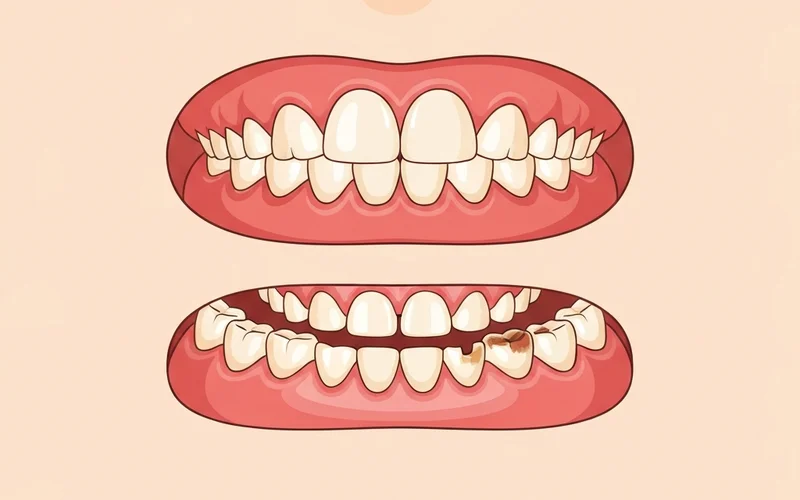
!A comparative illustration showing a child's mouth with normally aligned teeth versus a child's mouth with an anterior open bite and protruding upper teeth caused by prolonged pacifier use.
Dental Trauma
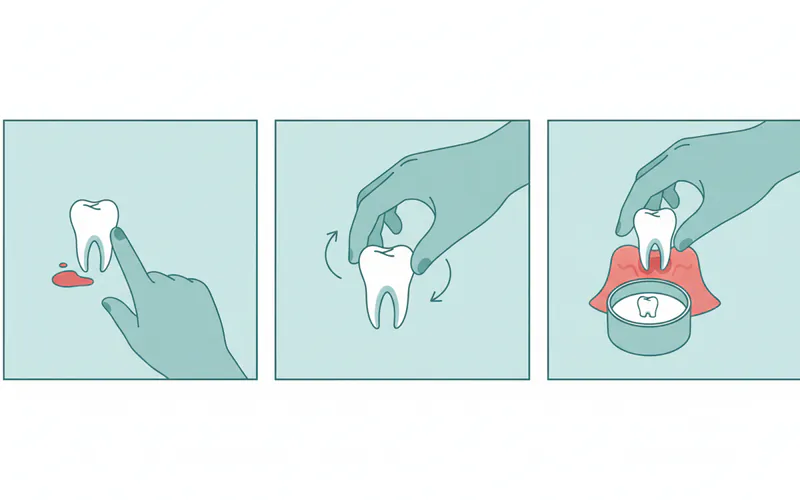
Children are active, and dental injuries are common. Types: Chipped, fractured, loosened, or knocked-out teeth. What to Do: For a knocked-out permanent tooth, keep it moist (milk is ideal, or saline/water if milk isn't available) and seek immediate dental care. For a baby tooth, do not re-insert it, as this can damage the permanent tooth bud; instead, visit the dentist promptly. Prevention: Mouthguards during sports.
Malocclusion (Bad Bite)
This refers to misaligned teeth or an incorrect bite. While some forms are genetic, habits like thumb sucking can contribute. Early detection by a pediatric dentist can guide interventions or referrals to an orthodontist at the appropriate time.
Preventive Pediatric Dental Care
Prevention is the cornerstone of pediatric dentistry. Regular check-ups and targeted treatments can significantly reduce the risk of cavities and other oral health issues.
The First Dental Visit
The ADA recommends a child's first dental visit by their first birthday or within six months of their first tooth erupting. This initial visit is typically a "well-baby" check for the mouth, focusing on:
- Introduction: Acclimating the child to the dental environment.
- Oral Exam: Checking for proper development, signs of decay, and any potential issues.
- Oral Hygiene Instruction: Educating parents on proper brushing, flossing, diet, and fluoride use.
- Risk Assessment: Evaluating the child's risk for developing cavities.
- Anticipatory Guidance: Providing advice on teething, pacifier use, and accident prevention.
Regular Check-ups and Cleanings
Children should see the pediatric dentist every six months for routine examinations and professional cleanings. These appointments allow the dentist to:
- Monitor dental development.
- Remove plaque and tartar buildup.
- Identify and address any emerging issues early.
- Provide preventive treatments.
Fluoride Treatments
Fluoride is a natural mineral that strengthens tooth enamel, making it more resistant to acid attacks and reducing the risk of cavities.
- Topical Fluoride: Pediatric dentists often apply topical fluoride varnish or gel during routine appointments, especially for children at higher risk of decay.
- Systemic Fluoride: This comes from fluoridated drinking water or prescribed fluoride supplements. Pro Tip: Discuss your child's fluoride intake with your pediatric dentist to ensure they are receiving the optimal amount for decay prevention without risking fluorosis (white spots on teeth from excessive fluoride).
Dental Sealants
Dental sealants are thin, protective coatings applied to the chewing surfaces of the back teeth (molars and premolars). These teeth have natural pits and grooves where food particles and bacteria can easily get trapped, leading to cavities.
- Process: The dentist cleans and prepares the tooth, applies the liquid sealant, and then cures it with a special light, bonding it to the tooth surface.
- Benefits: Sealants act as a barrier, effectively preventing food and bacteria from settling in the deep crevices. They are highly effective, reducing cavity risk by 80% in molars.
- When applied: Typically applied to permanent molars as soon as they fully erupt, usually between ages 6-14. Baby molars can also be sealed if they have deep grooves.
Restorative Pediatric Dental Treatments
Despite best efforts, cavities and other issues can sometimes arise. Pediatric dentists offer a range of restorative treatments tailored to children's needs.
Fillings (Dental Caries Treatment)
If a cavity develops, a filling is often the solution.
- Process: The decayed portion of the tooth is removed, and the tooth is filled with a restorative material.
- Materials: For baby teeth, fillings are typically made from tooth-colored composite resin or silver amalgam. Composite is popular for aesthetic reasons, especially for front teeth, while amalgam is very durable for back molars.
- Anesthesia: Local anesthesia (numbing gel followed by an injection) is usually administered to ensure the child is comfortable.
Pulp Therapy (Nerve Treatments for Baby Teeth)
When decay reaches the pulp (nerve tissue) inside a baby tooth, pulp therapy might be needed to save the tooth.
- Pulpotomy: If the infection is limited to the crown portion of the pulp, only that part is removed, and the remaining healthy pulp is treated with a medicated material, followed by a filling or crown.
- Pulpectomy: If the entire pulp is infected, it is removed from both the crown and roots, and the root canals are filled with a material that can be reabsorbed as the permanent tooth erupts.
- Importance: Saving baby teeth is crucial for maintaining space for permanent teeth and preventing pain and infection.
Extractions
Sometimes a baby tooth cannot be saved due to severe decay, infection, trauma, or if it's blocking the eruption of a permanent tooth.
- Process: The tooth is carefully removed under local anesthesia.
- Aftercare: Follow instructions for pain management, diet, and oral hygiene to ensure proper healing.
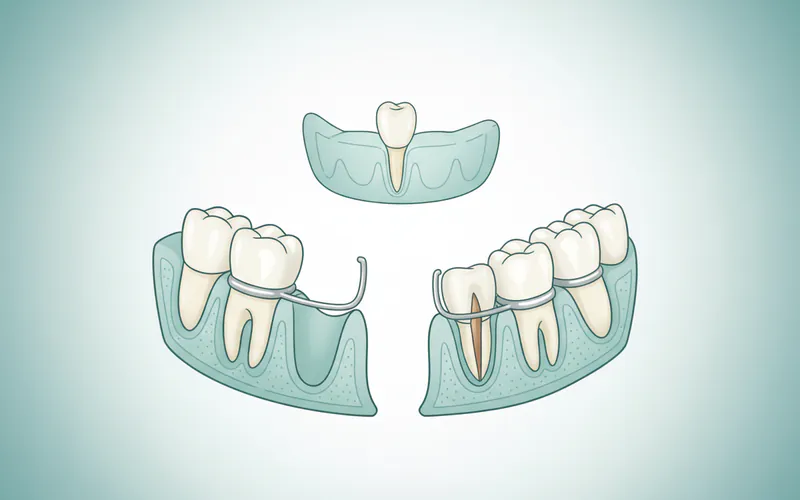
- Space Maintainers: If a baby tooth is extracted prematurely, a space maintainer may be needed to prevent adjacent teeth from drifting into the empty space, thus preserving room for the permanent tooth.
Space Maintainers
These are custom-made appliances, either fixed or removable, used to hold open the space created by the premature loss of a baby tooth. Without a space maintainer, adjacent teeth can shift, leading to crowding and misalignment of the permanent teeth.
Special Considerations in Pediatric Dentistry
Children with Special Healthcare Needs
Pediatric dentists are uniquely trained to provide dental care for children with a wide range of physical, developmental, emotional, or intellectual conditions. This often involves adapting treatment approaches, using specialized communication techniques, and coordinating care with other healthcare providers. Sedation options are frequently considered to ensure safe and effective treatment.
Dental Anxiety and Sedation Options
Many children, like adults, experience anxiety about dental visits. Pediatric dentists are skilled in behavior management techniques, including:
- Tell-Show-Do: Explaining procedures in simple terms, demonstrating them, and then performing them.
- Positive Reinforcement: Praising good behavior.
- Distraction: Using toys, videos, or music. For children with significant anxiety, extensive treatment needs, or special healthcare needs, various sedation options are available:
- Nitrous Oxide (Laughing Gas): A mild sedative inhaled through a mask, helping children relax while remaining conscious.
- Oral Sedation: A prescribed medication given before the appointment to induce drowsiness and reduce anxiety.
- IV Sedation / General Anesthesia: Administered by an anesthesiologist, this renders the child completely unconscious for complex procedures or very anxious patients. This is typically done in an accredited facility.
Cost Breakdown for Pediatric Dental Care
The cost of pediatric dental care can vary significantly based on your location, the dentist's fees, the complexity of the treatment, and whether you have dental insurance. Here's a general overview of average US costs without insurance:
Average US Costs for Common Pediatric Dental Procedures (Without Insurance)
| Procedure | Low Range | Mid Range | High Range |
|---|---|---|---|
| Initial Exam (First Visit) | $50 | $120 | $200 |
| Routine Check-up & Cleaning | $75 | $150 | $250 |
| Fluoride Treatment (Varnish) | $25 | $45 | $60 |
| Dental Sealant (per tooth) | $30 | $50 | $70 |
| Composite Filling (1 surface) | $120 | $200 | $350 |
| Amalgam Filling (1 surface) | $100 | $170 | $300 |
| Pulpotomy (Baby Tooth) | $200 | $350 | $500 |
| Stainless Steel Crown (Baby) | $250 | $400 | $600 |
| Simple Extraction (Baby Tooth) | $100 | $200 | $350 |
| Space Maintainer (Fixed, Unilateral) | $250 | $400 | $600 |
| Nitrous Oxide (per visit) | $75 | $150 | $250 |
With vs. Without Insurance
- With Insurance: Most dental insurance plans, especially those offered through the Affordable Care Act (ACA), cover essential pediatric dental services. Preventive care (exams, cleanings, fluoride) is often covered at 100% with no deductible. Basic restorative care (fillings, extractions) may be covered at 70-80% after a deductible, while major procedures (crowns, pulp therapy) might be covered at 50%. Always check your specific plan's benefits and limitations.
- Without Insurance: If you don't have dental insurance, you will be responsible for the full cost of services. Many dental offices offer discounts for cash payments or in-house membership plans.
Payment Plans and Financing Options
- Payment Plans: Many pediatric dental offices offer in-house payment plans, allowing you to pay for treatment costs in installments.
- Third-Party Financing: Services like CareCredit offer special financing options, often with low or no interest for a set period, making larger treatment costs more manageable.
- Dental Schools: University dental schools often provide services at a reduced cost, as they are teaching institutions.
- Community Health Centers: Federally Qualified Health Centers (FQHCs) or other community clinics may offer sliding scale fees based on income or accept Medicaid/CHIP.
- Medicaid/CHIP: Children's dental care is a mandatory benefit under Medicaid and the Children's Health Insurance Program (CHIP), providing comprehensive coverage for eligible low-income families.
Cost-Saving Tips
- Prioritize Prevention: The best way to save money is to prevent dental problems from occurring. Regular check-ups, fluoride treatments, and sealants are far less expensive than fillings or extractions.
- Utilize Insurance Benefits: Maximize your insurance coverage for preventive care, which is often fully covered.
- Ask About Discounts: Don't hesitate to ask your dental office about any cash discounts, loyalty programs, or payment plans they may offer.
- Consider a Dental Savings Plan: These plans offer discounts on dental services from participating providers for an annual fee, which can be beneficial if you don't have traditional insurance.
Frequently Asked Questions
How often should my child see a pediatric dentist?
Most children should visit a pediatric dentist every six months for routine check-ups and cleanings. However, if your child has a higher risk of cavities or specific dental concerns, your dentist may recommend more frequent visits.
Is fluoride safe for children?
Yes, fluoride is safe and highly effective in preventing tooth decay when used appropriately. The ADA and CDC endorse fluoride in drinking water and topical applications. Pediatric dentists carefully monitor fluoride exposure to ensure optimal benefits without risk of fluorosis.
What should I do if my child knocks out a permanent tooth?
If a permanent tooth is knocked out, find the tooth, handle it by the crown (not the root), and try to reinsert it into the socket. If you cannot, place it in a cup of milk (or saline/water if milk isn't available) and seek immediate emergency dental care. Time is critical for saving the tooth.
Can baby teeth get cavities?
Absolutely. Baby teeth are susceptible to cavities, and untreated decay can lead to pain, infection, and damage to the underlying permanent teeth. It's crucial to treat cavities in baby teeth to maintain oral health and proper development.
How can I stop my child from thumb sucking or using a pacifier?
Encourage cessation around age 2-4. Positive reinforcement, distraction, and gentle reminders often work. For persistent habits, your pediatric dentist can offer strategies like bitter-tasting agents or, in some cases, a habit-breaking dental appliance.
Are dental X-rays safe for children?
Yes, dental X-rays are safe and an essential diagnostic tool. Pediatric dentists use lead aprons, thyroid collars, and modern digital X-ray technology, which uses significantly less radiation than older film X-rays, minimizing exposure. They are only taken when necessary.
What is the difference between a pediatric dentist and a general dentist?
A pediatric dentist has an additional 2-3 years of specialized training focused specifically on the unique oral health needs of children, from infancy through adolescence, including those with special needs. They are experts in child behavior management, growth and development, and specific pediatric dental procedures. A general dentist can treat children, but a pediatric dentist offers specialized expertise.
How long does it take for a baby tooth to fall out once it starts wiggling?
The process can vary. Some baby teeth may wiggle for only a few days before coming out, while others can take weeks or even months. Encourage your child to gently wiggle it with their tongue or clean fingers, but avoid forcing it out to prevent pain or infection.
My child has a high fever with teething, is this normal?
While a slight increase in temperature (under 100.4°F or 38°C) can be associated with teething, high fevers (101°F or higher) are generally not caused by teething alone. If your child has a high fever, diarrhea, vomiting, or appears very unwell, consult your pediatrician immediately.
What causes pacifier teeth, and can it be corrected?
Pacifier teeth are caused by prolonged pacifier use (typically past age 2-4), which can put constant pressure on the developing jaws and teeth. This can lead to an open bite (front teeth don't meet), protruding upper teeth, or crossbite. Early cessation of the habit often allows for natural correction. If the habit persists or the malocclusion is severe, orthodontic treatment may be necessary later.
When to See a Dentist
Knowing when to seek dental care for your child is crucial for their oral health.
Routine Care Guidance:
- First Tooth, First Visit: As recommended by the ADA, schedule your child's first dental visit by their first birthday or within six months of their first tooth erupting. This is foundational.
- Regular Check-ups: Schedule biannual (every six months) check-ups and cleanings for ongoing preventive care and monitoring of dental development.
Red Flags That Need Prompt Attention (Within 24-48 hours):
- Persistent Toothache: If your child complains of tooth pain that lasts for more than a day, especially if accompanied by swelling or fever, it could indicate a serious cavity or infection.
- Swelling: Any swelling around the face, jaw, or gums could be a sign of infection and requires prompt evaluation.
- Sensitivity to Hot/Cold: Increased sensitivity to temperature can indicate nerve damage or deep decay.
- Bleeding Gums (beyond light brushing): While some bleeding can occur with vigorous brushing, persistent or significant gum bleeding may signal gingivitis or other gum issues.
- White or Brown Spots on Teeth: These could be early signs of tooth decay and should be checked by a dentist.
Emergency Dental Situations (Seek immediate attention):
- Knocked-Out Permanent Tooth: Time is of the essence for saving a permanent tooth. Follow first-aid instructions and get to the dentist immediately.
- Severe Oral Trauma: Any significant injury to the mouth, lips, tongue, or jaw, especially if accompanied by bleeding that won't stop, difficulty breathing or swallowing, or suspected jaw fracture.
- Broken or Chipped Tooth with Severe Pain: If a tooth fragment is missing and your child is in significant pain, it may indicate nerve exposure.
- Abscess or Facial Swelling: A localized pus pocket or rapidly spreading facial swelling, often accompanied by fever, indicates a serious infection that could spread and requires urgent medical and dental care.
By understanding these guidelines, you can ensure your child receives timely and appropriate dental care, fostering a foundation for a healthy, confident smile throughout their life.
Frequently Asked Questions
Medically Reviewed Content
This article was written by our dental health editorial team and reviewed for medical accuracy. Our content follows strict editorial guidelines for reliability and trustworthiness.
Medical Disclaimer
This article is for informational purposes only and does not constitute medical advice. Always consult with a qualified dental professional for diagnosis and treatment. Do not delay seeking professional advice because of something you read on this website.
Related Articles
Kitten Teething Toys: Complete Guide
Few milestones in early life bring as much joy – and sometimes, as much discomfort – as teething. Just as a playful kitten explores its new world by mouthing and chewing on everything it can, human babies also embark on a similar developmental journey. In fact, over 80% of infants experience som
February 22, 2026
How Many Teeth Do Children Have
Did you know that a child's smile goes through more dramatic transformations in their first 12 years than an adult's does in a lifetime? Understanding the journey of your child's dental development is fundamental to ensuring their lifelong oral health. For many parents, a common question arises: **h
February 22, 2026
Teething Syndrome: Complete Guide
As a parent, few things are as universally anticipated and often dreaded as the arrival of your baby's first tooth. While a milestone to celebrate, the process of primary tooth eruption, commonly known as teething syndrome, can bring with it a host of challenging symptoms. In fact, studies sugge
February 22, 2026
When Do Kittens Lose Their Baby Teeth
When Do Kittens Lose Their Baby Teeth
February 22, 2026