Puppy Teething: Complete Guide
Key Takeaways
- The joy of bringing a new puppy home is often accompanied by a whirlwind of new experiences, from house-training to first vet visits. Amidst this excitement, many new pet parents quickly encounter the distinct—and sometimes challenging—phase of puppy teething. This natural developmental stage is
Puppy Teething: Complete Guide
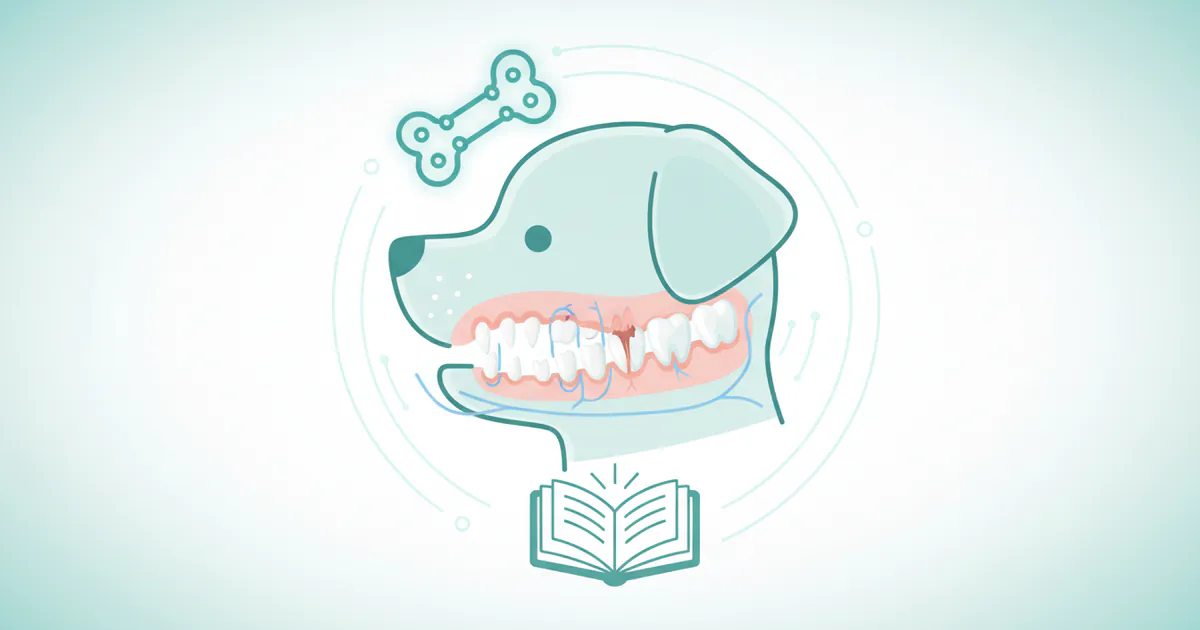
The joy of bringing a new puppy home is often accompanied by a whirlwind of new experiences, from house-training to first vet visits. Amidst this excitement, many new pet parents quickly encounter the distinct—and sometimes challenging—phase of puppy teething. This natural developmental stage is critical for your furry companion, marking the transition from adorable milk teeth to strong, permanent adult dentition. Understanding the nuances of puppy teething is not just about managing a nippy phase; it's about safeguarding your puppy's oral health, preventing future dental problems, and fostering a well-adjusted companion.
Just as human infants navigate the discomfort and milestones of their first teeth, puppies undergo a similar, albeit accelerated, process. For a dental health portal like SmilePedia.net, exploring puppy teething offers invaluable comparative insights into mammalian dental development, highlighting the universal biological principles that govern tooth eruption and replacement. Whether you're a new puppy owner, a seasoned dog enthusiast, or simply curious about the parallels between human and canine oral health, this comprehensive guide will walk you through every aspect of puppy teething. We'll delve into the timeline, common signs, effective management strategies, potential complications, and essential care tips to ensure your puppy's journey to a healthy adult smile is as smooth as possible.
Key Takeaways:
- Puppy Teething Timeline: Begins around 3-4 weeks with deciduous (milk) teeth eruption, and adult teeth typically replace them between 12-24 weeks (3-6 months).
- Common Symptoms: Increased chewing, drooling, mild gum inflammation, reluctance to eat, and occasional whining or fussiness are typical.
- Management Strategies: Provide appropriate, safe chew toys, offer frozen treats, and gently massage gums to alleviate discomfort.
- Cost of Teething Aids: A starter set of high-quality, durable puppy teething toys can range from $20 to $100, with specialized dental chews costing $10-$30 per pack.
- Veterinary Care: Routine puppy check-ups (typically $50-$250 per visit) during the teething phase allow your veterinarian to monitor dental development and address potential issues like retained deciduous teeth.
- Retained Deciduous Teeth: If milk teeth don't fall out, they may need veterinary extraction, which can cost anywhere from $300 to $1,500+ per tooth, depending on complexity and location.
- Prevention: Early training to chew on appropriate objects and consistent oral hygiene practices are crucial for long-term dental health.
What Puppy Teething Is: An Overview of Canine Dental Development
Puppy teething is the natural physiological process during which a puppy's deciduous teeth, commonly known as "milk teeth" or "baby teeth," are replaced by their permanent adult teeth. This fascinating biological process is a crucial stage in a puppy's development, equipping them with a robust set of teeth designed for a lifetime of chewing, tearing, and holding.
Just like human babies, puppies are born without visible teeth. Their first set of teeth, the deciduous teeth, begins to erupt shortly after birth. These teeth are sharp and needle-like, perfectly suited for the soft puppy kibble or mother's milk they initially consume. As the puppy grows, these temporary teeth fall out to make way for the larger, stronger, and more numerous permanent teeth. This entire transition typically spans several months and involves significant changes in the puppy's mouth. Understanding this process helps pet owners anticipate behavioral changes and provide appropriate support.
The Stages of Puppy Dental Development: A Teething Chart
Puppy teething is not a single event but a series of overlapping stages. While individual puppies may vary slightly, the general timeline for tooth eruption and replacement is consistent across most breeds. A puppy teething chart provides a clear roadmap of what to expect.
Stage 1: Newborn (0-2 Weeks)
- No Teeth Visible: Puppies are born toothless. Their gums are smooth, and they rely entirely on nursing from their mother.
Stage 2: Deciduous Teeth Eruption (3-6 Weeks)
- First Teeth Appear: This is when the first baby teeth begin to emerge.
- Incisors: The small, front teeth typically erupt first, around 3-4 weeks.
- Canines: The long, pointed "fang" teeth follow, usually by 4-5 weeks.
- Premolars: The teeth behind the canines start to emerge around 4-6 weeks.
- Total Deciduous Teeth: By about 6-8 weeks of age, a puppy should have a full set of 28 deciduous teeth: 6 incisors, 2 canines, and 6 premolars on both the upper and lower jaws. These teeth are incredibly sharp and can be quite painful for the mother during nursing.
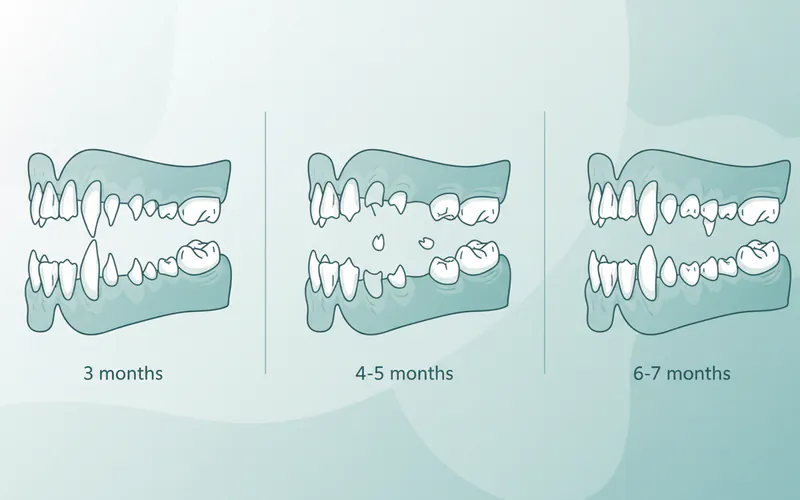
Stage 3: Deciduous Teeth Shedding and Permanent Teeth Eruption (12-24 Weeks / 3-6 Months)
- Tooth Loss and Replacement Begins: This is the most active and often most noticeable phase of puppy teething. The roots of the deciduous teeth begin to resorb, weakening their hold, and the permanent teeth push them out.
- Incisors and Premolars: These are usually the first to be replaced, starting around 3-5 months.
- Canines: The permanent canines typically erupt between 4-6 months.
- Molars: These teeth do not have deciduous predecessors; they erupt as new teeth directly into the permanent set, usually between 5-7 months.
- Total Permanent Teeth: By approximately 6-7 months of age, most puppies will have a full set of 42 permanent adult teeth: 6 incisors, 2 canines, 8 premolars, and 4-6 molars on both upper and lower jaws (the exact number of molars can vary slightly by breed).
Table 1: Puppy Teething Chart - Timeline and Tooth Count
| Age of Puppy | Stage of Teething | Teeth Erupting/Replacing | Number of Teeth (Approx.) | Notes |
|---|---|---|---|---|
| 0-2 Weeks | Neonatal | No teeth visible | 0 | Gums are smooth; exclusively nurses. |
| 3-6 Weeks | Deciduous Eruption | Incisors, Canines, Premolars | 28 (Deciduous) | Milk teeth appear; very sharp. |
| 7-12 Weeks (2-3 Months) | Deciduous Set Complete / Early Shedding | Full set of deciduous teeth; some may begin to loosen. | 28 (Deciduous) | Chewing increases as teeth settle. |
| 12-16 Weeks (3-4 Months) | Permanent Incisor/Premolar Eruption | Deciduous incisors/premolars shed; permanent replace. | ~30-34 (Mixed) | Active chewing phase begins; mild discomfort. |
| 16-20 Weeks (4-5 Months) | Permanent Canine/Molar Eruption | Deciduous canines shed; permanent replace. Molars emerge. | ~36-40 (Mixed) | Intense chewing; potential discomfort. |
| 20-24 Weeks (5-6 Months) | Majority Permanent Teeth | Most deciduous teeth shed; adult teeth established. | ~40-42 (Mixed) | Nearing completion of permanent dentition. |
| 24+ Weeks (6+ Months) | Full Permanent Dentition | Full set of 42 permanent teeth. | 42 (Permanent) | Teething phase typically concludes. |
How the Teeth Erupt
The process of tooth eruption is fascinating. Each permanent tooth develops beneath its corresponding deciduous tooth. As the permanent tooth grows, it puts pressure on the root of the baby tooth. This pressure stimulates cells called odontoclasts to resorb (dissolve) the root of the deciduous tooth. Once the root is sufficiently dissolved, the baby tooth becomes loose and eventually falls out, allowing the permanent tooth to take its place. Most puppies swallow their baby teeth, which is harmless, so you might not find many around the house.
Causes: Why Puppy Teething Happens
Puppy teething is a fundamental biological process driven by genetics and developmental programming. It happens for several key reasons:
- Growth and Development: Puppies grow rapidly, and their small deciduous teeth are not suited for their adult jaw size or dietary needs. The larger, stronger adult teeth are necessary to process a more varied and tougher diet and to withstand the forces of an adult dog's bite.
- Preparation for Adult Diet: As puppies transition from milk to solid food, and eventually to a diet of dry kibble, raw food, or other adult canine nutrition, they require a robust set of teeth for chewing, tearing, and grinding.
- Evolutionary Design: This two-stage dental process is a common evolutionary adaptation among many mammals, including humans. It allows for precise dental development: a temporary set suitable for early life, followed by a permanent, durable set for maturity.
- Jaw Development: The eruption of permanent teeth also stimulates and guides the proper development and alignment of the puppy's jawbones, ensuring a healthy bite and occlusion in adulthood.
Pro Tip: While teething is natural, providing appropriate outlets for chewing during this phase is crucial. This helps direct the intense chewing instinct away from household items and promotes healthy tooth eruption.
Signs and Symptoms of Puppy Teething
Recognizing the signs of puppy teething will help you provide comfort and manage behaviors effectively. Many of these symptoms mirror those experienced by human infants during teething.
Common Behavioral Signs:
- Increased Chewing: This is the most prominent symptom. Puppies chew everything—furniture, shoes, hands, rugs. This isn't just destructive behavior; it's an instinctive way to relieve gum discomfort and help loosen baby teeth.
- Drooling: You might notice more saliva than usual. This is a natural response to oral irritation and inflammation.
- Whining or Fussiness: Just like human babies, puppies can experience discomfort, leading to increased vocalization or a generally more irritable demeanor.
- Reduced Appetite or Picky Eating: Sore gums can make eating painful, especially hard kibble. Some puppies might temporarily eat less or show a preference for softer foods.
- Mouthing and Nipping: Puppies often "mouth" their owners' hands or clothing more frequently during teething. While sometimes playful, it's also a way to explore and alleviate gum pressure.
- Mild Lethargy: Some puppies might be a bit more tired or less energetic due if they are uncomfortable or restless.
- Finding Small Dropped Teeth: Occasionally, you might find a tiny, rice-grain-sized deciduous tooth, although most are swallowed.
Physical Signs in the Mouth:
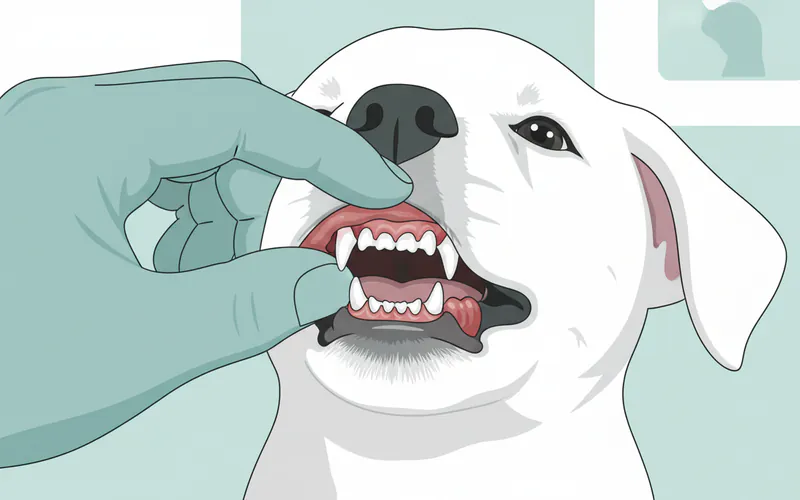
- Red, Swollen Gums: Gently lift your puppy's lip, and you might see gums that appear redder or slightly swollen, particularly around erupting teeth.
- Visible Erupting Teeth: You may see the tips of new adult teeth emerging through the gum line, or gaps where baby teeth have fallen out.
- Gum Bleeding: Very mild bleeding from the gums is common, especially when a baby tooth falls out or is dislodged by chewing. Significant or prolonged bleeding should prompt a veterinary visit.
- Bad Breath: As old teeth fall out and new ones emerge, there can be a temporary change in a puppy's breath, sometimes a slightly metallic or foul odor due to minor gum inflammation or trapped food particles.
Management Strategies: Supporting Your Teething Puppy
While teething is a natural process, there's plenty you can do to ease your puppy's discomfort and guide their chewing habits.
1. Provide Appropriate Teething Toys
This is perhaps the most critical management strategy. Offering a variety of safe and durable puppy teething toys can redirect chewing away from your belongings and soothe sore gums.
- Rubber Chew Toys: Durable rubber toys, especially those with textured surfaces, provide satisfying resistance and can massage gums. Look for toys specifically designed for puppies and labeled as "tough" or "chew-resistant."
- Freezable Toys: Many rubber or fabric toys can be soaked in water (or diluted, pet-safe broth) and frozen. The cold provides a numbing sensation that can be incredibly soothing for inflamed gums.
- Rope Toys: Knotted rope toys can help clean teeth and provide a good outlet for chewing. Ensure they are robust enough not to fray into ingestible threads.
- Edible Chews: Some companies make edible dental chews specifically formulated for puppies. Choose products that are digestible, appropriately sized, and don't splinter. Always supervise your puppy with edible chews.
2. Offer Cold or Frozen Treats
- Ice Cubes: Plain ice cubes (if your puppy likes them) can be a simple, cold treat.
- Frozen Vegetables: Small pieces of frozen carrots, green beans, or blueberries can offer a healthy and soothing chew. Always ensure the size is appropriate to prevent choking.
- Frozen Kong: Stuff a Kong toy with puppy-safe yogurt, peanut butter (xylitol-free!), or wet puppy food and freeze it. This provides a long-lasting, soothing activity.
3. Gentle Gum Massage
Using a clean finger or a silicone finger brush, you can gently massage your puppy's gums. This can help alleviate pressure and discomfort. Be cautious, as puppies may instinctively nip.
4. Adjust Diet as Needed
If your puppy is reluctant to eat hard kibble, you can temporarily moisten it with warm water or switch to a softer canned puppy food. Ensure any dietary changes are gradual and consult your veterinarian if appetite loss is prolonged or severe.
5. Reinforce Positive Chewing Habits
When your puppy chews on an inappropriate item, redirect them immediately to an acceptable chew toy. Praise and reward them lavishly when they choose the correct item. This teaches them what is and isn't okay to chew.
6. "Bite Inhibition" Training
Puppies naturally learn bite inhibition from their littermates. When a puppy bites too hard during play, the bitten littermate will yelp and stop playing. You can mimic this by giving a high-pitched "ouch!" or "yip!" and immediately withdrawing attention for a few minutes. This teaches your puppy that biting hard means the fun stops.
Pro Tip: Rotate your puppy's teething toys to keep them engaged. A fresh toy can be more enticing than one they've seen lying around for days.
Cost Considerations for Puppy Teething
While puppy teething is a natural process, there are associated costs, primarily related to providing appropriate aids and ensuring proper dental development. Unlike human dental care, there isn't "insurance coverage" specifically for puppy teething, but rather general pet insurance plans may cover complications.
Typical Cost Ranges:
- Puppy Teething Toys:
- Basic rubber or rope toys: $5 - $20 each
- Durable, branded chew toys (e.g., Kong, Nylabone): $10 - $35 each
- Freezable teething toys: $15 - $30 each
- Variety packs or starter sets: $20 - $100
- Edible Dental Chews/Treats:
- Small packs: $10 - $30
- Larger quantities: $30 - $60
- Veterinary Check-ups:
- Routine puppy wellness exams (monitoring dental development): $50 - $250 per visit. Puppies usually have multiple visits in their first year for vaccinations and general health checks.
- X-rays (if needed for retained teeth or dental anomalies): $150 - $400
- Treatment for Complications (e.g., Retained Deciduous Teeth):
- Deciduous Tooth Extraction: If a baby tooth doesn't fall out, it can cause problems. The cost for extraction can vary significantly based on the tooth, anesthesia, and clinic location. A single extraction could range from $300 - $800, but complex cases or multiple extractions under general anesthesia can easily reach $800 - $1,500+. This typically includes pre-anesthetic blood work, anesthesia, the extraction procedure, and post-operative pain medication.
Pet Insurance and Teething Complications:
Most standard pet insurance plans are designed to cover unexpected accidents and illnesses, not routine wellness care or predictable developmental stages like teething.
- Wellness Plans/Riders: Some pet insurance companies offer optional "wellness plans" or riders that might cover a portion of routine vet visits, vaccinations, and sometimes even a dental cleaning. However, these rarely cover the cost of teething toys or preventative chews.
- Complications Coverage: If a complication arises from teething, such as a retained deciduous tooth that causes malocclusion or infection, most accident & illness pet insurance plans would likely cover the cost of diagnosis and treatment (e.g., X-rays, extraction) after your deductible and according to your reimbursement level. It's crucial to check the specific terms and conditions of your pet insurance policy.
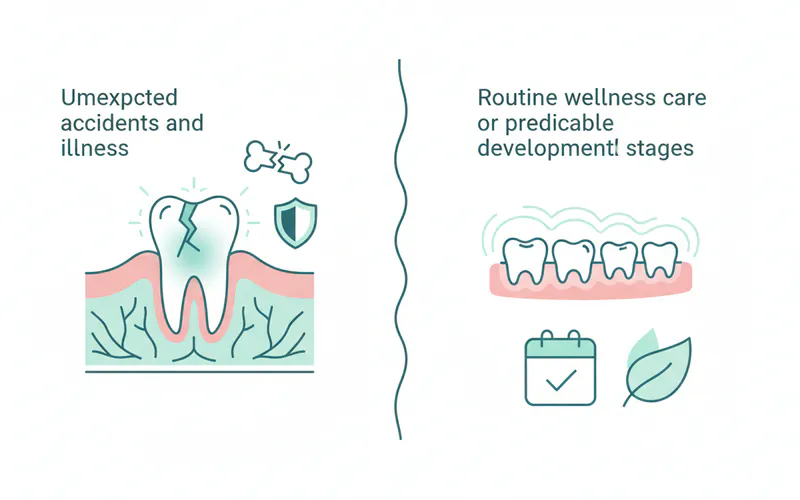
Table 2: Estimated Costs for Puppy Teething Management & Potential Complications (US Averages)
| Item/Service | Average Cost Range (Low) | Average Cost Range (Mid) | Average Cost Range (High) |
|---|---|---|---|
| Teething Toys (Initial Set) | $20 | $50 | $100 |
| Edible Dental Chews (Per Pack) | $10 | $20 | $30 |
| Routine Puppy Vet Visit (Dental Check) | $50 | $150 | $250 |
| Dental X-rays (for anomalies) | $150 | $250 | $400 |
| Single Deciduous Tooth Extraction | $300 | $600 | $800 |
| Multiple/Complex Extractions (Anesthesia included) | $800 | $1,200 | $1,500+ |
Note: These are general US averages. Costs can vary significantly based on geographic location (urban vs. rural), veterinary clinic, and individual circumstances.
Recovery and Aftercare After Teething
Once your puppy has a full set of adult teeth, the "teething" phase is technically over. However, the period immediately following the eruption of adult teeth, and indeed, throughout your dog's life, requires continued dental care to maintain their oral health.
Post-Teething Care:
- Transition to Adult Chew Toys: As your puppy grows into an adult dog, their chewing strength will increase significantly. Transition from puppy-specific teething toys to durable adult chew toys designed for their size and chewing power. This prevents them from destroying toys too quickly or ingesting pieces.
- Establish Regular Oral Hygiene: This is paramount for preventing future dental disease.
- Daily Brushing: Introduce teeth brushing gradually using a pet-specific toothbrush and toothpaste (never human toothpaste, which contains xylitol and fluoride toxic to dogs). Aim for daily brushing.
- Dental Chews/Diets: Incorporate veterinary-approved dental chews or dental-specific diets that help reduce plaque and tartar buildup. Look for products with the VOHC (Veterinary Oral Health Council) seal of acceptance.
- Regular Veterinary Dental Check-ups: Your veterinarian will continue to assess your dog's dental health during annual wellness exams. They can identify early signs of plaque, tartar, gum disease, or other issues.
- Professional Dental Cleanings: Just like humans, many dogs require professional dental cleanings under anesthesia every 1-3 years to remove stubborn plaque and tartar and address any underlying issues. Your vet will recommend the appropriate frequency.
Pro Tip: Start brushing your puppy's teeth as soon as you get them, even before all adult teeth are in. This helps them get used to the sensation and makes it easier to establish a routine later.
Prevention: Proactive Steps for Healthy Canine Teeth
While teething itself can't be "prevented" as it's a natural process, the problems associated with it—like destructive chewing, pain, and later dental disease—can be largely mitigated through proactive measures.
- Early Socialization and Training: Teaching your puppy appropriate chewing habits from day one is key. Redirect inappropriate chewing immediately and reward good choices.
- Consistent Provision of Safe Chew Toys: Always have a variety of suitable teething toys available. This ensures your puppy has a constructive outlet for their natural chewing instinct.
- Nutritional Support: A high-quality puppy food provides the essential nutrients for strong tooth and bone development.
- Regular Veterinary Examinations: Early and regular vet visits allow for monitoring of dental development. Your vet can identify potential issues like malocclusion (improper bite) or retained deciduous teeth before they become serious problems.
- Introduction to Oral Hygiene: Begin introducing tooth brushing early in your puppy's life. Even if it's just for a minute or two initially, it acclimates them to the process, making lifelong dental care much easier.
Risks and Complications During Puppy Teething
While most puppies navigate teething without significant issues, certain complications can arise. Awareness of these risks allows for prompt intervention.
- Retained Deciduous Teeth: This is the most common and significant complication. If a baby tooth doesn't fall out when the permanent tooth erupts, both teeth can occupy the same space.
- Why it's a problem: This "double dentition" can trap food, leading to plaque, tartar buildup, and gum inflammation (gingivitis). It can also force the permanent tooth to erupt in an abnormal position, leading to a misaligned bite (malocclusion) that can cause pain, wear on other teeth, or trauma to the soft tissues of the mouth.
- Treatment: Veterinary extraction of the retained deciduous tooth is typically required.
- Fractured Teeth: Puppies can occasionally fracture a deciduous tooth by chewing on something too hard. While not as serious as a fractured adult tooth, it can expose the pulp, leading to pain and infection.
- Malocclusion (Bad Bite): While some minor bite issues can correct themselves as the jaw grows, severe malocclusion can be a genetic predisposition or a result of retained teeth. It can lead to dental trauma, pain, and difficulty eating. Orthodontic intervention (like braces or selective extractions) may be necessary in severe cases, though it's less common than in human dentistry.
- Gum Infection (Gingivitis): Mild gum inflammation is normal during teething, but sometimes bacterial infections can occur, especially if food gets trapped around erupting teeth or if there's significant trauma to the gums.
- Oral Injuries: Puppies might injure their mouths or fracture jaws by chewing on inappropriate items (e.g., electrical cords, rocks, metal objects) or playing too roughly.
- Pain and Discomfort: While normal, some puppies experience more severe pain or discomfort than others, leading to significant changes in appetite or behavior.
Pro Tip: Regularly examine your puppy's mouth, especially during the 3-6 month period. Look for any persistent baby teeth alongside adult teeth, unusual swelling, or signs of pain.
Children / Pediatric Considerations: Understanding Teething Across Species
For parents navigating their own child's teething phase, or simply curious about comparative biology, observing puppy teething offers fascinating insights. While humans and dogs are different species, the fundamental biological process of tooth eruption and replacement shares remarkable similarities, falling under the broader umbrella of "Pediatric Dentistry" insights into development.
Shared Biological Principles:
- Sequential Eruption: Both human infants and puppies follow a predictable sequence for tooth eruption, with incisors usually appearing first, followed by canines and then molars/premolars.
- Deciduous to Permanent Transition: The concept of "baby teeth" being replaced by "adult teeth" is universal across many mammals, including humans and canines. This ensures an appropriately sized and durable dentition for each life stage.
- Gum Discomfort: The sensation of teeth pushing through gums causes discomfort, swelling, and sometimes mild pain in both human babies and puppies.
- Increased Chewing/Mouthing: Both infants and puppies instinctively chew and mouth objects to relieve gum pressure and help teeth erupt. This is why human babies often have teething rings, and puppies need chew toys.
- Developmental Milestones: Teething is a significant developmental milestone for both species, marking a transition towards consuming a more varied, solid diet.
Key Differences:
- Timeline: Puppy teething is significantly faster than human teething. A puppy gets all 28 baby teeth by 8 weeks and all 42 adult teeth by 6-7 months. Human infants typically get 20 baby teeth by 2-3 years and start losing them around age 6, with all 32 adult teeth not fully present until late teens or early twenties (including wisdom teeth).
- Number of Teeth: Adult dogs have 42 teeth, while adult humans typically have 32 (including wisdom teeth).
- Tooth Morphology: Canine teeth are adapted for tearing and grasping (large canines, carnassial teeth), whereas human teeth are designed for a more omnivorous diet, with flatter molars for grinding.
- Conscious Communication: A human child can eventually articulate their discomfort, whereas a puppy communicates through behavior (chewing, whining).
Understanding these parallels can help parents contextualize their child's teething experience, recognizing that the biological imperative to chew for relief is deeply ingrained in mammalian development. It also highlights the importance of providing safe, appropriate items for chewing during these crucial developmental phases, whether for a baby or a puppy.
Frequently Asked Questions
What age do puppies start losing their teeth?
Puppies typically start losing their deciduous (baby) teeth around 12 weeks (3 months) of age. This process then continues until they are about 6-7 months old, by which time most will have a full set of permanent adult teeth.
How long does puppy teething last?
The active phase of puppy teething, where baby teeth are shed and adult teeth erupt, generally lasts from 3 months to 6-7 months of age. The entire process, from the first baby tooth eruption to the final adult tooth, spans from about 3 weeks to 7 months.
Is it normal for puppies to bleed during teething?
Yes, it is normal for puppies to experience very minor, occasional bleeding from their gums during teething. You might notice tiny spots of blood on chew toys or in their water bowl. However, significant or prolonged bleeding is not normal and warrants a veterinary check-up.
What are the best puppy teething toys?
The best puppy teething toys are durable, puppy-safe, and offer various textures. Examples include sturdy rubber toys (like Kongs, especially when frozen), silicone chews, knotted rope toys (supervised), and veterinarian-approved edible dental chews. Avoid toys that can break into small, ingestible pieces or those that are too hard for developing teeth.
Can puppy teething cause diarrhea or vomiting?
While some puppies might experience mild digestive upset due to increased stress or swallowing of old teeth, severe diarrhea or vomiting is generally not a direct symptom of teething. If your puppy experiences these symptoms, especially if they are persistent or severe, consult your veterinarian as it could indicate another health issue.
My puppy swallowed a baby tooth, is that bad?
No, it is completely normal and harmless for puppies to swallow their baby teeth. Most puppy owners rarely find shed baby teeth because puppies typically ingest them without any ill effects. The teeth are small and pass through their digestive system easily.
What should I do if my puppy is biting me constantly?
Increased biting or nipping is a common sign of teething discomfort. Redirect your puppy's biting to appropriate chew toys immediately. If they bite you, give a high-pitched "ouch!" or "yip!" and withdraw attention for a short period (10-20 seconds). Consistency is key to teaching bite inhibition.
Do I need to brush my puppy's teeth during teething?
Yes, it's beneficial to start introducing tooth brushing as early as possible, even during the teething phase. Use a soft finger brush or a puppy-specific toothbrush and dog-friendly toothpaste. This acclimates your puppy to the process, making it much easier to establish a regular dental hygiene routine once their adult teeth are fully in.
What if my puppy still has baby teeth when adult teeth come in?
This is known as a "retained deciduous tooth" or "double dentition" and is a common complication. It means the baby tooth did not fall out as the adult tooth erupted. You should consult your veterinarian. Retained teeth often need to be surgically extracted to prevent issues like malocclusion, food trapping, and periodontal disease.
Are there any pain relievers I can give my teething puppy?
Never give your puppy human pain relievers (like ibuprofen, acetaminophen, or aspirin) without explicit veterinary instruction, as they can be toxic. For severe discomfort, consult your veterinarian. They may recommend specific puppy-safe pain management options or identify if there's an underlying issue causing the pain.
When to See a Veterinarian
While puppy teething is a natural process, there are specific instances where veterinary attention is crucial to ensure your puppy's long-term oral health. As a dental health portal, SmilePedia.net emphasizes that recognizing these signs can prevent more serious issues down the line.
You should schedule an appointment with your veterinarian if you observe any of the following:
- Retained Deciduous Teeth: This is the most common reason to see a vet during teething. If you notice a permanent adult tooth erupting and the corresponding baby tooth is still firmly in place (creating "double teeth"), immediate veterinary attention is needed. This usually requires extraction to prevent malocclusion and periodontal disease.
- Severe Pain or Discomfort: If your puppy is constantly whining, refusing to eat for prolonged periods (more than 24 hours), excessively drooling, or shows extreme sensitivity around their mouth, it's a sign they might be experiencing more than typical teething discomfort.
- Swelling or Redness: While mild gum inflammation is normal, significant, localized swelling, pus, or very dark red/purplish gums could indicate an infection or abscess.
- Excessive Bleeding: Minor blood spots are common, but if your puppy's gums are bleeding heavily or continuously, or if you notice large clots of blood, seek veterinary care immediately.
- Fractured or Broken Teeth: If a deciduous tooth appears broken or chipped, especially if the dark pulp is exposed, it can be painful and lead to infection.
- Abnormal Bite (Malocclusion): If you notice that your puppy's teeth are severely misaligned, causing pain or trauma to the gums or other teeth (e.g., a canine tooth digging into the roof of the mouth), discuss this with your vet. Early intervention can sometimes correct these issues.
- Lumps or Growths: Any unusual lumps, bumps, or growths inside your puppy's mouth should always be examined by a veterinarian.
- Prolonged Bad Breath: While some temporary bad breath can occur, persistent foul breath could be a sign of infection, trapped food, or an underlying issue.
A routine puppy wellness exam (usually at 8, 12, and 16 weeks) is an excellent opportunity for your veterinarian to assess your puppy's dental development and address any emerging concerns. Don't hesitate to reach out to your vet with any questions or worries about your puppy's teething journey.
Frequently Asked Questions
Medically Reviewed Content
This article was written by our dental health editorial team and reviewed for medical accuracy. Our content follows strict editorial guidelines for reliability and trustworthiness.
Medical Disclaimer
This article is for informational purposes only and does not constitute medical advice. Always consult with a qualified dental professional for diagnosis and treatment. Do not delay seeking professional advice because of something you read on this website.
Related Articles
Kitten Teething Toys: Complete Guide
Few milestones in early life bring as much joy – and sometimes, as much discomfort – as teething. Just as a playful kitten explores its new world by mouthing and chewing on everything it can, human babies also embark on a similar developmental journey. In fact, over 80% of infants experience som
February 22, 2026
How Many Teeth Do Children Have
Did you know that a child's smile goes through more dramatic transformations in their first 12 years than an adult's does in a lifetime? Understanding the journey of your child's dental development is fundamental to ensuring their lifelong oral health. For many parents, a common question arises: **h
February 22, 2026
Teething Syndrome: Complete Guide
As a parent, few things are as universally anticipated and often dreaded as the arrival of your baby's first tooth. While a milestone to celebrate, the process of primary tooth eruption, commonly known as teething syndrome, can bring with it a host of challenging symptoms. In fact, studies sugge
February 22, 2026
When Do Kittens Lose Their Baby Teeth
When Do Kittens Lose Their Baby Teeth
February 22, 2026