Deciduous Teeth: Complete Dental Guide
Key Takeaways
- Deciduous teeth, also widely known as primary teeth, baby teeth, or milk teeth, are the first set of 20 teeth that develop in childhood. They are a crucial component of oral health and overall development, beginning their eruption around 6 months of age and gradually being re
Deciduous Teeth: The Foundation of a Healthy Smile
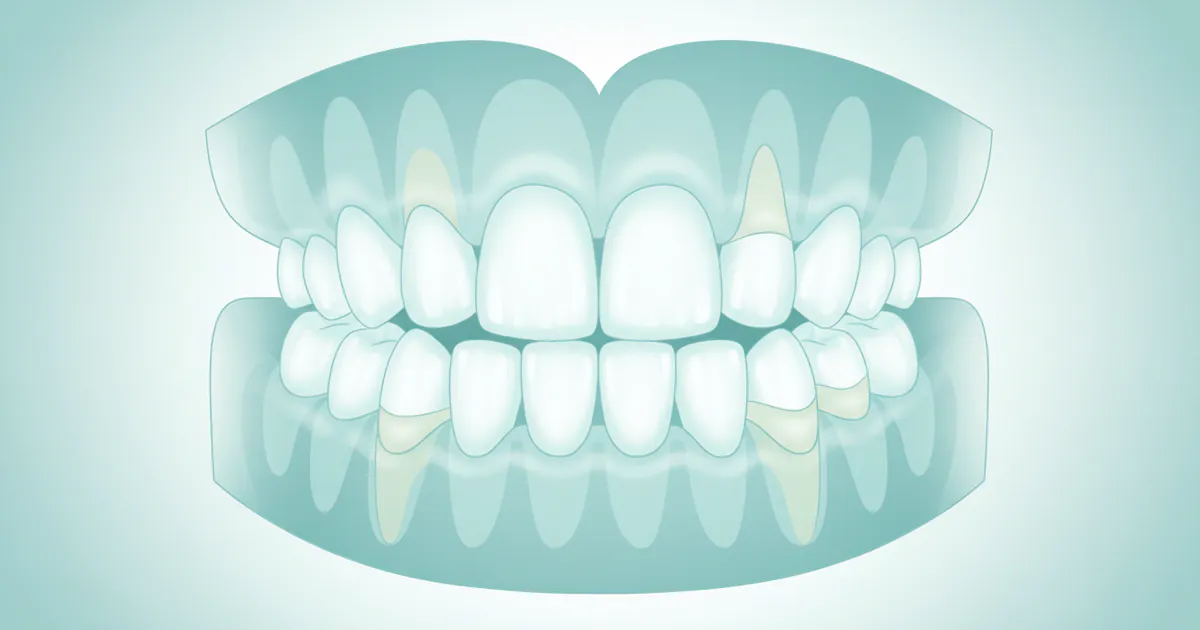
Deciduous teeth, also widely known as primary teeth, baby teeth, or milk teeth, are the first set of 20 teeth that develop in childhood. They are a crucial component of oral health and overall development, beginning their eruption around 6 months of age and gradually being replaced by permanent teeth throughout childhood and adolescence. While temporary, their role in a child's health is profound, impacting everything from nutrition and speech development to the proper alignment and spacing of the future permanent dentition.

Understanding deciduous teeth is fundamental for parents and caregivers, as their health directly influences a child's well-being. Despite their eventual replacement, neglecting these initial teeth can lead to serious complications, including pain, infection, malnutrition, speech impediments, and orthodontic issues. In the United States, dental caries (cavities) remain the most common chronic disease among children, affecting approximately one in five children aged 5 to 11 years and one in seven adolescents aged 12 to 19 years in their primary teeth. Proper care of deciduous teeth is not just about preventing cavities; it's about laying a strong foundation for a lifetime of healthy smiles.
Key Takeaways:
- Deciduous teeth are a child's first set of 20 teeth, essential for eating, speaking, and jaw development.
- Also known as primary teeth, baby teeth, or milk teeth.
- They typically begin erupting around 6 months and are all present by age 3.
- They hold space for permanent teeth and guide their eruption.
- Proper care is crucial to prevent cavities and other issues, which can impact a child's health and development.
- Losing deciduous teeth too early can lead to misalignment of permanent teeth.
Detailed Explanation
Types and Classifications of Deciduous Teeth
Children develop 20 deciduous teeth in total, evenly split between the upper (maxillary) and lower (mandibular) jaws. Unlike the permanent dentition, which includes premolars (bicuspids) and third molars (wisdom teeth), deciduous teeth only consist of incisors, canines, and molars. Each type serves a specific function:
- Incisors (8 total – 4 central, 4 lateral): These are the front teeth, flat and chisel-shaped, designed for biting and cutting food. The central incisors are usually the first teeth to erupt, typically between 6 and 12 months of age.
- Canines (4 total): Located on either side of the incisors, these are pointed teeth used for tearing food. They typically erupt between 16 and 23 months of age.
- Molars (8 total – 4 first molars, 4 second molars): These are at the back of the mouth, with broad, flat surfaces ideal for grinding and chewing food. The first molars typically appear between 13 and 19 months, followed by the second molars between 23 and 33 months.
This eruption timeline can vary slightly between children, but generally, all 20 deciduous teeth are present by the age of 2.5 to 3 years. Each tooth has a specific place in the jaw and acts as a placeholder, reserving the correct position for its permanent successor.
Causes and Risk Factors Affecting Deciduous Teeth
While the development and eruption of deciduous teeth are natural physiological processes, several factors can affect their health, integrity, and timely shedding. The primary concern is dental caries, commonly known as cavities, in primary teeth.
- Poor Oral Hygiene: Infrequent or ineffective brushing and flossing allow plaque—a sticky film of bacteria—to accumulate on tooth surfaces. These bacteria feed on sugars from food and drinks, producing acids that erode the tooth's enamel.
- Sugary Diet: Frequent consumption of sugary snacks, juices, sodas, and even milk (especially at bedtime) provides a constant food source for cavity-causing bacteria. Early childhood caries (ECC), also known as "baby bottle tooth decay," is a severe form of decay affecting infants and toddlers, often due to prolonged exposure to sugary liquids.
- Lack of Fluoride Exposure: Fluoride is a natural mineral that strengthens tooth enamel, making it more resistant to acid attacks and even helping to reverse early stages of decay. Insufficient exposure to fluoride through fluoridated water, toothpaste, or professional treatments increases cavity risk.
- Transmission of Bacteria: Cavity-causing bacteria can be transmitted from parents or caregivers to infants through shared utensils, cleaning pacifiers in a parent's mouth, or other saliva-sharing activities.
- Enamel Defects: In some cases, children may have thinner or weaker enamel due to genetic factors, certain medical conditions, or issues during tooth development, making their teeth more susceptible to decay.
- Trauma: Falls or accidents can cause chips, fractures, or even early loss of deciduous teeth, potentially affecting the developing permanent tooth underneath.
- Genetic Predisposition: Some children may be genetically predisposed to developing cavities or having weaker tooth structure.
- Special Health Care Needs: Children with certain medical conditions or developmental disabilities may have difficulties with oral hygiene, diet, or accessing dental care, increasing their risk for dental problems.
Signs and Symptoms to Watch For
Parents should be vigilant for signs indicating both normal development and potential problems with their child's deciduous teeth.

Normal Teething Symptoms (Eruption):
- Irritability or fussiness
- Drooling
- Swollen, tender gums
- Mild fever (generally below 101°F / 38.3°C)
- Chewing on objects
- Changes in sleep patterns
- Loss of appetite
Signs of Potential Dental Problems:
- White Spots on Teeth: Often an early indicator of enamel demineralization, a precursor to a cavity.
- Brown or Black Spots/Stains: Clear signs of developing or advanced cavities. These may appear dull or chalky initially, then darken.
- Tooth Sensitivity: Child complains of pain or discomfort when consuming hot, cold, or sugary foods/drinks.
- Pain or Discomfort: Persistent toothache, especially when eating or lying down. This indicates potential advanced decay affecting the pulp.
- Swelling Around Gums or Face: A sign of infection or abscess, which can be serious and requires immediate dental attention.
- Foul Breath (Halitosis): Can be a symptom of severe decay or infection.
- Difficulty Chewing: Reluctance to eat certain foods due to pain.
- Early Loss of a Tooth: A deciduous tooth falling out significantly before its typical shedding time, potentially due to trauma or extensive decay. This can impact the space for the permanent tooth.
Diagnosis Process — What Your Dentist Does
Regular dental check-ups are essential for monitoring the health and development of deciduous teeth. The American Academy of Pediatric Dentistry (AAPD) recommends a child's first dental visit by their first birthday, or within six months of the first tooth's eruption.
During a dental visit, your pediatric dentist will:
- Comprehensive Oral Examination: A visual inspection of all teeth, gums, tongue, and other oral tissues. The dentist will look for signs of decay, gum inflammation, developmental issues, or trauma. They will assess the condition of the enamel and look for any discolored spots.
- Dental X-rays: As the child grows, X-rays may be taken to detect cavities between teeth, assess the development of permanent teeth, check for any unerupted teeth, and evaluate the bone structure. Bitewing X-rays are typically used to check for interproximal (between teeth) cavities that are not visible during a clinical exam.
- Risk Assessment: The dentist will discuss your child's diet, oral hygiene habits, and fluoride exposure to assess their risk for developing cavities.
- Developmental Assessment: The dentist will monitor the eruption sequence of deciduous teeth, check for proper bite (occlusion), and ensure that jaw development is on track to accommodate the permanent teeth.
- Discussion and Education: The dentist will explain any findings, provide personalized oral hygiene instructions for both the child and parents, and discuss preventive measures.
Treatment Options for Deciduous Teeth Issues
Treatment for deciduous teeth depends on the specific issue, its severity, and the child's age. The primary goal is to preserve the tooth until its natural exfoliation, if possible, to maintain proper chewing function, speech, and space for permanent teeth.
| Treatment Option | Description | Pros | Cons | | 1. Decidular Fillings | Removal of diseased decay and restoring the tooth with a filling material (e. g., composite resin or amalgam). | | 2. Crowns (Stainless Steel Crown - SSC) | For larger cavities where fillings aren.t enough, or for teeth that have undergone pulp therapy. The SSC covers the entire tooth, protecting it from further decay or breakage. | | 3. Pulpotomy (Root Canal for Baby Teeth) | If a deep cavity affects the pulp (nerve) of the tooth, but the infection is mostly contained to the crown portion. The infected pulp is removed, medication is placed, and the tooth is sealed, usually with a stainless steel crown. | | 4. Pulpectomy (Root Canal for Severely Infected Baby Teeth) | If the entire pulp of a deciduous tooth is infected or necrotic (dead), requiring complete removal of the pulp tissue from both the crown and roots. This is essentially a full root canal treatment for primary teeth. The tooth is then sealed and crowned. | | 5. Space Maintainers | If a child loses a primary molar prematurely due to severe decay or trauma, a space maintainer can be placed. It's an acrylic or metal appliance custom-fitted to the child's mouth that holds the empty space open to prevent neighboring teeth from shifting and blocking the eruption path of the permanent tooth. | | 6. Extraction (If necessary) | If a tooth is so damaged that it cannot be saved, or if it's infected and risks harming the permanent tooth developing underneath, it may need to be removed. | | Cost Range (US, without insurance) | ~$150 - $350+ (Front tooth) ~$200 - $600+ (Back tooth) | | Typical Cost Range for Various Procedures (US, without insurance) | | Costs with Insurance | Most private health insurance plans in the US offer some level of dental coverage. It's common for basic restorative work (fillings, extractions) to be covered at 80-100% after the deductible is met, while more extensive procedures like crowns or pulpotomies might be covered at 50-80%. Orthodontic treatment (like space maintainers) may have separate coverage or be excluded. Always check your specific policy for details on deductibles, co-pays, annual maximums, and in-network vs. out-of-network benefits. | | Recovery & Aftercare | Varies by procedure. Generally, soft food, pain management, oral hygiene, and strict post-op instructions are common. Space maintainers require dietary restrictions and meticulous cleaning. Fillings/crowns typically have minimal downtime. Extractions may require several days of careful eating and specific medication. | | 7. Fluoride Treatments | Professional application of highly concentrated fluoride varnish or gel, particularly beneficial for children at high risk of developing cavities. | | Cost Range (US, without insurance) | ~$40 - $120+ (For a single application) | ~$750 - $1,500+ (Per crown, varies by material and complexity) | | Total Cost Range (US, without insurance) | Dependent on treatment(s). Can range from a basic filling (~$150) to comprehensive treatment with extractions and possibly space maintainers (~$2,000+ per tooth or quadrant in severe cases). | | Cost Range (US, without insurance) | ~$150 - $450+ (Depends on tooth type and complexity) ~$200 - $600+ (Molars, depends on material and complexity) ~$750 - $1,200+ (If extraction is complex or performed by an oral surgeon) ~$300 - $1,000+ (Per appliance, depends on complexity and materials) | | Why it's done | To restore minimal decay and maintain tooth function. Prevents decay progression. | | Cost Range (US, without insurance) | ~$500 - $800+ (Often includes the tooth removal and preparation for a crown) ~$600 - $1,200+ (Includes extraction and complex filling/crown for the baby tooth) ~$750 - $1,500+ (Includes the root canal and crown) ~$750 - $1,500+ (Includes the pulpectomy and crown) ~$300 - $800+ (Per tooth, if permanent tooth is impacted) | | Cost Range (US, without insurance) | ~$40 - $120+ | ~$40 - $80+ (Depends on whether performed by hygienist or dentist, and if multiple applications are done) | | Costs with Insurance | Typically covered at 100% as part of routine preventive care, though some plans may have age restrictions or limits on frequency. | | Why it's done | To strengthen tooth enamel and prevent the formation of cavities, especially for children with a higher risk of decay. | | Cost Range (US, without insurance) | ~$40 - $80+ | Why it's done | To provide extra protection for the chewing surfaces of molars, where decay often starts. The sealant acts as a barrier against bacteria and food particles. | | Costs with Insurance | Covered as a preventive service; typically 80-1.00% coverage. | | | Costs with Insurance | Typically covered as preventive care; often 100% for sealants. Some plans may have age restrictions. | | | Costs with Insurance | Covered as a preventative service; usually at 100% for basic screenings. | Why it's done | Regular check-ups are vital for early detection and prevention of dental issues. | | Cost Range (US, without insurance) | ~$50 - $150+ | Why it's done | A children's version of a crown, used to cover deciduous teeth with large cavities or after pulp treatment. | | Costs with Insurance | Covered as a preventive service; usually at 100% coverage. | | | Costs with Insurance | Often Covered at 50-80% depending on the plan, sometimes subject to an orthodontic deductible. | | Cost Range (US, without insurance) | ~$40 - $120+ | Why it's done | Regular check-ups are vital for early detection and prevention of dental issues. These include evaluating the development of permanent teeth and jaw growth. | | Costs with Insurance | Covered as a preventive service; usually at 100% coverage. | | | Costs with Insurance | Covered as a preventive service; usually at 100% coverage. | Why it's done | To harden enamel and provide extra protection against cavities, especially for young, developing teeth. | | Cost Range (US, without insurance) | ~$40 - $120+ | | | Cost Range (US, without insurance) | ~$40 - $120+ | | | Costs with Insurance | Most dental plans consider this a major procedure, typically covered at 50% after deductible. | | Costs with Insurance | Covered as a preventative service; typically 80-100% for a new patient exam, cleaning, and X-rays. |
Sedation Options: For very young or anxious children, or those requiring extensive treatment, pediatric dentists may offer various sedation options (e.g., nitrous oxide, oral conscious sedation, or general anesthesia) to ensure comfort and safety. These options add significantly to the overall cost, typically ranging from $200 to $800+ for nitrous oxide and $500 to $2,500+ for oral sedation or general anesthesia (for facility and anesthesiologist fees), with insurance coverage varying widely.
Step-by-Step: What to Expect During a Deciduous Tooth Filling (Composite Resin)
Let's walk through a common procedure: addressing a cavity in a deciduous tooth with a white, composite resin filling.
- Preparation and Anesthesia (If Needed): The dentist will first assess the child's comfort level. For small, shallow cavities, local anesthesia might not even be necessary. For deeper cavities or an anxious child, topical numbing gel is applied, followed by a small injection of local anesthetic to numb the tooth and surrounding gum tissue.
- Isolation: A small rubber dam (a thin sheet of latex or non-latex material) or cotton rolls are placed around the tooth to keep it dry and prevent moisture (saliva) from contaminating the filling area. This is crucial for composite fillings.
- Decay Removal: Using a high-speed dental handpiece (drill), the dentist carefully removes all decayed tooth structure. The goal is to preserve as much healthy tooth as possible.
- Cleaning and Preparation: Once the decay is removed, the area is thoroughly cleaned and disinfected. A special etching gel is applied to the tooth surface to create microscopic pores, followed by a bonding agent, which acts as an adhesive for the composite material.
- Composite Application: The tooth-colored composite resin material is applied in thin layers into the prepared cavity.
- Curing: A special blue light is used to harden (cure) each layer of the composite material, bonding it to the tooth.
- Shaping and Polishing: Once all layers are cured, the dentist shapes the composite to match the natural contours of the tooth and restore its bite. Finally, the filling is polished smooth to prevent food accumulation and ensure comfort.
- Final Check: The dentist checks the child's bite (occlusion) and makes any necessary adjustments.
Recovery Timeline and Aftercare
Recovery from most deciduous teeth treatments is typically straightforward and quick, especially for fillings and crowns.

- Fillings & Crowns:
- Recovery: Numbness from local anesthesia usually subsides within 1-3 hours. Children can typically eat and drink normally after the numbness wears off. Some mild sensitivity to hot or cold may occur for a day or two but usually resolves quickly.
- Aftercare: Encourage gentle brushing around the treated tooth. Avoid sticky or hard foods for the first day. Maintain excellent oral hygiene and continue regular dental visits.
- Extractions:
- Recovery: A gauze pack is typically placed over the extraction site, which should be bitten on firmly for 30-60 minutes to control bleeding. Some bleeding, swelling, and discomfort are normal for the first 24-48 hours. Full healing of the gum tissue can take 7-10 days.
- Aftercare: Follow specific instructions regarding pain medication, diet (soft foods for several days), and oral hygiene (avoid rinsing vigorously or spitting, no straws, avoid disturbing the clot).
- Pulpotomy/Pulpectomy:
- Recovery: Similar to a filling or crown, as these procedures are usually followed immediately by a crown placement. The child should experience no pain or sensitivity once the anesthesia wears off.
- Aftercare: Follow instructions for the crown. Report any persistent pain, swelling, or signs of infection to the dentist immediately.
- Space Maintainers:
- Recovery: Initial adjustment to the appliance may take a few days, with some minor irritation to the tongue or cheeks.
- Aftercare: Strict oral hygiene is vital to clean around the appliance. Avoid sticky or hard foods that could dislodge or damage the maintainer. Regular dental visits are needed to check the appliance and eruption of permanent teeth.
Prevention Strategies for Healthy Deciduous Teeth
Preventing issues with deciduous teeth is far easier and more cost-effective than treating them. Key strategies include:
- Early and Regular Dental Visits: Schedule the first visit by the first birthday or within 6 months of the first tooth eruption. Subsequent visits every 6 months allow for early detection and preventive care.
- Effective Oral Hygiene:
- Infants: Wipe gums with a clean, damp cloth even before teeth erupt. Once the first tooth appears, brush twice daily with a soft infant toothbrush and a smear (rice-grain size) of fluoride toothpaste.
- Toddlers (3-6 years): Use a pea-sized amount of fluoride toothpaste and supervise brushing. Teach them to spit, not swallow, excess toothpaste.
- Older Children: Continue supervised brushing twice daily for at least 2 minutes and introduce flossing once teeth begin to touch.
- Healthy Diet: Limit sugary drinks (soda, juice, sweetened teas) and sticky snacks. Encourage water consumption throughout the day. Offer nutritious snacks like fruits, vegetables, and cheese. Avoid putting babies to bed with bottles containing milk, formula, juice, or sweetened liquids.
- Fluoride Exposure: Ensure your child receives adequate fluoride. This can be through fluoridated tap water (check with your local water provider), fluoride toothpaste, and professional fluoride varnish applications at dental check-ups.
- Dental Sealants: Discuss dental sealants with your dentist, especially for the back molars. These thin, protective coatings are painted onto the chewing surfaces of teeth, acting as a barrier against bacteria and food, significantly reducing the risk of cavities.
- Avoid Saliva Sharing: Do not share eating utensils, clean pacifiers with your mouth, or allow children to put your toothbrush in their mouth, as this can transfer cavity-causing bacteria.
For Parents / Pediatric Considerations
Deciduous teeth are far more important than their temporary nature suggests. They are crucial for:
- Proper Nutrition: Healthy baby teeth allow children to chew food effectively, aiding digestion and ensuring proper nutrient intake for growth and development.
- Speech Development: Teeth play a vital role in articulating sounds correctly. Premature loss or severe decay can impact a child's ability to speak clearly.
- Space Maintenance for Permanent Teeth: Deciduous teeth act as natural space maintainers, guiding the permanent teeth into their correct positions. If a baby tooth is lost too early due to decay or trauma, adjacent teeth can drift into the empty space, causing crowding or impaction of the permanent tooth trying to erupt. This often leads to more extensive and costly orthodontic treatment later on.
- Facial Development: Healthy deciduous teeth contribute to the normal development of the jaw bones and facial muscles.
- Self-Esteem and Confidence: A healthy, pain-free smile is important for a child's confidence and social interactions.
Pediatric dentists are specially trained to handle the unique dental needs of children, from infants to adolescents. They create a welcoming and child-friendly environment, use specialized techniques to make dental care comfortable, and are experts in developmental guidance.
Frequently Asked Questions
How long do deciduous teeth last?
Deciduous teeth are gradually replaced by permanent teeth from around 6 years of age until about 12-14 years of age. The exact timeline varies for each tooth, with the front incisors typically shedding first, followed by canines and molars. The presence of deciduous teeth for this entire period is crucial for guiding the eruption of permanent teeth.

Are deciduous teeth more prone to cavities than permanent teeth?
Yes, deciduous teeth are generally more susceptible to cavities than permanent teeth. Their enamel is thinner and softer, and the dentin layer underneath is also less dense, making them easier for decay to penetrate and progress quickly. Additionally, children's diets often contain more sugars, and their oral hygiene habits may not be as thorough as adults', contributing to higher cavity rates.
What happens if a baby tooth is lost too early?
If a deciduous tooth is lost prematurely, especially a molar, the teeth next to it can shift and drift into the empty space. This reduces the available space for the permanent tooth that is supposed to erupt there, leading to crowding, misalignment, or impaction (when the permanent tooth gets stuck and cannot erupt). To prevent this, a dentist may recommend a space maintainer to hold the space open until the permanent tooth is ready.
Is it painful when deciduous teeth erupt (teething)?
Teething can be uncomfortable for babies, causing symptoms like gum tenderness, swelling, and irritability. However, severe pain or high fever are not typical teething symptoms and could indicate an underlying issue that warrants a visit to the pediatrician or pediatric dentist.
Does insurance cover treatments for deciduous teeth?
Most dental insurance plans in the US offer coverage for pediatric dental care. Preventive services like exams, cleanings, and fluoride treatments are often covered at 100%. Basic restorative procedures like fillings and extractions are commonly covered at 80-100%. More extensive treatments like crowns or pulpotomies may be covered at 50-80%. Coverage for space maintainers varies significantly by plan. It's crucial for parents to review their specific dental insurance policy to understand their benefits, deductibles, and co-pays.

How much does it cost to treat a cavity in a baby tooth without insurance?
The cost of treating a cavity in a deciduous tooth without insurance can range from $150 to $600+ for a simple filling, depending on the tooth, the size of the cavity, the material used, and the dental office's location and fees. More complex procedures like crowns or pulp therapy can cost $500 to $1,500+ per tooth. These are general estimates and can vary.
What are the alternatives to treating a decayed deciduous tooth?
For minor decay, some dentists might opt for "watchful waiting" or aggressive fluoride treatments to remineralize the enamel. For significant decay, the primary alternative to treatment (filling, crown, pulp therapy) is extraction. However, extraction of a baby tooth should be a last resort, as it can lead to space loss and orthodontic problems for the permanent teeth unless a space maintainer is placed. Non-restorative cavity treatment using Silver Diamine Fluoride (SDF) is another alternative for arresting decay, especially in very young or uncooperative children, though it leaves a black stain on the decayed area.
When to See a Dentist
Regular dental check-ups, starting by age 1, are the cornerstone of maintaining healthy deciduous teeth. However, there are specific instances when you should see a dentist outside of routine appointments:
Routine Care:
- First Tooth Eruption: Schedule your child's first dental visit as soon as their first tooth appears, or by their first birthday at the latest.
- Every Six Months: Regular check-ups and cleanings every six months are crucial for monitoring development, providing preventive care (like fluoride and sealants), and catching any issues early.
Emergency Signs / Immediate Concerns:
- Persistent Toothache: If your child complains of continuous tooth pain, especially if it's severe, keeps them awake, or isn't relieved by over-the-counter pain medication.
- Swelling: Any swelling in the gums, face, or around a tooth indicates a possible infection or abscess, which requires immediate attention.
- Trauma to a Tooth: If a tooth is chipped, broken, knocked out, or severely loosened due to an accident or fall. Time is often critical in these situations.
- Visible Cavities: If you notice dark spots, holes, or significant discoloration on your child's teeth.
- Difficulty Eating or Chewing: If your child suddenly has trouble eating, favors one side of their mouth, or avoids certain foods due to discomfort.
- Bleeding Gums: While some mild bleeding from brushing might occur, persistent or heavy gum bleeding could indicate gum disease.
- Sensitivity: If your child shows extreme sensitivity to hot, cold, or sweet foods/drinks.
Deciduous teeth are a vital, albeit temporary, part of your child's development. Proactive care and regular dental visits ensure these crucial primary teeth fulfill their role in fostering a healthy smile for a lifetime.
Frequently Asked Questions
Medically Reviewed Content
This article was written by our dental health editorial team and reviewed for medical accuracy. Our content follows strict editorial guidelines for reliability and trustworthiness.
Medical Disclaimer
This article is for informational purposes only and does not constitute medical advice. Always consult with a qualified dental professional for diagnosis and treatment. Do not delay seeking professional advice because of something you read on this website.
Related Articles
Zirconia: Complete Dental Guide
In the ever-evolving landscape of modern dentistry, zirconia stands out as a groundbreaking material that has transformed how dental professionals restore smiles. At its core, zirconia is a robust, tooth-colored ceramic material, chemically known as zirconium dioxide (ZrO2). It's not a metal
February 22, 2026

X-Ray (Dental): Complete Dental Guide
Short Definition: Diagnostic imaging that uses low-dose radiation to capture images of teeth, bones, and surrounding tissues, revealing problems not visible during a clinical examination.
February 22, 2026
Xerostomia: Complete Dental Guide
Xerostomia, more commonly known as chronic dry mouth, is a condition characterized by a reduced flow of saliva, leading to a persistently dry oral cavity. Far more than just an uncomfortable sensation, xerostomia is a serious dental health concern that can significantly impact an individual's qualit
February 22, 2026
Wisdom Tooth: Complete Dental Guide
Welcome to SmilePedia.net, your definitive resource for understanding all aspects of dental health. In this comprehensive article, we delve deep into the topic of wisdom teeth, often a source of curiosity, concern, and sometimes, discomfort for many adults.
February 22, 2026