Kitten Teething Toys: Complete Guide
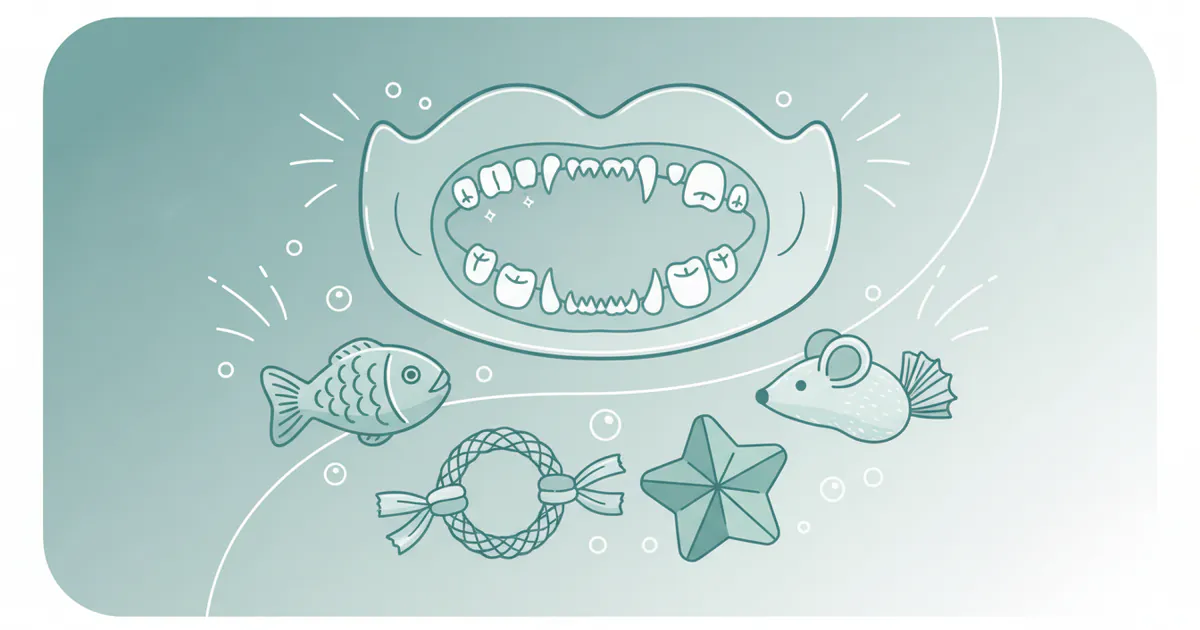
Key Takeaways
- Few milestones in early life bring as much joy – and sometimes, as much discomfort – as teething. Just as a playful kitten explores its new world by mouthing and chewing on everything it can, human babies also embark on a similar developmental journey. In fact, over 80% of infants experience som
Kitten Teething Toys: Complete Guide
Few milestones in early life bring as much joy – and sometimes, as much discomfort – as teething. Just as a playful kitten explores its new world by mouthing and chewing on everything it can, human babies also embark on a similar developmental journey. In fact, over 80% of infants experience some form of discomfort during teething, a universal experience that transcends species. While our title, "Kitten Teething Toys," might conjure images of our feline friends, this comprehensive guide from SmilePedia.net will delve into the universally relatable journey of teething, specifically focusing on understanding and managing this crucial developmental stage for human infants. We'll explore effective strategies, safe products, and essential dental care tips to help your little one navigate this period with greater ease.
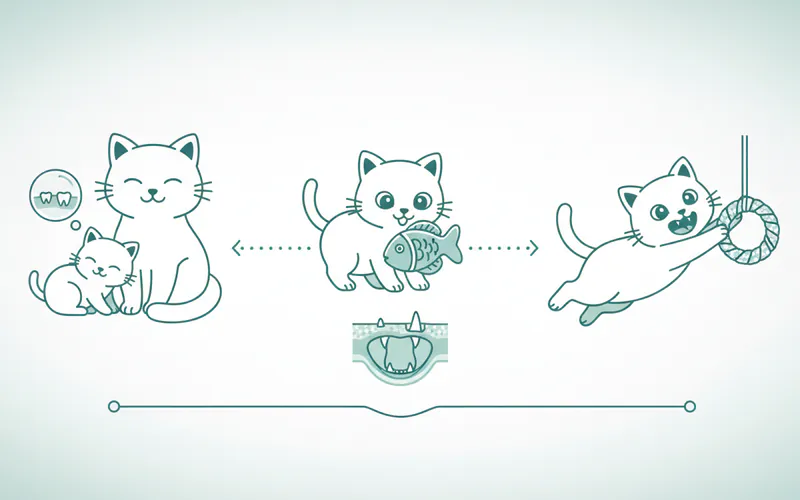
Teething is a natural biological process, but it often brings fussiness, sleep disturbances, and a persistent urge to chew. Understanding the science behind erupting teeth and knowing how to provide appropriate relief is paramount for parents. This article will serve as your definitive resource, covering everything from the timeline of tooth eruption and the tell-tale signs of teething, to the safest and most effective baby teething relief options, including a detailed look at various "teething toys" designed for human infants. We'll also touch upon the general timelines for animal teething, such as when do dogs stop teething, to offer a broader perspective on dental development, emphasizing the unique needs of human pediatric dentistry. By the end, you'll be equipped with the knowledge to make informed decisions for your baby's oral health and comfort.
Key Takeaways:
- Teething Timeline: Most babies start teething between 4-7 months, with the first teeth typically emerging around 6 months. The full set of 20 primary teeth is usually in by age 3.
- Common Symptoms: Irritability, drooling, swollen gums, a persistent urge to chew, and mild temperature elevation are common.
- Safe Relief Options: Chilled (not frozen) teething toys, gentle gum massage, sugar-free teething biscuits, and, if needed, pediatrician-approved pain relievers like infant acetaminophen or ibuprofen.
- Cost of Teethers: Teething toys range from $5 to $30 on average, with specialty or multi-functional items potentially reaching $50.
- Dental Check-ups: The American Dental Association (ADA) recommends a child's first dental visit by their first birthday or within six months of the first tooth eruption.
What It Is / Overview
Teething, medically known as odontiasis, is the process by which an infant's first set of teeth, known as primary teeth or "baby teeth," sequentially break through the gums. This natural physiological event marks a significant developmental milestone, enabling a baby to transition from a liquid diet to solid foods. While often associated with discomfort, teething is a sign of healthy development.
For human infants, teething typically begins between 4 to 7 months of age, though it can start earlier or later. The process usually follows a predictable pattern, with the lower central incisors (front bottom teeth) appearing first, followed by the upper central incisors. By approximately age 3, most children will have all 20 of their primary teeth. This entire process can be sporadic, with periods of active eruption followed by lulls, causing varying degrees of discomfort for infants and concern for parents. Understanding this fundamental process is the first step in providing effective baby teething relief.
The Dental Development Journey
Human teeth develop in stages. Even before birth, primary tooth buds begin to form within the jawbones. As the baby grows, these teeth calcify and gradually move towards the gum surface. The actual "eruption" is when the crown of the tooth pushes through the gum tissue. This pressure and movement can cause inflammation and tenderness, leading to the familiar symptoms parents observe. The appearance of these primary teeth is crucial for proper chewing, speech development, and maintaining space for the permanent teeth that will eventually replace them.
Types / Variations: Teething Relief Methods and "Toys"
When it comes to soothing a teething baby, parents have a wide array of options, often referred to as "teething toys" or relief methods. Just as a kitten instinctually seeks out objects to chew on to alleviate gum discomfort from erupting teeth, human infants also have a strong urge to mouth and chew. The goal is to provide safe, effective counter-pressure and sensory input to distract from and alleviate gum pain.
Traditional Teething Toys
These are purpose-built items designed for babies to chew on safely.
- Silicone Teethers: Made from food-grade silicone, these are soft, flexible, and durable. They come in various shapes, textures, and colors, often with bumps or ridges to massage gums. Many can be chilled.
- Pros: Easy to clean, durable, safe (BPA-free, phthalate-free), good for gum massage.
- Cons: Some designs can be difficult for very young babies to hold.
- Rubber Teethers: Similar to silicone but often slightly firmer. Natural rubber (latex) options are popular.
- Pros: Natural material, good elasticity, satisfying chew.
- Cons: Some babies may have latex allergies; can degrade faster than silicone.
- Wooden Teethers: Made from untreated, non-toxic wood (e.g., maple, beech). Often combined with silicone or fabric elements.
- Pros: Natural, eco-friendly, firm chewing surface, aesthetically pleasing.
- Cons: Can be harder to clean, may splinter if not properly finished, can't be chilled.
- Fabric/Plush Teethers: Often made with crinkly fabric or small, chewable corners, sometimes incorporating a silicone element.
- Pros: Soft, comforting, provides different sensory input.
- Cons: Harder to clean thoroughly, not ideal for intense chewing.
- Water-Filled/Gel Teethers: These can be chilled in the refrigerator to provide a cooling sensation.
- Pros: Effective cooling relief, provides pressure.
- Cons: Can be punctured, potential for leakage, shouldn't be frozen (can cause frostbite or damage gums).
- Pro Tip: Always chill teethers in the refrigerator, not the freezer. Frozen objects can be too hard and cause damage to delicate gum tissue.
Edible Teething Relief
For babies who are already consuming solids, certain foods can offer relief.
- Teething Biscuits/Crackers: Designed to be firm enough for chewing but dissolve slowly, reducing choking risk. Always supervise.
- Pros: Provides a chewing surface, can be a distraction.
- Cons: Can be messy, potential for choking if not monitored, often contain sugar/starch. Choose sugar-free varieties.
- Chilled Fruits/Vegetables: Mesh feeders can hold chilled pieces of banana, cucumber, or apple, allowing babies to gnaw on them safely.
- Pros: Natural, nutritious, cooling, gum massage.
- Cons: Messy, requires supervision, potential for sugar exposure from fruits.
- Frozen Washcloth: A clean, wet washcloth twisted and chilled can provide excellent relief.
- Pros: Simple, inexpensive, effective cooling and pressure.
- Cons: Can get messy as it thaws.
Topical and Oral Remedies
These should always be used with caution and under pediatrician guidance.
- Gentle Gum Massage: Using a clean finger or a soft, rubber finger toothbrush to gently rub the baby's gums can provide counter-pressure and comfort.
- Pros: Immediate, direct relief, no cost.
- Cons: Requires parent involvement.
- Over-the-Counter Pain Relievers: Infant acetaminophen (Tylenol) or ibuprofen (Advil, Motrin) can be used for significant discomfort, but only as directed by a pediatrician.
- Pros: Effective for reducing pain and inflammation.
- Cons: Should not be overused, always follow dosage instructions, potential side effects.
- Homeopathic/Natural Remedies: Many products claim to offer natural relief.
- Pros: May appeal to parents seeking alternatives.
- Cons: The American Dental Association (ADA) and the Food and Drug Administration (FDA) strongly advise against teething necklaces (choking/strangulation hazard) and topical teething gels or tablets containing benzocaine (linked to methemoglobinemia) or belladonna (unpredictable and toxic effects). Always consult your pediatrician before using these products.
Comparison Table: Popular Teething Relief Options for Babies
| Relief Method | Pros | Cons | Average Cost (USD) | ADA/FDA Stance |
|---|---|---|---|---|
| Silicone/Rubber Teethers | Durable, easy to clean, chillable, good texture | Can be hard for small hands, requires frequent cleaning | $10 - $25 | Recommended (if safe, BPA-free) |
| Wooden Teethers | Natural, eco-friendly, firm chewing surface | Harder to clean, not chillable, potential for splintering | $15 - $30 | Recommended (if untreated, non-toxic wood) |
| Water/Gel-filled Teethers | Effective cooling, satisfying pressure | Risk of puncture/leakage, do not freeze, short-lived cooling | $8 - $20 | Recommended (if chilled, not frozen) |
| Chilled Washcloth | Simple, inexpensive, effective cooling/pressure | Can get messy, needs frequent re-chilling | $0 - $5 | Recommended |
| Gum Massage | Immediate, direct, no cost | Requires parent's clean finger, temporary relief | $0 | Recommended |
| Infant Pain Relievers | Highly effective for severe pain | Dosage critical, consult pediatrician, potential side effects | $5 - $15 | Recommended (under pediatrician guidance) |
| Teething Biscuits | Chewing action, distraction | Can be messy, choking hazard, often sugary (choose sugar-free) | $4 - $10 | Use with caution, supervise, choose sugar-free |
| Mesh Feeders (Chilled food) | Natural, nutritious, cooling, gum massage | Messy, supervision needed, potential sugar from fruits | $7 - $15 | Recommended with supervision |
| Teething Necklaces/Bracelets | (Claims: pain relief) | Severe choking/strangulation hazard | $15 - $50 | STRONGLY DISCOURAGED/DANGEROUS (ADA, FDA) |
| Benzocaine Gels/Belladonna | (Claims: numbing, soothing) | Serious health risks (methemoglobinemia, toxicity) | $5 - $15 | STRONGLY DISCOURAGED/DANGEROUS (ADA, FDA) |
Understanding Teething in Animals: A Brief Comparison
While our focus is on human infants, it's interesting to note the similarities and differences in teething across species, especially as the keyword "kitten teething toys" and "when do dogs stop teething" relate to broader developmental processes. Just like humans, puppies and kittens also experience a teething phase as their deciduous (baby) teeth erupt and are later replaced by permanent teeth.
- Kittens: Start teething around 3-4 weeks of age, with all baby teeth in by 6-8 weeks. Their baby teeth fall out around 3-4 months, and their permanent teeth are usually fully in by 6-7 months. Kitten teething toys are crucial for them to chew on, relieving discomfort and promoting healthy jaw development, much like human baby teethers.
- Puppies: Begin teething around 3-4 weeks, and their 28 baby teeth are usually in by 6 weeks. They start losing baby teeth around 12-16 weeks (3-4 months), and all 42 permanent teeth are typically present by 6-7 months of age. So, to answer "when do dogs stop teething," the transition from baby teeth to permanent teeth is generally complete by about 6-7 months of age, although some breeds may take slightly longer. The intense chewing phase often subsides once adult teeth are fully established.
This brief comparison highlights the universal nature of teething discomfort and the role of appropriate "teething toys" in providing relief across mammalian species. However, for the health and safety of human infants, always use products specifically designed and tested for human babies.
Causes / Why It Happens
Teething is a natural, unavoidable biological process driven by an infant's genetic programming for growth and development. The underlying cause is simply the maturation and eruption of primary teeth through the gum tissue.
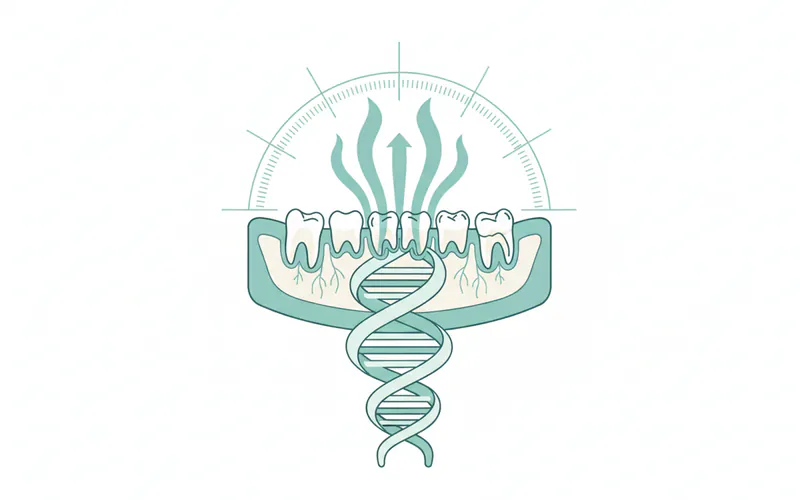
Here's a breakdown of the physiological process:
- Tooth Bud Development: Before birth, primary teeth begin to form as "buds" within the jawbone, under the gums.
- Calcification: Over time, these tooth buds harden through a process called calcification, where minerals like calcium and phosphate are deposited to form the enamel and dentin layers of the tooth.
- Movement Towards Surface: As the tooth continues to grow, it gradually moves upwards, putting pressure on the gum tissue above it.
- Gum Breaking: Eventually, the crown of the tooth breaks through the gum surface. This is the moment of eruption. The pressure, inflammation, and breaking of tissue are what cause the discomfort associated with teething.
Contributing factors to discomfort:
- Inflammation: As the tooth pushes through, it causes localized inflammation and swelling in the gum tissue.
- Pressure: The upward movement of the tooth creates pressure, which can be painful. Chewing provides counter-pressure that temporarily alleviates this feeling.
- Nerve Stimulation: The gums are rich in nerve endings, and the eruption process can stimulate these nerves, leading to pain.
- Individual Variation: Some babies experience more discomfort than others. This can be due to individual pain thresholds, the speed of eruption, or the size and shape of the emerging tooth. There's no single factor, and what might be mildly irritating for one baby could be quite painful for another.
Signs and Symptoms
Recognizing the signs of teething can help parents understand their baby's discomfort and provide timely relief. While every baby is different, a combination of these symptoms often indicates a tooth is on its way:
- Increased Drooling: One of the most common and earliest signs. Babies produce more saliva to lubricate and protect the emerging tooth, leading to a constant wet chin and sometimes a rash.
- Irritability and Fussiness: Unexplained crying, general crankiness, and being harder to soothe are classic signs. The discomfort can be constant or come in waves.
- Gnawing and Chewing: An intense urge to put objects (or their own hands/fingers) in their mouth and chew. This is a baby's way of applying pressure to their gums, which can temporarily relieve pain.
- Swollen, Tender, or Red Gums: Upon inspection, you might notice gums that look redder, are visibly swollen, or feel tender to the touch, often with a small bump or bruise-like appearance where the tooth is about to emerge.
- Sleep Disturbances: Discomfort can make it difficult for babies to fall asleep or stay asleep, leading to disrupted naps and nighttime awakenings.
- Refusal to Eat/Drink: Some babies may be reluctant to feed due to gum soreness, especially from bottles or solid foods that require chewing.
- Ear Pulling/Cheek Rubbing: If a baby's molars are coming in, they might pull at their ears or rub their cheeks on the side of the erupting tooth, as pain can radiate to these areas.
- Slight Fever (Low-Grade): A mild elevation in temperature (usually below 100.4°F or 38°C) can be associated with teething. However, a fever over this threshold is typically not attributed to teething alone and warrants a call to the pediatrician.
- Loose Stools/Diaper Rash: While often attributed to teething, there is no direct scientific link. Increased drooling can sometimes lead to slightly looser stools, and the increased moisture can contribute to diaper rash, but these are secondary effects rather than direct symptoms of teething. Any significant changes in bowel movements should be discussed with a pediatrician.
Important Note: While these symptoms are common, severe symptoms like high fever, vomiting, diarrhea, or extreme lethargy are not typically caused by teething and should prompt a call to your pediatrician.
Treatment Options (Relief)
Providing baby teething relief is primarily about soothing discomfort rather than "treating" a condition, as teething is a natural process. The most effective strategies combine mechanical relief, cooling, and sometimes, mild pain relief.
Non-Pharmacological Relief
These are often the first line of defense.
- Chilled Teething Toys: As discussed in the "Types/Variations" section, a clean, chilled (not frozen) silicone, rubber, or water-filled teether can provide soothing counter-pressure and a cooling sensation. The cold helps numb the gums.
- Gentle Gum Massage: Use a clean finger, a soft finger toothbrush, or a specialized baby gum massager to gently rub your baby's sore gums. The pressure can be very comforting.
- Chilled Washcloth: Soak a clean washcloth in water, wring it out, and chill it in the refrigerator. Your baby can chew on it, providing both coolness and a satisfying texture.
- Hard, Sugar-Free Foods (for older babies): If your baby is old enough for solids and you're supervising closely, sugar-free teething biscuits, chilled cucumber spears, or apple slices in a mesh feeder can offer relief. Avoid anything that could break off and become a choking hazard.
- Comfort and Distraction: Sometimes, simply holding, cuddling, and playing with your baby can distract them from the discomfort. A change of scenery or a comforting routine can make a big difference.
Pharmacological Relief
Use these options judiciously and always after consulting with your pediatrician.
- Infant Acetaminophen (e.g., Tylenol): Can be used for pain and fever associated with teething. Administer according to your pediatrician's recommended dosage based on your baby's weight and age.
- Infant Ibuprofen (e.g., Advil, Motrin): Generally recommended for babies 6 months or older. It can reduce pain and inflammation more effectively than acetaminophen in some cases. Again, strict adherence to dosage and pediatrician advice is crucial.
What to AVOID:
- Teething Necklaces/Bracelets: Amber beads, silicone beads, or any jewelry worn by the baby for teething relief poses severe risks of choking and strangulation. The FDA and ADA strongly advise against their use.
- Topical Numbing Gels (especially those containing Benzocaine): The FDA has issued warnings against benzocaine-containing gels (e.g., Orajel, Anbesol) for children under 2 years old due to the risk of methemoglobinemia, a serious blood disorder. These gels also numb the entire mouth, making swallowing difficult.
- Homeopathic Teething Tablets: The FDA has warned against these due to inconsistent amounts of belladonna, a toxic substance, and other ingredients that can cause adverse effects.
- Alcohol on Gums: This is an old wives' tale and is dangerous. Alcohol is toxic to infants and offers no real relief.
- Frozen Teethers/Foods: While chilling is good, freezing can make items too hard, potentially causing frostbite to gums or damaging erupting teeth.
Pro Tip: Maintain a diligent oral hygiene routine even during teething. Gently wipe your baby's gums with a soft, damp cloth or gauze twice a day, even before teeth erupt. Once the first tooth appears, start brushing twice a day with a soft-bristled, infant toothbrush and a tiny smear of fluoride toothpaste (rice-grain size).
Step-by-Step Process: Managing Teething at Home
Navigating your baby's teething journey involves observation, preparation, and consistent comfort. Here’s a step-by-step approach for parents:
-
Observe for Early Signs (4-7 Months):
- Start noticing increased drooling, fussiness, or a sudden urge to chew everything. These are your first clues.
- Gently feel your baby's gums. You might detect a firm bump or a slight swelling where a tooth is pushing through.
-
Prepare Your Teething Arsenal:
- Acquire Safe Teethers: Invest in a variety of safe, BPA-free silicone or rubber teething toys. Ensure they are easy for your baby to grasp and free of small, detachable parts.
- Chilling Station: Designate a spot in your refrigerator for chilling teethers and a clean washcloth.
- Oral Hygiene Tools: Have a soft infant toothbrush and a rice-grain sized amount of fluoride toothpaste ready for when the first tooth emerges.
-
Offer Relief When Symptoms Appear:
- Teething Toys: Offer a chilled teether. Allow your baby to chew on it independently.
- Gum Massage: If your baby resists teethers, try gently massaging their gums with a clean finger.
- Chilled Washcloth: A cool, damp washcloth can be very soothing.
- Clean Up Drool: Keep a soft bib and cloth handy to gently wipe away excessive drool, preventing chin rashes.
-
Consider Pain Medication (If Needed, with Pediatrician Approval):
- For significant discomfort that interferes with feeding or sleep, consult your pediatrician about appropriate dosages of infant acetaminophen or ibuprofen.
- Use these medications sparingly and only for severe symptoms.
-
Maintain Routine and Comfort:
- Despite discomfort, try to stick to your baby's regular feeding and sleep schedule as much as possible.
- Provide extra cuddles and comforting interactions. Distraction can be a powerful tool.
-
Introduce Oral Hygiene Early:
- Even before teeth appear, gently wipe your baby's gums twice a day with a soft, damp cloth to remove milk residue and bacteria.
- Once the first tooth emerges, begin brushing twice daily with a tiny smear of fluoride toothpaste.
- Schedule First Dental Visit: The ADA recommends a child's first dental visit by their first birthday or within six months of the eruption of their first tooth, whichever comes first. This visit is crucial for early education on oral hygiene, fluoride use, diet, and to check for any developmental issues.
-
Monitor for Complications:
- Be vigilant for signs that are not typical for teething, such as high fever (over 100.4°F/38°C), vomiting, severe diarrhea, or extreme lethargy. These symptoms require immediate medical attention from your pediatrician.
``
Cost and Insurance
The costs associated with managing a baby's teething discomfort are generally low, primarily focusing on purchasing baby teething relief products. However, potential complications or routine pediatric dental visits can incur additional expenses.
Average Costs for Teething Relief Products (US)
- Basic Silicone/Rubber Teethers: $5 - $15
- Specialty/Designer Teethers: $15 - $30
- Water-Filled/Gel Teethers: $8 - $20
- Wooden Teethers: $15 - $35
- Teething Biscuits (sugar-free): $4 - $10 per box
- Infant Pain Relievers (acetaminophen/ibuprofen): $5 - $15 per bottle
- Infant Toothbrushes/Finger Brushes: $3 - $10
- Infant Fluoride Toothpaste: $4 - $8
Total average initial investment in teething supplies can range from $20 - $100, depending on the variety and quantity of items purchased. These are typically out-of-pocket expenses and not covered by insurance.
Pediatric Dental Visits and Insurance
Routine dental check-ups for infants fall under the umbrella of pediatric dentistry.
- First Dental Visit (around 1 year old):
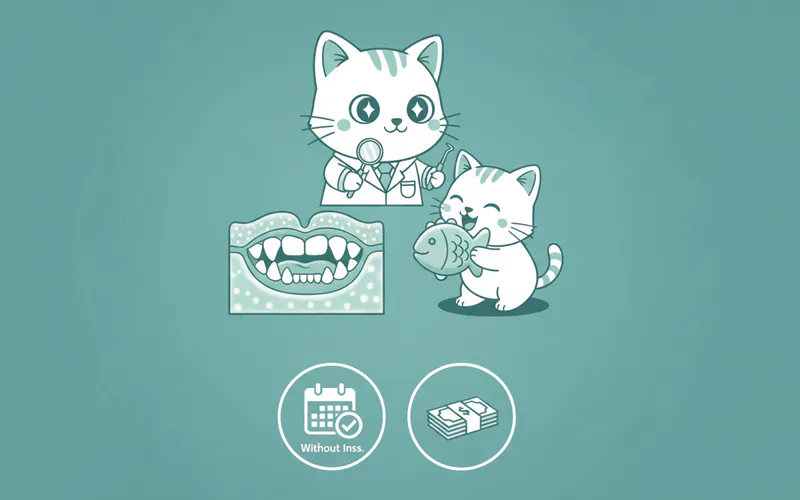
- Without Insurance (Cash Pay): Costs can range significantly by region, but typically fall between $100 - $300 for an initial consultation, exam, cleaning (if applicable), and fluoride varnish application. In some higher cost-of-living areas, this could reach $400 - $500.
- With Insurance: Most dental insurance plans (either standalone or as part of a medical plan) cover preventative care for children, often at 80-100%, with little to no out-of-pocket cost beyond a co-pay (e.g., $0-$50). Check your specific plan for "pediatric dental benefits" or "dependent coverage." Many states mandate pediatric dental coverage through the Affordable Care Act (ACA) for children up to age 19.
- Complications (e.g., severe infection, abnormal eruption):
- If teething leads to complications requiring specialist intervention (though rare), costs can escalate. For example, treating a significant gum infection could involve antibiotics (prescription cost) and potentially a follow-up visit.
- Insurance Coverage for Complications: This would depend on the nature of the issue and your dental plan's coverage for restorative or therapeutic procedures. Preventative care is usually covered best, while more extensive treatments might have higher co-pays or deductibles.
Pro Tip: Always call your dental insurance provider directly to understand your specific benefits for pediatric dental care, including deductibles, co-pays, and coverage percentages for preventative versus restorative services. Inquire about any limitations or waiting periods.
Payment Plans and Financing Options
For families without dental insurance or facing higher-than-expected costs, particularly for later childhood dental needs, options include:
- Dental Savings Plans: These are not insurance but offer discounted rates at participating dentists for an annual fee.
- Payment Plans: Many pediatric dental offices offer in-house payment plans for larger treatments, allowing you to spread the cost over several months.
- Flexible Spending Accounts (FSAs) or Health Savings Accounts (HSAs): If you have one through your employer, you can use these pre-tax funds to cover qualified medical and dental expenses, including out-of-pocket costs for teething relief products and dental visits.
Recovery and Aftercare
The "recovery" from teething is generally the period after a tooth has fully erupted and the associated discomfort subsides. However, proper aftercare is crucial for maintaining your baby's emerging oral health.
- Continue Oral Hygiene: Once a tooth has erupted, it's susceptible to plaque and decay. Continue brushing twice daily with a soft infant toothbrush and a tiny smear of fluoride toothpaste.
- Why Fluoride? The ADA strongly recommends fluoride toothpaste (rice-grain size for children under 3) to prevent cavities, as fluoride strengthens enamel. Do not rinse after brushing, simply wipe away excess paste, allowing the fluoride to remain on the tooth surface.
- Monitor for New Teeth: Teething is an ongoing process until all 20 primary teeth have erupted (around age 3). Be prepared for recurring bouts of symptoms as new teeth make their appearance.
- Dietary Considerations: Ensure a balanced diet that supports healthy tooth development. Limit sugary drinks and snacks, as newly erupted teeth are particularly vulnerable to decay.
- Regular Dental Check-ups: Adhere to the recommended schedule for pediatric dental visits. These appointments allow the dentist to monitor tooth development, provide preventative care (like fluoride varnish), and offer guidance on diet and hygiene.
- Pacifier Use (if applicable): If your child uses a pacifier, ensure it's clean and replace it regularly. Prolonged pacifier use beyond age 2-4 can potentially affect tooth alignment, so discuss this with your dentist.
Prevention
While you can't prevent teething itself, you can "prevent" excessive discomfort and potential complications through proactive measures and informed choices.
- Early Oral Hygiene Habits: Start wiping gums before teeth erupt. This acclimates your baby to oral care and removes bacteria. Once teeth appear, regular brushing with fluoride toothpaste is your best defense against cavities.
- Choose Safe Teething Aids: Prevent injuries or exposure to harmful substances by strictly adhering to safety guidelines:
- Only use teethers specifically designed for infants.
- Ensure they are BPA-free and phthalate-free.
- Avoid anything with small, detachable parts that could be a choking hazard.
- Never use amber teething necklaces or any jewelry around a baby's neck.
- Avoid benzocaine gels and homeopathic remedies.
- Manage Drooling: Prevent skin irritation and rashes by frequently wiping away drool with a soft cloth and using a drool bib. Applying a barrier cream (like petroleum jelly) around the chin area can also help.
- Regular Pediatrician Consultations: Discuss teething symptoms and relief strategies with your pediatrician. They can rule out other illnesses and provide dosage instructions for pain relievers if needed.
- First Dental Visit by Age One: Early establishment of a "dental home" is critical for preventative care. The pediatric dentist will provide guidance on proper oral hygiene, diet, and fluoride needs, setting the stage for a lifetime of good oral health. This early intervention can prevent serious dental problems later on.
Risks and Complications
While teething is a normal process, a few potential risks and complications can arise, especially if proper care is not taken.
- Choking Hazards: This is the most significant risk associated with teething.
- Small Parts: Teethers with small, detachable components can break off and be swallowed or inhaled.
- Teething Necklaces: These are extremely dangerous due to the risk of choking from beads and strangulation from the cord.
- Unsupervised Edible Items: Hard fruits/vegetables or teething biscuits, if not in a mesh feeder or given without close supervision, can pose a choking risk.
- Infections: Although rare, the eruption site can become inflamed and, in some cases, infected.
- Eruption Cysts/Hematomas: Sometimes a fluid-filled sac or blood blister (hematoma) can form over an erupting tooth. While often harmless and resolving on their own, persistent or painful ones should be evaluated by a dentist.
- Gum Infection: Poor hygiene or persistent irritation could, in rare cases, lead to a localized infection requiring dental attention.
- Dental Caries (Cavities): Once teeth erupt, they are immediately susceptible to decay.
- Early Childhood Caries (Baby Bottle Tooth Decay): This is a severe form of decay that can occur if babies are put to bed with a bottle containing milk, formula, juice, or any sweetened liquid. The sugar bathes the teeth, leading to rapid decay.
- Insufficient Fluoride/Poor Brushing: Lack of fluoride or inconsistent brushing habits significantly increases cavity risk.
- Misinformation and Harmful Remedies: As previously discussed, using unapproved or dangerous remedies (benzocaine gels, homeopathic tablets, alcohol) can lead to serious health consequences, including methemoglobinemia, poisoning, or allergic reactions.
- Disrupted Sleep and Feeding: While common, severe, prolonged disruptions can impact a baby's overall health and development. Persistent issues warrant a pediatrician consultation.
- Dehydration: If a baby consistently refuses liquids due to gum pain, there's a risk of dehydration. Monitor wet diapers and consult a doctor if you suspect dehydration.
Pro Tip: Never give a baby anything to chew on that isn't specifically designed for infant teething or approved by a healthcare professional. Diligence in product selection and supervision is key.
Children / Pediatric Considerations
Pediatric dentistry is a specialized branch of dentistry focused on the oral health of children from infancy through adolescence. When it comes to teething, pediatric dentists play a crucial role, not just in managing symptoms but in establishing a foundation for lifelong oral health.
The Importance of the First Dental Visit
The American Academy of Pediatric Dentistry (AAPD) and the ADA unequivocally recommend that a child's first dental visit occurs by age one, or within six months of the first tooth's eruption. This isn't just a suggestion; it's a critical preventative measure often overlooked by parents.
- Early Risk Assessment: The dentist can assess the risk of early childhood caries, identify any developmental anomalies, and provide guidance on diet.
- Preventative Counseling: Parents receive personalized advice on oral hygiene techniques, fluoride use, pacifier habits, and healthy eating for optimal oral development.
- "Dental Home": Establishing a "dental home" means your child has a dedicated dental provider who understands their history and can offer continuous, comprehensive care, much like a pediatrician provides a "medical home."
- Addressing Parental Concerns: It's an opportunity for parents to ask questions about teething, pacifier use, thumb sucking, and other oral health concerns.
Age-Specific Guidance for Parents
- 0-6 Months (Pre-Teething/First Tooth): Focus on gentle gum cleaning (wiping with a cloth), introducing safe teethers, and avoiding anything dangerous. Schedule that first dental visit!
- 6-12 Months (Active Teething): This is often the peak teething period. Continue with appropriate relief measures, begin brushing with fluoride toothpaste (rice-grain size), and ensure you've had that crucial first dental appointment.
- 1-3 Years (Full Primary Dentition): Teething continues with molars. Maintain brushing habits, transition to a pea-sized amount of fluoride toothpaste after age 3 (if able to spit), and continue regular dental check-ups every six months. Address pacifier/thumb-sucking habits if they persist beyond age 2-4, as they can affect bite development.
- 3-6 Years (Pre-Permanent Teeth): Primary teeth are all in. Focus shifts to maintaining excellent oral hygiene, reinforcing brushing skills, regular dental visits, and discussing dental sealants for permanent molars once they erupt (around age 6).
Pediatric dentists are experts in child development and behavior management, making them uniquely qualified to make dental visits a positive experience for young children.
``
Cost Breakdown: Pediatric Dental Care
Understanding the financial aspects of pediatric dental care is essential for planning. Costs vary widely based on location, the dentist's fees, and whether you have dental insurance.
Average US Costs for Common Pediatric Dental Services (Without Insurance)
These are general ranges; actual costs can be higher or lower.
| Service | Low End (USD) | Mid Range (USD) | High End (USD) |
|---|---|---|---|
| Initial Exam & Cleaning (Baby) | $80 | $150 | $300 |
| Routine Check-up (Child) | $90 | $180 | $350 |
| Fluoride Varnish Application | $20 | $40 | $70 |
| X-rays (Bitewing, 2-4) | $40 | $80 | $120 |
| Dental Sealant (per tooth) | $30 | $60 | $100 |
| Filling (Composite, primary tooth) | $120 | $250 | $400+ |
| Stainless Steel Crown (primary) | $200 | $450 | $700+ |
| Tooth Extraction (primary) | $100 | $200 | $350+ |
With vs. Without Insurance
- Without Insurance (Cash Pay): You are responsible for the full amount of services. Many dentists offer a discount for cash payment, especially if paid at the time of service. Always ask about this.
- With Insurance: Dental insurance significantly reduces out-of-pocket costs, especially for preventative care.
- Preventative Care (Exams, Cleanings, X-rays, Fluoride): Often covered at 80-100%, meaning you may only pay a small co-pay (e.g., $0-$50). The ADA champions access to preventative care as the cornerstone of oral health.
- Basic Restorative Care (Fillings, simple extractions): Typically covered at 50-80% after your deductible is met.
- Major Restorative Care (Crowns, complex extractions): Often covered at 20-50% after deductible.
- Deductibles: An amount you pay out-of-pocket before your insurance begins to cover costs (e.g., $50-$100 per year).
- Annual Maximums: The maximum amount your dental insurance will pay in a benefit year (e.g., $1,000-$1,500).
Payment Plans and Financing Options
- In-Office Payment Plans: Many pediatric dental offices understand the financial strain and offer payment arrangements directly through their practice.
- Third-Party Financing (e.g., CareCredit): These are credit cards specifically for healthcare expenses, often offering interest-free promotional periods if paid in full within a certain timeframe.
- Dental Schools: University dental schools often provide services at a reduced cost, as treatment is performed by students under the supervision of experienced faculty.
- Community Health Centers: Federally funded health centers often offer sliding scale fees based on income for dental services.
Cost-Saving Tips
- Prioritize Preventative Care: Regular check-ups and cleanings are far less expensive than treating advanced decay.
- Utilize FSAs/HSAs: Maximize pre-tax savings for healthcare expenses.
- Ask for Cash Discounts: Don't hesitate to inquire about discounts for paying in full at the time of service.
- Compare Dental Insurance Plans: If choosing a plan, consider one with strong pediatric benefits and a low deductible for preventative care.
Frequently Asked Questions
What is the average age for babies to start teething?
Most babies begin teething between 4 and 7 months of age, with some starting as early as 3 months or as late as 12 months. The first teeth to appear are typically the lower central incisors (front bottom teeth), usually around 6 months.
How long does the teething process last?
Teething is not a continuous event but occurs in stages. The entire process, from the first tooth to the last primary tooth (molars), typically lasts until a child is around 3 years old, when all 20 primary teeth have erupted. Each individual tooth eruption can cause discomfort for a few days to a week.
What are the safest baby teething relief methods?
The safest methods include offering chilled (not frozen) silicone or rubber teething toys, gently massaging the gums with a clean finger, and letting the baby chew on a chilled, damp washcloth. For significant discomfort, pediatrician-approved infant acetaminophen or ibuprofen can be used sparingly.
Should I be concerned about drooling during teething?
Increased drooling is a very common and normal symptom of teething. While it can lead to a chin rash, it's generally harmless. Simply keep your baby's chin dry by frequently wiping it with a soft cloth and using a drool bib.
Can teething cause a fever?
Teething can cause a slight elevation in temperature, usually a low-grade fever (below 100.4°F or 38°C). However, a high fever (above this threshold) is generally not attributed to teething and indicates another illness, warranting a call to your pediatrician.
What about kitten teething toys – are they suitable for babies?
No, "kitten teething toys" are designed for feline dental development and are not regulated for human infant use. They may contain materials, dyes, or small parts that are unsafe for babies. Always use teething products specifically designed and safety-tested for human infants.
When do I need to start brushing my baby's teeth?
As soon as the first tooth erupts, you should begin brushing twice a day with a soft infant toothbrush and a tiny smear (rice-grain size) of fluoride toothpaste. Before teeth erupt, gently wipe your baby's gums with a soft, damp cloth.
What is the recommended age for a child's first dental visit?
The American Dental Association (ADA) recommends that a child's first dental visit should be by their first birthday, or within six months of the eruption of their first tooth, whichever comes first. This establishes a "dental home" for preventative care.
How does human teething compare to when do dogs stop teething?
Human babies typically complete their primary tooth eruption by age 3, with permanent teeth starting to erupt around age 6. Dogs, on the other hand, usually lose all their baby teeth and have their full set of permanent teeth by 6-7 months of age, making their teething period much shorter and earlier in life.
What should I absolutely avoid for teething relief?
Never use amber teething necklaces, any other teething jewelry, or topical numbing gels containing benzocaine for babies. Also avoid homeopathic teething tablets containing belladonna. These products pose serious risks of choking, strangulation, and adverse health effects.
When to See a Dentist
While teething is a normal developmental stage, there are specific circumstances when you should consult a dental professional (a pediatric dentist) or your pediatrician. Knowing these warning signs can help differentiate routine teething discomfort from a more serious issue.
Red Flags Requiring Immediate Attention (Pediatrician First, then Dentist if directed):
- High Fever: Any temperature consistently above 100.4°F (38°C) is usually not due to teething alone. This indicates an underlying illness and warrants a call to your pediatrician.
- Severe Diarrhea or Vomiting: While some loose stools can occur, severe or persistent diarrhea or vomiting are not typical teething symptoms and could indicate infection or dehydration. Contact your pediatrician immediately.
- Lack of Appetite (Severe/Prolonged): If your baby is consistently refusing to eat or drink for an extended period, leading to concerns about hydration or nutrition, seek medical advice.
- Extreme Lethargy or Unusual Irritability: If your baby seems unusually tired, unresponsive, or inconsolably irritable, especially alongside other symptoms, it's a sign to contact your pediatrician.
- Persistent Crying/Pain Unrelieved by Common Methods: If your baby's pain seems extreme and is not eased by chilled teethers, gum massage, or pediatrician-approved pain relievers, there might be another cause.
When to See a Pediatric Dentist (Scheduled Appointment):
- First Tooth Eruption: Even if there are no problems, schedule your child's first dental visit by their first birthday or within six months of the eruption of their first tooth, as recommended by the ADA. This is for preventative care and guidance.
- Unusual-Looking Gums or Teeth: If you notice any unusual swelling (beyond typical teething), discolored gums, white spots on the teeth, or any other anomaly that concerns you. This could indicate an eruption cyst, early decay, or a developmental issue.
- Difficulty with Oral Hygiene: If you're struggling to clean your baby's teeth effectively, a pediatric dentist can provide personalized tips and demonstrate proper techniques.
- Questions about Teething Aids or Oral Habits: If you have ongoing questions about which teethers are safe, pacifier use, thumb sucking, or other oral habits, a pediatric dentist is the best resource.
- Signs of Early Childhood Caries: Any brown or white spots on the teeth, especially near the gum line, could be an early sign of cavities. Prompt dental intervention is crucial to prevent progression.
Regular preventative care is the best way to ensure your child's oral health. Don't wait for a problem to arise to establish a relationship with a pediatric dentist. Your "dental home" provides a continuous source of professional care and advice, helping your child grow up with a healthy, confident smile.
Frequently Asked Questions
Medically Reviewed Content
This article was written by our dental health editorial team and reviewed for medical accuracy. Our content follows strict editorial guidelines for reliability and trustworthiness.
Medical Disclaimer
This article is for informational purposes only and does not constitute medical advice. Always consult with a qualified dental professional for diagnosis and treatment. Do not delay seeking professional advice because of something you read on this website.
Related Articles
How Many Teeth Do Children Have
Did you know that a child's smile goes through more dramatic transformations in their first 12 years than an adult's does in a lifetime? Understanding the journey of your child's dental development is fundamental to ensuring their lifelong oral health. For many parents, a common question arises: **h
February 22, 2026
Teething Syndrome: Complete Guide
As a parent, few things are as universally anticipated and often dreaded as the arrival of your baby's first tooth. While a milestone to celebrate, the process of primary tooth eruption, commonly known as teething syndrome, can bring with it a host of challenging symptoms. In fact, studies sugge
February 22, 2026
When Do Kittens Lose Their Baby Teeth
When Do Kittens Lose Their Baby Teeth
February 22, 2026
When Do Puppies Start Teething
The journey of parenthood is filled with milestones, and for many new parents, one of the most anticipated—and sometimes dreaded—is teething. While the phrase "teething like a puppy" often comes to mind to describe an infant's discomfort, the process of when do puppies start teething is a distinct d
February 22, 2026