Teething Fever: Complete Guide
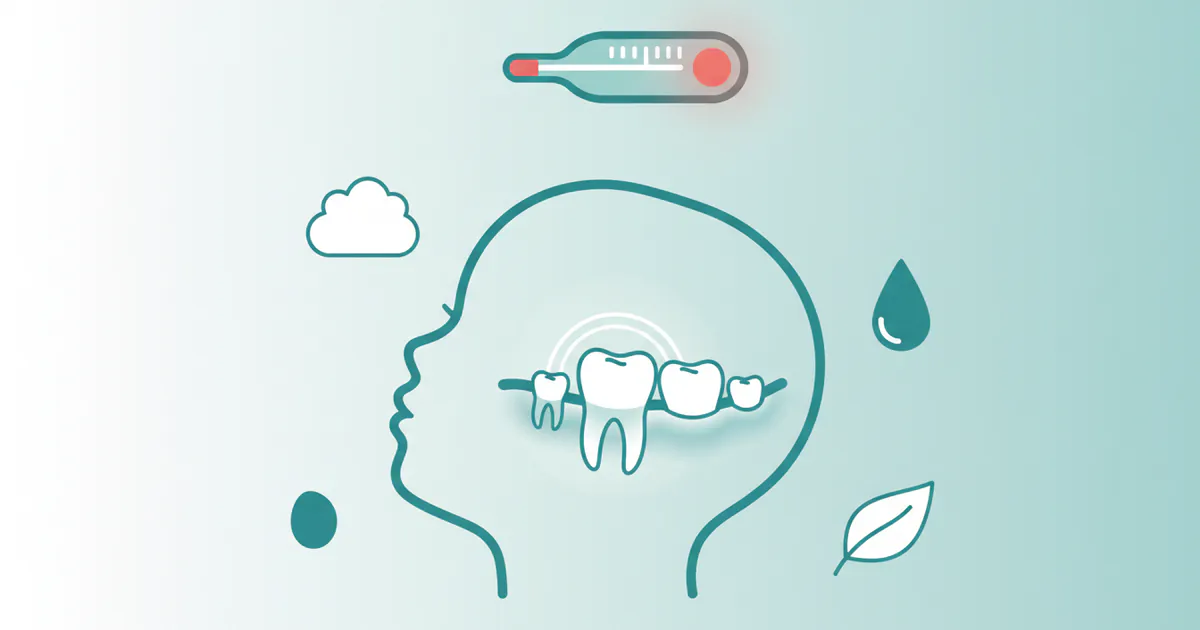
Key Takeaways
- In the joyous, often overwhelming journey of parenthood, few milestones are as anticipated – and sometimes dreaded – as a baby's first tooth. While the arrival of tiny pearly whites is a celebrated event, it frequently brings with it a host of uncomfortable symptoms, prominently including what many
In the joyous, often overwhelming journey of parenthood, few milestones are as anticipated – and sometimes dreaded – as a baby's first tooth. While the arrival of tiny pearly whites is a celebrated event, it frequently brings with it a host of uncomfortable symptoms, prominently including what many parents refer to as teething fever. But is a fever truly a normal part of baby teething, or is it a sign of something more serious? Understanding the nuances of this common concern is crucial for parents across the US, ensuring comfort for their little ones and peace of mind for themselves. This comprehensive guide will demystify teething fever, equipping you with the knowledge to recognize the signs of teething, manage discomfort effectively, and know when to seek professional medical advice.
This article will delve into the scientific debate surrounding teething fever, explore typical symptoms and their management, discuss available treatment options, break down associated costs, and provide essential guidance on when to consult a dental professional or pediatrician. Prepare to navigate the teething phase with confidence, armed with expert insights from SmilePedia.net.
Key Takeaways:
- Teething fever is generally considered a low-grade temperature, typically below 101°F (38.3°C), and is often a symptom of gum inflammation, not a true infection.
- Symptoms of baby teething usually begin around 4-7 months of age and can include irritability, excessive drooling, swollen gums, and chewing on objects.
- Persistent fevers above 101°F (38.3°C), or fevers accompanied by severe symptoms like vomiting, diarrhea, or lethargy, are not typically due to teething alone and warrant medical evaluation.
- Effective relief methods include cold teething rings (costing $5-$20), gum massage, and age-appropriate doses of Acetaminophen or Ibuprofen (medications typically $5-$15 per bottle).
- The American Dental Association (ADA) recommends a child's first dental visit by age one or when the first tooth appears, to ensure proper oral development and address any early concerns.
- The average cost of an urgent pediatric visit to rule out other causes of fever can range from $100-$300+ without insurance, or a $20-$75 co-pay with coverage.
What Is Teething Fever? An Overview
For generations, parents have linked the eruption of a baby's first teeth with a rise in body temperature, often termed "teething fever." While it's a widely reported phenomenon, the scientific community has historically debated its direct causality. The current consensus, supported by extensive research, is that while teething can cause a slight elevation in body temperature, it rarely leads to a true "fever" as defined by medical standards for illness.

Specifically, "teething fever" generally refers to a low-grade temperature, usually below 101°F (38.3°C). This mild temperature increase is thought to be a localized inflammatory response in the gum tissue as the tooth pushes through. When a baby experiences a temperature higher than 101°F (38.3°C), or if the fever is accompanied by other significant symptoms such as severe cough, vomiting, diarrhea, or lethargy, it is highly unlikely to be solely attributed to teething. In such cases, the fever is more indicative of an underlying illness, and medical attention is warranted.
The process of baby teething itself is a complex biological event. It involves the movement of teeth through the jawbone and then through the gum tissue. This can cause localized inflammation, soreness, and irritation in the gums. While some babies sail through teething with minimal fuss, others experience significant discomfort, which can manifest in various ways, including a slight increase in body temperature. Understanding this distinction is vital for parents, preventing unnecessary worry while also ensuring that actual illnesses are not overlooked.
Variations in Teething Symptoms
While there isn't a "type" of teething fever, the way teething manifests can vary significantly from one child to another, and even from tooth to tooth within the same child. The overall presentation of signs of teething, including any associated temperature elevation, can differ based on several factors.
The most common sequence for tooth eruption starts with the lower central incisors (front teeth), followed by the upper central incisors, then lateral incisors, first molars, canines, and finally the second molars. Each phase can bring its own set of challenges:
- Incisors (Front Teeth): These are typically the first to appear, often between 6 and 10 months of age. Symptoms might be milder, often characterized by increased drooling, fussiness, and a desire to chew. Any associated temperature rise is usually very subtle.
- Molars (Back Teeth): The eruption of molars (first molars typically between 12-18 months, second molars between 20-33 months) can be more uncomfortable. These teeth are larger and have a broader surface, requiring more pressure to break through the gums. This can lead to more significant gum swelling, pain, and potentially a slightly higher, though still low-grade, temperature. Parents often report more intense irritability, disrupted sleep, and appetite changes during molar eruption.
- Canines (Eye Teeth): Appearing around 16-22 months, canines are also sharper and can cause noticeable discomfort as they emerge.
The intensity of symptoms, including the presence of a low-grade temperature, also depends on individual pain tolerance, the thickness of the gum tissue, and the speed of eruption. Some babies experience a brief period of discomfort, while for others, the teething process for a single tooth can stretch over several days or even weeks. It's crucial for parents to observe their child's specific patterns during baby teething to better anticipate and manage symptoms.
Causes: Why Teething Might Lead to a Low-Grade Temperature
The exact mechanism by which teething leads to a low-grade temperature is a subject of ongoing research, but the most accepted theory centers on the localized inflammatory response within the gum tissue. As a tooth prepares to erupt, it exerts pressure on the surrounding gum tissue. This pressure, combined with the enzymatic breakdown of tissue required for the tooth to emerge, triggers a localized inflammatory cascade.
Here’s a breakdown of the contributing factors:
- Localized Inflammation: When the tooth pushes against and through the gum, it causes irritation and inflammation. This process involves the release of various biochemicals, including prostaglandins, which are known to mediate pain, fever, and inflammation in other parts of the body. While the systemic effect of these localized prostaglandins is usually minimal, it can be enough to slightly elevate core body temperature.
- Increased Blood Flow: Inflammation leads to increased blood flow to the affected area. This heightened metabolic activity and blood circulation in the gums can contribute to a slightly warmer local and potentially systemic temperature.
- Oral Irritation and Micro-trauma: The constant pressure and eventual breaking of the gum tissue can be seen by the body as a form of minor trauma. The body's natural response to trauma or irritation, even if minor, can involve a systemic response that includes a slight temperature elevation.
- Behavioral Factors: Increased fussiness, crying, and altered sleep patterns associated with teething discomfort can also subtly affect a baby's thermoregulation, though this is considered a secondary effect rather than a direct cause of "teething fever."
It's critical to reiterate that while these mechanisms can explain a slight, low-grade temperature increase, they are not typically strong enough to cause a high fever (above 101°F or 38.3°C). A higher fever signals that the body is fighting a more significant infection or illness, and this should not be dismissed as merely "teething." Parents should always consider other potential causes of fever, especially if symptoms are severe or persist for more than 24-48 hours.
Signs and Symptoms of Teething
Recognizing the signs of teething is the first step in providing comfort to your baby. While a low-grade temperature is one potential symptom, it's usually accompanied by several other indicators. Most babies begin teething between 4 and 7 months of age, though it can start earlier or later.
Here's a comprehensive list of common baby teething symptoms:
- Excessive Drooling: This is often one of the earliest and most noticeable signs. Babies produce more saliva to soothe irritated gums, and it often flows out of their mouths, leading to wet chins and sometimes a mild rash.
- Irritability and Fussiness: Your usually happy baby might become unusually irritable, fussy, and prone to crying. This is due to the discomfort and pain in their gums.
- Swollen, Tender Gums: The gums around the emerging tooth may appear red, swollen, and tender to the touch. You might even see a small bluish lump (an eruption cyst) where the tooth is about to break through.
- Chewing on Objects: Babies instinctively try to relieve pressure by chewing on anything they can get their hands on – toys, fingers, clothing, or even parents' hands.
- Sleep Disturbances: Discomfort can make it difficult for babies to settle down and sleep, leading to more frequent night wakings or difficulty napping.
- Changes in Appetite: Some babies may refuse to eat or drink due to sore gums, while others may want to feed more for comfort.
- Mild Cheek or Chin Rash: The constant drooling can irritate the delicate skin around the mouth, leading to a mild rash. Keeping the area dry and applying a gentle barrier cream can help.
- Ear Pulling or Rubbing: Due to referred pain, some babies may tug at their ears or rub their cheeks on the side where a tooth is erupting. Be cautious, as ear pulling can also be a sign of an ear infection.
- Low-Grade Temperature: As discussed, a slight temperature elevation, typically below 101°F (38.3°C), may occur due to localized inflammation.
- Loose Stools (controversial): While some parents report loose stools during teething, medical consensus does not directly link teething to diarrhea. If your baby has diarrhea, especially severe or prolonged, it's likely due to another cause, such as a viral infection, and warrants medical attention.
Pro Tip: Always take your baby's temperature if you suspect they have a fever. A rectal temperature is the most accurate for infants. A digital thermometer is a must-have for every parent.
It's crucial to remember that while these symptoms are common, severe symptoms such as high fever, persistent vomiting, severe diarrhea, significant loss of appetite or fluid intake, or extreme lethargy are not typical of teething and should prompt an immediate call to your pediatrician.
Treatment Options for Teething Discomfort
Managing teething fever and the associated discomfort primarily involves soothing your baby's sore gums. There are several approaches, ranging from home remedies to over-the-counter medications. It's important to choose safe and effective methods tailored to your child's age and specific needs.
1. Non-Pharmacological Remedies (First Line of Defense)
These methods focus on providing physical comfort and distraction:
- Cold Teething Rings or Toys:
- Pros: Safe, effective for numbing gums, provides a clean object for chewing. Many designs and textures available.
- Cons: Can lose coldness quickly, needs regular cleaning and sanitizing. Avoid freezing solid as it can be too hard and cause injury.
- Cost: $5 - $20 for a good quality silicone or rubber teething ring.
- Gum Massage:
- Pros: Direct pressure can soothe aching gums, requires no special equipment, can be comforting.
- Cons: Requires clean hands, some babies may resist if gums are very tender.
- Cost: Free.
- Cool, Wet Washcloth:
- Pros: Similar to teething rings, the cool dampness can be soothing. Easy to make and clean.
- Cons: Can become a choking hazard if left unattended (ensure it's wrung out well and only offered under supervision).
- Cost: Minimal (cost of a washcloth).
- Hard, Sugar-Free Foods (for older babies/toddlers):
- Pros: Can provide sustained chewing pressure. Examples include unsweetened rusks or firm vegetables like peeled cucumber sticks (ensure they are large enough to prevent choking and always supervise).
- Cons: Choking hazard risk, requires constant supervision. Not suitable for very young infants or those without developed chewing skills.
- Cost: Varies by food choice.
- Comfort and Cuddles:
- Pros: Emotional support is powerful. Physical closeness can distract from pain and offer security.
- Cons: None, though it won't directly address physical pain.
- Cost: Free.
2. Over-the-Counter (OTC) Pain Relief Medications
When non-pharmacological methods aren't enough, age-appropriate OTC medications can help manage pain and reduce low-grade fever. Always consult your pediatrician regarding appropriate dosages based on your child's weight and age.
- Acetaminophen (e.g., Tylenol):
- Pros: Effective for pain relief and fever reduction, generally safe when dosed correctly. Can be given to infants as young as 2 months (check with pediatrician).
- Cons: Risk of liver damage if overdosed. Effects wear off, requiring repeat doses (typically every 4-6 hours).
- Cost: $5 - $15 per bottle.
- Ibuprofen (e.g., Motrin, Advil):
- Pros: Also effective for pain relief and fever reduction, and has anti-inflammatory properties that can specifically target gum swelling. Longer duration of action than acetaminophen (typically every 6-8 hours).
- Cons: Not recommended for infants under 6 months of age. Can cause stomach upset in some children.
- Cost: $5 - $15 per bottle.
Pro Tip: Never alternate between Acetaminophen and Ibuprofen without explicit guidance from your pediatrician, as it increases the risk of dosing errors. Stick to one medication at a time unless directed otherwise.
3. Topical Oral Gels (Use with Caution)
- Benzocaine-containing Gels (e.g., Orajel, Anbesol):
- Pros: Provides temporary numbing effect directly to the gums.
- Cons: The FDA strongly advises against the use of benzocaine products for children under 2 years due to the risk of methemoglobinemia, a serious and potentially fatal condition. The numbing effect is also very short-lived and can numb the back of the throat, potentially interfering with the baby's gag reflex.
- Cost: $5 - $10.
- Non-Benzocaine Topical Gels (e.g., Hyland's Teething Gels - historical formulation):
- Pros: Marketed as natural or homeopathic.
- Cons: The FDA has issued warnings against some homeopathic teething tablets/gels due to inconsistent dosages and undeclared belladonna, which can be toxic. Always check current FDA recommendations. Effectiveness is not scientifically proven for many of these products.
- Cost: $8 - $15.
ADA Recommendation: The American Dental Association (ADA) advises against using topical pain relievers for teething babies due to their potential risks and limited efficacy.
4. Other (Avoid)
- Teething Necklaces/Bracelets (Amber, silicone, wood):
- Pros: Marketed to reduce pain.
- Cons: The FDA and pediatricians strongly advise against these due to significant choking and strangulation hazards. There is no scientific evidence to support their efficacy.
- Cost: $15 - $50.

Always prioritize safety and consult with your child's healthcare provider before introducing any new medications or remedies, especially for infants.
Step-by-Step Process for Managing Teething Fever and Discomfort
When your baby starts showing signs of teething, a systematic approach can help you manage their discomfort effectively.
-
Observe and Identify Symptoms:
- Look for common signs of teething like increased drooling, fussiness, chewing, and swollen gums.
- If your baby feels warm, take their temperature. Use a rectal thermometer for the most accurate reading in infants.
- Note if the temperature is low-grade (below 101°F/38.3°C) or higher.
-
Provide Non-Pharmacological Comfort First:
- Offer a chilled (not frozen solid) teething ring or a cool, wet washcloth for your baby to chew on. Ensure the washcloth is clean and supervised to prevent choking.
- Gently massage your baby's gums with a clean finger.
- Offer extra cuddles and comfort to distract them from the pain.
- Ensure your baby is well-hydrated, especially if drooling a lot or if their appetite for solids has decreased.
- Keep their face and chin dry to prevent drool rash; apply a barrier cream if necessary.
-
Consider Over-the-Counter Pain Relief (If Needed):
- If non-pharmacological methods aren't sufficient, and your baby is clearly in discomfort or has a low-grade fever, you may consider an age- and weight-appropriate dose of Acetaminophen (for babies 2 months and older, consult pediatrician) or Ibuprofen (for babies 6 months and older).
- Always read the label carefully for correct dosage instructions or consult your pediatrician. Use the provided dosing syringe for accuracy.
- Do not exceed the recommended dose or frequency.
-
Monitor Your Baby's Response:
- Observe if the chosen relief methods are effective. Is your baby calmer? Is the fever reduced?
- Continue to monitor their temperature and overall well-being.
- Note the duration and intensity of symptoms.
-
Maintain Good Oral Hygiene:
- Even before teeth erupt, gently wipe your baby’s gums with a soft, damp cloth or gauze after feedings.
- Once the first tooth appears, start brushing twice a day with a soft-bristled, infant-sized toothbrush and a tiny smear (rice-grain size) of fluoride toothpaste.
-
Know When to Seek Medical Advice:
- If the fever is 101°F (38.3°C) or higher, or if your baby is under 3 months old with any fever, contact your pediatrician immediately.
- If symptoms are severe, persistent (more than 2-3 days), or accompanied by other concerning signs like severe diarrhea, vomiting, lethargy, significant refusal to feed, or a rash, it's crucial to seek professional medical advice. Teething should not cause severe illness.
Cost and Insurance Considerations for Teething-Related Care
The direct costs associated with managing teething fever and discomfort are generally low, focusing on over-the-counter remedies and home care items. However, costs can escalate if medical consultation becomes necessary to rule out other causes of fever or severe symptoms.
Direct Costs of Teething Relief:
- Teething Toys/Rings: These can range from $5 to $20 each, depending on the brand, material (silicone, wood, rubber), and design. Most parents purchase several.
- OTC Pain Relievers (Acetaminophen/Ibuprofen): A bottle typically costs $5 to $15. A single bottle can last for a long period, as dosages for infants are small.
- Barrier Cream for Drool Rash: A tube costs approximately $5 to $15.
- Infant Toothbrush and Toothpaste: An infant toothbrush kit is usually $5 to $10, and a small tube of fluoride toothpaste is $3 to $7.
Indirect Costs (Medical Consultations):
If your baby's fever is high, persistent, or accompanied by other alarming symptoms, a visit to a pediatrician is crucial. These costs can vary significantly based on your insurance plan and the type of visit.
- Pediatrician Office Visit (Well-Baby Check-up):
- This is typically covered by most insurance plans with a co-pay ranging from $20 to $75.
- Without insurance, a standard office visit can cost $100 to $300+. Many pediatricians offer discounted rates for self-pay patients or payment plans.
- Urgent Care Center Visit:
- If your pediatrician's office is closed or you need immediate assessment, an urgent care center might be an option. Co-pays can be similar to an office visit, or slightly higher, often $30 to $100.
- Without insurance, an urgent care visit can range from $150 to $400+, depending on the services needed (e.g., rapid tests for flu/RSV).
- Emergency Room Visit:
- For severe symptoms, very high fevers, or concerns for serious illness, an ER visit might be necessary. This is the most expensive option.
- ER co-pays can be $100 to $500, with deductibles ranging from $500 to $5,000+ before full coverage kicks in.
- Without insurance, an ER visit can easily cost $500 to several thousand dollars, depending on tests, medications, and physician fees.
Insurance Coverage:
- Health Insurance: Most private health insurance plans (e.g., PPO, HMO) and government programs like Medicaid and CHIP (Children's Health Insurance Program) cover pediatric office visits, well-baby check-ups, and medically necessary urgent care or ER visits.
- Dental Insurance: Dental insurance typically does not cover medical consultations related to fever. However, it will cover preventive dental care, such as the first dental visit by age one for your baby, which is crucial for monitoring oral development and addressing any early teething-related concerns with a dental professional.
Payment Plans and Financing Options:
For significant medical costs not covered by insurance, many healthcare providers offer:
- Payment Plans: Installment plans spread over several months to make bills more manageable.
- Financial Assistance Programs: Hospitals and larger healthcare systems often have programs for low-income families.
- Health Savings Accounts (HSAs) or Flexible Spending Accounts (FSAs): If you have these, they are excellent tax-advantaged ways to pay for medical and dental expenses.
Pro Tip: Always call your insurance provider before a non-emergency visit to understand your coverage, co-pays, and deductible status. In an emergency, seek care first, then follow up with your insurer.
Recovery and Aftercare
The "recovery" phase for teething fever is typically short-lived, as the low-grade temperature subsides once the tooth has erupted or the gum inflammation eases. However, aftercare during and after the teething phase is crucial for establishing good oral hygiene and overall health.
During Teething:
- Consistent Symptom Management: Continue with chosen relief methods (cold toys, gum massage, appropriate medication) until the tooth fully emerges and discomfort subsides.
- Hydration: Ensure your baby is drinking enough fluids, especially if they are drooling excessively or have a decreased appetite.
- Skin Care: Keep the drool-prone areas (chin, neck, chest) clean and dry to prevent rashes.
- Monitoring: Remain vigilant for any signs that symptoms are worsening or that a new, unrelated illness might be developing.

After Teething (Once the Tooth Has Emerged):
- Introduce Oral Hygiene Early: As soon as the first tooth appears, begin brushing twice daily with a soft-bristled, infant-sized toothbrush and a tiny smear (about the size of a grain of rice) of fluoride toothpaste.
- The ADA recommends fluoride toothpaste from the first tooth.
- Pro Tip: Make brushing a fun routine! Sing songs, use a timer, and let your child "help" you brush.
- Establish Healthy Eating Habits: Continue offering a variety of nutritious foods. Limit sugary drinks and snacks, which can contribute to early childhood cavities.
- Schedule First Dental Visit: The American Academy of Pediatric Dentistry (AAPD) and the ADA recommend that a child's first dental visit occurs by their first birthday or within six months of the first tooth erupting, whichever comes first. This initial visit is vital for:
- Checking for proper tooth development and alignment.
- Assessing oral hygiene practices and offering guidance.
- Identifying any early signs of decay or other oral health issues.
- Acclimating your child to the dental environment.
- Prepare for Subsequent Teeth: Remember that teething is an ongoing process until all primary teeth have erupted (typically by age 2.5-3 years). Familiarize yourself with the eruption schedule and be prepared for future rounds of baby teething.
Consistent oral care from an early age sets the foundation for a lifetime of healthy smiles.
Prevention of Teething Complications (Not Teething Itself)
While you can't prevent baby teething itself (it's a natural developmental process!), you can certainly take steps to prevent excessive discomfort, potential complications, and misdiagnosis of other illnesses.
- Early Symptom Recognition: Familiarize yourself with the typical signs of teething. The sooner you recognize them, the sooner you can provide comfort and differentiate them from symptoms of true illness.
- Proactive Comfort Measures: Have safe teething toys, cold compresses, and age-appropriate pain relief readily available before symptoms become severe.
- Maintain Excellent Hygiene:
- Regularly clean teething toys and anything your baby puts in their mouth to prevent the spread of germs.
- Wipe your baby's gums and then brush emerging teeth to prevent plaque buildup and keep the mouth healthy.
- Keep drool areas clean and dry to prevent skin irritation and rashes.
- Avoid Unsafe Remedies: Stay away from teething necklaces, amber beads, and benzocaine-containing gels, as these pose significant health risks without proven benefits. Also, be wary of homeopathic remedies that lack scientific validation and may contain undisclosed ingredients.
- Regular Pediatric Check-ups: Ensure your baby attends all scheduled well-child visits. These check-ups are crucial for monitoring overall health, growth, and development, and your pediatrician can address any concerns you have about teething fever or other symptoms.
- First Dental Visit by Age One: As recommended by the ADA, scheduling your child's first dental appointment early allows a pediatric dentist to provide guidance on oral hygiene, identify potential issues, and reassure parents about the teething process. This helps in the long-term prevention of dental problems.
- Educate Caregivers: If others care for your child (grandparents, daycare, nanny), ensure they are aware of your approach to managing teething and know when to contact you or seek medical help for severe symptoms.
By being prepared, informed, and proactive, parents can significantly ease their child's teething journey and prevent unnecessary complications or anxiety.
Risks and Complications Associated with Teething
While teething is a natural process, there are potential risks and complications, primarily stemming from misinterpretation of symptoms or improper management.
- Misattributing Serious Illness to Teething: This is the most significant risk. When parents assume a high fever (above 101°F/38.3°C), severe vomiting, persistent diarrhea, lethargy, or a widespread rash are "just teething," they may delay seeking medical attention for a potentially serious infection or illness (e.g., ear infection, urinary tract infection, viral infection). This delay can lead to worse outcomes for the underlying condition.
- Dehydration: Excessive drooling, combined with potential reduced fluid intake due to sore gums or illness, can lead to dehydration. Signs of dehydration include fewer wet diapers, dry mouth, lack of tears, and sunken soft spot (fontanelle).
- Choking Hazards: Unsafe teething objects (e.g., small toys, hard food pieces, teething necklaces, frozen items that can break off) pose a significant choking risk.
- Strangulation: Teething necklaces, particularly those designed to be worn around the neck, are a strangulation hazard, especially during sleep or unsupervised play.
- Adverse Reactions to Topical Gels: As discussed, benzocaine-containing gels can cause methemoglobinemia, a life-threatening condition. Homeopathic products may contain undeclared or inconsistent levels of potentially harmful substances.
- Medication Overdose: Accidental overdose of acetaminophen or ibuprofen can occur if parents are not careful with dosage (e.g., using adult medications, mixing different products, incorrect calculations) or if doses are given too frequently. This can lead to liver damage (acetaminophen) or kidney damage and stomach upset (ibuprofen).
- Poor Oral Hygiene and Early Childhood Caries: While not a direct teething complication, if parents neglect oral hygiene during the teething phase, especially once teeth erupt, it can set the stage for early childhood cavities. This is particularly true if sugary drinks are used for comfort or if a baby falls asleep with a bottle.
- Sleep Deprivation: Both the baby and parents can experience significant sleep disturbances during intense teething periods, leading to fatigue and increased stress.
Awareness of these risks underscores the importance of parental education, adherence to safe practices, and timely consultation with healthcare professionals when concerns arise.
Comparison Tables
To help visualize treatment options and key considerations, here are two comparison tables:
Table 1: Over-the-Counter Pain Relievers for Teething Discomfort
| Feature | Acetaminophen (e.g., Tylenol) | Ibuprofen (e.g., Motrin, Advil) |
|---|---|---|
| Primary Use | Pain relief, fever reduction | Pain relief, fever reduction, anti-inflammatory |
| Age Limit | Generally 2+ months (consult pediatrician) | Generally 6+ months (consult pediatrician) |
| Dosing Freq. | Every 4-6 hours (max 5 doses in 24 hrs) | Every 6-8 hours (max 4 doses in 24 hrs) |
| Onset | ~30-60 minutes | ~30-60 minutes |
| Duration | 4-6 hours | 6-8 hours |
| Pros | Widely available, effective, lower age limit | Longer lasting, anti-inflammatory for gum swelling |
| Cons | Liver toxicity if overdosed, shorter duration | Not for infants under 6 months, potential stomach upset |
| Cost (Bottle) | $5 - $15 | $5 - $15 |
| Key Caution | Precise dosing by weight is crucial; risk of liver damage if misused. | Give with food/milk to reduce stomach upset; risk of kidney issues if dehydrated. |
Table 2: Teething Relief Methods Comparison
| Method | Pros | Cons | Estimated Cost Range |
|---|---|---|---|
| Cold Teething Ring | Safe, effective numbing, various textures | Loses cold quickly, requires cleaning, supervise | $5 - $20 |
| Gum Massage | Direct relief, no cost, comforting | Requires clean hands, baby may resist | Free |
| Cool, Wet Washcloth | Simple, soothing, readily available | Supervise to prevent choking, needs frequent re-cooling | Minimal (washcloth) |
| Acetaminophen/Ibuprofen | Effective pain/fever relief (see Table 1) | Dosing care, potential side effects, age limits | $5 - $15 |
| Hard, Sugar-Free Foods | Sustained pressure relief (for older babies) | Significant choking hazard, constant supervision | Varies by food |
| Benzocaine Gels | Temporary numbing | FDA warning: serious risks for <2 years, short effect, numbs throat | $5 - $10 |
| Teething Necklaces | (Marketed for pain relief) | FDA warning: choking & strangulation hazards, no proven benefit | $15 - $50 |
Children / Pediatric Considerations
The entire topic of teething fever and baby teething is fundamentally a pediatric concern, requiring specific guidance for parents of infants and toddlers. Understanding the typical developmental timeline and age-specific recommendations is key.
Typical Teething Timeline:
- Birth to 6 months: Gums may show signs of early development, but tooth eruption is rare. Focus on maintaining basic oral hygiene (wiping gums).
- 6 to 12 months: This is the most common period for the first teeth (lower and upper central incisors) to erupt. Parents should be vigilant for signs of teething and manage discomfort. The first dental visit by age one is crucial during this stage, as recommended by the ADA.
- 12 to 18 months: Lateral incisors and first molars often emerge. Molar eruption can be more uncomfortable. Continue with twice-daily brushing with fluoride toothpaste (rice-grain size).
- 18 to 30 months: Canines and second molars erupt. These large teeth can cause significant discomfort. By the time a child is around 2.5 to 3 years old, all 20 primary teeth typically have erupted.
- Pro Tip: Track your baby's teething timeline. Knowing what teeth are due can help you anticipate discomfort and distinguish teething symptoms from unrelated issues.
Age-Specific Guidance for Parents:
- Infants (under 6 months):
- Consult your pediatrician for any fever, regardless of temperature, as their immune systems are less developed. Teething should generally not cause fever in this age group, and any fever should be investigated.
- Only use Acetaminophen with specific pediatrician approval and dosage instructions. Ibuprofen is generally not recommended.
- Focus on gentle gum massage, cold teething toys (supervised), and extra comfort.
- Begin wiping gums after feedings.
- Older Infants (6-12 months):
- Low-grade fever (below 101°F/38.3°C) might be associated with teething, but continue to monitor for other illness symptoms.
- Both Acetaminophen and Ibuprofen can be used (following age/weight guidelines) if discomfort is significant.
- Ensure all teething toys are safe and free from small parts.
- Schedule that all-important first dental visit!
- Toddlers (12+ months):
- Molar eruption can be quite painful. Continue with effective pain management strategies.
- Reinforce good brushing habits.
- Be mindful that toddlers are more mobile and explore with their mouths, increasing exposure to germs; don't automatically attribute every fever to teething.
- Regular dental check-ups (every 6 months) should be established.
It is critical for parents and caregivers to understand that severe symptoms, especially high fever, are rarely, if ever, solely due to teething. Always prioritize medical evaluation when in doubt, particularly with very young infants.
Cost Breakdown of Teething-Related Care
While the direct costs of managing baby teething are relatively low, understanding the potential financial impact of associated medical visits is important. Here’s a detailed breakdown of average US costs.

Routine Teething Management Products:
- Teething Rings/Toys:
- Low: $5 (basic silicone ring)
- Mid: $10-$15 (textured, specialty designs)
- High: $20 (designer, multi-functional)
- Total Estimated Cost for 3-4 items: $15 - $80
- Children's Acetaminophen/Ibuprofen:
- Low: $5 (store brand)
- Mid: $10 (name brand)
- High: $15 (large bottle)
- Total Estimated Cost for a supply that lasts months: $5 - $15
- Gum Massagers/Infant Toothbrushes:
- Low: $3 (finger brush)
- Mid: $7 (infant brush set)
- High: $10 (electric infant brush)
- Total Estimated Cost: $3 - $10
- Drool Bibs/Barrier Cream:
- Bibs (pack of 5): $10 - $25
- Cream: $5 - $15
- Total Estimated Cost: $15 - $40
Pediatric/Medical Visits (If Symptoms Warrant Investigation):
These costs vary significantly based on insurance status and facility type.
- With Insurance (after deductible met):
- Pediatrician Office Co-pay: $20 - $75
- Urgent Care Co-pay: $30 - $100
- Emergency Room Co-pay: $100 - $500 (plus potential deductible)
- Without Insurance (Self-Pay):
- Pediatrician Office Visit: $100 - $300+ (some clinics offer self-pay discounts)
- Urgent Care Visit: $150 - $400+ (can include basic tests like strep throat swab)
- Emergency Room Visit: $500 - $3,000+ (highly variable, depends on tests, imaging, specialist consultations)
First Dental Visit (Recommended by ADA by Age 1):
- With Insurance (Preventive): Often 100% covered or a very small co-pay ($0 - $20).
- Without Insurance: $75 - $250 (for an exam, cleaning, and fluoride application, dependent on region).
Payment Plans and Financing Options:
- Direct Billing Plans: Many pediatric offices and hospitals offer interest-free payment plans for larger bills, allowing you to pay over several months.
- Health Savings Accounts (HSAs) and Flexible Spending Accounts (FSAs): These tax-advantaged accounts can be used to pay for medical, dental, and prescription expenses, including OTC medications if prescribed by a doctor.
- Medicaid/CHIP: For eligible low-income families, these government programs provide comprehensive medical and dental coverage for children.
- Hospital Financial Aid: Larger hospital systems often have financial assistance programs or charity care policies for patients meeting specific income criteria.
Cost-Saving Tips:
- Buy Store Brands: OTC medications and basic teething supplies often have cheaper store-brand alternatives that are just as effective.
- Check Insurance Coverage: Understand your policy's co-pays, deductibles, and in-network providers before seeking non-emergency care.
- Utilize Well-Child Visits: Discuss any teething concerns during your baby's routine well-child check-ups, which are typically fully covered.
- Avoid Unnecessary Purchases: Resist marketing for unproven or potentially unsafe teething products (e.g., expensive homeopathic drops, amber necklaces).
- Preventative Dental Care: The first dental visit is primarily preventative and typically covered by insurance. Establishing good oral hygiene early can prevent costly dental problems later.
Frequently Asked Questions
Is teething fever a real medical condition?
While the term "teething fever" is widely used, medical consensus indicates that teething typically causes only a low-grade temperature increase, usually below 101°F (38.3°C), due to localized gum inflammation. A true fever above this threshold is generally indicative of an underlying illness, not teething itself.
What temperature is considered a "teething fever"?
A temperature considered part of "teething fever" is generally a slight elevation, typically below 101°F (38.3°C) when measured rectally. Any temperature at or above 101°F (38.3°C) should be considered an actual fever and warrants closer monitoring and potentially medical evaluation.

How long does teething fever usually last?
If a low-grade temperature is associated with baby teething, it typically lasts only a day or two, coinciding with the most acute period of gum discomfort as the tooth pushes through. If the temperature persists for more than 48 hours or rises above 101°F (38.3°C), it is unlikely to be solely due to teething and requires medical attention.
Can teething cause diarrhea or vomiting?
No, there is no scientific evidence directly linking teething to diarrhea or vomiting. If your baby experiences these symptoms, especially if they are severe or persistent, it is a strong indicator of an illness (such as a viral infection) and should be evaluated by a pediatrician, not dismissed as teething.
What are the best ways to relieve teething pain?
Effective methods for relieving teething pain include offering cold (not frozen solid) teething rings or wet washcloths, gently massaging your baby's gums with a clean finger, and providing age- and weight-appropriate doses of Acetaminophen (for babies >2 months) or Ibuprofen (for babies >6 months). Always consult your pediatrician for proper dosing.
When should I worry about a fever during teething?
You should worry and contact your pediatrician if your baby's fever is 101°F (38.3°C) or higher, especially if your baby is under 3 months old with any fever. Also seek medical advice if the fever is accompanied by severe symptoms like vomiting, severe diarrhea, lethargy, a rash, ear pulling (without other clear teething signs), or a significant refusal to feed.
Are teething gels safe to use for babies?
The FDA strongly advises against using benzocaine-containing teething gels (like Orajel) for children under 2 years due to the risk of methemoglobinemia, a serious blood disorder. Other homeopathic gels have also received FDA warnings due to inconsistent ingredients and potential toxicity. It's best to avoid all topical gels for teething.
When should my baby have their first dental visit for teething concerns?
The American Dental Association (ADA) recommends that a child's first dental visit occur by their first birthday or within six months of their first tooth erupting, whichever comes first. This visit is crucial for establishing good oral hygiene practices, identifying any early dental issues, and monitoring the overall teething process.
What are common signs of teething besides fever?
Other common signs of teething include excessive drooling, irritability and fussiness, swollen and tender gums, increased chewing on objects, sleep disturbances, changes in appetite, and sometimes a mild rash around the mouth due to drool.
Can teething cause ear infections?
While babies might pull at their ears due to referred pain from erupting teeth (especially molars), teething does not directly cause ear infections. If ear pulling is accompanied by a high fever, extreme fussiness, or other signs of illness, it is more likely an ear infection and requires medical evaluation.
When to See a Dentist or Pediatrician
Knowing when to seek professional help is paramount when dealing with teething fever and associated symptoms. While baby teething can be uncomfortable, it should not cause severe illness.
When to Contact Your Pediatrician (for medical concerns):
- High Fever: A temperature of 101°F (38.3°C) or higher (rectal) is not typically due to teething and warrants medical evaluation.
- Fever in Young Infants: Any fever in a baby under 3 months old should be reported to your pediatrician immediately, regardless of the temperature, as their immune systems are still developing.
- Prolonged Fever: If a low-grade temperature associated with teething lasts for more than 2-3 days.
- Severe or Persistent Symptoms:
- Vomiting or Diarrhea: Especially if severe, frequent, or leading to signs of dehydration (fewer wet diapers, sunken eyes, dry mouth).
- Lethargy or Unresponsiveness: If your baby is unusually sleepy, difficult to wake, or seems unresponsive.
- Widespread Rash: A rash that spreads beyond the chin/cheeks, or one that looks concerning.
- Refusal to Feed/Drink: If your baby is not taking adequate fluids or food for more than a few hours.
- Difficulty Breathing: Any signs of labored breathing, fast breathing, or persistent cough.
- Persistent Crying/Irritability: If your baby is inconsolable despite comfort measures and pain relief.
- Any time you are concerned: Trust your parental instincts. If something feels "off" or you are worried, it's always best to call your pediatrician for advice.
When to See a Dentist (for oral health concerns):
- First Tooth Eruption: Schedule your baby's first dental visit by their first birthday or within six months of the first tooth appearing, as recommended by the ADA. This is a crucial preventive step.
- Unusual Tooth Development: If you notice any unusual discoloration, pits, or grooves on emerging teeth, or if teeth seem to be erupting in an abnormal position.
- Eruption Cysts: While often harmless, a large or painful eruption cyst (a bluish-purple swelling over an erupting tooth) should be checked by a pediatric dentist.
- Concerns about Oral Hygiene: If you're unsure about how to brush your baby's teeth, what toothpaste to use, or if you notice any signs of early decay.
- Oral Injuries: If your baby falls and injures their mouth or teeth during the active teething phase.
Differentiating between routine signs of teething and symptoms of a more serious condition is a critical skill for parents. When in doubt, always err on the side of caution and consult a healthcare professional.
Frequently Asked Questions
Medically Reviewed Content
This article was written by our dental health editorial team and reviewed for medical accuracy. Our content follows strict editorial guidelines for reliability and trustworthiness.
Medical Disclaimer
This article is for informational purposes only and does not constitute medical advice. Always consult with a qualified dental professional for diagnosis and treatment. Do not delay seeking professional advice because of something you read on this website.
Related Articles
Kitten Teething Toys: Complete Guide
Few milestones in early life bring as much joy – and sometimes, as much discomfort – as teething. Just as a playful kitten explores its new world by mouthing and chewing on everything it can, human babies also embark on a similar developmental journey. In fact, over 80% of infants experience som
February 22, 2026
How Many Teeth Do Children Have
Did you know that a child's smile goes through more dramatic transformations in their first 12 years than an adult's does in a lifetime? Understanding the journey of your child's dental development is fundamental to ensuring their lifelong oral health. For many parents, a common question arises: **h
February 22, 2026
Teething Syndrome: Complete Guide
As a parent, few things are as universally anticipated and often dreaded as the arrival of your baby's first tooth. While a milestone to celebrate, the process of primary tooth eruption, commonly known as teething syndrome, can bring with it a host of challenging symptoms. In fact, studies sugge
February 22, 2026
When Do Kittens Lose Their Baby Teeth
When Do Kittens Lose Their Baby Teeth
February 22, 2026