Complete Guide to Anatomy & Education: Everything You Need to Know
Key Takeaways
- Did you know that the average adult human has 32 teeth, each a marvel of biological engineering designed for a specific purpose? Understanding the intricate tooth anatomy is not just for dentists; it's a foundational aspect of maintaining lifelong oral health. Your teeth are vital for chewing, s
Complete Guide to Anatomy & Education: Everything You Need to Know
Did you know that the average adult human has 32 teeth, each a marvel of biological engineering designed for a specific purpose? Understanding the intricate tooth anatomy is not just for dentists; it's a foundational aspect of maintaining lifelong oral health. Your teeth are vital for chewing, speaking, and even influencing your facial structure, yet many people only pay attention to them when pain arises. At SmilePedia.net, we believe that empowered knowledge leads to better health outcomes. This comprehensive guide will peel back the layers, revealing everything from the microscopic structure of a tooth to the complex process of tooth eruption, explaining the different types of teeth, and demystifying the essential tooth numbering systems used by dental professionals. By the end of this article, you’ll have a profound appreciation for your dental architecture and the knowledge to protect it.
Key Takeaways:
- A typical adult possesses 32 permanent teeth, while children have 20 primary teeth.
- Each tooth has distinct layers: the protective enamel, sensitive dentin, and vital pulp.
- Tooth eruption follows predictable timelines, starting around 6 months for primary teeth and continuing into the early 20s for wisdom teeth.
- The Universal Numbering System (UNS) is the standard in the US, numbering permanent teeth 1-32 and primary teeth A-T.
- Regular dental check-ups and diligent oral hygiene are crucial for preserving tooth anatomy and preventing common issues like cavities and gum disease.
- Costs for routine dental care (check-ups, cleanings) typically range from $75 to $200 without insurance, while complex procedures can run into thousands.
Understanding Tooth Anatomy: The Foundation of Oral Health
Your teeth are more than just hard structures in your mouth; they are living organs, each with a complex design perfectly suited to its function. Grasping the fundamental tooth anatomy is the first step toward understanding how to care for them and why dental problems occur.
What It Is: A Detailed Overview of Tooth Structure
Every tooth is composed of two main parts: the crown and the root, each with distinct layers that contribute to its strength, sensitivity, and vitality.
- The Crown: This is the visible part of the tooth, typically covered by enamel. Its shape dictates the tooth's function (e.g., sharp incisors for biting, broad molars for grinding).
- The Root: Embedded within the jawbone, the root anchors the tooth firmly in place. It's covered by cementum and connected to the bone by the periodontal ligament. A tooth can have one, two, or three roots depending on its type.
Layers of a Tooth:
- Enamel: The outermost layer of the crown, enamel is the hardest substance in the human body. Primarily composed of calcium phosphate, it protects the inner, more sensitive layers from physical and chemical damage, making it crucial for chewing and resisting decay. However, enamel is non-living and cannot regenerate once damaged.
- Dentin: Lying beneath the enamel and cementum, dentin makes up the bulk of the tooth. It's a living tissue containing microscopic tubules that connect to the pulp. Dentin is softer than enamel but harder than bone, providing support and contributing to the tooth's overall strength. Its sensitivity explains why you might feel pain when decay penetrates the enamel.
- Pulp: Located at the innermost core of the tooth, the pulp is a soft tissue containing blood vessels, nerves, and connective tissue. It extends from the crown (pulp chamber) down into the root (root canals). The pulp is responsible for forming dentin and provides the tooth with its vitality, nourishing the dentin and transmitting sensory information (like hot, cold, or pain) to the brain.
- Cementum: A bone-like tissue that covers the root surface, cementum plays a vital role in anchoring the tooth. It attaches the tooth to the periodontal ligament, which in turn connects to the alveolar bone.
- Periodontal Ligament (PDL): This is a specialized connective tissue that surrounds the root of the tooth, connecting the cementum to the alveolar bone. The PDL acts as a shock absorber during chewing, providing sensory feedback, and supporting the tooth in its socket.
- Alveolar Bone: This is the part of the jawbone that surrounds and supports the roots of the teeth. Healthy alveolar bone is essential for stable teeth.
The Function of Teeth
Each component of the tooth works in harmony to perform its essential functions:
- Mastication (Chewing): Breaking down food into smaller, digestible pieces.
- Speech: Teeth, along with the tongue and lips, help form sounds for clear communication.
- Aesthetics: A full set of healthy teeth contributes significantly to facial appearance and self-confidence.
- Maintaining Jaw Structure: Teeth help preserve the shape of the jawbones and the integrity of the dental arches.
Types of Teeth: A Specialized Workforce
Humans develop two sets of teeth during their lifetime: primary (deciduous or "baby") teeth and permanent (adult) teeth. Both sets contain different types of teeth, each with a specialized role.
Primary (Deciduous) Teeth
Children typically have 20 primary teeth: 10 in the upper jaw and 10 in the lower jaw. These teeth are smaller and whiter than permanent teeth and are crucial for proper chewing, speech development, and holding space for the permanent teeth to erupt correctly. Losing a primary tooth too early can lead to orthodontic problems down the line.
Types of Primary Teeth:
- Incisors (8): Four upper, four lower. Sharp, chisel-shaped teeth at the front of the mouth for biting and cutting food.
- Canines (4): Two upper, two lower. Pointed teeth next to the incisors, designed for tearing food. Often called cuspids.
- Molars (8): Four upper, four lower. Broad, flat chewing surfaces at the back of the mouth for grinding food. Primary teeth do not have premolars.
Permanent (Adult) Teeth
Most adults have 32 permanent teeth, including wisdom teeth. These teeth are designed to last a lifetime and are stronger and larger than primary teeth.
Types of Permanent Teeth:
- Incisors (8): Four upper, four lower. Similar to primary incisors, used for biting and cutting. They are crucial for speech articulation.
- Canines (4): Two upper, two lower. Pointed teeth for tearing, known for their strength and stability.
- Premolars (8): Also known as bicuspids. Four upper, four lower. Located between the canines and molars, they have two cusps and are used for crushing and grinding food. Primary teeth do not have premolars; they erupt as permanent teeth, replacing the primary molars.
- Molars (12): Six upper, six lower. These are the largest teeth, with broad, flat surfaces and multiple cusps, ideally suited for heavy grinding and chewing.
- First Molars: The first permanent molars typically erupt around age 6 and are critical for developing the proper bite.
- Second Molars: Erupt around age 12.
- Third Molars (Wisdom Teeth): Usually the last to erupt, typically between ages 17 and 25. Often, they cause problems due to lack of space and may need extraction.
Table 1: Comparison of Permanent Tooth Types
| Tooth Type | Number (Adults) | Primary Function | Distinctive Features |
|---|---|---|---|
| Incisors | 8 | Biting and cutting food | Sharp, chisel-shaped crown; single root. |
| Canines | 4 | Tearing food | Pointed, conical crown (cusp); longest and strongest single root, providing stability. |
| Premolars | 8 | Crushing and grinding food | Two cusps (bicuspid); typically one or two roots. Replace primary molars. |
| Molars | 12 (including | Heavy grinding and chewing food | Broad, flat occlusal surface with multiple cusps; 2-3 roots in upper jaw, 2 in lower jaw. |
| wisdom teeth) | (Wisdom teeth are the third molars and are often impacted or removed.) |
Tooth Eruption: A Timeline of Dental Development
Tooth eruption is the process by which teeth emerge through the gums and become visible in the mouth. This carefully orchestrated biological event follows a predictable timeline, though individual variations are common.
Primary Tooth Eruption Chart
Primary teeth begin to erupt around 6 months of age, with the full set typically in place by age 2.5 to 3 years. The lower central incisors are usually the first to appear.
| Tooth Type | Average Eruption Age (Months) | Average Shedding Age (Years) |
|---|---|---|
| Lower Central Incisors | 6-10 | 6-7 |
| Upper Central Incisors | 8-12 | 6-7 |
| Upper Lateral Incisors | 9-13 | 7-8 |
| Lower Lateral Incisors | 10-16 | 7-8 |
| Upper First Molars | 13-19 | 9-11 |
| Lower First Molars | 14-18 | 9-11 |
| Upper Canines | 16-22 | 10-12 |
| Lower Canines | 17-23 | 9-12 |
| Lower Second Molars | 23-31 | 10-12 |
| Upper Second Molars | 25-33 | 10-12 |
Permanent Tooth Eruption Chart
Permanent teeth start erupting around age 6, a process that continues into early adulthood. This phase involves the shedding of primary teeth and the emergence of their permanent replacements, along with the eruption of new molars that don't replace any primary teeth.
| Tooth Type | Average Eruption Age (Years) |
|---|---|
| First Molars | 6-7 |
| Central Incisors | 6-8 |
| Lateral Incisors | 7-9 |
| Canines (Lower) | 9-10 |
| First Premolars | 10-11 |
| Second Premolars | 10-12 |
| Canines (Upper) | 11-12 |
| Second Molars | 11-13 |
| Third Molars (Wisdom Teeth) | 17-25 |
Pro Tip: While these charts provide general guidelines, individual eruption times can vary by several months to a year. If you have concerns about your child's dental development, consult your pediatric dentist.
Factors Influencing Tooth Eruption
Several factors can influence the timing and sequence of tooth eruption:
- Genetics: Family history often plays a significant role.
- Nutrition: Adequate nutrition, especially calcium and Vitamin D, is crucial for healthy tooth development.
- Overall Health: Systemic illnesses or chronic conditions can sometimes delay eruption.
- Environmental Factors: Local factors like trauma, infection, or the presence of supernumerary (extra) teeth can impact eruption.
- Space Availability: Lack of space in the jaw can lead to delayed eruption or impaction, especially for wisdom teeth.
Tooth Numbering Systems: A Universal Language
To ensure clear communication among dental professionals, standardized tooth numbering systems are used to identify individual teeth. While several systems exist globally, the Universal Numbering System is predominant in the United States.
The Universal Numbering System (UNS)
This is the most widely adopted system in the US.
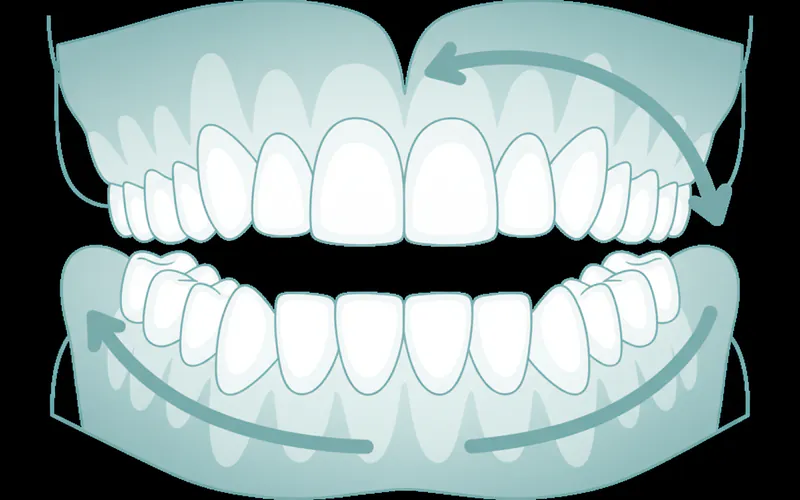
- Permanent Teeth: Numbered 1 through 32. Counting starts with the upper right third molar (wisdom tooth) as #1, moves clockwise around the upper arch to the upper left third molar (#16), then drops to the lower left third molar (#17), and continues clockwise around the lower arch to the lower right third molar (#32).
- Primary Teeth: Labeled with capital letters A through T. Starting with the upper right second molar as A, moving clockwise to the upper left second molar (J), then dropping to the lower left second molar (K), and continuing clockwise to the lower right second molar (T).
Other Common Systems
- Palmer Notation Method (Zsigmondy System): Popular in the UK and used in orthodontics. Each quadrant is denoted by a bracket, and teeth are numbered 1 to 8 (permanent) or A to E (primary) starting from the central incisor. For example, the upper right central incisor is "1" in the upper right bracket.
- FDI World Dental Federation Notation (ISO System): The most globally recognized system. Each tooth is identified by a two-digit number. The first digit indicates the quadrant (1 for upper right, 2 for upper left, 3 for lower left, 4 for lower right for permanent teeth; 5-8 for primary teeth). The second digit identifies the tooth within that quadrant (1 for central incisor, 8 for third molar). For example, the upper right central incisor is 11, and the lower left first molar is 36.
Table 2: Comparison of Tooth Numbering Systems for Key Permanent Teeth
| Tooth Description | Universal Numbering System (US) | FDI World Dental Federation Notation (ISO) | Palmer Notation Method |
|---|---|---|---|
| Upper Right Third Molar | #1 | 18 | 8⌌ |
| Upper Right Central Incisor | #8 | 11 | ⌌1 |
| Upper Left Central Incisor | #9 | 21 | 1⌍ |
| Upper Left Third Molar | #16 | 28 | ⌍8 |
| Lower Left Third Molar | #17 | 38 | 8⏋ |
| Lower Left Central Incisor | #24 | 31 | ⏋1 |
| Lower Right Central Incisor | #25 | 41 | ⎿1 |
| Lower Right Third Molar | #32 | 48 | 1⎿ |
Understanding these systems is crucial for interpreting your dental records and discussing your dental health with professionals, especially if you seek care internationally.
Signs and Symptoms: When Anatomy Goes Awry
While proper tooth anatomy is the norm, developmental or eruption issues can arise. Understanding the signs can help you seek timely dental care.
Teething Symptoms (in Infants)
For parents, recognizing the signs of tooth eruption in infants is important:
- Irritability and fussiness: A common sign as teeth push through the gums.
- Drooling: Excessive saliva production.
- Swollen, tender gums: Gums may appear red or slightly inflamed.
- Chewing on objects: Babies instinctively try to relieve pressure by biting down.
- Slight fever: While teething can cause a mild temperature increase, a high fever (over 101°F or 38.3°C) is usually indicative of an illness, not just teething, and warrants a pediatrician's visit.
- Changes in sleep patterns: Discomfort can disrupt sleep.
Symptoms of Delayed Eruption or Impaction
In older children and adults, issues with permanent tooth eruption can manifest as:
- Missing Teeth: Permanent teeth fail to erupt by their expected timeline. This could be due to genetic factors (anodontia), lack of space, or impaction.
- Impacted Teeth: A tooth is unable to fully erupt into its proper position, often because it's blocked by another tooth, bone, or soft tissue. Wisdom teeth are the most common to become impacted.
- Pain and Swelling: Localized pain around the impacted area, especially when wisdom teeth try to erupt. Swelling of the gums or jaw is common.
- Jaw Stiffness: Difficulty opening the mouth or chewing.
- Bad Breath/Unpleasant Taste: Food and bacteria can get trapped around a partially erupted tooth, leading to infection (pericoronitis).
- Damage to Adjacent Teeth: An impacted tooth can push against its neighbor, causing decay, root resorption, or misalignment.
- Cyst Formation: In rare cases, the sac surrounding an impacted tooth can fill with fluid, forming a cyst that can damage bone and adjacent teeth.
- Malocclusion: Misalignment of teeth due to improper eruption or jaw development.
Treatment Options for Anatomical and Eruption Issues
Addressing problems related to tooth anatomy or eruption often involves a combination of preventive and corrective measures.
Preventative and Early Interventions
- Fluoride Treatments and Dental Sealants: Applied to the chewing surfaces of molars and premolars, sealants provide a protective barrier against decay, especially valuable for newly erupted permanent teeth with deep grooves. Fluoride strengthens enamel.
- Space Maintainers: If a primary tooth is lost prematurely, a space maintainer can be placed to hold the space open for the permanent tooth, preventing adjacent teeth from shifting and blocking its eruption path.
- Early Orthodontic Assessment: The American Association of Orthodontists (AAO) recommends a first orthodontic check-up by age 7. This allows early detection of issues like delayed eruption, impaction, or crowding, enabling timely intervention to guide dental development.
Corrective Treatments
- Orthodontic Treatment: For malocclusion or spacing issues, braces (traditional or clear aligners) can gradually shift teeth into their correct positions. This is essential for proper bite function, aesthetics, and long-term oral health.
- Extraction of Impacted or Supernumerary Teeth:
- Wisdom Tooth Extraction: The most common surgical procedure related to tooth eruption. If wisdom teeth are impacted, causing pain, infection, or damage to adjacent teeth, extraction is often recommended.
- Extraction of Supernumerary Teeth: Extra teeth can block the eruption of permanent teeth and may need removal.
- Surgical Exposure and Orthodontic Eruption: For an impacted permanent tooth (other than a wisdom tooth), an oral surgeon can expose the crown, and an orthodontist can then attach a bracket and gently pull the tooth into its proper position using orthodontic forces.
- Restorative Treatments: Fillings, crowns, or other restorations are used to repair teeth damaged by decay or trauma, preserving their anatomical integrity and function.
- Root Canal Therapy: If decay or trauma reaches the pulp, a root canal removes the infected or damaged pulp, cleans and shapes the root canals, and seals the tooth to prevent further infection. This saves the tooth, maintaining its anatomical presence.
Step-by-Step Process: Wisdom Tooth Extraction (Common Impaction Treatment)
Wisdom tooth extraction is a routine procedure, often necessary when these third molars cause problems due to impaction.
- Consultation and X-rays: Your dentist or oral surgeon will perform a thorough examination, including X-rays (often panoramic or 3D cone-beam CT scans) to assess the position, depth, and proximity of the wisdom teeth to vital structures like nerves and sinuses. They will discuss the risks, benefits, and anesthesia options.
- Anesthesia: Depending on the complexity and your comfort level, options range from local anesthesia (numbing the area), sedation (nitrous oxide, oral sedation, or IV sedation to make you drowsy), to general anesthesia (you're completely unconscious).
- Incision and Bone Removal (if necessary): For impacted teeth, the surgeon may make an incision in the gum tissue to expose the tooth and, if needed, remove a small amount of surrounding bone that is blocking the tooth.
- Tooth Sectioning: Often, the wisdom tooth is divided into smaller pieces to facilitate easier and less traumatic removal, especially if it's deeply impacted or has complex roots.
- Tooth Removal: The sections of the tooth are carefully removed.
- Cleaning and Suturing: The extraction site is thoroughly cleaned to remove any bone fragments or debris. The gum flap is then usually repositioned and sutured closed with dissolvable stitches.
- Gauze Placement: A gauze pad is placed over the extraction site to help control bleeding and encourage clot formation.
Pro Tip: Following post-operative instructions meticulously is crucial for proper healing and to prevent complications like dry socket.
Cost and Insurance Considerations
Understanding the costs associated with dental care related to tooth anatomy and eruption issues, particularly in the US, is important. Prices can vary significantly based on location, complexity, and the provider.
Average US Costs for Relevant Procedures (Without Insurance)
- Routine Exam and Cleaning: $75 - $200
- Dental X-rays (Full Mouth/Panoramic): $100 - $250
- Fluoride Treatment: $30 - $70
- Dental Sealants (per tooth): $30 - $60
- Space Maintainer: $200 - $500
- Simple Tooth Extraction (non-impacted): $75 - $300
- Surgical Extraction (e.g., impacted wisdom tooth):
- Per tooth: $200 - $800+
- All four impacted wisdom teeth: $800 - $3,000+, not including anesthesia costs.
- Orthodontic Treatment (Braces): $3,000 - $8,000+ (depending on case complexity, type of braces).
- Root Canal Therapy (per tooth): $700 - $2,000+ (varies by tooth type and location).
Insurance Coverage
Most standard dental insurance plans offer significant coverage for preventive care (exams, cleanings, X-rays), often covering 80-100% after a deductible. For more complex procedures:
- Basic Procedures (Fillings, simple extractions): Typically covered at 70-80%.
- Major Procedures (Crowns, root canals, surgical extractions): Usually covered at 50% after a deductible.
- Orthodontics: Some plans include orthodontic benefits, often with a lifetime maximum and specific age limits. Coverage can range from 25-50%.
- Wisdom Tooth Extraction: Often covered as a major procedure, typically 50%, but check your specific plan for details on surgical extractions and anesthesia.
Pro Tip: Always verify your specific benefits with your insurance provider before any major procedure. Many dental offices can help you understand your coverage and provide an estimate of your out-of-pocket costs.
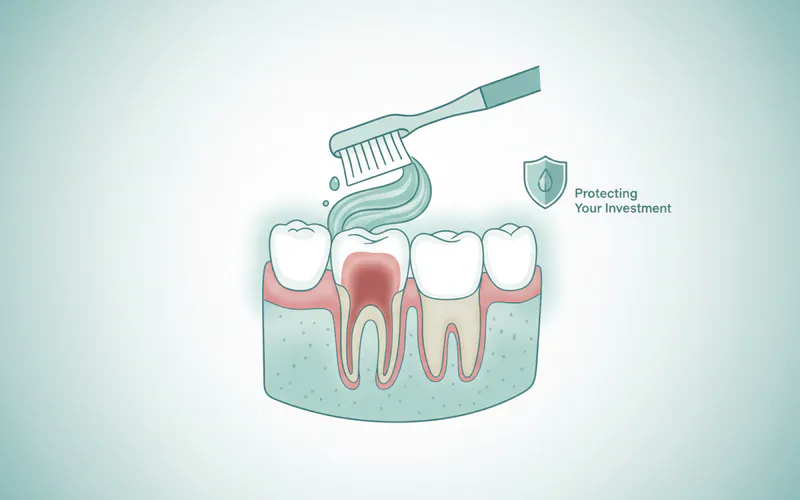
Recovery and Aftercare: Protecting Your Investment
Proper aftercare is vital following any dental procedure, especially surgical interventions like wisdom tooth extraction.
General Oral Hygiene
Maintaining excellent oral hygiene is the cornerstone of protecting your tooth anatomy:
- Brush twice daily: Use a soft-bristled toothbrush and fluoride toothpaste. Brush gently for two minutes, ensuring all tooth surfaces are cleaned.
- Floss daily: Flossing removes plaque and food particles from between teeth and under the gumline, areas your toothbrush can't reach.
- Rinse with antiseptic mouthwash: Can help reduce bacteria, but should not replace brushing and flossing.
- Regular Dental Check-ups: Visit your dentist every six months for professional cleaning and examination.
Post-Extraction Care (e.g., Wisdom Teeth)
- Control Bleeding: Bite firmly on the gauze pads for 30-45 minutes immediately after the procedure. Replace as needed.
- Manage Swelling: Apply ice packs to the outside of your face for 20 minutes on, 20 minutes off, during the first 24-48 hours.
- Pain Management: Take prescribed pain medication as directed. Over-the-counter pain relievers (like ibuprofen) can also be effective.
- Diet: Stick to soft foods for the first few days (e.g., yogurt, soup, mashed potatoes). Avoid hot liquids, crunchy, or chewy foods that could dislodge the blood clot.
- Avoid Smoking and Straws: These actions create negative pressure in the mouth, which can dislodge the blood clot and lead to a painful "dry socket."
- Oral Hygiene: Gently rinse your mouth with warm salt water (1/2 teaspoon salt in 8 ounces warm water) after 24 hours. Avoid vigorous rinsing or spitting. Continue to brush carefully, avoiding the extraction site.
- Rest: Get plenty of rest to aid recovery.
Prevention: Preserving Your Natural Teeth
Preventing dental issues starts with a proactive approach to oral health, leveraging your understanding of tooth anatomy.
- Consistent Oral Hygiene: As detailed above, diligent brushing and flossing are your primary defense against plaque, tartar, cavities, and gum disease.
- Healthy Diet: Limit sugary foods and drinks, which fuel bacteria that produce acids, leading to enamel erosion and decay. Emphasize a balanced diet rich in fruits, vegetables, and calcium-containing foods.
- Regular Dental Check-ups: These allow your dentist to monitor your oral health, identify potential issues early, and provide professional cleanings. The ADA recommends at least annual check-ups.
- Protective Measures:
- Dental Sealants: Especially for children's newly erupted molars, sealants are highly effective in preventing pit and fissure decay.
- Fluoride: Strengthens enamel, making it more resistant to acid attacks. Found in toothpaste, mouthwash, and often public water supplies.
- Mouthguards: If you play contact sports, a custom-fitted mouthguard protects your teeth from trauma, preventing fractures or avulsions.
- Avoid Harmful Habits:
- Tobacco Use: Smoking and chewing tobacco severely increase the risk of gum disease, oral cancer, and tooth staining.
- Teeth Grinding (Bruxism): Can wear down enamel and lead to cracks or fractures. A nightguard can protect your teeth.
- Using Teeth as Tools: Never open bottles, tear packages, or bite non-food items with your teeth, as this can cause chips or breaks.
Risks and Complications: What Can Go Wrong
While tooth anatomy is designed for resilience, various factors can lead to complications.
- Dental Caries (Cavities): The most common dental disease. Bacteria metabolize sugars, producing acids that demineralize enamel and dentin. Untreated, cavities can lead to pulp infection and tooth loss.
- Gum Disease (Periodontal Disease): Inflammation and infection of the gums and supporting bone, caused by plaque buildup. Ranges from gingivitis (reversible inflammation) to periodontitis (irreversible bone loss and potential tooth loss).
- Impacted Teeth Complications:
- Infection (Pericoronitis): Inflammation of the gum tissue around a partially erupted tooth, common with wisdom teeth.
- Damage to Adjacent Teeth: Impaction can lead to cavities in the neighboring tooth, root resorption, or misalignment.
- Cyst/Tumor Formation: Rare, but fluid-filled sacs or tumors can develop around impacted teeth, requiring surgical removal.
- Tooth Sensitivity: Exposed dentin (due to receding gums, enamel erosion, or cavities) can lead to sharp pain when teeth are exposed to hot, cold, sweet, or acidic stimuli.
- Dental Trauma: Fractured, chipped, or knocked-out teeth from accidents, sports injuries, or habits like bruxism.
- Malocclusion Complications: Untreated bite problems can lead to excessive wear on certain teeth, jaw joint pain (TMJ disorders), and difficulty cleaning, increasing the risk of decay and gum disease.
Children / Pediatric Considerations
Children's developing tooth anatomy requires special attention. Parents play a pivotal role in establishing good oral hygiene habits from an early age.
Primary Teeth: Their Importance
It's a common misconception that baby teeth aren't important because they eventually fall out. This is far from the truth:
- Chewing and Nutrition: Healthy primary teeth allow children to chew food properly, which is essential for good nutrition and digestion.
- Speech Development: They are critical for learning to speak clearly and forming sounds correctly.
- Space Maintenance: Primary teeth hold the necessary space in the jaws for the permanent teeth that will replace them. Premature loss of a baby tooth can cause adjacent teeth to drift, leading to crowding and misalignment of permanent teeth.
- Self-Esteem: A healthy smile contributes to a child's confidence.
Oral Hygiene for Children
- Infants: Start cleaning your baby's gums with a soft, damp cloth or finger brush even before the first tooth erupts.
- First Tooth: As soon as the first tooth appears, begin brushing twice daily with a tiny smear (rice grain size) of fluoride toothpaste.
- Toddlers (Ages 3-6): Use a pea-sized amount of fluoride toothpaste. Supervise brushing to ensure they spit out the toothpaste and don't swallow it.
- Flossing: Start flossing as soon as two teeth touch each other, typically around age 2-3.
- First Dental Visit: The ADA and American Academy of Pediatric Dentistry (AAPD) recommend a child's first dental visit by their first birthday or within six months of the first tooth's eruption.
Common Pediatric Dental Issues Related to Anatomy
- Early Childhood Caries (Baby Bottle Tooth Decay): Severe decay in infants and toddlers, often caused by prolonged exposure to sugary liquids (milk, juice) from bottles or sippy cups, especially at bedtime.
- Thumb Sucking/Pacifier Use: Prolonged habits beyond age 4-5 can affect jaw development and tooth alignment (open bite, crossbite).
- Supernumerary Teeth: Extra teeth can block the eruption of normal permanent teeth.
- Dental Trauma: Children are prone to falls and accidents, which can injure teeth.
- Eruption Cysts: Benign, fluid-filled sacs that can form over an erupting tooth, usually resolving on their own.
Pro Tip for Parents: Make dental hygiene fun! Use toothbrushes with favorite characters, play songs during brushing, and lead by example to instill positive habits.
Cost Breakdown: Navigating Dental Expenses
Understanding the range of costs for dental procedures related to tooth anatomy and eruption is crucial for financial planning. Prices are approximate US averages and can vary.
Average US Costs (Without Insurance)
- Preventative Care:
- Initial Exam & X-rays: $150 - $350
- Routine Cleaning: $75 - $150
- Fluoride Treatment: $30 - $70
- Sealants (per tooth): $30 - $60
- Minor Restorative Procedures:
- Amalgam Filling (1-2 surfaces): $100 - $250
- Composite Filling (1-2 surfaces): $150 - $400
- Extractions:
- Simple (visible tooth, no complications): $75 - $300
- Surgical (impacted, bone removal): $200 - $800+ per tooth
- Full Mouth Wisdom Teeth Extraction: $800 - $3,000+ (excluding anesthesia)
- Major Restorative & Surgical Procedures:
- Root Canal (anterior tooth): $700 - $1,100
- Root Canal (molar): $1,000 - $2,000+
- Crown (porcelain-fused-to-metal): $800 - $1,500+
- Crown (all-ceramic/porcelain): $1,000 - $2,500+
- Orthodontics:
- Traditional Metal Braces: $3,000 - $7,000
- Clear Aligners (e.g., Invisalign): $3,500 - $8,500
With Insurance
With a typical PPO dental insurance plan, you can expect to pay:
- Preventative Care: Usually 80-100% covered after deductible.
- Basic Restorative: Often 70-80% covered.
- Major Procedures: Generally 50% covered.
- Orthodontics: Varies widely, often with a lifetime maximum benefit (e.g., $1,000 - $2,500) and may have age restrictions.
Payment Plans and Financing Options
- In-Office Payment Plans: Many dental offices offer interest-free payment plans for larger treatments, allowing you to pay in installments.
- Third-Party Financing (e.g., CareCredit): These credit cards specifically for healthcare offer various financing options, including deferred interest plans if paid in full within a certain period.
- Dental Schools: You can often receive high-quality care at a lower cost at dental school clinics, where students perform procedures under the supervision of experienced faculty.
- Community Dental Clinics: Many communities have clinics that offer reduced-cost dental services to low-income individuals or those without insurance.

Cost-Saving Tips
- Preventative Care: The best way to save money is to prevent problems. Regular check-ups, cleanings, and good home care significantly reduce the need for expensive treatments.
- Comparison Shopping: Get quotes from several dentists for major procedures.
- Understand Your Insurance: Maximize your benefits and understand your deductible, co-pays, and annual maximums.
- Flexible Spending Accounts (FSAs) / Health Savings Accounts (HSAs): If eligible, these accounts allow you to save money for healthcare expenses tax-free.
Frequently Asked Questions
How many teeth do adults have?
Adults typically have 32 permanent teeth, including four wisdom teeth. However, it's common for wisdom teeth to be absent or extracted, so many adults may have 28 teeth.
What are the main parts of a tooth?
The main parts of a tooth are the crown (the visible part above the gum line) and the root (embedded in the jawbone). Inside, it consists of enamel, dentin, and pulp.
When do baby teeth usually fall out?
Baby (primary) teeth usually start to fall out around age 6, beginning with the lower central incisors. This process continues until about age 12, when most permanent teeth have erupted.
What is the Universal Numbering System?
The Universal Numbering System is the most common method used in the US to identify teeth. Permanent teeth are numbered 1 through 32, starting from the upper right third molar. Primary teeth are lettered A through T.
Are wisdom teeth always removed?
No, wisdom teeth are not always removed. If they erupt fully, are healthy, and fit properly without causing issues, they can often remain. However, they are frequently extracted if they are impacted, cause pain, infection, or damage to adjacent teeth.
What is the hardest part of a tooth?
Enamel, the outermost layer of the tooth crown, is the hardest substance in the human body. It protects the tooth from decay and daily wear and tear.
How often should I see a dentist?
The American Dental Association (ADA) recommends regular dental check-ups and cleanings at least once a year, and ideally every six months, for most people. Your dentist may recommend more frequent visits based on your oral health needs.
What is the difference between an incisor and a molar?
Incisors are sharp, chisel-shaped teeth at the front of the mouth used for biting and cutting food. Molars are large, flat teeth at the back of the mouth with broad chewing surfaces designed for grinding food.
Can primary teeth get cavities?
Yes, primary teeth can and do get cavities. Untreated cavities in baby teeth can cause pain, infection, and even affect the development and eruption of underlying permanent teeth, so it's crucial to treat them.
What is an impacted tooth?
An impacted tooth is one that is unable to fully erupt into its proper position in the mouth. This often happens because it's blocked by another tooth, bone, or soft tissue. Wisdom teeth are the most common teeth to become impacted.
When to See a Dentist
Understanding your tooth anatomy and knowing when to seek professional help is vital for preventing minor issues from becoming major problems.
Schedule a routine check-up if:
- It's been more than six months since your last dental cleaning and exam.
- You want to discuss preventative measures like sealants or fluoride treatments.
- You have questions about your child's tooth eruption or oral development.
See a dentist promptly (within a few days) if you experience:
- Persistent tooth sensitivity to hot, cold, or sweet.
- Bleeding or swollen gums, especially when brushing or flossing.
- Chronic bad breath.
- A dull ache in your jaw or teeth.
- Concerns about a child's tooth eruption (e.g., a primary tooth not falling out as expected, or a permanent tooth failing to emerge).
Seek immediate dental attention (emergency visit) if you have:
- Severe, throbbing toothache that doesn't go away.
- Swelling in your face or jaw.
- A knocked-out tooth (time is critical for re-implantation).
- A cracked, chipped, or fractured tooth with pain.
- Signs of infection around an erupting tooth, such as pus, fever, or difficulty swallowing.
Don't wait until pain becomes unbearable. Regular dental visits are your best defense in maintaining a healthy, functional smile for life.
Frequently Asked Questions
Medically Reviewed Content
This article was written by our dental health editorial team and reviewed for medical accuracy. Our content follows strict editorial guidelines for reliability and trustworthiness.
Medical Disclaimer
This article is for informational purposes only and does not constitute medical advice. Always consult with a qualified dental professional for diagnosis and treatment. Do not delay seeking professional advice because of something you read on this website.
Related Articles
Tooth Eruption Order: Complete Guide
The journey of human teeth, from their initial emergence in infancy to the arrival of wisdom teeth in young adulthood, is a fascinating and crucial aspect of our overall health. Understanding the tooth eruption order is not just a matter of curiosity; it's a vital piece of knowledge that empower
February 23, 2026
Primary Tooth Eruption Sequence: Complete Guide
Did you know that by their third birthday, most children will have a full set of 20 primary teeth? The journey of these first teeth, from their initial appearance to their eventual replacement by permanent teeth, is a remarkable and often challenging milestone for both infants and parents. Understan
February 23, 2026
Canine Tooth Eruption: Complete Guide
Have you ever wondered about the complex process that brings your teeth into alignment, especially the prominent, pointed teeth known as canines? While often overshadowed by discussions of wisdom teeth or incisors, the canine tooth eruption process is a critical stage in your oral development, d
February 23, 2026
Permanent Tooth Eruption Sequence: Complete Guide
Welcome to SmilePedia.net, your trusted resource for comprehensive dental health information. The journey of your permanent teeth emerging into your mouth, known as the permanent tooth eruption sequence, is a fundamental aspect of oral development. Did you know that while primary (baby) teeth ty
February 23, 2026