Tooth Eruption Order: Complete Guide
Key Takeaways
- The journey of human teeth, from their initial emergence in infancy to the arrival of wisdom teeth in young adulthood, is a fascinating and crucial aspect of our overall health. Understanding the tooth eruption order is not just a matter of curiosity; it's a vital piece of knowledge that empower
Tooth Eruption Order: Complete Guide
The journey of human teeth, from their initial emergence in infancy to the arrival of wisdom teeth in young adulthood, is a fascinating and crucial aspect of our overall health. Understanding the tooth eruption order is not just a matter of curiosity; it's a vital piece of knowledge that empowers parents to monitor their children's development, helps adults understand dental anomalies, and guides dental professionals in diagnosing and treating potential issues. Did you know that the average child will have all 20 of their primary teeth by the age of three, paving the way for a complete set of 32 permanent teeth by their early twenties? This complex, orchestrated process, while often smooth, can sometimes present challenges that require professional attention.
This comprehensive guide from SmilePedia.net will delve deep into the predictable sequence of tooth eruption, providing detailed tooth eruption charts for both primary (baby) and permanent teeth. We will explore the typical timelines, understand common variations, and shed light on what constitutes normal development versus what might signal a concern. From soothing teething discomfort in infants to navigating the complexities of impacted wisdom teeth, this article aims to be your definitive resource. We will cover the biology behind tooth eruption, potential complications like delayed or ectopic eruption, and available treatment options, including the specifics of the canine tooth eruption chart and its importance in orthodontic planning. Understanding this fundamental process is key to maintaining a healthy, functional smile for life.
Key Takeaways:
- Primary Teeth Eruption: Typically begins around 6 months with lower central incisors and concludes by age 3 with second molars, totaling 20 teeth.
- Permanent Teeth Eruption: Starts around age 6 with first molars and central incisors, continuing through the teens, often completing by age 21 with wisdom teeth (32 teeth total).
- Teething Symptoms: Common in infants include irritability, drooling, mild fever, and gum swelling; usually managed with at-home remedies.
- Delayed Eruption: If no teeth appear by 18 months, or permanent teeth are significantly late, a dental check-up is recommended to rule out underlying issues like impaction or congenital absence.
- Orthodontic Intervention: For issues like impacted canines or significant maleruption, orthodontic treatment (e.g., braces, surgical exposure) may cost between $3,000 and $8,000 without insurance, depending on complexity.
- Wisdom Teeth: Erupt between 17 and 21 years; often require extraction due to impaction or lack of space, with costs ranging from $200 to $700 per tooth for simple extractions, or $1,000 to $3,000 for complex surgical removal with sedation.
- Regular Dental Visits: Crucial from infancy (by age 1 or first tooth eruption) to monitor eruption patterns and address concerns early.
The Marvel of Tooth Eruption: An Overview
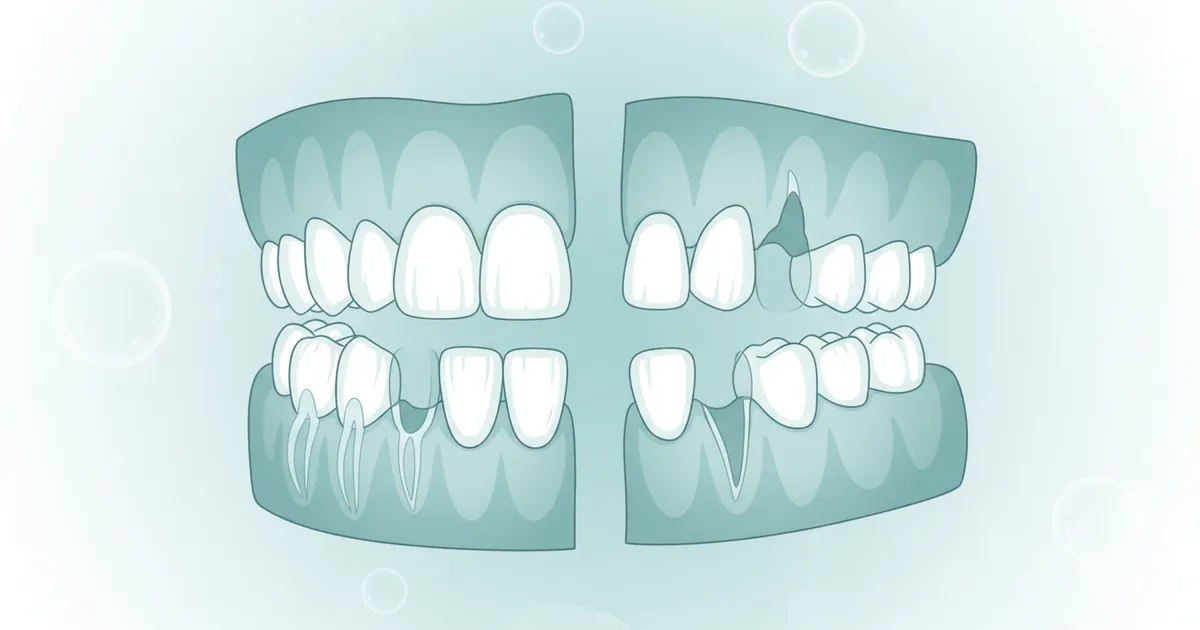
Tooth eruption is the process by which teeth emerge from the jawbone and become visible in the mouth. It's a complex biological event that is meticulously programmed and essential for chewing, speech, and maintaining facial structure. Humans experience two distinct sets of teeth throughout their lives: the primary (deciduous or "baby") teeth and the permanent (adult) teeth. Each set follows a generally predictable sequence and timeline, though individual variations are common.
The process begins long before a tooth is visible. Within the jawbones, tooth buds, which are developing teeth, form and gradually mature. Each tooth consists of a crown (the visible part) and roots (which anchor the tooth in the bone). As the crown develops, the roots begin to form, and the tooth slowly pushes its way through the bone and gum tissue. This upward movement is facilitated by a combination of forces, including the growth of the root, bone remodeling around the tooth, and hydrostatic pressure within the dental follicle (the tissue surrounding the developing tooth).
The Two Generations of Teeth
Understanding the two types of teeth is fundamental to comprehending the tooth eruption order:
- Primary (Deciduous) Teeth: These are the first set of teeth, totaling 20 teeth. They are temporary and are eventually shed to make way for the permanent teeth. Their primary roles include facilitating chewing and speech, maintaining space in the jaws for the permanent teeth, and guiding the permanent teeth into their correct positions.
- Permanent Teeth: This is the second and final set of teeth, totaling 32 teeth (including wisdom teeth). These are designed to last a lifetime, performing vital functions related to mastication, phonetics, and aesthetics.
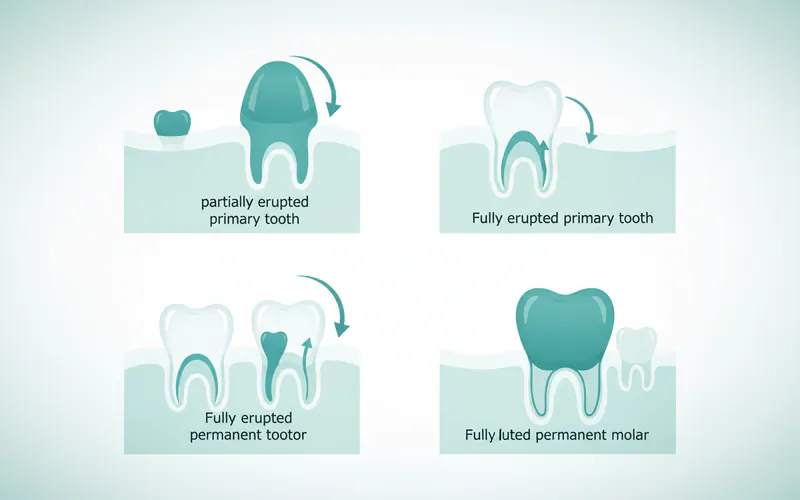
The coordinated shedding of primary teeth (exfoliation) and the eruption of permanent teeth is a marvel of human development. When a permanent tooth is ready to erupt, it puts pressure on the roots of the primary tooth above it. This pressure causes the primary tooth's roots to resorb (dissolve), loosening the tooth until it eventually falls out, clearing the path for its permanent successor.
Tooth Eruption Charts: Primary (Deciduous) Teeth
The eruption of primary teeth, often referred to as "teething," is a significant developmental milestone for infants. While there's a typical timeline, it's important for parents to remember that variations are common, and a child's teeth may erupt earlier or later than average without necessarily indicating a problem. The most common sequence, however, remains consistent.
Typical Primary Tooth Eruption Order and Timeline
Primary teeth typically begin to erupt around 6 months of age and are usually all present by 3 years old.
| Tooth Type | Average Eruption Age (Months) | Average Shedding Age (Years) | Number of Teeth |
|---|---|---|---|
| Lower Central Incisors | 6-10 | 6-7 | 2 |
| Upper Central Incisors | 8-12 | 6-8 | 2 |
| Upper Lateral Incisors | 9-13 | 7-8 | 2 |
| Lower Lateral Incisors | 10-16 | 7-8 | 2 |
| Upper First Molars | 13-19 | 9-11 | 2 |
| Lower First Molars | 14-18 | 9-11 | 2 |
| Upper Canines | 16-23 | 10-12 | 2 |
| Lower Canines | 16-23 | 9-12 | 2 |
| Lower Second Molars | 23-31 | 10-12 | 2 |
| Upper Second Molars | 25-33 | 10-12 | 2 |
| Total Primary Teeth | 20 |
Key Observations for Primary Teeth:
- Symmetry: Teeth usually erupt in pairs, meaning the same tooth on the left side of the jaw will typically erupt around the same time as its counterpart on the right side.
- Mandibular before Maxillary: Lower teeth often erupt before their upper counterparts, especially for the incisors.
- Incisors First: The central and lateral incisors (the front teeth) are generally the first to appear.
- Molars and Canines Follow: The first molars, canines, and then second molars complete the primary dentition.
Pro Tip: While these timelines are averages, a deviation of 6 months earlier or later than these ranges is generally considered within the normal spectrum. If you have concerns, always consult with a pediatric dentist. The American Dental Association (ADA) recommends a child's first dental visit by their first birthday or when their first tooth erupts, whichever comes first.
Tooth Eruption Charts: Permanent Teeth
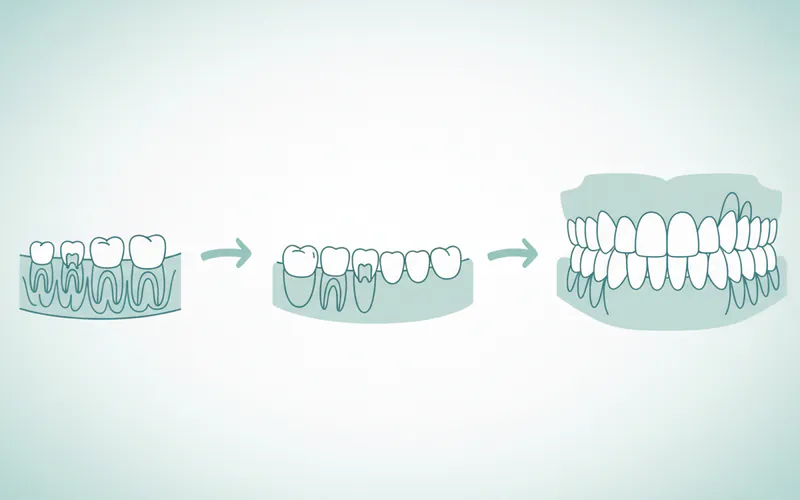
The transition from primary to permanent dentition is a lengthy process, often spanning from age 6 to the early twenties. This period, known as mixed dentition, involves the shedding of baby teeth and the eruption of their permanent successors, along with the appearance of new molars that don't replace any primary teeth.
Typical Permanent Tooth Eruption Order and Timeline
Permanent tooth eruption begins around age 6 and typically concludes with the eruption of wisdom teeth between 17 and 21 years old.
| Tooth Type | Average Eruption Age (Years) | Number of Teeth |
|---|---|---|
| First Molars | 6-7 | 4 |
| Central Incisors | 6-8 | 4 |
| Lateral Incisors | 7-9 | 4 |
| Lower Canines | 9-12 | 2 |
| First Premolars | 9-11 | 4 |
| Second Premolars | 10-12 | 4 |
| Upper Canines | 10-12 | 2 |
| Second Molars | 11-13 | 4 |
| Third Molars (Wisdom Teeth) | 17-21 | 4 (variable) |
| Total Permanent Teeth | 32 |
Key Observations for Permanent Teeth:
- First Molars are Key: The first permanent molars are often called the "six-year molars" as they are usually the first permanent teeth to erupt, often before any primary teeth are lost. They erupt behind the primary second molars and do not replace any baby teeth.
- Incisor Replacement: The central and lateral incisors are replaced next.
- Canine and Premolar Sequence: The eruption sequence for canines and premolars can be somewhat variable. Often, the lower canines erupt before the upper canines, and premolars fill in between. Understanding the canine tooth eruption chart specifically is crucial for orthodontists, as impacted canines are a relatively common issue that can complicate bite development.
- Wisdom Teeth Variability: Third molars, or wisdom teeth, are the last to erupt and are highly variable in their timing and even their presence. Many individuals have one, some, or none at all, and they frequently become impacted.
What Influences Tooth Eruption Order and Timing?
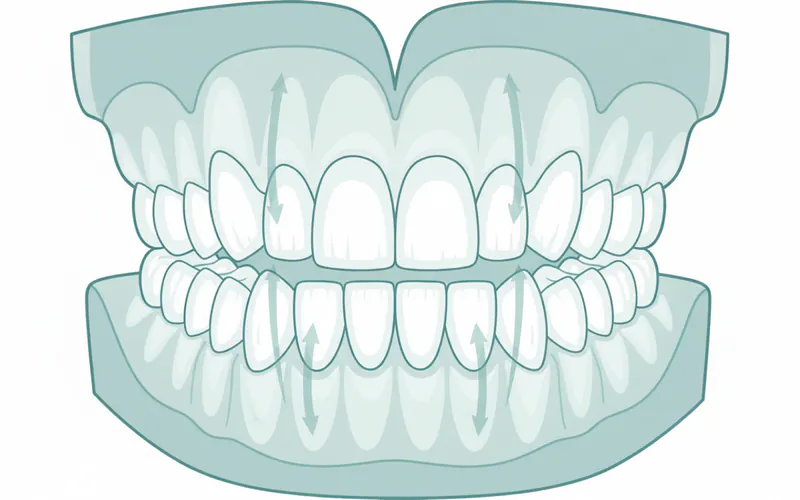
While there's a general timetable for tooth eruption, several factors can influence the exact timing and sequence. Understanding these can help explain individual variations.
Causes and Contributing Factors
- Genetics: Perhaps the most significant factor, genetics plays a major role in determining when teeth will erupt. If parents experienced early or late eruption, their children are likely to follow a similar pattern.
- Nutrition: Adequate nutrition, especially sufficient intake of vitamins D and C, calcium, and phosphorus, is crucial for healthy tooth and bone development. Nutritional deficiencies can potentially delay eruption.
- Hormonal Factors: Hormones, particularly those related to growth and metabolism, can influence the timing of tooth eruption.
- Overall Health: Children who experience chronic illnesses or medical conditions that affect bone growth or metabolism may have delayed tooth eruption. Conditions like Down syndrome or certain endocrine disorders are known to affect dental development.
- Gender: Girls often experience tooth eruption slightly earlier than boys, both for primary and permanent teeth.
- Birth Weight: Studies have shown a correlation between lower birth weight and slightly delayed tooth eruption.
- Local Factors in the Mouth:
- Crowding: Lack of space in the dental arches can delay or alter the eruption path of permanent teeth.
- Presence of Supernumerary Teeth: Extra teeth (supernumerary teeth) can block the eruption of normal teeth.
- Ankylosis: In rare cases, a tooth may fuse to the bone, preventing it from erupting fully.
- Early Loss of Primary Teeth: While sometimes desired to make space, the premature loss of a primary tooth due to trauma or decay can sometimes cause the adjacent teeth to drift, blocking the path of the permanent tooth. Conversely, it can also lead to earlier eruption of the permanent tooth if space is maintained.
- Impacted Teeth: When a tooth is unable to erupt into its normal position due to a physical obstruction (like another tooth, bone, or dense soft tissue), it's considered impacted. Wisdom teeth are most commonly impacted, but canines and premolars can also be affected.
Signs and Symptoms of Tooth Eruption
The process of tooth eruption, particularly for primary teeth, comes with a recognizable set of signs and symptoms, collectively known as "teething." For permanent teeth, eruption is usually less symptomatic unless complications arise.
Signs and Symptoms of Teething (Primary Teeth)
When a baby's teeth are erupting, parents often notice:
- Swollen, Tender Gums: The most direct sign, gums around the erupting tooth may look red, swollen, or bruised.
- Increased Drooling: Babies produce more saliva, which can sometimes lead to a rash around the mouth or chin.
- Irritability and Fussiness: Discomfort can make babies more irritable, particularly at night.
- Chewing/Biting Behavior: Babies often try to chew on anything they can get their hands on to relieve pressure on their gums.
- Slight Increase in Temperature: A low-grade fever (below 100.4°F or 38°C) is sometimes associated with teething, but higher fevers are usually indicative of an illness, not just teething.
- Changes in Appetite: Some babies may refuse to eat or drink due to gum discomfort.
- Ear Pulling/Cheek Rubbing: Referred pain from the gums can sometimes lead babies to pull at their ears or rub their cheeks on the side of the erupting tooth.
Pro Tip: Always remember that teething does NOT cause high fever, diarrhea, or vomiting. If your child experiences these symptoms, consult a pediatrician, as they are likely signs of an underlying illness.
Signs and Symptoms of Permanent Tooth Eruption (and Potential Issues)
For permanent teeth, the eruption is often a smoother process with fewer overt symptoms, especially if the primary tooth has already been shed. However, some signs might indicate a problem:
- Persistent Primary Tooth: If a permanent tooth begins to erupt without the corresponding primary tooth falling out, it's called "shark teeth" and often requires dental intervention.
- Crowding or Misalignment: As permanent teeth erupt, signs of crowding, overlapping, or teeth coming in at unusual angles may become apparent.
- Pain or Tenderness in the Jaw: While mild discomfort can be normal, significant pain, especially around the back of the jaw in late teens, can signal impacted wisdom teeth.
- Gum Swelling or Infection: If an erupting tooth is partially covered by gum tissue, food can get trapped, leading to localized inflammation (pericoronitis), particularly common with wisdom teeth.
- Facial Swelling: In severe cases of infection or impaction, facial swelling may occur.
- Absence of Eruption: If a permanent tooth is significantly delayed beyond its expected eruption window, it could be impacted or congenitally missing.
Children / Pediatric Considerations
The eruption of primary teeth is a period of significant change for children and their parents. Providing appropriate care and understanding the developmental milestones are crucial for setting the stage for lifelong oral health.
Managing Teething Discomfort
Parents can help alleviate teething symptoms with several safe and effective strategies:
- Gum Massage: Gently rub your baby's gums with a clean finger, a soft cloth, or a sterile gauze pad.
- Teething Toys: Offer firm rubber teething rings or toys. Make sure they are age-appropriate and free of harmful chemicals like BPA. Some can be chilled (not frozen) for extra relief.
- Cold Items: A cold, damp washcloth (chilled in the refrigerator, not freezer) for your baby to chew on can provide comfort. For older babies starting solids, cold foods like applesauce or yogurt might help.
- Over-the-Counter Pain Relief: If discomfort is significant and interferes with sleep or feeding, child-appropriate doses of acetaminophen (e.g., Tylenol) or ibuprofen (e.g., Advil, Motrin) can be used, but always consult with a pediatrician or dentist for appropriate dosage based on your child's weight.
- Keep Clean and Dry: Excessive drooling can cause skin irritation. Gently wipe your baby's chin frequently.
What to Avoid:
- Teething Necklaces/Bracelets: These pose serious strangulation and choking hazards and are not recommended by the ADA or FDA.
- Topical Anesthetic Gels: Products containing benzocaine are not recommended for children under 2 years old by the FDA due to the risk of methemoglobinemia, a serious blood disorder. Other topical gels may also not be effective, as they are quickly washed away by saliva.
- Homeopathic Remedies: Many lack scientific evidence of effectiveness and may contain ingredients that are harmful.
- Alcohol on Gums: This is dangerous and ineffective.
Monitoring Primary Tooth Loss and Permanent Tooth Eruption
Parents should actively monitor their child's dental development during the mixed dentition stage (ages 6-12).
- Observe Shedding: Note when primary teeth loosen and fall out. This is a natural process, but sometimes a primary tooth may be stubborn or refuse to fall out, potentially blocking the permanent tooth.
- "Shark Teeth": If a permanent tooth starts to erupt behind a primary tooth that hasn't fallen out yet (creating a double row of teeth), it's often referred to as "shark teeth." This is common with lower incisors. While sometimes the primary tooth will fall out on its own eventually, it's best to have a dentist evaluate it. If the primary tooth is not mobile, the dentist may recommend extraction to allow the permanent tooth to move into its correct position.
- Space Maintainers: If a primary tooth is lost prematurely (due to decay or trauma) before its permanent successor is ready to erupt, a pediatric dentist might recommend a space maintainer. This appliance helps hold the space open, preventing adjacent teeth from drifting and blocking the permanent tooth's path.
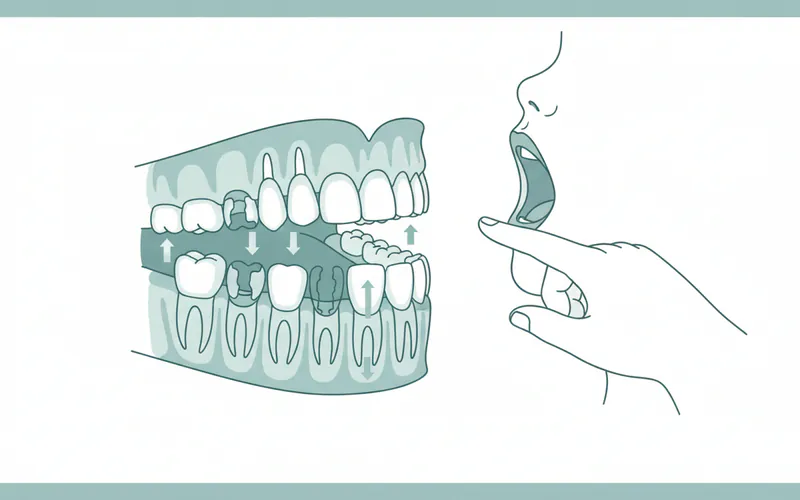
Pro Tip: Early and regular dental visits are crucial. The ADA recommends a child's first dental visit by age one or with the eruption of the first tooth. These visits allow the dentist to monitor eruption patterns, identify potential issues early, and provide guidance on oral hygiene.
Risks and Complications in Tooth Eruption
While the tooth eruption process is generally smooth, several complications can arise, affecting both primary and permanent dentition.
Common Eruption-Related Complications
- Delayed Eruption (Primary or Permanent):
- Definition: When teeth do not erupt within the expected age ranges. For primary teeth, this might mean no teeth by 18 months. For permanent teeth, it could be a significant delay (more than a year) compared to the contralateral tooth or the average timeline.
- Causes: Genetic factors, nutritional deficiencies, systemic diseases (e.g., hypothyroidism, hypopituitarism, Down syndrome), localized obstructions (supernumerary teeth, cysts), or sometimes the tooth bud is congenitally missing (anodontia).
- Premature Eruption:
- Definition: Teeth erupting significantly earlier than average. Natal teeth are present at birth, while neonatal teeth erupt within the first month of life.
- Concerns: Natal/neonatal teeth can sometimes interfere with feeding or irritate the baby's tongue. If unstable, they may need to be extracted to prevent aspiration.
- Impaction:
- Definition: A tooth fails to erupt into its correct functional position within the dental arch, usually due to a physical obstruction.
- Most Common: Wisdom teeth (third molars) are the most frequently impacted teeth.
- Other Impacted Teeth: Canines (especially upper), premolars, and incisors can also be impacted. Impacted canines are particularly problematic as they are crucial for a healthy bite and facial aesthetics.
- Risks: Pain, infection (pericoronitis), cyst formation around the impacted tooth, damage to adjacent teeth (root resorption, decay), crowding of other teeth, and sometimes tumor formation (though rare).
- Ectopic Eruption:
- Definition: A tooth erupts in an abnormal position, often deviating from its normal path.
- Example: A permanent molar erupting too far forward, potentially resorbing the root of an adjacent primary molar, or a canine erupting high in the gum tissue.
- Risks: Malocclusion (bad bite), aesthetic concerns, and potential damage to adjacent teeth.
- Ankylosis:
- Definition: The root of a tooth fuses directly to the surrounding bone, preventing it from erupting or moving naturally. Primary molars are most commonly affected.
- Concerns: An ankylosed primary tooth will not shed naturally and can block the eruption of the permanent successor, leading to its impaction or ectopic eruption.
- Supernumerary Teeth (Hyperdontia):
- Definition: The presence of extra teeth beyond the normal count.
- Impact: These extra teeth can block the eruption path of normal teeth, cause crowding, or lead to cyst formation. The most common supernumerary tooth is a mesiodens, found between the upper central incisors.
- Transposition:
- Definition: Two teeth have swapped positions in the dental arch (e.g., a canine erupting in the position of a lateral incisor, and vice versa). This is a rare but complex malocclusion.
Treatment Options for Eruption Issues
Treatment for eruption problems varies widely depending on the specific complication, the child's age, and the severity of the issue.
Managing Eruption Complications
- Observation: For minor delays or slight variations, particularly in primary teeth, dentists may recommend a "wait and see" approach, monitoring development over time.
- Extraction of Primary Teeth:
- Purpose: To create space for a permanent tooth if a primary tooth is stubbornly retained, or if it is preventing the permanent tooth from erupting correctly (e.g., "shark teeth").
- Process: A simple dental extraction under local anesthesia.
- Cost: $75 - $250 per tooth, depending on complexity and location, usually covered by dental insurance.
- Space Maintainers:
- Purpose: If a primary tooth is lost prematurely, a custom-made appliance is placed to hold the space open for the permanent tooth.
- Process: Fabrication by a dental lab and cementation in the mouth.
- Cost: $250 - $600, often partially covered by insurance.
- Orthodontic Treatment (Braces/Aligners):
- Purpose: To correct malocclusion, create space for erupting teeth, or guide impacted teeth into position. This is often necessary for issues like crowding, ectopic eruption, or transposition.
- Process: Varies widely, involves ongoing adjustments.
- Cost: Full orthodontic treatment ranges from $3,000 to $8,000 for traditional braces, or $4,000 to $9,000 for clear aligners like Invisalign, depending on complexity and duration. Insurance may cover 20-50%.
- Surgical Exposure and Orthodontic Extrusion (for Impacted Canines):
- Purpose: Specifically for impacted canines, this procedure surgically exposes the crown of the impacted tooth, and an orthodontic bracket is bonded to it. The bracket is then attached to orthodontic wires to gently pull the canine into its correct position over several months.
- Process: Minor surgery by an oral surgeon or periodontist, followed by orthodontic treatment.
- Cost: Surgical exposure can range from $500 to $1,500, plus the cost of comprehensive orthodontics.
- Extraction of Impacted Wisdom Teeth:
- Purpose: To remove third molars that are causing pain, infection, damaging adjacent teeth, or are at high risk of future complications due to impaction.
- Process: Typically performed by an oral surgeon, often with sedation or general anesthesia for comfort, especially if multiple teeth are removed.
- Cost:
- Simple extraction (fully erupted): $200 - $400 per tooth.
- Surgical extraction (partially or fully impacted): $400 - $700 per tooth.
- Complex surgical extraction with sedation for all four wisdom teeth can range from $1,500 to $3,500.
- Insurance coverage varies; medical insurance might cover part of the surgical fees if deemed medically necessary (e.g., severe infection).
- Removal of Supernumerary Teeth:
- Purpose: To eliminate extra teeth that are blocking the eruption of normal teeth or causing other issues.
- Process: Surgical extraction, often by an oral surgeon.
- Cost: Similar to other surgical extractions, $200 - $700 per tooth.
Step-by-Step Process for Common Eruption Treatments
Let's look at a common scenario: managing teething and a more complex one like an impacted canine.
Step-by-Step: Managing Infant Teething
- Identify Symptoms: Observe for common teething signs (drooling, fussiness, swollen gums).
- Initial Comfort Measures: Offer a clean finger massage, chilled teething ring, or a cold washcloth.
- Pain Relief (if needed): If discomfort is severe, consult a pediatrician/dentist for appropriate dosage of acetaminophen or ibuprofen.
- Maintain Hygiene: Wipe drool to prevent skin rash; continue regular gum cleaning with a soft cloth.
- Monitor: Watch for the tooth to emerge. If symptoms persist without eruption or if you notice unusual signs (high fever, severe pain), contact your dentist.
- First Dental Visit: Schedule your child's first dental visit by their first birthday or first tooth, as recommended by the ADA, to ensure proper development.
Step-by-Step: Treatment of an Impacted Upper Canine
- Diagnosis: Usually identified during routine dental check-ups, often with panoramic X-rays around age 8-10, if the primary canine is retained or the permanent canine is visibly delayed.
- Orthodontic Consultation: An orthodontist evaluates the case, determining the best course of action (e.g., creating space in the arch).
- Space Creation (Orthodontic Phase 1): If there isn't enough room, braces or other appliances are used to open space in the dental arch for the canine. This can take several months.
- Surgical Exposure: Once sufficient space is created, an oral surgeon or periodontist performs a minor procedure.
- Local anesthesia is administered.
- A small incision is made in the gum to expose the crown of the impacted canine.
- A small amount of bone may be carefully removed to fully expose the crown.
- An orthodontic bracket with a small chain or ligature wire is bonded to the exposed crown.
- The gum tissue is repositioned, sometimes leaving the chain exposed.
- Orthodontic Extrusion (Phase 2):
- The orthodontist connects the chain from the bracket on the exposed canine to the main orthodontic wire or another appliance.
- Gentle, continuous force is applied to gradually pull the canine down into its correct position over several months (typically 6-12 months). Regular adjustments are needed.
- Final Alignment: Once the canine is in the arch, the orthodontist continues with comprehensive orthodontic treatment to align all teeth and achieve a stable bite.
- Retention: After braces are removed, a retainer is worn to maintain the new position of the teeth.
Cost and Insurance Considerations for Eruption-Related Treatments
The financial aspect of managing tooth eruption issues can vary significantly. Here's a breakdown of average costs in the US and how insurance typically plays a role.
Average US Costs for Eruption Treatments
| Treatment Type | Average US Cost Range (Without Insurance) | Insurance Coverage | Notes |
|---|---|---|---|
| Simple Primary Tooth Extraction | $75 - $250 | Typically 80-100% | Often for retained baby teeth or early loss. |
| Space Maintainer | $250 - $600 | Typically 50-80% | Essential for preventing crowding after premature primary tooth loss. |
| Orthodontic Consultation/Records | $0 - $300 (often free for initial consult) | Limited or None | Initial visit to assess need for braces. |
| Comprehensive Orthodontics (Braces) | $3,000 - $8,000 | Varies (20-50%) | Corrects malocclusion, creates space, guides eruption. Length: 18-36 months. |
| Comprehensive Orthodontics (Clear Aligners) | $4,000 - $9,000 | Varies (20-50%) | Similar to braces, often slightly higher cost. |
| Surgical Exposure of Impacted Tooth | $500 - $1,500 (per tooth) | Varies (30-70%) | Performed by oral surgeon, necessary for bringing down impacted canines. |
| Simple Wisdom Tooth Extraction | $200 - $400 (per tooth) | Typically 50-80% | For fully erupted, non-impacted wisdom teeth. |
| Surgical Wisdom Tooth Extraction (Impacted) | $400 - $700 (per tooth) | Typically 50-80% | For partially or fully impacted wisdom teeth, requiring gum incision and/or bone removal. |
| Sedation for Wisdom Tooth Extraction | $300 - $1,000+ (per procedure) | Limited or None | IV sedation, general anesthesia. Often an add-on cost, sometimes covered by medical insurance if medically necessary. |
| Removal of Supernumerary Tooth | $200 - $700 (per tooth) | Typically 50-80% | Similar to other surgical extractions. |
Insurance Coverage Details
- Dental Insurance: Most dental insurance plans cover a portion of diagnostic (X-rays, exams), preventive (cleanings), and basic restorative (fillings, simple extractions) procedures. Major procedures like surgical extractions and orthodontics typically have lower coverage percentages and may have annual maximums.
- Orthodontic Coverage: Many plans, especially those for children, include orthodontic benefits. However, adult orthodontics may not be covered, or coverage might be limited to a lifetime maximum benefit (e.g., $1,000-$2,500). Waiting periods may apply.
- Wisdom Teeth: Extraction of wisdom teeth is usually covered under major restorative services, but the percentage covered depends on the plan. If sedation is required, it might be billed separately and may not be covered by dental insurance.
- Medical Insurance: In some cases, if a dental procedure (like wisdom tooth extraction) is deemed medically necessary due to severe infection, cyst formation, or other systemic health impacts, portions of the cost (especially for hospital facility fees or anesthesia by an anesthesiologist) might be covered by your medical insurance. Always check with both your dental and medical insurance providers.
Payment Plans and Financing Options
- In-Office Payment Plans: Many dental and orthodontic offices offer interest-free payment plans, allowing you to spread the cost over several months.
- Third-Party Financing: Companies like CareCredit or LendingClub offer specialized healthcare credit cards with various financing options, including interest-free periods if paid in full within a certain timeframe.
- Health Savings Accounts (HSAs) and Flexible Spending Accounts (FSAs): These tax-advantaged accounts allow you to save and pay for qualified medical and dental expenses using pre-tax dollars, which can lead to significant savings.
Pro Tip: Always get a detailed treatment plan and cost estimate from your dental provider before starting any major procedure. Contact your insurance provider directly to verify coverage and understand your out-of-pocket expenses, deductibles, and annual maximums.
Recovery and Aftercare
Proper aftercare is crucial for a smooth recovery and to prevent complications, whether it's for teething infants or post-surgical extractions.
Aftercare for Teething Infants
- Continue gentle gum cleaning.
- Monitor for signs of infection (unusual redness, persistent swelling, pus).
- Maintain comfort measures as needed (teething toys, gentle massage).
- Ensure regular feeding and hydration.
Aftercare for Dental Extractions (e.g., Wisdom Teeth, Retained Primary Teeth)
- Bleeding Control: Bite down gently on gauze pads for 30-45 minutes immediately after the procedure, changing them as needed. Some oozing for 24 hours is normal.
- Pain Management: Take prescribed pain medication or over-the-counter pain relievers (ibuprofen, acetaminophen) as directed.
- Swelling Reduction: Apply ice packs to the outside of the face in 20-minute intervals for the first 24-48 hours.
- Diet: Stick to soft foods (yogurt, soup, mashed potatoes, smoothies) for the first few days. Avoid crunchy, chewy, or hot foods.
- Oral Hygiene:
- Avoid rinsing vigorously for 24 hours to prevent dislodging the blood clot (dry socket).
- After 24 hours, gently rinse with warm salt water several times a day to keep the area clean.
- Brush teeth gently, avoiding the extraction site for the first day or two.
- Activity: Rest for the first 24-48 hours. Avoid strenuous activity, heavy lifting, or bending over, as these can increase bleeding.
- Avoid Smoking and Straws: These actions create suction in the mouth, which can dislodge the blood clot and lead to a painful dry socket.
- Follow Up: Attend all follow-up appointments with your dentist or oral surgeon to ensure proper healing.
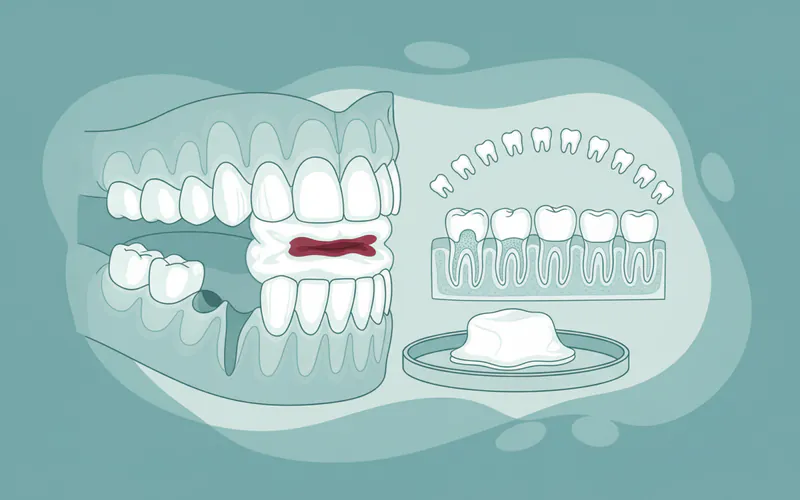
Aftercare for Orthodontic Treatment (e.g., Post-Surgical Exposure)
- Oral Hygiene: Maintain meticulous oral hygiene with braces. Brush thoroughly after every meal, and use floss threaders or interdental brushes.
- Dietary Restrictions: Avoid sticky, hard, or crunchy foods that can damage braces or dislodge brackets.
- Pain Management: Mild discomfort and soreness are common after adjustments. Over-the-counter pain relievers can help.
- Wax for Irritation: Orthodontic wax can be used to cover sharp brackets or wires that irritate the cheeks or lips.
- Regular Appointments: Adhere to the orthodontist's schedule for adjustments.
- Retainers: Once active treatment is complete and braces are removed, wear retainers exactly as instructed to prevent teeth from shifting back. This is a lifelong commitment.
Prevention of Eruption Issues
While some eruption issues are genetic or developmental and cannot be entirely prevented, many complications can be minimized or managed effectively through proactive dental care.
- Regular Dental Check-ups from Infancy: The ADA recommends a child's first dental visit by age one. Regular check-ups allow dentists to monitor tooth development, spot potential problems early (like supernumerary teeth or early primary tooth loss), and intervene if necessary.
- Good Oral Hygiene: Preventing cavities in primary teeth is critical. Extensive decay can lead to premature tooth loss, potentially impacting the eruption of permanent teeth. Regular brushing and flossing are essential.
- Proper Nutrition: A balanced diet rich in vitamins and minerals (especially calcium and vitamin D) supports healthy bone and tooth development.
- Fluoride Exposure: Adequate fluoride helps strengthen tooth enamel, making teeth more resistant to decay.
- Protection Against Trauma: Prevent dental injuries, especially in toddlers and school-aged children, which can lead to premature primary tooth loss or damage to developing permanent tooth buds. Mouthguards are recommended for sports.
- Monitoring During Mixed Dentition: Parents and dentists should closely observe the shedding of primary teeth and the eruption of permanent teeth during the ages of 6-12. Promptly addressing retained primary teeth or visible overcrowding can guide eruption.
- Early Orthodontic Evaluation: An orthodontic evaluation around age 7 (as recommended by the American Association of Orthodontists) can identify developing issues like severe crowding, crossbites, or potential impactions, allowing for early intervention (Phase I orthodontics) that can sometimes prevent more complex problems later.
Frequently Asked Questions
What is the normal range for a baby's first tooth to erupt?
Typically, a baby's first tooth, usually a lower central incisor, erupts between 6 and 10 months of age. However, it's considered normal for teeth to appear anywhere from 3 months to 18 months.
My child is 8 years old and hasn't lost any baby teeth yet. Is this normal?
While most children start losing primary teeth around age 6, a slight delay is not uncommon. However, by age 8, it's definitely worth a dental check-up with a pediatric dentist. They can take X-rays to see if the permanent teeth are developing underneath and assess if there's any reason for the delay.
What are "shark teeth," and do they need treatment?
"Shark teeth" is a common term for when a permanent tooth starts to erupt behind a primary tooth that hasn't fallen out yet. This often happens with the lower central incisors. While sometimes the primary tooth will eventually fall out on its own, a dentist should evaluate it. If the primary tooth is not mobile, its extraction might be recommended to allow the permanent tooth to move into its correct position.
How painful is wisdom tooth extraction, and how long is recovery?
The extraction itself is not painful due to local anesthesia and often sedation. Post-operative pain is managed with prescribed or over-the-counter pain relievers. Recovery typically involves soreness, swelling, and some discomfort for 3-7 days, with complete healing of the bone and gum taking several weeks.
Can an impacted tooth always be saved and brought into the mouth?
Not always. While many impacted teeth, especially canines, can be successfully guided into the dental arch with surgical exposure and orthodontics, some are too severely impacted, in an unfavorable position, or fused to the bone (ankylosed), making extraction the only viable option.
What is the purpose of primary teeth if they just fall out?
Primary teeth are crucial for several reasons: they enable proper chewing and speech development, hold space in the jaw for the permanent teeth, and guide the permanent teeth into their correct positions. Losing them prematurely can lead to spacing issues and malocclusion.
My child's teeth are erupting out of order. Should I be concerned?
Minor deviations from the typical eruption order are common and usually not a cause for concern. However, significant changes or noticeable asymmetry (e.g., a tooth on one side erupting much later than its counterpart) warrants a dental evaluation to rule out underlying issues like crowding, impaction, or missing teeth.
What are the average costs for orthodontic treatment if my child needs help with eruption issues?
Comprehensive orthodontic treatment for children, often involving braces to guide eruption and align teeth, typically ranges from $3,000 to $8,000 without insurance. Factors like the complexity of the case, type of braces, and duration of treatment influence the final cost.
Are there any natural remedies for teething pain that are safe?
Safe natural remedies include gentle gum massage with a clean finger, offering chilled (not frozen) teething rings, or a cold, damp washcloth for the baby to chew on. Always avoid teething necklaces, topical benzocaine gels, or homeopathic remedies that lack scientific support and may pose risks.
What happens if a permanent tooth is congenitally missing?
If a permanent tooth bud never forms (congenital absence), the primary tooth may be retained for an extended period. Eventually, the primary tooth might fall out, leaving a gap. Treatment options include orthodontic space closure, dental implants (once jaw growth is complete), or dental bridges to replace the missing tooth.
When to See a Dentist
While tooth eruption is a natural process, certain signs and symptoms warrant a visit to the dentist. Early intervention can prevent minor issues from becoming major problems.
For Infants and Children (Primary Teeth):
- No teeth by 18 months of age: This could indicate delayed eruption or, in rare cases, congenitally missing teeth.
- Significant pain or fever above 100.4°F (38°C) during teething: While low-grade fever can occur, high fever is usually a sign of illness, not just teething.
- Unusual swelling, redness, or pus around erupting teeth: These can be signs of infection.
- "Shark teeth" where permanent teeth erupt before primary teeth fall out: Especially if the primary tooth is not loose.
- Premature loss of primary teeth due to trauma or decay: A space maintainer might be needed to preserve space for the permanent tooth.
For Pre-Teens and Teens (Permanent Teeth):
- Persistent primary teeth beyond their typical shedding age: This may be blocking the permanent tooth.
- Absence of a permanent tooth beyond its expected eruption age (e.g., no upper canine by age 13): This often suggests impaction or a congenitally missing tooth.
- Visible crowding, misalignment, or teeth erupting in unusual positions.
- Pain, swelling, or signs of infection around erupting permanent teeth, particularly in the back of the mouth (wisdom teeth).
- Difficulty opening the mouth, jaw pain, or clicking sounds during chewing.
Red Flags vs. Routine Care:
- Routine care: Regular dental check-ups (every 6 months) are essential for monitoring eruption patterns and addressing minor issues preventatively.
- Emergency care: Severe pain, uncontrolled bleeding, facial swelling, or difficulty breathing require immediate dental attention.
- Scheduled appointment: Concerns about delayed eruption, "shark teeth," or minor pain/discomfort warrant a scheduled appointment rather than an emergency visit, but should not be postponed indefinitely.
Regular check-ups, starting from a child's first birthday, are the cornerstone of proactive dental health. Your dentist is the best resource for monitoring the fascinating and vital process of tooth eruption, ensuring a healthy foundation for a lifetime of smiles.
Frequently Asked Questions
Medically Reviewed Content
This article was written by our dental health editorial team and reviewed for medical accuracy. Our content follows strict editorial guidelines for reliability and trustworthiness.
Medical Disclaimer
This article is for informational purposes only and does not constitute medical advice. Always consult with a qualified dental professional for diagnosis and treatment. Do not delay seeking professional advice because of something you read on this website.
Related Articles
Primary Tooth Eruption Sequence: Complete Guide
Did you know that by their third birthday, most children will have a full set of 20 primary teeth? The journey of these first teeth, from their initial appearance to their eventual replacement by permanent teeth, is a remarkable and often challenging milestone for both infants and parents. Understan
February 23, 2026
Canine Tooth Eruption: Complete Guide
Have you ever wondered about the complex process that brings your teeth into alignment, especially the prominent, pointed teeth known as canines? While often overshadowed by discussions of wisdom teeth or incisors, the canine tooth eruption process is a critical stage in your oral development, d
February 23, 2026
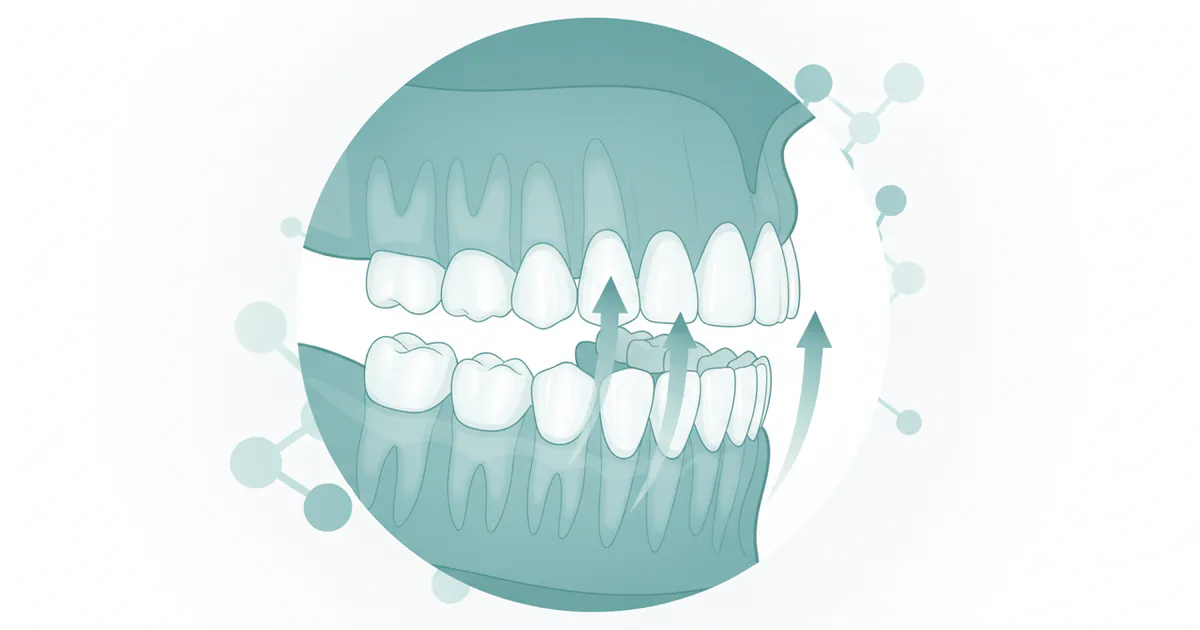
Permanent Tooth Eruption Sequence: Complete Guide
Welcome to SmilePedia.net, your trusted resource for comprehensive dental health information. The journey of your permanent teeth emerging into your mouth, known as the permanent tooth eruption sequence, is a fundamental aspect of oral development. Did you know that while primary (baby) teeth ty
February 23, 2026
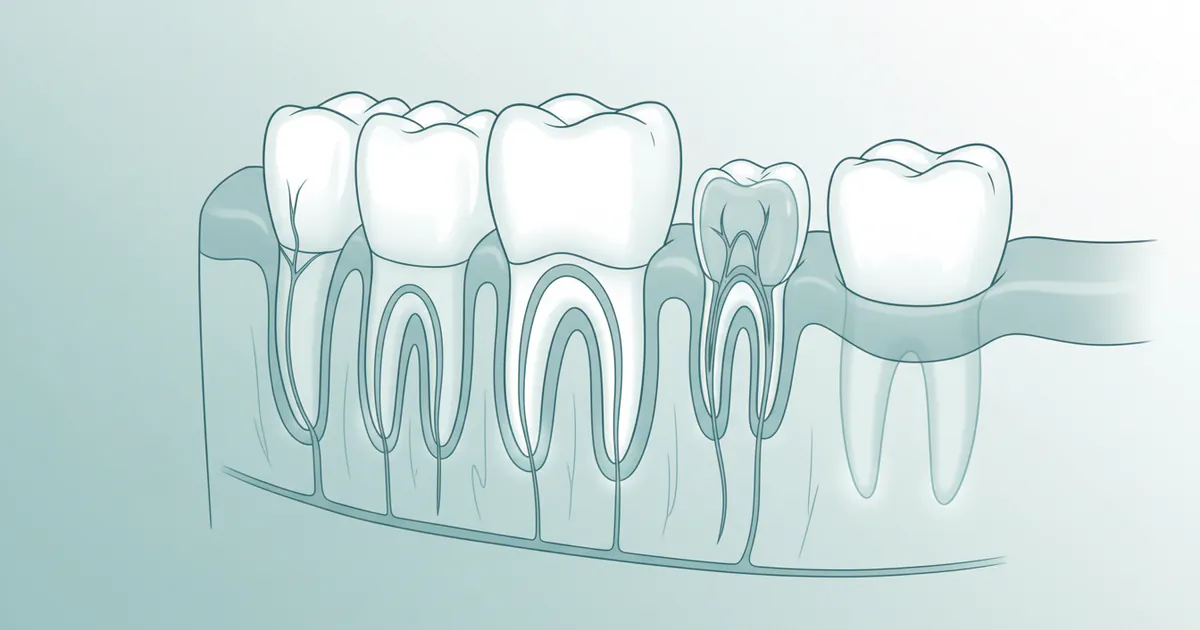
Adult Tooth Eruption: Complete Guide
Have you ever wondered about the complex process that brings your permanent teeth into your mouth, or perhaps why some teeth never fully emerge? For many adults, the eruption of permanent teeth, particularly wisdom teeth, can be a source of significant discomfort, confusion, or even serious dental p
February 23, 2026