Permanent Tooth Eruption Sequence: Complete Guide
Key Takeaways
- Welcome to SmilePedia.net, your trusted resource for comprehensive dental health information. The journey of your permanent teeth emerging into your mouth, known as the permanent tooth eruption sequence, is a fundamental aspect of oral development. Did you know that while primary (baby) teeth ty
Welcome to SmilePedia.net, your trusted resource for comprehensive dental health information. The journey of your permanent teeth emerging into your mouth, known as the permanent tooth eruption sequence, is a fundamental aspect of oral development. Did you know that while primary (baby) teeth typically begin to erupt around 6 months of age, the process of permanent tooth eruption spans over a decade, starting around age 6 and often continuing into the early twenties with wisdom teeth? Understanding this intricate timeline is crucial for parents, individuals, and dental professionals alike, as deviations can signal underlying health issues or lead to significant oral health problems down the line, including malocclusion, impaction, and increased risk of decay. This guide will walk you through the entire process, from the first permanent tooth appearing to the final wisdom tooth eruption, detailing what to expect, common variations, potential complications, and when to seek professional dental advice. We'll explore the science behind eruption, discuss management of issues, cover associated costs, and equip you with the knowledge to ensure a healthy, lasting smile.
Key Takeaways:
- Permanent tooth eruption typically begins around age 6 with the first molars and central incisors, and concludes in the late teens to early twenties with wisdom teeth.
- The sequence of eruption is generally consistent but individual tooth eruption age can vary by 6-12 months without concern.
- Regular dental check-ups, starting from age one, are vital to monitor the permanent tooth eruption sequence and address potential issues early.
- Common issues like delayed eruption or impaction may require orthodontic intervention, with costs ranging from $500 to $3,000+ for minor procedures (e.g., primary tooth extraction, surgical exposure) and $3,000 to $8,000+ for comprehensive orthodontics.
- Signs of normal eruption include mild discomfort, gum swelling, and visible tooth crowns; persistent pain, severe swelling, or significant asymmetry warrant a dental visit.
- Dental insurance often covers diagnostic X-rays and basic procedures, but coverage for orthodontic treatments can vary significantly, typically covering 20-50% of costs.
- Maintaining excellent oral hygiene is crucial throughout the eruption process to prevent decay and gum inflammation around emerging teeth.
What It Is / Overview
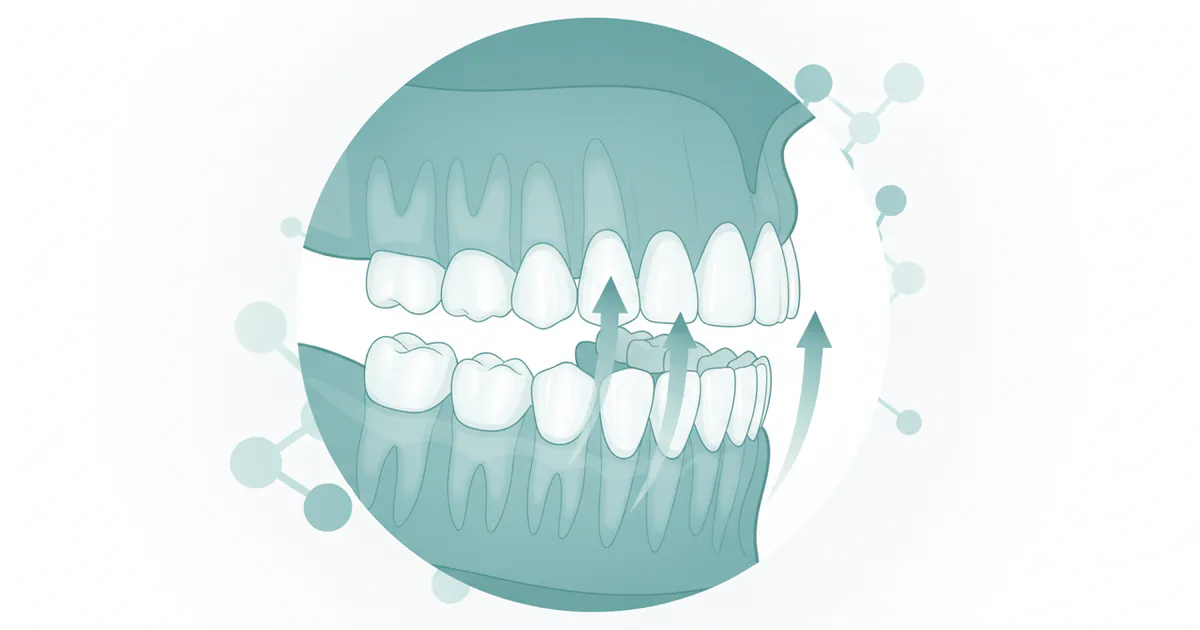
Permanent tooth eruption is the physiological process by which a tooth moves from its developmental position within the jawbone into the oral cavity, becoming visible and functional. This process is distinct from the eruption of primary (deciduous) teeth, which occurs earlier in childhood. Humans typically develop 20 primary teeth, which are gradually replaced by 32 permanent teeth, including four wisdom teeth. The journey of a permanent tooth begins deep within the alveolar bone, where it forms from a tooth bud. As the tooth crown develops, the root begins to form, and bone remodels around it. This process, driven by a complex interplay of genetic, cellular, and molecular factors, causes the tooth to migrate through the bone, eventually piercing the gum tissue (gingiva) and emerging into the mouth.

The primary role of this eruption is to establish a functional dentition for chewing (mastication), speech, and maintaining facial aesthetics. Each permanent tooth has a specific time window for eruption, and this predictable permanent tooth eruption sequence is a critical benchmark for assessing a child's dental development. Deviations from this sequence or timing can indicate developmental issues or potential problems that may require dental intervention.
The Phases of Eruption
The eruption process can be broadly divided into three phases:
- Pre-eruptive Phase: This involves the growth and movement of the tooth within the jawbone before any root formation. Tooth buds migrate and adjust their positions in preparation for eruption.
- Pre-functional Eruptive Phase: Characterized by root formation and the active movement of the tooth through the alveolar bone and soft tissues of the oral cavity. This phase ends when the tooth reaches the occlusal plane (the plane where upper and lower teeth meet).
- Functional Eruptive Phase: After the tooth has emerged and made contact with opposing teeth, it continues to erupt slightly to compensate for occlusal wear and jaw growth, maintaining contact and function throughout life.
Understanding these phases helps dentists identify issues early, such as an impacted tooth that fails to break through the bone or gum tissue.
Types / Variations in Eruption
While there's a typical permanent tooth eruption sequence, variations can occur. It's important to differentiate between normal variations and those that may signal a problem.
Normal Eruption Sequence
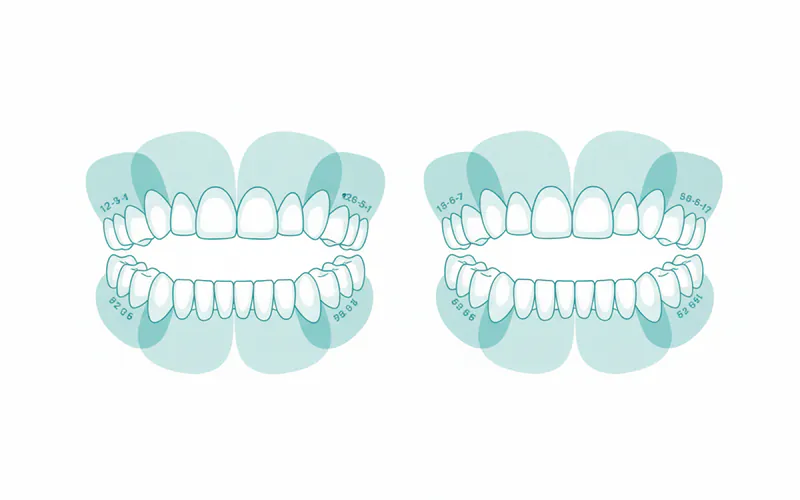
The most common permanent tooth eruption sequence is as follows, typically symmetrical (meaning the same tooth erupts on both sides of the mouth around the same time):
- First Molars (6-7 years): These are often the first permanent teeth to erupt, appearing behind the primary molars. They are sometimes called "six-year molars."
- Central Incisors (6-8 years): The two front teeth in both the upper and lower jaws.
- Lateral Incisors (7-9 years): The teeth next to the central incisors.
- Canines / Cuspids (9-13 years): The pointed teeth (eyeteeth), often erupting later in the upper jaw.
- First Premolars (Bicuspids) (10-12 years): Replace the first primary molars.
- Second Premolars (Bicuspids) (10-12 years): Replace the second primary molars.
- Second Molars (11-13 years): The "twelve-year molars," appearing behind the first molars.
- Third Molars (Wisdom Teeth) (17-21+ years): These are the last teeth to erupt and are often problematic due to lack of space.
Deviations and Abnormalities
Variations in the eruption sequence or timing can be normal within a certain range (e.g., a tooth erupting a few months earlier or later than average). However, significant deviations can point to underlying issues:
- Delayed Eruption: A tooth that has not erupted within 12 months of its usual eruption time or when its contralateral (same tooth on the opposite side) has erupted. This can be caused by local factors (e.g., a physical barrier like a dense gum tissue, an extra tooth, or a cyst) or systemic factors (e.g., nutritional deficiencies, endocrine disorders like hypothyroidism, certain genetic syndromes).
- Ectopic Eruption: When a tooth erupts in an abnormal position or angle, often pushing against an adjacent tooth's root. The most common teeth for ectopic eruption are the maxillary (upper) first permanent molars and canines.
- Impaction: A tooth that is unable to erupt into its correct functional position within the oral cavity due to a physical obstruction or insufficient space. Wisdom teeth are most commonly impacted, but canines and premolars can also be affected.
- Ankylosis: Fusion of the tooth root to the surrounding bone, preventing further eruption. This often affects primary molars, which then fail to exfoliate (fall out), potentially blocking the eruption of their permanent successors.
- Premature Eruption: Very rare for permanent teeth, but sometimes a primary tooth may be lost early, and the permanent tooth erupts ahead of schedule.
- Transposition: When two teeth swap positions in the dental arch (e.g., a canine erupting where a lateral incisor should be).
Causes / Why It Happens
The eruption of permanent teeth is a marvel of biological coordination, influenced by a complex interplay of genetic, local, and systemic factors. When this process goes awry, the causes can be varied:
Genetic Factors
Genetics play a significant role in determining the timing and pattern of tooth eruption. Family history of delayed eruption or specific dental anomalies can indicate a genetic predisposition. Certain genetic syndromes (e.g., Down syndrome, Gardner's syndrome, Cleidocranial Dysplasia) are known to affect tooth development and eruption patterns, often leading to delayed eruption or supernumerary (extra) teeth.
Local Factors
These are conditions within the oral cavity that directly impede or alter the eruption path:
- Crowding/Lack of Space: The most common cause of impaction, especially for wisdom teeth and canines. If the jawbones are too small to accommodate all 32 permanent teeth, some teeth may become stuck or erupt out of alignment.
- Persistent Primary Teeth: If a primary tooth does not exfoliate (fall out) on time, it can act as a physical barrier, blocking the permanent tooth trying to erupt beneath it. This is frequently seen with canines and premolars.
- Supernumerary Teeth (Extra Teeth): The presence of extra teeth can obstruct the path of normal permanent teeth, leading to delayed eruption or impaction. A mesiodens (an extra tooth located between the two upper central incisors) is a common example.
- Odontogenic Cysts or Tumors: Cysts or benign tumors developing in the jawbone can displace teeth or physically block their eruption path.
- Trauma to Primary Teeth: Injury to a primary tooth can damage the developing permanent tooth bud beneath it, leading to eruption disturbances, discoloration, or malformation of the permanent tooth.
- Dense Bone or Gingival Tissue: In some cases, the bone overlying an erupting tooth or the gum tissue itself can be unusually dense, making it difficult for the tooth to penetrate.
Systemic Factors
Broader health conditions affecting the entire body can also influence tooth eruption:
- Nutritional Deficiencies: Severe deficiencies in vitamins (especially Vitamin D) or minerals (like calcium) essential for bone and tooth development can slow down the eruption process.
- Endocrine Disorders:
- Hypothyroidism: Can lead to significantly delayed tooth eruption and overall slowed development.
- Hypopituitarism: Similar to hypothyroidism, it can result in delayed eruption due to hormone deficiencies.
- Low Birth Weight and Prematurity: Babies born prematurely or with very low birth weight sometimes exhibit delayed tooth eruption.
- Chronic Diseases: Certain long-term illnesses can affect overall growth and development, including tooth eruption.
- Medications: Some medications, particularly those affecting bone metabolism or growth, may have an impact on eruption.
Understanding these various causes is crucial for dentists to accurately diagnose and manage any eruption-related issues. Early identification often allows for simpler and less invasive interventions.
Signs and Symptoms
The eruption of permanent teeth is a natural process, but it can be accompanied by various signs and symptoms, ranging from mild discomfort to more concerning indicators of potential problems. Knowing what to look for can help parents and individuals determine if dental intervention is needed.
Normal Signs of Eruption
When a permanent tooth is erupting normally, you might observe:
- Mild Gum Swelling and Redness: The gum tissue directly over the erupting tooth may appear slightly swollen, tender, and red. This is a temporary inflammation as the tooth pushes through.
- Slight Discomfort or Aching: Children may report a dull ache or mild pressure in the area where a tooth is coming in. This is usually manageable with over-the-counter pain relievers if necessary.
- Visible Tooth Crown: The most obvious sign is the appearance of the white crown of the tooth breaking through the gum line.
- Itching or Irritation: Some children might rub or pick at their gums due to an itchy sensation.
- Temporary Gaps: As new teeth emerge, temporary gaps (diastemas) may appear between teeth, especially the upper front incisors. These often close naturally as more teeth erupt and the jaw grows. This is often referred to as the "ugly duckling stage" and is usually normal.
Signs Indicating Potential Problems
If you observe any of the following, it's advisable to consult a dentist:
- Significant Asymmetry in Eruption: If a permanent tooth has erupted on one side of the mouth, but the same tooth on the opposite side has not appeared within 6-12 months, it warrants investigation.
- Persistent Pain or Severe Swelling: While mild discomfort is normal, intense, continuous pain, severe redness, or significant swelling of the gums could indicate an infection (pericoronitis), cyst, or impaction.
- Failure to Erupt: If a primary tooth is lost, but the permanent successor does not appear within several months, or if a primary tooth remains firmly in place past its expected exfoliation time, preventing the permanent tooth from erupting.
- Tooth Erupting in the Wrong Place: A permanent tooth appearing significantly out of alignment, erupting into the cheek, tongue, or behind an existing primary tooth (sometimes called "shark teeth" if the permanent tooth erupts behind the primary one).
- Fever or Systemic Symptoms: While tooth eruption can cause mild discomfort, it generally does not cause fever. If a child develops a fever, extreme fussiness, or other systemic symptoms, it is likely unrelated to eruption and should be investigated by a pediatrician or dentist.
- Large Cysts or Swellings: Any unusually large, firm, or fluid-filled swelling around an erupting tooth might indicate an eruption cyst or other pathology.
- Difficulty Chewing or Eating: Pain or sensitivity that prevents normal eating habits should be evaluated.
Pro Tip: Keeping a simple eruption chart for your child can help you track their dental development and easily identify any significant deviations from the norm. Many pediatric dental offices provide these at check-ups.
Treatment Options
For the majority of children, permanent tooth eruption proceeds without requiring intervention. However, when issues arise, various treatment options are available to guide proper eruption, prevent complications, and ensure a healthy functional bite. Treatment focuses on addressing the specific problem, whether it's delayed eruption, impaction, or malposition.
1. Monitoring and Observation
- Description: For minor delays or slight variations in the permanent tooth eruption sequence, the dentist may recommend a "wait and see" approach. Regular check-ups and X-rays are used to monitor the tooth's progress and ensure it's on a path to eventual eruption.
- Pros: Non-invasive, avoids unnecessary procedures.
- Cons: Potential for problems to worsen if not monitored closely.
- Best for: Mild delays without clear obstruction, normal "ugly duckling" spacing.
2. Extraction of Primary (Baby) Teeth
- Description: If a primary tooth is retained too long and is blocking the eruption path of its permanent successor, it may need to be extracted. This is a common and relatively simple procedure.
- Pros: Creates space for the permanent tooth, often resolves delayed eruption effectively.
- Cons: Minor discomfort post-extraction.
- Best for: Persistent primary teeth blocking eruption.
- Cost: $150 - $400 per tooth, depending on complexity and location.
3. Surgical Exposure (Fenestration / Operculectomy)
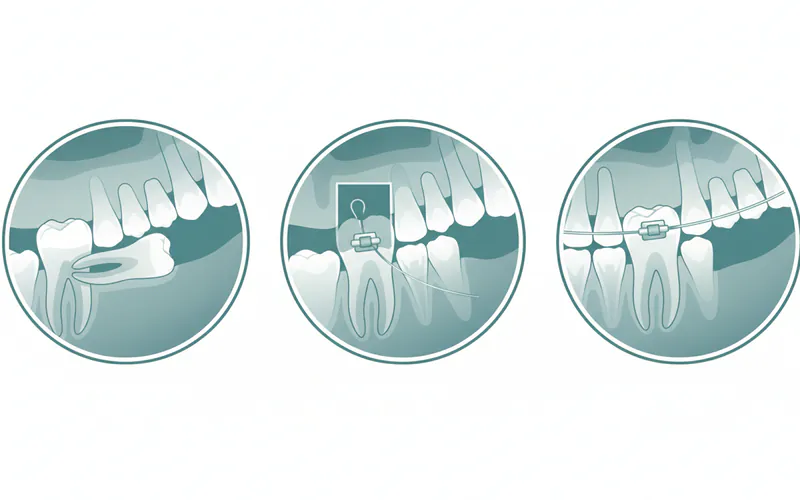
- Description: For a tooth that is impacted or significantly delayed but is otherwise in a good position, the dentist or oral surgeon may surgically expose it. This involves removing a small section of gum tissue (operculectomy) and sometimes a thin layer of bone (fenestration) to reveal the crown of the unerupted tooth, allowing it to emerge. Often, an orthodontic bracket is then bonded to the exposed tooth, and a chain is used to gently pull it into alignment.
- Pros: Facilitates eruption of impacted teeth, often combined with orthodontics for optimal positioning.
- Cons: Surgical procedure, requires healing time, potential for discomfort, risk of infection.
- Best for: Impacted canines, premolars, or incisors that are otherwise well-positioned.
- Cost: $500 - $1,500 per tooth for surgical exposure, not including orthodontic treatment.
4. Orthodontic Intervention
- Description: Orthodontic treatment (braces, clear aligners) is often used in conjunction with other treatments to guide teeth into their correct positions. It can create space for erupting teeth, correct crowded conditions, and align teeth that have erupted ectopically.
- Pros: Comprehensive solution for malocclusion and spacing issues, guides teeth to ideal positions.
- Cons: Long treatment duration (18-36 months), higher cost, requires patient compliance.
- Best for: Crowding, malocclusion, guiding surgically exposed teeth, correcting ectopic eruption.
- Cost: $3,000 - $8,000+ for comprehensive orthodontic treatment.
5. Extraction of Permanent Teeth (Including Wisdom Teeth)
- Description: In cases of severe crowding where orthodontic treatment alone cannot create enough space, or when a tooth is severely impacted and causing pathology, extraction of a permanent tooth may be necessary. Wisdom teeth (third molars) are frequently extracted due to impaction, pain, infection, or damage to adjacent teeth.
- Pros: Relieves crowding, eliminates source of pain/infection from impacted teeth.
- Cons: Irreversible, can alter bite, surgical risks for impacted teeth.
- Best for: Severely impacted wisdom teeth, non-restorable teeth, severe crowding where other options are insufficient.
- Cost: $75 - $200 for a simple extraction; $250 - $600 per tooth for surgical extraction of an impacted tooth; $1,000 - $3,000 for all four impacted wisdom teeth.
6. Management of Eruption Cysts (Dentigerous Cysts)
- Description: An eruption cyst is a benign, fluid-filled sac that forms around the crown of an erupting tooth, often appearing as a bluish-purple swelling on the gum. They typically resolve on their own as the tooth erupts. If they cause pain, interfere with eating, or persist, a minor surgical procedure called marsupialization (cutting a small window in the cyst to allow fluid to drain) may be performed.
- Pros: Usually self-resolving, marsupialization is a minor procedure.
- Cons: Can cause discomfort or delay eruption if large.
- Best for: Large, symptomatic, or persistent eruption cysts.
- Cost: $200 - $500 for marsupialization.
Comparison Table: Common Interventions for Eruption Issues
| Treatment Option | Description | Typical Cost (US) | Duration | Primary Application |
|---|---|---|---|---|
| Observation | Monitoring tooth progress with regular check-ups/X-rays. | Cost of appointments/X-rays | Varies | Mild delays, temporary gaps, normal variations. |
| Primary Tooth Extraction | Surgical removal of a baby tooth blocking permanent tooth eruption. | $150 - $400 per tooth | Single visit | Retained primary teeth. |
| Surgical Exposure | Removing gum/bone to expose an impacted permanent tooth's crown. | $500 - $1,500 per tooth | Single visit + healing | Impacted canines/premolars, often followed by orthodontics. |
| Orthodontic Treatment | Braces/aligners to create space and guide teeth into position. | $3,000 - $8,000+ | 18-36 months | Crowding, malocclusion, guiding exposed teeth. |
| Permanent Tooth Extraction | Removal of an adult tooth (e.g., wisdom tooth, severely crowded tooth). | $75 - $600 per tooth | Single visit | Impaction (especially wisdom teeth), severe crowding. |
Step-by-Step Process: The Journey of Eruption
Understanding the general physiological process of tooth eruption can help demystify what can seem like a mysterious event.
The Natural Eruption Process
- Tooth Bud Formation: Long before eruption, around the time of birth, the permanent tooth buds begin to form deep within the jawbone, nestled above or behind their primary predecessors.
- Crown Development: The crown (the visible part of the tooth) fully forms within the bone, a process that takes several years.
- Root Formation and Bone Resorption: As the crown completes its development, the root begins to form. Simultaneously, the bone and primary tooth root directly above the permanent tooth start to resorb (dissolve). This is a critical step, creating an eruption pathway.
- Movement Towards the Oral Cavity: The developing permanent tooth slowly moves upwards, driven by a combination of root elongation, bone remodeling, and other biological forces. This journey can take several months to years.
- Penetration of Soft Tissue: Once the tooth crown reaches the gum tissue, it penetrates the gingiva. This is the moment the tooth becomes visible in the mouth – what does tooth eruption look like? Initially, you might see a small white cusp or edge pushing through, often accompanied by local gum redness and mild swelling.
- Occlusal Contact and Functional Eruption: The tooth continues to emerge until it meets its opposing tooth in the other jaw. At this point, it becomes functional for chewing. The root continues to develop and fully form for several years after the tooth appears in the mouth.
- Post-Eruptive Maturation: Even after reaching the occlusal plane, teeth undergo slight movements throughout life to compensate for wear and jaw growth, maintaining a stable bite.
Steps for Addressing Eruption Issues (Example: Impacted Canine)
If a permanent tooth like a canine is impacted, the treatment might involve several steps over an extended period:
- Initial Diagnosis:
- Dental Exam: The dentist observes the absence of the canine at the appropriate tooth eruption age and checks for any swellings or asymmetry.
- X-rays (Panoramic & Periapical/CBCT): Essential to determine the exact position, angulation, and depth of the impacted tooth, and its relationship to adjacent teeth and vital structures. A Cone Beam Computed Tomography (CBCT) scan may provide 3D imaging for complex cases.
- Space Creation (if needed):
- Extraction of Primary Canine: If the primary canine is still present and blocking the path, it will be extracted.
- Orthodontic Treatment: Braces or aligners are often initiated to create sufficient space in the dental arch for the impacted tooth to erupt. This might involve widening the arch or distalizing (moving back) posterior teeth.
- Surgical Exposure:
- Procedure: An oral surgeon or periodontist performs a minor surgical procedure under local anesthesia (sometimes with sedation). An incision is made in the gum tissue, and a small amount of bone may be carefully removed to expose the crown of the impacted canine.
- Attachment of Orthodontic Bracket: Typically, an orthodontist will place a small bracket with a thin gold chain directly onto the exposed tooth crown during the same surgical appointment. The chain is then attached to the existing orthodontic archwire or a custom appliance.
- Orthodontic Guidance:
- Gentle Traction: Over several months, the orthodontist applies very light, continuous force to the chain, gradually pulling the impacted canine down into the dental arch. This is a slow and controlled process to prevent damage.
- Alignment: Once the tooth emerges into the mouth, it is integrated into the orthodontic archwire and aligned with the other teeth.
- Retention:
- Retainers: After the tooth has been successfully moved into position and the orthodontic treatment is complete, retainers (fixed or removable) are necessary to maintain the new tooth position and prevent relapse.
This multi-step approach highlights the coordinated effort between general dentists, oral surgeons, and orthodontists to manage complex eruption problems.
Cost and Insurance
Understanding the costs associated with permanent tooth eruption issues and how dental insurance might factor in is crucial for financial planning. Prices can vary significantly based on geographic location, the complexity of the case, the experience of the dental professional, and whether a specialist (oral surgeon, orthodontist) is involved.

Typical US Price Ranges for Eruption-Related Procedures:
- Dental X-rays (Panoramic, Periapical):
- Panoramic X-ray: $75 - $150 (provides a broad view of all teeth and jaws).
- Periapical X-ray: $25 - $50 (focuses on individual teeth).
- CBCT Scan (3D Imaging): $300 - $600 (for complex impactions).
- Consultation with Specialist (Oral Surgeon/Orthodontist):
- Initial Consultation: $50 - $200 (often applied to treatment cost if you proceed).
- Extraction of a Primary (Baby) Tooth:
- Simple Extraction: $150 - $400 per tooth.
- Simple Extraction of a Permanent Tooth (Non-impacted):
- $75 - $250 per tooth.
- Surgical Extraction of an Impacted Tooth:
- Soft tissue impaction: $250 - $400 per tooth.
- Partial bony impaction: $350 - $500 per tooth.
- Full bony impaction: $450 - $600 per tooth.
- Extraction of all four impacted wisdom teeth: $1,000 - $3,000 (this often includes sedation).
- Surgical Exposure of an Impacted Tooth (without orthodontic traction):
- $500 - $1,500 per tooth.
- Orthodontic Treatment (Braces/Aligners):
- Comprehensive treatment (18-36 months): $3,000 - $8,000+ (can be higher for very complex cases).
- Limited treatment (e.g., to create space for one tooth): $1,500 - $4,000.
- Eruption Cyst Marsupialization:
- $200 - $500.
Insurance Coverage Details
Dental insurance typically covers a portion of these costs, but the extent of coverage varies significantly:
- Diagnostic Services: X-rays and examinations are usually covered at a high percentage, often 80-100%, as they are considered preventive or diagnostic.
- Basic Services: Extractions of primary teeth or simple permanent teeth are often covered at 50-80%.
- Major Services: Surgical extractions of impacted teeth or surgical exposures usually fall under "major services" and may be covered at 30-50%.
- Orthodontic Coverage: This is highly variable. Many basic dental insurance plans do not include orthodontic coverage for adults or children. Plans that do offer coverage often have:
- Age limits: May only cover orthodontics for children under 19.
- Lifetime maximums: A cap on the total amount the insurance will pay for orthodontics (e.g., $1,000 - $2,500).
- Waiting periods: You may need to have the insurance for 6-12 months before orthodontic benefits kick in.
- Co-insurance: You'll typically pay a percentage after your deductible (e.g., insurance covers 50%, you pay 50%).
Pro Tip: Always contact your specific dental insurance provider beforehand to understand your benefits, deductibles, co-pays, and any lifetime maximums for orthodontic or surgical procedures. Many dental offices offer to submit a "pre-determination of benefits" to your insurance company, which provides an estimate of what your plan will cover before treatment begins.
Recovery and Aftercare
Recovery and aftercare depend entirely on the type of intervention performed. For simple observation, no specific aftercare is needed beyond routine oral hygiene. However, for surgical procedures or orthodontic treatments, proper care is vital for successful healing and optimal outcomes.
After a Primary Tooth Extraction:
- Bleeding: A gauze pad should be bitten on firmly for 30-45 minutes. Minor oozing for a few hours is normal.
- Pain: Mild discomfort can be managed with over-the-counter pain relievers (e.g., ibuprofen, acetaminophen).
- Diet: Stick to soft foods for the first 24 hours. Avoid using straws or spitting forcefully, as this can dislodge the blood clot and lead to a "dry socket" (though less common in primary tooth extractions).
- Oral Hygiene: Gently brush remaining teeth, avoiding the extraction site for the first day. Rinsing with warm salt water (1/2 teaspoon salt in 8 oz warm water) can begin the day after, 2-3 times a day.
- Healing: The gum tissue typically heals within 7-10 days. The permanent tooth should begin to erupt within a few months.
After Surgical Exposure of an Impacted Tooth:
- Pain and Swelling: Expect some pain and swelling, which can be managed with prescribed pain medication and cold compresses applied to the face. Swelling typically peaks at 24-48 hours and subsides over several days.
- Bleeding: Minor oozing is normal. Avoid rinsing vigorously or touching the surgical site.
- Diet: Soft diet for several days. Avoid hot liquids initially.
- Oral Hygiene: Brush carefully around the surgical site. Your dentist may recommend a chlorhexidine mouth rinse.
- Activity: Limit strenuous activity for 24-48 hours.
- Follow-up: Adhere to all post-operative instructions provided by the oral surgeon or periodontist. If an orthodontic bracket was placed, follow-up with your orthodontist for activation.
During Orthodontic Treatment:
- Discomfort: Initial discomfort and soreness of teeth are common after braces are placed or adjusted. This can be managed with OTC pain relievers.
- Diet: Avoid hard, sticky, or chewy foods that can damage braces.
- Oral Hygiene: Meticulous brushing and flossing are critical with braces to prevent plaque buildup and decay. Special orthodontic brushes and floss threaders may be recommended.
- Appliance Care: Follow instructions for wearing elastics, headgear, or clear aligners diligently. Report any broken brackets or wires to your orthodontist promptly.
- Regular Appointments: Attend all scheduled orthodontic appointments for adjustments and monitoring.
Adhering to aftercare instructions is crucial to minimize complications, promote healing, and ensure the successful outcome of any intervention related to the permanent tooth eruption sequence.
Prevention
While you can't prevent permanent teeth from erupting (nor would you want to!), you can certainly take proactive steps to ensure the eruption process is as smooth and problem-free as possible. Prevention focuses on early detection and intervention for potential issues.
1. Regular Dental Check-ups from an Early Age
- Importance: This is the single most important preventive measure. The American Dental Association (ADA) recommends a child's first dental visit by their first birthday or within 6 months of the first tooth erupting. Regular check-ups (typically every 6 months) allow the dentist to:
- Monitor the timing and sequence of primary and permanent tooth eruption.
- Identify signs of potential issues like delayed eruption, ectopic eruption, or crowding early on.
- Take X-rays periodically (usually starting around age 6-7) to visualize developing permanent teeth, their position, and identify any impactions or supernumerary teeth.
- Actionable Advice: Schedule routine appointments with a pediatric dentist who specializes in children's oral health and development.
2. Maintain Excellent Oral Hygiene
- Importance: Clean teeth and healthy gums are essential throughout the eruption process. Emerging teeth are particularly vulnerable to plaque buildup and decay. Gum inflammation (gingivitis) around an erupting tooth can cause discomfort and, in rare cases, lead to more serious infections.
- Actionable Advice:
- Brush twice daily with fluoride toothpaste for two minutes.
- Floss daily, especially around newly erupted teeth and in areas where primary teeth are loose.
- Ensure children are supervised with brushing until about age 7-8.
3. Balanced Nutrition
- Importance: A diet rich in essential vitamins and minerals (especially calcium, phosphorus, and Vitamin D) supports healthy bone and tooth development, which is critical for proper eruption.
- Actionable Advice: Encourage a balanced diet with plenty of fruits, vegetables, dairy, and lean proteins. Limit sugary snacks and drinks that contribute to tooth decay.
4. Space Maintenance (If Primary Teeth are Lost Early)
- Importance: If a primary tooth is lost prematurely due to decay or injury, the adjacent teeth can drift into the empty space, effectively blocking the eruption of the permanent tooth below.
- Actionable Advice: If a primary tooth is lost early, consult your dentist. They may recommend a "space maintainer" – a custom-made appliance (fixed or removable) that holds the space open until the permanent tooth is ready to erupt.
5. Early Orthodontic Evaluation (Phase I Orthodontics)
- Importance: For some children, an early orthodontic evaluation (around age 7-8, when the first permanent molars and incisors have erupted) can identify developing bite problems or severe crowding that might lead to impaction or ectopic eruption.
- Actionable Advice: An orthodontist can perform "Phase I" or "interceptive" orthodontics to address issues early, such as using palate expanders to widen the jaw or limited braces to correct specific problems, potentially simplifying or preventing the need for more extensive treatment later.
By being proactive and working closely with your dental team, you can help ensure your child's permanent tooth eruption sequence unfolds as smoothly as possible, setting the foundation for a healthy adult smile.
Risks and Complications
While the permanent tooth eruption sequence is typically a natural and uneventful process, several risks and complications can arise. Awareness of these potential issues is key for timely intervention and preventing more severe problems.
1. Impaction
- Description: The most common complication, where a tooth fails to erupt fully or partially into its correct position due to a physical obstruction (e.g., another tooth, dense bone, lack of space) or an abnormal eruption path. Wisdom teeth are most frequently impacted, but canines and premolars can also be affected.
- Risks: Pain, swelling, infection (pericoronitis), cyst formation around the crown, damage to adjacent teeth (root resorption), development of tumors, malocclusion.
2. Pericoronitis
- Description: Inflammation and infection of the gum tissue (operculum) surrounding a partially erupted tooth, most commonly wisdom teeth. Food debris and bacteria can get trapped under the gum flap, leading to infection.
- Risks: Severe pain, swelling, difficulty opening the mouth (trismus), bad taste in the mouth, fever, spread of infection to other areas.
3. Malocclusion (Bad Bite)
- Description: If teeth erupt out of sequence, in abnormal positions, or if there's significant crowding, it can lead to a misaligned bite. This can manifest as an overbite, underbite, crossbite, or open bite.
- Risks: Difficulty chewing and speaking, increased wear on certain teeth, higher risk of tooth decay and gum disease due to difficulty cleaning, temporomandibular joint (TMJ) disorders, aesthetic concerns.
4. Root Resorption of Adjacent Teeth
- Description: An impacted tooth, especially a canine, can press against the root of an adjacent permanent tooth (e.g., a lateral incisor), causing its root structure to slowly dissolve (resorb).
- Risks: Weakening and potential loss of the adjacent tooth, requiring extraction and subsequent replacement (implant, bridge).
5. Formation of Cysts or Tumors
- Description: In some cases, a fluid-filled sac (dentigerous cyst) can form around the crown of an unerupted, impacted tooth. While usually benign, these cysts can grow large, causing bone destruction and displacement of other teeth. Rarely, more aggressive tumors can develop.
- Risks: Bone loss, displacement of healthy teeth, facial asymmetry, requiring surgical removal and sometimes reconstructive procedures.
6. Dental Caries (Cavities) and Periodontal Disease
- Description: Partially erupted teeth, particularly wisdom teeth, are very difficult to clean. This makes them highly susceptible to plaque accumulation, leading to cavities and gum disease around the tooth.
- Risks: Tooth loss, pain, infection, spread of gum disease.
7. Aesthetic Concerns
- Description: Teeth that erupt in abnormal positions or out of alignment can significantly impact the appearance of a person's smile.
- Risks: Self-consciousness, reduced self-esteem.
8. Ankylosis
- Description: Although more common with primary teeth, permanent teeth can also become ankylosed, meaning the tooth root fuses directly to the jawbone, preventing further eruption. This often happens if there's trauma or infection.
- Risks: The ankylosed tooth remains submerged relative to the surrounding teeth, potentially leading to malocclusion and requiring surgical removal.
Regular dental visits and early intervention are crucial in mitigating these risks and ensuring the healthy development and functional alignment of your permanent teeth.
Children / Pediatric Considerations
The permanent tooth eruption sequence is a pivotal phase in a child's dental development, and it comes with unique considerations for parents. Monitoring this process closely and understanding what's normal versus what requires attention is a key part of pediatric dental care.
The "Ugly Duckling" Stage
Many children experience what dentists affectionately call the "ugly duckling stage" between the ages of 7 and 11. During this period, the maxillary (upper) permanent central incisors erupt, often at diverging angles, creating a noticeable gap between them. The permanent lateral incisors and canines are still developing, and their eruptive forces will typically push the central incisors together, closing the gap naturally. This stage is usually a normal part of development and often doesn't require intervention. Your pediatric dentist will monitor this.

Eruption Symptoms in Children
Children, like infants during primary tooth eruption, can experience discomfort:
- Sore Gums: Gums may be tender, red, or swollen where teeth are emerging.
- Chewing/Biting: Increased chewing on objects or fingers to relieve pressure.
- Mild Irritability: General fussiness due to discomfort.
- Drooling: Less common than with primary teeth but can occur.
What you won't typically see: Fever, diarrhea, or severe illness. If these symptoms are present, they are likely unrelated to tooth eruption and warrant a visit to a pediatrician.
Common Concerns for Parents
- "Shark Teeth": This occurs when a permanent tooth erupts behind or in front of a primary tooth that hasn't fallen out yet. It's particularly common with lower central incisors (around age 6-7). Often, if the primary tooth is slightly loose, it will eventually fall out, allowing the permanent tooth to move into place. If the primary tooth is firm and the permanent tooth has erupted significantly, the primary tooth may need extraction.
- Delayed Eruption: If your child's teeth are not erupting according to the typical timeline (refer to the eruption chart above), especially if there's a significant difference between corresponding teeth on opposite sides of the mouth (e.g., lower right central incisor erupted, but lower left hasn't after 6-12 months), consult your pediatric dentist. This could indicate a persistent primary tooth, crowding, or other issues.
- Missing Permanent Teeth (Congenitally Missing): Rarely, a child may congenitally lack a permanent tooth bud, meaning that tooth will never develop. This is often detected on routine X-rays and requires a long-term treatment plan (e.g., orthodontic space closure, bridge, or implant later in life).
- Care for Newly Erupted Molars: The first permanent molars erupt behind the last primary molars around age 6 and are critical for chewing. They have deep grooves that can be prone to decay. Your dentist may recommend dental sealants for these teeth as soon as they erupt to protect them.
- Thumb Sucking/Pacifier Use: Prolonged habits (past age 4-5) can affect the development of the jaw and the eruption path of permanent teeth, potentially leading to malocclusion.
- Trauma to Primary Teeth: An injury to a primary tooth can potentially damage the developing permanent tooth bud underneath, leading to eruption disturbances, discoloration, or malformation of the permanent tooth. If your child experiences dental trauma, a dental check-up is always recommended.
Pro Tip: Teach your child to wiggle loose primary teeth gently. This encourages natural exfoliation and often prevents "shark teeth" scenarios. However, do not force a loose tooth out prematurely, as this can cause discomfort and potential damage.
Cost Breakdown
A detailed breakdown of potential costs provides a clearer picture of financial considerations for managing permanent tooth eruption issues in the US. These are average ranges, and actual costs can vary significantly based on location, practitioner, and individual patient needs.
Average US Costs by Scenario:
-
Routine Monitoring & Diagnosis:
- Child Dental Exam (0-12 years): $50 - $150
- Adult Dental Exam (13+ years): $75 - $200
- Full Mouth Series X-rays: $100 - $250
- Panoramic X-ray: $75 - $150
- CBCT Scan: $300 - $600
- Total for initial diagnostic work-up: $200 - $800 (depending on number/type of X-rays)
-
Addressing Primary Tooth Retention:
- Simple Extraction of Primary Tooth: $150 - $400 per tooth
- Space Maintainer (if needed): $250 - $500 per appliance
- Total for basic intervention: $150 - $900
-
Managing Impacted Teeth (e.g., canines, wisdom teeth):
- Surgical Exposure of one Impacted Canine: $500 - $1,500
- Orthodontic Bracketing & Traction (part of comprehensive orthodontics): Included in overall orthodontic cost, or $200 - $500 for placement if done separately.
- Extraction of one Impacted Wisdom Tooth (bony): $450 - $600
- Extraction of all four Impacted Wisdom Teeth (including sedation): $1,000 - $3,000
- Total for impacted tooth management: Highly variable, from $500 for a single surgical exposure to $3,000+ for complex wisdom tooth removal, potentially $5,000 - $9,000+ if combined with comprehensive orthodontics.
-
Comprehensive Orthodontic Treatment:
- Traditional Metal Braces: $3,000 - $7,000
- Clear Aligners (e.g., Invisalign): $3,500 - $8,000
- Ceramic/Lingual Braces: $4,000 - $10,000+
- Retainers (post-treatment): Often included, or $300 - $700 separately.
With vs. Without Insurance:
-
With Insurance:
- Diagnostic: Often covered at 80-100% after deductible. You might pay $0 - $100 out-of-pocket for X-rays and exams.
- Basic Procedures (Extractions): Covered at 50-80%. A $300 extraction might cost you $60 - $150.
- Major Procedures (Surgical Extractions/Exposure): Covered at 30-50%. A $1,000 surgical exposure might cost you $500 - $700.
- Orthodontics: If covered, typically 20-50% with a lifetime maximum ($1,000 - $2,500). You would pay the remaining balance, which could still be $2,000 - $7,000+.
- Out-of-pocket maximums and annual maximums also apply.
-
Without Insurance:
- You are responsible for 100% of all costs.
- This is where payment plans and financing become essential.
Payment Plans and Financing Options:
- In-Office Payment Plans: Many dental and orthodontic offices offer interest-free payment plans, allowing you to spread the cost over several months or the duration of treatment. A down payment is often required.
- Third-Party Financing (e.g., CareCredit, LendingClub): These are healthcare credit cards or personal loans designed specifically for medical and dental expenses. They often offer promotional periods of interest-free financing (e.g., 6, 12, 18 months) if the balance is paid in full during that time. Beyond the promotional period, standard interest rates apply.
- Flexible Spending Accounts (FSAs) and Health Savings Accounts (HSAs): If you have access to these through your employer, you can use pre-tax dollars to pay for dental expenses, including orthodontic treatment, which can lead to significant tax savings.
- Dental Schools: University dental schools often provide services at a reduced cost because patients are treated by supervised students. This can be a more affordable option for comprehensive care.
- Community Dental Clinics: Some non-profit or government-funded clinics offer reduced-cost dental care based on a sliding scale according to income.
Cost-Saving Tips:
- Preventive Care: Regular check-ups and good oral hygiene are the best way to prevent costly issues from developing.
- Early Intervention: Addressing minor issues like retained primary teeth early can prevent more complex and expensive problems like impaction or severe malocclusion.
- Shop Around: Get multiple opinions and quotes, especially for orthodontic or surgical procedures.
- Negotiate: Don't hesitate to ask if there's a cash discount for paying in full upfront.
- Understand Your Benefits: Know exactly what your insurance covers before starting any treatment.
Frequently Asked Questions
What is the normal age for permanent teeth to come in?
The permanent tooth eruption sequence typically begins around age 6 with the first permanent molars and lower central incisors. It continues through the late teens and early twenties, concluding with the wisdom teeth (third molars). While there's a general timeline, individual tooth eruption age can vary by 6-12 months.
How do I know if my child's permanent teeth are coming in correctly?
Regular dental check-ups, typically every six months, are the best way to monitor correct eruption. Your dentist will observe the sequence and timing of eruption, take necessary X-rays, and address any concerns. Signs of normal eruption include mild gum swelling and a visible tooth crown, while significant asymmetry or persistent pain warrant a dental visit.
Is it painful when permanent teeth erupt?
Most children experience mild discomfort, soreness, or itching as permanent teeth erupt, similar to teething in infants but usually less severe. This is often manageable with over-the-counter pain relievers if needed. Severe, persistent pain or significant swelling is not typical and should be evaluated by a dentist.
What should I do if my child's baby tooth isn't falling out but the permanent tooth is coming in?
This common occurrence, sometimes called "shark teeth," happens frequently with the lower front teeth. If the primary tooth is slightly loose, gently encourage your child to wiggle it. Often, it will fall out on its own, and the permanent tooth will naturally shift into place. If the baby tooth is firm and the permanent tooth has already erupted significantly, a dentist may recommend extracting the primary tooth to facilitate proper alignment.
How long does permanent tooth eruption take for one tooth?
The actual process of a tooth moving through the bone and gum tissue takes several months, sometimes even a year or more. Once the tooth breaks through the gum, it can take a few more months to fully erupt to meet its opposing tooth. The root continues to develop for several years after the crown is visible.
Can permanent teeth erupt in the wrong place?
Yes, this is known as ectopic eruption. It can happen due to genetic factors, crowding, or other obstructions. Common examples include canines erupting high in the gum or behind other teeth. Orthodontic treatment, often combined with surgical exposure, can usually guide these teeth into their correct positions.
What are the risks of delayed permanent tooth eruption?
Delayed eruption can lead to several complications, including impaction (the tooth being stuck), root resorption of adjacent teeth, development of cysts, malocclusion (a bad bite), and aesthetic concerns. Early detection through dental check-ups is crucial to prevent these issues.
How much does it cost to fix an impacted permanent tooth?
The cost varies widely based on the tooth and required intervention. A surgical exposure to help an impacted canine erupt might range from $500 to $1,500, often followed by $3,000 to $8,000+ for comprehensive orthodontic treatment. Extracting an impacted wisdom tooth can range from $250 to $600 per tooth. Insurance coverage varies.
Does dental insurance cover treatments for eruption problems?
Dental insurance typically covers diagnostic X-rays and routine exams at a high percentage (80-100%). Basic extractions are often covered at 50-80%. Surgical procedures for impacted teeth are usually covered at 30-50%. Orthodontic coverage is often limited, may have age restrictions and lifetime maximums ($1,000 - $2,500). Always confirm with your specific insurance provider.
What happens if a permanent tooth never erupts?
If a permanent tooth never erupts, it is considered congenitally missing or severely impacted. The treatment approach depends on the situation: the space might be closed orthodontically, or the missing tooth can be replaced later in life with a dental implant or a bridge. If impacted, it may be monitored, surgically removed, or brought into alignment orthodontically.
When to See a Dentist
The permanent tooth eruption sequence is a long and dynamic process, and knowing when to seek professional dental advice is crucial for your child's oral health. While minor discomforts and slight variations are normal, certain signs should prompt a visit to your dentist.
Routine Care Guidance:
- Regular Check-ups: Ensure your child attends regular dental check-ups, typically every six months, starting from their first birthday. These visits allow the dentist to monitor the eruption process, take necessary X-rays (usually starting around age 6-7), and identify any potential issues before they become significant problems. This is the cornerstone of preventive care.
- First Orthodontic Evaluation: The American Association of Orthodontists (AAO) recommends a child's first orthodontic evaluation by age 7. At this age, a mix of primary and permanent teeth are present, allowing the orthodontist to assess jaw growth, developing bite patterns, and the permanent tooth eruption sequence to determine if early (Phase I) intervention is beneficial.
Clear Warning Signs for a Scheduled Appointment:
- Persistent Primary Tooth: If a permanent tooth is visible, but the corresponding primary tooth has not fallen out after several months, especially if the primary tooth is firm.
- Significant Asymmetry: If a permanent tooth has erupted on one side of the mouth, but the same tooth on the opposite side has not appeared within 6-12 months.
- Delayed Eruption: If a primary tooth falls out, but the permanent successor has not appeared within 3-6 months.
- Tooth Erupting in the Wrong Place: A permanent tooth appearing significantly out of its normal alignment, such as erupting into the cheek or palate.
- Unusual Swelling or Redness: If there's persistent, localized swelling, redness, or tenderness around an erupting tooth that doesn't subside within a few days, or if it's accompanied by severe pain.
- Concerns about "Shark Teeth": If a permanent tooth has erupted behind a primary tooth, and the primary tooth is not loosening or falling out on its own.
- Difficulty Chewing or Speaking: Any new pain or sensitivity that interferes with normal oral function.
Red Flags for Immediate Attention (Emergency vs. Urgent Scheduled Appointment):
- Severe, Unrelenting Pain: Pain that is not relieved by over-the-counter medication or is preventing sleep.
- Significant Facial Swelling: Swelling that extends beyond the immediate gum area, especially if it affects the jaw, cheek, or eye. This could indicate a spreading infection.
- Fever with Localized Swelling: If your child develops a fever alongside severe gum swelling or pain, it suggests a more serious infection requiring prompt medical evaluation.
- Difficulty Breathing or Swallowing: This is a rare but serious complication of a dental infection and warrants immediate emergency medical care.
- Bleeding that Won't Stop: While some oozing is normal after an extraction or around an erupting tooth, heavy or uncontrolled bleeding needs immediate attention.
Pro Tip: Trust your instincts. If something feels significantly "off" with your child's oral development or if they are experiencing unusual discomfort beyond typical eruption symptoms, it's always best to err on the side of caution and consult your dentist. Early intervention is key to preventing more complex and costly problems related to the permanent tooth eruption sequence.
Frequently Asked Questions
Medically Reviewed Content
This article was written by our dental health editorial team and reviewed for medical accuracy. Our content follows strict editorial guidelines for reliability and trustworthiness.
Medical Disclaimer
This article is for informational purposes only and does not constitute medical advice. Always consult with a qualified dental professional for diagnosis and treatment. Do not delay seeking professional advice because of something you read on this website.
Related Articles
Tooth Eruption Order: Complete Guide
The journey of human teeth, from their initial emergence in infancy to the arrival of wisdom teeth in young adulthood, is a fascinating and crucial aspect of our overall health. Understanding the tooth eruption order is not just a matter of curiosity; it's a vital piece of knowledge that empower
February 23, 2026
Primary Tooth Eruption Sequence: Complete Guide
Did you know that by their third birthday, most children will have a full set of 20 primary teeth? The journey of these first teeth, from their initial appearance to their eventual replacement by permanent teeth, is a remarkable and often challenging milestone for both infants and parents. Understan
February 23, 2026
Canine Tooth Eruption: Complete Guide
Have you ever wondered about the complex process that brings your teeth into alignment, especially the prominent, pointed teeth known as canines? While often overshadowed by discussions of wisdom teeth or incisors, the canine tooth eruption process is a critical stage in your oral development, d
February 23, 2026
Adult Tooth Eruption: Complete Guide
Have you ever wondered about the complex process that brings your permanent teeth into your mouth, or perhaps why some teeth never fully emerge? For many adults, the eruption of permanent teeth, particularly wisdom teeth, can be a source of significant discomfort, confusion, or even serious dental p
February 23, 2026