Primary Tooth Eruption Sequence: Complete Guide
Key Takeaways
- Did you know that by their third birthday, most children will have a full set of 20 primary teeth? The journey of these first teeth, from their initial appearance to their eventual replacement by permanent teeth, is a remarkable and often challenging milestone for both infants and parents. Understan
Primary Tooth Eruption Sequence: Complete Guide
Did you know that by their third birthday, most children will have a full set of 20 primary teeth? The journey of these first teeth, from their initial appearance to their eventual replacement by permanent teeth, is a remarkable and often challenging milestone for both infants and parents. Understanding the primary tooth eruption sequence is not just a matter of curiosity; it's a critical component of ensuring optimal oral health from the very beginning of life. Early knowledge about when to expect teeth, what symptoms might arise, and how to care for newly erupted teeth can empower parents to navigate this period with confidence and provide the best foundation for a lifetime of healthy smiles.
This comprehensive guide from SmilePedia.net will delve deep into every aspect of primary tooth eruption. We'll explore the typical patterns of when baby teeth emerge, shed light on the biological processes behind eruption, discuss common signs and symptoms, and provide practical advice for managing discomfort. You'll learn about potential variations and complications, understand the costs associated with early dental care, and discover crucial tips for maintaining your child's oral health. By the end of this article, you'll have a complete understanding of this vital developmental stage, helping you anticipate and respond to your child's evolving dental needs.
Key Takeaways:
- The primary tooth eruption sequence typically begins around 6-10 months of age with the lower central incisors.
- Most children will have all 20 primary (baby) teeth by the age of 2.5 to 3 years.
- Common teething symptoms include irritability, drooling, gum swelling, and mild fever (usually below 101°F/38.3°C).
- The American Dental Association (ADA) recommends the first dental visit by age one or within six months of the first tooth's eruption.
- Teething pain can often be managed with cold teething rings, gentle gum massage, and over-the-counter pain relievers like infant acetaminophen or ibuprofen.
- Average costs for a child's first dental visit typically range from $75 to $250 without insurance, varying by region and specific services.
- While variations in eruption timing are common, significant delays or unusual patterns warrant a consultation with a pediatric dentist.
What It Is: The Primary Tooth Eruption Sequence Explained
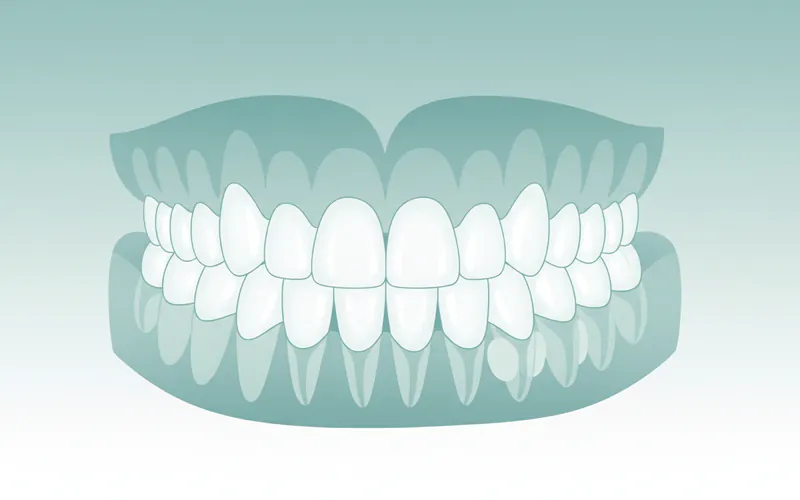
Primary teeth, often called "baby teeth" or "deciduous teeth," are the first set of teeth that humans develop. There are typically 20 primary teeth in total: 10 in the upper jaw (maxilla) and 10 in the lower jaw (mandible). The primary tooth eruption sequence refers to the predictable order and approximate age ranges at which these teeth emerge through the gums into the oral cavity. This process is a crucial part of a child's early development, impacting everything from nutrition and speech development to the proper alignment and spacing of future permanent teeth.
Each primary tooth has a specific role:
- Incisors (central and lateral): Located at the front of the mouth, these eight teeth are sharp and used for biting and cutting food.
- Canines (cuspids): These four pointed teeth sit next to the incisors and are used for tearing food.
- Molars (first and second): The eight broad, flat teeth at the back of the mouth are used for grinding and crushing food.
The eruption of these teeth is not random; it follows a generally consistent pattern, which provides a roadmap for parents and pediatric dentists to monitor a child's development. While there are average timelines, individual variations are common and usually nothing to worry about.
Types and Variations in Tooth Eruption Patterns
While a typical primary tooth eruption sequence is well-established, there are several variations and factors that can influence the timing and pattern of tooth emergence. Understanding these can help parents differentiate between normal deviations and potential concerns.
Normal Variations
- Timing: The most common variation is in the exact timing of eruption. Some infants may get their first tooth as early as 3 months, while others may not see any teeth until 12-14 months. Both scenarios can be perfectly normal. The average range for the first tooth is between 6 and 10 months.
- Order: While there is a typical sequence, minor deviations in the order of eruption can occur. For example, some children might get their upper central incisors before their lower ones, though the reverse is more common.
- Symmetry: Teeth usually erupt in pairs (e.g., both lower central incisors, then both upper central incisors). However, one tooth in a pair might emerge a few weeks or even months before its counterpart.
Factors Influencing Eruption
Several factors can influence tooth eruption patterns:
- Genetics: A child's tooth eruption timing often mirrors that of their parents or siblings. If parents had early or late teeth, their children might too.
- Gender: Girls sometimes tend to erupt teeth slightly earlier than boys, though this difference is generally negligible.
- Nutrition: Severe nutritional deficiencies, particularly calcium and Vitamin D, can theoretically delay tooth eruption, though this is rare in well-nourished populations in the US.
- Prematurity and Low Birth Weight: Infants born prematurely or with low birth weight may experience delays in tooth eruption.
- Systemic Conditions: Certain medical conditions, such as hypopituitarism, hypothyroidism, Down syndrome, or rickets, can lead to significantly delayed tooth eruption.
- Local Factors: Less commonly, local factors like thick gum tissue or dental cysts can impede eruption.
Pro Tip: If your child hasn't erupted their first tooth by 18 months of age, or if there's a significant asymmetry (e.g., one tooth erupts but its twin on the other side doesn't appear after several months), it's advisable to consult with a pediatric dentist.
Causes: Why Primary Teeth Erupt
The eruption of primary teeth is a complex biological process driven by several interconnected mechanisms. While the exact trigger isn't fully understood, current scientific understanding points to a combination of cellular and molecular events occurring within the jawbones.
At its core, tooth eruption involves a precise balance of bone resorption and bone deposition:
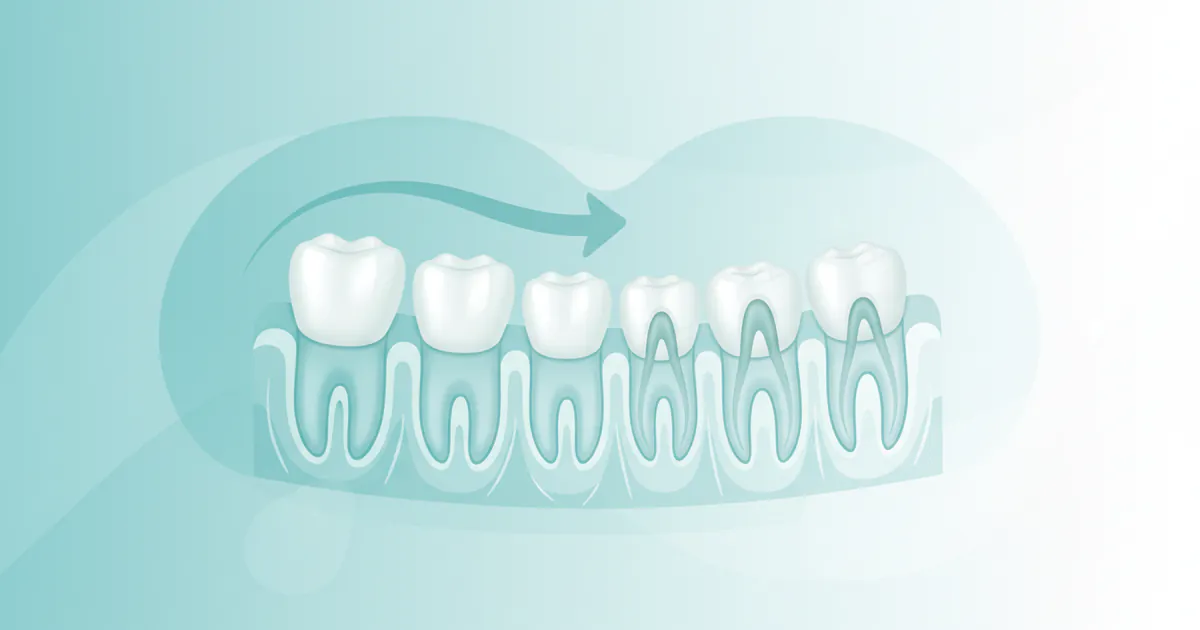
- Follicular Growth and Movement: Each tooth develops within a dental follicle (a sac-like structure) embedded in the jawbone. As the tooth crown forms and the root begins to develop, the follicle grows and slowly moves the tooth toward the surface of the gum.
- Bone Resorption: Specialized cells called osteoclasts are activated in the bone above the developing tooth. These cells gradually break down and remove the bone tissue, creating a path for the tooth to erupt. This process is often described as the bone "melting away" in front of the emerging tooth.
- Bone Deposition: Simultaneously, bone is deposited around the developing root, pushing the tooth upwards.
- Periodontal Ligament Formation: As the tooth moves, the periodontal ligament, a specialized connective tissue that anchors the tooth to the jawbone, begins to form and mature. This ligament helps guide the tooth and provides support once it's fully erupted.
The exact forces that initiate and sustain this movement are still an area of research, but theories include:
- Root Elongation: The growth of the tooth root is thought to exert pressure, pushing the crown upwards.
- Bone Remodeling: The coordinated activity of osteoclasts (resorption) and osteoblasts (deposition) precisely remodels the bone, clearing a path and propelling the tooth.
- Hydrostatic Pressure: Changes in fluid pressure within the dental follicle may contribute to the eruptive force.
- Periodontal Ligament Traction: As the periodontal ligament fibers mature, they may contract, pulling the tooth towards the oral cavity.
This intricate dance of cellular activity ensures that teeth emerge at the right time and in the correct position to form a functional dentition.
Signs and Symptoms of Teething
Teething, the process of teeth cutting through the gums, can be a challenging time for infants and their parents. While some babies sail through teething with minimal discomfort, others experience a range of noticeable signs and symptoms. It's important to remember that these symptoms are typically mild and localized.
Common signs and symptoms include:
- Increased Drooling: One of the earliest and most common signs. Babies produce more saliva, which can lead to a rash around the mouth and chin.
- Irritability and Fussiness: Your usually happy baby might become unusually irritable, crying more often, especially at night.
- Swollen, Tender Gums: The gums around the erupting tooth may appear red, swollen, or bruised. Touching them might elicit a cry.
- Gnawing and Biting: Babies will often try to chew on anything they can get their hands on—toys, fingers, clothes—to relieve pressure on their gums.
- Trouble Sleeping: Discomfort can make it difficult for babies to fall asleep or stay asleep.
- Refusal to Eat: Some babies might refuse bottles or solid foods due to sore gums.
- Ear Pulling or Cheek Rubbing: The pain from erupting molars can sometimes radiate to the ears or cheeks, causing babies to rub or pull at these areas.
- Mild Fever: A slightly elevated temperature (usually below 101°F or 38.3°C) can be associated with teething. It's crucial to understand that high fevers (above 101°F/38.3°C) are generally not caused by teething and warrant a call to your pediatrician.
- Loose Stools/Diaper Rash: While commonly associated with teething, these are likely due to increased drooling leading to softer stools or may be coincidental and require medical evaluation if severe.
It's essential for parents to distinguish between normal teething symptoms and signs of illness. If your child exhibits severe symptoms, a high fever, vomiting, diarrhea, or appears unusually ill, contact your pediatrician immediately.
Treatment Options for Teething Discomfort
Managing teething discomfort focuses on alleviating symptoms rather than "treating" the eruption process itself. Several safe and effective strategies can help soothe your baby during this period.
Home Remedies and OTC Options
-
Cold Objects:
- Description: Applying gentle cold pressure to the gums can numb the area and reduce swelling.
- Pros: Safe, easy, and often very effective.
- Cons: Needs to be cleaned regularly; avoid freezing solid items that could cause frostbite or injury.
- Specifics: Chilled (not frozen) teething rings, wet washcloths, or even a chilled spoon. Make sure items are appropriately sized and supervised to prevent choking hazards.
-
Gum Massage:
- Description: Gently rubbing your baby's gums with a clean finger.
- Pros: Provides counter-pressure and can be very comforting.
- Cons: Requires clean hands; some babies may resist.
-
Solid Foods (for older babies):
- Description: Offering age-appropriate, firm foods for gnawing.
- Pros: Can provide relief through pressure.
- Cons: Choking hazard risk; always supervise.
- Specifics: Firm vegetables like peeled cucumber or carrot sticks (ensure they are large enough not to be swallowed whole), or baby rusks (watch for sugar content).
-
Over-the-Counter Pain Relievers:
- Description: Oral medications to reduce pain and inflammation.
- Pros: Can provide significant relief, especially for discomfort affecting sleep.
- Cons: Must be dosed precisely according to weight and age; consult your pediatrician before administering.
- Specifics: Infant acetaminophen (e.g., Tylenol) or infant ibuprofen (e.g., Motrin, Advil) are common choices. Never use aspirin for children due to the risk of Reye's syndrome.
Options to Avoid (ADA and FDA Recommendations)
The American Dental Association (ADA) and the Food and Drug Administration (FDA) advise against several common teething remedies due to safety concerns:
- Topical Anesthetic Gels (containing Benzocaine):
- Reason to Avoid: The FDA warns against benzocaine products for children under 2 years old due to the risk of methemoglobinemia, a serious blood disorder. Even for older children, they offer only temporary, superficial relief and can numb the throat, potentially interfering with swallowing.
- Homeopathic Teething Tablets/Gels:
- Reason to Avoid: The FDA has issued warnings about inconsistencies in the amount of active ingredients (like belladonna) in some products, leading to adverse events. They are not proven effective or safe.
- Amber Teething Necklaces/Bracelets:
- Reason to Avoid: These pose serious choking and strangulation hazards for infants and young children. There is no scientific evidence to support claims that they release succinic acid to reduce pain. The ADA strongly recommends against their use.
- Solid Frozen Items:
- Reason to Avoid: Items frozen solid can be too hard and potentially damage delicate gum tissue.
Pro Tip: Always supervise your child closely when they are using teething aids. Ensure the item is clean, appropriately sized, and doesn't pose a choking or injury risk.
Step-by-Step Primary Tooth Eruption Sequence
The eruption of primary teeth generally follows a predictable pattern, though the exact timing can vary. This "step-by-step process" outlines the typical sequence and average age ranges for each type of tooth. It's helpful for parents to keep this in mind as their child develops.
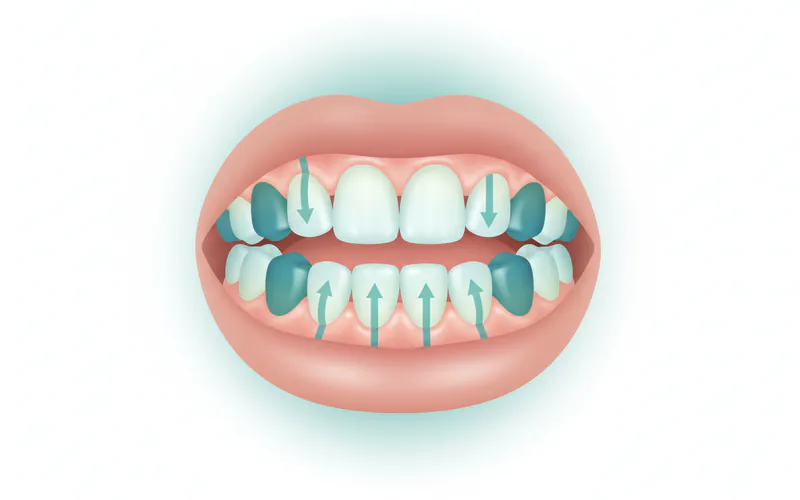
Phase 1: Incisors (6-16 months)
These are the first teeth to emerge, primarily for biting and cutting food.
- Mandibular Central Incisors (Lower Front Teeth):
- Typical Age: 6-10 months (often the very first teeth)
- Number: 2 teeth
- Maxillary Central Incisors (Upper Front Teeth):
- Typical Age: 8-12 months
- Number: 2 teeth
- Maxillary Lateral Incisors (Upper Side Teeth):
- Typical Age: 9-13 months
- Number: 2 teeth
- Mandibular Lateral Incisors (Lower Side Teeth):
- Typical Age: 10-16 months
- Number: 2 teeth
At the end of this phase, children usually have 8 incisors, allowing them to bite into many soft foods.
Phase 2: First Molars (13-19 months)
The first set of grinding teeth appear, which are crucial for chewing more substantial foods. 5. Maxillary First Molars (Upper Back Teeth): * Typical Age: 13-19 months * Number: 2 teeth 6. Mandibular First Molars (Lower Back Teeth): * Typical Age: 14-18 months * Number: 2 teeth
With the first molars, children can begin to manage a wider variety of textures and solids.
Phase 3: Canines (16-23 months)
The pointy canines, used for tearing food, fill in the gaps between the incisors and molars. 7. Maxillary Canines (Upper Eye Teeth): * Typical Age: 16-22 months * Number: 2 teeth 8. Mandibular Canines (Lower Eye Teeth): * Typical Age: 17-23 months * Number: 2 teeth
Phase 4: Second Molars (23-33 months)
The final primary teeth to erupt are the second molars, providing a full complement of grinding surfaces. 9. Mandibular Second Molars (Lower Rear Back Teeth): * Typical Age: 23-31 months * Number: 2 teeth 10. Maxillary Second Molars (Upper Rear Back Teeth): * Typical Age: 25-33 months * Number: 2 teeth
By roughly 2.5 to 3 years of age, most children will have all 20 primary teeth.
Here's a summary table for quick reference:
| Primary Tooth Type | Typical Eruption Age Range (Average) | Number of Teeth | Function |
|---|---|---|---|
| Lower Central Incisors | 6-10 months (8 months) | 2 | Biting/Cutting |
| Upper Central Incisors | 8-12 months (10 months) | 2 | Biting/Cutting |
| Upper Lateral Incisors | 9-13 months (11 months) | 2 | Biting/Cutting |
| Lower Lateral Incisors | 10-16 months (13 months) | 2 | Biting/Cutting |
| Upper First Molars | 13-19 months (16 months) | 2 | Grinding/Chewing |
| Lower First Molars | 14-18 months (16 months) | 2 | Grinding/Chewing |
| Upper Canines | 16-22 months (18 months) | 2 | Tearing |
| Lower Canines | 17-23 months (19 months) | 2 | Tearing |
| Lower Second Molars | 23-31 months (27 months) | 2 | Grinding/Chewing |
| Upper Second Molars | 25-33 months (29 months) | 2 | Grinding/Chewing |
| TOTAL | ~6-33 months | 20 |
Cost and Insurance Considerations for Infant Oral Care
While the eruption process itself doesn't incur direct costs, the associated care, from teething remedies to routine dental visits, does. Understanding these potential expenses and insurance coverage is important for parents.
Teething Remedies
Most teething remedies are relatively inexpensive:
- Teething Rings/Toys: $5 - $25 (depending on brand, material, and complexity)
- Chilled Washcloths: Virtually free
- Infant Acetaminophen/Ibuprofen: $5 - $15 for a bottle, lasts for many doses.
- Dental Wipes/Baby Toothbrushes: $5 - $15 for a pack or single brush.
First Dental Visit (Recommended by Age One)
The ADA recommends a child's first dental visit by their first birthday or within six months of the first tooth's eruption, whichever comes first. This initial visit is crucial for establishing a "dental home" and monitoring the primary tooth eruption sequence.
- Average Cost (without insurance):
- Low Range: $75 - $150 (basic exam, cleaning, fluoride application in some areas)
- Mid Range: $150 - $250 (more comprehensive exam, cleaning, fluoride, possibly X-rays if needed)
- High Range: $250 - $400+ (in higher cost-of-living areas or if specialized services are required)
Insurance Coverage
- Private Dental Insurance: Many private dental plans, especially those purchased through employers, include pediatric dental benefits as part of the Affordable Care Act (ACA) essential health benefits. These often cover 100% of preventive services (exams, cleanings, fluoride) for children.
- Medicaid/CHIP: For eligible low-income families, Medicaid and the Children's Health Insurance Program (CHIP) provide comprehensive dental coverage for children, usually covering preventive, routine, and even some extensive treatments.
- No Insurance: If you don't have dental insurance, inquire about payment plans or cash discounts. Many pediatric dental offices offer these. Some dental schools or community dental clinics also provide lower-cost care.
Pro Tip: Always verify your specific dental benefits with your insurance provider before your child's first appointment. Ask the dental office for an estimated cost breakdown.
Recovery and Aftercare: Post-Eruption Oral Hygiene
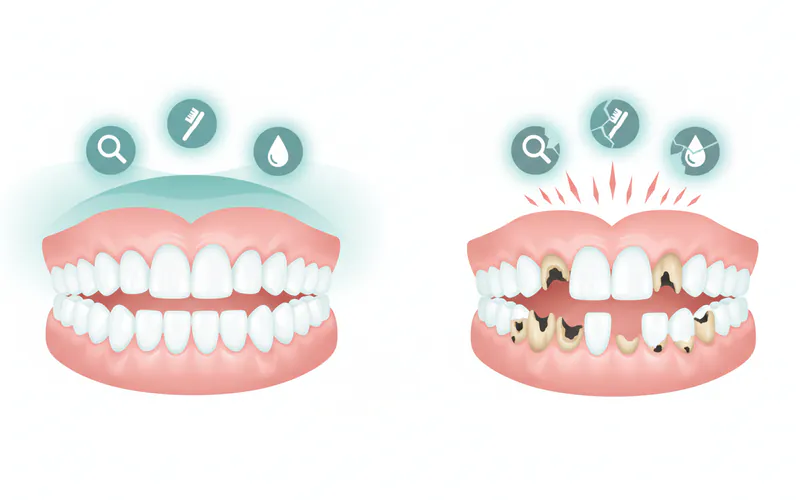
Once a primary tooth erupts, the focus shifts from managing teething discomfort to establishing good oral hygiene practices. Proper aftercare is vital for preventing early childhood caries (cavities) and setting the stage for lifelong dental health.
Immediate Aftercare During Eruption
- Continue Teething Comfort Measures: Even after a tooth has broken through, the surrounding gum tissue may still be sensitive for a few days. Continue using cold compresses or gentle gum massage as needed.
- Wipe Drool: Increased drooling can cause skin irritation. Gently wipe your baby's chin with a soft cloth to keep it dry and prevent rashes.
Establishing Oral Hygiene
The moment the first tooth appears, it's time to start cleaning it.
- Cleaning Frequency: Aim to clean your child's teeth at least twice a day, ideally after breakfast and before bedtime.
- Cleaning Tools:
- 0-12 months (First tooth to several teeth): A soft, damp gauze pad, a silicone finger brush, or an infant toothbrush with a small head and soft bristles.
- 12-24 months (More teeth erupting): Transition to a soft-bristled, child-sized toothbrush.
- Toothpaste:
- Birth to first tooth: No toothpaste needed, just water.
- First tooth eruption to age 3: Use a tiny smear of fluoride toothpaste (the size of a grain of rice).
- Ages 3-6: Use a pea-sized amount of fluoride toothpaste.
- Why Fluoride? Fluoride helps strengthen tooth enamel and prevent cavities, even in baby teeth. The ADA strongly recommends fluoride toothpaste from the first tooth.
- Brushing Technique:
- Gently brush all surfaces of the tooth/teeth.
- Focus on the gum line.
- Make it a positive experience – sing songs, make it a game.
- Flossing: Once two teeth touch, begin flossing daily. You can use child-friendly floss picks.
Dietary Considerations
- Limit Sugary Drinks and Foods: Avoid putting your baby to bed with a bottle containing milk, formula, juice, or any sugary liquid. This can lead to "bottle rot" or early childhood caries. Water is the only safe bedtime drink.
- Healthy Snacking: Offer nutritious snacks like fruits, vegetables, and cheeses, which are beneficial for overall health and dental development.
- Water Between Meals: Encourage water consumption between meals to help rinse food particles and neutralize acids.
Pro Tip: Make brushing a family activity. Children learn by imitation, and seeing parents brush their teeth can encourage them to adopt the habit.
Prevention of Dental Issues During Eruption
Preventing dental issues starts even before the first tooth erupts and continues throughout the primary tooth eruption sequence. The goal is to establish a strong foundation for lifelong oral health.
-
Early Oral Hygiene Habits:
- Wipe Gums: Even before teeth appear, gently wipe your baby's gums with a soft, damp cloth or gauze pad after feedings. This removes milk residue and bacteria, preparing the mouth for teeth.
- First Tooth, First Brush: As soon as the first tooth erupts, begin brushing twice daily with a rice-grain-sized amount of fluoride toothpaste.
-
Establish a Dental Home:
- First Dental Visit by Age One: As recommended by the ADA and American Academy of Pediatric Dentistry (AAPD), schedule your child's first dental visit by their first birthday or within six months of the first tooth erupting. This allows the pediatric dentist to monitor the primary tooth eruption sequence, assess oral health, provide preventive care, and educate parents.
-
Smart Feeding Practices:
- Avoid "Baby Bottle Tooth Decay": Never put your baby to bed with a bottle containing milk, formula, juice, or any sugary liquid. The sugars bathe the teeth for prolonged periods, leading to severe decay. If a bottle is needed for comfort, fill it with water.
- Limit Sugary Drinks and Snacks: Introduce healthy eating habits early. Reserve sugary treats for special occasions and offer them with meals, rather than as standalone snacks, to reduce exposure time.
- Sippy Cup Transition: Transition from a bottle to a sippy cup around 12-14 months of age. Avoid prolonged use of sippy cups filled with sugary drinks.
-
Fluoride Protection:
- Fluoridated Water: If your community water supply is fluoridated, it's a simple and effective way to protect your child's teeth.
- Fluoride Toothpaste: Use age-appropriate amounts of fluoride toothpaste as soon as the first tooth erupts.
- Fluoride Varnishes: Your pediatric dentist may apply fluoride varnish during routine check-ups for extra protection against cavities.
-
Monitor Teething Symptoms:
- Be aware of normal teething signs, but also know when to seek professional advice for unusual or severe symptoms.
- Avoid unproven or dangerous teething remedies (e.g., benzocaine gels, homeopathic tablets, amber necklaces).
By being proactive and following these preventive measures, parents can significantly reduce the risk of dental problems during the crucial period of primary tooth eruption and beyond.
Risks and Complications During Primary Tooth Eruption
While primary tooth eruption is a natural developmental process, certain issues and complications can arise. Awareness of these potential problems allows for timely intervention by a dental professional.
-
Delayed Eruption (Primary Eruption Failure):
- Description: When teeth do not erupt within the expected age range (e.g., no teeth by 18 months, or a significant delay compared to symmetrical teeth).
- Causes: Often genetic, but can be due to systemic conditions (e.g., hypothyroidism, Down syndrome), nutritional deficiencies, or local obstructions (thick gum tissue, cysts).
- Intervention: A pediatric dentist will evaluate with X-rays to determine the presence and position of the teeth and recommend appropriate management.
-
Ectopic Eruption:
- Description: A tooth erupts in an abnormal position or angulation.
- Causes: Genetic factors, space issues in the jaw, or trauma.
- Intervention: Depending on severity, it may self-correct, or require minor orthodontic intervention or extraction if it impacts adjacent teeth or future permanent teeth.
-
Natal and Neonatal Teeth:
- Description: Natal teeth are present at birth; neonatal teeth erupt within the first 30 days of life. These are usually lower central incisors.
- Concerns: Can be loose, causing feeding difficulties for the baby and irritation for the mother during breastfeeding. There's also a risk of aspiration if the tooth comes loose.
- Intervention: Often require extraction if very loose, sharp, or causing problems.
-
Eruption Cysts (Eruption Hematoma):
- Description: A soft, fluid-filled swelling that appears on the gum over an erupting tooth. It may be clear, bluish, or purplish if blood is present (hematoma).
- Causes: Trauma to the gum tissue during eruption, or fluid accumulation in the dental follicle.
- Intervention: Typically harmless and resolves on its own as the tooth erupts. Rarely, minor surgical intervention is needed if it's very large, painful, or hindering eruption.
-
Ankylosis:
- Description: The root of a primary tooth fuses directly to the jawbone, preventing its natural exfoliation (shedding) and the eruption of the permanent tooth.
- Causes: Unknown, possibly genetic or localized trauma.
- Concerns: Can lead to space loss and impaction of the permanent tooth.
- Intervention: Often requires extraction of the primary tooth to allow the permanent tooth to erupt.
-
Hypodontia (Missing Teeth) / Supernumerary Teeth (Extra Teeth):
- Description: Hypodontia is the congenital absence of one or more teeth. Supernumerary teeth are extra teeth. Both can affect primary or permanent dentition.
- Concerns: Can lead to spacing issues, malocclusion, or impact the eruption of other teeth.
- Intervention: Diagnosis often requires dental X-rays. Treatment depends on the specific situation and may involve monitoring, space maintainers, or extraction.
-
Early Childhood Caries (ECC):
- Description: Cavities in primary teeth, often severe, affecting multiple teeth.
- Causes: Primarily frequent and prolonged exposure to sugary liquids (e.g., "baby bottle tooth decay"), combined with poor oral hygiene.
- Concerns: Pain, infection, difficulty eating, speech problems, and potential negative impact on the developing permanent teeth.
- Intervention: Early detection through regular dental visits is key. Treatment ranges from fillings to extractions.
Pro Tip: Regular check-ups with a pediatric dentist are crucial for monitoring the primary tooth eruption sequence and detecting any potential complications early, allowing for timely and effective management.
Children / Pediatric Considerations
For infants and young children, the primary tooth eruption sequence is a pivotal developmental stage. Pediatric dentistry is uniquely focused on addressing the specific needs of this age group, from the first tooth onward.
The Importance of the First Dental Visit
The American Academy of Pediatric Dentistry (AAPD) and the ADA recommend that a child's first dental visit occur by age one, or within six months of the first tooth's eruption. This "well-baby" dental check-up is foundational for several reasons:
- Anticipatory Guidance: The pediatric dentist provides parents with crucial information about the eruption sequence, proper oral hygiene techniques, fluoride use, diet, and habits (like pacifier use or thumb-sucking).
- Early Detection and Prevention: It allows for early detection of potential issues like early childhood caries, developmental anomalies, or unusual tooth eruption patterns. Preventive measures, such as fluoride varnish applications, can be started.
- Familiarization: It helps acclimate the child to the dental environment, reducing anxiety for future visits.
- Risk Assessment: The dentist assesses the child's individual risk for developing dental problems and tailors advice accordingly.
Oral Hygiene for Infants and Toddlers
- From Birth: Even before teeth appear, gently clean your baby's gums with a soft, damp cloth after feedings to remove bacteria.
- First Tooth: Begin brushing twice daily with a grain-of-rice sized smear of fluoride toothpaste.
- Age 3: Increase to a pea-sized amount of fluoride toothpaste.
- Supervision: Always supervise brushing until children are at least 7-8 years old to ensure they are using the correct amount of toothpaste and brushing effectively.
Pacifier Use and Thumb Sucking
- Dental Impact: Prolonged use of pacifiers or thumb-sucking beyond age 2-4 can affect the alignment of the erupting primary teeth and the development of the jaws, potentially leading to orthodontic issues later.
- Guidance: Pediatric dentists can provide guidance on when and how to help children discontinue these habits.
Pediatric Dentist Expertise
Pediatric dentists have undergone additional specialized training (typically two to three years beyond dental school) to cater to the unique needs of children, including those with special healthcare needs. They are experts in:
- Understanding child development and behavior.
- Managing dental anxiety in children.
- Preventive strategies specifically for primary teeth.
- Diagnosing and treating issues related to the primary tooth eruption sequence.
Choosing a pediatric dentist for your child ensures they receive care from a professional who understands the nuances of children's oral health from infancy through adolescence.
Cost Breakdown for Pediatric Dental Care
Understanding the financial aspects of pediatric dental care is essential for parents in the US. Costs can vary significantly based on location, the dentist's fees, and whether you have dental insurance.
Average US Costs for Common Pediatric Dental Services (Without Insurance)
| Service | Low Range | Mid Range | High Range | Notes |
|---|---|---|---|---|
| First Dental Exam (by Age One) | $75 | $150 | $250 | Includes examination, cleaning, fluoride varnish, and parent education. Some practices offer discounted introductory rates. |
| Routine Check-up & Cleaning | $80 | $180 | $300 | For subsequent visits (every 6 months), includes exam, cleaning, fluoride. |
| Dental X-rays (Bitewings/Periapical) | $30 | $70 | $120 | May be needed annually or as required to check for decay or monitor eruption patterns. |
| Fluoride Varnish Application | $25 | $50 | $75 | Often included with cleanings; standalone cost if additional applications are needed. |
| Dental Sealants (per tooth) | $40 | $70 | $100 | Applied to molars to prevent cavities, typically when permanent molars erupt but can be used on primary molars if deep grooves. |
| Filling (Amalgam, primary tooth) | $90 | $170 | $250 | For basic cavity repair. |
| Filling (Composite/White, primary tooth) | $120 | $250 | $400 | For tooth-colored fillings, often preferred for aesthetics. |
| Pulpotomy ("Baby Root Canal") | $250 | $450 | $600 | When decay reaches the pulp; often followed by a crown. |
| Stainless Steel Crown (SSC) | $300 | $550 | $750 | For severely decayed or fractured primary molars after a pulpotomy. |
| Primary Tooth Extraction | $100 | $250 | $400 | For non-restorable teeth or specific complications like ankylosis. |
With vs. Without Insurance
- With Insurance: Most pediatric dental insurance plans (especially under the ACA) cover 100% of preventive services (exams, cleanings, fluoride) for children. Basic restorative procedures like fillings might be covered at 70-80%, while major procedures (crowns, extractions) could be 50% or less. You'll likely have a deductible and/or co-pays.
- Without Insurance: You will be responsible for the full cost. Many dental offices offer a discount for cash payments (often 5-15%) if paid at the time of service.
Payment Plans and Financing Options
- In-Office Payment Plans: Some pediatric dental practices offer in-house payment plans, allowing you to pay for services over several months, usually interest-free.
- Third-Party Financing (e.g., CareCredit): These medical credit cards offer special financing options, often with deferred interest if the balance is paid within a specified promotional period (e.g., 6, 12, or 18 months).
- Flexible Spending Accounts (FSAs) / Health Savings Accounts (HSAs): If you have an FSA or HSA through your employer, you can use these tax-advantaged accounts to pay for qualified dental expenses.
Cost-Saving Tips
- Preventive Care is Key: Regular cleanings and good home hygiene are the best ways to avoid costly restorative procedures.
- Shop Around: Call different pediatric dental offices in your area to inquire about their fees for common services, especially for the first visit.
- Community Dental Clinics / Dental Schools: These often offer services at a reduced cost compared to private practices.
- Check for State Programs: Investigate if your state has programs like Medicaid or CHIP, which provide comprehensive dental benefits for eligible children.
- Dental Discount Plans: These are not insurance but offer a percentage discount on services from participating dentists for an annual membership fee.
Frequently Asked Questions
When should I expect my baby's first tooth to come in?
Most babies get their first primary tooth, usually a lower central incisor, between 6 and 10 months of age. However, this can vary widely, with some babies getting teeth as early as 3 months and others not until 12-14 months, which is still considered normal.
Is it normal for my baby to have a fever during teething?
A mild elevation in temperature (usually below 101°F or 38.3°C) can be associated with teething. However, a high fever (above 101°F/38.3°C), vomiting, or diarrhea are generally not caused by teething and warrant a call to your pediatrician as they could indicate an underlying illness.
What is the typical primary tooth eruption sequence?
The general sequence starts with the lower central incisors (6-10 months), followed by upper central incisors (8-12 months), then lateral incisors, first molars, canines, and finally second molars (up to 33 months). Most children have all 20 primary teeth by 2.5 to 3 years old.
What can I do to help my baby with teething pain?
You can offer cold (not frozen) teething rings, a chilled wet washcloth, or gently massage their gums with a clean finger. For more significant discomfort, infant acetaminophen or ibuprofen (consult your pediatrician for proper dosage) can be used. Avoid benzocaine gels, homeopathic tablets, and amber necklaces.
My child is over one year old and has no teeth. Should I be worried?
While most children have their first tooth by one year, some can be later. If your child has no teeth by 18 months, or if there's a significant delay (e.g., more than a 6-month delay for symmetrical teeth), it's advisable to consult with a pediatric dentist. They can take X-rays to check for the presence of teeth.
Are there any risks or complications associated with tooth eruption?
Yes, though uncommon. Complications can include delayed eruption, ectopic (abnormal position) eruption, eruption cysts, or very rare cases of natal/neonatal teeth (teeth present at birth or erupting shortly after). Regular dental check-ups can identify and manage these issues.
When should I start brushing my baby's teeth?
Start brushing as soon as the first primary tooth erupts. Use a soft infant toothbrush or a clean, damp cloth with a tiny smear (grain of rice size) of fluoride toothpaste, twice a day.
How much does a child's first dental visit cost without insurance?
The cost for a child's first dental visit typically ranges from $75 to $250 without insurance, varying by region and the comprehensiveness of the visit. It usually includes an exam, cleaning, fluoride application, and parental education.
Does dental insurance cover primary tooth eruption concerns?
Most dental insurance plans, especially those under the Affordable Care Act, provide good coverage for children's preventive services like exams and cleanings. If complications arise during eruption, coverage for X-rays, minor procedures, or extractions would depend on your specific plan's restorative benefits, typically 50-80%.
Can teething cause diarrhea or a severe rash?
While some parents report loose stools or mild diaper rash during teething, there's no strong scientific evidence to directly link them. Increased drooling might lead to softer stools, but severe diarrhea or significant rashes are more likely indicative of an unrelated illness and should be evaluated by a pediatrician.
When to See a Dentist
While the primary tooth eruption sequence is a natural process, there are specific instances when professional dental advice is warranted. Early intervention can prevent minor issues from becoming more significant problems.
Routine Care Guidance
- First Dental Visit by Age One: This is the most crucial benchmark. The ADA and AAPD recommend your child's first dental appointment by their first birthday or within six months of the first tooth's eruption. This establishes a "dental home" for ongoing care and preventive education.
- Routine Check-ups Every 6 Months: After the initial visit, schedule regular check-ups every six months or as recommended by your pediatric dentist. These visits are vital for monitoring the tooth eruption patterns, checking for cavities, and reinforcing good oral hygiene habits.
Red Flags Requiring a Scheduled Appointment
- No Teeth by 18 Months: If your child has no teeth by 18 months of age, it's time for a dental evaluation to ensure teeth are developing beneath the gums.
- Significant Asymmetry in Eruption: If a tooth erupts but its corresponding tooth on the opposite side of the mouth (e.g., one lower central incisor) does not appear within 3-6 months, a dental visit is recommended.
- Unusual Eruption Pattern: If teeth appear to be erupting in a significantly different order than the typical primary tooth eruption sequence, it's worth discussing with your dentist.
- Signs of Early Childhood Caries (ECC): White spots, brown spots, or holes on the teeth are signs of decay and need immediate dental attention.
- Concerns about Jaw/Bite Development: If you notice anything unusual about your child's bite or jaw alignment as teeth erupt, consult a pediatric dentist.
- Prolonged Thumb Sucking or Pacifier Use Beyond Age 2-4: Discuss the potential impact on tooth and jaw development with your dentist.
Warning Signs Needing Immediate Attention (Emergency vs. Urgent)
- High Fever (above 101°F/38.3°C): As mentioned, high fevers are generally not caused by teething. If accompanied by other concerning symptoms, contact your pediatrician first, then your dentist if dental origin is suspected.
- Severe Swelling and Redness of Gums: While mild gum swelling is normal, severe, rapidly spreading swelling, especially if accompanied by pus or a fever, could indicate an infection (e.g., an abscess) and requires urgent dental attention.
- Loose or Injured Primary Teeth: Any trauma to primary teeth (e.g., from a fall) should be evaluated by a dentist promptly to check for damage to the tooth or surrounding structures.
- Pain that is Unmanageable: If your child is in severe pain that doesn't respond to typical teething remedies and persists, seek professional advice.
- Natal or Neonatal Teeth Causing Issues: If teeth present at birth or erupting shortly after are very loose, sharp, or interfering with feeding, an urgent dental assessment is needed.
Trust your parental instincts. If you have any concerns about your child's primary tooth eruption sequence or overall oral health, don't hesitate to contact a pediatric dentist. They are your best resource for guiding your child towards a lifetime of healthy smiles.
Frequently Asked Questions
Medically Reviewed Content
This article was written by our dental health editorial team and reviewed for medical accuracy. Our content follows strict editorial guidelines for reliability and trustworthiness.
Medical Disclaimer
This article is for informational purposes only and does not constitute medical advice. Always consult with a qualified dental professional for diagnosis and treatment. Do not delay seeking professional advice because of something you read on this website.
Related Articles
Tooth Eruption Order: Complete Guide
The journey of human teeth, from their initial emergence in infancy to the arrival of wisdom teeth in young adulthood, is a fascinating and crucial aspect of our overall health. Understanding the tooth eruption order is not just a matter of curiosity; it's a vital piece of knowledge that empower
February 23, 2026
Canine Tooth Eruption: Complete Guide
Have you ever wondered about the complex process that brings your teeth into alignment, especially the prominent, pointed teeth known as canines? While often overshadowed by discussions of wisdom teeth or incisors, the canine tooth eruption process is a critical stage in your oral development, d
February 23, 2026
Permanent Tooth Eruption Sequence: Complete Guide
Welcome to SmilePedia.net, your trusted resource for comprehensive dental health information. The journey of your permanent teeth emerging into your mouth, known as the permanent tooth eruption sequence, is a fundamental aspect of oral development. Did you know that while primary (baby) teeth ty
February 23, 2026
Adult Tooth Eruption: Complete Guide
Have you ever wondered about the complex process that brings your permanent teeth into your mouth, or perhaps why some teeth never fully emerge? For many adults, the eruption of permanent teeth, particularly wisdom teeth, can be a source of significant discomfort, confusion, or even serious dental p
February 23, 2026