Tooth Eruption Sequence: Complete Guide
Key Takeaways
- Have you ever wondered about the intricate journey a tooth takes from its hidden beginnings within your jawbone to its final emergence into your mouth? From the first tiny incisor peeking through a baby's gums to the wisdom teeth making their late appearance, the tooth eruption sequence is a mar
Tooth Eruption Sequence: Complete Guide
Have you ever wondered about the intricate journey a tooth takes from its hidden beginnings within your jawbone to its final emergence into your mouth? From the first tiny incisor peeking through a baby's gums to the wisdom teeth making their late appearance, the tooth eruption sequence is a marvel of human development. This vital process not only dictates when your child will flash their first gummy smile but also significantly impacts their long-term oral health, speech development, and ability to chew properly. Understanding the typical tooth eruption stages for both primary (baby) and permanent teeth is crucial for parents and adults alike, allowing you to anticipate changes, manage discomfort, and recognize potential issues early.

This comprehensive guide from SmilePedia.net will delve deep into the fascinating world of tooth eruption. We'll explore the biological mechanisms behind this process, detail the specific timelines for different teeth, address common variations and complications, and provide practical advice for managing teething discomfort in children. Whether you're a new parent tracking your baby's milestones or an adult curious about your own dental development, you'll gain invaluable insights into this foundational aspect of oral anatomy and health. Prepare to unravel the complete journey of a tooth, from its initial formation to its functional position in your smile.
Key Takeaways:
- Primary Teeth (Baby Teeth): Typically begin erupting around 6 months of age, with all 20 teeth usually present by 2.5 to 3 years. The lower central incisors are often the first to appear.
- Permanent Teeth: Start replacing primary teeth around 6-7 years of age and continue erupting until 17-21 years for wisdom teeth, totaling 32 teeth (including wisdom teeth).
- Variations Are Normal: While there's a general sequence, individual eruption times can vary by 6-12 months without concern. Genetics, nutrition, and overall health play roles.
- Teething Management: Over-the-counter pain relievers (acetaminophen or ibuprofen), cold teething rings, and gentle gum massage are effective remedies. Avoid teething necklaces and topical anesthetics like benzocaine.
- First Dental Visit: The American Dental Association (ADA) recommends a child's first dental visit by their first birthday or within six months of the first tooth erupting to establish a "dental home" and monitor development.
- Potential Complications: Delayed eruption, premature eruption, impaction (especially wisdom teeth), ectopic eruption, or supernumerary teeth can occur, potentially requiring dental or orthodontic intervention.
- Intervention Costs: Addressing eruption issues can range from a few hundred dollars for an extraction (e.g., $150-$500 per tooth without insurance) to several thousand dollars for orthodontic treatment (e.g., $3,000-$8,000) or complex surgical procedures for impacted teeth ($250-$750 per tooth).
What It Is / Overview: The Phenomenon of Tooth Eruption
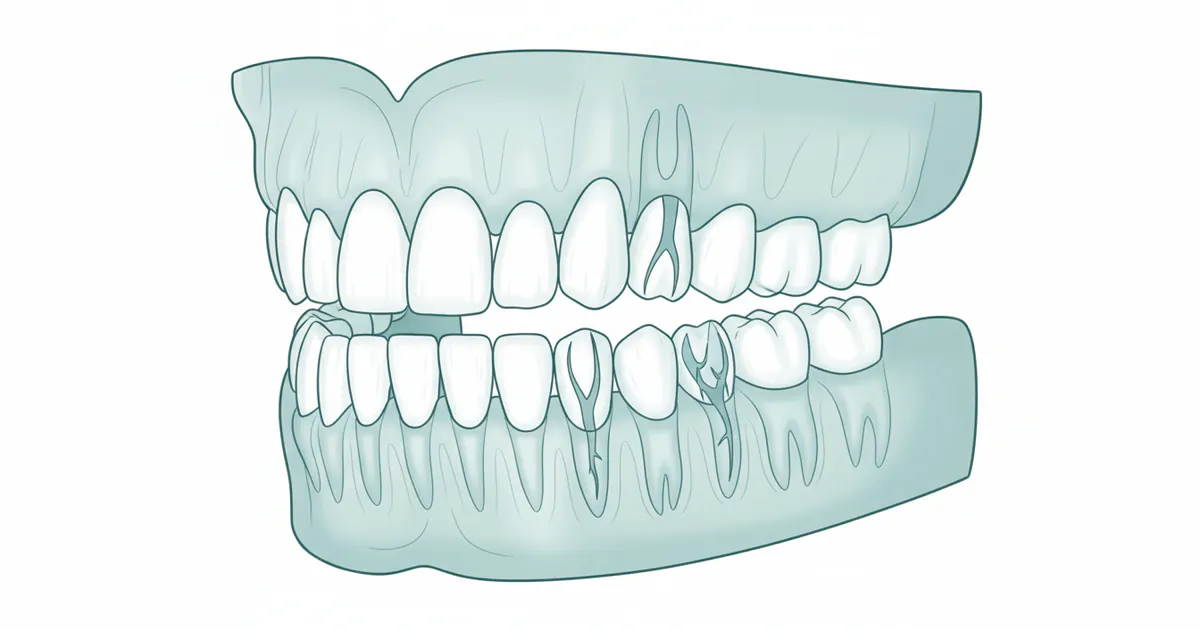
Tooth eruption is the complex biological process by which a tooth emerges from its developmental position within the jawbone, pierces through the overlying gum tissue, and moves into its functional position in the oral cavity. This incredible journey involves a series of coordinated cellular and molecular events that begin long before a tooth is visible.
Essentially, each tooth develops within a bony crypt inside the jaw. As it matures, a combination of bone resorption (breakdown) above the tooth and bone formation below its root propels it upwards. The periodontal ligament, a specialized connective tissue that surrounds the tooth root, also plays a critical role, acting like a sling to guide and support the tooth's movement.
This process is not a single, continuous push but rather a series of eruptive movements separated by periods of rest. Once the crown (the visible part of the tooth) has broken through the gum tissue – a stage known as gingival emergence – it continues to move until it makes contact with the opposing tooth in the other jaw. This final movement, known as post-emergent eruption, allows the tooth to maintain its position as the jaws grow and occlusal wear occurs.
There are two distinct phases of tooth eruption in humans:
- Primary (Deciduous) Dentition Eruption: The emergence of the first set of 20 teeth, commonly known as "baby teeth." These teeth are crucial for chewing, speech development, and maintaining space for the permanent teeth.
- Permanent (Succedaneous) Dentition Eruption: The emergence of the second, adult set of up to 32 teeth. This phase involves the exfoliation (shedding) of primary teeth, which are then replaced by their permanent successors, as well as the eruption of molars that don't replace primary teeth.
Understanding the typical tooth eruption sequence is fundamental for monitoring oral development, identifying potential anomalies, and ensuring timely dental care for both children and adults.
Types / Variations: Deciduous vs. Permanent Eruption
While the fundamental biological process of eruption is similar for both sets of teeth, their timing, number, and some characteristics differ significantly.
Primary (Deciduous) Dentition Eruption
Often called "baby teeth" or "milk teeth," these 20 teeth are essential for a child's early development. They help with chewing, facilitate clear speech, and act as natural space holders, guiding the permanent teeth into their correct positions.
General Sequence for Primary Teeth: The typical eruption sequence for primary teeth often follows a pattern, though individual variations are common.
- Lower Central Incisors: Typically the first to appear, often between 6-10 months.
- Upper Central Incisors: Follow shortly after, between 8-12 months.
- Upper Lateral Incisors: 9-13 months.
- Lower Lateral Incisors: 10-16 months.
- Upper First Molars: 13-19 months.
- Lower First Molars: 14-18 months.
- Upper Canines (Cuspids): 16-22 months.
- Lower Canines (Cuspids): 17-23 months.
- Lower Second Molars: 23-31 months.
- Upper Second Molars: 25-33 months.
By about 2.5 to 3 years of age, most children will have all 20 of their primary teeth.
Permanent (Succedaneous) Dentition Eruption
This set of up to 32 teeth (including wisdom teeth) is designed to last a lifetime. The process involves the primary teeth loosening and falling out, making way for their permanent replacements.
General Sequence for Permanent Teeth: The eruption of permanent teeth is a longer process, spanning from early childhood into young adulthood.
- First Molars (Six-Year Molars): These typically erupt behind the primary molars around 6-7 years of age and do not replace any primary teeth. They are often the first permanent teeth to emerge.
- Lower Central Incisors: Replacing primary lower central incisors around 6-7 years.
- Upper Central Incisors: Replacing primary upper central incisors around 7-8 years.
- Lower Lateral Incisors: Replacing primary lower lateral incisors around 7-8 years.
- Upper Lateral Incisors: Replacing primary upper lateral incisors around 8-9 years.
- Lower Canines (Cuspids): Replacing primary lower canines around 9-10 years.
- Upper First Premolars: Replacing primary upper first molars around 10-11 years.
- Lower First Premolars: Replacing primary lower first molars around 10-12 years.
- Upper Second Premolars: Replacing primary upper second molars around 11-12 years.
- Lower Second Premolars: Replacing primary lower second molars around 11-12 years.
- Upper Canines (Cuspids): Replacing primary upper canines around 11-12 years.
- Second Molars (Twelve-Year Molars): Erupt behind the first molars around 12-13 years.
- Third Molars (Wisdom Teeth): These are the last to erupt, typically between 17 and 21 years of age, if they erupt at all. Many people have their wisdom teeth impacted or do not develop them.
Variations in Eruption
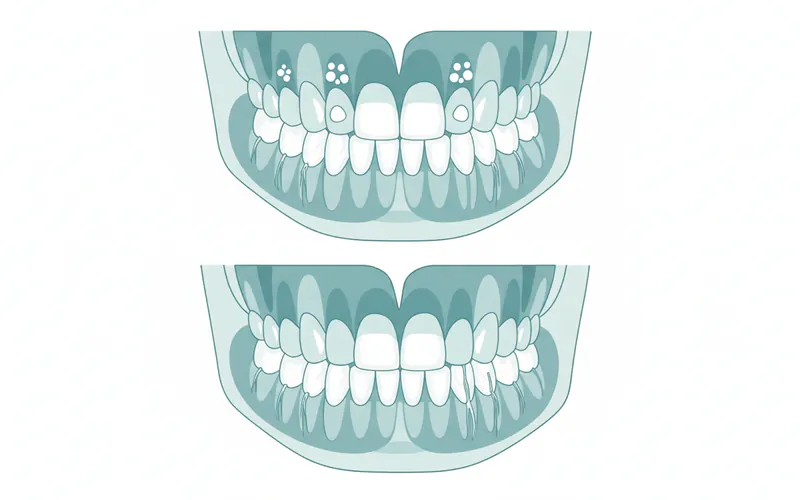
While these sequences are typical, variations are common and usually not cause for concern.
- Early Eruption: Some children may have teeth erupt several months earlier than average.
- Delayed Eruption: Similarly, eruption can be delayed by several months to a year.
- Ectopic Eruption: This occurs when a tooth erupts in an abnormal position, often due to crowding or a lack of space. The most common teeth to erupt ectopically are the maxillary first permanent molars and canines.
- Congenitally Missing Teeth: A condition where certain teeth never form (e.g., lateral incisors, second premolars, wisdom teeth are most commonly affected).
- Supernumerary Teeth: The presence of extra teeth beyond the normal count, which can interfere with the eruption of regular teeth.
- Natal/Neonatal Teeth: Rarely, babies are born with teeth (natal teeth) or develop teeth within the first month of life (neonatal teeth). These are usually primary incisors and may need to be removed if they interfere with feeding or pose a choking hazard.
Pro Tip: While timelines are helpful, remember that genetic factors play a significant role. If you had early or late eruption, your child might too. Consistent monitoring by a pediatric dentist is more important than strict adherence to age charts.
Causes / Why It Happens: The Driving Forces Behind Eruption
The exact, singular "cause" of tooth eruption is still a subject of scientific research, but it's understood to be a multifactorial process involving a complex interplay of genetic, cellular, and mechanical forces. It's not just one factor pushing the tooth up, but a symphony of biological events.
Key Contributing Factors:
- Root Formation: As the root of the tooth develops, it elongates. This growth within the confined space of the jawbone is believed to exert an upward pressure, pushing the crown towards the surface. However, eruption can occur even if root formation is incomplete, suggesting it's not the sole driver.
- Bone Remodeling: This is perhaps the most critical mechanical factor.
- Bone Resorption: Osteoclasts (bone-resorbing cells) actively break down the bone overlying the tooth crown, creating a pathway for eruption.
- Bone Deposition: Simultaneously, osteoblasts (bone-forming cells) deposit new bone at the base of the tooth socket, effectively "filling in" the space behind the erupting tooth and pushing it upwards.
- Periodontal Ligament (PDL) Traction: The PDL is a fibrous tissue that connects the tooth root to the surrounding alveolar bone. Immature fibroblasts within the PDL are thought to contract and pull the tooth towards the oral cavity. This "pulling" mechanism works in conjunction with the "pushing" from bone remodeling.
- Dental Follicle: The dental follicle is the connective tissue sac that surrounds the developing tooth germ. It plays a crucial role in regulating both bone resorption above and bone formation below the tooth, orchestrating the pathway for eruption.
- Hormonal and Genetic Factors:
- Hormones: Thyroid hormones and growth hormones are known to influence general growth and development, including tooth eruption. Deficiencies can lead to delayed eruption.
- Genetics: Family patterns often dictate eruption timing. Certain genetic syndromes can also lead to widespread eruption anomalies, such as delayed eruption (e.g., Down syndrome) or hypodontia (missing teeth).
- Local Factors:
- Space Availability: Adequate space in the jaw is essential. Crowding can hinder eruption or cause teeth to erupt ectopically.
- Presence of Primary Teeth: For permanent teeth, the timely shedding of primary teeth is crucial. If a primary tooth is retained too long, it can block the eruption of its permanent successor.
- Inflammation/Infection: Localized inflammation or infection can sometimes delay eruption or affect the quality of the developing tooth.
- Cysts/Tumors: Rarer conditions like odontogenic cysts or tumors can physically obstruct the eruption pathway.
In summary, tooth eruption is a beautifully orchestrated dance between cellular activity, bone dynamics, and genetic programming, all working in concert to bring teeth into their functional positions.
Signs and Symptoms: What to Look For
The signs and symptoms associated with tooth eruption vary significantly between primary (teething) and permanent teeth. For primary teeth, it's often accompanied by noticeable discomfort. For permanent teeth, the process is generally less symptomatic, unless complications arise.
Signs and Symptoms of Primary Tooth Eruption (Teething):
Teething can be a challenging time for both infants and parents. Symptoms typically begin a few days before the tooth breaks through and subside shortly after.
- Irritability and Fussiness: The most common sign, especially at night.
- Drooling: Excessive drooling, often leading to a rash around the mouth or chin.
- Swollen, Tender Gums: The gums around the erupting tooth may appear red, swollen, or bruised.
- Gnawing or Biting: Babies will often try to chew on anything they can get their hands on – toys, fingers, clothing – to relieve pressure.
- Reduced Appetite: May refuse food, especially solid foods, due to gum discomfort.
- Slight Increase in Temperature: While some parents report a slight fever, significant fever (above 100.4°F or 38°C) is not a normal sign of teething and usually indicates an underlying illness, requiring medical attention. The ADA confirms that teething doesn't cause fever.
- Ear Pulling/Cheek Rubbing: May occur if the discomfort radiates to the ears or jaw.
- Changes in Sleep Patterns: Discomfort can disrupt normal sleep.
- Diarrhea: Like fever, significant diarrhea is not directly caused by teething. Increased drooling can sometimes lead to looser stools, but persistent diarrhea warrants a call to your pediatrician.
Signs and Symptoms of Permanent Tooth Eruption:
For most permanent teeth, eruption is relatively uneventful. However, discomfort or issues can arise, especially with molars and wisdom teeth.
- Mild Gum Discomfort: A dull ache or tenderness in the gum area where a tooth is emerging. This is usually manageable without intervention.
- Feeling of Pressure: A sensation of pressure as the tooth pushes through.
- Temporary Gaps or Crowding: As primary teeth are shed and permanent teeth erupt, the alignment can look temporarily uneven. This usually self-corrects or is managed by orthodontic intervention if needed.
- Pericoronitis (for Wisdom Teeth): If a wisdom tooth erupts partially, a flap of gum tissue can cover part of the crown, trapping food and bacteria. This can lead to inflammation, pain, swelling, and sometimes infection (pericoronitis), which can spread to the jaw or throat. This is a common and painful complication.
- Impaction Symptoms: For impacted permanent teeth (most commonly wisdom teeth), symptoms can include:
- Pain or tenderness in the jaw.
- Headaches.
- Swelling around the jaw.
- Difficulty opening the mouth.
- Unpleasant taste or bad breath if infection is present.
- Referred pain to the ear or neck.
Pro Tip: Always consult a dentist or pediatrician if a child experiences high fever, severe pain, persistent diarrhea, or signs of significant infection (e.g., spreading swelling, pus) during teething. These are not normal teething symptoms.
Treatment Options: Managing Eruption Discomfort and Issues
"Treatment" for tooth eruption primarily focuses on alleviating discomfort during normal teething and addressing complications when eruption deviates from the typical path.
For Primary Tooth Eruption (Teething Management):
Most teething symptoms can be managed at home.
- Cold Objects:
- Teething Rings: Choose solid, rubber teething rings (not liquid-filled, which can break). Chill them in the refrigerator (not freezer, as they can become too hard).
- Cold Washcloth: A clean, wet washcloth chilled in the refrigerator for 30 minutes.
- Frozen Fruit/Vegetable Puree: In a mesh feeder for older infants, to avoid choking hazards.
- Gentle Gum Massage: Using a clean finger, gently rub your baby's gums for a few minutes.
- Over-the-Counter Pain Relievers:
- Acetaminophen (Tylenol): For infants 3 months and older, consult your pediatrician for proper dosage.
- Ibuprofen (Advil, Motrin): For infants 6 months and older, consult your pediatrician for proper dosage. Always follow dosing instructions carefully and consult your pediatrician or pharmacist.
- Keeping Clean: Wipe away excessive drool to prevent skin irritation and rashes.
What to Avoid:
- Teething Necklaces/Bracelets: The ADA, FDA, and AAP strongly advise against amber or other teething jewelry due to risks of choking, strangulation, and injury.
- Topical Anesthetic Gels (e.g., Benzocaine): The FDA warns against using benzocaine products for children under 2 years old due to the risk of methemoglobinemia, a serious blood disorder. Even for older children, efficacy is minimal and short-lived.
- Teething Biscuits with Sugar: Can contribute to early childhood caries.
For Permanent Tooth Eruption Issues:
When permanent teeth encounter problems, dental intervention may be necessary.
- Management of Pericoronitis (Wisdom Teeth):
- Rinsing: Warm salt water rinses or antiseptic mouthwashes to clean the affected area.
- Pain Relievers: OTC pain relievers (ibuprofen, acetaminophen).
- Antibiotics: If infection is present, your dentist may prescribe antibiotics.
- Extraction: Often, the definitive solution for recurrent pericoronitis or high risk of impaction is the surgical removal of the wisdom tooth.
- Addressing Impaction:
- Observation: If an impacted tooth is not causing symptoms and is not expected to cause problems, a dentist may recommend monitoring it with regular X-rays.
- Surgical Exposure: For an impacted tooth (other than wisdom teeth) that needs to be brought into alignment (e.g., an impacted canine), an oral surgeon may surgically expose the tooth, and an orthodontist will then use braces to guide it into position.
- Extraction: If an impacted tooth is causing pain, infection, damage to adjacent teeth, or cysts, or if it's a wisdom tooth that won't erupt properly, extraction is the recommended treatment.
- Managing Delayed Eruption (Other Than Wisdom Teeth):
- Identification of Cause: X-rays are used to determine if the tooth is present and what is obstructing its eruption (e.g., retained primary tooth, supernumerary tooth, cyst, lack of space).
- Extraction of Obstruction: Removal of a stubborn primary tooth or a supernumerary tooth.
- Surgical Exposure and Orthodontic Traction: Similar to impacted teeth, the tooth may be exposed and guided into place with braces.
- Managing Ectopic Eruption:
- Observation: For minor cases, especially with molars, eruption may self-correct.
- Interceptive Orthodontics: Space maintainers or expanders may be used to create room.
- Extraction of Primary Teeth: If a primary tooth is blocking the ectopic permanent tooth, its removal may be necessary.
- Orthodontic Treatment: Braces can be used to reposition an ectopically erupted tooth.
| Treatment/Management Option | Purpose | Typical Cost (US, without insurance) | Pros | Cons |
|---|---|---|---|---|
| Cold Teething Aids | Soothe gums for infants | $5 - $20 | Safe, non-medicinal, easily accessible. | Temporary relief, needs cleaning. |
| OTC Pain Relievers | Reduce pain/inflammation for infants | $5 - $15 | Effective for pain relief. | Dosage accuracy critical, potential side effects. |
| Wisdom Tooth Extraction | Resolve impaction/pericoronitis | $150 - $500 (simple), $250 - $750 (surgical) per tooth | Definitive solution for problematic wisdom teeth. | Surgical risks, recovery period, cost. |
| Surgical Exposure + Orthodontic Traction | Guide impacted tooth into position | $500 - $1,500 (exposure) + $3,000 - $8,000 (ortho) | Preserves natural tooth, corrects alignment. | Lengthy treatment, significant cost, surgical risks. |
| Extraction of Primary/Supernumerary Tooth | Remove obstruction for permanent tooth | $100 - $300 per tooth | Clears path for proper eruption. | Minor surgical risks, may need space maintainer. |
| Orthodontic Treatment (Braces) | Correct malocclusion from eruption issues | $3,000 - $8,000 (full treatment) | Comprehensive alignment correction. | Long duration, high cost, maintenance. |
Step-by-Step Process: The Eruption Journey
The journey of a tooth from its formation to its functional position is a fascinating biological process that can be broken down into several stages.
Stage 1: Tooth Germ Formation (Early Fetal Development)
- Initiation: Around the 6th week of fetal development, cells in the developing jaw begin to differentiate, forming primary epithelial bands.
- Bud Stage: Small buds of epithelial cells invaginate into the underlying mesenchyme, forming the tooth buds for the primary teeth.
- Cap Stage: The tooth bud continues to grow, forming a cap-like structure. The future dental papilla (which forms the pulp and dentin) and dental follicle (which forms the cementum, periodontal ligament, and alveolar bone) become distinct.
- Bell Stage: The cap deepens into a bell shape. This is the stage where the future crown's shape is determined, and ameloblasts (enamel-forming cells) and odontoblasts (dentin-forming cells) differentiate. Enamel and dentin formation begins here.
Stage 2: Crown Formation (Fetal to Postnatal)
- Mineralization: The hard tissues of the crown (enamel and dentin) begin to mineralize, first at the incisal edge or cusp tips, and then progressing towards the cervical (neck) portion of the tooth. This process can continue for months after birth.
- Completion of Crown: Once the crown is fully formed and calcified, the tooth is ready to begin its eruptive movement.

Stage 3: Pre-Emergent Eruptive Movement (Within Jawbone)
- Initial Movement: The tooth begins to move axially (vertically) within the jawbone, still encased in its bony crypt.
- Bone Remodeling: This movement is facilitated by the coordinated action of osteoclasts, which resorb bone ahead of the erupting tooth, and osteoblasts, which deposit bone at the base of the crypt, effectively pushing the tooth upwards.
- Root Formation Initiates: As the crown completes its formation, the root begins to develop, contributing to the eruptive force.
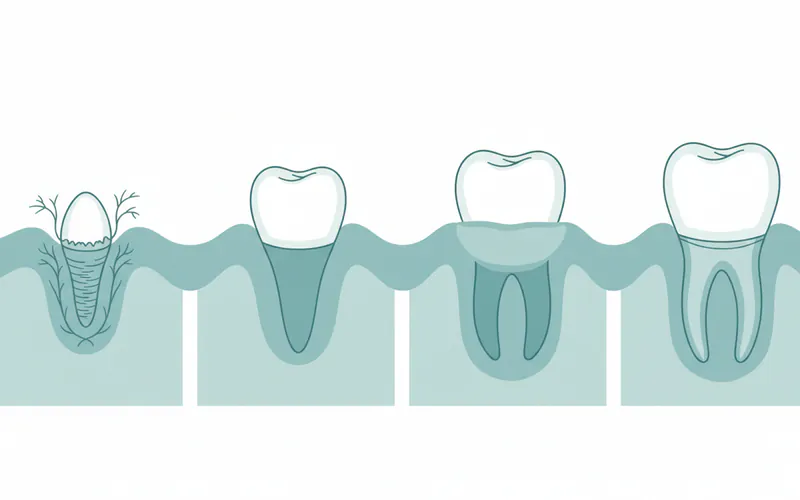
Stage 4: Gingival Emergence (Breaking Through the Gums)
- Mucosal Penetration: The tooth crown penetrates the oral epithelium (gum tissue). This is the point when the tooth becomes clinically visible in the mouth – what we commonly refer to as "teething" for primary teeth.
- Pericoronal Space: The area immediately surrounding the emerging crown is often inflamed, leading to the redness and swelling associated with teething.
Stage 5: Post-Emergent Eruptive Movement (Functional Position)
- Rapid Eruption: After breaking through the gum, the tooth continues to erupt relatively quickly until it makes contact with its opposing tooth in the other jaw.
- Root Completion: Root formation typically continues for 1-3 years after the tooth has emerged into the mouth and reached its functional position.
- Occlusal Adjustment: The tooth undergoes minor, slow eruptive movements throughout life to compensate for wear on its chewing surface and ongoing jaw growth, maintaining contact with the opposing dentition. This is a continuous process known as "post-functional eruption."
This intricate, multi-stage process ensures that each tooth develops fully and moves precisely into its designated place, contributing to a healthy and functional bite.
Cost and Insurance: Understanding Financial Aspects of Eruption-Related Care
The costs associated with tooth eruption primarily stem from managing complications or orthodontic needs rather than the natural eruption process itself. These costs can vary widely based on the complexity of the issue, geographic location, the dental professional's fees, and whether insurance coverage is available.
Average US Price Ranges (Without Insurance):
- Routine Teething Supplies:
- Teething rings/toys: $5 - $20
- OTC pain relievers (Acetaminophen/Ibuprofen): $5 - $15
- Pediatric Dental Consultations:
- Initial exam (0-1 year or first tooth): $50 - $200 (often covered by wellness visits or limited plans)
- Routine check-up with X-rays: $100 - $300
- Management of Eruption Problems (e.g., Impaction, Delayed Eruption):
- Diagnostic X-rays:
- Periapical/Bitewing: $25 - $75 each
- Panoramic X-ray: $80 - $200
- 3D Cone Beam CT (for complex impactions): $250 - $600
- Extraction of a Primary (Baby) Tooth: $100 - $300 (simple extraction)
- Extraction of a Permanent Tooth:
- Simple extraction: $150 - $500
- Surgical extraction (non-impacted): $250 - $600
- Surgical extraction (impacted wisdom tooth): $250 - $750 per tooth (can be higher for complex cases, especially with IV sedation)
- Surgical Exposure of an Impacted Tooth (e.g., canine) for Orthodontic Traction: $500 - $1,500 per tooth (often performed by an oral surgeon).
- Space Maintainer (to prevent space loss after premature primary tooth loss): $200 - $500 per appliance.
- Diagnostic X-rays:
- Orthodontic Treatment:
- Orthodontic Consultation: $50 - $250 (often credited towards treatment if you proceed)
- Limited/Interceptive Orthodontics (Phase 1 for children): $1,500 - $4,000
- Full Braces (Metal, for comprehensive treatment): $3,000 - $8,000 (average $5,000-$6,500)
- Invisalign/Clear Aligners: $3,500 - $8,000 (average $6,000-$7,500)
Insurance Coverage Details:
Dental insurance coverage for eruption-related issues varies significantly.
- Preventive Care: Most dental insurance plans cover 80-100% of preventive services like routine exams, cleanings, and X-rays for both children and adults. This is crucial for monitoring eruption.
- Basic Procedures: Extractions of primary teeth or non-impacted permanent teeth are often covered at 50-80% after meeting your deductible.
- Major Procedures: Surgical extractions of impacted wisdom teeth or complex impacted teeth (like canines) may be covered at 50% or less. Some plans may require a medical claim if the procedure is deemed medically necessary (e.g., for severe infection or cyst formation).
- Orthodontics:
- Many dental insurance plans, especially employer-sponsored ones, offer some orthodontic benefits, typically covering 25-50% of the cost, up to a lifetime maximum (e.g., $1,000 - $3,000).
- Coverage often has an age limit (e.g., only for dependents under 18 or 19).
- Clear aligners (Invisalign) are sometimes covered at the same rate as traditional braces, but some plans may have restrictions.
- It's essential to check your specific policy for orthodontic coverage details, waiting periods, and annual/lifetime maximums.
Payment Plans and Financing Options:
- In-Office Payment Plans: Many dental and orthodontic offices offer interest-free payment plans, allowing you to pay for treatment in monthly installments over the course of treatment.
- Third-Party Financing (e.g., CareCredit, LendingClub): These companies offer specialized healthcare credit cards or loans, often with deferred interest or low-interest options for qualifying patients.
- Health Savings Accounts (HSAs) and Flexible Spending Accounts (FSAs): If you have an HSA or FSA through your employer, you can use these tax-advantaged accounts to pay for eligible dental expenses, including deductibles, co-payments, and treatments not fully covered by insurance.
- Dental Schools: University dental schools often provide services at a reduced cost, as treatment is performed by students under the supervision of experienced faculty.
Pro Tip: Always get a detailed treatment plan and cost estimate from your dentist or orthodontist, then contact your insurance provider directly to confirm your benefits and out-of-pocket expenses before beginning any extensive treatment.
Recovery and Aftercare: Post-Eruption Care
Recovery and aftercare instructions vary significantly depending on whether you're managing normal teething discomfort or recovering from a surgical procedure related to eruption issues.
For Teething Infants:
- Continue with Comfort Measures: Utilize cold teething aids, gentle gum massage, and OTC pain relievers as needed.
- Maintain Oral Hygiene: Even before teeth erupt, gently wipe your baby's gums with a clean, damp cloth after feedings. Once the first tooth appears, start brushing twice a day with a soft-bristled, infant-sized toothbrush and a tiny smear (rice-grain size) of fluoride toothpaste. This helps prevent early childhood caries.
- Monitor Symptoms: Keep an eye on your baby's overall health. If symptoms worsen, or if a high fever, severe diarrhea, or signs of infection appear, contact your pediatrician.
For Surgical Procedures (e.g., Tooth Extraction, Surgical Exposure):
Recovery after a dental surgical procedure, such as the extraction of an impacted wisdom tooth or the surgical exposure of an impacted canine, requires careful attention to post-operative instructions.
- Bleeding Control:
- Bite firmly on the gauze pads placed by the dentist for 30-60 minutes. Replace gauze as needed until bleeding significantly slows.
- Avoid spitting, rinsing vigorously, or using straws for the first 24-48 hours, as this can dislodge the blood clot and lead to a painful "dry socket."
- Pain Management:
- Take prescribed pain medication as directed.
- Over-the-counter pain relievers (ibuprofen, acetaminophen) can often manage milder pain.
- Swelling Reduction:
- Apply an ice pack to the outside of your face, over the surgical area, for 15-20 minutes on, 15-20 minutes off, for the first 24-48 hours. This helps minimize swelling.
- Elevate your head while sleeping.
- Diet:
- Stick to soft foods and liquids for the first few days (e.g., yogurt, mashed potatoes, soup, smoothies – but no straws!).
- Avoid hot, spicy, crunchy, or chewy foods that could irritate the surgical site.
- Gradually reintroduce normal foods as comfort allows.
- Oral Hygiene:
- Do not brush or rinse vigorously for the first 24 hours.
- After 24 hours, begin gentle warm salt water rinses (1/2 teaspoon salt in 8 oz warm water) 3-4 times a day, especially after meals. Let the water gently wash over the site, do not swish forcefully.
- Carefully brush other teeth, avoiding the surgical area.
- Activity:
- Rest for the first 24-48 hours.
- Avoid strenuous activity, heavy lifting, or bending over for several days, as this can increase bleeding and swelling.
- Follow-Up: Attend all scheduled follow-up appointments with your oral surgeon or dentist to ensure proper healing and address any concerns.
Pro Tip: If you experience severe pain that isn't relieved by medication, excessive bleeding, persistent swelling after 3-4 days, fever, or pus at the surgical site, contact your dentist or oral surgeon immediately. These could be signs of a complication like infection or dry socket.
Prevention: Proactive Steps for Healthy Eruption
While you can't prevent teeth from erupting, you can take proactive steps to ensure a smooth tooth eruption sequence and prevent common complications. Prevention focuses on early detection, maintaining optimal oral health, and ensuring proper space.
- Regular Dental Check-ups from an Early Age:
- First Dental Visit: The American Academy of Pediatric Dentistry (AAPD) and ADA recommend a child's first dental visit by their first birthday or within six months of the first tooth erupting. This is crucial for establishing a "dental home."
- Monitoring Eruption: Regular visits allow the dentist to monitor the child tooth eruption chart, identify any deviations from the normal sequence, and check for signs of missing teeth, extra teeth, or impaction using X-rays when appropriate.
- Early Intervention: Problems like crowding, early loss of primary teeth, or delayed eruption can be addressed early, potentially preventing more extensive orthodontic or surgical needs later.
- Excellent Oral Hygiene from Day One:
- Before Teeth Erupt: Wipe your baby's gums gently with a clean, damp cloth after feedings.
- First Tooth: Begin brushing twice daily with a soft-bristled, infant-sized toothbrush and a rice-grain smear of fluoride toothpaste. As more teeth erupt, transition to a pea-sized amount of fluoride toothpaste for children aged 3-6.
- For Permanent Teeth: Consistent brushing (twice daily for 2 minutes) and flossing (once daily) are essential to prevent cavities and gum disease, which can compromise the health of erupting permanent teeth.
- Balanced Nutrition:
- A diet rich in vitamins (especially A, C, D) and minerals (calcium, phosphorus) is crucial for strong tooth and bone development, which supports proper eruption.
- Limit sugary foods and drinks, which contribute to tooth decay.
- Space Maintenance:
- If a primary tooth is lost prematurely due to decay or injury, the dentist may recommend a space maintainer. This custom-made appliance prevents adjacent teeth from drifting into the vacant space, ensuring enough room for the permanent tooth to erupt correctly.
- Addressing Habits:
- Prolonged thumb-sucking, pacifier use (beyond age 3-4), or tongue thrusting can affect jaw development and tooth alignment, potentially leading to eruption issues or malocclusion. Your dentist can provide guidance on breaking these habits.
- Protective Gear:
- For children involved in sports, custom-fitted mouthguards can protect erupting teeth from trauma, which can disrupt the eruption process or damage developing permanent teeth.
- Early Orthodontic Assessment:
- The American Association of Orthodontists (AAO) recommends a child's first orthodontic evaluation by age 7. At this age, permanent teeth are beginning to erupt, and an orthodontist can identify subtle problems with jaw growth and eruption that may not be apparent to a general dentist. Interceptive (Phase I) orthodontics can sometimes guide eruption and prevent more complex issues.
By taking these preventive measures, you can significantly contribute to a healthy tooth eruption sequence and lay the foundation for a lifetime of good oral health.
Risks and Complications: What Can Go Wrong
While the tooth eruption sequence is a natural process, various factors can lead to deviations or complications. Recognizing these issues is key to timely intervention.
- Delayed Eruption (Primary or Permanent Teeth):
- Definition: A tooth fails to erupt within 12 months of its usual eruption time or within 6 months of the contralateral (same tooth on the opposite side) tooth.
- Causes: Genetic factors, systemic conditions (e.g., hypothyroid, nutritional deficiencies, Down syndrome), local obstructions (e.g., retained primary tooth, supernumerary teeth, cysts, dense gum tissue), or simply being congenitally absent.
- Risks: May require intervention (extraction of obstruction, surgical exposure) to guide the tooth.
- Premature Eruption (Primary Teeth):
- Definition: Eruption significantly earlier than average. Natal teeth (present at birth) and neonatal teeth (erupting within the first 30 days of life) are examples.
- Risks: Can interfere with feeding, pose a choking hazard (if loose), or cause irritation to the baby's tongue or mother's breast during nursing. May require removal.
- Impaction (Most Common with Wisdom Teeth):
- Definition: A tooth fails to erupt completely into its functional position due to physical obstruction by another tooth, bone, or soft tissue. Wisdom teeth (third molars) are the most common, but canines and premolars can also be impacted.
- Risks:
- Pain and Infection (Pericoronitis): Trapped food and bacteria under the gum flap covering a partially erupted tooth.
- Damage to Adjacent Teeth: Pressure from an impacted tooth can resorb the roots of nearby teeth.
- Crowding/Malocclusion: Can push other teeth out of alignment.
- Cyst Formation: The sac surrounding an impacted tooth can sometimes develop into a fluid-filled cyst, which can destroy bone and damage adjacent structures.
- Tumor Formation: Rarely, benign tumors can develop from the tissue surrounding an impacted tooth.
- Ectopic Eruption:
- Definition: A tooth erupts in an abnormal position, often due to a discrepancy between tooth size and jaw size, or an abnormal eruption path.
- Risks: Malocclusion (bad bite), interference with adjacent teeth (e.g., causing resorption of primary molar roots by an ectopically erupting permanent molar), cosmetic concerns.
- Ankylosis:
- Definition: The tooth root fuses directly to the jawbone, preventing further eruption. This can happen with both primary and permanent teeth, often affecting primary molars, which can then block permanent tooth eruption.
- Risks: The ankylosed tooth remains "submerged" as adjacent teeth erupt, leading to an uneven bite or misalignment. May require extraction.
- Congenitally Missing Teeth (Hypodontia):
- Definition: One or more teeth fail to develop at all. Most commonly affects wisdom teeth, lateral incisors, and second premolars.
- Risks: Gaps in the smile, chewing difficulties, malocclusion, can affect speech. Often requires orthodontic treatment (to close gaps or prepare for prosthetics) or prosthodontic replacement (implants, bridges).
- Supernumerary Teeth (Hyperdontia):
- Definition: The presence of extra teeth beyond the normal count. These can occur anywhere in the dental arch but are most common in the upper front jaw (mesiodens).
- Risks: Can block or delay the eruption of normal permanent teeth, cause crowding, or lead to cyst formation. Often requires extraction.
- Resorption of Primary Tooth Roots:
- Normal Process: The roots of primary teeth are naturally resorbed (dissolved) as the permanent tooth pushes up.
- Abnormal: If a permanent tooth erupts ectopically, it can resorb the root of the wrong primary tooth, or even a neighboring permanent tooth.
Understanding these potential complications allows for early detection and appropriate dental intervention, minimizing long-term consequences to oral health.
Children / Pediatric Considerations
The child tooth eruption chart is a primary concern for parents, as the period of primary tooth eruption, commonly known as "teething," can be a challenging time. Pediatric dentists specialize in monitoring this process and managing any associated issues.
Teething Symptoms and Relief:
As discussed, common teething symptoms include fussiness, drooling, swollen gums, and a desire to chew. Parents can provide relief through:
- Cold Teething Aids: Chilled (not frozen) teething rings or wet washcloths.
- Gentle Gum Massage: With a clean finger.
- OTC Pain Relievers: Acetaminophen (for 3+ months) or ibuprofen (for 6+ months), always following pediatrician's dosing instructions.
- Avoid: Teething necklaces, topical benzocaine gels.
First Dental Visit: Setting the Foundation
The ADA recommends a child's first dental visit by their first birthday or within six months of the first tooth erupting. This seemingly early visit is vital for:
- Establishing a Dental Home: Creating a familiar and comfortable environment for future visits.
- Anticipatory Guidance: Parents receive crucial advice on oral hygiene, fluoride use, diet, pacifier habits, and what to expect during future tooth eruption stages.
- Early Detection: The dentist can check for any early signs of decay, assess the eruption pattern, and identify potential issues like missing or extra teeth.
Importance of Primary Teeth:
Parents sometimes underestimate the importance of primary teeth, thinking they'll just fall out anyway. However, baby teeth are crucial for:
- Chewing and Nutrition: Allowing children to eat a variety of foods essential for growth.
- Speech Development: Proper tooth alignment is important for forming sounds correctly.
- Space Maintenance: They hold the space for permanent teeth, guiding them into their correct positions. Premature loss of primary teeth can lead to crowding or impaction of permanent teeth.
- Self-Esteem: A healthy smile contributes to a child's confidence.

Common Eruption Issues in Children:
- Delayed Eruption: If no teeth have appeared by 12-18 months, or if eruption is significantly behind the normal child tooth eruption chart, a dental visit is warranted. X-rays can confirm the presence of teeth.
- Early Loss of Primary Teeth: Due to severe decay or trauma. This often necessitates a space maintainer to preserve space for the permanent successor.
- Prolonged Retention of Primary Teeth: If a primary tooth doesn't fall out when the permanent tooth is ready to erupt, it can block the permanent tooth or cause it to erupt in an abnormal position ("shark teeth"). The primary tooth may need to be extracted.
- Ectopic Eruption of Permanent Molars: Sometimes, permanent first molars can erupt angled, resorbing the root of the primary second molar instead of erupting behind it. Early detection can allow for simple intervention (e.g., brass wire separation) to correct the path.
- Supernumerary or Missing Teeth: These conditions can be identified with X-rays and often require early intervention to ensure proper eruption of other teeth.
Pro Tip: Choose a pediatric dentist who has specific training and experience in addressing the unique dental needs of children, including managing their anxieties and understanding their developmental stages.
Cost Breakdown: Addressing Eruption-Related Procedures
While the natural process of tooth eruption is free, managing complications or providing supportive care can incur costs. Here’s a breakdown of average US costs, with considerations for insurance and payment options.
| Procedure/Service | Low Range (without insurance) | Mid Range (without insurance) | High Range (without insurance) | Insurance Coverage Tendency |
|---|---|---|---|---|
| Pediatric Dental Exam (Initial) | $50 | $120 | $200 | 80-100% |
| Routine Check-up & X-rays | $100 | $200 | $300 | 80-100% |
| Primary Tooth Extraction | $100 | $200 | $300 | 50-80% |
| Permanent Tooth Extraction (Simple) | $150 | $300 | $500 | 50-80% |
| Surgical Wisdom Tooth Extraction (Impacted) | $250 per tooth | $500 per tooth | $750+ per tooth | 0-50% (can be medical) |
| Surgical Exposure of Impacted Tooth | $500 | $1,000 | $1,500 | 20-50% |
| Space Maintainer | $200 | $350 | $500 | 50-80% |
| Limited/Phase I Orthodontics | $1,500 | $2,750 | $4,000 | 0-50% (lifetime max) |
| Full Comprehensive Orthodontics (Braces) | $3,000 | $5,500 | $8,000 | 0-50% (lifetime max) |
| 3D Cone Beam CT Scan | $250 | $400 | $600 | 0-20% (often considered major) |
With vs. Without Insurance:
- With Insurance: For preventive and basic care, you can expect to pay a small co-pay (e.g., $10-$50) or nothing at all. For more involved procedures like extractions or space maintainers, your out-of-pocket might be 20-50% of the cost after meeting your deductible. Orthodontic coverage is highly variable but rarely covers more than 50% of the total cost, up to a lifetime maximum.
- Without Insurance: You will be responsible for 100% of the listed costs. This highlights the importance of asking about cash discounts or in-office payment plans.
Payment Plans and Financing Options:
As mentioned previously, these are invaluable for managing larger expenses:
- In-Office Payment Plans: Many practices offer interest-free monthly installments, especially for orthodontic treatments.
- Third-Party Financing: Companies like CareCredit or LendingClub can provide credit lines specifically for healthcare costs, often with promotional interest-free periods if paid in full within a certain timeframe.
- Health Savings Accounts (HSAs) & Flexible Spending Accounts (FSAs): These tax-advantaged accounts allow you to set aside pre-tax money for healthcare expenses, including dental care.
Cost-Saving Tips:
- Preventive Care: The best way to save money is to prevent problems. Regular check-ups and good oral hygiene can avert costly complications.
- Shop Around: For major procedures or orthodontics, get multiple consultations. Fees can vary between providers.
- Utilize Insurance Benefits: Understand your plan's maximums and deductibles. Coordinate benefits if you have two insurance plans.
- Dental Schools: Consider university dental schools for significant savings on complex treatments, performed by students under expert supervision.
- Payment Plans: Always ask about in-office payment plans to spread out costs without interest.
- Discount Plans: Some dental discount plans offer reduced rates for a yearly membership fee, which can be beneficial if you don't have traditional insurance.
Frequently Asked Questions
What is the normal tooth eruption sequence for baby teeth?
The typical tooth eruption sequence for primary teeth starts with the lower central incisors around 6-10 months, followed by the upper central incisors. Lateral incisors, first molars, canines, and second molars then gradually emerge, usually completing the set of 20 teeth by 2.5 to 3 years of age.
What is the normal tooth eruption sequence for permanent teeth?
Permanent teeth typically begin erupting around 6-7 years of age with the first molars and lower central incisors. This continues with other incisors, premolars, canines, and second molars throughout childhood and adolescence. The last teeth to erupt are the third molars (wisdom teeth), usually between 17 and 21 years old, completing a set of 32 teeth.
What are common signs and symptoms of teething in babies?
Teething in babies often presents with increased fussiness, excessive drooling, swollen and tender gums, a strong urge to chew on objects, and sometimes a slight decrease in appetite. While a low-grade fever can occur, high fever or significant diarrhea are generally not caused by teething and warrant a call to your pediatrician.
How can I relieve my baby's teething discomfort?
Effective relief for teething includes offering chilled (not frozen) teething rings or wet washcloths, gently massaging their gums with a clean finger, and using over-the-counter pain relievers like acetaminophen or ibuprofen (following dosage instructions for age). Avoid topical anesthetics containing benzocaine and teething necklaces due to safety concerns.
What should I do if my child's teeth are erupting out of sequence?
Minor variations in the tooth eruption sequence are very common and usually not a concern. However, if a tooth is significantly delayed (more than 12 months past the average) or erupting in an unusual position, it's best to consult a pediatric dentist. They can take X-rays to assess the underlying cause and recommend appropriate action if needed.
When should my child have their first dental visit related to eruption?
The American Dental Association (ADA) recommends scheduling your child's first dental visit by their first birthday or within six months of their first tooth erupting. This allows the dentist to monitor the child tooth eruption chart, provide guidance on oral hygiene, and establish a "dental home" for your child's ongoing care.
What is an impacted tooth, and what are the risks?
An impacted tooth is one that fails to fully erupt into its proper position due to being blocked by bone, another tooth, or soft tissue. Wisdom teeth are most commonly impacted. Risks include pain, infection (pericoronitis), damage to adjacent teeth, crowding, and the potential for cyst formation. Treatment often involves extraction.
Does tooth eruption cause fever?
No, significant fever (above 100.4°F or 38°C) is generally not a direct symptom of tooth eruption. While a slight elevation in temperature might occur, a higher fever usually indicates an underlying illness. Always consult a medical professional if your child develops a fever during teething.
How much does it cost to address delayed or impacted tooth issues?
Costs vary widely. A primary tooth extraction might range from $100-$300, while a surgical extraction for an impacted wisdom tooth could be $250-$750 per tooth without insurance. Orthodontic intervention, such as exposing and guiding an impacted tooth, can add $1,500-$4,000 for limited treatment or $3,000-$8,000 for comprehensive braces. Insurance may cover a portion of these costs.
Can tooth eruption cause pain in adults?
Yes, particularly with the eruption of wisdom teeth (third molars). If wisdom teeth are impacted or partially erupt, they can cause significant pain, swelling, and infection (pericoronitis). Other permanent teeth rarely cause noticeable pain during their eruption into the mouth, as this typically occurs during childhood and adolescence.
When to See a Dentist
Understanding when to seek professional dental advice regarding tooth eruption is crucial for preventing complications and ensuring optimal oral health.
For Children:
- No Teeth by 18 Months: If your child has no teeth erupted by their 18-month birthday, schedule an appointment. While some delays are normal, this warrants investigation.
- Significant Deviation from Eruption Sequence: If teeth are erupting severely out of order, or if there's a large gap in eruption time between similar teeth on opposite sides of the mouth (e.g., one lower central incisor is in, but the other hasn't appeared many months later).
- Prolonged Primary Tooth Retention: If a permanent tooth is attempting to erupt, but the corresponding primary tooth hasn't fallen out (e.g., "shark teeth" where the permanent tooth erupts behind the baby tooth).
- Severe Teething Symptoms: If your baby experiences a high fever (over 100.4°F or 38°C), persistent diarrhea, a spreading rash, or signs of infection (e.g., pus, extreme redness/swelling) around the gums. These are not typical teething symptoms and require medical or dental attention.
- Trauma to Erupting Teeth: Any injury to an erupting or newly erupted tooth, as it can affect root development or future alignment.
- Abnormal Growths: If you notice any unusual bumps, swelling, or lesions on your child's gums or jaw area that persist.
For Adults/Adolescents (Especially Regarding Wisdom Teeth):
- Pain or Discomfort Around Back Molars: If you experience persistent pain, tenderness, or pressure in the very back of your jaw, especially if it radiates to your ear or temple. This is a common sign of wisdom teeth trying to erupt or becoming impacted.
- Swelling or Redness: Noticeable swelling, redness, or tenderness of the gum tissue around a partially erupted wisdom tooth. This can indicate pericoronitis (infection of the gum flap).
- Difficulty Opening Mouth or Chewing: If wisdom tooth eruption causes significant jaw stiffness or makes it hard to open your mouth fully.
- Unpleasant Taste or Bad Breath: These can be signs of infection around an impacted wisdom tooth.
- Sensitivity or Damage to Adjacent Teeth: If an erupting or impacted wisdom tooth is causing sensitivity in the tooth in front of it, or if you suspect it's causing damage.
General Guidance:
- Routine Care vs. Red Flags: Regular dental check-ups (every 6 months for adults and children) are your best defense. Your dentist can monitor the tooth eruption stages with X-rays and clinical examination. However, any persistent pain, swelling, signs of infection, or significant deviation from the expected eruption sequence should prompt an earlier visit.
- Emergency vs. Scheduled: Acute, severe pain, uncontrollable bleeding, or rapidly spreading swelling warrant an emergency dental visit. Most other eruption-related concerns can be addressed with a scheduled appointment.
Don't hesitate to reach out to your dentist or a pediatric dentist with any concerns about the tooth eruption sequence for yourself or your child. Early intervention can prevent more serious problems down the line.
Frequently Asked Questions
Medically Reviewed Content
This article was written by our dental health editorial team and reviewed for medical accuracy. Our content follows strict editorial guidelines for reliability and trustworthiness.
Medical Disclaimer
This article is for informational purposes only and does not constitute medical advice. Always consult with a qualified dental professional for diagnosis and treatment. Do not delay seeking professional advice because of something you read on this website.
Related Articles
Tooth Eruption Order: Complete Guide
The journey of human teeth, from their initial emergence in infancy to the arrival of wisdom teeth in young adulthood, is a fascinating and crucial aspect of our overall health. Understanding the tooth eruption order is not just a matter of curiosity; it's a vital piece of knowledge that empower
February 23, 2026
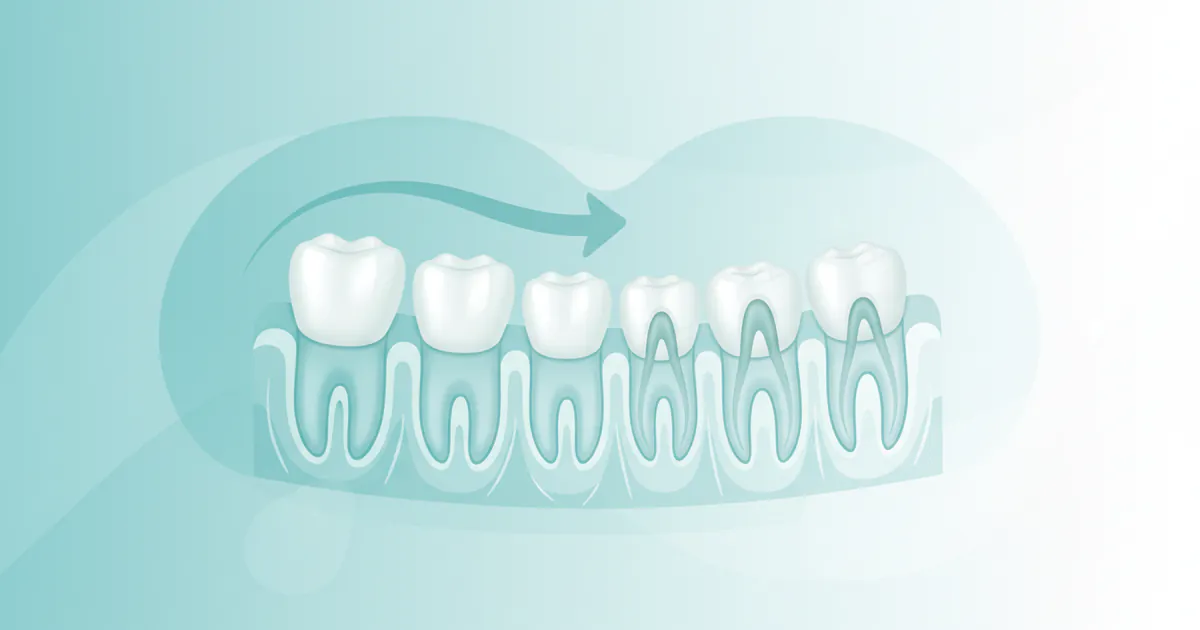
Primary Tooth Eruption Sequence: Complete Guide
Did you know that by their third birthday, most children will have a full set of 20 primary teeth? The journey of these first teeth, from their initial appearance to their eventual replacement by permanent teeth, is a remarkable and often challenging milestone for both infants and parents. Understan
February 23, 2026
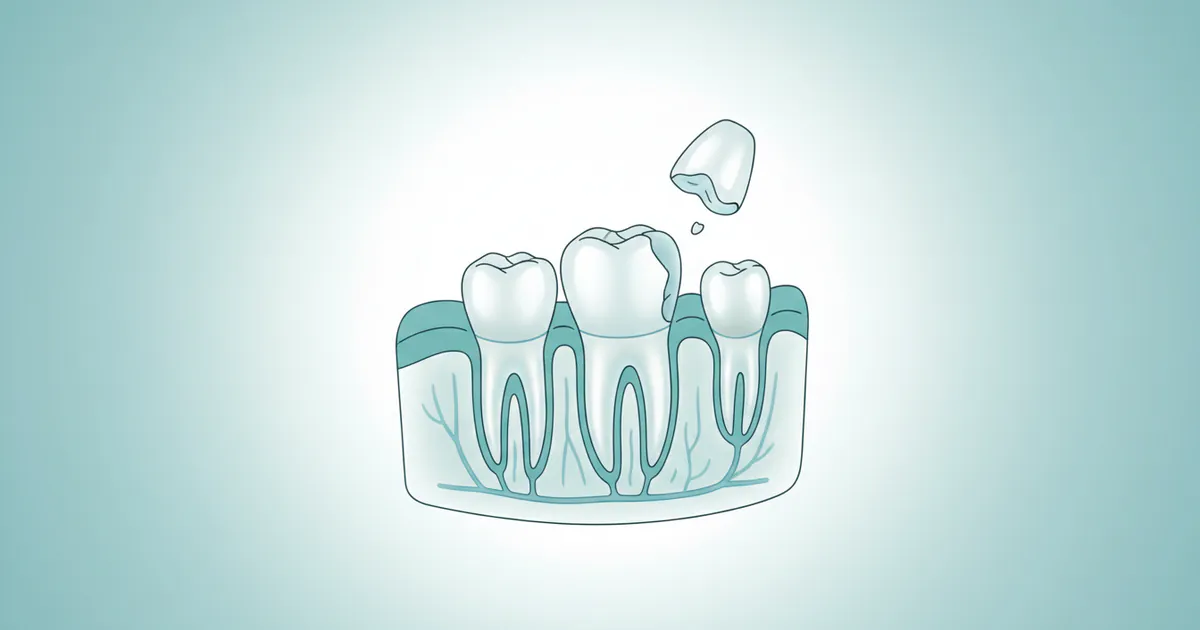
Canine Tooth Eruption: Complete Guide
Have you ever wondered about the complex process that brings your teeth into alignment, especially the prominent, pointed teeth known as canines? While often overshadowed by discussions of wisdom teeth or incisors, the canine tooth eruption process is a critical stage in your oral development, d
February 23, 2026
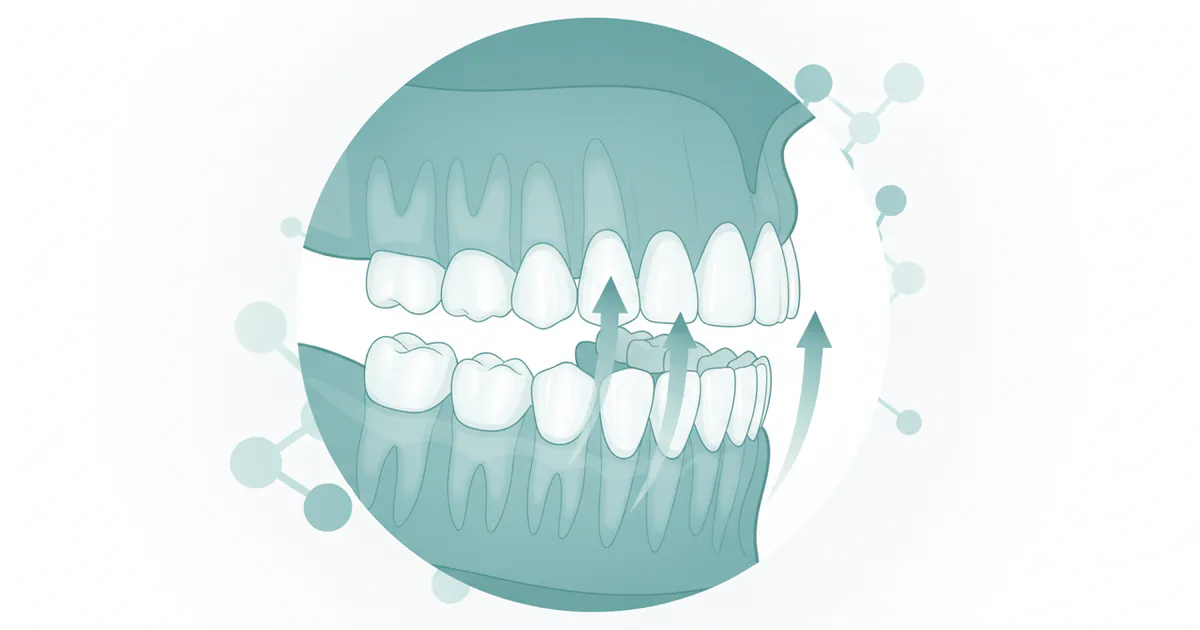
Permanent Tooth Eruption Sequence: Complete Guide
Welcome to SmilePedia.net, your trusted resource for comprehensive dental health information. The journey of your permanent teeth emerging into your mouth, known as the permanent tooth eruption sequence, is a fundamental aspect of oral development. Did you know that while primary (baby) teeth ty
February 23, 2026