Does Teething Cause Fever
Key Takeaways
- When your little one starts showing signs of discomfort, drooling incessantly, and chewing on everything in sight, it's natural for parents to immediately suspect teething. But what happens when these classic teething symptoms are accompanied by a fever? This common scenario often leads to a pressin
When your little one starts showing signs of discomfort, drooling incessantly, and chewing on everything in sight, it's natural for parents to immediately suspect teething. But what happens when these classic teething symptoms are accompanied by a fever? This common scenario often leads to a pressing question for caregivers: does teething cause fever? The answer, crucial for your child's health and your peace of mind, is more nuanced than many initially assume. Understanding the true relationship between teething and temperature fluctuations is vital for distinguishing normal developmental discomfort from a potential underlying illness.
Teething is a fundamental developmental milestone, a period of transition where your baby's first teeth begin to erupt through their gums. While it's undoubtedly uncomfortable for infants, leading to various localized symptoms, the idea that it directly causes a significant fever is largely a misconception that has persisted for generations. While some research indicates a slight elevation in body temperature during teething, this elevation is typically very mild and rarely crosses the threshold of what medical professionals consider a true fever. This article will delve into the scientific consensus on teething and fever, explain what normal teething looks like, when to be concerned, and provide comprehensive guidance on managing your baby's comfort during this challenging phase. We'll explore typical teething timelines, discuss rare conditions like natal teeth, and equip you with the knowledge to confidently navigate your child's early dental development.
Key Takeaways:
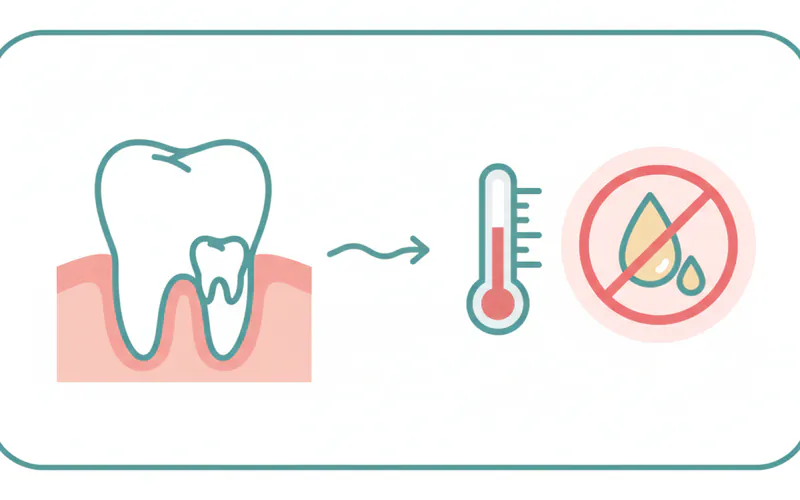
- Teething does not cause a true fever. While some infants may experience a slight temperature elevation (below 100.4°F or 38°C), anything higher is likely due to an unrelated illness.
- Typical teething symptoms include irritability, drooling, swollen gums, chewing, and changes in sleep or eating patterns.
- Most primary teeth erupt between 6 and 33 months. The entire process for a full set of primary teeth can last 2-3 years.
- Pain relief for teething can involve chilled teething rings, gum massage, and over-the-counter infant pain relievers like acetaminophen or ibuprofen (for babies over 6 months).
- Natal teeth (present at birth) or neonatal teeth (erupting within the first month) are rare and often require prompt dental evaluation due to potential feeding difficulties or aspiration risks.
- Consult a pediatrician or pediatric dentist if your baby has a fever over 100.4°F (38°C), severe pain, prolonged diarrhea, or any other concerning symptoms, as these are likely unrelated to teething.
- Costs for a pediatric dental visit concerning teething complications or natal teeth can range from $75 to $300 without insurance, depending on the complexity of the exam and any necessary interventions.
What Teething Is: An Overview of Tooth Eruption
Teething, medically known as odontiasis, is the natural process by which an infant's first set of teeth, known as primary teeth or "milk teeth," emerges through the gums. It's a significant developmental milestone, marking the beginning of solid food consumption and speech development. This process typically begins around 6 months of age, though it can start as early as 3 months or as late as 12 months, and continues until all 20 primary teeth have erupted, usually by the age of 2.5 to 3 years.
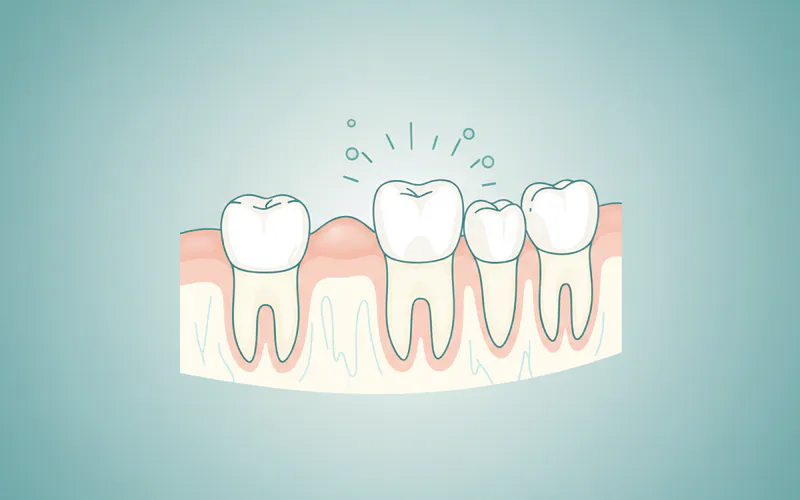
The eruption process involves the tooth crown pushing through the bone and then the gum tissue. This movement causes pressure and inflammation in the gum area, which is the primary source of discomfort for infants. While fascinating from a developmental perspective, for babies and their parents, it's often associated with a period of fussiness and minor ailments. Understanding this physiological process helps parents differentiate normal teething symptoms from more serious health concerns.
The Teething Timeline: How Long Does Teething Last?
The timeline for tooth eruption can vary significantly from one child to another, but there is a general pattern. Most infants follow a similar sequence, with the lower central incisors usually appearing first, followed by the upper central incisors. The entire process of how long does teething last, from the first tooth to the last primary molar, typically spans 2 to 3 years.
Here's a general timeline for primary tooth eruption:
- Lower Central Incisors (Front Bottom): 6-10 months
- Upper Central Incisors (Front Top): 8-12 months
- Upper Lateral Incisors (Next to Front Top): 9-13 months
- Lower Lateral Incisors (Next to Front Bottom): 10-16 months
- First Molars (Back, Top & Bottom): 13-19 months
- Canines (Pointed, Top & Bottom): 16-23 months
- Second Molars (Furthest Back, Top & Bottom): 23-33 months
It's important to remember that these are averages. Some children may get their teeth earlier, and others later, without any cause for concern. The order of eruption can also occasionally deviate from this pattern. If you have concerns about your child's dental development, a pediatric dentist can provide a personalized assessment.
Causes of Teething Discomfort and the Fever Misconception
The primary cause of discomfort during teething is the pressure and inflammation as the tooth pushes through the gum tissue. This process can cause localized irritation, swelling, and mild pain in the affected area.
For decades, many parents and even some healthcare professionals believed that teething directly caused a fever. However, extensive medical research and large-scale studies have consistently debunked this myth. The American Academy of Pediatrics (AAP) and the American Dental Association (ADA), along with numerous other professional organizations, state that teething does not cause a true fever (defined as a temperature of 100.4°F or 38°C or higher).
Why the Misconception Persists
The persistent belief that teething causes fever likely stems from a few factors:
- Coincidence: Teething occurs during a crucial developmental period when infants are losing their maternal antibody protection and are frequently exposed to new environments (like daycare) and people. This makes them more susceptible to common childhood illnesses, such as colds, ear infections, or viral infections, which do cause fever. These illnesses often coincide with a baby's teething phases.
- Mild Temperature Elevation: Some studies have shown a slight elevation in body temperature (a rise of less than 1°F or 0.5°C) in some infants during teething. This is often referred to as a "low-grade fever" or "teething fever" by parents, but it's typically well below the medical definition of a fever and rarely exceeds 100.4°F (38°C). This minor elevation is thought to be a localized inflammatory response, not a systemic fever.
- Historical Beliefs: The idea of "teething fever" has been passed down through generations, rooted in a lack of scientific understanding of both teething and infectious diseases in infants.
Pro Tip: Always remember that if your baby has a temperature of 100.4°F (38°C) or higher, or if they exhibit other symptoms of illness beyond typical teething discomfort, it's crucial to investigate other potential causes and contact your pediatrician. Do not attribute a significant fever solely to teething.
Signs and Symptoms: Teething vs. Illness
Differentiating between normal teething symptoms and signs of an underlying illness is paramount for parents. While teething can cause discomfort, a true fever is a red flag for something more.
Common Teething Symptoms:
These symptoms are typically localized to the mouth and surrounding areas and are generally mild to moderate in intensity. They usually begin a few days before a tooth erupts and subside shortly after.
- Increased Drooling: One of the most common signs, leading to wet chins and often a mild rash.
- Irritability and Fussiness: Babies may be more irritable, whiny, or unsettled, especially at night.
- Swollen, Tender, or Red Gums: The gum area where the tooth is emerging may appear slightly inflamed.
- Chewing on Objects: Babies instinctively seek to relieve pressure by gnawing on toys, fingers, or anything they can get their hands on.
- Reduced Appetite for Solids: While they might be reluctant to eat solid foods due to gum soreness, their desire for liquids (breast milk or formula) usually remains unchanged.
- Sleep Disturbances: Discomfort can make it harder for babies to fall asleep or stay asleep.
- Ear Rubbing or Cheek Rubbing: Due to referred pain from the gums.
- Mild Rash Around the Mouth/Chin: Caused by excessive drooling.
Symptoms NOT Caused by Teething (and what they might indicate):
These symptoms are generally not associated with teething and warrant a call to your pediatrician.
- True Fever (100.4°F / 38°C or higher): Most likely indicates an infection (viral, bacterial), such as a cold, flu, ear infection, or urinary tract infection.
- Diarrhea: While some parents report loose stools during teething, medical evidence does not support a direct link. Diarrhea is usually a sign of a viral or bacterial infection, dietary change, or food sensitivity.
- Vomiting: Never a symptom of teething. Always signals illness or other medical concerns.
- Severe Rash (beyond mild chin rash): Could indicate an allergic reaction, viral rash (e.g., measles, roseola), or other skin condition.
- Loss of Appetite for Liquids: If your baby refuses to drink breast milk, formula, or water, it's a sign of significant illness and a risk for dehydration.
- Lethargy or Extreme Drowsiness: Indicates a more serious illness requiring medical attention.
- Cough or Congestion: Symptoms of a cold, allergies, or other respiratory issues.
Comparison Table: Teething Symptoms vs. Illness Symptoms
| Symptom | Likely Teething-Related | Likely Illness-Related (Not Teething) |
|---|---|---|
| Temperature | Slight elevation (below 100.4°F / 38°C) | True fever (100.4°F / 38°C or higher) |
| Irritability/Fussiness | Mild to moderate, often relieved by comfort measures or pain relievers | Severe, persistent, inconsolable; accompanied by other illness signs |
| Drooling | Significantly increased, often causes chin rash | Normal or slightly increased with congestion |
| Chewing on objects | Very common, seeking pressure relief | May occur, but not as primary symptom; general discomfort present |
| Appetite | Reduced for solids, normal for liquids | Reduced for liquids and solids, risk of dehydration |
| Sleep | Disturbed due to discomfort | Severely disturbed, potentially due to pain, fever, or congestion |
| Gums | Swollen, tender, slightly red where tooth is erupting | No specific gum changes, unless oral infection is present |
| Diarrhea/Vomiting | No direct link (coincidence with illness possible) | Common symptoms of infection or gastrointestinal issues |
| Severe Rash (body) | No direct link (chin rash from drooling is common) | Indicates viral infection (e.g., roseola, measles), allergy, or other skin condition |
| Lethargy/Drowsiness | No direct link | Significant indicator of severe illness |
| Cough/Congestion | No direct link | Common with colds, respiratory infections, allergies |
Types of Teething-Related Conditions: Natal and Neonatal Teeth
While not "types" of teething in the conventional sense, there are variations in tooth eruption timing that warrant special attention from parents and dental professionals.
Natal Teeth
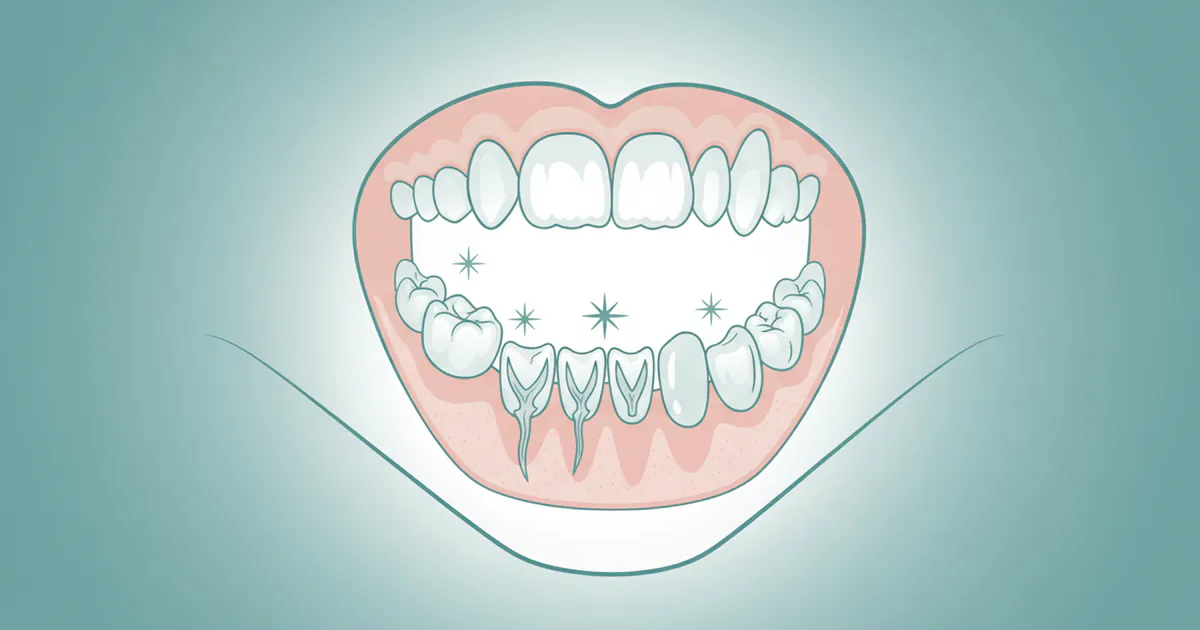
Natal teeth are primary teeth that are present in the mouth at the time of birth. This is a relatively rare occurrence, affecting approximately 1 in 2,000 to 1 in 3,000 live births. Most commonly, natal teeth are lower central incisors.
Characteristics:
- Mobility: Natal teeth can be loose because their roots are often underdeveloped.
- Appearance: They may appear discolored or cone-shaped.
- Complications:
- Feeding difficulties: Can irritate the mother's breast during breastfeeding or cause pain for the baby during bottle-feeding.
- Irritation/Ulceration: Can cause ulcers on the baby's tongue (Riga-Fede disease) or irritation to the gum tissue.
- Aspiration risk: Loose natal teeth pose a risk of being dislodged and aspirated into the baby's lungs.
Neonatal Teeth
Neonatal teeth are primary teeth that erupt within the first 30 days of life, typically during the first month. These are even rarer than natal teeth.
Characteristics and Complications: Similar to natal teeth, neonatal teeth often have underdeveloped roots, leading to mobility and the same potential complications regarding feeding, irritation, and aspiration risk.
Management and Treatment of Natal/Neonatal Teeth
If your baby has natal or neonatal teeth, it's crucial to consult a pediatric dentist promptly. The dentist will assess:
- Mobility: To determine the risk of aspiration.
- Impact on feeding: Is it causing discomfort for the baby or the breastfeeding parent?
- Condition of the tooth: Is it causing trauma to the tongue or other oral tissues?
Treatment Options:
- Observation: If the teeth are stable, not causing discomfort, and not interfering with feeding, the dentist may recommend monitoring them.
- Extraction: If the teeth are excessively mobile, causing severe feeding problems, or injuring the baby's tongue, extraction may be recommended to prevent complications. This is a delicate procedure typically performed by a pediatric dentist.
Pro Tip: Do not attempt to remove a natal or neonatal tooth yourself. Always seek professional dental care to ensure the baby's safety and proper oral development.
Treatment Options for Teething Discomfort
While there's no "cure" for teething, several strategies can help alleviate your baby's discomfort. It's often a process of trial and error to find what works best for your child.
Non-Pharmacological Remedies:
These are often the first line of defense and preferred by many parents due to their gentle nature.
- Chilled Teething Rings or Toys: Provide a soothing, numbing effect. Ensure they are solid plastic or rubber, not liquid-filled (which can burst). Avoid freezing them solid as extreme cold can harm gums; chilling in the refrigerator is sufficient.
- Gum Massage: Gently rub your baby's gums with a clean finger or a moistened gauze pad. The pressure can relieve discomfort.
- Cool, Soft Foods: For babies on solids, offering cool foods like applesauce, yogurt, or pureed fruits and vegetables can be comforting.
- Wet Washcloth: A clean, wet washcloth, chilled in the refrigerator, can be offered for chewing.
- Teething Biscuits/Crackers: For older babies, sugar-free teething biscuits can provide something safe to chew on, but always supervise to prevent choking.
- Cuddles and Distraction: Sometimes, the best remedy is simply extra comfort, cuddles, and engaging your baby in play to distract them from the discomfort.
Pharmacological Remedies:
When non-pharmacological methods aren't enough, over-the-counter pain relievers can be considered. Always follow dosage instructions carefully and consult your pediatrician if you're unsure.
- Infant Acetaminophen (e.g., Tylenol): Can be given to babies over 2 months of age to relieve pain and fever.
- Infant Ibuprofen (e.g., Advil, Motrin): Can be given to babies over 6 months of age to relieve pain, inflammation, and fever. Ibuprofen is often preferred for teething due to its anti-inflammatory properties.
Important Considerations for Medications:
- Dosage by Weight: Always dose according to your child's weight, not age, using the provided dropper or syringe.
- Avoid Aspirin: Never give aspirin to children due to the risk of Reye's syndrome.
- Topical Anesthetics (e.g., Benzocaine Gels): The FDA advises against the use of over-the-counter topical gels containing benzocaine (like Orajel) for infants and children under 2 years of age. They are linked to a rare but serious condition called methemoglobinemia, which reduces the amount of oxygen carried in the blood. They also wash away quickly, providing minimal relief.
- Homeopathic Teething Tablets/Gels: The FDA has issued warnings against these products, as they are unregulated and have been found to contain inconsistent amounts of belladonna, a toxic substance, posing serious health risks.
Treatments to Avoid:
- Amber Teething Necklaces/Bracelets: The ADA and AAP strongly advise against these due to significant choking and strangulation hazards. There is no scientific evidence to support their purported pain-relieving effects.
- Freezing Teething Rings Solid: Can be too harsh on delicate gums and potentially cause freezer burn.
- Alcohol-Based Remedies: Never use alcohol on a baby's gums.
Step-by-Step Process: Managing a Teething Episode
Navigating a teething episode involves proactive steps to manage discomfort and vigilance for signs that something more serious might be occurring.
- Identify Teething Signs: Look for increased drooling, fussiness, gum swelling, and a desire to chew. These usually precede tooth eruption by a few days.
- Offer Comfort:
- Massage Gums: Gently rub your baby's gums with a clean finger.
- Chilled Items: Provide a chilled (not frozen) teething ring, wet washcloth, or cool soft foods.
- Extra Cuddles: Sometimes, just being held close can provide significant comfort.
- Manage Drooling:
- Wipe Chin Frequently: Gently pat your baby's chin dry to prevent rashes, especially important as drooling increases during teething.
- Bibs: Use absorbent bibs to keep clothing dry.
- Barrier Cream: Apply a thin layer of petroleum jelly around the mouth at bedtime to protect the skin from moisture.
- Monitor Temperature:
- Regular Checks: If your baby seems unwell, take their temperature using a rectal thermometer (most accurate for infants).
- Know the Threshold: Remember, 100.4°F (38°C) or higher is a fever and likely not due to teething.
- Consider Pain Relief (If Needed):
- Acetaminophen (2+ months): Follow dosage instructions based on weight.
- Ibuprofen (6+ months): Follow dosage instructions based on weight.
- Timing: Administer before bedtime if teething discomfort is interfering with sleep.
- Maintain Oral Hygiene:
- Clean Gums: Even before teeth appear, gently wipe your baby's gums with a soft, damp cloth or infant toothbrush twice a day. This helps establish good habits and removes bacteria.
- First Dental Visit: Schedule your baby's first dental visit by their first birthday or when their first tooth erupts, whichever comes first, as recommended by the ADA and AAPD.
- Watch for Red Flags: Be alert for persistent high fever, severe diarrhea, vomiting, lethargy, or refusal to drink liquids. These are signs of illness and require prompt medical attention.
Costs and Insurance for Teething-Related Dental Visits
While teething itself is a natural process that doesn't typically require medical intervention beyond home care, certain situations might necessitate a visit to a pediatric dentist or pediatrician. These include concerns about natal teeth, unusual gum inflammation, or suspected complications.
Average US Costs for Teething-Related Dental Concerns (Without Insurance):
The cost can vary significantly by region (urban vs. rural), the specific clinic, and the complexity of the issue.
- Initial Pediatric Dental Consultation/Exam:
- Low: $75 (basic exam, limited consultation)
- Mid: $120 - $200 (comprehensive exam, discussion of concerns, basic oral hygiene instructions)
- High: $250 - $300 (detailed exam, possibly with x-rays if indicated for natal teeth assessment, extensive consultation)
- Extraction of a Natal/Neonatal Tooth (if necessary):
- This procedure is more complex and varies greatly based on the tooth's mobility and development.
- Simple Extraction: $150 - $400 per tooth (often includes local anesthesia)
- Complicated Extraction (e.g., requiring sedation): $500 - $1,000+ per tooth (sedation adds significant cost)
Insurance Coverage:
- Dental Insurance: Most pediatric dental insurance plans will cover a significant portion of routine exams and consultations (often 80-100% for preventive care) and a percentage of more complex procedures like extractions (e.g., 50-80%). However, coverage can vary widely, and waiting periods may apply.
- Medical Insurance: If a natal tooth is causing a medical issue (e.g., severe feeding difficulty, aspiration risk requiring hospital intervention), some medical insurance plans might cover a portion of the treatment, particularly if it's deemed medically necessary beyond routine dental care. This is less common.
- Medicaid/CHIP: These government programs (Children's Health Insurance Program) often provide comprehensive dental coverage for children, including exams, preventive care, and necessary treatments like extractions, with little to no out-of-pocket cost for eligible families.
Cost-Saving Tips:
- Utilize Preventive Benefits: Schedule your child's first dental visit by their first birthday as recommended. Most insurance plans cover this preventive visit at 100%, and early detection of issues like natal teeth can prevent more costly complications.
- Inquire About Payment Plans: Many dental offices offer interest-free payment plans for larger treatments.
- Community Health Centers: Check if local community health centers or dental schools offer pediatric dental services at reduced rates.
- Flexible Spending Accounts (FSAs) / Health Savings Accounts (HSAs): If you have an FSA or HSA through your employer, you can use pre-tax dollars to pay for qualified dental expenses.

Comparison Table: Estimated Teething-Related Dental Costs (US, without insurance)
| Service | Low End (USD) | Mid Range (USD) | High End (USD) | Common Insurance Coverage |
|---|---|---|---|---|
| Initial Pediatric Exam & Consultation | $75 | $150 | $300 | Typically 80-100% |
| Simple Natal Tooth Extraction | $150 | $250 | $400 | Often 50-80% |
| Complex Natal Tooth Extraction (sedation) | $500 | $750 | $1,000+ | Varies widely, may require pre-authorization |
Note: These are estimates. Actual costs may vary.
Recovery and Aftercare for Teething Discomfort
Managing the recovery and aftercare for teething is primarily about consistent comfort measures and good oral hygiene. Since teething isn't an illness, "recovery" refers to managing the discomfort until the tooth fully emerges.
- Continue Comfort Measures: Keep offering chilled teething rings, gentle gum massages, and pain relievers as needed (following dosage guidelines).
- Monitor for Complications: Watch for any signs of infection around the newly erupted tooth, though this is rare. Look for excessive redness, pus, or persistent swelling.
- Maintain Oral Hygiene: As soon as a tooth erupts, begin brushing it gently twice a day with an infant toothbrush and a tiny smear (rice-grain size) of fluoride toothpaste. This is crucial for preventing early childhood caries (cavities) and establishing good habits. The ADA recommends fluoride toothpaste from the eruption of the first tooth.
- Address Drool Rash: Continue to keep the chin clean and dry, and apply a barrier cream if a rash develops.
- Patience: Remember that teething is a phase. The discomfort will eventually pass, and your baby will feel better.
Prevention of Teething-Related Issues (Complications)
While teething itself cannot be prevented, certain complications and misconceptions can be.
- Preventing Choking Hazards: Never leave a baby unattended with small objects, beads, or amber necklaces. Ensure teething toys are age-appropriate and in good condition.
- Preventing Dental Caries:
- Good Oral Hygiene: Start cleaning gums before teeth erupt and brush teeth twice daily with fluoride toothpaste (rice-grain size) once they appear.
- Limit Sugary Drinks: Avoid putting your baby to bed with a bottle containing anything other than water. Juices and milk can pool around teeth and cause "baby bottle tooth decay."
- Preventing Misdiagnosis of Fever: Understand that teething does not cause high fever. This knowledge prevents delayed treatment for actual illnesses.
- Preventing Oral Injuries (from Natal/Neonatal Teeth): Prompt consultation with a pediatric dentist for natal or neonatal teeth can prevent issues like tongue ulcers or aspiration.
- Avoiding Harmful Remedies: Stay away from unproven or dangerous teething remedies like benzocaine gels, homeopathic tablets, or amber necklaces, as advised by major health organizations.
Risks and Complications Associated with Teething (and Misconceptions)
Understanding potential risks helps parents make informed decisions and seek timely medical care.
Real Risks/Complications:
- Choking/Strangulation from Teething Aids:
- Amber Teething Necklaces: Poses significant risks of choking if beads break off and strangulation.
- Small/Damaged Teething Toys: Can break apart, creating small pieces that are choking hazards.
- Oral Injuries:
- Natal/Neonatal Teeth: Can cause trauma to the baby's tongue (Riga-Fede disease), lips, or cheeks, leading to ulcers and pain.
- Excessive Chewing on Hard Objects: Can injure delicate gum tissue.
- Aspiration: Very mobile natal or neonatal teeth could potentially be dislodged and aspirated into the lungs, a medical emergency.
- Early Childhood Caries (ECC): While not a direct teething complication, the period of teething coincides with increased risk if proper oral hygiene is neglected or sugary substances are introduced.
- Pericoronitis (Rare): In some cases, the gum tissue around an erupting tooth can become inflamed and infected. This is more common with wisdom teeth in adults but can occasionally occur in infants.
- Dehydration: If a baby refuses liquids due to severe gum pain, they could become dehydrated. This is more often a concern when severe pain is combined with fever or illness.
Misconceived Risks (Debunked by Medical Evidence):
- High Fever: As repeatedly stated, teething does not cause a true fever (100.4°F / 38°C or higher). Attributing a high fever to teething can delay diagnosis and treatment of actual infections.
- Diarrhea and Vomiting: While often reported by parents, there is no scientific evidence directly linking teething to gastrointestinal upset. If these symptoms occur, they are likely due to an unrelated viral or bacterial infection.
- Severe Systemic Illness: Teething is a localized developmental process and does not cause widespread body system illness. Any severe symptoms like extreme lethargy, widespread rash, or difficulty breathing require immediate medical attention.
Children / Pediatric Considerations
Teething is exclusively a pediatric consideration, and age-specific guidance is crucial for parents.
Age-Specific Guidance:
- Infants (0-6 months):
- First Tooth: The first tooth typically erupts around 6 months, but it can be earlier.
- Natal/Neonatal Teeth: If teeth are present at birth or erupt in the first month, seek a pediatric dentist immediately.
- Pain Relief: Gentle gum massage, chilled teething rings, and acetaminophen (for babies 2 months and older, consult pediatrician first). Avoid ibuprofen.
- Oral Hygiene: Wipe gums twice daily with a soft cloth.
- First Dental Visit: The American Academy of Pediatric Dentistry (AAPD) recommends the first dental visit by the first birthday or with the eruption of the first tooth, whichever comes first. This is crucial for early education on oral health and to assess for any developmental issues.
- Older Infants/Toddlers (7-36 months):
- Eruption Continues: This is the most active period for tooth eruption, with molars and canines causing significant discomfort.
- Pain Relief: All previously mentioned methods apply. Ibuprofen can be used for babies over 6 months.
- Oral Hygiene: Brush twice daily with a rice-grain smear of fluoride toothpaste. Help your child brush until they are proficient (usually around age 6-8).
- Diet: Continue to limit sugary snacks and drinks. Offer a balanced diet.
Importance of Early Pediatric Dental Care:
A pediatric dentist is specially trained to manage the unique oral health needs of children from infancy through adolescence. Their expertise is invaluable during teething for several reasons:
- Confirming Normal Development: They can reassure parents that tooth eruption is proceeding normally.
- Addressing Concerns: They can evaluate any unusual symptoms or conditions, such as natal teeth, and recommend appropriate management.
- Oral Hygiene Education: They provide essential guidance on how to care for your baby's erupting teeth and gums to prevent cavities.
- Anticipatory Guidance: They can offer advice on diet, pacifier use, and other habits that impact oral health.
Cost Breakdown for Pediatric Dental Visits (Teething Related)
As mentioned, direct costs for "teething" are rare, but costs related to concerns arising during teething are relevant.
Average US Costs (Without Insurance):
- Routine Pediatric Exam (D0120 or D0150):
- Low: $75 (for a limited exam, e.g., specifically addressing one concern)
- Mid: $120-$200 (for a comprehensive exam and consultation, which is more common for a first visit)
- High: $250-$300 (may include basic X-rays if deemed necessary for assessment)
- Problem-Focused Exam (D0140): If you're coming in for a specific issue, like suspected trauma to a natal tooth.
- Average: $80-$150
- Consultation (D9310): If you're seeking advice and not necessarily a full exam.
- Average: $50-$100
- Extraction of a primary (natal/neonatal) tooth (D7111 - simple, D7140 - complicated):
- Simple: $150-$400 (per tooth)
- Complicated (e.g., surgical removal, sedation): $500-$1,000+ (per tooth, depending on sedation type and time)
With Insurance:
- Preventive Care (Exams, Cleanings): Often covered at 80-100% by most dental insurance plans. This means your first visit might be free or have a minimal co-pay.
- Basic Procedures (Extractions): Typically covered at 50-80% after deductible. You would be responsible for the remaining percentage. For example, an extraction costing $250 with 70% coverage would leave you paying $75.
- Major Procedures (Sedation, Complex Extractions): Coverage varies greatly, often 30-50% after deductible, and may require pre-authorization from the insurance company.
Payment Plans and Financing Options:
- In-Office Payment Plans: Many pediatric dental offices offer interest-free payment plans, allowing you to pay the balance over several months.
- Third-Party Financing (e.g., CareCredit): These medical credit cards offer special financing options, including interest-free periods if the balance is paid within a certain timeframe.
- Flexible Spending Accounts (FSAs) and Health Savings Accounts (HSAs): These tax-advantaged accounts allow you to set aside pre-tax money for qualified medical and dental expenses.
- Medicaid/CHIP: For eligible low-income families, these government programs provide comprehensive dental coverage for children with very low or no out-of-pocket costs.
Cost-Saving Tips:
- Call Your Insurance Provider: Always verify your specific coverage, deductibles, and co-pays before your appointment.
- Ask for an Itemized Estimate: Request a detailed cost estimate from the dental office before any procedure.
- Consider Dental Schools: Dental school clinics often offer services at a reduced cost, as procedures are performed by students under the supervision of experienced faculty.
- Community Dental Clinics: Many communities have clinics that offer services on a sliding scale based on income.
Frequently Asked Questions
H3: Does teething cause a high fever in babies?
No, medical research consistently shows that teething does not cause a high fever, defined as 100.4°F (38°C) or higher. While some babies might experience a slight, mild temperature elevation, a true fever indicates an underlying illness that should be evaluated by a pediatrician.
H3: How long do teething symptoms typically last for each tooth?
Teething symptoms usually begin a few days before a tooth erupts and typically subside shortly after the tooth has fully broken through the gum. This period of discomfort can last anywhere from a few days to a week for each tooth, though some babies may have less noticeable symptoms.
H3: What are the safest pain relief options for a teething baby?
For babies over 2 months, infant acetaminophen (e.g., Tylenol) is safe. For babies over 6 months, infant ibuprofen (e.g., Advil, Motrin) can also be used, which offers anti-inflammatory benefits. Non-pharmacological options like chilled teething rings (not frozen), gentle gum massage, and cool soft foods are also effective and safe.
H3: Are amber teething necklaces safe and effective?
No, the American Dental Association (ADA) and American Academy of Pediatrics (AAP) strongly advise against amber teething necklaces. They pose significant risks of choking and strangulation and have no scientific evidence to support their purported pain-relieving claims.
H3: My baby has a fever and diarrhea during teething. Is this normal?
While these symptoms might coincide with teething, medical evidence indicates that neither fever (especially a high one) nor diarrhea is directly caused by teething. If your baby experiences these symptoms, it's highly likely they have an unrelated illness, such as a viral infection, and you should contact your pediatrician.
H3: When should I take my baby for their first dental visit?
The American Dental Association (ADA) and American Academy of Pediatric Dentistry (AAPD) recommend that your baby have their first dental visit by their first birthday or when their first tooth erupts, whichever comes first. This early visit helps establish good oral hygiene habits and allows the dentist to check for developmental issues.
H3: Can natal teeth cause problems for breastfeeding?
Yes, natal teeth (teeth present at birth) can sometimes cause problems for breastfeeding. They can irritate the mother's breast or cause discomfort or trauma to the baby's tongue (known as Riga-Fede disease), making feeding difficult. A pediatric dentist should evaluate natal teeth promptly.
H3: What are the costs associated with treating natal teeth?
The cost for a pediatric dental exam to assess natal teeth can range from $75 to $300 without insurance. If extraction is necessary, a simple extraction might cost $150-$400, while a more complicated procedure, potentially requiring sedation, could range from $500 to $1,000+ per tooth, depending on complexity and location.
H3: Are homeopathic teething tablets safe?
No, the U.S. Food and Drug Administration (FDA) has issued strong warnings against homeopathic teething tablets and gels. They are unregulated and have been found to contain inconsistent and sometimes dangerous amounts of belladonna, a toxic substance, posing serious health risks to infants.
H3: How can I distinguish a severe illness from typical teething fussiness?
Teething fussiness is generally mild to moderate, localized, and often relieved by comfort measures. Severe illness will present with more pronounced symptoms such as high fever (100.4°F/38°C or higher), extreme lethargy, persistent vomiting or diarrhea, severe widespread rash, or refusal to drink liquids. Always consult a pediatrician for severe or persistent symptoms.
When to See a Dentist or Pediatrician
Knowing when to seek professional help is crucial for your child's health and safety during the teething phase. While most teething discomfort can be managed at home, certain signs warrant immediate attention.
When to See a Pediatrician:
- High Fever: If your baby's temperature is 100.4°F (38°C) or higher, it is NOT due to teething and indicates an illness. Contact your pediatrician immediately.
- Severe or Persistent Symptoms: If your baby is experiencing severe diarrhea, vomiting, a widespread rash (beyond a mild chin rash), ear pain (pulling at ears combined with fever), lethargy, or unusually difficult-to-console irritability.
- Refusal to Drink Liquids: If your baby stops drinking breast milk, formula, or water, especially if accompanied by other signs of illness, this is a significant concern for dehydration.
- Symptoms Lasting More Than a Few Days: If teething-like symptoms persist for more than a week without a tooth erupting, or if discomfort seems unusually severe.
When to See a Pediatric Dentist:
- Natal or Neonatal Teeth: If your baby is born with teeth or develops them within the first month of life, schedule an appointment with a pediatric dentist as soon as possible to assess their stability and potential for complications (feeding issues, tongue irritation, aspiration risk).
- First Dental Visit: As per ADA and AAPD guidelines, schedule your baby's first dental visit by their first birthday or when their first tooth erupts, whichever comes first. This is for preventive care, oral hygiene education, and to check overall dental development.
- Unusual Gum Appearance: If you notice severe gum swelling, redness, pus, or a persistent lesion on the gums that doesn't resolve.
- Concerns About Oral Development: If you have any specific worries about the timing or appearance of your baby's teeth or mouth.
Emergency vs. Scheduled Appointment Guidance:
- Emergency (Call 911 or go to ER):
- Difficulty breathing
- Signs of severe dehydration (e.g., sunken soft spot, no wet diapers for 8 hours, lethargy, no tears)
- Unconsciousness or extreme unresponsiveness
- Severe allergic reaction (swelling, hives, difficulty breathing)
- Ingestion of a small, dislodged natal tooth causing choking or respiratory distress.
- Urgent (Call Pediatrician or Pediatric Dentist Today):
- High fever (100.4°F / 38°C or higher)
- Persistent vomiting or diarrhea
- Severe or inconsolable pain
- Any concerning changes in a natal or neonatal tooth (increased mobility, causing significant trauma).
- Routine (Schedule at Your Convenience):
- First dental visit (by age one)
- General questions about teething management
- Concerns about tooth eruption order or timing (unless severe delay)
Understanding the distinction between normal teething discomfort and signs of illness is the most powerful tool a parent can have. By being informed and knowing when to seek professional medical or dental advice, you can ensure your child receives the best care during this important developmental stage.
Frequently Asked Questions
Medically Reviewed Content
This article was written by our dental health editorial team and reviewed for medical accuracy. Our content follows strict editorial guidelines for reliability and trustworthiness.
Medical Disclaimer
This article is for informational purposes only and does not constitute medical advice. Always consult with a qualified dental professional for diagnosis and treatment. Do not delay seeking professional advice because of something you read on this website.
Related Articles
Kitten Teething Toys: Complete Guide
Few milestones in early life bring as much joy – and sometimes, as much discomfort – as teething. Just as a playful kitten explores its new world by mouthing and chewing on everything it can, human babies also embark on a similar developmental journey. In fact, over 80% of infants experience som
February 22, 2026
How Many Teeth Do Children Have
Did you know that a child's smile goes through more dramatic transformations in their first 12 years than an adult's does in a lifetime? Understanding the journey of your child's dental development is fundamental to ensuring their lifelong oral health. For many parents, a common question arises: **h
February 22, 2026
Teething Syndrome: Complete Guide
As a parent, few things are as universally anticipated and often dreaded as the arrival of your baby's first tooth. While a milestone to celebrate, the process of primary tooth eruption, commonly known as teething syndrome, can bring with it a host of challenging symptoms. In fact, studies sugge
February 22, 2026
When Do Kittens Lose Their Baby Teeth
When Do Kittens Lose Their Baby Teeth
February 22, 2026