Teething Syndrome: Complete Guide
Key Takeaways
- As a parent, few things are as universally anticipated and often dreaded as the arrival of your baby's first tooth. While a milestone to celebrate, the process of primary tooth eruption, commonly known as teething syndrome, can bring with it a host of challenging symptoms. In fact, studies sugge
Teething Syndrome: Complete Guide
As a parent, few things are as universally anticipated and often dreaded as the arrival of your baby's first tooth. While a milestone to celebrate, the process of primary tooth eruption, commonly known as teething syndrome, can bring with it a host of challenging symptoms. In fact, studies suggest that up to 80% of infants experience some form of discomfort during this period, leaving many parents searching for answers and relief. Understanding teething syndrome is not just about alleviating immediate discomfort; it's about discerning normal developmental symptoms from potential underlying illnesses and ensuring your child's long-term oral health.
This comprehensive guide from SmilePedia.net aims to be your definitive resource, equipping you with medically accurate information and practical advice to navigate the teething journey. We'll delve into the causes of teething, identify common signs and symptoms—including whether can teething cause runny nose—explore effective treatment options, break down costs, and provide a detailed primary teeth chart to help you anticipate each new arrival. By the end of this article, you'll feel confident and prepared to support your little one through this significant developmental phase.
Key Takeaways:
- Teething Syndrome Basics: Teething is the natural process of primary (baby) teeth erupting through the gums, typically beginning between 4 and 7 months of age.
- Common Symptoms: Irritability, drooling, gum swelling, mild fever (under 101°F or 38.3°C), chewing on objects, and changes in sleep or appetite are common. A runny nose can be associated with increased drooling but is generally not a direct symptom of teething itself.
- Pain Relief: Safe and effective options include chilled teething toys, gum massage, and age-appropriate over-the-counter pain relievers like acetaminophen or ibuprofen (consult a pediatrician). Avoid topical numbing gels containing benzocaine due to safety risks.
- Tooth Eruption Timeline: The lower central incisors usually appear first (6-10 months), followed by upper central incisors. All 20 primary teeth typically erupt by age 3. Refer to a primary teeth chart for specifics.
- Cost of Care: Teething remedies range from inexpensive chilled toys ($5-$20) to OTC medications ($10-$25). Dental check-ups for teething-related concerns typically cost $75-$200 without insurance.
- When to See a Dentist: Consult a dentist if your child experiences high fever (over 101°F/38.3°C), severe diarrhea, vomiting, a rash, or persistent, severe pain that doesn't respond to home remedies.
- Oral Hygiene: Begin cleaning your baby's gums even before teeth erupt, and start brushing twice daily with a tiny smear of fluoride toothpaste (rice-grain size) as soon as the first tooth appears.
What It Is / Overview
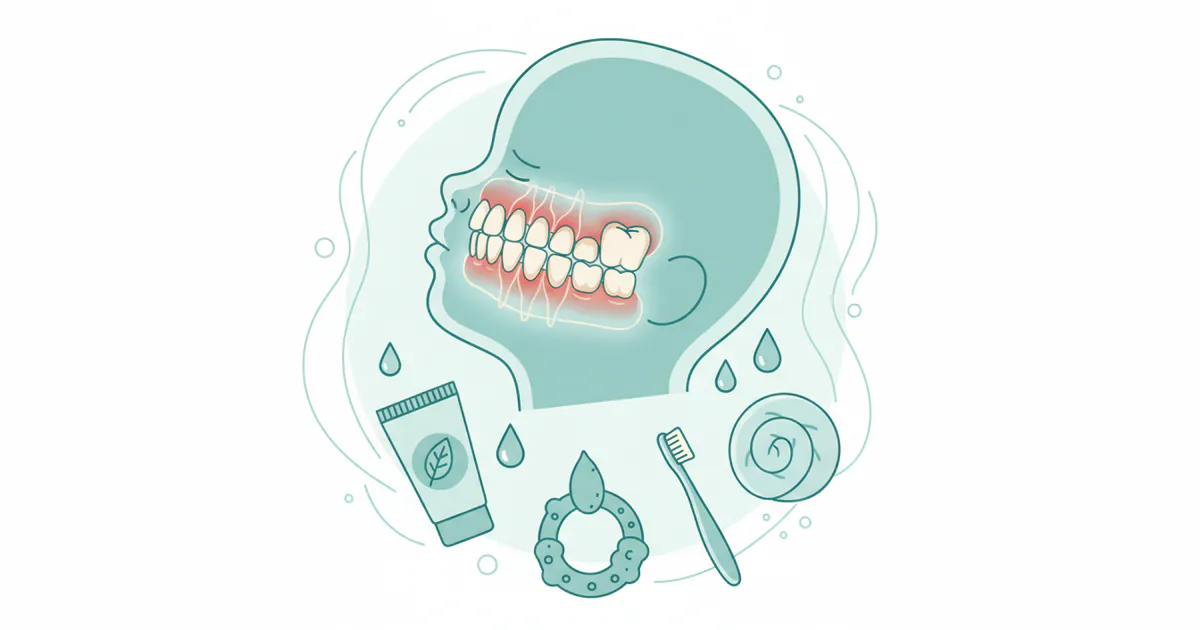
Teething syndrome, also known as primary tooth eruption, is the physiological process by which an infant's first set of teeth, called deciduous or primary teeth, break through the gums and become visible in the mouth. This natural developmental milestone typically begins around 6 months of age, though it can start as early as 4 months or as late as 12 months, with individual variations being common. The entire process, from the first tooth to the eruption of all 20 primary teeth, usually concludes by the time a child is around 2.5 to 3 years old.
The discomfort associated with teething syndrome arises from the pressure exerted by the erupting tooth on the surrounding gum tissue, combined with a localized inflammatory response. As the tooth crown pushes through the bone and then the gum, it can cause tenderness, swelling, and redness in the affected area. This inflammation is a normal part of the body's reaction to the tooth's movement, but it is also the primary source of the symptoms that parents observe. Understanding that teething is a normal, albeit sometimes challenging, part of infant development is the first step in managing it effectively.
Causes / Why It Happens
The root cause of teething syndrome is the natural biological process of tooth development and eruption. Inside the jawbones, primary teeth begin to form during fetal development. Each tooth forms within a dental follicle, gradually calcifying and developing its crown and root structure.
As the baby grows, these developing teeth begin to move towards the surface of the gums. This upward movement is driven by a complex interplay of cellular and molecular mechanisms, including:
- Bone Resorption: Specialized cells called osteoclasts break down the bone overlying the erupting tooth, creating a pathway.
- Pressure and Movement: The growing tooth root and surrounding tissues exert pressure, pushing the tooth upwards.
- Inflammatory Response: As the tooth approaches and penetrates the gum tissue, it triggers a localized inflammatory reaction. This involves the release of chemicals that contribute to swelling, redness, and tenderness, similar to how any wound or irritation in the body would react. This inflammation is what causes most of the uncomfortable symptoms associated with teething syndrome.
While the precise triggers for the onset of eruption are still being researched, genetics play a significant role in determining the timing and sequence of tooth appearance. Environmental factors, such as nutrition and general health, can also subtly influence the process, though healthy infants typically follow a predictable pattern.
Signs and Symptoms
Identifying the signs and symptoms of teething syndrome can be challenging because many of them can also be indicative of other childhood illnesses. It's crucial for parents to observe their child carefully and differentiate between typical teething discomfort and more serious conditions.
Most infants experience a range of symptoms, which can vary in intensity from mild fussiness to significant distress. Symptoms typically appear about 3-5 days before a tooth erupts and resolve shortly after the tooth breaks through the gum.
Common Localized Symptoms:
- Swollen, Red, or Tender Gums: This is the most direct sign. The gum over the erupting tooth may appear visibly swollen, red, or even bruised.
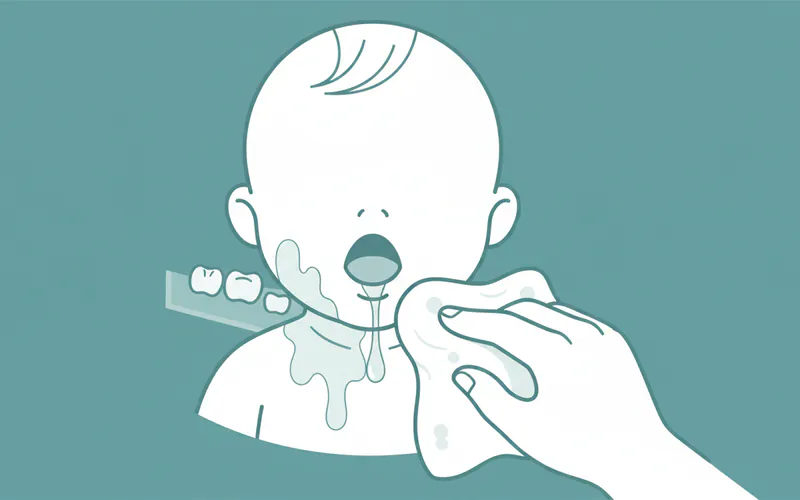
- Increased Drooling: Excessive drooling is one of the hallmark signs of teething, often starting around 3-4 months of age. While it helps moisten and soothe the gums, it can also lead to skin irritation around the mouth, chin, and neck.
- Chewing or Biting on Objects: Babies instinctively try to relieve pressure and discomfort by gnawing on anything they can get their hands on—toys, fingers, clothes, or even furniture. This counter-pressure can feel soothing.
Common Systemic Symptoms:
- Irritability and Fussiness: This is perhaps the most common symptom. Babies may be more restless, cry more often, and be difficult to console, especially at night when distractions are fewer.
- Changes in Sleep Patterns: Discomfort can make it difficult for babies to fall asleep or stay asleep, leading to disrupted naps and nighttime awakenings.
- Changes in Appetite: Some babies may refuse solid foods or bottles due to sore gums, preferring cooler liquids or softer foods. Others may want to nurse more frequently for comfort.
- Mild Temperature Elevation: A slight increase in body temperature, usually below 101°F (38.3°C), can occur during teething. This is often attributed to the localized inflammatory response. However, a true fever (101°F or higher) is generally NOT caused by teething and warrants investigation for an underlying illness.
- Ear Rubbing or Cheek Pulling: If the discomfort is in the back teeth (molars), pain can radiate to the ears or cheeks, causing babies to rub or pull these areas. This can be confused with an ear infection.
Addressing "Can Teething Cause Runny Nose?"
This is a frequently asked question among parents. While a runny nose can sometimes appear coincidental with teething, dental and pediatric experts generally agree that teething itself does not directly cause a true viral-like runny nose, cough, or diarrhea.
Here's why this perception exists and what might be happening:
- Excessive Drooling: The increased drooling associated with teething can sometimes be mistaken for a runny nose, as saliva can drip from the nostrils if the baby is lying down or has a lot of moisture around the mouth. This isn't mucus from nasal passages but rather saliva.
- Weakened Immune System (Theoretical): Some theories suggest that the stress of teething might temporarily lower an infant's immunity, making them more susceptible to common colds and viruses. However, there's no strong scientific evidence to support a direct cause-and-effect relationship.
- Coincidence: Infants between 6 months and 3 years are at an age when their passive immunity from the mother wanes, and they are frequently exposed to new germs in daycare, playgroups, or from older siblings. Therefore, it's very common for them to experience colds, sniffles, and mild illnesses during the same period they are teething. This makes it easy to attribute these symptoms to teething, even if they are unrelated.
Conclusion on Runny Nose: While a very slight, clear nasal discharge might be observed due to irritation from constant drooling and wiping, a significant, persistent, or discolored runny nose, along with coughing, sneezing, or true diarrhea, should be considered a symptom of a cold or other infection, not teething. Always consult your pediatrician if these symptoms are prominent or concerning.
``
Treatment Options
Managing teething syndrome primarily focuses on alleviating discomfort and providing soothing relief. It's important to choose safe and effective methods and to avoid potentially harmful remedies.
A. Non-Pharmacological Remedies:
These are often the first line of defense and can be highly effective for mild to moderate discomfort.
-
Gum Massage: Gently rubbing your baby's gums with a clean finger or a damp gauze pad can provide counter-pressure and soothe the area. Ensure your hands are thoroughly washed.
- Pros: Natural, immediate relief, bonding experience.
- Cons: Temporary relief, may not be effective for severe pain.
- Cost: Free.
-
- Chilled Teething Rings or Toys: Cool objects can numb the gums and reduce inflammation. Ensure they are specifically designed for teething and are made from safe, non-toxic materials. Avoid freezing them solid, as this can be too hard and potentially cause injury or frostbite to delicate gum tissue. Refrigeration is best.
- Pros: Effective, safe, readily available.
- Cons: Needs to be kept clean and cool.
- Cost: $5 - $20 for a quality teething toy.
- Hard Rubber or Wooden Teethers: These provide a firm surface for babies to chew on, applying pressure that can relieve discomfort.
- Pros: Durable, good for chewing.
- Cons: Requires regular cleaning.
- Cost: $10 - $30.
- Chilled Teething Rings or Toys: Cool objects can numb the gums and reduce inflammation. Ensure they are specifically designed for teething and are made from safe, non-toxic materials. Avoid freezing them solid, as this can be too hard and potentially cause injury or frostbite to delicate gum tissue. Refrigeration is best.
-
Cold Foods: For babies who have started solids, offering cold foods like chilled fruit purees (applesauce, banana), yogurt, or even a chilled piece of cucumber (under strict supervision to prevent choking) can offer relief.
- Pros: Soothing, provides nutrition.
- Cons: Not for all babies (age-dependent), choking hazard if not appropriate for age/supervision.
- Cost: Varies with food.
-
Keep the Skin Dry: Excessive drooling can lead to rashes. Gently wipe your baby's chin and neck frequently with a soft cloth to prevent irritation. A thin layer of petroleum jelly or a barrier cream can also protect the skin.
- Pros: Prevents secondary skin issues.
- Cons: Requires constant attention.
- Cost: $5 - $15 for barrier cream.
B. Pharmacological Remedies (Consult your Pediatrician First):
When non-pharmacological methods aren't enough, over-the-counter pain relievers can be considered. Always consult your pediatrician before administering any medication to an infant, especially regarding dosage.
-
Acetaminophen (Tylenol, generic brands):
- Pros: Effective for pain and mild fever, generally safe when dosed correctly, available for infants 2 months and older.
- Cons: Requires careful dosing based on weight, can be harmful if overdosed, may not be sufficient for severe inflammation.
- Cost: $10 - $15 for infant liquid suspension.
-
Ibuprofen (Advil, Motrin, generic brands):
- Pros: Reduces pain and inflammation, available for infants 6 months and older.
- Cons: Should only be used for infants 6 months and older, may cause stomach upset in some babies, requires careful dosing based on weight, can be harmful if overdosed.
- Cost: $10 - $15 for infant liquid suspension.
C. Remedies to AVOID:
The American Academy of Pediatrics (AAP) and the American Dental Association (ADA) strongly advise against several popular, but potentially dangerous, teething remedies:
- Topical Numbing Gels with Benzocaine: Products like Orajel Baby are NOT recommended for infants and children under 2 years old due to the risk of methemoglobinemia, a rare but serious condition that reduces the amount of oxygen carried in the blood. Even for older children, it's generally best to avoid these.
- Homeopathic Teething Tablets/Gels: The FDA has issued warnings regarding homeopathic teething tablets and gels due to inconsistent amounts of belladonna (a toxic substance) and other potentially harmful ingredients. They are considered ineffective and dangerous.
- Amber Teething Necklaces or Bracelets: These pose significant choking and strangulation hazards and have no scientific evidence of efficacy. They should never be used.
- Frozen Teethers (Solid Ice): While chilled teethers are good, freezing them solid can make them too hard and potentially damage the delicate gum tissue.
- Alcohol on Gums: Absolutely avoid this. It's harmful and ineffective.
Pro Tip: Always introduce new teething remedies one at a time to observe your baby's reaction and determine what works best for them. Keep a log of symptoms and remedies tried.
``
Step-by-Step Process: What to Expect During Teething
Teething isn't a single event but a process that unfolds over several years. While the general sequence is predictable, the timing of individual tooth eruption can vary significantly from child to child. Understanding this "step-by-step" process helps parents anticipate discomfort and prepare for each new arrival.
The entire process involves the eruption of 20 primary (deciduous) teeth, typically in pairs, symmetrical on both sides of the jaw.
General Eruption Sequence and Timeline:
-
Lower Central Incisors (Front Bottom Teeth):
- Age: 6-10 months (most commonly 6-8 months)
- Description: These are usually the first teeth to appear, often causing noticeable fussiness as they cut through the gum.
- Number: 2
-
Upper Central Incisors (Front Top Teeth):
- Age: 8-12 months (most commonly 8-10 months)
- Description: Soon after the bottom front teeth, the top front teeth make their appearance.
- Number: 2
-
Upper Lateral Incisors (Top Side Front Teeth):
- Age: 9-13 months
- Description: Flanking the central incisors, these teeth broaden the baby's smile.
- Number: 2
-
Lower Lateral Incisors (Bottom Side Front Teeth):
- Age: 10-16 months
- Description: These complete the set of front teeth.
- Number: 2
-
First Molars (Back Teeth):
- Age: 13-19 months (upper), 14-18 months (lower)
- Description: These are the first grinding teeth and often cause significant discomfort due to their larger, wider crowns. Symptoms can be more intense, and babies might refuse solid foods more frequently.
- Number: 4 (2 upper, 2 lower)
-
Canines (Cuspids/Eyeteeth):
- Age: 16-22 months (upper), 17-23 months (lower)
- Description: Located between the lateral incisors and first molars, these pointed teeth can also be quite uncomfortable as they emerge.
- Number: 4 (2 upper, 2 lower)
-
Second Molars (Furthest Back Teeth):
- Age: 23-31 months (lower), 25-33 months (upper)
- Description: These are the last primary teeth to erupt and are often the most challenging due to their size and position far back in the mouth. It's common for children to be quite irritable during this phase.
- Number: 4 (2 upper, 2 lower)
Total Primary Teeth: 20
Primary Teeth Eruption Chart
This table provides a typical primary teeth chart for easy reference. Remember, these are averages, and individual variations are normal.
| Tooth Name | Typical Age of Eruption (Months) | Number of Teeth |
|---|---|---|
| Lower Central Incisors | 6-10 | 2 |
| Upper Central Incisors | 8-12 | 2 |
| Upper Lateral Incisors | 9-13 | 2 |
| Lower Lateral Incisors | 10-16 | 2 |
| Upper First Molars | 13-19 | 2 |
| Lower First Molars | 14-18 | 2 |
| Upper Canines | 16-22 | 2 |
| Lower Canines | 17-23 | 2 |
| Lower Second Molars | 23-31 | 2 |
| Upper Second Molars | 25-33 | 2 |
| Total Primary Teeth | ~6 to 33 Months | 20 |
``
Pro Tip: Keep a small calendar or app to track which teeth have erupted and when. This can help you anticipate future teething phases and also provide valuable information for your pediatrician or pediatric dentist.
Recovery and Aftercare
Once a tooth has successfully erupted, the acute symptoms of teething syndrome typically subside. However, "aftercare" during and after teething shifts focus to establishing good oral hygiene practices to protect these new teeth.
-
Oral Hygiene for New Teeth:
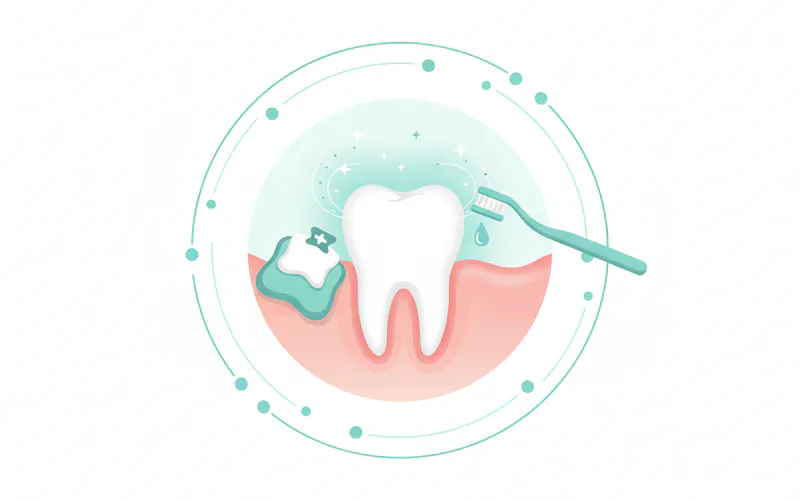
- Before Teeth Erupt: Even before the first tooth appears, gently wipe your baby's gums twice a day with a clean, soft cloth or gauze pad. This helps remove bacteria and food particles and gets your baby accustomed to oral care.
- First Tooth Appearance: As soon as the first tooth erupts, it's time to start brushing. Use a soft-bristled, infant-sized toothbrush and a tiny smear (the size of a grain of rice) of fluoride toothpaste. Brush gently twice a day. The ADA recommends using fluoride toothpaste from the first tooth.
- As More Teeth Erupt: As more teeth fill in, continue brushing thoroughly. By age 3, you can increase the amount of fluoride toothpaste to a pea-sized dab. Supervise brushing until your child is about 6-8 years old to ensure they are spitting out the toothpaste and not swallowing too much.
-
Regular Dental Check-ups: The ADA and AAP recommend that a child's first dental visit occurs either when the first tooth erupts or by their first birthday, whichever comes first. This visit is crucial for establishing a "dental home," receiving guidance on oral hygiene, diet, and fluoride, and detecting any potential issues early.
- Pro Tip: Make the first dental visit a positive experience. Talk about it in an excited, not fearful, tone.
-
Dietary Considerations:
- Avoid prolonged exposure to sugary liquids (juice, milk, formula) in bottles, especially at bedtime, as this can lead to "baby bottle tooth decay."
- Offer water between meals and as a primary drink once solid foods are introduced.
- Introduce a sippy cup around 6-12 months and transition away from the bottle by 12-18 months.
Prevention
While you cannot prevent teething syndrome itself (it's a natural developmental process), you can take steps to minimize discomfort and prevent complications.
-
Proactive Comfort Measures:
- Have chilled teething toys readily available when you know a tooth is likely to emerge.
- Be prepared with age-appropriate pain relief medication (acetaminophen/ibuprofen) after consulting your pediatrician.
- Maintain a consistent routine, but be flexible during peak teething discomfort, offering extra cuddles and comfort.
-
Maintain Excellent Oral Hygiene from Birth:
- Cleaning gums regularly even before teeth appear helps reduce the bacterial load in the mouth, which might contribute to inflammation.
- Early and consistent brushing with fluoride toothpaste protects erupting teeth from decay.
-
Identify and Address Other Issues:
- Do not automatically attribute all symptoms (especially high fever, severe diarrhea, vomiting, or persistent cough/congestion) to teething. Seek medical attention if symptoms are severe or persist, to rule out other illnesses. Misattributing these to teething can delay necessary medical treatment.
Risks and Complications
While teething is a normal physiological process, there are potential risks and complications to be aware of:
- Misdiagnosis of Serious Illness: The most significant risk is attributing serious symptoms like high fever, severe diarrhea, vomiting, or a significant rash to teething, thereby delaying diagnosis and treatment of an actual illness. Teething should only cause mild, localized symptoms.
- Infection:
- Pericoronitis: Rarely, the gum tissue overlying an erupting tooth (especially molars) can become inflamed and infected. This is more common with wisdom teeth in adults but can occasionally occur in children.
- Abscess: If a tooth has an underlying developmental issue or an infection, an abscess could form, though this is not directly related to the normal teething process.
- Damage from Unsafe Remedies: As discussed, using dangerous products like benzocaine gels or amber necklaces can lead to severe health consequences (methemoglobinemia, choking, strangulation).
- Oral Injuries: Babies chewing excessively on hard or inappropriate objects can potentially injure their gums, soft tissues, or even chip existing teeth.
- Dental Caries (Tooth Decay): While not a direct teething complication, the emergence of teeth signals the need for vigilant oral hygiene. Without proper care, newly erupted teeth are susceptible to decay, especially if exposed to sugary liquids frequently.
Cost and Insurance
Direct "cost" for teething syndrome itself is minimal, as it's a natural process. However, parents incur expenses for remedies and potential dental visits related to managing symptoms or ensuring oral health.
A. Cost of Teething Remedies:
| Remedy Type | Average Cost Range (USD) | Notes |
|---|---|---|
| Chilled Teething Toys | $5 - $20 | Durable, non-toxic, many shapes and sizes. |
| Hard Rubber/Wooden Teethers | $10 - $30 | Good for firm pressure. |
| Infant Acetaminophen/Ibuprofen | $10 - $15 | Liquid suspension, dosage based on weight. Always consult pediatrician. |
| Barrier Cream/Petroleum Jelly | $5 - $15 | To prevent drool rash. |
| Infant Toothbrush | $3 - $10 | Soft-bristled, small head. |
| Fluoride Toothpaste (infant) | $5 - $10 | Rice-grain smear for first tooth, pea-size at age 3. |
| Total Estimated Initial Cost | $38 - $100+ | One-time purchase of essentials. |
B. Cost of Dental Visits (Related to Teething/Infant Oral Health):
The American Dental Association (ADA) recommends a child's first dental visit by age one. These initial visits, often called "well-baby dental visits," are crucial.
| Service | Average Cost without Insurance (USD) | With Dental Insurance (Out-of-pocket) |
|---|---|---|
| First Dental Exam (Child under 3) | $75 - $200 | $0 - $50 (often 100% covered) |
| Oral Hygiene Instruction (Parent) | $20 - $50 (often included) | $0 |
| Fluoride Varnish Application | $25 - $75 | $0 - $20 (often covered) |
| X-rays (if needed, rarely for infants) | $30 - $150 | $15 - $75 |
| Emergency Visit for Severe Teething Pain/Complication | $100 - $300+ | $50 - $150+ |
Insurance Coverage: Most private dental insurance plans in the US cover preventive services for children, including initial exams, cleanings, and fluoride applications, often at 100% coverage with no deductible or co-pay. However, coverage details vary widely by plan. It is essential to:
- Verify Benefits: Contact your insurance provider directly before your child's first dental visit to understand their specific pediatric dental coverage.
- HMO/PPO Networks: Check if the pediatric dentist is in your plan's network to maximize benefits.
- Medicaid/CHIP: For eligible low-income families, Medicaid and the Children's Health Insurance Program (CHIP) often provide comprehensive dental benefits for children, including all necessary preventive and restorative care.
Payment Plans and Financing Options:
- Dental Office Payment Plans: Many pediatric dental offices offer in-house payment plans for services not fully covered by insurance, often interest-free for a limited period.
- Third-Party Financing: Options like CareCredit allow you to finance healthcare costs with deferred interest or low-interest plans.
- Dental Savings Plans: These are not insurance but offer discounts on dental services from participating providers for an annual fee.
Cost-Saving Tips:
- Prioritize preventive care, as it's typically highly covered by insurance and prevents more costly issues later.
- Utilize FSA/HSA accounts if available through your employer for pre-tax savings on healthcare expenses.
- Ask about cash discounts if you are paying out-of-pocket without insurance.
Children / Pediatric Considerations
Teething is fundamentally a pediatric concern, and special considerations apply when caring for infants and young children during this phase.
- Communication Barriers: Infants cannot verbalize their pain, so parents must rely on observing behavior and symptoms. This makes accurate assessment crucial.
- Vulnerability to Misinformation: Parents are often desperate for relief and may be susceptible to untested or dangerous remedies. Pediatric dentists and pediatricians are vital sources of evidence-based advice.
- Establishing a Dental Home: The first dental visit by age one is not just about checking for teeth but establishing a "dental home" where parents can consistently seek advice on oral health, including teething concerns, diet, and injury prevention.
- Nutritional Needs: During periods of intense teething pain, babies might refuse certain foods. Offer softer, cooler foods, and ensure adequate hydration. Don't force-feed, but consult a pediatrician if refusal to eat leads to significant weight loss or dehydration.
- Parental Stress: Teething can be extremely taxing on parents due to sleep deprivation and the emotional toll of seeing their child in pain. Seeking support from partners, family, or support groups can be beneficial. Remember to prioritize self-care when possible.
- Prevention of Early Childhood Caries: As teeth erupt, they are immediately susceptible to decay. Pediatric guidance emphasizes avoiding prolonged bottle-feeding at night, limiting sugary drinks, and starting brushing with fluoride toothpaste early.
Cost Breakdown
As detailed in the "Cost and Insurance" section, the direct expenses for teething syndrome are mainly related to managing symptoms and maintaining oral hygiene.
Average US Costs (Low, Mid, High):
- Low End ($50-$150): This covers basic essentials: a couple of chilled teethers, infant pain reliever (acetaminophen/ibuprofen), infant toothbrush, and fluoride toothpaste. If you have dental insurance, your first dental check-up might fall within this range (or even be free).
- Mid-Range ($150-$400): This includes a wider variety of teething toys, multiple bottles of medication (used over time), barrier creams, and potentially a routine first dental exam without insurance, plus a fluoride varnish application.
- High End ($400+): This might involve multiple dental visits for specific concerns, possibly an emergency dental visit if complications arise, or if you are purchasing numerous different types of remedies in search of the "perfect" solution. It could also reflect the cost if your child frequently requires medication over many months/years of teething.
With vs. Without Insurance:
- With Insurance: Many preventive pediatric dental services are fully covered. Your out-of-pocket costs for a first dental exam and routine care could be $0 - $50. Medication and teething aids are usually not covered by dental insurance but might be by medical FSA/HSA accounts.
- Without Insurance: A first dental exam can range from $75 - $200. Subsequent visits, if necessary, would incur similar costs. This significantly increases the overall expense, making cost-saving tips and preventive care even more crucial.
Payment Plans and Financing Options:
As mentioned previously, discuss payment options with your pediatric dental office. Many are willing to work with families to make care affordable. Don't let perceived cost be a barrier to your child receiving proper oral health care.
Frequently Asked Questions
What is the normal age for teething to start?
Teething typically begins between 6 and 10 months of age, with the lower central incisors usually erupting first. However, it's considered normal for teething to start as early as 4 months or as late as 12 months. Each child's developmental timeline is unique.
How long does teething last for each tooth?
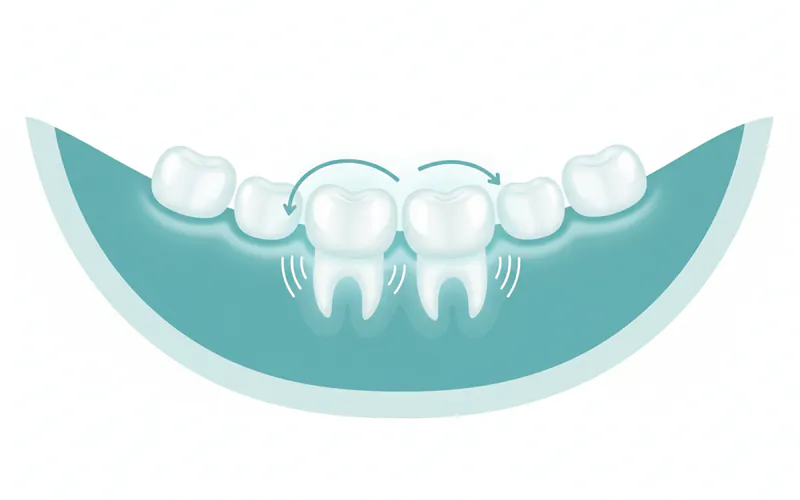
The active period of discomfort for each tooth usually lasts about 3 to 5 days immediately before the tooth breaks through the gum. Once the tooth has fully erupted, the acute symptoms typically subside. The entire process of all 20 primary teeth erupting can take up to 2.5 to 3 years.
Can teething cause a fever over 101°F (38.3°C)?
No, teething syndrome generally causes only a mild elevation in temperature, usually below 101°F (38.3°C). A true fever of 101°F (38.3°C) or higher is not considered a direct symptom of teething and should prompt a call to your pediatrician to investigate for an underlying illness or infection.
What are the safest pain relief options for a teething baby?
The safest and most recommended pain relief options include gently massaging your baby's gums with a clean finger, offering chilled (not frozen) teething toys, and, if needed, age-appropriate doses of infant acetaminophen or ibuprofen after consulting with your pediatrician. Always follow dosage instructions carefully.
Are teething gels and tablets safe?
No, many popular teething gels and tablets are NOT safe. The FDA and ADA strongly advise against topical numbing gels containing benzocaine (like Orajel Baby) due to the risk of methemoglobinemia in infants. Homeopathic teething tablets have also been linked to safety concerns due to inconsistent and potentially toxic ingredients. Avoid these products entirely.
What if my baby is drooling excessively?
Excessive drooling is a very common and normal sign of teething. To manage it, gently wipe your baby's chin and neck frequently with a soft cloth to prevent skin irritation and rashes. A thin layer of petroleum jelly or a barrier cream can also protect the skin from moisture.
When should my baby have their first dental visit?
The American Dental Association (ADA) and American Academy of Pediatric Dentistry (AAPD) recommend that a child's first dental visit occur either when the first tooth erupts or by their first birthday, whichever comes first. This helps establish a "dental home" and allows for early guidance on oral hygiene.
Does teething cause diarrhea?
While some parents report loose stools during teething, medical research does not support a direct link between teething and diarrhea. If your baby experiences significant or persistent diarrhea, it is more likely a symptom of a viral or bacterial infection and warrants a call to your pediatrician.
What is a primary teeth chart and why is it useful?
A primary teeth chart is a diagram or table illustrating the typical order and age range for the eruption of a child's 20 primary (baby) teeth. It's useful for parents to anticipate which teeth are likely to appear next, understand the general timeline, and track their child's dental development.
What should I do if my baby is inconsolable despite remedies?
If your baby is inconsolable, refusing to eat or drink, has a high fever, severe diarrhea, vomiting, or shows any signs of significant distress despite trying home remedies and age-appropriate pain relievers, you should contact your pediatrician immediately. These symptoms may indicate an illness unrelated to teething.
When to See a Dentist
While teething syndrome is a normal part of development, there are specific situations when it's prudent to consult a dentist or pediatrician. Knowing the difference between routine teething discomfort and warning signs is essential for your child's health.
Routine Care Guidance:
- First Tooth Eruption (or by 1st Birthday): Your child's first dental visit should happen at this time, regardless of teething symptoms. This visit establishes a "dental home" and allows the pediatric dentist to provide guidance on oral hygiene, diet, and early intervention if needed.
- Persistent Mild Discomfort: If your child's fussiness and discomfort are consistent with typical teething symptoms and respond to home remedies or over-the-counter pain relievers, you generally do not need an immediate dental visit. Keep monitoring.
Red Flags Requiring Attention:
Consult your pediatrician or pediatric dentist if your child experiences any of the following, as these are NOT typical symptoms of teething and may indicate a more serious condition:
- High Fever: A temperature of 101°F (38.3°C) or higher. Teething should only cause a mild temperature elevation.
- Severe or Persistent Diarrhea: More than a few loose stools or diarrhea that lasts longer than 24 hours.
- Vomiting: Especially if it's recurrent or projectile.
- Rash: A widespread skin rash that is not due to drool irritation.
- Lack of Appetite / Refusal to Eat for an Extended Period: If your child refuses to eat or drink for several hours, leading to concerns about dehydration.
- Extreme Irritability or Lethargy: If your child is unusually difficult to console, cries excessively for prolonged periods, or seems unusually tired and unresponsive.
- Swelling Beyond the Gums: If swelling extends to the face or neck, or if the gum swelling appears unusually severe, intensely red, or contains pus.
- Bleeding that Won't Stop: Minor spotting on the gums is normal, but significant or persistent bleeding is not.
- Symptoms that Worsen or Don't Improve: If your child's discomfort intensifies or doesn't respond to appropriate pain management strategies.
Emergency vs. Scheduled Appointment:
- Emergency (Call Doctor/Dentist Immediately): High fever, severe vomiting/diarrhea, signs of dehydration (e.g., decreased urination, dry mouth, no tears), widespread rash, extreme lethargy, or uncontrolled pain.
- Scheduled Appointment (Call during office hours): Concerns about the timing or sequence of tooth eruption, unusual appearance of a new tooth (e.g., discolored, oddly shaped), or persistent gum irritation that doesn't seem to be resolving after a tooth has erupted.
By staying informed and vigilant, you can confidently navigate the teething syndrome phase, ensuring your little one's comfort and setting the foundation for a lifetime of healthy smiles.
Frequently Asked Questions
Medically Reviewed Content
This article was written by our dental health editorial team and reviewed for medical accuracy. Our content follows strict editorial guidelines for reliability and trustworthiness.
Medical Disclaimer
This article is for informational purposes only and does not constitute medical advice. Always consult with a qualified dental professional for diagnosis and treatment. Do not delay seeking professional advice because of something you read on this website.
Related Articles
Kitten Teething Toys: Complete Guide
Few milestones in early life bring as much joy – and sometimes, as much discomfort – as teething. Just as a playful kitten explores its new world by mouthing and chewing on everything it can, human babies also embark on a similar developmental journey. In fact, over 80% of infants experience som
February 22, 2026
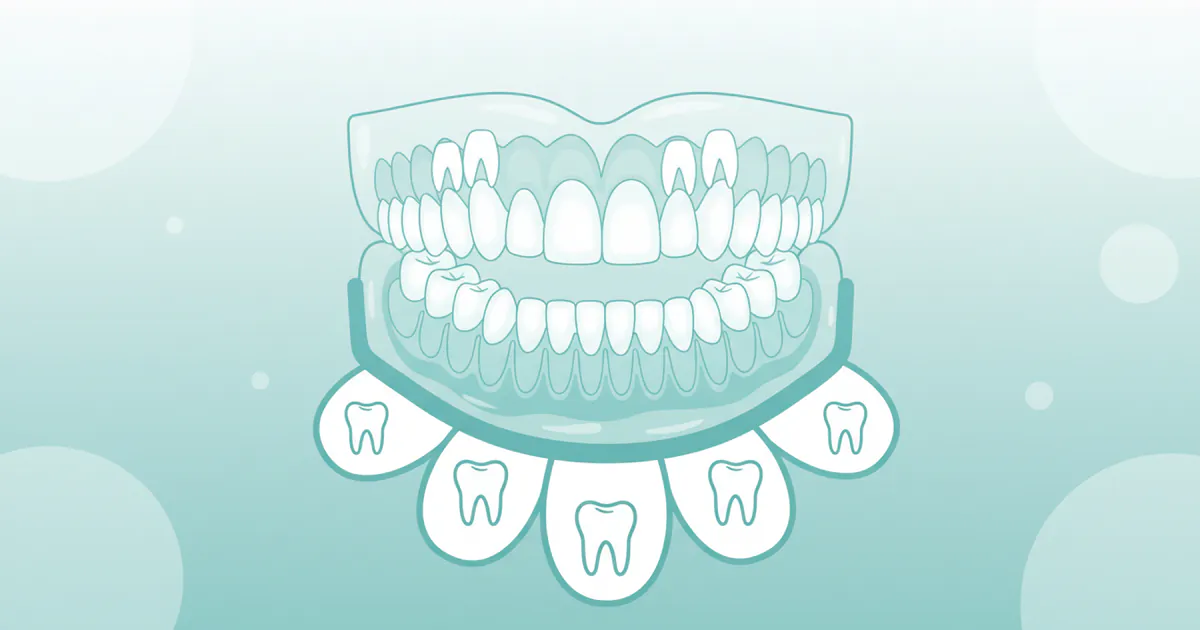
How Many Teeth Do Children Have
Did you know that a child's smile goes through more dramatic transformations in their first 12 years than an adult's does in a lifetime? Understanding the journey of your child's dental development is fundamental to ensuring their lifelong oral health. For many parents, a common question arises: **h
February 22, 2026
When Do Kittens Lose Their Baby Teeth
When Do Kittens Lose Their Baby Teeth
February 22, 2026
When Do Puppies Start Teething
The journey of parenthood is filled with milestones, and for many new parents, one of the most anticipated—and sometimes dreaded—is teething. While the phrase "teething like a puppy" often comes to mind to describe an infant's discomfort, the process of when do puppies start teething is a distinct d
February 22, 2026