When Do Puppies Start Teething
Key Takeaways
- The journey of parenthood is filled with milestones, and for many new parents, one of the most anticipated—and sometimes dreaded—is teething. While the phrase "teething like a puppy" often comes to mind to describe an infant's discomfort, the process of when do puppies start teething is a distinct d
When Do Babies Start Teething: A Comprehensive Guide for Parents
The journey of parenthood is filled with milestones, and for many new parents, one of the most anticipated—and sometimes dreaded—is teething. While the phrase "teething like a puppy" often comes to mind to describe an infant's discomfort, the process of when do puppies start teething is a distinct developmental stage for our furry friends. However, for SmilePedia.net, an authoritative dental health portal dedicated to human oral health, our focus is on understanding when do babies start teething and how parents can navigate this crucial period for their little ones. This article will demystify the teething process in human infants, providing parents in the US with medically accurate information, practical advice, and insights into ensuring their baby's healthy dental development from the very first tooth. We'll explore the signs, soothing strategies including appropriate teething toys (for babies, not puppies!), the critical discussion around teething necklace for babies, and when it's time to consult a pediatric dentist.
Key Takeaways:
- Typical Onset: Babies usually start teething between 4 and 7 months of age, though it can vary widely.
- First Teeth: The lower central incisors (bottom front teeth) are typically the first to emerge. Common Symptoms: Increased drooling, irritability, swollen gums, gnawing, and changes in sleep or eating patterns are common.
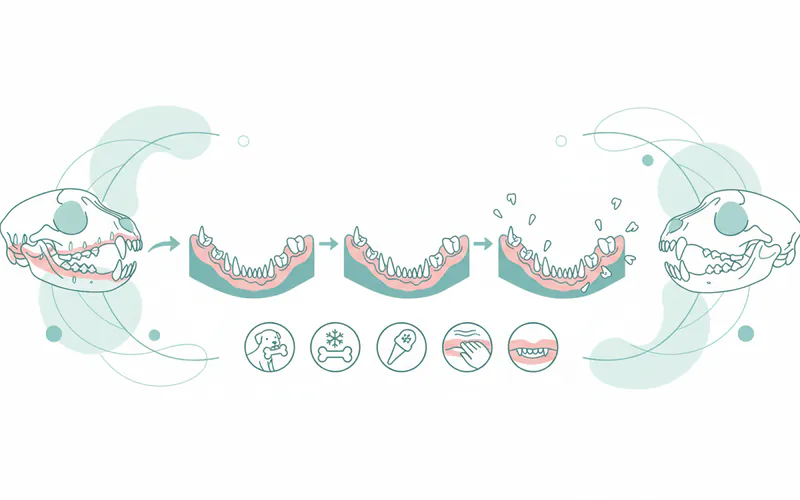
- Safe Soothing: Cold objects (teething rings, wet washcloths), gentle gum massage, and age-appropriate pain relievers (if approved by a pediatrician) are effective. Avoid amber teething necklaces due to choking and strangulation risks.
- First Dental Visit: The American Dental Association (ADA) recommends a child's first dental visit by their first birthday or within six months of their first tooth erupting.
- Cost of Teething Aids: Over-the-counter teething aids typically range from $5 to $25 per item. A pediatric dental check-up without insurance can range from $100 to $300.
``
What Is Infant Teething / Overview
Teething, also known as primary tooth eruption, is the natural physiological process during which an infant's first set of teeth, known as primary teeth or "milk teeth," begin to break through the gums and become visible in the mouth. These 20 primary teeth are essential for chewing, speaking, and holding space for the permanent teeth that will eventually replace them. The eruption sequence is generally predictable, though the exact timing can vary significantly from one child to another. Understanding this process is key for parents to provide comfort and care.
The Teething Timeline: When It Happens
While the precise moment when babies start teething can differ, there’s a general timeline that most infants follow. Most babies begin to show signs of teething around 4 to 7 months of age, but some may start as early as 3 months or as late as 12 months. It's important to remember that this is a developmental spectrum, and individual variations are normal.
The typical order of tooth eruption is as follows:
- 4-7 Months: Lower central incisors (bottom front teeth)
- 8-12 Months: Upper central incisors (top front teeth)
- 9-16 Months: Upper lateral incisors (teeth on either side of the top front teeth)
- 10-16 Months: Lower lateral incisors (teeth on either side of the bottom front teeth)
- 13-19 Months: First molars (back teeth, top and bottom)
- 16-23 Months: Canines (cuspids, pointed teeth between lateral incisors and first molars, top and bottom)
- 20-33 Months: Second molars (furthest back teeth, top and bottom)
By the age of three, most children will have all 20 of their primary teeth. Delays beyond 18 months for the first tooth to appear, or significant deviations from the typical eruption pattern, should be discussed with a pediatrician or pediatric dentist.
Causes: Why Teething Happens
Teething is simply a natural part of a baby's growth and development. The primary teeth develop within the jawbones before birth. As the baby grows, these teeth begin to move and push through the gum tissue. The exact biological mechanisms that trigger tooth eruption are complex and involve genetic factors, hormones, and growth factors. It's a precisely orchestrated biological event designed to prepare the child for solid foods and speech development.
Signs and Symptoms of Teething
Identifying teething can sometimes be tricky because many symptoms can overlap with other common infant ailments. However, several classic signs often indicate that a new tooth is on its way. Look for a combination of these symptoms, rather than just one in isolation.
Common Teething Symptoms:
- Excessive Drooling: One of the most common and earliest signs. Babies produce more saliva to lubricate the gums and protect against infection as teeth erupt.
- Irritability and Fussiness: Your usually cheerful baby might become unusually irritable, clingy, or fussy due to gum discomfort.
- Swollen, Tender, or Red Gums: The gum area where a tooth is emerging may appear red, swollen, or slightly bruised. You might even see a small bump.
- Gnawing and Biting: Babies instinctively try to relieve pressure on their gums by chewing on anything they can get their hands on – fingers, toys, clothing, or even your shoulder. This is where baby teething toys become indispensable.
- Changes in Eating Habits: Some babies may refuse food or bottles due to sore gums, while others might want to nurse more for comfort.
- Sleep Disturbances: Discomfort can make it difficult for babies to settle down and sleep, leading to frequent awakenings.
- Ear Pulling or Cheek Rubbing: Pain from erupting teeth, particularly molars, can sometimes radiate, leading babies to pull on their ears or rub their cheeks.
- Rash Around the Mouth: Excessive drooling can lead to skin irritation or a mild rash on the chin, cheeks, and neck.
Symptoms NOT Typically Caused by Teething:
It's crucial to distinguish between teething symptoms and signs of illness. While some parents report mild fever or diarrhea during teething, major dental organizations like the American Academy of Pediatrics (AAP) and the American Dental Association (ADA) state that teething does not directly cause fever over 100.4°F (38°C) or significant diarrhea. If your baby experiences high fever, vomiting, severe diarrhea, or seems generally unwell, consult your pediatrician, as these are likely signs of an underlying illness and not just teething.
Treatment Options and Soothing Strategies
When your baby is uncomfortable, your primary goal is to provide relief. Several safe and effective methods can help soothe a teething baby.
Non-Pharmacological Methods:
- Cold Objects:
- Teething Rings: Choose solid rubber or silicone rings that can be chilled in the refrigerator (not freezer, as extreme cold can harm gums). Ensure they are BPA-free.
- Wet Washcloth: Dampen a clean washcloth, twist it, and chill it in the refrigerator for 30 minutes. The baby can chew on the cold fabric.
- Frozen Fruits/Vegetables (in a mesh feeder): For babies starting solids, offer cold, safe foods like a frozen banana or melon piece in a mesh or silicone feeder. This allows them to gnaw without choking risk.
- Pro Tip: Always supervise your baby closely when using cold objects or mesh feeders to prevent choking.
- Gum Massage: Gently rub your baby's gums with a clean finger. The gentle pressure can counteract the pressure from the erupting tooth and provide relief.
- Teething Toys (Baby-Specific): This addresses the user's "puppy teething toys" keyword, recontextualized for human babies.
- Silicone Teethers: Come in various shapes and textures, providing different sensations for babies to chew on. Look for those easy for small hands to grasp.
- Wooden Teethers: Natural and often textured, ensure they are untreated and made from safe wood.
- Vibrating Teethers: Some toys vibrate gently when chewed, which can offer additional relief.
- Important: Always check that teething toys are appropriate for your baby's age, free from small parts that could break off, and made from non-toxic materials. Avoid toys that contain liquid that could leak.
- Comfort and Cuddles: Sometimes, all a fussy baby needs is extra comfort, cuddles, and reassurance from a parent.
Pharmacological Methods (Consult Pediatrician First):
- Infant Pain Relievers:
- Acetaminophen (e.g., Tylenol): Can be used for pain relief in infants, dosed according to weight.
- Ibuprofen (e.g., Motrin, Advil): Can be used for pain and inflammation in infants older than 6 months, dosed by weight.
- Pros: Can significantly reduce pain and allow the baby to rest.
- Cons: Must be dosed precisely according to a pediatrician's instructions.
- Pro Tip: Always consult your pediatrician before giving any medication to your baby, especially regarding dosage and frequency.
- Topical Gels/Creams:
- Benzocaine-containing products: The FDA (U.S. Food and Drug Administration) strongly advises against using topical oral pain relievers containing benzocaine for children younger than 2 years due to the risk of methemoglobinemia, a rare but serious condition.
- Homeopathic Teething Gels/Tablets: Many of these products have been subject to FDA warnings due to inconsistent manufacturing practices and potential harmful ingredients. It's best to avoid them entirely.
- Natural/Herbal Gels: Some gels use ingredients like chamomile or clove oil. While generally considered safer than benzocaine, their efficacy is often not well-proven, and potential allergic reactions are always a consideration. Use with caution and consult your pediatrician.
Teething Necklace for Babies: A Critical Look
The user specifically requested coverage of "teething necklace for babies." This is a crucial topic to address with medical accuracy and safety warnings.
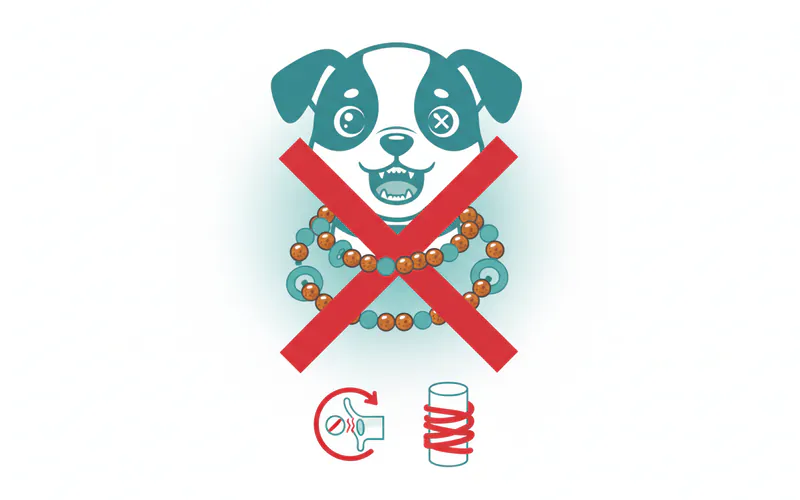
Amber teething necklaces, silicone bead necklaces, and other similar products are marketed as natural pain relievers or sensory aids for teething babies. However, major health organizations, including the American Academy of Pediatrics (AAP) and the FDA, strongly advise against their use.
- Risks:
- Choking Hazard: The beads, if they break off, pose a severe choking risk.
- Strangulation Hazard: Any necklace around a baby's neck carries a significant risk of strangulation, especially during sleep or unsupervised play. This risk is present even with "safety release" clasps.
- Lack of Efficacy: There is no scientific evidence to support claims that amber or other materials in these necklaces release succinic acid (or any other substance) that is absorbed through the skin to provide pain relief.
- Recommendation: Parents should avoid using any type of teething necklace for their baby. The risks far outweigh any unproven benefits. If you wish for your baby to chew on something, opt for age-appropriate, durable teething toys that are held by hand and directly supervised.
Step-by-Step Process: What to Expect During Teething
Teething isn't a single event but a gradual process. Here's a general idea of what parents can expect:
- Preparation Phase (Weeks Before Eruption): Even before you see a tooth, your baby might start showing early signs. This includes increased drooling, fussiness, and a tendency to put everything into their mouth. The tooth is moving within the gum, causing pressure.
- Gum Swelling and Redness: As the tooth gets closer to breaking through, the gum tissue over it may become visibly swollen, red, and tender. You might feel a hard bump under the gum.
- The Breakthrough: This is often the most uncomfortable stage. The tooth is pushing through the final layer of gum tissue. You might notice a small white tip of the tooth appearing. Some babies might have a "teething blister" or eruption cyst – a bluish-red fluid-filled sac on the gum, which usually resolves on its own as the tooth emerges.
- Eruption and Relief: Once the tooth has fully broken through the gum, the immediate discomfort often subsides. However, the process repeats for each new tooth, so periods of relief may be followed by new rounds of teething symptoms.
- Post-Eruption Care: Once teeth emerge, the focus shifts to regular oral hygiene. Start brushing twice a day with a soft infant toothbrush and a tiny smear of fluoride toothpaste (rice-grain size) as soon as the first tooth appears, as recommended by the ADA.
Cost and Insurance for Pediatric Dental Care
While teething itself doesn't incur direct medical costs beyond over-the-counter remedies, establishing good oral health habits from an early age is crucial, and this includes the first dental visit.
Cost of Teething Aids:
| Product Category | Typical US Price Range | Notes |
|---|---|---|
| Silicone Teething Rings | $5 - $15 | Varies by brand, design, and features (e.g., textured, multi-functional) |
| Wooden Teethers | $10 - $25 | Often higher for natural, organic, or handcrafted options |
| Mesh/Silicone Food Feeders | $8 - $20 | For offering cold purees or frozen fruit safely |
| Infant Pain Relievers (OTC) | $7 - $15 | Acetaminophen or Ibuprofen liquid, generic brands often cheaper |
| Topical Gels (Non-Benzocaine) | $8 - $18 | Limited efficacy, always consult pediatrician |
| Teething Necklaces (Avoid!) | $15 - $40+ | Not recommended due to severe safety risks (choking, strangulation). |
Cost of Pediatric Dental Visits:
The American Dental Association (ADA) and American Academy of Pediatric Dentistry (AAPD) recommend a child's first dental visit by their first birthday or within six months of the first tooth erupting.
- Initial Exam (without insurance): A typical first dental visit for a baby (exam, cleaning, fluoride varnish) can range from $100 to $300 across the US.
- Northeast/West Coast: Tends to be on the higher end, possibly $200 - $400.
- Midwest/South: Often more affordable, $100 - $250.
- With Insurance: Most dental insurance plans, especially those with pediatric dental benefits (often included in Affordable Care Act-compliant health plans), cover preventive care for children at 100%, meaning no out-of-pocket cost for the first exam and subsequent routine check-ups. It's crucial to check your specific policy for details on coverage, deductibles, and co-pays.
- Medicaid/CHIP: For eligible low-income families, Medicaid and the Children's Health Insurance Program (CHIP) typically cover comprehensive dental care for children, including preventive visits, at little to no cost.
Recovery and Aftercare
Once the teeth have erupted, the "teething" phase for that particular tooth is over, but dental care is just beginning.

- Oral Hygiene: As soon as the first tooth appears, start brushing twice a day with a soft, infant-sized toothbrush and a tiny smear (rice-grain size) of fluoride toothpaste.
- Preventing "Baby Bottle Tooth Decay": Never put your baby to bed with a bottle containing milk, formula, juice, or sweetened liquids. The sugars can pool around the teeth and lead to rapid decay. Water is the only safe beverage for bedtime bottles.
- Healthy Eating Habits: As your child grows, encourage a balanced diet low in sugary snacks and drinks.
- Regular Dental Check-ups: Continue with regular pediatric dental visits as recommended by your dentist, typically every six months.
Prevention of Dental Issues
While you can't prevent teething itself, you can prevent associated dental problems.
- Early Oral Hygiene: Starting oral hygiene early with a soft cloth or infant toothbrush cleans gums and any erupted teeth, removing bacteria and setting a routine.
- Fluoride Toothpaste: Using a fluoride toothpaste from the first tooth's eruption helps strengthen enamel and prevent cavities.
- Limit Sugar Exposure: Minimize sugary drinks and foods, especially sticky ones, to protect new teeth from decay.
- Avoid Prolonged Bottle Use: Wean children off bottles by 12-18 months of age and encourage sippy cups.
- First Dental Visit: Establishing a "dental home" early allows for preventive care, risk assessment for cavities, and early intervention if issues arise. The ADA emphasizes this critical step for lifelong oral health.
Risks and Complications
While teething is natural, certain risks and complications can arise, mostly related to inappropriate soothing methods or neglecting early oral hygiene.
- Choking and Strangulation: As discussed, teething necklaces pose severe risks. Small, easily detachable parts from any teething toys can also be choking hazards. Always supervise your baby.
- Methemoglobinemia: Benzocaine-containing topical gels carry a risk of this dangerous blood disorder in young children. Avoid these products.
- Dental Decay: If proper oral hygiene isn't established early, or if babies are exposed to sugary liquids (e.g., in a bedtime bottle), new teeth are highly susceptible to "baby bottle tooth decay" or early childhood caries. This can lead to pain, infection, and even premature tooth loss, affecting speech and future permanent tooth alignment.
- Allergic Reactions: While rare, some babies may react to ingredients in topical gels or certain materials in teething toys.
- Misdiagnosis: Attributing all symptoms (especially high fever or severe illness) solely to teething can delay diagnosis and treatment of actual medical conditions.
Children / Pediatric Considerations
This entire article is intrinsically a pediatric consideration, focusing on the unique aspects of infant dental health. The core message is that pediatric dentistry emphasizes preventive care from infancy.
- Establishing a Dental Home: The American Academy of Pediatric Dentistry (AAPD) strongly advocates for children to establish a "dental home" by age one. This means having an ongoing relationship with a pediatric dentist, which ensures comprehensive, continuously accessible, coordinated, and family-centered dental care.
- Parental Education: Pediatric dentists provide invaluable guidance to parents on:
- Proper oral hygiene techniques for infants and toddlers.
- Dietary counseling to prevent cavities.
- Fluoride needs and appropriate usage.
- Teething advice and safe soothing methods.
- Monitoring dental development and identifying potential issues early.
- Special Needs: Pediatric dentists are also trained to care for children with special health care needs, adapting treatments and communication methods to suit individual requirements.
``
Cost Breakdown: Teething and Early Dental Care in the US
Understanding the financial aspects of infant dental care can help parents plan.
| Item/Service | Low Average (USD) | Mid Average (USD) | High Average (USD) | Notes |
|---|---|---|---|---|
| Teething Aids (per item) | $5 | $15 | $25 | Silicone rings, natural wood teethers, mesh feeders |
| Infant OTC Pain Relievers | $7 | $10 | $15 | Generic vs. brand-name liquid acetaminophen/ibuprofen |
| First Pediatric Dental Exam | $100 | $200 | $350 | Includes exam, cleaning, fluoride varnish, X-rays if needed. Varies by region. |
| Emergency Visit (e.g., severe gum inflammation, injury) | $150 | $300 | $600+ | Varies greatly based on intervention needed. |
With vs. Without Insurance:
- With Dental Insurance: For children, many dental insurance plans cover preventive services (exams, cleanings, fluoride) at 100% with no deductible or copay. More extensive treatments might have a copay (e.g., 20-50%).
- Without Dental Insurance: You would pay the full cash price for services. This highlights the importance of checking insurance benefits or exploring government programs like Medicaid/CHIP.
- Medicaid/CHIP: These programs generally cover all medically necessary dental services for children, often with minimal or no out-of-pocket costs, in accordance with the Early and Periodic Screening, Diagnostic, and Treatment (EPSDT) benefit.
Payment Plans and Financing Options:
- Dental Offices: Many pediatric dental offices offer in-house payment plans or work with third-party financing companies (e.g., CareCredit). These allow parents to spread the cost of treatment over several months, often interest-free for a promotional period.
- Dental Savings Plans: These are not insurance but membership programs where you pay an annual fee to get discounted rates on dental services from participating providers. Discounts typically range from 10-60%.
- Community Dental Clinics: Many communities have clinics that offer services on a sliding scale based on income or at significantly reduced costs. These can be excellent resources for families without insurance or with limited budgets.
Cost-Saving Tips:
- Leverage Insurance: Understand your dental benefits and utilize them for preventive care.
- Maintain Oral Hygiene: The best way to save money on dental care is to prevent problems. Diligent brushing, flossing (once teeth touch), and a healthy diet significantly reduce the risk of costly treatments.
- Seek Community Resources: Explore dental schools (which often offer reduced-cost care), public health clinics, or dental outreach programs in your area.
- Preventative Care Focus: Prioritizing regular check-ups and cleanings can catch minor issues before they become major, expensive problems.
``
Frequently Asked Questions
When do babies typically get their first tooth?
Most babies begin to get their first tooth, usually a lower central incisor, between 4 and 7 months of age. However, there's a wide range of normal, and some babies may start as early as 3 months or as late as 12 months.
What are the most common signs that my baby is teething?
Common signs of teething include increased drooling, irritability, swollen or tender gums, a tendency to gnaw on objects, changes in appetite, and disrupted sleep. It's important to differentiate these from signs of illness like high fever.
Are teething necklaces safe for babies?
No, teething necklaces (such as amber or silicone bead necklaces) are not safe for babies. They pose significant risks of choking and strangulation and have no proven efficacy for pain relief. The FDA and AAP strongly advise against their use.
What are some safe and effective ways to soothe a teething baby?
Safe soothing methods include offering chilled (not frozen) teething rings or wet washcloths, gently massaging your baby's gums with a clean finger, and using age-appropriate, non-toxic silicone or wooden teething toys. Consult your pediatrician before using infant pain relievers.
Can teething cause a fever or diarrhea?
While some parents report mild temperature elevations during teething, major dental and pediatric organizations state that teething does not cause fever over 100.4°F (38°C) or significant diarrhea. If your baby has these symptoms, consult a doctor as it's likely an underlying illness.
When should I take my baby for their first dental visit?
The American Dental Association (ADA) recommends that a child's first dental visit should occur by their first birthday or within six months of their first tooth erupting, whichever comes first. This establishes a "dental home" for comprehensive care.
What kind of teething toys are best for babies?
Look for baby teething toys made from solid, BPA-free silicone or untreated wood. They should be easy for your baby to grasp, free from small detachable parts, and durable. Ensure they are age-appropriate and always supervise your baby while they are using them.
How long does the teething process usually last?
Teething is not a continuous process for all 20 teeth. Each tooth eruption lasts a few days to a week of discomfort, and the entire process of all primary teeth erupting can extend from around 6 months up to a child's third birthday.
What is "baby bottle tooth decay" and how can I prevent it?
Baby bottle tooth decay (or early childhood caries) is severe tooth decay in infants and young children, often caused by prolonged exposure to sugary liquids. Prevent it by never putting your baby to bed with a bottle containing milk, formula, juice, or sweetened drinks. Only offer water in a bottle at bedtime.
Should I clean my baby's gums before teeth erupt?
Yes, it's beneficial to start cleaning your baby's gums even before teeth emerge. Gently wipe them with a soft, damp cloth or gauze after feedings. This helps remove bacteria and establishes an early oral hygiene routine.
When to See a Dentist
While teething is a normal part of development, there are specific situations where consulting a pediatric dentist is essential.
- Delayed First Tooth: If your child has not erupted their first tooth by 18 months of age, it's advisable to see a pediatric dentist.
- Irregular Eruption Pattern: While variation is normal, if teeth are erupting significantly out of sequence, or if there are large gaps, a dentist can assess for underlying issues.
- Discolored or Damaged Teeth: Any signs of discoloration (brown or white spots), chips, or fractures on newly erupted teeth should prompt a dental visit.
- Signs of Infection: If the gum area around an erupting tooth becomes very red, inflamed, or has pus, or if your baby develops a fever along with these symptoms, it could indicate an infection requiring immediate attention.
- Persistent Symptoms or Severe Discomfort: If your baby's teething symptoms are unusually severe, prolonged, or unresponsive to typical soothing methods, it's worth a dental check-up to rule out other causes of discomfort.
- First Dental Visit by Age One: As per ADA and AAPD guidelines, your baby's first dental visit should be scheduled by their first birthday or within six months of their first tooth appearing. This is primarily for preventive care and to establish a "dental home."
Recognizing these warning signs and understanding the recommended timeline for initial dental visits ensures that any potential issues are addressed early, setting the foundation for a lifetime of healthy smiles.
Frequently Asked Questions
Medically Reviewed Content
This article was written by our dental health editorial team and reviewed for medical accuracy. Our content follows strict editorial guidelines for reliability and trustworthiness.
Medical Disclaimer
This article is for informational purposes only and does not constitute medical advice. Always consult with a qualified dental professional for diagnosis and treatment. Do not delay seeking professional advice because of something you read on this website.
Related Articles
Kitten Teething Toys: Complete Guide
Few milestones in early life bring as much joy – and sometimes, as much discomfort – as teething. Just as a playful kitten explores its new world by mouthing and chewing on everything it can, human babies also embark on a similar developmental journey. In fact, over 80% of infants experience som
February 22, 2026
How Many Teeth Do Children Have
Did you know that a child's smile goes through more dramatic transformations in their first 12 years than an adult's does in a lifetime? Understanding the journey of your child's dental development is fundamental to ensuring their lifelong oral health. For many parents, a common question arises: **h
February 22, 2026
Teething Syndrome: Complete Guide
As a parent, few things are as universally anticipated and often dreaded as the arrival of your baby's first tooth. While a milestone to celebrate, the process of primary tooth eruption, commonly known as teething syndrome, can bring with it a host of challenging symptoms. In fact, studies sugge
February 22, 2026
When Do Kittens Lose Their Baby Teeth
When Do Kittens Lose Their Baby Teeth
February 22, 2026