Infant Tooth Eruption Chart: Complete Guide
Key Takeaways
- Watching your baby grow is a journey filled with milestones, and few are as memorable – or as challenging for parents – as the arrival of their first teeth. The process of teething, or tooth eruption, marks a significant developmental stage, transforming a gummy smile into one ready for solid foods
Infant Tooth Eruption Chart: Complete Guide
Watching your baby grow is a journey filled with milestones, and few are as memorable – or as challenging for parents – as the arrival of their first teeth. The process of teething, or tooth eruption, marks a significant developmental stage, transforming a gummy smile into one ready for solid foods and clear speech. But with this excitement often comes uncertainty: When will the first tooth appear? In what order? What are normal infant tooth eruption chart timelines, and what should I do if my baby is struggling?
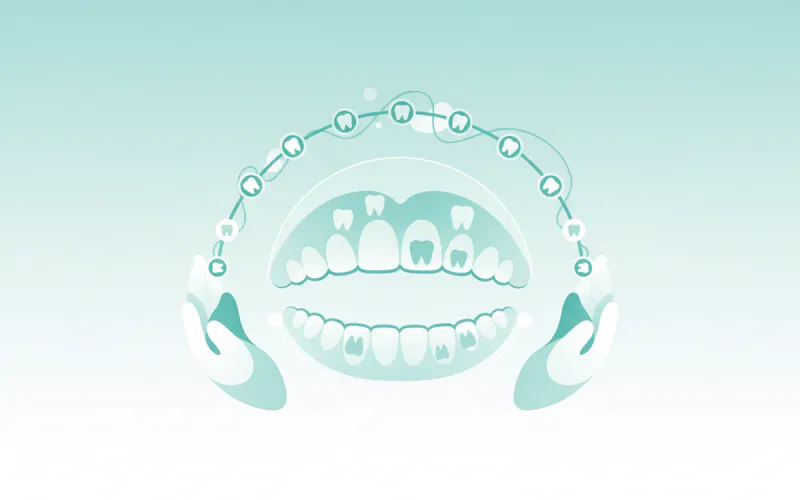
Understanding the typical tooth eruption dates and the order of tooth eruption is crucial for parents and caregivers. Not only does it help you anticipate and manage your baby's discomfort, but it also lays the foundation for lifelong oral health. From the first lower central incisor to the final second molar, each tooth plays a vital role in chewing, speaking, and shaping the jaw. This comprehensive guide from SmilePedia.net will equip you with all the knowledge you need, from detailed charts and symptom management to when to seek professional dental advice, ensuring you navigate this stage with confidence and care. We'll delve into the science behind teething, practical tips for relief, and critical information about maintaining your child's nascent dental health.
Key Takeaways:
- Typical Onset: Most infants begin teething between 6 and 12 months of age, though it can vary significantly from 3 months to over a year.
- Order of Eruption: The lower central incisors (bottom front teeth) are usually the first to erupt, followed by the upper central incisors, then lateral incisors, first molars, canines, and finally second molars.
- Full Primary Dentition: By around 2.5 to 3 years old, most children will have all 20 primary (baby) teeth.
- Managing Discomfort: Common relief methods include teething rings (chilled, not frozen), gum massage, and over-the-counter pain relievers like infant acetaminophen or ibuprofen (check age guidelines).
- First Dental Visit: The American Dental Association (ADA) recommends scheduling your child's first dental visit by their first birthday or within six months of the first tooth erupting.
- Cost of Teething Relief: Over-the-counter teething aids and pain relievers typically range from $5 to $25. Pediatric dental check-ups can cost anywhere from $75 to $250 without insurance, but are often covered by dental plans.
- Red Flags: Consult a dentist if your child has no teeth by 18 months, experiences severe pain/fever consistently linked to teething, or if you notice unusual gum swelling or discolored teeth.
What Is Infant Tooth Eruption? An Overview
Infant tooth eruption, commonly known as teething, is the natural process by which a baby's first set of teeth, called primary teeth or deciduous teeth, emerge through the gums. These teeth develop within the jawbones long before they become visible, gradually moving upwards until they break through the gum tissue. While a baby is born with all 20 primary teeth already formed beneath the gums, their eruption is a carefully timed biological event.
The primary dentition is crucial for several reasons beyond just helping your baby chew food. They play a vital role in speech development, assisting in the proper formation of sounds. Moreover, primary teeth act as "space holders" for the permanent teeth that will eventually replace them. If primary teeth are lost too early due to decay or injury, it can lead to spacing issues and misalignment when the permanent teeth begin to erupt. Understanding this process, including typical tooth eruption dates and patterns, allows parents to support their child's oral development effectively.
The Infant Tooth Eruption Chart Explained
An infant tooth eruption chart serves as a general guide, illustrating the typical age ranges during which each primary tooth is expected to emerge. It's important to remember that these are averages, and every child's development is unique. Some babies may get their first tooth as early as 3 months, while others might not show any teeth until after their first birthday. Both scenarios are generally considered within the normal range, provided there are no other underlying developmental concerns.
The chart typically presents the teeth in a sequential manner, showing when the upper (maxillary) and lower (mandibular) teeth usually appear. It's common for teeth to erupt in pairs, meaning the left and right tooth of the same type (e.g., both lower central incisors) will often emerge around the same time, though not always simultaneously.
This chart is a tool for parents to understand the general timeline, not a strict schedule. While minor deviations are normal, significant delays or an unusual order of tooth eruption might warrant a discussion with your pediatric dentist.
Order of Tooth Eruption: A Detailed Look
The order of tooth eruption typically follows a predictable pattern, which is vital for proper jaw development and alignment. Here’s the common sequence:
- Lower Central Incisors (Mandibular Central Incisors): These are the two bottom front teeth.
- Typical Eruption Dates: 6 to 10 months.
- Function: First teeth for biting and cutting soft foods.
- Upper Central Incisors (Maxillary Central Incisors): The two top front teeth.
- Typical Eruption Dates: 8 to 12 months.
- Function: Work with lower incisors for biting.
- Upper Lateral Incisors (Maxillary Lateral Incisors): The teeth on either side of the upper central incisors.
- Typical Eruption Dates: 9 to 13 months.
- Function: Assist central incisors in cutting food.
- Lower Lateral Incisors (Mandibular Lateral Incisors): The teeth on either side of the lower central incisors.
- Typical Eruption Dates: 10 to 16 months.
- Function: Complement the upper lateral incisors.
- First Molars (Mandibular and Maxillary First Molars): These are the first large grinding teeth, located towards the back of the mouth, usually one on each side of both the upper and lower jaws.
- Typical Eruption Dates: Lower: 12 to 18 months; Upper: 13 to 19 months.
- Function: Essential for grinding and mashing food.
- Canines (Cuspids): Also known as eye teeth, these pointy teeth are located between the lateral incisors and first molars.
- Typical Eruption Dates: Lower: 16 to 22 months; Upper: 16 to 22 months.
- Function: Tearing food.
- Second Molars (Mandibular and Maxillary Second Molars): The furthest back teeth in the primary dentition.
- Typical Eruption Dates: Lower: 20 to 31 months; Upper: 25 to 33 months.
- Function: Primary teeth for extensive grinding of food.
By the age of approximately 2.5 to 3 years, most children will have all 20 of their primary teeth.
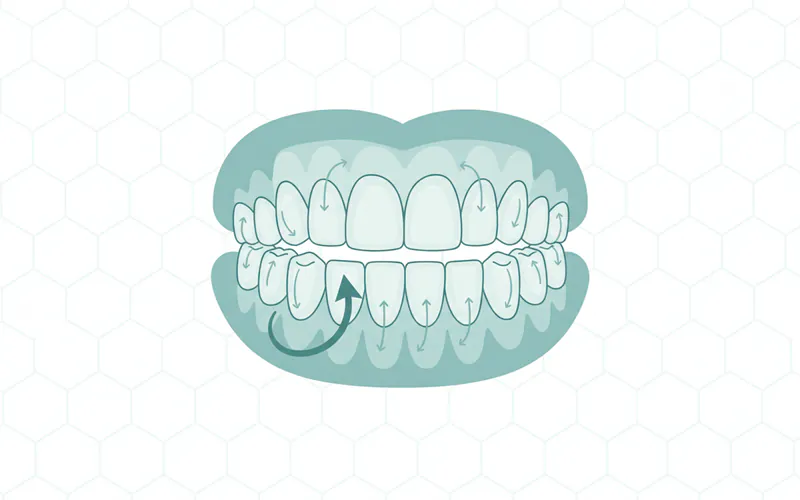
Table 1: Detailed Infant Tooth Eruption Chart
| Tooth Type | Average Age of Eruption (Months) | Notes |
|---|---|---|
| Lower Central Incisors | 6 - 10 | Often the very first teeth. |
| Upper Central Incisors | 8 - 12 | Follow soon after the lower central incisors. |
| Upper Lateral Incisors | 9 - 13 | Located next to the upper front teeth. |
| Lower Lateral Incisors | 10 - 16 | Located next to the lower front teeth. |
| Upper First Molars | 13 - 19 | The first large chewing teeth at the back. |
| Lower First Molars | 12 - 18 | Typically appear slightly before upper first molars. |
| Upper Canines | 16 - 22 | Pointy teeth, crucial for tearing food. |
| Lower Canines | 16 - 22 | Erupt around the same time as upper canines. |
| Lower Second Molars | 20 - 31 | The last primary teeth to erupt. |
| Upper Second Molars | 25 - 33 | Mark the completion of the primary dentition. |
Causes / Why It Happens
The process of tooth eruption is a complex biological phenomenon driven by a combination of genetic programming, cellular activity, and physiological changes within the jaw. While the exact trigger isn't fully understood, it's known to involve:
- Genetic Predisposition: The timing and sequence of tooth eruption are largely inherited. If parents experienced early or late teething, their children might follow a similar pattern.
- Bone Remodeling: Special cells called osteoclasts break down the bone overlying the developing tooth, creating a path for it to emerge. At the same time, osteoblasts deposit new bone to support the tooth's roots.
- Ligament and Tissue Development: As the tooth moves, the periodontal ligament (which will eventually anchor the tooth to the jawbone) begins to form and mature. The gum tissue overlying the tooth thins and eventually separates, allowing the crown to appear.
- Pressure and Growth: The developing tooth root grows, creating upward pressure against the overlying tissue. This pressure, combined with other cellular processes, facilitates the eruption.
- Hormonal Influences: While not fully elucidated, various hormones and growth factors are believed to play a role in regulating tooth development and eruption.
Signs and Symptoms of Teething
Teething can be a challenging time for both infants and parents, as the emergence of teeth can cause varying degrees of discomfort. Recognizing the signs and symptoms can help you provide appropriate comfort.
Common signs and symptoms include:
- Increased Drooling: One of the most common signs, babies produce more saliva, which can sometimes lead to a rash around the mouth, chin, and chest.
- Irritability and Fussiness: Babies may be more irritable, clingy, or cry more than usual due to discomfort. Their sleep patterns may also be disrupted.
- Swollen, Tender Gums: The gums around the emerging tooth may appear red, swollen, or bruised. You might even see a bluish, fluid-filled sac (an eruption cyst) over the site of an emerging tooth, which usually resolves on its own.
- Chewing and Biting: Babies will instinctively try to relieve pressure by chewing on toys, fingers, fists, or anything they can get their mouths on.
- Rubbing Ears or Cheeks: The pain from erupting molars can sometimes be referred to the ears or cheeks, causing babies to rub these areas.
- Decreased Appetite: Some babies may temporarily refuse solid foods due to gum soreness, preferring softer foods or milk.
- Slight Increase in Temperature: A very mild elevation in body temperature (usually below 100.4°F or 38°C) can occur. It's crucial to understand that teething does not cause high fever (over 100.4°F), diarrhea, or severe vomiting. If your baby has a high fever or severe symptoms, consult a doctor immediately, as it's likely due to an illness unrelated to teething.
Pro Tip: Always take your baby's temperature if they feel warm. A high fever is a medical concern and should not be attributed solely to teething.
Managing Teething Discomfort: Treatment Options
While teething is a natural process, there are many ways parents can help alleviate their baby's discomfort. The goal is to provide relief safely and effectively.
a. Home Remedies and Comfort Measures
These are often the first line of defense due to their low risk and accessibility.
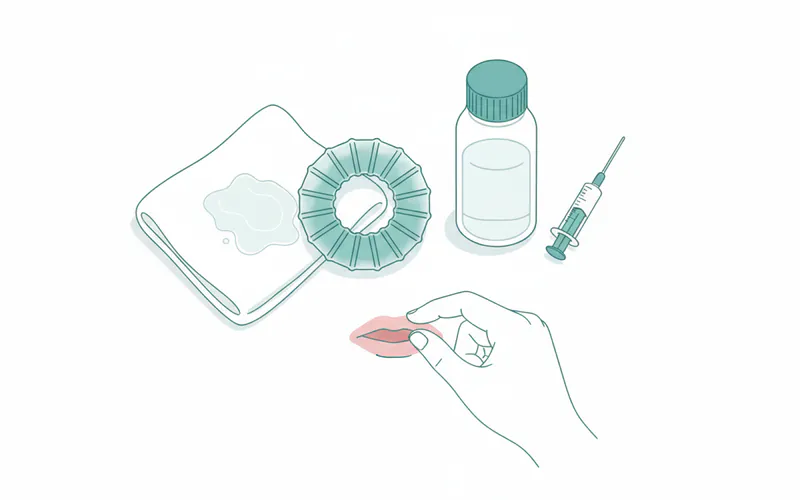
- Chilled Teething Rings or Toys:
- Pros: Provides counter-pressure and numbing sensation, safe.
- Cons: Needs frequent re-chilling, some babies might reject them. Avoid freezing as extremely cold items can damage delicate gum tissue.
- Gum Massage:
- Pros: Directly addresses the sore area, comforting through touch.
- Cons: Requires clean hands, some babies might resist.
- Process: Wash your hands thoroughly, then gently rub your baby's gums with a clean finger for a few minutes.
- Cold Cloths/Foods:
- Pros: Can be soothing, readily available.
- Cons: Can be messy, requires supervision.
- Examples: A clean, wet washcloth chilled in the refrigerator, or cold, soft foods (like applesauce or yogurt) for babies who are already eating solids.
- Extra Cuddles and Distraction:
- Pros: Emotional comfort, shifts focus from pain.
- Cons: Not a direct pain reliever, but vital for overall well-being.
b. Over-the-Counter (OTC) Medications
When home remedies aren't enough, OTC pain relievers designed for infants can provide significant relief.
- Infant Acetaminophen (e.g., Tylenol):
- Pros: Effective for pain relief and mild fever, generally safe when dosed correctly.
- Cons: Must follow age and weight-based dosing precisely; consult pediatrician for dosage.
- Infant Ibuprofen (e.g., Motrin, Advil):
- Pros: Effective for pain and inflammation, can last longer than acetaminophen for some.
- Cons: Generally recommended for babies 6 months and older; must follow age and weight-based dosing precisely; can irritate the stomach in some cases.
- Pro Tip: Always use the syringe or dropper provided with the medication for accurate dosing, and never exceed the recommended frequency or amount.
c. Remedies to Avoid
Some products or practices are not recommended due to safety concerns:
- Topical Anesthetic Gels (e.g., those containing benzocaine):
- Reason to Avoid: The FDA warns against benzocaine products for children under 2 due to the risk of methemoglobinemia, a serious condition that reduces the amount of oxygen carried by red blood cells. These gels also numb the back of the throat, which can interfere with swallowing and be quickly washed away by saliva.
- Homeopathic Teething Tablets/Gels:
- Reason to Avoid: The FDA has warned against these products due to inconsistent amounts of belladonna (a toxic substance) and other potentially harmful ingredients. They are unregulated and can pose serious health risks.
- Amber Teething Necklaces/Bracelets:
- Reason to Avoid: Pose significant strangulation and choking hazards. The ADA and American Academy of Pediatrics (AAP) advise against their use.
- Alcohol on Gums:
- Reason to Avoid: Absolutely never apply alcohol to your baby's gums. It's harmful and ineffective.
Step-by-Step Process of a Tooth Erupting
While you don't typically see the full biological process, understanding what's happening beneath the surface can demystify the journey.
- Tooth Bud Formation: Long before birth, tooth buds (the earliest stage of tooth development) for all 20 primary teeth are present within the jawbone.
- Crown Formation: Each tooth bud begins to form its crown – the visible part of the tooth. This process involves the laying down of enamel and dentin.
- Root Development and Upward Movement: As the crown completes formation, the root of the tooth begins to develop. This growth creates upward pressure, causing the tooth to gradually move towards the gum surface.
- Bone Resorption: Special cells are activated to dissolve the bone overlying the erupting tooth, creating a clear pathway.
- Gum Penetration: The tooth crown slowly pushes through the gum tissue. This is often the most uncomfortable stage for babies, as the gum tissue stretches and eventually breaks to allow the tooth through.
- Emergence: Once the tip of the tooth breaks through the gum, it is considered "erupted." The tooth continues to grow and move until it reaches its full position in the mouth.
- Root Completion: The root continues to develop fully even after the tooth has erupted into the mouth, stabilizing the tooth in the jawbone.
Factors Influencing Tooth Eruption Dates
While the infant tooth eruption chart provides averages, several factors can influence the exact timing:
- Genetics: As mentioned, heredity plays a significant role. If parents or grandparents were early or late teethers, the child might follow suit.
- Gender: Girls sometimes tend to erupt teeth slightly earlier than boys, though this difference is often minimal.
- Nutrition: Adequate nutrition, especially sufficient calcium, phosphorus, and vitamins D and C, is vital for healthy tooth development. Severe nutritional deficiencies can sometimes delay eruption.
- Premature Birth / Low Birth Weight: Babies born prematurely or with a low birth weight may experience delayed tooth eruption compared to full-term infants.
- Systemic Conditions: Certain medical conditions or syndromes (e.g., Down syndrome, hypopituitarism) can be associated with delayed tooth eruption.
- Hormonal Imbalances: Conditions affecting thyroid function or growth hormone can impact eruption timing.
- Trauma or Infection: Localized trauma or infection in the gum area can sometimes interfere with or delay eruption of specific teeth.
When to Expect Permanent Teeth
While this article focuses on primary teeth, it's worth noting that these teeth will eventually be replaced. Around age 6, children typically begin to lose their primary teeth, starting with the lower central incisors, and their first permanent molars (often called "6-year molars") erupt behind the existing primary teeth. This process continues until around age 12-13 when all primary teeth have been replaced by permanent ones, except for wisdom teeth, which emerge much later.
Preventing Issues During Teething and Beyond
Good habits start early, even before the first tooth erupts.
- Oral Hygiene Before Teeth: Even without teeth, wipe your baby's gums daily with a clean, damp cloth or a soft infant toothbrush. This helps establish good oral hygiene habits, removes food debris and bacteria, and can provide some relief during teething.
- First Tooth, First Brush: As soon as the first tooth emerges, start brushing twice a day with a soft-bristled infant toothbrush and a tiny smear (rice-grain size) of fluoride toothpaste. The ADA recommends fluoride toothpaste from the first tooth.
- Avoid Bottle/Breastfeeding to Sleep: Never put your baby to bed with a bottle of milk, formula, juice, or sweetened liquids. Sugars can pool around the teeth, leading to early childhood caries (baby bottle tooth decay). If a bottle is needed, fill it with plain water. Similarly, prolonged comfort nursing during the night after teeth have erupted can also contribute to decay if not followed by cleaning.
- Regular Dental Check-ups: Schedule your child's first dental visit by their first birthday or within six months of the first tooth appearing. This allows the pediatric dentist to check for proper development, provide guidance on oral hygiene, and apply preventive measures like fluoride varnish if needed.
- Healthy Diet: Once solid foods are introduced, offer a balanced diet and limit sugary snacks and drinks. Encourage water consumption throughout the day.
Risks and Complications During Eruption
While teething is a natural process, there are a few potential issues parents should be aware of:
- Eruption Cysts/Hematomas: Sometimes, a bluish-black, fluid-filled swelling (hematoma) can appear on the gum over an erupting tooth. This is usually harmless and resolves on its own as the tooth emerges. Rarely, if it's very large or painful, a dentist might need to intervene.
- Natal and Neonatal Teeth: Very rarely, babies are born with teeth (natal teeth) or develop teeth within the first month of life (neonatal teeth). These teeth can sometimes be loose or interfere with feeding. A pediatric dentist should evaluate them, as they may need to be removed to prevent aspiration or injury to the mother during breastfeeding.
- Misaligned Eruption: While most teeth erupt in a relatively straight path, sometimes a tooth might appear slightly rotated or out of alignment. For primary teeth, this is often temporary and can self-correct as the jaw grows. However, a dentist should monitor any significant misalignment.
- "Teething Fever" Misconception: As mentioned, teething can cause a slight temperature elevation, but it does not cause high fever (over 100.4°F), significant diarrhea, or serious illness. These symptoms indicate an underlying infection or illness that requires medical attention. Attributing serious symptoms to teething can lead to delayed diagnosis of potentially serious conditions.
- Teething Rashes: Excessive drooling during teething can lead to skin irritation and rashes around the mouth, chin, and neck. Keeping the area clean and dry, and applying a barrier cream (like petroleum jelly), can help prevent this.
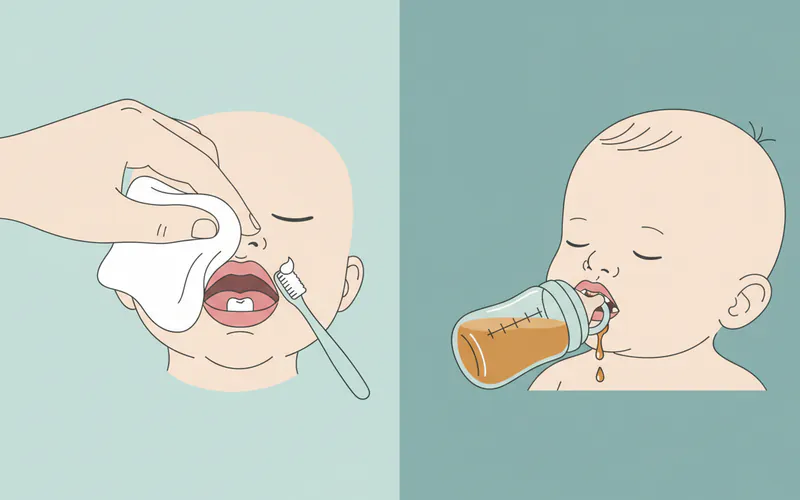
Comparison of Teething Relief Options
Table 2: Comparison of Teething Relief Options
| Relief Method | Effectiveness | Safety Rating (1-5, 5=safest) | Average Cost ($) | Pros | Cons |
|---|---|---|---|---|---|
| Chilled Teething Ring | Moderate | 5 | 5 - 20 | Safe, provides counter-pressure & cold. | Needs frequent re-chilling, some babies reject, do not freeze. |
| Gum Massage (clean finger) | Moderate | 5 | 0 | Natural, comforting, direct relief. | Requires clean hands, baby may resist. |
| Cold Cloth/Foods | Moderate | 5 | 0 - 5 | Readily available, soothing. | Can be messy, requires supervision. |
| Infant Acetaminophen | High | 4 (with proper dosing) | 5 - 15 | Effective pain/fever relief, widely available. | Must follow strict age/weight dosing, risk of overdose if misused. |
| Infant Ibuprofen | High | 4 (with proper dosing) | 5 - 15 | Effective for pain/inflammation, lasts longer. | For 6+ months only, must follow strict dosing, can cause stomach upset. |
| Teething Gels (Benzocaine) | Low (temporary) | 1 (not recommended) | 5 - 10 | Brief numbing sensation. | FDA warning for <2 years due to methemoglobinemia risk, quickly washed away by saliva, choking hazard. |
| Homeopathic Tablets/Gels | Very Low / Placebo | 1 (not recommended) | 10 - 25 | (Perceived relief) | FDA warning due to inconsistent and potentially toxic ingredients (e.g., belladonna), unregulated, serious health risks. |
| Amber Necklaces | None (no scientific basis) | 0 (unsafe) | 15 - 50 | (Perceived soothing/anti-inflammatory properties) | Strangulation and choking hazard (ADA, AAP advise against), no proven scientific benefit. |
Children / Pediatric Considerations
The entire journey of infant tooth eruption is inherently a pediatric consideration. Here are crucial points tailored for parents:
- First Dental Visit by Age 1: The ADA and AAPD (American Academy of Pediatric Dentistry) strongly recommend that a child's first dental visit occurs by their first birthday or within six months of the first tooth erupting. This is not just for checking teeth but to establish a "dental home," allow the dentist to provide anticipatory guidance on diet, oral hygiene, fluoride, and monitor growth and development.
- Importance of Primary Teeth: Emphasize that primary teeth are vital. They are not just placeholders; they enable proper chewing, aid in speech development, guide the eruption of permanent teeth, and contribute to a child's overall self-esteem. Premature loss or decay of primary teeth can lead to serious problems later, including speech impediments, poor nutrition, and orthodontic issues.
- Early Oral Hygiene is Key: Begin oral hygiene practices before the first tooth appears by wiping gums. As soon as teeth emerge, daily brushing with a fluoride toothpaste (rice-grain amount) is critical to prevent early childhood caries.
- Fluoride Varnish: Your pediatric dentist may recommend fluoride varnish applications during routine visits. This safe and effective treatment helps strengthen tooth enamel and prevent cavities.
- Pacifier Use and Thumb Sucking: While pacifiers and thumb-sucking can be comforting for infants, prolonged habits (beyond age 3-4) can affect tooth alignment and jaw development. Your dentist can provide guidance.
Cost Breakdown
The process of tooth eruption itself doesn't incur direct costs, but managing discomfort and ensuring proper dental care for infants does.
- Teething Aids and Over-the-Counter Medications:
- Low Range: Basic silicone teething rings, single-bottle infant acetaminophen: $5 - $15
- Mid Range: Higher-quality, multi-textured teething toys, larger bottles of acetaminophen/ibuprofen, specialized cold teethers: $15 - $30
- High Range: Bundles of various teething products, organic/specialty brands: $30 - $50+
- First Dental Visit (Initial Oral Exam):
- Without Insurance: The average cost for an infant's first dental exam (D0120 or D0150) in the US typically ranges from $75 to $250. This can vary significantly by region and practice.
- Northeast US: Might lean towards the $150 - $250 range.
- Midwest/South US: Often in the $75 - $180 range.
- West Coast US: Can also be $150 - $250.
- With Insurance: Most comprehensive dental insurance plans offer significant coverage for pediatric preventative care, often covering 80-100% of the cost for exams, cleanings, and fluoride treatments for children. You might only pay a small co-pay (e.g., $0 - $25). It's crucial to check your specific plan's benefits for pediatric dentistry.
- Without Insurance: The average cost for an infant's first dental exam (D0120 or D0150) in the US typically ranges from $75 to $250. This can vary significantly by region and practice.
- Preventative Treatments (e.g., Fluoride Varnish):
- Without Insurance: A fluoride varnish application (D1206) can cost $30 - $70 per application.
- With Insurance: Often covered 100% by pediatric dental plans, sometimes with limitations on frequency (e.g., twice a year).
- Payment Plans and Financing Options:
- Many pediatric dental offices offer payment plans for families without insurance or for out-of-pocket expenses.
- Third-party financing like CareCredit is also widely accepted, allowing you to pay for dental services over time with low or no-interest options.
- Cost-Saving Tips:
- Community Dental Clinics: Often provide services at reduced rates based on income.
- Dental Schools: May offer lower-cost care as part of their training programs.
- State-Funded Programs: Programs like Medicaid or CHIP (Children's Health Insurance Program) provide comprehensive dental benefits for eligible children.
- Pre-negotiated Fees: Ask your dentist if they offer any discounts for upfront cash payments.
Frequently Asked Questions
Is it normal for teeth to come in out of order?
While there's a typical order of tooth eruption, minor variations are quite common and usually no cause for concern. If a tooth comes in slightly out of sequence but still within the general age range, it's typically fine. However, a significantly unusual pattern or very delayed eruption of multiple teeth should be discussed with your pediatric dentist.
What if my baby doesn't have any teeth by 1 year old?
It's considered normal for a baby to have no teeth by 1 year old, though it's on the later side of the average spectrum. The ADA recommends a first dental visit by age one, where the dentist can assess development. If no teeth have erupted by 18 months, it's definitely time to see a pediatric dentist to rule out any underlying issues.
Can teething cause fever or diarrhea?
Teething can cause a very slight elevation in body temperature (a low-grade fever generally below 100.4°F or 38°C) and increased drooling, which might cause loose stools if swallowed in large amounts. However, teething does not cause high fever (above 100.4°F), significant diarrhea, vomiting, or severe illness. These symptoms indicate an infection or illness requiring medical attention, so always consult your doctor if your baby has a high fever or severe gastrointestinal issues.
Are teething gels safe?
Most teething gels containing benzocaine are not recommended by the FDA for children under 2 years old due to the risk of methemoglobinemia, a serious condition affecting oxygen levels in the blood. Homeopathic teething tablets and gels have also been warned against by the FDA due to inconsistent and potentially toxic ingredients. It's best to avoid these and opt for safer alternatives.
How do I clean my baby's first teeth?
As soon as the first tooth emerges, begin brushing twice a day with a soft-bristled infant toothbrush and a tiny smear (rice-grain size) of fluoride toothpaste. Gently brush all surfaces of the tooth. For gums, you can simply wipe them with a clean, damp cloth.
When should I schedule the first dental visit?
The American Dental Association (ADA) recommends scheduling your child's first dental visit by their first birthday or within six months of the first tooth erupting, whichever comes first. This early visit helps establish a "dental home" and allows the dentist to provide preventive care and guidance.
What's the difference between primary and permanent teeth?
Primary (baby) teeth are the first set of 20 teeth that erupt during infancy and childhood. They are eventually shed and replaced by a larger set of 32 permanent teeth, which begin to emerge around age 6. Primary teeth are smaller, have thinner enamel, and are whiter than permanent teeth.
Can diet affect tooth eruption?
Yes, nutrition plays a role. A healthy, balanced diet rich in calcium, phosphorus, and vitamins D and C is essential for the proper development of teeth within the jawbones. While dietary deficiencies usually won't stop eruption entirely, severe, prolonged malnutrition could potentially delay it.
How long does teething last for each tooth?
The actual process of a tooth breaking through the gum can be quite quick, often over in a few days. However, the discomfort associated with teething can sometimes last for a week or more as the tooth slowly moves upwards and puts pressure on the gums. Some babies experience discomfort in waves for a few weeks before a tooth finally appears.
When to See a Dentist
While tooth eruption is a natural and usually harmless process, there are specific situations when it's important to consult a pediatric dentist:
- No Teeth by 18 Months: If your child has not erupted any primary teeth by 18 months of age, it's a good idea to schedule a dental check-up. While late eruption can be hereditary, a dentist can rule out any underlying developmental issues.
- First Dental Visit: As per ADA recommendations, your child's first dental visit should be by their first birthday or within six months of the first tooth appearing. This is for preventive care and guidance, not necessarily due to a problem.
- Unusual Eruption Patterns: If you notice teeth erupting in a significantly abnormal order or if there are large gaps or severe crowding that seems unusual, consult your dentist.
- Natal or Neonatal Teeth: If your baby is born with teeth or develops them within the first month, a dentist should evaluate them, as they can sometimes interfere with feeding or pose a choking risk.
- Severe or Persistent Discomfort: If your baby is experiencing prolonged, severe pain that doesn't respond to typical comfort measures, or if they have associated symptoms like high fever, significant diarrhea, or unusual lethargy, consult your pediatrician immediately, as these are likely signs of an illness unrelated to teething.
- Eruption Cysts that Don't Resolve: While most eruption cysts (bluish swelling on the gum) are harmless and disappear as the tooth emerges, if one becomes very large, painful, or doesn't resolve, a dental evaluation is warranted.
- Concerns about Oral Hygiene: If you're unsure about how to clean your baby's teeth or have questions about fluoride use, your pediatric dentist is the best resource.
Early intervention and regular dental check-ups are key to ensuring your child's oral health journey is as smooth and healthy as possible.
Frequently Asked Questions
Medically Reviewed Content
This article was written by our dental health editorial team and reviewed for medical accuracy. Our content follows strict editorial guidelines for reliability and trustworthiness.
Medical Disclaimer
This article is for informational purposes only and does not constitute medical advice. Always consult with a qualified dental professional for diagnosis and treatment. Do not delay seeking professional advice because of something you read on this website.
Related Articles
Tooth Eruption Order: Complete Guide
The journey of human teeth, from their initial emergence in infancy to the arrival of wisdom teeth in young adulthood, is a fascinating and crucial aspect of our overall health. Understanding the tooth eruption order is not just a matter of curiosity; it's a vital piece of knowledge that empower
February 23, 2026
Primary Tooth Eruption Sequence: Complete Guide
Did you know that by their third birthday, most children will have a full set of 20 primary teeth? The journey of these first teeth, from their initial appearance to their eventual replacement by permanent teeth, is a remarkable and often challenging milestone for both infants and parents. Understan
February 23, 2026
Canine Tooth Eruption: Complete Guide
Have you ever wondered about the complex process that brings your teeth into alignment, especially the prominent, pointed teeth known as canines? While often overshadowed by discussions of wisdom teeth or incisors, the canine tooth eruption process is a critical stage in your oral development, d
February 23, 2026
Permanent Tooth Eruption Sequence: Complete Guide
Welcome to SmilePedia.net, your trusted resource for comprehensive dental health information. The journey of your permanent teeth emerging into your mouth, known as the permanent tooth eruption sequence, is a fundamental aspect of oral development. Did you know that while primary (baby) teeth ty
February 23, 2026