When Do Kittens Lose Their Baby Teeth
Key Takeaways
- When Do Kittens Lose Their Baby Teeth
When Do Kittens Lose Their Baby Teeth
The journey of dental development is a universal marvel across the animal kingdom, from the sharp temporary teeth of a predator to the gentle, temporary smile of a human infant. While you might be curious about when do kittens lose their baby teeth, a topic fascinating in its own right for pet owners, at SmilePedia.net, our primary focus is on comprehensive human dental health. Parents often find themselves navigating a similar, yet distinct, developmental milestone with their own little ones: the arrival and eventual loss of baby teeth. Understanding this process, known as teething and exfoliation, is crucial for ensuring your child's optimal oral health from infancy through childhood. This guide will delve into the world of pediatric dentistry, exploring at what age do babies start teething, the common signs, effective remedies, and the critical timeline for primary tooth loss, equipping you with the knowledge to support your child through every dental development stage.
``
Key Takeaways:
- Teething (Tooth Eruption): Typically begins around 6-12 months of age, with the lower central incisors often appearing first.
- Full Set of Baby Teeth: Most children have a complete set of 20 primary teeth by 2.5 to 3 years old.
- Baby Tooth Loss (Exfoliation): Usually starts around 6 years of age and continues until approximately 12 years old, making way for permanent teeth.
- First Dental Visit: The American Dental Association (ADA) recommends a child's first dental visit by their first birthday or within six months of their first tooth erupting.
- Cost of Pediatric Dental Visits: A routine check-up and cleaning in the US can range from $100 to $250 without insurance, with the first visit potentially higher ($150-$350) depending on X-rays and consultations.
- Effective Teething Relief: Safe options include chilled (not frozen) teething toys, gentle gum massage, and age-appropriate pain relievers like acetaminophen or ibuprofen (consult your pediatrician).
- Importance of Baby Teeth: Primary teeth are vital for proper chewing, speech development, and maintaining space for the permanent teeth to erupt correctly.

What It Is: The Journey of Baby Teeth
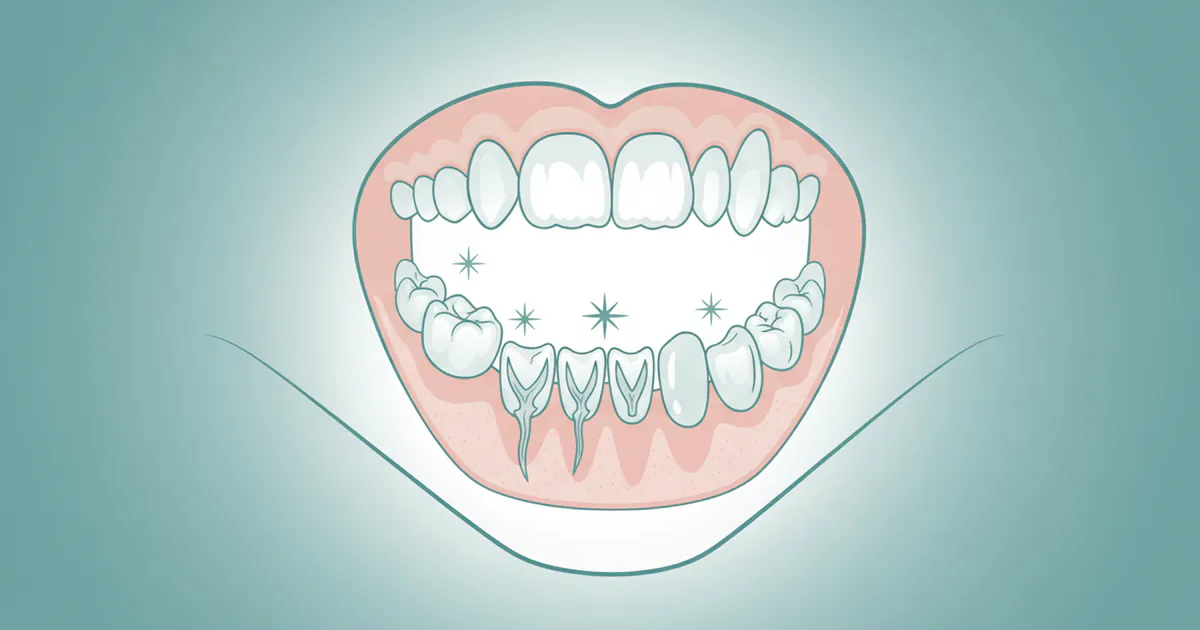
Dental development in humans is a remarkable, two-phase process involving the eruption of primary (or deciduous) teeth, commonly known as baby teeth, and their subsequent exfoliation (loss) to make way for permanent dentition. Understanding these stages is fundamental to pediatric oral health.
Primary Teeth (Baby Teeth): A child typically develops 20 primary teeth – 10 in the upper jaw and 10 in the lower jaw. These teeth are crucial for several reasons:
- Chewing and Nutrition: They enable children to chew and process food effectively, supporting proper nutrition and digestion.
- Speech Development: They play a significant role in articulation, helping children learn to speak clearly.
- Space Maintainers: Perhaps one of their most vital functions is to hold space in the jaw for the permanent teeth that will eventually replace them. When a primary tooth is lost prematurely, permanent teeth can drift, leading to alignment issues.
- Facial Structure: They contribute to the development of jawbones and muscles, influencing facial structure.
The journey begins with teething, which is the process of a tooth erupting through the gum line. This phase can be uncomfortable for infants but is a natural and necessary step in their development. Following the full eruption of primary teeth, the second phase, exfoliation, commences, marked by the gradual loosening and loss of these teeth as the permanent teeth push their way through.
Types / Variations: Teething and Tooth Loss Stages
While there’s a general timeline for dental development, individual variations are common. Here’s what to expect in terms of the order of eruption and loss:
The Teething Timeline: Eruption of Primary Teeth
Baby teeth typically emerge in a predictable sequence, though the exact timing can vary.
- Lower Central Incisors (Front Bottom Teeth): Often the first to appear, usually between 6 and 10 months of age.
- Upper Central Incisors (Front Top Teeth): Follow shortly after, typically between 8 and 12 months.
- Upper Lateral Incisors (Next to Front Top Teeth): Erupt between 9 and 13 months.
- Lower Lateral Incisors (Next to Front Bottom Teeth): Appear between 10 and 16 months.
- First Molars (Back Teeth): The first set of molars usually emerges between 13 and 19 months (upper) and 14 and 18 months (lower).
- Canines (Cuspid or "Eye Teeth"): Erupt between 16 and 22 months (upper) and 17 and 23 months (lower).
- Second Molars: The final primary teeth to erupt, typically between 23 and 33 months (lower) and 25 and 33 months (upper).
By the age of 2.5 to 3 years, most children will have all 20 of their primary teeth.
The Tooth Loss Timeline: Exfoliation of Primary Teeth
The loss of baby teeth follows a similar, though not identical, pattern to their eruption, making way for the 32 permanent teeth.
- Lower Central Incisors: Typically the first to loosen and fall out, around 6 to 7 years of age.
- Upper Central Incisors: Follow between 7 and 8 years.
- Lower Lateral Incisors: Lost around 7 to 8 years.
- Upper Lateral Incisors: Fall out between 8 and 9 years.
- Lower Canines: Lost around 9 to 12 years.
- Upper Canines: Follow between 10 and 12 years.
- First Molars: Lost between 9 and 11 years (upper) and 10 and 12 years (lower).
- Second Molars: The last primary teeth to be lost, typically between 10 and 12 years (upper and lower).
By approximately 12 to 13 years of age, most children will have lost all their primary teeth and have a full set of permanent teeth, excluding wisdom teeth, which emerge much later.
Variations: It’s important to remember that these are averages. Some children may start teething as early as 3 months or as late as 12 months. Similarly, tooth loss can begin a bit earlier or later. Genetics, nutrition, and overall health can influence these timelines.
Causes / Why It Happens
Why Teething Happens
Teething is a natural physiological process where a tooth gradually pushes through the gum tissue to emerge into the oral cavity. The exact mechanism of teething discomfort isn't fully understood, but it's believed to be due to:
- Pressure: The tooth pressing against the gum tissue and nerves.
- Inflammation: A mild inflammatory response in the gums as the tooth breaks through.
- Gum Separation: The sensation of the gum tissue separating to allow the tooth to emerge.
Why Baby Teeth Fall Out
The loss of primary teeth is a complex biological process orchestrated by the developing permanent teeth.
- Root Resorption: As the permanent tooth (succedaneous tooth) develops in the jawbone beneath the primary tooth, it begins to put pressure on the roots of the baby tooth. This pressure triggers a natural process called root resorption, where the roots of the primary tooth gradually dissolve.
- Loss of Anchorage: As the roots shorten and disappear, the primary tooth loses its anchorage in the jawbone and becomes loose.
- Eruption: Eventually, the permanent tooth pushes up, and the primary tooth, now with little to no root structure, falls out naturally, creating space for its permanent successor.
This synchronized process ensures a smooth transition from primary to permanent dentition, optimizing oral function and aesthetics throughout childhood and adolescence.
Signs and Symptoms
Recognizing the signs of teething and loose teeth can help parents provide appropriate comfort and support.
Signs and Symptoms of Teething (Tooth Eruption)
Teething can manifest in various ways, and infants may experience some or all of these symptoms:
- Increased Drooling: Babies often produce more saliva, which can sometimes lead to a rash around the mouth, chin, and neck.
- Irritability or Fussiness: Discomfort from erupting teeth can make babies more irritable, especially at night.
- Chewing on Objects: Babies instinctually try to relieve pressure by chewing on their fingers, toys, or anything they can get their hands on. This is where best teething toys for babies become crucial.
- Swollen, Tender Gums: The gums around the erupting tooth may appear red, swollen, or bruised.
- Rubbing Gums/Ear Pulling: Babies might rub their gums or pull on their ears on the side where a tooth is erupting.
- Mild Fever (Low-Grade): While teething can cause a slight elevation in body temperature (generally below 100.4°F or 38°C), a high fever (above 101°F or 38.3°C) is not a typical symptom of teething and warrants a call to your pediatrician, as it could indicate an illness.
- Sleep Disturbances: Discomfort can make it difficult for babies to fall asleep or stay asleep.
- Changes in Appetite: Some babies may refuse food or bottles due to gum soreness.
- Bowel Changes: While some parents report loose stools, there's no strong scientific evidence directly linking diarrhea to teething itself. Any significant change in bowel habits should be discussed with a pediatrician.
Pro Tip: Always consult your pediatrician if you are concerned about your child's symptoms, especially if they have a high fever or severe pain, as these may indicate an underlying illness unrelated to teething.
Signs and Symptoms of Loose Baby Teeth (Tooth Exfoliation)
For older children, the signs of a loose baby tooth are generally less distressing than teething:
- Wiggling: The most obvious sign is the child actively wiggling the tooth with their tongue or fingers.
- Discomfort When Eating: The tooth may feel sensitive or cause slight pain when biting down on hard foods.
- Minor Bleeding: Occasional minor bleeding from the gum line around the loose tooth, especially after eating or wiggling.
- Gaps in Smile: As teeth fall out, visible gaps appear, which are normal as the child transitions to permanent teeth.
- Sensitivity: The exposed gum area after a tooth falls out may be temporarily sensitive.
Most children adapt well to loose teeth, often excited about the Tooth Fairy's visit.
Treatment Options: Managing Discomfort
Managing the discomfort associated with teething and tooth loss primarily involves supportive care and pain relief.

Teething Discomfort Management
The goal is to soothe sore gums and distract your baby from the discomfort.
- Cold Objects:
- Chilled Teething Rings: Made of rubber or silicone. Ensure they are chilled in the refrigerator, not frozen, as frozen items can be too hard and cause freezer burn or damage the gums.
- Cold Washcloths: A clean, damp washcloth chilled in the refrigerator can be offered for chewing.
- Chilled Fruits/Vegetables: For older babies eating solids, a piece of chilled fruit (like a banana or cucumber) or a specific mesh feeder with chilled food can provide relief. Always supervise closely to prevent choking.
- Gum Massage: Gently rub your baby's gums with a clean finger or a soft, damp cloth. The gentle pressure can be very comforting.
- Over-the-Counter Pain Relievers:
- Acetaminophen (Tylenol): For babies over 2 months, as directed by a pediatrician.
- Ibuprofen (Advil, Motrin): For babies over 6 months, as directed by a pediatrician.
- Pros: Effective in reducing pain and inflammation. Cons: Must be given according to strict age and weight guidelines; overuse can be harmful. Always consult your pediatrician for correct dosing.
- Topical Gels (Use with Caution):
- Some teething gels contain benzocaine, which the U.S. Food and Drug Administration (FDA) advises against for children under 2 years old due to the risk of methemoglobinemia, a serious blood disorder.
- Other gels might contain natural ingredients like chamomile or clove oil. Pros: May offer temporary topical relief. Cons: Short-lived effect; potential for adverse reactions or choking if too much is applied and numbs the throat. Always check ingredients and consult your pediatrician or dentist.
- Teething Biscuits/Crackers: Choose sugar-free varieties. Pros: Provide a chewing surface; can be a distraction. Cons: Can contain sugar (promote decay); potential choking hazard if they break off in large pieces. Always supervise.
- Avoid:
- Amber Teething Necklaces/Bracelets: The FDA and pediatric organizations warn against these due to significant risks of choking and strangulation. They have no proven scientific benefit.
- Homeopathic Teething Tablets: The FDA has warned against certain homeopathic teething products due to inconsistent amounts of belladonna, which can cause serious side effects.
Managing Loose Teeth
For loose baby teeth, intervention is usually not needed.
- Allow Natural Exfoliation: Encourage your child to gently wiggle the tooth with their tongue or clean fingers. The tooth will fall out when it's ready.
- Oral Hygiene: Continue regular brushing and flossing around the loose tooth and the gap once it's out.
- Soft Foods: If discomfort arises, offer softer foods until the tooth falls out.
- When to Intervene: If a tooth is very loose but causing significant pain, bleeding, or interfering with eating, a pediatric dentist can safely extract it. Avoid forceful pulling at home, as this can cause unnecessary pain, bleeding, or even infection.
Step-by-Step Process: From First Tooth to Permanent Smile
The journey of dental development is a continuous process spanning over a decade. Here’s a typical timeline:
``
- Prenatal Development (Weeks 6-8 of Pregnancy): Tooth buds for primary teeth begin to form in the fetus's jaws.
- Birth - 6 Months: Gums are usually bare. Parents should begin wiping gums with a soft, damp cloth daily to establish oral hygiene habits.
- 6-12 Months (First Tooth Eruption):
- The first primary tooth (typically a lower central incisor) usually erupts.
- Start brushing with a soft-bristled, infant toothbrush and a tiny smear (rice-grain size) of fluoride toothpaste twice a day.
- First Dental Visit: The ADA recommends scheduling your child's first dental check-up by their first birthday or within six months of their first tooth erupting. This visit focuses on education for parents and early detection of any issues.
- 12-24 Months (More Teeth Erupt):
- More incisors and the first molars emerge.
- Continue regular brushing. Introduce flossing once two teeth touch.
- Avoid nursing bottle decay by not putting your child to bed with a bottle containing milk, formula, or juice.
- 2.5 - 3 Years (Full Set of Primary Teeth):
- Most children will have all 20 primary teeth.
- Continue routine dental visits every six months.
- Start teaching your child to brush their own teeth, but always supervise and assist to ensure thorough cleaning.
- 4-5 Years (Stable Primary Dentition):
- This is often a period of stability before permanent teeth begin to emerge.
- Focus on good oral hygiene and a balanced diet.
- Your dentist may recommend sealants for molars if decay risk is high.
- 6-7 Years (First Loose Tooth & Permanent Molars):
- The first permanent molars (known as "six-year molars") typically erupt behind the last baby teeth, often without a baby tooth falling out.
- Simultaneously, the first baby teeth (lower central incisors) begin to loosen and fall out.
- The child learns about the Tooth Fairy!
- 8-12 Years (Continued Exfoliation and Permanent Tooth Eruption):
- A mixed dentition phase, where children have a combination of primary and permanent teeth.
- Canines, premolars (which replace primary molars), and remaining incisors are lost and replaced.
- This is a critical time for monitoring orthodontic development; your dentist may recommend an orthodontic consultation.
- 12-13 Years (Full Permanent Dentition - excluding wisdom teeth):
- Most primary teeth have been lost, and the majority of permanent teeth (28 of 32) have erupted.
- Continue regular dental care, focusing on preventing cavities and maintaining gum health.
- Late Teens/Early Twenties (Wisdom Teeth):
- The third molars, or wisdom teeth, typically emerge, often requiring evaluation for potential extraction due to impaction or crowding.
Throughout this entire process, regular visits to a pediatric dentist are paramount for monitoring development, addressing any concerns, and instilling lifelong good oral hygiene habits.
Cost and Insurance: Pediatric Dental Care
Understanding the costs associated with pediatric dental care in the US and how insurance factors in is essential for parents. Prices can vary significantly based on location (urban vs. rural), the specific dental practice, and the child's individual needs.
Average US Price Ranges for Pediatric Dental Services (Without Insurance)
These are general estimates; actual costs may differ.
- First Visit (Infant Oral Health Exam): Typically involves an exam, cleaning (or gum wipe), fluoride varnish, and parental counseling.
- Low: $150
- Mid: $250
- High: $350
- Routine Check-up & Cleaning (Every 6 Months): Includes examination, cleaning, and sometimes fluoride treatment.
- Low: $100
- Mid: $175
- High: $250
- Dental X-rays (Bitewing/Panoramic): May be taken annually or as needed.
- Low: $25 (single bitewing) to $75 (full mouth)
- Mid: $50 to $100
- High: $100 to $150 (panoramic)
- Fluoride Varnish Treatment: Applied after cleaning to strengthen enamel.
- Low: $30
- Mid: $50
- High: $70
- Dental Sealants (Per Tooth): Protective coating for molars to prevent cavities.
- Low: $30
- Mid: $45
- High: $60
- Fillings (Primary Teeth): Cost varies by material (amalgam vs. composite) and size/location.
- Amalgam (Silver): $100-$250
- Composite (Tooth-colored): $150-$400
- Pulpotomy (Nerve Treatment for Baby Teeth): When decay reaches the pulp.
- Low: $250
- Mid: $400
- High: $600
- Stainless Steel Crown (Baby Teeth): For severely decayed or fractured primary teeth.
- Low: $300
- Mid: $500
- High: $700
- Extraction (Simple): For a non-restorable baby tooth.
- Low: $75
- Mid: $150
- High: $250
Insurance Coverage Details
Most dental insurance plans, whether private or public, offer coverage for pediatric dental services.
- Private Dental Insurance:
- PPO (Preferred Provider Organization): Offers flexibility to choose any dentist but provides better coverage for in-network providers. Typically covers 80-100% of preventive care (exams, cleanings, fluoride) and 50-80% of basic procedures (fillings, extractions).
- HMO (Health Maintenance Organization): Requires you to choose a primary dentist within the network. Costs are generally lower, but choice is limited. Preventive care is often 100% covered.
- Deductibles and Co-pays: Most plans have an annual deductible (e.g., $50-$100) and co-pays for certain services.
- Annual Maximums: There's usually an annual limit on what the insurance company will pay (e.g., $1,000-$2,000 per year).
- Public Health Insurance Programs:
- Medicaid: A federal and state program that provides health coverage, including dental care, to low-income individuals and families. Dental services for children are a mandatory benefit under Early and Periodic Screening, Diagnostic, and Treatment (EPSDT). This often covers a wide range of preventive and restorative services with little to no out-of-pocket cost.
- CHIP (Children's Health Insurance Program): Provides low-cost health coverage for children in families who earn too much to qualify for Medicaid but cannot afford private insurance. Dental benefits are comprehensive and similar to Medicaid.
Pro Tip: Early and regular dental care is a wise investment. Preventive services are usually heavily covered by insurance, and addressing issues early can prevent more complex, expensive treatments down the road. For instance, a simple sealant (approx. $50) can prevent a cavity that might cost $200-$400 to fill.
Recovery and Aftercare
Proper aftercare is crucial whether your child is teething, has just lost a baby tooth, or has undergone a dental procedure.
After Teething Discomfort Subsides
- Continue Oral Hygiene: Even after teeth erupt, maintain consistent oral hygiene by brushing twice daily with a fluoride toothpaste (rice-grain size for ages 0-3, pea-size for ages 3-6).
- Monitor for Future Teeth: Teething is an ongoing process for the first few years, so be prepared for recurring symptoms.
- Diet: Limit sugary foods and drinks, especially between meals, to protect newly erupted teeth from decay.
After a Baby Tooth Falls Out Naturally
- Gentle Cleaning: Encourage your child to gently brush the area where the tooth fell out to keep it clean. Saltwater rinses (1/2 teaspoon salt in 8 ounces warm water) can also help soothe and clean the area for older children.
- Minor Bleeding: A small amount of bleeding is normal immediately after a tooth falls out. Have your child bite down on a clean piece of gauze or a damp washcloth for a few minutes.
- New Tooth Eruption: The permanent tooth will usually emerge within a few weeks to months. If it doesn't appear after several months, or if the gum area looks swollen or infected, consult your pediatric dentist.
- Avoid Aggressive Wiggling: Discourage aggressive wiggling or forcing a tooth out before it's ready, as this can cause unnecessary pain or gum injury.
After Premature Tooth Loss (Due to Trauma or Extraction)
If a baby tooth is lost earlier than its natural exfoliation time, special considerations are needed:
- Space Maintainer: Your pediatric dentist may recommend a space maintainer. This is a custom-made orthodontic appliance (band-and-loop, lingual arch, etc.) that keeps the space open until the permanent tooth is ready to erupt. Without it, adjacent teeth can drift into the empty space, causing crowding and alignment issues for the permanent teeth.
- Monitor Healing: Follow any specific instructions from your dentist regarding diet, oral hygiene, and pain management for a few days post-extraction.
- Regular Check-ups: Ensure continued regular dental visits to monitor the eruption of the permanent tooth and overall oral development.
Prevention: How to Protect Baby Teeth and Ensure Healthy Development
Preventive care starts early and is the cornerstone of lifelong oral health.

Early Oral Hygiene and Brushing Habits
- Infants (0-6 months): Even before the first tooth erupts, wipe your baby's gums twice a day (after morning feeding and before bedtime) with a soft, clean, damp cloth or a gauze pad. This removes food debris and bacteria.
- First Tooth to Age 3: Begin brushing twice daily with a soft-bristled, infant-sized toothbrush and a smear (rice-grain size) of fluoride toothpaste. Fluoride is essential for strengthening enamel and preventing cavities, even in tiny teeth.
- Ages 3-6: Continue brushing twice daily with a pea-sized amount of fluoride toothpaste. Teach your child to spit out the toothpaste, but supervision is still crucial to ensure thorough cleaning.
- Flossing: Once two teeth touch, begin flossing daily to remove plaque and food particles from between them.
Diet and Nutrition
- Limit Sugary Foods and Drinks: Frequent exposure to sugars from juices, sodas, candies, and even starchy snacks like crackers can lead to early childhood caries (ECC), also known as "baby bottle tooth decay."
- Avoid Nursing Bottle Decay: Never put your baby to bed with a bottle containing milk, formula, juice, or any sweetened liquid. If a bottle is needed for comfort, fill it with water.
- Balanced Diet: Encourage a diet rich in fruits, vegetables, whole grains, and dairy products. Water is the best drink for healthy teeth.
Regular Dental Check-ups
- First Visit by Age 1: The ADA and American Academy of Pediatric Dentistry (AAPD) recommend a child's first dental visit by their first birthday or within six months of the first tooth's eruption. These early visits establish a "dental home" and allow the dentist to educate parents and identify potential issues early.
- Routine Visits: Schedule dental check-ups every six months. These visits include cleaning, fluoride treatments, and monitoring for proper dental development.
Protective Treatments
- Fluoride Varnish: Applied by the dentist during routine visits, fluoride varnish provides a concentrated dose of fluoride to strengthen enamel.
- Dental Sealants: For older children (typically around ages 6 and 12 when permanent molars erupt), sealants are thin, plastic coatings applied to the chewing surfaces of back teeth to prevent food and bacteria from getting into the deep grooves and causing cavities.
Habits to Monitor
- Thumb Sucking/Pacifier Use: While normal in infants, prolonged thumb-sucking or pacifier use beyond age 3 or 4 can affect tooth alignment and jaw development. Discuss strategies with your dentist to help your child discontinue these habits if they become problematic.
- Teeth Grinding (Bruxism): Some children grind their teeth, especially during sleep. While often harmless, severe cases can wear down teeth and may require intervention.
Risks and Complications
While teething and tooth loss are natural processes, certain risks and complications can arise if not properly managed or monitored.
Risks and Complications During Teething
- High Fever/Severe Illness: As mentioned, teething typically causes only a mild increase in temperature. A high fever (above 101°F or 38.3°C), significant diarrhea, or other severe symptoms are not normal for teething and likely indicate an underlying illness requiring medical attention.
- Incorrect Remedies: Using unsafe remedies like amber necklaces (choking/strangulation hazard) or topical benzocaine gels (risk of methemoglobinemia) can lead to serious health issues.
- Gum Infection: Rarely, the gums around an erupting tooth can become infected, leading to swelling, pain, and pus. This requires prompt dental care.
- Eruption Cysts: Sometimes a fluid-filled sac (eruption cyst or hematoma if bloody) forms over an erupting tooth. These usually resolve on their own but should be monitored by a dentist.
Risks and Complications During Tooth Loss
- Early Childhood Caries (ECC): Cavities in primary teeth are a significant risk. If left untreated, they can cause pain, infection, difficulty eating, and can even damage the developing permanent tooth underneath. Bacteria from decayed baby teeth can also spread to newly erupted permanent teeth.
- Premature Loss of Baby Teeth: If a baby tooth is lost too early due to trauma or severe decay, the adjacent teeth can shift, closing the space needed for the permanent tooth. This often necessitates orthodontic treatment (e.g., space maintainers) to prevent future crowding.
- Delayed Loss of Baby Teeth: If a baby tooth is retained long after its expected exfoliation time, it can block the eruption of the permanent tooth, leading to impaction or eruption in an incorrect position. This might require dental intervention to extract the primary tooth.
- Retained Primary Teeth: In some cases, a permanent tooth is congenitally missing (anodontia), and the primary tooth never falls out because there's no permanent tooth to push it. These retained primary teeth may serve their purpose for many years but can also lead to aesthetic or functional issues.
- Trauma to Permanent Teeth: If a child falls and injures a primary tooth, it can sometimes affect the developing permanent tooth underneath, leading to discoloration, enamel defects, or eruption problems for the permanent tooth.
- Crowding/Malocclusion: A mismatch between jaw size and tooth size, or premature tooth loss, can lead to crowding, crooked teeth, and bite problems (malocclusion) that often require orthodontic treatment.
Comparison Tables
Here are two comparison tables to help clarify important aspects of pediatric dental development.
Table 1: Common Teething Remedies Comparison
| Remedy | Pros | Cons | Estimated Cost (US) |
|---|---|---|---|
| Chilled Teething Ring | Safe, provides counter-pressure, readily available, reusable. | Must be cleaned regularly, supervision needed, can lose cold quickly. | $5 - $20 |
| Gentle Gum Massage | Free, natural, can be very comforting, no special tools needed. | Only provides temporary relief, requires parental involvement. | Free |
| Acetaminophen/Ibuprofen | Effective pain relief, reduces inflammation. | Must follow strict dosing, potential side effects with misuse. | $5 - $15 |
| Topical Teething Gels | Quick, localized numbness. | Short-lived effect, FDA warns against benzocaine (under 2 years). | $5 - $10 |
| Chilled Washcloth | Inexpensive, readily available, effective for chewing. | Needs frequent re-chilling, supervision for choking. | <$1 |
| Teething Biscuits | Provides chewing resistance, distraction. | Can contain sugar (decay risk), choking hazard, messy. | $5 - $10 |
Table 2: Primary (Baby) vs. Permanent Teeth
| Feature | Primary (Baby) Teeth | Permanent Teeth |
|---|---|---|
| Number | 20 (10 upper, 10 lower) | 32 (16 upper, 16 lower, including 4 wisdom teeth) |
| Eruption Time | ~6 months to 3 years | ~6 years to 21 years (wisdom teeth) |
| Exfoliation/Loss | ~6 years to 12 years | None (designed to last a lifetime) |
| Root Structure | Shorter, thinner roots designed to resorb | Longer, stronger roots anchored deeply |
| Enamel & Dentin | Thinner and less mineralized | Thicker and more mineralized, stronger |
| Color | Whiter (more opaque enamel) | Slightly yellower (more translucent enamel revealing dentin) |
| Pulp Chamber | Relatively larger in proportion to tooth size | Relatively smaller in proportion to tooth size |
| Function | Chewing, speech, space maintainers, jaw development | Chewing, speech, maintain facial structure |
Children / Pediatric Considerations
Pediatric dentistry is a specialized field focused on the oral health of children from infancy through adolescence. Recognizing the unique needs of developing mouths is paramount for parents.
Age-Specific Guidance for Parents
- Infants (0-1 year):
- First Dental Visit: Schedule by age one or with the eruption of the first tooth. This "well baby" visit focuses on parental education regarding oral hygiene, feeding practices, fluoride needs, and habit counseling.
- Oral Hygiene: Wipe gums twice daily. Brush first teeth with a rice-grain smear of fluoride toothpaste.
- Teething: Provide safe teething toys and comfort measures. Avoid unsafe remedies.
- Toddlers (1-3 years):
- Brushing: Continue twice-daily brushing with a rice-grain smear of fluoride toothpaste. Help your child learn to spit out toothpaste.
- Diet: Limit sugary drinks and snacks. Avoid prolonged bottle use or sippy cups filled with anything other than water.
- Habits: Monitor pacifier use and thumb-sucking; discuss with your dentist if concerns arise about their impact on dental development.
- Preschoolers (3-5 years):
- Brushing: Progress to a pea-sized amount of fluoride toothpaste. Supervise brushing to ensure thoroughness.
- Flossing: Begin daily flossing once teeth touch.
- Independence: Encourage independence in oral hygiene but continue supervision.
- Dental Visits: Regular 6-month check-ups are crucial for monitoring decay and developmental issues.
- School-Aged Children (6-12 years):
- Mixed Dentition: This period involves the loss of baby teeth and eruption of permanent teeth. It's vital to monitor for proper tooth eruption and alignment.
- First Permanent Molars: These "six-year molars" are particularly susceptible to decay; dental sealants are often recommended.
- Oral Hygiene: Teach proper brushing and flossing techniques. Reinforce the importance of good habits.
- Orthodontic Evaluation: Your pediatric dentist will monitor for signs of malocclusion and may recommend an orthodontic consultation around age 7-8.
- Sports Safety: If your child plays contact sports, a mouthguard is essential to protect their teeth.

The Role of the Pediatric Dentist
A pediatric dentist has undergone an additional two to three years of specialized training beyond dental school, focusing on the unique physical and psychological needs of children. They are experts in:
- Child Psychology: Creating a positive, comfortable environment for children.
- Growth and Development: Monitoring tooth eruption, jaw development, and identifying potential orthodontic issues early.
- Preventive Care: Offering specific guidance on fluoride, sealants, and cavity prevention tailored for children.
- Special Needs: Providing dental care for children with special health care needs.
Psychological Aspects of Tooth Loss
Losing a first tooth is a significant milestone that can evoke excitement (the Tooth Fairy!) but also some anxiety in children.
- Reassurance: Reassure your child that losing baby teeth is a normal, healthy part of growing up.
- Celebrate the Milestone: Make it a positive experience with traditions like the Tooth Fairy.
- Address Fears: If your child is fearful, explain the process gently and patiently. Avoid scary stories or forcing a loose tooth out.
Cost Breakdown
A more detailed breakdown of average US costs for common pediatric dental services, with and without insurance, helps parents plan financially.
Average US Costs (Without Insurance)
| Service | Low Range | Mid Range | High Range |
|---|---|---|---|
| Initial Exam (by age 1) | $150 | $250 | $350 |
| Routine Exam & Cleaning (6m) | $100 | $175 | $250 |
| Fluoride Treatment (Varnish) | $30 | $50 | $70 |
| Bitewing X-rays (set) | $50 | $75 | $100 |
| Dental Sealant (per tooth) | $30 | $45 | $60 |
| Simple Composite Filling | $150 | $250 | $400 |
| Stainless Steel Crown | $300 | $500 | $700 |
| Simple Extraction | $75 | $150 | $250 |
With Insurance (General Coverage Levels)
Insurance can significantly reduce out-of-pocket costs, often covering a percentage of the total fee after a deductible is met.
| Service | Example Coverage (PPO) | Estimated Out-of-Pocket |
|---|---|---|
| Initial Exam & Cleaning | 100% | $0 - $25 (co-pay) |
| Routine Exam & Cleaning | 80-100% | $0 - $35 |
| Fluoride Treatment | 80-100% | $0 - $15 |
| X-rays | 80-100% | $0 - $20 |
| Dental Sealant | 70-80% | $10 - $25 |
| Simple Composite Filling | 50-80% | $30 - $200 |
| Stainless Steel Crown | 50% | $150 - $350 |
| Simple Extraction | 50-80% | $15 - $125 |
Note: These are estimates. Your actual coverage depends on your specific plan's deductible, co-pays, and annual maximums.
Payment Plans and Financing Options
If you don't have insurance or need help covering out-of-pocket costs, several options are available:
- Dental Savings Plans: Not insurance, but a membership program where you pay an annual fee and get discounts (typically 10-60%) on dental services.
- Payment Plans: Many dental offices offer in-house payment plans, allowing you to pay for treatment in installments.
- Third-Party Financing: Companies like CareCredit offer special financing options with low or no interest rates for a period, depending on your credit.
- Community Dental Clinics/Dental Schools: These often provide services at a reduced cost, as they may be government-funded or used for student training (under supervision).
- Medicaid and CHIP: As mentioned, these programs offer comprehensive dental coverage for eligible children.
Cost-Saving Tips
- Prioritize Prevention: Regular cleanings, fluoride, and sealants are significantly cheaper than fillings, crowns, or extractions.
- Shop Around: Get quotes from a few different pediatric dentists, especially for more complex procedures.
- Max Out Insurance Benefits: Schedule routine care to utilize your annual maximum and avoid losing benefits.
- Ask About Discounts: Some offices offer discounts for cash payments or for multiple family members.
- Maintain Good Home Care: The most effective cost-saving measure is diligent brushing and flossing at home to prevent problems.
Frequently Asked Questions
When should a baby first see a dentist?
The American Dental Association (ADA) recommends that a child's first dental visit should occur by their first birthday or within six months of their first tooth erupting. These early visits are crucial for establishing a "dental home," educating parents on oral hygiene, and detecting any potential issues early.
Is fever normal during teething?
Teething can cause a mild increase in a baby's body temperature, typically a low-grade fever below 100.4°F (38°C). However, a high fever (above 101°F or 38.3°C) is not a normal symptom of teething and should prompt a call to your pediatrician, as it may indicate an underlying illness.
What's the best way to clean a baby's gums and first teeth?
Before teeth erupt, gently wipe your baby's gums twice a day with a soft, damp cloth or gauze. Once the first tooth appears, use a soft-bristled, infant-sized toothbrush with a tiny smear (rice-grain size) of fluoride toothpaste twice daily.

How long does teething last?
The entire teething process, from the first tooth to the full set of 20 primary teeth, can last from around 6 months until a child is 2.5 to 3 years old. Each individual tooth's eruption period might cause discomfort for a few days to a week.
What if my child loses a baby tooth too early?
If a baby tooth is lost prematurely due to trauma or decay, it's essential to see a pediatric dentist. They may recommend a space maintainer to hold the gap open, preventing adjacent teeth from shifting and preserving space for the permanent tooth to erupt correctly.
Are teething gels safe?
Many popular teething gels contain benzocaine, which the FDA advises against for children under 2 years old due to the risk of methemoglobinemia, a serious blood disorder. Other natural gels exist, but their efficacy is often limited, and risks of choking or adverse reactions still exist. Always consult your pediatrician or dentist before using any teething gels.
Do baby teeth matter if they're just going to fall out?
Yes, baby teeth matter tremendously! They are vital for proper chewing, clear speech development, and maintaining space for the permanent teeth to erupt correctly. Untreated cavities in baby teeth can cause pain, infection, and even affect the health and positioning of the permanent teeth developing beneath them.
How much does a pediatric dental visit cost?
Without insurance, a routine pediatric dental check-up and cleaning in the US can range from $100 to $250. The initial "first visit" may be higher, often $150-$350, as it typically includes more comprehensive education and assessment. With dental insurance, preventive care is often covered at 80-100%, significantly reducing out-of-pocket costs.
Can I pull my child's loose tooth?
It's generally best to let a loose baby tooth fall out naturally. Forcing a tooth out can cause unnecessary pain, bleeding, and potentially lead to infection or damage to the gum tissue. Encourage your child to wiggle the tooth gently, and it will come out when it's ready.
What are signs of a problematic tooth loss or eruption?
Signs of concern include a baby tooth that doesn't loosen or fall out long after its expected time, a permanent tooth erupting behind or in front of a still-present baby tooth (shark teeth), persistent pain or swelling around a loose tooth, or significant bleeding. These situations warrant a visit to a pediatric dentist.
When to See a Dentist
Knowing when to seek professional dental advice is critical for your child's oral health.
Routine Care Guidance
- First Dental Visit: As recommended by the ADA, schedule your child's first dental appointment by their first birthday or within six months of their first tooth erupting. This is crucial for establishing a "dental home" and proactive care.
- Regular Check-ups: Ensure your child attends routine dental check-ups every six months as advised by their pediatric dentist. These visits are essential for preventive care, early detection of issues, and monitoring growth and development.
Clear Warning Signs for Immediate Attention
Contact your pediatric dentist if you observe any of the following:
- High Fever or Severe Illness: While teething can cause mild temperature elevation, a high fever (over 101°F or 38.3°C), extreme lethargy, or other severe symptoms during teething are not normal and could indicate an illness. Consult your pediatrician first, but also inform your dentist if oral symptoms are present.
- Severe Pain or Persistent Discomfort: If your child is experiencing significant, ongoing pain during teething or with a loose tooth that isn't relieved by typical measures.
- Signs of Infection: Swelling, redness, warmth, pus, or a fever localized around an erupting tooth or a loose tooth.
- Trauma to Teeth or Gums: Any injury to a tooth (chipped, cracked, knocked out) or surrounding gum tissue, even if it's a baby tooth. Time is often critical in these situations.
- Unusual Tooth Discoloration: A primary tooth that turns gray, dark, or otherwise discolored after an injury.
- Early or Very Late Tooth Loss/Eruption:
- If a baby tooth is lost significantly earlier than its typical age range, especially due to trauma or decay.
- If a baby tooth is still present long after its expected exfoliation time, preventing the permanent tooth from erupting.
- If permanent teeth are erupting without the corresponding baby teeth falling out (sometimes called "shark teeth").
- Speech or Eating Difficulties: If your child's dental development appears to be impacting their ability to speak clearly or eat comfortably.
- Concerns about Habits: If thumb-sucking or pacifier use persists beyond age 3-4 and is starting to affect tooth alignment or jaw development.
Emergency vs. Scheduled Appointment
- Emergency (Call immediately): Severe pain, swelling, uncontrolled bleeding, knocked-out permanent tooth, significant trauma to the mouth or teeth, signs of infection.
- Scheduled Appointment (Call during business hours): Mild, persistent discomfort; questions about oral hygiene or diet; concerns about a retained baby tooth or delayed permanent tooth eruption; monitoring of habits like thumb-sucking.
At SmilePedia.net, we empower parents with the knowledge to navigate the exciting, sometimes challenging, journey of their child's dental development. Proactive care and timely dental visits are the best investments in a lifetime of healthy smiles.
Frequently Asked Questions
Medically Reviewed Content
This article was written by our dental health editorial team and reviewed for medical accuracy. Our content follows strict editorial guidelines for reliability and trustworthiness.
Medical Disclaimer
This article is for informational purposes only and does not constitute medical advice. Always consult with a qualified dental professional for diagnosis and treatment. Do not delay seeking professional advice because of something you read on this website.
Related Articles
Kitten Teething Toys: Complete Guide
Few milestones in early life bring as much joy – and sometimes, as much discomfort – as teething. Just as a playful kitten explores its new world by mouthing and chewing on everything it can, human babies also embark on a similar developmental journey. In fact, over 80% of infants experience som
February 22, 2026
How Many Teeth Do Children Have
Did you know that a child's smile goes through more dramatic transformations in their first 12 years than an adult's does in a lifetime? Understanding the journey of your child's dental development is fundamental to ensuring their lifelong oral health. For many parents, a common question arises: **h
February 22, 2026
Teething Syndrome: Complete Guide
As a parent, few things are as universally anticipated and often dreaded as the arrival of your baby's first tooth. While a milestone to celebrate, the process of primary tooth eruption, commonly known as teething syndrome, can bring with it a host of challenging symptoms. In fact, studies sugge
February 22, 2026
When Do Puppies Start Teething
The journey of parenthood is filled with milestones, and for many new parents, one of the most anticipated—and sometimes dreaded—is teething. While the phrase "teething like a puppy" often comes to mind to describe an infant's discomfort, the process of when do puppies start teething is a distinct d
February 22, 2026