How Many Teeth Do Kids Have
Key Takeaways
- When you gaze at a baby's gummy smile, it's hard to imagine those tiny mouths will soon house a full set of pearly whites. Yet, understanding how many teeth do kids have is a fundamental question for every parent, marking a crucial milestone in their child's development. This seemingly simple qu
When you gaze at a baby's gummy smile, it's hard to imagine those tiny mouths will soon house a full set of pearly whites. Yet, understanding how many teeth do kids have is a fundamental question for every parent, marking a crucial milestone in their child's development. This seemingly simple query opens the door to a complex world of infant oral health, from the first signs of discomfort to establishing lifelong dental hygiene habits. Early dental care and awareness of common issues like teething rash on face or knowing what age do babies start teething can significantly impact a child's overall well-being. This comprehensive guide from SmilePedia.net will explore the fascinating journey of a child's dental development, covering everything from the eruption timeline of baby teeth to preventative measures, common challenges, and essential pediatric dental care.
Key Takeaways:
- Children typically develop 20 primary (baby) teeth, erupting between 6 months and 3 years of age.
- The first baby tooth usually appears around 6 months of age, often a lower central incisor.
- Common teething symptoms include drooling, irritability, gum swelling, and sometimes a mild teething rash on face.
- All 20 primary teeth are usually present by age 3, serving crucial roles in speech, chewing, and guiding permanent teeth.
- The first permanent molars often erupt around age 6, signaling the start of the mixed dentition phase.
- The average cost for a child's first dental visit (exam, cleaning, fluoride) in the US ranges from $150 to $400 without insurance, but is often covered by dental plans, including Medicaid/CHIP.
- Regular pediatric dental check-ups are recommended starting by age 1 to ensure healthy development and address any potential issues early.
What It Is: The Primary Dentition – A Child's First Set of Teeth
Every human develops two sets of teeth throughout their life: the primary (or deciduous) dentition and the permanent (or adult) dentition. For children, the focus is entirely on the primary teeth, often affectionately called "baby teeth" or "milk teeth." These teeth are not just temporary placeholders; they are vital for a child's development.
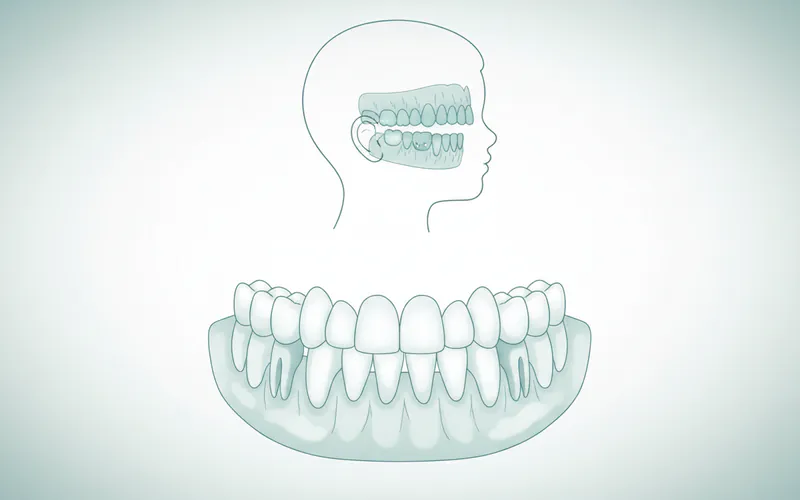
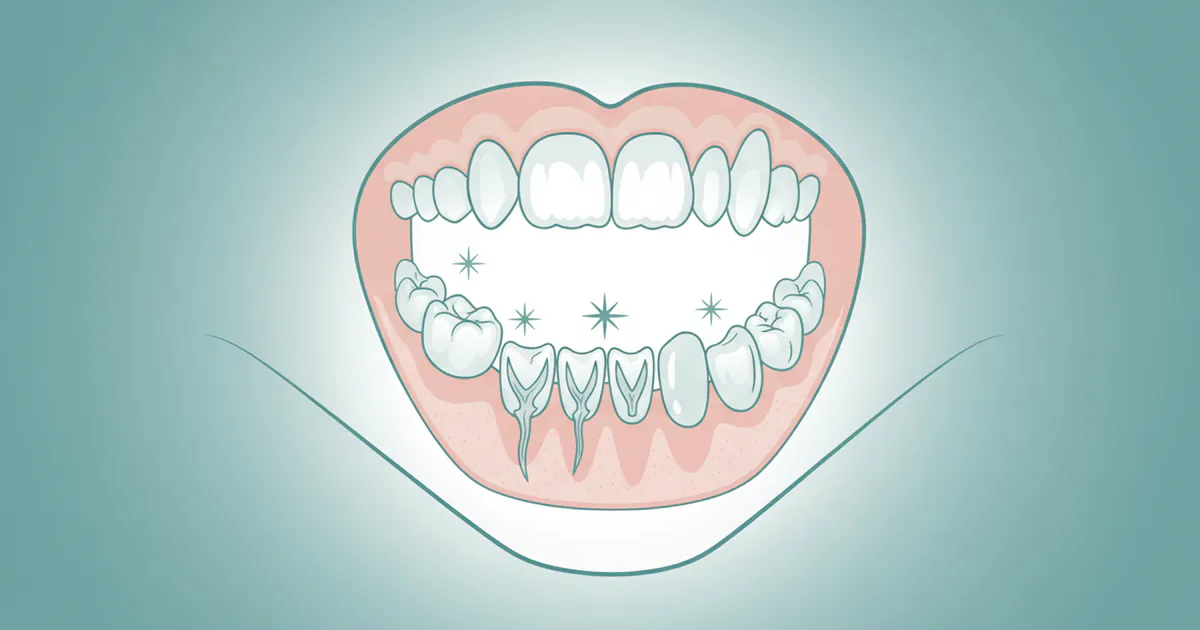
Children have 20 primary teeth in total. This set includes:
- 8 Incisors: Four central and four lateral incisors, located at the front of the mouth, designed for biting and cutting food.
- 4 Canines: Two in the upper jaw and two in the lower jaw, these pointed teeth are used for tearing food.
- 8 Molars: Located at the back of the mouth, these broader teeth are crucial for grinding and mashing food. Unlike permanent dentition, primary dentition does not include premolars.
These 20 teeth serve several critical functions beyond just helping a child eat. They play a significant role in developing clear speech, maintaining space in the jaws for the eruption of permanent teeth, and contributing to the proper formation of the child's facial structure. Losing baby teeth too early due to decay or injury can lead to complications with the alignment of permanent teeth later on.
The Two Sets of Teeth: Primary vs. Permanent
Understanding the relationship between primary and permanent teeth is key to appreciating a child's dental journey.
Primary (Baby) Teeth
These are the first teeth to erupt, typically starting around six months of age. There are 20 of them, and they are generally smaller and whiter than permanent teeth. Their roots are also shorter, designed to resorb (dissolve) as the permanent teeth push their way through.
Permanent Teeth
Beginning around age six, children start to lose their primary teeth, which are then replaced by permanent teeth. The permanent dentition consists of 32 teeth (including wisdom teeth) for most adults. This process of shedding baby teeth and gaining permanent ones continues until early adolescence. The first permanent molars typically emerge behind the last baby molars, rather than replacing any existing teeth, and are a very important part of the adult dentition.
The transition from primary to permanent teeth is a gradual process known as mixed dentition, where a child has a combination of both types of teeth in their mouth. This phase usually lasts from age 6 to 12.
Why It Happens: The Journey of Tooth Eruption and Shedding
The eruption of primary teeth and their subsequent shedding are natural, biologically programmed processes.
Tooth Eruption (Teething)
Teething is the process by which a baby's teeth emerge through the gums. It's driven by the genetic blueprint within the child's jawbone. As teeth develop within the jaw, they gradually move upwards, eventually breaking through the gum tissue.
What age do babies start teething? Most babies begin teething between 6 and 10 months of age. However, this can vary widely. Some babies may have their first tooth as early as 3 months, while others may not show any signs until after their first birthday. The process typically continues until all 20 primary teeth have erupted, usually by the time a child is around 3 years old.
Tooth Shedding (Exfoliation)
Baby teeth don't just fall out randomly; their roots are gradually reabsorbed by the body. This process is triggered by the developing permanent tooth beneath it. As the permanent tooth grows and moves towards the gum surface, it puts pressure on the roots of the primary tooth, causing them to dissolve. Once the root is sufficiently reabsorbed, the primary tooth becomes loose and eventually falls out, making way for its permanent successor. This natural process ensures that permanent teeth have adequate space to erupt properly.
Signs and Symptoms: Navigating the Teething Phase
Teething can be a challenging time for both infants and parents. While some babies may sail through the process with minimal fuss, others experience significant discomfort. Recognizing the signs and symptoms can help parents provide appropriate comfort.
Common Teething Symptoms
- Drooling: Excessive drooling is one of the most common signs, often starting before any teeth are visible. This can lead to skin irritation.
- Irritability and Fussiness: Babies may be more irritable, clingy, or cry more than usual due to discomfort.
- Swollen, Tender Gums: The gums around the emerging tooth may appear red, swollen, or bruised.
- Chewing/Biting: Babies often try to chew on anything they can get their hands on, including toys, fingers, or their own hands, to relieve pressure on their gums.
- Slight Increase in Temperature: A very mild fever (usually below 100.4°F or 38°C) can sometimes accompany teething, but a high fever is not a typical teething symptom and warrants a call to your pediatrician.
- Changes in Sleep Patterns: Discomfort can make it difficult for babies to fall asleep or stay asleep.
- Changes in Eating Habits: Some babies may refuse food or bottles due to sore gums, while others may want to nurse more frequently for comfort.
- Ear Pulling/Rubbing Cheeks: Pain can sometimes radiate to the ears or cheeks, causing babies to rub or pull at them.
Teething Rash on Face
One common symptom associated with excessive drooling during teething is a teething rash on face. This rash typically appears around the mouth, chin, neck, and sometimes the chest.
- Appearance: It looks like red, irritated patches of skin, sometimes with small bumps or chapping.
- Cause: Constant moisture from drool irritates the delicate skin, especially when combined with friction from clothing or pacifiers.
- Management:
- Keep the area dry: Gently pat away drool with a soft cloth frequently. Avoid rubbing.
- Barrier creams: Apply a thin layer of petroleum jelly, lanolin, or a zinc oxide diaper rash cream to create a barrier between the skin and the moisture.
- Soft bibs: Use bibs to catch drool, changing them when they become wet. Ensure bibs don't rub or irritate the chin.
- Avoid harsh soaps: Use mild, fragrance-free cleansers for bathing.
- Consult a pediatrician: If the rash is severe, persists despite home care, or shows signs of infection (e.g., pus, spreading redness, fever), seek medical advice.
Pro Tip: Always differentiate between a mild teething rash and other skin conditions. If you're unsure, or if the rash seems particularly uncomfortable for your child, consult your pediatrician or a dermatologist.
Treatment Options for Teething Discomfort
While teething is a natural process, there are several safe and effective ways to help alleviate your child's discomfort.
Home Remedies (First Line of Defense)
- Gum Massage: Gently rub your baby's gums with a clean finger. The pressure can provide relief.
- Chilled (Not Frozen) Teething Toys: Offer firm rubber teething rings or toys that have been chilled in the refrigerator (never frozen, as they can be too hard and cause injury).
- Cold Washcloth: A clean, wet washcloth chilled in the refrigerator for 30 minutes can be soothing for babies to chew on.
- Firm Foods (for older babies): If your baby is already eating solids, offering firm foods like a chilled cucumber spear or a piece of carrot (always supervised to prevent choking) can help.
- Cool Water: For babies old enough to drink water, offering sips of cool water can be comforting.
Over-the-Counter (OTC) Pain Relief
- Infant Acetaminophen (Tylenol): If your baby is particularly fussy or in pain, infant acetaminophen can be used. Always follow dosage instructions based on your child's weight and age, and consult your pediatrician.
- Infant Ibuprofen (Advil, Motrin): For babies 6 months and older, infant ibuprofen can also be effective. Again, strictly adhere to dosage guidelines and consult your pediatrician.
Treatments to Avoid
- Topical Numbing Gels (containing Benzocaine): The FDA advises against using benzocaine products for children under 2 due to the risk of methemoglobinemia, a serious blood disorder. Even for older children, they offer minimal relief and can numb the back of the throat, affecting the gag reflex.
- Homeopathic Teething Tablets/Gels: The FDA has warned against these products due to inconsistent amounts of active ingredients (like belladonna) and potential serious health risks.
- Amber Teething Necklaces/Bracelets: These are choking and strangulation hazards and have no proven scientific benefit for teething pain.
- Aspirin: Never give aspirin to children due to the risk of Reye's syndrome, a serious illness.
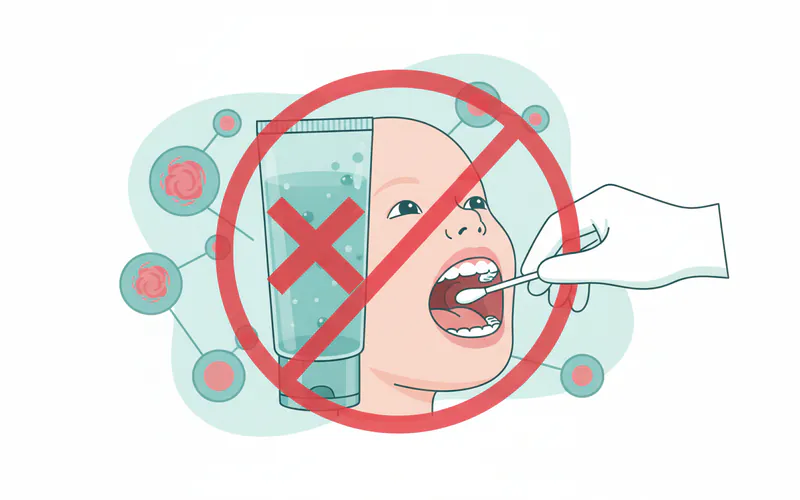
Table 1: Safe Teething Remedies vs. Remedies to Avoid
| Remedy Type | Safe & Recommended | To Avoid (Risks Outweigh Benefits) |
|---|---|---|
| Oral Relief | - Gentle gum massage with a clean finger | - Benzocaine-containing numbing gels (FDA warning) |
| - Chilled (not frozen) teething rings or toys | - Homeopathic teething tablets/gels (FDA warning) | |
| - Chilled wet washcloth | - Aspirin (Reye's Syndrome risk) | |
| Pain Medication | - Infant Acetaminophen (Tylenol, age-appropriate dosing) | |
| - Infant Ibuprofen (Advil, Motrin, for 6+ months) | ||
| Other | - Firm foods (supervised, for older babies) | - Amber teething necklaces/bracelets (choking/strangulation) |
| - Cool water sips (for older babies) |
Step-by-Step Process: The Typical Tooth Eruption Timeline
While there's variation, baby teeth generally follow a predictable pattern for eruption. It's important to remember that these are averages; your child's timeline may differ slightly.
General Eruption Sequence:
- Lower Central Incisors (Front Bottom): Typically the first to appear, around 6 to 10 months.
- Upper Central Incisors (Front Top): Shortly after, around 8 to 12 months.
- Upper Lateral Incisors (Side Top): Flanking the central incisors, around 9 to 13 months.
- Lower Lateral Incisors (Side Bottom): Completing the set of incisors, around 10 to 16 months.
- First Molars (Top & Bottom): These appear farther back in the mouth, crucial for grinding, around 13 to 19 months (upper) and 14 to 18 months (lower).
- Canines (Eye Teeth - Top & Bottom): The pointed teeth, around 16 to 22 months (upper) and 17 to 23 months (lower).
- Second Molars (Top & Bottom): The very last baby teeth, at the back of the mouth, usually erupt between 23 to 31 months (lower) and 25 to 33 months (upper).
By the age of 2.5 to 3 years, most children will have all 20 of their primary teeth.
Cost and Insurance: Pediatric Dental Care Expenses
While teething itself doesn't incur direct costs beyond remedies, establishing good oral health for your child involves regular dental visits. Pediatric dental care costs can vary significantly based on location, the dentist's fees, and whether you have dental insurance.
Typical Costs Without Insurance
- First Dental Visit (Initial Exam, Cleaning, Fluoride Treatment): This comprehensive visit is crucial. Costs generally range from $150 to $400.
- Routine Check-up (Exam, Cleaning, Fluoride): For subsequent visits, expect to pay $100 to $300.
- Dental Sealants (per tooth): A preventative measure for molars, costing $30 to $70 per tooth.
- X-rays: Depending on the type, from $25 (single bite-wing) to $150 (full mouth series).
- Fillings (for cavities in baby teeth): Can range from $100 to $350 per filling, depending on the material (amalgam vs. composite) and the size of the cavity.
- Pulpotomy (baby root canal): For deep decay, costs can be $250 to $600.
- Tooth Extraction (baby tooth): $75 to $250.
Insurance Coverage
Most dental insurance plans, including those offered through employers or purchased privately, cover a significant portion of pediatric preventative care.
- Preventative Care: Typically covered at 80-100% (e.g., exams, cleanings, fluoride, sealants). The ADA (American Dental Association) strongly advocates for early and regular preventative care.
- Basic Procedures: Fillings and extractions are often covered at 50-80%.
- Major Procedures: More complex treatments like pulpotomies or crowns might be covered at 30-50%.
Government Programs
- Medicaid and CHIP (Children's Health Insurance Program): These programs provide comprehensive dental coverage for eligible low-income children in the US. They typically cover regular check-ups, cleanings, fluoride, sealants, fillings, and sometimes more extensive treatments. Eligibility varies by state.
Pro Tip: Always check with your insurance provider before your child's appointment to understand your specific coverage, deductibles, co-pays, and annual maximums. Ask your pediatric dentist's office about their accepted insurance plans.
Recovery and Aftercare: Nurturing Healthy Smiles
Once the teething phase is over, or even during it, establishing a routine for oral hygiene is paramount to protecting those precious baby teeth.
Oral Hygiene for Infants and Toddlers
- Before the First Tooth: Even before teeth erupt, gently wipe your baby's gums with a clean, damp cloth or a soft infant toothbrush twice a day. This helps remove bacteria and prepares them for brushing.
- First Tooth to Age 3: As soon as the first tooth appears, start brushing twice a day with a soft-bristled, infant-sized toothbrush and a smear (rice-grain size) of fluoride toothpaste.
- Ages 3-6: Use a pea-sized amount of fluoride toothpaste and teach your child to spit it out after brushing. Continue to supervise and assist with brushing.
- Flossing: Once two teeth touch, begin flossing daily. Special flossers designed for children can make this easier.
Diet and Nutrition
- Limit Sugary Drinks and Foods: Sugary drinks (juice, soda) and sticky sweets are major culprits for early childhood caries (cavities).
- Avoid "Baby Bottle Tooth Decay": Never put your baby to bed with a bottle containing milk, formula, juice, or any sweetened liquid. The sugar bathes the teeth, leading to rapid decay. Offer water instead or nothing at all after their teeth have been cleaned.
- Healthy Snacks: Encourage water and tooth-friendly snacks like cheese, fresh fruits (in moderation), and vegetables.
First Dental Visit
The American Academy of Pediatric Dentistry (AAPD) and the ADA recommend scheduling your child's first dental visit by their first birthday, or within six months of the eruption of their first tooth, whichever comes first. This early visit allows the pediatric dentist to:
- Assess oral development.
- Check for any potential issues (e.g., cavities, developmental abnormalities).
- Provide preventative care (e.g., fluoride varnish).
- Educate parents on proper oral hygiene and diet.
- Establish a "dental home" for your child.
Prevention: Keeping Baby Teeth Healthy
Preventing dental problems in baby teeth is crucial for long-term oral health.
Early Childhood Caries (ECC) Prevention
ECC, also known as baby bottle tooth decay, is a severe form of tooth decay affecting infants and toddlers.
- Nighttime Habits: As mentioned, avoid putting babies to bed with bottles containing anything but water.
- Sippy Cup Use: Transition from bottles to sippy cups around 12-18 months. Limit the use of sippy cups to mealtimes, and fill them only with water between meals.
- Healthy Diet: A balanced diet low in sugar is critical.
Fluoride
- Topical Fluoride: Fluoride in toothpaste and professional fluoride varnishes (applied by a dentist) strengthens tooth enamel, making it more resistant to decay.
- Systemic Fluoride: If your community water supply is not fluoridated, your pediatrician or dentist may recommend fluoride supplements.
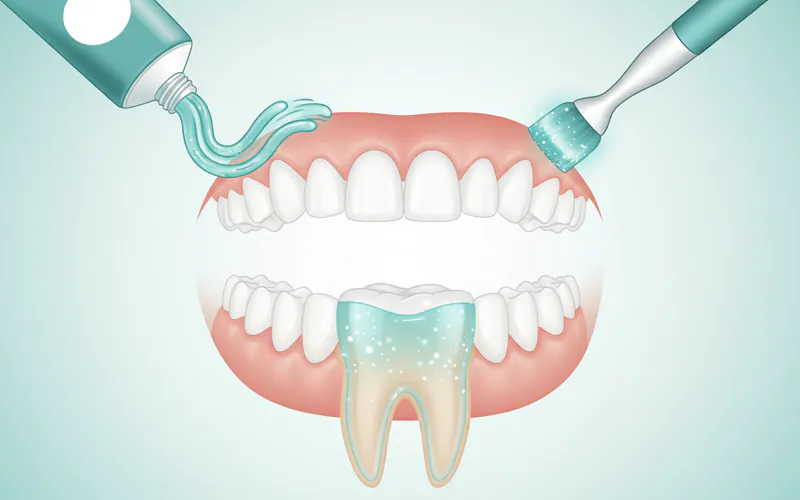
Dental Sealants
- These are thin, plastic coatings painted on the chewing surfaces of the back teeth (molars and premolars). They act as a barrier, protecting enamel from plaque and acids. Sealants are typically applied to permanent molars but can sometimes be recommended for primary molars if the child is at high risk of decay.
Regular Dental Check-ups
Routine visits allow for early detection and intervention, preventing minor issues from becoming major problems.
Risks and Complications During Childhood Dental Development
While most children experience normal tooth eruption and shedding, some issues can arise.
Teething Complications
- High Fever: While a mild temperature increase can occur, a fever above 100.4°F (38°C) is not typically caused by teething and should be investigated by a doctor.
- Diarrhea/Vomiting: These are not direct symptoms of teething and may indicate an underlying illness.
- Infection: Rarely, the gum tissue can become infected around an erupting tooth.
- Severe Rash: A severe or persistent teething rash on face that doesn't respond to home care may require medical attention.
Dental Complications in Baby Teeth
- Early Childhood Caries (ECC): As discussed, severe decay in baby teeth can lead to pain, infection, difficulty eating, and speech problems.
- Dental Trauma: Falls or accidents can chip, fracture, or even knock out baby teeth. Any dental trauma should be evaluated by a dentist immediately.
- Delayed Eruption: If a child's first tooth hasn't appeared by 12-18 months, or if there's a significant delay in the overall eruption sequence, a dental evaluation is recommended.
- Ectopic Eruption: This occurs when a tooth erupts in an abnormal position.
- Natal/Neonatal Teeth: Rarely, babies are born with teeth (natal) or teeth erupt within the first month of life (neonatal). These may need to be removed if they interfere with feeding or pose a choking hazard.
- Ankylosis: A condition where a primary tooth's root fuses to the bone, preventing it from shedding naturally. This can interfere with the eruption of the permanent tooth.
Pro Tip: If you notice any unusual swelling, severe pain, pus, or a high fever alongside teething symptoms, contact your pediatrician or pediatric dentist promptly.
Children / Pediatric Considerations: Age-Specific Guidance for Parents
Understanding your child's dental development stage allows for tailored care.
Infants (0-12 Months)
- Before First Tooth: Wipe gums daily with a soft cloth.
- First Tooth Appears: Start brushing twice daily with a rice-grain smear of fluoride toothpaste.
- First Dental Visit: Schedule by 1 year old or within 6 months of the first tooth.
- Teething Management: Use safe remedies like chilled toys, gum massage. Monitor for severe symptoms.
- Feeding: Avoid putting baby to bed with a bottle containing anything but water.
- Drooling/Rash: Manage teething rash on face with barrier creams and frequent drying.
Toddlers (1-3 Years)
- Brushing: Continue brushing twice daily, progressing to a pea-sized amount of fluoride toothpaste after age 3. Supervise closely.
- Flossing: Begin flossing when teeth touch.
- Diet: Limit sugary drinks and snacks. Transition from bottle to sippy cup for water.
- Regular Check-ups: Maintain routine dental visits every 6 months as recommended by your pediatric dentist.
- Trauma: Be mindful of falls as toddlers become more mobile; know what to do if a tooth injury occurs.
Preschoolers (3-5 Years)
- Independence: Encourage your child to participate in brushing, but always finish brushing for them to ensure thorough cleaning.
- Spitting: Teach them to spit out toothpaste after brushing.
- Sealants: Discuss dental sealants for permanent molars (which may start to erupt around age 6) with your dentist.
- Habits: Address habits like thumb sucking or prolonged pacifier use if they could affect tooth alignment.
Cost Breakdown: Detailed Pediatric Dental Expenses
Let's delve deeper into the financial aspects of maintaining a child's dental health in the US.
| Dental Procedure/Service | Average Cost (Without Insurance) | Average Cost (With Insurance, e.g., 80% coverage) |
|---|---|---|
| New Patient Exam (D0150) | $80 - $180 | $0 - $36 (often 100% covered) |
| Child Cleaning (D1120) | $70 - $130 | $0 - $26 (often 100% covered) |
| Fluoride Treatment (D1208) | $30 - $70 | $0 - $14 (often 100% covered) |
| X-rays (Bitewings, D0274) | $40 - $100 | $8 - $20 (typically 80% covered) |
| Dental Sealant (D1510/D1516) | $30 - $70 per tooth | $6 - $14 per tooth (often 80% covered) |
| Amalgam Filling (D2140) | $100 - $250 | $20 - $125 (50-80% coverage) |
| Composite Filling (D2391) | $150 - $350 | $30 - $175 (50-80% coverage) |
| Pulpotomy (D3220) | $250 - $600 | $75 - $300 (50-70% coverage) |
| Primary Tooth Extraction (D7140) | $75 - $250 | $15 - $125 (50-80% coverage) |
Note: These are average ranges. Actual costs may vary based on your geographic location (urban vs. rural), the specific pediatric dental practice, and the complexity of the procedure.
Payment Plans and Financing Options
- In-Office Payment Plans: Many dental offices offer interest-free payment plans, allowing you to pay for services over several months.
- Third-Party Financing: Companies like CareCredit offer healthcare credit cards with special financing options, including deferred interest periods.
- Dental Savings Plans: These are not insurance but offer discounts on dental services from participating providers for an annual fee.
- Community Clinics/Dental Schools: These can offer significantly reduced rates for dental care performed by supervised students or residents.
Cost-Saving Tips
- Preventative Care: The single best way to save money on dental care is consistent preventative care. Regular cleanings and fluoride treatments prevent expensive cavities and other issues.
- Utilize Insurance: Understand your benefits and use them regularly, especially for preventative services which are often fully covered.
- Ask for Discounts: Some offices offer discounts for paying in cash or for multiple children.
- Compare Prices: Don't hesitate to call a few different pediatric dental offices to inquire about their fees for common procedures.
Frequently Asked Questions
What is the average age for babies to get their first tooth?
Most babies typically get their first tooth, usually a lower central incisor, between 6 and 10 months of age. However, some babies can start as early as 3 months, while others may not show any signs until after their first birthday. This wide range is considered normal developmental variation.
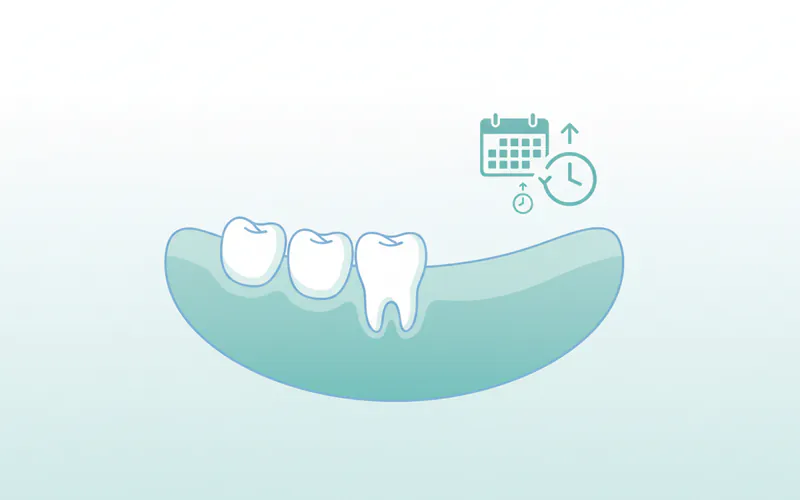
How many teeth do kids have in total?
Children have a total of 20 primary (baby) teeth. This set includes 8 incisors, 4 canines, and 8 molars. These teeth eventually fall out and are replaced by a set of 32 permanent adult teeth.
What are the most common signs of teething?
The most common signs of teething include increased drooling, fussiness, irritability, swollen and tender gums, a desire to chew on objects, and sometimes a mild teething rash on face or a slight increase in temperature. A high fever, diarrhea, or severe vomiting are generally not due to teething and warrant medical attention.
How long does teething usually last for each tooth?
The actual process of a tooth breaking through the gum can last a few days to a week. However, the entire teething period, from the first tooth to the last primary molar, typically spans from 6 months of age until around 2.5 to 3 years old. Each tooth or set of teeth has its own eruption timeline.
Is it normal for babies to have a teething rash on face?
Yes, a mild rash around the mouth, chin, and sometimes the neck is very common during teething. It's caused by excessive drooling irritating the skin. Keeping the area dry and applying a protective barrier cream can help manage it.
When should I take my child for their first dental visit?
The American Dental Association (ADA) and American Academy of Pediatric Dentistry (AAPD) recommend that a child's first dental visit should occur by their first birthday, or within six months of the eruption of their first tooth, whichever comes first. This early visit is crucial for establishing a dental home and proactive care.
Are baby teeth important if they are just going to fall out?
Absolutely! Baby teeth are vital for several reasons. They help children chew food properly, speak clearly, and maintain space in the jaws for the permanent teeth to erupt correctly. Losing baby teeth prematurely can lead to alignment issues and other dental problems later on.
What should I do if my child is in severe pain from teething?
For severe teething pain, consult your pediatrician or pediatric dentist. They may recommend age-appropriate doses of infant acetaminophen (like Tylenol) or infant ibuprofen (for babies 6 months and older). Always avoid topical numbing gels containing benzocaine and homeopathic remedies.
What age do permanent teeth start coming in?
Permanent teeth typically start to erupt around age 6, beginning with the first permanent molars (which emerge behind the last baby molars, not replacing any) and the lower central incisors. This process continues through adolescence.
How much does a typical pediatric dental cleaning cost without insurance?
A typical pediatric dental cleaning, which usually includes an exam and fluoride treatment, can cost anywhere from $100 to $300 without insurance. The cost varies by location and individual practice fees. Preventative care is often covered significantly by most dental insurance plans.
When to See a Dentist
While teething is a natural process, there are specific signs and symptoms that warrant a call to your pediatric dentist or pediatrician.
Immediate Attention (Emergency/Urgent Care)
- High Fever: A fever over 100.4°F (38°C) is not a normal teething symptom. Seek medical advice.
- Severe Swelling or Redness: If a specific area of the gum is extremely swollen, very red, or has pus, it could indicate an infection.
- Unusual Spots or Lumps: Any unexplained white, red, or dark spots on the gums, tongue, or inside the cheeks that don't go away.
- Dental Trauma: If your child falls and chips, fractures, or knocks out a tooth (baby or permanent), contact your dentist immediately.
- Persistent Refusal to Eat/Drink: If your child is refusing to eat or drink for an extended period, especially with other symptoms, it could indicate more than just teething discomfort.
Scheduled Appointment (Non-Emergency)
- No First Tooth by 12-18 Months: If your baby hasn't had their first tooth erupt by 12-18 months, consult your pediatric dentist.
- First Dental Visit Recommendation: Schedule your child's first dental appointment by their first birthday, regardless of how many teeth they have.
- Delayed Shedding: If a baby tooth remains firmly in place long after its expected shedding time, especially when the permanent tooth is visibly trying to erupt nearby.
- Concern about Oral Habits: If you're worried about thumb sucking, pacifier use, or other oral habits affecting your child's tooth development.
- Visible Cavities or Stains: Any dark spots or holes on your child's teeth should be evaluated by a dentist.
Remember, early intervention and regular preventative care are key to ensuring your child develops a healthy, lifelong smile. Your pediatric dentist is your best resource for navigating the exciting and sometimes challenging journey of your child's dental development.
Frequently Asked Questions
Medically Reviewed Content
This article was written by our dental health editorial team and reviewed for medical accuracy. Our content follows strict editorial guidelines for reliability and trustworthiness.
Medical Disclaimer
This article is for informational purposes only and does not constitute medical advice. Always consult with a qualified dental professional for diagnosis and treatment. Do not delay seeking professional advice because of something you read on this website.
Related Articles
Kitten Teething Toys: Complete Guide
Few milestones in early life bring as much joy – and sometimes, as much discomfort – as teething. Just as a playful kitten explores its new world by mouthing and chewing on everything it can, human babies also embark on a similar developmental journey. In fact, over 80% of infants experience som
February 22, 2026
How Many Teeth Do Children Have
Did you know that a child's smile goes through more dramatic transformations in their first 12 years than an adult's does in a lifetime? Understanding the journey of your child's dental development is fundamental to ensuring their lifelong oral health. For many parents, a common question arises: **h
February 22, 2026
Teething Syndrome: Complete Guide
As a parent, few things are as universally anticipated and often dreaded as the arrival of your baby's first tooth. While a milestone to celebrate, the process of primary tooth eruption, commonly known as teething syndrome, can bring with it a host of challenging symptoms. In fact, studies sugge
February 22, 2026
When Do Kittens Lose Their Baby Teeth
When Do Kittens Lose Their Baby Teeth
February 22, 2026