Baby Teeth Coming in: Complete Guide
Key Takeaways
- New parents often find themselves navigating a world of unknowns, and few stages bring as much wonder and worry as when their little one's first teeth begin to emerge. Did you know that over 80% of infants experience some level of discomfort when their baby teeth coming in? This natural, yet
New parents often find themselves navigating a world of unknowns, and few stages bring as much wonder and worry as when their little one's first teeth begin to emerge. Did you know that over 80% of infants experience some level of discomfort when their baby teeth coming in? This natural, yet sometimes challenging, developmental milestone marks the beginning of your child's journey to solid foods and developing speech. Understanding what to expect, how to soothe your baby, and when to seek professional advice can make this transition much smoother for both you and your little one. From the first tiny incisor peeking through to the arrival of the formidable molars, this comprehensive guide will equip you with the knowledge you need, covering everything from common symptoms and effective remedies to potential complications and crucial oral hygiene practices, ensuring your baby's smile starts healthy and bright.
Key Takeaways:
- Teething Timeline: Baby teeth typically start emerging around 6 months of age, with the two bottom front teeth (central incisors) usually appearing first. The full set of 20 primary teeth is generally complete by age 2.5 to 3 years.
- Common Symptoms: Expect increased drooling, gum irritation, irritability, mild temperature elevation (not usually a true fever), chewing on objects, and changes in sleep or eating patterns.
- Safe Pain Relief: Offer chilled (not frozen) teething rings, gum massage, and over-the-counter infant pain relievers like acetaminophen or ibuprofen (consult pediatrician for dosage).
- Avoid Teething Tablets: The FDA strongly advises against the use of homeopathic teething tablets and gels containing benzocaine due to serious health risks.
- Early Dental Care: Schedule your child's first dental visit by their first birthday or within six months of the first tooth erupting, as recommended by the American Dental Association (ADA).
- Cost Considerations: While teething itself is free, remedies can range from a few dollars for teething toys to $10-$20 for OTC pain relievers. Pediatrician visits for teething concerns might incur a co-pay (e.g., $20-$75 with insurance) or $100-$300+ without insurance.
- Watch for Complications: While rare, persistent high fever, severe diarrhea, or signs of illness like a widespread rash could indicate something more serious than teething, such as foot and mouth disease in children, warranting a doctor's visit.
What It Is: Understanding Primary Tooth Eruption
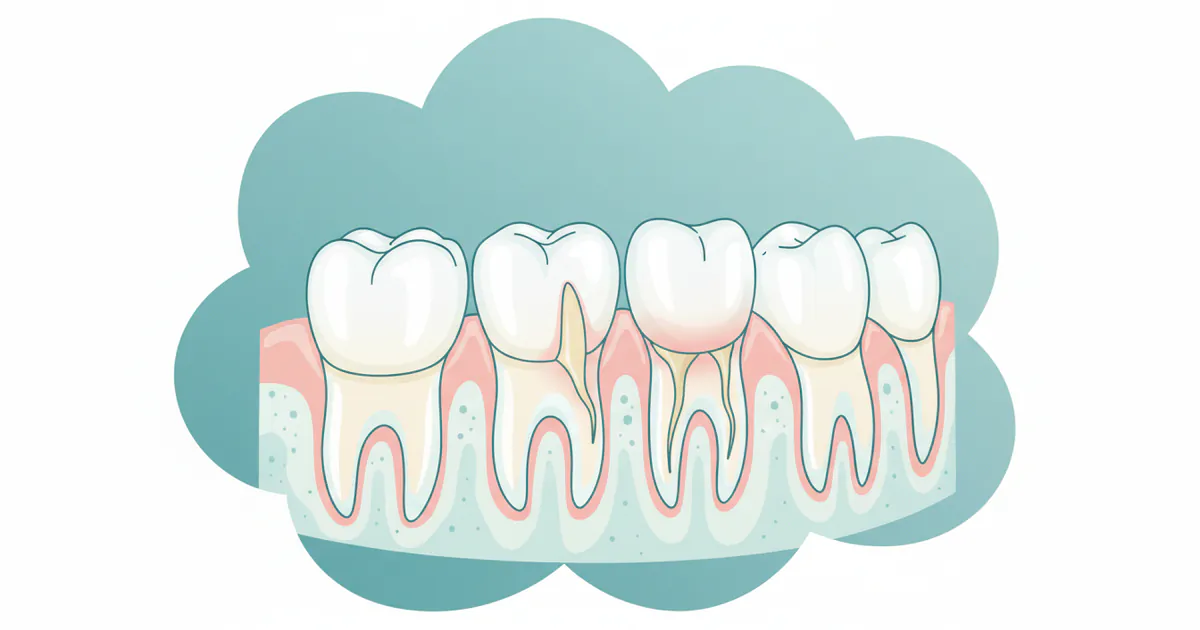
The arrival of your baby's first set of teeth, medically known as primary dentition or deciduous teeth, is a significant developmental milestone. Often referred to simply as "baby teeth," these 20 temporary teeth typically begin to emerge, or "erupt," through the gums around six months of age. This process, known as teething, continues until approximately 2.5 to 3 years old, when the full set of primary teeth is usually present. While these teeth will eventually be replaced by permanent adult teeth, they play a critical role in your child's early development. They are essential for proper chewing and digestion, aid in speech development, and, crucially, hold space in the jaw for the permanent teeth to erupt correctly later on. Without healthy baby teeth, permanent teeth can come in misaligned or crowded, potentially leading to orthodontic issues down the line.

Types / Variations in Eruption Patterns
While there's a general sequence and timeline for baby teeth coming in, it's important to remember that every child is unique, and variations are common. The typical order of eruption is as follows:
- Central Incisors: The two bottom front teeth (mandibular central incisors) usually emerge first, between 6-10 months. Shortly after, the two top front teeth (maxillary central incisors) follow, between 8-12 months.
- Lateral Incisors: The teeth adjacent to the central incisors, both top and bottom, typically appear between 9-13 months for the top ones and 10-16 months for the bottom.
- First Molars: These larger, flatter teeth emerge towards the back of the mouth, usually between 13-19 months for the top and 14-18 months for the bottom. They are crucial for grinding food.
- Canines (Cuspids): Often called "eyeteeth," these pointed teeth erupt between 16-22 months for the top and 17-23 months for the bottom, filling the gaps between the lateral incisors and first molars.
- Second Molars: The final baby teeth to arrive are the second molars, located at the very back of the mouth. They typically appear between 23-31 months for the bottom and 25-33 months for the top, completing the full set of 20 primary teeth.
``
Variations and What They Mean:
- Early or Late Eruption: Some babies may start teething as early as 3 months, while others might not see their first tooth until after their first birthday. Both are generally considered normal. Significant delays (e.g., no teeth by 18 months) should be discussed with your pediatrician or pediatric dentist.
- Out-of-Order Eruption: While there's a typical sequence, it's not uncommon for teeth to emerge in a slightly different order. As long as all teeth eventually appear and are healthy, this is usually not a concern.
- Natal or Neonatal Teeth: Very rarely, a baby might be born with one or more teeth (natal teeth) or develop them within the first month of life (neonatal teeth). These teeth can sometimes be loose or interfere with feeding and may need evaluation by a dentist.
Causes: Why Baby Teeth Emerge
The emergence of baby teeth coming in is a complex, genetically programmed biological process. It's not triggered by external factors but rather by internal physiological cues that signal the body to begin developing and pushing these teeth through the gum tissue.
The primary "cause" is the natural developmental process within the jawbones:
- Tooth Germ Development: Teeth begin to form even before birth, starting as tiny buds called tooth germs within the jawbone.
- Crown Formation: The hard outer layers (enamel and dentin) of the tooth crown develop first.
- Root Elongation and Bone Resorption: As the root of the tooth begins to form and elongate, it exerts pressure on the overlying bone and gum tissue. Simultaneously, specialized cells cause the bone and gum tissue above the tooth to resorb (break down), creating a path for the tooth to erupt.
- Eruption Pathway: The tooth then moves along this pathway until it breaks through the gum line, becoming visible in the mouth.
Contributing Factors (Influencing Timing, Not Cause):
- Genetics: Family history often plays a role in the timing of teething. If parents teethed early or late, their children might follow a similar pattern.
- Nutrition: While severe nutritional deficiencies can impact tooth development, in well-nourished infants, diet doesn't typically alter the timing of eruption significantly.
- Hormones: Certain hormonal factors are involved in bone metabolism and tooth development, indirectly influencing the process.
- Environmental Factors: Exposure to certain environmental factors in utero can sometimes impact tooth development, but this is rare and usually associated with more significant developmental issues.
It's crucial to understand that teething is a natural and inevitable part of infant development, not a disease or condition requiring specific intervention to "make" teeth come in.
Signs and Symptoms of Teething
When baby teeth coming in, they often bring a predictable set of signs and symptoms. While every baby is different, and some might experience more discomfort than others, here’s what most parents observe:
- Increased Drooling: This is one of the earliest and most common signs, often starting around 3-4 months, even before the first tooth appears. The excess saliva can lead to a rash around the mouth, chin, and neck.
- Swollen, Tender Gums: The most direct sign is visible swelling, redness, or tenderness of the gums in the area where a tooth is about to erupt. You might even see a small bluish bump (an eruption cyst) on the gum, which usually resolves on its own.
- Irritability and Fussiness: Your baby may seem more irritable, whiny, or unsettled than usual, especially as a tooth gets closer to breaking through. This can manifest as crying, clinging, or general unhappiness.
- Chewing and Biting: Babies will often try to relieve gum pressure by chewing, gnawing, or biting on anything they can get their hands on – toys, fingers, clothing, or even your shoulder.
- Disturbed Sleep: Discomfort can make it harder for babies to settle down and stay asleep, leading to more frequent night awakenings.
- Changes in Eating Habits: Some babies may refuse to eat or drink due to sore gums, while others find comfort in sucking or chewing during feeding.
- Mild Temperature Elevation: A slight increase in body temperature (often below 100.4°F or 38°C) is common, but teething does not cause a true fever (101°F or 38.3°C and above). If your baby has a high fever, it's crucial to investigate other potential causes.
- Ear Pulling or Cheek Rubbing: The pain from teething gums can sometimes radiate to the ears or cheeks, causing babies to pull at their ears or rub their cheeks on the affected side.
- Loose Stools or Diaper Rash: While not a direct symptom, the excessive drooling that babies swallow can sometimes lead to slightly looser stools. This, combined with increased acidity, can contribute to diaper rash. However, severe diarrhea is not a teething symptom and warrants medical attention.
Pro Tip: Keep a log of your baby's symptoms and when teeth emerge. This can help you identify patterns for future teething episodes and differentiate between teething discomfort and actual illness.
Treatment Options for Teething Discomfort
When baby teeth coming in, your primary goal as a parent is to help soothe your child's discomfort. There are several safe and effective treatment options available, ranging from simple home remedies to over-the-counter medications.
Home Remedies and Non-Pharmacological Approaches
These are often the first line of defense and can be very effective for mild to moderate discomfort:
- Gum Massage: Gently rub your baby's gums with a clean finger for a few minutes. The pressure can help alleviate pain.
- Pros: Immediate, comforting, no cost, no medication.
- Cons: Temporary relief, requires clean hands.
- Chilled Teething Toys or Rings: Provide a clean, chilled (not frozen, as freezing can make them too hard and potentially cause injury) teething ring or toy. The cold numbs the gums.
- Pros: Effective for many babies, readily available, provides something safe to chew.
- Cons: Needs to be kept clean, may not appeal to all babies.
- Cold Washcloth: Soak a clean washcloth in water, wring it out, and chill it in the refrigerator. Your baby can chew on it for relief.
- Pros: Inexpensive, easy to prepare, provides pressure and cold.
- Cons: Can get messy, needs frequent cleaning.
- Solid Foods (for older babies): If your baby is already eating solids, offer firm, safe-to-chew foods like a chilled cucumber stick, a frozen waffle (in a mesh feeder), or a piece of chilled fruit (like banana or melon, again, in a mesh feeder to prevent choking). Always supervise closely to prevent choking hazards.
- Pros: Provides gnawing satisfaction, can offer nutritional benefits.
- Cons: Choking risk is high; strict supervision is essential.
- Distraction and Cuddles: Sometimes, simply diverting your baby's attention with play or offering extra cuddles and comfort can be the most effective remedy.
- Pros: Strengthens parent-child bond, drug-free.
- Cons: Doesn't directly address physical pain.
Over-the-Counter (OTC) Pain Relievers
For more significant discomfort or when home remedies aren't enough, infant-specific OTC pain relievers can be used. Always consult your pediatrician for proper dosing based on your child's weight and age.
- Acetaminophen (e.g., Tylenol® Infant):
- Pros: Effective for pain and mild fever, generally well-tolerated.
- Cons: Must be dosed accurately, can be toxic if overdosed.
- Ibuprofen (e.g., Advil® Infant, Motrin® Infant):
- Pros: Also effective for pain and inflammation, can last longer than acetaminophen.
- Cons: Not recommended for infants under 6 months of age, must be dosed accurately, can cause stomach upset in some babies.
What to AVOID: Dangerous Teething Products
It's critical to be aware of products that should NEVER be used due to serious health risks:
- Homeopathic Teething Tablets and Gels: The U.S. Food and Drug Administration (FDA) has issued strong warnings against homeopathic teething tablets and gels, particularly those containing belladonna. They have been linked to seizures, breathing problems, lethargy, muscle weakness, and constipation in infants and children. There's no proven benefit, and the risks are substantial.
- Benzocaine Gels (e.g., Orajel™): The FDA also advises against benzocaine products for children under two years old. Benzocaine can cause methemoglobinemia, a rare but serious condition where the amount of oxygen carried in the blood is reduced to dangerous levels.
- Amber Teething Necklaces/Bracelets: These are choking and strangulation hazards and have no scientific evidence to support their claim of pain relief.
- Alcohol-Based Remedies: Never apply alcohol to your baby's gums or offer alcoholic beverages. It is toxic and extremely dangerous for infants.
Pro Tip: If you're unsure about a product or method, always err on the side of caution and discuss it with your pediatrician or pediatric dentist.
Step-by-Step Process: The Teething Journey
Understanding the typical journey of baby teeth coming in can help parents anticipate and manage this developmental stage. While the exact timing varies, the general sequence and what to expect remain consistent.
Phase 1: Preparation (Birth to 6 months)
Even before you see any teeth, the process is well underway.
- Tooth Bud Formation: In the womb, tooth buds for all 20 primary teeth (and even some permanent teeth) begin to form within the jawbones.
- Early Development: The crowns of these teeth start to calcify and develop their hard enamel and dentin layers.
- Subtle Signs: Around 3-4 months, you might notice increased drooling, and your baby might start putting everything in their mouth to chew, as their gums begin to feel a little different.
Phase 2: First Tooth Emergence (6 to 12 months)
This is typically when you'll spot that exciting first tooth.
- Bottom Central Incisors: Most commonly, the two lower front teeth emerge first, often around 6 to 10 months. You might feel a hard ridge under the gum before it breaks through.
- Top Central Incisors: The two upper front teeth usually follow, erupting between 8 to 12 months.
- Symptoms: During this phase, symptoms like gum tenderness, fussiness, and disrupted sleep are common. This is when parents often first realize their baby is teething.
- First Dental Visit: The American Academy of Pediatric Dentistry (AAPD) and the ADA recommend scheduling your child's first dental visit by their first birthday or within six months of the first tooth erupting. This is not just for addressing teething concerns but for establishing a "dental home" and learning proper infant oral hygiene.
Phase 3: Lateral Incisors and First Molars (10 to 19 months)
The gaps begin to fill in, and chewing capabilities increase.
- Lateral Incisors: The teeth flanking the central incisors, both top and bottom, typically appear between 9 to 16 months.
- First Molars: These larger, flat teeth emerge further back in the mouth, usually between 13 to 19 months. Their arrival can sometimes be more uncomfortable due to their larger size and the broad surface area they must push through.
- Increased Chewing Needs: With molars, your baby will have a greater ability to chew food, making solid food introduction easier (if not already well underway).
Phase 4: Canines and Second Molars (16 to 33 months)
The final teeth complete the primary dentition.
- Canines: Often called "eyeteeth," these pointed teeth typically erupt between 16 to 22 months. Their shape can sometimes make their eruption particularly noticeable.
- Second Molars: The last of the baby teeth, these emerge at the very back of the mouth, usually between 23 to 33 months. These can be the most challenging teeth to erupt due to their size, often causing significant discomfort.
- Full Primary Set: By approximately 2.5 to 3 years of age, your child should have a complete set of 20 primary teeth.
``
Pro Tip: Remember that the total duration of active teething discomfort for any single tooth is usually only a few days to a week. If symptoms are severe or persist for longer periods, or if new, unusual symptoms arise, consult your pediatrician.
Cost and Insurance Considerations for Teething Management
Teething itself is a natural physiological process with no direct "cost." However, managing the associated discomfort and ensuring proper oral health can incur indirect expenses. These costs primarily fall into categories such as teething aids, over-the-counter medications, and professional healthcare visits if complications arise or for routine dental check-ups.
Teething Aids and Over-the-Counter Remedies
- Teething Rings/Toys: Ranges from $5 to $25 for high-quality, safe, and durable options. Reusable.
- Cold Washcloths/Sponges: Virtually free, using items already in your home.
- Mesh Feeders: Around $8 to $15 for a set of two, useful for safely introducing cold foods.
- Infant Acetaminophen/Ibuprofen: A bottle typically costs $7 to $15, providing many doses.
- Drool Bibs: Packs of 3-5 bibs can cost $10 to $25, essential for managing excessive drooling and preventing skin irritation.
- Teething Biscuits/Crackers: $4 to $8 per box, though careful selection is needed to avoid high sugar content.
Healthcare Provider Visits
While routine teething doesn't require a doctor's visit, you might consult a pediatrician or pediatric dentist for:
- Severe or Persistent Symptoms: If your baby's discomfort is extreme, symptoms are unusual (e.g., high fever, severe diarrhea), or you suspect a complication.
- First Dental Check-up: The ADA recommends the first dental visit by age one.
Cost Breakdown for Healthcare Visits (US Averages):
| Type of Visit | With Insurance (Co-pay/Co-insurance) | Without Insurance (Out-of-Pocket) | Notes |
|---|---|---|---|
| Pediatrician Visit | $20 - $75 | $100 - $300+ | For acute concerns, ruling out illness. May be covered by wellness visits. |
| Pediatric Dentist Visit | $0 - $50 | $150 - $400+ | First "well-baby" dental visit (exam, cleaning, fluoride varnish, parent education). Often 100% covered by dental insurance. |
| Emergency Dentist Visit | $50 - $150+ | $300 - $800+ | For significant injury or severe oral infection not directly teething-related. |
Insurance Coverage
- Medical Insurance: Typically covers pediatrician visits for illness or injury. Routine wellness checks for infants are usually 100% covered. If you visit your pediatrician due to concerns about teething symptoms, it would generally fall under medical coverage.
- Dental Insurance: Most comprehensive dental plans cover pediatric care, often at a high percentage (e.g., 80-100%) for preventive services like the first dental exam and cleanings. If your child has a specific dental issue related to teething (e.g., an eruption cyst that needs monitoring), these visits would be covered under your dental plan's terms. It's rare for dental insurance to cover visits solely for general teething discomfort, as it's a normal developmental process.

Pro Tip: Always call your insurance provider before scheduled appointments to understand your specific benefits, co-pays, and deductible status for both medical and dental care. Many dental offices offer payment plans for self-pay patients or provide discounts for upfront payments.
Recovery and Aftercare: Beyond the Tooth Eruption
Once a baby tooth finally breaks through the gum, the immediate discomfort usually subsides. However, the "aftercare" isn't just about recovering from the teething process itself, but about establishing lifelong healthy oral hygiene habits for these new teeth.
Immediate Recovery After Eruption
- Relief of Symptoms: You'll typically notice a significant reduction in irritability, drooling, and gum tenderness shortly after the tooth has fully emerged.
- Continued Drooling (Reduced): While excessive drooling often lessens, some babies continue to drool more than usual for a period as their mouths adjust to the new teeth and increased saliva production. Continue to gently wipe drool to prevent skin rashes.
Oral Hygiene for New Teeth
The moment the first tooth appears, your baby is at risk for tooth decay, particularly "baby bottle tooth decay" or early childhood caries.
- Brush Twice Daily: Using a soft-bristled infant toothbrush and a tiny smear (about the size of a grain of rice) of fluoride toothpaste, gently brush your baby's teeth twice a day.
- ADA Recommendation: The American Dental Association recommends using fluoride toothpaste from the first tooth, as fluoride strengthens enamel and prevents decay.
- Clean Gums (Before Teeth): Even before teeth erupt, gently wipe your baby's gums with a clean, damp cloth or gauze after feedings to remove milk residue and introduce oral cleaning.
- Avoid Bottle/Breast at Night: Do not put your baby to bed with a bottle containing milk, formula, juice, or sweetened liquids. Even breast milk can contribute to decay if left on teeth overnight. If your baby needs a bottle for comfort, fill it with plain water.
- Limit Sugary Drinks and Foods: Reduce exposure to sugary snacks, juices, and sodas. Water and milk are the best beverage choices for children.
- Pacifier Hygiene: If your child uses a pacifier, ensure it's clean. Do not dip it in sugar or honey.
Establishing a "Dental Home"
As mentioned, the ADA recommends the first dental visit by age one or within six months of the first tooth's eruption. This isn't for invasive treatments but for:
- Early Assessment: The pediatric dentist can check for proper tooth development, assess oral health, and identify any potential issues early.
- Parental Education: You'll receive personalized advice on diet, fluoride use, brushing techniques, and managing oral habits (like thumb-sucking).
- Building Trust: Early positive experiences help children become comfortable with dental visits, setting the stage for good oral health throughout life.
Prevention of Teething-Related Issues and Oral Health Problems
While you can't prevent baby teeth coming in (nor would you want to!), you can take proactive steps to prevent complications and ensure your child develops excellent oral health habits from the start.
Preventing Teething Complications
- Skin Rashes: Excessive drooling can cause irritation. Gently wipe your baby's chin and neck frequently with a soft cloth. Apply a thin layer of petroleum jelly or a pediatrician-recommended barrier cream to protect the skin, especially before sleep.
- Dehydration: If gum soreness makes feeding difficult, ensure your baby is still taking in enough fluids. Offer smaller, more frequent feeds. Monitor for signs of dehydration (fewer wet diapers, sunken soft spot, lethargy).
- Infections: Always ensure any teething toys or objects your baby puts in their mouth are clean to minimize the risk of introducing bacteria. Wash toys regularly.
Preventing Oral Health Problems for New Teeth
This is where true prevention comes into play, laying the groundwork for a lifetime of healthy smiles.
- Early Oral Hygiene: As soon as the first tooth emerges, begin brushing twice daily with a rice-grain smear of fluoride toothpaste.
- Regular Dental Check-ups: Schedule your child's first dental visit by age one and continue with routine check-ups as recommended by the pediatric dentist (typically every 6 months).
- Fluoride Protection: Ensure your child receives adequate fluoride. If your tap water is not fluoridated, discuss fluoride supplements or professional fluoride applications with your dentist or pediatrician.
- Healthy Diet: Limit sugary snacks, juices, and sodas. Promote water and milk as primary beverages. Encourage a diet rich in fruits, vegetables, and whole grains.
- Avoid Harmful Habits: Discourage prolonged bottle use, especially at night. If pacifier use continues beyond age 2-4, discuss strategies for weaning with your dentist or pediatrician to prevent alignment issues.
- Lead by Example: Children often mimic their parents. Demonstrate good oral hygiene practices yourself.
By being proactive in these areas, you not only ease your baby's teething discomfort but also protect their emerging teeth from potential issues and instill the importance of oral health from a very young age.
Risks and Complications During Teething
While baby teeth coming in is a natural process, it's important for parents to be aware of certain risks and complications, distinguishing normal teething symptoms from signs of actual illness.
Misattributing Illness to Teething
One of the most significant risks is mistakenly attributing serious symptoms to teething. Many myths persist that link teething to high fevers, severe diarrhea, vomiting, or significant rashes.
- Fever: True fever (101°F / 38.3°C or higher) is not caused by teething. A very slight rise in temperature might occur, but anything higher indicates an underlying infection or illness.
- Diarrhea/Vomiting: Teething does not directly cause diarrhea or vomiting. While increased drooling swallowed by a baby can sometimes lead to slightly looser stools, severe or persistent diarrhea and vomiting are signs of gastrointestinal illness, dehydration, or other infections.
- Rashes: While a localized rash around the mouth due to drooling is common, a widespread body rash is not a teething symptom. It could indicate an allergic reaction, viral infection (like measles, chickenpox, or roseola), or other skin conditions.
Specific Complications to Watch For
- Infections:
- Gum Infection: Rarely, the gum tissue around an erupting tooth can become infected, leading to a condition called pericoronitis. This usually presents as significant redness, swelling, and pain, possibly with pus.
- Other Oral Infections: Constant sucking and chewing on unsterile objects can introduce bacteria, leading to oral thrush (a yeast infection) or other mouth sores.
- Dehydration: If a baby refuses to eat or drink due to severe gum pain, they can become dehydrated. Signs include reduced urination (fewer wet diapers), lack of tears, dry mouth, lethargy, and a sunken fontanelle (soft spot).
- Trauma to Emerging Teeth: Once teeth erupt, they are susceptible to injury. Falls or impacts can chip, crack, or even dislodge newly emerged teeth.
- Eruption Cysts/Hematomas: Sometimes, a bluish or purplish fluid-filled sac (eruption cyst or hematoma) forms over an erupting tooth. These are usually harmless and resolve on their own as the tooth breaks through. However, if they become very large, painful, or interfere with feeding, a dentist should evaluate them.
- Foot and Mouth Disease (FMD) in Children: It's critical to understand that symptoms like fever, mouth sores, and rash can be signs of other illnesses, including foot and mouth disease in children. FMD is a common viral infection that causes painful sores in the mouth (often on the tongue, gums, and inside of cheeks), and a rash of small, red spots, sometimes with blisters, on the palms of the hands, soles of the feet, and sometimes the buttocks.
- Distinguishing FMD from Teething: While teething can cause irritability and localized gum soreness, FMD typically presents with a higher fever (often above 101°F), distinct mouth sores (not just general gum swelling), and a characteristic rash in specific locations. If your child has a fever with mouth sores and a body rash, especially on hands and feet, seek medical attention immediately.
Comparison Table: Teething Symptoms vs. Illness Symptoms
| Symptom | Common Teething Symptom | Potential Illness Symptom (Requires Medical Attention) |
|---|---|---|
| Fever | Mild temperature elevation (<100.4°F) | True fever (101°F / 38.3°C or higher) |
| Irritability | Mild to moderate fussiness | Severe, inconsolable crying; lethargy or unresponsiveness |
| Drooling | Increased drooling | Not directly linked to illness. |
| Gum Issues | Swollen, tender gums | Severe redness, pus, significant swelling, or a distinct sore unrelated to an emerging tooth |
| Diarrhea | Mildly looser stools (due to swallowed drool) | Severe, watery, or bloody diarrhea |
| Vomiting | Not typically caused by teething | Any vomiting, especially recurrent or projectile |
| Rash | Localized chin/mouth rash (due to drool) | Widespread body rash, especially on hands, feet, mouth (e.g., foot and mouth disease in children) |
| Feeding | Reduced appetite due to sore gums | Complete refusal to eat or drink, signs of dehydration |
Pro Tip: Trust your parental instincts. If something feels "off" with your baby, or if symptoms are more severe or different from typical teething, always contact your pediatrician. It's always better to be safe and rule out a more serious condition.
Children / Pediatric Considerations
Understanding teething from a pediatric perspective is crucial for parents. Pediatric dentists and pediatricians are key partners in navigating this stage and ensuring your child's overall oral and general health.
The Role of the Pediatric Dentist
- First Dental Visit: The American Academy of Pediatric Dentistry (AAPD) and the ADA strongly recommend that a child's first dental visit occur by their first birthday or within six months of the eruption of the first tooth. This visit is pivotal.
- Why it Matters: It allows the dentist to check the development of the teeth and jaws, identify any early signs of decay or other issues, and establish a "dental home" where your child feels comfortable.
- Parental Education: The dentist will educate parents on proper oral hygiene techniques for infants, dietary considerations, fluoride use, pacifier habits, and what to expect during future teething phases.
- Addressing Teething Concerns: While not a medical emergency, a pediatric dentist can offer specific advice on soothing techniques, recommend safe teething aids, and rule out any dental anomalies during teething.
- Monitoring Oral Development: They will monitor the eruption sequence and ensure teeth are coming in properly, addressing any concerns about overcrowding or unusual patterns.
Age-Specific Guidance for Parents
- Birth to 6 Months (Pre-Teething):
- Oral Cleaning: Even without teeth, gently wipe your baby's gums with a clean, damp cloth after feedings to remove milk residue and familiarize them with oral cleaning.
- Drooling Management: Be prepared for increased drooling. Use soft bibs and gently wipe the chin to prevent rashes.
- Teething Aids: Have safe, chilled teething toys ready.
- 6 to 12 Months (First Teeth):
- First Dental Visit: Schedule this crucial appointment.
- Brushing: Start brushing twice daily with a rice-grain smear of fluoride toothpaste as soon as the first tooth emerges.
- Diet: Limit sugary drinks. Introduce a sippy cup around 6 months and aim to transition off bottles by 12-18 months.
- 12 to 24 Months (More Teeth & Molars):
- Continue Brushing: Maintain twice-daily brushing with a pea-sized amount of fluoride toothpaste (once the child is old enough to spit, typically around age 3).
- Regular Dental Check-ups: Follow your pediatric dentist's recommended schedule (usually every 6 months).
- Wean from Bottle: Encourage drinking from a cup to prevent "baby bottle tooth decay."
- Supervise Chewing: For older infants introducing solid foods, continue to supervise closely to avoid choking hazards, especially when molars are coming in.
- 24 to 36 Months (Full Primary Dentition):
- Maintain Habits: Ensure consistent brushing and flossing (if teeth are touching).
- Dietary Choices: Continue to emphasize healthy food choices and limit sugar exposure.
- Pacifier/Thumb Sucking: Discuss prolonged habits with your dentist if they persist beyond 2-4 years, as they can affect tooth and jaw development.
Pro Tip: Create a positive environment around oral hygiene. Make brushing a fun, routine activity. Let your child choose their toothbrush or help brush your teeth to make it an enjoyable experience.
Cost Breakdown for Pediatric Dental Care
While the act of baby teeth coming in is free, associated costs can arise from preventive dental care, managing complications, and purchasing necessary oral hygiene products. Understanding these costs, with and without insurance, can help parents plan financially.
Typical Costs for Pediatric Dental Services (US Averages)
The following table outlines average costs. Prices can vary significantly based on location (e.g., urban versus rural), the specific dental practice, and the child's individual needs.
| Service/Item | Without Insurance (Self-Pay) | With Insurance (Co-pay/Percentage) | Notes ```
## Introduction
For most expectant or recently-minted parents in the United States, the phrase "**baby teeth coming in**" conjures images of both adorable new smiles and challenging nights. This seemingly simple biological process, known as teething, can bring with it a range of symptoms, from mild fussiness to significant discomfort. Indeed, roughly **8 out of 10 infants** will experience some level of distress as their primary teeth erupt, making it a nearly universal experience for families. Understanding the intricacies of teething isn't just about soothing a crying baby; it's fundamental to establishing a strong foundation for your child's overall oral health, speech development, and ability to chew nutritious foods. This comprehensive guide from SmilePedia.net aims to be your definitive resource, covering the typical timeline of eruption, identifying common symptoms, exploring safe and effective remedies (including vital warnings about harmful options like **teething tablets**), and addressing potential complications such as fever or other illnesses like **foot and mouth disease in children**, ensuring you're well-prepared for every stage of your baby's teething journey.

Key Takeaways:
- Teething Timeline: Baby teeth typically start emerging around 6 months of age, with the two bottom front teeth (central incisors) usually appearing first. The full set of 20 primary teeth is generally complete by age 2.5 to 3 years.
- Common Symptoms: Expect increased drooling, gum irritation, irritability, mild temperature elevation (not usually a true fever), chewing on objects, and changes in sleep or eating patterns.
- Safe Pain Relief: Offer chilled (not frozen) teething rings, gum massage, and over-the-counter infant pain relievers like acetaminophen or ibuprofen (consult pediatrician for dosage).
- Avoid Teething Tablets: The FDA strongly advises against the use of homeopathic teething tablets and gels containing benzocaine due to serious health risks, including seizures and methemoglobinemia.
- Early Dental Care: Schedule your child's first dental visit by their first birthday or within six months of the first tooth erupting, as recommended by the American Dental Association (ADA).
- Cost Considerations: While teething itself is free, remedies can range from a few dollars for teething toys to $10-$20 for OTC pain relievers. Pediatrician visits for teething concerns might incur a co-pay (e.g., $20-$75 with insurance) or $100-$300+ without insurance.
- Watch for Complications: While rare, persistent high fever, severe diarrhea, or signs of illness like a widespread rash could indicate something more serious than teething, such as foot and mouth disease in children, warranting immediate medical attention.
What It Is: Understanding Primary Tooth Eruption
The arrival of your baby's first set of teeth, medically known as primary dentition or deciduous teeth, is a significant developmental milestone. Often referred to simply as "baby teeth," these 20 temporary teeth typically begin to emerge, or "erupt," through the gums around six months of age. This process, known as teething, continues until approximately 2.5 to 3 years old, when the full set of primary teeth is usually present. While these teeth will eventually be replaced by permanent adult teeth, they play a critical role in your child's early development. They are essential for proper chewing and digestion, aid in speech development, and, crucially, hold space in the jaw for the permanent teeth to erupt correctly later on. Without healthy baby teeth, permanent teeth can come in misaligned or crowded, potentially leading to orthodontic issues down the line.
Types / Variations in Eruption Patterns
While there's a general sequence and timeline for baby teeth coming in, it's important to remember that every child is unique, and variations are common. The typical order of eruption is as follows:
- Central Incisors: The two bottom front teeth (mandibular central incisors) usually emerge first, between 6-10 months. Shortly after, the two top front teeth (maxillary central incisors) follow, between 8-12 months.
- Lateral Incisors: The teeth adjacent to the central incisors, both top and bottom, typically appear between 9-13 months for the top ones and 10-16 months for the bottom.
- First Molars: These larger, flatter teeth emerge towards the back of the mouth, usually between 13-19 months for the top and 14-18 months for the bottom. They are crucial for grinding food.
- Canines (Cuspids): Often called "eyeteeth," these pointed teeth erupt between 16-22 months for the top and 17-23 months for the bottom, filling the gaps between the lateral incisors and first molars.
- Second Molars: The final baby teeth to arrive are the second molars, located at the very back of the mouth. They typically appear between 23-31 months for the bottom and 25-33 months for the top, completing the full set of 20 primary teeth.
``
Variations and What They Mean:
- Early or Late Eruption: Some babies may start teething as early as 3 months, while others might not see their first tooth until after their first birthday. Both are generally considered normal. Significant delays (e.g., no teeth by 18 months) should be discussed with your pediatrician or pediatric dentist.
- Out-of-Order Eruption: While there's a typical sequence, it's not uncommon for teeth to emerge in a slightly different order. As long as all teeth eventually appear and are healthy, this is usually not a concern.
- Natal or Neonatal Teeth: Very rarely, a baby might be born with one or more teeth (natal teeth) or develop them within the first month of life (neonatal teeth). These teeth can sometimes be loose or interfere with feeding and may need evaluation by a dentist.
Causes: Why Baby Teeth Emerge
The emergence of baby teeth coming in is a complex, genetically programmed biological process. It's not triggered by external factors but rather by internal physiological cues that signal the body to begin developing and pushing these teeth through the gum tissue.
The primary "cause" is the natural developmental process within the jawbones:
- Tooth Germ Development: Teeth begin to form even before birth, starting as tiny buds called tooth germs within the jawbone.
- Crown Formation: The hard outer layers (enamel and dentin) of the tooth crown develop first.
- Root Elongation and Bone Resorption: As the root of the tooth begins to form and elongate, it exerts pressure on the overlying bone and gum tissue. Simultaneously, specialized cells cause the bone and gum tissue above the tooth to resorb (break down), creating a path for the tooth to erupt.
- Eruption Pathway: The tooth then moves along this pathway until it breaks through the gum line, becoming visible in the mouth.
Contributing Factors (Influencing Timing, Not Cause):
- Genetics: Family history often plays a role in the timing of teething. If parents teethed early or late, their children might follow a similar pattern.
- Nutrition: While severe nutritional deficiencies can impact tooth development, in well-nourished infants, diet doesn't typically alter the timing of eruption significantly.
- Hormones: Certain hormonal factors are involved in bone metabolism and tooth development, indirectly influencing the process.
- Environmental Factors: Exposure to certain environmental factors in utero can sometimes impact tooth development, but this is rare and usually associated with more significant developmental issues.
It's crucial to understand that teething is a natural and inevitable part of infant development, not a disease or condition requiring specific intervention to "make" teeth come in.
Signs and Symptoms of Teething
When baby teeth coming in, they often bring a predictable set of signs and symptoms. While every baby is different, and some might experience more discomfort than others, here’s what most parents observe:
- Increased Drooling: This is one of the earliest and most common signs, often starting around 3-4 months, even before the first tooth appears. The excess saliva can lead to a rash around the mouth, chin, and neck.
- Swollen, Tender Gums: The most direct sign is visible swelling, redness, or tenderness of the gums in the area where a tooth is about to erupt. You might even see a small bluish bump (an eruption cyst) on the gum, which usually resolves on its own.
- Irritability and Fussiness: Your baby may seem more irritable, whiny, or unsettled than usual, especially as a tooth gets closer to breaking through. This can manifest as crying, clinging, or general unhappiness.
- Chewing and Biting: Babies will often try to relieve gum pressure by chewing, gnawing, or biting on anything they can get their hands on – toys, fingers, clothing, or even your shoulder.
- Disturbed Sleep: Discomfort can make it harder for babies to settle down and stay asleep, leading to more frequent night awakenings.
- Changes in Eating Habits: Some babies may refuse to eat or drink due to sore gums, while others find comfort in sucking or chewing during feeding.
- Mild Temperature Elevation: A slight increase in body temperature (often below 100.4°F or 38°C) is common, but teething does not cause a true fever (101°F or 38.3°C and above). If your baby has a high fever, it's crucial to investigate other potential causes.
- Ear Pulling or Cheek Rubbing: The pain from teething gums can sometimes radiate to the ears or cheeks, causing babies to pull at their ears or rub their cheeks on the affected side.
- Loose Stools or Diaper Rash: While not a direct symptom, the excessive drooling that babies swallow can sometimes lead to slightly looser stools. This, combined with increased acidity, can contribute to diaper rash. However, severe diarrhea is not a teething symptom and warrants medical attention.
Pro Tip: Keep a log of your baby's symptoms and when teeth emerge. This can help you identify patterns for future teething episodes and differentiate between teething discomfort and actual illness.
Treatment Options for Teething Discomfort
When baby teeth coming in, your primary goal as a parent is to help soothe your child's discomfort. There are several safe and effective treatment options available, ranging from simple home remedies to over-the-counter medications.
Home Remedies and Non-Pharmacological Approaches
These are often the first line of defense and can be very effective for mild to moderate discomfort:
- Gum Massage: Gently rub your baby's gums with a clean finger for a few minutes. The pressure can help alleviate pain.
- Pros: Immediate, comforting, no cost, no medication.
- Cons: Temporary relief, requires clean hands.
- Chilled Teething Toys or Rings: Provide a clean, chilled (not frozen, as freezing can make them too hard and potentially cause injury) teething ring or toy. The cold numbs the gums.
- Pros: Effective for many babies, readily available, provides something safe to chew.
- Cons: Needs to be kept clean, may not appeal to all babies.
- Cold Washcloth: Soak a clean washcloth in water, wring it out, and chill it in the refrigerator. Your baby can chew on it for relief.
- Pros: Inexpensive, easy to prepare, provides pressure and cold.
- Cons: Can get messy, needs frequent cleaning.
- Solid Foods (for older babies): If your baby is already eating solids, offer firm, safe-to-chew foods like a chilled cucumber stick, a frozen waffle (in a mesh feeder), or a piece of chilled fruit (like banana or melon, again, in a mesh feeder to prevent choking). Always supervise closely to prevent choking hazards.
- Pros: Provides gnawing satisfaction, can offer nutritional benefits.
- Cons: Choking risk is high; strict supervision is essential.
- Distraction and Cuddles: Sometimes, simply diverting your baby's attention with play or offering extra cuddles and comfort can be the most effective remedy.
- Pros: Strengthens parent-child bond, drug-free.
- Cons: Doesn't directly address physical pain.
Over-the-Counter (OTC) Pain Relievers
For more significant discomfort or when home remedies aren't enough, infant-specific OTC pain relievers can be used. Always consult your pediatrician for proper dosing based on your child's weight and age.
- Acetaminophen (e.g., Tylenol® Infant):
- Pros: Effective for pain and mild fever, generally well-tolerated.
- Cons: Must be dosed accurately, can be toxic if overdosed.
- Ibuprofen (e.g., Advil® Infant, Motrin® Infant):
- Pros: Also effective for pain and inflammation, can last longer than acetaminophen.
- Cons: Not recommended for infants under 6 months of age, must be dosed accurately, can cause stomach upset in some babies.
What to AVOID: Dangerous Teething Products
It's critical to be aware of products that should NEVER be used due to serious health risks:
- Homeopathic Teething Tablets and Gels: The U.S. Food and Drug Administration (FDA) has issued strong warnings against homeopathic teething tablets and gels, particularly those containing belladonna. They have been linked to seizures, breathing problems, lethargy, muscle weakness, and constipation in infants and children. There's no proven benefit, and the risks are substantial.
- Benzocaine Gels (e.g., Orajel™): The FDA also advises against benzocaine products for children under two years old. Benzocaine can cause methemoglobinemia, a rare but serious condition where the amount of oxygen carried in the blood is reduced to dangerous levels.
- Amber Teething Necklaces/Bracelets: These are choking and strangulation hazards and have no scientific evidence to support their claim of pain relief.
- Alcohol-Based Remedies: Never apply alcohol to your baby's gums or offer alcoholic beverages. It is toxic and extremely dangerous for infants.
Pro Tip: If you're unsure about a product or method, always err on the side of caution and discuss it with your pediatrician or pediatric dentist.
Step-by-Step Process: The Teething Journey
Understanding the typical journey of baby teeth coming in can help parents anticipate and manage this developmental stage. While the exact timing varies, the general sequence and what to expect remain consistent.
Phase 1: Preparation (Birth to 6 months)
Even before you see any teeth, the process is well underway.
- Tooth Bud Formation: In the womb, tooth buds for all 20 primary teeth (and even some permanent teeth) begin to form within the jawbones.
- Early Development: The crowns of these teeth start to calcify and develop their hard enamel and dentin layers.
- Subtle Signs: Around 3-4 months, you might notice increased drooling, and your baby might start putting everything in their mouth to chew, as their gums begin to feel a little different.
Phase 2: First Tooth Emergence (6 to 12 months)
This is typically when you'll spot that exciting first tooth.
- Bottom Central Incisors: Most commonly, the two lower front teeth emerge first, often around 6 to 10 months. You might feel a hard ridge under the gum before it breaks through.
- Top Central Incisors: The two upper front teeth usually follow, erupting between 8 to 12 months.
- Symptoms: During this phase, symptoms like gum tenderness, fussiness, and disrupted sleep are common. This is when parents often first realize their baby is teething.
- First Dental Visit: The American Academy of Pediatric Dentistry (AAPD) and the ADA recommend scheduling your child's first dental visit by their first birthday or within six months of the first tooth erupting. This is not just for addressing teething concerns but for establishing a "dental home" and learning proper infant oral hygiene.
Phase 3: Lateral Incisors and First Molars (10 to 19 months)
The gaps begin to fill in, and chewing capabilities increase.
- Lateral Incisors: The teeth flanking the central incisors, both top and bottom, typically appear between 9 to 16 months.
- First Molars: These larger, flat teeth emerge further back in the mouth, usually between 13 to 19 months. Their arrival can sometimes be more uncomfortable due to their larger size and the broad surface area they must push through.
- Increased Chewing Needs: With molars, your baby will have a greater ability to chew food, making solid food introduction easier (if not already well underway).
Phase 4: Canines and Second Molars (16 to 33 months)
The final teeth complete the primary dentition.
- Canines: Often called "eyeteeth," these pointed teeth typically erupt between 16 to 22 months. Their shape can sometimes make their eruption particularly noticeable.
- Second Molars: The last of the baby teeth, these emerge at the very back of the mouth, usually between 23 to 33 months. These can be the most challenging teeth to erupt due to their size, often causing significant discomfort.
- Full Primary Set: By approximately 2.5 to 3 years of age, your child should have a complete set of 20 primary teeth.
``
Pro Tip: Remember that the total duration of active teething discomfort for any single tooth is usually only a few days to a week. If symptoms are severe or persist for longer periods, or if new, unusual symptoms arise, consult your pediatrician.
Cost and Insurance Considerations for Teething Management
Teething itself is a natural physiological process with no direct "cost." However, managing the associated discomfort and ensuring proper oral health can incur indirect expenses. These costs primarily fall into categories such as teething aids, over-the-counter medications, and professional healthcare visits if complications arise or for routine dental check-ups.
Teething Aids and Over-the-Counter Remedies
- Teething Rings/Toys: Ranges from $5 to $25 for high-quality, safe, and durable options. Reusable.
- Cold Washcloths/Sponges: Virtually free, using items already in your home.
- Mesh Feeders: Around $8 to $15 for a set of two, useful for safely introducing cold foods.
- Infant Acetaminophen/Ibuprofen: A bottle typically costs $7 to $15, providing many doses.
- Drool Bibs: Packs of 3-5 bibs can cost $10 to $25, essential for managing excessive drooling and preventing skin irritation.
- Teething Biscuits/Crackers: $4 to $8 per box, though careful selection is needed to avoid high sugar content.

Healthcare Provider Visits
While routine teething doesn't require a doctor's visit, you might consult a pediatrician or pediatric dentist for:
- Severe or Persistent Symptoms: If your baby's discomfort is extreme, symptoms are unusual (e.g., high fever, severe diarrhea), or you suspect a complication.
- First Dental Check-up: The ADA recommends the first dental visit by age one.
Cost Breakdown for Healthcare Visits (US Averages):
| Type of Visit | With Insurance (Co-pay/Co-insurance) | Without Insurance (Out-of-Pocket) | Notes |
|---|---|---|---|
| Pediatrician Visit | $20 - $75 | $100 - $300+ | For acute concerns, ruling out illness. May be covered by wellness visits. |
| Pediatric Dentist Visit | $0 - $50 | $150 - $400+ | First "well-baby" dental visit (exam, cleaning, fluoride varnish, parent education). Often 100% covered by dental insurance. |
| Emergency Dentist Visit | $50 - $150+ | $300 - $800+ | For significant injury or severe oral infection not directly teething-related. |
Insurance Coverage
- Medical Insurance: Typically covers pediatrician visits for illness or injury. Routine wellness checks for infants are usually 100% covered. If you visit your pediatrician due to concerns about teething symptoms, it would generally fall under medical coverage.
- Dental Insurance: Most comprehensive dental plans cover pediatric care, often at a high percentage (e.g., 80-100%) for preventive services like the first dental exam and cleanings. If your child has a specific dental issue related to teething (e.g., an eruption cyst that needs monitoring), these visits would be covered under your dental plan's terms. It's rare for dental insurance to cover visits solely for general teething discomfort, as it's a normal developmental process.
Pro Tip: Always call your insurance provider before scheduled appointments to understand your specific benefits, co-pays, and deductible status for both medical and dental care. Many dental offices offer payment plans for self-pay patients or provide discounts for upfront payments.
Recovery and Aftercare: Beyond the Tooth Eruption
Once a baby tooth finally breaks through the gum, the immediate discomfort usually subsides. However, the "aftercare" isn't just about recovering from the teething process itself, but about establishing lifelong healthy oral hygiene habits for these new teeth.
Immediate Recovery After Eruption
- Relief of Symptoms: You'll typically notice a significant reduction in irritability, drooling, and gum tenderness shortly after the tooth has fully emerged.
- Continued Drooling (Reduced): While excessive drooling often lessens, some babies continue to drool more than usual for a period as their mouths adjust to the new teeth and increased saliva production. Continue to gently wipe drool to prevent skin rashes.
Oral Hygiene for New Teeth
The moment the first tooth appears, your baby is at risk for tooth decay, particularly "baby bottle tooth decay" or early childhood caries.
- Brush Twice Daily: Using a soft-bristled infant toothbrush and a tiny smear (about the size of a grain of rice) of fluoride toothpaste, gently brush your baby's teeth twice a day.
- ADA Recommendation: The American Dental Association recommends using fluoride toothpaste from the first tooth, as fluoride strengthens enamel and prevents decay.
- Clean Gums (Before Teeth): Even before teeth erupt, gently wipe your baby's gums with a clean, damp cloth or gauze after feedings to remove milk residue and introduce oral cleaning.
- Avoid Bottle/Breast at Night: Do not put your baby to bed with a bottle containing milk, formula, juice, or sweetened liquids. Even breast milk can contribute to decay if left on teeth overnight. If your baby needs a bottle for comfort, fill it with plain water.
- Limit Sugary Drinks and Foods: Reduce exposure to sugary snacks, juices, and sodas. Water and milk are the best beverage choices for children.
- Pacifier Hygiene: If your child uses a pacifier, ensure it's clean. Do not dip it in sugar or honey.
Establishing a "Dental Home"
As mentioned, the ADA recommends the first dental visit by age one or within six months of the first tooth's eruption. This isn't for invasive treatments but for:
- Early Assessment: The pediatric dentist can check for proper tooth development, assess oral health, and identify any potential issues early.
- Parental Education: You'll receive personalized advice on diet, fluoride use, brushing techniques, and managing oral habits (like thumb-sucking).
- Building Trust: Early positive experiences help children become comfortable with dental visits, setting the stage for good oral health throughout life.
Prevention of Teething-Related Issues and Oral Health Problems
While you can't prevent baby teeth coming in (nor would you want to!), you can take proactive steps to prevent complications and ensure your child develops excellent oral health habits from the start.
Preventing Teething Complications
- Skin Rashes: Excessive drooling can cause irritation. Gently wipe your baby's chin and neck frequently with a soft cloth. Apply a thin layer of petroleum jelly or a pediatrician-recommended barrier cream to protect the skin, especially before sleep.
- Dehydration: If gum soreness makes feeding difficult, ensure your baby is still taking in enough fluids. Offer smaller, more frequent feeds. Monitor for signs of dehydration (fewer wet diapers, sunken soft spot, lethargy).
- Infections: Always ensure any teething toys or objects your baby puts in their mouth are clean to minimize the risk of introducing bacteria. Wash toys regularly.
Preventing Oral Health Problems for New Teeth
This is where true prevention comes into play, laying the groundwork for a lifetime of healthy smiles.
- Early Oral Hygiene: As soon as the first tooth emerges, begin brushing twice daily with a rice-grain smear of fluoride toothpaste.
- Regular Dental Check-ups: Schedule your child's first dental visit by age one and continue with routine check-ups as recommended by the pediatric dentist (typically every 6 months).
- Fluoride Protection: Ensure your child receives adequate fluoride. If your tap water is not fluoridated, discuss fluoride supplements or professional fluoride applications with your dentist or pediatrician.
- Healthy Diet: Limit sugary snacks, juices, and sodas. Promote water and milk as primary beverages. Encourage a diet rich in fruits, vegetables, and whole grains.
- Avoid Harmful Habits: Discourage prolonged bottle use, especially at night. If pacifier use continues beyond age 2-4, discuss strategies for weaning with your dentist or pediatrician to prevent alignment issues.
- Lead by Example: Children often mimic their parents. Demonstrate good oral hygiene practices yourself.
By being proactive in these areas, you not only ease your baby's teething discomfort but also protect their emerging teeth from potential issues and instill the importance of oral health from a very young age.
Risks and Complications During Teething
While baby teeth coming in is a natural process, it's important for parents to be aware of certain risks and complications, distinguishing normal teething symptoms from signs of actual illness.
Misattributing Illness to Teething
One of the most significant risks is mistakenly attributing serious symptoms to teething. Many myths persist that link teething to high fevers, severe diarrhea, vomiting, or significant rashes.
- Fever: True fever (101°F / 38.3°C or higher) is not caused by teething. A very slight rise in temperature might occur, but anything higher indicates an underlying infection or illness.
- Diarrhea/Vomiting: Teething does not directly cause diarrhea or vomiting. While increased drooling swallowed by a baby can sometimes lead to slightly looser stools, severe or persistent diarrhea and vomiting are signs of gastrointestinal illness, dehydration, or other infections.
- Rashes: While a localized rash around the mouth due to drooling is common, a widespread body rash is not a teething symptom. It could indicate an allergic reaction, viral infection (like measles, chickenpox, or roseola), or other skin conditions.
Specific Complications to Watch For
- Infections:
- Gum Infection: Rarely, the gum tissue around an erupting tooth can become infected, leading to a condition called pericoronitis. This usually presents as significant redness, swelling, and pain, possibly with pus.
- Other Oral Infections: Constant sucking and chewing on unsterile objects can introduce bacteria, leading to oral thrush (a yeast infection) or other mouth sores.
- Dehydration: If a baby refuses to eat or drink due to severe gum pain, they can become dehydrated. Signs include reduced urination (fewer wet diapers), lack of tears, dry mouth, lethargy, and a sunken fontanelle (soft spot).
- Trauma to Emerging Teeth: Once teeth erupt, they are susceptible to injury. Falls or impacts can chip, crack, or even dislodge newly emerged teeth.
- Eruption Cysts/Hematomas: Sometimes, a bluish or purplish fluid-filled sac (eruption cyst or hematoma) forms over an erupting tooth. These are usually harmless and resolve on their own as the tooth breaks through. However, if they become very large, painful, or interfere with feeding, a dentist should evaluate them.
- Foot and Mouth Disease (FMD) in Children: It's critical to understand that symptoms like fever, mouth sores, and rash can be signs of other illnesses, including foot and mouth disease in children. FMD is a common viral infection that causes painful sores in the mouth (often on the tongue, gums, and inside of cheeks), and a rash of small, red spots, sometimes with blisters, on the palms of the hands, soles of the feet, and sometimes the buttocks.
- Distinguishing FMD from Teething: While teething can cause irritability and localized gum soreness, FMD typically presents with a higher fever (often above 101°F), distinct mouth sores (not just general gum swelling), and a characteristic rash in specific locations. If your child has a fever with mouth sores and a body rash, especially on hands and feet, seek medical attention immediately.
Comparison Table: Teething Symptoms vs. Illness Symptoms
| Symptom | Common Teething Symptom | Potential Illness Symptom (Requires Medical Attention) |
|---|---|---|
| Fever | Mild temperature elevation (<100.4°F) | True fever (101°F / 38.3°C or higher) |
| Irritability | Mild to moderate fussiness | Severe, inconsolable crying; lethargy or unresponsiveness |
| Drooling | Increased drooling | Not directly linked to illness. |
| Gum Issues | Swollen, tender gums | Severe redness, pus, significant swelling, or a distinct sore unrelated to an emerging tooth |
| Diarrhea | Mildly looser stools (due to swallowed drool) | Severe, watery, or bloody diarrhea |
| Vomiting | Not typically caused by teething | Any vomiting, especially recurrent or projectile |
| Rash | Localized chin/mouth rash (due to drool) | Widespread body rash, especially on hands, feet, mouth (e.g., foot and mouth disease in children) |
| Feeding | Reduced appetite due to sore gums | Complete refusal to eat or drink, signs of dehydration |
Pro Tip: Trust your parental instincts. If something feels "off" with your baby, or if symptoms are more severe or different from typical teething, always contact your pediatrician. It's always better to be safe and rule out a more serious condition.
Children / Pediatric Considerations
Understanding teething from a pediatric perspective is crucial for parents. Pediatric dentists and pediatricians are key partners in navigating this stage and ensuring your child's overall oral and general health.
The Role of the Pediatric Dentist
- First Dental Visit: The American Academy of Pediatric Dentistry (AAPD) and the ADA strongly recommend that a child's first dental visit occur by their first birthday or within six months of the eruption of the first tooth. This visit is pivotal.
- Why it Matters: It allows the dentist to check the development of the teeth and jaws, identify any early signs of decay or other issues, and establish a "dental home" where your child feels comfortable.
- Parental Education: The dentist will educate parents on proper oral hygiene techniques for infants, dietary considerations, fluoride use, pacifier habits, and what to expect during future teething phases.
- Addressing Teething Concerns: While not a medical emergency, a pediatric dentist can offer specific advice on soothing techniques, recommend safe teething aids, and rule out any dental anomalies during teething.
- Monitoring Oral Development: They will monitor the eruption sequence and ensure teeth are coming in properly, addressing any concerns about overcrowding or unusual patterns.
Age-Specific Guidance for Parents
- Birth to 6 Months (Pre-Teething):
- Oral Cleaning: Even without teeth, gently wipe your baby's gums with a clean, damp cloth after feedings to remove milk residue and familiarize them with oral cleaning.
- Drooling Management: Be prepared for increased drooling. Use soft bibs and gently wipe the chin to prevent rashes.
- Teething Aids: Have safe, chilled teething toys ready.
- 6 to 12 Months (First Teeth):
- First Dental Visit: Schedule this crucial appointment.
- Brushing: Start brushing twice daily with a rice-grain smear of fluoride toothpaste as soon as the first tooth emerges.
- Diet: Limit sugary drinks. Introduce a sippy cup around 6 months and aim to transition off bottles by 12-18 months.
- 12 to 24 Months (More Teeth & Molars):
- Continue Brushing: Maintain twice-daily brushing with a pea-sized amount of fluoride toothpaste (once the child is old enough to spit, typically around age 3).
- Regular Dental Check-ups: Follow your pediatric dentist's recommended schedule (usually every 6 months).
- Wean from Bottle: Encourage drinking from a cup to prevent "baby bottle tooth decay."
- Supervise Chewing: For older infants introducing solid foods, continue to supervise closely to avoid choking hazards, especially when molars are coming in.
- 24 to 36 Months (Full Primary Dentition):
- Maintain Habits: Ensure consistent brushing and flossing (if teeth are touching).
- Dietary Choices: Continue to emphasize healthy food choices and limit sugar exposure.
- Pacifier/Thumb Sucking: Discuss prolonged habits with your dentist if they persist beyond 2-4 years, as they can affect tooth and jaw development.
Pro Tip: Create a positive environment around oral hygiene. Make brushing a fun, routine activity. Let your child choose their toothbrush or help brush your teeth to make it an enjoyable experience.
Cost Breakdown for Pediatric Dental Care
While the act of baby teeth coming in is free, associated costs can arise from preventive dental care, managing complications, and purchasing necessary oral hygiene products. Understanding these costs, with and without insurance, can help parents plan financially.

Typical Costs for Pediatric Dental Services (US Averages)
The following table outlines average costs. Prices can vary significantly based on location (e.g., urban versus rural), the specific dental practice, and the child's individual needs.
| Service/Item | Without Insurance (Self-Pay) | With Insurance (Co-pay/Percentage) | Notes
The U.S. Dental Association provides guidelines for infant oral health. These state that a child's first dental visit should occur no later than their first birthday or within six months of the eruption of their first tooth. This early visit, sometimes called a "well-baby dental visit," is crucial for ensuring proper development and establishing positive dental habits.
Payment Plans and Financing Options
Many pediatric dental practices understand that dental care costs can be a concern for families, especially those without comprehensive dental insurance.
- Payment Plans: Most offices offer in-house payment plans, allowing parents to spread the cost of treatment over several months, usually interest-free.
- Third-Party Financing: Options like CareCredit® or LendingClub® provide specialized healthcare financing, offering short-term interest-free periods or extended payment plans with interest. Approval depends on credit history.
- Dental Schools: University dental schools often provide services at a reduced cost because patients are treated by students under the supervision of experienced faculty.
- Community Health Centers: Federally Qualified Health Centers (FQHCs) and other community clinics often offer sliding scale fees based on income and family size, making dental care more accessible.
- State and Federal Programs: Medicaid and CHIP (Children's Health Insurance Program) provide comprehensive dental coverage for eligible children from low-income families. Eligibility requirements vary by state.
Cost-Saving Tips
- Preventive Care is Key: Regular dental check-ups and good home hygiene prevent costly treatments for cavities or gum issues. The cost of a preventive visit (e.g., $0-$50 with insurance, $150-$400+ without) is significantly less than a filling (e.g., $75-$250 with insurance, $150-$450+ without) or an extraction.
- Maximizie Insurance Benefits: Understand your plan's annual maximums, deductibles, and covered services. Schedule appointments strategically to maximize benefits.
- Flexible Spending Accounts (FSA) / Health Savings Accounts (HSA): Utilize pre-tax dollars from these accounts for qualified medical and dental expenses, including co-pays, deductibles, and services not fully covered by insurance.
- Shop Around: Prices for dental services can vary. Don't hesitate to call different pediatric dental offices in your area to inquire about their fees for common services like first exams and cleanings.
- Ask for Cash Discounts: Many practices offer a discount (e.g., 5-10%) for patients who pay in full at the time of service, especially for those without insurance.
Pro Tip: Early intervention is always more cost-effective. Addressing a small cavity is far less expensive and less invasive than treating a severe infection or requiring extensive restorative work later. Don't delay dental care due to perceived cost.
Frequently Asked Questions
Q1: What is the typical age range when baby teeth start coming in?
A1: While there's variation, most babies begin teething between 6 and 10 months of age. The two bottom front teeth (central incisors) are usually the first to appear, followed by the top front teeth. Some babies may start earlier or later, which is generally normal unless there are significant delays (e.g., no teeth by 18 months).
Q2: How long does the entire teething process last?
A2: The entire process of primary tooth eruption, from the first tooth to the last set of molars, typically spans from around 6 months of age until a child is approximately 2.5 to 3 years old. Each individual tooth or set of teeth may cause discomfort for a few days to a week.
Q3: What are the most common symptoms parents observe when baby teeth are coming in?
A3: The most common symptoms include increased drooling, swollen and tender gums, irritability or fussiness, a strong urge to chew on objects, disturbed sleep, and sometimes a mild elevation in temperature (below 100.4°F). Changes in appetite and localized rashes around the mouth are also frequently reported.
Q4: Are teething tablets safe for my baby?
A4: No, homeopathic teething tablets and gels, especially those containing belladonna or benzocaine, are NOT safe. The FDA has issued strong warnings against their use due to serious risks including seizures, breathing problems, and a dangerous blood disorder called methemoglobinemia. Always avoid these products.
Q5: What are the best ways to soothe a teething baby's pain?
A5: Safe and effective methods include gently massaging your baby's gums with a clean finger, offering chilled (not frozen) teething rings or a cold, wet washcloth to chew on, and providing comfort and distraction. If discomfort is severe, infant acetaminophen or ibuprofen (for babies over 6 months) can be used, following your pediatrician's dosing instructions.
Q6: Can teething cause a high fever or severe diarrhea?
A6: No, teething does not cause a high fever (above 101°F) or severe diarrhea. While a slight temperature rise and mildly looser stools from swallowed drool might occur, a true fever, profuse diarrhea, or vomiting are signs of an underlying illness and warrant a call to your pediatrician.
Q7: When should my child have their first dental visit?
A7: The American Dental Association (ADA) recommends scheduling your child's first dental visit by their first birthday or within six months of the first tooth's eruption, whichever comes first. This visit establishes a "dental home" and helps ensure proper oral development and hygiene.
Q8: What if my baby's teeth are coming in out of order?
A8: While there's a typical eruption sequence, minor variations are common and usually not a cause for concern. As long as all teeth eventually emerge and your child's pediatric dentist confirms proper development during routine check-ups, an out-of-order eruption is generally considered normal.
Q9: What are the risks of using amber teething necklaces?
A9: Amber teething necklaces and bracelets pose significant risks, including choking and strangulation hazards, and there is no scientific evidence to support their claims of pain relief. It is strongly advised not to use them for infants or young children.
Q10: How much does a typical first dental visit for a baby cost?
A10: For a first pediatric dental visit, costs can range from $0-$50 with dental insurance (often 100% covered as preventive care) to $150-$400+ without insurance. This usually includes an exam, cleaning, fluoride application, and parental education on oral hygiene.
When to See a Dentist or Pediatrician
While baby teeth coming in is a natural and expected part of development, there are clear signs and symptoms that warrant professional medical or dental attention. It's crucial for parents to differentiate between typical teething discomfort and indicators of a more serious underlying issue.
When to See a Pediatrician (General Health Concerns):
- High Fever: If your baby's temperature is 101°F (38.3°C) or higher, this is not due to teething. It indicates an infection or illness, and you should contact your pediatrician.
- Severe Diarrhea or Vomiting: Persistent, watery, or bloody diarrhea, or frequent vomiting, are not teething symptoms. These can lead to dehydration and require immediate medical evaluation.
- Widespread Rash: While localized chin/mouth rashes from drooling are common, a widespread body rash (especially if accompanied by fever) could indicate a viral infection (like measles, roseola, or foot and mouth disease in children) or an allergic reaction.
- Lethargy or Unresponsiveness: If your baby is unusually tired, difficult to awaken, or seems unresponsive, seek urgent medical care.
- Signs of Dehydration: Fewer wet diapers (less than 6 in 24 hours), absence of tears, dry mouth and lips, sunken soft spot (fontanelle), or listlessness.
- Unusual or Severe Pain: If your baby is inconsolably crying for extended periods, or if the pain seems disproportionate to typical teething, a pediatrician can help rule out other causes like an ear infection.
- Any Concern About Dangerous Teething Products: If your child has ingested or been exposed to homeopathic teething tablets or benzocaine gels, or if you suspect any adverse reaction to a teething product, contact emergency services (911) or poison control immediately.
When to See a Pediatric Dentist (Oral Health Specific Concerns):
- First Dental Visit: As per ADA guidelines, schedule your child's first dental visit by their first birthday or within six months of the first tooth erupting. This is preventive and crucial, even if no issues are apparent.
- No Teeth by 18 Months: While eruption timing varies, if your child has no teeth by 18 months, it's advisable to consult a pediatric dentist to ensure proper development.
- Unusual Gum Swelling or Cysts: If you notice a very large, unusually colored, painful, or persistent lump or cyst on the gums that doesn't resolve as a tooth erupts.
- Tooth Injury: If a newly erupted tooth gets chipped, cracked, knocked loose, or dislodged due to a fall or trauma.
- Signs of Early Decay: Brown spots, white spots, or pitting on newly emerged teeth can indicate early childhood caries and require prompt dental evaluation.
- Persistent Thumb Sucking or Pacifier Use: If these habits continue strongly past ages 2-4, a pediatric dentist can provide guidance on breaking them to prevent orthodontic issues.
- Bleeding Gums (Other than very slight during eruption): Significant or persistent bleeding gums should be evaluated.
Red Flags vs. Routine Care: Always prioritize your baby's overall health. While discomfort from baby teeth coming in is normal, it should not lead to severe illness. When in doubt, it is always best to contact your healthcare provider. Your pediatrician can help distinguish between teething symptoms and other illnesses, and your pediatric dentist can ensure that your child's developing teeth are healthy and on track.
Frequently Asked Questions
Medically Reviewed Content
This article was written by our dental health editorial team and reviewed for medical accuracy. Our content follows strict editorial guidelines for reliability and trustworthiness.
Medical Disclaimer
This article is for informational purposes only and does not constitute medical advice. Always consult with a qualified dental professional for diagnosis and treatment. Do not delay seeking professional advice because of something you read on this website.
Related Articles
Kitten Teething Toys: Complete Guide
Few milestones in early life bring as much joy – and sometimes, as much discomfort – as teething. Just as a playful kitten explores its new world by mouthing and chewing on everything it can, human babies also embark on a similar developmental journey. In fact, over 80% of infants experience som
February 22, 2026
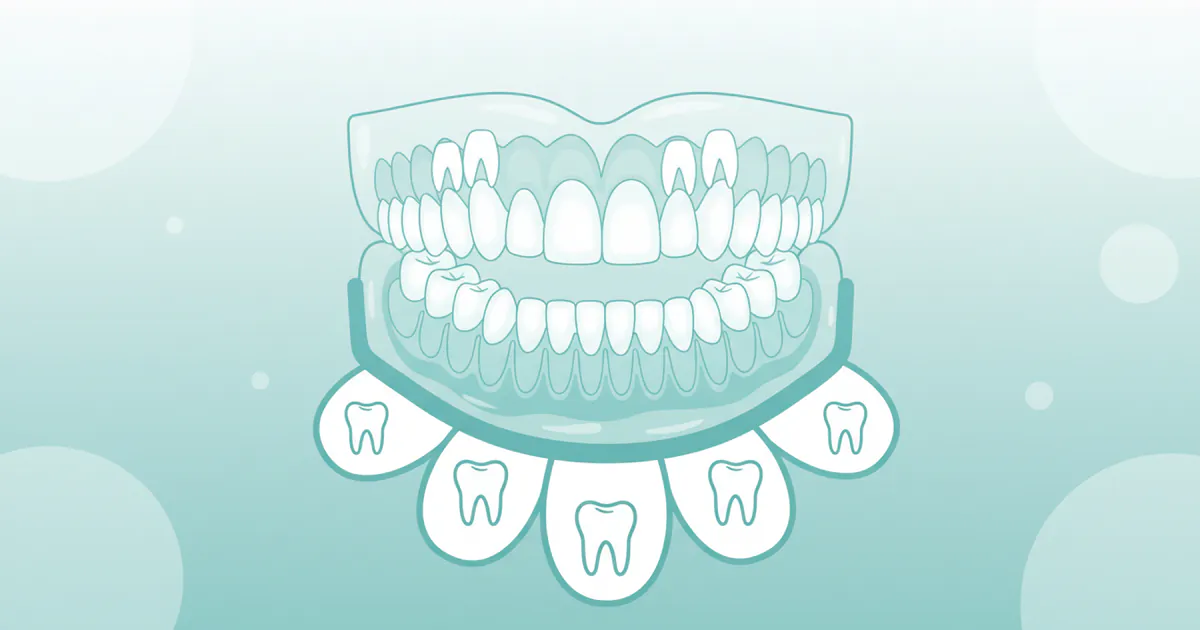
How Many Teeth Do Children Have
Did you know that a child's smile goes through more dramatic transformations in their first 12 years than an adult's does in a lifetime? Understanding the journey of your child's dental development is fundamental to ensuring their lifelong oral health. For many parents, a common question arises: **h
February 22, 2026
Teething Syndrome: Complete Guide
As a parent, few things are as universally anticipated and often dreaded as the arrival of your baby's first tooth. While a milestone to celebrate, the process of primary tooth eruption, commonly known as teething syndrome, can bring with it a host of challenging symptoms. In fact, studies sugge
February 22, 2026
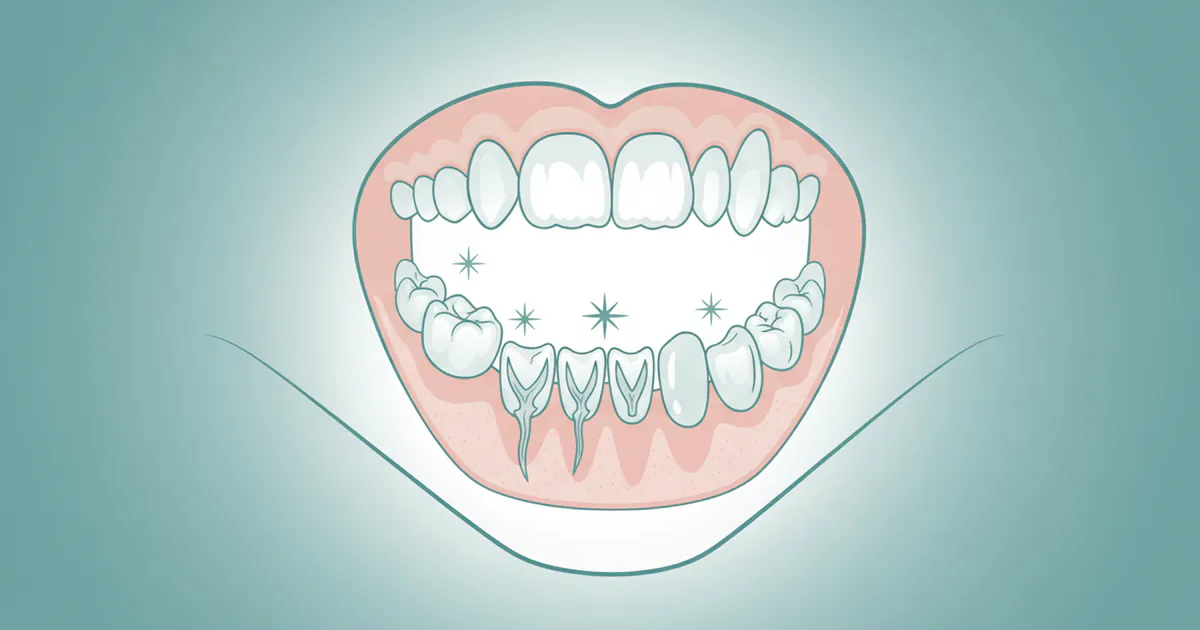
When Do Kittens Lose Their Baby Teeth
When Do Kittens Lose Their Baby Teeth
February 22, 2026