When Do Baby Teeth Fall Out
Key Takeaways
- Every parent eagerly anticipates the milestones of their child's development, and among the most celebrated — and sometimes challenging — are the various stages of dental growth. From the emergence of the first tiny primary tooth to the eventual eruption of permanent teeth, a child's smile undergoes
Every parent eagerly anticipates the milestones of their child's development, and among the most celebrated — and sometimes challenging — are the various stages of dental growth. From the emergence of the first tiny primary tooth to the eventual eruption of permanent teeth, a child's smile undergoes remarkable transformations. A frequently asked question that sparks both curiosity and a touch of nostalgia for parents is, when do baby teeth fall out? Understanding this natural process is crucial for ensuring your child's optimal oral health and can alleviate many common anxieties. This comprehensive guide from SmilePedia.net will delve deep into the fascinating world of deciduous tooth exfoliation, explaining the timelines, what to expect, and how to support your child through this significant developmental phase. We'll cover everything from the typical sequence of tooth loss to understanding associated symptoms like teething gums and even address common myths, such as whether does teething cause diarrhea, providing you with authoritative, medically accurate information to navigate this journey with confidence.
Key Takeaways:
- Baby teeth, also known as primary or deciduous teeth, typically begin to fall out around age 6 and continue until approximately age 12.
- The process of a baby tooth falling out is called "exfoliation" and is driven by the permanent tooth underneath pushing it out.
- The lower central incisors are usually the first to go, followed by the upper central incisors.
- Most loose baby teeth do not require dental intervention and will fall out naturally.
- Average cost for a simple baby tooth extraction (if necessary) ranges from $75 to $200 without insurance, varying by region and complexity.
- Maintain excellent oral hygiene even for primary teeth to prevent premature loss due to decay, which can lead to orthodontic issues.
- If a baby tooth is loose for an unusually long time (several months), or if your child experiences significant pain or signs of infection, consult a pediatric dentist.
What It Is / Overview: The Exfoliation Process
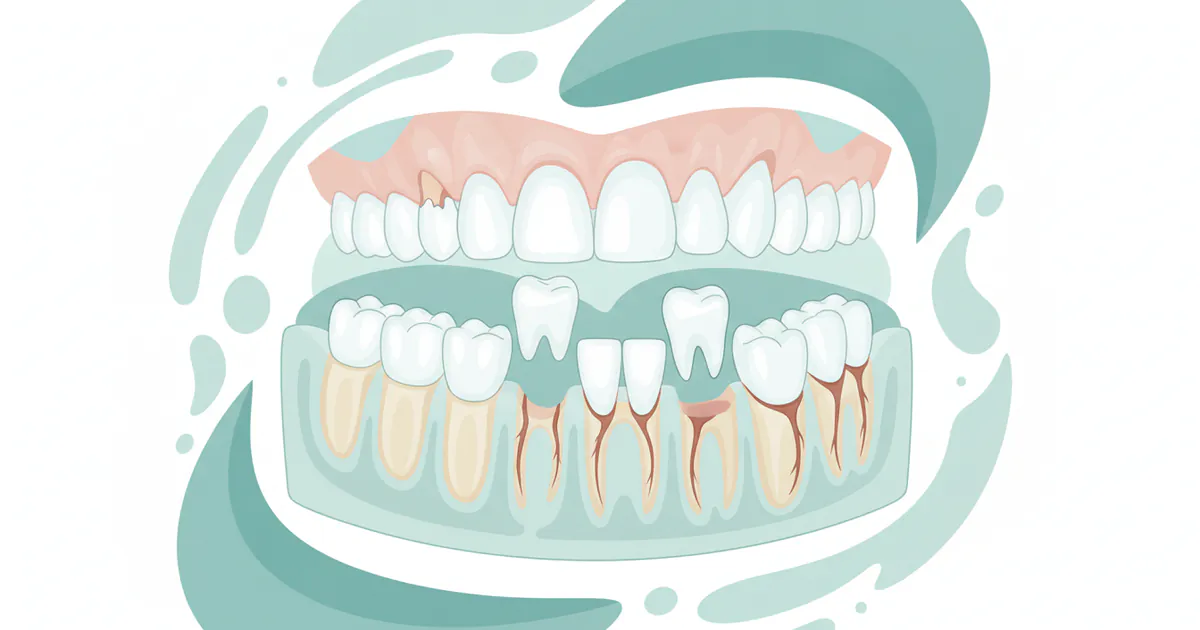
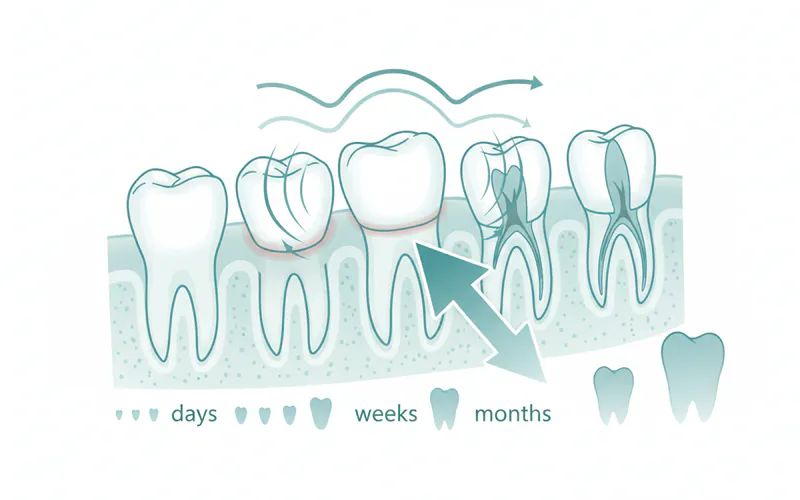
The loss of baby teeth is a perfectly natural and essential stage of dental development, scientifically known as exfoliation. It marks the transition from a child's primary dentition to their permanent adult teeth. Every child is born with two sets of teeth developing within their jaws: the 20 primary (baby) teeth and the 32 permanent (adult) teeth. The primary teeth serve several vital functions, including aiding in chewing and speech, maintaining space in the jaw for the permanent teeth, and guiding the permanent teeth into their correct positions.
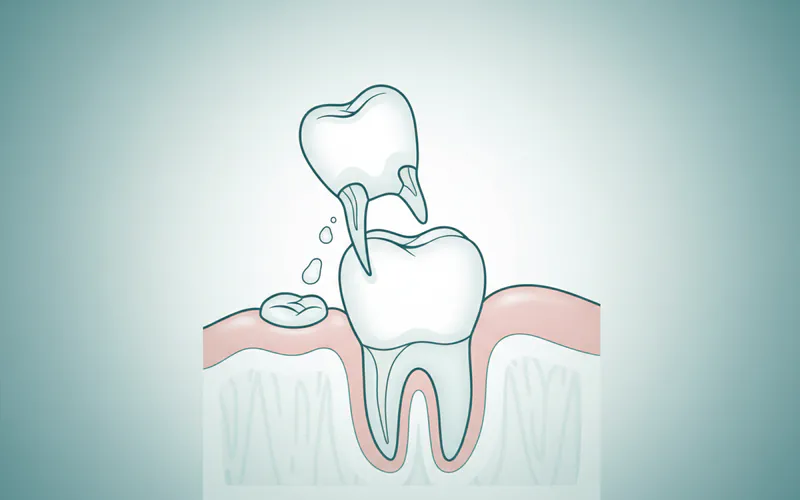
Around the age of 6, the roots of the baby teeth begin to resorb, meaning they gradually dissolve away. This process is triggered by the permanent teeth developing beneath them, which exert pressure as they grow and prepare to erupt. As the root of a baby tooth shortens, the tooth becomes loose. Eventually, with enough root resorption and the natural forces of chewing and tongue movement, the baby tooth becomes so loose that it simply falls out, making way for the permanent tooth to emerge. This sequential process typically continues until a child is around 12-13 years old, at which point all primary teeth have usually been replaced by their permanent successors.
Types / Variations: Typical vs. Atypical Patterns of Tooth Loss
While there's a general timeline for when baby teeth fall out, it's important to remember that every child is unique, and some variation is normal.
Typical Pattern of Tooth Loss
The most common sequence for baby tooth loss generally mirrors their eruption pattern, though with a few key differences in timing. The following table illustrates the typical timeline:
| Tooth Type | Eruption Age (Months) | Typical Loss Age (Years) |
|---|---|---|
| Lower Central Incisors | 6-10 | 6-7 |
| Upper Central Incisors | 8-12 | 6-7 |
| Lower Lateral Incisors | 10-16 | 7-8 |
| Upper Lateral Incisors | 9-13 | 7-8 |
| First Molars (Upper) | 13-19 | 9-11 |
| First Molars (Lower) | 14-18 | 9-11 |
| Canines (Upper) | 16-22 | 10-12 |
| Canines (Lower) | 17-23 | 9-12 |
| Second Molars (Upper) | 25-33 | 10-12 |
| Second Molars (Lower) | 23-31 | 10-12 |
Pro Tip: This table represents averages. A child who gets their baby teeth later might lose them later, and vice versa. As long as the process is symmetrical and generally within a year or two of these guidelines, it's usually considered normal.
Atypical Patterns of Tooth Loss
Sometimes, the timing or sequence of baby tooth loss can deviate from the norm. These variations can be due to several factors:
- Premature Loss: A baby tooth falls out significantly earlier than expected (e.g., before age 5 for central incisors). This can be caused by severe decay, trauma, or certain underlying medical conditions. Premature loss can sometimes lead to space problems, as adjacent teeth may shift into the gap, preventing the permanent tooth from erupting properly.
- Delayed Loss: A baby tooth remains in the mouth long past its typical exfoliation time. This can occur if the permanent tooth is missing (a condition called anodontia or hypodontia), is impacted (stuck in the bone), is erupting in the wrong direction, or if there's a physical barrier preventing its emergence. Delayed loss may require dental intervention to make space for the permanent tooth.
- Asymmetrical Loss: Teeth on one side of the mouth fall out significantly earlier or later than their counterparts on the other side. While minor asymmetry is common, a notable difference might warrant a dental check-up.
- Dental Anomalies: In rare cases, genetic conditions or developmental issues can affect tooth development and eruption patterns.
Causes / Why It Happens: The Mechanics of Exfoliation
The fundamental reason when do baby teeth fall out is a beautifully orchestrated biological process: the roots of the primary teeth dissolve, making way for the permanent teeth.
Root Resorption
The primary driver is root resorption. As the permanent tooth germ develops and grows beneath the primary tooth, it secretes special cells (odontoclasts) that gradually dissolve the primary tooth's root structure. This erosion begins at the apex (tip) of the root and works its way up towards the crown. Without a stable root, the tooth loses its anchor in the jawbone.
Permanent Tooth Eruption
Simultaneously, the permanent tooth begins its eruptive journey. As it pushes upwards, it further contributes to the loosening of the primary tooth. The pressure from the erupting permanent tooth, combined with the diminishing root structure, eventually causes the primary tooth to become so mobile that it detaches from the gum tissue.
Contributing Factors
While root resorption and permanent tooth eruption are the main causes, other factors can influence the timing and process:
- Genetics: A child's genetic predisposition plays a significant role in their overall development, including dental milestones.
- Nutrition: Good nutrition supports healthy bone and tooth development.
- Oral Habits: Persistent habits like thumb-sucking or pacifier use usually do not affect the timing of tooth loss directly, but can sometimes influence tooth alignment.
- Trauma: An injury to a baby tooth can sometimes damage the developing permanent tooth underneath or cause the baby tooth to fall out prematurely.
- Dental Caries (Cavities): Extensive decay in a baby tooth can weaken its structure or lead to infection, sometimes causing it to be lost prematurely.
Signs and Symptoms: What to Look For
Understanding the signs that a baby tooth is about to fall out can help parents prepare and support their children.
Loose Tooth
The most obvious sign is a loose tooth. Your child might complain that a tooth feels "wiggly" or they might discover it themselves. Encourage them to gently wiggle it with their tongue or clean fingers.
Gaps Between Teeth
As a child grows, their jaws expand to accommodate larger permanent teeth. It's common for gaps to appear between baby teeth as they approach the age of exfoliation. These gaps are a good sign that the jaw is preparing for permanent teeth.
Discomfort or Mild Pain
While often painless, some children may experience mild discomfort or soreness in the teething gums around a loose tooth. This is usually due to the pressure from the erupting permanent tooth or irritation from the loose tooth itself. This is distinct from the more intense pain associated with the eruption of the very first baby teeth.
Changes in Eating Habits
A very loose tooth might make chewing certain foods uncomfortable. Your child might prefer softer foods or avoid using the area where the tooth is loose.
Swelling or Redness of Gums
Occasionally, the gum tissue around a loose tooth or an erupting permanent tooth may appear slightly swollen or red. This is usually mild and temporary. If the swelling is significant, painful, or accompanied by fever, it could indicate an infection and warrants a dental visit.
Permanent Tooth Emerging Behind
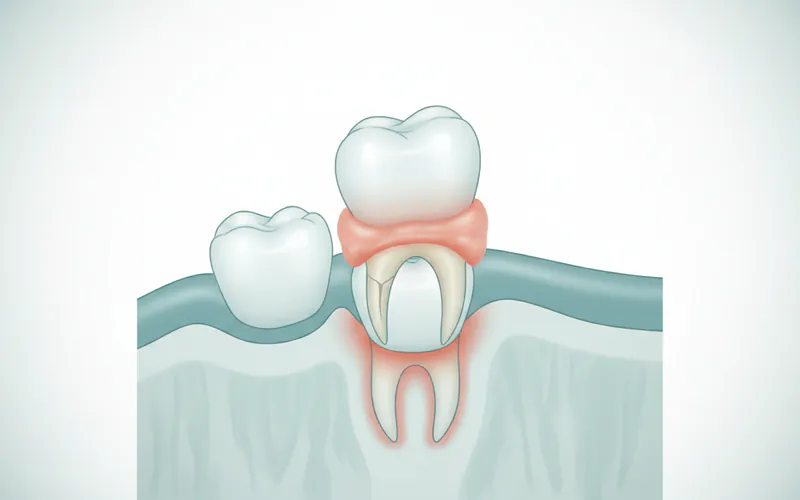
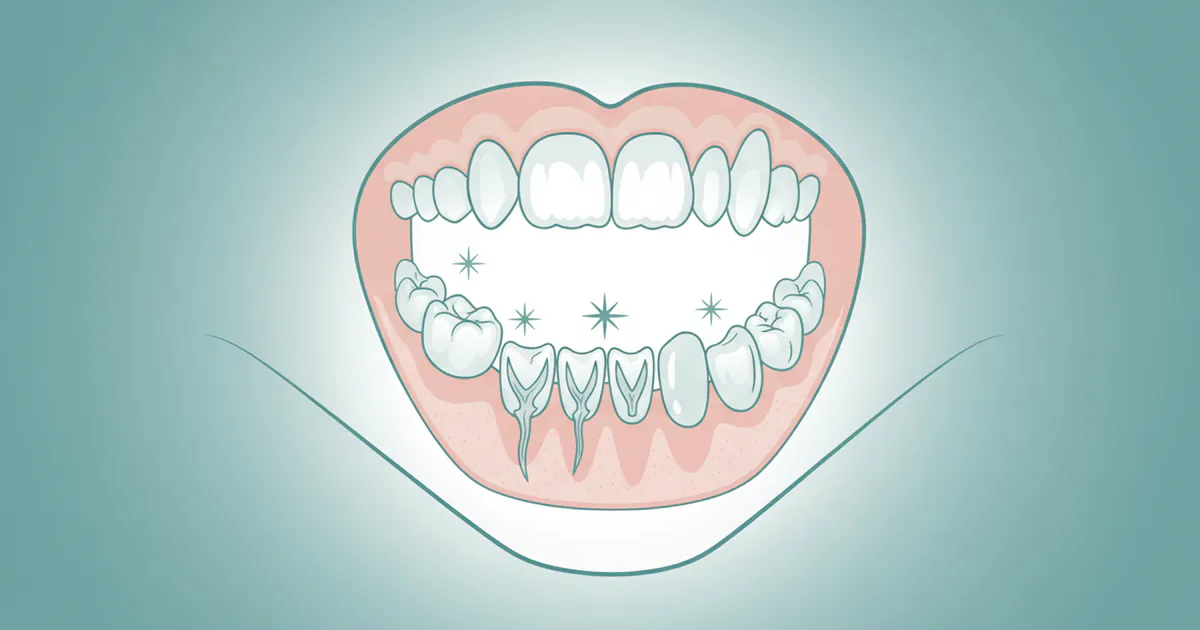
Sometimes, a permanent tooth may begin to emerge before the baby tooth has completely fallen out, often appearing behind the baby tooth. This is common, especially with the lower front teeth, and is often referred to as "shark teeth." In many cases, the baby tooth will still fall out naturally as the permanent tooth continues to erupt. However, if the baby tooth remains firmly in place after the permanent tooth has significantly emerged, a dentist might need to extract the baby tooth to guide the permanent one into proper alignment.
Pro Tip: Reassure your child that a loose tooth is a normal part of growing up and a sign that a bigger, stronger tooth is on its way. Make it a fun experience, perhaps involving the "Tooth Fairy" tradition.
Treatment Options: When Nature Needs a Little Help
For the vast majority of children, baby teeth fall out naturally without any need for dental intervention. The "treatment" is simply to let nature take its course. However, there are specific situations where a dentist may need to get involved.
Watch and Wait (Most Common Approach)
- Description: This is the standard approach. Encourage your child to gently wiggle the loose tooth with their tongue or clean fingers. Avoid forceful tugging, as this can cause unnecessary pain or damage gum tissue.
- Pros: Natural, painless, allows the permanent tooth to guide itself.
- Cons: Can sometimes take a few weeks or even months for a tooth to fully loosen and fall out.
Dental Extraction
- Description: A dentist may recommend extracting a baby tooth if it's causing problems. This is usually a quick and straightforward procedure performed under local anesthetic.
- Reasons for Extraction:
- Delayed Exfoliation: If a baby tooth is not falling out on its own, and the permanent tooth is significantly delayed or erupting improperly due to the baby tooth's presence.
- "Shark Teeth": When a permanent tooth erupts significantly behind a baby tooth that shows no signs of loosening.
- Severe Decay or Infection: If a baby tooth is extensively decayed or infected and cannot be saved with a filling or root canal, extraction may be necessary to prevent the spread of infection or damage to the permanent tooth.
- Trauma: If a baby tooth is severely damaged due to an injury and cannot be repaired.
- Orthodontic Reasons: In some cases, a baby tooth may be extracted to create space or facilitate orthodontic treatment for proper alignment of permanent teeth.
- Pros: Resolves issues quickly, prevents potential complications like crowding or misaligned permanent teeth.
- Cons: Involves a dental procedure, slight discomfort during and after, cost implications.
Space Maintainers
- Description: If a baby tooth is lost prematurely (due to trauma, decay, or extraction), a pediatric dentist may recommend a space maintainer. This is a custom-made appliance (fixed or removable) that holds the space open until the permanent tooth is ready to erupt.
- Pros: Prevents adjacent teeth from shifting into the gap, ensuring enough space for the permanent tooth. This can help prevent future orthodontic issues.
- Cons: Requires additional cost, maintenance, and regular dental check-ups. Children might need time to adjust to wearing it.
Step-by-Step Process: What to Expect
Natural Exfoliation
- Initial Loosening: Your child first notices the tooth feels a bit loose. This often happens without any pain.
- Increased Mobility: Over days or weeks, the tooth becomes progressively looser as more of its root resorbs. Your child can gently wiggle it.
- Final Stages: The tooth becomes so loose it's barely attached. It might be hanging by a small piece of gum tissue.
- The Drop: With a gentle tug, a bite on an apple, or sometimes even just spontaneously, the tooth falls out. There might be a tiny bit of blood, which usually stops quickly.
- New Tooth Eruption: Within a few weeks to months, the permanent tooth will begin to emerge in its place.
Baby Tooth Extraction (Dental Office)
- Consultation & X-rays: The dentist will examine your child's mouth and take X-rays to assess the permanent tooth's position and the baby tooth's roots.
- Anesthesia: A topical numbing gel is applied to the gum, followed by a local anesthetic injection to numb the tooth and surrounding area. Your child will feel pressure, but no pain.
- Extraction: The dentist uses specialized instruments to gently loosen and remove the tooth. This is usually very quick.
- Gauze Pad: A gauze pad is placed over the extraction site to help stop any bleeding.
- Post-Procedure Instructions: The dentist will provide specific instructions for aftercare, including what to eat, how to manage discomfort, and oral hygiene.
Cost and Insurance: Understanding the Financial Aspect
The cost associated with baby teeth falling out is generally minimal, as most teeth exfoliate naturally. However, if dental intervention is required, understanding the potential costs and insurance coverage is important.
Costs for Dental Procedures Related to Baby Teeth
| Procedure | Average Cost (Without Insurance, US) | Explanation |
|---|---|---|
| Simple Baby Tooth Extraction | $75 - $200 | For a loose tooth that needs a gentle pull. |
| Complex Baby Tooth Extraction | $150 - $400 | For a tooth with strong roots, infection, or requiring sectioning. |
| Space Maintainer (Fixed) | $300 - $600 | Custom-made appliance to hold space after premature tooth loss. |
| Space Maintainer (Removable) | $200 - $500 | Removable appliance for similar purpose. |
| Pediatric Dental Exam | $50 - $150 | Routine check-up to monitor eruption and exfoliation. |
| Dental X-rays (Bitewing/Periapical) | $30 - $80 | Used to assess permanent tooth position. |
Costs can vary significantly based on geographic location (e.g., urban vs. rural), the specific dental practice, and the complexity of the case. For instance, costs in major metropolitan areas like New York City or Los Angeles tend to be higher than in smaller towns.
Insurance Coverage
Most dental insurance plans cover a portion of pediatric dental services, including exams, X-rays, and extractions, as these are considered essential care.
- Typical Coverage: Many plans cover 80-100% of preventive services (exams, cleanings, X-rays) and 50-80% of basic restorative services (like extractions or fillings).
- Space Maintainers: Coverage for space maintainers can vary. Some plans categorize them under orthodontics or major services and may offer lower coverage (e.g., 50%) or require a waiting period.
- Deductibles and Co-pays: You will likely be responsible for meeting an annual deductible (e.g., $50-$100 per person) and paying a co-pay (a fixed amount) or co-insurance (a percentage of the cost) for services.
- Out-of-Pocket Maximums: Most plans have an annual out-of-pocket maximum, limiting how much you have to pay in a year.
- In-network vs. Out-of-network: Costs will generally be lower if you visit an in-network dentist.
Pro Tip: Always contact your dental insurance provider directly before any procedure to understand your specific benefits, coverage percentages, deductibles, and any limitations.
Recovery and Aftercare: Post-Exfoliation Care
Whether a tooth falls out naturally or is extracted, a little care can help the area heal quickly and comfortably.
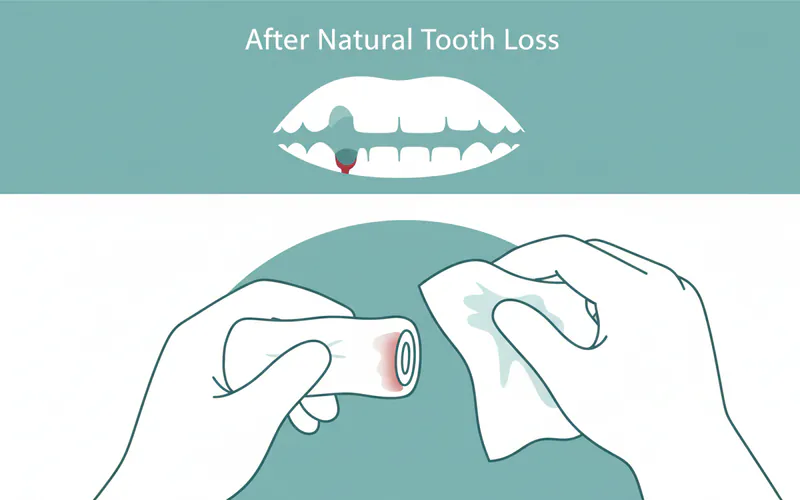
After Natural Tooth Loss
- Bleeding: A small amount of bleeding is normal. Have your child bite gently on a clean piece of gauze or a damp paper towel for 5-10 minutes.
- Discomfort: Mild soreness is possible. Over-the-counter pain relievers like acetaminophen (Tylenol) or ibuprofen (Advil) can be used as directed for pain relief.
- Oral Hygiene: Encourage your child to continue brushing and flossing, but to be gentle around the gap where the tooth fell out. A saltwater rinse (1/2 teaspoon salt in 8 ounces warm water) can help keep the area clean and promote healing.
- Food: Avoid very hard or crunchy foods for the first day or two to prevent irritating the gum.
After Dental Extraction
- Bleeding: The dentist will place gauze. Keep biting on it for 30-45 minutes. If bleeding continues, replace with fresh gauze and bite firmly for another 30 minutes. A little oozing for the first 24 hours is normal.
- Pain Management: Administer prescribed pain medication or over-the-counter pain relievers as directed by your dentist.
- Swelling: Applying a cold pack to the cheek near the extraction site for 15-20 minutes at a time, with 20-minute breaks, can help reduce swelling in the first 24 hours.
- Diet: Stick to soft foods and liquids for the first 24-48 hours. Avoid hot liquids and using a straw, as the sucking action can dislodge the blood clot.
- Oral Hygiene: Do not rinse vigorously for the first 24 hours. After that, gentle saltwater rinses (2-3 times a day) can promote healing. Brush and floss carefully, avoiding the extraction site directly for a few days.
- Activity: Limit strenuous activity for 24-48 hours to prevent increased bleeding.
- Follow-up: Attend any follow-up appointments your dentist schedules.
Prevention: Maintaining Healthy Primary Teeth
While the loss of baby teeth is inevitable, maintaining their health throughout childhood is crucial for proper development and can prevent complications.
- Excellent Oral Hygiene:
- Brush twice daily: Use a soft-bristled toothbrush and fluoride toothpaste (a "smear" for children under 3, a pea-sized amount for children 3-6).
- Floss daily: As soon as teeth touch, usually around age 2-3.
- Supervise brushing: Until at least age 7 or 8 to ensure thorough cleaning.
- ADA Recommendation: The American Dental Association (ADA) emphasizes the importance of fluoride toothpaste from the eruption of the first tooth and regular dental visits.
- Balanced Diet:
- Limit sugary foods and drinks, which contribute to tooth decay.
- Encourage water consumption throughout the day.
- Offer plenty of fruits, vegetables, and whole grains.
- Regular Dental Check-ups:
- Start visits by the first birthday or within six months of the first tooth erupting.
- Maintain twice-yearly check-ups and cleanings. These visits allow the dentist to monitor tooth development, spot potential issues early, and apply preventive treatments like fluoride varnish and dental sealants.
- Protect Against Trauma:
- Use mouthguards during sports activities to prevent injury to teeth.
- Ensure child-safe environments to minimize falls and accidents.
Risks and Complications: What Can Go Wrong
Although baby tooth exfoliation is usually a smooth process, certain complications can arise.
- Premature Loss of Baby Teeth: As mentioned, if a baby tooth is lost too early due to trauma or decay, adjacent teeth can drift into the empty space. This can block the permanent tooth's path, leading to crowding, impaction, or the need for orthodontic treatment later.
- Delayed Loss of Baby Teeth: If a baby tooth doesn't fall out on time, it can cause the permanent tooth to erupt in an abnormal position (e.g., "shark teeth" where the permanent tooth comes in behind the baby tooth) or become impacted (stuck in the jawbone).
- Ankylosis: In rare cases, a baby tooth can fuse directly to the jawbone, preventing its natural exfoliation and the eruption of the permanent tooth. This usually requires extraction.
- Infection: Poor oral hygiene can lead to cavities and gum infections around loose teeth or erupting permanent teeth. If left untreated, these infections can sometimes spread.
- Damage to Permanent Teeth: In extremely rare cases, severe infection or trauma to a primary tooth can affect the developing permanent tooth underneath, potentially causing discoloration, enamel defects, or even impaction.
- Eruption Cysts: Sometimes, a fluid-filled sac (eruption cyst) can form over an erupting permanent tooth, causing swelling and minor discomfort. These usually resolve on their own but sometimes require dental intervention.
Children / Pediatric Considerations
The process of losing baby teeth is a significant developmental milestone for children, and parents play a vital role in making it a positive experience.
Age-Specific Guidance for Parents
- Ages 5-7 (First Lost Teeth):
- Reassurance: This is often when the first teeth loosen. Reassure your child that it's normal and exciting.
- Tooth Fairy: Embrace traditions like the Tooth Fairy to make it a fun event.
- Gentle Wiggling: Encourage gentle wiggling but discourage forceful pulling.
- Bleeding: Prepare them for a tiny bit of blood and how to handle it.
- Ages 8-12 (Middle & Back Teeth):
- Less Noticeable: Loss of molars might be less dramatic than front teeth, but still important.
- Oral Hygiene: Emphasize continued excellent oral hygiene, as permanent molars (6-year molars) erupt behind the last baby teeth around age 6, needing careful cleaning. These are permanent teeth that often get mistaken for baby teeth.
- Space Maintainers: If a molar is lost prematurely, discuss space maintainers with your pediatric dentist.
- Throughout Childhood:
- Regular Dental Visits: Continue routine check-ups. Pediatric dentists are specially trained to monitor tooth loss, permanent tooth eruption, and overall dental development.
- Diet: Continue to promote a healthy diet low in sugar.
- Communication: Encourage your child to tell you if they have a loose tooth, pain, or any concerns.
Does Teething Cause Diarrhea? Addressing a Common Myth
It's a persistent myth that does teething cause diarrhea. While many parents observe loose stools or mild digestive upset during periods of teething (both baby tooth eruption and later, permanent tooth eruption), there is no scientific evidence to suggest a direct causal link. The American Academy of Pediatrics (AAP) and the ADA consistently state that teething does not cause fever, diarrhea, vomiting, or significant illness.
Why the association?
- Increased Saliva: Teething children produce more saliva, which can lead to a slight increase in bowel movements due to swallowing excess saliva.
- Putting Objects in Mouth: During teething, children often put more objects (and their hands) into their mouths to soothe irritated gums. This can expose them to more germs, potentially leading to mild illnesses that coincidentally occur during teething periods.
- Coincidence: Many common childhood illnesses that cause diarrhea or fever often occur during the same age ranges as teething.
When to be concerned: If your child experiences significant diarrhea, high fever (over 101°F or 38.3°C), vomiting, or seems generally unwell, it is crucial to consult your pediatrician. These are symptoms of illness, not normal teething.
Cost Breakdown: Navigating Dental Expenses for Kids
As discussed in the main content, most natural tooth loss incurs no direct cost. However, understanding the financial aspects of pediatric dental care, especially when interventions are needed, is vital for US families.
Average US Costs for Common Pediatric Dental Services
| Service | Low Range (US$) | Mid Range (US$) | High Range (US$) |
|---|---|---|---|
| Routine Exam & Cleaning | $70 | $120 | $200 |
| Child Oral X-rays (set) | $40 | $90 | $150 |
| Simple Baby Tooth Extraction | $75 | $120 | $200 |
| Complex Baby Tooth Extraction | $150 | $250 | $400 |
| Stainless Steel Crown (Baby Tooth) | $300 | $450 | $700 |
| Space Maintainer (Fixed) | $300 | $450 | $600 |
| Dental Sealant (per tooth) | $35 | $50 | $80 |
| Fluoride Varnish | $20 | $35 | $50 |
These are average ranges and can fluctuate widely based on location, dentist's fees, and specific clinic policies.
With vs. Without Insurance
- With Insurance: As outlined before, most PPO or HMO dental plans cover a significant portion of pediatric care, especially preventive services. You'll typically pay your deductible and a co-pay/co-insurance for each service. For example, for a $120 exam, you might pay a $25 co-pay, and the insurance covers the rest. For an extraction, if your plan covers 80%, you'd pay 20% of the negotiated fee after your deductible.
- Without Insurance: If you don't have dental insurance, you are responsible for the full cost of all services. Many dental offices offer discounts for cash payments or in-house dental plans. Medicaid and CHIP (Children's Health Insurance Program) provide comprehensive dental benefits for eligible low-income children.
Payment Plans and Financing Options
- In-Office Payment Plans: Many pediatric dental practices understand financial constraints and offer flexible payment plans, allowing you to pay for services over several months.
- Third-Party Financing: Companies like CareCredit offer healthcare credit cards with special financing options, often with deferred interest if paid within a certain period.
- Dental Schools: University dental schools often provide services at a reduced cost, performed by supervised students.
- Community Health Centers: Federally Qualified Health Centers (FQHCs) and local public health clinics often offer low-cost dental care on a sliding scale based on income.
Cost-Saving Tips
- Preventive Care is Key: Regular check-ups, cleanings, and fluoride treatments are much cheaper than treating advanced decay or orthodontic issues.
- Utilize Insurance Benefits: Understand your plan and maximize your benefits, especially for preventive care.
- Ask About Discounts: Inquire about cash discounts, new patient specials, or in-house membership plans if uninsured.
- Comparison Shop: Get quotes from a few different dental practices for larger procedures.
Frequently Asked Questions
### How long does it take for a baby tooth to fall out once it's loose?
Once a baby tooth becomes loose, it can take anywhere from a few days to several weeks or even a couple of months for it to completely fall out. The process depends on how quickly the root resorbs and how much the permanent tooth below is pushing it. Gentle wiggling by the child can sometimes speed up the process.
### Is it painful when baby teeth fall out?
Most children experience little to no pain when a baby tooth falls out naturally. The process of root resorption makes the tooth incredibly loose, often falling out with minimal discomfort. There might be some mild soreness or a strange sensation in the gums, but significant pain is uncommon. If a child reports persistent or severe pain, it warrants a dental check-up.
### What if a permanent tooth comes in before the baby tooth falls out?
This is quite common, especially with the lower front teeth, resulting in "shark teeth." Often, the permanent tooth's eruption will eventually push the baby tooth out. However, if the baby tooth remains firm and the permanent tooth has significantly emerged, a pediatric dentist might recommend extracting the baby tooth to ensure the permanent one erupts into its correct position and prevent crowding.
### How much blood is normal when a baby tooth falls out?
A small amount of bleeding is normal when a baby tooth falls out. This usually consists of a few drops or a small amount of oozing that stops quickly, often within 5-10 minutes, by biting gently on a clean piece of gauze or a damp paper towel. Excessive or prolonged bleeding is rare and should be reported to a dentist.
### Do I need to save the baby teeth?
Saving baby teeth is a personal choice, often done for sentimental reasons (e.g., for the Tooth Fairy tradition). Some parents collect them in special boxes. While there's emerging research on the potential for stem cells in baby teeth, for most families, saving them is purely for nostalgic value.
### My child lost a baby tooth very early due to an injury. What should I do?
If a baby tooth is lost prematurely due to injury or decay, it's important to see a pediatric dentist promptly. Early tooth loss can sometimes lead to adjacent teeth shifting and blocking the space needed for the permanent tooth. Your dentist may recommend a space maintainer to hold the gap open, preventing future orthodontic issues.
### Can a baby tooth get stuck and not fall out?
Yes, in some instances, a baby tooth may not fall out naturally. This can happen if the permanent tooth underneath is missing, impacted (stuck in the bone), erupting in the wrong direction, or if the baby tooth is ankylosed (fused to the bone). A dentist can diagnose the cause through X-rays and recommend appropriate treatment, usually an extraction.
### What is the average cost of a baby tooth extraction in the US?
The average cost for a simple baby tooth extraction in the US ranges from $75 to $200 without insurance. This price can vary depending on the tooth's complexity, the dental office's location, and the need for any additional procedures or sedation. Dental insurance typically covers a portion of these costs.
### My child is 8 and still has all their baby teeth. Is this normal?
While most children begin losing teeth around age 6, it's not entirely unusual for the process to start slightly later. Genetics play a role, and a child who got their first baby teeth later might lose them later. However, if your child is 8 and has shown no signs of loose teeth, it's advisable to consult a pediatric dentist. They can take X-rays to ensure the permanent teeth are developing properly and are not impacted.
### Are there any "alternatives" to waiting for a baby tooth to fall out?
For a naturally loosening baby tooth, the primary "alternative" to waiting is to encourage gentle wiggling. Forcefully pulling a tooth that isn't ready can be painful, cause excessive bleeding, and potentially damage the gum or developing permanent tooth. If a tooth is not loosening naturally when it should, a dentist can perform a gentle, quick extraction in the office, which is the safest and most effective intervention.
When to See a Dentist
While baby tooth loss is a natural process, there are specific situations that warrant a visit to the pediatric dentist. Knowing these red flags can help you ensure your child's dental health remains on track.
Clear Warning Signs That Need Immediate Attention:
- Significant Pain: If your child experiences severe or persistent pain around a loose tooth, beyond typical mild soreness.
- Excessive Bleeding: If bleeding from a lost tooth doesn't stop after 10-15 minutes of biting on gauze.
- Signs of Infection: Swelling, significant redness, pus, or fever associated with a loose tooth or the area where a tooth fell out.
- Trauma: If a baby tooth is injured or knocked out due to a fall or accident. The dentist needs to assess for damage to the underlying permanent tooth and surrounding structures.
- Permanent Tooth Erupting, Baby Tooth Not Budging: If a permanent tooth has largely erupted but the baby tooth it's supposed to replace is still firmly in place, especially if it's causing crowding or shifting of other teeth.
- Baby Tooth Not Falling Out (Delayed Exfoliation): If a baby tooth remains in place significantly past its expected exfoliation time (e.g., your child is 8 years old and their central incisors haven't fallen out, or they are 13 and still have second molars).
- Asymmetrical Loss: If teeth on one side of the mouth are falling out much later than their counterparts on the other side.
Red Flags vs. Routine Care Guidance:
- Routine Care: Regular twice-yearly dental check-ups are essential for monitoring the exfoliation process, checking for developing permanent teeth, and addressing any potential issues early. These are scheduled appointments.
- Red Flags/Emergency: The situations listed above often require a sooner-than-scheduled appointment. For severe pain, trauma, or signs of infection, contact your pediatric dentist immediately, as it may be considered a dental emergency. For concerns about delayed or abnormal eruption, a prompt non-emergency appointment is usually sufficient.
Always remember that your pediatric dentist is your best resource for any concerns regarding your child's oral health. Early intervention can prevent minor issues from becoming major problems, ensuring your child develops a healthy and beautiful smile for life.
Frequently Asked Questions
Medically Reviewed Content
This article was written by our dental health editorial team and reviewed for medical accuracy. Our content follows strict editorial guidelines for reliability and trustworthiness.
Medical Disclaimer
This article is for informational purposes only and does not constitute medical advice. Always consult with a qualified dental professional for diagnosis and treatment. Do not delay seeking professional advice because of something you read on this website.
Related Articles
Kitten Teething Toys: Complete Guide
Few milestones in early life bring as much joy – and sometimes, as much discomfort – as teething. Just as a playful kitten explores its new world by mouthing and chewing on everything it can, human babies also embark on a similar developmental journey. In fact, over 80% of infants experience som
February 22, 2026
How Many Teeth Do Children Have
Did you know that a child's smile goes through more dramatic transformations in their first 12 years than an adult's does in a lifetime? Understanding the journey of your child's dental development is fundamental to ensuring their lifelong oral health. For many parents, a common question arises: **h
February 22, 2026
Teething Syndrome: Complete Guide
As a parent, few things are as universally anticipated and often dreaded as the arrival of your baby's first tooth. While a milestone to celebrate, the process of primary tooth eruption, commonly known as teething syndrome, can bring with it a host of challenging symptoms. In fact, studies sugge
February 22, 2026
When Do Kittens Lose Their Baby Teeth
When Do Kittens Lose Their Baby Teeth
February 22, 2026