Adult Tooth Eruption: Complete Guide
Key Takeaways
- Have you ever wondered about the complex process that brings your permanent teeth into your mouth, or perhaps why some teeth never fully emerge? For many adults, the eruption of permanent teeth, particularly wisdom teeth, can be a source of significant discomfort, confusion, or even serious dental p
Adult Tooth Eruption: Complete Guide
Have you ever wondered about the complex process that brings your permanent teeth into your mouth, or perhaps why some teeth never fully emerge? For many adults, the eruption of permanent teeth, particularly wisdom teeth, can be a source of significant discomfort, confusion, or even serious dental problems. Understanding adult tooth eruption is crucial not just for managing these common issues, but for maintaining optimal oral health throughout your life. It's a journey that typically begins in childhood, but continues well into adulthood, impacting everything from your bite alignment to your susceptibility to gum disease.

This comprehensive guide from SmilePedia.net will delve deep into the fascinating world of adult tooth eruption. We'll explore the normal patterns of tooth emergence, what to expect as your permanent teeth settle into place, and the various factors that can disrupt this intricate process. From understanding eruption timelines with a detailed tooth eruption chart for permanent teeth to navigating common complications like impaction, and exploring the treatment options available, you'll gain the knowledge needed to proactively manage your dental health. We’ll also cover costs, recovery, and when to seek professional dental advice, ensuring you have a complete picture of this vital aspect of your oral anatomy.
Key Takeaways:
- Adult tooth eruption refers to the emergence of permanent teeth, a process primarily occurring in childhood but extending into adulthood, especially with third molars (wisdom teeth).
- The typical tooth eruption pattern involves 28 permanent teeth by age 13, with four wisdom teeth potentially erupting between 17-25.
- Common issues include impacted teeth (failure to fully erupt), which can cause pain, infection, or damage to adjacent teeth.
- Treatment for problematic eruption often involves orthodontic intervention, surgical exposure, or extraction, with costs ranging from $200-$750 per simple extraction to $500-$1,500 per complex surgical extraction (without insurance).
- Dental insurance typically covers a portion of these treatments, often 50-80% after deductibles.
- Regular dental check-ups are essential for monitoring eruption patterns and identifying potential complications early.
- Recovery from surgical intervention usually involves 3-7 days of managing swelling and discomfort, with full healing taking several weeks.
What It Is / Overview
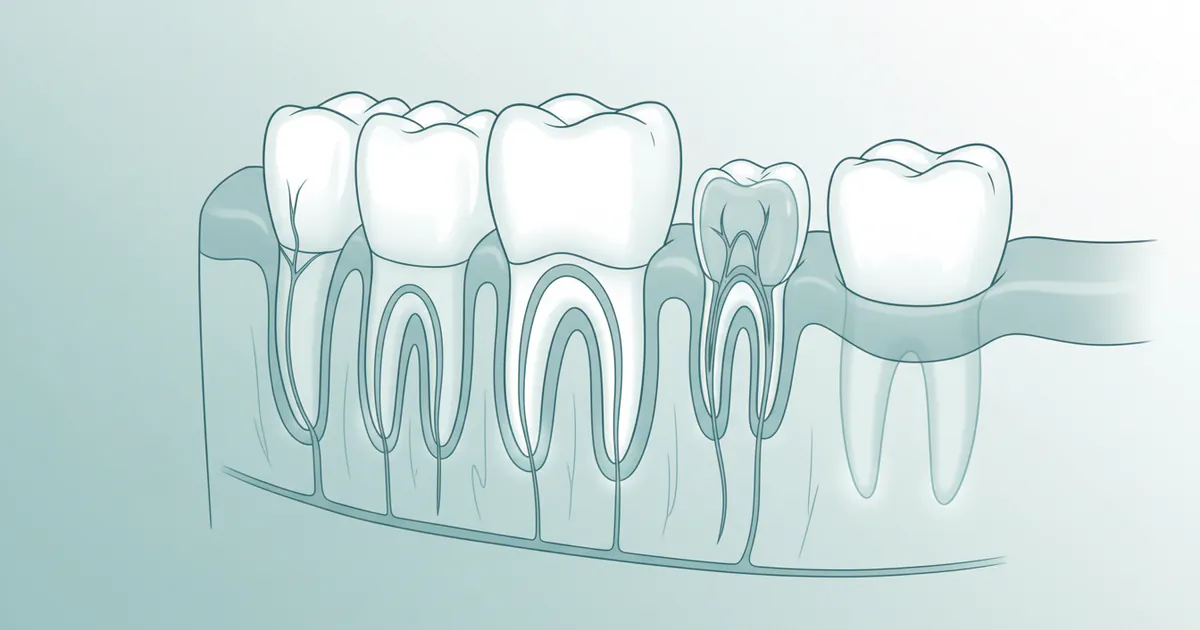
Adult tooth eruption, also known as secondary dentition eruption, is the biological process by which permanent teeth emerge through the gums and into their functional positions in the mouth. This process is distinct from the eruption of primary (baby) teeth, though it often involves the shedding of those primary teeth to make way for the permanent ones. Humans typically develop two sets of teeth during their lifetime: 20 primary teeth and 32 permanent teeth.
The journey of a permanent tooth begins deep within the jawbone, where it develops in a dental follicle. As the tooth forms, its root begins to grow, pushing the crown (the visible part of the tooth) towards the surface. This movement is a complex interplay of forces, including bone remodeling, root elongation, and pressure from surrounding tissues. The eruption process is a continuous movement until the tooth reaches occlusal contact, meaning it meets its opposing tooth in the other jaw.
While the majority of permanent teeth erupt during childhood and adolescence, the term "adult tooth eruption" specifically acknowledges that this process can continue into adulthood, particularly with the eruption of the third molars, commonly known as wisdom teeth. These teeth typically make their appearance between the ages of 17 and 25, though their eruption is often fraught with complications due to limited space in the jaw. Understanding the normal sequence and timing of permanent tooth eruption is foundational to identifying potential issues and ensuring lifelong oral health.
The Stages of Tooth Eruption
- Pre-Eruptive Stage: The tooth germ (the early developmental stage of a tooth) begins to form within the jawbone. It undergoes crown formation and early root development.
- Eruptive Stage (Pre-Functional): The tooth begins its active movement towards the oral cavity. This involves significant bone remodeling, with bone resorption on the path of eruption and bone deposition around the developing root. The primary tooth root may resorb (dissolve) during this phase, leading to its shedding.
- Post-Eruptive Stage (Functional): The tooth reaches its functional position in the dental arch, making contact with its opposing tooth. Small adjustments continue throughout life to compensate for wear and maintain proper occlusion (bite).
Types / Variations in Adult Tooth Eruption
While the physiological process of eruption is generally consistent, there are significant variations in how permanent teeth emerge, both in terms of the specific teeth and potential complications.
Normal Eruption Sequence and Timeline
The tooth eruption chart permanent teeth typically follow a predictable sequence, though individual variations in timing are common. Most adults will have 28 permanent teeth by their early teens (excluding wisdom teeth).
| Type of Tooth | Number | Typical Eruption Age Range (Years) |
|---|---|---|
| Central Incisors | 4 | 6-8 |
| Lateral Incisors | 4 | 7-9 |
| Canines | 4 | 9-12 |
| First Premolars | 4 | 10-12 |
| Second Premolars | 4 | 10-12 |
| First Molars | 4 | 6-7 |
| Second Molars | 4 | 11-13 |
| Third Molars | 4 | 17-25 (often variable or impacted) |
Pro Tip: While these are average ranges, a delay of 6-12 months from these timelines can still be considered normal. However, significant deviations warrant a dental examination.
Variations and Abnormalities in Eruption
Not all permanent teeth erupt smoothly. Several variations and abnormalities can occur, especially in adulthood:
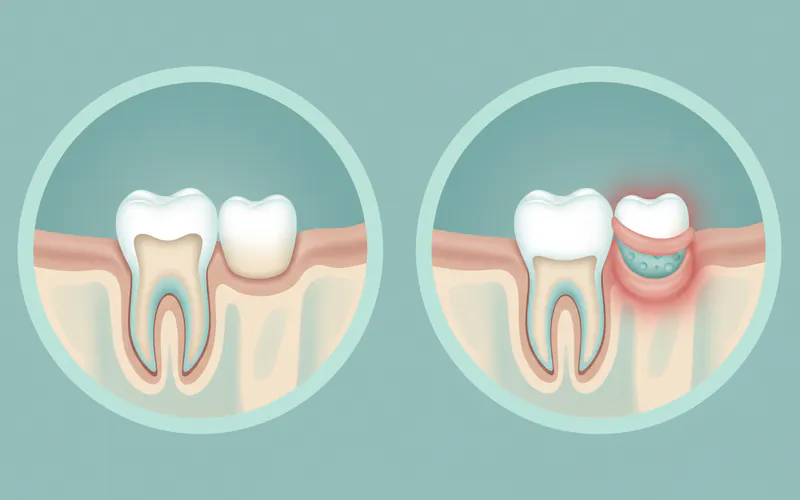
- Impaction: This is the most common variation, particularly with wisdom teeth. An impacted tooth is one that is unable to fully erupt into its proper position due to physical obstruction by another tooth, bone, or soft tissue. Impacted teeth can be partially erupted or fully encased within the jawbone.
- Delayed Eruption: When a tooth takes significantly longer than the typical age range to erupt. This can be due to genetic factors, systemic diseases, local obstructions, or even nutritional deficiencies.
- Ectopic Eruption: When a tooth erupts in an abnormal position, often due to improper angulation or insufficient space. This can lead to crowding or misalignment.
- Ankylosis: A rare condition where the tooth root fuses directly to the jawbone, preventing further eruption. This can lead to the tooth being submerged below the level of adjacent teeth.
- Transposition: When two teeth swap their positions in the dental arch. For example, a canine erupting in the position of a premolar.
Causes / Why It Happens
The process of adult tooth eruption is intricate, influenced by a combination of genetic, local, and systemic factors.
Physiological Mechanisms
The primary driving force behind tooth eruption is a complex interaction of cellular and molecular events. Key mechanisms include:
- Root Elongation: As the root of the permanent tooth forms, its growth pushes the tooth crown towards the oral cavity.
- Bone Remodeling: Osteoclasts (bone-resorbing cells) break down bone in the eruption pathway, while osteoblasts (bone-forming cells) build bone around the developing root.
- Dental Follicle Pressure: The sac surrounding the developing tooth, known as the dental follicle, generates pressure that contributes to the eruptive force.
- Ligament Contraction: The periodontal ligament, which attaches the tooth to the bone, may play a role in the final stages of eruption and maintaining the tooth's position.
Contributing Factors to Normal Eruption
- Genetics: Individual genetic makeup largely determines the timing and sequence of tooth eruption. Families often show similar eruption patterns.
- Adequate Jaw Space: Sufficient space in the dental arch allows teeth to erupt unimpeded into their correct positions.
- Health of Primary Teeth: The timely shedding of primary teeth creates the necessary space and pathway for permanent teeth.
- Nutritional Health: A balanced diet rich in vitamins and minerals (especially calcium, phosphorus, and Vitamin D) supports healthy bone and tooth development.
Causes of Abnormal or Delayed Eruption
When the eruption process goes awry, several factors can be at play:
- Lack of Space (Crowding): This is a primary cause of impaction, especially for wisdom teeth, where the jaw simply isn't large enough to accommodate all permanent teeth.
- Genetic Syndromes: Certain genetic conditions, such as Down syndrome, ectodermal dysplasia, or cleidocranial dysplasia, can significantly delay or prevent tooth eruption.
- Systemic Diseases: Chronic illnesses, endocrine disorders (like hypothyroidism), or severe nutritional deficiencies during childhood can impair overall growth, including tooth development.
- Local Obstructions:
- Over-retained Primary Teeth: If a baby tooth doesn't fall out in time, it blocks the path of the permanent tooth.
- Dense Bone: In some cases, the jawbone over the erupting tooth can be unusually dense, preventing it from breaking through.
- Cysts or Tumors: Growths in the jaw can physically obstruct eruption.
- Odontomas: Benign tumors composed of tooth-like tissues that can block eruption.
- Trauma: Injury to the jaw or primary teeth can damage the underlying permanent tooth bud or create scar tissue that impedes eruption.
- Ankylosis: As mentioned, the fusion of the tooth root to the bone can arrest eruption.
- Abnormal Tooth Position: The developing tooth bud might be angled incorrectly, making it difficult or impossible to erupt into the dental arch.
Understanding these underlying causes is vital for dentists to diagnose eruption problems and recommend appropriate interventions.
Signs and Symptoms
The eruption of adult teeth, particularly wisdom teeth, can manifest with a range of signs and symptoms, from mild discomfort during a normal eruption to severe pain and complications when problems arise.
Signs of Normal Tooth Eruption
For most permanent teeth (excluding wisdom teeth), eruption is often uneventful. You might notice:
- Shedding of Primary Teeth: The most obvious sign that a permanent tooth is on its way is the loosening and eventual loss of the corresponding baby tooth.
- Minor Gum Swelling or Tenderness: The gum tissue over the erupting tooth may be slightly swollen, red, or tender to the touch.
- Mild Discomfort: A dull ache or pressure sensation is common, especially when a tooth is just about to break through the gum.
- Visible Crown: Eventually, the white tip of the tooth's crown will become visible through the gum.
Signs and Symptoms of Problematic Eruption (Especially Wisdom Teeth)
When a tooth, most commonly a wisdom tooth, has difficulty erupting or becomes impacted, symptoms can be more pronounced and require attention.
- Pain: This is the most common symptom, ranging from a dull, constant ache to sharp, throbbing pain. It can be localized to the back of the jaw or radiate to the ear, head, or neck.
- Swelling: Swelling of the gum tissue around the erupting tooth, often accompanied by redness.
- Tenderness or Pain When Chewing: Biting down or chewing can exacerbate discomfort.
- Bad Breath (Halitosis) and Unpleasant Taste: If food particles and bacteria get trapped around a partially erupted tooth, it can lead to infection and foul odors.
- Difficulty Opening Mouth (Trismus): Inflammation and infection can cause muscle spasms in the jaw, making it painful or difficult to fully open your mouth.
- Jaw Stiffness or Soreness: Generalized discomfort in the jaw muscles.
- Headaches: Referred pain from an impacted wisdom tooth can sometimes manifest as headaches.
- Fever: In cases of severe infection (pericoronitis), a low-grade fever might develop.
- Cyst or Tumor Formation: While less common, impacted teeth can lead to the formation of cysts (fluid-filled sacs) or, very rarely, benign tumors within the jawbone, which may cause swelling or pressure.
- Crowding of Adjacent Teeth: An impacted tooth pushing against neighboring teeth can cause them to shift, leading to misalignment.
Pro Tip: If you experience persistent pain, significant swelling, difficulty opening your mouth, or fever related to an erupting tooth, contact your dentist immediately. These could be signs of an infection or other serious complication.
Treatment Options
Treatment for adult tooth eruption issues primarily focuses on addressing complications like impaction, delayed eruption, or malposition. For normal eruption, monitoring is usually sufficient.
1. Monitoring and Observation
- Description: For many cases of mildly delayed eruption or wisdom teeth that are not yet symptomatic, the dentist may recommend a "wait and see" approach. This involves regular dental check-ups, X-rays to track tooth development and position, and monitoring for any signs of discomfort or complications.
- Pros: Non-invasive, avoids surgery, lowest immediate cost.
- Cons: Risk of complications developing later, potential for prolonged discomfort, may require intervention eventually.
- Best For: Asymptomatic, mildly impacted or delayed teeth where future eruption is still possible or where risks of extraction outweigh benefits.
2. Surgical Exposure and Orthodontic Eruption
- Description: For impacted teeth that are otherwise healthy and valuable (e.g., canines), a minor surgical procedure can be performed to expose the tooth. The gum tissue and sometimes a small amount of bone covering the tooth are removed. An orthodontic bracket is then bonded to the exposed tooth, and gentle forces are applied using braces to guide the tooth into its correct position over several months or even years. This is common for impacted canines.
- Pros: Preserves a natural tooth, improves aesthetics and function.
- Cons: Invasive, requires orthodontic treatment, prolonged treatment time, higher overall cost.
- Best For: Impacted canines or premolars that have sufficient space and good potential to erupt into the dental arch.
3. Extraction (Tooth Removal)
- Description: This is the most common treatment for problematic wisdom teeth and other unsalvageable impacted teeth.
- Simple Extraction: For fully erupted or partially erupted teeth that can be removed with forceps.
- Surgical Extraction: For impacted teeth that are still under the gum line or bone. This involves an incision in the gum, removal of bone around the tooth, and sometimes sectioning the tooth into smaller pieces for easier removal.
- Pros: Eliminates pain and infection source, prevents damage to adjacent teeth, often a permanent solution for problematic wisdom teeth.
- Cons: Invasive (especially surgical extraction), recovery period, potential for complications (nerve damage, dry socket).
- Best For: Impacted wisdom teeth causing pain, infection, cysts, or damage to adjacent teeth; over-retained primary teeth blocking permanent eruption; or any tooth deemed unsalvageable or detrimental to oral health.
4. Orthodontic Intervention
- Description: For cases of ectopic eruption or mild crowding caused by erupting teeth, orthodontic treatment (braces or clear aligners) can create space and guide teeth into their correct alignment.
- Pros: Corrects misalignment, improves bite function, enhances aesthetics.
- Cons: Long treatment duration (1-3 years typically), significant cost, requires patient compliance.
- Best For: Malocclusion (bad bite) or crowding due to eruption patterns, especially in adolescence or early adulthood.

Comparison of Treatment Options for Impacted Teeth
| Treatment Option | Procedure | Recovery Time | Typical Cost (US, without insurance) | Pros | Cons |
|---|---|---|---|---|---|
| Monitoring/Observation | Regular check-ups, X-rays | N/A | $50-$250 (exam/X-rays) | Non-invasive, no immediate discomfort | Risk of complications, prolonged uncertainty |
| Surgical Exposure + Orthodontics | Incision, bone removal, bracket placement, braces | 1-2 weeks (surgical), 1-3 years (ortho) | $1,500-$5,000+ (surgical), $3,000-$8,000 (ortho) | Preserves natural tooth, esthetic & functional improvement | Invasive, lengthy treatment, high total cost |
| Simple Extraction | Numbing, tooth loosened, removed with forceps | 1-3 days | $200-$750 per tooth | Quick, immediate relief from some symptoms | Loss of tooth, potential for dry socket |
| Surgical Extraction (Impacted) | Incision, bone removal, tooth sectioning, stitches | 3-7 days | $500-$1,500 per tooth | Resolves impaction issues, prevents future complications | More invasive, longer recovery, higher risk of complications |
Step-by-Step Process for Common Interventions
Let's detail the process for two common interventions related to adult tooth eruption: surgical wisdom tooth extraction and surgical exposure for orthodontic eruption.
1. Surgical Wisdom Tooth Extraction
This procedure is commonly performed by general dentists or oral surgeons.
Pre-Procedure:
- Consultation and X-rays: The dentist will assess the wisdom tooth's position, root structure, and proximity to nerves and sinuses using panoramic X-rays or 3D scans.
- Discussion of Risks and Benefits: You'll be informed about potential complications (nerve damage, dry socket, infection).
- Anesthesia Options: Local anesthesia (numbing the area) is common. For more complex cases or patient anxiety, sedation (nitrous oxide, oral sedation, or IV sedation) or even general anesthesia may be offered. You'll discuss which option is best for you.
During the Procedure:
- Anesthesia Administration: The chosen anesthesia will be administered to ensure you are comfortable and pain-free.
- Incision: The surgeon makes an incision in the gum tissue to expose the impacted tooth and surrounding bone.
- Bone Removal (Osteotomy): If bone is covering the tooth, a small amount is carefully removed using a dental drill.
- Tooth Sectioning: Often, the wisdom tooth is cut into smaller pieces to facilitate easier removal and minimize bone removal.
- Tooth Removal: The sections of the tooth are carefully removed from the socket.
- Debridement: The socket is thoroughly cleaned to remove any remaining tooth fragments or infected tissue.
- Suturing: The gum flap is repositioned, and sutures (stitches) are placed to help the gum heal. Sometimes, dissolvable sutures are used.
- Gauze Placement: A gauze pad is placed over the extraction site to help control bleeding and promote clot formation.
Post-Procedure: You will receive detailed aftercare instructions (see "Recovery and Aftercare").
2. Surgical Exposure for Orthodontic Eruption (e.g., Impacted Canine)
This procedure is typically a collaborative effort between an oral surgeon (or periodontist) and an orthodontist.
Pre-Procedure:
- Orthodontic Assessment: The orthodontist determines if there is sufficient space and potential for the impacted tooth to be guided into the arch. Braces are usually placed on other teeth first to create this space.
- Surgical Consultation: The surgeon reviews X-rays and discusses the precise location of the impacted tooth and the plan for exposure.
- Anesthesia: Local anesthesia is standard, sometimes with sedation.
During the Procedure:
- Anesthesia Administration: The area is numbed.
- Incision and Exposure: The surgeon makes an incision in the gum and carefully lifts the tissue to expose the crown of the impacted tooth. Sometimes, a small amount of bone may need to be removed.
- Bonding an Orthodontic Attachment: Once the tooth is exposed, a small orthodontic bracket with a chain attached is bonded directly to the tooth's crown.
- Repositioning Gum Tissue:
- Open Eruption: If the tooth is high up in the gum, the gum may be trimmed to keep the tooth exposed.
- Closed Eruption: More commonly, the gum flap is repositioned and sutured back over the exposed tooth, leaving only the chain visible. This allows the tooth to erupt through the gum naturally.
- Attaching the Chain: The chain attached to the bracket is then connected to the orthodontic archwire or a spring, allowing the orthodontist to apply gentle, continuous force.
Post-Procedure:
- Orthodontic Activation: A few weeks after surgery, the orthodontist will begin to apply light forces to the chain, gradually pulling the tooth into the arch. This process can take many months.
- Regular Orthodontic Adjustments: You will have regular appointments with your orthodontist to adjust the forces and monitor the tooth's movement.
Cost and Insurance
Understanding the financial aspects of adult tooth eruption treatment is crucial for patients in the US. Costs can vary significantly based on the complexity of the procedure, geographic location, and the dental professional's fees.
Average US Price Ranges (Without Insurance)
| Procedure | Low End ($) | Mid Range ($) | High End ($) |
|---|---|---|---|
| Simple Tooth Extraction (per tooth) | 200 | 350 | 750 |
| Surgical Tooth Extraction (per tooth) | 500 | 850 | 1,500 |
| Impacted Wisdom Tooth Extraction (per tooth) | 500 | 1,000 | 2,000+ |
| Surgical Exposure for Orthodontics (per tooth) | 1,500 | 2,500 | 5,000+ |
| Orthodontic Treatment (full set of braces/aligners) | 3,000 | 6,000 | 8,000+ |
| Dental X-rays (Panoramic) | 100 | 175 | 250 |
| Initial Consultation/Exam | 50 | 120 | 200 |
Note: These ranges are estimates. Prices can be higher in major metropolitan areas like New York or Los Angeles. Complex cases with general anesthesia can push costs significantly higher.
Insurance Coverage Details
Most dental insurance plans in the US offer some level of coverage for procedures related to adult tooth eruption, especially if they are deemed medically necessary (e.g., removing impacted wisdom teeth causing issues).
- Diagnostic Procedures: X-rays and examinations are typically covered at a higher percentage, often 80-100%, after any deductible.
- Extractions: Simple extractions are generally covered at 50-80% after deductibles. Surgical extractions for impacted teeth are also usually covered, often at 50-70%, as they are considered major procedures.
- Orthodontic Treatment: Coverage for orthodontics varies widely. Some plans offer no orthodontic coverage for adults, while others may cover 25-50% up to a lifetime maximum (e.g., $1,000-$3,000). Coverage is more common for children and adolescents.
- Medical vs. Dental Insurance: In rare, complex cases (e.g., deep impactions requiring hospital surgery), parts of the procedure might be covered by medical insurance rather than dental insurance. Always check with both providers.
- Deductibles and Annual Maximums: Be aware of your plan's annual deductible (the amount you pay before insurance starts covering) and annual maximum (the total amount your insurance will pay in a year).
Pro Tip: Always get a detailed treatment plan and estimate from your dentist before any major procedure. Submit this pre-treatment estimate to your dental insurance provider to understand your exact out-of-pocket costs.
Recovery and Aftercare (Post-Extraction Example)
Proper recovery and aftercare are crucial, especially after surgical interventions like wisdom tooth extraction, to prevent complications and promote healing.
Immediate Post-Procedure Care (First 24 Hours)
- Bleeding: Bite firmly on the gauze pad provided for 30-60 minutes. Replace it if it becomes saturated. Slight oozing for the first day is normal.
- Pain Management: Take prescribed pain medication as directed, or use over-the-counter pain relievers like ibuprofen (Advil, Motrin) or acetaminophen (Tylenol). Start taking medication before the local anesthesia wears off.
- Swelling: Apply an ice pack to the outside of your face, over the extraction site, for 20 minutes on, 20 minutes off, for the first 24-48 hours. This helps minimize swelling and bruising.
- Rest: Avoid strenuous activity for at least 24-48 hours. Elevate your head with pillows when lying down to reduce swelling.
- Diet: Stick to soft, cool foods initially (e.g., yogurt, applesauce, mashed potatoes, soup). Avoid hot foods, spicy foods, crunchy foods, and anything that requires vigorous chewing.
- Oral Hygiene: Do NOT rinse vigorously, spit forcefully, or use a straw for at least 24-48 hours. This can dislodge the blood clot and lead to a painful "dry socket." You can gently brush your other teeth, avoiding the surgical site.
- Smoking/Alcohol: Avoid smoking and alcohol for at least 72 hours, as they can significantly impede healing and increase the risk of complications.
Ongoing Care (First Week and Beyond)
- Warm Saltwater Rinses: Starting 24 hours after surgery, gently rinse your mouth with a warm saltwater solution (1/2 teaspoon salt in 8 ounces warm water) several times a day, especially after meals. This helps keep the area clean and reduces inflammation.
- Continue Soft Diet: Gradually reintroduce normal foods as comfort allows, but avoid chewing directly on the extraction site for several days.
- Medications: Continue taking antibiotics if prescribed, even if you feel better, to prevent infection.
- Sutures: If non-dissolvable sutures were used, you'll have an appointment to have them removed, usually within 7-10 days. Dissolvable sutures will disappear on their own.
- Oral Hygiene: Continue gentle brushing and flossing, avoiding the surgical area until it feels comfortable.
- Follow-Up: Attend any scheduled follow-up appointments with your dentist or oral surgeon to ensure proper healing.
Risks and Complications During Recovery:
- Dry Socket (Alveolar Osteitis): The most common complication, occurring when the blood clot at the extraction site dislodges or dissolves prematurely, exposing the underlying bone and nerves. Symptoms include severe, throbbing pain radiating to the ear or neck, usually 3-5 days after surgery.
- Infection: Signs include increased swelling, redness, pus, foul taste, or fever several days after surgery.
- Numbness: Temporary or, rarely, permanent numbness of the lip, tongue, or chin due to nerve damage.
- Bleeding: Persistent heavy bleeding that doesn't stop after biting on gauze for an hour.
If you suspect any of these complications, contact your dentist or oral surgeon immediately.
Prevention
While you can't prevent adult teeth from erupting, you can take proactive steps to prevent complications associated with their eruption.
- Regular Dental Check-ups and X-rays: This is the most important preventive measure. Routine visits (every 6-12 months) allow your dentist to monitor the development and eruption of permanent teeth, including wisdom teeth. Panoramic X-rays can reveal impacted teeth long before they cause symptoms.
- Early Orthodontic Assessment: For children and adolescents, an orthodontic evaluation around age 7-8 can identify potential crowding or space issues that might impact the eruption of adult teeth. Early intervention (e.g., palate expanders, space maintainers) can often create sufficient room, potentially preventing impaction or severe misalignment later.
- Good Oral Hygiene: Maintaining excellent oral hygiene helps prevent gum inflammation and infection, which can complicate eruption, especially for partially erupted teeth where bacteria can easily accumulate.
- Timely Removal of Over-retained Primary Teeth: If a baby tooth is not falling out on its own and is blocking the eruption of a permanent successor, your dentist may recommend extracting it to clear the path.
- Healthy Diet and Lifestyle: A balanced diet supports overall growth and bone health, which indirectly contributes to healthy dental development. Avoiding smoking and excessive alcohol is also beneficial for gum health.
Pro Tip: Don't wait for pain to appear. Schedule regular dental appointments as recommended by the American Dental Association (ADA) guidelines for preventive care. Early detection of eruption problems can lead to simpler and less costly interventions.
Risks and Complications
While many adult teeth erupt without issues, the process, especially for wisdom teeth, carries several potential risks and complications.
-
Impaction Complications:
- Pericoronitis: Inflammation and infection of the gum tissue surrounding a partially erupted tooth (most common with wisdom teeth). Food and bacteria get trapped under the gum flap, leading to pain, swelling, bad breath, and difficulty chewing or opening the mouth.
- Cyst Formation: The dental follicle surrounding an impacted tooth can develop into a fluid-filled sac (dentigerous cyst). These cysts can grow quite large, damaging adjacent teeth, bone, and nerves.
- Root Resorption of Adjacent Teeth: An impacted tooth pushing against the root of a neighboring tooth can cause the neighboring tooth's root to dissolve, potentially compromising its stability.
- Increased Risk of Decay: Partially erupted wisdom teeth are often difficult to clean, making them highly susceptible to cavities, which can also spread to adjacent second molars.
- Malocclusion and Crowding: An erupting or impacted tooth can exert pressure, causing other teeth to shift and become crowded or misaligned.
-
Delayed Eruption Complications:
- Aesthetic Concerns: Gaps in the smile due to missing permanent teeth.
- Functional Problems: Difficulty chewing or speaking if significant gaps persist.
- Impacted Tooth Issues: Delayed eruption often means the tooth is impacted, leading to the complications listed above.
-
Treatment-Related Risks:
- Dry Socket (Alveolar Osteitis): As detailed in the "Recovery" section, this painful condition can occur after tooth extraction.
- Infection: Any surgical procedure carries a risk of post-operative infection.
- Nerve Damage: During wisdom tooth extraction, particularly in the lower jaw, there's a small risk of damage to the inferior alveolar nerve (causing numbness in the lip/chin) or the lingual nerve (causing numbness/altered sensation in the tongue). This can be temporary or, in rare cases, permanent.
- Sinus Communication: For upper wisdom teeth, there's a risk of creating an opening into the maxillary sinus, which can lead to sinus infections or leakage.
- Fractured Jaw: An extremely rare complication during difficult extractions, especially in older patients or those with weakened bone.
- Anesthesia Risks: All forms of anesthesia carry inherent risks, which should be discussed with your dental provider.
Your dentist or oral surgeon will thoroughly explain these risks before any procedure, helping you make an informed decision about your treatment.
Children / Pediatric Considerations
While this article focuses on "adult tooth eruption," the foundation for a healthy adult dentition is laid in childhood. The process of permanent teeth erupting actually begins around age 6 and is a critical period for monitoring future adult oral health.
Transition from Primary to Permanent Dentition
- Shedding of Primary Teeth: Around age 6, the roots of primary teeth begin to resorb (dissolve), allowing them to loosen and fall out. This makes space for the permanent successors. If primary teeth are lost too early (e.g., due to decay or trauma) or too late (over-retained), it can disrupt the tooth eruption pattern of permanent teeth.
- First Permanent Molars: Often called the "six-year molars," these are the first permanent teeth to erupt, typically behind the last primary molars. They do not replace any primary teeth and are crucial for establishing the bite.
- Early Orthodontic Evaluation: The American Association of Orthodontists (AAO) recommends an orthodontic evaluation for children by age 7. At this age, a dentist or orthodontist can assess jaw growth, detect developing crowding, impacted teeth, or other issues that could affect permanent tooth eruption. Early intervention (Phase 1 orthodontics) can sometimes guide jaw growth and create space, potentially avoiding more complex issues later.
Common Pediatric Eruption Issues
- Over-retained Primary Teeth: A common issue where a baby tooth doesn't fall out, blocking the permanent tooth. Often requires extraction of the primary tooth.
- Ectopic Eruption: When a permanent tooth erupts out of its normal position, sometimes requiring space maintainers or early orthodontics.
- Natal/Neonatal Teeth: Teeth present at birth or erupting within the first month. While typically primary teeth, they can interfere with feeding or cause tongue injury and may need removal.
- Delayed Eruption: If a child's permanent teeth are significantly delayed compared to the typical tooth eruption chart permanent, investigations might be needed to rule out underlying systemic conditions or local obstructions.
Regular dental visits starting from the first tooth (around age 1) are vital for monitoring a child's dental development and addressing any eruption issues promptly.
Cost Breakdown
To reiterate and provide a more comprehensive view of costs, let's break down the expenses associated with common adult tooth eruption procedures and how to manage them.
Wisdom Tooth Extraction Cost Breakdown (US, per tooth)
| Procedure Type | Average Cost (without insurance) |
|---|---|
| Simple Eruption/Extraction | $200 - $750 |
| Soft Tissue Impaction | $500 - $1,000 |
| Partial Bony Impaction | $750 - $1,250 |
| Full Bony Impaction | $1,000 - $2,000+ |

Additional Costs:
- Consultation/Exam: $50 - $200
- X-rays (Panoramic): $100 - $250
- Sedation (Oral): $150 - $500
- IV Sedation: $500 - $1,500+ (often hourly rate)
- General Anesthesia: $1,000 - $2,500+ (per hour, usually billed by anesthesiologist)
How Insurance Impacts Costs
- Dental Insurance: Typically covers 50-80% of major procedures like extractions after your deductible is met, up to your annual maximum (often $1,000-$2,000). For example, if you have a $50 deductible and your plan covers 70% of a $1,000 surgical extraction, you would pay $50 (deductible) + $285 (30% of remaining $950) = $335.
- Medical Insurance: In some very rare and complex cases where extraction requires hospitalization or involves medical complications, portions of the costs (e.g., anesthesia, facility fees) might be covered by your medical insurance. Always check with both.
Payment Plans and Financing Options
Many dental offices and oral surgery centers offer payment solutions to help manage costs:
- In-House Payment Plans: Some practices allow you to pay for your treatment in interest-free installments over several months.
- Third-Party Financing (e.g., CareCredit): These medical credit cards offer special financing options, including interest-free periods if the balance is paid within a certain timeframe (e.g., 6, 12, or 18 months).
- Flexible Spending Accounts (FSAs) and Health Savings Accounts (HSAs): If you have an FSA or HSA through your employer, you can use pre-tax dollars to pay for dental expenses, which can lead to significant savings.
- Dental Schools: University dental schools often provide services at a reduced cost, as procedures are performed by students under the supervision of experienced faculty. Quality is generally high, but appointments may take longer.
Cost-Saving Tips
- Get a Pre-Treatment Estimate: Always ask your dentist or surgeon for a detailed written estimate and submit it to your insurance company for a pre-determination of benefits.
- Compare Quotes: For expensive procedures, especially if paying out-of-pocket, it can be worthwhile to get quotes from a few different oral surgeons.
- Understand Your Benefits: Familiarize yourself with your dental insurance policy's deductibles, co-pays, annual maximums, and coverage percentages for various procedures.
- Preventive Care: Regular check-ups and cleanings can prevent minor issues from becoming major, expensive problems related to eruption.
Frequently Asked Questions
What is the normal age range for adult tooth eruption?
The initial eruption of permanent teeth typically starts around age 6 with the first molars and central incisors. Most 28 permanent teeth (excluding wisdom teeth) erupt by age 13. Wisdom teeth, or third molars, are the last to erupt, usually appearing between 17 and 25 years of age.
How long does it take for an adult tooth to fully erupt?
Once a tooth begins to emerge through the gum, the process to reach full occlusion (contact with the opposing tooth) can take several months. For some teeth, like wisdom teeth, the process can be intermittent, taking years or never fully completing if impacted.
Is adult tooth eruption painful?
Normal adult tooth eruption may cause mild discomfort, tenderness, or a dull ache in the gums. However, significant pain, swelling, or difficulty opening your mouth can indicate complications like impaction, infection (pericoronitis), or damage to adjacent teeth, requiring dental attention.
What should I do if my permanent tooth is delayed in erupting?
If a permanent tooth is significantly delayed (e.g., more than 6-12 months past the typical eruption age) or if its corresponding baby tooth hasn't fallen out, consult your dentist. They will take X-rays to determine the cause (e.g., impaction, lack of space, over-retained primary tooth) and recommend appropriate intervention.
Can wisdom teeth cause my other teeth to become crooked?
While the direct pressure from erupting wisdom teeth on adjacent teeth is a debated topic among orthodontists, impacted wisdom teeth can contribute to minor shifting or crowding of the lower front teeth in some individuals. The most common issues are damage to the second molar or pericoronitis.
Are all impacted wisdom teeth removed?
No, not all impacted wisdom teeth need to be removed. If a wisdom tooth is completely impacted, asymptomatic, not causing pathology (like a cyst), and not at risk of damaging adjacent teeth, dentists may recommend observation with regular X-rays. However, most symptomatic or problematic impacted wisdom teeth are advised for extraction.
What is a "dry socket" and how is it treated?
A dry socket (alveolar osteitis) occurs when the blood clot that forms in the tooth socket after extraction dislodges or dissolves prematurely, exposing the bone and nerves. It causes severe pain, usually 3-5 days after surgery. Treatment involves a dentist cleaning the socket and placing a medicated dressing to soothe the pain and promote healing.
Does dental insurance cover wisdom tooth removal?
Most dental insurance plans cover a portion of wisdom tooth removal, as it's considered a major dental procedure. Coverage typically ranges from 50-80% after your deductible is met, up to your annual maximum. It's crucial to get a pre-treatment estimate from your dentist and submit it to your insurance provider to understand your out-of-pocket costs.
What foods should I avoid after a tooth extraction?
After a tooth extraction, especially for wisdom teeth, avoid crunchy, hard, chewy, hot, or spicy foods for several days. Stick to soft, cool foods like yogurt, applesauce, mashed potatoes, and lukewarm soup. Also, avoid using straws as the suction can dislodge the blood clot.
When can I resume normal activities after a tooth extraction?
It's recommended to rest and avoid strenuous physical activity for at least 24-48 hours after a simple extraction, and 3-7 days after a surgical extraction. This helps prevent bleeding, swelling, and other complications. Gradually return to normal activities as your comfort allows.
When to See a Dentist
While minor discomfort during normal adult tooth eruption can often be managed at home, there are specific signs and symptoms that warrant a visit to your dentist, some of which require immediate attention.
Routine Dental Care and Monitoring
- Regular Check-ups: Adhere to the ADA's recommendation for routine dental check-ups every six months. This allows your dentist to monitor the eruption of all permanent teeth, including wisdom teeth, using X-rays and visual examination. Early detection of potential problems can prevent future complications.
- Persistent Over-retained Primary Teeth: If a baby tooth is still present and the permanent tooth has not erupted by its typical age range, a dental visit is needed to assess whether the primary tooth needs extraction to clear the path.
Warning Signs Requiring a Scheduled Appointment
- Persistent Pain: A toothache that lasts more than a day or two, even if mild, should be evaluated.
- Chronic Bad Breath or Unpleasant Taste: These can be signs of infection around a partially erupted tooth.
- Minor Swelling or Redness: If localized around an erupting tooth and not accompanied by severe symptoms, monitor it, but schedule an appointment if it persists for more than a few days.
- Crowding or Shifting of Teeth: If you notice your other teeth starting to become crooked or crowded as a wisdom tooth attempts to erupt.
- Difficulty Chewing: If it becomes consistently uncomfortable to chew on one side due to an erupting tooth.
Red Flags Needing Immediate Attention (Emergency Visit)
- Severe, Throbbing Pain: Intense pain, especially if it radiates to your ear, jaw, or head, suggests a significant issue.
- Significant Swelling: Rapidly worsening swelling of the face or jaw, especially if it makes swallowing or breathing difficult.
- Pus or Discharge: Any visible pus, foul-smelling discharge, or a persistent bad taste in your mouth usually indicates an active infection.
- Difficulty Opening Your Mouth (Trismus): If you can't fully open your mouth or experience severe stiffness in your jaw.
- Fever: A fever accompanying dental pain or swelling is a strong indicator of a widespread infection that needs prompt treatment.
- Uncontrolled Bleeding: If you experience heavy bleeding from an extraction site that doesn't subside after biting on gauze for an extended period (e.g., an hour or more).
- Signs of Dry Socket: Severe, radiating pain usually beginning 3-5 days after a tooth extraction, possibly with visible bone in the socket.
Never hesitate to contact your dentist if you are concerned about any symptoms related to adult tooth eruption. Early intervention can prevent minor issues from escalating into major dental emergencies, protecting your oral health and overall well-being.
Frequently Asked Questions
Medically Reviewed Content
This article was written by our dental health editorial team and reviewed for medical accuracy. Our content follows strict editorial guidelines for reliability and trustworthiness.
Medical Disclaimer
This article is for informational purposes only and does not constitute medical advice. Always consult with a qualified dental professional for diagnosis and treatment. Do not delay seeking professional advice because of something you read on this website.
Related Articles
Tooth Eruption Order: Complete Guide
The journey of human teeth, from their initial emergence in infancy to the arrival of wisdom teeth in young adulthood, is a fascinating and crucial aspect of our overall health. Understanding the tooth eruption order is not just a matter of curiosity; it's a vital piece of knowledge that empower
February 23, 2026
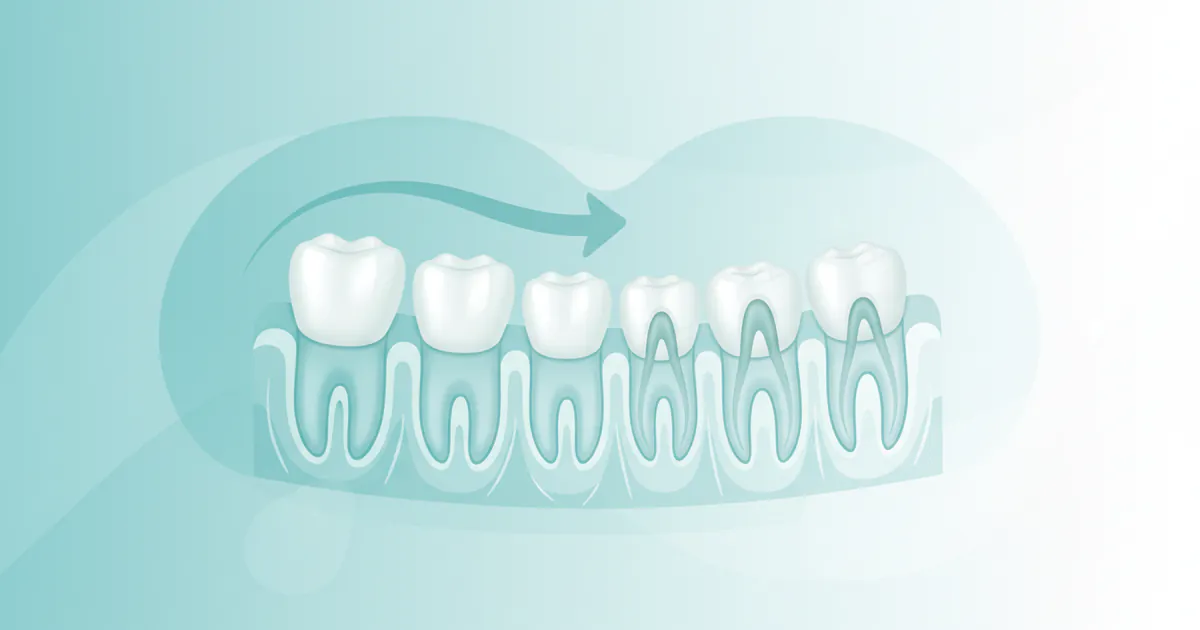
Primary Tooth Eruption Sequence: Complete Guide
Did you know that by their third birthday, most children will have a full set of 20 primary teeth? The journey of these first teeth, from their initial appearance to their eventual replacement by permanent teeth, is a remarkable and often challenging milestone for both infants and parents. Understan
February 23, 2026
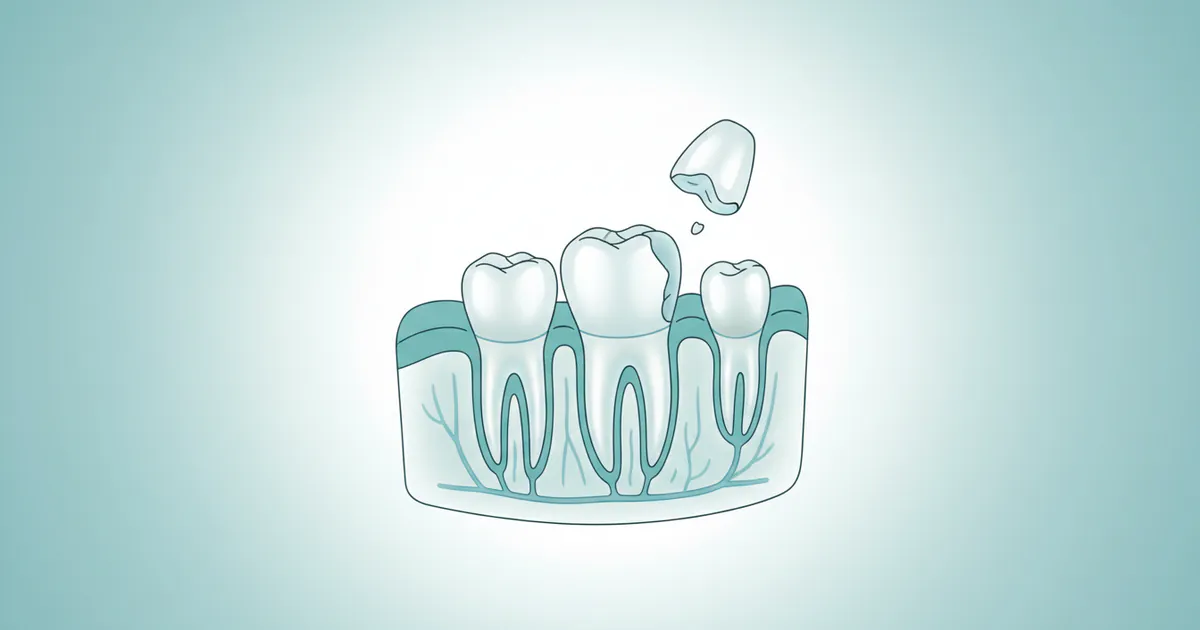
Canine Tooth Eruption: Complete Guide
Have you ever wondered about the complex process that brings your teeth into alignment, especially the prominent, pointed teeth known as canines? While often overshadowed by discussions of wisdom teeth or incisors, the canine tooth eruption process is a critical stage in your oral development, d
February 23, 2026
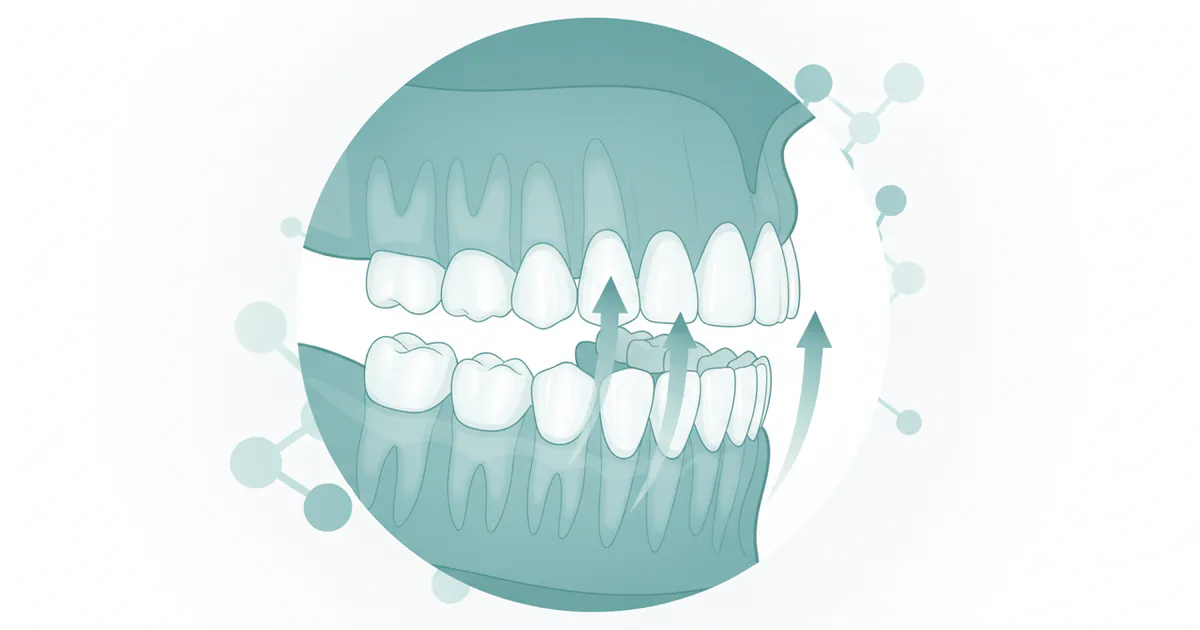
Permanent Tooth Eruption Sequence: Complete Guide
Welcome to SmilePedia.net, your trusted resource for comprehensive dental health information. The journey of your permanent teeth emerging into your mouth, known as the permanent tooth eruption sequence, is a fundamental aspect of oral development. Did you know that while primary (baby) teeth ty
February 23, 2026