How Long Do Fillings Take
Key Takeaways
- When you discover a cavity or experience tooth pain, one of the first questions that might come to mind is, how long do fillings take? Understanding the duration of a dental filling procedure is crucial for managing your schedule and expectations, but it's just one piece of the puzzle. Dental fi
When you discover a cavity or experience tooth pain, one of the first questions that might come to mind is, how long do fillings take? Understanding the duration of a dental filling procedure is crucial for managing your schedule and expectations, but it's just one piece of the puzzle. Dental fillings are a common and effective solution for restoring teeth damaged by decay or minor fractures, impacting millions of Americans each year. In fact, the National Institute of Dental and Craniofacial Research (NIDCR) indicates that a significant portion of adults in the U.S. have experienced dental caries (cavities) and often require fillings. This comprehensive guide will explore everything from the various types of fillings and alternative treatments like a crown to the step-by-step process, costs, recovery, and prevention, ensuring you have all the information needed to make informed decisions about your oral health. We'll delve into what to expect during your visit, the factors that influence treatment time, and how to maintain your restored smile for years to come.
Key Takeaways:
- Typical Filling Duration: A standard dental filling procedure usually takes 20 to 60 minutes, depending on the size and location of the cavity and the material used.
- Crown Procedure Duration: Receiving a crown typically requires two appointments. The first appointment lasts 60-90 minutes for preparation, and the second, about 30 minutes, for placement, often spanning 1-2 weeks.
- Cost Ranges: Composite (tooth-colored) fillings generally cost $90-$450 per tooth, while amalgam (silver) fillings range from $50-$250. Dental crowns can range from $800-$3,000+ per tooth, depending on material and complexity.
- Insurance Coverage: Most dental insurance plans cover 50-80% of filling costs after your deductible for Class II procedures, while crown coverage varies, often around 50%.
- Aftercare: Expect mild sensitivity for a few days; avoid chewing on the treated side until numbness subsides. Follow good oral hygiene and attend regular check-ups to prolong the life of your filling or crown on teeth.
- Prevention is Key: Regular brushing, flossing, a balanced diet, and routine dental visits are essential for preventing cavities and avoiding the need for restorative procedures.
What is a Dental Filling? An Overview
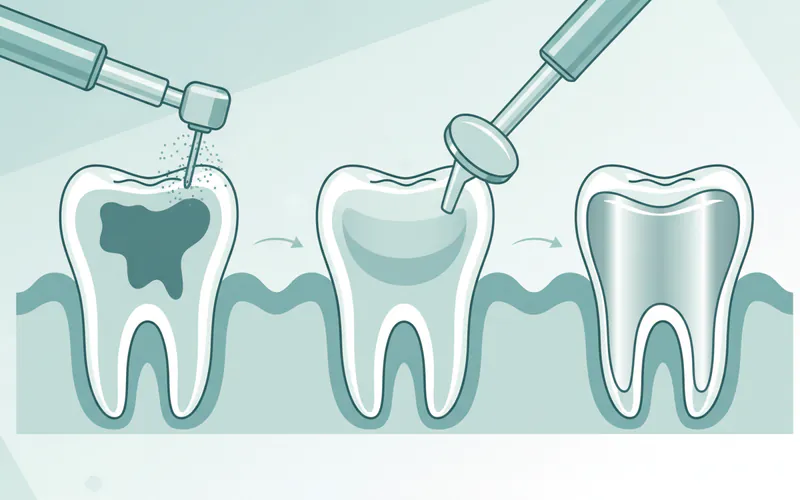
A dental filling is a restorative dental treatment used to repair a tooth damaged by decay, cracks, or fractures. When a dentist removes the decayed or damaged portion of the tooth, they "fill" the resulting void with a material designed to restore the tooth's original shape, function, and integrity. This process prevents further decay, strengthens the tooth structure, and alleviates pain or sensitivity. Without prompt treatment, small cavities can grow, leading to more extensive damage, infection, and potentially the need for more complex procedures such as root canals or tooth extraction.
Types of Dental Fillings and Other Restorative Options
The choice of restorative material significantly impacts the procedure's duration, cost, aesthetics, and longevity. Modern dentistry offers several excellent options, each with its unique benefits and considerations.
Direct Fillings
Direct fillings are placed immediately into a prepared cavity in a single dental visit.
1. Composite (Tooth-Colored) Fillings
Composite resins are mixtures of plastic and fine glass particles. They are the most popular choice due to their aesthetic appeal, as they can be matched to the exact color of your natural teeth, making them virtually invisible.
- Pros: Excellent aesthetics, bonds directly to tooth structure, often requires less tooth removal than amalgam.
- Cons: Can be more expensive than amalgam, may not be as durable for very large cavities or in areas of extreme chewing pressure, can stain over time.
- Duration Impact: The layering and curing process for composite fillings can add a few minutes compared to amalgam, typically taking 30-60 minutes per filling.
2. Amalgam (Silver) Fillings
Amalgam fillings are made from a mixture of metals, primarily silver, tin, copper, and mercury. They have been used for over 150 years and are known for their strength and durability.
- Pros: Very strong, durable, less expensive than composite, suitable for molars.
- Cons: Silver color is noticeable, requires more tooth structure removal, can expand and contract with temperature changes potentially leading to cracks, mercury content (though considered safe by the ADA).
- Duration Impact: Amalgam fillings are often quicker to place than composites, typically taking 20-45 minutes per filling, as they don't require the same layering and curing process.
3. Glass Ionomer Fillings
These fillings are made from a combination of acrylic and fluorosilicate glass. They are often used for small cavities, especially in non-weight-bearing areas or for children's primary teeth, as they release fluoride, which helps prevent further decay.
- Pros: Releases fluoride, good for children's teeth, bonds well to enamel and dentin.
- Cons: Weaker than composite or amalgam, less aesthetic, not suitable for biting surfaces.
- Duration Impact: Similar to composite, generally 30-60 minutes.
4. Gold Fillings
While less common today, gold fillings (inlays/onlays, or even full crowns) are known for their extreme durability and biocompatibility. They are custom-made in a lab and cemented into place.
- Pros: Very durable (can last 15-30 years), excellent strength, non-corrosive.
- Cons: Very expensive, require multiple appointments, highly noticeable.
- Duration Impact: As indirect restorations, they require at least two appointments, similar to a crown.
Indirect Restorations: When a Filling Isn't Enough
Sometimes, the damage to a tooth is too extensive for a direct filling but not severe enough to require a full crown on teeth. In such cases, indirect restorations are considered. These are custom-made in a dental laboratory from impressions of your tooth and require at least two dental visits.
1. Inlays and Onlays (Partial Crowns)
- Inlays: Cover the chewing surface between the cusps (points) of the tooth.
- Onlays: Cover one or more cusps in addition to the chewing surface.
- Materials: Typically made from porcelain, composite resin, or gold.
- Pros: Preserve more natural tooth structure than full crowns, stronger and more durable than direct fillings for larger cavities, excellent fit.
- Cons: More expensive than direct fillings, require two appointments.
- Duration Impact: The first appointment for tooth preparation and impression can take 60-90 minutes. The second appointment for bonding typically takes 30-45 minutes.
2. Dental Crowns (Full Coverage Crowns)
When a tooth has extensive decay, a large fracture, or has undergone a root canal, a crown (often referred to as a "cap") is usually the recommended treatment. A crown on teeth completely covers the entire visible portion of the tooth above the gum line, restoring its shape, size, strength, and appearance.
- Materials: Porcelain (ceramic), porcelain-fused-to-metal (PFM), metal alloys (gold, nickel, chromium), or zirconia.
- Pros: Provides maximum protection and strength, highly aesthetic (especially porcelain/zirconia), durable for severely damaged teeth.
- Cons: More expensive and invasive than fillings, requires significant tooth reduction.
- Duration Impact: A traditional crown procedure involves two visits. The first visit, for tooth preparation and taking impressions, generally lasts 60-90 minutes. The second visit, for cementing the permanent crown on teeth, takes about 30 minutes, usually 1-2 weeks later. Same-day crowns (CEREC) are available in some practices, where the entire process is completed in a single appointment of 2-3 hours.
Causes of Tooth Damage Requiring Fillings or Crowns
Understanding why teeth need restorative treatment helps in prevention. The primary culprits are:
1. Tooth Decay (Dental Caries)
This is the most common reason for fillings. Tooth decay occurs when bacteria in plaque produce acids that erode the enamel and dentin of the tooth. If left untreated, a small cavity can enlarge, eventually affecting the pulp (nerve) of the tooth, necessitating a root canal or a crown.
2. Cracks and Fractures
Teeth can crack or fracture due to trauma (e.g., a fall, biting down on something hard), teeth grinding (bruxism), or large, old amalgam fillings that exert pressure on the remaining tooth structure. These cracks can range from minor surface lines to deep fissures that extend into the pulp. Fillings, inlays, or crowns are used depending on the severity.
3. Worn Teeth
Chronic teeth grinding, acidic diets, or aggressive brushing can lead to significant wear on tooth surfaces. This can expose the dentin, causing sensitivity and requiring restoration to protect the tooth and restore its natural biting surface.
4. Erosion
Acidic foods and drinks, acid reflux, or certain medical conditions can erode tooth enamel, making teeth susceptible to decay and sensitivity.
5. Failed Existing Restorations
Old fillings can wear out, crack, leak, or fall out over time, allowing new decay to form beneath them. When this happens, the old filling needs to be replaced, sometimes with a larger filling or even a crown.
Signs and Symptoms You Might Need a Filling or Crown
It's not always obvious when you need a filling or a crown, as decay can be asymptomatic in its early stages. However, be vigilant for these signs:
- Sensitivity: Pain or discomfort when consuming hot, cold, sweet, or acidic foods and drinks. This is often the first sign of a cavity.
- Pain: A persistent toothache, especially when biting down or chewing.
- Visible Holes or Pits: Small holes, dark spots, or unusual discoloration on the tooth surface.
- Food Trapping: Food consistently getting caught in a specific area between teeth, indicating a gap or irregular surface.
- Rough or Broken Tooth Surface: A filling that feels rough, chipped, or has fallen out.
- Bad Breath or Taste: Persistent bad breath or an unpleasant taste in your mouth, which can be a sign of decay or infection.
- Swelling Around the Tooth: Indicates a more severe infection, possibly requiring a root canal and a crown.
- Visible Crack or Fracture: A line or break in the tooth.
Pro Tip: Regular dental check-ups are crucial because dentists can often detect cavities and other issues before you experience any symptoms, allowing for less invasive and quicker treatment.
Step-by-Step Process: What to Expect During a Dental Filling
Knowing the steps involved can help alleviate anxiety about how long do fillings take and what the procedure entails. This outline focuses on a typical direct composite filling.
1. Diagnosis and Treatment Planning
Your dentist will examine your teeth, possibly take X-rays to confirm the presence and extent of decay, and discuss the best filling material for your situation.
2. Local Anesthesia
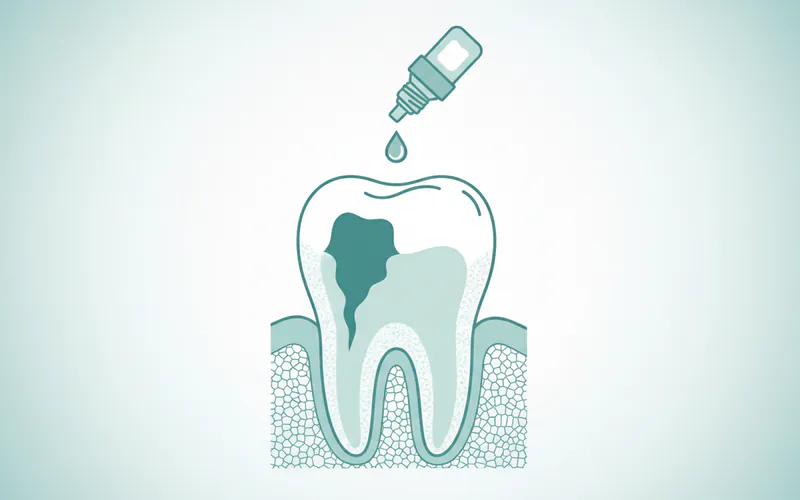
To ensure your comfort, the dentist will numb the area around the affected tooth using a local anesthetic. This involves a small injection, which might cause a brief pinch or sting, but the area will quickly become numb, preventing any pain during the procedure. This is a key factor in ensuring your comfort, and the numbing agent usually takes 5-10 minutes to become fully effective.
3. Decay Removal
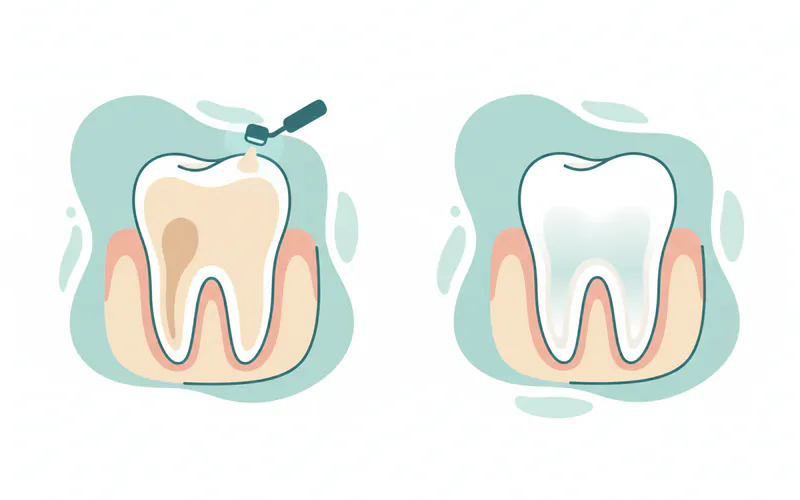
Once numb, the dentist will use a dental drill to carefully remove the decayed or damaged portion of the tooth. The goal is to remove all affected tooth structure while preserving as much healthy tooth as possible. A water spray and suction will be used to keep the area clear. This step is critical for preventing future decay and can take anywhere from 5-20 minutes, depending on the size and location of the cavity.
4. Tooth Preparation
After decay removal, the tooth is prepared for the specific filling material.
- Composite Fillings: The tooth surface will be etched with a mild acidic gel for about 15 seconds to create microscopic pores, followed by rinsing and drying. A bonding agent is then applied to help the composite material adhere securely.
- Amalgam Fillings: For amalgam, the cavity shape is often slightly adjusted to mechanically retain the filling.
5. Filling Placement
- Composite Fillings: The tooth-colored resin material is applied in thin layers into the prepared cavity. Each layer is "cured" or hardened using a special blue light, which activates a chemical reaction in the resin. This layering process helps ensure proper bonding and minimizes shrinkage.
- Amalgam Fillings: The pliable amalgam mixture is packed into the cavity, condensed to remove air bubbles, and shaped to the tooth's contours.
6. Shaping and Polishing
Once the filling material is in place, the dentist will carefully shape it to match the natural contours of your tooth and ensure it fits correctly with your bite. You may be asked to bite down on articulating paper to check for high spots. Adjustments are made until your bite feels comfortable and natural. Finally, the filling is polished to a smooth finish, reducing rough spots where plaque could accumulate. This step can take 5-10 minutes.
The entire process for a simple filling, from anesthesia to polishing, generally takes 20 to 60 minutes. Larger or more complex cavities, or those requiring multiple fillings, will naturally take longer.
Pro Tip: If you experience dental anxiety, discuss it with your dentist beforehand. They can offer options like nitrous oxide (laughing gas) or oral sedation to make your experience more comfortable.
Cost and Insurance for Fillings and Crowns
Understanding the financial aspect is essential. Costs for dental restorations can vary widely based on the type of material, the size and complexity of the restoration, the dentist's location, and their fee schedule.
Average US Costs (Out-of-Pocket)
| Restoration Type | Material | Average Cost Range (Per Tooth) | Common US Regional Variations |
|---|---|---|---|
| Direct Filling | Amalgam (Silver) | $50 - $250 | Lower in Midwest, Higher in Northeast/West Coast |
| Direct Filling | Composite (Resin) | $90 - $450 | Varies significantly, more expensive in urban areas |
| Indirect Restoration | Inlay/Onlay (Porcelain) | $600 - $1,500 | Can reach $2,000+ in high-cost-of-living areas |
| Crown on Teeth (Full Coverage) | Porcelain (Ceramic) | $800 - $2,500 | Up to $3,000+ for zirconia or specialized crowns |
| Crown on Teeth (Full Coverage) | PFM (Porcelain Fused to Metal) | $700 - $2,000 | Generally slightly less than full ceramic crowns |
| Crown on Teeth (Full Coverage) | Gold/Metal Alloy | $900 - $3,000+ | Higher due to material cost |
These are general estimates. Always get a detailed quote from your dental provider.
Dental Insurance Coverage
Most dental insurance plans categorize restorative procedures into "classes":
- Class I (Preventive): Exams, cleanings, X-rays (often 80-100% coverage).
- Class II (Basic Restorative): Fillings, simple extractions, root canals (often 50-80% coverage).
- Class III (Major Restorative): Crowns, bridges, dentures (often 50% coverage or less).
Factors affecting coverage:
- Deductible: The amount you must pay out-of-pocket before your insurance starts to pay.
- Co-insurance: The percentage of the cost you are responsible for after meeting your deductible (e.g., if insurance covers 80%, you pay 20%).
- Annual Maximum: The maximum amount your insurance plan will pay for your dental care in a policy year (typically $1,000 - $2,000).
- Waiting Periods: Some plans have waiting periods (e.g., 6-12 months) before they cover Class II or III procedures like fillings or crowns.
- Material Limitations: Some plans may only cover the cost of amalgam fillings for posterior teeth, requiring you to pay the difference if you opt for a composite filling.
- Pre-authorization: For major procedures like a crown, your dentist may submit a pre-treatment estimate to your insurance company to determine your exact coverage.
Payment Plans and Financing Options
For larger treatments like a crown on teeth, many dental offices offer:
- In-house payment plans: Spreading the cost over several months.
- Third-party financing: Companies like CareCredit offer special healthcare credit cards with deferred interest options if paid within a certain timeframe.
- Dental savings plans: These are not insurance but membership programs where you pay an annual fee for discounted rates on dental services.
Cost-Saving Tips:
- Preventive Care: The best way to save money is to prevent cavities altogether with good oral hygiene and regular check-ups.
- Utilize your insurance: Understand your benefits and use them before your annual maximum resets.
- Compare quotes: If you need extensive work, get quotes from a few different dentists.
- Dental schools: University dental schools often provide services at a reduced cost, performed by supervised students.
Recovery and Aftercare for Fillings and Crowns
The period immediately following your procedure is crucial for comfort and ensuring the longevity of your new restoration.
Immediately After a Filling
- Numbness: The local anesthetic will typically wear off within 1-3 hours. Avoid chewing on the treated side until the numbness completely subsides to prevent accidentally biting your cheek or tongue.
- Sensitivity: It's common to experience some mild sensitivity to hot, cold, or pressure for a few days to a few weeks after a filling, especially with composite fillings. This usually diminishes over time.
- Discomfort: Over-the-counter pain relievers like ibuprofen or acetaminophen can manage any minor discomfort.
- Eating: You can typically eat after the numbness wears off. For composite fillings, you can often eat immediately; for amalgam fillings, dentists sometimes recommend waiting a few hours to allow the material to fully set and harden. Avoid very sticky or hard foods initially.
After a Crown on Teeth
- Temporary Crown: If you received a temporary crown, be gentle. Avoid sticky foods (caramel, chewing gum) and hard foods, and try to chew on the opposite side of your mouth. Floss carefully around the temporary crown, sliding the floss out rather than pulling it up.
- Sensitivity: Some sensitivity to temperature or pressure is normal after the first appointment while wearing the temporary crown and also after the permanent crown is cemented. This should subside within a few weeks.
- Permanent Crown Placement: During your second visit, the temporary crown is removed, and the permanent crown on teeth is checked for fit and bite before being cemented into place. Your bite will be re-evaluated.
- Post-Cementation: Avoid eating for about an hour after the permanent crown is cemented to allow the cement to fully set. Mild sensitivity or tenderness is normal for a few days.
Long-Term Aftercare for All Restorations
- Oral Hygiene: Maintain excellent oral hygiene: brush at least twice a day with fluoride toothpaste, floss daily, and consider using an antiseptic mouthwash.
- Regular Dental Check-ups: Visit your dentist for routine check-ups and professional cleanings every six months. This allows your dentist to monitor the condition of your fillings and crowns and detect any new issues early.
- Diet: Limit sugary and acidic foods and drinks that can contribute to new decay or wear down existing restorations.
- Avoid Bad Habits: Don't chew on ice, hard candies, or use your teeth to open packages, as this can damage your restorations and natural teeth. If you grind or clench your teeth, your dentist might recommend a nightguard to protect your restorations.
Pro Tip: If sensitivity persists or worsens after a few weeks, or if you experience sharp pain, swelling, or a loose filling/crown, contact your dentist immediately.
Prevention: Avoiding the Need for Fillings and Crowns
The best "treatment" is always prevention. Maintaining excellent oral health significantly reduces your risk of needing fillings or a crown on teeth.
1. Brush Regularly and Effectively
Brush your teeth twice a day for two minutes each time using a fluoride toothpaste. Use a soft-bristled brush and gentle, circular motions. The ADA recommends fluoride for strengthening enamel and preventing decay.
2. Floss Daily
Flossing removes food particles and plaque from between your teeth and under the gum line, areas your toothbrush can't reach. This is crucial for preventing cavities between teeth.
3. Limit Sugary and Acidic Foods and Drinks
Frequent consumption of sugary snacks, sodas, fruit juices, and acidic foods (like citrus fruits) contributes to enamel erosion and cavity formation. Rinse your mouth with water after consuming them.
4. Regular Dental Check-ups and Cleanings
Visit your dentist every six months for professional cleanings and examinations. These visits allow your dentist to: * Remove plaque and tartar buildup. * Identify early signs of decay through visual inspection and X-rays. * Address minor issues before they become major problems requiring a crown.
5. Consider Dental Sealants
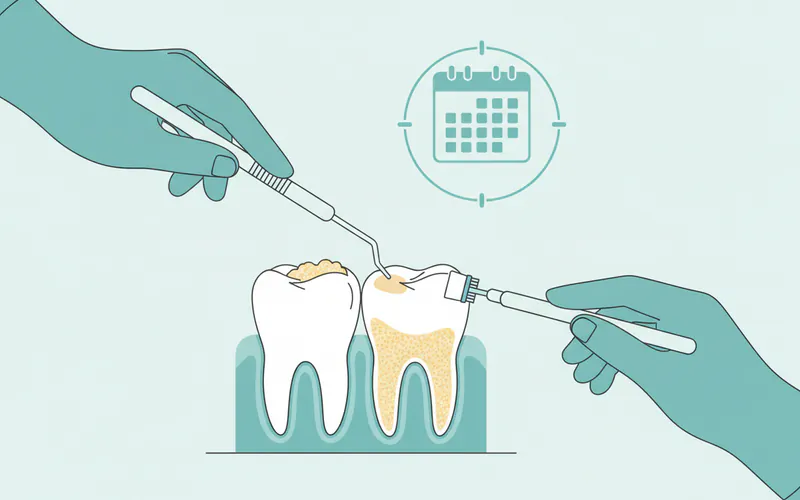
For children and sometimes adults, dental sealants can be applied to the chewing surfaces of molars. These thin, protective coatings fill the grooves and pits where food particles and bacteria can accumulate, providing an effective barrier against decay. Sealants can dramatically reduce the risk of cavities in treated teeth.
6. Fluoride Treatments
Your dentist may recommend in-office fluoride treatments or prescribe a high-fluoride toothpaste if you are at high risk for cavities. Fluoride strengthens enamel, making it more resistant to acid attacks.
7. Stay Hydrated with Water
Drinking plenty of water, especially fluoridated tap water, helps rinse away food particles and acids and promotes saliva production, which neutralizes acids and remineralizes enamel.
Risks and Complications of Fillings and Crowns
While generally safe and effective, like any medical procedure, fillings and crowns carry potential risks and complications.
1. Post-Treatment Sensitivity
As mentioned, sensitivity to hot, cold, or pressure is common after a filling or crown on teeth. It usually resolves within a few weeks. If it persists or worsens, it could indicate an issue like a high spot on the filling/crown or inflammation of the tooth's pulp.
2. Pain or Discomfort
Persistent or severe pain might signal a problem, such as: * Pulpitis: Inflammation of the tooth pulp, possibly requiring a root canal. * Allergic Reaction: Though rare, some individuals can be allergic to components of filling materials (e.g., mercury in amalgam, resin components). * Referred Pain: Pain from another tooth or area radiating to the treated tooth.
3. Allergic Reactions
While uncommon, some patients may experience an allergic reaction to filling materials, leading to symptoms like rash or itching.
4. Secondary Decay
Decay can form around or beneath an existing filling or crown on teeth if the seal breaks down, if oral hygiene is poor, or if bacteria find microscopic gaps. This often requires replacement of the restoration.
5. Fractured Filling or Crown
Fillings, especially large ones, can chip or fracture under biting pressure. Crowns can also chip, crack, or even dislodge. This usually necessitates replacement or repair.
6. Dislodged Filling or Crown
A filling can fall out if the bond weakens or if there's new decay. Similarly, a crown on teeth can come loose or fall off if the cement washes out or the underlying tooth structure breaks down.
7. Infection
Though rare for fillings, if decay was very deep and close to the pulp, bacteria can sometimes penetrate, leading to an infection that may require a root canal or extraction.
8. Galvanic Shock
This can occur if two different metal fillings (e.g., amalgam and gold) are in adjacent teeth and come into contact, creating a brief electric current and a sharp pain. This is rare and typically mild.
Pro Tip: Report any unusual or persistent symptoms to your dentist promptly. Early intervention can prevent more serious complications.
Children / Pediatric Considerations for Fillings
Restoring primary (baby) teeth is just as important as restoring permanent teeth. Early childhood caries (ECC) is a significant concern, and cavities in baby teeth can impact the development and alignment of permanent teeth.
1. Why Fill Baby Teeth?
Some parents might wonder if baby teeth need fillings since they will eventually fall out. The answer is a resounding yes:
- Maintain Space: Baby teeth hold space for permanent teeth. Losing them prematurely can lead to spacing issues and malocclusion (crooked teeth) requiring orthodontics later.
- Function: Baby teeth are essential for chewing, speech development, and proper nutrition.
- Prevent Infection: Untreated cavities can lead to pain, infection, and even abscesses that can affect the developing permanent tooth underneath.
- Habit Formation: Addressing decay early teaches children the importance of oral hygiene.
2. Common Filling Materials for Children
- Composite Fillings: Very popular due to their aesthetic appeal and ability to bond to the tooth.
- Glass Ionomer Fillings: Often preferred for pediatric patients because they release fluoride, helping to prevent further decay, and can be placed quickly.
- Amalgam Fillings: Less common for children's teeth now due to aesthetic concerns, but still an option for posterior teeth where strength is paramount.
- Stainless Steel Crowns (SSCs): For extensive decay on primary molars or after a pulpotomy (nerve treatment for baby teeth), a pre-fabricated stainless steel crown is often recommended. These are durable, cost-effective, and provide full coverage protection until the tooth naturally exfoliates. The procedure for placing an SSC is typically completed in one visit, similar to a filling, and takes about 45-75 minutes.
3. Pediatric Anesthesia and Sedation
Pediatric dentists are experts at making children comfortable. Local anesthesia is standard. For anxious or very young children, options like nitrous oxide (laughing gas) are frequently used to help them relax. In some cases, oral sedation or even general anesthesia may be considered for extensive treatment or very uncooperative children.
4. Sealants: A Key Preventive Tool
Dental sealants are particularly beneficial for children as soon as their permanent molars erupt (around ages 6 and 12). They act as a physical barrier against decay in the deep grooves of these vulnerable teeth.
Frequently Asked Questions
How long does a typical dental filling appointment take?
A standard dental filling appointment, from preparation to completion, typically takes 20 to 60 minutes. This duration can vary based on the size and location of the cavity, the type of filling material used (composite often takes a bit longer than amalgam), and the number of fillings being placed in one visit.
Is getting a filling painful?
With modern local anesthetics, the actual procedure for getting a filling should not be painful. You might feel a slight pinch during the injection, and some pressure or vibration during the decay removal. After the numbness wears off, it's common to experience mild sensitivity or discomfort for a few days, which can usually be managed with over-the-counter pain relievers.
Can I eat immediately after getting a filling?
If you receive a composite (tooth-colored) filling, you can generally eat immediately, as the material is cured and hardened by light during the procedure. However, it's wise to avoid chewing on the treated side until the local anesthetic wears off to prevent accidental biting. For amalgam (silver) fillings, some dentists recommend waiting a few hours to allow the material to fully set.
How long do different types of fillings last?
The lifespan of a filling varies by material:
- Amalgam fillings: Can last 10-15 years or more.
- Composite fillings: Typically last 5-7 years, but can last longer with good care.
- Glass ionomer fillings: Generally last 3-5 years.
- Gold fillings: The most durable, often lasting 15-30 years.
- Dental crowns: Can last 10-15 years or even 20+ years with proper care and hygiene.
What is the difference between a filling and a crown?
A filling is used to repair minor to moderate tooth decay or damage, filling a portion of the tooth. A crown (or cap), on the other hand, is a full-coverage restoration that encapsulates the entire visible portion of a tooth above the gum line. Crowns are used for more extensive damage, large fractures, after root canals, or to strengthen a weakened tooth, providing maximum protection and restoring the tooth's complete structure.
How many appointments does it take to get a crown on teeth?
A traditional dental crown procedure typically requires two appointments. The first appointment, lasting 60-90 minutes, involves tooth preparation and impressions. The second appointment, around 30 minutes and usually 1-2 weeks later, is for cementing the permanent crown on teeth. Some advanced dental practices offer same-day crowns using CAD/CAM technology, completing the entire process in a single, longer appointment (2-3 hours).
What if I need a filling but don't get one?
If you neglect a cavity and don't get a filling, the decay will continue to progress. The cavity will grow larger, eventually reaching the tooth's pulp (nerve), leading to severe pain, infection, and potentially requiring a root canal, a crown, or even tooth extraction. Early intervention with a filling saves your tooth and prevents more complex and costly treatments.
Are composite fillings safe?
Yes, composite fillings are considered safe by the American Dental Association (ADA). They are biocompatible and a popular choice due to their aesthetic appeal and ability to bond directly to tooth structure. There is no known widespread health risk associated with their use.
Can an old filling be replaced?
Yes, old fillings can and often need to be replaced. Reasons for replacement include wear, cracking, leakage, new decay developing underneath or around the old filling, or if the patient desires a more aesthetic option (e.g., replacing an amalgam filling with a composite one). Your dentist will assess the existing filling and recommend the best course of action.
When to See a Dentist
Knowing when to seek dental care is crucial for maintaining your oral health and preventing minor issues from escalating.
Routine vs. Urgent Care
- Routine Care: Regular dental check-ups and cleanings every six months are essential. These visits allow your dentist to identify potential problems, such as small cavities, before they cause pain or require extensive treatment.
- Scheduled Appointment: If you notice mild sensitivity to hot/cold, a minor chip, a slightly rough spot on a tooth, or suspect a cavity that isn't causing severe pain, schedule a non-emergency appointment as soon as possible. These are often signs that you may need a filling or an assessment for a crown.
When to Seek Prompt Attention (Within a Few Days)
Contact your dentist within a day or two if you experience:
- Persistent tooth sensitivity that doesn't subside.
- A filling that feels loose or has fallen out.
- A noticeable chip or crack in a tooth without severe pain.
- Food constantly getting trapped in a specific area, indicating a potential cavity or spacing issue.
When to Seek Emergency Dental Care (Immediate Attention)
Do not delay seeking immediate dental care if you experience any of the following:
- Severe, throbbing toothache: Especially if it wakes you up at night or doesn't respond to over-the-counter pain relievers. This could indicate a severe infection or nerve involvement.
- Swelling: Swelling in your gums, face, or jaw around a painful tooth could signify an abscess or serious infection that requires immediate attention to prevent it from spreading.
- Trauma: A knocked-out tooth, severe tooth fracture, or significant injury to your mouth.
- Abscess: A painful, pus-filled bump on your gums.
- Persistent bleeding: After a dental procedure or injury.
Your oral health is integral to your overall well-being. By understanding how long do fillings take, the various treatment options like a crown, and committing to preventive care, you can maintain a healthy, beautiful smile for a lifetime. Always consult with your dental professional for personalized advice and treatment recommendations.
Frequently Asked Questions
Medically Reviewed Content
This article was written by our dental health editorial team and reviewed for medical accuracy. Our content follows strict editorial guidelines for reliability and trustworthiness.
Medical Disclaimer
This article is for informational purposes only and does not constitute medical advice. Always consult with a qualified dental professional for diagnosis and treatment. Do not delay seeking professional advice because of something you read on this website.
Related Articles
Teeth Crown: Complete Guide
Imagine the confidence of a strong, healthy smile. Yet, for many Americans, dental issues like decay, cracks, or large fillings can compromise not just aesthetics, but also the vital function of their teeth. In fact, over 15 million Americans have undergone crown and bridge procedures, highlight
February 22, 2026
Root Canal and Crown: Complete Guide
When a tooth suffers from significant damage or infection, a combination of two powerful restorative dental procedures often becomes necessary to save it: a root canal and crown. This comprehensive approach not only eradicates infection and alleviates pain but also restores the tooth's structura
February 22, 2026
Bridge Teeth Cost: Complete Price Guide 2026
Losing a tooth can be more than just an aesthetic concern; it can impact your ability to chew, speak clearly, and even lead to shifting teeth, affecting your overall oral health. If you're considering solutions for missing teeth, a dental bridge is a common and effective restorative option. But what
February 22, 2026
Gold Crown Tooth: Complete Guide
The quest for a strong, durable, and long-lasting dental restoration often leads patients and dentists alike to consider the gold crown tooth. While modern dentistry offers a plethora of aesthetic options, the classic gold crown has maintained its esteemed position for centuries, revered for its
February 22, 2026