Front Tooth Crown: Complete Guide
Key Takeaways
- When a front tooth suffers significant damage, whether from decay, trauma, or wear, it can severely impact not just your oral health but also your confidence. A front tooth crown offers a robust and aesthetically pleasing solution, restoring both the function and appearance of your smile. For ma
When a front tooth suffers significant damage, whether from decay, trauma, or wear, it can severely impact not just your oral health but also your confidence. A front tooth crown offers a robust and aesthetically pleasing solution, restoring both the function and appearance of your smile. For many Americans, maintaining a healthy, attractive smile is a top priority, making restorative procedures like crowns incredibly relevant. In fact, millions of crowns are placed annually in the US, with a significant portion dedicated to the highly visible front teeth, emphasizing the importance of understanding this vital dental treatment.
This comprehensive guide from SmilePedia.net will delve deep into everything you need to know about front tooth crowns. We'll explore what a crown is, the various types available, the reasons you might need one, the step-by-step process of getting a crown, what to expect regarding cost and insurance, and how to care for your new restoration. We'll also discuss alternatives like composite fillings and veneers, compare different crown materials, and address common concerns, ensuring you have all the information necessary to make informed decisions about your dental health.
Key Takeaways:
- A front tooth crown is a cap placed over a damaged or weakened tooth, restoring its shape, size, strength, and appearance.
- The most common materials for front tooth crowns are all-ceramic (porcelain, zirconia, E-max) due to their superior aesthetics.
- Typical reasons for a front tooth crown include severe decay, fracture, root canal treatment, or significant cosmetic concerns.
- The process usually involves two dental visits: tooth preparation and impression, followed by final crown placement.
- Cost for a single front tooth crown in the US generally ranges from $800 to $3,000, with all-ceramic options often at the higher end.
- Dental insurance typically covers 50-80% of the cost for medically necessary crowns after deductibles are met, but may not cover purely cosmetic crowns.
- With proper care, a front tooth crown can last 10-15 years or even longer, requiring diligent oral hygiene and regular dental check-ups.
What a Front Tooth Crown Is: Overview
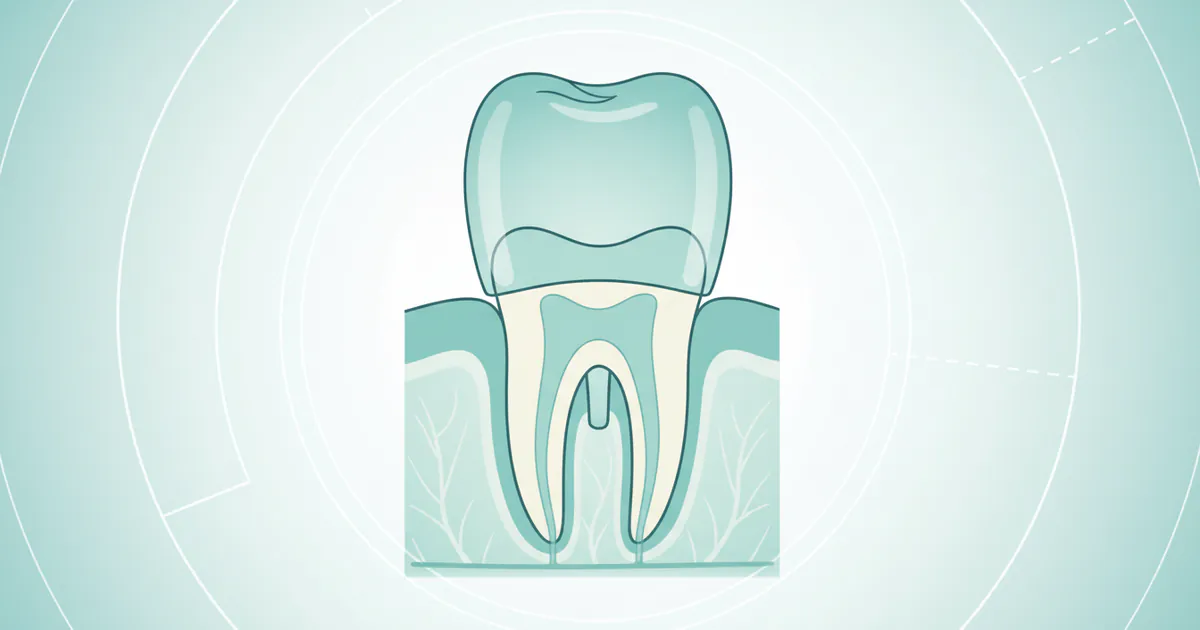
A dental crown, often referred to as a "cap," is a custom-made restoration that completely covers the visible portion of a tooth above the gum line. When applied to a front tooth, its primary functions are to restore the tooth's original shape, size, strength, and, critically, its aesthetic appeal. Unlike composite fillings, which are used to fill smaller cavities and bond directly to the tooth, a crown encases the entire tooth, providing comprehensive protection and structural support. This makes it an ideal solution for front teeth that have suffered significant damage, such as large fractures, extensive decay, or severe discoloration that cannot be addressed with less invasive methods.
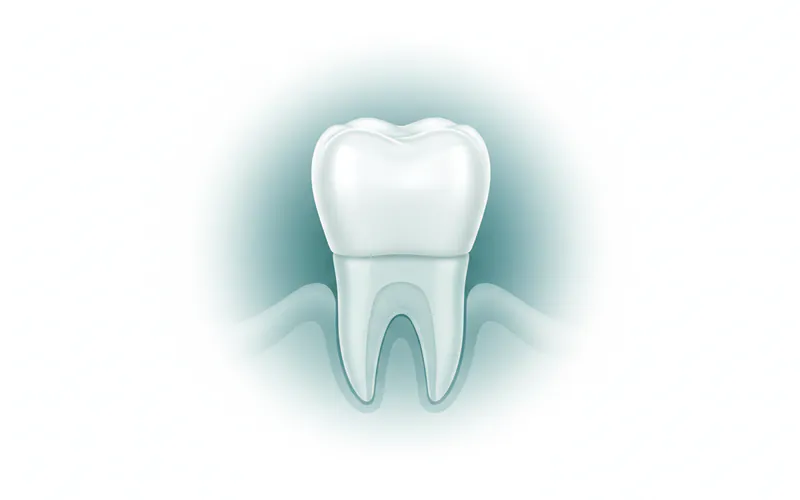
The front teeth, known as incisors and canines, play a crucial role in biting and tearing food, as well as influencing speech and, most visibly, your smile. Because these teeth are constantly exposed and subject to significant forces, and because their appearance is so important, a crown on a front tooth must be durable, precisely fitted, and aesthetically flawless. It's designed to mimic the natural tooth's color, translucency, and shape, blending seamlessly with your surrounding teeth.
Why Front Teeth Are Unique for Crowns
Crowns on front teeth present specific challenges and considerations compared to those placed on molars (back teeth):
- Aesthetics First: The paramount concern for a front tooth crown is its appearance. It must match the shade, shape, and alignment of adjacent natural teeth perfectly. This often necessitates materials with high translucency and natural-looking characteristics.
- Bite Forces and Function: While front teeth don't endure the same crushing forces as molars, they are subjected to significant shearing forces during biting and tearing. The crown needs to withstand these forces without fracturing or compromising the bite.
- Visibility: Front teeth are highly visible when you smile, talk, or eat. Any imperfection in a front tooth crown, such as an incorrect shade, opaque appearance, or a dark margin, will be immediately noticeable.
- Gum Line Integration: The junction where the crown meets the gum line must be impeccably smooth and natural to prevent irritation and maintain gum health, which is particularly important in the aesthetic zone.
``
Types of Front Tooth Crowns: Variations and Materials
The choice of material for a front tooth crown is critical, balancing aesthetics, durability, and cost. Modern dentistry offers several excellent options, each with its unique advantages and disadvantages.
1. All-Ceramic (All-Porcelain) Crowns
These are the most popular choice for front teeth due to their excellent aesthetic qualities. They are made entirely from ceramic materials, such as porcelain, zirconia, or E-max (lithium disilicate).
-
Porcelain Crowns:
- Description: Made entirely of porcelain, these crowns offer exceptional aesthetics, closely mimicking the translucency and color of natural teeth.
- Pros: Highly aesthetic, excellent color matching, metal-free (no dark gum line).
- Cons: Can be more brittle than other materials, potentially leading to chipping or fracture, especially under heavy biting forces.
- Best for: Patients prioritizing maximum aesthetics, particularly for highly visible front teeth where biting forces are not excessively strong.
-
Zirconia Crowns:
- Description: Zirconia is a very strong type of ceramic, sometimes referred to as "ceramic steel." Newer generations of zirconia are more translucent.
- Pros: Extremely durable and strong, highly resistant to chipping and fracture, good aesthetics (especially newer translucent varieties). Biocompatible.
- Cons: Can be more opaque than traditional porcelain, making it slightly less natural-looking in some cases (though advancements are improving this). Can be very hard, potentially causing wear on opposing teeth if not polished properly.
- Best for: Front teeth requiring significant strength due to heavy biting forces, or for patients with bruxism, while still maintaining good aesthetics.
-
E-max (Lithium Disilicate) Crowns:
- Description: A type of all-ceramic crown known for its superior strength-to-translucency ratio.
- Pros: Excellent balance of strength and aesthetics, highly natural-looking with good light transmission, less prone to chipping than traditional porcelain.
- Cons: Not as strong as solid zirconia, can be more expensive.
- Best for: The ideal choice for most front tooth crowns, offering a superb combination of strength and highly natural appearance.
2. Porcelain-Fused-to-Metal (PFM) Crowns
PFM crowns have a metal substructure (typically a gold alloy or other noble metals) covered by a layer of porcelain.
- Description: These crowns combine the strength of metal with the aesthetics of porcelain.
- Pros: Very strong and durable, good aesthetics, historically a reliable option.
- Cons: The metal substructure can sometimes show through as a dark line at the gum line, especially as gums recede over time. The porcelain can chip or wear away, revealing the metal beneath. Less natural translucency compared to all-ceramic.
- Best for: Cases where extra strength is needed and aesthetics are important but not the absolute top priority, or for patients on a tighter budget where all-ceramic options are too costly. Less common for front teeth today due to aesthetic limitations.
3. Temporary Crowns
- Description: Made from acrylic or composite resin, a temporary crown is placed immediately after tooth preparation while the permanent crown is being fabricated in a dental lab.
- Purpose: To protect the prepared tooth from sensitivity, maintain its position, allow you to chew normally, and preserve aesthetics until the final crown is ready.
- Duration: Worn for typically 1-3 weeks.
- Care: Be gentle when brushing and flossing around a temporary crown, and avoid sticky or hard foods that could dislodge it.
Causes: Why a Front Tooth Crown Might Be Necessary
Several factors can lead to the need for a front tooth crown. Understanding these causes can help in preventing future issues and recognizing when professional intervention is required.
1. Severe Tooth Decay
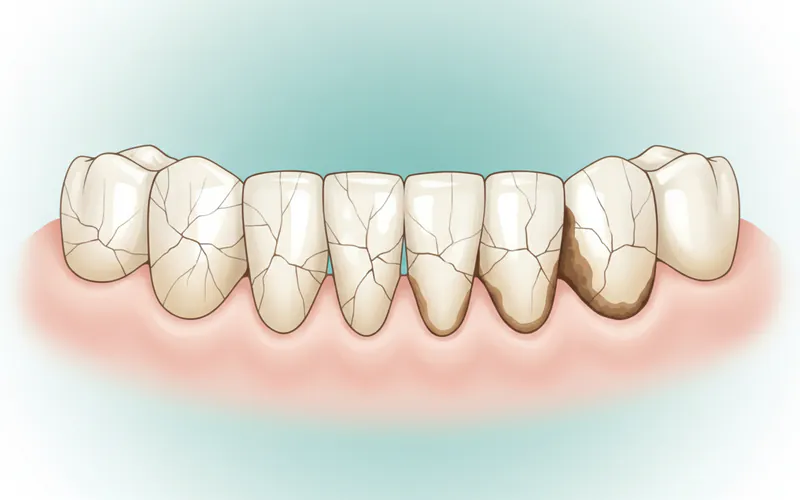
When a cavity on a front tooth is too large to be adequately restored with a composite filling or dental bonding, a crown becomes necessary. Extensive decay can weaken the tooth's structure to the point where it risks fracturing under normal biting forces. A crown encapsulates the compromised tooth, providing strength and preventing further breakdown.
2. Significant Fracture or Chip Due to Trauma
Front teeth are particularly vulnerable to trauma from falls, sports injuries, or accidents. A large chip or fracture that affects a substantial portion of the tooth, especially if it extends below the gum line or involves the pulp (nerve) of the tooth, often necessitates a crown. The crown can restore the tooth's original form and protect it from further damage.
3. Post-Root Canal Treatment
After a root canal procedure, a tooth, especially a front tooth, can become more brittle because the pulp (which supplies nutrients and moisture) has been removed. While often less critical for front teeth than molars, some dentists recommend a crown on a front tooth after a root canal to provide additional protection against fracture and ensure its long-term integrity, particularly if a large portion of the tooth structure was lost.
4. Large, Failing Existing Restorations
Old, large composite fillings or other restorations on front teeth can eventually fail, crack, or pull away from the tooth margin, creating gaps where new decay can form. If the remaining natural tooth structure is insufficient to support a new filling, a crown is the best option to provide strength and prevent further damage.
5. Cosmetic Concerns
Sometimes, a perfectly healthy front tooth may require a crown for purely aesthetic reasons. This might include:
- Severe Discoloration: Intrinsic staining that cannot be resolved with professional whitening or veneers.
- Misshapen Teeth: Front teeth that are congenitally malformed, too small, or have an undesirable shape.
- Uneven Alignment: While orthodontics is the primary solution for misalignment, in some cases, crowns can be used to improve the apparent alignment of a few teeth, often referred to as "instant orthodontics."
6. Excessive Wear and Tear (Bruxism)
Chronic grinding or clenching of teeth (bruxism) can lead to significant wear on the biting surfaces of front teeth. Over time, this wear can compromise the tooth's structure and even expose the dentin, leading to sensitivity and further damage. Crowns can restore the tooth's original height and protect it from further abrasive forces, although addressing the underlying bruxism with a nightguard is also crucial.
Signs and Symptoms That You Might Need a Front Tooth Crown
Recognizing the early signs that your front tooth might need a crown can prevent more extensive damage and complex treatments down the line.
- Visible Cracks or Chips: Any noticeable crack, particularly if it extends below the gum line or causes pain, is a strong indicator. Small chips can sometimes be repaired with bonding, but larger ones often require a crown.
- Severe Tooth Sensitivity: Persistent sensitivity to hot, cold, or pressure that lingers after the stimulus is removed can indicate exposed dentin or pulp damage, often a result of significant decay or fracture.
- Pain When Biting or Chewing: If you experience sharp or dull pain when biting down, it could mean a fracture line is propagating through the tooth, or there's an issue with the tooth's structural integrity.
- Large, Discolored, or Deteriorating Filling: If you have an old, large composite filling on a front tooth that looks dark, is stained, or has visible gaps around its edges, it might be failing and the underlying tooth may be compromised, necessitating a crown.
- Post-Root Canal Discomfort/Weakness: If a root-canaled front tooth feels weak or you experience occasional discomfort, it might be a sign it needs the protection of a crown.
- Significant Discoloration or Misshapen Appearance: If your front tooth has an unsightly appearance that greatly impacts your smile and cannot be corrected with less invasive cosmetic procedures, a crown can offer a complete aesthetic overhaul.
Treatment Options and Alternatives for Front Teeth
While a front tooth crown is an excellent solution for significant damage, it's not always the first choice. Dentists consider several factors before recommending a crown, including the extent of damage, the patient's aesthetic goals, and budget.
1. Dental Bonding
- What it is: A tooth-colored resin material (similar to composite fillings) is applied to the tooth, sculpted, and hardened with a special light.
- Pros: Least invasive, most affordable, typically done in one visit, excellent for minor chips, gaps, or discoloration.
- Cons: Less durable than crowns or veneers, more prone to staining and chipping over time, not suitable for large areas of damage.
- When it's an alternative: For small chips, minor discoloration, or minor gaps on front teeth where the underlying tooth structure is largely intact.
2. Dental Veneers
- What it is: Thin, custom-made shells of porcelain or resin composite that are bonded to the front surface of the teeth.
- Pros: Highly aesthetic, durable (especially porcelain veneers), good for correcting multiple cosmetic issues simultaneously (shape, color, mild misalignment).
- Cons: Irreversible (requires removal of some enamel), more expensive than bonding, not suitable for extensive tooth damage or weakened teeth.
- When it's an alternative: For purely cosmetic concerns like severe staining, minor chips, or mild alignment issues on otherwise healthy front teeth where sufficient enamel remains.
3. Composite Fillings
- What it is: Tooth-colored resin material used to fill cavities and bond to the tooth structure.
- Pros: Conservative (less tooth structure removed), aesthetically pleasing for smaller repairs, relatively affordable.
- Cons: Not strong enough for very large cavities or significant fractures, less durable than crowns for extensive damage, can be prone to staining over time in highly visible areas.
- When it's an alternative: For small to moderate cavities or minor chips on front teeth that do not compromise the tooth's structural integrity.
4. No Treatment
- What it is: Choosing to leave the damaged tooth untreated.
- Pros: No immediate cost or procedure.
- Cons: Can lead to worsening decay, pain, infection, tooth fracture, eventual tooth loss, and significant aesthetic compromise.
- When it's an alternative: Generally not recommended for significant damage, as consequences almost always outweigh initial savings.
When a Front Tooth Crown is the Best Option
A front tooth crown is typically recommended when:
- There is extensive decay or a fracture that has compromised a significant portion of the tooth.
- The tooth has undergone root canal therapy and requires protection.
- Existing large fillings are failing, and the remaining tooth structure is insufficient for another filling.
- There are severe aesthetic issues (shape, color, malformation) that cannot be resolved with veneers or bonding, often due to underlying structural problems.
- The tooth is severely worn down from bruxism.
Pro Tip: Always discuss all available options with your dentist. They will assess your specific situation, explain the pros and cons of each treatment, and help you choose the best course of action for your long-term oral health and aesthetic goals.
Step-by-Step Process for Getting a Front Tooth Crown
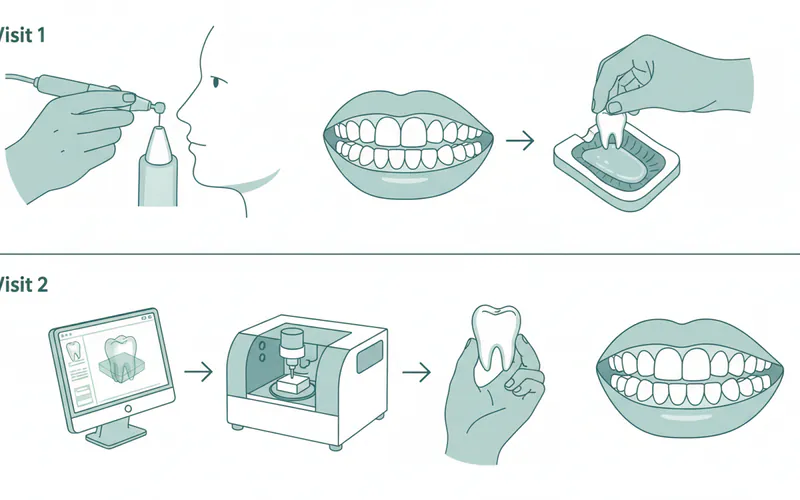
Getting a front tooth crown usually involves two visits to your dentist, though some practices with in-office CAD/CAM technology can complete the process in a single appointment. Here’s a typical two-visit procedure:
Visit 1: Preparation and Impression
- Diagnosis and Treatment Planning: Your dentist will first examine your tooth, take X-rays, and discuss your aesthetic goals. They will explain why a crown is recommended and which material is best suited for your front tooth.
- Anesthesia: To ensure your comfort, the dentist will administer a local anesthetic to numb the tooth and surrounding gum tissue.
- Tooth Preparation (Shaping): The dentist will carefully reshape the tooth. This involves removing a precise amount of enamel from all sides and the top of the tooth, creating space for the crown to fit over it without appearing bulky. The amount removed depends on the crown material chosen.
- Decay Removal/Build-up: If there is decay or a large existing composite filling, it will be removed. If significant tooth structure is missing, the dentist may build up the core of the tooth with a restorative material to provide a stable foundation for the crown.
- Impressions: Accurate impressions (molds) of the prepared tooth and the surrounding teeth are taken. These impressions serve as a blueprint for the dental lab to custom-fabricate your crown. Traditional impressions use a soft, putty-like material, while modern practices often use digital scanners for highly precise 3D images. An impression of your opposing arch (the teeth that bite against the prepared tooth) will also be taken to ensure the crown fits properly within your bite.
- Shade Selection: For a front tooth crown, precise shade matching is crucial. The dentist will use a shade guide to select the exact color that blends seamlessly with your adjacent natural teeth.
- Temporary Crown Placement: A temporary crown, usually made of acrylic, is fabricated directly in the office and cemented onto the prepared tooth. This temporary crown protects the tooth from sensitivity, maintains its position, and preserves your smile while the permanent crown is being made (which typically takes 1-3 weeks).
``
Visit 2: Final Crown Placement
- Removal of Temporary Crown: The temporary crown is gently removed, and any remaining temporary cement is cleaned from the tooth.
- Trial Fitting: The permanent crown is carefully placed on your tooth without cement. The dentist will meticulously check its fit, bite alignment, margins (where the crown meets the gum), and most importantly for a front tooth, its color and aesthetics. Minor adjustments to the crown's shape or bite can be made at this stage.
- Cementation: Once you and your dentist are completely satisfied with the fit and appearance, the tooth surface is cleaned, and the crown is permanently bonded onto your tooth using a strong dental cement.
- Final Adjustments: After cementation, the dentist will check your bite one last time and make any necessary final, subtle adjustments to ensure comfort and proper function. Excess cement is removed.
Pro Tip: Don't hesitate to voice any concerns about the crown's appearance or fit during the trial fitting. This is your opportunity to ensure the crown meets your expectations before it's permanently cemented.
Cost and Insurance for a Front Tooth Crown in the US
The cost of a front tooth crown in the United States can vary significantly based on several factors, including the type of material, the complexity of the case, the geographic location of the dental practice, and the dentist's fees. Understanding these costs and how insurance plays a role is crucial for financial planning.
Average US Cost Ranges (Without Insurance)
Generally, you can expect the following price ranges for a single crown in the US:
- All-Ceramic Crowns (Porcelain, E-max, Zirconia):
- Low: $800 - $1,500
- Average: $1,200 - $2,200
- High: $2,000 - $3,000+
- Note: E-max and highly aesthetic zirconia crowns, especially those requiring complex layering or artistic shading, tend to be on the higher end due to material cost and lab fees.
- Porcelain-Fused-to-Metal (PFM) Crowns:
- Low: $600 - $1,200
- Average: $1,000 - $1,800
- High: $1,500 - $2,500
- Note: While often more affordable, PFM crowns are less commonly used for front teeth today due to aesthetic limitations.
Factors Influencing Cost:
- Material: All-ceramic options like E-max and high-translucency zirconia are often more expensive than PFM due to advanced material science and sophisticated lab processing.
- Geographic Location: Dental costs are typically higher in major metropolitan areas and coastal regions (e.g., New York, California) compared to rural areas or the Midwest.
- Dentist's Experience and Overhead: Highly experienced specialists or practices with state-of-the-art technology (e.g., in-office CAD/CAM for same-day crowns) may have higher fees.
- Additional Procedures: Costs can increase if other treatments are needed before the crown, such as a root canal, core build-up (if significant tooth structure is missing), gum contouring, or extensive decay removal.
- Dental Lab Fees: The quality and artistry of the dental lab play a significant role, especially for highly aesthetic front tooth crowns. Premium labs that specialize in custom shading and meticulous craftsmanship will charge more.
Dental Insurance Coverage
Most standard dental insurance plans consider crowns a "major restorative" procedure and typically cover a portion of the cost, usually 50% to 80%, after you've met your annual deductible.
- Deductible: This is the amount you must pay out-of-pocket before your insurance begins to cover costs. Common deductibles range from $50 to $150 per year.
- Annual Maximum: Most dental insurance plans have an annual maximum benefit, typically ranging from $1,000 to $2,500. Once you reach this limit, you are responsible for 100% of further costs within that year.
- Pre-authorization: For major procedures like crowns, your dentist's office may submit a pre-treatment estimate to your insurance company. This allows you to know exactly what your out-of-pocket cost will be before proceeding with treatment.
- Cosmetic vs. Restorative: Insurance companies generally only cover medically necessary crowns (e.g., for decay, fracture, post-root canal). If a crown is placed purely for cosmetic reasons (e.g., to change tooth shape without underlying damage), it may not be covered, or coverage might be significantly reduced.
- Waiting Periods: Some plans have waiting periods (e.g., 6-12 months) for major procedures like crowns, meaning you must be enrolled in the plan for a certain duration before you're eligible for coverage.
Pro Tip: Always verify your specific insurance benefits with your provider or ask your dental office to do so before starting treatment. They can provide a detailed breakdown of estimated costs.
Payment Plans and Financing Options
If you don't have insurance or face significant out-of-pocket costs, many dental practices offer:
- In-house Payment Plans: Installment plans spread over several months.
- Third-Party Financing: Services like CareCredit or LendingClub offer specialized healthcare credit cards with deferred interest options if paid within a certain timeframe.
- Dental Discount Plans: These are not insurance but membership programs where you pay an annual fee and receive discounts on dental services from participating providers.
Recovery and Aftercare for Your Front Tooth Crown
Proper recovery and diligent aftercare are essential to ensure the longevity and success of your front tooth crown.
Immediate Post-Procedure Care (After Permanent Crown Placement)
- Numbness: It's normal for your mouth to feel numb for a few hours after the procedure due to local anesthetic. Avoid chewing on the crown until the numbness wears off to prevent accidental biting of your cheek or tongue.
- Sensitivity: You might experience some mild sensitivity to hot and cold, or slight tenderness around the crowned tooth, especially for a few days or weeks. This is typically temporary. Over-the-counter pain relievers (like ibuprofen or acetaminophen) can help manage discomfort.
- Bite Adjustment: Your bite should feel natural and comfortable. If your bite feels "off" or high, contact your dentist immediately. Even a slight discrepancy can cause discomfort or lead to complications.
- Gum Irritation: Minor gum irritation around the new crown is common and usually resolves within a few days. Gentle brushing and flossing can help.
Caring for Your Temporary Crown
- Avoid Sticky and Hard Foods: Caramel, taffy, nuts, and hard candies can dislodge or break your temporary crown.
- Chew Carefully: Try to chew on the opposite side of your mouth from the temporary crown.
- Floss Gently: When flossing, slide the floss out from between your teeth rather than pulling it up, which could dislodge the temporary.
- Brush Gently: Continue regular brushing, but be gentle around the temporary crown.
- Call Your Dentist if Dislodged: If your temporary crown comes off, try to reattach it with temporary dental cement (available at pharmacies) or sugar-free gum, and call your dentist immediately.
Long-Term Care for Your Permanent Front Tooth Crown
- Maintain Excellent Oral Hygiene: Brush twice a day with fluoride toothpaste and floss daily. Pay special attention to the area where the crown meets the gum line, as this is where plaque and bacteria can accumulate and lead to decay or gum disease.
- Regular Dental Check-ups and Cleanings: Continue to visit your dentist every six months (or as recommended) for professional cleanings and examinations. Your dentist will check the integrity of your crown and the health of the surrounding gum tissue.
- Avoid Biting Hard Objects: Do not use your crowned tooth (or any tooth) to open packages, bite ice, or chew on extremely hard foods. This can chip or fracture the porcelain.
- Address Bruxism: If you grind or clench your teeth (bruxism), your dentist may recommend a nightguard. This custom-fitted appliance protects your crown and natural teeth from excessive forces.
- Be Mindful of Staining Foods/Drinks: While all-ceramic crowns are highly stain-resistant, excessive consumption of coffee, tea, or red wine can still lead to some discoloration, especially at the margins. Good hygiene can minimize this.
- Monitor for Issues: Be aware of any sensitivity, pain, looseness, or changes in your bite. Report any concerns to your dentist promptly.
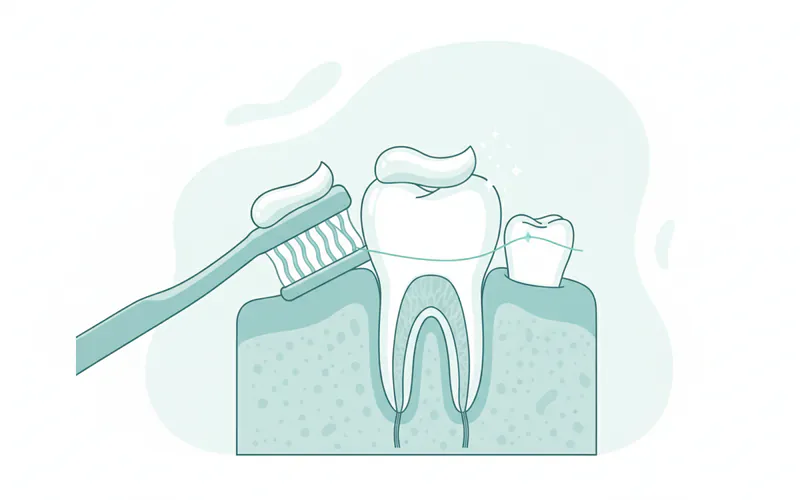
With proper care, a front tooth crown can last 10-15 years or even longer. The lifespan depends on the material, your oral hygiene habits, bite forces, and regular dental care.
Prevention: How to Protect Your Front Teeth
Preventing damage to your front teeth can often negate the need for a crown. Proactive measures are key to maintaining a healthy, beautiful smile.
- Consistent Oral Hygiene: Brush your teeth twice a day with fluoride toothpaste and floss daily to prevent decay and gum disease, which can weaken tooth structure.
- Regular Dental Check-ups: Visit your dentist for routine check-ups and professional cleanings every six months. Early detection of small cavities or cracks can allow for less invasive treatments like composite fillings before a crown becomes necessary.
- Protective Mouthguards:
- Sports Guards: If you participate in contact sports or activities with a risk of facial trauma, wear a custom-fitted mouthguard to protect your front teeth from fractures and chips.
- Nightguards for Bruxism: If you grind or clench your teeth at night, a custom nightguard can prevent excessive wear and potential fractures of your front teeth.
- Healthy Diet: Limit sugary and acidic foods and drinks, which contribute to tooth decay and erosion.
- Avoid Using Teeth as Tools: Never use your teeth to open bottles, tear packages, or bite on non-food items (like pen caps or fingernails). This is a common cause of front tooth fractures.
- Address Dental Problems Promptly: Don't ignore sensitivity, minor chips, or small cavities. Addressing these issues early can prevent them from escalating into problems that require a full crown.
Risks and Complications of Front Tooth Crowns
While front tooth crowns are generally safe and effective, like any dental procedure, they carry potential risks and complications.
- Sensitivity or Discomfort: It's common to experience temporary sensitivity to hot or cold after the procedure. This usually subsides, but persistent sensitivity might indicate nerve irritation or an issue with the crown's fit.
- Chipped Crown: Porcelain, especially on PFM crowns or traditional porcelain, can chip. Minor chips can sometimes be repaired with resin, but larger chips may require crown replacement.
- Loose or Fallen Crown: The cement holding the crown can sometimes wash out, causing the crown to become loose or fall off. This usually happens if there's an issue with the bonding or if the crown doesn't fit properly. If this occurs, contact your dentist immediately, as the exposed tooth is vulnerable to decay and sensitivity.
- Allergic Reaction: While rare, some patients can have an allergic reaction to the metal or ceramic materials used in crowns.
- Gum Line Issues: Improperly fitted crowns can irritate the gum tissue, leading to inflammation (gingivitis) or recession. A dark line at the gum line (with PFM crowns) can also be an aesthetic concern.
- Need for Root Canal: In some cases, the tooth preparation process can irritate the nerve inside the tooth, leading to pulpitis (inflammation of the pulp). If the inflammation is irreversible or the tooth becomes infected, a root canal may be necessary after the crown is placed. This is more likely if the tooth was already compromised or had deep decay.
- Crown Fracture: Although durable, crowns can fracture under extreme biting forces or trauma.
Comparison Tables
Here are two comparison tables to help illustrate the differences between crown types and alternatives.
Table 1: Front Tooth Crown Material Comparison
| Feature | All-Ceramic (E-max / Zirconia) | Porcelain-Fused-to-Metal (PFM) |
|---|---|---|
| Aesthetics | Excellent, highly translucent, natural appearance, no dark margin | Good, but can have a dark metal line at gum, less translucent |
| Durability | Very good to excellent (Zirconia is extremely strong) | Excellent (metal substructure provides strength) |
| Cost (US) | $1,200 - $3,000+ | $1,000 - $2,500 |
| Biocompatibility | Excellent, no metal sensitivities | Good, but some rare sensitivities to metal alloys |
| Indications | High aesthetic demand, moderate to high strength needs, metal allergy concerns | High strength needs, moderate aesthetic demand, cost considerations |
| Risks | Can chip (less so with E-max/Zirconia), can wear opposing teeth (Zirconia) | Porcelain can chip, dark gum line |
``
Table 2: Front Tooth Restorative Options Comparison
| Feature | Front Tooth Crown | Dental Veneer | Composite Filling / Bonding |
|---|---|---|---|
| Purpose | Restore strength, function, and aesthetics for damaged/weakened tooth | Primarily aesthetic improvement for surface flaws | Fill small to moderate cavities, minor chips, or gaps |
| Tooth Prep | Significant removal of tooth structure (all sides) | Minimal removal of front enamel only | Minimal to no removal, depending on damage |
| Strength | Excellent, fully encases tooth | Good, but depends on underlying tooth strength and bonding | Moderate, best for small repairs, less durable than crowns/veneers |
| Aesthetics | Excellent, mimics natural tooth, full coverage | Excellent, very natural appearance for front surface | Good, but can stain over time and less durable than porcelain |
| Cost (US) | $800 - $3,000+ | $900 - $2,500 per tooth | $150 - $600 per tooth |
| Lifespan | 10-15+ years | 7-15 years | 5-10 years |
| Reversibility | Irreversible | Irreversible | Generally reversible (bonding), fillings are replaced |
Children / Pediatric Considerations for Front Tooth Crowns
While less common than for adult permanent teeth, front tooth crowns are sometimes necessary for primary (baby) teeth in children. The reasons are similar to adults: extensive decay, fracture due to trauma, or after pulp therapy (a root canal-like procedure for baby teeth).
Types of Crowns for Children's Front Teeth
- Stainless Steel Crowns (SSCs): These are the most common type of crown for primary molars, but can also be used on front primary teeth. They are prefabricated metal caps.
- Pros: Very durable, cost-effective, quick placement (often in one visit), protect the tooth until it naturally falls out.
- Cons: Metallic appearance, not aesthetically pleasing for front teeth.
- Resin or Composite Strip Crowns: These are tooth-colored crowns made from composite material.
- Pros: Aesthetic, blends with natural teeth.
- Cons: Can be more technique-sensitive to place, potentially less durable than SSCs, can fracture.
- Zirconia Crowns for Primary Teeth: Pre-fabricated zirconia crowns are becoming increasingly popular for pediatric dentistry, including front teeth.
- Pros: Highly aesthetic, very strong and durable, biocompatible.
- Cons: More expensive than SSCs or strip crowns, may require more tooth reduction.
Important Considerations for Pediatric Crowns
- Space Maintenance: For primary teeth, maintaining the space is crucial for the proper eruption of the permanent teeth. A crown ensures the tooth remains functional and preserves the space.
- Pulp Therapy: If decay or trauma affects the pulp of a primary tooth, pulp therapy is often performed before placing a crown to save the tooth.
- Age of Child: The child's cooperation and ability to sit through the procedure are important factors. Pediatric dentists are trained in techniques to make the experience comfortable for children.
- Eruption Schedule: The expected time until the primary tooth naturally exfoliates (falls out) also influences the decision for a crown and the choice of material.
Parents should consult with a pediatric dentist to determine the best course of action for their child's specific needs, balancing durability, aesthetics, and cost.
Frequently Asked Questions about Front Tooth Crowns
How long does a front tooth crown last?
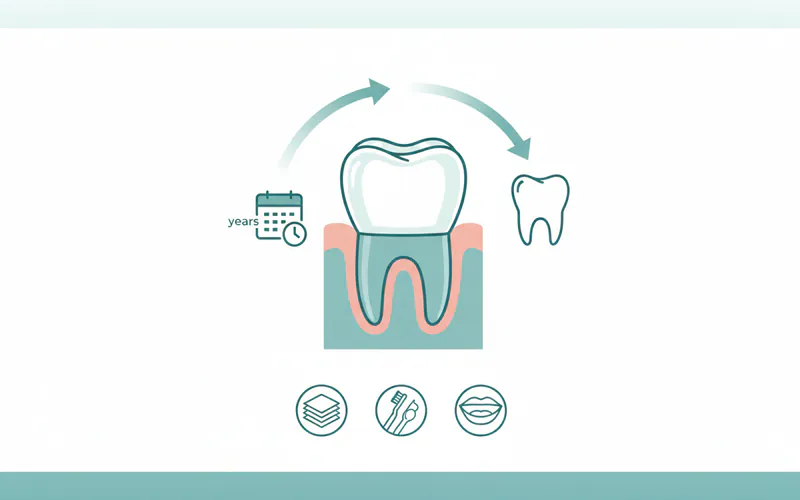
With proper care, a front tooth crown can last 10-15 years or even longer. Factors influencing its lifespan include the material used, your oral hygiene habits, bite forces, and regular dental check-ups.
Is getting a front tooth crown painful?
The procedure for getting a crown is performed under local anesthesia, so you should not feel any pain during the actual tooth preparation. You might experience some temporary discomfort or sensitivity after the anesthesia wears off, which can usually be managed with over-the-counter pain relievers.
Can I eat normally with a temporary front tooth crown?
While you can eat with a temporary crown, it's advised to be cautious. Avoid sticky foods (like caramel or gum), very hard foods, and try to chew on the opposite side of your mouth to prevent dislodging or breaking the temporary crown.
What are the alternatives to a front tooth crown?
Alternatives depend on the extent of damage. For minor issues, dental bonding or composite fillings might suffice. For purely aesthetic concerns on an otherwise healthy tooth, a dental veneer could be an option. However, for significant damage, a crown is often the most comprehensive and durable solution.
How much does a front tooth crown cost with insurance?
The cost with insurance varies widely. Most dental insurance plans cover 50-80% of the cost for medically necessary crowns after your deductible is met. However, you'll still be responsible for the remaining percentage up to your annual maximum benefit, which typically ranges from $1,000-$2,500.
Will my front tooth crown look natural?
Yes, modern front tooth crowns, especially all-ceramic options like E-max or zirconia, are designed to look very natural. Dentists meticulously match the shade, shape, and translucency to your surrounding teeth, making them virtually indistinguishable from natural teeth.
What happens if I don't get a crown on a damaged front tooth?
Leaving a significantly damaged front tooth untreated can lead to worsening decay, further fracture, pain, infection, and potential tooth loss. It can also severely impact your ability to chew and speak, and significantly compromise your smile aesthetics.
Can a crowned front tooth get a cavity?
Yes, a crowned tooth can still get a cavity, but it would occur at the margin where the crown meets the natural tooth structure, often below the gum line. Excellent oral hygiene and regular dental check-ups are crucial to prevent decay around the crown.
How do I care for my new front tooth crown?
Care for your crown just like your natural teeth: brush twice daily with fluoride toothpaste, floss daily (paying attention to the gum line around the crown), and visit your dentist for regular check-ups and cleanings. Avoid biting on extremely hard objects or using your teeth as tools.
What if my front tooth crown feels "high" after it's cemented?
If your bite feels uneven or "high" after the crown is cemented, contact your dentist immediately. Even a slight discrepancy can cause discomfort, jaw pain, or damage to the crown or opposing teeth over time. Your dentist can easily adjust the bite.
When to See a Dentist
Knowing when to seek dental attention for a front tooth issue is crucial. Prompt care can often prevent minor problems from becoming major ones.
Red Flags - See a Dentist Immediately (Emergency)
- Sudden, Severe Pain: Sharp, throbbing, or persistent pain in a front tooth, especially if accompanied by swelling in the gum or face.
- Loose or Knocked-Out Tooth: If a front tooth is severely loosened or completely knocked out due to trauma. Immediate action within 30-60 minutes can sometimes save the tooth.
- Large Fracture/Chip with Exposed Nerve: If a significant portion of your front tooth breaks off and you can see a pinkish dot or feel intense pain, it might mean the nerve is exposed.
- Lost or Broken Crown: If your front tooth crown falls off or breaks, exposing the underlying tooth, it needs immediate attention to protect the tooth from further damage or sensitivity.
- Abscess/Pimple on Gums: A small, pimple-like bump on the gums near a front tooth can indicate an infection (abscess) that requires urgent treatment.
Routine Care - Schedule an Appointment
- Visible Cracks or Chips (No Pain): If you notice a crack or chip in a front tooth that isn't causing immediate pain or sensitivity.
- Persistent Sensitivity: If you have ongoing sensitivity to hot, cold, or sweets that doesn't resolve within a few days.
- Old, Discolored, or Failing Fillings: If you have an old composite filling on a front tooth that is discolored, has visible gaps, or feels rough.
- Cosmetic Concerns: If you are unhappy with the appearance of a front tooth due to shape, size, or color, and are considering options like a crown or veneer.
- Routine Check-ups: Adhere to the American Dental Association (ADA) guidelines recommending regular dental check-ups and cleanings, typically every six months, for optimal oral health and early detection of issues.
Don't wait for pain to become unbearable. Addressing front tooth issues proactively can save you discomfort, time, and money in the long run. Your dentist is your best resource for evaluating any concerns and recommending the most appropriate course of action.
Frequently Asked Questions
Medically Reviewed Content
This article was written by our dental health editorial team and reviewed for medical accuracy. Our content follows strict editorial guidelines for reliability and trustworthiness.
Medical Disclaimer
This article is for informational purposes only and does not constitute medical advice. Always consult with a qualified dental professional for diagnosis and treatment. Do not delay seeking professional advice because of something you read on this website.
Related Articles
Teeth Crown: Complete Guide
Imagine the confidence of a strong, healthy smile. Yet, for many Americans, dental issues like decay, cracks, or large fillings can compromise not just aesthetics, but also the vital function of their teeth. In fact, over 15 million Americans have undergone crown and bridge procedures, highlight
February 22, 2026
How Long Do Fillings Take
When you discover a cavity or experience tooth pain, one of the first questions that might come to mind is, how long do fillings take? Understanding the duration of a dental filling procedure is crucial for managing your schedule and expectations, but it's just one piece of the puzzle. Dental fi
February 22, 2026
Root Canal and Crown: Complete Guide
When a tooth suffers from significant damage or infection, a combination of two powerful restorative dental procedures often becomes necessary to save it: a root canal and crown. This comprehensive approach not only eradicates infection and alleviates pain but also restores the tooth's structura
February 22, 2026
Bridge Teeth Cost: Complete Price Guide 2026
Losing a tooth can be more than just an aesthetic concern; it can impact your ability to chew, speak clearly, and even lead to shifting teeth, affecting your overall oral health. If you're considering solutions for missing teeth, a dental bridge is a common and effective restorative option. But what
February 22, 2026